The NSW experience - Premier's priority to reduce childhood obesity - Dr Jo Mitchell PSM
←
→
Page content transcription
If your browser does not render page correctly, please read the page content below
Dr Jo Mitchell PSM
Acting Deputy Secretary, Population and Public Health Division
NSW Ministry of Health

The NSW experience – Premier’s priority to
reduce childhood obesity

National Obesity Summit 15 February 2019
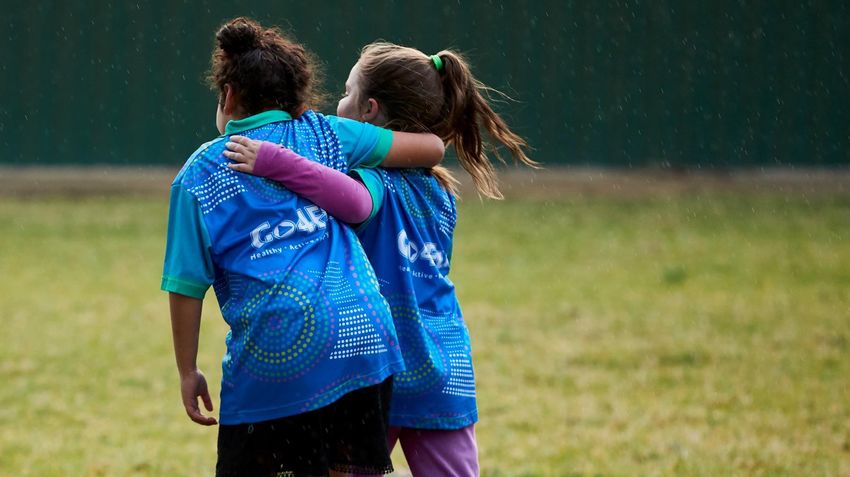
Obesity is a complex, personal and sensitive issue

                                       •       Overweight and obesity is intensely
                                               personal

                                       •       It is important that our initiatives do
                                               not contribute to stigmatisation of
                                               children who are above a healthy
                                               weight, or their families

                                       •       Our response emphasises the
                                               positive benefits from healthy
                                               eating and active living for all
                                               children, families and communities
                                               in NSW

                                           2
Premier’s priority is to reduce childhood overweight and obesity by 5%

      NSW prevalence
              Rate of of childhoodand
                      overweight   overweight
                                      obesity inand
                                                 NSWobesity was(%)
                                                      children  21.4% in 2017                                                             NSW Health is leading work to towards achieving thetarget
 30
                                                                                                                                                                                                           Approx. number of
                                                                                                                                                                                                           children impacted
                                                                                                                                    Baseline(2013)               21.5%         Baseline
                                                                                                                                                                                                             ~ 266,000
                                                         Best case trajectory for current (            ) and                                                                   Healthy Eating andActive
 25                                                              planned ( ) activities                                                                                        Living Strategy, Healthy
                                                                                                                                    Current
                                                                                                                                                                ~ 3.3%*        Canteens, ActiveKids           ~ 40,920
                                                                                                                                    interventions
                         21.5                  21.4
                                                                                                                                    New                                        Active Travel and Play,
 20                                                                                                      18.2                       interventions               ~ 1.7%**       Partnerships, Pregnancy        ~ 21,080

                                                                                                                                                                               Achieve a 5% reduction by
                                                                                                                                   Premier’s target             = 16.5%        2025                            62,000
                                                                                                         16.5
 15

                                                                                                                                           In 2008, the economic impact in NSW of obesity alone was estimated by
 10
                                                                                                                                           Access Economics to be $19 billion, this includes $2.7 billion financial costs
                                                                                                                                           including productivity losses and $16.3 billion in costs of lost wellbeing.1
                                                                                                                                           More recently PwC reported that a selected set of obesity interventions
                          Baseline                    2017               Premier's Target                                                  would be a positive investment with a benefit to cost ratio of 1.7. 2

 Source: NSW Population Health Survey (2007-2017). The target is measured using parent-reported survey responses.
 1Deloitte Access Economics The growing cost of obesity, 2008
 2PwC Weighing the cost of obesity: A case for action, 2015, According to the PWC report implementing a set of selected obesity interventions would be a positive investment
 with a benefit cost ratio (BCR) of 1.7 in a conservative, ten year model resulting in a benefit of $2.1 billion for Australia. This modelling covers the adult population.
 *The first 3% of impact is evidenced by the evaluation of the Hunter New England ‘Good for Kids’ program.                    3
 **This percentage generated by theoretical projection based on best available evidence.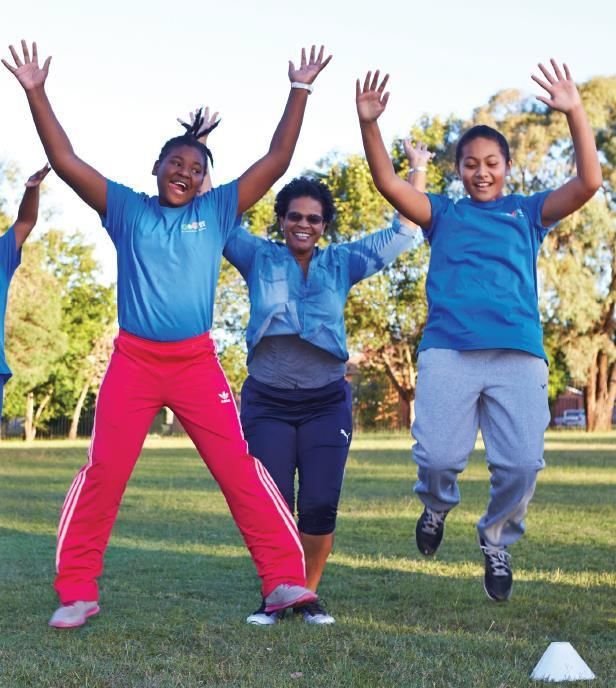
The NSW portfolio of actions
NSW Health has a comprehensive program of interventions across four
strategic directions

   NSW Healthy
 Eating and Active
  Living Strategy

                                                                                                4. Environments to
    Strategic                               2. Routine advice          3. Education and
                     1. State-wide                                                                  support healthy
                                               and clinical               information
    Directions          support programs                                                            eating and active
                                               service delivery           campaigns
                                                                                                    living

                     •   Active Kids        •   Get Healthy in         •   Make Healthy         •   Healthy School
                                                Pregnancy                  Normal                   Canteens Strategy
                     •   Live Life Well @
                         School             •   Routine                •   Social marketing;    •   Menu labelling
     Example                                    measurement of             formative research       initiative in quick
                     •   Munch & Move           height and weight          for childrenand          serve restaurants
  interventions      •   Go4Fun                                            families underway
                                            •   Advice and referral                             •   Infrastructure to
                                                in clinical settings                                support Active
                                                                                                    Travel and Play
                                            •   Multi-disciplinary
                                                paediatric obesity
                                                clinics

                                                      5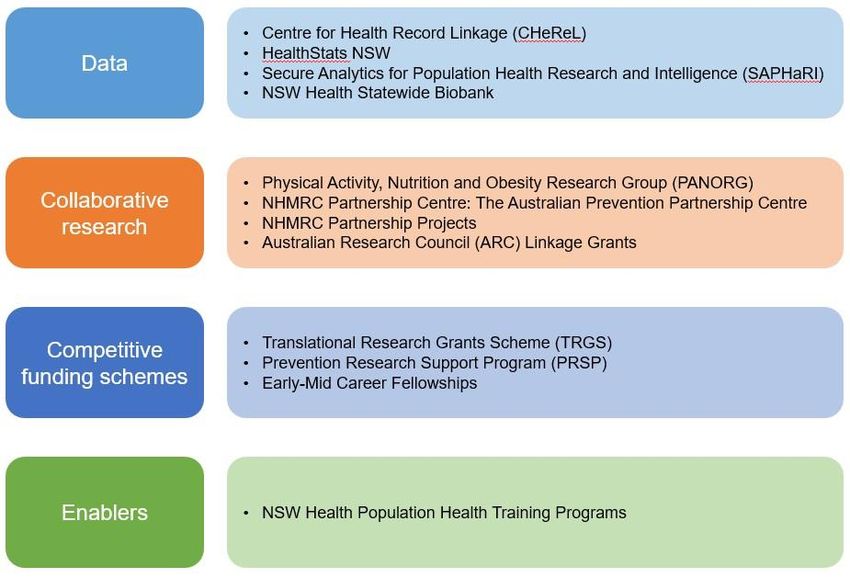
State-wide programs
Focus on early childcare, schools
and community settings

 •   There is strong and consistent
     evidence for a settings based
     approach in early childhood services
     and primary schools
 •   Early childhood 89% participation
 •   Primary schools 83% participation
 •   Family day care, OOSH and supported
     playgroups
 •   Junior sport clubs
 •   Community treatment program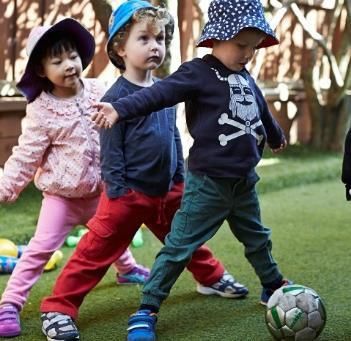
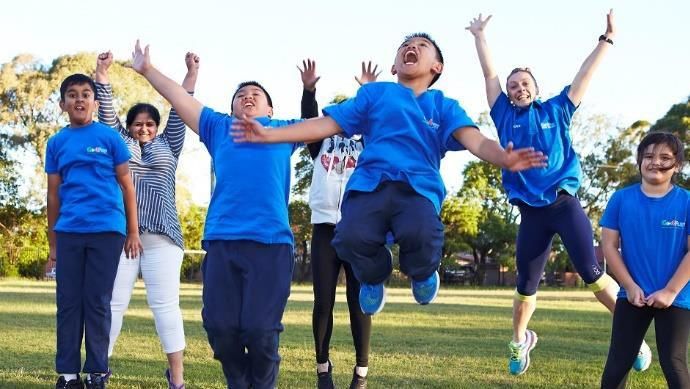
Go4Fun community based
treatment program

• Reach: >12,450 children and
  their families
• Program outcomes:
  •   BMI: -0.6 kg/m2;
  •   waist circumference: -1.4 cm

• Program adaptation
  • From twice to once a week
  • Aboriginal G4F
  • G4F online
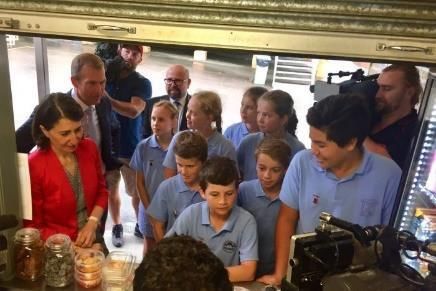
Delivering at scale is key

Select effective and feasible interventions
• Conduct comprehensive formative research with target groups and implementers

• Understand the mechanisms that contribute to intervention success and failure

Identify sustainable delivery mechanisms and workforce from the start
• Integrate interventions into existing delivery systems where possible

• Provide centralised resources, training and implementation support

• Data is power! Utilise information systems that manage program data to support practice
  change and system performance

                                                  9
A short history of scaling up

                                     Good for Kids: Goodfor Life
         Tooty Fruity Vegie          scale across 1x region
         Local RCT
                      Munch & Move
                                                                Munch & Move               State funding
                      Dissemination trial -
                                                                State-wide                 boost
ACTIVITY              Cluster RCT
                                                     National
                                    State            funding                                            Local       Premier’s          Recurrent
                                    priority         boost                     PHIMS                    targets     priority           budget
DRIVER

                        2010                  2011              2012           2013              2014             2015          2016    2017

FUNDING
AUD pa
              Nil        $3m                  $2m    $6m        $8m             $2m           $14m                   $17m               $19m
                                                                               (build)

REACH           Nil                            5%                               35%                      45%             85%            89%
                                                                                      10
Clinical support, education and environments
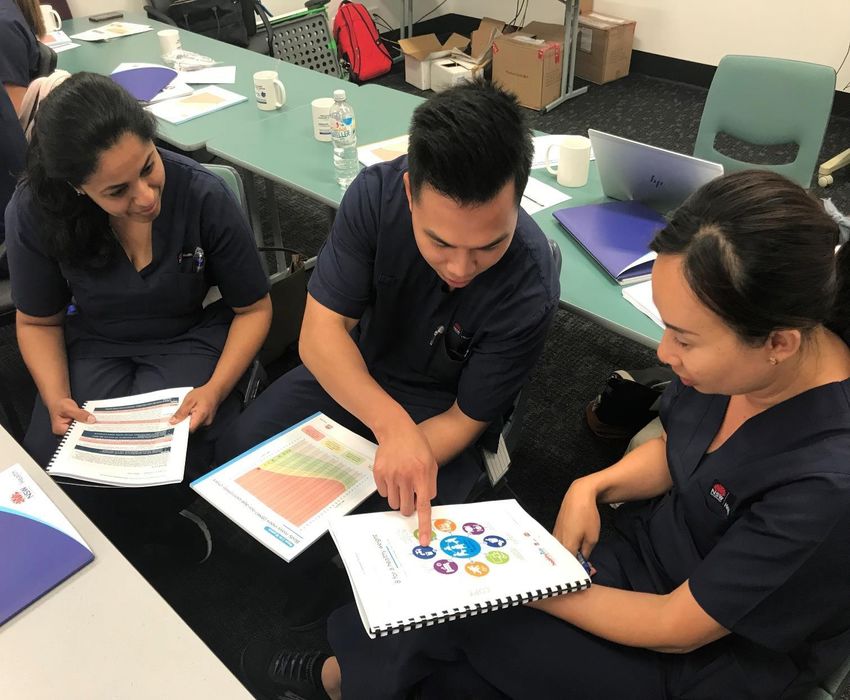
NSW Health is working in partnership with health professionals, primary
care and health clinics

                                           • Building strong partnerships with primary
                                             care providers, public dental services and
                                             child health nurses

                                           • Supporting health professionals to routinely
                                             measure a child’s height and weight status
                                             and respond – Key Performance Indicator

                                           • Delivering training and resources to health
                                             professionals, including primary care
                                             providers

                                           • State wide scale up of Get Healthy in
                                             Pregnancy service to support women to
                                             achieve healthy gestational weight gain

                                      12
Delivery of key messages and social marketing
1 2 3
What we are doing What we are learning What we are planning
• Strengthening delivery of • Our audience is aware • A strategy that clearly
existing core messages until obesity is a health issue, but segments target audiences
April 2019 parents’ recognition of their • A phase 3 campaign
• Updating website function and own child’s weight status is • A segmented understanding
personalising social media low of our target audience
output • Our audience wants • More engaging creative with
• Packaging proactive stories practical tools to help them stronger calls to action
• Promoting content through make changes and
partners e.g. health insurers encourage them to continue
• Engaging with LHDs • Our technology needs to
change to provide parents
with the tools and support
needed
13Supportive environments can influence healthier choices
Healthy School Canteen Healthy Food and Drink in
Menu labelling
Strategy NSW Health Facilities
• Requires all schools in NSW to • Kilojoule menu labelling in • NSW Health leading by
have a Healthy School major cafes and fast food example and has removed
Canteen by the end of 2019 chains www.8700.com.au sugar-sweetened drinks from
food outlets in health facilities
• 326 schools in NSW are • Supporting the national
verified as achieving the Health Star Rating front-of- • Increasing healthy food options
Strategy (as at 28 Jan 2019) pack labelling system to 75 per cent of the menu
www.healthstarrating.gov.au
• More than 105,948 students • Reducing portion size of
have access to a healthy unhealthy foods
school canteen (approx.)
14Supportive environments can influence healthier choices
• Working with interagency partners to:
• leverage Government infrastructure investment to prioritise
active travel and play
• develop support strategies to increase use of existing and new
infrastructure
• embed active travel and play within enabling design guidelines
• Active Kids program - 671,320 vouchers were generated in
2018.
• Promoting active travel to school for children as part of the
Live Life Well @ School program
• The NSW Active Travel Charter for Children identifies
strategies to help students, parents and teachers to achieve
this
15Delivery and performance monitoring
Premier’s Implementation Unit approach drives and sustain progress

                                                                 Targeted
   Use of Data                 Fieldwork                                               Routines
                                                                 Actions

   Anchor approach in           Talk to frontline          Targeted and high impact    Use routines to
   data and evidence to   to ensure communication                interventions        ensure a focus on
  focus implementation      & accountabilities are                                      performance
          efforts          effectively flowing down
                                 delivery chain

                                                      17

                                                                                                          1
20%
40%
60%
80%
100%
0%
Healthy eating and physical activity
learning experiences
PDHPE includes fundamental
Curriculum
movement skills
Fruit, vegetables and water breaks
Physical activity during breaks
Healthy School Canteen Strategy
activity
Supportive environment for healthy
eating
eating and physical
Encouraging healthy
Promoting active travel
Communicating with families
Professional development of staff
Evidence-based with key practices required to achieve program fidelity
School plans incorporate LLW@S
monitoring
Professional
development and
Reports on LLW@S implementation
Monitoring program fidelity and impact
18
10%
20%
30%
40%
50%
60%
70%
80%
90%
0%
100%
LHD
LHD
LHD
LHD
LHD
LHD
LHD
LHD
LHD
LHD
LHD
Adoption of Live Life Well @ School by LHD (%)
LHD
LHD
LHD
LHD
total
NSWMaking it count – monitoring performance
19Research and evidence
Strategically investing in research to build the evidence base

                                        21
Translational Research Grants Scheme
• Competitive funding scheme to prioritise
and generate rigorous evidence from the
field
• Accelerating the development of research
capability and evidence translation within
the NSW public health system
• Focus on partnerships, capacity building and
accountability
22Current childhood overweight and
obesity TRGS projects Hunter New England: Physical Activity 4 Everyone (PA4E1) – physical
activity and nutrition program in high schools; and SWAP-It – healthy
lunchboxes
Northern NSW: Sweet smiles – brief oral health interventions to decrease
children’s sugary drink intake
Central Coast: Thirsty? Choose water! Behavioural interventions and water
stations in secondaryschools
Sydney: Healthy beginnings – phone and SMS advice to parents of children
0-2 years
South Western Sydney: Campbelltown – Changing our future: a whole of
system approach to childhoodobesity in South Western Sydney
Sydney Children’s Hospital Network: Secondary level child weight
management services: the appropriateness, impact and effectiveness of new
service models
Murrumbidgee: Time2BHealthy – on-line healthy eating and active living
support program for parents of children 2-6 years
23Reflections
Reflections from the NSW experience

 •   High level commitment and priority

 •   Comprehensive, cross government approach

 •   Delivery at scale

 •   Adaptation, innovation and evaluation

 •   A focus on delivery and performance monitoring

 •   A long-standing prevention infrastructure

                                                 25
Thank you
You can also read


