What are spider veins, its causes, and treatment
←
→
Page content transcription
If your browser does not render page correctly, please read the page content below
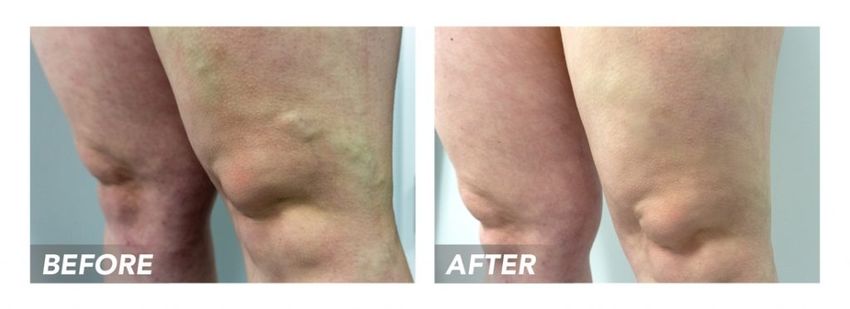
What are spider veins, its causes, and treatment
Spider veins are smoother or smaller versions of varicose veins and are smaller, red and blue blood vessels that are
visible on the surface of the skin. Its appearance resembles a spider web or tree branches. Usually, the patient has
spider veins on legs and face, and they are more common in women than in men.

Disease prognosis

Spider veins are frequently not very severe. Rather than causing a health problem, they are unsightly, which is why
they usually intervene. Spider Vein Symptoms Spider veins generally have no symptoms and are not a health problem,
as mentioned above. However, they can sometimes be itchy.

Medical tests for spider veins

The doctor will usually do a physical examination of the spider veins and check for swelling in the legs. You can also do
an ultrasound to see if the vein valves are working well or if there may be a blood clot. It is a non-invasive test that
emits images of the veins of the legs to a screen so that the specialist can see and analyze them.

what causes spider veins

Spider veins occur when the valves in the leg veins weaken, allowing blood to flow backward. Spider veins appear blue
because the blood inside is deoxygenated. Several factors increase the risk of developing spider veins:

    Age
    Pregnancy
    Use of oral contraceptives
    Family background
    Obesity
    Sex: women are more likely to have spider veins
    Standing or sitting for long periods

how to get rid of spider veins

Spider veins cannot be completely prevented, but several measures can improve blood circulation and can reduce the
chance that they will develop:

    Maintain a proper and healthy weight
    Exercise regularly
    Eating a low-sodium, high-fiber diet
    Take breaks when sitting or standing for a long time
    Avoid wearing tight pants and high heels

Spider Vein Treatments

Taking steps to improve blood circulation and lead a healthy lifestyle are the main methods to improve or reduce the
number of spider veins. Treatments or surgery are generally reserved for larger varicose veins that are not aesthetically
pleasing or that produce painful symptoms. As for recommendations, also, compression stockings can be used, which
tighten the legs firmly and help the veins and muscles of the legs to make the blood flow more efficiently. This would be
the pre-surgery treatment or more invasive treatments for spider veins after varicose vein removal.

The doctor or nurse may recommend surgery for very large or severe varicose veins. The types of surgery for varicose
veins include:

Ambulatory phlebectomy

Surgery eradicates spider veins that are just under the facade of the skin. The doctor makes small incisions in the skin
and uses hooks to remove the veins in the legs. The doctor usually removes the vein in one treatment and leaves tiny
scars. Most people can resume their normal activities the day after treatment. Blood will normally circulate through
healthy veins.

Vein ligation and removal
This surgery is performed on the largest varicose veins. With this spider vein removal treatment, the problem veins in the legs are tied and removed through small incisions in the skin. Recovery can take up to a month. Blood will normally circulate through healthy veins. Article Source : http://veintreatmenttexas.over-blog.com/2020/04/what-are-spider-veins-its-causes-and-treatment.html
You can also read


