Wild Meat Preference During a Global Pandemic - Nigeria Bushmeat Consumption Research 2020 - GlobeScan
←
→
Page content transcription
If your browser does not render page correctly, please read the page content below

Wild Meat Preference During a Global Pandemic
    Nigeria Bushmeat Consumption Research 2020

    A presentation from GlobeScan Incorporated
    January 2020
1
Agenda

    • Context and Research Description

    • Bushmeat Consumption

    • Influences, Attitudes, and Drivers of Bushmeat Consumption

    • Deterrents and Legality of Buying Bushmeat

    • General Wildlife Trade in Nigeria

    • Key Findings

2
Context and Research
Description
Context: Bushmeat trade in Nigeria

    • The consumption of bushmeat in West
      and Central Africa has risen in the past
      decades.

    • Some people rely on the protein from wild
      meat.

    • However, increasing urban consumption
      is driving species towards extinction.

4
Context: Research questions
To identify the demographic profile of urban bushmeat consumers in Nigeria.
To understand the consumption habits and frequency of bushmeat consumption.
To determine the drivers and deterrents of bushmeat consumption.
To establish the perceived legal risks to consuming bushmeat.
To investigate the perceived links between bushmeat consumption and COVID-19.
To contextualize this information with people’s perceptions and knowledge of overall
wildlife trade.
5
How We Did It: Research Design and Specifications

                                      Quantitative Research: September – October 2020
                                      •   Conducted online; respondents invited via email and
                                          could answer on their mobile

                                      •   Total sample size n=2,000, including 901 people who
                                          had consumed bushmeat in the past 12 months.

                                      •   Sample taken from four cities in Nigeria (Lagos 800;
                    Abuja                 Port Harcourt 450; Abuja 450; Calabar 300)

                                      •   Questionnaire median length approximately 15
                                          minutes
Lagos                Calabar

    Port Harcourt

6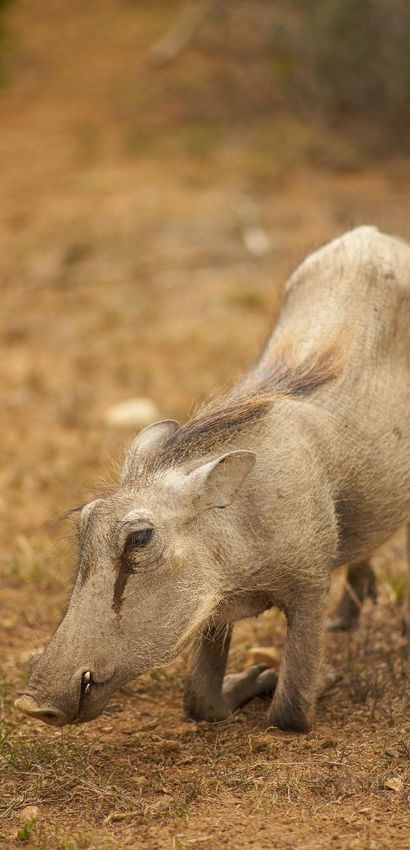
Bushmeat Consumption
Bushmeat Consumption Habits

                                        71%
Past Bushmeat                                                                                   Animals That People Eat Most
Consumption                                       of people have                 Grasscutter                                   44
Habits
                                        consumed bushmeat before               Antelope/deer                    25
                                                                                      Snake                    21
                                                                                     Wild pig             15
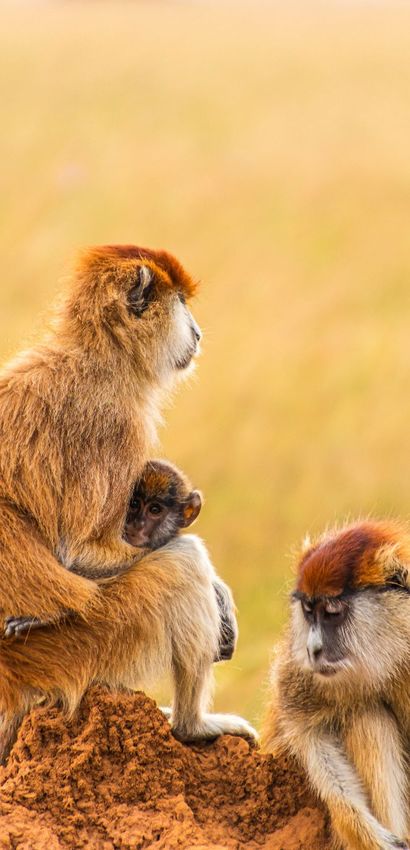
            29                    26                        45                      Monkey           11

      Never consumed        More than one year ago      Within the past year
                                                                                Most Preferable Species (If Money Is Not a Factor)

                                                                                                           Grasscutter                             52
                                                                                                         Antelope/deer                        42
                        Consumption frequency
                                                                                                                    Wild Pig             21
                                                                                                               Porcupine            10
                                         Once a week or more
                                   16                                                                                Snake          10

                                        18    Every 2-3 weeks                              Most Suitable Substitute
                       66                                                              Fish                            33

                                         Once per month or less                     Chicken                    22
                                                                               Goat / turkey               18
                   % of past bushmeat                                                  Beef          10
                   consumers in past 12 months
                                                                                 Vegetables          9
 8
Influences, Attitudes, and Drivers
of Bushmeat Consumption
Reasons for Choosing Bushmeat

     Drivers and Deterrents for Bushmeat Consumption                                                 Top Influences for Bushmeat Consumption

   Top reasons to consume                                                                                       My parents                                 47
 bushmeat over regular meat
                                                                                                                 My friends                      34
                          Bushmeat is tastier than regular meat (51%)
                                                                                                         My acquaintances                   14

                               Eating bushmeat is part of my culture (30%)                             My work colleagues                  11

                                                                                           Traditional media sources (e.g.,
                                    Bushmeat has fewer chemicals (28%)                                                                 8
                                                                                                    television/newspaper)
                                                                                        Information from the internet (e.g.,
                                                                                                                                   5
                                                                                                            blog/website)

                                                                                                                   A doctor        5
  Top reasons to consume
regular meat over bushmeat                                                                                My child/children    3

                                                                             Someone influential I don’t immediately know
                          Regular meat is more accessible (48%)                                                                3
                                                                                  (e.g., government officials / celebrities)

                                                                                                            My supervisors     3
                               Regular meat is cheaper (40%)
                                                                                       I made the decision solely by myself                           40
                                    I am concerned about animals going
                                    extinct in the wild (38%)

10
Situations for Eating Bushmeat
Ease of Buying Bushmeat
Occasions of Eating Bushmeat
Very easy + easy Moderate Hard + very hard Impossible
35
No specific occasion
27
31
A festival
39 Total 33 37 28
7
A birthday
10
P12M Consumers
Frequent Bushmeat Consumers
Abuja 29 37 32
Environments in Which People Eat Bushmeat
Calabar 55 30 14
At my home 37
Lagos 26 39 32
Home village or town 34
In a restaurant 14
Port Harcourt 33 39 27
At a friend's/relative’s home 12
11Eating Bushmeat in the Future
Likelihood of Buying Bushmeat in the Future Likelihood of Buying Bushmeat in the Future
Very likely Likely Neither likely nor unlikely Unlikely Very unlikely
13%
Very Unlikely Never Consumers 21 25 12 8 34
Unlikely 5% 13
5 Ever Consumers 64 23 6 34
Neither Likely nor Unlikely 8% 8
51
Very Likely 51% P12M Consumers 75 19 212
24
Likely 24%
P6M Consumers 78 18 212
Typical Buyer Profile Has the availability of bushmeat changed
A lot more Some more No Change A bit less A lot less
Gender: Male 12 15
Age: 25 - 34 10
City: Calabar (marginal) 42 17
12Deterrents and Legality of Buying Bushmeat
Relationship Between COVID and Bushmeat

                 Perceived Primary Source of Diseases                                    Bushmeat Species as the Source of COVID-19

                      Lack of hygiene                                 51                                      Bats                            49
                                                                                                          Monkeys                   20
            Contact with wild animals                            44
                                                                                                              Rats            14
                                                                                   56%
                                                                                   combined               Pangolins          13
          Lab experiments / research                            43
                                                                                                       Chimpanzees           12
          Environmental deterioration                     31                                                 Other                17
                                                                                                           Not sure                      25
                    Eating bushmeat                  24

            Lack of suitable medicine           12                                    How has COVID Affected Your Bushmeat Purchase

        Contact with domestic animals           12   Believe wild animals cause                        Eat more
                                                     zoonotic diseases
                  Eating regular meat   2            Believe these diseases come                                      27 Stopped buying
                                                     from other sources                 Not affected    40
                               Other        6

                                                                                                                  31
                                                                                                                         Eat less

14
Legality of Bushmeat Products
Legality of Buying Bushmeat Which Species are Legal
Grasscutter 74
All species are Antelope/deer 53
legal 54% Some species are legal 31% Snake 39
54 Wild pig 34
31
Tortoise 24
Porcupine 22
4 Monitor lizard 19
11
Monkey 19
No species are legal 4% Other bushmeat 32
I don’t know 11%
5 7 Note: Some species are legal to trade as
All should be illegal
bushmeat in Nigeria, though many of the
Should the Sale of Some species should be legal species referred to in this study, such as most
Bushmeat be Legal 44 44 species of primate or ungulate, tortoises,
All should be legal
crocodiles, bats, pangolins and many others
I don’t know
are protected
15General Wildlife Trade in Nigeria
Wildlife Protection in Nigeria

                       Nigeria Compared to Other Countries in West Africa                                                              Opinions on Nigeria’s Wildlife

        Very low    Moderately low        The same as other countries       Moderately high        Very high    Do not know    I think these animals should
                                                                                                                                                                                         69
                                                                                                                                               be protected

                   Total   6             20            10              31               24              8                      These animals are important
                                                                                                                                                                                    59
                                                                                                                                   for our national heritage

                                                                                                                                    I would like to see these
                                                                                                                                                                               45
                                                                                                                                                      animals

                                                                                                                              I am proud of Nigerian wildlife             30
                   Never   6            19             9           32                 24              11

                                                                                                                               I am afraid of these animals          14
          Occasionally         7             24             14              32                16        7
                                                                                                                              I believe it is ok to hunt these
                                                                                                                                                                 4
                                                                                                                                                      animals

              Regularly    3        18             9              33                    35                  2                  I did not know these animals
                                                                                                                                                                 3
                                                                                                                                             lived in Nigeria

                                                                                                                               I have no interest in Nigerian
                   Often   3       13             13         23                      47                                                                          2
                                                                                                                                                      wildlife

17
Wildlife Protection in Nigeria
Who is Responsible for Protecting Nigeria’s Wildlife Perceived Performance of the Government
Federal government 77
State government 46 5 14
Scientific/academic research institutions 36
22
Individuals 29
NGOs 19
38
Most Trusted Messengers for Information 20
Nigeria Centre for Disease Control [NCDC] 50
Doctors/pharmacist 35
The government is not doing anything
Scientists 25 The government is doing poorly
The government is doing well
Federal government 25
The government is doing everything possible
Academics or research institution 23 I don't now
18Key Findings, Conclusions and Recommendations
Key Findings

       71%     Of urban Nigerians have eaten bushmeat in their lives; 45% of urban Nigerians
               had eaten it in the last year

       75%     Of people are likely to eat bushmeat in the future. Grasscutter is the most
               popular species; fish is the most popular substitute

       88%     Of people believe that some or all bushmeat should be legal

       56%     Of people believe wild animals cause zoonotic diseases

       58%     Of people have consumed less or stopped buying bushmeat because of COVID

20
Recommendations
Focus messaging and narratives on the decline of animal populations in the wild
Promote sustainable alternates to bushmeat
Link bushmeat consumption with COVID-19 and other zoonotic diseases
Target cities equally
The NCDC are the most trusted messenger for information on bushmeat
21Thank You! Questions? WWF is an independent conservation organization, with over 30 million followers and a global network active in nearly 100 countries. Our mission is to stop the degradation of the planet's natural environment and to build a future in which people live in harmony with nature, by conserving the world's biological diversity, ensuring that the use of renewable natural resources is sustainable, and promoting the reduction of pollution and wasteful consumption. Find out more at panda.org GlobeScan is an insights and strategy consultancy, focused on helping our clients build long-term trusting relationships with their stakeholders. Offering a suite of specialist research and advisory services, we partner with business, NGOs and governmental organizations to meet strategic objectives across reputation, sustainability and purpose. Established in 1987, GlobeScan has offices in Cape Town, Hong Kong, London, Paris, San Francisco, São Paulo and Toronto, and is a signatory to the UN Global Compact and a Certified B Corporation. www.globescan.com
You can also read


