Years of Impact - Duke-NUS Medical School
←
→
Page content transcription
If your browser does not render page correctly, please read the page content below
Years of Impact
Years
         of Impact

Transforming Medicine, Improving Lives
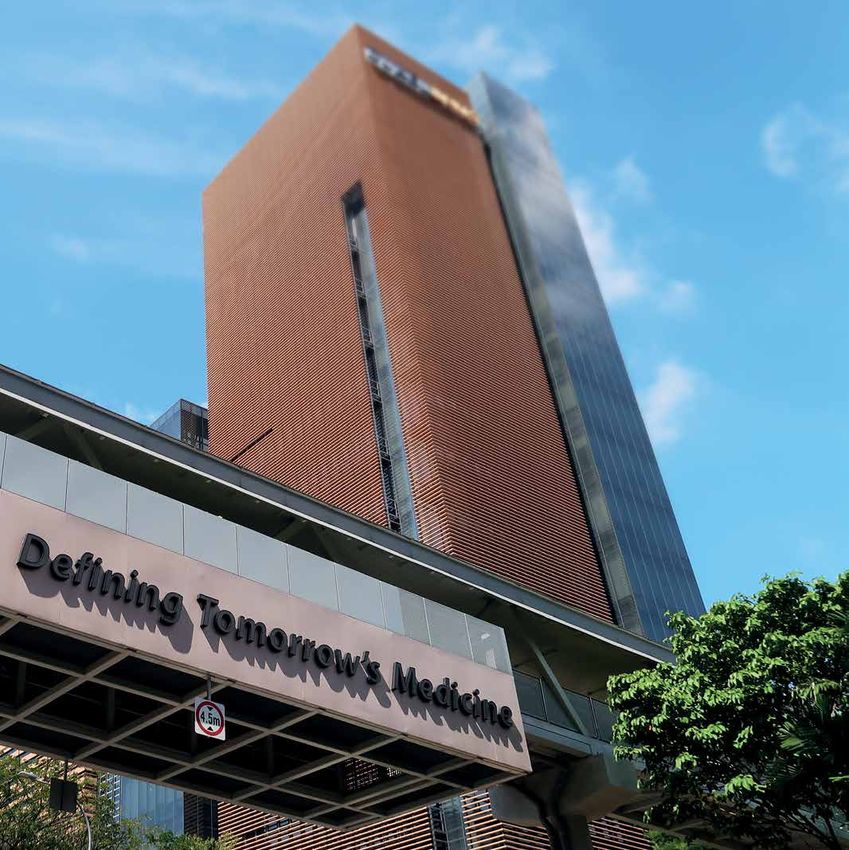
Duke-NUS Medical School: 15 Years of Impact

Published by Duke-NUS Medical School

© DUKE-NUS MEDICAL SCHOOL

All rights reserved. No part of this publication may be reproduced or
transmitted in any form or by any means, electronic or mechanical,
including photocopying, recording or any other information storage and
retrieval system, without prior permission in writing from the publishers
and copyright owner(s).

ISBN: 978-981-14-7721-8

National Library Board, Singapore Cataloguing in Publication Data

Name(s): Sharma, Anirudh, editor. | Koh, Jane, editor. | Koh, Karen, editor. |
Lim, Nicole, editor. | Duke-NUS Medical School, publisher.
Title: Duke-NUS Medical School : 15 years of impact / editors, Anirudh Sharma,
Jane Koh, Karen Koh and Nicole Lim.
Description: Singapore : Duke-NUS Medical School, 2020. | Curated in collaboration
with Oxygen Studio Designs Pte Ltd.
Identifier(s): OCN 1198009012 | ISBN 978-981-14-7721-8 (hardback)
Subject(s): LCSH: Duke-NUS Medical School. | Medical colleges--Singapore--
History. | Medical education--Singapore--History.
Classification: DDC 610.7115957--dc23
contents

i      Foreword by Mr Gan Kim Yong                vii     Message from National University of Singapore
iii    Foreword by Mr Ong Ye Kung                 viii    Message from Duke University
v      Chairman’s Message                         ix      Message from SingHealth
vi     Dean’s Message                             x       Senior Management, Governing Board

IN THE BEGINNING                                  EXPANDING, CONNECTING                           A LASTING IMPACT
03    Genesis — Birth Of A New                    17     Branching Out — Research With Impact     35      Exploring Endless Possibilities
      Graduate Medical School                                                                             — 15 Impactful Research Projects
                                                  21     Making Waves — CTeD Start-Ups
05    Founding Chairman                                                                           46      Inspire, Aspire
                                                  22     Aptitude And Attitude                            — Our Outstanding Alumni
06    Founding Dean                                      — Our Student Body
                                                                                                  65      Commercialisation With A Purpose
07    Early Trailblazers — Illustrious Pioneers   31     Bridging Knowledge — SingHealth                  — Impact Of CTeD Start-Ups
                                                         Duke-NUS Academic Medical Centre
09    Breaking New Grounds                                                                        69      Looking Forward
      — The Duke-NUS Campus
11    Growing Talent — First MD Class
12    Developing Passion — First PhD Class
13    Setting The Groundwork
      — First Research Award
14    Improving The Community
      — First Commercial Success
Foreword

                                           Duke-NUS Medical School was conceived
                                           15 years ago as part of a vision to transform
                                           Singapore into the biomedical hub of Asia. As
                                           a collaboration between Duke University in
                                           the United States and the National University
                                           of Singapore, the School aims to provide both
                                           innovative education and impactful research.

                                           Duke-NUS’ strength in translational research
                                           has lent itself to contribute to the diagnosis
                                           and treatment of novel infectious diseases.
                                           Recently, scientists from the School’s Emerging
                                           Infectious Diseases Signature Research
                                           Programme isolated and cultured the SARS-
                                           CoV-2 coronavirus in just four days. They also
                                           developed a test kit which can rapidly detect
                                           neutralising antibodies without the need for
                                           specialised equipment or bio-containment
                                           facilities. Together with San Diego-based
                                           biotechnology company Arcturus Therapeutics,
                                           the School has also developed an mRNA vaccine
                                           — LUNAR-COV19, which is currently undergoing
                                           Phase I & II clinical trials in Singapore.

Duke-NUS Medical School 15th Anniversary

 i
Other notable partnerships have borne positive        Engage, Apply and Develop). It has extensively
results. In the area of cancer, the first publicly    revised clinical training, leveraged technology-
funded drug candidate, ETC-159, developed             enhanced learning and introduced a more
with the Agency for Science, Technology               robust programme of assessments as well as
and Research, received approval from the              simulation training focusing on procedural skills,
US Food and Drug Administration and the               patient safety and team work. The research-
Health Sciences Authority last year to start          intensive focus of Duke-NUS’ MD and MD-PhD
enrolment into Phase 1B clinical trials. Besides      programmes continue to be an important
biomedical research, Duke-NUS has also made           platform in nurturing future generations of
strides in social research through its Centre for     clinician scientists and researchers who are
Ageing Research and Education. A nationally           trained to bridge basic and clinical science, and
representative survey — the Transitions in            drive the translation of research into practice.
Health, Employment, Social Engagement and
Intergenerational Transfers in Singapore Study        I congratulate Duke-NUS on its achievements
— by the Centre has laid a good foundation for        over the last 15 years and look forward to more
the design of policies and programmes that            ground-breaking research and education work
cater to the changing needs of seniors.               that will continue to advance healthcare, and
                                                      improve and save lives in the years ahead.
Duke-NUS has also grown significantly on the
education front. The School recently reformed
its ‘Clinicians First, Clinicians Plus’ curriculum,
which was built on the progressive learning           Mr Gan Kim Yong
pedagogical approach, TeamLEAD (Learn,                Minister for Health, Singapore

                                                                                                           ii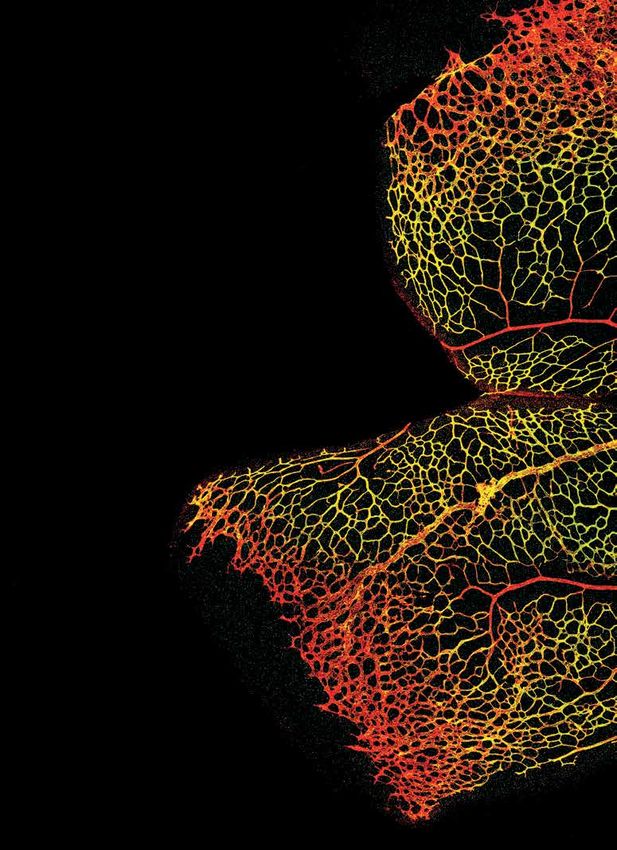
Foreword

                                           When the Duke-NUS Medical School was
                                           established in 2005, it marked a milestone in
                                           Singapore’s transition into an internationally
                                           recognised biomedical sciences hub. How
                                           Duke-NUS helped Singapore realise this vision
                                           was through the training of clinicians and
                                           clinician scientists, who are able to both practise
                                           medicine and apply scientific discovery to real-
                                           world applications.

                                           Since then, Duke-NUS has been producing a
                                           pipeline of outstanding talents, promising to be
                                           leaders in their fields, with the capabilities to
                                           improve patients’ lives and healthcare outcomes.
                                           One such alumni is clinician scientist Dr Ku Chee
                                           Wai. His work in the field of early pregnancy led
                                           to him being conferred the National Outstanding
                                           Clinician Scientist Resident award, the SingHealth
                                           David Sabiston Gold Medal in Surgery, and the
                                           SingHealth Prize in Obstetrics and Gynaecology.

                                           Duke-NUS is now an integral part of a dynamic
                                           biomedical ecosystem — comprising the
                                           academic rigour of our undergraduate medical
                                           schools, a vibrant biomedical industry and
                                           renowned research institutes.

Duke-NUS Medical School 15th Anniversary

 iii
The value of such a system is displayed in our fight assessments and organise forum sessions to
against COVID-19. Professor Wang Linfa, Director tackle the stigma surrounding mental health
of Duke-NUS’ Emerging Infectious Diseases issues among young adults. They have also
Programme, and his team of scientists was the collaborated with partners like Mount Alvernia
first to develop antibody tests to detect COVID-19 hospital and NTUC SilverACE Senior Activity
and was also one of the first groups in the world Centre on a health awareness and monitoring
to isolate and culture the virus. programme for the elderly.
In translational research, the School’s landmark Congratulations to Duke-NUS on your remarkable
studies have seeded new treatment options journey thus far. You are nurturing the next
for fatty liver disease and complications in generation of leaders in the medical field, who will,
early pregnancy. The School’s uncovering of in turn, shape the future of Singapore’s medical
the dengue virus structure has also aided in landscape with their dynamism and fortitude.
furthering vaccine development and treatments.
In a first-of-its-kind study, the School also
uncovered the mechanism that underlies
epileptic seizures in Angelman Syndrome.
In education, its graduate-entry pathway brings
together students from various institutions and
disciplines to enrich the field of medicine through
their wealth of expertise and experience. The
students display a strong sense of community
service, and they undertake a range of projects. Mr Ong Ye Kung
For example, in “Project I’m Steady Lah”, Minister for Education, Singapore
Duke-NUS students provide free psychiatric (2015–2020)
ivChairman’s
Message
Duke-NUS Medical School was established in
April 2005 as a partnership between two world-
renowned institutions, Duke University and the
National University of Singapore (NUS), with
a vision of educating pioneering clinicians for
Singapore and beyond. As a research-intensive,
graduate-entry medical school, Duke-NUS aimed
to bring mature students with advanced academic
credentials and diverse life experiences into
Singapore’s medical community. The School would
focus on carrying out translational research with
impact, and nurturing students with the potential
to become clinician scientists.
Our past ten cohorts of MD (Doctor of Medicine) centre is necessary for the career development
Duke-NUS has, over the last 15 years, been graduates and six cohorts of PhD (Doctor of of trainees interested in careers as clinician
internationally lauded for excellence in Philosophy) graduates have distinguished scientists, educators, innovators and leaders.
education, multi-disciplinary research and themselves through excellent clinical work,
innovation, pushing boundaries as it advanced numerous publications and presentations, Our signature research programmes have
with Singapore Health Services (SingHealth) national awards for clinical research and an generated impactful discoveries that have
towards a world-class Academic Health System affinity for innovation and entrepreneurship. changed clinical practice, while garnering
aimed at continually transforming medicine and Some of our alumni have emerged as leaders — international awards and competitive funding.
improving lives. I am delighted that Duke-NUS’ National Outstanding Clinician Scientist Resident Beyond that, our discoveries have spawned
Academic Medicine partnership with SingHealth Award winners, chief residents, founders of multiple start-ups and commercial ventures that
has resulted in outstanding clinical research, online healthcare platforms and businesses, as facilitated their adoption in the public domain.
evident from Newsweek Magazine’s ranking of well as leading educators. To date, Duke-NUS has achieved an impressive
Singapore General Hospital as the world’s third number of invention disclosures, patent
best hospital in March 2019. Duke-NUS collaborates intensively with its applications, registered trademarks and licensing.
parent institutions, Duke and NUS, but has
Our core belief is that also deepened pathways with Singapore
Management University, Singapore University
Our success is founded on the unwavering
support of our generous stakeholders, as well
combining research of Technology and Design and Nanyang as the concerted efforts of our present and
Technological University, Singapore, in keeping past leadership, faculty, staff and students. I am
and education in with Singapore’s National Health Outcomes excited to work with these talented individuals on
Framework, enhancing its catalyst role of their journey of excellence. I trust you will find the
a clinical setting producing clinicians with a pioneering spirit. milestones documented in this book inspiring.
These are keen on blazing new trails in science
improves patient and leadership careers: ‘Clinicians Plus’.
Our core belief is that combining research
care and transforms and education in a clinical setting improves Mr Goh Yew Lin
patient care and transforms medical practice. Chairman of the Governing Board,
medical practice. A strong academic environment in a medical Duke-NUS Medical School
Duke-NUS Medical School 15th Anniversary
vDean’s
Message
As we mark 15 years since Duke-NUS Medical 502 students, many of whom have won national education and research into improved healthcare
School was established as Singapore’s only awards for research, formed their own start-up outcomes. With the Singapore General Hospital
graduate-entry medical school, we celebrate companies and produced hundreds of scientific being named the world’s third best hospital by
our accomplishments in outstanding education, publications. At the core of our educational Newsweek Magazine, we are thrilled that our
cutting-edge research and impactful innovation. philosophy is our ‘Clinician First, Clinician Plus’ students are receiving their clinical training in a
programme. This nurtures highly competent world-class clinical environment.
Born out of a partnership between two world- clinicians with the additional skills to become
class institutions — Duke University and NUS — scientists, educators, innovators and leaders who I hope that you will enjoy reading about our
Duke-NUS has met the Singapore government’s will help steer our evolving healthcare system. collective achievements, garnered under the
goal of producing a pipeline of future-ready dedicated leadership of an outstanding Governing
clinicians and clinician scientists, as well as As a research-intensive medical school, we Board led by our exceptional Chairmen Mr Tony
propelling the country’s biomedical research have demonstrated new ways of understanding Chew (2005–2011), Mr Kai Nargolwala (2011–2019)
industry. All these would not have been possible diseases, changing treatments and diagnostic and Mr Goh Yew Lin (2019–present).
without the generosity and faith of our esteemed strategies. Our investigators have been granted a
benefactors and donors, especially the Estate
of Khoo Teck Puat. Their continued support has
total of 73 patents and 22 licences, while forming
16 start-up companies. As a research-intensive
allowed us to develop into a vibrant institution
where greater things happen. Our overall success has been supported by our medical school, we have
demonstrated new
strategic Academic Medicine partnership with
You will discover, in this tome, that Duke-NUS has SingHealth, and the formation of the SingHealth
ways of understanding
exceeded its goals, both as a world-class medical Duke-NUS Academic Medical Centre (AMC).
school and a leader in translational research. This AMC consists of a rich, multi-disciplinary
As of 2020, our MD programme has graduated ecosystem that has allowed us to translate
diseases, changing
treatments and
diagnostic strategies.
Moving forward, we will continue to position
the School as a unique pathway to a career as
an outstanding clinician with broader interests
in research, education, health policy, innovation
and administration. We will also work to
strengthen our partnership with SingHealth, and
collaborate with key institutions in Singapore and
beyond. We remain dedicated to our mission of
transforming medicine and improving lives.
Professor Thomas M Coffman
Dean, Duke-NUS Medical School
viMessage from
National University of Singapore
key driver of fibrosis in heart and kidney failure, — to be curious, critical, nimble thinkers who
are just two of the many instances of Duke-NUS’ look beyond traditional elements of healthcare
life-changing work. practice, and into the evolving challenges of
tomorrow’s medicine.
During the COVID-19 pandemic, a team from
the Duke-NUS Emerging Infectious Diseases To celebrate Duke-NUS’ achievements is
Programme was among the first research teams in also to celebrate the partnerships that have
the world to culture the SARS-CoV-2 coronavirus. been integral to its success. Since 2005, the
The same team was instrumental in assisting with partnership between Duke-NUS and SingHealth,
Singapore’s contact tracing efforts by identifying Singapore’s largest healthcare cluster, has laid the
the missing link between three major COVID-19 groundwork for innovative approaches to clinical
clusters. The team has also developed a unique care, education and research. This collaboration,
test kit capable of rapidly detecting neutralising which entered its third phase in 2017, allows
antibodies without the need for specialised Duke-NUS students to apply their learning,
equipment or containment facilities. research and practice in real clinical settings, and
experience inter-professional learning.
On the academic front, Duke-NUS has pioneered
an innovative approach to learning — TeamLEAD I congratulate Duke-NUS on its remarkable
— that has, true to its name, led and shaped achievements over the past 15 years. These
pedagogical thinking locally and internationally. achievements have been enabled, in no
In 2005, two world-renowned institutions — NUS This process, where students Learn, Engage, small part, by the values at the core of Duke-
and Duke University — came together to form Apply and Develop through practical problem- NUS — compassion, courage, integrity and
Singapore’s first and only graduate-entry medical solving and small group discussions, has since collaboration — which resonate with NUS’
school: Duke-NUS Medical School. This year, been used by Duke University and various own beginnings as a modest medical school
we proudly celebrate the 15th anniversary of this schools in Singapore. TeamLEAD has nurtured founded in 1905 by the community, in service
successful union, which has produced a total of 502 cohort upon cohort — including the 10th batch of the community. As we behold a rapidly
graduates since Duke-NUS’ first intake in 2007. of MD graduands, whom we celebrate this year changing landscape that increasingly calls for
new healthcare innovations and systems, I am
certain that these qualities will steer Duke-NUS
To celebrate Duke-
Within a short span of time, Duke-NUS has made
an indelible impact on the biomedical sciences in towards an even brighter future.
NUS’ achievements
Singapore and abroad by transforming medicine,
innovating learning and helping society. The many
is also to celebrate
breakthroughs made in clinical and translational
research are rooted in a progressive, multi-
the partnerships that
disciplinary approach that enables research
Professor Ho Teck Hua
discoveries to be applied to real-world problems.
Senior Deputy President and Provost
Findings are translated into solutions that have the
potential to impact millions of lives — the novel have been integral to Tan Chin Tuan Centennial Professor
National University of Singapore
home-grown anticancer drug ETC-206, and the
first-in-class therapies to block interleukin-11, the its success. Deputy Chairman of the Governing Board,
Duke-NUS Medical School
Duke-NUS Medical School 15th Anniversary
viiMessage from
Duke University
Duke-NUS Medical School’s journey has been
nothing short of inspiring. Back in 2005, Duke I would like to take
University and National University of Singapore
(NUS) — two top-ranked institutions — the opportunity to
partnered to establish Duke-NUS.
congratulate our
talented and dedicated
For Duke, this was a strategic opportunity to have
a global presence and apply the best of science
to the challenges of global health. Choosing to
plant our roots in Singapore was fitting, given faculty, staff and
the country’s reputation as having one of the
best education systems in the world, as well as a students on their
first-class government with a vision of building the
country into Asia’s leader in biomedical science. many distinguished
With mentorship from Duke’s research faculty,
as well as Duke and Duke-NUS research
achievements and
collaborations, the School is steadily nurturing a
new pipeline of clinician scientists for Singapore.
contributions.
Moreover, it is catalysing seminal scientific
discoveries and pioneering impactful clinical the Duke-NUS PhD in Integrated Biology and I am delighted to chart Duke-NUS’ monumental
innovations that will improve health in Singapore Medicine (IBM) cohort was the first batch to rise, as well as witness first-hand, its robust
and beyond for years to come. Within the span be awarded a joint degree endorsed by both spirit of collaboration. As we celebrate the
of less than two decades, the School has grown Duke and NUS, spelling greater international various milestones that underscore the School’s
to become firmly positioned as a leader in recognition for the graduands. success, I would like to take the opportunity to
translational research and medical education. congratulate our talented and dedicated faculty,
The remarkable achievement is evinced in its Bolstered by its partnership with SingHealth, staff and students on their many distinguished
curriculum that fosters critical thinking to solve Duke-NUS has managed to bring its achievements and contributions.
healthcare issues, as well as its discoveries that translational research from bench to bedside.
have culminated in impactful therapies and The world-class SingHealth Duke-NUS
start-ups. Academic Medical Centre, distinguished by its
Academic Clinical Programmes, has catalysed
We’re also extremely proud of the cohorts improvements in patient care.
of high-calibre students that have been
matriculated at Duke-NUS. In fact, I have I have every confidence that the continued Professor A Eugene Washington, MD
had the pleasure of personally celebrating synergy between Duke and NUS will boost Chancellor for Health Affairs, Duke University
their transition into clinicians in the last five Singapore’s initiative to become the premier President and CEO, Duke University Health System
graduation and hooding ceremonies that have centre of excellence for academic medicine in Member of the Governing Board,
taken place at Duke-NUS. Notably, in 2019, the region and beyond. Duke-NUS Medical School
viiiMessage from
SingHealth
I am excited for initiatives, some of which have put us in the
global spotlight, and new care models.
what the future Most importantly, these achievements have
holds as we continue
and continue to make a difference for our
patients. Our AMC delivers the bulk of public
to gain momentum
healthcare in Singapore. Therefore, our work
directly addresses the clinical challenges that
we encounter and impacts the most number
in pushing the of patients and their families. Our patients
are receiving more holistic and integrated
boundaries of our care at our 11 SingHealth Duke-NUS Disease
Centres, more right-sited care as we deepen
Academic Medicine our expertise in health services research and
effective treatments as we translate scientific
pursuits to stand findings and bring them to the patient’s bedside.
shoulder to shoulder Still, there is much more to be done. Disease
knows no boundaries, as we know from
with the top AMCs global health emergencies such as COVID-19.
I am excited for what the future holds as we
This year marks the 15th anniversary of Duke-
NUS Medical School, and 15 years of Academic in the world. continue to gain momentum in pushing the
boundaries of our Academic Medicine pursuits
Medicine partnership between SingHealth
and Duke-NUS. What a journey it has been! to stand shoulder to shoulder with the top
The SingHealth Duke-NUS Academic Medical are reflective of the trust our donors and AMCs in the world. On behalf of SingHealth,
Centre (AMC) has grown from strength to partners have in our AMC. I congratulate Duke-NUS on your outstanding
strength as we push the frontiers of research achievements as we look forward to breaking
and nurture the healthcare professionals of We stand united in our goal to improve the new ground in defining tomorrow’s medicine
tomorrow. health of patients and the community because in the years ahead.
we understand that all three components of
To date, we have 98 clinician scientists and clinical care, research and teaching are closely
936 SingHealth clinician educators who have related and equally important. By creating
taught or are currently teaching at Duke-NUS. platforms that foster sharing, ignite new
Our researchers have contributed more than conversations and change the way we work,
22,000 publications in international peer- we have nurtured a conducive environment
reviewed journals. Also testament to this for the exchange of scientific and clinical
Professor Ivy Ng
sterling partnership is that we have received perspectives. The set-up of Academic Clinical Group Chief Executive Officer, SingHealth
more than $1.91 billion in competitive research Programmes, Joint Institutes and Disease Member of the Governing Board,
funding, as well as philanthropic gifts, which Centres has sparked important research Duke-NUS Medical School
Duke-NUS Medical School 15th Anniversary
ixSenior Management
Professor Thomas M Coffman
Dean
Professor Patrick J Casey Ms Karen Chang Professor Ian Edward Curran Professor Wong Tien Yin
Senior Vice Dean, Senior Vice Dean & Group Director, Vice Dean, Vice Dean,
Office of Research Office of Corporate Services Office of Education Office of Academic
& Clinical Development
Governing Board Mr Goh Yew Lin
Chairman
Professor Ho Teck Hua
Deputy Chairman
Managing Director, Senior Deputy President and Provost
G.K. Goh Holdings Limited Tan Chin Tuan Centennial Professor
National University of Singapore
Members
Dr Fidah Alsagoff Professor Edward G Buckley Dr Geh Min Mr Lee Kim Shin
Senior Managing Director, Vice Dean for Education, Immediate Past President, Managing Partner,
Joint Head, Enterprise Development Chair, Nature Society (Singapore) Allen & Gledhill LLP
Group, Department of Ophthalmology Former Nominated Member
Duke University School of Medicine of Parliament
Head, Life Sciences,
Temasek International Pte Ltd
Associate Professor
Mr Lee Ming San Ms Lee Sze Yeng Mr Alvin Lim Chng Thien Kenneth Mak Seck Wai
Managing Director, Head of Audit, Director (International Directorate), Director of Medical Services,
One North Capital Pte Ltd KPMG Singapore Ministry of Finance Ministry of Health
Professor Raj Mohan Nambiar Professor Ivy Ng Swee Lian Mr Ong Tze-Ch’in Mrs Quek Bin Hwee
Visiting Consultant Surgeon, Group Chief Executive Officer, Chief Executive, Independent Non-Executive Director,
SGH, KTPH & TTSH Singapore Health Services SkillsFuture Singapore The Hongkong and Shanghai
Emeritus Consultant, CGH Deputy Secretary (SkillsFuture), Banking Corporation Limited
Senior Consultant, Ministry of Education
Ministry of Health
Professor
Ms Teo Swee Lian A Eugene Washington
Non-Executive and Chancellor for Health Affairs,
Independent Director, Duke University
Singapore Telecommunications Ltd President and CEO,
Duke University Health System
xThe establishment
of an institute is
often marked with
a plenitude of firsts.
From the nascent
stages of the
School’s formation
to the building of
its campus, and the
assemblage of the
first class to the
inauguration of its
first commercial
start-up, Duke-NUS
celebrates new
beginnings and the
people who made it
all possible.
IN THE
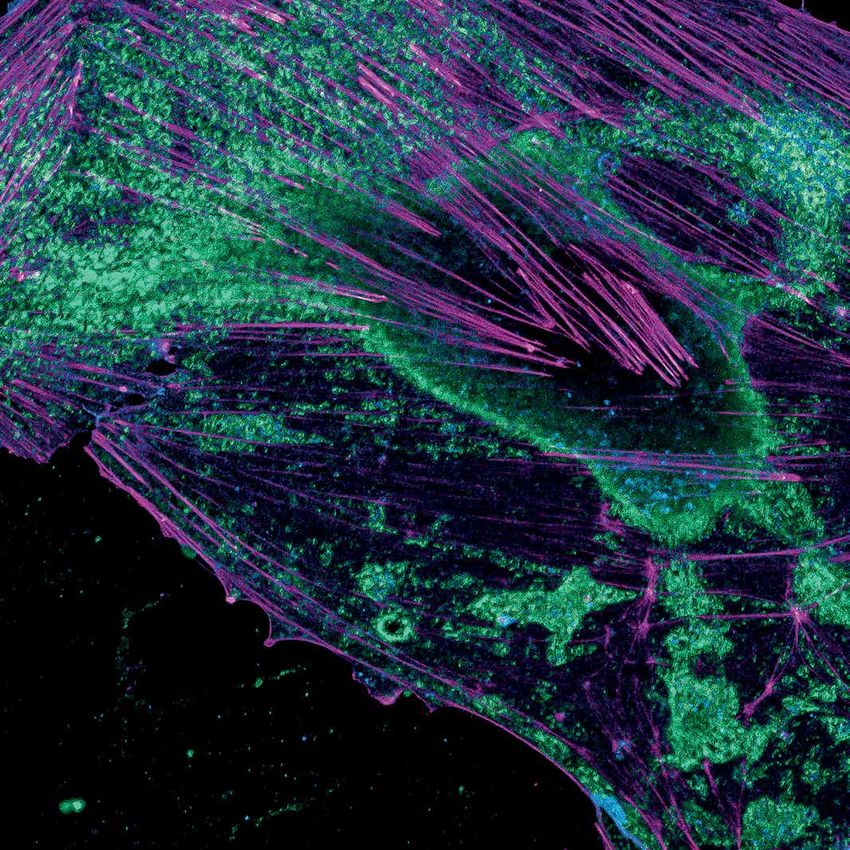
BEGINNINGGlial cells as seen in a study which shows that precise genome editing via HDR is possible in mature postmitotic neurons and mitotic cells in mammalian brains. Photo credit: Assistant Professor Nishiyama Jun, Neuroscience and Behavioural Disorders Programme, Duke-NUS Medical School
Genesis
                                           The idea of developing Singapore’s first           Since its inception, Duke-NUS has welcomed
                                           graduate-entry medical school began in 2000,       students from diverse academic backgrounds
                                           with the introduction of the government’s          and different professions, with diverse

      — Birth Of A
                                           Biomedical Science Initiative. With a well-        disciplines and years of career experience
                                           established healthcare system, Singapore           under their belts. Against the backdrop of a
                                           was poised to become the biomedical hub            rich, multi-disciplinary Academic Medicine
      New Graduate                         of Asia, attracting research and health sector
                                           manufacturing capabilities to the country.
                                                                                              ecosystem, coupled with world class medical
                                                                                              training, the School nurtures a pipeline of
      Medical School                       After a memorandum of understanding was
                                                                                              outstanding clinicians and clinician scientists
                                                                                              who will pioneer innovations, translate research
                                           signed in 2003, the Duke-NUS partnership was       into better health outcomes and advance the
                                           formalised in April 2005. Drawing upon the         healthcare system in Singapore and beyond.
                                           expertise of Duke University and NUS, Duke-NUS
                                           boasts a novel hybrid model of clinical medical    Duke University School of Medicine
                                           training and research as part of its curriculum.   Established in 1930, Duke University School
                                           The proposed location for the university           of Medicine is the youngest of America’s top
                                           in Outram would further foster significant         medical schools. Ranked among the best in
                                           translational and patient-oriented research in     the nation, the School takes pride in being an
                                           close collaboration with Singapore General         inclusive community of outstanding learners,
                                           Hospital and specialty centres in the area.        investigators, clinicians and staff dedicated to
                                                                                              educating the next generation of biomedical
                                           With the foundation laid out for a robust          scientists and healthcare providers, and
                                           future in biomedical sciences, the subsequent      accelerating the translation of scientific
                                           course of action was to develop and nurture        discoveries to improve human health locally and
                                           highly-trained clinician scientists to establish   around the globe.
                                           and support the fledgling sector. Designed
                                           around the Duke model of education, Duke-
                                                                                              National University of Singapore
                                           NUS offers a graduate-entry, four-year
                                           medical programme, which includes one              The National University of Singapore is Singapore’s
                                           year dedicated to independent study and            flagship university, and one of the leading
                                           undertaking research projects of a basic           universities in Asia. It has pioneered innovative
                                           science or clinical nature. The curriculum         models of education, and a multi-disciplinary
                                           has been specially formulated to develop           approach to research and entrepreneurship that
                                           an exceptional pool of leaders and creative        has contributed towards improving lives and
                                           thinkers to constantly push the boundaries         the needs of society. In 2020, as the University
                                           of medicine and enhance medical research,          celebrates 115 years since its founding, it continues
                                           medical education and patient care.                to shape the future for a better world.

Duke-NUS Medical School 15th Anniversary

 03
In The Genesis
Beginning
The official signing of the memorandum of understanding.
Professor Victor J Dzau, Chancellor Emeritus and James B Duke Professor of Medicine, Duke University, and Professor Tan Chor Chuan, former President, National University of Singapore,
at the signing ceremony in 2005.
04Founding Chairman
“ I was invited by Minister Tharman, then Minister for
Education, for breakfast in July 2005. He shared the plan to
set up a new graduate-entry medical school in Singapore.
Adopting the US MD system, it was to produce a new breed
of medical doctors, the “clinician scientist”. This was a new
direction for Singapore. In the same meeting, he asked me
to be the Chairman.
I was very moved after reading the briefing paper “The
Vision and Objectives of the NUS Graduate Medical School”.
It presented a new vision for Singapore, to become a
Mr Tony Chew Leong Chee
leading medical centre for Asia. Our little country, just
• Executive Chairman, Asia Resource Corporation
• Board Member, SingHealth
40 years old, had a dream to become a leader in medical
• Founding Chairman, Duke-NUS Medical School (2005–2012) education, healthcare, science and biomedical industry. As a
Singaporean, I was inspired.
“I hope that in the years ahead,
Duke-NUS will continue on its path to The vision showed great boldness. It takes courage to set a
become a leading medical school in Asia, high bar, so high, that it seems impossible and unreachable.
with excellent faculty and students from But this is how Singapore can survive. We must always set
high targets and undertake big challenges. This vision was to
Singapore and all over the world. And guide me, for many years and even today.
that Singapore will become a premier
regional hub for medicine, healthcare Looking back on my 30 years of public service, I can say that
the founding of Duke-NUS stands out — this has been most
and biomedical research. This was
satisfying. But the journey is ongoing. Since 2014, I have
Singapore’s vision. This is my hope for served on the SingHealth Board and continue to support the
the Duke-NUS, and for Singapore.” SingHealth Duke-NUS Academic Medical Centre.”
Duke-NUS Medical School 15th Anniversary
05In The
Beginning
Founding Dean
“ I was first recommended by the Chancellor for Health Affairs and the
President of Duke University, and then confirmed as Founding Dean by the
Governing Board of Duke-NUS Medical School in Singapore.
In becoming the Founding Dean of Duke-NUS, I was filled with optimism
and a sense of high adventure. I knew we were embarking on a difficult
journey that would present many challenges and difficulties. However, I also
understood that our goal was singularly important to both Singapore and
Duke, that our plan was well-conceived, and that I was joined in effort by an
exceptional group of people whom I trusted and admired.
Professor R Sanders Williams,
The success of any endeavour depends primarily on the quality and
MD
commitment of the people driving the mission, and I was so very fortunate
• Professor of Medicine and Dean Emeritus,
Senior Advisor for Science & Technology, to engage with remarkable individuals from the onset, such as
Duke University School of Medicine
• Founding Dean, Duke-NUS Medical School Mr Tony Chew, Prof Soo Khee Chee, Prof Tan Chorh Chuan, Mr Lim Chuan
(2005–2008)
Poh, Prof Ivy Ng, Prof Tan Ser Kiat, Prof Pat Casey, Prof Bob Kamei, Prof Ed
Buckley, Dr Tony Tan, our first classes of students, and many others who
contributed so much during the early years of Duke-NUS and beyond.
My years with Duke-NUS provided some of the most interesting and memorable
experiences of my career. It was thrilling to work in raw start-up mode,
“I trust we laid a solid facing existential threats and overcoming them shoulder to shoulder with
foundation for Duke-NUS, my courageous colleagues. It was satisfying to watch our team achieve our
ambitious goals in creating an enterprise of lasting value. It was also deeply
and that it will realise the
rewarding to gain understanding of life in Singapore, and to forge friendships
ambitious dreams of its that I think will last a lifetime. I trust we laid a solid foundation for Duke-NUS,
founders, and more.” and that it will realise the ambitious dreams of its founders, and more.”
06Early Trailblazers
— Illustrious Pioneers
Professor Victor J Dzau
• President, United States National Academy of
Medicine
• Chancellor Emeritus and James B Duke Professor
of Medicine, Duke University
Professor Tan Chorh Chuan • Member of the Health and Biomedical Sciences
International Advisory Council
• Chief Health Scientist, Ministry of Health (MOH), Singapore
• Former Member of the Governing Board,
• Executive Director, MOH Office for Healthcare Transformation Duke-NUS Medical School (2005–2014)
• Former Deputy Chairman of the Governing Board,
Duke-NUS Medical School (2005–2008)
“ Just 15 years after its founding, Duke-NUS has
“ It’s amazing how far Duke-NUS has come in a relatively short space established a global reputation as a leading
of time! The early years were filled with long meetings, complex medical enterprise that is transforming
wall-to-wall Gantt charts and a great deal of hard work. But in that biomedical research and education in Singapore
formative period, the spirit and culture of the institution was forged and around the world. Thanks to the leadership
and continues to thrive to this day — the impulse to innovate, the and dedication of many at Duke University
commitment to make a deep impact in medicine, the desire to and the NUS and the unwavering support of
contribute to society and the eagerness to work with others in Singapore government leaders — as well as
pursuit of excellence. Many outstanding individuals from Duke, NUS, the enterprising spirit of Duke-NUS’ students
SingHealth and the Singapore government played instrumental and staff — the university is on a trajectory for
roles in the School’s rapid progress. It was a great privilege to have remarkable impact across science and human
been a part of this extraordinary journey, and I am also very grateful health. It is a tremendous honour and privilege
for the warm friendships and deep sense of collective purpose that to have been involved with this important
made the joint work so meaningful and enjoyable.” partnership from the very beginning.”
Duke-NUS Medical School 15th Anniversary
07In The Early
Beginning Trailblazers
Professor Tan Ser Kiat Professor K Ranga Rama Krishnan, MB, ChB
• Chairman, SingHealth Fund • Chief Executive Officer, Rush University System for Health
• Emeritus Consultant, Department of Orthopaedic Surgery, Singapore General Hospital • Former Dean, Duke-NUS Medical School (2008–2015)
• Former Member of the Governing Board, Duke-NUS Medical School (2005–2016)
“ It was great to witness the School become successful,
“ Our vision for Duke-NUS was to train doctors who are not only clinically
thanks to the support of Duke University, the NUS, and
excellent in patient care but are also good clinician scientists who practice
the enormous dedication and ownership, time, energy
evidence-based medicine to ensure safe and effective outcomes for
and support that came from SingHealth. It was an
patients. Through my interaction with successive batches of Duke-NUS
exhilarating time, which saw us create the PhD and MD-PhD
graduates, I’m very gratified that we have been successful in achieving this
programmes, build our residency training programme, and
vision. We have nurtured a pipeline of strong clinician scientists whom I
expand our research capabilities, including the prescient
believe will make good healthcare leaders of tomorrow.”
creation of ABSL 3 that has turned out to be critical during
COVID-19. I am proud and thankful to have been part of the
growth of Duke-NUS Medical School.”
“ I have had the privilege of witnessing the amazing growth of Duke-NUS from
Day 1, with so much support rendered to us from our parent universities, partners
and stakeholders. It has been immensely gratifying to see how the School has
advanced medical education, research and academic medicine in Singapore, and
Professor
Patrick J Casey the impact our activities have had on the global stage. I am heartened to see how
• Senior Vice Dean, Office Duke-NUS has served her purpose, exemplifying our mission and vision. At this
of Research, Duke-NUS
Medical School
15th anniversary, let us recommit our values of courage, integrity, compassion and
• James B Duke Professor collaboration as the driving force to bring Duke-NUS to even greater heights, and
of Pharmacology &
Cancer Biology celebrate our contributions to healthcare and innovation.”
08Breaking
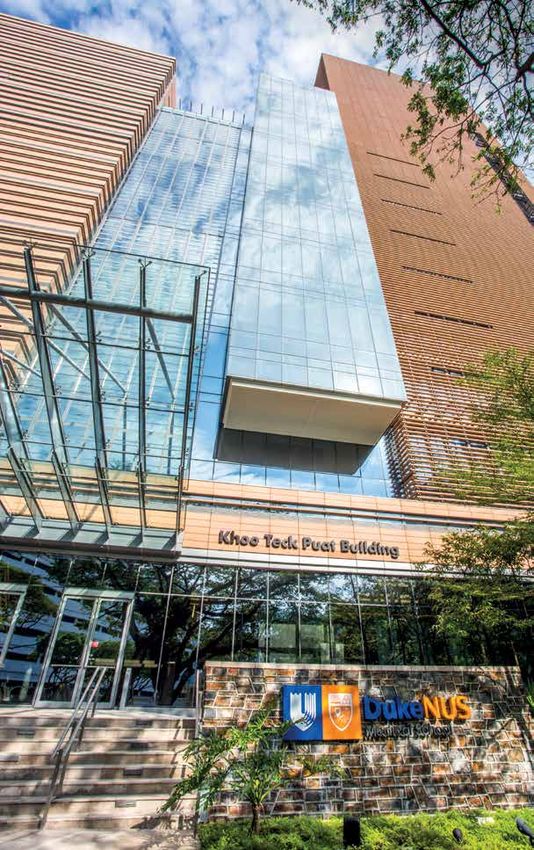
In 1905, Singapore’s first medical school — the its current campus at the heart of the Singapore
Straits Settlement and Federated Malay States General Hospital campus at Outram. The
Government Medical School, now known as building was then officially opened by Prime
New
NUS Yong Loo Lin School of Medicine — was Minister of Singapore Lee Hsien Loong on 28
established at Sepoy Lines. A century later, the September 2009.
first graduate medical school was founded, with
Grounds
plans to construct its campus within the vicinity. Designed to support the Duke-NUS collaborative
spirit, the purpose-built green-certified building
With construction of the Khoo Teck Puat features laboratories, research facilities and
Building beginning only in 2006, Duke-NUS first support stations, faculty offices, “post-doc
— The Duke-NUS settled into its interim campus at 2 Jalan Bukit
Merah. In May 2009, Duke-NUS bade goodbye
pods”, learning and training facilities, as well
as a genomics facility and high-performance
Campus to its Jalan Bukit Merah home and moved into computing cluster.
Duke-NUS Medical School 15th Anniversary
09In The Breaking
Beginning New Grounds
Our interim campus at 2 Jalan Bukit Merah.
Atrium of the new Duke-NUS building on the Outram campus.
The new Duke-NUS building was officially opened by
Prime Minister of Singapore Lee Hsien Loong on
28 September 2009.
10Growing
Talent
— First MD Class
Duke-NUS welcomed its inaugural class
of 26 medical students on 1 August 2007.
They embarked on a Doctor of Medicine
(MD) programme that provided active
learning opportunities and supported
and mentored students in their areas of
interest, through the world-renowned
TeamLEAD educational strategy that
promotes collaboration and teamwork.
The path was paved with exciting
challenges for the first cohort of students
who graced the halls of Duke-NUS.
Students had to make a transition — from
leaving their careers to taking on an
entirely new discipline — as they entered
Singapore’s first graduate medical school.
Through innovation, critical thinking and
teamwork, the diversified, multi-ethnic
student body has gone on to achieve
greater heights as clinician scientists,
clinician leaders, clinician educations and
clinician innovators, setting the benchmark
at Duke-NUS and inspiring future students.
“Our teaching strategy uses peer teaching to
encourage questioning and enhance the students’
ability to articulate and explain. Many expressed
concern that our method would not work. But
feedback showed that our students really enjoyed
and saw the value of this learning experience.
That encouraged us to move forward.”
Professor Sandy Cook
• Senior Associate Dean & Deputy Head, Office of Education,
Duke-NUS Medical School
• Deputy Director, Academic Medicine Education Institute (AM.EI)
Duke-NUS Medical School 15th Anniversary
11In The
Beginning
Developing
Passion
— First PhD Class
Duke-NUS launched its inaugural PhD
programme in Integrated Biology and
Medicine (IBM) in August 2010, with
13 students in the first cohort. With an
emphasis on translational bioscience, the
programme distinguishes itself from others
in Singapore and abroad by preparing
researchers to translate their results
from bench to bedside, with advanced
training in one of Duke-NUS’ five Signature
Research Programmes.
Wanting to make a difference in the field
of healthcare and medical science, the
first batch of PhD students was highly
driven to innovate and seek answers in
their respective sub-specialties. Alongside
their peers, they conquered the numerous
trials and setbacks they faced during the
course of their individual research, with
eight students graduating at the inaugural
convocation in May 2015.
The pioneer batch of PhD graduates
then took the initiative to form the Duke-
NUS Alumni (DNPA), to foster alumni
bonds; raise awareness of PhD-specific “Our PhD programme embraces innovative training
issues among prospective, current and
graduating students, as well as alumni; and
facilitate networking and communication
in translational science and advanced technology.
with potential employers, collaborators
and stakeholders.
Students in our first PhD cohort truly embraced and
The PhD programme in IBM is the first of trusted the novel approaches and each student helped
three PhD programmes currently offered
at Duke-NUS, namely the PhD programme to shape the programme. These pioneer students
in Quantitative Biology and Medicine and
PhD programme in Clinical Sciences. showed passion, dedication and determination and
paved the way for all subsequent students.”
Associate Professor Silke Vogel
• Senior Associate Dean, Graduate Studies, Duke-NUS Medical School
• Deputy Director, Centre of Regulatory Excellence (CoRE), Duke-NUS Medical School
12Setting The
Groundwork
— First Research Award
Research is an integral component of asymmetric division and brain tumour formation.
education at Duke-NUS, with some of our Her research, which received a National Research
earliest research providing the foundation Foundation (NRF) Research Fellowship award
for further studies. and a US$2 million research grant in 2009, has
been published in top-tier scientific journals,
In 2008, Professor Wang Hongyan won including Nature, Developmental Cell and The
the Singapore National Academy of Journal of Cell Biology. These have paved
Science’s Young Scientist Award. The the way for Prof Wang’s continuing research,
award, organised by the Singapore including her team’s subsequent discovery of
National Academy of Science and protein complexes that disrupt the process
supported by A*STAR, recognises her known as dedifferentiation, which promotes
research on the asymmetric division of tumour development. Prof Wang’s team also
neural stem cells. The award is given to uses fruit fly neural stem cells as a new model
young researchers under the age of 35 to discover molecular mechanisms underlying
who are actively engaged in research and neurodevelopmental disorders.
development in Singapore, and display
tremendous potential in becoming world- Currently the Deputy Programme Director of
class researchers in their fields. Then an the Neuroscience and Behavioural Disorders
Assistant Professor with the Neuroscience Programme, Prof Wang continues to be
and Behavioural Disorders Programme at recognised for her accomplishments. In 2020,
Duke-NUS, Prof Wang was the first Duke- Prof Wang became the first woman from
NUS researcher to win the award. Her Singapore to be elected as an Associate
research was instrumental in establishing Member of the European Molecular Biology
fruit fly neural stem cells as a new model Organization (EMBO). The EMBO Associate
to study brain tumour suppressors, Membership is a prestigious achievement
and discovering several brain tumour- reserved for a small number of leading
suppressor genes in fruit flies. Her findings scientists outside Europe, in recognition of
have contributed valuable insights into the their research excellence and outstanding
molecular mechanisms of neural stem cell accomplishments. Professor Wang Hongyan
Duke-NUS Medical School 15th Anniversary
13In The
Beginning
Improving
The Community
— First Commercial Success
As trailblazers in medical science,
Duke-NUS students and staff innovate
with the goal of bringing their ideas to
reality and improving the community.
The CognaLearn team
In 2015, Brian O’Dwyer, who was then an at the TechSauce
Entrepreneur-in-Residence in Duke-NUS’ Global Summit 2018.
Centre for Technology and Development
(CTeD), founded CognaLearn, a learning
science company that combines digital
technology with team-based education
and cognitive science developed at
Duke-NUS. The company facilitates
efficient and productive learning that
leads to improved learning outcomes.
Since its inception, CognaLearn has
worked with more than 75 academic,
corporate and government institutions
across 15 countries to enhance education
through teaching software, train-the-
trainer workshops and turnkey solutions.
Brian, who is also a Duke University MBA
graduate, and his team at CognaLearn
developed InteDashboard; the company’s
proprietary software solution that
facilitates digital team-based learning.
Used in 20 institutions across Asia,
Australia and the United States, it guides
students through the learning process
from pre-work until lesson and evaluation,
by aligning curriculum goals with
appropriate learning strategies, resulting in accolades from both the Education and Excellence in eLearning, World Education
a more cohesive curriculum. Information Technology sectors, winning Congress and Awards. CognaLearn continues
awards at major platforms, such as the to advocate and propagate team-based
CognaLearn has achieved much since TechSauce Global Summit 2018, INSEAD learning to achieve its vision of improving
its founding, with recognition and Education Symposium 2018 and the outcomes for one million learners by 2025.
14EXPANDING
CONNECTING
As part of the rapidly evolving
biomedical landscape, Duke-NUS
continues to go from strength
to strength, as a school and as a
platform for clinical trailblazers
to forge the path for the
improvement and enhancement
of healthcare in Singapore and
the region. We look back on
the diverse student body and
groundbreaking research as we
nurture and develop generations
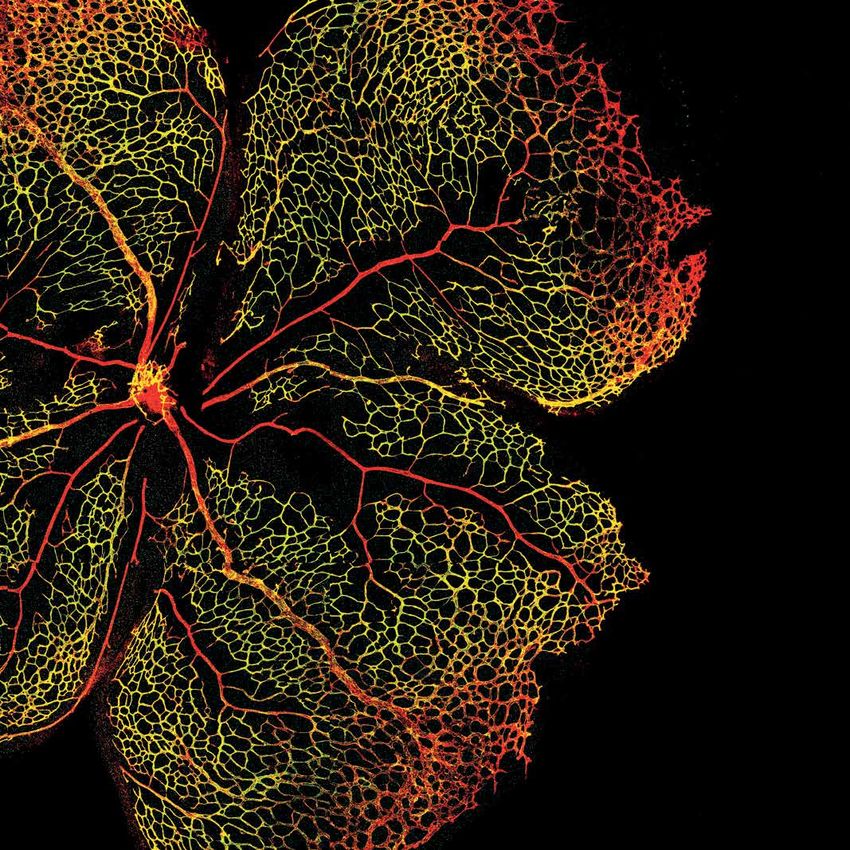
of Clinicians Plus.Developing mouse eye used in a study that identified Major Facilitator Superfamily Domain Containing 2a (Mfsd2a) as the primary transporter for the uptake of DHA across the blood-brain and blood-retinal barriers in the chemical form of lysophosphatidylcholine (LPC). Photo credit: Dr Bernice Wong, Research Fellow, Cardiovascular and Metabolic Disorders Programme, Duke-NUS Medical School
Branching Out
                                                                                                         Adult male
                                                                                                         Eonycteris spelaea
                                                                                                         bat enjoys a post

                    — Research With Impact
                                                                                                         health check
                                                                                                         beverage.

                                                                                                         Photo credit:
                                                                                                         Dr Zhu Feng,
            Signature Research Programmes                                                                Research Fellow,
                                                                                                         EID Programme
            Research is integral to Duke-NUS, particularly
            research relating to the major health burdens
            in Singapore and the region. Duke-NUS’ five
            Signature Research Programmes were set up
            to address these concerns, with the aim of
            translating discoveries into clinical solutions.

                Mouse muscle can regenerate when muscle stem cells generate new progenitor
                cells. Stem cells were labelled with different colours of fluorescent proteins, and
                the resulting progenitor cells fused into multi-coloured muscle fibres with different
                parts of each fibre arising from different-coloured stem cells.

                Photo credit: Assistant Professor Lisa Tucker-Kellogg, CSCB Programme
                                                                                                        Cardiovascular and Metabolic Disorders
                                                                                                        Cardiovascular and Metabolic Disorders (CVMD) such as
                                                                                                        hypertension and diabetes are a pressing concern in Singapore
                                                                                                        and Asia. The CVMD Programme spans the breadth of
                                                                                                        cardiovascular and metabolic research, with deep expertise in the
                                                                                                        areas of fat cell biology, the blood-brain barrier, mitochondrial
                                                                                                        health, diabetic kidney disease, heart development, human
                                                                                                        genetics and clinical trials. It aims to define the molecular
                                                                                                        mechanisms underlying human health and disease and to
                                                                                                        discover new approaches to prevent, diagnose and treat cardio-
                                                                                                        metabolic illnesses. The proximity of National Heart Centre
                                                                                                        Singapore and Singapore General Hospital’s Diabetes and
                                                                                                        Metabolism Centre to one another presents myriad opportunities
                                                                                                        for collaboration in translational and clinical research.

                                                                                                               Cultured epicardial cells from mouse embryonic heart ZO-1 proteins
                                                                                                               (stained green) indicate that these cells are epithelial.

                                                                                                               Photo credit: Assistant Professor Manvendra K Singh, CVMD Programme
            Cancer and Stem Cell Biology
            The Cancer and Stem Cell Biology (CSCB) Programme offers a
            broad scope of research, from hypothesis-driven basic science
            and disease-oriented investigation to active drug discovery
            and innovative clinical trials. The CSCB Programme works
            closely with researchers and clinicians all over Singapore,
            including the National Cancer Centre Singapore, the
            Department of Haematology at Singapore General Hospital
            on the Outram Campus of SingHealth, the Cancer Science
            Institute at the National University Hospital, and A*STAR.

Duke-NUS Medical School 15th Anniversary

 17
Expanding, Branching Out
Connecting
Emerging Infectious Diseases
The Emerging Infectious Diseases (EID) Programme was
established to facilitate the development of a world-class
regional infectious disease centre for reference and research
in the region. Its research covers all major areas of emerging
infectious diseases, from pathogen discovery, molecular
pathogenesis, immunology to experimental therapeutics,
clinical trials of vaccines and therapeutics and global health
research. Partnerships with NUS; SingHealth; National Centre
for Infectious Diseases; Singapore General Hospital; A*STAR;
Nanyang Technological University, Singapore; Tan Tock Seng
Hospital; DSO National Laboratories and Arcturus Therapeutics
will aid in the development and discovery of novel methods
to treat, control and ultimately prevent new and emerging
pathogens.
Altered network activities in UBE3A KO induced cortical organoids.
Photo credit: Dr Masahiro Fukuda, NBD Programme
Neuroscience and Behavioural Disorders
The Neuroscience and Behavioural Disorders (NBD)
Health Services and Systems Research Research that
Programme is focused on understanding the structure
focuses on the
The Health Services and Systems Research (HSSR) organisation and function of the nervous system, and the neural
Programme at Duke-NUS has been a leader in and delivery mechanisms underlying human neurological, psychiatric
the study of health systems and services for the of health and and ophthalmological disorders. Collaborating with the
population in Singapore and beyond. Its key goals social services clinical faculty at Singapore General Hospital, the National
are to show whether health and related services are in the context Neuroscience Institute, the Institute of Mental Health and the
effective, appropriate, scalable and economically of an ageing Singapore Eye Research Institute (SERI), the Programme has
sustainable. The Programme facilitates and advances population. a strong footing in neurodegenerative diseases, cognitive
a multi-disciplinary research agenda by actively disorders, developmental disorders and diseases of the
engaging the government, regional health systems neural retina. It aims to ultimately unravel the secret behind
and social service organisations. Research methods human intelligence and translate discoveries into diagnostic
applied in HSSR include implementation science, and therapeutic strategies in brain disorders such as autism,
health economics, decision science, survey/qualitative Parkinson’s disease and dementia.
research, quantitative medicine, epidemiology and
data science.
18RESEARCH CENTRES
In addition to our five Signature Research
Programmes that aim to make a substantive impact
on Singapore’s biomedical sciences scene, we also
have eight medical research centres that further
integrate and enhance research and learning at
2
Duke-NUS through collaborations with leading
institutions and agencies locally and globally.
The CCSD team.
4
The LCPC team.
Lien Centre for
Palliative Care (LCPC)
The Lien Centre for Palliative Care (LCPC)
is the first of its kind in Asia, established
with the goal of being the leading academic
centre delivering and facilitating palliative
care research and education in Singapore Centre for
and the region. LCPC caters to the physical,
psychological and social needs of individuals
Computational
living with a life-limiting condition, by Biology
1 3
nurturing a pool of palliative healthcare
The Centre for Computational Biology
professionals to enhance service delivery
provides expertise in computational
through training programmes and research.
biology and bioinformatics. The Centre’s
researchers are especially adept at
integrated analyses for omics studies and
systems biology approaches, and pursue
projects with significant impact on the
scientific community.
Centre for Clinician-Scientist
Development (CCSD)
Centre for Vision
The Centre for Clinician-Scientist Research (CVR)
Development (CCSD) supports the research
pillar of academic medicine in our SingHealth Established in partnership with the Singapore
Duke-NUS Academic Medical Centre (AMC) Eye Research Institute and Singapore National
by nurturing passionate and talented Eye Centre, the Centre for Vision Research (CVR)
clinician scientists. The Centre provides focuses on understanding the causes of blinding
support for aspiring clinician scientists at the diseases and developing novel treatments for
developmental stage of their research career, the same. Leveraging the laboratory, clinical
through personalised career guidance and and genetics research of Duke-NUS and partner
structured training geared towards improving organisations, the Centre aims to innovate ways
research and leadership skills. to maintain and restore vision.
Duke-NUS Medical School 15th Anniversary
19Expanding, Branching Out
Connecting
Centre for Quantitative
5
7
Medicine (CQM)
The Centre for Quantitative Medicine (CQM) serves
as the home for biostatistics and related disciplines
like epidemiology at Duke-NUS. It was formed to
engage in applied biostatistics research, provide
teaching and training in biostatistics and provide
biostatistical support to clinician scientists and
6
other researchers in the SingHealth Duke-NUS The CARE team.
Academic Medical Centre (AMC). Centre for Ageing Research
and Education (CARE)
The Centre for Ageing Research and Education (CARE)
was established with the aim of developing a consolidated,
long-term approach towards meeting the challenges of
Centre of Regulatory an ageing population. Drawing on its interdisciplinary
Excellence (CoRE) expertise and collaborations across medical, social,
economic and environmental perspectives, the Centre
The Centre of Regulatory Excellence (CoRE) is the conducts leading-edge research on the health and
first dedicated Asian Centre targeted at meeting social determinants of successful ageing. CARE also
the needs of national health regulators, the invests heavily in education and actively engages with
8
biomedical industry, researchers and academics. government and industry partners to identify needs and
Guided by its mission, CoRE contributes to strategies to enhance the experience of ageing.
improving patient access to health products,
and enhancing regional health systems and
health security. The Centre is gaining increasing
recognition for its education programmes and as a Pre-Hospital and
neutral, academic convener of dialogues, seminars CoRE’s 5th
and round tables involving international thought anniversary dinner
Emergency Research
leaders in health regulation and healthcare systems. and graduation Centre (PERC)
celebration.
Established through a collaboration between
Duke-NUS, the Unit for Pre-hospital Emergency
Care of the Ministry of Health Singapore (MOH),
SingHealth Duke-NUS Emergency Medicine
Academic Clinical Programme (EM ACP) and
the Ministry of Home Affairs (MHA) Singapore
Civil Defence Force, the Pre-hospital and
Emergency Research Centre (PERC) aims to
address urgent issues facing our pre-hospital
and emergency care system. The experts will
focus on the development of strategies to
better integrate pre-hospital, in-hospital, and
community care by applying robust research
techniques to real-world clinical data.
20You can also read


