Marino Institute of Education - PROSPECTUS 2024-25
←
→
Page content transcription
If your browser does not render page correctly, please read the page content below
PROSPECTUS
2024–25
CONTENTS
– Welcome��������������������������������������������������������������������������������������������������������������������������������������� 2
– Why choose Marino Institute of Education?����������������������������������������������������������������������� 4
– Studying in Dublin����������������������������������������������������������������������������������������������������������������������� 7
– Scholarships��������������������������������������������������������������������������������������������������������������������������������� 8
– TOBAR ������������������������������������������������������������������������������������������������������������������������������������������� 9
– Campus Facilities����������������������������������������������������������������������������������������������������������������������10
– Student Life at MIE���������������������������������������������������������������������������������������������������������������������11
– Campus Accommodation ������������������������������������������������������������������������������������������������������12
– MIE Student Accommodation Scheme 2024–25 ������������������������������������������������������������13
– Study Abroad������������������������������������������������������������������������������������������������������������������������������14
– The Migrant Project Bridging Programme – “Being a Teacher in Ireland”������������������16
– Support Services at MIE ����������������������������������������������������������������������������������������������������������18
– Courses ����������������������������������������������������������������������������������������������������������������������������������������21
    – Bachelor in Education (Primary Teaching)�������������������������������������������������������������������22
    – Bachelor in Education through the Medium of Irish (Primary Teaching) �������������24
    – Baitsiléir san Oideachas trí Mheán na Gaeilge (Bunmhúinteoireacht)���������������� 26
    – Bachelor in Science (Education Studies) ���������������������������������������������������������������������28
    – Bachelor in Science(Early Childhood Education)������������������������������������������������������ 30
    – Trinity International Foundation Programme ���������������������������������������������������������������32
    – Professional Master of Education (Primary Teaching) �������������������������������������������� 34
    – Professional Diploma in Education (Further Education)��������������������������������������������� 36
    – Master in Education Studies (Intercultural Learning and Leadership)�����������������38
    – Master in Education Studies (Early Childhood Education)�������������������������������������� 40
    – Master in Education Studies (Visual Arts)�������������������������������������������������������������������� 42
    – Master in Education Studies (Inquiry-Based Learning) ������������������������������������������ 44
    – Master in Education Studies (Christian School Leadership)���������������������������������� 46
    – Master in Education Studies (Primary Mathematics Education)�������������������������� 48
– MES Bursaries & Scholarships���������������������������������������������������������������������������������������������� 50
– Module Listings Information���������������������������������������������������������������������������������������������������52
– How to Apply �����������������������������������������������������������������������������������������������������������������������������70
– Visit Us�����������������������������������������������������������������������������������������������������������������������������������������72

                                                                                                                                                         1
WELCOME
    Marino Institute of Education is dedicated to the life-            Marino Institute
    enhancing,transformative potential of education. For over       of Education is
    a century, Marino has been preparing educators who work         dedicated to the
    to change people’s lives in Ireland and throughout the world.   life-enhancing,
    Whether your interest is in teaching in schools, educating in   transformative
    early years settings, supporting people in second chance        potential of
    and further education or educating people in a wide variety     education.
    of informal environments, you will find a course to meet
    your needs at Marino Institute of Education. In addition,
    the Institute hosts students from many nationalities on the
    Trinity International Foundation Programme.

    As a teaching institution, we have always prioritised
    education and its associated values. The recent pandemic
    re-inforced for us all the importance of the physical space
    of schooling, personal interaction and ultimately, it has
    taught us the value of educational relationships where
    students and staff form a binding community, real or
    virtual, where empathy, communication and connectivity
    enable friendships to grow and students to flourish. We
    also renewed the importance of actively engaging with our
    peers, friends, families and communities in the arts, sports,
    social activities and other aspects of life that enrich us
    holistically. Our core values are those of care, community,
    and commitment to excellence.

2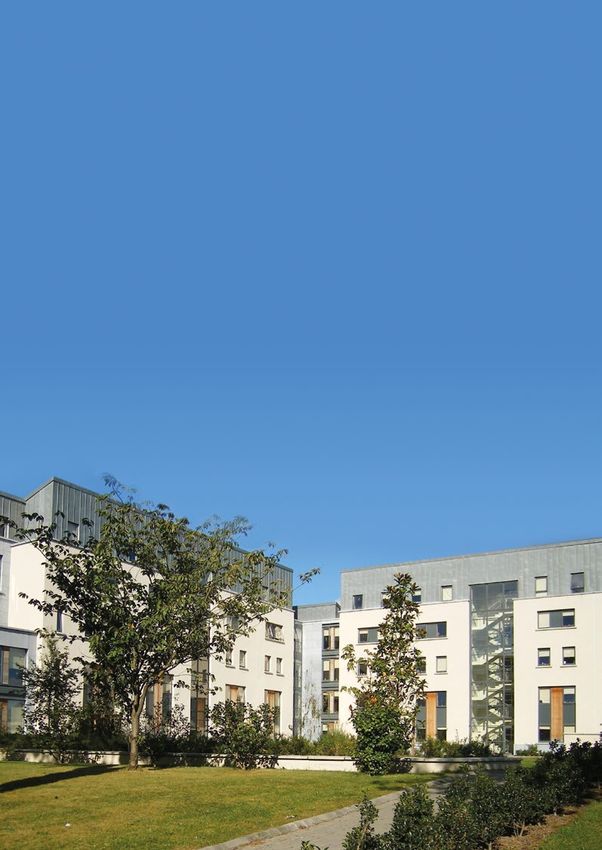
MIE exists first and foremost for our students. Prioritising
the wellbeing of both students and staff, as well as the
quality of the educational experience has always been
our raison d’être. It is clear that students selecting their
university degrees and programmes of further study
have become increasingly more discerning in where they
eventually decide to spend their time and rightly so. If you
are a student who wishes to be a member of a vibrant
and engaging community, who wants to get an excellent
Trinity-accredited qualification, be supported on a
personal and professional basis, engage with peers and
staff on a first-name basis, have a happy well-rounded
student experience, where engagement of all in a wide
range of extra-curricular activities is promoted, then
Marino Institute of Education is the place for you. We
have always been proud of our beautiful campus and our
tradition for care, community, and excellence; we are
more aware than ever that our core values are pivotal to
how higher education can serve the needs of our students
and society into the future.

We look forward to welcoming you to our website and our
historic campus to get a flavour of the rich and focused
college experience that awaits you at Marino
Institute of Education.                                           Quasi Stellae
                                                               Fulgeant’ (Daniel 12:3)
                                                               ‘That you may shine
Professor Teresa O’Doherty                                     like stars’.
President

                                                                                         3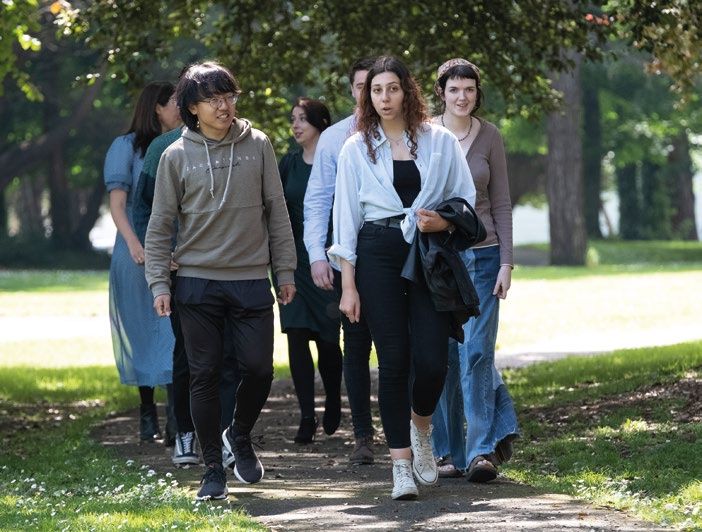
02       Vibrant student community
                                                Marino Institute of Education is a
                                                vibrant and friendly community where
                                                you quickly get to know colleagues
                                                and make lifelong friends in a positive
                                                and welcoming environment. Students
                                                benefit from strong interactive
                                                classroom experiences where their
                                                voices are heard and valued.

01        Trinity Degree
Experience Marino Institute of Education’s
excellent standards of education and have
your studies accredited by Trinity College
Dublin, the University of Dublin, which is
Ireland’s highest ranked university, with a
global reputation for excellence in teaching,
research and innovation. A Trinity degree is
an asset for educators who intend to stay
in Ireland as well as those who will travel
abroad for work or adventure.

WHY CHOOSE
MARINO INSTITUTE
OF EDUCATION?
@MarinoInstitute
#ThisIsMIE
                                                03        Student support
                                                Every student in Marino Institute of
#SmallCampusBigHeart                            Education is assigned a personal
                                                tutor from the academic staff who
                                                is there to support you during your
                                                studies. If necessary, you may
                                                avail of support from the Institute’s
                                                health service, the Disability
                                                Service, Chaplaincy, or the Student
                                                Counselling Service.

4
05        An Ghaeilge
                                                              The use of Gaeilge among staff
                                                              and students is welcomed and
                                                              encouraged, whether you’re fluent
                                                              or have just a ‘cúpla focal’. Find
                                                              opportunities to improve and enrich

04       Location, Location, Location
Marino’s beautiful campus provides the perfect setting
                                                              your Gaeilge, academically and
                                                              socially, in a relaxed and supportive
                                                              environment.
for students to live and study. Relax and enjoy plenty of
green space, the sports pitches, local shops, bars and
restaurants, all while having Dublin city on your doorstep.

                                                              07         Accommodation
                                                              Marino boasts newly refurbished
                                                              state-of-the-art apartments that are

06         Clubs & Societies
Marino has a range of clubs and societies on campus to
                                                              conveniently located on its beautiful
                                                              campus. They are equipped with modern
                                                              facilities making students’ experience on
suit all interests from sports to the arts and much more.     campus the best possible.
MIE students also benefit from having access to a range
of Trinity’s clubs and societies.

                                                                                                          5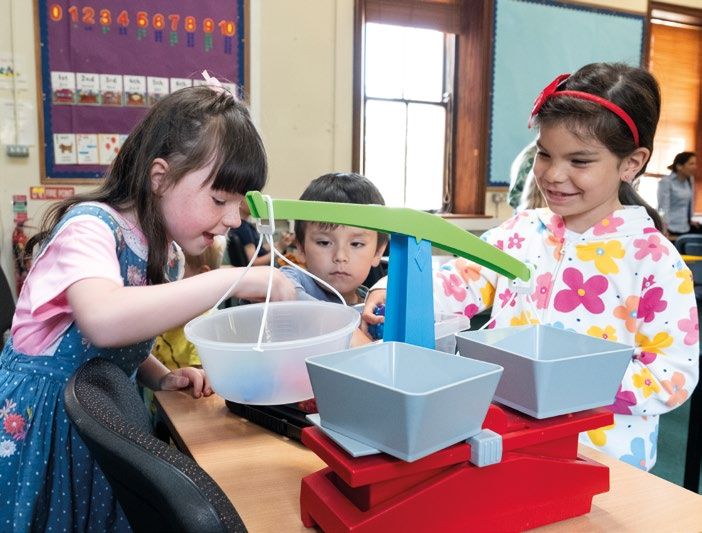
6 Photo by Gabriel Ramos on Unsplash
STUDYING
IN DUBLIN
  Dublin has grown to become one of the most vibrant and
  exciting places to live and study, with approximately
  120,000 students choosing to study here. The capital
  city is steeped in rich culture, music, art and literature.
  It is home to beautiful parks, some large technology
  companies and it boasts a buzzing nightlife.

  Explore Dublin city centre easily on foot or take
  advantage of its various transport services. Dublin Bus,
  the LUAS and DART, or the ever-popular Dublin Bikes
  will get you anywhere you want to go. This compact
  city has something for everyone. Whether you want
  to visit Phoenix Park, support your GAA team in Croke
  Park, catch a rugby game at the Aviva Stadium, kayak
  up the River Liffey, spend time in Temple Bar or catch a        Having come to MIE
  show in the Bord Gáis Theatre, you’ll have a great student    by myself it did seem
  experience by choosing to study here in Dublin. With its      daunting at first but
  tranquil campus and accessible location, Marino Institute     you settle into life here
  of Education is at the heart of it all.                       so quickly and you’ll
                                                                make friends with staff
                                                                and students alike,
                                                                which will make you
                                                                feel at home in no time!

                                                                                            7
SCHOLARSHIPS
    MIE is delighted to offer up to 20 scholarships each worth      I just wanted to email
    €500 in the following five areas:                            to say a huge thank for
                                                                 selecting me for the
    – Volunteering
                                                                 scholarship programme
    – Arts and Culture                                           last year. It made a
    – Cur Chun Cinn na Gaeilge                                   huge difference for my
                                                                 training and competing.
    – Sports                                                     I was able to race at the
    – Academic Achievement                                       World and the European
                                                                 championships during
    These scholarships are available to all new first year       the summer and was
    undergraduate students entering through the CAO              delighted with my
    scheme. For information on the criteria for each area and    performance. It’s great
    on the application process visit www.mie.ie/scholarships     knowing I have support
    or contact scholarships@mie.ie                               from the college.
                                                                 Cleo, B.Ed. student
    Other scholarships:
    For scholarships for Open Learning modules at MIE visit
    www.mie.ie/openlearning

    For details of the 1916 Leaders and Learners Bursary visit
    www.mie.ie/1916

    For details of the Uversity for Adult Learners visit
    www.uversity.org

8
TOBAR
Marino Institute of Education’s TOBAR programme Tobar has remained
has a singular focus on working with members of the a constant for me from
Irish Traveller Community to access initial teacher pre-entry to post-entry
education. Funded by the Higher Education Authority, in many ways. As I
the programme provides personal, academic and began my masters, I was
retention advice and assistance for potential students. hesitant to share my
When a student registers on TOBAR, they have an background but Miriam
individual support system to help them navigate every and MIE staff supported
stage of third level, from pre-entry college applications, me as I grappled with the
ongoing academic engagement to completion of confidence to be myself
Teacher registration. For more information on TOBAR, and talk about my norm
please email Tobar@mie.ie which is my upbringing
and my culture.
Annmarie, Tobar student,
What our students say… 2021/2022
I’ve always wanted to be a teacher; I can’t
believe this is actually really happening; I couldn’t
have done this without Tobar. Excerpt from: Colum & Collins
(2021): Conversations on
Claire, Tobar PME student, 2018–2020 COVID-19: a viewpoint on care,
connections and culture during
the pandemic from a teacher
educator and an Irish Traveller,
I will be the first in my family to go to college. Irish Educational Studies, DOI:
Annie, Tobar student, Transition year Post Primary school, 2019 10.1080/03323315.2021.1916560
9Student apartments
City centre bus service
Student recreation spaces
Fitness studio
Canteen
Coffee shop
Visual arts room
Basketball arena/gym
Chapel
Community garden
Science labs
Computer labs
Outdoor pitches
Car parking
CAMPUS FACILITIES
The beautiful campus includes newly
refurbished student accommodation and all
the modern facilities a student needs.
Meditation and
reflection room
Music Room
Counselling Library
ServiceSTUDENT
LIFE AT MIE
Outside formal classes countless opportunities are @MIESUnion
available to students both on and off campus. Students
make the most of MIE’s ideal location and immerse @miestudentsunion
themselves in extracurricular and recreational activities
on campus and in Dublin city centre. The dedicated and mie.ie/su
inclusive MIE Students’ Union, including our fantastic
Entertainment Officers, ensures that all students have
every opportunity to experience the best student life
while studying here. Events that cater for everyone are
organised during the year and everyone is encouraged to
get involved.
MIE Students’ Union
The MIE Students’ Union (SU) is made up of elected A core element of
students who represent students at college level, MIE’s identity is the
providing a voice and support network for all students. sense of community
The SU officers work for the whole student body by that it offers. This
organising events, wellbeing and support workshops, welcoming feeling is
fundraisers and being a helpful and friendly face for created through the
whenever you need a chat. The team includes a President, strong relationship that
2 Vice Presidents, Education Officer, Welfare & Equality the staff at MIE have
Officer and Clubs, Societies & Environmental Officer. with their students.
Clubs & Societies
MIE offers a range of clubs and societies and encourages
new students to sign up and get actively involved. Our
on-campus clubs include: Ladies’ & Men’s Football, Choir,
Hurling, Dance Society, Drama Society, Camogie, Trad
Society, An Cumann Gaelach, Ladies’ & Men’s Basketball
Team and the Green Campus/Sustainability Committee
Input from all students is welcomed and the
establishment of new clubs and societies is encouraged.
MIE students can sign up for a range of Trinity’s clubs and
societies such as their hockey team, athletics, badminton,
soccer and much more.
11CAMPUS
ACCOMMODATION
Marino’s fantastic recently refurbished apartments are The 2023 results
fitted with modern furnishing and appliances and are of StudentSurvey.ie
conveniently located on campus. The accommodation found that 89% of MIE
is close to the city centre, and is well serviced by Dublin students said that if
Bus, with a stop directly outside the campus gates. they could start over
Local amenities include shops, restaurants, a gym, a again in college, they
supermarket, pharmacy and a sports park. probably or definitely
would go to Marino.
A key card system is in place for secure and convenient
access to all apartments. Security cover is provided
to ensure the safety of students. The campus
accommodation’s management company, Eber, puts
extra emphasis on the social aspect of student life, giving
residents plenty of opportunities to mix. They host activities
such as quizzes, fancy dress events and movie nights.
For more information, visit us at https://eber.life/ie
email us at mie@eber.life, or call Eber’s MIE office at
+353 1 254 2248. We’d love to hear from you!
12MIE STUDENT
ACCOMMODATION
SCHEME 2024–25
– To support students who are
economically disadvantaged
– 1st year students
– Discounted rate
– On-campus accommodation
– Single-occupancy rooms
– Limited spaces available
For full eligibility criteria and how to apply,
visit www.mie.ie/scholarships
13STUDY ABROAD
Internationalisation is a feature of student and staff life in
MIE. We continually extend the geographic boundaries of
our activities through leveraging our global connections.
We strive to enhance the teaching and learning
experience offered on campus by promoting and
facilitating international opportunities for placement,
research and mobility. All undergraduate students in MIE
have the opportunity to engage in international activities.
As a Marino student, some of the international activities
that will be available to you include:
– Erasmus+ semester abroad
– Placement abroad opportunities
– North-South Student Teacher Exchange Programme
– International Sharing Sessions
– Blended mobility programmes
– Virtual international classrooms
– Short study visits abroad
– Faculty exchanges/mobility
14What our students and staff say…
As part as my third year in B.Sc ECE I had
the opportunity to take a semester abroad in
Denmark. This was an eye-opening experience
to different cultures and different approaches
to teaching that I will carry with me in my career
as an educator. I am forever grateful for the
opportunity that MIE Erasmus Mobility gave me.
Caitlin, B.Sc. in Early Childhood Education student
In Marino, we know
Fuair mé an deis mo shocrúchán scoile a that international
dhéanamh i Scoil Eorpach sa Bhruiséil nuair a bhí opportunities will help
mé sa tríú bliain. Ba thaithí iontach í múineadh i you to be the best
gcóras oideachais nua agus le múinteoirí ó áiteanna educator you can be.
éagsúla ar fud na cruinne. Bhí réimse mór teangacha When you study with us,
ag na páistí i mo rang, agus bhí an deis agam you can choose to study
Gaeilge a mhúineadh do chuid dóibh mar theanga abroad for a semester,
bhreise freisin. Bhain mé fíor-thaitneamh as an or engage in a variety
tréimhse a chaith mé thar lear ar shocrúchán scoile. of different virtual
Caroline, Bait. san Oid student international experiences
– or do both.
Dr Julie Uí Choistealbha, Head of
I studied in Belgium for a semester in third year. Department of Policy & Practice
It was such an enriching, eye-opening experience.
I learned about how teacher training differs in
various European countries, from my peers in my
international class and studied some interesting
content in my course. I also completed my
placement in a European school in Brussels which
enabled me to learn about how different school
systems function and how to use other curricula.
I would highly recommend Marino’s study abroad
programmes; they can lead to so many new
opportunities for you, and you will come home
with a wealth of new information!
Faye, B.Ed. student
We highly recommend this experience to all
students. We believe that everyone should live
an experience like this. Even if it only lasts a few
months, you will remember it for a lifetime.
Martina and Andrea, Erasmus+ students, UAB Spain
15THE MIGRANT TEACHER
PROJECT BRIDGING PROGRAMME –
“BEING A TEACHER IN IRELAND”
The Migrant Teacher Project at Marino Institute of Education aims
to increase the participation of Immigrant Internationally Educated
Teachers in Irish primary and post-primary schools. In achieving
this, the project provides information, advice and training to migrant
teachers, including refugee teachers, who have qualified outside of
Ireland, to help them to continue their profession in Ireland. The MTP
also supports such teachers, through advocacy and other activities
aimed at raising the issue of recruitment, retention and promotion of
migrant and refugee teachers within the Irish education system.
16What is the Bridging Programme?
This is a part-time professional development programme,
which provides knowledge and skills to help build
confidence and gain employment in Irish schools.
Participation in this
Who is it for? programme has given
These programmes are for teachers from immigrant me great insight into
backgrounds who hold international teaching qualifications the Irish Education
at Primary and Post-Primary (Secondary) level, and who system, curriculum,
are now living in Ireland. summative and formative
assessment as well as the
What will I learn? most recent classroom,
Through lectures, workshops, online learning and school pedagogical and societal
experience, you will explore the following topics. practices. It has also
given me invaluable
1. School contexts and school cultures – to develop membership to a network
an understanding of the Irish education system, and of contemporaries
explore how schools and school cultures are influenced and mentors who have
by their historical, sociological and political contexts. enthused, bolstered,
and elucidated my
2. Curriculum, assessment and pedagogy in Ireland –
professional growth and
to become familiar with current policy and practice
approach.
in the Irish context, and reflect on the development of
Sacha, MTP student
curriculum, assessment and pedagogies more broadly.
3. The teacher as a professional – to explore different
concepts of ‘teacher’ and the role of the teacher
in the Irish context, with reference to both policy
and practice, and to understand the role of teacher
organisations in Ireland.
4. Developing a teaching career in Ireland – to identify
your professional strengths, and areas for continuing
professional development – to gain practical skills to
assist employment in Irish schools.
How is the course assessed?
Questioning, feedback and online forums will provide
opportunities for self, peer and tutor assessment and
feedback throughout the course. You will complete a written
reflection, to be submitted at the end of the programme.
Certification
Teachers who complete the Bridging Programme
successfully will receive a Certificate from Marino
Institute of Education.
17SUPPORT Student Learning Development
This service provides learning
SERVICES
support to help students reach
their academic potential.
Workshops and events on self-
AT MIE
management skills, presentation
skills, referencing and critical
writing skills are organised on
campus throughout the year
as well as a selection of online
workshops for students. These
help you to perform to your best
during your chosen course.
Tutor System
The personal Tutor System is a key
support for students in MIE. Each
full-time student is allocated a
lecturer as their personal tutor who
will listen to students’ concerns and
support them in progressing through
their course while responding to
any challenges or difficulties that
sometimes arise along the way.
Student Counselling Service
Students can avail of the
counselling service to gain the
time and space to explore any
issues that are of concern to them
and that affect their studies.
We have a fulltime on-campus
student counsellor and a Director
of Student Counselling Services Student Medical Services
to support students’ wellbeing. All MIE students can avail of three free visits to
You can make an appointment to health professionals at Fairview Medical Centre
meet with a counsellor. in each academic year. A team of doctors
and nurses is on duty during the week with an
emergency service on Saturday morning. The
Medical Centre is a convenient 10-minute walk
from the college with several pharmacies nearby.
18Chaplaincy and Personal Support
One role of the Chaplaincy Team in
MIE is to complement the Tutor System
and to provide support for students at
times of bereavement or illness. The
Religious Education Team organises
different liturgies throughout the
year, creating a space for prayer and
reflection. The chaplain is Lily Barry
(chaplaincy@mie.ie).
For more information on MIE Support
Services visit www.mie.ie/support
Student Disability Service
This service operates on a disability
needs basis, providing reasonable
accommodations for students who
disclose a disability. When a student
registers with the service, a needs-
based plan is put together to develop
a clear and effective support system
at all stages in the student journey,
from entering college, to engaging in
classes and to completing assessment
requirements.
1920
COURSES
– Bachelor in Education (Primary Teaching)�������������������������������������������������������������������22
– Bachelor in Education through the Medium of Irish (Primary Teaching) �������������24
– Baitsiléir san Oideachas trí Mheán na Gaeilge (Bunmhúinteoireacht)���������������� 26
– Bachelor in Science (Education Studies) ���������������������������������������������������������������������28
– Bachelor in Science(Early Childhood Education)������������������������������������������������������ 30
– Trinity International Foundation Programme ���������������������������������������������������������������32
– Professional Master of Education (Primary Teaching) �������������������������������������������� 34
– Professional Diploma in Education (Further Education)��������������������������������������������� 36
– Master in Education Studies (Intercultural Learning and Leadership)�����������������38
– Master in Education Studies (Early Childhood Education)�������������������������������������� 40
– Master in Education Studies (Visual Arts)�������������������������������������������������������������������� 42
– Master in Education Studies (Inquiry-Based Learning) ������������������������������������������ 44
– Master in Education Studies (Christian School Leadership)���������������������������������� 46
– Master in Education Studies (Primary Mathematics Education)�������������������������� 48

                                                                                                                      21
BACHELOR IN EDUCATION
(PRIMARY TEACHING)
CAO CODES: CM001/CM002
Helping young people learn is one of the most satisfying and
rewarding careers. The Bachelor in Education (Primary Teaching)
course is recognised by the Teaching Council and will prepare you
to teach in primary schools in Ireland. This qualification is also
recognised in many international settings.
22What is the Bachelor in Education (Primary
Teaching)?
Find out how children aged 4–12 learn to read, write,
count and calculate; learn how to introduce them to the
arts, the magic and mysteries of the world around them
and how to grow and develop in a healthy way.
What will I study?
Study how children learn, what factors influence their I am thoroughly
learning and how our understanding of this has changed enjoying my time on
over time. Advance your own knowledge of primary this course. Marino
school curriculum subjects and learn about methods has given me a wealth
for teaching all primary school subjects. Learn about of knowledge and
subjects such as Inquiry-based learning and Equality confidence. The college
Studies, courses that give us new perspectives on how is such a caring, kind and
we think. Study for a certificate in Catholic Religious supportive community
Education to prepare for teaching in schools under the where each and every
patronage of the Catholic Church and/or a certificate student is valued.
in Multi-belief and Ethical curricula in Diverse School
Contexts. Consider a semester abroad on an Erasmus
exchange in the third year of your B.Ed degree.
School Placement
Experience placements in urban and rural schools,
single sex and co-educational schools, multi-grade
and single class situations, denominational and multi-
denominational schools, DEIS schools and scoileanna
lán-Ghaeilge nó Scoileanna Gaeltachta. Engage in a
Special Educational placement and experience school
life in a variety of contexts.
Gaeltacht
Spend time, typically two two-week periods, in the
Gaeltacht to develop your knowledge of the Irish
language and culture.
What are my career options?
Most graduates of the Bachelor in Education (Primary
Teaching) course become primary teachers in schools
in the Republic of Ireland. Some travel abroad to teach
English as an additional language or to teach in primary
schools elsewhere. Occasionally graduates work in areas
other than education such as in the media or in research.
Module listings p52
23BACHELOR IN EDUCATION
THROUGH THE MEDIUM OF
IRISH (PRIMARY TEACHING)
CAO CODES: CM003/CM004
The Bachelor in Education through the Medium of Irish is for
students who wish to teach in the Irish-medium sector either in
the Gaeltacht or in All-Irish schools. Recognised by the Teaching
Council, this programme qualifies students to teach in all school
types. However, qualifying with this degree obtained through the
medium of Irish will set these teachers apart from others who wish
to teach through the medium of Irish.
24What is the Bachelor in Education through the
Medium of Irish (Primary Teaching)?
Learn about immersion education, about how children
acquire language, about how children aged 4–12 learn to
read, write, count and calculate. Learn how to introduce
children to the arts and Gaelic culture, as well as the
magic and mysteries of the world around them and help
them to grow and develop in a healthy way.
We have many
What will I study? opportunities to speak
Study immersion education, early childhood education, Irish and are fortunate to
how children learn, psychology and sociolinguistics. be surrounded by people
Learn methods for teaching all primary school subjects who have a love for Irish.
and about the advantages of teaching through the I’ve learnt invaluable
medium of Irish. Study for a certificate in Catholic teaching skills as well
Religious Education and/or a certificate in Multi-belief as improving on my
and Ethical curricula in Diverse School Contexts. own Irish through
this course.
School Placement
All school placements will be undertaken in Irish-medium
settings with your final school placement in a Gaeltacht
school. Experience a wide range of placements in the
all-Irish education sector, in urban and rural schools,
single sex and co-educational schools, DEIS schools, in
special education classes/settings, and multigrade and
single-class settings. You will have an opportunity to
apply to take School Placement in a European School
through English.
Gaeltacht
Spend two two-week periods in the Gaeltacht in first
year and second year. In fourth year, for the Advanced
School Placement (10 weeks), all students will be based in
the Gaeltacht.
What are my career options?
This degree suits those students particularly interested
in teaching in Irish-medium sectors i.e. in Gaeltacht and
All-Irish schools. The programme is fully recognised by the
Teaching Council and graduates will be eligible to apply for
positions in a school where Irish is the second language.
Module listings p54
25BAITSILÉIR SAN OIDEACHAS
TRÍ MHEÁN NA GAEILGE
(BUNMHÚINTEOIREACHT)
CÓID LÁR-OIFIG IONTRÁLA (CAO): CM003/CM004
Tá an Baitsiléir san Oideachas trí Mheán na Gaeilge
(Bunmhúinteoireacht) dírithe ar mhic léinn a dteastaíonn
uathu múineadh san earnáil oideachais Lán-Ghaeilge i.e. i
scoileanna Gaeltachta nó i scoileanna Lán-Ghaeilge. Tá cáilíocht
mhúinteoireachta trí mheán na Gaeilge ina buntáiste ag céimithe
atá ag iarraidh múineadh sna scoileanna sin.
26Céard é an Baitsiléir san Oideachas trí Mheán na
Gaeilge (Bunmhúinteoireacht)?
Foghlaim faoin tumoideachas, faoi na bealaí ina
bhfoghlaimíonn na páistí teanga, conas léamh, scríobh,
comhaireamh agus áireamh. Foghlaim conas na healaíona
a chur ar shúile na bpáistí, faoin tábhacht a bhaineann leis
an gcultúr Gaelach mar aon leis an draíocht agus na mistéir
mórthimpeall orthu, agus na bealaí chun fás agus forbairt ar
bhealach sláintiúil. Bíonn deiseanna
againn an Ghaeilge a
Céard air a ndéanfaidh mé staidéar? úsáid le daoine timpeall
Déan staidéar ar an tumoideachas, ar an Oideachas Luath- orainn a bhfuil grá
Óige, ar an mbealach ina bhfoghlaimíonn páistí, ar an láidir acu don Ghaeilge.
tSíceolaíocht agus ar an tSochtheangeolaíocht. Foghlaim Táim tar éis scileanna
faoi na modhanna chun na hábhair uile a mhúineadh agus ríthábhachtacha don
faoi na buntáistí a bhaineann lena múineadh trí mheán mhúinteoireacht a
na Gaeilge. Déan staidéar chun teastas san Oideachas fhoghlaim chomh maith
Reiligiúnach Caitliceach a bhaint a amach agus/nó chun le feabhas a chur ar mo
teastas a fháil sna Curaclaim Ilchreidmheacha agus Eitice i chuid Gaeilge.
gComhthéacsanna Scoileanna Éagsúla.
Socruchán Scoile
Is trí mheán na Gaeilge amháin a dhéanfaidh tú na
Socrúcháin Scoile agus sa Cheathrú Bliain déanfaidh tú do
Shocrúchán Scoile i scoil Ghaeltachta. Gheobhaidh tú
réimse leathan de thaithí san earnáil oideachais Lán-
Ghaeilge. Beidh deiseanna agat Socrúcháin a dhéanamh i
scoileanna tuaithe agus uirbeacha, i scoileanna aon ghnéis
agus i scoileanna comhoideachais, i scoileanna DEIS, i
scoileanna ina bhfuil suíomhanna aon ghráid agus ilghráid
iontu. Beidh deis agat cur isteach ar Shocrúchán Scoile a
dhéanamh i Scoil Eorpach trí Bhéarla.
Gaeltacht
Caith coicís sa Ghaeltacht sa Chéad Bhliain agus sa
Dara Bliain. Sa Cheathrú Bliain don Ardsocrúchán Scoile
(deich seachtaine), beidh mic léinn ag cur fúthu sa Ghaeltacht.
Céard iad na roghanna a bheidh agam mar mhúinteoir?
Oireann an chéim seo go speisialta do mhic léinn a
dteastaíonn uathu múineadh san earnáil oideachais
Lán-Ghaeilge i.e. i scoileanna Gaeltachta nó i scoileanna
Lán-Ghaeilge. Tá an chéim aitheanta ag an gComhairle
Mhúinteoireachta agus beidh céimithe leis an gcéim i
dteideal freisin post a lorg i scoil Bhéarla ina bhfuil an
Ghaeilge mar dhara teanga. Module listings p56
27BACHELOR IN SCIENCE
(EDUCATION STUDIES)
CAO CODES: CM010
Education happens in all kinds of places and throughout our lives
– not just in school buildings and not just in our early years. This
course will open a new world of education to you as you learn
about the many ways and places in which people learn, and the
impact that education has on our lives.
28What is the B.Sc. in Education Studies?
This unique course takes a broad and deep view of
education. You will discover how education can enhance
people’s lives and how different approaches benefit
different people at different times of their lives, depending
on what they need to learn. If you are interested in
education, but not sure what area you’d like to work
in, this course is ideal for you as it will give you many
opportunities to learn about how adults, adolescents and The B.Sc. in Education
children learn in both formal and informal settings. Studies is a brilliant
course for students to
What will I study? learn about all aspects
All of the modules on the B.Sc. in Education Studies fall of education and to
under the umbrella of education. You will study modules experience a different
in areas such as psychology, sport, sustainability, the work placement in each
arts, technology, inter-cultural education and special year. It provides an ideal
education needs. In year 3 you will complete a research foundation for many
methods course and in year 4 you will complete a research career opportunities in
project on an aspect of education that interests you. education.
Throughout your course, you will use an e-Portfolio to
support your learning.
Work Placement
The work placement in each year allows you to experience
the practical application of the theory you are learning
on the course. It also provides a meaningful and realistic
insight into the world of education. You can choose to take
your placement in an education setting of your choice. In
years 1, 2, and 3 the work placement is a two-week block
and in year 4, you will take an eight-week internship.
What are my career options?
Graduates of the programme are working as lifelong
learning tutors, educational researchers, HR advisors,
social care workers, education engagement officers, and
education and training coordinators.
What other options do I have?
Many graduates continue to further study in areas like
social care, politics and policy, further and adult education,
and psychology. Students who meet the minimum
requirements may apply for the Professional Master of
Education (Primary Teaching) course in MIE or elsewhere.
Module listings p58
29BACHELOR IN SCIENCE
(EARLY CHILDHOOD EDUCATION)
CAO CODES: CM020
The role that educators play in the education and care of young
children has a lifelong impact on children as individuals, how they
learn and who they become as adults. This course will enhance
existing provision of courses for preparing early childhood educators.
It is recognised by the Qualifications Authority Board (QAB) under the
Department of Education (DoE) and the The Department of Children,
Equality, Disability, Integration & Youth (DCEDIY).
30What is the B.Sc. in Early Childhood Education?
The B.Sc. in Early Childhood Education is a four-year
level-eight degree programme accredited by Trinity
College Dublin, the University of Dublin. The degree
prepares students for working in the early years sector
as educators, leaders, policy influencers and other roles
involving services for children.
What will I study? This is a great
Students will study a wide range of modules including course with interesting
child psychology, play, language and literacy, inquiry- modules which are very
based learning, early childhood policy, child care and beneficial to your study
protection and arts in the early years. Learn about early and placement. With
childhood development more broadly including the a smaller campus and
crucial roles educators play in children’s and families’ lecturing groups, you’ve
lives and the influences on modern education, including great chances to form
Montessori, Froebel and Vygotsky. Learn about the close bonds and make
Aistear curriculum framework for early childhood education friends for life.
and the Síolta Quality framework, and take education
placements in a variety of early childhood settings.
Field Placement
Participate in several field placements in a variety of
early childhood settings gaining valuable hands-on
experience. Field placement will begin with a three-week
block placement in first year and culminate in a nine-week
block placement in fourth year in which students have the
opportunity to carry out a research project. There are also
opportunities for field placement experiences in policy,
special education and other settings.
What career options do I have?
Graduates typically work in a variety of early childhood
education settings. They have an opportunity to become
leaders of children’s learning and quality practices in
the early years. Graduates can work in a wide variety of
organisations and roles throughout the education sector,
and become entrepreneurs, leaders, or managers in the
field of early childhood education. In addition to early-
childhood-specific content, students will learn essential
transdisciplinary skills and dispositions in communication,
collaboration, creativity and critical thinking.
Module listings p59
31TRINITY INTERNATIONAL
FOUNDATION PROGRAMME
The Trinity International Foundation Programme is a
year-long course designed to allow non-EU students
to develop the skills required to succeed and excel in a
competitive university environment.
32What is the Trinity International Foundation
Programme?
This collaboration with Trinity, for incoming international
students, is delivered at the campus of Trinity’s associated
college, Marino Institute of Education, where excellent
student facilities and on-site accommodation are
available. On successful completion of the course, students
who meet the relevant entry requirements will be eligible for
places on a variety of undergraduate degrees in both Trinity I thoroughly enjoyed
College Dublin and Marino Institute of Education. my college experience,
both academically and
What will I study? socially and I was able
During the Foundation year, students study English to get into my desired
language, mathematics, critical thinking, communication programme at Trinity –
skills, as well as subject-specific modules related to this was a great gateway
their chosen degree pathway. Students who successfully for me to access
complete the programme and meet other specific the highest-ranked
requirements, may proceed into their chosen degree university in Ireland.
stream the following academic year. Applicants to the
Trinity International Foundation Programme can choose
between two distinct pathways Business, Economics and
Social Science (Pathway A) and Engineering and Science
(Pathway B).
Who is the course for?
It is aimed at students who have the drive and ambition
to attend a world-class educational institute, but cannot
begin an international undergraduate degree directly.
What are my options?
On successful completion, you will have a wide range of
degree options from either Pathway A or Pathway B.
Module listings p60
33PROFESSIONAL MASTER OF
EDUCATION (PRIMARY TEACHING)
The Professional Master of Education (Primary Teaching) prepares
graduates to enter the teaching profession. This programme is
recognised by the Teaching Council and emphasises the acquisition
of key teaching practices. Students are expected to develop a wide
range of practical teaching skills both during their time in MIE and on
school placement.
34What is the Professional Master of Education
(Primary Teaching)?
It is a postgraduate course designed to prepare students
to become eligible to apply for registration as primary
teachers with the Teaching Council.
What will I study?
The course includes foundation studies, which integrate
history of education, philosophy and sociology of Lecturers are
education, educational psychology and curriculum and fantastic and content
assessment. You will also conduct research in an area is taught with real-life
of special interest. Study for a certificate in Catholic applications in mind. I
Religious Education and/or in Multi-belief and Ethical feel like the college could
Curricula in Diverse School Contexts. not have done any more
really to prepare me for
Who is the course for? the teaching profession. I
Graduates who already have a level-8 degree at grade especially benefited from
II.2 or higher. Some students transfer directly from an the teaching of realistic
undergraduate course whereas other students have spent strategies that can be
time travelling, or working in another field before deciding used in the classroom in
to pursue a career as a primary teacher. all areas from behaviour
management to the
School Placement teaching of curriculum.
Students undertake periods of school placement
during both years of the course. In first year there is a
three-week placement in semester 1 and semester 2. In
second year there is a one-week placement in a special
education setting and a ten-week placement.
Gaeltacht
Students must spend time, typically two two-week
periods, in the Gaeltacht.
What are my career options?
Most graduates become primary teachers in schools
in the Republic of Ireland. Some travel abroad to teach
English as an additional language or to teach in
primary schools elsewhere.
What other options do I have?
Some graduates will pursue further postgraduate studies
in education. Such additional qualifications open up
possible careers as curriculum leaders, a principal
teacher, a teacher educator and much more.
Module listings p61
35PROFESSIONAL DIPLOMA IN
EDUCATION (FURTHER EDUCATION)
Recognised by the Teaching Council, this course is intended
to equip students with a range of knowledge and skills
related to the profession of teaching in Further Education
and Training settings.
36What is the Professional Diploma in Education
(Further Education)?
This programme prepares teachers for the Further
Education sector. It combines blended learning and
teaching placements. Weeknight lectures are held online,
and weekend classes take place on the MIE campus.
The Professional Diploma is accredited by Trinity and
recognised by the Teaching Council. The award is placed
at Level 8 on the National Framework of Qualifications. The classes were very
This 60-ECTS course can be completed full-time over interactive which made it
one year or completed part-time over two years. enjoyable and fulfilling.
My various teaching
Who is the course for? placements during
This course meets the academic and professional the course were an
requirements of teachers working in Further Education invaluable experience.
and Training, or those who wish to pursue a teaching
career in this sector.
What will I study?
The curriculum includes foundation studies, professional
studies and a practical teaching programme. The
practical teaching modules include an educational
placement involving 30 hours of observation and 100
hours of assessed teaching practice. All placement/
teaching hours must be completed in State-approved
providers of Further Education in the Republic of Ireland,
on programmes at QQI Levels 3–6.
How is the course assessed?
A variety of assessment modes such as assignments,
reflective journals, presentations, research projects
and portfolios. In addition, all students on the programme
will have a total of 4 classroom based assessments of
their teaching practice.
What are my career opportunities?
Graduates can register with the Teaching Council and
apply for teaching jobs within the Post Leaving Cert
(PLC) and Further Education (FE) sectors. Graduates
will also be qualified to teach in SOLAS training centres,
Youthreach centres, on adult education programmes and
community education programmes.
Module listings p62
37MASTER IN EDUCATION STUDIES
(INTERCULTURAL LEARNING AND
LEADERSHIP)
This is an innovative and unique course for educators who want to
examine the complexities of teaching in a diverse and globalised
world. Participants will be prepared to take on leadership roles
in their schools and workplaces, bringing the skills of a critical
intercultural educator to support learners in achieving their
potential. This programme has been endorsed by the Centre for
School Leadership and is recognised as being suitable for aspiring
leaders, new senior leaders, established school leaders and system
leaders in Irish education.
38Who is the course for?
Educators who want to engage with the opportunities
and challenges of teaching in a diverse and globalised
world. The course aims to equip participants with the
threshold academic knowledge to undertake educational
leadership, while engaging in a critical examination
of race, language diversity, and religious diversity in
educational settings.
I am truly grateful
What will I study? for the guidance and
Participants will study four discrete modules in first support offered by the
year: schools and diversity, inclusion and intercultural lecturers who got to
education; school leadership in diverse settings; teaching know us on a first name
English as an additional language; and religious diversity basis; I could knock
and intercultural education. In year 2, students have the on the door of any of
opportunity to focus on one of these areas in greater the lecturers, and they
depth, develop research skills and prepare a dissertation always responded to
on a topic relevant to intercultural education. my queries.
How is the course assessed?
Types of assignment include essays, case studies and
contributions to discussion fora in year 1, followed by a
research proposal and dissertation in year 2.
What are my career options?
Graduates of the course will be well prepared for many
leadership and management roles in schools, including
principalships. Graduates will be well placed to offer
professional development for teachers or to work with
pre-service educators on the topic of intercultural
education. Furthermore, graduates could contribute
to the field of intercultural education by presenting
conference papers and writing journal articles.
Module listings p63
39MASTER IN EDUCATION STUDIES
(EARLY CHILDHOOD EDUCATION)
This programme offers a distinctive learning experience
based on developing in the participants a deep theoretical
understanding and critical awareness of key issues in early
childhood education.
40Who is the course for?
For primary teachers, early childhood educators
and those working with young children in the area of
advocacy. This course does not qualify graduates as
educators in early years settings.
What will I study?
Participants will be encouraged to think critically
and to reflect on their practice. They will examine the I had a very positive
research on play, language and other areas of the child’s experience of the
learning and will share their ideas and develop shared Masters in Early
understandings with other students through online Childhood Education.
forums. They will explore and critically evaluate the The lecturers
philosophical and pedagogical stance of various early were extremely
childhood thinkers. They will initiate a research project knowledgeable and
on the area of play. There will be an opportunity to supportive and the
work on group assignments and make oral and written content sparked a
presentations. Learning will be facilitated in face-to-face passion for further
and online settings. learning in this area.
How is the course assessed?
The course consists of assignments in the form of essays,
oral presentations and project work in year one. This is
followed by a research proposal and dissertation in year two.
What are my career options?
Graduates of this programme find the qualification
beneficial in achieving promotion and career change. This
includes school principalship or management of an early
childhood education setting. Graduates are well placed
to offer professional development for practitioners
in primary schools and in early childhood education
settings. Graduates could engage in policy work or apply
for positions in the Inspectorate of the Department of
Education or in early years professional organisations
such as Early Childhood Ireland. Graduates sometimes
choose to continue their studies to doctoral level and
then work in the academic field.
Module listings p64
41MASTER IN EDUCATION
STUDIES (VISUAL ARTS)
This is an innovative course designed to enable participants
to establish, enhance and critially evaluate imaginative and
innovative practices in a variety of arts-in-education contexts
with increased connoisseurship, confidence and creativity.
42What is the Master in Education Studies
(Visual Arts)?
Graduates will have the ability to critically appraise
and reconceptualise approaches, and to break out of
established patterns in order to explore things in different
ways. In addition, they will acquire the expertise to
contribute to local, national or international communities
of practice within arts and education.
You’ll always feel
Who is the course for? there’s somebody
Educators and teaching artists who have a particular there for you should
interest in visuals arts, integrated arts and arts integration you need them, which
practices and those who are interested in developing is why the friendly
imagination, ideation and innovation within diverse arts- communal aspect
in-education practices. of MIE is so special. I
couldn’t recommend
What will I study? MIE highly enough.
In year 1, study four discrete modules consisting of a
common core module and three specialist visual arts
education modules. In year 2, students focus on an area
of interest related to visual arts within Education Studies
in greater depth, develop research skills and prepare a
dissertation on a topic relevant to visual arts education.
How is the course assessed?
Assessment is linked to the modular nature of the course
and consists of a variety of assessment methods in year 1
followed by a research proposal and dissertation in year 2.
Module listings p65
43MASTER IN EDUCATION STUDIES
(INQUIRY-BASED LEARNING)
This is an innovative and unique Masters course that taps into the
widespread and growing interest in inquiry-based learning at all
levels of education, from early childhood to higher education.
44What is the Master in Education Studies
(Inquiry-Based Learning)?
Despite the growing interest in this area, few opportunities
exist in Ireland for students to study for a Masters degree
where most of the credits are awarded for study and
research in inquiry-based learning. This course aims
to rectify this. The course is framed to provide clear
interaction between theory and practice. A key feature
of the course is to build a community of inquiry among A key feature of the
participants, with a focus on collaborative tasks. course is to build a
community of inquiry
Who is the course for? among participants,
This course is open to teachers and anyone working as an with a focus on
educator in any profession or subject area, at any level. collaborative tasks
both online and
What will I study? face-to-face.
In year 1, students will study four discrete modules
consisting of a common core module, and three specialist
Inquiry-Based Learning modules. In year 2, students focus
on an area of interest, related to Inquiry-Based Learning
within Education Studies, in greater depth, develop
research skills and prepare a dissertation on a topic
relevant to inquiry-based learning.
How is the course assessed?
Assessment is linked to the modular nature of the course.
It consists of a variety of assessment methods in year 1
followed by a research proposal and dissertation in year 2.
Module listings p66
45MASTER IN EDUCATION STUDIES
(CHRISTIAN SCHOOL LEADERSHIP)
ONLINE
The Master in Education Studies (Christian School Leadership) is an
innovative and unique Masters course, delivered online, that draws
on research, principles and practice in school leadership of Christian
schools. The course is framed to provide clear interaction between
formation and theory, reflection and practice. A key feature of the
course is to build an online community among students as an integral
aspect of forming professional leaders for Christian education. This
course is endorsed by the CSL – Centre for School Leadership.
46You can also read


