3rd International Neurosequential Model Symposium - Reflecting on a Decade of Progress - Envisioning a Better Future for Children June 12 14 ...
←
→
Page content transcription
If your browser does not render page correctly, please read the page content below

3rd International
 Neurosequential
Model Symposium

     Reflecting on a Decade of Progress -
          Envisioning a Better Future
                 for Children

              June 12 - 14, 2018
               The Banff Centre
            Banff, Alberta Canada
Introduction

The ChildTrauma Academy and Hull Services are pleased to welcome delegates to the 3rd International Neurosequential
Model Symposium: Reflecting on a Decade of Progress - Envisioning a Better Future for Children.

Mission Statement: The mission of the Symposium is to bring together professionals from around the world to meet,
collaborate, facilitate further learning, and build professional communities regarding the implementation of the
Neurosequential Model.

Target Audience: The Neurosequential Model Symposium is designed for professionals in child and adolescent mental
health, social work, medicine and nursing, education, prevention, foster care, research, advocacy, child protection
services, and all who serve children and families affected by child maltreatment and violence.

Symposium Objectives: Through the Neurosequential Model Symposium, we seek to (1) share the expanding body of
knowledge around the Neurosequential Model, issues of application and implementation, with the growing number of
members within our professional community and in turn learn from them; we seek to (2) support our colleagues through
offering them rich professional development opportunities and the ability to connect to and strengthen relationships
with our peers across the world, and to do so in a setting that inspires and rejuvenates us; and we seek to (3) explore
through professional dialogue new ways in which we can work together to improve the lives of children and families who
are suffering from the adverse effects of trauma and maltreatment.

                                        General Information

Instruction Methodology: Most sessions will be didactic presentations accompanied by A/V components including
PowerPoint, audio and video clips, hands-on demonstrations, and experiential practice of techniques. Some sessions
may include Q&A and/or small and large group discussions. Some sessions may also include case example discussions.

Skill Ranking of Sessions: Beginning, Intermediate, Advanced. Due to the interdisciplinary nature of this Symposium,
attendees are urged to review session descriptions for professional appropriateness.

Workshop Descriptions: A comprehensive listing of workshop descriptions and objectives may be found on the
Conference website at: http://childtrauma.org/3rd-intl-nm-symposium-2018/

Symposium App: Attendees may download the Mobile App to access event information, connect with attendees, build
and view schedules, download handouts and more. Install the App by (1) visiting eventmobi.com/app and clicking the
appropriate app store logo for your device. Then Launch the app and enter event code: 2018NMSYMPOSIUM; or (2)
in the APP Store, search 2018NMSYMPOS .

                                                           2
Costs and Registration Information

Registration Costs: The Early Bird Rate is $738 USD and Early Bird Registration ends at midnight CST on January 15,
2018. After January 15th, 2018, the Registration Rate is $843 USD. CEs are available for an additional $50.

Fees Include: All ticket prices are shown in USD and include Canada's mandatory 5% Goods and Services Tax.
Registration fees include full access to all Symposium programming for June 12, 13, and 14, 2018 including breakfasts,
lunches, refreshments and the Welcome Reception. Delegates will also have access to a free Symposium mobile app
and website through which they can download speaker handouts and conference information. Some optional wellness
activities and Thought Leader Dinners will require an extra charge. Travel and Accommodations are NOT included.

Cancellation Policy: Full refunds less $100 USD per registration fee granted until midnight CST on May 31, 2018. No
refunds granted after midnight CST on May 31, 2018.

Event Registration: https://register.eventmobi.com/2018NMSYMPOSIUM/landing

For Guests with Disabilities, please contact The Banff Centre by via email: Reservations@banffcentre.ca or Toll Free: 1-
(800) 884-7574 (Canada & U.S.A.) to arrange disabilities accessible accommodations.

Suggested Accommodations:

The Banff Centre (TBC):
The Banff Centre may still have a small number of 1-bed rooms available. Call TBC Toll Free: 1 (800) 884-7574 and USE
Group sign in Code NMT 1806

Banff Lodging Company:
The Banff Lodging Company has a number of rooms reserved at various hotels in Banff at a discounted rate. Use Promo
Code NMT2018 at http://www.bestofbanff.com or call 1-800-563-8764 and reference Group #1903510 under Hull
Services. All reservations are on a space availability basis and minimum night stays may apply. All reservations must be
made by April 27, 2018.

Voyager Inn and Canalta Lodge:
We have reserved a limited number of rooms at the Voyager Inn and at the Canalta Lodge in Banff. Reservations must
be made before May 12th. Attendees will only be able to access these rooms by booking with the hotel directly over the
phone or by email (no online bookings). You will need to quote "NM Symposium" to access these rooms. The contact
for these bookings is " Joselito", and the phone number to call is 403-760-7785, or email res@banffvoyagerinn.com.

Stoneridge Mountain Resort:
THIS PROPERTY IS IN CANMORE, which is approximately a 20-minute drive from The Banff Centre.
http://www.stoneridgeresort.ca
You must call the hotel to book your reservation, and use promo code "NM2018" for a 15% discount.


                                                            3
3rd International Neurosequential Model Symposium:
                   PRELIMINARY PROGRAM
                                     #nmsymposium2018

Tuesday, June 12, 2018 – Schedule

7:00 – 8:30                                                  Breakfast

  8:15 -
                            Luminary Session A with Welcome by Dr. Bruce Perry
  10:00
  8:45 -
                            Luminary Session B with Welcome by Dr. Bruce Perry
  10:30
  10:00 -
                                               Nutrition Break
   10:45
  10:45 -
                                   Block 1 (choice of 6 concurrent sessions)
   12:45
  12:45 -
                                                              Lunch
   2:15

1:15 - 2:00                                     Book Signings

2:15 - 4:15                        Block 2 (choice of 6 concurrent sessions)

4:15 - 4:30                                    Nutrition Break

4:30 - 5:30   Boot Camp Tracks, Live Poster Sessions, Optional Activities, and Informal Meetings

6:00 – 7:30                                  Welcome Reception

                                                 4
Wednesday, June 13, 2018 – Schedule

7:30 - 9:00                                        Breakfast

  9:00 -
                                       Luminary Speaker Sessions
  10:30
  10:30 -
                                             Nutrition Break
   10:45
  10:45 -
                                Block 3 (choice of 5 concurrent sessions)
   12:45
  12:45 -
                                            Lunch/Activities
   2:15

1:15 - 2:00                                  Book Signings

2:15 - 4:15                     Block 4 (choice of 6 concurrent sessions)

4:15 - 4:30                                  Nutrition Break

              Boot Camp Tracks, Multimedia Presentations, Optional Activities, and Informal
4:30 - 5:30
                                              Meetings

5:30 - 6:30                               Presenter Reception

7:00 – 9:00                                  Focus Dinners

Thursday, June 14, 2018 - Schedule

7:30 - 9:00                                        Breakfast

  9:00 -
                                       Luminary Speaker Sessions
  10:30
  10:30 -
                                             Nutrition Break
   10:45
  10:45 -
                                Block 5 (choice of 5 concurrent sessions)
   12:45

                                              5
12:45 -
Lunch
2:15
1:15 - 2:00 Book Signings
1:15 - 2:00 Special Performance by Jimmy Greene
2:15 - 4:15 Block 6 (choice of 5 concurrent sessions)
4:15 - 4:30 Nutrition Break
4:30 - 5:00 Closing Ceremony
5:00 - 6:00 Boot Camp Tracks
Health and Wellness Activities
The following optional activities, led by Hull Services and other delegate volunteers, offer delegates the opportunity to
self-regulate, reflect, and interact in a non-traditional conference setting with other Symposium delegates. Sessions will
fill on a first-come, first-served basis through the Signupgenius.com website (link distributed via email to delegates) and
are open to everyone. Delegates are also encouraged to utilize the Message Board on the first-floor of the Kinnear
Centre to facilitate their own informal group activities such as walking, hiking, yoga, meditation, etc.
In addition to the activities offered below, delegates may also take advantage of fitness classes held through the Banff
Centre’s Sally Borden Recreation Facility. More information can be found here: https://www.banffcentre.ca/sally-borden-
fitness-and-recreation
*Schedule pending
6
Focus Dinners

The following optional Focus dinners, scheduled from 7:00 – 9:00pm on Wednesday, June 13th, will be facilitated by
CTA Fellows and other leading professionals in our field and are intended to offer another opportunity for our delegates
to connect and engage in meaningful conversations in a non-traditional conference setting. Focus dinners will fill on a
first-come, first-served basis. Sign up details TBD. Delegates are also encouraged to utilize the Message Board on the
first-floor of the Kinnear Centre to facilitate their own meal-time gatherings in any of the great Banff Centre restaurants
or dining options in the town of Banff.

                              FOCUS Dinners – Wednesday, June 13th, 2018 7:00 – 9:00 pm

    Steve Graner & Jessica Pfeiffer - NME: Supporting Schools in NME Training                       Location TBD

    Stuart Ablon and Alisha Pollastri - NMT and Collaborative Problem Solving                       Location TBD

    Jesper Birck, Tony Bloemendaal, and Roland Verdouw - NMT Practice in Europe                     Location TBD

    George Davis - NMT and Psychopharmacology                                                       Location TBD

    Michelle Taylor - Animal Assisted Therapy                                                       Location TBD

    Kathleen Hagan and Hull Staff - NMT and Indigenous Populations                                  Location TBD

    Keith Bailey, Pam Frye, and Nicole Coning - Adoption and the NMT                                Location TBD

    Julia Bantimba - NMT and Occupational Therapy                                                   Location TBD

    Erin Hambrick and Thomas Brawner - NMT Research                                                 Location TBD

    Kristie Brandt and John Brandt - NMT and Early Childhood                                        Location TBD

    Denise Manderson and Joel Pippus - NME                                                          Location TBD

                                                            7
Luminary Speakers and Special Guests

                         Bruce D. Perry, M.D., PhD.
                         Dr. Perry is the Senior Fellow of The ChildTrauma Academy, a not-for-profit organization based
                         in Houston, TX (www.ChildTrauma.org), and adjunct Professor in the Department of Psychiatry
                         and Behavioral Sciences at the Feinberg School of Medicine at Northwestern University in
                         Chicago. Dr. Perry is the author, with Maia Szalavitz, of The Boy Who Was Raised As A Dog, a
                         bestselling book based on his work with maltreated children and Born For Love: Why Empathy is
                         Essential and Endangered. Over the last thirty years, Dr. Perry has been an active teacher,
                         clinician and researcher in children’s mental health and the neurosciences holding a variety of
                         academic positions.

                         Stuart Ablon, PhD.
                         J. Stuart Ablon, Ph.D., is the Director of Think:Kids in the Department of Psychiatry at
                         Massachusetts General Hospital. He is also Associate Professor and the Thomas G. Stemberg
                         Endowed Chair in Child and Adolescent Psychiatry at Harvard Medical School. Dr. Ablon is
                         author of the books Changeable: The Surprising Science Behind Helping Anyone
                         Change, Treating Explosive Kids: The Collaborative Problem Solving Approach, and The
                         School Discipline Fix. Dr. Ablon received his doctorate in clinical psychology from the University
                         of California at Berkeley and completed his training at Massachusetts General Hospital and
                         Harvard Medical School. A dynamic and engaging speaker, Dr. Ablon was ranked #5 on the list
of the world’s top rated keynote speakers in the academic arena. Dr. Ablon trains parents, educators, and clinicians, and
helps organizations throughout the world implement the Collaborative Problem Solving approach.

                         Theodore P. Beauchaine, PhD.
                         Dr. Beauchaine earned his Ph.D. in clinical psychology, with a quantitative minor, from Stony
                         Brook University. He completed his clinical internship at the University of California at San Diego
                         School of Medicine. He is past recipient of both the American Psychological Association
                         Distinguished Scientific Award for Early Career Contributions to Psychology and the American
                         Psychological Association Mid-Career Award for Outstanding Contributions to Benefit Children,
                         Youth, and Families. He has served on numerous editorial boards, and as Associate Editor
                         for Development and Psychopathology and Psychophysiology. He served on the National
                         Institute of Mental Health National Advisory Council Workgroup on Tasks and Measures for the
Research Domain Criteria (RDoC), and is a member of the National Institute of Mental Health Science of Behavior
Change (SoBC) Research Network. His research addresses neural underpinnings of and development of behavioral
impulsivity, emotion dysregulation, and intentional self-injury in children, adolescents, and adults.

                                                             8
Kristie Brandt, CNM, DNP
                        Dr. Brandt is an internationally-known teacher, clinician, and consultant, and she directs the
                        Parent-Infant & Child Institute in Napa, CA which provides clinical services for children age 0-5,
                        consultation for parents and providers, and professional training. She is founder and director of
                        the Napa Infant-Parent Mental Health Fellowship that has been offering professional training
                        since 2002. Dr. Brandt is also an Assistant Clinical Professor of Pediatrics V.F. at U.C. Davis
                        School of Medicine, a ChildTrauma Academy Fellow, and visiting faculty with the Brazelton
                        Touchpoints Center at Boston Children’s Hospital. She is lead editor of the book Infant & Early
                        Childhood Mental Health: Core Concepts & Clinican Practice (2014), and she has earned
endorsements with the Michigan Association for Infant Mental Health at the IMH Mentor-Clinical level and in California
as an IFECMH Specialist and Reflective Mentor. She has extensive experience in maternal-child health, public health,
infant-parent mental health, and therapeutic services for children age 0-5.

                        Rowena Fong, EdD.
                        Rowena Fong is the Ruby Lee Piester Centennial Professor in Services to Children and Families
                        in the Steve Hicks School of Social Work, University of Texas at Austin in Austin Texas, USA. A
                        Fellow of the American Academy of Social Work and Social Welfare and the Society for Social
                        Work and Research, she is Co-Principal Investigator of the federally-funded National Quality
                        Improvement Center for Adoption and Guardianship Support and Preservation (QIC AG) in
                        collaboration with Spaulding for Children in Michigan, the University of North Carolina at Chapel
                        Hill, University of Wisconsin at Milwaukee, and the University of Texas at Austin. Author of 12
                        books on topics about Grand Challenges for Social Work and Society, Transracial and
Intercountry Adoptions, Racial Disproportionality, Child Neglect, Immigrant and Refugee Children and Families, and
Culturally Competent Practice, she received her E.D. from Harvard University, MSW from the UC Berkeley, and her BA
from Wellesley College.

                        John Lyons, PhD.
                        Dr. John Lyons, Senior Policy Fellow at Chapin Hall at The University of Chicago, is the
                        developer of an outcomes management approach for human services called Transformational
                        Collaborative Outcomes Management (TCOM). Within the TCOM framework, the most
                        commonly used tool is the Child and Adolescent Needs and Strengths (CANS), which supports
                        decision making in child welfare, mental health, juvenile justice, schools and early intervention
                        service provision, including level of care and planning and wellbeing and functional status
                        outcomes, to facilitate quality improvement initiatives. Versions of the CANS are currently used
                        in every state with statewide applications in 36 states. There are implementations on every
continent except Antarctica. At Chapin Hall, Dr. Lyons continues to guide policymakers and practitioners using TCOM
and the CANS to more effectively tailor supportive services to the needs of youth and children and on expanding a suite
of implementation supports to the CANS and TCOM framework.

                        Nelba Marquez-Greene, LMFT
                        Nelba Marquez-Greene, LMFT has deep knowledge and a long history of service in the area of
                        mental health. She is a clinical fellow of the American Association of Marriage and Family
                        Therapy and has worked in private practice, community mental health and academic settings in
                        the U.S. and Canada. Prior to founding the Ana Grace Project of Klingberg Family Centers,
                        Nelba served as the Coordinator for Klingberg Family Therapy Center’s outpatient child and
                        adolescent psychiatric clinic and was an adjunct faculty member at Central Connecticut State

                                                            9
University. Nelba and her family had only moved to Sandy Hook, CT from Canada four months before the shooting that
took their beloved daughter’s life. Ana Grace was 6 years old. Nelba and her husband Jimmy Greene have partnered
with Klingberg Family Centers to develop “The Ana Grace Project.” The goal of The Ana Grace Project is to promote
love, community and connection for every child and family.

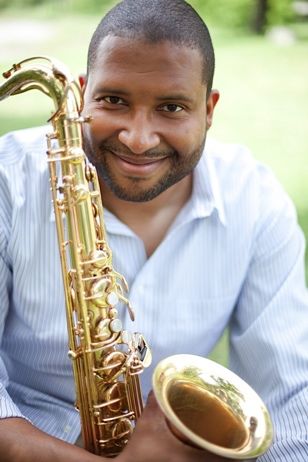
                         Jimmy Greene
                      A native of Hartford, CT, Jimmy Greene is considered one of the most respected saxophonists
                      of his generation since his graduation from the Hartt School of Music in 1997. His solo releases
                      including GRAMMY® Nominated Beautiful Life (Mack Avenue), have been met with much
                      critical acclaim. In fact, Tony Hall of Jazzwise Magazine (UK) calls Greene “ . . .without doubt
                      one of the most striking young tenors of recent years.” Five years ago, he wrote and recorded
                      an album that no parent should ever have to make – Beautiful Life celebrated the life of Ana
                      Márquez-Greene, his 6-year-old daughter that was murdered along with 19 other children and
                      six educators on December 14, 2012 at Sandy Hook Elementary School in Newtown,
Connecticut. Now, Greene continues to honor and memorialize her spirit with Flowers, his second release for Mack
Avenue Records.

                         Bryan Samuels, M.A.
                          Bryan Samuels is the Executive Director of Chapin Hall at the University of Chicago. He has
                          spent his career building the capacity of child welfare systems to produce positive outcomes for
                          children, integrating empirical evidence into public policy and service delivery, and streamlining
                          management and operations in government agencies. Before coming to Chapin Hall, Samuels
                          was the commissioner of the Administration on Children, Youth and Families (ACYF) at the U.S.
                          Department of Health and Human Services. Samuels administered federal programs addressing
                          child abuse and neglect, runaway and homeless youth, domestic and intimate partner violence,
                          and teen pregnancy. His top priority at ACYF included capacity building of the child welfare
system to effectively address complex trauma and toxic stress among vulnerable children, youth, and families. As a result
of his collaboration with the Secretary of Health and Human Services (HHS), addressing child trauma is officially a high
priority goal for HHS. He influenced the establishment of federal law requiring state child welfare agencies to screen for
trauma and provide appropriate treatments.

                         Gina Samuels, PhD.
                         Gina Samuels is an Associate Professor at the School of Social Service Administration and a
                         Faculty Affiliate of the Center for the Study of Race, Politics and Culture at The University of
                         Chicago. Her scholarly interests include transracial adoption, mixed race and multiethnic identity
                         formation, interpretive research methods, and the development of relational, kinship, and
                         cultural ties among young adults whose childhoods are shaped by foster care and adoption.
                         Professor Samuels' scholarship situates these lived experiences in a broader socio-historical,
                         cultural, and theoretical context to critically explore how personal identity and well-being are
                         constrained and promoted by child welfare policy and practice and by societal and personal
constructions of race and family. She is currently involved in several research projects: a national study including a state-
wide study of child welfare professionals' conceptions and practices of wellbeing and a study of Illinois youth with
histories of running away from their foster homes to understand where youth run and why.

                                                             10
Symposium Sessions

KEY TO ROOM ASSIGNMENTS:
MB = Max Bell Building
KC = Kinnear Centre. Rooms in 100s are on first floor, 200s on 2nd floor, and 300s on 3rd floor.
PDC = Professional Development Centre.

CE INFORMATION: For those who have registered to receive CE credit, please refer to the CE status column on the far
right when choosing sessions. More CE information available on page 16.
KEY TO CE STATUS:
“Approved All” = indicates that this session qualifies for CE credit for all disciplines.
“Not approved for NCC” = indicates that this session qualifies for CE credit for all disciplines EXCEPT counseling. The
National Board for Certified Counselors has designated the session as non-credit.
“No CE credit” = indicates that no CE credit is available in any discipline for this session.

Delegates who registered to receive CEs with their enrollment will pick up CE packets during check in. Those who have
pre-paid will be marked off a list, but additional packets will be available for those who indicated they want to receive
CEs but who did not pre-pay.

HANDOUTS: Handouts are available for delegates to view, download, and print themselves through the Symposium
App.

                                 SCHEDULE - SUBJECT TO CHANGE

Tuesday, June 12, 2018 - Schedule (Choose 1 Luminary Session to attend each morning.)

                                                                                                                    CE
Time                                    Luminary Speaker Session 1A                                  Location
                                                                                                                  status

8:15 -
                               Welcome Address – Bruce D. Perry, M.D., PhD
 8:30
                                                                                                      KC 201-
         Bryan Samuels, MPP - Trauma-Informed Public Policy: How to Build Capacity of Child            205
8:30 -
         Welfare Systems to Improve Outcomes for Children and Families
10:00

                                                              11
CE
Time                                 Luminary Speaker Session 1B                                Location
                                                                                                           status

8:45 -
                             Welcome Address – Bruce D. Perry, M.D., PhD
 9:00
                                                                                                MB Aud
9:00 -   Rowena Fong, Ed.D, MSW - It’s Not Just about Brain or Behavior: Envisioning Trauma
10:30    with Cultural Precautions

                                                                                                             CE
                                           Block 1 Sessions                                     Location
                                                                                                           status
         Theodore P. Beauchaine, PhD - Neurodevelopmental outcomes of impulsivity and
         environmental adversity for boys: A conceptual model for preventing delinquency and    MB Aud
         recidivism.
         T.C.R. Wilkes, B.Sc., M.B., ChB., M.Phil - "A Quantum Leap”: Depth Psychology
                                                                                                MB 251
10:45    Integration with the Neuro-sciences
  -      Dave Melnick, LICSW - The Neurobiology of Stress: How the NMT Informs the Art of
                                                                                                MB 252
12:45    Caregiving, Teaching, and Treating Trauma
         Marti Smith, OTR/L - How trauma can affect the developing sensory system and
                                                                                                MB 253
         practical strategies for intervention
                                                                                                 PDC
         Workshop 1 - Early Childhood Track (view session details and breakout options below)
                                                                                                 103
                                                                                                KC 201-
         Workshop 2 - NMT Track (view session details and breakout options below)
                                                                                                 205

                                        Workshop 1 - Early Childhood Track

10:45
         Kristie Brandt
  NP, CNM, MS, DNP - The Neurosequential Model of Therapeutics in       PDC
  -
         Early Childhood
                                                                       103
11:45

                                             10-minute transition break

         Breakout option A - Kerry Gwynne, B.App.Sc. OT and Gabrielle Duffy, M.Psych -           PDC
         Integration of the NMT within a Milieau approach to Early Childhood Mental Health       102
11:55    Breakout option B - Rachel Talamantez, EdD, LMFT; Sherri Terao, Ed.D; and Ginger
                                                                                                 PDC
  -      Gregory, MA -The Neurobiological Parallel Process in Early Childhood Programs and
                                                                                                 103
12:45    Organizations
         Breakout option C - Jan Ference, BEd, MS - NMT and Touchpoints; Working with            PDC
         Caregivers Struggling with Addiction in the Perinatal Period                            104

                                                          12
Workshop 2 - NMT Track

10:45
         Emily Wang, PhD, R.Psych - The Neurosequential Model (NM) at Hull Services                KC 201-
  -
         The Journey Continues: Reflecting On What We Have Learned                                  205
11:45

                                              10-minute transition break

         Breakout option A - Margarita Frederico, MSW, MBA; Carlina Black, BS, PhD
                                                                                                   KC 201-
         candidate; Muriel Bamblett; and Allison Cox, D.ClinPsy- Integrating a
                                                                                                    205
         neurodevelopmental perspective with cultural healing practices
         Breakout option B - Nicole Milburn, D.ClinPsy and Sarah Waters, BA, BSW - NMT from
11:55    referral to closure: Infant and adolescent case examples from the Take Two Program        KC 202
  -      demonstrating individual, family and systematic NMT practice
12:45    Breakout option C - Kathleen Hagan, MA and Pam Swimmer, BA - Finding Meaning:
                                                                                                   KC 206
         Sensory Enriched Learning in a Culturally Based Program
         Breakout option D - Annette Jackson, BSW, MSW -Recovering from chronic serious
         neglect: What does the NMT perspective contribute to a theory of change for children      KC 210
         who have experienced neglect?

                                                       Block 2 Sessions

         Bryan Samuels, MPP (repeat of previous presentation plus conversation w/Dr. Bruce
         Perry) - Trauma-Informed Public Policy: How to Build Capacity of Child Welfare            MB Aud
         Systems to Improve Outcomes for Children and Families
         Rowena Fong, Ed.D, MSW - Unregulated Custody Transfers of Children (Rehoming) in
                                                                                                   MB 251
         International and Domestic Adoptions
2:15 -
 4:15    Marti Smith, OTR/L - Disarming the fight or flight system through outside supports
                                                                                                   MB 253
         such as movement and music
         Research Presentations - Session 1 with Erin Hambrick with Bruce Perry, discussant (see
                                                                                                   MB 252
         presentations below)
                                                                                                    PDC
         Workshop 3 - NME Track (view session details and breakout options below)
                                                                                                    103
                                                                                                   KC 201-
         Workshop 4 - NMT Track (view session details and breakout options below)
                                                                                                    205

                                              Research Presentations 1

2:15 -   Erin Hambrick. Ph.D. with Dr. Bruce Perry, M.D., PhD, discussant - Research on the
                                                                                                   MB 252
 3:15    Neurosequential Model: What is Known and What is Next?.
         Paul Felker -Understanding   Tony Bloemendaal - The        Margarita Frederico,
3:15 -
         Dissociation from a          NMT as a model to             Nicole Milburn, & Annette      MB 252
 4:15
         Strengths Perspective        understand and diminish       Jackson - Examining the

                                                           13
treatment nonresponse in      correlation between items
                                      an adult psychiatric          on the NMT metric and
                                      population                    Neuropsychology
                                                                    assessment measures

                                              Workshop 3 - NME Track

2:15 -                                                                                            PDC
         Steve Graner, MS - The Practice of Presence
 3:15                                                                                             103

                                              10-minute transition break

         Breakout option A - Jean West, LCSW, ACPT-CT - Changing Culture: How to Use and          PDC
         Grow NME in your Classroom, School and Community                                         102

3:25 -                                                                                            PDC
         Breakout option B - Eric Perrault, MA - Leading Change: NME into Practice
 4:15                                                                                             103

         Breakout option C - Carol Taylor, BA - When Trampolines Aren't Portable: Finding         PDC
         Regulation that is Free or Low Cost                                                      104

                                              Workshop 4 - NMT Track

         Kerry Gwynne, B.App.Sc. OT and Gabrielle Duffy, M.Psych - “Which activity, when and
2:15 -                                                                                           KC 201
         why?” An OT Activity Analysis Approach to Assist the Tailoring of Individual NMT-
 3:15                                                                                             - 205
         Informed Interventions

                                              10-minute transition break

         Breakout option A - Roger Duncan, BA, TDF, DBF - Self-Regulation Through Rhythm:        KC 201-
         How to use the drum as a therapeutic tool                                                205

         Breakout option B - Sarah Waters, BA, BSW - Action Potential: Can NMT support
                                                                                                 KC 202
         advocacy for children and young people with disability in the Child protection system
3:25 -
 4:15    Breakout option C - Julia Bantimba, MS, OTR/L - Infusion of Sensory-Motor Strategies
         into the treatment of young children for trauma-related disorders in the non-public     KC 206
         school setting

         Breakout option D - Christie Mason, PhD, LCSW - Teaching NMT to New Clinicians          KC 210

4:30 -                                       Boot Camps and Live Poster Sessions
 5:30
         NMT Boot Camp                                                                            TBD

                                                           14
NME Boot Camp                                                                            TBD

         Live Poster Presentations - Session 1                                                    TBD       na

                                                   Live Poster Presentations

         Lea Denny and S. Michele
         Cohen, PhD - Trauma-
         Informed Healing (TIH):
         Relationship of ACE
4:30 -
         scoring, population-                                       Paul Abe, LCSW and Peter
 5:30                                  Holly Parks, LCSW and
         specific questions                                         Ellew, MSW - The Multi-
                                       Amy Edwards, LMSW -
         (PSQ's), Historical Trauma                                 Disciplinary Team             TBD       na
                                       What Happens after the
         (HT), and Collective                                       Approach: The Ingredients
                                       Metric?
         Contemporary Trauma                                        to Healing
         (CCT) with an American
         Indian/Indigenous
         population from an NMT
         informed practice

Wednesday, June 13, 2018

                                                                                                             CE
Time                                  Luminary Speaker Sessions 2                               Location
                                                                                                           status

         John Lyons, PhD - Creating Trauma-Informed Systems that Care: Transformational         KC 201-
         Collaborative Outcomes Management                                                       205
9:00 -
10:30    Kristie Brandt, NP, CNM, MS, DNP: Supporting the Reflective Process and Changing
         Clinical Practice: The Neurosequential Model in Reflection & Supervision               MB Aud

                                                                                                             CE
                                             Block 3 Sessions                                   Location
                                                                                                           status

         Ricard L. Gaskill, EdD, LCPC, LCP, IMHIV, RPTS - The 6 R’s as a Neurosequential
                                                                                                MB Aud
         Foundation for Therapy with Children
10:45
  -      Jerry Yager, PsyD - Trauma Responsive Organizations                                    MB 251
12:45
         John Lyons, PhD - Child and Adolescent Needs and Strengths (CANS) Trauma version       MB 252

                                                                                                 PDC
         Workshop 5 - Early Childhood Track (view session details and breakout options below)
                                                                                                 103

                                                           15
KC 201-
        Workshop 6 - NMT Track (view session details and breakout options below)
                                                                                                   205

                                        Workshop 5 - Early Childhood Track

10:45   Kristie Brandt NP, CNM, MS, DNP; Rachel Talamantez, EdD, MFT; & Marybeth
  -     Steinfeld MD, DBP - Introducing & Integrating the Neurosequential Model in an Early       PD 103
11:45   Childhood Mental Health Training Program

                                             10-minute transition break

        Breakout option A - Nicole Milburn, D.ClinPsy -The whole baby in his whole world:
                                                                                                   PDC
        Using the Neurosequential Model in clinical and forensic practice, in systemic and
                                                                                                   102
        advocacy work
        Breakout option B - Julia Bantimba, MS, OTR/L; Margaret Ritchie, MA, RPT; and
11:55
        Jennifer Black, MA, CCC-SLP -Recognizing the Essential Role of Relational Health in        PDC
  -
        Occupational, Physical, and Speech-Language Therapies for Infants and Young                103
12:45
        Children
        Breakout option C - Michelle Taylor, BA, MPsych, MAPS - Mapping Interventions Using
                                                                                                   PDC
        a Mobius Care Approach After Intrauterine and Early Infancy Exposure to Domestic
                                                                                                   104
        Violence

                                             Workshop 6 - NMT Track

        Gerard Raftl, MA and Marie Pinter, M.Psy - Ever Exploring - Always Learning: Reflecting
10:45
        on experiences regarding the application and integration of NMT into clinical and         KC 201-
  -
        organizational practice and shaping multi-disciplinary supports for children with          205
11:45
        complex needs

                                             10-minute transition break

        Breakout option A - Tim Grove, MMSW and Adrianne Walshinski, MA, LPC - 10 Years           KC 201-
        of NMT Implementation: Highlights and Lessons Learned                                      205
        Breakout option B - Dave Paxton, MA, LISW-S -The Integration of NMT Concepts &
11:55   Interventions into the Culture of Large Complex Organization by Training Front Line       KC 202
  -     Staff in the Implementation of Psycho-educational Interventions.
12:45   Breakout option C - Keith Bishop, MS. LCSW; Leslie Wiss, MS, LPC; and Andrew
                                                                                                  KC 206
        Farmer, MA, LPC - Reverse Plasticity: Sequential Process for Organizational Change

        Breakout option D - Sarah Waters, BA, BSW and Clare Ryan, BSW - Red Hot Go: A
                                                                                                  KC 210
        Journey of NMT Implementation and Sustainability

                                                          16
Block 4 Sessions

         Theodore P. Beauchaine. PhD - Neurodevelopmental outcomes of impulsivity and
                                                                                                 MB Aud
         maltreatment for girls: A conceptual model for preventing self-injury and suicide
         Gene Griffin, JD, PhD with Dr. Bruce Perry, M.D., PhD, discussant - Moving from NMT
                                                                                                 MB 253
         to Child Trauma
2:15 -
 4:15    Michelle Maikoetter, MA, NCC, LPC-S - NMT for the Rest of Us                            MB 251

         Research Presentations - Session 2 w/Thomas Brawner                                     MB 252

                                                                                                  PDC
         Workshop 7 - NME Track (view session details and breakout options below)
                                                                                                  103
                                                                                                 KC 201-
         Workshop 8 - NMT Track (view session details and breakout options below)
                                                                                                  205

                                              Research Presentations 2

2:15 -
                            Thomas Brawner, PhD - Working with NMT Data                          MB 252
 3:15

                                                                    Nicole Milburn & Allison
                                                                    Cox: Multidisciplinary NMT
                                      Rachel Neukirch, Kateri
                                                                    practice with Child
                                      Chapman & Sharon
         Margarita Frederico,                                       Protection clients:
                                      Skidmore-Stern (Family
         Allison Cox & Annette
                                      Forward): Determining the     Understanding the whole
3:15 -   Jackson: Examining
                                      Impact of NMT                 child from the bottom up     MB 252
 4:15    correlations between NMT
                                      components on clinical
         metric and other clinical                                  and inside out through the
                                      service delivery in an
         measures                                                   Developmental
                                      outpatient setting

                                                                    Consultancies Team at
                                                                    Take Two

                                              Workshop 7 - NME Track

2:15 -   Denise Manderson, MC - Building confidence, competency, and community in a               PDC
 3:15    trauma informed school                                                                   103

                                             10-minute transition break

                                                          17
Breakout option A - Lesley Taylor, MsC and Whitney Barrett (web presentation) - Using
                                                                                                  PDC
         the Neurosequential Model in Education to Make Pupils Ready for Learning:
                                                                                                  102
         Developing Trauma-informed practice within a Scottish Local Authority
3:25 -   Breakout option B - Josh MacNeill, MEd and Kathy Van Horn, MEd - Implementing the        PDC
 4:15    Neurosequential Model in Schools: Creating Buy-In for Both Staff and Students            103

         Breakout option C - Jessica Pfeiffer, LCSW, SSW - From Theory to Application: Making     PDC
         Core Concepts Applicable in the Classroom                                                104

                                              Workshop 8 - NMT Track

2:15 -   Jesper Birck, Cand.Psych. and Knud Hellborn: From NMT Assessment to Intervention        KC 201-
 3:15    Plan in the Child's Milieu                                                               205

                                             10-minute transition break

         Breakout option A - Toni Demarco MS, MFT - Before and After NMT: Deepening the          KC 201-
         Understanding of Transgenerational Trauma in Co-occuring Family Systems                  205
         Breakout option B - Michelle Taylor, BA, MPsych, MAPS - Canine Based Animal
         Assisted Therapy: Practical Applications and Considerations in the Treatment of         KC 202
3:25 -   Trauma and Attachment Disruption in Children
 4:15
         Breakout option C - Kyle Bixenman, MBD; Shawn O'Grady, MSW; and Joe Heritage,
                                                                                                 KC 206
         BA - Using Debriefings as a Teaching Tool for the Core Concepts

         Breakout option D - Patricia D. Wilcox, LCSW - Creating an Innovative Organization
                                                                                                 KD 210
         that Develops and Sustains Resilient Treaters

                                            Boot Camps and Live Poster Sessions

4:30 -   NMT Boot Camp                                                                            TBD
 5:30
         NME Boot Camp                                                                            TBD

         Multimedia Presentations                                                                 TBD      na

4:30 -
                                                  Multi-Media Presentations
 5:30

                                                          18
Joel Pippus - Using
         Skatepark Milieu with High                     Mariella Furrer - TBD                     TBD       na
         Needs Children

Thursday, June 14, 2018

                                                                                                             CE
Time                                  Luminary Speaker Sessions 3                               Location
                                                                                                           status

         Stuart Ablon, PhD - Collaborative Problem Solving: Your Guide to Changing the Stress
                                                                                                MB Aud
9:00 -   Response
10:30    Gina Miranda Samuels, MSW, PhD - When Homelessness Starts at Home: Grounding           KC 201-
         young people's stories of disconnection with family disruption, stigma, and loss        205

                                                                                                             CE
                                           Block 5 Sessions                                     Location
                                                                                                           status

         Stuart Ablon, PhD (presentation repeats from Session 1 plus conversation w/Dr. Bruce
                                                                                                MB Aud
         Perry) - Collaborative Problem Solving: Your Guide to Changing the Stress Response
         Nelba Marquez-Greene, LMFT; Noel Casiano, PsyD, LMFT; Lauren Pedersen, LMFT;
10:45    and Jennifer Anderson, MFT - Love Wins! Building Trauma Informed Collaborations in     MB 251
  -      Inner-City School Districts.

12:45    Keith Bailey, PhD; Pam Frye, MS; and Nicole Coning, BS - Living in Harmony: The
                                                                                                MB 252
         Application of NMT in Adoptive Homes and Therapeutic Camps
         Shelley Pompana Spear Chief, MSW and Moses Spear Chief, MSW -Working with
                                                                                                MB 253
         Intergenerational Trauma utilizing First Nations Healing Approaches
                                                                                                KC 201-
         Workshop 9 - NMT Track (view session details and breakout options below)
                                                                                                 205

                                              Workshop 9 - NMT Track

10:45
         Annette Jackson, BSW, MSW and Doug Moczynski - The Berry Street Gippsland              KC 201-
  -
         Wilderness Program – Does a NMT perspective contribute to the theory of change?         205
11:45

                                                          19
10-minute transition break

         Breakout option A - Toni Demarco, MS, MFT - Horticultural Therapy and Social Justice    KC 201-
         Through Gardening and Nature                                                             205

         Breakout option B - Erica Stetson, PhD & Kirk Ward, MSW - Collaborative Problem
                                                                                                 KC 202
         Solving and the NMT: Complimentary Approaches
11:55
  -      Breakout option C - Lorraine Freedle, PhD and Travis Slagle, MA - After the Towers
12:45    Fell: Healing Childhood Trauma of 9-11 using Nature-assisted Treatment, Sandplay        KC 206
         Therapy and NMT
         Breakout option D - Shawn O'Grady, MSW; Christy Seton, R.Psyc.; Phil Herman, MSW;
         Pat Foran, BA; and Krista Tincher, BA - Proposed Interventions and Support Services
                                                                                                 KC 210
         for children and their caregivers

                                                       Block 6 Sessions

         George Davis, MD - A New Model for Delinquency                                          MB Aud

         Gina Miranda Samuels, MSW, Phd and Bryan Samuels, MPP - Connecting the dots
2:15 -   together: Narrative mapping as a youth-centric tool for applied research, policy, and   MB 252
 4:15    practice
         Alisha Pollastri, PhD and Stuart Ablon, PhD - Using Rapid-Cycle Evaluation and
                                                                                                 MB 253
         Iteration to Assess and Improve Your Intervention
                                                                                                  PDC
         Workshop 10 - NME Track (view session details and breakout options below)
                                                                                                  103
                                                                                                 KC 201-
         Workshop 11 - NMT Track (view session details and breakout options below)
                                                                                                  205

                                              Workshop 10 - NME Track

2:15 -   Sandy Taylor-Tran, BEd, MA and Margaret Casey, R.Psych - Trauma-informed Practice        PDC
 3:15    for a High School Setting: Learning Collaborative                                        103

                                              10-minute transition break

         Breakout option A - Josh MacNeill, MEd and Kathy Van Horn, MEd - Dogs in Schools:        PDC
         Nurturing Positive Change                                                                102

3:25 -   Breakout option B - Shelina Knight, BEd, MEd and Maria Malouf, BA - Art in the           PDC
 4:15    Trauma-Sensitive Classroom                                                               103

         Breakout option C - Nathan Swaringen, LCSW - Incorporating Experiential Play             PDC
         Therapy Concepts in NME                                                                  104

                                                           20
Workshop 11 - NMT Track

         Tony Bloemendaal, MSc - Pioneering the implementation of NMT in adult psychiatric
2:15 -                                                                                          KC 201-
         services, specialised in treatment refractory patients, non suicidal self injury and
 3:15                                                                                            205
         (chronic) suicidality

                                              10-minute transition break

         Breakout option A - Roland Verdouw, MD and Marijtje Koolschijn, MS - TeamNEXT:         KC 201-
         Experiences with and Results of our work in an outpatient setting in the Netherlands    205

         Breakout option B - Nicole Milburn, D.ClinPsy and Allison Cox, D.ClinPsy -
                                                                                                KC 206
3:25 -   Multidisciplinary NMT Practice with Child Protection Clients
 4:15    Breakout option C - Kurt Wulfekuhler, PhD, LPCC and Linda Zimmerman, MA, LPCC -
                                                                                                KC 210
         Don’t Move Your Feet

         Breakout option D - TBD                                                                KC 202

                                                         Boot Camps
5:00 -
 6:00    NMT Boot Camp                                                                           TBD

         NME Boot Camp                                                                           TBD

                                                           21
Continuing Education Credit Information for the 3rd International NM
                           Symposium
                                      CONTINUING EDUCATION

Continuing Education credit for delegates of The 3rd International Neurosequential Model Symposium
is co-sponsored by The ChildTrauma Academy and The Institute for Continuing Education for US
delegates and by Hull Services and The Psychologist Association of Alberta for Canadian delegates. The program offers
a total of 16.50 contact hours (5.50 hrs. per day). Continuing education credit is awarded on a session-by-session basis
with full attendance required for each session attended. Partial session credit is not offered. The CE processing fee is $
50.00 USD per person and may be paid with registration or on-site. Symposium attendees who wish to receive
continuing education credit MUST check in at the continuing education desk to make formal application and receive CE
materials for completion. Staff at the CE desk will have a listing of attendees who pre-paid the CE processing fee.

Course Completion: To qualify to receive continuing education credit, attendees must complete the CE materials, sign
in/out daily at designated locations, and complete an evaluation of the sessions attended. CE verification is mailed to
attendees following the Symposium.

Questions: If you have questions regarding continuing education, the program, faculty, grievance issues, or for a listing
of learning objectives, comprehensive speaker bios, please contact The Institute at: 800-557-1950; e-mail:
instconted@aol.com.

Workshop Descriptions: For a comprehensive description of featured workshops, please see Conference website at:
http://childtrauma.org/3rd-intl-nm-symposium-2018/

Learning Objectives: For a listing of learning objectives by session, contact The Institute at: instconted@aol.com

Commercial Support: The Institute for Continuing Education receives no funds from any commercial organization for
financial support of its activities in providing continuing education sponsorship of the Colloquium. The Institute’s
sponsorship of this Conference does not imply endorsement of featured exhibits.

Note: It is the responsibility of attendees to determine if continuing education credit offered by The Institute for
Continuing Education meets the regulations of their licensing/certification board.

                                          Continuing Education Offered:

Psychology: The Institute for Continuing Education is approved by the American Psychological Association (APA) to
sponsor continuing education for psychologists. The Institute for Continuing Education maintains responsibility for this
program and its content. All featured sessions are approved for psychology.
Alberta Psychology: The Psychologists’ Association of Alberta is in agreement with Hull Services to co-sponsor
continuing education credits for the 3rd International Neurosequential Model Symposium. Each daily activity is eligible
for 5.5 Continuing Education Credits. PAA is approved by the Canadian Psychological Association to offer continuing
education for psychologists. PAA maintains responsibility for the program.

Counseling: For counselors seeking CE credit, The Institute for Continuing Education will submit a co-sponsorship
application to NBCC for this program. Not all sessions may be approved for counseling CE credit. The Symposium
website will be updated to indicate any non-credit sessions for counselors. Additionally, The CE materials received at
the time of check-in at the CE desk will indicate any non-credit sessions.

                                                            22
New York: The Institute for Continuing Education is recognized by the New York State Education Department's State
Board for Mental Health Practitioners as an approved provider of continuing education for licensed mental health
counselors. Provider MHC-0016.
Ohio: The Institute for Continuing Education is recognized as a provider of continuing education by the Ohio
Counselor, Social Worker Board, Provider RCS 030001.
Florida: The Institute for Continuing Education is recognized as a provider of continuing education by the Florida Dept.
Health, Division of Counseling, Social Work, MFT, Provider BAP 255, expiration 03/2019.
Alberta Child and Youth Care Counseling: TBD

Social Work: The Institute for Continuing Education, provider #1007, is approved as a provider for social work
continuing education by the Association of Social Work Boards (ASWB), www.aswb.org, through the Approved
Continuing Education (ACE) program. The Institute for Continuing Education maintains responsibility for the program.
ASWB Approval Period: 4-13-2018 -         4-13-2021. Social workers should contact their regulatory board to determine
course approval. Social workers participating in this program will receive up to 16.50 clinical continuing education
contact hours. All featured sessions are approved for social work.
New York: The Institute for Continuing Education is recognized by the New York State Education Department's State
Board for Social Work as an approved provider of continuing education for licensed social workers. Provider No. SW-
0025.
Ohio: Counseling and Social Work Board, Provider RCS 030001.
Florida Dept. Health, Division Social Work, MFT, Counseling, Provider BAP 255, expiration 03/2019.

Canadian Social Workers: Programs sponsored by approved continuing education providers of the Association of Social
Work Boards (ASWB) are accepted by 50 jurisdictions in North America and Canada. Canadian Provinces which accept
ASWB sponsored events include Alberta, British Columbia, Manitoba, Newfoundland/Labrador, Quebec, New
Brunswick, Nova Scotia, and Saskatchewan. Social workers in other provinces should contact their respective
registration/licensing board to determine regulations for continuing education credit.

Marriage/Family Therapy: The Institute for Continuing Education is recognized as a provider of continuing
education by the Texas State Board of Examiners of Marriage and Family Therapy, Provider 177.
Florida: Florida Dept. Health, Division of Counseling, Social Work, MFT, Provider BAP 255, expiration 03/2019.
New York MFT: The Institute for Continuing Education is recognized by the New York State Education Department's
State Board for Mental Health Practitioners as an approved provider of continuing education for Licensed Marriage and
Family Therapists. Provider MFT-0012.
Ohio: Provider RTX 100501,
California Marriage/Family Therapy: The Institute for Continuing Education is approved by the California Association of
Marriage and Family Therapists to sponsor continuing education for LMFTs. The Institute for Continuing Education
maintains responsibility for this program and its content.
Not all sessions may be approved for MFTs. The Symposium website will be updated to indicate any non-credit
sessions for MFTs. Additionally, The CE materials received at the time of check-in at the CE desk will indicate any non-
credit sessions.

Nursing: The Institute for Continuing Education is an approved provider of continuing education in nursing by the
California Board of Nursing, Provider CEP 12646. Nurses are responsible for checking with their state board to
determine if credit issued through an approved provider of the CA Board of Nursing is accepted by their state Board.

Skill Level: Beginning, Intermediate, Advanced. Due to the interdisciplinary nature of this Symposium, attendees are
urged to review session descriptions for professional appropriateness.

                                                           23
Instruction Methodology: May include lecture, audio-visual, demonstration, experiential practice of techniques, case
examples, large and small group discussion

Non-Credit Activities: Credit is not offered for board/ committee meetings, breakfast, luncheon, dinner, social events,
poster sessions, networking sessions, tour activities, boot camp tracks, book signings, special performances. If you have
questions, contact The Institute for Continuing Education at: instconted@aol.com

Ethics Hours / Academic Credit: The Conference offers no “academic” credit and CE hours awarded are not eligible
toward fulfillment of a degree. No “ethics” hours are offered.

ADA: For accommodations on the basis of disability, please contact The Banff Centre by via
email: Reservations@banffcentre.ca or Toll Free: 1-(800) 884-7574 (Canada & U.S.A.)

                                  Calculation of Continuing Education Hours

                                                Tuesday, June 12, 2018

Time/Event      :                                                                       Contact Hrs.

8:30 - 10:00 a.m.               Luminary Session A                                      1.50 contact hrs.
9:00 – 10:30 a.m.               Luminary Session B                                      (1.50 contact hrs.)
10:45 a.m. – 12:45 p.m.         Block 1 Workshops                                       2.00 contact hrs.
2:15 - 4:15 p.m.                Block 2 Workshops                                       2.00 contact hrs.
                                                                         Total:         5.50 contact hrs.

                                              Wednesday, June 13, 2018

 9:00 - 10:30 a.m.              Luminary Speaker Session                                1.50 contact hrs.
10:45 a.m. – 12:45 p.m.         Block 3 Workshops                                       2.00 contact hrs.
 2:15 – 4:15 p.m.               Block 4 Workshops                                       2.00 contact hrs.
                                                                         Total:         5.50 contact hrs.

                                                Thursday, June 14, 2018

9:00 - 10:30 a.m.               Luminary Speaker Session                                1.50 contact hrs.
10:45 – 12:45 p.m.              Block 5 Workshops                                       2.00 contact hrs.
2:15 – 4:15 p.m.                Block 6 Workshops                                       2.00 contact hrs.
                                                                         Total:         5.50 contact hrs.

                                           Summary: Contact Hours Offered
                                Wednesday, June 8                                       5.50 hrs.
                                Thursday, June 9                                        5.50 hrs.
                                Friday, June 10                                         5.50 hrs.
                                                                     Total:          16.50 hrs.

Note: CE hours earned are based on actual attendanc

                                                           24
You can also read


