Caring for the Future - A Clinical Services Strategy 2016-2018 - Tallaght Hospital
←
→
Page content transcription
If your browser does not render page correctly, please read the page content below
Tallaght
Hospital

Caring for the Future —
A Clinical Services
Strategy 2016-2018
Contents
About Tallaght Hospital		                 2       4		     Tallaght Hospital’s CSS		            47
Foreword					                             5       4.1		   Research and Education
Executive Summary			                      7       		      underpinning the CSS		               48
                                                  4.2		   Core Priority
                                                  		      Clinical Services Areas		            48
1		     Clinical Services
		      Strategy (CSS) Criteria		         30      4.3		   Tallaght Hospital as the principal
                                                  		      provider of Acute Medical and
1.1		   Key Principles			                 31      		      Surgical Services in the DMHG        50
1.2		   The CSS Process			                31      4.4		   Tallaght Hospital as the principal
                                                  		      provider of Trauma Services
2		     Tallaght Hospital’s
                                                  		      in the DMHG			                       52
		      Operating Environment		           33
                                                  4.5		   Tallaght Hospital as the principal
2.1		   The National Policy Context       34      		      provider of certain Specialist
2.2		   Local and Regional                        		      Surgical Services in the DMHG        52
		      Operational Challenges		          36      4.6		   Tallaght Hospital as the principal
                                                  		      provider of certain Specialist
3		     CSS Capacity
                                                  		      Medical Services in the DMHG         58
		      Development Plans		               40
                                                  4.7		   Tallaght Hospital as an Urgent
3.1		   Investment in Improved                    		      Care Satellite Centre in the CHG     69
		      Models of Care			                 42
                                                  4.8		   Vital Role of Diagnostic Services    70
3.2		Investment in
       Critical Care Capacity		           42      5		     CSS Implementation		                 72
3.3		   New Children's
                                                  5.1		   Implementation Considerations        72
		      Hospital Development		            42
                                                  5.2		Critical Success Factors		            75
3.4		   Off-site Developments to Create
		      On-site Treatment Capacity        43
                                                  Appendices				                               76
3.5		   Renal Dialysis Centre		           43
3.6		   Laboratory and                            I 		 The CSS Planning Process                76
		      Radiology Developments		          43
                                                  II 		 CSS Steering Group and
3.7		   Implementation Benefits                   		      Stakeholder Engagement		             78
		      and Sequencing			                 43
                                                  III 		 HANA Data			                          78

                                                  IV 		   DMHG Specialty Services		            80

                                                  Footnotes 				                               82

                                               Contents                                             1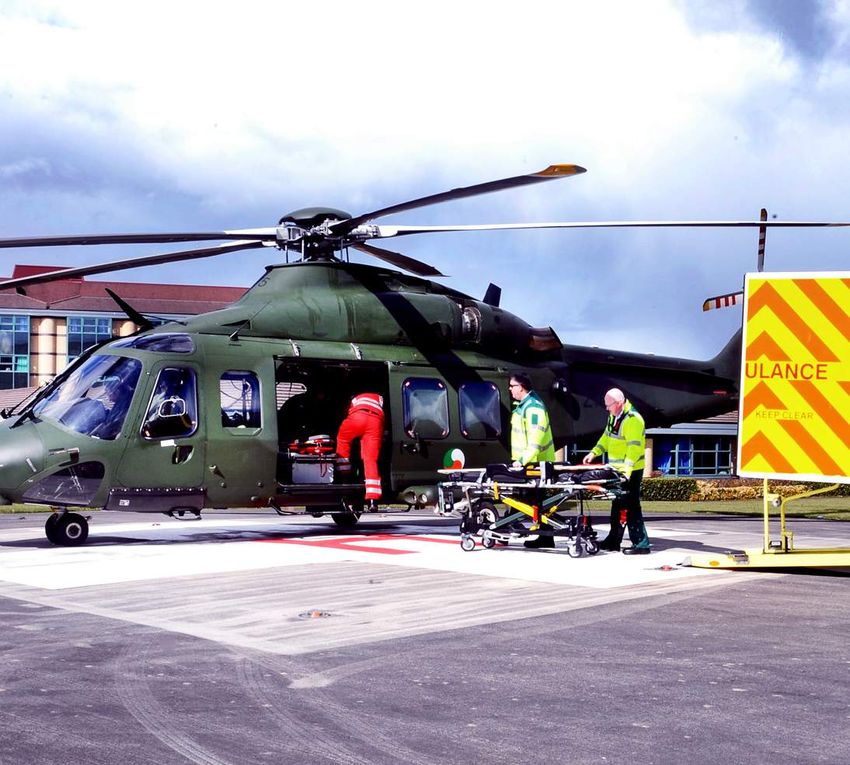
About Tallaght
Hospital
Tallaght Hospital opened in 1998 through the                       The Trinity Health Ireland (THI) collaborative
amalgamation of three independent voluntary                   agreement underpins Tallaght Hospital’s valued
hospitals: the Adelaide, the Meath and the National           relationships with Trinity College Dublin (TCD), St.
Children’s Hospital (NCH). Founded in 1839, the               James's Hospital, and the Coombe Women and
Adelaide Hospital was famous for its nursing school;          Infants University Hospital. Uniquely, Tallaght Hospital
the Meath Hospital, the oldest voluntary hospital             operates within two Hospital Group Structures —
and the oldest university teaching hospital in the            the Dublin Midlands Hospital Group (DMHG) and
country, was founded in 1753; and the NCH, the first          the Children’s Hospital Group (CHG) — and within
dedicated children’s hospital in Ireland and Britain,         Dublin South Central Primary Care Community Health
was founded in 1821. The Adelaide, the Meath and              Organisation (CHO) Area Seven. Tallaght Hospital has
the NCH have a long and proud history of providing            long-standing strategic and operational alliances with
specialist services to patients in Dublin. Many of            Naas General Hospital and Peamount Healthcare,
Tallaght Hospital’s core strengths today originated           among other healthcare providers within the region.
from national and regional specialist services
                                                                  Tallaght Hospital provides access for patients
developed in these base hospitals, including;
                                                              to over 20 medical and surgical specialties, with
Urology, Orthopaedics, Nephrology and General
                                                              comprehensive on-site Laboratory and Radiology
Paediatric services.
                                                              support services. Currently, there are 562 beds, 12
     Tallaght Hospital remains a Voluntary Hospital           theatres and 14 Critical Care beds in operation. The
underpinned by the legal status of a Chartered                Hospital treats over 410,000 patients per year. The
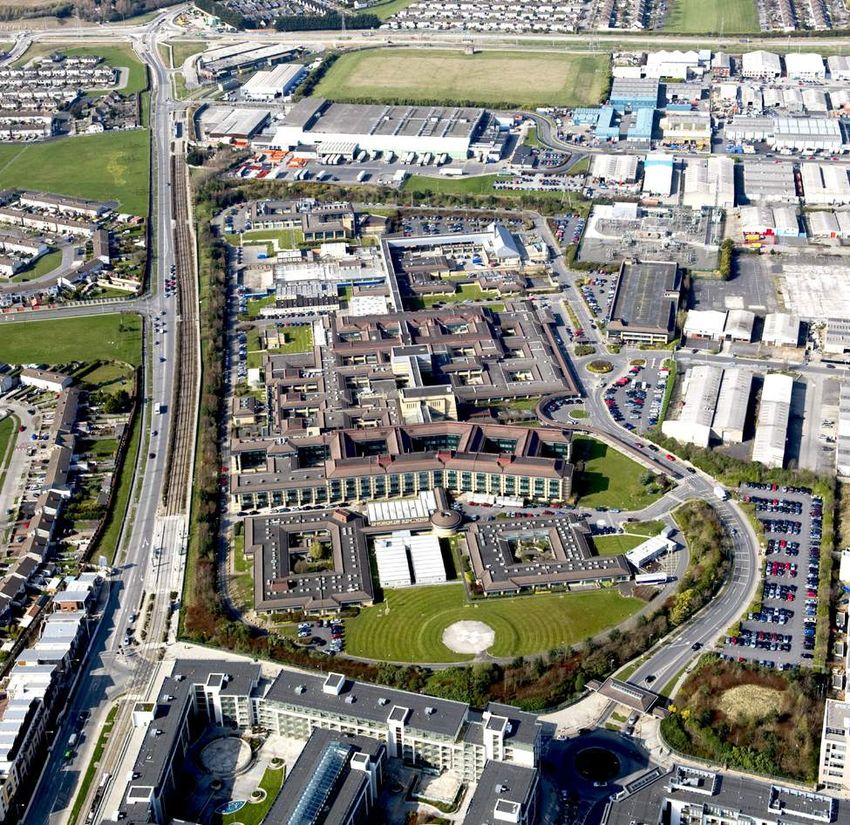
Corporation established under Statutory Instrument.           Campus is 31 acres in size, with significant future
Tallaght is a model IV hospital providing adult and           development capacity. Approximately 2,600 staff
paediatric services to a catchment population of              are employed by Tallaght Hospital, and annual gross
approximately 450,000 people (80% of which                    expenditure is in excess of €0.25bn.
are located in South Dublin and parts of Kildare),
and serves approximately 200 General Practitioners.
Mental Health services operate on-site under
HSE governance structures, with close
operational alignment to the adult services                   Many of Tallaght Hospital’s core
provided by Tallaght Hospital.                                strengths today originated from
                                                              national and regional specialist
                                                              services developed in these base
                                                              hospitals, including; Urology,
                                                              Orthopaedics, Nephrology and
                                                              General Paediatric services.

2         Tallaght Hospital — A Clinical Services Strategy 2016-2018                                                     About Tallaght Hospital   3
Foreword
                                                                 A clear and solid strategy for the future development                Our CSS is ambitious yet realistic. It recognises
                                                                 of our clinical services is important for staff and             that Tallaght Hospital cannot be experts at everything,
                                                                 patients, which is why, on behalf of the Board, I am            yet sets out a determined plan which builds on our
                                                                 pleased to introduce a new Clinical Services Strategy           core strengths. It offers realistic opportunities to
                                                                 (CSS) for Tallaght Hospital.                                    the DMHG to avail of readily available development
                                                                                                                                 capacity in the Hospital. It also demonstrates to
                                                                      A transparent and coherent strategy provides all
                                                                                                                                 the HSE, the Department of Health, and taxpayers
                                                                 our staff with a stronger sense of identity, increases
                                                                                                                                 in general that Tallaght Hospital has used, and can
                                                                 self-confidence, and improves their ability to work
                                                                                                                                 continue to use, the resources entrusted to it in a
                                                                 together towards a common set of goals, thus
                                                                                                                                 responsible and effective way.
                                                                 helping them care better for patients. It shows our
                                                                 local population that our primary focus is on meeting                The Hospital has deliberately concentrated on
                                                                 their health needs, and gives them the confidence               developing a Clinical Services Strategy. However,
                                                                 that the Hospital has the skills, commitment and                the Hospital has also been working on and aims to
                                                                 capacity to provide them with the care and services             further improve our stakeholder engagement (with
                                                                 they need.                                                      patients, staff, GPs, our volunteers, etc.) and various
                                                                                                                                 strategic enablers like ICT, capital development,
                                                                       Although this is a strategy for Tallaght Hospital,
                                                                                                                                 communications and research. The Hospital will
                                                                 it is not a Tallaght-centric strategy. On the contrary, it
                                                                                                                                 revisit these and other issues in due course as part of
                                                                 focuses on how the Hospital can best contribute as
                                                                                                                                 the implementation of our CSS.
                                                                 part of the Dublin Midlands Hospital Group (DMHG)
                                                                 and the Children’s Hospital Group (CHG) to improving                 It is important that Tallaght Hospital articulates its
                                                                 access for patients to the services they need. The              case for future development in a clear and respectful
                                                                 main elements of this CSS have already been                     way, and I want to congratulate the leadership
                                                                 presented to the leadership team of the DMHG                    team within the Hospital on the work they have put
                                                                 and CHG. It also respects and seeks to build on                 into creating this CSS. The Board is asking for the
                                                                 the roles played by our partners in primary and                 support of all the Hospital’s stakeholders in helping
                                                                 community care.                                                 us to implement this important Clinical Services
                                                                                                                                 Strategy and improve patient care.
                                                                     This CSS presents a coherent package of
                                                                 medical and surgical service priorities which
                                                                 complement each other. This package will improve
                                                                 access to and quality of both emergency and
                                                                 elective services. It recognises that changes are               Michael Scanlan
                                                                 required in how services are delivered, and from                Chairman
                                                                 which hospital sites they are delivered. It argues for
                                                                 a balanced distribution of services and specialties
                                                                 across hospitals within the DMHG and CHG in order
                                                                 to safeguard quality, improve access and underpin
                                                                 sustainable service provision.

4   Tallaght Hospital — A Clinical Services Strategy 2016-2018                                                                Foreword                                                    5
Executive
                                                                        Summary
                                                                         The evidence is that Tallaght Hospital will have to
                                                                 increase the capacity of its adult emergency services in order
                                                                 to cope with a growing and ageing catchment population,
                                                                 and deal with the impact of changes in the configuration
                                                                 of Emergency Department (ED) services within the DMHG.
                                                                 To cope with this increasing demand the Hospital has to
                                                                 improve its own processes further, including expanding its
                                                                 Acute Medical Assessment Unit (AMAU) and Acute Surgical
                                                                 Assessment Unit (ASAU). However, it also needs more Critical
                                                                 Care beds, as well as greater Acute Medical Unit (AMU)
                                                                 capacity, more inpatient beds and, in due course, a further
                                                                 expansion of the ED itself.

6   Tallaght Hospital — A Clinical Services Strategy 2016-2018                                  Executive Summary                 7
The Hospital also has to retain and attract physicians        (i) CSS Criteria                                          This strategy outlines a
and surgeons with the requisite qualifications, and           Tallaght Hospital aims to be at the forefront of
ensure they can maintain their skill levels. To do this,      supporting the development of both the DMHG and           compelling case for improving
particularly in the case of surgeons, the Hospital must       the CHG. At the outset of the CSS process (Appendix       patient access to emergency
continue to deliver a minimum volume of complex               I), a set of key principles were agreed by the Steering
and specialised elective services. The priority               Group (Appendix II) to guide its work:                    and elective services within
specialist services identified in the Clinical Services
                                                                  1
                                                                    The aim must be to develop a CSS for
                                                                                                                        both hospital groups.
Strategy (CSS) aim to achieve this. They are also
                                                                    Tallaght Hospital as a key provider of
services that the Hospital already specialises in and
                                                                    services within both the DMHG and CHG,
where there is clear evidence of the need to increase
                                                                    with a particular focus on addressing the
capacity further in order to help address the access
                                                                    needs of our catchment.
challenges faced by patients of the DMHG.
                                                                  2
                                                                    Tallaght Hospital’s future focus must result
This strategy outlines a compelling case for improving
                                                                    in improved levels of access for patients to
patient access to emergency and elective services
                                                                    our services.
within both hospital groups. It demonstrates how
this can be done in a coherent way which reflects                 3     he process must strive to further
                                                                       T
the existing strengths of Tallaght Hospital, the                       strengthen Tallaght Hospital’s core
opportunities it offers in terms of clearly planned and                clinical competencies.
readily deliverable capacity improvements, and the
Hospital’s track record of using focussed investment              4     he plan should define Tallaght Hospital’s
                                                                       T
by the HSE to deliver clear benefits to patients.                      service development priorities, initially
                                                                       for the three-year period 2016-2018,
It shows that in addition to providing emergency                       based on required resources being
services, the Hospital is committed to continuing                      realistically obtainable.
to provide the ambulatory and general paediatric
care that best meets the needs of most children; a
care of the elderly programme that addresses the
highly complex needs of this group; chronic disease
prevention and treatment for patients with heart
disease, diabetes and chronic obstructive pulmonary
disease (COPD), and specialised trauma and
orthopaedic services.
The CSS is fully consistent with existing national
policies, including the national clinical programmes.
It is based on deepening and expanding the positive
collaboration which the Hospital already has with
other hospitals, healthcare providers and Trinity
College Dublin.

8         Tallaght Hospital — A Clinical Services Strategy 2016-2018                                                                                    Executive Summary   9
(ii) National Policy Context National Trauma Networks Irish Hospital Group Legend
A thorough analysis of the Hospital’s operating In 2015, the Department of Health began South/South West Hospitals Group
environment in Section 2 outlines the national policy a review of the future configuration of national Ireland East Hospitals Group
context in which the Hospital will operate during the and regional Trauma Services. Tallaght Hospital’s
RCSI Hospitals Group
next three years. The key national policy influences capability and track record in the delivery of both
on the Hospital’s CSS are: volume and complex Trauma Services is a key input Dublin Midlands Hospitals Group
to this ongoing process. University of Limerick Hospitals
The National Cancer Control Programme (NCCP)
Saolta Hospitals Group Cappagh Beaumont
St. James's Hospital is the designated cancer
Children’s Hospital Group Connolly
surgery centre for the DMHG under the NCCP. There
is still significant urology and colorectal surgical Mater Hospital
cancer activity and some ENT cancer surgery Letterkenny St. James’s Rotunda
activity at Tallaght Hospital because of existing Tallaght Hospital has the Coombe
Coombe Eye & Ear
Holles Street
serious capacity and access constraints to Surgical largest ED nationally, with Our Lady’s Children’s Crumlin
Temple Street St. Vincent's
Services at St. James's and across the DMHG. In St. Michael’s Dun Laoghaire
acknowledging this, it is important that the NCCP’s 48,000 adult attendances
future plans are implemented in a manner that and over 33,000 paediatric Tallaght Hospital/ St. Lukes's
ensures sustainable Surgical Services at Tallaght National Children’s Hospital
Sligo
Hospital and also provides improved access to safe
attendances per year. Regional Loughlinstown
cancer care for patients within the DMHG. Monaghan
Hospital Groups Mayo
General
Uniquely, Tallaght Hospital is a member of two Cavan
hospital groups: the DMHG and the CHG. The future General Louth County Hospital
evolution of both these groups will play a central
Roscommon
and interrelated role in the delivery of the Hospital’s OLH. Drogheda
strategic objectives. OLH. Navan
Portiuncula MRH. Mullingar
Tallaght Hospital has significant standing within these DCHG/Merlin Park
groups in terms of scale and activity, including:
Tullamore
— The largest ED nationally, with 48,000 adult
Naas
attendances and over 33,000 paediatric
Ennis
attendances per year.
MRH. Portlaoise
— The largest provider in the DMHG of certain Nenagh
inpatient and day case services including Urology
MWR. Maternity
(71%), Trauma and Elective Orthopaedics (50%), MWRH. Limerick St. Johns
St. Luke’s Kilkenny
Vascular Surgery (55%), Renal Dialysis (70%), MWR. Orthopaedic, Croom Kilcreene
and the largest provider in the CHG of General Kerry General
Paediatrics (80%).
Clonmel
— The only provider of Spinal Surgery in the DMHG.
Mallow General Wexford Regional
Our CSS objectives build on these areas of strength, Waterford Regional
among others. Input and support from the DMHG and Mercy University
CHG will be required as the implementation of our Cork University/Cork University Maternity South Infirmary Victoria University
objectives is planned in further detail. Bantry General
10 Tallaght Hospital — A Clinical Services Strategy 2016-2018 Executive Summary 11
(iii) Local and Regional Operational Challenges Hospital Demand Forecasts
Following the national policy element of our The rising number of ED attendances represent
environmental analysis, the Hospital considered the a good barometer of the growing demand for acute
Western Industrial Estate
main operational issues facing the Hospital. services. In the last four years, annual attendances at
our adult ED have increased from 40,200 in 2011 to
Clondalkin Population Health Needs
45,200 in 2015, with attendance numbers projected
Our analysis of local health needs was largely
to be close to 48,000 for 2016. With approximately
informed by a Health Assets and Needs Assessment
26% of those who attend subsequently admitted,
(HANA) Tallaght Report conducted in 2014. The
the equivalent increased demand for additional
HANA study provided valuable information on
inpatient capacity is significant. This is a key driver of
household use of both the Hospital and general
sustained emergency access pressures and growing
practice services. It highlighted:
Newlands trolley numbers.
Cross — The high-level of ED use by residents in the
Ballymount Furthermore, the general population growth in the
direct catchment; with 40% of households
Tallaght area within the last two decades, and the
surveyed indicating use of the adult ED in the
natural ageing of that population, is now being
previous 12 months.
reflected in a significant increase in the number
— The need to develop comprehensive older of older persons attending at the Hospital’s ED
persons and chronic disease models of care that in recent years. This pattern will continue with the
reduce reliance on hospital-based services. ≥75 years’ population living in the vicinity of the
Kingswood Hospital forecasted to grow by almost 11,500 people
Heights — Dissatisfaction with current levels of access (+123%) in the next 15 years.
to some emergency and elective services in
the Hospital. This combination of increased emergency demand
and an ageing demographic results in more
Belgard — High satisfaction with GP services but a need to
Heights
complex healthcare needs. The Hospital has seen
Kilnamanagh improve access to both out-of-hours GP services this reflected in our Critical Care bed occupancy
and GP diagnostic capability. levels, which continue to operate at over 100%, and
Patient Access to Hospital Services therefore causes delayed access to services for our
The HSE’s national standard for ED Patient most vulnerable patients. Addressing the serious
Experience Times (PET) is that a patient should be access problems in the face of growing demand is
seen and either admitted or discharged in fewer than central to the Hospital’s CSS.
Tallaght
Hospital six hours from the time of registration. With a PET A dedicated programme of research and education
of 61% < 6 hours, the performance of the DMHG will underpin the Hospital’s CSS. Of particular
Brookfield is well below that target. While Tallaght Hospital’s importance will be research that helps address the
performance has improved in the last year, more increasing burden of chronic disease demand placed
improvement is needed in Tallaght and across the on Hospital services as our population ages. Trinity
DMHG. Patient flows for those awaiting admission College’s investment in the Institute of Population
are the key challenge. This is reflected in average Health at Tallaght reinforces this focus and will
Millbrook
morning trolley counts of 50 adult patients across help to promote chronic disease prevention
Lawns
the DMHG, which can peak at over 100 patients and the integration of primary care with hospital-
Tallaght
Business on occasion. based services.
Park
An equally important issue for the DMHG is the
Citywest responsibility to manage the risk of poorer outcomes
associated with escalating elective waiting times. The
number of patients waiting over eight months for
either inpatient or day case surgery has more than
tripled from 1,146 to 3,808 in the reference period
reviewed. The combination of significant emergency
and elective access challenges in the DMHG is the
single most important factor in determining Tallaght
Hospital’s CSS objectives.
12 Tallaght Hospital — A Clinical Services Strategy 2016-2018 Executive Summary 13
(iv) CSS Capacity Development Plans                            —	The refurbishment of 300m2 (+10%) of
There is enormous scope for addressing perennial                  additional Radiology space.
serious access issues through targeted infrastructural         —    The addition of one adult theatre.
developments on the Tallaght Hospital Campus.
                                                               07   The development of existing infrastructure to
Currently about a third of the 31-acre campus is
                                                                    introduce a CORE Lab service at the Hospital.                                                       01
undeveloped, with significant further opportunity for                                                                                                                                                       5E
above-ground floor expansion.                                  Infrastructural development and refurbishment
                                                                programmes recently completed, such as the                                                    04
Moreover, with the transition towards the new model
                                                                expanded adult and paediatric EDs and the
of care in Paediatrics with the development of                                                                                              2B
                                                                development of 16 new adult inpatient beds
the Satellite Centre at Tallaght as part of the New                                                                                                                                 03
                                                                as part of a specialist older persons ward,
Children’s Hospital, further significant and lower
                                                                demonstrate that the Hospital has the capacity                                                     2C                     2A      5C
cost development opportunities will present to                                                                                                                                                              06
                                                                to deliver these complex projects in a live and                                                                                                                                                       5D
enhance the DMHG capacity through a number
                                                                demanding environment.
of refurbishment programmes on the Tallaght
Hospital Campus.                                               Section 3.7 emphasises and illustrates the
                                                               importance of CSS development sequencing. The
Current inpatient access problems and our                                                                                                                                                               5B
                                                               Hospital aims to implement these developments in                                                              07
forecasted increased demand point to the need for
                                                               tandem with the commissioning of the paediatric
an investment in inpatient beds. However, our plans
                                                               satellite centre on the Tallaght campus. In order for
are to create this capacity in a manner that improves
                                                               Tallaght Hospital to be able to improve upon existing
models of care, shortens hospital stays or avoids
                                                               levels of access performance and cope with the
them entirely. The expansion of our short stay Acute
                                                               increased more complex admissions activity that
Medical Unit is one such example.
                                                               will result from an expanded ED, it is crucial that
Our development plans promise to sustainably                   the development sequencing described on page 15
address long-standing and worsening access issues              is adhered to. This is particularly the case for the
both in the Hospital and within the DMHG with:                 Critical Care Project, as significantly increased
                                                               ED activity and resulting emergency admissions is
01   A significantly expanded ED/Acute                                                                                                                                                                                           5A
                                                               not viable in the absence of sufficient critical
     Floor footprint.
                                                               care capacity.
02   The addition of over 100 adult inpatient beds at
     the Hospital over the next three years to improve         Currently the two most important capital
     models of care (see page 15).                             developments in the near future are the proposed
                                                               Critical Care capacity expansion, and the planned
03    he expansion of Critical Care bed capacity from
     T
                                                               Renal Unit development. Without these, the Hospital                                                           2015          2016                    2017                     2018                 2019
     9 to 21, (Phase 1, from 9 to 15).
                                                               will continue to face the ongoing risk of insufficient
04   The development of the planned new 2,400m2                access to Critical Care and Acute Renal Dialysis                  CSS Development Plans Summary               Q4      Q1   Q2   Q3      Q4    Q1   Q2   Q3   Q4        Q1   Q2   Q3   Q4    Q1   Q2    Q3    Q4
     state-of-the-art Renal Dialysis Unit for the              Services for our most vulnerable patients. In                01   ED / Acute Floor Expansion
     DMHG by end 2018.                                         particular, Critical Care capacity is an important pre-
05   The creation of additional on-site treatment              requisite to achieving the full potential for patients       02   Models of Care / +100 beds
     capacity with the transfer of certain services off-       from our expanded ED and our inpatient capacity
                                                                                                                            2A   Older Persons Ward                                                    +16 beds
     site (including SIMMS OPD, Diabetic Day Centre,           development plans.
     Endoscopy Unit Expansion, Exchange Hall and                                                                            2B   Expand AMU                                                                                                     +36 beds
     Acquired Site).                                                CSS Capacity Development Plans — Legend
                                                                                                                            2C   Paed. Inpatient Environ                                                                                                   +45 beds
06    evelopment of the Paediatric Satellite Centre
     D                                                         01   ED/Acute Floor            5A   SIMMS OPD
     and refurbishment of the paediatric decant                2A   Older Person’s Ward       5B   Diabetic Day Centre      03   ICU Phase 1 (9 to 15 beds)                                                                                                +6 beds
     environment to include;
                                                               2B   Expand AMU                5C   Endoscopy                04   Renal Dialysis Centre
—	The further increase in adult ED footprint by                                                   Exchange Hall
                                                               2C   Paed. Inpatient Environ   5D
   800m2 (+23%), following a recent increase of                                                                             05   Off-site for + On-site
                                                               03   ICU                       5E   Acquired Site
   50% in 2015.
                                                               04   Renal                     06   Paed. Satellite Centre   06   Paediatric Satellite Centre and related
—	The reconfiguration of 1,200m2 (+28%) of
    additional Outpatient Department (OPD) space.                                             07   CORE Lab                 07   CORE Lab

14         Tallaght Hospital — A Clinical Services Strategy 2016-2018                                                                                                                               Executive Summary                                                      15
(v) Tallaght Hospital’s CSS
                                                             Rationale and Implementation Milestones           CSS Priority Areas   Objective
                                                             Considering all of the previous, and following
                                                             the completion of a detailed Strengths,
                                                             Weaknesses, Opportunities and Threats (SWOT)
                                                             analysis and service development prioritisation   Acute Care           Tallaght Hospital will be the
                                                                                                                                    principal provider of Acute
                                                             process, the Hospital developed the five core
                                                             CSS priority areas outlined on the right.         Services             Medical and Surgical
                                                                                                                                    Services in the DMHG.

                                                                                                               Trauma               Tallaght Hospital will be the
                                                                                                                                    principal provider of Trauma

                                                                                                               Services             Services in the DMHG.

                                                                                                               Specialist           Tallaght Hospital will be the principal
                                                                                                                                    provider of Elective Orthopaedic,

                                                                                                               Surgical Services    Urology and Vascular Surgery
                                                                                                                                    Services in the DMHG.
                                                                                                                                    Tallaght Hospital will be a leading
                                                                                                                                    provider of General, Upper and
                                                                                                                                    Lower GI Surgical Services in
                                                                                                                                    the DMHG.

                                                                                                               Specialist           Tallaght Hospital will be the principal
                                                                                                                                    provider of Renal Medicine, Acute

                                                                                                               Medical Services     Stroke and Percutaneous Coronary
                                                                                                                                    Intervention Services in the DMHG.
                                                                                                                                    Tallaght Hospital will be a leading
                                                                                                                                    provider of complex Endocrine/
                                                                                                                                    Diabetes, Rheumatology, Respiratory
                                                                                                                                    Medicine and Gastroenterology/
                                                                                                                                    Advanced Endoscopy in the DMHG.

                                                                                                               Paediatric Urgent    Tallaght Hospital will be an Urgent
                                                                                                                                    Care Satellite Centre in the CHG.

                                                                                                               Care Services

16   Tallaght Hospital — A Clinical Services Strategy 2016-2018                                                                     Executive Summary                         17
Acute Care
Services
Objective: Tallaght Hospital will be the principal Implementation
provider of Acute Medical and Surgical Services Milestones
in the DMHG.
++ E
xpanded ED Facility
Rationale fully commissioned.
Tallaght Hospital has the development potential to become
++ Multi-disciplinary acute
the largest adult ED in the country with associated
floor with RATU, AMAU,
specialised inpatient bed and diagnostic capacity.
ASAU and CDU.
Maximising this development capacity will improve access
to emergency services within the DMHG and enhance ++ S
pecialty bed designation
access to services for an increasingly older population medicine and surgery.
with more complex care needs.
++ Comprehensive older
Tallaght Hospital has already assumed leadership persons model of care.
positions in implementing acute medical, acute surgical and
++ Expanded off-site
older person’s services to manage emergency demands.
rehabilitation.
It will become increasingly important to further develop
and maximise the potential of this capability to deliver high ++ AMU expansion
quality specialised care with lower admission rates and development.
shorter hospital stays, while preserving inpatient capacity
for our sicker and critically ill patients. ++ Newly expanded
Critical Care Unit.
++ Expanded radiological
and laboratory
diagnostic capacity.
18 Tallaght Hospital — A Clinical Services Strategy 2016-2018 Executive Summary 19Trauma
Services
Objective: Tallaght Hospital will be the principal Implementation
provider of Trauma Services within the DMHG. Milestones
Rationale ++ Consolidate position
Tallaght Hospital is keen to assert itself as the principal within the DMHG and
provider of trauma care at local and regional level, and a nationally in relation to
leading provider at a national level. A long-standing tradition management of complex
of trauma management is embedded in our ethos, our trauma problems.
personnel and the Hospital’s infrastructure. The Hospital
++ D
evelop access to on-call
already delivers 40% of Trauma Services within the DMHG
Plastic and Cardiothoracic
and 60% of services in southwest Dublin. Existing case
Surgical Services.
load includes nationwide referrals to the National Centre for
Pelvic and Acetabular Fracture at Tallaght Hospital. ++ D
evelop short stay
pathways with requisite
Our five fellowship-trained orthopaedic surgeons
trauma inpatient
provide 24/7 consultant-delivered services, with access to
bed ring-fencing.
four laminar airflow theatres. Trauma patients have on-site
access to Orthopaedics, Vascular Surgery, General Surgery ++ Further develop
and Critical Care. Close proximity to arterial road networks rapid access to
means the Hospital is easily accessed by emergency emergency and elective
services and it currently has the only helipad in the DMHG. diagnostic services.
Capital development plans and the New Children's ++ E
nhance off-site interim
Hospital Development, will result in the Hospital having care/rehab bed capacity.
the largest adult ED in the country with additional theatre,
diagnostic and Critical Care capacity.
20 Tallaght Hospital — A Clinical Services Strategy 2016-2018 Executive Summary 21Specialist
Surgical Objective: Tallaght Hospital will be the principal
provider of Elective Orthopaedic, Urology and
Implementation
Milestones
Services
Vascular Surgery Services in the DMHG. Tallaght
++ Consolidate position
Hospital will be a leading provider1 of General,
regionally and nationally
Upper and Lower GI specialist Surgical Services
in relation to degenerative
in the DMHG. spinal services.
Rationale ++ Implement
The Hospital has a strong track record and ring-fencing and
scale in these specialties, currently providing: more efficient high
volume orthopaedic
— 52% of DMHG elective orthopaedic activity and
pathways.
60% of activity in southwest Dublin.
++ Implement
— 71% of Urology activity in the DMHG; and
recommendations of the
55% of Vascular Surgery activity.
DMHG Urology Review
— 42% of General/GI Surgical activity in group and a ‘hub and
southwest Dublin (and 51% of inpatient activity). spoke’ model of care.
The following services are well developed, aligned ++ Implement DMHG
with and necessary for the implementation of other service structures that
strategic priorities: see centralisation of
Vascular Surgery Services
— Elective Orthopaedics specialises in all body parts including in Tallaght Hospital.
hip, knee, foot and ankle, shoulder, elbow, hand and spine.
++ Implement colorectal
— Urology has a dedicated outpatient uro-diagnostic unit, cancer models of care
inpatient ward and two dedicated theatres. The department that sustain specialist and
is a leader in minimally invasive techniques in laparascopic General Surgical Services.
and endo-urology.
++ Implement the Smaller
— Vascular Surgery forms part of a strong base of Hospitals Framework for
cardiovascular disease-related specialties of cardiology, General Surgical Services
renal, diabetes and stroke. Its presence in Tallaght is also across the DMHG.
aligned with our Trauma objective.
— Our General, Lower and Upper GI surgeons are critically
important in the delivery of Acute Surgical Services and are
leaders in the development of specialised minimally invasive
surgical techniques.
22 Tallaght Hospital — A Clinical Services Strategy 2016-2018 Executive Summary 23Specialist
Medical
Services
Objective: Tallaght Hospital will be the principal Implementation
provider of Renal Medicine, Acute Stroke and Milestones
Percutaneous Coronary Intervention (PCI)
++ Planned development
services in the DMHG. Tallaght Hospital will
of the new state-of-
be a leading provider of complex Endocrine/
the-art Renal Dialysis
Diabetes, Rheumatology, Respiratory Medicine Unit at Tallaght.
and Gastroenterology/Advanced Endoscopy
services in the DMHG. ++ Inpatient AKI unit in place.
++ 2
4/7 PCI services in
Rationale
place supported by the
— Tallaght Hospital is the largest dialysis unit in the Group (and
intended development of
second largest in the country), providing 70% of services.
a second cardiac cath lab.
— Acute Kidney Injury (AKI) is estimated to result in 2002
++ Satellite stroke
avoidable deaths each year in the DMHG.
thrombectomy services
— Tallaght Hospital's strategic focus as an ideally located in place to treat suitable
emergency and trauma hub combined with highly evolved cases in southwest Dublin
stroke (lowest mortality in the country) and cardiac services, and the midlands.
support the further development of PCI and stroke
++ D
elivery of a new
thrombectomy services.
JAG accredited
— The development of TCD's Institute of Population Health Endoscopy Unit.
in close proximity to the Hospital, combined with further
++ D
evelopment of an
integration of acute and primary care services provides an
Acute Respiratory Unit.
ideal opportunity for the Hospital to lead in the areas of
chronic disease prevention and treatment. ++ F
ull implementation of
a Bone and Joint Unit.
24 Tallaght Hospital — A Clinical Services Strategy 2016-2018 Executive Summary 25Paediatric
Urgent Care
Services
Objective: Tallaght Hospital will be an Implementation
Urgent Care Satellite Centre in the CHG. Milestones
Rationale ++ SSOU benefit delivery.
— Planning for the New Children's Hospital Development ++ Satellite Centre
is at an advanced stage. developed by late 2018.
— Tallaght Hospital will be one of two new satellite centres ++ N
ew Children’s Hospital
providing urgent care and outpatient services by late 2018. opening post 2020.
— The Hospital’s recently opened Short Stay Observation Unit
(SSOU) is providing the type of general acute paediatric care
that is a key element of the new national model of care and
will help reduce admission rates to the Hospital from
16% to 12%.
26 Tallaght Hospital — A Clinical Services Strategy 2016-2018 Executive Summary 27The Vital Role of Diagnostics
and Interdependent Services
The CSS also recognises the vital enabling role of Section 5 summarises the implementation
radiology and laboratory diagnostic services whose considerations and critical success factors that the
strategic objectives mirror those of the Medical and Hospital must consider in the next phase of this CSS
Surgical Services they support. The CSS will focus journey. The implementation of this CSS will be a
on the implementation of a blend of approaches to continual process, aimed at positioning the Hospital
address deteriorating radiology access and waiting to be at the forefront of service delivery within both
times. A full-service on-site laboratory, complete the DMHG and CHG in the future.
with CORE lab development, is also essential for
The buy-in from our internal stakeholders, particularly
a university teaching hospital of this size and the
our staff and patient representative groups, is
growing needs of our catchment.
fundamental to the successful delivery of this
CSS. The process will be underpinned by strong
It is important to note that while it has been decided
leadership, respect for the views of our DMHG and
to prioritise the five key areas and associated
CHG partners, and programme management rigour.
strategic objectives set out on page 17, there will
Tallaght Hospital has already taken certain important
be an ongoing requirement to re-evaluate these
steps toward implementing this CSS, particularly in
priorities and to address specific issues in a number
the area of campus capacity development planning.
of other key specialties as they arise over the lifetime
of this CSS. This includes the need to enhance The Hospital is determined to ensure that
Critical Care and diagnostic capacity and the need to implementation of this CSS results in significant
address current or future access or capacity issues access improvements for patients and provides staff
for ENT, Gynaecology, Neurology, Dermatology, with a clear and exciting vision of the future.
Haematology and Oncology. Some specialties have
already seen targeted investment in recent years in
either consultant numbers or service development,
and this CSS does not envisage significant changes
in service configuration in these services over the
next three years.
Tallaght Hospital is determined
to ensure that implementation
of this CSS results in significant
access improvements for
patients, and provides staff
with a clear and exciting
vision of the future.
28 Tallaght Hospital — A Clinical Services Strategy 2016-2018 Executive Summary 2901 — CSS 1 2 3 4 5 6
Criteria Kick-Off
Meeting
Environmental
Analysis
Hospital
Direction
Service
Planning
Implementation
Planning
Final
Report
This CSS sets out how Tallaght Hospital intends to 1.1 Key Principles 1.2 The CSS Process
In determining the Hospital’s future clinical service The CSS was developed over a series of focused
best support the delivery of high quality and timely access to priorities, the Executive Management Team and the workshops involving a Steering Group consisting of
our clinical services for patients in our immediate and wider Hospital Board identified a number of key principles the four Clinical Directors, members of the Executive
and objectives to be applied to all considerations Management Team and the Chair of the Hospital
group catchment areas. It is important to note this document during the planning process: Board. The overall process was supported and
relates solely to clinical services. Though it does not extend 1 he aim must be to develop a CSS for
T
monitored by the Hospital Board through a number
of routine review meetings. The process built upon
to corporate activities, the critical role played by all support Tallaght Hospital as a key provider of
a previous strategic planning exercise undertaken in
services within both the DMHG and CHG,
functions is recognised and acknowledged. with a particular focus on addressing the
late 2013. That exercise included extensive internal
engagement with a cross-section of all Tallaght
needs of our catchment.
Hospital staff groupings to determine the strengths,
The development of this CSS is particularly timely, given the 2 allaght Hospital’s future focus must result
T weaknesses and future areas of clinical focus.
in improved levels of access for patients to
establishment of the DMHG and the CHG. Tallaght Hospital our services.
This CSS also incorporates the findings from
significant consultations with key external
wants to be at the forefront of supporting the development 3
The process must strive to further stakeholders within the HSE, Trinity College Dublin,
of both groups, while also ensuring that safe and efficient strengthen Tallaght Hospital’s core the National Cancer Control Programme, St. James's
clinical competencies. Hospital, DMHG, CHG, local GP Liaison Steering
services continue to be provided to all patients accessing Committee, and other partners. The CSS also
4 he plan should define Tallaght Hospital’s
T
our services. service development priorities, initially
received valuable input from a number of clinical
leaders within the Hospital including the Chair of
for the three-year period 2016-2018, the Medical Board and a number of specialty
based on required resources being clinical leads.
realistically obtainable.
Appendix I has more detail on the process
followed. Appendix II includes a summary of
stakeholders consulted.
30 Tallaght Hospital — A Clinical Services Strategy 2016-2018 01 Clinical Services Strategy (CSS) Criteria 3102 — Tallaght
Hospital’s
Operating
Environment
This section outlines the national policy context in
which Tallaght Hospital will operate over the next three years.
Particular attention is given to those key policies and reform
initiatives thought to impact most directly on Tallaght Hospital
during the lifetime of this CSS.
The main operational issues the Hospital will need to consider
in our role as a key participant in both the DMHG and CHG
are also reviewed.
32 Tallaght Hospital — A Clinical Services Strategy 2016-2018 02 Tallaght Hospital’s Operating Environment 332.1 The National Policy Context 2.1.3 Hospital Groups
Table A — Dublin Midlands Hospital Group Information3
The national health reform programme announced In May 2013 the Minister for Health announced the
in 2011 outlined an ambitious and extensive range reorganisation of public and voluntary acute hospitals Hospital Budget WTE Inpatient Day Cases OPD ED Births
of policy changes aimed at improving the future into seven hospital groups. The stated objectives of (€m) Discharges Attendance Attendances
configuration and delivery of health services in establishing the hospital groups is to:
St. James's 317 3,503 22,184 50,544 200,637 45,760 —
Ireland. Whilst some of the reform programme looked
— Achieve the highest standard of quality Tallaght 163 2,264 18,317 46,949 230,303 44,640 —
to build on existing policy decisions (e.g. the National
and uniformity in hospital care.
Cancer Control Programme and the National Clinical Tullamore 81 945 11,562 34,507 69,543 28,047 —
Programmes), a number of new initiatives (e.g. — Deliver cost effective hospital care in a
the establishment of Hospital Groups, the Smaller Naas 56 670 9,067 6,147 52,130 24,494 —
timely and sustainable manner.
Hospitals Framework, Review of Trauma Networks, Coombe 47 725 17,331 8,079 — — 8,749
and others) were also introduced. The following is — Encourage and support clinical and
managerial leaders. Portlaoise 45 591 12,395 4,954 37,116 41,019 2,261
a high-level overview of the key programmes and
reviews most relevant to this CSS. — Ensure high standards of governance, both DMHG Total 709 8,698 90,856 151,180 589,729 183,960 11,010
clinical and corporate, and recruit and retain high
2.1.1 National Cancer Control Programme quality nurses, non-consultant hospital doctors
The NCCP was established in 2007 to oversee the (NCHDs), consultants, allied health professionals Table B — Children’s Hospital Group Information5
implementation of national policy, A Strategy for and administrators.
Cancer Control in Ireland. This whole-population Hospital Budget (€m) WTE Inpatient Day Cases OPD ED
based approach aims to ensure that aspects of The intention is that the hospitals within each Discharges Attendance Attendances
cancer services are delivered in a planned way across group will work together as a single cohesive entity,
Crumlin 125 1,660 10,466 17,706 79,391 34,770
the eight designated cancer centres in Ireland. managed as one, to provide acute care for patients
in their area, integrating with community and primary Temple St. 90 1,016 7,807 7,965 76,067 52,026
St. James's Hospital is the designated cancer surgery care. It is hoped that this will maximise the amount Tallaght NCH 16 213 6,096 2,917 68,903 33,277
centre for the DMHG under the NCCP and some of care delivered locally, whilst ensuring complex
cancer surgery that used to be done in Tallaght care is safely provided in larger and more CHG Total 231 2,889 24,369 28,588 224,361 120,073
Hospital has been transferred to St. James's and St. appropriate settings.
Vincent’s hospitals. However, there is still significant
Urology and colorectal surgical cancer activity and 2.1.3.1 Dublin Midlands Hospital Group In supporting the development of the DMHG, Tallaght
some ENT cancer surgery activity at Tallaght Hospital. The DMHG originally encompassed six hospitals, Hospital Board acknowledges the importance of
This relates to existing serious capacity and access including Tallaght, with a budget of €709 million and clearly identifying and communicating its intended
constraints to Surgical Services at St. James's and almost 8,500 staff (Note: St. Luke’s Hospital joined future clinical role as part of the Group. In particular,
across the DMHG. the DMHG in 2014). Table A is a high-level overview the Hospital believes that the DMHG needs to
of the DMHG’s composition and activity. minimise the number of same specialties ‘competing’
2.1.2 National Clinical Programmes for scarce resources across sites so that patients
Table A clearly illustrates Tallaght Hospital’s
The National Clinical Programmes (NCPs) were set within the DMHG catchment receive the best
significant standing within the DMHG in terms of
up jointly by Royal College of Physicians Ireland possible care.
scale and activity. Further examination of current
(RCPI), the Royal College of Surgeons Ireland
activity4 levels indicates that within the DMHG
(RCSI) and other Irish professional medical bodies, 2.1.3.2 Children’s Hospital Group
Tallaght Hospital is:
with the HSE Directorate of Clinical Strategy and The CHG is made up of: National Children’s Hospital
Programmes, to improve and standardise patient care. — The largest Emergency Department, with 48,000 in Tallaght, Our Lady’s Children’s Hospital in Crumlin,
There are currently over 30 NCPs, covering a broad adult attendances expected this year. and the Children’s University Hospital in Temple
range of clinical specialties, including: Emergency Street. Collectively, the CHG has a budget of €230
Medicine, Acute Medical, Acute Surgical and Older — The largest provider of certain adult inpatient
million and employs almost 2,990 staff. Table B is
Persons. Tallaght Hospital recognises the importance and day case services, including: Urology (71%),
a high-level overview of the CHG’s composition
of the development of the NCPs, and continues Trauma and Elective Orthopaedics (50%),
and activity.
to be at the forefront of developing new models Vascular Surgery (55%), and Renal Dialysis (70%).
of care for Acute Medicine, Acute Surgery, Stroke, Tallaght Hospital has a key role to play in supporting
— The only provider of Spinal Surgery in the DMHG.
Rheumatology, Diabetes, Heart Failure and Chronic the CHG as it reconfigures paediatric services in
Obstructive Pulmonary Disease (COPD). Dublin in the coming years and prepares for the
commissioning of a New Children’s Hospital
post 2020.
34 Tallaght Hospital — A Clinical Services Strategy 2016-2018 02 Tallaght Hospital’s Operating Environment 352.1.4 Smaller Hospitals Framework The HANA study also confirms the increasing burden 2.2.2 Patient Access to Hospital Services Though few hospitals nationally are compliant
As well as introducing the establishment of the of chronic illness in our relatively deprived catchment This section differentiates between unscheduled with this requirement, it is clear that improved
hospital groups, the Minister for Health also area: one-in-five people surveyed were diagnosed (i.e. ED presentations), and scheduled (i.e. elective) timely access for patients to undifferentiated 24/7
launched the Framework for Smaller Hospitals in as having at least one chronic illness. This confirms access performance, and highlights the specific Emergency Medicine cover is needed, with the
2013. It outlines the need for smaller hospitals the need for continued focus by the Hospital on issues relating to each individual category. It is average performance of the DMHG at 61%. PETs
and larger hospitals to operate together as part of prevention and treatment of cardiovascular disease, however important to recognise the significant for patients awaiting inpatient admission are the
the formulation of sustainable hospital groups. The diabetes and respiratory disease. Building on the interdependencies that can exist between the issues key issue, reflected in average daily trolleys of
purpose of the Framework is to ensure services are Hospital’s strengths in chronic disease prevention impacting on both categories. The Hospital firmly over 50 patients each morning across the DMHG.
provided in the most appropriate setting i.e. services and treatment is an important part of the CSS. The believes that in identifying solutions to the existing These trolley numbers can peak at over 100 patients
such as Day Surgery, Ambulatory Care, Medical further development of the School of Medicine at and projected ‘Emergency Access’ problems, the on occasions.
Services, and Diagnostics should be concentrated Trinity College’s Institute of Population Health within DMHG must take a medium term view and consider
Tallaght Hospital has made good progress in recent
in smaller facilities, thereby enabling larger Model close proximity to the Tallaght Hospital Campus will in unison the scheduled and unscheduled care
times in increasing its compliance with national PET
IV hospitals — such as Tallaght and St. James's play an important role in developing and guiding access requirements of the region as a whole.
standards and reducing its trolley numbers, given
Hospitals — to focus on the higher complexity this capability.
the continuous increase in demand for emergency
treatments they are best placed to provide. 2.2.2.1 Unscheduled Care
HANA also re-enforced the importance of continuing services. However, with the busiest ED in the DMHG,
Excluding maternity services and St. Luke’s Hospital,
to develop mental health services on the Hospital’s the Hospital recognises the importance of continuing
2.1.5 National Trauma Networks each of the other five hospitals within the DMHG
campus. The Mental Health services provided by the to improve our level of compliance with national
In 2015, the Department of Health began a currently provides access to 24/7 Emergency
HSE at Tallaght Hospital were considered outside indicators for our patients. This will be best
review of the future configuration of national and Medicine services. The HSE’s national standard for
the scope of this particular CSS process. Clearly, achieved by pursuing improvements in patient
regional Trauma Services. The review focused ED Patient Experience Times (PET) is that a patient
the co-location of this service on-site represents a flows and infrastructural developments in order to
on: the examination of trauma care pathways, should be seen and either admitted or discharged in
significant strength for the Hospital and the Hospital shorten emergency wait times, and in turn reduce
the establishment of trauma networks, and the fewer than six hours.
will continue to work with the HSE to support the trolley numbers.
designation of major trauma centres based on
development and integration of such services to
projected need for Trauma Services in Ireland in
meet our local population’s growing requirements for
the coming years. Tallaght Hospital’s capability
improved access to mental health services.
and track record in the delivery of both volume Fig 1 — Average Daily Morning Fig 2 — DMHG Jan-Sep Average Monthly
and complex Trauma Services is a key input to this HANA provided valuable information on household Trolleys DMHG8 % PET < 6hr: 2014 vs. 20159
ongoing process. use of both the Hospital and general practice
services in the immediate catchment. In summary: Jan-Sep 14 Jan-Sep 15 Jan-Sep 14 Jan-Sep 15
2.2 Local and Regional Operational Challenges
— The high level of ED use by residents in the Naas Naas
The greatest challenge facing the Hospital, and the 9 57%
direct catchment, with 40% of households
Groups of which it is a part, in the coming years will 13 53%
surveyed indicating use of the ED in the
be meeting the increasingly complex healthcare
previous 12 months. St.James’s St. James’s
needs of our population and ensuring that access 7 49%
to services is dramatically improved. The following — The need to develop a comprehensive older 10 54%
sections provide more background on population persons and chronic disease models of care that
Tallaght Tallaght
health needs and current access performance. reduce reliance on hospital-based services. 12 50%
15 53%
— Dissatisfaction with current levels of access
2.2.1 Population Health Needs Tullamore
to some emergency and elective services in Tullamore
Tallaght Hospital serves a population of over 8 71%
the Hospital.
265,0006 in its immediate catchment. When the 8 70%
broader catchment served by the Hospital and — High satisfaction with GP services but a need to Portlaoise
5 Portlaoise
wider DMHG (this includes southwest Dublin, west improve access to both out-of-hours GP services 90%
Wicklow and parts of Kildare) is considered, then and GP diagnostic capability. 6
80%
the Hospital serves over 450,000 people. As part of DMHG
In short, existing models of care that are 41 DMHG Avg.
Tallaght Hospital’s CSS planning process, a recent 57%
over-reliant on inpatient and acute hospital-based
Health Assets and Needs Assessment (HANA) study7 52
61%
services must change in order to improve access
— first conducted in 2001 and repeated in 2014 —
for our service users. National Avg.
provided valuable patient feedback and insights into 0 10 20 30 40 50 60 63%
a number of specific healthcare challenges in this 64%
catchment area. Please see Appendix III for further
detail on HANA.
0% 20% 40% 60% 80% 100%
36 Tallaght Hospital — A Clinical Services Strategy 2016-2018 02 Tallaght Hospital’s Operating Environment 372.2.2.2 Scheduled Care 2.2.3 Hospital Demand Forecasts
Table C — Surgical Patients > 8 Months DMHG by Specialty June 2014 vs. June 201512
An equally important issue for the DMHG is the The rising number of ED attendances represent a
responsibility to manage the risk of poorer outcomes good barometer of the growing demand for acute DMHG General Ortho Ent Vascular Maxillo- Urology Plastic Gynae Cardio- Total
associated with escalating elective waiting times and services. Fig 4 demonstrates that in the last four Hospital Surgery Facial Thoracic
patient volumes across the Group’s hospitals. Fig 3 years, annual attendances at our adult ED have
Jun 2014 106 354 159 124 171 102 55 7 68 1,146
below illustrates changes in waiting lists over the steadily increased from 40,200 in 2011 to 45,200
reference period June 2014 to June 201510. in 2015, with attendance numbers projected to be Tallaght 58 221 64 14 — 16 — 0 — 373
in close to 48,00013 for 2016. With approximately St. James's 37 33 39 110 171 74 55 3 68 590
Unsurprisingly, the biggest lists are in the three
26% of those who attend subsequently admitted,
hospitals responsible for most elective activity: Tullamore 5 100 56 — — — — — — 161
the equivalent increased demand for additional
Tallaght, St. James's Hospital and Tullamore. Table
inpatient capacity is significant. This is a key driver of Naas 6 — — — — — — — — 6
C on page 39 shows that the number of patients
sustained emergency access pressures and growing
waiting over eight months for Inpatient and Day Case Portlaoise 0 — — — — 12 — 4 — 16
trolley numbers.
(IPDC) surgery more than tripled from 1,146 to 3,808 Jun 2015 1,137 684 564 425 387 262 253 41 55 3,808
within the reference period. This clearly indicates Over the period shown, the proportion of patients
that there are significant capacity pressures in some attending the ED who are ≥ 75 years, has risen Tallaght 344 344 41 5 — 55 — 2 — 791
of the larger elective hospitals in the DMHG, and in by 28%. This is no surprise, as general population St. James's 326 106 158 420 387 206 253 30 55 1,941
general, waiting lists are worsening significantly for growth in the Tallaght area experienced during the
Tullamore 63 234 365 — — — — — — 662
most specialties in these hospitals. 1990’s and the natural ageing of that population is
now being reflected in demand for the Hospital’s Naas 393 — — — — — — — — 393
However, it is important to note that many of the
services. As Fig 5 demonstrates, this pattern will
specialties mentioned above are shared across Portlaoise 11 — — — — 1 — 9 — —
continue with the ≥75 years’ population living in the
multiple sites, and as such opportunities exist for
vicinity of the Hospital forecast to grow by almost
hospitals to assist each other in addressing waiting
11,500 people (+123%) in the next 15 years. As the population ages, healthcare needs become Given the projected rise in both ED attendance
list problems in due course.
Developing a comprehensive older person’s model increasing complex. The Hospital has seen demand numbers and the significant ageing profile of the
of care that can cope with this increased level of for Critical Care services rise significantly in the Tallaght catchment population, there is a clear need
demand is a critically important aspect of our CSS. last number of years and Intensive Care Unit (ICU) for targeted infrastructural investment in inpatient
capacity has operated consistently above 100% with beds and Critical Care facilities in order to ensure the
the need to locate Critical Care patients outside the Hospital and the DMHG has the appropriate capacity
ICU in other areas of the Hospital. The use of Post to manage future inpatient demands. In this context,
Anaesthetic Care Unit (PACU) beds for this purpose Section 3 describes our development plans.
results in regular elective surgical case cancellations.
Fig 3 — DMHG Inpatient and Fig 4 — Tallaght Hospital Constrained Critical Care capacity also results in Fig 5 — Older Persons
Daycase Waiting Lists June 2014 vs. June 201511 Adult ED Attendance 2012 - 2015 delayed transfer of patients from the resuscitation Population Forecast Tallaght14
0-6 Months 7-12 Months 12+ Months 2011
area of ED, delayed transfer of patients from wards to 2016
40.2 ICU and the refusal of Critical Care referral requests 9,312
Portlaoise 2012 from other hospitals within the region. While Tallaght 2021
396 41.4 Hospital has established itself as a national leader 12,321
311 with the introduction of an Emergency Response 2026
2013
Tullamore 43.1 16,723
Team (ERT) system as an initial measure to improve
1,987 2031
2014 patient safely, addressing the underlying ICU capacity
2,269 44.5 20,776
development requirement at the Hospital remains a
St.James’s 2015 fundamental priority.
3,131 45.2 0 5 10 15 20 25 30
4,230 2016
47.9 No. of people (000’s)
Naas
643
1,080 0 10 20 30 40 50 60
Tallaght
2,166 No. of patients (000’s)
2,857
0 1000 2000 3000 4000 5000
38 Tallaght Hospital — A Clinical Services Strategy 2016-2018 02 Tallaght Hospital’s Operating Environment 39You can also read


