ACTION UPDATE VOLUME #32 - Labour Behind the Label
←
→
Page content transcription
If your browser does not render page correctly, please read the page content below
ACTION UPDATE VOLUME #32
ACTION                                 Welcome
UPDATE
                                       It’s now been over year since the shockwaves
                                       of Covid-19 have been felt globally, not
                                       least by those who make our clothes. Our
SUMMER 2021                            #PayYourWorkers campaign is ongoing; brands
                                       are beginning many brands are agreeing to
                                       our demands and workers are being heard. In
                                       this issue you will also read about the need to
                                       continue the Bangladesh Accord and what we
                                       are doing to ensure this happens, and what
                                       you can do. We’ll also give you an update with
   info@labourbehindthelabel.org
                                       our UK work as well as how we have been
   labourbehindthelabel.org            working with UNISON to improve procurement
   0117 954 8011                       practices for all workers including those who
                                       are LGBTQ. And finally, read a fundraising
   labourlabel
                                       update and how we are continuing to build a
   labourbehindthelabel                strong organisation, thanks to you!
   labourbehindthelabel                In solidarity,

                                       Angie, Anna, Caroline, Dominique and Meg –
Labour Behind the Label,
                                       The Labour Behind the Label Team
The Old Co-op, 38–42 Chelsea Road,
Easton, Bristol, BS5 6AF
Labour Behind the Label Limited
supports garment workers’ efforts
worldwide to improve their working
conditions. It is a not-for-profit
                                       In this issue
cooperative company, registered in
England No. 4173634. The Labour         4 Amplifying workers demands
Behind the Label Trust is a separate
organisation that raises funds            during Covid-19
for the organisation’s charitable
activities, registered charity          7 We must #ProtectProgress
number 1159356.

Cover image © Enric Catala
                                        8 Pride: Freedom, equality and
                                          justice for LGBTQ workers
Produced with the financial
assistance of the European Union and
LUSH Cosmetics. The views expressed     9 Our UK work develops
within do not represent the official
opinion of the European Community      10 327 Regular Givers!
nor LUSH workers or consumers.

                                       11 Six Items Challenge
                                          during a pandemic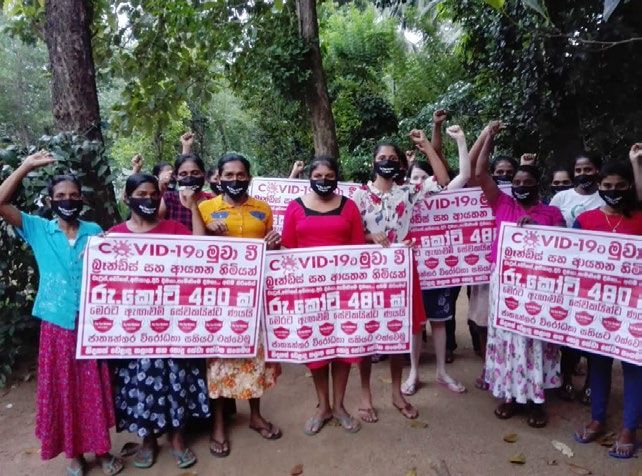
Image © Kristof Vadino
          Labour Behind the Label
               at a glance
Labour Behind the Label campaigns                 consumers need to take ethics into account
for garment workers’ rights worldwide,            in the way that they shop and enter into
supporting garment workers in their               dialogue with companies, governments
struggle to live in dignity and work in safety.   need to step in and defend workers’
We believe that everyone with a stake in          rights through legislation, and companies,
the garment industry has a responsibility         especially the big brands at the top of the
to improve conditions – workers need to           supply chain, need to be accountable to
join together and demand better rights,           their workers.

                                                                                                3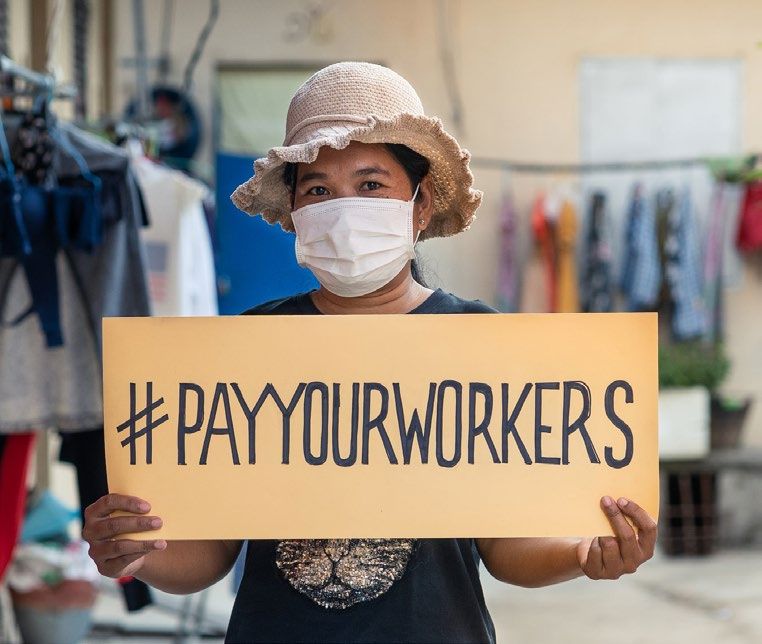
CAMPAIGNS

          Amplifying workers demands
                during Covid-19
    The Covid-19 crisis has exacerbated                   Working towards an enforceable
    inequalities in the garment industry. The             agreement on wages, severance
    pandemic has relentlessly hit garment worker
    communities with several waves of impact
                                                          and labour rights
    and workers have faced a toxic combination            Most garment production is carried out
    of factory closures, national lockdowns,              in countries where social protections and
    cancelled orders from big brands, loss of             unemployment benefits are the weakest
    wages and benefits, rising infections and             in the world. While many garment
    unsafe working conditions.                            producing countries have some form of
      After decades of paying factories the lowest        legal protections for workers who lose
    prices possible, the initial reaction of global       their jobs, they are widely accepted to be
    brands was to push the risks and the costs of         inadequate to meet even the basic needs
    the pandemic onto the workers who are least           of a worker and their family. Millions
    able to afford it- as they cancelled orders and       of garment workers are employed
    left workers unpaid. We estimate that garment         informally or on a contract basis which,
    workers are owed at least US$5.8 billion in           in many cases, means that they have no
    unpaid wages from the first three months of           access to social benefits, leaving them
    the pandemic alone.                                   especially vulnerable to the economic
      In the initial months of the pandemic, we           ravages of the pandemic. Brands have
    joined activists across the world calling on          also been using the pandemic as an
    brands to pay for all their orders in full, without   excuse to repress workers’ unions,
    imposing discounts on suppliers or delaying           eroding hard-won worker rights.
    payments. Slowly but surely, many of the big          Together with our partners in the CCC,
    brands agreed to our demands. However, the            we have launched the #PayYourWorkers
    devastation caused by the pandemic, and               campaign, which is endorsed by over
    by brands appalling behaviour is still rippling       200 civil society organisations and trade
    through garment worker communities.                   unions. We are calling on all brands to
                                                          take meaningful action to reduce the
    We estimate that garment                              long-term vulnerabilities that garment
                                                          workers face. The campaign calls for
    workers are owed at least                             brands to:
    US$5.8 billion in unpaid                                 • Pay the workers who make their
    wages from the first three                                 clothes their full wages for the
                                                               duration of the pandemic;
    months of the pandemic alone                             • Make sure workers are never again

4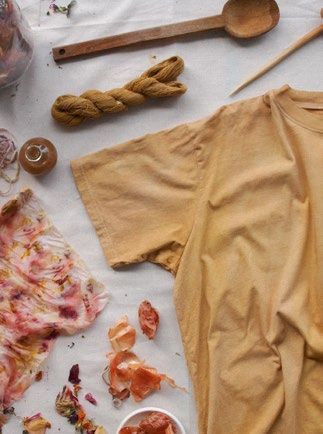
CAMPAIGNS

    left penniless if their factory goes     Supporting equitable access
    bankrupt, by signing onto a negotiated   to vaccines
    severance guarantee fund; and
                                             In addition to wage theft, union busting,
  • Protect workers’ right to organise
                                             job insecurity and unpaid severance,
    and bargain collectively.
                                             garment workers and their communities
Since October, we have held two global
                                             are fighting a losing battle against the
weeks of action to target H&M, Primark,
                                             virus. Whilst many wealthy countries
Nike, Next and Amazon. Activists in the UK
                                             have implemented successful vaccine
joined a global community, amplifying the
                                             programmes, they have also been hoarding
demands of workers protesting in countries
                                             more vaccines than their populations need.
across the world including Cambodia,
                                             There is a huge shortage of vaccines in
Indonesia, India and Sri Lanka.
                                             low to middle-income countries.
  We have had to be creative with our
                                               Without intervention, garment workers
campaigning tactics during the lockdown,
                                             and their communities will continue to be
but have staged socially distant shop
                                             struck by new waves of Covid-19 infections,
demonstrations highlighting the wages
                                             emerging new variants, national lockdowns
owed to workers, as well as stickering
                                             and factory closures. This will prolong the
actions and phone-in actions to deliver
                                             crisis that we have seen take hold in the
the demands of protesting workers to the
                                             last year. The UK government is one of a
brands.

                                                                  Image © FTZ & GSE Union

                                                                                            5
CAMPAIGNS

                                                    and Warwick, staging socially distant
    The UK government is one of                     demonstrations outside Nike, Next and
    a handful of wealthy countries                  Matalan stores, highlighting the brands’
                                                    complicity in wage-theft over the pandemic
    that is blocking a waiver on
                                                    with giant presentation cheques showing
    Trade Related Intellection                      the $5.8 billion in unpaid wages from the
    Property Rights (TRIPS)                         first three months of the pandemic alone.
                                                    Activists also mobilised for a phone-in
    proposed by India and                           action to talk to Next about the plight of
    South Africa last year                          garment workers during the pandemic and
                                                    ask what action Next was going to take to
    handful of wealthy countries that is blocking
                                                    ensure that their workers were paid the
    a waiver on Trade Related Intellection
                                                    wages and severance owed to them.
    Property Rights (TRIPS) proposed by India
                                                      As a small team, our impact is magnified
    and South Africa last year. The TRIPS Waiver
                                                    by the amazing network of activists who
    would dramatically expand global capacity
                                                    help to plan, organise and carry out actions
    for the manufacture of vaccines, rapidly
                                                    and campaigning, and we couldn’t be
    accelerating vaccination programmes in
                                                    more grateful. We are currently working
    low to middle income countries. We have
                                                    with the activist network to co-produce
    joined the People’s Vaccine and support
                                                    a new digital toolkit which will support
    their demands for the TRIPS Waiver.
                                                    new and seasoned change-makers at all
    Pay Your Workers: Protests and                  stages of their activist journey. Thank you
                                                    to everyone who has been involved in the
    activism around the world                       process so far.
    Workers in production countries including
    Bangladesh, Myanmar, Cambodia and
    Pakistan, have been joined by activists
    across the world in demanding that global
    brands respect workers rights to organise
    and bargain collectively, and commit
    to a binding agreement on wages and
    severance.
      During the global week of action in
    March, the workers from Star garment
    factory in Katunayake, Sri Lanka rallied
    and addressed factory owners directly.
    The workers managed to secure a success
    as factory owners promised to pay them
    the back-wages that they had previously
    been denied. This success shows the
    power of collective action!
      Here in the UK, activists took to the
    streets in London, Bristol, Manchester

6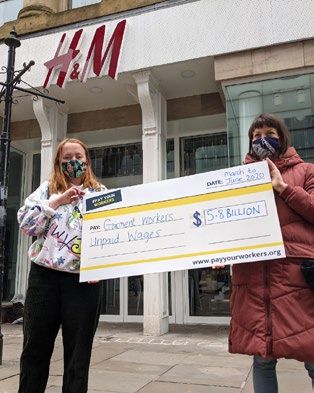
BANGLADESH

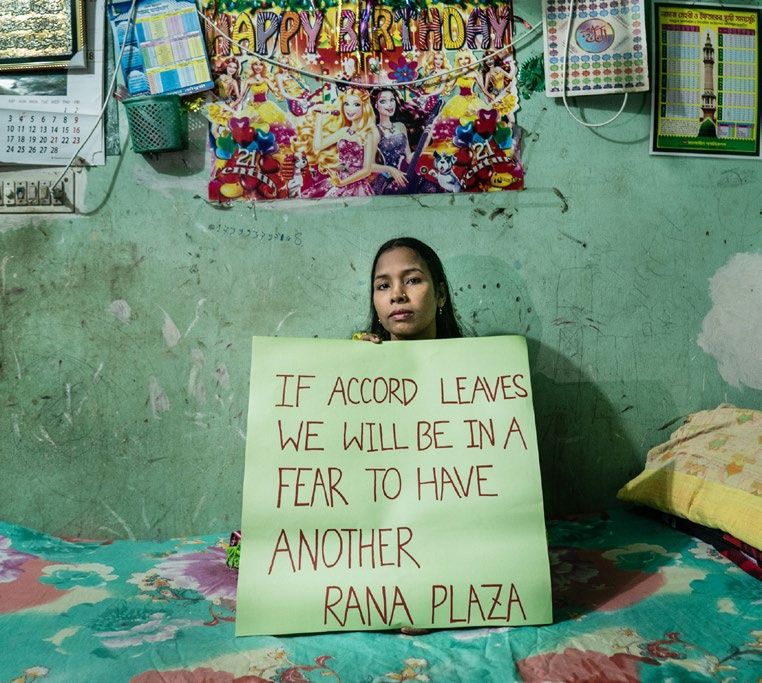
         We must #ProtectProgress
The Bangladesh garment industry has a
long history of factory incidents. The Accord
on Fire and Building Safety in Bangladesh,
created after the Rana Plaza collapse
of 2013, in which around 200 brands
participate, has been working to make
those factories into safe workplaces. Since
its establishment, the Bangladesh Accord
has brought great progress to the safety
situation for over 2 million garment workers
in Bangladesh, but this progress needs to be
protected. The current agreement will run
out by the end of May 2021.
  The Bangladesh Accord is so successful
because it is a legally binding agreement       Union and IndustriALL Global Union,
that has real punishments for brands,           the labour signatories of the Bangladesh
retailers, and factories who do not take        Accord, stated their withdrawal from
enough action. However, this agreement          the RMG Sustainability Council (RSC) in
runs out at the end of May this year.           Bangladesh. The RSC was created by the
  LBL and the CCC network are pushing           Accord and the Bangladeshi garment
brands to sign another similar agreement to     industry through which the RSC agreed
keep the Accord’s most effective elements       to assume all Accord staff, operations,
in place and support the expansion of the       and protocols with the understanding
Accord so other countries will be covered       this would lead to a new legally binding
by a similar programme.                         agreement. However, once this agreement
  Some brands and retailers, including          expires at the end of May, the RSC will lack a
UK brands like Next, want to see the            robust enforcement mechanism to ensure
Accord undermined by supporting a new           that brands meet their obligations and
agreement which will limit the worker           factories make reparations.
representation, reduce the binding aspects        UNI and IndustriALL have stated
of the Accord and make sure that brands         they are willing to reconsider if brands
are no longer held individually accountable.    sign a new agreement that continues
  So far only ASOS and Tchibo have come         the principles and obligations of the
out in support of a new legally binding         Accord and expands the principles and
agreement which can act as a model for          commitments to other countries. This
expansion. On 12 May 2021, UNI Global           is what we are now pushing for.

                                                                                                 7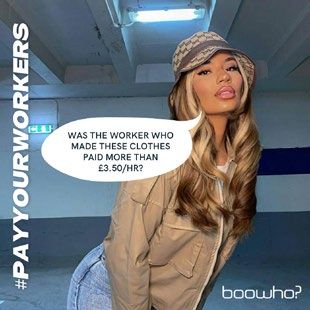
LGBTQ

           Pride: Freedom, equality and
            justice for LGBTQ workers
    June is Pride month, and we stand in
    solidarity with queer & trans communities
    worldwide and wish everyone a happy
    & safe Pride! Alongside the celebrations,
    Pride is a protest- it is a time to organise
    and take action for freedom, equality
    and justice for LGBTQ people.
      In the garment industry, big brands
    commodify Pride by selling rainbow
    t-shirts with slogans about equality, love
    & freedom to be yourself. But whilst
    brands cash in from Pride, what are they
    doing to support LGBTQ workers in their
    own supply chains?
      We love to see visible support for LGBTQ
    communities. But queer solidarity requires
    action, not just words or slogans. If brands     not support human rights violations such
    really support justice for queer and trans       as modern-slavery, exploitation or child
    communities, they must uphold LGBTQ              labour.
    rights for all workers in their supply chains.     By taking active steps to improve our
      In the lead up to Pride events across          procurement practices, we can push for
    the country, we have been working with           positive change within global supply chains,
    Unison to help groups who are planning           for all workers including those who are
    Pride events to make better purchasing           LGBTQ. This includes living wages, safe
    decisions and to extend the values of            working environments and the right for
    equality and social justice through to the       workers to organise and join a trade union.
    workers who make the products they buy.          We can also amplify workers’ demands
      Our impact goes beyond our immediate           for non-discrimination policies to benefit
    work. How we purchase garments or                LGBT+ workers, as well as those from other
    merchandise has a bearing on the human           marginalised groups.
    rights of workers across the world,                If you run a Pride event or would like to use
    including LGBTQ workers. We have                 the model procurement policy pack, please
    developed a template procurement policy          contact meg@labourbehindthelabel.org.
    to help Pride groups take the first steps to       Read more at: labourbehindthelabel.org/
    ensure that the money they spend does            pride/
8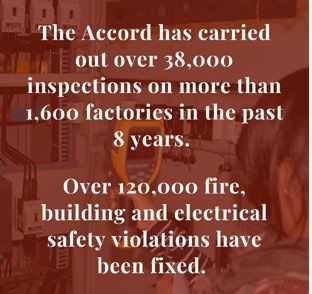
UK INDUSTRY

                Our UK work develops
It is almost a year since our report - Boohoo
& COVID-19: The people behind the profit
– was published revealing the endemic
underpayment of UK garment workers
and the unsafe working conditions in
Leicester garment factories. Since then,
the government has set up (yet another)
a new taskforce of government agencies
to investigate the abuses. So far this has
uncovered individual factory problems
but fails to address the root causes of the
problem.
  LBL set out recommendations for brands
and policy makers which targets these
root causes – low pricing, poor purchasing
practices and the power of big brands as        representation and purchasing practices –
well as the lack of union representation and    tackling brand behaviour and holding the
worker voice in the UK industry.                government to account.
  In the autumn of last year we joined the        Right now, we are discussing with brands,
Apparel and General Merchandise Public          suppliers, NGOs and unions on the content
Private Protocol which was previously a         of such a binding agreement. Brands are
talking shop for brands and enforcement         less willing to agree to a legally binding
agencies. This time however we see a            contract, but we know that without any
chance to create a binding agreement            binding sanctions and dispute resolution
which will address the need for worker          process any agreement will not achieve
                                                lasting change. In the next few months,
We see a chance to create a                     we hope that we will either get such an
                                                agreement and get it signed or we will
binding agreement which will                    continue our struggle with our allies. As of
address the need for worker                     now some progress has been made with
                                                local unions talking to several brands on
representation and purchasing                   union access to factories and support for a
practices – tackling brand                      community centre in Leicester which is key
                                                to engaging with workers.
behaviour and holding the                         In our next update we hope to be able to
                                                share a successful outcome. If not, we will
government to account                           be asking for action from our supporters!

                                                                                               9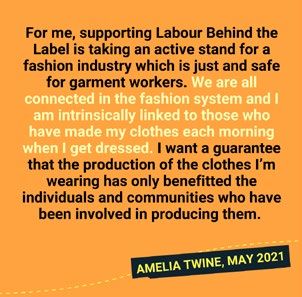
FUNDRAISING

                       327 Regular Givers!
     A year ago we set a target of 350 regular   is a slow process. Think about it – we
     givers by early 2021, from 259. We didn’t   are trying to redo a system which is
     hit 350 but did surpass 300 and are now     completely entrenched in the capitalist
     at 327! A huge thank you to everyone who    system and has been normalised over
     has committed to our work and pledged       time all around the globe as the fast
     to give monthly, you are truly inspiring.   fashion model that we see today.
     Our aim over the next 3-5 years is to         Change doesn’t happen overnight.
     continue building a strong and resilient    However, we do see change through
     organsiation, so we can continue to be      the work that we do and we can thank
     there for garment workers and push          our supporters and regular givers for
     forward their demands.                      allowing us to do it. Without them, it
       Seeing change in the garment sector       wouldn’t be possible.

      There are many different reasons why people give to LBL, but there are a few things
      that stood out to us when we reached out to our current regular givers recently:

      Will you become a human rights backer and give regularly to LBL so we can reform
      the fashion industry and protect the rights of those who make our clothes?
      You can join our current team of 327 givers by either:
       Online: At www.labourbehindthelabel.org/become-a-regular-giver
       By post: Complete the standing order form enclosed
       By phone: Call 0117 954 8011 and have your bank details at the ready

10
FUNDRAISING
Six Items Challenge
during a pandemic
If we’re honest, we were unsure as to how a series of online events in March where
this year would go – as we’d all be staying more than 170 people joined us. Hosted by
at home and in the same clothes anyway, LBL and friends including Tansy Hoskins,
but depsite our concerns we saw 32 who gave us an update on how Covid has
challengers take on our annual six items affected garment workers over the past
challenge event. Collectively they raised a year, Mayisha Begum of @ohsoethical who
huge £2,961.44 (including gift aid) for our gave us some great tips on how to be an
campaigning work! Thank you to everyone online activist and Katrina Wilde who talked
who took park, we hope you found the us through the natural dyeing process and
challenge eye opening! giving new life to your old clothes. A huge
As part of this year’s fundraiser we ran thank you to Tansy, Mayisha and Katrina!
Images © Katrina Wilde
Want to join the Six Items Challenge team next year?
Email caroline@labourbehindthelabel.org
11You can also read


