Aiding & ABETTING: Endocrine Society
←
→
Page content transcription
If your browser does not render page correctly, please read the page content below

CE NTE N NIAL CE LE B R ATION : THE EVOLUTION OF INSULIN

               NOVEMBER 2020              THE LEADING MAGAZINE FOR               ENDOCRINOLOGISTS

   Aiding
I NTE R N ATI O N A L

  & ABETTING:                                        How COVID-19 Boosted
                                                     Diabetes Care Innovations

                                                 ● The Endocrine Society has advocated for adopting
                                                     innovative models of diabetes care since 2018, but these
                                                     efforts have been hampered by a variety of factors.
                                                 ● As the COVID-19 pandemic started, many of these
                                                     innovations were put into practice such as telemedicine
                                                     and team-based care.
                                                 ● Once the pandemic has passed, those who treat people
                                                     with diabetes need to maintain the progress made during
 SMOG WARNING:                                       the pandemic.
 Air pollution and its link to diabetes

 HIGHS & LOWS:
 Virtually monitoring glucose in hospital settings
VOTE
THE LEADING MAGAZINE FOR ENDOCRINOLOGISTS

 2020 – 2022 EDITORIAL ADVISORY BOARD

                   Henry Anhalt, DO
            Bergen County Pediatric Endocrinology

                   Sally Camper, PhD
               Department of Human Genetics
             University of Michigan Medical School

               Rodolfo J. Galindo, MD
                                                                               2021 ELECTION FOR
                Assistant Professor of Medicine                                PRESIDENT-ELECT POSITION
                Mount Sinai School of Medicine

   Christian M. Girgis, MBBS, PhD, FRACP
          Royal North Shore and Westmead Hospitals
                University of Sydney, Australia
                                                                                              Stephen R. Hammes,
                   Andrea Gore, PhD                                                           MD, PhD
           Division of Pharmacology and Toxicology
                       University of Texas
                                                                                              University of Rochester
                                                                                              Rochester, NY, USA
               Daniel A. Gorelick, PhD
               Baylor University, Houston, Texas

          M. Carol Greenlee, MD, FACP
                  Western Slope Endocrinology                                                 Ursula B. Kaiser, MD
                     Grand Junction, Colo.
                                                                                              Brigham and Women’s
  (Faculty for Transforming Clinical Practice initiative [TCPi])
                                                                                              Hospital
             Gary D. Hammer, MD, PhD                                                          Boston, MA, USA
       Millie Schembechler Professor of Adrenal Cancer,
                 Endocrine Oncology Program
                    University of Michigan

                 Robert W. Lash, MD
                                                                               We encourage you to vote
    Chief Professional & Clinical Officer, Endocrine Society                   for our 2021 President-Elect.
                   Karl Nadolsky, DO                                           Visit endocrine.org/election
            Assistant Clinical Professor of Medicine,
               MSU College of Human Medicine                                   to learn more about the
                     SHMG Endocrinology
                                                                               candidates and cast your vote.
            Joshua D. Safer, MD, FACP
Executive Director, Center for Transgender Medicine and Surgery                Questions? Contact
                   Mount Sinai Health System
                      Professor of Medicine                                    election@endocrine.org or
            Icahn School of Medicine at Mount Sinai
                          New York, NY
                                                                               +1.202.971.3636 (or toll-free
                                                                               at +1.888.363.6274).
           Shehzad Topiwala, MD, FACE
                 Endocrinology Department
              SevenHills Hospital, Mumbai, India                               Ballots will be accepted
                 Kristen R. Vella, PhD                                         through December 14, 2020.
            Beth Israel Deaconess Medical Center
                   Harvard Medical School

                 Christina Wang, MD
       UCLA Clinical and Translational Science Institute
               Harbor – UCLA Medical Center

          Mihail “Misha” Zilbermint, MD
    Division of Endocrinology, Diabetes and Metabolism,
        Johns Hopkins University School of Medicine;               © 2020 ENDOCRINE SOCIETY
 Endocrinology, Diabetes and Metabolism, Suburban Hospital;
            Johns Hopkins Community Physicians
IN THIS ISSUE                                                                                                          NOVEMBER 2020

                                                                                30 | The Insulin Evolution
                                                                                More than simply a history lesson, a new paper in Endocrine
                                                                                Reviews looks at insulin’s advances since its discovery a century
                                                                                ago. A team led by Irl B. Hirsch, MD, has created an overview of
                                                                                informed treatment options as well as a comprehensive guide
                                                                                that will prove to be an invaluable resource for at least another
                                                                                hundred years.
                                                                                BY KELLY HORVATH

                                                                                34 | Airborne Toxic Events:

 22
                                                                                Air Pollution’s Role in Diabetes
                                                                                Among the environmental disruptors that contribute to the
                                                                                development of diabetes, air pollution is gaining the spotlight. Airborne
                                                                                microscopic endocrine disruptors not only get in the lungs but also

                             22 | Unprecedented:
                                                                                find their way into the bloodstream where they can cause organ
                                                                                damage, specifically to the pancreas.
      How COVID-19 Jumpstarted Diabetes Care Innovations                        BY ERIC SEABORG

                                                                                38 | Q & A: Connie Newman, MD
           The Endocrine Society has been leading the charge for adopting
  innovative diabetes treatment models since 2018. However, the specter
    of the COVID-19 pandemic has forced the entire healthcare industry to
   rethink how patients are treated, resulting in an unprecedented wave of      Endocrine News talks with Connie Newman, MD, chair of the
                  innovation that could revolutionize how care is delivered.    committee that created the latest Endocrine Society Clinical Practice
                                                                                Guideline on Lipid Management in Patients with Endocrine Disorders.
                                                     BY DEREK BAGLEY

2 | PRESIDENT’S VIEWPOINT              COVID-19 pandemic; Insulin              44 | PRACTICE RESOURCES                51 | ENDOGEAR
The Impact of COVID-19 on              titration software, CGM improve         HUNTING HIGH AND LOW:                  Diabetes technology
People with Diabetes                   time in range.                          VIRTUALLY MONITORING
                                       BY DEREK BAGLEY                         GLUCOSE IN HOSPITAL                    53 | CLASSIFIEDS
6 | FROM THE EDITOR                                                            SETTINGS                               Career opportunities
COVID-19 Leads to Diabetes             18 | ENDOCRINE ITINERARY                Hospitals that have implemented
Care Innovations                       Scientific meetings of interest         a virtual glucose management           54 | HORMONE HEALTH
                                       to endocrinologists from around         system have seen reduced               NETWORK
8 | InTOUCH                            the world                               glycemic events. Flagging records      Insulin: Essential for Life
Endocrine Society joins coalition                                              of patients who stray out of range
to improve insulin access; Donald      20 | DASHBOARD                          enables adjustments in treatment.
McDonnell, PhD, honored by Susan       Highlights from the world of            BY ERIC SEABORG
G. Komen; The Endocrine Society’s      endocrinology
AP-SIG shares adrenal and pituitary                                            47 | ADVOCACY
knowledge; Endocrine Society           42 | LABORATORY NOTES                   Endocrine Society advocacy win:
lauds European Commission’s            AN APPETITE FOR                         European Commission includes
chemical strategy; and Joy Wu,         RESEARCH                                Endocrine Society recommendations
MD, PhD, takes on new role.            Endocrine News speaks with the          in chemical strategy; November
                                       Endocrine Society’s 2020 Roy O.         elections: what will be the impact           www.endocrine.org
15 | TRENDS & INSIGHTS                 Greep Laureate Award winner for         on Endocrine Society policy agenda?
Digenic variants in fibroblast         Outstanding Research, Eleftheria        Congress approves Continuing                       Follow us on Twitter:
growth factor 21 signaling linked      Maratos-Flier, MD, who discusses        Resolution through December 11;                    @Endocrine_News
to severe insulin resistance;          her research focusing on obesity,       and Diabetes advocacy leading up
Registry launched to track             challenges for female researchers,      to November’s Diabetes Awareness
hospital CGM use during                and her own goals outside the lab.      Month.
                                       BY GLENDA FAUNTLEROY SHAW

                                                                                                                       ENDOCR INE NEWS | NOV E M BE R 2 0 2 0 |   1
PRESIDENT’S VIEWPOINT

        The Impact of COVID-19 on People with Diabetes

        N
                  ovember is Diabetes Awareness Month, an important          manage diabetes like the artificial pancreas. The SDP has also
                  opportunity to raise awareness about the challenges        helped to reduce the complications of type 2 diabetes in AI/AN
                  facing the over 30 million Americans living with           populations. However, SDP will expire on December 11 unless
        diabetes. This year’s public awareness campaign of diabetes is       Congress takes action to pass an extension of the program.
        even more important given the COVID-19 pandemic. People
        with diabetes are at increased risk of developing more serious       The Endocrine Society has been a lead advocate for a five-
        complications from COVID-19. People with type 1 diabetes are         year reauthorization of the SDP. In October, we conducted a
        3.5 times more likely to die in the hospital due to COVID-19         Virtual Hill Day with congressional offices to advocate for the
        than those without diabetes. The current crisis has made life        program. We also hosted a congressional briefing in October
        even more challenging for people with diabetes, which is why         to educate congressional staff on the importance of SDP. The
        the work that we are doing to advocate for people with diabetes      briefing featured Endocrine Society member Al Powers, MD,
        is so important. With your participation, we have been working       and Griff Rodgers, MD, the Director of the National Institute
        to advance our advocacy efforts on the policy issues impacting       of Diabetes and Digestive and Kidney Diseases (NIDDK) at the
        the millions of Americans living with diabetes.                      National Institutes of Health (NIH), and Chief Beverly Cook,
                                                                             a member of the National Indian Health Board and a nurse.
        Here are some of the areas where we have raised awareness in         We have also launched an advocacy campaign for Endocrine
        recent months:                                                       Society members. You can help us advocate for SDP by visiting:
                                                                             www.endocrine.org/advocacy.
        Special Diabetes Program and Diabetes
                                                                             In addition, we are a trusted advisor to policy makers
        Research                                                             concerning diabetes research and a vocal advocate calling
        The Special Diabetes Program (SDP) is a critically important         for funding for diabetes research. We have led efforts to
        program that funds type 1 diabetes research and prevention           increase federal support for the NIDDK, including delivering
        programs for American Indians and Alaskan Natives (AI/AN).           appropriations testimony, sponsoring congressional briefings,
        Funding for SDP has been used to advance new technology to           and participating in the Rally for Medical Research.

                                                                             Insulin Affordability
          Cast Your Ballot                                                   Last year, it seemed likely that Congress would pass legislation
          The election for our president-elect candidates has launched.      to address the rising cost of prescription drugs. Unfortunately,
          We have two outstanding candidates on the ballot, and I            the COVID-19 pandemic forced Congress to shift its focus.
          encourage all our voting members to participate in this very       In the absence of legislation, the Trump administration has
          important activity. To facilitate the voting process, a link to    attempted to address rising costs through several executive
          the electronic ballot is now available on the Society’s website.   orders. The orders issued by the administration are designed
          Please remember to cast your vote and remind your colleagues       to lower the cost of prescription drugs. However, it is unlikely
          as well. This is your Society, and your participation in the       that any of them will be implemented in the near future
          election is important!                                             because they do not carry the force of law and will likely be
                                                                             challenged in court.

2   | NOV E M BE R 2 0 2 0 | ENDOCR INENEWS.ORG
2022
                                                                                 LAUREATE
                                                                                  AWARDS
                                                                         CALL FOR NOMINATIONS
The Endocrine Society continues to advocate for lowering the
cost of insulin and other prescription drugs. The Society has            DEADLINE: DECEMBER 31, 2020
called on Congress to eliminate patient co-pays for insulin
during the COVID-19 public health emergency. We have
also updated our Insulin Affordability Position Statement
to highlight additional tactics that can be employed to lower
insulin costs and highlight our work on this important issue.

                          “
          Throughout the pandemic,                                 NOMINATE
      we have successfully advocated
                                                                   TODAY!
                                                                   Our Laureate Awards are the highest
        for measures from expanding                                honors bestowed in recognition of the
                                                                   paramount achievements in the endocrinology
      telehealth coverage to providing                             field including, but not limited to, seminal research,
       access to personal protective                               clinical investigation, translational research,
                                                                   mentorship, and non-traditional activities to
           equipment to increasing                                 support developing countries.

            funding for research.                                  Nominate on your own schedule—
                                                                   nominations for the 2022 awards cycle

                          ”
                                                                   are now being accepted until
                                                                   December 31, 2020.
                                                                   Get started now by visiting
                                                                   endocrine.org/laureate.
The statement includes positions and recommendations for
                                                                   Questions? Contact us at
policy makers to lower the cost of this lifesaving drug. You can   laureate@endocrine.org.
view the position statement by visiting: endocrine.org/insulin.

Diabetes Prevention and Education
We have worked to expand programs that promote diabetes
prevention and education. The National Diabetes Prevention
Program is an important program that uses proven interventions
to delay the onset of type 2 diabetes. This program is also
available to Medicare enrollees through the Medicare Diabetes
Prevention Program (MDPP). Unfortunately, virtual providers
                                                                   © 2020 ENDOCRINE SOCIETY

                                                                                                  ENDOCR INE NEWS | NOV E M BE R 2 0 2 0 |   3
of these prevention services can not participate in the MDPP,    Earlier this year, the Society sent a letter to CMS asking them
        which limits access for those wanting to participate in the      to give Medicare beneficiaries the ability to receive DSMT
        program virtually. The Endocrine Society has worked to           services from home via telehealth. As a result of our efforts,
                                                                         CMS has worked to ensure that all recognized and accredited

                                      “
                                                                         DSMT programs can provide this service via telehealth during
                                                                         the COVID-19 public health emergency. The Society also
                                                                         continues to advocate for legislation introduced in the House
                 The current crisis has made                             and Senate that would reduce the barriers to accessing DSMT.
                                                                         You can learn more about these efforts by visiting: www.
               life even more challenging for                            endocrine.org/advocacy.

               people with diabetes, which is
                                                                         Diabetes and COVID-19
              why the work that we are doing to
                                                                         Finally, as policy makers consider various ways to address
                   advocate for people with                              COVID-19 and provide relief, we consistently call their
                   diabetes is so important.                             attention to the impact of COVID-19 on people with diabetes,
                                                                         physicians treating diabetes, and researchers studying diabetes.
                    With your participation,                             Throughout the pandemic, we have successfully advocated for
                                                                         measures from expanding telehealth coverage to providing
                   we have been working to                               access to personal protective equipment to increasing funding
               advance our advocacy efforts                              for research. For more details, visit: www.endocrine.org/
                                                                         covid19.
               on the policy issues impacting
                  the millions of Americans                              Thanks to all of you who have helped advance these efforts
                                                                         during these unprecedented times. Your voice is a critical
                      living with diabetes.                              component in the work we do to advocate for these issues.

                                      ”
                                                                         For those of you not involved, we encourage you to join us in
                                                                         advancing these important priorities. To learn more about how
                                                                         you can participate in our diabetes advocacy, please contact us
                                                                         at: advocacy@endocrine.org.
        expand the MDPP to virtual providers. We recently endorsed
        legislation introduced in the Senate that would require the      If you have any questions or comments, you can reach me at:
        Centers for Medicare and Medicaid Services (CMS) to allow        president@endocrine.org.
        virtual providers to participate.
                                                                                                           Gary D. Hammer, MD, PhD
        We continue to advocate for expanded access to Diabetes                                            President, Endocrine Society
        Self-Management Training (DSMT). DSMT is an important
        program that provides training and education for people
        with diabetes to help them self-manage their care. DSMT is a
        covered benefit under Medicare, but it has been underutilized
        in recent years. Medicare enrollees have also faced challenges
        accessing the program virtually during the pandemic.

4   | NOV E M BE R 2 0 2 0 | ENDOCR INENEWS.ORG
JOIN US FOR

          NEW FRONTIERS IN BASIC SCIENCE:
          APPLYING NEW TECHNOLOGY TO ENDOCRINE RESEARCH

          JOIN US VIRTUALLY DECEMBER 2-3, 2020 FOR TWO DAYS OF
          LIVE PROGRAMMING AS WE EXPLORE RECENT DEVELOPMENTS
          IN TECHNOLOGY AND ENDOCRINE RESEARCH.

              Hear how your peers    Join open discussion   Learn new methods
              are applying new       forums and share       for approaching
              technology to their    your own ideas.        research in your lab.
              research.

          TO LEARN MORE AND REGISTER FOR THE PROGRAM,
          VISIT ENDOCRINE.ORG/BASICSCIENCE.

          © 2020 ENDOCRINE SOCIETY

Basic_Science_Day_AD.indd 1                                                     10/23/20 12:39 PM
NOVEMBER 2020
                                   FROM THE EDITOR

                                                                                        THE LEADING MAGAZINE FOR ENDOCRINOLOGISTS

                                                                                                            Editor: Mark A. Newman
                                                                                                            mnewman@endocrine.org
                                                                                                           Senior Editor: Derek Bagley

        COVID-19 Leads to
                                                                                                             dbagley@endocrine.org
                                                                                                  Art Director/Production: Anthony S. Picco

        Diabetes Care Innovations
                                                                                                   Art Director/Design: Catherine C. Neill,
                                                                                                              CNJ Creative, LLC
                                                                                                             www.cnjcreative.com
                                                                                                  Prepress & Printing: The Sheridan Group

       I
                                                                                                             www.sheridan.com
             n recognition of National Diabetes Month, this month’s cover             Endocrine News is a registered trademark owned by the
                                                                                      Endocrine Society.
             story looks at the biggest health crisis of our collective lifetimes:
                                                                                      Endocrine News informs and engages the global endocrine
             the COVID-19 pandemic. More specifically, how this public                community by delivering timely, accurate, and trusted
                                                                                      content covering the practice, research, and profession of
        health emergency has affected treating patients with diabetes. For            endocrinology.
        “Unprecedented: How COVID-19 Jumpstarted Diabetes Care
        Innovation,” on page 22, senior editor Derek Bagley was able to use
        data just published last month in The Journal of Clinical Endocrinology
        & Metabolism. This paper, entitled “Innovations in Diabetes Care for
        a Better ‘New Normal’ After COVID-19,” is based on the work of the
        Endocrine Society’s own Innovative Models of Diabetes Care Task Force,
        which was formed in 2018.
                                                                                                    President: Gary D. Hammer, MD, PhD
                                                                                                           president@endocrine.org
        Since that time, the Endocrine Society has long advocated for the adoption
                                                                                                   President-Elect: Carol H. Wysham, MD
        of more innovative models of diabetes care, but for one reason or another,                        chwysham@comcast.net
        progress has been hampered. Then along comes a pandemic, which,                             Past-President: E. Dale Abel, MD, PhD
                                                                                                             dale-abel@uiowa.edu
        against the odds, has seemingly jumpstarted the implementation of
                                                                                               Secretary-Treasurer: Dolores M. Shoback, MD
        new care delivery models at an unprecedented pace. Since the outcomes                             dolores.shoback@ucsf.edu
        of people with diabetes had not improved over the past decade, it was                     Chief Communications Officer: Aaron Lohr
        imperative to change the way care is provided, according to Robert A.                               alohr@endocrine.org

        Gabbay, MD, chief scientific and medical officer, American Diabetes           The mission of the Endocrine Society is to advance excellence
                                                                                      in endocrinology and promote its essential and integrative role
        Association, Arlington, Va. “Given the dual pandemics of COVID-19             in scientific discovery, medical practice, and human health.
        and diabetes, adoption of these innovations has accelerated in the hopes
        of creating a ‘new normal’ and improvements in the care we provide for
                                                                                                  Endocrine News® is published 12 times a year
        people with diabetes,” he says.                                                           by the Endocrine Society, 2055 L Street, NW,
                                                                                                       Suite 600, Washington, DC 20036
                                                                                                    Phone 202-971-3636 • Fax 202-736-9708
                                                                                                              www.endocrine.org.
        In this new normal that we’ve adjusted to, it’s common practice to wear
        a mask to avoid spreading or contracting COVID-19. But should masks                      Print ISSN 2157-2089 Online ISSN 2157-2097
                                                                                                  Copyright © 2020 by the Endocrine Society.
        be recommended to help people avoid diabetes? That’s the intriguing                                   All rights reserved.

        question posed by Eric Seaborg in his article “Airborne Toxic Events: Air     • Please send letters to the editor, comments, and suggestions for Endocrine
                                                                                        News® to mnewman@endocrine.org.
        Pollution’s Role in Diabetes” on page 34 that looks at the link between       • Product print and product online display advertising,
        air pollution and diabetes. More specifically, research is showing that the     by Pharmaceutical Media, Inc., contact Joe Schuldner,
                                                                                        jschuldner@pminy.com, or John Alberto, jalberto@pminy.com.
        microscopic, endocrine-disrupting-containing particles in air pollution       • For classified print advertising by Pharmaceutical Media, Inc.,
        can be ingested and not only affect the lungs but vital organs as well by       Dan Simone, dsimone@pminy.com

                                                                                      • For classified online advertising by endocareers@endocrine.org
        entering the bloodstream.
                                                                                      The statements and opinions expressed in Endocrine News®
                                                                                      are those of individual authors and do not necessarily reflect
        Traditional thinking assumes that when bad air is inhaled, it goes to your    the views of the Endocrine Society.
        lungs and causes asthma or lung disease. According to Ziyad Al-Aly, MD,       Advertising appearing in this publication does not constitute endorsement
                                                                                      of its content by Endocrine News® or the Endocrine Society.

6   | NOV E M BE R 2 0 2 0 | ENDOCR INENEWS.ORG
director of the Clinical Epidemiology Center at Washington Irl B. Hirsh, MD, professor of medicine at the University of
University in St. Louis, Mo., that is all true “but it doesn’t Washington Medicine Diabetes Institute in Seattle, led the
stop there because those particles actually make it to your team that wrote the article and says that such a compendium
bloodstream. They travel in the bloodstream to the pancreas had not been written for quite some time. “And now when we
to suppress insulin secretion and to other organs to impair have all of these new insulins, it’s really kind of overwhelming,
insulin sensitivity.” especially to the non-endocrinologists who maybe trained 10
or 20 years ago, or back in the 80s, like me,” he says. “This was
Much more than simply a history lesson, last month the a topic where there were no options. We didn’t have this kind
Journal of the Endocrine Society published “The Evolution of of guidance; in those days, there was controversy over whether
Insulin and How It Informs Therapy and Treatment Choices,” we should even be doing fingerstick glucose testing.”
which not only serves as a primer, but it could also work as a
practice tool for primary care physicians who have patients As always, if you have any questions, comments, or even
with diabetes. In “The Insulin Evolution” on page 30, Kelly ideas for future articles, feel free to email me at: mnewman@
Horvath takes a deep dive into this valuable article and endocrine.org.
discusses why it could be such a valuable resource for any — Mark A. Newman, Editor, Endocrine News
physician practicing today.
CLINICAL
PRACTICE
GUIDELINES
FROM THE ENDOCRINE SOCIETY
Lipid Management in Patients with Endocrine Disorders
A NEW STANDARD FOR CARE
Learn the latest best practices for assessing and treating high cholesterol in patients with
endocrine diseases like hypothyroidism, menopause, and Cushing Syndrome.
Guideline Highlights:
Obtain a lipid panel in adults with endocrine disorders to assess triglyceride levels and to calculate low-density
lipoprotein cholesterol (LDL-C).
Treat adults with type 2 diabetes and other cardiovascular risk factors with a statin in addition to lifestyle
modifications, aiming for an LDL-C goal of < 70 mg/dL.
Consider statin therapy, irrespective of the cardiovascular risk score, in adults with type 1 diabetes who are
age 40 years and older, and/or have a history of diabetes of at least 20 years, and/or either microvascular
complications, chronic kidney disease in stages 1-4, or obesity.
R E A D T H E G U I D E L I N E AT
ENDOCRINE.ORG/LIPID2020
© 2020 ENDOCRINE SOCIETY
ENDOCR INE NEWS | NOV E M BE R 2 0 2 0 | 7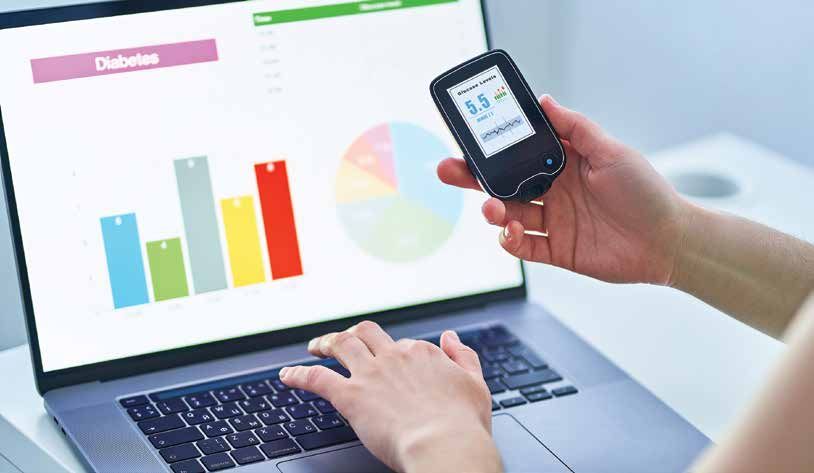
INTOUCH

                                                        The Endocrine Society’s
                                  AP-SIG Shares Adrenal and Pituitary Knowledge

                                                  A
                                                          s Endocrine News reported in the August issue, the Endocrine Society
                                                          launched a series of Special Interest Groups (SIGs) in 2019 to allow
                                                          members with similar interests to come together to collaborate both
                                                  within and outside the SIG.

                                                  The goal of the Adrenal and Pituitary Special Interest Group (AP-SIG) steering
                                                  committee (currently chaired by Niki Karavitaki, MD, PhD and Lauren Fishbein,
                                                  MD, PhD) is to create a platform to exchange knowledge, allow for networking, and
                                                  promote excellence in adrenal and pituitary clinical care and research, with the goal
                                                  to provide resources for all Endocrine Society members.

                                                  At ENDO 2019, the Society held an open forum on the EXPO floor to learn what
           AP-SIG Steering Committee              the Endocrine Society members wanted from a SIG for adrenal and pituitary topics.
                                                  The AP-SIG’s steering committee has taken those excellent suggestions from the
                  Lauren Fishbein, MD, PhD
                                                  members and have begun to make them a reality. A major principle of the steering
                    University of Colorado
                                                  committee is that all ideas and all projects proposed by the SIG members are listened
                     School of Medicine
                                                  to and, if feasible, are put into practice.
                          Co-Chair
                  Niki Karavitaki, MD, PhD        The first objective has been to create a live webinar series to meet the needs of
                  University of Birmingham        Society members. This is particularly relevant during the challenging COVID-19
                          Co-Chair                era, which has transformed the landscape of medical and research training,
                                                  education, and professional development.
                  Ricardo Correa, MD, EsD,
                     University of Arizona        The AP-SIG’s first webinar, moderated by Lauren Fishbein, MD, PhD, was entitled
                 College of Medicine Phoenix      “The Paper That Changed My Practice” and introduced papers chosen by members
                   Maria Perez-Millan, PhD        of the steering committee that were key to their clinical practice. The webinar covered
                  University of Buenos Aires      topics including cardiovascular risk with mild autonomous cortisol secretion (Sona
                                                  Sharma, MD), treatment of thyrotroph adenomas (Ismat Shafiq, MD), significance
                   Roberto Salvatori, MD          of ARMC5 gene variants in primary aldosteronism (Ricardo Correa, MD, EdD), and
                  Johns Hopkins University        consequences of long-term Cushing’s disease (Niki Karavitaki, MD, PhD).
                     Ismat Shafiq, MD
                   University of Rochester        There was a great discussion with numerous questions from attendees. For those
                                                  questions that were not answered live, the responses were posted on the Community
                      Sona Sharma, MD             Connect chat board. If you were not one of the 160 people who tuned in live, you can
                       Duke University            join the over 180 colleagues who have watched the webinar online: www.endocrine.
                                                  org/the_paper_that_changed_my_practice.

8   | NOV E M BE R 2 0 2 0 | ENDOCR INENEWS.ORG
INTOUCH
On June 29, 2020, the
AP-SIG hosted a webinar for
its members called
“The Paper that Changed
My Practice,” which
discussed papers chosen
by members of the steering
committee that were key to
their clinical practice.
There have been numerous requests from the Endocrine Society committee members Lauren Fishbein, MD, PhD, and Roberto
membership for dedicated time to ask experts burning clinical Salvatori, MD, organize this special and important webinar.
questions. The AP-SIG responded to this call with a second
webinar, “Ask the Experts” with Mark Molitch, MD, PhD, The AP-SIG embraces diversity and inclusiveness at every level.
and Valeria de Miguel, MD, in pituitary and adrenal topics, The programs and projects are created by members for members
to increase the knowledge and interest on pituitary and adrenal
“
topics, both clinical and research related. The committee’s vision
for the AP-SIG is to achieve a high level of engagement from all
Society members in a wide range of activities.
The programs and projects are
Finally, one of the most engaging ways for Endocrine Society
created by members for members to members to connect is on the Society’s own Community
increase the knowledge and interest Connect platform (https://community.endocrine.org). Across
the SIGs, there have been engaging conversations and posts
on pituitary and adrenal topics, both
on many topics, and the adrenal and pituitary board is no
clinical and research related. exception. If you recently read an interesting paper or have a
”
question about a clinical case or a laboratory method, please
take advantage of the community of Society members and post
to the board.
respectively. Questions were submitted ahead of time and live
during the webinar and were moderated by Ismat Shafiq, MD, If you are interested in participating in a webinar or have ideas
and Ricardo Correa, MD, EdD. for webinar topics or other activities, please reach out to Rylan
Kepner: rkepner@endocrine.org.
The third installment of the webinar series will focus on subjects
relevant to translational and basic researchers in adrenal- and
pituitary-related topics. The AP-SIG has enlisted several Society
members outside of the steering committee to help steering
ENDOCR INE NEWS | NOV E M BE R 2 0 2 0 | 9INTOUCH
Donald McDonnell, PhD,
Honored by Susan G. Komen
S
usan G. Komen®, the world’s leading breast cancer organization, recognized
Endocrine Society member and innovative breast cancer researcher Donald P.
McDonnell, PhD, with this year’s Brinker Award for Scientific Distinction in Basic
Science, Komen’s highest scientific honor.
BERS
MEM the
in Established by Komen in 1992, the prestigious Brinker Awards for Scientific Distinction
S
NEW recognize advances in both our understanding of the underlying mechanisms of breast
cancer (basic science) and the clinical setting (clinical research), which are both essential
to combating the disease.
McDonnell, the Glaxo-Wellcome professor of molecular cancer biology, Department of
Pharmacology and Cancer Biology, professor of medicine, co-director, Women’s Cancer
Program, Duke Cancer Institute, Duke University School of Medicine, is being honored
for his significant contributions to breast cancer research, which have been instrumental in
advancing our understanding of estrogen receptor signaling in breast cancer. His research
has resulted in critical insights into the structure, function, and regulation of nuclear
hormone receptors and is helping to lay the foundation for the development and clinical
use of novel endocrine therapies to treat estrogen receptor (ER)-positive breast cancer.
“Dr. McDonnell’s innovative research has provided significant insights to the biology and
pharmacology of the estrogen receptor and led to the development of new drugs for the
treatment of hormone-dependent breast cancer. His leadership in the field and creative
approach to translating laboratory-based discoveries to new cancer drugs will have a
lasting impact on breast cancer research and care,” says Komen’s chief scientific advisor,
Jennifer Pietenpol, PhD, executive vice president for research at Vanderbilt University
Medical Center, director of the Vanderbilt-Ingram Cancer Center, and the B.F. Byrd, Jr.,
professor of molecular oncology.
McDonnell also received the Endocrine Society’s 2020 Gerald D. Aurbach Award for
Outstanding Translational Research Laureate Award earlier this year.
10 | NOV E M BE R 2 0 2 0 | ENDOCR INENEWS.ORGINTOUCH
Endocrine Society Welcomes
European Commission’s Chemical Strategy
T
he Endocrine Society welcomed the European leached into waterways and foods, and they can persist in the
Commission’s new Chemical Strategy for Sustainability environment as well as our bodies. PFAS exposure is linked
and its measures to protect the public from endocrine- to health problems such as high cholesterol, disrupted thyroid
disrupting chemicals (EDCs). The communication was released function, and altered immune response.
in October as part of the European Green Deal.
The Society has dedicated years to pressing for science-based
The strategy is designed to be the foundation for the biggest policies to regulate EDCs, which mimic, block, or otherwise
update to Europe’s chemical regulations in more than a decade. interfere with the body’s hormones. We are pleased the
The chemical strategy commits to a hazard identification for European Commission has announced its intention of adopting
endocrine-disrupting chemicals, including strict measures a hazard-based approach to regulating these harmful chemicals.
to prevent them from being used in consumer products. In However, the practical features and implementation steps will
addition, the strategy calls for stricter data requirements be important, and the Society urges the Commission to clarify
for EDCs across all relevant legislation and to accelerate the these details to permit concrete actions without further delay.
development and adoption of better test methods.
EDCs are commonly found throughout our environment in
“EDCs are linked to serious health problems, such as infertility, consumer products, food containers, personal care products,
diabetes, obesity, cancer, and issues with brain development,” pesticides, and furniture. EDCs contribute to serious health
says Barbara Demeneix, BSc, PhD, DSc, chair of the Society’s problems such as diabetes, obesity, neurodevelopmental
Endocrine-disrupting Chemicals Advisory Group. “We are disorders, and reproductive problems. Children, unborn
pleased to see the European Commission has taken this children, and adolescents’ developing bodies are particularly
significant first step towards further protecting the public from vulnerable to exposures.
EDC exposure with its new chemical strategy. We now need
further details and concrete actions to protect public health and A series of economic analyses found EDC exposures may be
minimize consumers’ exposure to these hazardous chemicals.” costing the EU upwards of €157 billion ($177 billion) a year.
Society experts led the effort to quantify the public health
The Commission also committed to introducing provisions for impact of EDCs on the economy.
evaluating unintentional mixtures and will assess how best to
address combination effects in the future. The Endocrine Society will continue to monitor progress
on legislative proposals to ensure that they are effective in
In addition, the chemical strategy prioritizes control measures minimizing exposure to EDCs.
for poly- and perfluoroalkyl substances (PFAS) and addresses
them with a group approach. These manmade EDCs have
ENDOCR INE NEWS | NOV E M BE R 2 0 2 0 | 11INTOUCH
Endocrine Society Joins
Coalition to Improve Insulin Access
T
he Endocrine Society partnered with Beyond Type 1 to improve access
for anyone in the U.S. struggling to obtain life-sustaining insulin.
Launched in October at GetInsulin.org, this new tool was created by global
diabetes nonprofit organization Beyond Type 1 to connect those people who have
diabetes and are on insulin to assistance programs and low-cost solutions that
match their unique situation.
“Insulin is not optional for people with diabetes. The current drug pricing system
that leaves many unsure of how to access their insulin needs to change, and that
change will take time. Right now, there are assistance options out there for many
struggling to access insulin, but individuals may not know about programs or
those programs may be difficult to navigate,” says Beyond Type 1 CEO Thom
Scher. “GetInsulin.org is designed to address this
immediate and solvable problem — to simplify
the process of getting people to the right help and
getting them access to insulin in the immediate
term.”
Beyond Type 1 advocates for high-quality, modern
insulin to be available to people with diabetes
regardless of employment or insurance status,
across all demographics, without barriers, and at
an affordable and predictable price point. Until that
is achieved, GetInsulin.org will be a resource for
those needing access to insulin options immediately.
Along with the Endocrine Society, GetInsulin.org
is supported by a coalition of partners helping
connect those in need to lower-cost insulin now,
including the American Diabetes Association
(ADA), the Association of Diabetes Care and
Education Specialists (ADCES), Feeding America, JDRF, The Leona M. and Harry
B. Helmsley Charitable Trust, the National Association for the Advancement
of Colored People (NAACP), and the National Hispanic Medical Association
(NHMA).
GetInsulin.org is funded by Lilly, Mylan, Novo Nordisk, and Sanofi.
12 | NOV E M BE R 2 0 2 0 | ENDOCR INENEWS.ORGINTOUCH
Five Endocrine Society Members
Elected to the National Academy of Medicine
E
ndocrine Society members Rexford Ahima, MD, PhD, across biological membranes. Her work has broad impact and
Myles Brown, MD, Nancy Carrasco, MD, Mark Evers, significance across biomedical fields ranging from biophysics
MD, and Joel Hirschhorn, MD, PhD, have been elected and molecular physiology to cancer, metabolism, molecular
to the National Academy of Medicine (NAM). endocrinology, and public health.
They are seven of the 90 regular members and 10 international u Evers is the director, Lucille P. Markey Cancer Center;
members who were announced on October 19 at NAM’s physician-in-chief of Oncology Service Line, UK Healthcare;
annual meeting. Election to the Academy is considered one professor and vice chair for research, department of surgery;
of the highest honors in the fields of health and medicine and and Markey Cancer Foundation Endowed Chair, University
recognizes individuals who have demonstrated outstanding of Kentucky, Lexington. He was honored for his expertise on
professional achievement and commitment to service. New intestinal hormones and hormonal arcades in oncogenesis.
members are elected by current members through a process His seminal insights defined the role of gut hormones on
that recognizes individuals who have made major contributions normal physiology and metabolism, pioneering innovative
to the advancement of the medical sciences, healthcare, and understanding of neuroendocrine cell biology and the
public health. role of neurohormonal pathways in the development and
progression of neuroendocrine tumors.
u Ahima is a professor of medicine, public health, and
nursing, Bloomberg Distinguished Professor of Diabetes, u Hirschhorn is the chief, Division of Endocrinology, Boston
and director of the Division of Endocrinology, Diabetes, Children’s Hospital; Concordia Professor of Pediatrics
and Metabolism, Johns Hopkins University, Baltimore, Md. and professor of genetics, Harvard Medical School; and
He was honored for innovative laboratory and translational member, Broad Institute of MIT and Harvard, Boston,
studies that have elucidated the pathophysiology and Ma. He was honored for his development of methods and
potential therapies for obesity, diabetes, and related diseases. standards for performing and interpreting genome-wide
association studies. He leads the Genetic Investigation
u Brown is the Emil Frei III Professor of Medicine, of ANthropometric Traits (GIANT) consortium, which
Harvard Medical School, and director of the Center for identified most currently known loci associated with stature
Functional Cancer Epigenetics, Dana-Farber Cancer and obesity.
Institute, Boston, Ma. He was honored for his leadership
in oncology and endocrinology, and whose seminal “This distinguished and diverse class of new members is a truly
contributions have fundamentally reformulated the exceptional group of scholars and leaders whose expertise in
mechanistic understanding of hormone dependence of science, medicine, health, and policy will be integral to helping
breast and prostate cancers, enabling the development of the NAM address today’s most pressing health challenges and
new therapies for these diseases. inform the future of health and health care for the benefit
of everyone around the globe,” says National Academy of
u Carrasco is the professor and chair of molecular physiology Medicine president Victor J. Dzau. “It is my privilege to
and biophysics, and Joe C. Davis Chair of Biomedical Science, welcome these esteemed individuals to the National Academy
Vanderbilt School of Medicine, Nashville, Tenn. She was of Medicine.”
honored for making exceptional contributions to elucidating
mechanisms by which ions and other solutes are transported
ENDOCR INE NEWS | NOV E M BE R 2 0 2 0 | 13INTOUCH
Joy Wu Named Vice Chair of
Basic Science at
Stanford Department of Medicine
L
ast month it was announced that Joy Wu, MD, PhD, has been
appointed as vice chair, Basic and Translational Science,
Department of Medicine, at Stanford University School of
Medicine, Stanford, Calif.
In this new role, Wu will provide leadership and vision to further the
basic science research mission in the department. Wu is a board-certified
endocrinologist who specializes in treating women and men with
osteoporosis and other bone diseases. She has a special interest in treating
those at risk of bone loss from cancer therapies.
“Physician-scientists serve a unique and valuable role in biomedical
research,” Wu says. “I am thrilled and honored by this opportunity to
support the amazing research being done by our faculty in the Department
of Medicine, with an emphasis on diversity and team science.”
As associate professor of medicine (endocrinology) at Stanford University
School of Medicine, Wu directs a broad basic and translational research
program that focuses on skeletal development and the bone marrow
hematopoietic niche. Her laboratory is currently studying stem cell
therapies for bone formation and the prevention of cancer metastases to
bone.
Wu is also the co-director of the Stanford Translational Investigator
Program, which aims to recruit and mentor physician-scientists. She is
passionate about training the next generation of physician-scientists.
Wu currently serves as a leader on the Endocrine Society’s Board of
Directors where she works on initiatives that impact our members and
the global endocrine community. She has also served as co-chair of the
Trainee and Career Development Core Committee, and on the Leadership
Development Task Force and the Publications Core Committee, where
she chaired the search committee for the editor-in-chief of Endocrinology.
– Colleen Williams
14 | NOV E M BE R 2 0 2 0 | ENDOCR INENEWS.ORGTRENDS & INSIGHTS
BY DEREK BAGLEY
Senior Editor
Digenic Variants in
Fibroblast Growth Factor 21 Signaling
Linked to Severe Insulin Resistance
V
ariants in genes that mediate fibroblast variants shared between the proband, her sister,
growth factor 21 — a hormone secreted and one of her parents,” the authors write. “This
by the liver that acts to regulate the body’s list was narrowed down to 11 candidate variants
response to starvation — have for the first time based on gene set enrichment analysis of relevant
been linked to severe insulin resistance, according insulin and IGF1 pathways. From this list, we
to a paper recently published in the Journal of the selected two rare, predicted deleterious variants
Endocrine Society. in genes critical to the fibroblast growth factor
Researchers led by Stephen Stone, MD, a pediatric
endocrinologist at Washington University
21 (FGF21) signaling pathway in [genes] FGFR1
and KLB [which form a transmembrane receptor-
cofactor complex that binds FGF21 and activates
“
We found that
School of Medicine in St. Louis, report on the intrinsic tyrosine kinase activity and subsequent the proband
case of a 12-year-old female who presented with signal transduction].” carried mutations
markers of insulin mediated pseudoacromegaly in the FGF21
(IMPA), a rare insulin resistance syndrome. The The researchers found that the proband has receptor complex
patient had acanthosis nigricans, hirsutism, and extremely elevated insulin and elevated serum and performed
acromegalic features characteristic of IMPA. FGF21 for her age and that in vitro studies showed tissue culture-
“To date, the molecular mechanism for IMPA that genetic variants of FGFR1 and KLB reduced based studies
remains unknown,” the authors write. “However, FGF21 signaling. “These studies suggest that the
to demonstrate
it has long been hypothesized that these patients variants in FGFR1 and KLB induce resistance
that these were
must harbor a defect downstream of the [insulin to the insulin sensitizing effects of FGF21,” the
receptor] in which the glucose lowering property authors write.
functional/
of insulin is impaired while the growth promoting pathogenic
activity of insulin is preserved.” “We found that the proband carried mutations in mutations.
”
the FGF21 receptor complex and performed tissue
Stone and his team conducted biochemical and culture-based studies to demonstrate that these
genetic studies on the female patient and her were functional/pathogenic mutations,” Stone tells
family, with the objective of defining the genetic Endocrine News. “This study demonstrates the
and molecular etiology of IMPA. The authors first ever link between FGF21 and severe insulin
describe the case study of the proband and her resistance.”
family, including the clinical workup that details
the adolescent female’s metabolic abnormalities as
well as how these features have led to teasing from
her peers causing her to experience depression.
The authors also detail the genetic testing
performed on the proband, her parents, and her
sister. “We identified 1,108 predicted deleterious
ENDOCR INE NEWS | NOV E M BE R 2 0 2 0 | 15Insulin Titration Software,
CGM Improve Time in Range
“ T
his past summer, Glytec published
the first proof-of-concept study that
This combines Food and Drug Administration
(FDA)-cleared remote insulin titration software
approach
and data from continuous glucose monitoring
delivers
(CGM) systems. Results of the study showed a
significantly
26% increase in time in range for participants
improved living with diabetes — an improvement from
outcomes for 48% at baseline to 74% after only four weeks of
patients on basal care.
bolus insulin
with multiple The study evaluated 25 adults who used the Abbott
daily injections, Freestyle Libre CGM system and Abbott LibreLink
while optimizing app on their mobile phone. Patient data was
the use of provided to Glytec’s Glucommander software — a
clinical cloud-based, FDA-cleared solution for outpatient
resources. basal-bolus insulin titration. All participants met
the criteria of living with type 2 diabetes, reporting
” A1C levels > 8.0%, and owning a smartphone
capable of running the LibreLink app.
using these methods traditionally visit their
provider every few months to adjust insulin
dosing based on historical data and can go years
The four-week study began with a nurse educator
without achieving their optimal dosing regimen.
helping participants set up the Abbott Freestyle
Libre 14-day CGM system while collecting
“This approach delivers significantly improved
baseline data. Participants went to the Atlanta
outcomes for patients on basal bolus insulin with
Diabetes Associates office every two weeks for
multiple daily injections, while optimizing the
CGM sensor changes, and insulin titration was
use of clinical resources,” the authors conclude.
done during these visits or by phone on the weeks
“The combination of Glucommander software
not requiring visits. To obtain updated doses,
and CGM data can continually optimize insulin
nurse educators reviewed participant CGM
doses and improve outcomes while relieving the
data, remotely generated dose updates from
burden on patients and providers.”
Glucommander, examined the recommendation,
and passed it on to the patient. No intervention
by the licensed provider was necessary.
Without this combined CGM and Glucommander
approach, individuals living with diabetes in
the outpatient setting rely on finger pricks and
meters to measure blood glucose levels. Patients
16 | NOV E M BE R 2 0 2 0 | ENDOCR INENEWS.ORGNew Registry Tracks
Hospital CGM Use During
COVID-19 Pandemic
D
excom recently announced the first Society member Athena Philis-Tsimikas, MD,
“
ever registry dedicated to tracking the an endocrinologist and corporate vice president
outcomes of patients and healthcare for the Scripps Whittier Diabetes Institute in San
professionals using continuous glucose monitoring Diego, Calif. “More recently, we have begun using We have begun
in hospitals in response to the COVID-19 the system on some ICU and COVID-19 hospital using the system
pandemic. floors where minimizing contact is important for on some ICU and
both our patients and staff members. A registry to
COVID-19 hospital
The current standard of care for glucose monitoring examine experiences across many hospitals would
floors where
in the hospital is a fingerstick blood glucose test, be hugely beneficial.”
minimizing contact
which requires healthcare providers to draw
blood from a patient to obtain a glucose reading. The registry will be accessible to healthcare
is important for
Due to the need to preserve personal protective providers using rtCGM in an inpatient or critical both our patients
equipment, reduce potential hospital staff exposure care setting. Providers will be able to upload and staff members.
to COVID-19, and lessen the overall burden on information regarding the in-hospital care of each A registry
nursing care, Dexcom made their G6 CGM system CGM patient, such as admissions, discharges, to examine
available to remotely monitor the glucose levels medications, status changes, diabetes history, experiences across
of all hospitalized patients during the COVID-19 comorbidities, and more. The data collected will many hospitals
pandemic. The decision was made in April based be deidentified and will not include any protected would be
on feedback received from the U.S. Food and Drug health information. hugely beneficial.
Administration (FDA).
“In our previous use of the Dexcom G6 system
in our hospitals as part of exploratory studies
The data collected through the registry will
eventually be cross-referenced with patient CGM
data and evaluated by Dexcom for future product
”
over the last three years, we have found that the innovation or to include in future regulatory
device improves glucose control without any submissions to make rtCGM the ongoing standard
increased risk in hypoglycemia,” says Endocrine of care in hospitals.
ENDOCR INE NEWS | NOV E M BE R 2 0 2 0 | 17ENDOCRINE ITINERARY
Virtual Event • March 20 – 23, 2021
KEY DATES REGISTRATION BEGINS • November 18, 2020
The all-virtual ENDO 2021 will mirror the principal elements of ENDO,
including top-flight educational programming, an interactive EXPO center,
and networking opportunities. ENDO 2021 is the leading global meeting
for endocrinology research and clinical care. Join us for the most well
attended and valued translational endocrinology meeting in the world.
Bringing together leading experts, researchers, and the most respected
clinicians in the field, ENDO 2021 represents a convergence of science
and practice that highlights and facilitates breakthrough discoveries in the
field of endocrinology. Spend time connecting with peers and colleagues,
exchanging ideas and information, and getting out in front of the latest
trends and advancements in hormone health.
Abstract submission will still occur as planned, and abstracts will be
presented virtually to all participants. All accepted abstracts will be published
in a supplemental issue of the open access Journal of the Endocrine Society
and will be assigned a DOI and indexed in PubMed and PubMed Central. The
submission window opened on September 28 at: endocrine.org/abstracts.
www.endocrine.org/endo2021
Diabetes and Its 18th Annual World Congress 2020 Update on the
Complications Insulin Resistance Diabetes Treatment of Pituitary
Livestream & Cardiovascular Disease Tumors: Emerging Therapies
November 12 – 14, 2020 December 3 – 6, 2020 Live Virtual Experience
Anyone who provides care for Live-Interactive-Online December 5, 2020
people with diabetes knows that The World Congress on Insulin 8:45 a.m. – 4:30 p.m. (EST)
these patients often have a myriad Resistance, Diabetes & Cardiovascular Presented by the Memorial Sloan
of comorbidities and complications, Disease (WCIRDC), now in its 18th Kettering Multidisciplinary Pituitary &
and that optimizing their care is year, is a global meeting dedicated to Skull Base Tumor Center, this course
frequently complex and challenging. diabetes, obesity, lipids, cardiovascular is intended for endocrinologists,
It is with these challenges in mind disease, and energy balance. The neurosurgeons, otolaryngologists,
that Harvard Medical School faculty goal of the conference is to link basic radiation oncologists, neurologists,
have developed this CME program, research to clinical practice in pursuit ophthalmologists, neuro-oncologists,
which will provide comprehensive of its theme: Exploring New Frontiers family medicine and internal medicine
updates, practice recommendations, in Metabolism — Tomorrow’s Clinical physicians, physicians in training,
and the newest evidence-based Science Today. For nearly two decades, and other allied health professionals
strategies for the treatment and WCIRDC has brought researchers, who treat and manage patients with
care of the person with or at risk for physicians, clinicians, and other pituitary diseases. This course aims
diabetes. healthcare professionals together for to improve patient care and outcomes
http://hmsdiabetescourse.com/ an international program that bridges through evidence-based discussion
the latest developments from bench to of clinical practice guidelines and
bedside. emerging therapies.
www.wcir.org/ mskcc.org/pituitarycourse
18 | NOV E M BE R 2 0 2 0 | ENDOCR INENEWS.ORGENDOCRINE ITINERARY
INTERNATIONAL ITINERARY
Project ECHO
Project ECHO events are live, interactive
seminars using virtual platforms that Virtual 16th International Thyroid Congress
allow participants to connect in real time December 16 — 20, 2020
to provide feedback on cases. Launched Sessions will include: Recent Advances in Thyroidology,
at the University of New Mexico in 2003, Plenary Lectures, Symposium Lectures, and Award
ECHO stands for Extension of Community Lectures. All sessions will be prerecorded. There will be
Healthcare Outcomes, and it is built on no meet the professor/debate and discussion and oral
the idea that while not everyone can be a sessions/poster sessions.
specialist, all patients deserve access to www.thyroid.org/16th-itc/
specialty care.
ICE 2020:
Type 1 Diabetes Care 19th International Congress of Endocrinology
and Management Virtual Meeting
Open to all clinicians, this virtual program February 2021
seeks to educate primary care providers, 19th International Congress of Endocrinology (ICE
care teams, and non-diabetes specialists in 2020), 4th Latin American Congress of Endocrinology
best practices for type 1 diabetes care and (CONLAEN), and 13th Congress of the Argentine
management. With many therapeutic and Federation of Endocrinology Societies (FASEN) is
pharmacological options available, clinicians organized by MCI Group — Argentina. Topics to be
need additional resources to stay up to discussed include: big data and its impact in health,
date. This program features live, interactive
human diseases, artificial intelligence, and big-data
seminars and on-demand webinars, and
will focus on evidence-based methods for
mining; thyroid cancer diagnosis and treatment; advances
addressing type 1 diabetes with a goal of in pheochromocytomas and paragangliomas; the tsunami
improving health-related quality of life for of diabetes in lower- and middle-income countries;
patients and empowering clinicians to provide preserving reproduction in cancer patients; and so much,
the best possible care. much more.
www.endocrine.org/project_echo_ www.ice-2020.com
type1diabetescare
2nd BES Mayo Advanced Course in
Using Insulin in Type 1 Diabetes Endocrinology 2021
The second ECHO in this series will feature February 21 — 23, 2021
Diana Isaacs, PharmD, from Cleveland Dhaka, Bangladesh
Clinic as she discusses different approaches The Advanced Course in Endocrinology is a collaboration
to using insulin to treat people with between the Bangladesh Endocrine Society (BES) and
type 1 diabetes. By the end of this program, the Mayo Clinic, Rochester, Minn. This intensive two-
attendees will be able to: Compare and day, interactive course will cover all aspects of clinical
contrast the various insulin options for endocrinology. Helmed by world-renowned faculty from
type 1 diabetes; design an insulin treatment the Mayo Clinic, this valuable course has garnered rave
plan for a person newly diagnoses with reviews from practicing endocrinologists throughout
type 1 diabetes; and modify an insulin Southeast Asia.
regimen based on glucose data and https://besmayo.com/
individual factors.
www.endocrine.org/project_echo_
insulin_type1_diabetes
ENDOCR INE NEWS | NOV E M BE R 2 0 2 0 | 19DASHBOARD
“ One of the most effective interventions to help prevent or relieve burnout is true
team-based care – having other members on the team take on roles and responsibilities for
some of the aspects of care (and be accountable for their role in care). This approach gets
everyone working together – less chaos, more cooperation and communication – that,
along with work distribution/load reduction, helps reduce job dissatisfaction which usually
precedes burnout and helps everyone focus on the patient.”
— M. Carol Greenlee, MD, Western Slope Endocrinology, in Grand Junction, Colorado,
promoting team-based care for COVID-19 patients with diabetes in “Unprecedented: How COVID-19 Jumpstarted Diabetes Care Innovations” on page 22.
133
MEMBER SPOTLIGHT Number of Americans who suffer
from chronic disease, including
diabetes, and may rely on
Maigen Bethea, PhD medication deliveries to receive
life-saving drugs who could be
million
Maigen Bethea, a
recent PhD graduate, affected over the current delays
has been a member by the United States Postal Service
of the Endocrine — SOURCE: YAHOO! FINANCE
Society since 2017.
She participated in the
494,390
Society’s Future Leaders
Advancing Research in
Endocrinology (FLARE)
program where she was
given the opportunity
to serve as an intern on the Trainee and Career
Development Core Committee (TCDCC). Because
of her exceptional leadership potential and The number of global monthly online searches
especially creative ideas, Maigen was requested
to stay on as a regular member. of “endocrinologist,” ranking it as the second
most googled STEM job. Of those searches,
Maigen has made many contributions to the
Endocrine Society. As part of her role on 301,390 are from internet users in the U.S. "You've gotta help me. I can't
TCDCC, Maigen substantially contributed to the — SOURCE: AIRA read my own handwriting."
revitalization of the Early Career Forum and
Career Development Workshop programming.
Despite being the most junior person on the
committee, she was not afraid to share her
Top Reasons for Using Telemedicine
ideas. In addition to her work on TCDCC, Maigen
currently serves on the Society’s Early Career 45% – Renewing prescriptions
Special Interest Group Steering Group, which
helps develop activities and events that will
benefit the Endocrine Society’s Early Career
42%– Regular checkups
members. 27%– Looking into new conditions or symptoms
To learn more about some of the Endocrine Society’s
outstanding members, go to: 25%– Discussing lab test results with their physicians
www.endocrine.org/member-spotlight — SOURCE: EVERYDAY HEALTH
40.7
The amount of U.S. adults more susceptible to
% COVID-19 infections due to an underlying condition,
with 30.9% of that group having obesity and 11.4%
with diabetes.
— SOURCE: H. RAZZAGHI, ET AL., MMWR, VOL. 69, JULY 24, 2020
20 | NOV E M BE R 2 0 2 0 | ENDOCR INENEWS.ORGYou can also read


