BUILDING FOREVER REPORT TO SOCIETY 2015 - De Beers Group
←
→
Page content transcription
If your browser does not render page correctly, please read the page content below
BUILDING FOREVER REPORT TO SOCIETY 2015
OVERVIEW ISSUE AREAS MORE INFORMATION                                                                                                 Report to Society | 2015
INTRODUCTION

We are humbled to play a role in connecting                                                                                               Front cover image: Sunset
                                                                                                                                          at Orapa Game Park,
millions of people around the world to the                                                                                                near the Orapa Mine,
                                                                                                                                          Botswana, a conservation

diamond dream. Our operations and leadership                                                                                              area set up by Debswana
                                                                                                                                          and its business partners.

position across the diamond pipeline enable                                                                                               Photo: Annie Griffiths

us to create development opportunities in the
communities where we live and work, and ensure
that people can be proud to wear a diamond from
The De Beers Group of Companies.
We call this Building Forever – our commitment to create a
lasting positive legacy, and to grow and protect the special
place diamonds hold in the lives of consumers.
Partnership is at the heart of this approach. We are proud
to play a part in the development of partner countries and
communities, working together to maximise enduring value
from their finite natural resource. And our collaborations
across industry and beyond set ever higher ethical standards,
providing confidence to generations of consumers.
This is our 10th annual Report to Society and it charts our
sustainability performance in 2015. Despite significant market
challenges throughout the year, our Report to Society reflects the
unwavering commitment of our people to continue Building
Forever. The report is accompanied by a shorter, summary
Review, and further information can be found online.

About this report                                       For the purposes of our data reporting, we provide        Disclaimer
This report presents performance data for               figures to one decimal place, except where it is          This publication has been prepared for general
those businesses that De Beers either owns or           necessary to use two decimal places for more              guidance on matters of interest only, and does
has a significant shareholding in, and that have        accurate reporting. Any inconsistencies between           not constitute professional advice. Readers should
economic, social and environmental impacts.             the data, charts or percentage changes reported           not act upon the information contained in this
De Beers Diamond Jewellers, an independently            are due to this rounding.                                 publication without obtaining specific professional
managed joint venture company, is not included in                                                                 advice. No representation or warranty (express or
the scope of this report. Use of ‘De Beers’, ‘our’ or   All performance data for joint ventures included in       implied) is given as to the accuracy or completeness
‘we’ in this report relates to The De Beers Group       this publication is reported on a 100 per cent basis      of the information contained in this report, and,
of Companies, a collective term used for both           unless otherwise stated.                                  to the extent permitted by law, the authors and
wholly-owned and joint venture business entities                                                                  distributors do not accept or assume any liability,
that De Beers has a significant shareholding in,        Corporate Citizenship was commissioned by                 responsibility or duty of care for any consequences
with the exception of De Beers Diamond Jewellers.       De Beers to conduct an independent assurance of           the reader or anyone else may incur from acting,
                                                        the 2015 Report to Society. In addition, it has carried   or refraining from acting, in reliance on the
The 2015 Report to Society has been prepared            out a full evaluation of the GRI Application Level        information contained in this publication or for
in accordance with the core option of the Global        against GRI G4. In its full assurance statement           any decision based on it. © De Beers UK Limited
Reporting Initiative fourth generation Guidelines       (see page 81), Corporate Citizenship states that our      2016. All rights reserved. De Beers™, Forevermark™,
(GRI G4). A GRI Index is included at the end            reporting is in accordance with ‘Core’ level of the       A Diamond is Forever™ and The One™ are trade
of this document.                                       GRI G4 reporting Guidelines.                              marks of The De Beers Group of Companies.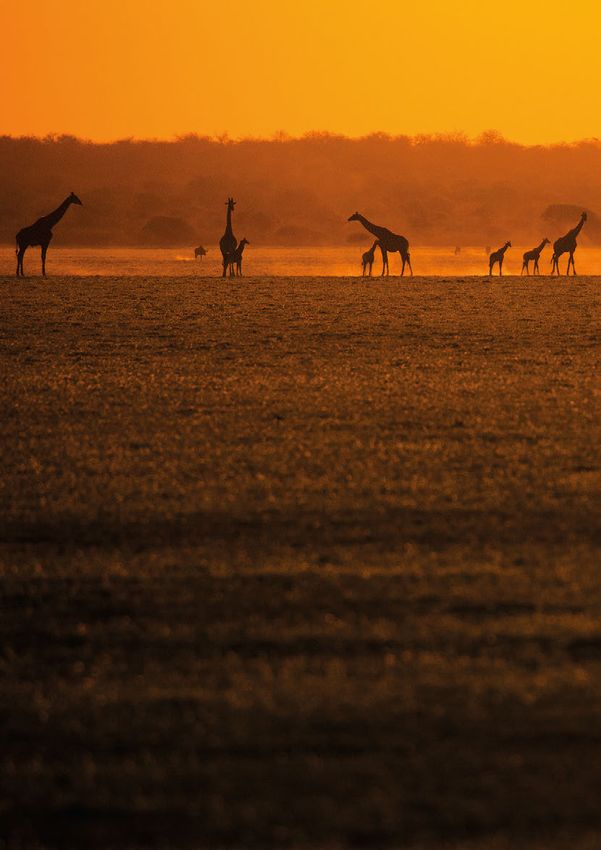
OVERVIEW ISSUE AREAS MORE INFORMATION                                                               Report to Society | 2015     1
CONTENTS

OVERVIEW
2 Who we are
                                                                              12
4 Chairman’s and Chief Executive
     Officer’s statements
5 Our year in review                     ECONOMICS
                                         We work to build a positive
6 Executive summary
                                         legacy from diamonds in the

                                          18
8 Our approach                           communities in which we live
                                         and work.
ISSUE AREAS
12   Economics
20
28
     Ethics
     Employees                                                                                              20
38
48
     Communities
     Environment                         28
MORE INFORMATION
56 Performance summary
60 Global Reporting Initiative Index
81 Assurance statement
83 Best Practice Principles
   assurance statement
85 Contacts                                                                               ETHICS
87 Further information                                                                    We strive to raise ethical standards
                                                                                          across our industry to ensure
                                                                                          that diamonds continue to be a
                                                                                          symbol of love, commitment and
                                                                                          achievement for people around
                                                                                          the world.

                                                                                          38
                     EMPLOYEES                         COMMUNITIES
                     Our people are our business and   With operations spanning
                     we invest in them to help them    decades, we look beyond the
                     meet their full potential.        life of our mines with a view to
                                                       building strong and resilient
                                                       communities that thrive into
                                                       the future.

                                                       48
                                                                                          ENVIRONMENT
                                                                                          We are committed to minimising
                                                                                          environmental impacts at every
                                                                                          stage of the mine lifecycle and
                                                                                          championing the protection
                                                                                          of biodiversity.

For more information, go online
www.debeersgroup.com/buildingforever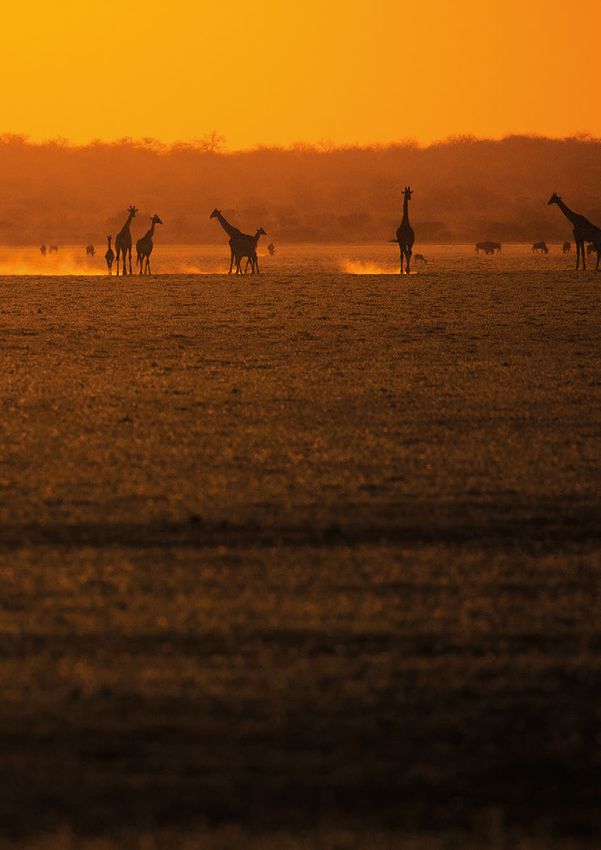
2   OVERVIEW ISSUE AREAS MORE INFORMATION                                                                                               Report to Society | 2015
    WHO WE ARE

    OUR BUSINESS
    AT A GLANCE
    De Beers was established in 1888 and is a member of the Anglo American plc group.
    We are the world’s leading diamond company, with unrivalled expertise in the
    exploration, mining, sorting, valuing, selling and marketing of diamonds. We believe
    that diamonds are a catalyst for creating value and delivering socio-economic benefit
    in the countries and communities where we operate.

      FIGURE 1: A COMPANY BUILT ON PARTNERSHIP
      Partnership sits at the heart of our business, through a number of 50/50 joint ventures with the Governments of Botswana
      and Namibia, and our 74/26 Black Economic Empowerment Partnership with Ponahalo Holdings in South Africa.

                                  ANGLO AMERICAN PLC 85%                                                   GOVERNMENT OF THE REPUBLIC OF BOTSWANA 15%

                                                                       THE DE BEERS GROUP OF COMPANIES

      EXPLORATION PRODUCTION                                                                                  ROUGH DIAMOND SALES      BRANDS/RETAIL

                       MINING                                                                  SUPER-
                                                                                               MATERIALS

       GLOBAL           CANADA           DE BEERS          DEBSWANA         NAMDEB             ELEMENT SIX:   GLOBAL         AUCTION    FOREVERMARK     DE BEERS
       EXPLORATION1     (100%)           CONSOLIDATED      (50%)            HOLDINGS           TECHNOLOGIES   SIGHTHOLDER    SALES      (100%)          DIAMOND
                                         MINES (74%)                        (50%)              (100%)         SALES          (100%)                     JEWELLERS
                                                                                                              (100%)                                    (50%)
                                                                                               ABRASIVES
                                                                                               (60%)
                                                                            NAMDEB                            SIGHTHOLDER
                                                                            DIAMOND                           SALES SOUTH
                                                                            CORPORATION                       AFRICA
                                                                            (LAND-BASED)                      (74%)
                                                                                                              DTC BOTSWANA
                                                                            DEBMARINE                         (50%)
                                                                            NAMIBIA
                                                                            (MARINE-BASED)
                                                                                                              NAMIBIA DTC
                                                                                                              (50%)

      Numbers indicate percentage of De Beers’ ownership

    1E
      xploration is undertaken through a number of wholly-owned and joint venture entities.
OVERVIEW ISSUE AREAS MORE INFORMATION                                                                                          Report to Society | 2015     3
WHO WE ARE

 A GLOBAL VALUE CHAIN

 EXPLORATION                     PRODUCTION                    ROUGH DIAMOND SALES                CUTTING, POLISHING            BRANDS/RETAIL
                                                                                                  AND MANUFACTURING
 De Beers’ exploration           De Beers has both              De Beers sells its rough          The cutting and polishing     De Beers markets
 activities are currently        underground and                diamond production via            of diamonds and the           polished diamonds to
 focused in Canada,              open-pit mines in              contract sales to customers,      manufacture of diamond        consumers through
 Botswana, South Africa          Botswana, Canada               known as Sightholders and         jewellery are concentrated    Forevermark, which
 and Namibia, where we           and South Africa.              Accredited Buyers, and via        in Belgium, Botswana,         promises a consumer
 use highly sophisticated                                       rough diamond auctions.           China, India, Israel,         that their diamond is
 technologies to find and        We also commercially                                             Namibia, South Africa
                                 mine alluvial diamonds         As part of our long-term                                        beautiful, rare and
 determine the economic                                                                           and the United States.        responsibly sourced; and
 viability of deposits.          in Namibia using onshore       contract sales, the majority
                                 extraction techniques          of De Beers’ diamonds             We aim to support             retails diamond jewellery
                                 and, in the sea,               are aggregated and sold           downstream activities         through De Beers
                                 specialised ships.             at 10 Sights (or selling          such as cutting and           Diamond Jewellers, our
                                                                events) each year, with the       polishing in our countries    independently managed
                                 Through Element Six,           remainder being sold via          of production through         50/50 joint venture
                                 our synthetic industrial       online auction.                   our beneficiation strategy    with Moët Hennessy
                                 diamond supermaterials                                           (see Economics chapter).      Louis Vuitton.
                                 business, we supply            De Beers has sales
                                 tool and application           operations in Belgium,
                                 manufacturers across           Hong Kong, Israel,
                                 a diverse range of             Singapore and the
                                 global markets.                United Arab Emirates.

 WHERE WE OPERATE

     CANADA

     1,887,000
     carats recovered, 2015

     1,354
     employees

                                                                                                                        REST OF WORLD
                                                                                                                        • 1,824 employees
                              NAMIBIA                       SOUTH AFRICA                       BOTSWANA                 • Corporate centres in
                                                                                                                          Luxembourg, South Africa
                                                                                                                          and the United Kingdom
                                                                                                                        • Additional sales operations
                              1,764,000                     4,673,000                          20,368,000                 in Belgium, Hong Kong,
                                                                                                                          Israel, Singapore, and the
                              carats recovered, 2015        carats recovered, 2015             carats recovered, 2015
                                                                                                                          United Arab Emirates
                              2,646                         4,188                              6,812                    • Forevermark available
                              employees                     employees                          employees                  in 35 markets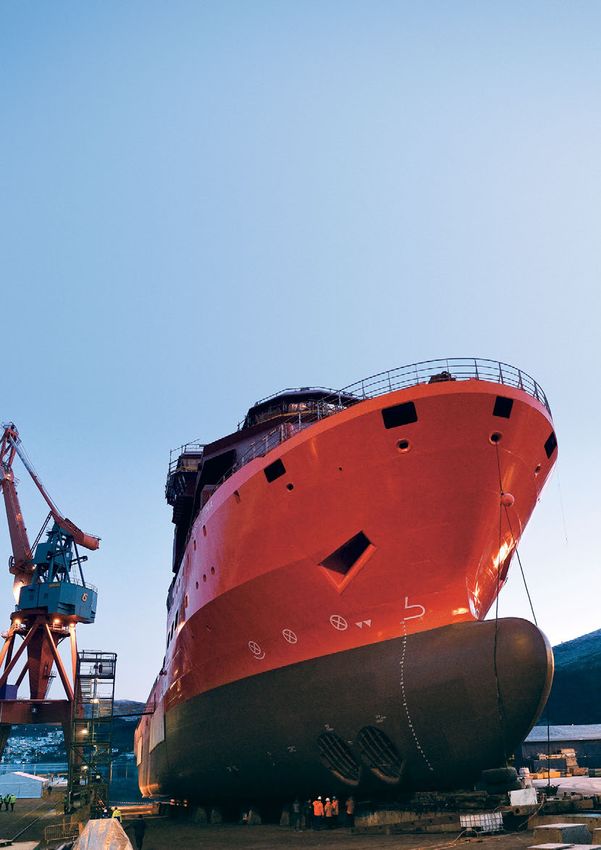
4   OVERVIEW ISSUE AREAS MORE INFORMATION                                                                           Report to Society | 2015
    CHAIRMAN’S AND CHIEF EXECUTIVE OFFICER’S STATEMENTS

    SUSTAINABLE
    LEADERSHIP

    MARK CUTIFANI                                               PHILIPPE MELLIER                                         “INVESTING FOR
    Chairman                                                    Chief Executive Officer                                    THE LONG TERM,
    In challenging economic times, we must often                2015 was undoubtedly a challenging year for                DRIVING CHANGE
    make difficult decisions. Some may assume that              De Beers. However, diamond mining is, by its very          AND WORKING IN
    sustainability priorities – the value returned to           nature, long term. That means that everything              PARTNERSHIP
    stakeholders, investment in socio-economic benefit,         we do has to be done with the future in mind –
                                                                                                                           WILL REMAIN
    and improvements in management approaches –                 irrespective of what the shorter-term challenges
    would take a back seat at these critical points.            may be.
                                                                                                                           FOREVER AT OUR
                                                                                                                           CORE – WHATEVER
    This is not, and cannot be, the approach taken by           If we don’t invest in production, our partnerships         CHALLENGES WE
    De Beers, as our actions demonstrated during 2015.          will have no diamond mines in the future. If we don’t      MAY FACE ALONG
                                                                invest in training our people, they will not have the      THE WAY.”
    Our business is built on partnerships. Our
                                                                skills to meet the challenges of tomorrow. And if we
    partnerships with the governments of Botswana
                                                                don’t invest in local communities, we cannot create       Philippe Mellier
    and Namibia, and the Black Economic Empowerment                                                                       CEO
                                                                a positive, lasting legacy.
    trust Ponahalo in South Africa, contribute 98 per cent
    of our rough diamond production, while the route            So I was greatly encouraged with the progress we
    to market for De Beers’ diamonds is dependent on            made last year: US$697 million invested to increase
    long-term relationships with our Sightholders.              production; US$24 million in development training
                                                                for our workforce; and US$28 million in social
    Our business and wider societal activities generate
                                                                projects, benefiting almost 50,000 people.
    significant value for our partners. A recent study of our
    almost 50-year partnership with the Government of           And we continued to deliver against our sustainability
    Botswana, found that it contributed 27 per cent of          improvement plan, with another fatality-free
    Botswana’s GDP in 2014.                                     year and a 15 per cent reduction in our total
                                                                recordable case frequency rate, along with savings
    With our fortunes so closely intertwined, we share the
                                                                of US$6.8 million from lower energy consumption
    aspirations of our partners to maximise the value of
                                                                and carbon emissions over 2013-2015.
    their finite resource for long-term socio-economic
    development, both through harnessing our core               At the same time, we stimulated the market so
    business for maximum socio-economic benefit in              diamond revenues can continue to drive development
    producer countries, and through protecting and              in our partner countries and communities, and
    growing consumer confidence in diamonds.                    worked to ensure consumer confidence in diamonds.
    That is why our commitment to operating sustainably         As we look ahead, we are better prepared than ever
    – what we call Building Forever – was unwavering            to continue to deliver on our commitments and meet
    through the market and economic turbulence                  future challenges.
    of 2015.

    Mark Cutifani                                               Philippe Mellier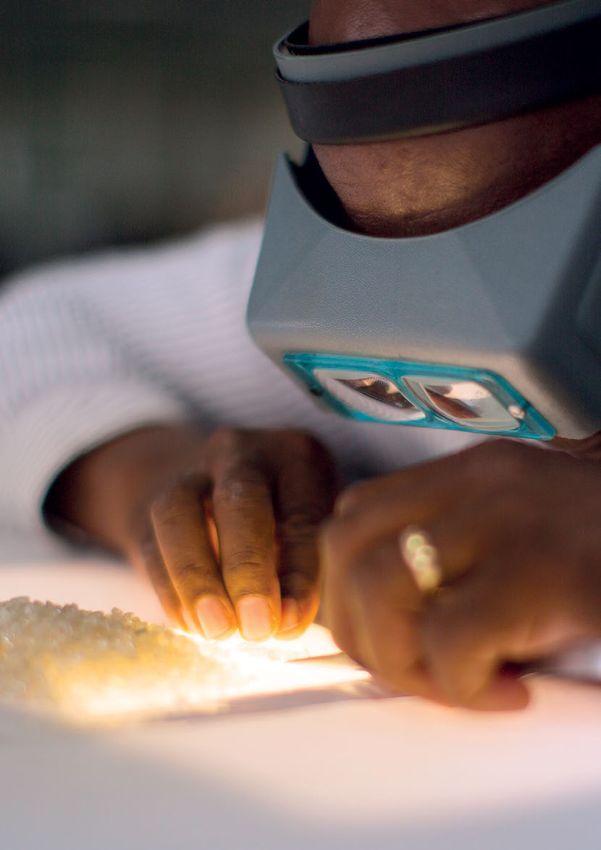
OVERVIEW ISSUE AREAS MORE INFORMATION                                                                                              Report to Society | 2015   5
OUR YEAR IN REVIEW

2015 IN
NUMBERS
LOST TIME INJURY FREQUENCY RATE                               PREFERENTIAL PROCUREMENT AS                        PAYMENTS TO STAKEHOLDERS
(LTIFR)                                                       A PROPORTION OF TOTAL SPEND

                                                                                                                 US$3.9bn
0.15
(2014: 0.17)
                                                             56%
                                                              (2014: 62%)
                                                                                                                 Including partners, joint ventures,
                                                                                                                 governments, suppliers, employees,
                                                                                                                 shareholders and other finance providers
                                                                                                                 (2014: US$5.7bn)

0
LOSS OF LIFE INCIDENTS                                         DIRECT EMPLOYEES BASED IN AFRICA                   PEOPLE COVERED BY

                                                              81%
                                                                                                                  DE BEERS’ BEST PRACTICE
                                                                                                                  PRINCIPLES (BPPs)

                                                                                                                 320,000
                                                              (2014: 81%)

                                                                    Asia     Europe and     Americas    Africa
                                                                             Middle East   (primarily
(2014: 0)                                                                                   Canada)
                                                                                                                 (2014: 370,000)

PERCENTAGE OF DE BEERS’ WORKFORCE                              REPORTED INDIVIDUAL BENEFICIARIES OF               TOTAL SOCIAL
THAT IS FEMALE                                                 SOCIO-ECONOMIC DEVELOPMENT PROGRAMMES              INVESTMENT SPEND

24%
(2014: 24%)
                                                              47,800
                                                              (2014: not reported)
                                                                                                                 US$28.2m
                                                                                                                 (2014: US$27.6m1)

FRESH WATER CONSUMPTION                                       ENERGY CONSUMPTION                                 LAND SET ASIDE FOR CONSERVATION
                                                              (DIRECT AND INDIRECT)

37.9m m 17.2m GJ 170,785 ha                 3                                                                    For every hectare of land disturbed for
                                                                                                                 mining, five are managed for conservation
(2014: 38.2m m3)                                              (2014: 16.2m GJ1)                                  (2014: 195,128 ha)

1 Restated from previously reported figures in the 2014 Report to Society.
6   OVERVIEW ISSUE AREAS MORE INFORMATION                                                                           Report to Society | 2015
    EXECUTIVE SUMMARY

    EXECUTIVE
    SUMMARY
    Despite the economic headwinds of 2015, we were unwavering
    in our commitment to maximise the value of every carat for our
    producer governments and communities. We call this Building
    Forever, our commitment to leave a lasting, positive legacy.

    2015 was a challenging year for De Beers,           INVESTING FOR THE LONG TERM                 Throughout the year, we also focused
    with revenues declining by 34 per cent                                                          significant resources on helping our
    to US$4.7 billion (2014: US$7.1 billion)
                                                        IN PRODUCTION, PEOPLE AND                   workforce (81.3 per cent of which are
    as demand for rough diamonds weakened.              SOCIO-ECONOMIC BENEFIT                      based in Africa) grow their capabilities
    With reduced sales, the total diamond               Our commitment to Building Forever saw      and talents. We invested US$24.3 million
    revenues we returned to stakeholders                us make significant investment throughout   in development training, a 29 per cent
    fell 32 per cent, to US$3.9 billion (2014:          2015 to ensure that diamond revenues        increase on 2014. This is one of the
    US$5.7 billion).                                    continue to drive economic development      most important ways in which we can
                                                        in the countries and communities where      contribute to the long-term development
    Among the decisive actions we took                  we operate far into the future.             of the countries where we operate.
    during the year to respond to market
    conditions, we cut production by 12 per             We invested US$697 million during           We also increased our total social
    cent and unit costs by six per cent, putting        2015. A portion of this went towards the    investment to US$28.2 million (2014:
    both Snap Lake Mine in Canada and                   construction of Gahcho Kué in Canada,       US$27.6 million1) benefiting nearly
    Damtshaa Mine in Botswana on care                   the largest new diamond mine under          50,000 people, while also focusing on
    and maintenance.                                    development anywhere in the world,          improving the efficiency and effectiveness
                                                        and to extending production at Jwaneng      of our contributions. Under our ongoing
    Despite the economic headwinds of 2015,             and Venetia Mines to ensure that            beneficiation programme, we sold
    we were unwavering in our commitment                diamonds can continue supporting            US$825 million worth of rough diamonds
    to maximise the value of every carat                development into the future. Other major    to customers in producer countries to
    for our producer governments and                    investments during 2015 included nearly     ensure their economies benefit from the
    communities. We call this Building                  US$26 million in Debmarine’s new            value-adding steps of diamond production.
    Forever, our commitment to leave a                  deep-water diamond exploration              And we spent a total of US$1.1 billion –
    lasting, positive legacy by maximising              and sampling vessel, the SS Nujoma, and     56 per cent of our total procurement
    the shared value of diamonds in the                 US$34 million on our ongoing global         budget – on goods and services from
    countries and communities where we                  exploration programme, which led to         local suppliers.
    operate, and to protect the special role            nine new kimberlite discoveries.
    of diamonds in the lives of millions of
    consumers around the world.
    Throughout 2015, we continued our focus
    on Building Forever through:
    • Investing for the long term in production,
      people and socio-economic benefit
    • Driving change across the industry and
      our business
    • Working in partnership for sustainable
      development

    Right: An aerial view of the Gahcho Kué
    project camp at Kennady Lake in Canada.

    1 Restated from figure previously reported in the
      2014 Report to Society.
OVERVIEW ISSUE AREAS MORE INFORMATION                                                                       Report to Society | 2015   7
EXECUTIVE SUMMARY

DRIVING CHANGE ACROSS THE                    In line with our five-year sustainability   In Namibia, for example, we announced
                                             improvement plan, Good to Great (G2G),      an in-principle 10-year agreement with
INDUSTRY AND OUR BUSINESS                    we continued to drive positive change       the Government for the sorting, valuing
In 2015, we continued our efforts to drive
                                             across our own company, in order to         and sales of Namdeb Holding’s diamonds
responsible business behaviour within
                                             set best practice standards across the      as well as our continued support for
De Beers and across the industry, in order
                                             industry. Through G2G we continued          beneficiation. In Botswana, we co-hosted
to maintain confidence in the integrity
                                             work toward zero harm and our efforts       a conference with the Government and
of both our business and our product.
                                             underpinned another fatality-free year      the international think tank, Chatham
The year marked 10 years of our              and a 15 per cent reduction in our          House, to discuss sustainable solutions
Best Practice Principles (BPPs) assurance    Total Recordable Case Frequency             for the country’s post-mining economy.
programme, through which we set              Rate (TRCFR). We also improved our          And, in both countries, we worked with
robust ethical, social, environmental        environmental performance by focusing       local people on our shared plans to
and business standards. In 2015, the         on water and energy conservation and        transfer our two remaining ‘closed’
BPPs provided independent assurance          biodiversity management. We reduced our     towns (Oranjemund and Orapa) to
on the working conditions and business       consumption of fresh water by 0.9 per       local authorities.
practices of nearly 320,000 people in        cent over the year, while lower energy
                                                                                         In South Africa, we continued to
3,000 entities across the pipeline. These    consumption and carbon emissions led
                                                                                         work in several long-term scientific
were updated to include the introduction     to savings of US$6.8 million over the
                                                                                         partnerships, including a shared project
of additional requirements addressing        last two years.
                                                                                         with the UK’s Camborne School of Mines,
human rights due diligence and a focus
on human trafficking.                        WORKING IN PARTNERSHIP                      that led to the development of a new
                                             Our partnerships with producer              climate model around Venetia Mine, to
De Beers also co-founded the Diamond         countries are vital to ensure the long-     understand in more detail the risks and
Producers Association (DPA) in 2015,         term sustainability of our operations.      opportunities that De Beers faces in
a new representative body with a mandate     In 2015, we deepened and extended           relation to climate change.
to improve ethical performance across        the scope of several key partnerships       And in Canada, we continued our
the industry through sharing best            that sit at the heart of our business.      ongoing partnership with Aurora College
practice in health and safety, supply
                                                                                         and the Mine Training Society to deliver
chain integrity and environmental
                                                                                         a technical programme introducing
management.
                                                                                         students to the skills needed in a range
                                                                                         of mining jobs.
                                                                                         Despite the challenges presented by
                                                                                         the market, the work completed in
WE INCREASED OUR TOTAL SOCIAL INVESTMENT TO                                              2015 on the efficiency and effectiveness
                                                                                         of our sustainability management
US$28.2 MILLION (2014: US$27.6 MILLION ) BENEFITING NEARLY                               systems will stand us in good stead
                                                                                         for the future.
50,000 PEOPLE, WHILE ALSO FOCUSING ON IMPROVING THE
EFFICIENCY AND EFFECTIVENESS OF OUR CONTRIBUTIONS.
                                                                                           Left: A diamond sorter inspects
                                                                                           a rough diamond.
                                                                                           Below: A shovel operator at
                                                                                           Venetia Mine in South Africa is
                                                                                           about to load ore on to the trucks
                                                                                           for delivery to the plant.
8   OVERVIEW ISSUE AREAS MORE INFORMATION                                                                      Report to Society | 2015
    OUR APPROACH

    BUILDING FOREVER:
    OUR APPROACH
    At De Beers, the concept of Building Forever describes our
    commitment to making a positive and lasting contribution
    to the world, both through our own activities and by working
    with others to find solutions to some of the most significant
    sustainable development challenges we collectively face.

    As an organisation, our overall purpose      • Working in partnership to support         Building Forever is a constant for
    is to turn diamond dreams into lasting           sustainable development                   De Beers – far from changing in the face
    reality. This purpose is what drives us to                                                 of particular challenges or opportunities,
                                                 • Providing socio-economic support for
    achieve our vision of unlocking the value                                                  it actively shapes how we respond to them.
                                                    the communities where we operate and
    of our leadership position across the
                                                    supporting the development aspirations     This was no different in 2015, despite the
    diamond pipeline to create a better
                                                    of our partner countries                   challenges the year presented, and as we
    diamond industry for all.
                                                                                               detail in this report, we continued to
                                                 • Being accountable to the standards we
    To deliver this, we aim to safely and                                                      invest in improving our approach and
                                                    set for ourselves and those we work with
    sustainably make the most of every carat                                                   delivery across the five core areas of our
    we mine and sell, following three guiding    As such, Building Forever means working       sustainability performance: Economics;
    principles that inform the way we            together with our stakeholders to find        Ethics; Employees; Communities;
    do business:                                 and support long-term solutions that will     and Environment.
                                                 enable us to create a lasting positive
                                                 legacy from diamonds.

      GOOD TO GREAT – MAKING PROGRESS AGAINST OUR SUSTAINABILITY IMPROVEMENT FRAMEWORK
      Good to Great (G2G) outlines a             During 2015, our primary focus was            • 110 per cent increase in the
      five-year improvement journey focusing     on consistently embedding good practice,        reporting of serious incidents
      on four areas of sustainability            particularly through:                         • 15 per cent reduction in Total
      management and performance:                                                                Recordable Case Frequency
                                                 • Engaging people and teams
      Strategy, Design and Governance;                                                           Rate (TRCFR)
                                                 • Learning from incidents
      People and Behaviour; Performance                                                        • No serious environmental incidents
                                                 • Risk management and control
      Management and Reporting; and                                                            • Re-energised HIV/AIDS campaign
                                                   implementation
      Operational Excellence.                                                                  • Energy savings target achieved
                                                 • Further integrating sustainability
                                                                                               • Significant improvement against
      Overall, it is designed to deliver           requirements in our business
                                                                                                 the updated social performance
      excellence in sustainability                 planning process
                                                                                                 standards
      management by 2018, through                • Improving performance management
      driving further improvement and            • Rolling out water, energy and carbon        We have based our 2016 G2G
      achieving more resilient performance.        emissions strategies                        priorities on an assessment of current
      The improvement plan contains                                                            performance, feedback from our
                                                 We also began to develop our forward-
      a set of actions and commitments                                                         operations, guidance from stakeholders
                                                 looking sustainability strategy.
      designed to ensure that our efforts                                                      and the outcomes of assurance
      are aligned with our strategic intent,     Results achieved by implementing the          processes. We also took the current
      and ensures sustainability is a fully      G2G framework include improvements            economic climate into account.
      integrated aspect of decision-making.      in performance and reporting such as:
OVERVIEW ISSUE AREAS MORE INFORMATION Report to Society | 2015 9
OUR APPROACH
THREE LEVELS OF ASSURANCE GOVERNING SUSTAINABILITY
In 2015 we continued to provide Accountability for sustainability
assurance that we are meeting required resides with the Board of our holding
standards to regulators, shareholders company, De Beers Société Anonyme
and consumers, amongst others, through (De Beers sa), which is supported
three main types of activity: first-party in this through the Sustainability
assurance via our Internal Audit Committee, chaired by the De Beers
department and Technical and Group CEO, Philippe Mellier, as well
Sustainability teams; second-party as several other committees, subsidiary
assurance by Anglo American; and boards and Group functions (see Figure
third-party assurance including through 2). We continued to streamline and
the BPPs assurance programme. strengthen our sustainability governance
processes during 2015, launching the
internal Social Performance Council
in October.
FIGURE 2: OUR SUSTAINABILITY GOVERNANCE AND MANAGEMENT FRAMEWORK
DE BEERS SOCIÉTÉ ANONYME BOARD
EXECUTIVE COMMITTEE SUSTAINABILITY COMMITTEE AUDIT COMMITTEE
Executes strategy as set by the Board Reviews, oversees and advises on Oversight responsibility for the financial
significant sustainability strategies, reporting process, the system of internal
policies and activities. Ensures that control, governance, risk and
De Beers’ sustainability strategy audit processes
delivers shared value
SOCIAL INVESTMENT
BPP COMMITTEE
COMMITTEE
Establishes the BPPs Responsible for maximising
standards to protect the benefit of social SAFETY AND SUSTAINABLE SOCIAL PERFORMANCE
consumer confidence. investment across the DEVELOPMENT (S&SD) COUNCIL COUNCIL
Investigates and takes Group, supporting
governance and tracking Provides a platform for Provides a platform for
necessary actions against
of social investment sharing and engaging on sharing and engaging on
allegations/reports of
the delivery of S&SD the delivery of social
non-compliance by any
strategies, improvement performance strategies,
BPP-auditable entity
plans and objectives improvement plans
and objectives
SAFETY, HEALTH AND SOCIAL PERFORMANCE HUMAN RIGHTS
ENVIRONMENTAL PEER GROUPS PEER GROUP WORKING GROUP
Discipline-specific working Social working group that Cross-functional,
groups that develop develops standards and sets multidisciplinary
standards and set direction direction for its discipline, working group that
for their discipline, and and shares best practice identifies, assesses,
share best practice and learning manages and reviews
and learning relevant human
rights issues10 OVERVIEW ISSUE AREAS MORE INFORMATION Report to Society | 2015
OUR APPROACH
OUR APPROACH TO
STAKEHOLDER ENGAGEMENT
AND MATERIALITY
ENGAGING STAKEHOLDERS FIGURE 3: OUR 2015 MATERIALITY PROCESS
In challenging times it is more important
than ever to engage with the people
affected by, and core to the success
of, our business. Every day and at every
level of our business, we engage with
groups including shareholders, producer
The 20 material issues reported in the 2014
governments, local communities,
Report to Society provided the input for the
employees, civil society organisations and IDENTIFY 2015 materiality process. These were identified
consumers. Understanding stakeholder
through an in-depth review of our risk logs, media
interests, and acting on them, provides
coverage, and stakeholder engagement in 2014.
the bedrock of our efforts to support
consumer confidence, and be a good
neighbour, an effective partner and
a sustainable operator. We do not
participate in party politics or make
political donations. Specific examples
of engagement in 2015 are highlighted
throughout the report.
The 20 issues were reviewed and prioritised
REPORTING ON OUR PERFORMANCE
In 2015 we continued to improve our REVIEW in interviews and a round-table discussion with
key internal stakeholders.
external sustainability reporting process,
introducing an online data collection
and assurance platform, and reviewing
the format and content of the Report
to Society with the aim of increasing
its accessibility. We also reviewed our
approach to identifying, prioritising
and presenting the issues we discuss
in the report.
We identify and report on potential External stakeholders and sustainability experts
reviewed the updated issues at our annual
risks to our business and the most material LISTEN multi-stakeholder forum, in discussion with our
issues for our stakeholders through
a multistage engagement process, internal teams.
supported by an independent third
party (see Figure 3).
IN CHALLENGING TIMES IT
IS MORE IMPORTANT THAN It was agreed that the 20 issues identified
in 2014 remained the most material for 2015,
EVER TO ENGAGE WITH THE DETERMINE and would form the basis of the 2015 Report
to Society, with recommendations made for the
PEOPLE AFFECTED BY, AND 2016 materiality process.
CORE TO THE SUCCESS OF,
OUR BUSINESS.OVERVIEW ISSUE AREAS MORE INFORMATION Report to Society | 2015 11
OUR APPROACH
The process resulted in two significant
developments: FIGURE 4: IDENTIFIED MATERIAL ISSUE AREAS, 2015
1) A decision to move away from
presenting the material issues in
a matrix, due to the difficulty of
prioritising often interconnected ECONOMICS
issues in relation to one another, DELIVERING VALUE SUCCESS OF DRIVING LOCAL GROWTH, GOVERNANCE
and to present the discussion of these TO PRODUCERS BENEFICIATION DIVERSIFICATION AND AND REVENUE
issues in an integrated narrative in the CAPACITY BUILDING TRANSPARENCY
report instead of by individual risk.
2)Identification of six overarching
issues that better reflect the ETHICS
interdependencies of the current
issues: RAISING STANDARDS ILLICIT TRADE HUMAN RIGHTS DOING BUSINESS
ACROSS THE PIPELINE WITH INTEGRITY
• Conservation, biodiversity and
ecosystems
• Governance and revenue
transparency
EMPLOYEES
• Human rights
ATTRACTING AND SAFETY AND DIVERSITY HIV/AIDS AND
• Managing impacts across the mine RETAINING TALENT OCCUPATIONAL HEALTH AND INCLUSION TUBERCULOSIS
lifecycle PERFORMANCE MANAGEMENT
• Socio-economic benefit
• Water and energy security in
a changing climate COMMUNITIES
This insight will be a key input in the SOCIO-ECONOMIC CLOSURE AND OPERATIONAL IMPACTS LAND OWNERSHIP
review of our reporting approach BENEFIT TRANSFER OF ASSETS
in 2016.
The 20 issues identified through the 2015
materiality process are listed on the right.
As in previous reports, any material issues ENVIRONMENT
not addressed in the main report are
included in the GRI table (page 60). WATER AND ENERGY CONSERVATION AND MANAGING IMPACTS WASTE AND POLLUTION
SECURITY IN A CHANGING RESTORATION OF ACROSS THE MINE PREVENTION
CLIMATE BIODIVERSITY AND LIFECYCLE
MAINTENANCE OF
ECOSYSTEM SERVICES
“DE BEERS, TO MY MIND, IS ONE OF THE FIRST COMPANIES THAT HAS
UNDERSTOOD THAT ISSUES THAT SEEM INDEPENDENT CAN ACTUALLY
INTERPLAY VERY DIFFERENTLY IN PRACTICE. THIS HAS PLAYED A KEY
ROLE NOT ONLY IN HOW DE BEERS REPORTS ON ISSUES, BUT IN HOW
THE COMPANY RELATES TO THEM – IN THE WAY THEY PRACTISE THEIR
OPERATIONS, BUT ALSO IN DECISION-MAKING. THESE ARE INTRINSICALLY
LINKED, YOU CANNOT DECOUPLE SUSTAINABILITY ISSUES FROM THE
SUCCESS OF THE COMPANY.”
Pippa Howard
Director of the Business & Biodiversity
Programme, Fauna & Flora International12 OVERVIEW ISSUE AREAS MORE INFORMATION Report to Society | 2015
ECONOMICS
MAXIMISING THE VALUE
OF DIAMONDS
The success of our activities will ultimately be measured
by the economic and social development that endures
beyond the life of a mine. Diamond revenues play a
central role in the economies of Botswana and Namibia.
Even in the larger economies of South Africa and
Canada, the positive impact of diamonds is keenly
felt by the communities where we operate.OVERVIEW ISSUE AREAS MORE INFORMATION Report to Society | 2015 13
ECONOMICS
We share the aspirations of our producer
partner countries and communities to
responsibly maximise sustainable value
OUR PERFORMANCE IN 2015
from their natural resource, and work
in partnership with them to create MATERIAL ISSUES:
opportunities that will endure long
• Socio-economic benefit
after our activities cease.
• Closure and transfer of assets
In Botswana and Namibia, our single • Operational impacts
biggest contribution to development is • Land ownership
through the revenues and dividends FULL PERFORMANCE DATA PAGE 56
we pay to the respective governments,
with whom we have a number of 50/50
joint venture partnerships. For example, SPEND ON PROCURING GOODS AND PREFERENTIAL PROCUREMENT AS
in Botswana, diamonds account for SERVICES FROM LOCAL SUPPLIERS A PROPORTION OF TOTAL SPEND
US$1.1bn 56%
approximately 70 per cent of all exports
by value; and our partnership with the
Government, including through our
50/50 joint venture in Debswana, is the
largest contributor to the economy apart (2014: US$1.5bn) (2014: 62%)
from the Government itself.
We are proud to have played a key role
in the development of Botswana, Namibia
and South Africa, and we continue to
invest in the future of our activities PAYMENTS TO STAKEHOLDERS PAYMENTS TO STAKEHOLDERS
both there and in Canada. Despite a IN AFRICA
challenging year, we invested a total of
US$3.9bn US$3.2bn
US$697 million in capital projects
globally, including investments to extend
the life of our operations in each of our
producer countries. And we continued including partners, joint ventures, (2014: US$4.6bn)
to support socio-economic development governments, suppliers, employees,
through beneficiation, local procurement shareholders and other finance providers
and infrastructure development,
while investing heavily in the skills (2014: US$5.7bn)
and development of our people – the
ultimate resource for development.
2015 KEY ACHIEVEMENTS
• Continued to invest significantly in extending diamond production, in each
producer country
• Invested US$34 million in exploration projects, with nine new kimberlite
discoveries
• Began a new supply agreement period for our beneficiation customers,
introducing stricter standards to bolster third-party confidence in the
Sightholder community, and reduce business sustainability risks
Image on page 12:
The SS Nujoma on
the slipway in Norway,
ultimately destined for
Namibian waters.14 OVERVIEW ISSUE AREAS MORE INFORMATION Report to Society | 2015
ECONOMICS
ACTING DECISIVELY
TO RESPOND TO
THE MARKET
RESPONDING TO THE CHALLENGES THE SALE OF KIMBERLEY MINES FIGURE 5: DE BEERS’ PAYMENTS TO
STAKEHOLDERS (CONSOLIDATED
OF 2015 ACCOUNTING BASIS)1
During 2015, the global market for TO EKAPA MINERALS, A BLACK
diamonds was challenging. With weaker
demand for rough diamonds from the ECONOMIC EMPOWERMENT
midstream of the value chain, total
revenue for De Beers fell by 34 per cent ENTITY, GIVES THE OPERATION
to US$4.7 billion (2014: US$7.1 billion).
This was mainly driven by lower rough THE BEST CHANCE TO 2015
diamond sales, which declined by
36 per cent to US$4.1 billion (2014:
CONTINUE TO BENEFIT THE
US$6.5 billion). Reduced sales impacted
the diamond revenues we were able
COMMUNITY BEYOND THE
to return to stakeholders from US$5.7
billion in 2014 to US$3.9 billion in
PREVIOUSLY PROJECTED
2015 (see Figure 5), which particularly
affected our diamond producer partners.
CLOSURE DATE OF 2018. Partners, joint ventures and suppliers US$3,054m
Employees US$620m
Government taxation US$240m
Finance providers US$13m
We acted decisively to respond to the Dividends to shareholders US$11m
market during 2015. We cut production, We also continued to deliver our long-
price and costs to ensure the health of standing strategy of refocusing our
our business, using operational flexibility portfolio in South Africa, with the FIGURE 6: REGIONAL BREAKDOWN OF
to reduce production by 12 per cent while announcement of the sale of Kimberley DE BEERS’ PAYMENTS TO STAKEHOLDERS
(CONSOLIDATED ACCOUNTING BASIS)1
reducing unit costs by six per cent. Mines. Completed in January 2016,
the sale of Kimberley Mines to Ekapa
In response to market conditions, we
Minerals, a Black Economic Empowerment
also took the difficult decision to put
entity, gives the operation the best chance
Snap Lake Mine in Canada on care
to continue benefiting the community
and maintenance, and Debswana put
beyond the previously projected closure
Damtshaa Mine on temporary care and
date of 2018. 2015
maintenance and scaled down operations 2015
at Orapa Mine’s No. 1 Plant. Ultimately, consumer demand is the
only source of value for our business
and, therefore, the driving force behind
our operations and ability to create
economic activity. During a challenging
year, we continued to make substantial
investments in our proprietary Africa US$3,217m
Forevermark brand. We reintroduced North America US$403m
Europe US$299m
the iconic ‘A Diamond is Forever’ Asia US$19m
marketing slogan in the US and launched
a new Forevermark campaign entitled
1 I ncludes 100 per cent of subsidiaries and our
‘The One’, focusing on the brand’s proportionate share of joint ventures (this includes
exacting selection standards. We also 19.2 per cent of Debswana on a pre-tax basis;
committed an additional US$20 million 50 per cent of Namdeb).
to support demand in the US and
China with a multichannel marketing
campaign encouraging diamond giving
over the holiday season.OVERVIEW ISSUE AREAS MORE INFORMATION Report to Society | 2015 15
ECONOMICS
DESPITE THE MARKET CHALLENGES, DURING 2015 WE CONTINUED
TO INVEST SIGNIFICANTLY IN DIAMOND PRODUCTION, DELIVERING
SOCIO-ECONOMIC BENEFIT.
INVESTING FOR THE FUTURE We also invested US$34 million in TOTALINVESTMENT
TOTAL INVESTMENTININEXPLORATION
During 2015, we continued to invest exploration projects in South Africa, EXPLORATION
PROJECTS PROJECTS
Canada and Botswana. These are
US$34m
significantly in diamond production
US$34m
and in the skills and development of currently focused on early-stage
our people, delivering socio-economic exploration, with nine new kimberlite
benefit. Reflecting our belief in the discoveries during 2015.
fundamentals of the diamond industry, In Namibia, Debmarine Namibia
these long-term investments will ensure launched its new US$170 million
our activities continue to catalyse (approximately) deep-water diamond
NUMBEROFOFNEW
NUMBER NEWKIMBERLITE
development long into the future. exploration and sampling vessel, DISCOVERIES DISCOVERIES
KIMBERLITE
99
SS Nujoma, ahead of schedule on
DIAMOND PRODUCTION 9 January 2016. The most technically
We continued to plan, manage and
advanced vessel of its kind in the world,
deliver on our rolling investment
it is equipped with a subsea sampling
programme throughout 2015. Among
system and treatment plant allowing it
other projects, we focused on delivering
to process 48 samples per day. It is now
large capital projects at Botswana’s
being fitted out and will undergo sea
TOTALCOST
TOTAL COSTOFOFDEBMARINE
DEBMARINE
Jwaneng Mine, Venetia Underground in
trials for final delivery in H2 2016 NAMIBIA’SNEW
NAMIBIA’S NEWDEEP-WATER
DEEP-WATER
South Africa, and the new Gahcho Kué
before launch with a crew of 80. DIAMONDEXPLORATION
DIAMOND EXPLORATIONVESSEL,
VESSEL,
Mine in Canada (see page 16). These
projects will support 400 jobs in Canada,
THESSSSNUJOMA
THE NUJOMA
US$170m
US$170m
500 in South Africa, and 1,000 in
Botswana during operations.
(Approximately)
(Approximately)
Below: Jwaneng Mine in Botswana
– trucks at the workshop.
Top right: SS Nujoma in Kleven
harbour, Norway.
Bottom right: Venetia Underground
Project in South Africa.16 OVERVIEW ISSUE AREAS MORE INFORMATION Report to Society | 2015
ECONOMICS
INVESTING Throughout 2015, we continued to invest in
new and existing operations to extend our
FOR THE FUTURE mining activities and the socio-economic benefit
they help generate.
GAHCHO KUÉ, CANADA 2015 2017 2019 2021 2023 2025 2027
A new mine will be
constructed comprising PRODUCTION LIFE OF MINE
three pits and covering
1,200 hectares, making it
STARTS
2016 2028
De Beers’ largest open-
pit mine in Canada. SOCIO-ECONOMIC BENEFITS
ESTIMATE OF CARATS
700 400
TO BE RECOVERED
54 MILLION
TONNES OF ORE
35 MILLION
jobs supported during further jobs expected to be
construction supported during operations
JWANENG, BOTSWANA 1982 2015 2017 2019 2021 2023 2025 2027 2029 2031 2033
The eighth cut, or
expansion, of Jwaneng JWANENG CUT 8 LIFE OF MINE
Mine, will increase the MINE STARTED
OPERATING
PRODUCTION
STARTS 2035
depth of the mine from
400 to 650 metres.
1982 2018
ESTIMATE OF CARATS SOCIO-ECONOMIC BENEFITS
1,000 US$31bn
TO BE RECOVERED
93 MILLION
TONNES OF ORE
84 MILLION
jobs supported during estimated contribution
extended operations to Botswana’s economy
VENETIA, 1992 2015 2017 2019 2021 2023 2025 2027 2029 2031 2033 2035 2037 2039 2041 2043 2045
SOUTH AFRICA
Venetia Mine will be MINE STARTED VENETIA UNDERGROUND LIFE OF MINE
extended underground,
with two vertical shafts,
OPERATING
1992
PRODUCTION STARTS
2022 2046
each seven metres in
diameter, sunk to a ESTIMATE OF CARATS SOCIO-ECONOMIC BENEFITS
1,500 500
depth of 1,080 metres. TO BE RECOVERED
94 MILLION
TONNES OF ORE
132 MILLION
jobs supported during jobs expected to be supported
construction during major underground works
For further information, refer to the Anglo American Ore Reserves and Mineral Resources Report 2015, www.angloamerican.com/investors/annual-reporting.OVERVIEW ISSUE AREAS MORE INFORMATION Report to Society | 2015 17
ECONOMICS
INCREASING SOCIO-ECONOMIC BENEFIT At the end of the first quarter, we began
a new Supply Agreement period for our
BENEFICIATION HELPS CREATE
Our activities catalyse socio-economic
development across the value chain,
beneficiation customers in Botswana,
South Africa and Canada. This introduced
ADDITIONAL EMPLOYMENT
enabling countries and communities to
participate in more of the value-adding
more rigorous financial compliance
criteria for customers, designed to bolster
OPPORTUNITIES, SUPPORTS
steps a diamond takes on its journey from
mine to consumer.
third-party confidence in the Sightholder
community and reduce business
GOVERNMENT ECONOMIC
Among our diamond-related activities
is our industry-leading approach to
sustainability risks relating to the ability
to access finance.
DEVELOPMENT PLANS
beneficiation. Mining is only one link
In Namibia, we are in the process of AND AIDS THE TRANSITION
in the chain of processes through which
value is added to a diamond. Activities
finalising a new Sales Agreement with
the Government. While this process
TO POST-MINING ECONOMIES.
like cutting and polishing are important
continued in 2015, we extended the
value-generating activities, which we aim
supply contracts of nine existing
to support and enable in our countries
local Sightholders. PROPORTION OF ROUGH DIAMONDS
of production. SOLD TO LOCAL SIGHTHOLDERS IN
The global pressures on cutting and
Our beneficiation strategy ensures
polishing operations meant that we also
2015 AS A PERCENTAGE OF TOTAL
that we sell a proportion of our rough
saw some factory closures during the year. ROUGH DIAMOND SALES
diamond production to Sightholders
20%
By the end of 2015 we were supplying 20
who have set up operations for processing
businesses in Botswana, nine in Namibia,
diamonds in-country. Beneficiation
eight in South Africa and one in Canada
helps create additional employment
through our beneficiation sales (2014: 21
opportunities, supports government
Botswana, 13 Namibia, eight South
economic development plans and aids
the transition to post-mining economies.
Africa, and one Canada). VALUE SOLD
US$825m
In total, we sold US$825 million in
2015 was a notable year for diamond
rough diamonds to local Sightholders 1
beneficiation activities as it saw the
in 2015 (2014: US$1.56 billion). This
commencement of some new in-country
was equivalent to 20 per cent of our total
customer contracts. However, a range of
rough diamond sales during the year
pressures in the global diamond cutting
(2014: 24 per cent).
and polishing sector also made it a
particularly challenging year for our
customers in producer countries.
Above: One of three
cutting and polishing
floors at the Diacor
1 This figure does not include rough diamonds
factory, a local
sold through the state-owned Okavango Diamond Sightholder in
Company (Botswana). Botswana.18 OVERVIEW ISSUE AREAS MORE INFORMATION Report to Society | 2015
ECONOMICS
Tokafala is building on the success An example of a company whose
AVERAGE REVENUE INCREASE of De Beers Zimele, our enterprise success is based on its services to
EXPERIENCED BY PARTICIPANTS development programme in South Africa De Beers Consolidated Mines is Motse/
that has been operating for six years, Aqua Transport JV. Started in 2007 as
IN TOKAFALA, 2014-2015 to date supporting 278 businesses and Motse Civils doing topsoil stripping, this
60%
2,824 jobs since launch. Plans are in HDSA-owned entity in the Free State,
place to launch enterprise development South Africa later expanded its scope
programmes in Namibia and Canada and activities by winning tenders for
during 2016. waste mining at Voorspoed Mine. It
Original target: 15-40%
entered into a joint venture agreement
We also support local business through
with Aqua Transport in 2013 and the
JOBS SUPPORTED SINCE LAUNCH our preferential procurement strategy
business now has a US$2.1 million per
and programmes, through which we
1,646
year contract with De Beers and employs
spent US$1.1 billion on procuring
134 local employees.
goods and services from suppliers in
2015 (56 per cent of total spend). Our EMPOWERING PEOPLE WITH
approach varies by country of operation,
in response to regulatory or other
SKILLS AND CAPABILITIES
Ninety-one per cent of our employees
SUPPORTING LOCAL BUSINESS requirements. In South Africa, for
in Africa are local citizens. Employing
A strong base of locally owned and example, we give priority to suppliers
local people and equipping them with
managed businesses is fundamental who are owned, empowered or influenced
skills and opportunities are other
to a healthy local economy and to the under Historically Disadvantaged
significant contributions we can make
economic diversification objectives of our South African (HDSA) legislation, while
that will benefit communities long
partner governments. We operate local in Botswana we prioritise local and
after we leave. In 2015, we spent
procurement and enterprise development citizen-owned businesses. In Namibia,
US$24.3 million on training and skills
programmes in producer countries that preference is given to local providers; and
development (see Employees chapter).
aim to support a sustainable bedrock in Canada, we favour Aboriginal or First
of successful local businesses. Nations suppliers (i.e. those from the Our commitment to building and
indigenous population). empowering local people led us to an
An example of this is Tokafala, our accelerated talent development and skills
enterprise development programme Preferential procurement is higher in
transfer programme in Botswana from
launched in 2014 in Botswana as a South Africa where it is legislated, and
2012. As part of the current Sales
partnership between the Government, in Botswana where Debswana has a
Agreement with the Government of
De Beers, Debswana and Anglo business mandate to purchase from local
Botswana, around 80 skilled practitioners
American. The programme aims suppliers. In contrast, specialised mining
and their families moved from the UK
to support small- to medium-sized methods are used in Namibia (alluvial
to Botswana with the relocation of our
enterprises through mentoring, and marine), narrowing the opportunity
global sales operation to Gaborone. The
capacity building and access to to purchase from Namibian companies.
skills transfer programme aims to build
finance. The programme is already In Canada, preferential procurement
local capacity by accelerating succession
demonstrating success. refers to the purchasing of goods and
planning and local talent development,
services from Aboriginal-owned suppliers,
In 2015, an evaluation of the first which builds capacity within De Beers,
and, given this is a small percentage
cohort of small- and medium-sized and across Botswana.
of the population, it impacts potential
businesses participating in the three-year procurement opportunities. In summary
programme found that Tokafala had Our continued investment in people and
an almost immediate positive impact on capital projects is part of a coherent strategy
revenue growth. Participating enterprises to maximise the value added to, and derived
experienced an average increase in from, diamonds by local citizens.
revenue of 60 per cent, ahead of the 15 to
40 per cent target set by the programme.
We expect this to drive an increase in
the number of jobs supported by these FIGURE 7: LOCAL PROCUREMENT AS A PROPORTION OF TOTAL
enterprises, as their increased revenue
enables them to grow. By the end of 2015,
PROCUREMENT EXPENDITURE
the programme had already supported
more than 1,600 jobs since launch, 60 per
cent of the target for the full three-year SOUTH AFRICA BOTSWANA NAMIBIA CANADA
70% 88% 41% 22%
programme. In 2016, we will extend the
programme to support more enterprises
within Debswana’s supply chain.
Expenditure Expenditure with Expenditure with Expenditure with
with Historically local companies local companies Aboriginal businesses
Disadvantaged
South AfricansOVERVIEW ISSUE AREAS MORE INFORMATION Report to Society | 2015 19
ECONOMICS
SECURING A
But diamond revenues will not be able To gain as much participation as
to drive development forever. The possible, we live-streamed the event
volatility in the diamond market in 2015 and launched a dedicated hashtag:
BRIGHT FUTURE provided even greater impetus to the
long-term objectives of the Botswana
#Botswana2015. More than 1,000
stakeholders participated in the
FOR BOTSWANA Government to diversify the economy
beyond diamonds.
conversation, and our hashtag
was seen more than 12.5 million
times around the world, bringing
De Beers shares in this aspiration, and
Botswana’s future, and the goals
Our partnership with the partnership has worked to ensure
we share, into global focus.
that Batswana will benefit more from
Botswana is a story of diamond production over time, including
prudent investment and through beneficiation and most recently
shared prosperity. the relocation of the company’s THE PARTNERSHIP’S TOTAL
international sales function to Gaborone.
CONTRIBUTION TO BOTSWANA’S
In the 50 years since independence,
the Botswana De Beers partnership
In November 2015, De Beers, the GDP IN 2014
Government and a leading international
27%
has helped transform Botswana from affairs think-tank, Chatham House,
being one of the world’s poorest co-hosted a conference on natural
countries into a globally recognised resources in Botswana. The aim was
development success story. to bring together leading academics, US$4.4bn
This has been achieved through the policymakers and industry experts to
responsible recovery of 728 million discuss Botswana’s economy and to chart JOBS IN BOTSWANA SUPPORTED
a course to growth beyond diamonds.
carats since 1971, when Botswana’s first BY THE PARTNERSHIP IN 2014
diamond mine went into production.
1 IN 20
And it’s been supported through
De Beers’ global sales and marketing More case studies online
leadership, including a more than www.debeersgroup.com/stories
US$1.6 billion investment by De Beers
in consumer marketing campaigns
over the last 15 years alone, which have
contributed to a 423 per cent increase
by value in the polished diamond
market since 1980.
With nearly three-quarters of De Beers’
total diamond production coming
from Botswana, and with Botswana
holding a 15 per cent ownership
interest in the company, our success is
both mutual and mutually dependent.
To understand more about the
history of the partnership, and the
value it generates for Botswana today,
we commissioned a socio-economic
impact study, published in 2015. The
study found that the partnership made
a total contribution to the Botswana
economy of US$4.4 billion in 2014,
or 27 per cent of gross domestic
product, more than any other sector.
Directly employing nearly 8,000
people, of whom 96 per cent were
Botswana citizens, the partnership
spent approximately US$6 million
on 550,000 hours of training and
skills development. And in the broader
economy, its activities supported
the equivalent of one in every 20 jobs
in Botswana.
Right: State-of-the-art diamond sorting and
valuing centre, Gaborone, Botswana, a result
of the 50/50 partnership between De Beers
and the Government of Botswana.20 OVERVIEW ISSUE AREAS MORE INFORMATION Report to Society | 2015
ETHICS
BUILDING ON STRONG
ETHICAL FOUNDATIONS
For more than 125 years, De Beers
has been synonymous with diamonds.
As the world’s leading diamond
company, with operations spanning
the diamond pipeline, we are acutely
aware that our business, and the
diamond sector as a whole, must
continue to meet increasingly rigorous
ethical standards to protect consumer
confidence in diamonds.OVERVIEW ISSUE AREAS MORE INFORMATION Report to Society | 2015 21
ETHICS
Our long-term success rests on a strong
ethical foundation. OUR PERFORMANCE IN 2015
Diamonds symbolise precious moments
in people’s lives – and our collective MATERIAL ISSUES:
actions must live up to the values and
emotions ascribed to them. Ensuring • Raising standards across the diamond pipeline
consumer confidence in the ethical • Illicit trade and diamond security
integrity of diamonds is therefore critical • Human rights
to supporting demand and our ability • Doing business with integrity
to maximise diamonds for development GRI INDEX TABLES PAGE 56
with our producer partners.
This is why we work directly with our NUMBER OF HOURS OF TOTAL NUMBER OF PEOPLE COVERED
customers and suppliers and through
industry bodies to drive ever higher
HUMAN RIGHTS TRAINING UNDER THE BEST PRACTICE
standards across the sector. PRINCIPLES (BPPs) PROGRAMME
2,496 320,000
And it is why, even amid the demanding
trading conditions of 2015, we continued
to invest significant resources in our
long-term programmes to enhance (2014: not reported) (2014: 370,000 people)
ethical standards across De Beers and
throughout the industry as a whole. And
it is why every diamond sold under our
proprietary Forevermark brand comes
with the promise that it is not only rare NUMBER OF SITE VISITS KIMBERLEY PROCESS
and beautiful, but responsibly sourced. CONDUCTED BY INDEPENDENT COMPLIANCE
ASSURERS AS PART OF THE BPPs
124
(2014: 129)
100%
of De Beers diamonds are certified
as conflict-free
2015 KEY ACHIEVEMENTS
• Marked 10 years of the De Beers BPP assurance programme
• Renewed our three-year certification to the Responsible Jewellery Council (RJC)
• Strengthened our management approach to address human rights-related risks
• Continued to expand Forevermark programmes to further strengthen the
brand’s responsible sourcing proposition
Image on page 20:
Diamond sorting
at DTC Botswana.22 OVERVIEW ISSUE AREAS MORE INFORMATION Report to Society | 2015
ETHICS
HOLDING OURSELVES
TO ACCOUNT
PROTECTION THROUGH PRINCIPLES “THE BEST PRACTICE PRINCIPLES PROMOTE TRANSPARENCY
During 2015, we continued to invest
heavily in systems to raise standards THROUGHOUT THE DIAMOND PIPELINE AND REINFORCE
across the diamond value chain, including
in the Best Practice Principles (BPPs)
CONSUMER CONFIDENCE BY ENSURING THAT THE END
assurance programme that provides PRODUCT HAS BEEN ETHICALLY SOURCED AND
the key buildings blocks of our
ethical approach.
MANUFACTURED. FOR OUR BUSINESS, THE ANNUAL
Created in 2003 and launched in 2005,
PROGRAMME HELPS US TO CONSTANTLY ASSESS THE WAY
the BPPs are a set of robust requirements WE MANAGE OUR BUSINESS, SOCIAL AND ENVIRONMENTAL
covering the business, social and
environmental responsibilities that apply
RESPONSIBILITIES AND CONTINUE TO SEEK IMPROVEMENTS
to all our entities, rough diamond IN OUR SYSTEMS.”
customers and substantial contractors.
Ameet Shah, President, Sales and Marketing, at Jasani,
The BPP programme requirements a De Beers Sightholder since 1973
are based on local and international
legislation and conventions, including the
Kimberley Process and the United Nations
Guiding Principles on Business and
Human Rights. They incorporate best We annually update the BPP standards The BPPs provide a key part of the
practice management, measuring in response to emerging risks to ensure foundation for Forevermark’s responsible
and reporting standards, including they provide relevant and effective sourcing brand promise. Along with the
elements from the Social Accountability protection against unacceptable business, proprietary Pipeline Integrity Standard,
International (SA8000) standard, the environmental and social practices. this enables Forevermark diamonds
International Finance Corporation to be tracked through the value chain
As well as our own operations, all our
Performance Standards, and wide-ranging to provide assurance to customers
Sightholders and Accredited Buyers
ISO standards from environmental that their Forevermark diamonds are
(and their substantial contractors) have
management to nomenclature. beautiful, rare and responsibly sourced.
to comply with the BPPs as a condition
In 2015, we invested in our largest and
of purchasing rough diamonds from
most advanced diamond grading and
BEST PRACTICE PRINCIPLES – us. If they subsequently fail to do so,
inscription facility, to provide consumers
2015 UPDATES this constitutes a very serious breach
with further confidence in Forevermark
of our supply terms that could lead
diamonds (see case study, page 25).
Updates in 2015 included additional to the suspension of supply or to
requirements to address human contract termination.
rights due diligence when operating
In 2015, the BPPs covered nearly
in or sourcing from conflict-affected
320,000 people in almost 3,000 entities
areas and human trafficking.
across the industry (2014: 370,000 people
PEOPLE COVERED BY THE BPPs
320,000
They also included additional risk and 3,400 entities). During the year, the
assessments to address issues such majority of factories were operating at a
as unsafe working conditions or lower capacity due to challenging market
significant environmental impacts conditions. The reduction in coverage of
when sourcing diamonds from the BPPs is a direct result of a significant
artisanal and small-scale miners. decrease in production within the major
manufacturing centres.
As a result, consumers can have the
confidence of knowing that they can
rely on high professional, technical
and ethical standards at every stage
of the diamond value chain.You can also read


