ARCHITECTURE & BUILT ENVIRONMENT - 1%TOP - AUT
←
→
Page content transcription
If your browser does not render page correctly, please read the page content below
ARCHITECTURE
& BUILT
ENVIRONMENT
UNDERGRADUATE & POSTGRADUATE
PROGRAMME GUIDE
2022

                                           1
                                           %
                                     TOP

                                               UNIVERSITIES
                                               WORLDWIDE

 AUCKLAND UNIVERSITY OF TECHNOLOGY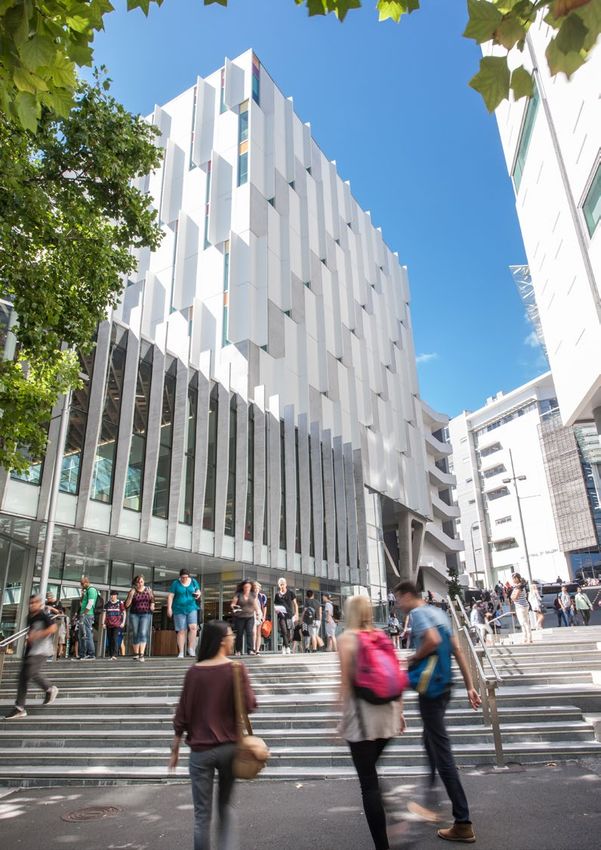
Welcome to AUT

                                                      E ngā mana, e ngā reo
                                                      E te iti, e te rahi
                                                      E ngā mātāwaka o ngā tōpito o te ao
                                                      Ngā mahuetanga iho e kawe nei i ngā
                                                      moemoeā o rātou mā
                                                      Tēnā koutou katoa

FIND                                                  Piki mai rā, kake mai rā,
                                                      Nau mai, haere mai ki tēnei o ngā wānanga
                                                      Whakatau mai i raro i te korowai āhuru
                                                      o Te Wānanga

GREATNESS
                                                      Aronui o Tāmaki Makau Rau

                                                      To the prestigious, the many voices
                                                      The few, the great
                                                      To those of all races and creeds
                                                      We who remain to fulfil the dreams and
                                DENYM BIRD
                                BUSINESS              aspirations of the ancestors
                                CREATOR               Greetings one and all
                                AUT GRADUATE

                                                      Climb, ascend
                                                      Embark on the journey of knowledge
                                                      Let us at AUT embrace and empower you
                                                      To strive for and achieve excellence

At AUT we know that all of our students arrive with
so much potential. It’s our job to help them unlock   Te whakatupu i te kōunga, i te mana taurite me ngā
that potential and use it to find the greatness       tikanga matatika, i ngā pūkenga ako,
within them. For many of our graduates, it was an     i ngā pūkenga whakaako me te āta rangahau hei hāpai
influential lecturer, a conversation with a student   i ngā hāpori whānui o te motu, otirā, o te ao.
mentor, or an educational experience inside or
outside the classroom that gave them clarity and
                                                      To foster excellence, equity and ethics in learning,
opened up new possibilities.
                                                      teaching, research and scholarship, and in so doing
                                                      serve our regional, national and international
Some of our great graduates now share their stories
                                                      communities.
of how their time at AUT helped them uncover what
drives them and inspired them to turn that passion
into something rewarding and meaningful.

aut.ac.nz/great-graduates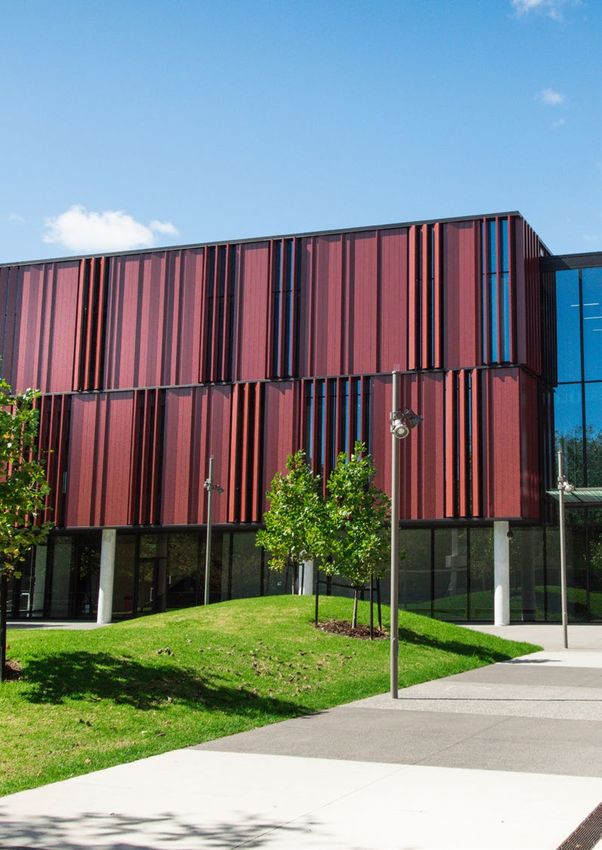
Contents

Course information                                                           About AUT
                                                                             02 AUT’s faculties and schools
8    Bachelor of Architecture and Future                                     03 Qualifications and study pathways
     Environments                                                            04 Why study architecture and the built
10 Bachelor of Design in Spatial Design                                         environment at AUT?
                                                                             28 Campus map

Bachelor of Engineering (Honours)                                            Applying for your programme
12 Overview                                                                  22   How to apply
14 Architectural Engineering                                                 24   University entrance
15 Construction Engineering                                                  26   Fees and payment
                                                                             27   Find out more
16 Master of Architecture (Professional)
17 Master of Construction Management
18 Master of Engineering Project Management
19 Master of Philosophy
20 Doctor of Philosophy

Key: F/T = full-time, P/T=part-time
Cover
Top 1%: AUT is ranked in the world’s top 251-300 universities (Times Higher Education World University Rankings 2021).

Disclaimer: Although every reasonable effort is made to ensure accuracy, the information in this document is provided as a
general guide only for students and is subject to change. All students enrolling at AUT should consult its official document,
the AUT Calendar, which is available online at aut.ac.nz/calendar, to ensure that they are aware of, and comply with, all
regulations, requirements and policies.
International students should visit aut.ac.nz/international for entry requirements and detailed application information.
The information contained in this programme guide was correct at the time of print, December 2020.

                                                                                                                                01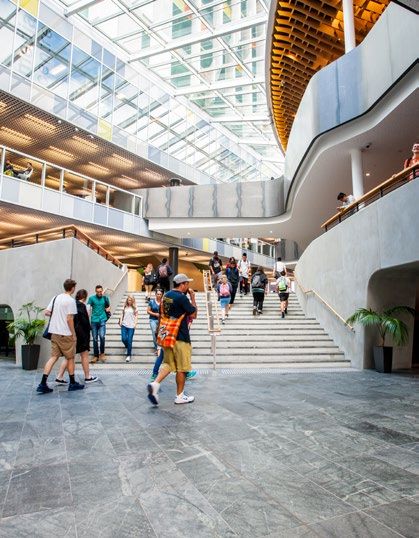
AUT’s faculties and schools

     AUT has five faculties and 16 schools. The light orange boxes in the diagram below show where the programmes in this
     programme guide sit within AUT.

       FACULTY OF BUSINESS, ECONOMICS                                 FACULTY OF CULTURE AND SOCIETY
       AND LAW                                                        TE ARA KETE ARONUI
       TE ARA PAKIHI, TE ŌHANGA ME TE TURE
                                                                      School of Education
       Business School                                                Te Kura Mātauranga
       Te Kura Kaipakihi
                                                                      School of Hospitality and Tourism
       Law School                                                     Te Kura Taurimatanga me te Mahi Tāpoi
       Te Kura Ture
                                                                      School of Language and Culture
       School of Economics                                            Te Kura Reo me te Ahurea
       Matauranga Ōhanga
                                                                      School of Social Sciences and Public Policy
                                                                      Te Kura Pūtaiao ā-iwi me ngā Kaupapa Tūmatanui

       FACULTY OF DESIGN AND CREATIVE
       TECHNOLOGIES
       TE ARA AUAHA                                                   FACULTY OF HEALTH AND
                                                                      ENVIRONMENTAL SCIENCES
       School of Art and Design                                       TE ARA HAUORA A PŪTAIAO
       Te Kura Toi a Hoahoa
                                                                      School of Clinical Sciences
       School of Communication Studies                                Te Kura Mātai Haumanu
       Te Kura Whakapāho
                                                                      School of Public Health and
       School of Engineering, Computer and                            Interdisciplinary Studies
       Mathematical Sciences
       Te Kura Mātai Pūhanga, Rorohiko, Pāngarau                      School of Science
                                                                      Te Kura Pūtaiao
       School of Future Environments
       Huri te Ao                                                     School of Sport and Recreation
                                                                      Te Kura Hākinakina

       TE ARA POUTAMA
       FACULTY OF MĀORI AND INDIGENOUS
       DEVELOPMENT

02
Qualifications and study pathways
 UNDERGRADUATE

                                      Bachelor of
                                                                                 Bachelor of
                                     Architecture
                                                                                   Design
                                      and Future
                                                                              in Spatial Design
                                     Environments

                                                                                                                            Bachelor of
                                                                                                                            Engineering
                                                                                                                             (Honours)

                                                                                                                           • Architectural
                                                                                                                             Engineering
                                                                                                                           • Construction
                                                                                                                             Engineering
 POSTGRADUATE

                                                          Postgraduate
                                                           Diploma/
                                                          Postgraduate
                                                          Certificate in
                                                          Engineering

                                                                                                               Master of
                     Master of                                                           Master of
                                              Master of             Master of                                 Engineering               Master of
                    Architecture                                                        Construction
                                               Design              Engineering                                  Project                Philosophy
                   (Professional)1                                                      Management
                                                                                                              Management

                                                                         Doctor of Philosophy

1. Bachelor of Design in Spatial Design or Bachelor of Engineering (Honours) in Architectural Engineering graduates may progress into the
Master of Architecture (Professional) subject to additional courses.

Note:
1) Completion of one qualification doesn’t guarantee entry to a higher-level qualification.
2) Apply for the qualification you are best suited for – you don’t necessarily have to enrol in the qualification that appears at the top of the above diagram.
3) Some qualifications in the above diagram may be prerequisites to – and not credit towards – higher-level qualifications.

For more information, visit aut.ac.nz/architecture-be

                                                                                                                                                          03
WHY STUDY
     ARCHITECTURE
     AND THE BUILT
     ENVIRONMENT?

         Draws upon global issues,
        indigenous worldviews and
          the need for sustainable
                  design

                                             Expert lecturers, nationally
                                           and internationally recognised
                                               in architecture, design,
                                                engineering and more

                  Students work on live,
                   real industry briefs

04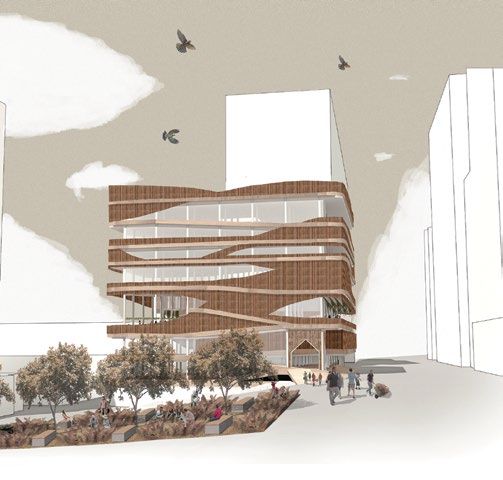
2

                                                                          1           3

1 The design by Master of Architecture (Professional) student Matangireia Yates-Francis celebrates locally grown kai in the inner city of Auckland
2 Bachelor of Architecture and Future Environments students investigate their ecological relationship to the local environment. Student work by Sam Roseman
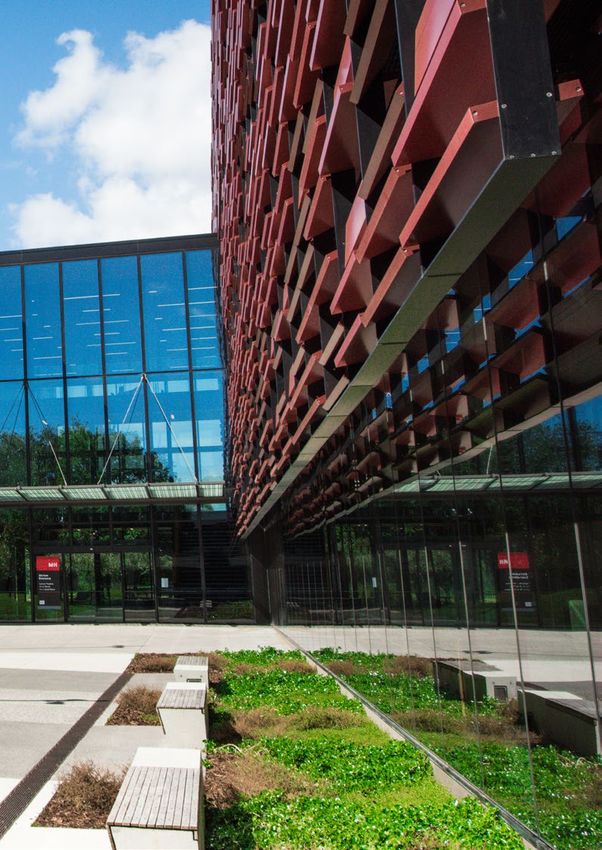
3 Many of the buildings at the AUT City Campus have won architecture awards

      Creating world-ready graduates                                               A world-class university environment
      If you’re studying at AUT, you join a diverse community                      We’re proud to be one of the world’s best modern
      of creative people, working together in an environment                       universities; ranked by Times Higher Education as the top
      from which new ideas emerge every day. We offer                              millennial university in Australasia and in the top 1% of
      exceptional learning experiences that prepare                                universities in the world. We have a long tradition of offering
      students to be successful wherever in the world their                        programmes focused on the built environment – from spatial
      career may take them. We encourage innovation                                design to architectural and construction engineering – and
      and entrepreneurship, and the ability to explore new                         we've recently added architecture to our suite of programmes.
      technologies, challenge routine thinking and solve                           You learn to design built environments that recognise
      problems in new ways. As a contemporary university we                        indigenous values and address Auckland's rapid population
      also place an emphasis on working across disciplines                         growth, as well as global issues like housing affordability,
      in our research, and teaching and learning. You can                          global warming and homelessness. You'll explore the
      take advantage of AUT’s expertise, labs, people and                          integration of technological, socio-cultural and professional
      equipment from a number of fields that are increasingly                      futures in this rapidly changing field. Our programmes
      relevant for architectural research, innovation and                          recognise Māori as tangata whenua, but we also consider the
      practice. As part of your degree you may even be able                        needs of Pacific and other communities, and acknowledge
      to include courses from a wide range of related fields,                      that many of our students will go on to a global career.
      or collaborate with other students on projects or
      community partnerships.                                                      An interactive and collaborative environment

      Innovative and relevant research                                             You learn in an interactive environment where you
                                                                                   collaborate with your classmates, mana whenua and experts
      AUT is ranked first in New Zealand for global                                from different disciplines to find innovative solutions that
      research impact by Times Higher Education, and                               support community wellbeing and nurture future generations.
      our researchers work on projects across the built                            In the Bachelor of Architecture and Future Environments
      environment. AUT research addresses global and local                         and Master of Architecture (Professional), for example, you
      issues in architecture and the built environment, and                        work in our shared wānanga design studio where you'll learn
      our discoveries are widely used. Our current research                        through project-led discussion, drawing, debate, critique
      projects range from Aotearoa New Zealand to the Pacific                      and creating things alongside other people. You'll be taught
      and all around the world. Our research also feeds back                       by professional architects, as well as professionals with
      into the classroom, and students can contribute to and                       backgrounds in design, engineering, computer science,
      learn from these research discoveries.                                       creative technologies, media, business and entrepreneurship.
                                                                                   This collaborative approach creates a close-knit, supportive
                                                                                   environment, and for many of our students it will be the
                                                                                   highlight of their studies.
                                                                                                                                                              05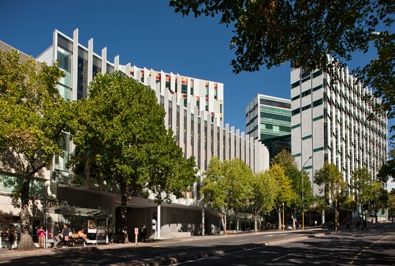
Life at AUT                                                   Supporting you into your
                                                              future career
                                                              The AUT Employability and Careers team
AUT is a modern and innovative university with endless        prepares you for your future career by
opportunities and a supportive culture that celebrates        developing job search, interview and networking
diversity. Studying at AUT is your chance to meet new         skills, building your personal brand and more.
people and develop lifelong skills, while getting the
support you need to succeed at university and beyond.
                                                              Connections to the workplace
We’re proactive in enabling all students to succeed, and      We run a full programme of employer
our comprehensive student support services ensure             presentations, events and workshops
that you have an amazing experience inside and outside        throughout the year – on campus and online
the classroom.                                                - with employers offering insights into their
                                                              industries and recruiting future employees. Four
We’re here to help                                            graduate job boards, including an international
                                                              one, offer great work opportunities for AUT
No matter what the problem, our Student Hub advisors          graduates and interns.
are here to help. You can find a Student Hub on each
campus and our specialist staff can help with anything from
enrolment and student ID cards to academic and personal       Gain an edge on the competition
support, fees and financial support, and services for our     The AUT Edge and Beyond AUT Awards help
diverse student communities including the international,      you gain an extra edge in the competitive
disability and rainbow community.                             marketplace by developing highly employable
                                                              skills through volunteering, leadership and
Dedicated support for new students                            employability activities.
From Orientation to our many academic and cultural
support programmes, our Student Services team is              International study opportunities
there to make starting out as a new student as
                                                              An international student exchange offers an
easy as possible.
                                                              amazing opportunity to study overseas as part
                                                              of your degree. Study for a semester or a year
                                                              at one of our partner universities around the
                                                              world, immerse yourself in another culture,
                                                              make lifelong friends and get international
                                                              experience before you graduate.
Helping you succeed in                           Free access to digital tools and resources
your studies                                     We offer students all the digital tools needed to succeed,
Our library and learning support team offers a   including free wifi on campus, the full Office 365 suite for
wide range of services and resources designed    up to five devices and free access to LinkedIn Learning, a
to help develop your academic skills.            world-leading online learning platform.
The Library also runs a range of workshops
to help you get the most out of your studies,
and our peer mentoring programme provides        Getting involved in campus life
academic support from others who have            Joining a club is a great way to meet like-minded people
already completed the same course.               and make lifelong friends outside of lectures. Choose from
                                                 a range of student-run social, sustainability, academic and
Top internships around the world                 cultural clubs – a great way to meet new people, participate
                                                 in events and get involved in campus life.
A good internship can be the foundation of a
great career. That’s why AUT Internz places
students and graduates with top companies in
                                                 Play sport or join the gym
New Zealand, North America, Asia and the UK      AUT is New Zealand’s leading sports university, with state-
– including Paramount Recording Studios, the     of-the-art sports facilities, on-campus gyms, and a huge
Sundance Institute and Westpac Institutional     number of sports teams and events. As an AUT student you
Bank in New York.                                can participate in a wide variety of sports, from social
                                                 on-campus games to elite international competitions.
A launchpad for entrepreneurs
Every entrepreneur starts somewhere.
                                                 Holistic approach to wellness
At AUT, the best place for aspiring              AUT offers comprehensive medical, and counselling and
entrepreneurs is CO.STARTERS@AUT. This           mental health services. We also run Bright Side events
ten-week programme helps you turn your           where students can develop better self-knowledge and a
entrepreneurial ideas into a viable business.    greater sense of purpose and meaning in their lives.

An outstanding                                   Disability student support and resources
learning environment                             Our Disability Support team is committed to helping you
At AUT you study in an innovative and            participate as fully as you can in learning and student life.
interactive environment that embraces            We work with students before they start at AUT to help
creativity, collaboration, and the sharing of    identify their specific needs and ensure they’re set up
ideas and culture. A number of our buildings     for success.
have won prestigious architecture awards,
and we’re constantly improving our built         Getting around
environment to offer students the best
possible learning experience.                    Whether it’s finding your way to campus or getting around
                                                 between lectures, AUT offers a range of resources to help
                                                 you navigate your new environment, including shuttle buses
                                                 that travel between campuses and interactive online maps.

                                                 Safe and friendly campuses
                                                 We make sure our students are safe when they're on
                                                 campus. Our friendly security staff are available day and
                                                 night to help if you have any concerns.

                                                                                                                 07
UNDERGRADUATE

   Bachelor of Architecture and Future Environments                                                [   BAFE | AK1337    ]

                                                Architecture can play a key role in transforming our urban, energy,
 QUICK FACTS                                    transport, food, and industrial systems as we move to a zero-
                                                carbon Aotearoa by 2050. Study the Bachelor of Architecture and
                                                Future Environments at AUT and learn how ecological thinking and
  Level:      7
                                                mātauranga Māori can help you design architecture that addresses
                                                this urgent contemporary challenge.
  Points:     360
                                                You’ll develop a critical approach to architectural design, become
  Duration:   3 years F/T only                  familiar with architectural theory and contemporary architecture
                                                practice, and learn to work in relation to Te Aranga Māori design
  Campus:     City                              principles. Throughout your studies, you’ll be based in the studio, a
                                                great environment to share ideas, collaborate with your classmates
  Starts:     28 Feb 2022                       and develop your ability to work in multi-disciplinary teams and
                                                diverse cultural settings.

                                                Entry requirements
                                                Minimum entry requirements
                                                • University Entrance or equivalent
                                                • Portfolio of work
                                                For details about what to include in your portfolio visit
                                                aut.ac.nz/portfolio

                                                English language requirements
                                                IELTS (Academic) 6.0 overall with all bands 5.5 or higher; or equivalent

                                                Useful New Zealand school subjects
   Azra Banu                                    Design and Visual Communication, Digital Technology, Art History,
   1st-year student, Bachelor of Architecture   Technology, Visual Arts
   and Future Environments

   “I like that architecture at AUT has a       What this qualification covers
   focus on the future, and that we’re
   thinking about our environment while         Year 1
   studying architecture. I would absolutely
   recommend the Bachelor of Architecture
                                                This year introduces you to architecture as a discipline and Te Aranga
   and Future Environments to students          Māori design principles. Courses cover architecture methodologies,
   who are keen to learn about so much          tools and skillsets, including mapping, scaling, drawing, diagramming,
   more than just ‘architecture’ itself.        coding and modelling, as well as technical knowledge and material
   A key term that has fascinated me is         fabrication. You’ll apply your skills through a series of design projects.
   ‘anthropocene’, which refers to how
   humans have contributed to this erratic      Courses you complete this year include:
   weather that the world cannot sustain. I     • Wānanga Studio I
   believe that as architects and designers,
                                                • Wānanga Studio II
   we need to act and think of tangible
   ways to prevent further global problems      • Architectural Intelligence I
   as we play a massive role in sustainable     • Architectural Communication
   development and determining the state
   of our ecosystem. I want to work as an
   architect after I graduate and integrate
                                                Year 2
   the skills that I gain from this degree to   Your second year focuses on the social context of architecture, and
   contribute to the sustainable growth of      designing for individuals and communities in future environments.
   cities and urban environments around
   the world by designing systematically.”      Courses you complete this year include:
                                                • Wānanga Studio III
                                                • Wānanga Studio IV
                                                • Architectural Intelligence II
      08
Year 3
Explore the overlap between architectural and entrepreneurial thinking
as strategies for working in uncertain contexts, and the impact of
innovation, computational intelligence, emerging technologies and
integrated systems on architecture.
In your second semester you develop a proposal for a building of
medium to large scale and complexity.
Courses you complete this year include:
• Wānanga Studio V Collaborative and
interactive classes
• Wānanga Studio VI
• Architectural Intelligence III
• Plus one elective course
Minors and electives
As part of your degree, you study a minor or elective courses from
another AUT degree, enabling you to pursue an area of interest from a
wide range of subjects. To find out more about minors you can choose,
visit aut.ac.nz/minors
Career opportunities
To become a registered architect, you need a three-year bachelor’s
degree, a two-year Master of Architecture (Professional) 1 and two
years (3,300 hours) of professional practice under the supervision of a
registered practising architect.
Successful completion of the Bachelor of Architecture and Future
Environments will enable students to apply for entry into the Master of Patricia Te Whatu
Ngāpuhi
Architecture (Professional), which is designed to meet the competency 1st-year student, Bachelor of Architecture
requirements for professional registration as an architect in New and Future Environments
Zealand and Australia.
“I chose to study architecture because
Students who choose not to proceed to the Master of I’ve always had a passion for creating
Architecture (Professional) can go into a range of other creative and designing, and a fascination with
and design-based industries, related professions, public service how things are put together. I was
organisations or other postgraduate studies. fascinated by how the Bachelor of
Architecture and Future Environments
is different in terms of teaching, and
is more based on the environment and
our current state of the world. I felt
that the degree would be awesome
and since this is the first year of an
architecture programme at AUT, I was
super pumped to be a part of that.
All of my lecturers are so passionate
about what they do and they bring their
experiences into our learnings; it’s so
1. Applicants to the MArch(Prof) programme must have completed the Bachelor of refreshing and inspiring. I feel that I
Architecture and Future Environments or equivalent with a B grade average or higher in vibe off their creativity and am able to
courses at level 7; or equivalent.
harness that into my own projects. I’ve
been absolutely loving designing our
ruma ora spaces, where we are given
the opportunity to create models and
For more details visit aut.ac.nz/architecture-be
photographs, and use Adobe software
to create digitally.”
09UNDERGRADUATE
Bachelor of Design [ BDes | AK3619 ]
Spatial Design
QUICK FACTS Spatial design is the design of human environments from the inside
out. Spatial designers are experts at finding their way into new
situations by interpreting and analysing them spatially, relationally
Level: 7
and culturally. They reinvent, reconfigure, redesign, and renovate,
working with and questioning what exists; and they communicate
Points: 360
persuasively and precisely to anticipate and facilitate change.
Duration: 3 years F/T, P/T available At AUT, our main areas of spatial design are interior design; stage,
set, and production design; furniture, urban placemaking; exhibition,
Campus: City event, and experience design; and imagined futures and critical
speculations. Spatial design overlaps with architecture, landscape
Starts: 28 Feb 2022 design, curating, installation art, community development, and
design for virtual or augmented worlds.
Apply by: 24 Sep 2021 1
Entry requirements
Minimum entry requirements
• University Entrance or equivalent
• Portfolio of creative and design work 2
Preferential entry
You may be eligible for preferential entry to the Bachelor of Design if:
• You are a current Year 13 student at a NZ secondary school, and
• You have achieved NCEA Level 2 with Excellence endorsement
overall and with an Excellence endorsement in one or more
approved art, design or technology subjects, or
Frank Liu • You have achieved a University of Cambridge International
Interior Designer, Examinations (CIE) AS grade A or B in one or more approved art,
Warren + Mahoney Architects design or technology subjects.
Master of Design
Bachelor of Design in Spatial Design This means you won’t need to submit a portfolio of art or design work.
“The studio and community culture was
If you believe you are eligible for preferential entry, apply online and
the highlight of my time at AUT. I have submit your application without a portfolio.
countless memories of working with
my friends and other creatives on late English language requirements
nights. This experience not only grew me IELTS (Academic) 6.0 overall with all bands 5.5 or higher; or equivalent
as a designer, but most importantly made
university feel like a second home. In
Useful New Zealand school subjects
my second year, our lecturers presented
an installation project they worked on, Art History, Classical Studies, Construction and Mechanical
named ‘Hole of Yellow Archipelago’. Technologies, Design and Visual Communication, Design (Practical
Experiencing the translation from a Art), Digital Technologies or Hangarau Matihiko, English, Geography,
2D concept to a real-life space was History, Mathematics or Pāngarau, Media Studies, Photography
a lightbulb moment for me. It was a (Practical Art), Physics, Processing Technologies, Te Reo Māori,
space designed for children to express Te Reo Rangatira, Technology or Hangarau.
their creativity and learning, however it
was really interesting to see how they
adapted the space into something playful Don’t meet the entry requirements?
and mildly chaotic. It made me consider Consider starting with our Certificate in Science and Technology.
the impact we have as designers in our To find out more about this certificate visit aut.ac.nz
environments and the emotions that
often arise in such spaces.”
10Minors
• Cinematic Arts • Experimental Surface Design
• Contemporary Pacific • Motion Capture
• Creative Entrepreneurship • Photographic Practice
• Design for Sustainability • Temporary Practices/
• Design Thinking Temporary Publics
• Digital Fabrication TOP 150
What this qualification covers
To help you develop a broad range of skills, you study a major (300
points of your degree) and a minor (60 points) across your three years
at AUT.
Year 1
Courses you complete this year:
• Spatial Fabrication Studio I • Digital Techniques I
• Spatial Design Studio I • Spatial Drawing
• Spatial Theory I
Plus one course from your chosen minor.
Year 2
Courses you complete this year:
• Spatial Fabrication Studio II • Spatial Theory II
• Spatial Design Studio II • Digital Techniques II Sophie Roberts
Landscape Design Intern,
Terrain NYC, New York City
Year 3 Bachelor of Design in Spatial Design
Courses you complete this year:
“From a young age, I’ve been interested
• Spatial Fabrication Studio III • Spatial Theory III in the designed spaces that surround
• Spatial Design Studio III • Digital Techniques III me. Spatial design was a natural
pathway for me to follow, combining
my love of design and transferring it
Career opportunities
into spatial form. AUT’s spatial design
• Interior/building design • Urban design degree had a great reputation, and with
• Design for theatre, film, TV or • Event design a small class intake, I knew it would be
a good fit for a space I could learn and
digital environments • Furniture and object design thrive in. Through the studio culture I
made lifelong friends. Being taught by
AUT encourages early application. Places are limited. great academic staff in spatial design
also enriched my experience at AUT.
They helped progress my learning
1. Acceptance into this programme is based on academic achievement and the work and skills, heavily influencing how I
submitted in a portfolio. Although we will continue to accept applications until all work as a designer today. My biggest
places are filled (up to the start of Semester 1, 2022), those who submit their full achievement while I was at AUT
applications, including a portfolio of work, by 24 September 2021 will be prioritised. was being awarded the AUT Internz
2. Visit aut.ac.nz/portfolio for portfolio guidelines. Scholarship, and landing a position to
work at a landscape architecture firm in
SoHo, New York City.”
For more details visit aut.ac.nz/architecture-be
11UNDERGRADUATE
Bachelor of Engineering (Honours) [ BE(Hons) | AK3751 ]
Overview
As an engineer you address the key issues we face today, like access
QUICK FACTS
to clean water, sustainable energy systems, waste management,
recycling and environmental pressures. The Bachelor of Engineering
Level: 8 (Honours) prepares you for a rewarding career in engineering.
It’s accredited by Engineering New Zealand, and prepares you for
Points: 480 Engineering New Zealand1 membership. You learn to formulate
models and analyse, predict and monitor engineering systems –
Duration: 4 years F/T, 8 years P/T essential skills in professional engineering. Through engineering
projects and other practical courses you have plenty of opportunities
Campus: City to apply what you have learnt in class.
Starts: 28 Feb & 18 July 2022
Entry requirements
Minimum entry requirements
University Entrance or equivalent, including:
• NCEA: At least 14 level 3 credits in each of Calculus and Physics
• CIE: A level Mathematics and a minimum of AS in Physics OR A level
in Physics and a minimum of AS in Mathematics
• IB: A grade of 4 or better in Mathematics and Physics
• Applicants without UE must demonstrate competency in Calculus
and Physics to at least level 3 or equivalent.
Guaranteed entry
Applicants will automatically be offered a place in this programme if
they have a rank score of 250 or higher, along with 14 NCEA level 3
credits in each of Calculus and Physics or CIE A levels in Mathematics
Weixi (Frank) Wang and Physics. All other applicants who have met the admission
Bachelor of Engineering (Honours) in
requirements will be considered on a case-by-case basis.
Construction Engineering
“The construction industry in New English language requirements
Zealand is booming, and AUT launched IELTS (Academic) 6.0 overall with all bands 5.5 or higher; or equivalent
this degree to meet the needs of the
industry. As a young university, AUT not
only has a very good QS ranking, but also
Useful New Zealand school subjects
has a more innovative spirit. Throughout Chemistry, Digital Technologies, English
my studies I’ve appreciated that the
lecturers have strong teaching abilities, Don’t meet the entry requirements?
and always provide students with the Consider starting with our Certificate in Science and Technology.
most practical teaching content. No
To find out more about this certificate visit aut.ac.nz
matter what career plan you have, what
you learn at AUT will become a solid
foundation for your future development. Majors
Every building contains countless • Architectural Engineering
applications of experience and scientific • Construction Engineering
ideas. I really want to participate in
these construction projects and let
my knowledge become part of these
outstanding achievements. I plan to work
on a construction site for a few years and
then study for a master’s degree to gain
specialised knowledge.”
12What this qualification covers
Most courses run for one semester and are worth 15 points. You must
complete 120 points each year. You also need to complete 800 hours
of planned, supervised work experience to graduate, in addition to
completing all your courses.
Year 1
Students in all majors do the same courses in the first year: Majors created in response to
• Introduction to Engineering Design industry demand
• Electrical Principles A
• Engineering Mathematics I
• Mechanical Principles A
• Introduction to Computing
• Electrical Principles B
• Engineering Materials I
• Mechanical Principles B
• Engineering Workshop Practice
Plus one course from your chosen minor.
Year 2
You develop an understanding of how to apply mathematical and
engineering sciences across different engineering disciplines.
Year 3
Kate Molony
You further develop what you’ve learnt in Year 2, and work on a piece Façade Engineer, Mott MacDonald
of engineering design and analysis under the guidance of an academic Bachelor of Engineering (Honours) in
Architectural Engineering
supervisor.
“I chose this degree because I was
Year 4 passionate about and interested in
architecture and the built environment,
In your final year you complete an individual industrial project, working
but had stronger skills in maths and
on a piece of engineering design and analysis for organisations like science. This degree was the perfect
Fletcher Building, Hawkins, Naylor Love Ltd, Auckland Council, Beca hybrid for me, and enabled me to apply
or Jasmax. my engineering skills in a building
context. AUT is the only university in
New Zealand that offers architectural
AUT encourages early application. Places are limited.
engineering, and so that made it an
obvious choice. I was also really drawn
towards how new and modern the
campus and the university overall are. I
love that AUT has a focus on the future
and continual improvement, and has
strong industry connections students
can benefit from. I’ve enjoyed the
1. Our more recent degrees in Construction Engineering and Architectural Engineering forward thinking approach to teaching.
have been provisionally accredited by Engineering New Zealand. The lecturers are committed to teaching
their subjects through a practical lens
to make sure students understand the
industry they’re going to enter, and how
For more details visit aut.ac.nz/architecture-be
to tackle the new challenges the industry
is facing.”
13UNDERGRADUATE
Bachelor of Engineering (Honours)
Architectural Engineering
Businesses, tenants and homeowners expect more from the buildings
they work and live in. They want buildings that are energy efficient
and more sustainable, comfortable to live and work in, offer more
services and are fit for purpose, now and in the future. Architectural
engineers help make this happen.
What this major covers
You need to complete 800 hours of planned supervised work
experience to graduate, in addition to completing all your courses.
Year 1
Courses this year cover mathematics and computational techniques, as
Scott Bristow
Final-year student, Bachelor well as the communication and teamwork skills that are essential for
of Engineering (Honours) in the team environment engineers work in.
Architectural Engineering
“I knew that there was a major shortage
Year 2
of workers in the construction industry, You become familiar with construction materials, structural
and I had a passion for architecture engineering, building construction, and quantity surveying. You also
and solving complex problems. I develop your analytical and engineering management skills.
would absolutely recommend AUT’s
architectural engineering degree Year 3
if you’re interested in architecture,
engineering, design or construction.
This year focuses on specialist architectural engineering courses,
including geotechnical engineering, structural analysis, architectural
"I’m already well into my career thanks design and development, and the specifics of building subsystems,
to the requirement for engineering including illumination engineering and heating, ventilation and
students to obtain 800 hours of air-conditioning (HVAC) systems, and architectural design
work experience while working in an and sustainability.
engineering role. I’ve already completed
more than 1,000 hours working as a
homestar assessor and environmental Year 4
building analyst for the Building In your final year you complete an individual industry project for
Excellence Group. organisations like Fletcher Building, Hawkins, Naylor Love Ltd,
Auckland Council, Beca or Jasmax. You also complete courses that
"This involves working closely with the
cover advanced analytical thinking and research experiences.
New Zealand Green Building Council to
improve the standard of New Zealand’s
residential and commercial building Career opportunities¹
by improving their eco-friendliness
and boosting the quality of life for the • Architectural design engineer
buildings’ occupants. • Building services engineering
• Project management
"I’ve met so many great friends through
my university studies and have formed • Building Information Management (BIM) specialist
a close-knit group of friends. We all
share the same interests and we’re all
now great friends. I also still fondly
remember the lectures I had with Dr
Ali GhaffarianHoseini. He led the two
architectural design courses in my 1. This is an engineering qualification. Graduates will not be architects or qualified to
second and third year, and inspired me register as architects.
to choose a career in green building
engineering and architectural
design development.”
For more details visit aut.ac.nz/architecture-be
14Bachelor of Engineering (Honours)
Construction Engineering
Designing safe, cost effective and environmentally sustainable
buildings and infrastructure is essential to our society. Professional
construction engineers are involved with the design, planning and
construction of the physical infrastructure that surrounds us. AUT’s
construction engineering programme will help you develop skills in
structural engineering, materials technologies, construction systems,
construction management, productivity improvement and waste
reduction strategies.
What this major covers
You need to complete 800 hours of planned supervised work
experience to graduate, in addition to completing all your courses.
Divya Kataria
Graduate Site Engineer, Bridges
Year 1 Department, Transmission Gully
Courses this year cover mathematics and computational techniques, as Bachelor of Engineering (Honours) in
Construction Engineering with First
well as the communication and teamwork skills that are essential for
Class Honours
the team environment engineers work in.
“AUT is well-known for its friendly and
Year 2 international staff, and for offering a
You become familiar with construction materials, structural student-focused environment. The class
sizes are small, so the lecturer can pay
engineering, building construction and quantity surveying. You also
attention to each and every student. The
develop engineering management and analytical skills. lecturers are from all around the world,
which makes the environment friendlier and
Year 3 more diverse.
This year focuses on specialist construction courses, including
"I also loved the amount of group projects
geotechnical engineering, structural analysis and construction
we got to work on at AUT. This showed that
planning. You also explore the design of concrete and steel structures. AUT has a more practical approach towards
engineering because as an engineer you
Year 4 often work in teams that also include
In your final year you complete an individual industry project for architects and other professionals.
organisations like Fletcher Building, Hawkins, Naylor Love Ltd, NZ
"As a graduate site engineer, I enjoy working
Strong Ltd and Auckland Council. You also study courses that cover
in the structures, quality and design
advanced analytical thinking and research experiences. departments at Transmission Gully, and
learning about different disciplines of civil
Career opportunities engineering and how they come together.
It’s great to be a part of a national project
• Construction design engineer that will help connect Wellington better and
• Construction delivery systems be a part of New Zealand's landscape.
• Site engineer "Construction is a big and booming sector
• Project and construction management in New Zealand, and studying construction
engineering gave me an understanding of
the various opportunities and careers I could
go into once I graduate. It’s fascinating how
one major can open up pathways to so many
different and diverse roles. It gives you the
freedom to realise your full potential and
choose what you want to do.”
For more details visit aut.ac.nz/architecture-be
15POSTGRADUATE
QUICK FACTS
Level: 9
Master of Architecture (Professional)
MArch(Prof) | AK1338
Points: 240
Duration: 2 years F/T, P/T available
The Master of Architecture (Professional) applies emerging
Campus: City technologies and indigenous worldviews to re-think architecture.
You’ll learn to integrate social and technical knowledge into core design
Starts: 28 Feb 2022 processes, and design a range of buildings at different scales and levels
of complexity. The programme is mainly studio-based. At the heart
of the programme is a design thesis, an opportunity to develop your
research skills and research an area of your interest.
Entry requirements
Minimum entry requirements
• Must have completed the Bachelor of Architecture and Future
Environments or equivalent with a B grade average or higher in
courses at level 7; or equivalent 1
• May be required to submit a portfolio of work and/or attend a
selection interview
English language requirements
• IELTS (Academic) 6.5 overall with all bands 6.0 or higher; or equivalent
Matangireia Mita Ngarua
Yates-Francis What this qualification covers
Te Arawa, Te Aitanga-a-Mahaki,
Rongowhakaata, Ngāti Maniapoto Complete 120 points from:
Master of Architecture (Professional) student • Wānanga Studio I: Strategy
Bachelor of Design in Spatial Design
• Wānanga Studio II: Resolution
“I came to AUT to study spatial design, • Architectural Practice I: Histories and Theories of Practice
but had always aspired to move • Transdisciplinary Research Methods
into architecture eventually. When
• Architectural Practice III: Project Delivery
AUT introduced new architecture
programmes in the final year of my • Architectural Practice IV: Business and Entrepreneurship
bachelor’s degree, I jumped at the
And complete 30 points from:
opportunity to enrol in the Master
of Architecture (Professional). • Advanced Topics in Architecture AND
The future of architecture will • Any other postgraduate course as approved by the programme leader
play an important role within the
sustainability of our environments, And complete a Design Thesis.
human wellbeing and the salvation
of our climate. AUT’s architecture Career opportunities
programmes were established to
tackle these issues, challenge the The Master of Architecture (Professional) has been designed to meet the
current state of architecture, and think academic accreditation requirements for registration as an architect in
about the possibilities we can offer New Zealand. Subject to accreditation by the Australian and New Zealand
as future architects. I’d love to have Architecture Program Accreditation Procedure (ANZ APAP) and an
the opportunity to create spaces that approved period of practical experience, graduates will be eligible to take
improve people’s lives and inspire the
the professional practice interview to become registered architects.
next generation.”
1. Bachelor of Design in Spatial Design or Bachelor of Engineering (Honours) in
Architectural Engineering graduates may progress into the Master of Architecture
(Professional) subject to additional courses.
For more details visit aut.ac.nz/architecture-be
16POSTGRADUATE
QUICK FACTS
Master of Construction Management Level: 9
MCM | AK1290
Points: 120
Duration: 1 year F/T, 2 years P/T
Want to take your construction career further? Study the Master
of Construction Management and further your knowledge of how Campus: City
to manage complex construction projects. This programme has
been developed in partnership with construction industry leaders Starts: 28 Feb & 18 July 2022
to meet the demand for professional managers who are technically
competent in construction and able to manage the complexity of
modern construction projects. The programme is aimed at construction
professionals including engineers, quantity surveyors and architects.
Entry requirements
Minimum entry requirements
• Relevant bachelor’s degree OR
• Relevant graduate diploma OR
• Relevant professional qualification or experience approved by the
Dean (or representative) to be equivalent to at least a three-year
bachelor’s degree
AND
• Relevant engineering or managerial work experience approved by the
Dean (or representative) to be equivalent to one year of advanced study Alexandra Arenilla Cuervo
Colombia
English language requirements Interior Designer, We Don't Have Elephants
IELTS (Academic) 6.5 overall with all bands 6.0 or higher; or equivalent Master of Construction Management
“I would highly recommend the Master
What this qualification covers of Construction Management to other
construction industry professionals. In
Complete the following courses: my opinion, management is often the
• Management in the Construction Industry weakest part of the construction process,
• Advanced Built Environment generally because those involved in
construction management might not be
• Construction Economics
fully prepared. That makes the Master
• Project Management in Construction of Construction Management a
• Law for Construction Management competitive degree for the construction
• Project in Construction Management industry. What I liked about this
programme is that it focuses on the
And choose one 15-point course from a selection of courses covering actual construction environment, not
areas such as IT management, engineering, international construction, only in New Zealand but around the
supply chain management, operations management or HR. world. I would definitely recommend
this degree to other professionals in my
There is also the possibility of including 15 points from any master's industry because it will enhance your
degree offered by AUT, subject to programme leader approval. skills and help you develop your career
in a better way. My lecturers have gained
Career opportunities my respect not only as a professional
but also as a person. I’ve enjoyed my
• Construction managers classes, especially the guest lecturers
• Construction and consultancy firms who come in to give us a better
• Managers/leaders of construction business units (both public understanding of the actual New Zealand
construction environment.”
and private)
• Project managers
For more details visit aut.ac.nz/architecture-be
17POSTGRADUATE
QUICK FACTS Master of Engineering Project
Level: 9
Management
MEPM | AK1317
Points: 120
Duration: 1 year F/T, 2 years P/T
The Master of Engineering Project Management is the first of its
Campus: City kind in New Zealand. It's intended to attract a range of engineering
professionals who want to advance their project management
Starts: 28 Feb & 18 July 2022 skills and further their career. This programme offers an exciting
career development opportunity for practising engineering project
managers aspiring to senior positions, and provides recent graduate
engineers with business and project management skills for modern
engineering companies.
Entry requirements
Minimum entry requirements
One of the following (or equivalent) with a B grade average or higher:
• Relevant four-year bachelor’s degree OR
• Relevant bachelor’s degree with honours OR
• Relevant postgraduate diploma
AND
• Relevant project engineering or managerial professional experience
Yinan (Edwin) Song approved by the Dean (or representative)
China
Robotic Process Automation Implementation English language requirements
Specialist, Quanton
Master of Engineering Project Management IELTS (Academic) 6.5 overall with all bands 6.0 or higher; or equivalent
“I already had eight years of project
What this qualification covers
management experience and had
delivered projects in many countries, Courses include:
worth more than $40 million. However, • Advanced Integrated Project Management
I felt there wasn’t enough energy for me
to progress to the next level of project • Economics and Finance for Engineers
management. It’s good to come back to • Engineering Corporate Social Responsibility
university to learn the most advanced • Project in Engineering Project Management
principles of project management and • Information Technology Management
learn from others. The world is changing
• Engineering Resource Efficiency
fast, and it’s not easy to keep pace if
you don’t study. I would recommend the • Supply Chain Management for Construction
degree to others interested in project • Employment Relations
management in engineering. I enjoyed • Specialist Readings: Engineering Project Management
talking to my supervisor and all the
• Human Resource Management
lecturers at the university. Whenever
I needed help with anything, I could • Operations Management
always find someone to talk to. I would
recommend the programme to people Career opportunities
who have a similar background to me,
and who want to further their career in • Project managers
this field.” • Engineering managers
• Process management
• Managers/leaders of engineering business units
For more details visit aut.ac.nz/architecture-be
18QUICK FACTS
Master of Philosophy Level: 9
MPhil | AK3720
Points: 120
Duration: 1 year F/T, 2 years P/T
The Master of Philosophy (MPhil) is a one-year, research-only
master’s degree. It provides an opportunity for you to undertake a Campus: City
research topic of your interest under the supervision of architecture
and built environment academics. It can also serve as a pathway to Starts: 1 Feb & 1 Aug 2022
more advanced research at doctoral level.
Entry requirements
Minimum entry requirements
Must have completed one of the following with the equivalent of
a B grade average Or higher:
• Four-year bachelor’s degree OR
• Bachelor’s honours degree OR
• Bachelor’s degree and postgraduate diploma OR
• Bachelor’s degree and at least three years of experience relevant
to the proposed research
English language requirements
IELTS (Academic) 6.5 overall with all bands 6.0 or higher; or equivalent.
Other requirements
Acceptance is subject to the availability of academic staff for
supervision, appropriate facilities and approval of research topic.
What this qualification covers
You complete an original thesis during this year of your study. Our
academics are available to supervise Master of Philosophy research on
a wide range of topics.
Career opportunities
As a graduate with a Master of Philosophy you have the necessary
skills and qualifications to follow an academic or research career
leading to a PhD. Alternatively, your research topic may lead you to
a position of expertise in your chosen field.
For more details visit aut.ac.nz/architecture-be
19POSTGRADUATE
QUICK FACTS
Level: 10
Doctor of Philosophy
PhD | AK3518
Points: 360
Duration: 3 to 6 years
The Doctor of Philosophy (PhD) is the University’s highest qualification.
Campus: City The degree is undertaken by research only and leads to advanced academic
and theoretical knowledge in a specialist area. The PhD is suitable for
Starts: 1 Feb & 1 Aug 2022 students who want to pursue an academic or research career, or a senior
position in the public or private sector. Doctoral studies present you with
the opportunity to generate new ideas that can benefit business and
society. You will make a significant original contribution to knowledge and
understanding in your field of study and meet recognised international
standards for your work. Our academic supervisors are recognised world-
class researchers in their fields who have the expert knowledge to guide and
advise you throughout your PhD. The opportunities to apply the knowledge
and skills you gain will be extensive, both in industry and academia.
Entry requirements
Minimum entry requirements
Must normally have completed the following in a discipline appropriate to
the proposed research:
• Master’s degree with first-class or second-class (first division) honours
Megan Burfoot OR
Doctor of Philosophy candidate • Bachelor’s degree with honours (equivalent to four years of study),
Bachelor of Engineering (Honours) in
Architectural Engineering
normally with first-class or second-class (first division) honours
“For my doctoral research, I’m focusing
The degree should include advanced learning in research,
on acoustical engineering and how to execution of a research project and a written report on the research.
make spaces more suitable acoustically
for the building’s purpose. When I English language requirements
decided to do my PhD, I researched a IELTS (Academic) 6.5 overall with 7.0 in Writing and all other bands
lot of different topics within the field of 6.0 or higher; or equivalent.
architectural engineering and this one
stood out as an area where I can make
a contribution through my research. Other requirements
I think it’s a really interesting topic. I Acceptance is subject to the availability of staff for supervision, prior
love AUT. I love the study environment, research preparation and appropriate facilities.
and appreciate how approachable the
staff are. I’ve also enjoyed the student
life here, and have been involved in a
Planning your PhD
number of different clubs, including You are required to prepare a brief proposal for your intended research,
starting AUT Now, which focuses on specifying the field of research and a general research question you wish to
volunteering and supporting different investigate. You should provide official copies of academic transcripts, and
causes; animals, people and the
evidence of previous independent research outputs, like an honours-level
environment. I can see myself having a
career in academia – I love both research
dissertation or master’s-level dissertation or thesis. You should also provide
and teaching.” evidence of successful completion of studies in research methodology at a
postgraduate level.
PhD research allowance
PhD research allowances are normally available to support PhD candidates
with expenses associated with data collection and analysis, conference
funding, and other resources.
For more details visit aut.ac.nz/architecture-be
2021
HOW TO APPLY
     Below is the step-by-step guide to the
     applications process. For more information
     visit aut.ac.nz/apply

                          1                                                    2

                APPLY EARLY                                        COMPLETE THE
 Places are limited. Submit your application                     APPLICATION FORM
 well before the semester starts.                        • Apply online
 APPLYING FOR 2022                                       • Indicate your programme(s) of choice and
                                                           major (if known)
 • Semester 1
   - apply by 6 December 20211                           International students can also apply using an
 • Semester 2                                            AUT approved international agent. For a list of
   - apply by 2 May 2022                                 AUT registered agents visit
                                                         aut.ac.nz/international-agents
 1. For the Bachelor of Design in Spatial Design apply
 by 24 September 2021.

                                                          SUBMIT YOUR APPLICATION
 Applying for the Master of Philosophy
 (MPhil) and Doctor of Philosophy (PhD)

 If you are planning to enrol in a Master
 of Philosophy (MPhil) or Doctor of
                                                                WE ACKNOWLEDGE
 Philosophy (PhD) at AUT, email the                             YOUR APPLICATION
 Graduate Research School                                • We will send you an acknowledgment
 doctoral.and.mphil.admissions@aut.ac.nz                   email, which explains how to check the
                                                           status of your application
                                                         • We will contact you if we need more
                                                          information

22
3
WE ASSESS
YOUR APPLICATION
• We assess your application to ensure
you have met the entry criteria for the
programme(s) you are applying for ACCEPT YOUR OFFER
• We consider your academic history and
relevant experience to ensure you can
succeed in your programme
• We let you know if your application has
been successful
POSSIBLE OUTCOMES
CONFIRMED We would like to offer you a
place to study at AUT
PROVISIONAL You have met some of the
criteria for entry to your chosen programme
of study and we would like to offer you a
provisional place to study at AUT. If you don’t
meet the rest of the requirements, then this
offer will be withdrawn
CONDITIONAL You have to meet the
conditions and approvals listed in your
conditional offer to be able to secure a
formal offer of place
DECLINED If you don’t meet the entry
requirements or all places are taken, we may
offer you an alternative programme
23University admission to AUT bachelor’s degrees
For New Zealand citizens and residents and international students studying in a high school in New Zealand
To gain admission to bachelor’s degrees, you must have Admission categories
met the requirements for University Entrance plus any You may be granted University Entrance under one of
specified admission requirements for a programme, such the following categories:
as specific subjects, portfolios and interviews.
• CEA University Entrance
N
For more information on entry requirements, including • Ad Eundem Statum admission (at an equivalent level)
entry requirements for international students, refer to – this includes Cambridge International Examinations
the AUT Calendar or visit aut.ac.nz/calendar (CIE) and International Baccalaureate Diploma
Programme (IB)
Please note: AUT, like all other New Zealand universities,
is required to manage enrolments. This is because • Discretionary Entrance
of government policies that restrict the number of • Special Admission
funded places available for domestic students in tertiary
education.
Common University Entrance requirements
STANDARD NCEA CIE IB2
Overall Require NCEA level 3 certificate which A minimum of 120 points on the IB Diploma with minimum 24 points
consists of 80 credits, including at least 60 UCAS Tariff 1 at A or AS level from an
credits at level 3 or higher. Can include up approved list (equivalent to NCEA
to 20 credits at level 2. approved subject list).
Note: Credits to achieve NCEA Must include at least three subjects
level 3 may include unit standards from (excluding Thinking Skills) with grades
non-approved subjects. D or above.
Subject credits
Total of 42 level 3 credits including:
• 14 credits from one approved subject
• 14 credits from a second approved subject
• 14 credits from a third approved subject
Numeracy At least 10 level 1 (or higher) numeracy A minimum grade of D in IGCSE3 Any mathematics subject – IB Group 5
credits (can be achieved through a range mathematics or any mathematics
of subjects) subject at AS or A level.
Literacy Total of 10 level 2 (or higher) literacy A minimum grade of E in English Literature or language and literature (SL
credits including: Language and/or English Literature or HL) – IB Group 1, with English as the
• 5 reading credits subject at AS or A level. language.
• 5 writing credits
From specific standards in a range of
NZQA English language rich subjects.
1. UCAS (Universities and Colleges Admissions Services for the UK) Tariff = system which converts AS and A level grades into points.
2. New Zealand residents who have taken IB but have not been awarded the Diploma may apply for discretionary entrance.
3. IGCSE = International General Certificate of Secondary Education.
Where programmes require a specific subject, it is AUT language rich subject list
expected that a student will have achieved a minimum Art History, Business Studies, Classical Studies, Drama,
of 14 NCEA credits in that subject (or equivalent), unless
Economics, English, Geography, Health Education,
indicated otherwise.
History, Media Studies, Physical Education, Social
Studies, Te Reo Māori, Te Reo Rangatira.
NCEA approved subjects
For a list of NCEA approved subjects for University
Entrance visit the NZQA website, nzqa.govt.nz
24You can also read


