AUSTRALIAN COUNSELLING RESEARCH JOURNAL - Vol 15 | Issue 1 2021
←
→
Page content transcription
If your browser does not render page correctly, please read the page content below
AUSTRALIAN
COUNSELLING
RESEARCH
JOURNAL

              Vol 15 | Issue 1
                        2021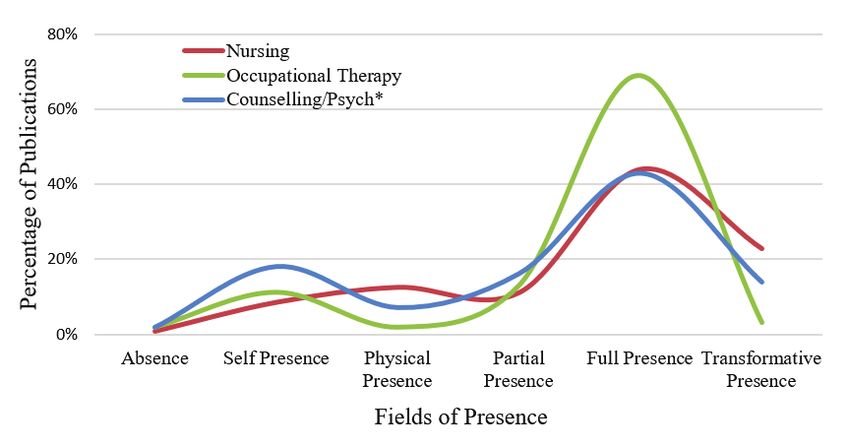
Australian Counselling Research Journal | www.acrjournal.com.au                                                           Copyright © 2021

                                                         Editorial
                                    Volume 15, Issue 1 - 2021. Dr Ann Moir-Bussy

Welcome to our Autumn edition for 2021 and we hope the year is progressing well for
all our readers as COVID still rages in so many countries. We hope you will enjoy the
excellent articles that have been presented for this issue and we are grateful to all our
contributors for sharing their knowledge and wisdom.

It is also with sadness that we share the news of one of our Editorial Board, Professor Tom Seay, and after this Editorial we have a
short piece shared with us by a colleague and friend of his, Brian Wlazalek.

This issue begins with a critical exploration of “Whose voice is privileged?” in counselling education. By drawing on the work of
Paulo Freire, Henry Giroux and Bell Hooks. Simon Hinch reflects on his own teaching and his own practice and use of narrative
therapy, reflecting on the similarity that narrative practice holds with the critical pedagogy of the above authors. As he notes,” many
parallels can be drawn between narrative practice and the collaborative, power-sensitive and social justice focused practices of the
critical educator”. This is an insightful manuscript for all those in counselling education. We contend that the transformative path
that liberatory practice building on the legacies of critical pedagogy, with Freire, Girous and Hooks strongly impacts on communities
and individuals. In this sense the work of critical counselling is a community of minds coming together for healing.

In his Ph D, Alec Hamilton explored how different health professions, including counselling, conceived the notion of presence in
their work with those they served. Therapeutic presence is vital in the building of the relationship with clients, not only in counselling
but also in other health professions. It was a privilege to work alongside Alec as he researched the literature across four health
professions, and then proposed a Fields of Presence Model. His finding is indeed useful for anyone who wants to understand how
to deepen their relationships with clients through presence.

Jo Christmas, who has a background in Psychology, working in Palliative care, HIV and AIDS and Occupational Health has
just completed her Master of Counselling. In Defence of Anger is a very interesting exploration of the emotion of anger which
counsellors may experience, Jo reflects deeply on her own experience of anger as a student counsellor and how it became for her
an important and valuable resource.

On a different note, Sam Everingham and Katrina Hale explore the characteristics, traits and personal satisfaction of 30 surrogates
who carry for unknown intended parents in Australia and New Zealand. The study reveals that many surrogates are often
emotionally ill-prepared for the process and receive very little support. Some insight was gained into the range of demographic and
personality types who engage as altruistic surrogates.

Editors

Emeritus Professor Tarquam McKenna
Victoria University
Dr Ann Moir-Bussy
Adjunct - Charles Darwin University

Copyright © 2021                                                            Australian Counselling Research Journal | www.acrjournal.com.au
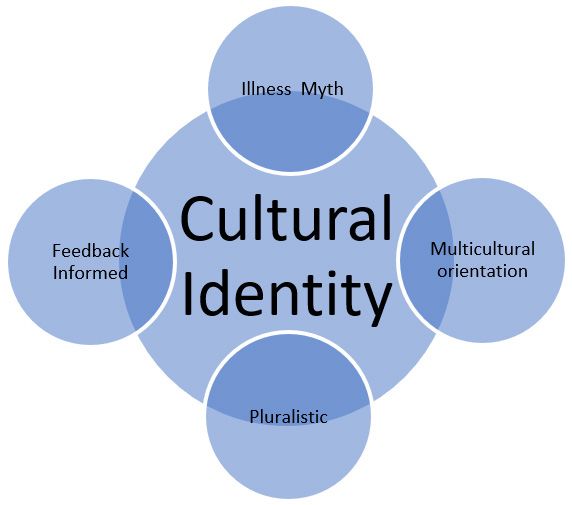
Australian Counselling Research Journal | www.acrjournal.com.au Copyright © 2021 Understanding the importance of cultural identity in clients is crucial in effective care and relationship building in counselling. Daryl Mahon offers a model of multicultural treatment that seeks to learn from the client themselves what are their important cultural identities, values and beliefs. This Pluralistic Multicultural Orientation Treatment “extends the current multicultural competency framework by integrating four interdependent but interconnected interventions to create a conceptual model”. Practitioners could well find this a valuable resource to add to their current multicultural practices. Our final paper is concerned with Building Resilience in Transcultural Australians (BRiTA. Ahangari, Khawaja and Ileana explore how feasible it is to deliver the BRiTA program online through zoom. Preliminary results were positive, opening up further options of accessing a range of preventative programs in different settings. The authors were grateful to the Queensland Transcultural Mental Health Centre staff for their support in the program. Building a notion of collective responses in individuals and families is the work of many counselling education traditions. In this edition we are aware especially of the need too attend to linguistc, cultural and spiritual diversities. The capacity to work alongside our diverse communities is embedded in this edition. The quality of the manuscripts in this issue is high and we commend the authors for their work and for sharing their research and experience. At the same time, we invite more of our readers, educators and practitioners to come forward and to contribute to the growing body of evidence that demonstrates the effectiveness of the counselling profession. The next issue will be late spring early summer, so do submit manuscripts by October. Wishing you all a safe and healthy passage through winter here in the southern hemisphere and for all in summer in the north and in particular, healing and new health from COVID. Sadly, death is on such a massive scale in many countries because of the pandemic that at times it may seem easier to put it out of sight. I am encouraged by the words of the African writer Ben Okri – In a world like ours, where death is increasingly drained of meaning, individual authenticity lies in what we can find that is worth living for. And the only thing worth lining for is love. Love for one another, Love for ourselves. Love of our work. Love of our destiny, whatever it may be. Love for our difficulties. Love of life. The love that could free us from the mysterious cycles of suffering. The love that released us from our self-imprisonment, from our bitterness, from our greed, our madness-endangering competitiveness. The love that can make us breathe again. Love of a great and beautiful cause. A wonderful vision. A great love for another, or for the future. The love that reconciles u to ourselves, to our simple joys, and to our undiscovered repletion. A creative love. A love touched with the sublime. (Okri, B, 1997, A Way of Being Free. P.56-57) Dr Ann Moir-Bussy Editor Editors Emeritus Professor Tarquam McKenna Victoria University Dr Ann Moir-Bussy Adjunct - Charles Darwin University Copyright © 2021 Australian Counselling Research Journal | www.acrjournal.com.au
Australian Counselling Research Journal | www.acrjournal.com.au                                                       Copyright © 2021

                            Vale Professor Tom A. Seay

Professor Tom Seay was a valued member of our Editorial Board and for almost five
years an esteemed colleague of mine at Hong Kong Shue Yan University. Tom died 3
weeks ago after being diagnosed with leukemia only a month before. We are grateful
for his friendship and for his ongoing work and input to our journal. A close friend of
his, Brian Wlazelek, and colleague from Kutztown University in Pennsylvania has
written this Obituary for us.

Thomas A. Seay
At this time, we mark the passing and celebrate the career and life of Thomas A. Seay, Ph.D. (1942- 2021). Dr. Seay was a
consummate educator and advocate in the field of Counseling Psychology with numerous publications, presentations and
professional endeavors. Dr. Seay was Professor Emeritus of Kutztown University of Pennsylvania, where he helped develop a
graduate program in Counseling and a course of study in Marriage and Family Counseling. Retiring after a 33-year career, Dr.
Seay launched a second chapter in his professional career by joining the faculty at Hong Kong Shue Yan University as Professor
and Director of the Master’s Degree of Social Science in Counseling Psychology and Acting Director of the Ph.D. program in
Counseling Psychology. He returned to the United States in recent years to enjoy the company of family and friends and the
peaceful setting of his farm for a second retirement. An esteemed scientist-practitioner, respected educator, trusted colleague,
intrepid traveler, and steady friend, Dr. Seay will be missed.

Copyright © 2021                                                        Australian Counselling Research Journal | www.acrjournal.com.au
Australian Counselling Research Journal | www.acrjournal.com.au Copyright © 2021
Table of Contents
Volume 15, Issue 1 - 2021
Message in a Bottle: Collective Narrative Practice as Critical Pedagogy in 1
Counselling education
Simon Hinch.
A Conceptual analysis of a Model of Presence within the context of 12
five Health Professions
Alec Hamilton and Ann Moir-Bussy.
In defence of anger: A misunderstood relationship 20
Jo Christmas.
Demographics, Personality traits and satisfaction among altruistic 26
surrogates who carry for strangers
Sam G, Everingham and Katrina Hale.
Beyond Multicultural Competency: Pluralistic Multicultural Orientation 31
Treatment (PMCOT)
Daryl Mahon.
Exploring the Feasibility and Acceptability of BRiTA’s Individual and 39
Online delivery
Nazanin Ahangari Nigar G. Khawaja & Dragos Ileana
Editors
Emeritus Professor Tarquam McKenna
Victoria University
Dr Ann Moir-Bussy
Adjunct - Charles Darwin University
Copyright © 2021 Australian Counselling Research Journal | www.acrjournal.com.auAustralian Counselling Research Journal | www.acrjournal.com.au Copyright © 2021
Message in a Bottle - Collective Narrative
Practice as Critical Pedagogy in Counselling
Education
Simon Hinch
Narrative Therapy and Collective Narrative Practices provide distinct methods through
which local knowledge, skills and salient experiences can be evoked and shared with
others in ways that support the development of preferred identities and overcome the
isolating effects of problems. Furthermore, narrative practices also share a similar
ethical stance with the critical pedagogy of Paulo Freire and Henry Giroux and Bell
Hooks. Given this, many parallels can be drawn between narrative practice and
the collaborative, power-sensitive and social justice focused practices of the critical
educator. It is at this intersection between narrative practice and critical pedagogy;
that the practice Innovation described in this paper lies. This practice innovation
sought to use collective narrative practices to develop a rich and vibrant community of
practice that supported collective learning, the development of critical consciousness
and the storying of course participants professional identity as counsellors and family
therapists.
The individualising force of post-industrial society and al., 2017; Lamarre et al., 2018; Rustin, 2015). So too can tertiary
the social inequity evoked by neoliberal ideology has significantly education and, in particular, counselling education, be seen as a
impacted the tertiary education sector. Counselling education is in location in which the gears of social change can be oiled and put
no way spared this. The same forces that influence the profession in motion, or instead brought to a grinding halt. This is particularly
and practice of counselling and the subjectivity of those who the case when we think of the experience of learning and the
receive its services are equally at work in developing pedagogy pedagogy that informs this as a mechanism through which not
in academic contexts. The academy can be understood to be
only skills and knowledges are shared and developed, but also
not only subject to economic and cultural forces such as those
a process that facilitates the construction of both personal and
outlined above, but also to play a significant role in the production
professional identities that privilege particular knowledge’s, and
and maintenance of these structures as outlined by Saunders
inevitably marginalising others. As such, we can begin to see
(2007):
that counselling education in both content and process can act
‘Colleges and universities occupy a special role in
the hegemonic project as they have become one of the few powerfully to maintain and replicate dominant discourses and
legitimate knowledge producers and disseminators. As such, power relations. Or conversely, open up spaces in which taken
they are extremely powerful actors in the creation of hegemony for granted assumptions can be explored in critical and context
(and at the same time could have immense power in a counter- informed ways, where the specific individual and collective
hegemonic movement).’ p4. knowledges of both students; and in the context of counselling
Given this, in the same way, counselling and education; clients, can be uncovered and richly storied to form
psychotherapy can be understood as a site of resistance to a central element in a therapists clinical training (Giroux, 2011).
hegemony or maintenance of the status quo (Pavon-Cuellar et It is this that the present paper intends to explore,
turning its gaze specifically towards the way in which collective
narrative practice methodologies might be used to develop
learning communities that act to privilege the multiple and often
Corresponding Author: Simon Hinch
Email: simon.hinch@qut.edu.au marginalised knowledge of both clients and trainee therapists and
Tel: 07 3138 0999 do this in ways that highlight the unique experiences, skills, and
Queensland University of Technology, Brisbane
preferred identities that emerge in response to the challenges
Australian Counselling Research Journal ISSN1832-1135 that arise in this particular practice context.
Copyright © 2021 1 Australian Counselling Research Journal | www.acrjournal.com.auAustralian Counselling Research Journal | www.acrjournal.com.au Copyright © 2021
The Traditional Model of Counselling practice competencies and quality of trainee therapists work with
their clients, inevitably marginalising the voice of the clients who
Education – Who’s Voice is Privileged?
are the centre of the endeavour.
It is these power relations that provide the foundation
Through the work of critical educator Paulo Freire
from within which dominate therapeutic and psychologising
(1993, 2001), we will begin to explore some of the traditional or
discourses regarding function, dysfunction, change and
structuralist accounts of learning and education. These accounts
pathology can be uncritically transmitted from educator to student
have provided the discourse from within which much counselling
and from student to the client, influencing the subjectivities that
pedagogy, both past and present, has been developed.
are developed in both and providing the frames from within which
Central to Paulo Freire’s work is a critical examination
practice itself and reflection upon it can occur, as outlined by
of how both the content and form of pedagogy can maintain
Hare-Mustin (1994):
and reinforce structural oppression by replicating the wider
‘Both the process and content in the mirrored room are
community’s existing power relations within the educational
limited by the discourses that are brought into the room. Thus,
context. More specifically Freire (1993) outlined, what he termed,
there is a predetermined content to therapy – that provided by
the ‘banking model of education’, which he understood as an
dominant discourses. Conversations can be oppressive, not so
inherently authoritarian and hierarchical educative process by
much by what it includes, but by what it excludes.’ p33.
which learning; and education are seen as an activity by which
As such, these authoritative and individualistic models
a teacher inserts, or somehow implants their knowledge directly
of education tend to replicate dominant ideology and therapeutic
into a passive and somewhat vacuous student. This process was
practice and impede the active interrogation of it. This can occur
seen as inevitably privileging the singular knowledge and voice
through the marginalisation and devaluing of both clients and
of the educator, which were often sanctioned, produced, and
student’s unique perspectives and experiences, minimising
in service of existing social structures and institutions, but also
the generation and appreciation of multiple perspectives, and
fundamentally ignoring the existing knowledge and voices of the
a subsequent reduction in the relevance of collaborative and
students, as outlined by Freire below:
relational pedological practices. Limiting both educator and
‘In the banking model of education, knowledge is a gift
student’s opportunity to participate in the fundamentally relational,
bestowed by those who consider themselves knowledgeable
dialogical and constructivist pursuits of:
upon those whom they consider know nothing. Projecting an
‘socially considering, questioning, evaluating and
absolute ignorance onto others, a characteristic of the ideology
inventing information’ (Nelson & Neufelt,1998, p79).
of oppression negates education & knowledge as processes of
These pursuits being essential in the process of
inquiry’ (Freire, 1993, p45).
exposing the operation of power embedded in assumed and
Moreover, this ‘Banking Model’ of education is strongly
singular truths across both counselling and educational contexts;
supported by other mainstream accounts of education and
and the development of the critical consciousness, sociological
learning, which are, according to Wortham & Jackson (2012)
imagination and learning communities that are required to evoke
‘…. individualist, in that the individual is seen as the
multiple voices and advance an active promotion of social justice
object and locus of educational enrichment…’ p6.
and social change. Furthermore, as stated by Giroux, 2011;
This, according to the authors, is due to certain
‘Pedagogy must address the relationship between
assumptions about the individual and knowledge itself, and
politics, and agency, knowledge and power, subject positions,
directly informs the nature and type of educational practices
learning and social change, while always being open to debate,
privileged and valued within any individual institution. More
resistance and a culture of questioning’. p147.
specifically, these assumptions are commonly grounded in
empiricist epistemologies that highlight the idea that universal
truths can be found, known and transmitted directly to the Responding to Traditional & Structuralist
student. Hence positioning the educator as the ‘holder of Models of Education – Making Space for
legitimate knowledge, expertise, and subsequent power’ (Nelson Multiple Voices
& Neufeldt, 1998; Jaeger & Lauritzen, 1992).
Furthermore, these epistemological positions tend to This ‘culture of questioning’ to which Giroux (2011)
privilege particular ‘ideal’ forms of knowledge, which are seen refers is one of the central tools that educators have in resisting
as relatively stable, able to be decontextualised, and assume a dominant discourse in counselling education and the subsequent
fundamental separation between people where each mind acts marginalisation of local client and student-generated knowledge.
as an essentially sovereign and autonomous unit. (Wortham & Furthermore, the dialogue that this creates can also be seen as
Jackson, 2012). These bodies of legitimised knowledge which a primary mode through which learning can occur (McNamee,
assume a self-contained individualism emerge, according to 2007). This same ‘culture of questioning’ is also the ground
Gergen (2001) within communities of knowers, and ‘favour upon which narrative practice builds conversation intended to
particular visions of the good’ which can act to reinforce existing deconstruct dominant and often thin problematic discourse and
power relations, in terms of both pedological practice and the develop richer, multi-storied and often preferred descriptions
privileging of dominant discourses. of peoples, lives, and identities (White, 2016). Then, we can
As such, in the context of counselling education this see that there are relevant parallels drawn between a critical
often leads to educators positioning themselves as not only pedagogy such as the one that Giroux (2011) describes above
the holder of legitimate knowledge and skills regarding the and the various principles and methods of narrative practice . To
correct practice of counselling and psychotherapy based in both explore some of these parallels further, we will begin with a quote
professional experience and relevant empirical research, but from Epston & White (1992):
also as those who are singly qualified to be able to evaluate the ‘Training and Supervision has raised dilemma for those
Copyright © 2021 2 Australian Counselling Research Journal | www.acrjournal.com.auAustralian Counselling Research Journal | www.acrjournal.com.au Copyright © 2021
teachers/supervisors who have concerns that the training context odds with the more traditional and individualised approaches
might encourage participants to surrender hard-won knowledge’s to counselling placements where course participants work in
and submit to the authority of the teacher/supervisor, concerns isolation with clients and use individual clinical supervision as
that participants could be incited to discipline themselves and the primary approach to evoking learning and reflection on this
shape their ‘life as therapist’ according to certain specifications, experience.
concerns that participants might fashion their lives as recruits….’ This team-based approach to practice, as outlined
p84. above, provides a small group, led by a team supervisor,
Posture & Relational Positioning who work together across the year, engaging in therapeutic
conversations with clients that attend each team’s respective
White’s quote above speaks to an important parallel location, and a community in which collective and reflective
found in the relational positioning or ‘posture’ of critical educators, learning can take place, much like the practices as outlined by
narrative therapists, and community workers. This begins with White in ‘training as co-research’ (White, 1997). With these small
a shared willingness to become aware of and transparently teams practising in diverse locations, much rich learning unique
acknowledge the privilege and power that their role, and broader to the specific context can occur with various client groups. Yet
social position, might assign them. This acknowledgement this diversity of location and practice context provides a unique
of these relationships’ politics can then make space for an learning opportunity for each team and brings unique constraints.
awareness of how they may act to privilege or marginalise
specific knowledges and begin to take actions to reduce this The Genesis of a Project
power gradient.
Many Narrative practitioners have written about this In my role as lead supervisor, I have the unique
process of positioning oneself in relationships in ways that do opportunity of working with up to five therapeutic teams across
not impose dominant knowledge upon those who consult them. a year. As part of this role, I have always appreciated being able
None more clearly than White (1997), who explores ‘decentring’ to listen to the numerous rich stories of learning and practice
as an ethical practice of accountability that seeks to resist the from each of these teams. As an audience to these stories,
replication of power relations and a tendency for these to be I have often experienced a sense of excitement regarding the
‘rendered invisible’, making them difficult to address. White possibilities that these stories of learning represent. How might
(2005) further outlines decentred practice as a relational stance they contribute to the learning and practice development of
that centres the knowledge and stories of those with whom we others via the sheer diversity of experience and in terms of the
work, rather than that of the therapist or, as the case may be, commonalties that emerge across what is often a challenging yet
educator. This decentred position can include the telling and re- rewarding year for course participants? Yet this excitement has
telling of the stories of people’s lives, re-authoring conversations, often been tempered by the constraint that both geographical
practices of transparency, structuring forms of acknowledgement, distances between teams and the time available across the year
and taking it back practices (White 1997). have placed on the advent of these possibilities. It is, however, not
When we take these ideas into the context of Counselling only me who has been subject to the effects of these limitations.
education, we can see the importance of Counselling educators Course participants have also experienced these effects and
being willing to decentre their knowledge to create a collaborative, have in prior years expressed a sense of disconnection from other
relational context where power is as much as possible distributed course participants and a feeling of loss regarding the collective
among all parties involved and unexamined social discourses that and collaborative learning they have experienced in the program
are present in the teaching context can be openly explored. What when more regularly connected with the larger group.
this can then make possible, via carefully scaffolded practices, In late 2019, the current practice project had its genesis
such as those outlined by White (1997) above, and the practice via several consultations with course participants. These
example provided below, is the collective generation of diverse consultations explored course participants knowledge regarding
knowledge and skills that can be applied to the relevant learning responding to the challenge of ‘distance, separation and isolation’
domain (Reynolds, 2014; Giroux, 2011). in their learning and how therapeutic teams might in the future,
stay more connected with each other, share their diverse practice
A Context of Opportunity, Constraint, and experiences, and maintain a supportive learning community
which privileged the voices and local knowledge of course
Ethical complexity
participants and the clients with whom they were in service.
In these initial consultations, we began to explore how course
Before I offer an account of the practice innovation itself,
participants might share some of the knowledge generated from
I wish to situate myself and my practice context. This is, in my view,
these conversations with those in the program’s future years.
particularly important as the specific context and the related roles
and relationships it entails act as a source of opportunity, unique
constraint and ethical complexity, all of which have coalesced Generating an initial Collective Document –
into the specific form of this practice innovation. As alluded to Voices from the Past
above, I find myself in the privileged position as a Counselling
Educator in a Master of Counselling program and lead supervisor Collective narrative Documents have a rich history
in a Counselling and Family Therapy teaching Clinic. This Clinic of use across various context and practice domains. Central
is unique in that each year we have our course participants break to these documents is the collective articulation of a group’s
up into several ‘therapeutic teams’ who then go out into diverse diverse skills and knowledge in response to particular problems
community contexts to engage in collaborative, constructionist that they are facing (Denborough, 2008). These practices are
and reflecting team-based therapeutic practices. This is at embedded in the broader tradition of Therapeutic Documentation
Copyright © 2021 3 Australian Counselling Research Journal | www.acrjournal.com.auAustralian Counselling Research Journal | www.acrjournal.com.au Copyright © 2021
in narrative practice, where they have commonly been used as with the new year’s teams, who were asked, in collaboration
a process to thicken preferred stories and identity conclusions with their colleagues, to listen and collectively respond to this
(Fox, 2003). Additionally, there exists a significant literature message regarding what had resonated with them and the
regarding the many creative ways in which these documents curiosities that this evoked. Each team was asked to develop a
can be shared between clients, intending to reduce the isolating response that could be forwarded back to those graduates from
effects of problems and share unique and local skills and the previous year if desired.
knowledge’s regarding responding to these problems (Gerlitz,
2015; Denborough et al., 2006; Hernandez, 2008) Furthermore A Commitment to Collective Ethics – Whose
according to Handsaker (2012) this process of sharing or joining
ethics are these anyway?
stories is understood as a political act:
‘of resistance to the damaging effects of individualism
Following the sharing and witnessing of the above-
and isolation’ p3.
mentioned collective document, we set about exploring the
While Handsaker (2012) is writing here specifically
ethical commitments that might inform course participants
regarding counselling practice, it can be easily argued that the
therapeutic practice across the year ahead. This notion of
same politic of isolation and separation are at work across various
ethical commitments acting as guidelines for practice has been
domains, none more so than in the context of tertiary education.
articulated clearly in the work of Madsen (2014) in addition to
So, with this in mind, an initial collective document was crafted
Reynolds (2013), who explores the relevance they have to not
to share across time to future course participants as a small act
only our relationships with clients but also our relationships
of resistance to both the effects of isolation and the tendency of
with our professional colleagues. Reynolds (2019) explores the
structuralist models of counselling education to marginalise the
importance of developing collective ethics to support practices
knowledge of both clients and course participants. The course
of accountability and safety to foster cultures of critique. A
participants collaboratively decided that this collective document
prerequisite for the critical pedagogy that this project was striving
would take the form of a fifteen-minute recorded conversation
to evoke.
from eight willing participants, exploring the following questions:
While in previous years, I may have outlined the
• What has been the biggest challenge or constraint to their
‘ethical expectations’ I had of the teams and reinforced dominant
learning and practice throughout the year?
discourse regarding the ‘practices of professionalism’ that
• In what ways had they been able to respond to these
they were to follow. On this occasion, grounding myself in a
challenges and constraints and maintain a connection to the
commitment to scaffolding spaces in which diverse course
ethics of postmodern practice?
participants knowledge could emerge, I invited each team,
• What were some of the most important things that they had
initially in pairs and then as a whole group, to explore those
been taught by the clients with whom they worked?
ethical commitments that they were hoping to stay connected
• What did they learn regarding working as a therapeutic
to across the year. These conversations were scaffolded via
team across the year?
several questions informed by Vicki Reynolds (2011) work, to
• What other ideas did they want to share with future course
richly describe and trace the history of the ethical principles that
participants, and what questions did they have for them?
each person brought with them and how these might be enacted
Importantly these questions were left with the group
within the context of the therapeutic team. These questions can
who were invited to develop the document in their way, with
be seen below:
the invitation that all group members voices be present in some
• What are the ethics that drew you to this work?
form within the recording. The intention here was to scaffold a
• What ways of being with others do you value and hold close
document in a way that evoked what may be shared experiences
to your heart?
between those making the document and those who would be
• What ethics are a necessity regarding this work, and which
witness to it. This ensured that a diversity of experience and
would you be unable to work
narrative was represented, valuing multiple perspectives and the
without?
subsequent stories; a central aspect of narrative practice and
• What are the ethics or values that are present in our work
critical pedagogy.
when we are doing work that clients experience as most
useful?
Responding to voices from the past. • What is the history of your relationship with these values,
and how have they shown up in your life?
To stay connected to this ethic of accountability referred • Who are the people in your life that have been instrumental
to earlier in the paper, from the first meeting with the new year’s in the development of these values?
course participants, my intention was to decentre my knowledge • What are the Ethics or values that you hold collectively as a
regarding what the upcoming year would be like; my expectations group, based on the conversations you have had so far?
of them as practitioners; and the shape their learning experience • How can we support each other to maintain a commitment
could take. In previous years, I would have provided my accounts to these collective ethics both in our work with clients and
of the year ahead. This time, I was gifted with the rich knowledges interactions with each other?
and stories of the previous year’s course participants in the form • What do you think a commitment to these collective ethics
of a 15-minute recorded collective document. The presence of will make possible for your team across the year?
this document allowed me to act as a messenger for these voices The intention here was to begin the process of evoking
from the past, who offered a warm welcome and rich description and storying a diverse range of ethical commitments, both
of relevant knowledge and skills for the year ahead. As such, between and within teams, to further assist in the generation of a
early in our first meeting for the year, this document was shared sense of ‘communitas’, which, while difficult to define, is pointed
Copyright © 2021 4 Australian Counselling Research Journal | www.acrjournal.com.auAustralian Counselling Research Journal | www.acrjournal.com.au Copyright © 2021
to by Buber (1961) as cited in Turner (1969) as: seemed to be present in the room. Additionally, while there may
‘…. being no longer side by side (and, one might have also been some understandable anxiety or uncertainty
add, above and below) but with one another of a multitude of loitering around, I was struck by the clarity and detail that each
persons. And this multitude, though it moves towards one goal, team brought to the question of ‘our collective ethics’ and by
yet experiences everywhere a turning to, a dynamic facing of, the the rich and diverse responses that were offered. This had me
others, a flowing from I to Thou’. wondering how this clarity and diversity regarding the ethics
This process was further extended and deepened via guiding your work might serve you across the year. It also had
an invitation for each team to develop a collective document of me wondering about the way that this might also help us be of
the ethical commitments discussed that could be shared with service to the people with who we will be working?
other teams and referred to later in the year.
Any way as we discussed I wanted to provide the following
Definitional ceremonies and Therapeutic document as a summary and extension of the work you began
at the orientation. As I mentioned above, I was struck by the
Documents diversity of ethics that were outlined by each group and the
different metaphors that were used to express these.
Following course participants spending time exploring
the ethical commitments that they were hoping would guide them
One group choose the image of a tree as a metaphor for their
across the year, and the subsequent development of collective
group ethics, another chose a rainbow, another a mind map,
documents that could be circulated. Each team was then invited to
and others. This sense of creativity had me wondering about
share this document with the other four teams acting as outsider
the ways that this might make itself present in your work with
witnesses. Through this both the preferred stories and related
your clients, and how this might bring a particular and unique
identities relevant for the team at the centre of the ‘definitional
flavour to each of your teams. Extending this, I wonder if I
ceremony’ could be acknowledged and a re-telling of these
were to interview some of your clients at the end of the year,
stories experienced (White 2000; Russell & Carey, 2004). This
what you would hope they would tell me and others about their
was achieved through the witnessing teams being invited, in small
experience of working with your team? What, if they could
groups, to openly reflect on what the collective document had remember only one thing, would you hope they took away from
evoked for them, how it had resonated with their own experience spending time with you all?
and the way they had been changed by hearing it (White, 2007).
Following this the team at the centre of the process was then While I was struck by the richness of ideas offered by all
asked to extend or elaborate regarding what they had heard and groups. I was also interested in the collective ethics that
anything that had emerged from this re-telling. These definitional seemed common to all teams. I wondered what this type of
ceremony and outsider witnessing practices were relevant in unity and diversity could make possible across the year for our
acknowledging and thickening each team’s preferred stories collective learning, and individual development as therapists?
and commitments and allowed each team to begin practising the
reflecting team processes they would be using to engage many Anyway, with that said, there seemed to be among others, four
clients throughout the year ahead. primary shared ethical positions that were as follows:
Following this definitional ceremony, the facilitator
decided to offer a therapeutic document in a narrative letter to • The importance of vulnerability
each course participant. Therapeutic Documentation, which we
have briefly explored previously in this paper, has, according This had me wondering what vulnerability might make
to Fox (2003), a rich and diverse history of use in the context available to us in our groups and what supports we might need
of narrative practice. Ranging in purpose from acting as case to engage in it? I also wondered what vulnerability might make
notes or a record for organisational or group consultation, possible in our relationships with our clients?
enhancing the therapeutic relationship, offering a re-telling of
the client story in new words, positioning the client as a witness, • The importance of accountability
and extending the conversation to thicken the clients preferred
stories and support the ‘maintenance’ and ‘endurance’ of the This had me curious about what we are individually and
stories told (Douglas et al., 2016). As such the above-mentioned collectively accountable for in regard to our teams, our clients,
therapeutic document was written intending to acknowledge and and our own inner world?
extend upon both the shared and, diverse knowledge’s the teams
had expressed regarding the ethical commitments that were to • The importance of Fostering nurturing relationships (this
guide their therapeutic practice across the year. A printed copy of was called many different things by different people)
this letter was handed to each student with some modifications
made to each letter, based on individual input from the course This had me thinking about how we might do this? What
participants. The generic version of this letter is outlined below: are I wonder the small acts that can support us to develop
2nd March 2020 these types of relationships and what might they bring to our
experience throughout the clinic year?
Dear 2020 Reflecting teams
• The importance of a sense of hope & believing change is
Firstly, I just wanted to say thank-you for your engagement and possible.
participation in our orientation workshop a few weekends ago.
I was inspired by a sense of excitement and enthusiasm that This had me wondering how we maintain this sense of hope
Copyright © 2021 5 Australian Counselling Research Journal | www.acrjournal.com.auAustralian Counselling Research Journal | www.acrjournal.com.au Copyright © 2021
and belief in change? What do you think might come and try moving from a cognitive understanding of an idea, principle, or
and steal us away from this position? And how might support concept and linking it to their own experience’.
each other and our clients to hold this position even when the Extending on this is the notion of re-storying, which
going gets tough? takes these ideas of narrative learning and explores the value of
inviting learners to share personal stories or narratives in ways
I think this might be an appropriate place to leave this that emphasise particular aspects of their experience. Slabon et
document for now. Please know I am very much looking al. (2009) define a re-storying process as:
forward to hearing about how your relationship with these ‘…. learners re-writing or re-telling of a personal,
ethical position’s changes over the year. As well as the diverse domain relevant story based on the application of concepts,
ways they will be enacted in service of the people with whom principles, strategies and techniques covered during the course
we work. of instruction’ p9.
This definition of re-storying also emphasises the
Warm regards process of these student-generated stories, being shared with
other learning participants and subsequently reflected upon,
To enact this and the other practice examples articulated modified, and developed with the intent of generating learning
above, the methods engaged in must be positioned based on that is domain specific, yet also personally relevant to the learners
principles that allow for the existence and valuing of multiple and as such more easily internalised (Slabon, et al., 2014).
perspectives and interpretations of experience, rather than any While this definition of re-storying does have a
sense of a singular or correct knowledge. This then brings us somewhat different emphasis to the practice of re-authoring
into the realm of epistemological positioning and its fundamental provided by Russell & Carey (2004) and Freedman & Coombs
relevance when creating learning contexts, which can act to (1996), It does clearly have parallels in that it includes the
support collective learning and invite questioning of the existing notion of the re-telling of relevant stories that are witnessed and
status quo, and in the context of therapy, the evocation of double responded to by others, with the intent of generating reflection,
descriptions or multi-storied accounts. re-descriptions and diverse knowledge grounded in the local
experience of participants. It is these ideas regarding the use
Narrative, Learning & the Construction of of dialogue, narrative learning, and re-storying, when combined
with a number of narrative practices as outlined by White (2007),
Knowledge
Denborough (2008) and Freedman & Coombs (1996), that form
the heart of the next phase of this project.
‘to teach is not to transfer knowledge but to create the
possibilities for the production or construction of knowledge’
(Freire, 2001 p30) Messages in a Bottle
In the epistemological position alluded to by Freire
(2001) above, we find a further parallel between approaches to ‘walked out this morning I don’t believe what I saw, a
critical pedagogy and narrative practice. This is a position that hundred billion bottles washed up on the shore, seems I’m not
understands knowledge as something that is not ‘out there’ to alone in being alone, a hundred billion castaways looking for a
find and that can be ‘transferred’ between minds, but rather home’.
something that is communally and collectively constructed Sting – message in a bottle
through language and in dialogue or, socially constructed. As The best laid and most elaborately scaffolded plans
such this position invites a questioning of taken for granted to continue the exploration of course participants ethical
assumptions and truths as it understands knowledge as time, commitments and clinic learnings, using a variety of in-person
place, and context dependant. This then makes space for valuing community forums and narrative practices, were, along with all
multiple perspectives, or interpretations of experience, bringing client work and life, as usual, to quickly take an unexpected turn.
into question assumptions regarding the hierarchy of knowledge The presence of COVID-19 and its varied effects brought about
that provides an educator or therapist their traditional position of the need for much reflection, revision and consultation regarding
expertise (Gergen, 2001, Freedman & Combs, 1996, 2002). the process and content of the practices previously planned. If
With this in mind, the interactional process of this project were to stay in line with the changing context, energy
questioning and dialogue, and the subsequent community-based and needs of the community it was developed to serve, one
production of knowledge, can in and of itself, be understood as a needed to let go of current expectations regarding the process
pedological or learning process (Vygotsky, 1978; Gehart, 2007). and engage with an ethic of responsiveness. Central to this ethic
Additionally, closely related to these concepts is significant of responsiveness was an individual consultation with each of the
literature that explores the connection between these ideas and teams regarding their knowledge of how best to maintain and use
narrative processes, which are understood by Fisher (1984) and the community of practice developed earlier in the year.
Clarke & Rossiter (2008) to be a primary way in which we make Emerging from these consultations was the
meaning from our everyday experience and develop coherence development of a number of questions that would be distributed
from what would otherwise be isolated and random experiences. to each group, with the intention of supporting the authoring of a
Furthermore, according to Scherto (2014), given that narrative collective document that represented what each team would like
always involves an audience, how we make this learning visible to share with others regarding their experience of learning and
to others also becomes salient, returning to Clarke & Rossiter life so far throughout the year. These questions were framed to
(2008): evoke stories of practice that highlighted both the constraints to
‘…conversation is where the learning is happening. The this process and the ways that each team had found to respond
telling of stories makes the learner not the receiver but the actor, to these challenges, both individually and collectively. These
Copyright © 2021 6 Australian Counselling Research Journal | www.acrjournal.com.auAustralian Counselling Research Journal | www.acrjournal.com.au Copyright © 2021
questions are outlined below: Excerpt 1.
• What is an image or metaphor that you might use to describe
your journey as an individual and as a group so far in your S. So if there was a metaphor or an image for your
experience working in the Clinic? experience of learning so far in the Clinic what might it be?
• What have been your greatest learnings about yourself and L. the idea of a journey and in the past the journey
your group? has been like climbing up and mountain, but this time I thought
• What have been the greatest Obstacles that you have faced
of a river or like we are on a sailing trip, all of us, in our sail
individually and collectively so far in working in the Clinic?
boat, and we have this destination and this plan of how we are
• What have you done to overcome or resist the influence of
going to get there, and the things we are going to need to do to
these obstacles so far?
get there, but all of a sudden we hit dead water, no wind…we
• How have you managed to stay connected to the collective
couldn’t go anywhere, and you know just the challenges that we
ethics you expressed earlier in the year and how has this
all had to face with this COVID Stuff and how we navigate this
shown up in your relationships with each other and with your
dead water…and how we create momentum and work together
clients?
to get moving, rather than stay still and wait for the winds to blow
• What has been the greatest challenge in maintaining/
again…and try and reach our goal…
developing post structural positioning in your work?
• How have you been able to overcome this challenge and S. that’s a beautiful metaphor, is it ok if I ask you a little
what skills, abilities, intentions, and values have you drawn bit more about it….?
upon to do so? L. Yeah Sure
• What are some of the histories of these skills abilities, S. So you mentioned dead water, so I’m interested in
commitment, and values and when else have they made what dead water invited for you individually but also for you all as
themselves present in your lives? a team, I guess I’m curious about that…
• What is one significant thing that you have learnt about L. I think initially despair.
counselling, people, relationships, and change? S. Sure
• What questions might you like to ask another one of the L. um you know, just the question of how do we keep
Clinic teams? going in this situation? but then I suppose it’s around determination
Based on these questions some teams chose to develop that we were just not going to sit here and wait for the wind to
a PowerPoint presentation, another a poster and others choosing blow let’s see what we can do and come up with creative ideas…I
to engage in a recorded team conversation which I was invited guess the practice way was to do some supervision with each
to facilitate. These collective documents, some excerpts of which other that helped at least keep us buoyant….and keeps that
are provided below, were then made available in a shared online learning process going so we weren’t just stuck waiting for things
space so teams could witness and respond as per desired. to change….
This was done with each group’s consent and the intention of S. It’s interesting as you said that there was despair and
‘enabling the contribution’ of each team to the others in the cohort then determination kicked in, like it was a response to despair and
and supporting the maintenance and continuation of collective I’m interested in that because for some that may not happen, and
learning through the community of practice that we had begun I’m interested was that something that you personally brought
to form earlier in the year. Notably, the ‘contribution’ referred to or that happed in the team as a whole that you supported each
above is outlined in detail by Denborough (2008) below:
other to develop?
‘The difficulties that people are facing, however will
L. I think it was a collective thing…it was our combined
not be theirs alone, and their experience of hardship can offer a
efforts, and I suppose there is some personal stuff as I suppose
contribution to others in similar or related situations’ p3.
I’m not one who will you know, sit a wallow for too long, and I
It seemed that this process of sending messages in a
guess that’s part of who I am, but I think that’s part of who all of us
bottle, and contributing to others, in the context of COVID-19,
as a team, we are not just going to sit here, were going to make
took on even more importance than it may have in previous
the most of what we have, which I think is a credit and testament
years. At this time, course participants were not only isolated due
to us as a team,
to geography, but many were also struggling with the experience
of multiple losses and disappointments due to the expectations S. so there was s shared commitment to agency in
that many had carried with them into the year, both in terms of this…
their learning but also in terms of their life outside of the academy. L. Yeah, yeah
The common nature of these struggles can be seen in the two S. So I want to make a link here, and it might be a
excerpts of the recorded collective documents below, with a stretch, but I will ask, and we will see how we go…so given these
common exploration around the effects of ‘expectation’ and learnings across the year in the context of Covid-19, I wonder
‘unpredictability’ in both life and therapeutic practice. Additionally, what it is that this has taught you about doing therapy?
what can also be seen is the richness and diversity of each L. Well, for me it’s taught that therapy can be really
group’s unique responses to these struggles both as individuals clunky and unpredictable and its really good learning to sit in the
and as a group. It is here, at the intersection of both shared uncomfortable and unknown and I think probably that it might feel
experience and a diversity of response, that novel dialogues and like you’re struggling against the current, but this doesn’t mean
subsequent learning can emerge. you’re not moving forward.
Copyright © 2021 7 Australian Counselling Research Journal | www.acrjournal.com.auAustralian Counselling Research Journal | www.acrjournal.com.au Copyright © 2021
Excerpt 2. at any stage the last time they could meet as a broader group
for the rest of the year. While not all team members were able
S. If there were some things that you wanted to share to be present, there were representatives from each team in
with the other teams regarding your learning both as a team and attendance. Allowing a diversity of voices and experiences to be
individually what would those things be….? shared and expressed.
D. I think for me one of the biggest findings is that This meeting was structured as a definitional ceremony
counselling is messy, what I watch is not how it is in real life, just where a small group of course participants took turns being
like life I guess, it is messy, and maybe not resisting this? interviewed regarding a number of questions which scaffolded the
S so therapy is messy like life is messy. So, what does collective document developed the year prior. These questions
learning that do for you…what does it make possible for you…. are included again below:
D. I guess surrendering and just accepting some things • What has been the biggest challenge or constraint to their
are the way they are…things are going to come up and there learning and practice throughout the year?
not going to fit with my expectations of how things will go, and I • In what ways had they been able to respond to these
know the COVID- 19 situation is probably a perfect example of challenges and constraints and maintain a connection to the
this with you know, expecting to be in Clinic, not meeting face to ethics of postmodern practice?
face, and yet here we are meeting together anyway contributing • What were some of the most important things that they had
to each other…. been taught by the clients with whom they worked?
S. yeah yeah for sure, so I’d like to come back to this idea • What did they learn regarding working as a therapeutic
of one of your responses being surrendering to the way things team across the year?
are, and I’d love to hear how you and maybe others do this, or if • What other ideas did they want to share with future course
there are other responses to a similar experience in the group? participants and what questions did they have for them?
I’m also interested in what I hear is a commitment to contributing Furthermore, there were a series of additional questions
to each other in the group and what others experience in this utilised to engage in an exploration of relevant learnings and
regard? what about others in the group and this experience of narratives regarding professional identity, ethics, and the
messiness in life and practice? relationship these had to participate in ongoing community
R. Yeah, well even the construct of messy is positioned dialogue. These questions included the following:
against a pre-existing notion that things should be a certain way. • What do you think your clients and teammates have
appreciated most about your contributions across the year?
You know life is just life, um the expectations that we attach we
• How have you been able to stay connected to your ethical
have been born into….and then when it doesn’t fit with this our
commitments across the year?
upset arises you know…You know if we could simply see life as
• Who do you think would be least surprised that you were
it occurs, then things would be different. But there is this sea of
able to stay connected to these commitments?
expectations, you know discourse…
• What are the most important things you have learnt about
S. So, what other ideas are floating around in this sea
yourself as a result of your participation in the therapeutic
of expectations….
team?
R. One for me was about ten years ago recognising I
• What might these learnings make possible in your practice
didn’t have to be like all other men, you know like the expectation
as a therapist in the future?
was that men were macho, the provider, the protector, these sort
This notion that there is a connection between identity,
of expectations that were reinforced by other men, women, and
community participation and learning is an interesting one.
the media in my life…
According to Wenger (1998), when we understand learning as
S. so, these notions that we are expected to live up to
the social and communal construction of knowledge, what also
in some way shape or form and if we don’t, we tend to judge
becomes salient is the ongoing negotiation of both individual and
ourselves….so I’m interested in you J, what are some of the
collective identity that this entails. More specifically:
expectations that might float around you guys in terms of your
‘Learning[thus] implies becoming a different person with
work as a person or as a counsellor or therapist.
respect to the possibilities enabled by the systems of relations….
J. So I think for me one of these was that there was
learning is not merely a condition for membership, but is itself an
a responsibility for me to be the one to create change in the
evolving form of membership…Thus identity, knowing and social
session…. maybe an over responsibility…
membership entail one another.’(Lave & Wenger, 1991, p 53).
Taking this a step further, Winslade (2002) and Winslade
Returning to the Beginning & Paying it et al. (2000) outline the notion of counselling training itself being
forward able to be conceptualised as a process of storying professional
identity, and through which the process of counselling education
‘We shall not cease from Exploring, and the end of all becomes the co-authoring of preferred identities. It can then
our exploring will be to arrive where we started and know the be seen that the educator’s responsibility is to offer methods of
place for the first time’. inquiry and practices of acknowledgement that develop particular
T.S Elliot and preferred professional subjectivities, as stated below:
In service of nurturing our learning community, further ‘We believe it is possible to structure a context that
opportunities for the circulation and sharing of practice stories provides opportunities for the storying of professional identity,
were sought as the year progressed. Once COVID-19 restrictions and this keeps us, as practitioners of counsellor education, alert
began to soften, the idea of a coming together for in-person to the moments that can arise for story development.’ (Winslade,
community forums was readily offered and taken up by several 2002, p 35).
course participants, with the understanding that these could be With this in mind, the stories told, circulated, and
Copyright © 2021 8 Australian Counselling Research Journal | www.acrjournal.com.auYou can also read


