Australian kids and commercial television - Changing views
←
→
Page content transcription
If your browser does not render page correctly, please read the page content below
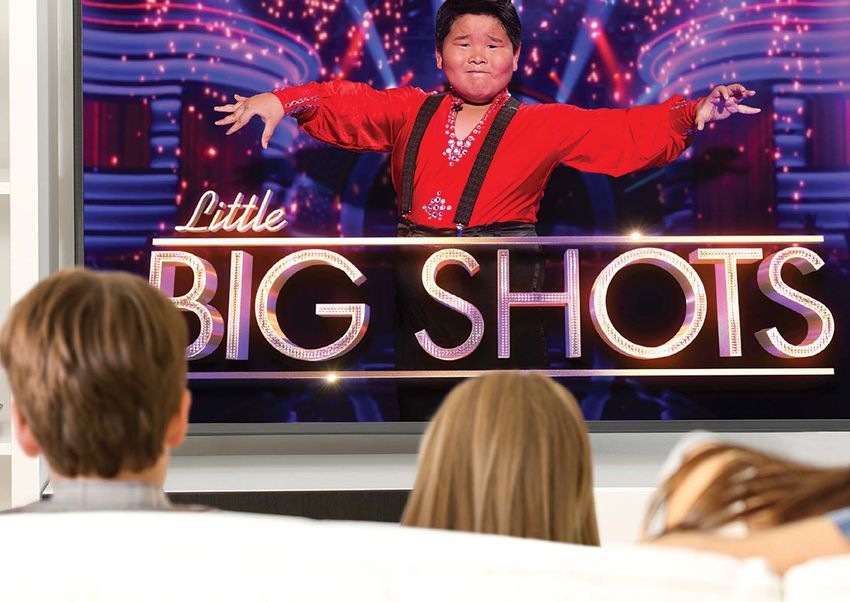
Changing views:
 Australian kids and
commercial television
2 Changing views: Australian kids and commercial television
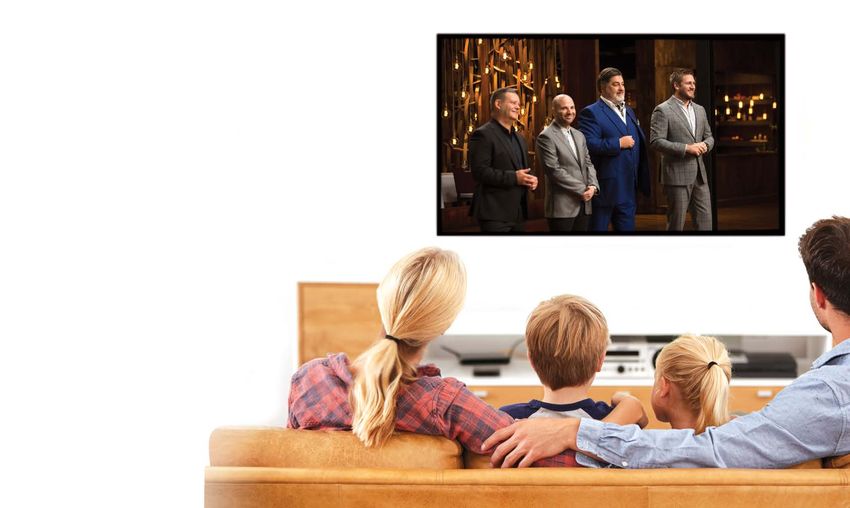
Children are now most likely
                                  Contents
to watch commercial TV when
they are co-viewing with other
family members, watching family
                                  Introduction4
entertainment, movies and
major events.                        Remember Skippy?                                                                  5

                                     Networks are delivering C & P content but children are not watching               5

                                     Big child audiences for family entertainment                                      5

                                  A different era for C and P content                                                  5

                                  The new reality in detail                                                            6

                                     Average audiences for C and P sharply down                                        6

                                  Audience numbers for specific C and P shows                                          8

                                  Why are child audiences declining?                                                   10

                                  Children do watch commercial TV for other entertainment, often with their families   11

                                  ABC dominates kids’ TV, especially for preschoolers                                  12

                                  The new options children watch most                                                  14

                                  The digital devices children use                                                     15

                                  Summary16

                                  Appendix 1                                                                           17

                                                                                                                             3
Introduction

There’s a dizzying array of data available                      The key finding is that far fewer kids aged 0 to 13   These shows regularly win awards and are easy
about the habits of Australian television                       are watching child-specific programs (classified      to access, but unfortunately kids simply aren’t
                                                                as C or P)1 on free-to-air commercial TV than         watching them. The reason is that they (or their
watchers. To help inform policy and
                                                                they once did. This is despite the fact commercial    parents) prefer to access children’s TV through
business decision makers – and the public                       broadcasters are meeting their regulatory             aggregated platforms such as ABC Kids and
– this report focuses on how children are                       obligations and delivering hundreds of hours of       Nickelodeon on pay TV. Or they find TV-style
watching free-to-air commercial TV.                             children’s content each year, most of which is        content where and when they want it from
                                                                locally produced.                                     streaming and internet services like Netflix and
                                                                                                                      YouTube, or the many options available on the
                                                                                                                      Internet at large.

                                                                                                                      Even where a free-to-air broadcaster has created
                                                                                                                      a channel focused on children’s programming – as
                                                                                                                      Nine has done with 9GO! Kids since late 2016 –
                                                                                                                      audiences have been relatively small.

                                                                                                                      Children still watch plenty of free-to-air commercial
                                                                                                                      TV, but they engage with it differently. Children
                                                                                                                      are now most likely to watch commercial TV when
                                                                                                                      they are co-viewing with other family members,
                                                                                                                      watching programs such as family entertainment
                                                                                                                      shows, movies and major events.

                                                                                                                      These programs regularly attract hundreds of
                                                                                                                      thousands of children because they engage
                                                                                                                      a wide family audience through entertaining
                                                                                                                      narratives and rich storytelling that is crafted to
                                                                                                                      appeal to all ages.

                                                                                                                      1
                                                                                                                       C denotes children’s programming for those aged 5–13 years. P denotes
                                                                                                                      programming for preschool children, aged 0–4 years. However, the ACMA used
                                                                                                                      the 0–14 demographic in its recent study into children’s viewing. This causes some
                                                                                                                      variation in the data quoted throughout this report.

4   Changing views: Australian kids and commercial television
A different era for
                                                                                                                                               C and P content

Remember Skippy?                                           Networks are delivering C & P                             Big child audiences for
Back in the 1960s and 1970s when many of the
                                                           content but children are not watching                     family entertainment
rules governing Australian television content were         Today, commercial free-to-air broadcasters collectively   When children watch commercial free-to-air TV, it’s now
established, children had little choice about what shows   deliver more than 1,170 hours of C and P programming      mainly for family-friendly entertainment programs and
they could see and when. This ensured there were large     for children every year. However, the number of kids      major events.
audiences for what are now classified as C (for children   watching these shows has dropped dramatically
aged 5–13 years) and P (for preschool children aged        compared to earlier decades.
under five years) programs on commercial TV.
                                                           Here is a snapshot of the audiences for some locally
                                                           produced and critically acclaimed children’s shows
                                                           screened on commercial free-to-air TV in 2017.

                                                                               Imagination Train                                         Masterchef Australia
                                                                               Channel 9GO!                                              Channel Ten

                    Round the Twist
                                                                               8,000                                                     219,000
                                                                               Average Audience (0–14)                                   Average Audience (aged 0–14)
                    1992–1993 –Seven

                    280,000                                                    Scope                                                     Australian Ninja Warrior
                    Average Audience
                                                                               Channel ELEVEN                                            Nine

                    Hi-5                                                       4,000                                                     287,000
                    2001 – Nine Network                                        Average Audience (0–14)                                   Average Audience (aged 0–14)

                    330,000
                    Average Audience                                           Beat Bugs                                                 Little Big Shots
                                                                               Channel 7two                                              Seven

                                                                               1,000                                                     182,000
                                                                               Average Audience (0–14)                                   Average Audience (aged 0–14)

                                                                                                                                                                           5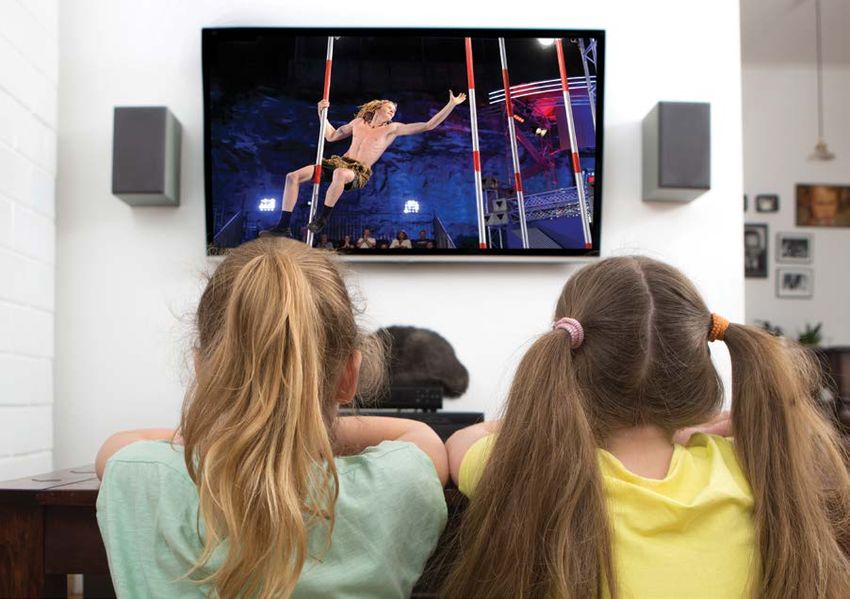
The new reality in detail

Average audiences for
C and P sharply down
                                                                C and P programming
                                                                is reaching only

                                                                0.2%
Free TV asked the television audience
measurement group OzTAM to analyse audiences
for programs classified as C and P broadcast
on any commercial free-to-air TV channel in the
calendar years of 2010, 2013 and 2016.

The analysis reveals that on average very few
children are watching programming classified as
C and P released on commercial free-to-air TV.
                                                                of the potential target audience
•   In 2010, 14% of C and P programs attracted
    an average of more than 25,000 children aged                of all Australian children
    0–13 years.
•   By 2016, only 7% of C and P programs had an
    average audience of 0–13 year olds that was
    higher than 25,000 and 79% of programs had
    an audience of below 10,000.
•   Further, in 2016, all pre-school programs had
    an average audience in the 0–13 year old
    bracket of less than 10,000.

Numerous C and P shows screen to fewer than
1,000 children on commercial free-to-air television.

On average, C and P programming is reaching
0.2% of the potential target audience of all
Australian children with access to the services.
It is clearly no longer serving that audience.

6   Changing views: Australian kids and commercial television
C and P audiences numbers are low and declining
                12,000

                10,000

                8,000
# individuals

                6,000

                4,000

                2,000

                    0
                         2010           2013             2016                              2010   2013   2016
                                        0–4                                                       5–13
                                                                 Age of audience
Source: OzTAM analysis for Free TV, completed mid-2017. See Appendix for further detail.

                                                                                                                7
Audience numbers                                                The following table shows the average audiences for a range of C and P programs
                                                                               shown on commercial free-to-air TV in 2016. A number of these shows have won awards
                  for specific                                                 in recognition of their high quality. They are also readily accessible at suitable times on
                                                                               broadcasters’ multi-channel services. Even so, they are gaining very small audiences.
                C and P shows                                                  In 2016 the average C/P program on commercial TV attracted an average audience of
                                                                               only 2,400 0–4 year olds and 6,800 5–13 year olds.

                                                                               This trend is being seen even for 9GO! Kids which was launched as a dedicated
                                                                               destination for children in December 2016 and has been promoted heavily. While this
                                                                               effort is seeing 9GO! secure C and P audiences higher than the other commercial
                                                                               channels, the total audience numbers are still extremely low by free-to-air standards, and
                                                                               lower than those for the ABC children’s channels. It’s also notable that the two highest
                                                                               rating programs, Maya the Bee and Dogstar: Christmas in Space, were movies.

                                                                         Award-winning programs
                          TV shows made in Australia for kids by commercial free-to-air broadcasters consistently win industry awards.

                          Beat Bugs (Seven) won best            Dogstar: Christmas in               Get Ace (Ten) won first              Mako: Islands of Secrets
                          children’s services at the 2016       Space (Nine) won the award          prize for best animation at          (Ten) won Best Children’s
                          AACTA awards and has been             for best 2D animation at the        the 2014 Australian Writers’         Television Program at the 2015
                          nominated for a Logie award           prestigious 2017 Asia Pacific       Guild Awards, been sold              Australian Teachers of Media
                          and a number of daytime Emmy          Apollo Awards. The show             internationally and also won         (ATOM) awards, and was
                          Awards in the US.                     was the sequel to the first two     awards for its musical content.      a finalist in the 2016 ATOM
                                                                successful Dogstar series,                                               awards and 2016 Screen
                                                                comprising 52 half-hour                                                  Producers Australia Awards.
                                                                children’s animations.
8   Changing views: Australian kids and commercial television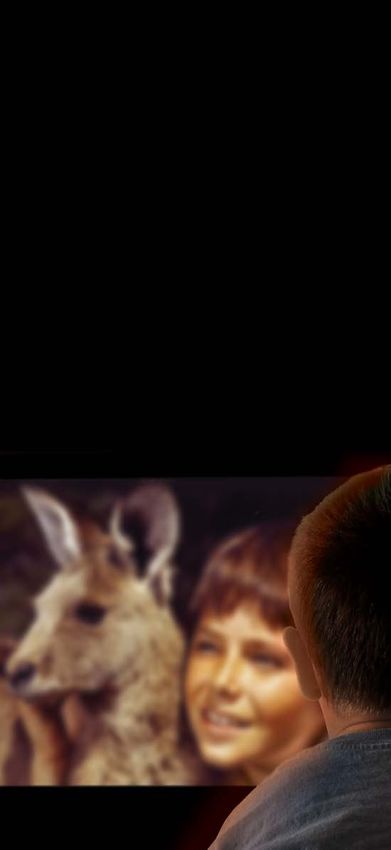
Average                                                                   Average
                                            Audience                Program                                           Audience                   Program
Name                                     (0–13 years)   Timeslot      Type    Name                                 (0–13 years)     Timeslot       Type
Pre-school Programs                                                           Sam Fox: Extreme Adventures                5,000          1000
                                                                                                                                        0800
Crocamole                                      2,000      0930                Tashi                                      2,000          0730
Imagination Train                              7,000      0900                The Day My Butt Went Psycho               22,000          0730
Jay’s Jungle                                   1,000      0800                The Skinner Boys                          23,000          0730
Lah-Lah’s Adventures                           1,000      0800                The Wild Adventures of Blinky Bill         1,000          0730
Larry The Lawnmower                            2,500      0800                The Woodlies                               1,000          0730
William & Sparkles’ Magical Tales              7,000      0900                Vic The Viking                             5,000          0730
Wurrawhy                                       4,000      0930                Other C programmes
Children’s Drama – First release and Repeat
                                                                              Baby Animals In Our World                  6,000      0730/0800
                                                        0700/0730
Barefoot Bandits                               4,000                          Crunch Time                               11,000      0730/0800
                                                          1000
                                                          0800                Flushed                                    1,000          0700
Beat Bugs                                      1,000      0730                It's Academic                              2,000      0700/0730
Bottersnikes & Gumbles                         1,000      0730                Kitchen Whiz                              13,000          0800
Buzz Bumble                                   21,000      0730                Match It                                   1,000          0700
Captain Flinn and the Pirate Dinosaurs        29,000      0730                Move It                                   14,500          0730
Dennis and Gnasher                            30,000       1100               Scope                                      4,000          0830
Dogstar: Christmas in Space                   35,000      1800                Totally Wild                               3,000          0800
Get Ace                                        5,000      0700                                                                          0800
Hairy Legs                                     1,000      0730
                                                                                         Timeslot                    Program Type
Heidi                                         14,500       1100
                                                                                         Weekdays                    Pre-School
Kuu Kuu Harajuku                               4,500      0730                           Friday                      1st release – C Drama
Lexi & Lotti: Dynamic Detectives               2,500      0700                           Saturday
                                                                                                                     Repeat – C Drama
Maya the Bee                                  46,000      1800                           Sunday
                                                                                                                     1st release – C non Drama
Mako: Island of Secrets                        3,500      1000                           Monday – Wednesday
                                                                                         Monday – Friday             Repeat – C non Drama
Pirate Express                                22,000       1130
                                                                                         Monday – Sunday
Sally Bollywood: Super Detective               1,000      0730                           Thursday – Friday

                                                                                                                                                       9
Why are child audiences declining?
One theory often put forward to explain why fewer So, what’s happening? Our analysis shows, supported by recent findings by the Australian
children are watching children’s programming on Communications and Media Authority, that children are showing two strong preferences:
commercial free-to-air TV is that they can’t find
the programs on the new multi-channel services
offered by the networks – 7TWO, 7mate, ELEVEN
and 9GO!. Another theory is that the programs
are not offered at times that suit kids.
These theories don’t stand up to scrutiny. First, Or, children prefer to watch TV or
providing multi-channel services lets commercial other video content on-demand when
One is that if children are
broadcasters create kids’ destinations for times of they want it via subscription services
going to watch programs made
the day that are suitable for children. In fact, C and such as Netflix and Stan, and catch-up TV
specifically for them on free-to-air
P programs are all at regular times when the child services offered by broadcasters. Children
TV, they are choosing the publicly
audience is most likely to be available, including are increasingly drawn to the vast amount of
funded, ad-free kids destinations
weekdays before and after school and weekends other video content available on the Internet,
provided by the ABC.
for C and mornings for P programs. ranging from professional TV shows to
their favourite YouTubers’ videos.
Even better, programs are much less likely to be
‘displaced’ on multi-channels by news events or
other urgent interruptions. This used to happen
regularly when children’s programming had to
compete with all other content on broadcasters’
primary channels.
Secondly, the success of the ABC’s dedicated
services for children – especially ABC Kids –
shows kids and their parents are happy to watch
multi-channel services.
10 Changing views: Australian kids and commercial televisionChildren do watch commercial TV for other
entertainment, often with their families
The most popular programs on free-to-air TV among kids aged up to 14 are entertainment shows I am just thinking of my own
including MasterChef Australia, The Voice and My Kitchen Rules. These programs attracted audiences
of between about 150,000 and 220,000 children in 2016. viewing habits with my own
children. My 13-year-old loves to
These programs are produced in Australia, generating jobs and providing invaluable production
experience for thousands of Australians both on- and off-screen. These popular programs also deliver watch MasterChef – he watches
a range of major social and cultural dividends, including telling rich Australian stories, communicating it every night, and he wants me
a strong sense of Australian culture and identity, providing inspirational and aspirational Australian
narratives and encouraging family co-viewing.
to sit down and watch it with him
when I am home. My 11-year‑old
Top 10 programs watched by children (0–14 years) on free-to-air channels in 2016 sits there and watches The Voice
Level 1
and turns his chair around and
Rank Program Channel Origin Description Audience (0–14)
1 MasterChef Australia TEN Australia Reality TV 219,000–121,000 dongs the buzzer and all the
2 The Voice Nine Australia Light 219,000–139,000 rest of it, and he wants me to sit
Entertainment there. But I cannot remember
3 I’m a Celebrity... Get Me Out TEN Australia Reality TV 206,000–120,000
Of Here! them watching other children’s
4 The Block Nine Australia Reality TV 194,000–124,000 TV programs.
5 My Kitchen Rules Seven Australia Reality TV 189,000–148,000
Mr Luke Howarth MP, Chair, The Standing
6 Play School Celebrity Covers ABC2 Australia Children’s 177,000
Committee on Communications and the Arts,
7 You’re Back in the Room Nine Australia Light 177,000–129,000
20 July 2017, during inquiry into the growth
Entertainment
and sustainability of the Australian film and
8 The Wiggles Meet The Orchestra ABC2 Australia Children’s 177,000
television industry.
9 Ben & Holly’s Little Kingdom ABC2 UK Children’s 174,000–131,000
10 Despicable Me 2 Seven USA Movies 170,000
Source: OzTAM, Children’s television viewing and multi-screen behaviour, ACMA, August 2017.
Top programs on free-to-air TV, 1 January 2016, 5 city metro. Consolidated. Note: Top 10 programs have
been derived from a condensed top 75 programs list, where programs with multiple entries have been
removed and ranked on the highest rating episode, indicating a range in average audience figures for all
episodes that appeared in the top 75. Sporting programs have been excluded.
11ABC dominates kids’ TV, especially for preschoolers Where children are watching children’s programming on free-to-air broadcast television in Australia, it’s almost always on the ABC. This reflects the national broadcaster’s decision to create two ad-free channels as dedicated destination services for children’s programming: ABC Kids (previously ABC2) and the more recent ABC ME for older children and teens. ABC ME was originally launched as ABC3 in 2009, supported by specific government funding. It’s notable that all the top-rating programs below are for younger children watching on ABC Kids. Like Nine with 9GO!, it is proving hard for any free-to-air broadcaster to attract teenage viewers in the era of on-demand TV and near-infinite Internet options. 12 Changing views: Australian kids and commercial television
Top 15 children’s programs watched by children 0–14 years on FTA TV, 2016
 Rank         Program and time                                                                            Channel   Origin      Average AUD   TARP %   No. of episodes^   Time Key

 1                                                                                                        ABC2      Australia       177,000      5.6                 1    AM
              Play School Celebrity Covers —
                                                                                                                                                                          PM
 2            The Wiggles Meet The Orchestra —                                                            ABC2      Australia       177,000      5.7                 1
                                                                                                                                                                          Evening
 3            Ben & Holly’s Little Kingdom —                                                              ABC2      UK              174,000      5.6                 1

 4            Teacup Travels —                                                                            ABC2      UK              152,000      4.9                62

 5            Go Jetters —                                                                                ABC2      UK              150,000      4.8               112

 6            Hey Duggee —                                                                                ABC2      UK              147,000      4.7               122

 7            Ben & Holly’s Little Kingdom —                                                              ABC2      UK              142,000      4.5               187

 8            Peg + Cat —                                                                                 ABC2      USA             139,000      4.4                91

 9            Octonauts —                                                                                 ABC2      UK              138,000      4.4               360

 10           The Gruffalo —                                                                              ABC2      UK              137,000      4.4                 1

 11           Peppa Pig —                                                                                 ABC2      UK              137,000      4.4               365

 12           Hoot Hoot GO! —                                                                             ABC2      Australia       135,000      4.3                97

 13           Thomas and Friends: Misty Island Rescue —                                                   ABC2      UK              135,000      4.3                 1

 14           Peter Rabbit —                                                                              ABC2      UK              135,000      4.3               362

 15           Bob The Builder On Site: Trains & Treehouses —                                              ABC2      UK              132,000      4.2                 1

Source: OzTAM, Children’s television viewing and multi-screen behaviour, ACMA, August 2017. Average audience,
1 January and 30 December 2016, Sun – Sat, 5 city metro. Consolidated. Note: Programs with multiple entries have
been removed and ranked on the highest rating episode.
^	Number of episodes – for programs with multiple episodes, the audience and TARP is an average across
   all episodes (as calculated by OzTAM).

                                                                                                                                                                                     13
The new options children watch most
Today’s kids are more likely to watch children’s Platforms used to watch children’s programs, by frequency
programming on the Internet – especially on
YouTube – than free-to-air television of any kind.
Free online content such as YouTube 68
They’re also more likely to find it via an on-demand
subscription service such as Netflix or Stan than
traditional TV.
Online subscription (netflix or Stan) 47
In terms of catch-up TV, in the month of September
2017, Peppa Pig: The Golden Boots and Fireman
Sam Special: Heroes of the Storm were in the
Free-to-air television 47
Top 20 of shows watched on these services in
Australia. Both recorded video player measurement
(VPM) ratings of more than 100,000. (The VPM
score is calculated by dividing the total minutes Catch-up services 45
played by the content length, resulting in something
equivalent to average audience.)
Foxtel 22
By comparison, viewing rates for C and P shows
available on free-to-air catch-up services were
almost negligible. For example, shows like
Imagination Train, Magical Tales and Hiccup & Pay-per-view service 14
Sneeze all had VPM averages of less than 100.
In addition, a recent survey of parents and 15
Free on-demand services
guardians by the Australian Communications
and Media Authority (ACMA) found that 68% of
children aged 0-14 watch children’s programs on 0 10 20 30 40 50 60 70 80
demand for free over the internet, from sites such
Daily use At least once a week (not daily) Less often than once a week
as YouTube and nearly half use online subscription
services like Netflix or Stan.2
Source: Children’s television viewing and multi-screen behaviour, ACMA, August 2017.
Base: Selected child aged 0–14 who in a typical week watches childrens television programs, movies, videos or DVDs, as reported by
their parents, guardians and carers (n=1,259). Includes ‘can’t say’ and non-responses. Note: Data may not add up to displayed totals due
to rounding.
2 Children’s television viewing and multi-screen behaviour, ACMA, August 2017, p20
14 Changing views: Australian kids and commercial televisionThe digital devices children use
The ACMA report also showed just how many Devices being used to watch television in 2017
digital devices children use to access video
content. While the traditional TV remains first Television set 92
choice, kids aged 0–14 now use an average
of 3.2 devices to watch children’s programs. Tablet (like an iPad, 60
Within that age range, their tendency to use multiple Kindle Fire, Google Nexus)
types of devices increases as they get older.
DVD/Blu-ray 45
Mobile phone or smartphone 34
(like an iPhone/Samsung Galazy)
Laptop 28
Games console connected to a 24
television (like a PlayStation/Xbox/Wii)
Desktop computer 17
Kids aged 0–14 now Portable media player
(like an iPod Touch)
11
use an average of
3.2
Portable or handheld games player 6
(like a nentendo DS/SonyPS Vita)
Other device 3
devices 0
Daily use
2020 40
At least once a week (not daily)
60 80
Less often than once a week
100
to watch children’s programs Source: Children’s television viewing and multi-screen behaviour, ACMA, August 2017.
Notes: Base – selected child aged 0–14 who in a typical week watches children’s television programs, movies, videos or DVDs, as
reported by their parents, guardians and carers (n=1,252). Excludes ‘can’t say’ responses.
15Summary
This report shows that children’s consumption of commercial free-to-air programming has changed
radically over the past decade – and is a long way removed from the days when hundreds of thousands
of Australian kids sat down simultaneously to watch the latest episode of Skippy.
...there is an urgent need to
reform the regulation of children’s
television... to ensure Australian
Other reports show that total ‘screen time’ is up for children. However, the number of kids aged up to 13 children are served by a strong
watching C and P programming on commercial free-to-air TV has more than halved since 2005. When
kids do watch commercial free-to-air TV in large numbers today, it’s to see general family entertainment and sustainable television industry
shows and major events. that delivers programming in the
formats they prefer.
Despite these trends, commercial free-to-air broadcasters are still required to screen a collective total
of at least 1,170 hours of programming annually for children aged up to 13, to meet C and P quota
obligations imposed by the government.
The government is currently reviewing how content is regulated in Australia. The free-to-air TV industry
welcomes this review and believes there is a particularly urgent need to reform the regulation of
children’s television to better align to kids’ viewing behaviours. Today’s outdated and ineffective settings
need to be replaced to ensure kids are served by a strong and sustainable television industry that
delivers programming in the formats they prefer.
For further detail, please see Free TV’s submission to the review.
16 Changing views: Australian kids and commercial televisionAppendix 1
Average and highest audiences, and average TARPs for C- and P-classified programs broadcast on commercial free-to-air TV in 2010, 2013 and 2016
2010 2013 2016 2010 2013 2016 2010 2013 2016 2010 2013 2016
Total Individuals Ppl 0–4 Ppl 0–13 Ppl 5–13
Average audience 61,500 28,900 15,200 6,100 2,300 2,400 15,500 7,400 6,800 9,600 5,100 4,500
Highest audience 268,000 171,000 89,000 24,000 13,000 16,000 58,000 30,000 46,000 41,000 25,000 31,000
Average TARP 0.4% 0.2% 0.1% 0.6% 0.2% 0.2% 0.6% 0.3% 0.2% 0.6% 0.3% 0.2%
Average audience less than 10,000 8% 35% 51% 83% 99% 97% 23% 78% 79% 51% 82% 84%
Average audience less than 25,000 16% 67% 84% 100% 100% 100% 86% 95% 93% 98% 99% 97%
Average audience less than 50,000 37% 82% 93% 100% 100% 100% 99% 100% 100% 100% 100% 100%
Average audience less than 75,000 70% 92% 99% 100% 100% 100% 100% 100% 100% 100% 100% 100%
Average audience less than 100,000 89% 92% 100% 100% 100% 100% 100% 100% 100% 100% 100% 100%
Total Individuals Ppl 0–4 Ppl 0–13 Ppl 5–13
2010 2013 2016 2010 2013 2016 2010 2013 2016 2010 2013 2016
Average audience 61,500 28,900 15,200 6,100 2,300 2,400 15,500 7,400 6,800 9,600 5,100 4,500
Total Individuals Ppl 0–4 Ppl 0–13 Ppl 5–13
2010 2013 2016 2010 2013 2016 2010 2013 2016 2010 2013 2016
Average TARPs 0.4% 0.2% 0.1% 0.6% 0.2% 0.2% 0.6% 0.3% 0.2% 0.6% 0.3% 0.2%
Total Individuals Ppl 0–4 Ppl 0–13 Ppl 5–13
2010 2013 2016 2010 2013 2016 2010 2013 2016 2010 2013 2016
Programs with average audience less 8% 35% 51% 83% 99% 97% 23% 78% 79% 51% 82% 84%
than 10,000 viewers
Source: OzTAM research, completed in mid-2017. This focused on audiences for programs classified as C (for children aged 5–14 years) and P (for preschool children aged under five years) broadcast on any commercial free-to-air TV channel in the calendar years of 2010, 2013 and 2016.
OzTAM reviews 122 programs in 2010, 83 in 2013 and 67 in 2016.
17You can also read


