Averting a recipe for disaster - OUR CHILDREN AND THEIR FOOD
←
→
Page content transcription
If your browser does not render page correctly, please read the page content below
AVERTING A RECIPE FOR DISASTER   1

Averting a recipe
for disaster
OUR CHILDREN AND THEIR FOOD

2   AVERTING A RECIPE FOR DISASTER                                                                                                                                                                       AVERTING A RECIPE FOR DISASTER               3

                                                                                                                                                               FOR ANYTHING MEANINGFUL TO
                                                                                                                                                             HAPPEN, WE NEED A COORDINATED
                                                                                                                                                            LONG-TERM STRATEGY THAT FOCUSES
                                                                                                                                                                  ON THE YOUNGEST CHILDREN

                         FOREWORD
                                                                                                     A 25-YEAR VISION                                   A STARTING POINT                                   THE METHOD

                         Britain is facing a crisis. A diet-related crisis that has been described   Food habits, both good and bad, are formed         I set up Ella’s Kitchen seven years ago with       This report includes insights collected
                                                                                                     in the earliest years. The babies of today         the simple aim of helping babies and young         from discussions with some of the
                         by many experts in the field as an epidemic. Rising obesity rates,          are the parents of the future and it is our        children eat healthily. I began this journey       UK’s foremost influencers in the food
                         especially amongst the young, combined with increased levels                responsibility to ensure the next generation       to create foods for the youngest children          and health industries, charity sector
                                                                                                     doesn’t suffer because of poor decisions that      that would be healthy, convenient and fun,         and media. The following chapters will
                         of diabetes and other diet-related diseases, mean that Britain is           we make now.                                       but crucially, so that our brand would help        give an overview of the issues raised in
                         getting sick and getting sick because of what it eats.                      I strongly believe we need to focus our            improve children’s relationship with food.         these debates.
                                                                                                     attention on the nutrition of babies and the       This document is the outcome of a series           This qualitative research has been
                         The current cost to the NHS of diet-related disease is estimated to         under-fives – and for anything meaningful to       of roundtable discussions which brought            supplemented by new research from
                         be £6bn annually and rising. (1)                                            happen, we need a coordinated long-term            together some of the leading figures in            YouGov, commissioned by Ella’s Kitchen,
                                                                                                     strategy that focuses on the youngest children.    the food industry, spanning restaurateurs,         which provides insight into how parents
                         At the same time, we are seeing increasing evidence of malnutrition         We need to build a consensus that                  broadcasters, policy-makers, health experts,       and teachers view our children’s
                         and thousands of children across the UK going to school hungry.             transcends party politics to create a better       charities and journalists.                         relationship with food.
                                                                                                     future for our children.                           It outlines eight ideas from Ella’s Kitchen        YouGov surveyed 796 teachers and
                         As this campaign launches, one month into 2013, we have already             This requires bold, decisive joint-action from     which mark the start of our campaign to            497 parents during December 2012. By
                         witnessed an escalating political debate over sugary cereals, a             food manufacturers, retailers, policy-makers,      galvanise support and create a shared vision       exploring the views of teachers, parents
                                                                                                     parents, schools and the media.                    of how we might encourage our youngest             and food industry experts, we hope this
                         frontbench politician discussing the regulation of food manufacturers                                                          children to have a better relationship with        report provides a platform for further
                                                                                                     This is a 25-year challenge which we must
                         and major commitments from the Mayor of London and Blackpool                start addressing today. As a first step we call
                                                                                                                                                        food – from day one.                               discussion on how we can improve our
                                                                                                                                                        It is not intended to offer a ‘silver bullet       children’s relationship with food and
                         Council to deliver free breakfasts to thousands of schoolchildren.          on the main political parties to commit to a
                                                                                                                                                        solution’, but with it, we plan to create a        shape a healthier future.
                                                                                                     coordinated ‘Food Manifesto for the Under-
                         Whilst it is positive that these issues are now at the forefront of         fives’ as part of their 2015 election manifesto.   ‘Food Manifesto for the Under-Fives’ to help
                                                                                                                                                        avert a recipe for disaster.
                         the national agenda, these examples also illustrate the enormous            If our politicians can work together, and in
                                                                                                                                                        I like to believe that little ripples of ideas
                                                                                                     consensus, rather than with disparate aims,
                         challenge we face in tackling the twin evils of obesity and                 there is an opportunity to save a generation       can form waves of opinion. Ella’s Kitchen
                                                                                                                                                        was one ripple, and I hope this campaign
                         malnourishment.                                                             of children from the twin evils of obesity and
                                                                                                                                                        can be another.
                                                                                                     hunger. We believe the will exists – and as
                                                                                                     politicians, professionals and parents we can
                                                                                                     work towards achieving a joint goal.

                                                                                                                                                        PAUL LINDLEY
                                                                                                                                                        CHIEF EXECUTIVE AND FOUNDER,
                                                                                                                                                        ELLA’S KITCHEN
4         AVERTING A RECIPE FOR DISASTER                                                                                                                                    AVERTING A RECIPE FOR DISASTER   5

WE CURRENTLY HAVE AN EPIDEMIC OF OBESITY,
WHICH IN FIVE YEARS WILL TURN INTO AN EPIDEMIC
                                                                                                                          6                   33%                                25%
                                                                                                                  BILLION
OF DIABETES AND IN ANOTHER FIVE YEARS WILL
TURN INTO AN EPIDEMIC OF HEART DISEASE
                                                                                                                                          INCREASE IN CHILDREN IN           DECREASE IN FRUIT AND
PROFESSOR DAVID HASLAM GP                                                                                      THE CURRENT ANNUAL         ENGLAND WHO INCLUDED NO           VEGETABLE PURCHASES BY THE
CHAIRMAN OF THE NATIONAL OBESITY FORUM                                                                         COST TO THE NHS OF         FRUIT AND VEGETABLES IN THEIR     UK’S POOREST HOUSEHOLDS
                                                                                                               DIET-RELATED DISEASE (1)   DIET, BETWEEN 2009 AND 2010 (2)   BETWEEN 2007 AND 2010 (2)

                                           87%     OF PARENTS AGREED                         96%     OF TEACHERS AGREED

                                           Cooking and food education should be              It is up to parents to encourage healthy
                                           introduced as a compulsory part of                eating – 53% said the onus was on food
                                           the curriculum  (3)                               manufacturers to do so           (3)

                                           70 %    OF PRIMARY SCHOOL TEACHERS AGREED         45%     OF TEACHERS DO NOT THINK

                                           Cooking and food education should                 Government does enough to support
    26%
                                           be introduced as a compulsory part of
                                           the curriculum  (3)
                                                                                             schools in encouraging children to
                                                                                             eat healthily
                                                                                                         (3)
                                                                                                                                                                               72%
                                                                                                                                                                               of teachers see children
    of parents said the price of                                                                                                                                               who have not only skipped
    buying fresh ingredients was
    the main barrier to children’s
    healthy eating in the home (3)
                                           93%     OF PARENTS AGREED                         72%     OF PRIMARY SCHOOL TEACHERS THINK
                                                                                                                                                                               breakfast but also have
                                                                                                                                                                               no lunch or the means
                                                                                                                                                                               to pay for one (5)
                                           Their knowledge of how to cook                    Parents have the greatest impact on the
                                           influences the extent to which their              choices children make about food – only
                                           children eat healthily    (3)                     1% think schools have the greatest impact                    (3)

                                           86%     OF PARENTS FEEL                           88%     OF TEACHERS SAID

                                           More effort should be made by parents             Poor nutrition contributed to children’s
                                           to encourage children to eat healthily –          negative behaviour     (4)

                                           44% said teachers should do more            (3)
6 AVERTING A RECIPE FOR DISASTER AVERTING A RECIPE FOR DISASTER 7
THE IMPORTANCE OF
93% OF PARENTS AGREED
Their knowledge of how to cook influences the
A HEALTHY START extent to which their children eat healthily (3)
Food habits are formed Allegra McEvedy, chef and co-founder of If parents do not have the capabilities
LEON, said: “It’s about how kids can have to fulfill this responsibility, we reach a
when a child is first weaned. a better relationship with food. I don’t think roadblock. Paul Sacher, Founder & Research
During that first year they you can get them started too young. We all Director of the MEND Programme
will develop preferences
have to come together, especially when it
comes to the newborns.”
highlighted the issue as one where “many
parents do not have the knowledge and
IT’S ABOUT HOW KIDS CAN
that may last a lifetime. The Rob Rees, Chair of The Children’s Food skills to improve their own eating habits, let
alone their children’s.” So poor habits are
HAVE A BETTER RELATIONSHIP
overarching message from Trust, agreed: “It’s about getting it right from
the start – what mothers are eating, what passed on from generation to generation. WITH FOOD. I DON’T THINK YOU
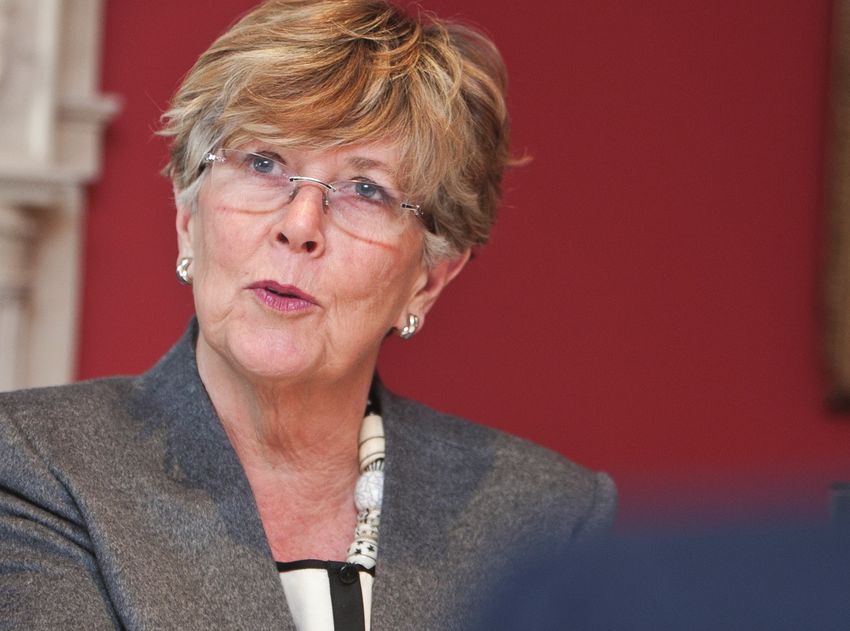
our contributors was: ‘get it kids are fed at a young age.” Prue Leith agreed, highlighting the need for
targeted education for parents, “you’ve got to
CAN START THEM TOO YOUNG
right from the start’. So it is parents that bear the greatest
get to what will make the parents change.” ALLEGRA MCEVEDY
responsibility – to provide nutritious
FOUNDER OF LEON, BROADCASTER AND WRITER
food from day one and frame children’s Over and above providing basic healthy food
relationship with food. for the family, our contributors identified a
In a poll of parents, conducted for this report, role for parents in encouraging a positive,
This was echoed by Rachel Edwards-Stuart, “If you look at the family set of today, it has
86% agreed the onus was on them to do playful relationship with food from the
Food Scientist and Flavour Consultant: transformed over a couple of generations.
more to encourage healthy eating. earliest years.
“There are a lot of things that we could do A lot of parents don’t cook, for a number of
Equally, in a poll of teachers, nearly three Dr Sam Royston, Poverty and Early Years with the smallest youngsters to get them to reasons. Cost of living, cost of food, it’s very
quarters believed parents have the greatest Policy Adviser for The Children’s Society, had really understand food. Let’s say they don’t expensive, and it’s easier to buy something
impact on the choices children make about similar views, stating that getting a “positive like celery. Is it the texture? Blitz celery, dye it that is ready made than something fresh.”
food – only 1% believed they did. culture about food into children’s early life is a different colour, or play around with music Allegra McEvedy also addressed these
absolutely crucial.” and food – research has shown that music
Of those polled, 93% of parents agreed that barriers to home cooking. “There is a real
knowing how to cook influences the extent Research done by Ella’s Kitchen shows toddlers can affect flavour perception.” time issue – parents go out to work now
to which their child eats healthy food. who play with new foods through sight, smell, “Is there more we could do about educating and don’t spend time cooking and teaching
sound and touch before tasting them were the children in terms of food flavour? Put it this children. When we set up LEON, we thought
more willing to try tasting vegetables. way, I’m scared of spiders, probably because I about how we cook at home and aimed to
don’t understand a thing about them.” put that in the context of ‘fast-food’.”
The basic concept of cooking in the home is So before we begin to look at what schools
something that has been lost over time and can do, our contributors were clear that the
according to our contributors, is to blame focus should be on the earliest years.
for poor inter-generational food health in Education and experience about food begins
today’s society. at home. Only then can schools coordinate
IT’S ABOUT GETTING IT RIGHT Tom Aikens, chef and restaurateur, a positive contribution to this experience,
FROM THE START – WHAT reinforced this point: “We should be looking
at the practice of cooking in the home,
rather than work against bad habits that have
been formed from day one.
MOTHERS ARE EATING, WHAT KIDS because when you look at an average
household that actually cooks, they associate
ARE FED AT A YOUNG AGE food with family.”
ROB REES
CHAIR OF THE CHILDREN’S FOOD TRUST
8   AVERTING A RECIPE FOR DISASTER                                                                                                                                                                                                                     AVERTING A RECIPE FOR DISASTER   9

    HOW CAN KIDS LEARN
    WHEN THEY’RE GOING TO                                                                                                                                                                                                         children only have one
    SCHOOL HUNGRY?                                                                                                                                                                                                                hot meal per day          (6)

    The issues surrounding diet-        The implications of this stretch from health to    Laurence Guinness brought that reality               Through his ‘Breadline Britain’ campaign for          Professor David Haslam’s experience working
                                        learning and behaviour. Yet according to many      into stark focus, offering insight from his          The Guardian, Patrick Butler, editor of society,      as a GP, on the front-line of public health,
    related disease in the UK           of our contributors, for children from the         experience at Kids Company:                          health and education policy for the paper, has        was equally shocking: “I am seeing more and
    go beyond simply the over-          lowest income families, these problems can be      “McDonald’s is a luxury for the kids that            witnessed the same issues: “When people’s             more kids with breathing difficulties because
                                        traced back to a lack of basic food provision.     come to us. We met a head teacher who had            income shrinks, they have to buy different            of their weight, obesity-related problems like
    consumption of processed            Kids Company currently feeds 2,000 children        a child that had a lunchbox consisting of three      kinds of food and one of the problems is that         diabetes, heart diseases and asthma.”
    foods. Food poverty is a            per week. According to its research, 85% of        boiled sweets. It’s an issue of education and,       we’re eating junk.”                                   The message is clear – that over and above
                                        those children rely on that meal for the main      also, of deprivation.”                               For babies and young children, the lack of            the abundance of super-sized meals and
    growing issue in the UK             meal of the day.                                                                                        basic nutrients is irreversibly damaging. And         processed foods there is a deeper issue as
                                                                                           Samantha Hyde from Save The Children has
    and as Laurence Guinness,           Similarly, organisations such as Magic             witnessed the extent of this food poverty,           between 2009 and 2010, there was a shocking           a growing number of lower-income families
                                                                                                                                                33% increase of children in England who               simply cannot provide basic meals for their
    Head of Campaigns for Kids          Breakfast, founded by Carmel McConnell, are        where “in many cases… there is no money in
                                                                                                                                                included no fruit and vegetables in their diet. (2)   kids and that is having long-term effects on
                                        making positive contributions by delivering        the family to feed the children, with parents
    Company, brought to light:          free, healthy breakfast to 6,500 children          going without food, or no cooker to prepare          The impact of poor nutrition on diet was              children’s health and learning.

    “Often, this is not an issue        every morning in British primary schools.          a hot meal.”                                         an issue that health professionals were
                                        However, there are still thousands of children     “Recently one mother shared with us that             particularly concerned about.
    of a good enough diet, it’s a       that these initiatives can’t yet reach and who     she eats three times a week so that her              Professor Mitch Blair from The Royal College
    diet at all. There are children     are turning up to school without having eaten      three children can actually eat. And that’s not      of Paediatrics commented: “There’s been
                                        breakfast. This has major implications for their   created through drug or alcohol addiction,           a five or six-fold increase in rickets in the
    that are not getting enough         ability to learn.                                  or decisions that she’s made between having          last ten years. The issue is the one of not
    to eat.”                            In a survey of 591 teachers across Britain         two mobile phones or a flat screen TV.”              only obesity but also nutritional deficiencies,
                                        who belong to the online Guardian Teacher          Given the increase in food prices – 12% in           which could affect 25-30% of the entire child
                                        Network, 49% said they have taken food             real terms over the past five years – and the        population in the system. The deficiencies
                                        into school to give to children who have not       faltering economy, families are increasingly         affect the way your brain develops, it affects
                                        had breakfast.                                     forced to make difficult choices about how           your growth, it affects your learning.”
                                                                                           and where they spend their money.
                                                                                           Dr Sam Royston agreed: “Most worrying,
                                                                                           is that it is the income of families with children
                                                                                           in their earliest years that are squeezed
                                                                                           the hardest.”

                         I AM SEEING MORE AND MORE KIDS WITH                                                                                         WE MET A HEAD TEACHER WHO HAD A
                         BREATHING DIFFICULTIES BECAUSE OF THEIR                                                                                 CHILD THAT HAD A LUNCHBOX CONSISTING
                         WEIGHT, OBESITY-RELATED PROBLEMS LIKE                                                                                     OF THREE BOILED SWEETS. IT’S AN ISSUE OF
                         DIABETES, HEART DISEASES AND ASTHMA                                                                                        EDUCATION AND, ALSO, OF DEPRIVATION
                         PROFESSOR DAVID HASLAM GP                                                                                                                                                                                     LAURENCE GUINNESS
                         CHAIRMAN OF THE NATIONAL OBESITY FORUM                                                                                                                                                        HEAD OF CAMPAIGNS FOR KID’S COMPANY
10 AVERTING A RECIPE FOR DISASTER AVERTING A RECIPE FOR DISASTER 11
GROWING AND COOKING
FOOD HAS TO BE PART OF THE
COMPULSORY CURRICULUM
GET COOKING BACK IN SCHOOLS
INTO SCHOOL PRUE LEITH
RESTAURATEUR, BROADCASTER AND WRITER
70 %
Currently, cooking is not a Our contributors were broadly agreed The consensus seems to be that education
on the solution. As Prue Leith asserted, can’t start too early, from pre-school and
compulsory element of the “growing and cooking food has to be part of nursery level through to primary school. This
national curriculum. As such, the compulsory curriculum in schools.” is when the youngest children are beginning
In our poll, 70% of primary school teachers to establish their food choices and make their
there is a risk that we have a OF PRIMARY SCHOOL TEACHERS
and 87% of parents agreed that cooking own decisions about what they eat – both
generation of young people should be brought back onto the curriculum. with peers and within the home.
So the need to reintroduce food into school
agreed cooking should be brought
with little or no knowledge Michelle Smith, Schools Project Manager at
life is strongest at primary level, when back onto the curriciulum (3)
the Jamie Oliver Foundation, has worked
of how to cook a meal closely with children of early school age. children are beginning to establish food
preferences, make independent decisions
from scratch. “There is one common underlying issue – we
and influence peers. Research also shows
now have three generations of people that
were not taught to cook at school and that is that early intervention in food education is Patrick Butler said increasing evidence Adam Leyland, editor of The Grocer said he
why we have the problem that we have; the more successful in influencing and changing of children coming to school hungry as a would “like to see some of the more basic
chain in passing skills on through generations diets in adulthood. result of poverty or parental neglect meant sciences addressing the issues around food.
has been lost.” It has often been assumed that children will government must treat schools and food as a It’s not just about home economics. Why not
learn cooking skills at home, but as we have serious policy issue and that meant “providing learn about growing carrots in biology?”
“We must look at starting food education as
discussed, increasingly this is not the case. food to children… [and] educating kids about John Vincent, co-leader of the government’s
early as we can in primary schools. Primary
cooking food.” School Food Plan, offered a similar suggestion.
schools are a good place to start because Allegra McEvedy agreed. “There is a real
children are starting to make more of their own time issue – if parents go out to work now It is largely agreed that having some “No-one can produce for us a vision of what
decisions in terms of what they want to eat.” and don’t spend the time to cook or teach knowledge of nutrition and how to prepare it’s like to engage with food from the eyes of
children how, it is important we make food fresh meals is as essential a life skill as a kid in pre-school,” he said. “What if from a
central to the curriculum.” numeracy, literacy, and science. child’s perspective, it is; ‘I go to school, I water
Prue Leith was clear that the compulsory the plants, I take a taste of strawberry, and
aspect of cooking education is key. “We have know that it’s strawberry and that is going
this obsession with choice,” she said. “Schools to be used to make lunch.’ Then, the school
are expected to offer choice, but you don’t cook comes in during biology class and talks
get a choice in maths or history.” about how the strawberry has grown and
why it smells nice.”
Over and above giving children basic skills,
showing children how to cook healthy meals Encouraging a broader understanding
empowers them to make choices about the and knowledge of food throughout the
food they eat and, ultimately, their own health. curriculum can only work to supplement
influences within the home – the need
I WOULD LIKE TO SEE SOME OF THE The contributors suggested that schools have
a broader role to play in improving children’s
for schools and parents to work together
MORE BASIC SCIENCES ADDRESSING THE relationships with food. One approach was
to introduce food as a wider part of the
is crucial in bridging the gap between
knowledge and fear about healthy eating.
ISSUES AROUND FOOD, IT’S NOT JUST education system on a cross-curriculum level.
ABOUT HOME ECONOMICS
ADAM LEYLAND
EDITOR OF THE GROCER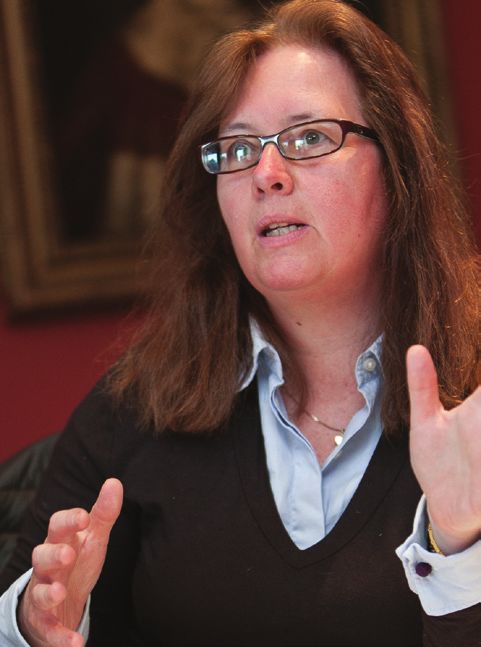
12 AVERTING A RECIPE FOR DISASTER AVERTING A RECIPE FOR DISASTER 13
THE ROLE OF THE MEDIA IN
42%
the number of people who, in a recent survey, said
SHAPING OUR FOOD CULTURE TV adverts would encourage them to eat more healthily (7)
Commenting on the challenge that the fantastic and the quality is fantastic. But I do
media faces in addressing the issue of food think there is a lot of tosh that is promoted
and health, Patrick Butler picked up on through the media. Journalists have a lot
the widespread ignorance of some of the more responsibility than they realise.”
underlying factors that are shaping our Prue Leith explains: “I worry about the
national health issues. power of manufacturers and sometimes I
WE REALLY NEED TO GET THE “I’ve been writing about social affairs for 20 think, will we ever win? I do think that there
BALANCE RIGHT BETWEEN SHOCK years, and food never became an issue for
me until I oversaw a Guardian investigation
is a way to overcome these challenges but
it requires effort from the government and
AND FEAR IN THE MEDIA called Breadline Britain. We wanted to find
out how much austerity is impacting on
the press.”
The message is clear – beyond the
CARMEL MCCONNELL people, how they were coping with the fact influences of home and school, the media
MAGIC BREAKFAST that they didn’t have that much money. I plays an enormous role in shaping our food
suddenly realised one of the problems is that habits and if we want to help our children
the media don’t really understand what food eat more healthily, then journalists need to
poverty is. get on board.
“One of the phrases that I came across that
Throughout our discussions Sheila Dillon, presenter of BBC Radio 4’s cooking and eating is a pleasure, that this is a I had never heard before was “heat or eat”
Food Programme is “not optimistic about the really enjoyable thing to do. and that is the choice many people face, do
conversation frequently role of the media.” “We need to start a national conversation I switch my central heating on or do I feed
returned to the role the “I see from when I began as a food journalist, that says obesity and malnutrition is too my kids?”
that as newspapers have fallen on hard times, expensive and it is very easily avoidable,”
media plays in shaping our they have dumped most of their specialist she added.
Adam Leyland struck a more optimistic note
but conceded that the media could be doing
food habits – and some reporters,” she said. “The whole issue of Of the parents that we polled, more than more to help:
food, agriculture, public health is mostly
of the leading writers and written in the media and reported on the
a quarter (27%) felt that television had “I’m not nearly as depressed as some people
an important role to play in encouraging are about the state of British food. British
commentators on food in the television by people who have no idea what healthier eating habits in young children. food is today far more diverse, the choice is
they are talking about.”
UK voiced strong opinions. Picking up the theme, Katie Derham, former
“I find the coverage of food in the media ITV news presenter, commented: “I actually
The consistent view was that extremely depressing, I find it embarrassing think we are quite schizophrenic in the media,
the media has a responsibility actually, most of the time.” because we have glorified, quite rightly, the
Many of our contributors highlighted this joys and the art of cooking. But as a journalist,
to address the health challenge, particularly citing the often there was always a delight to report on the
challenges that we face in a conflicting and confusing information latest hellish stories about the food that we
more constructive manner. published about what is healthy, and what
isn’t, and the impact that this has on parents
are eating.
“Given the love people have for food
ONE OF THE PROBLEMS IS THAT
and their children. programmes and celebrity chefs, and the fact THE MEDIA DON’T UNDERSTAND
Carmel McConnell commented: “We really
need to get the balance right between shock
that ministers watch these programmes, I
think there’s a responsibility for the media to WHAT FOOD POVERTY IS
and fear in the media, and try to help people take a more campaigning role.” PATRICK BUTLER
to not be terrified of food but to think that SOCIAL POLICY EDITOR OF THE GUARDIAN
14 AVERTING A RECIPE FOR DISASTER AVERTING A RECIPE FOR DISASTER 15
AVERTING A RECIPE FOR DISASTER
OUR IDEAS
CREATE A LONG-TERM, IMPROVE SUPPORT MAKE COOKING COOK WHERE YOU SHOP
CROSS-PARTY PLAN TO FOR NEW MOTHERS COMPULSORY Call on our major supermarkets to run free weekly
IMPROVE NUTRITION FOR Work with dieticians and health visitors to extend the Dedicate one compulsory hour per week in pre-school,
cookery workshops for children and parents and offer
discounted ingredients to encourage cooking at home.
THE UNDER-FIVES Healthy Start programme to include more food types, primary and secondary schools to practical cooking
vitamin vouchers in addition to advice classes for parents, and food education, with the aim that no young person Supermarkets hold a unique opportunity to communicate with
No meaningful change in our relationship with food broader eligibility criteria in regards to income and clear leaves school without having played some part in families, to join the link between food purchase and home cooking.
is possible over a five-year term of government. Plans assessment processes. creating healthy meals. Yet, supermarkets are designed for adults, which often leads to
around diet-related health and nutrition fall victim to parents and children finding shopping trips stressful.
There should be an aim to increase the number of parents and Currently, cookery lessons for primary school children are sidelined
the inevitable changes in the Departments for Education Major supermarkets could host weekly food workshops, for young
infants taking part in the Healthy Start initiative to over 50%. within the wider curriculum of design and technology.
and Health. children and families, encouraging play with food and teaching
The maternal diet is known to influence not only a child’s nutritional Food should have greater emphasis in all learning, placing cooking
Instead, there must be a 25-year plan for improvements in nutrition practical cooking skills they could put into use in the home.
status following birth but also their predisposition to diseases such as and nutrition at the forefront of nursery, pre-school, primary and
for the under-fives, which is not subject to party political lines. diabetes and cardiovascular disease in later life. secondary education, in the same way as numeracy, literacy, and
Furthermore, we are calling for all major parties to include a long- science are core elements of the curriculum.
The Healthy Start initiative in the UK is an excellent scheme that
term strategy around nutrition, in their party manifesto for 2015.
offers vouchers for milk, plain fruit and veg or infant formula to There should be an emphasis on making food ‘fun’, using it across OPEN UP THE UK’S
pregnant women and mothers of children between one and four,
who are on Income Support or Jobseekers’ Allowance.
the curriculum, as a prop and learning tool in all lessons, from maths
to science and art.
PROFESSIONAL KITCHENS
A FOOD ENTHUSIAST IN The scheme should be extended to broaden the definition of ‘low- Encourage local chefs and professional cooks to open
RESIDENCE IN EVERY SCHOOL income’ and provide not only vouchers for nutritious foods and their kitchens and offer expertise to equip parents of the
vitamins, but nutrition education for mothers in antenatal classes,
breastfeeding promotion and referrals to health and other social
A FREE BREAKFAST youngest children with basic cooking skills.
Elect a ‘Food Enthusiast in Residence’ in every school
– a local individual who could act as an independent, services at no charge. FOR EVERY CHILD The UK has a thriving restaurant industry and cooking shows on
television remain immensely popular. However, many parents still feel
voluntary expert within nurseries, pre-schools and they are unable to provide healthy meals for their children, due to
Set a goal to offer every primary school child in the UK
schools to assess and advise on nutritional and food- barriers around budget, basic cooking knowledge and time constraints.
a healthy breakfast, for free, regardless of family income
related issues.
DONATE OUR AIRTIME and eligibility to free school meals. 200 restaurateurs could open up their kitchens twice a year,
The ‘Food Enthusiast in Residence’ could be a teacher, parent, local providing ideas for sourcing, budgeting, preparing the meals and
Call on grocery brands to donate 1% of their annual There are still too many children arriving at school too hungry to learn.
chef or health professional, who would offer information and offer involving their children.
TV advertisement airtime to public service adverts There have been great developments in offering children healthy
support to teachers and students about how to integrate food into
promoting healthy eating and nutritional education. school breakfasts for free with a pilot scheme in Blackpool offering free
school life, but also to innovate and encourage a positive culture
milk, fruit juice, cereal or toast as part of a three-month trial.
around food within the school. A recent survey revealed that 42% of people say that TV adverts
Organisations such as Magic Breakfast are teaming up with grocery
This would ensure a more cohesive approach to food education encourage them to eat more healthily. (7)
brands and investors to fund national schemes.
between home and school, improving both child and parent’s There have been very public attempts by brands, most recently
understanding of healthy eating. We now need to make this a national imperative to ensure every
by Coca-Cola, to issue ‘healthy messaging’ via advertising channels.
child starts the day with a healthy breakfast.
What would be more effective would be if these global brands
pledged to contribute a portion of their purchased airtime to public
service adverts promoting nutrition education and healthy eating for
parents, babies and children.
16 AVERTING A RECIPE FOR DISASTER AVERTING A RECIPE FOR DISASTER 17
THINGS WE LIKE
USA: THE CHILDREN’S FOOD TRUST: KIDS COMPANY: NHS:
WIC PROGRAM LET’S GET COOKING PLATE PLEDGE HEALTHY START
WHAT WHAT WHAT WHAT
WIC (Women, Infants and Children) provides nutritious foods, The Children’s Food Trust runs the largest national network of Kids Company’s Plate Pledge appeal is aimed at tackling the silent The NHS’s Healthy Start programme provides vouchers to parents
nutrition education (including breastfeeding promotion and school-based cookery clubs, Let’s Get Cooking. This programme epidemic of hunger and malnutrition among London’s most deprived to help them buy basic food for their children. This means-tested
support), and referrals to health and other social services at gives adults and children the confidence, skills and knowledge to and at risk children. The appeal asks supporters to provide a child scheme is aimed at pregnant women or parents with children under
no charge. WIC serves low-income pregnant, postpartum and make healthy food choices and to cook good food. There are over with hot nutritious food for a day, week, month or year. four years old.
breastfeeding women, and infants and children up to age 5 who are 4,000 after school clubs for children and families across all regions of Vouchers can be spent on: cow’s milk, infant milk formula and fresh
IMPACT
at nutrition risk. England and in every Local Authority. or frozen fruit or vegetables.
As part of the appeal, Kids Company feeds 2,000 vulnerable children
WIC is not an entitlement program – Congress does not set aside IMPACT each week, many of whom have experienced abuse and neglect. 85% IMPACT
funds to allow every eligible individual to participate in the program.
So far, 900,000 adults and children have developed new cooking of children who eat at Kids Company rely on the charity for their main Figures from December 2011 show that 88.6 per cent of the Healthy
Instead, WIC is a Federal grant program for which Congress authorizes
skills through Let’s Get Cooking. And nine out of ten club members meal of the day. Start vouchers that were distributed to families in the UK were
a specific amount of funding each year for program operations.
use these new skills at home. exchanged for foods during a four-week period.
IMPACT Over half (58%) of those who have attended a club report that they are Approximately 550,000 households in the UK received these
During Fiscal Year (FY) 2010, the number of women, infants, and now eating healthier food at home and passing their skills on to others. vouchers in the first quarter of 2012.
children receiving WIC benefits each month reached approximately
9.17 million. For the first 8 months of FY 2011, States reported average
MAGIC BREAKFAST At present 15,000 retail businesses (across 30,000 retail outlets)
are registered to accept Healthy Start vouchers. Every four weeks
monthly participation just below 9 million participants per month. In
2.6 million Healthy Start vouchers are issued to families across the
1974, the first year WIC was permanently authorized, 88,000 people
participated. By 1980, participation was at 1.9 million; by 1985, 3.1 FOOD FOR LIFE WHAT
Magic Breakfast provides free, nutritious breakfast food to school
UK. Around 91 per cent of these are spent and returned to the
Healthy Start retailer reimbursement unit; 70 per cent of vouchers
million; by 1990, 4.5 million; and by 2000, 7.2 million. Average monthly
participation for FY 2008 was approximately 8.7 million.
PARTNERSHIP children in primary schools across the UK, where many children are used with supermarkets, the remainder are spent at pharmacies,
arrive at school too hungry to learn. The charity is dedicated to independent shops, market stalls and on milk rounds.
Children have always been the largest category of WIC participants. ensuring every child starts the day with the right breakfast as fuel
Of the 9.17 million people who received WIC benefits each month WHAT for learning.
in FY 2010, approximately 4.86 million were children, 2.17 million The Food for Life Partnership brings together the expertise of four The school sustainability programme is a grassroots social enterprise
were infants, and 2.14 million were women. food-focused charities, helping schools across England to transform process empowering schools to self fund as well as run their own
their food culture, giving communities access to seasonal, local and breakfast clubs, feeding the many children who arrive at school
organic food and the skills they need to cook and grow fresh food. hungry, independent of external aid.
The charities include: the Soil Association, Focus on Food Campaign,
IMPACT
Health Education Trust and Garden Organic.
The programme feeds 6,000 children in 200 primary schools
IMPACT
across Britain.
Over 150,000 children, parents and school staff have been cooking,
A child with SEN who was often late for schools (15% of the time)
growing and visiting farms thanks to the Food for Life Partnership.
was offered a place at breakfast club and within two and a half
ver 500,000 children eating Food for Life accredited meals every
O months, he was only late once.
day across England.
18   AVERTING A RECIPE FOR DISASTER                                                                                                                                                                                                            AVERTING A RECIPE FOR DISASTER   19

     THINGS WE LIKE
                                                                                                                                                        CONCLUSION
     SOIL ASSOCIATION:

     BETTER NURSERY                                                             LOCAL FOOD
                                                                                                                                                        What will our society look like in the future?
     FOOD NOW                                                                   WHAT                                                                    The answer to that question is being formed by
                                                                                Local Food is a £59.8 million programme that distributes grants         decisions we are making today.
     WHAT                                                                       from the Big Lottery Fund to a variety of food-related projects that
                                                                                are helping to make locally grown food accessible and affordable to
     The Better Nursery Food Now programme campaigns for better                                                                                         The original idea for this report came when I read two articles, which together
                                                                                local communities.
     regulation of the food served to children in all early years settings,                                                                             illustrated the ‘ticking time-bomb’ we are facing.
     better inspection to make sure nurseries stick to these rules, better      The programme opened in 2008, and the demand for funding was
     training in early years nutrition and cookery for nursery care and         so great that they had to close the programme to new applications       One reported that a baby girl born in 2011 had a one-in-three chance of
     catering staff, and accountability from one Government Department          nearly two years earlier than planned.                                  reaching their 100th birthday.
     for nursery food.                                                          IMPACT                                                                  Another included devastating research from the Health Survey for England, that
     The programme was launched following a report produced by                  To date, around 450 projects have received funding totalling more       said by 2050 50% of adults and a quarter of children will be obese.
     the Soil Association and Organix in 2008, which for the first time         than £42 million, and their work must be complete by 2014.
     examined the state of food served in nurseries and children’s                                                                                      Contemporary society has created a recipe for disaster when it comes to
                                                                                Current funded projects indicate that through their lifetimes they
     centres in England and Wales.                                                                                                                      nutrition and diet-related health and the statistics speak for themselves.
                                                                                will benefit approximately 2 million people, and 10,000 organisations
     IMPACT                                                                     and community groups. An estimated 800 jobs will be or have             However, there are practical solutions that can be put into place now that may begin
     Since January 2010, the Better Nursery Food Now campaigners have:          already been created, with over 29,000 volunteers engaged and
                                                                                                                                                        to move us towards a society in which we have a better relationship with food.
                                                                                more than 24,000 training sessions offered.
     Written to the Secretary for State for Children, Schools and Families,
                                                                                For more information visit www.localfoodgrants.org and the              This starts today, with the youngest children.
     Ed Balls, and the under Secretary for State, Baroness Morgan, to ask
     for changes in regulation of nursery food, inspection of food quality by   Big Lottery Fund www.biglotteryfund.org.uk                              My strong belief is that food can, indeed should, be fun for children. The more
     Ofsted, and funding for nutritiontraining for nursery staff.                                                                                       a young child is involved with their food – be that in choosing it, preparing it,
     Worked with Joan Walley, Labour MP for Stoke-on-Trent North, to                                                                                    playing with it or feeding themselves – the more they will try it, enjoy it and
     table an Early Day Motion (EDM) in parliament on nursery food.
                                                                                                                                                        grow up with a healthy attitude to food, their diet and their wellbeing.
     Proposed amendments to the Children, Schools and Families bill, so
     that the bill makes explicit mention of healthy food and extends its                                                                               I set up Ella’s Kitchen to help children have a better relationship with food so
     provision to Children’s Centres as well as state-maintained nurseries.                                                                             that they grow up with healthy habits that will last their lifetime.
                                                                                                                                                        We now have a responsibility, as businesses, policy makers and individuals to
                                                                                                                                                        do everything we can to address this pressing challenge. This will only be done
                                                                                                                                                        through a co-ordinated and collaborative effort.

                                                                                                                                                        PAUL LINDLEY
                                                                                                                                                        CHIEF EXECUTIVE AND FOUNDER, ELLA’S KITCHEN
20 AVERTING A RECIPE FOR DISASTER AVERTING A RECIPE FOR DISASTER 21
CONTRIBUTORS
TOM AIKENS PROFESSOR MITCH BLAIR SARAH BRIGHT PATRICK BUTLER CARMEL MCCONNELL NICOLE MCDONNELL ALLEGRA MCEVEDY CHARLIE POWELL
Chef and Restaurateur Royal College of Paediatrics Sustainability Director, Social Policy Editor Founder, Magic Breakfast Brand Director, Ella’s Kitchen Founder of LEON, Broadcaster Campaigns Director, Sustain
and Child Health Officer Ella’s Kitchen of The Guardian and Writer
for Health Promotion
GILLIAN CARTER KATIE DERHAM SHEILA DILLON RACHEL EDWARDS-STUART ROB REES MBE DENIS ROBERTSON SULLIVAN DR SAM ROYSTON PAUL SACHER
Editor, BBC Good Food Broadcaster and Presenter, Presenter, The Food Programme, Food Scientist and Flavour Chair, The Children’s Food Trust Director, PS Communications Poverty and Early Years Policy Founder and Research Director,
BBC Radio 3 BBC Radio 4 Consultant Advisor, Children’s Society the MEND Programme, Senior
Research Fellow, UCL
BARBARA GALLANI LAURENCE GUINNESS PROFESSOR DAVID HASLAM SAMANTHA HYDE MICHELLE SMITH EMMA SYKES JOHN VINCENT MARK WHEDDON
Director of Food Safety, Head of Campaigns for GP, Chairman of the Acting Director of UK Schools Project Manager, Corporate Communications, Restaurateur and Founder, LEON Programme Manager,
Science and Health at the Food Kids Company National Obesity Forum Programmes Save the Children Jamie Oliver Foundation Ella’s Kitchen Local Foods Programme
and Drink Federation (FDF)
ADAM LEYLAND PRUE LEITH PAUL LINDLEY PERRY LITTLEBOY
Editor of The Grocer Restaurateur, Broadcaster Founder and Chief Executive, Senior Client Partner
and Writer Ella’s Kitchen (Ella’s Dad) at Coutts Private Office22 AVERTING A RECIPE FOR DISASTER AVERTING A RECIPE FOR DISASTER 23
ACKNOWLEDGEMENTS
We would like to thank all our contributors who generously gave
their time and insights to help address some of the challenges we face.
We would like to offer special thanks to Coutts & Co. for hosting our
discussions and their support throughout this project. Thanks especially
to Emma Sykes from Ella’s Kitchen, for making this report happen.
Thanks to Michael Hayman of Seven Hills for chairing the discussions.
RESEARCH METHODOLOGY
This report contains survey data gathered via two online surveys administered by YouGov
from 28 November to 12 December 2012 to members of the YouGov Plc GB panel of
300,000+ individuals. The sample of teachers is weighted to be representative of the UK
school population by school phase, location and teacher gender and while the sample of
parents is weighted to be nationally representative of those with children aged under 12.
The total size of the teacher poll was 798. The total size of the parent poll was 497.
ABOUT ELLA’S KITCHEN
Ella’s Kitchen’s vision is to help babies and toddlers eat healthier food and help develop
healthy eating habits that last a lifetime. Set up seven years ago by Ella’s Dad Paul Lindley, the
company has always prioritised health and nutritional value, but never at the expense of taste
or convenience. Ella’s Kitchen strive to be Good in Every Sense, offering healthy, handy and
fun food that doesn’t cost the earth.
Ella’s Kitchen has been embraced by parents and kids in over 12 countries and now every
second of every day someone around the world is eating an Ella’s Kitchen product.
(1) The Journal of Public Health: The economic burden of ill health due to diet, physical inactivity,
smoking, alcohol and obesity in the UK: an update to 2006–07 NHS costs, 2011
(2) Defra: The Food Statistics Pocketbook, 2012
(3) YouGov research, on behalf of Ella’s Kitchen, December 2012
(4) Kid’s Company Nutrition Campaign Survey, March 2012
(5) The Children’s Society: Food for thought: A survey of teachers’ views on school meals, 2012
(6) Research from the Child Poverty Action Group
(7) TV Nation: Ipsos Media CT/Thinkbox 201224 AVERTING A RECIPE FOR DISASTER
For more information and to follow our developments:
www.avertingarecipefordisaster.com
@ avertadisaster
PRINTED ON FSC PAPERYou can also read


