BHI COLLABORATIVE PRESENTS - April 22, 2021
←
→
Page content transcription
If your browser does not render page correctly, please read the page content below

BHI COLLABORATIVE
                                                 PRESENTS

                                                            April 22, 2021

© 2020 American Medical Association. All rights reserved.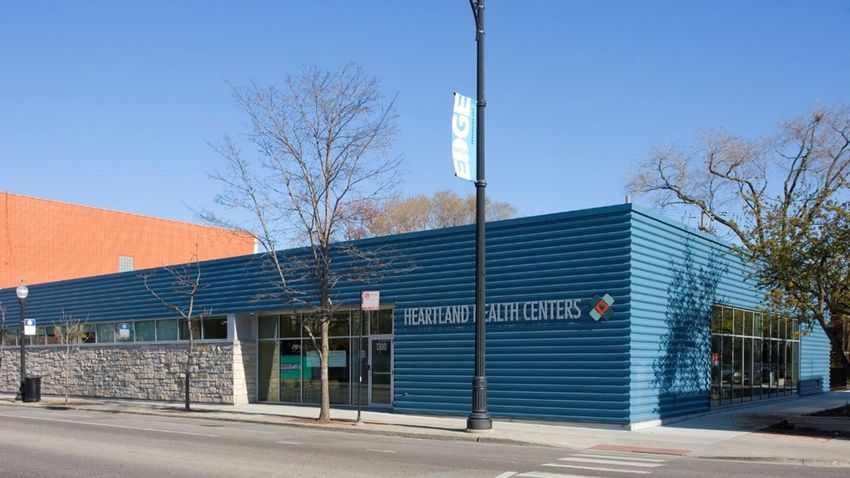
DISCLAIMER AND NOTICES

This Webinar is being made available to the general public and is for informational purposes only. The
views expressed in this Webinar should not necessarily be construed to be the views or policy of the
AMA.
The information in this Webinar is believed to be accurate. However, the AMA does not make any
warranty regarding the accuracy or completeness of any information provided in this Webinar. The
information is provided as-is and the AMA expressly disclaims any liability resulting from use of this
information. The information in this Webinar is not, and should not be relied on as, medical, legal, or
other professional advice, and viewers are encouraged to consult a professional advisor for any such
advice.
No part of this Webinar may be reproduced or distributed in any form or by any means without the
prior written permission of the AMA.
All rights reserved. AMA is a registered trademark of the American Medical Association.

 © 2020 American Medical Association. All rights reserved.
Overcoming Obstacles
            Webinar Series
            This series is focused on enabling physicians to sustain a
            collaborative, integrated, whole-person, and equitable
            approach to physical and behavioral health care in their
            practices during the COVID-19 pandemic and beyond.

© 2020 American Medical Association. All rights reserved.
About the BHI Collaborative

         The BHI Collaborative was established by several of the nation’s leading physician
         organizations** to catalyze effective and sustainable integration of behavioral and
         mental health care into physician practices.

         With an initial focus on primary care, the Collaborative is committed to ensuring a
         professionally satisfying, sustainable physician practice experience and will act as a
         trusted partner to help them overcome the obstacles that stand in the way of
         meeting their patients’ mental and behavioral health needs.

         **American Academy of Child & Adolescent Psychiatry, American Academy of Family Physicians, American Academy of Pediatrics,
           American College of Obstetricians and Gynecologists, American College of Physicians, American Medical Association,
           American Osteopathic Association, and the American Psychiatric Association.

© 2020 American Medical Association. All rights reserved.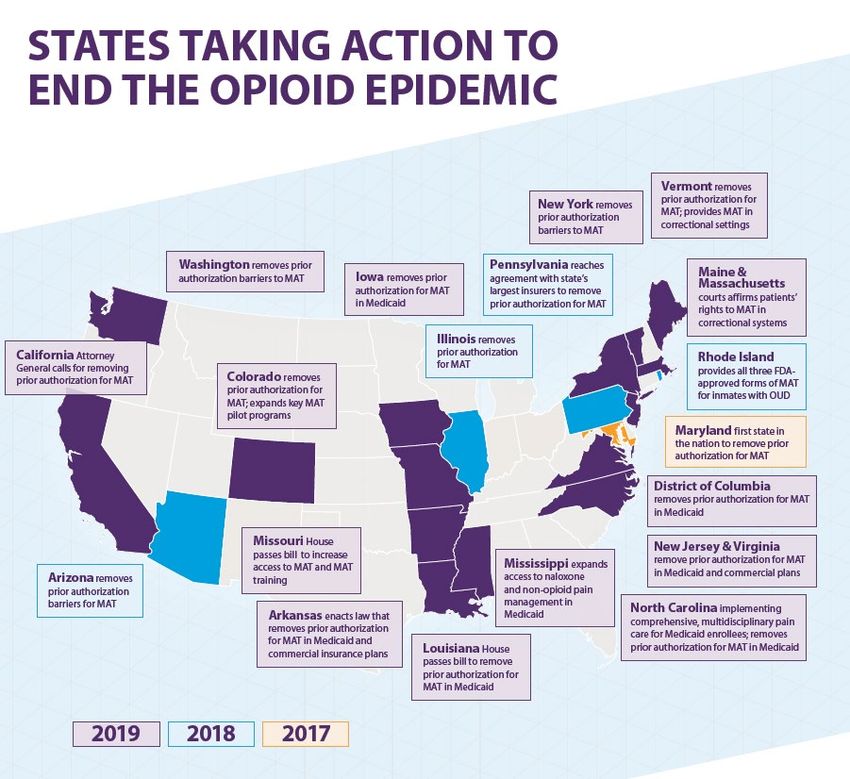
TODAY’S TOPIC:
                           Bolstering Chronic Care
                       Management with Behavioral Health
                                 Integration

© 2020 American Medical Association. All rights reserved.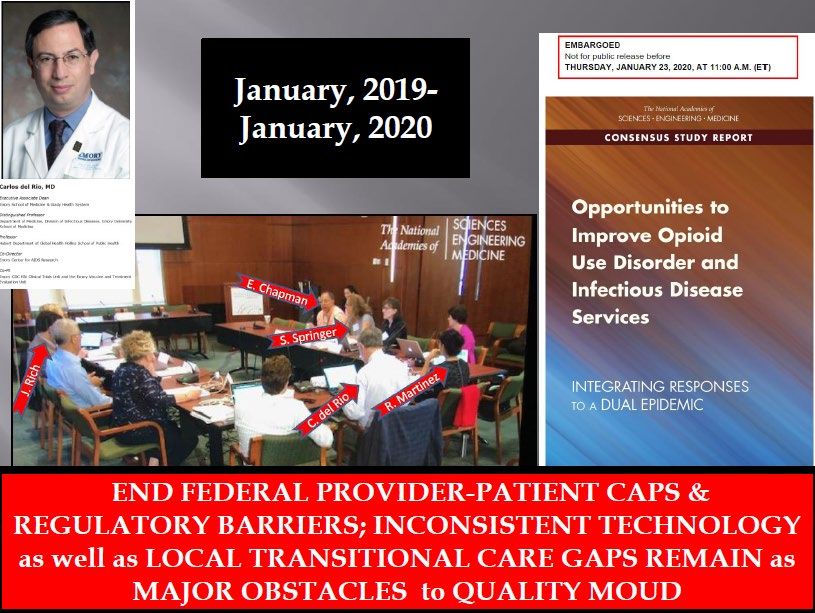
TODAY’S SPEAKERS

© 2020 American Medical Association. All rights reserved.
Bolstering Chronic Care
Management with Behavioral
Health Integration:
Introduction and Overview
Thomas G. Tape, MD, MACP, FRCP
Chief, General Internal Medicine, University of Nebraska Medical Center
Chair Emeritus, Board of Regents, American College of Physicians

I have no disclosures

Behavioral Health in the
U.S. Health Care System
Historically separate systems of care for the mind and body.

Access to traditional behavioral health care has been limited by:
    – Stigma
    – Historically less robust insurance coverage
    – Provider shortages

Failure to fully appreciate the role of behavioral issues in traditional medical care
practice.
     – The frequent co-occurrence of mood disorders in chronic disease
           • ~ 30% of adults with physical health disorder have behavioral health
               conditions.
     – The fruitless search for an etiology of “medically unexplained symptoms”
     – The role of lifestyle behaviors in chronic disease
Recognition of mind-body interaction is not new but medical
 practice has been slow to effectively address care holistically.

George Engel introduced the Biopyschosocial model in 1977.

    – “By obliging ourselves to think of patients with diabetes, a ‘somatic
      disease,’ and with schizophrenia, a ‘mental disease,’ in exactly the same
      terms, we will see more clearly how inclusion of somatic and psychosocial
      factors is indispensable for both; or more pointedly, how concentration on
      the biomedical and exclusion of the psychosocial distorts perspectives and
      even interferes with patient care.”
                  (Engel GL. The Need for a New Medical Model: A Challenge for Biomedicine.
                  Science 1977;196:129-136)

More recent calls for focus on behavioral health integration
    – Institute of Medicine (1996, 2006)
    – Agency for Healthcare Research and Quality (2008 & 2015)
    – World Health Organization (2015)
Levels of Behavioral Health
Integration
Coordinated care
– Behavioral and physical health clinicians practice in their respective systems
with referral relationships and information exchange.
Co-located care
– Behavioral and physical health clinicians deliver care in the same location but
still in separate practices.
– Patients experience a “one stop” visit with both disciplines.
Fully integrated care
– Behavioral and physical health clinicians act together with a joint patient care
plan.
(Crowley RA, Kirschner N. Integration of Care for Mental Health, Substance Abuse, and
Other Behavioral Health Conditions into Primary Care. Ann Intern Med. 2015;163:298-
299)Benefits of Integrated
Behavioral Health
Benefits of integration
– Improve Access to Care
– Improve Quality of Care
– Reduce Cost of Care
https://bipartisanpolicy.org/wp-content/uploads/2021/03/BPC_Behavioral-Health-Integration-report_R02.pdf [bipartisanpolicy.org]
Review of 94 RCTs integrated care demonstrated improvements in:
– Depression
– Anxiety
– Quality of life
– Patient satisfaction
(Reed SJ et al. Effectiveness and Value of Integrating Behavioral Health into Primary Care. JAMA Internal Medicine
2016;176:691-692.)
Primary care collaborative treatment of depression in patients with CAD or DM led to lower
total health care costs.
(Referenced in Crowley RA, Kirschner N. Integration of Care for Mental
Health, Substance Abuse, and Other Behavioral Health Conditions into
Primary Care. Ann Intern Med. 2015;163:298-299)Barriers to Integrated
Behavioral Health
Payment
– 2017: New CMS CPT codes for services furnished using the
Collaborative Care Model
– Billing remains complex
– Among 30 practices, only 3 reported net-positive financial
returns.
Cultural differences in practice and communication styles
Impediments to information flow
(Malatre-Lansac A, et al. Factors Influencing Physician Practices’ Adoption of
Behavioral Health Integration in the United States. Ann Intern Med 2020; doi:
10.7326/M20-0132)Recent report from the
Bipartisan Policy Center
https://bipartisanpolicy.org/wp-content/uploads/2021/03/BPC_Behavioral-Health-Integration-
report_R02.pdf [bipartisanpolicy.org]Two Real World Examples of Behavioral Health Integration in Chronic Care Dr. Chapman, Physician of Internal Medicine and Addiction Medicine Dr. Namboodiri, Integrative Family Medicine Physician at Heartland Health Centers
“Challenges Integrating MOUD Treatment
      in an Urban Private Practice”

“I Have No Financial Disclosures”50% INCREASE in OVERDOSE DEATHS DUE to SYNTHETIC OPIOIDS (FENTANYL)
COVID 2020
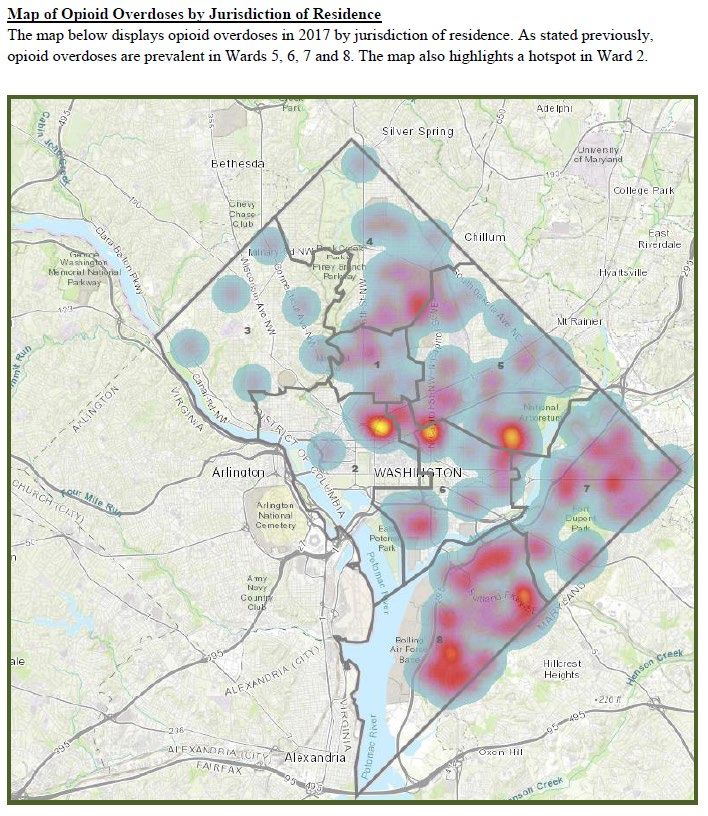
Washington, DC :

  Population is 46% Black
            but
84% of OUD Deaths are Black
EAST
CHAPMAN, MD, PC
WESTWEST Disproportionately
EAST
WhiteHOMELESS with OPIOID USE DISORDER:
DEATHS 2016-2020REVERSE ENGINEERING 401 YEARS of
SYSTEMATIC OPPRESSION
MASS INCARCERATION COMMUNITY REINTEGRATION
#ASAM2021CHAPMAN, MD, PC
230 Current Patients on Buprenorphine:
np rWASHINGTON, DC as a Generic Exemplar
BUPRENORPHINE MEDICATION DIVIDE
Federal Register November 2, 2020

ANNUAL NET SAVINGS to
the FEDERAL
GOVERNMENT by
EXPANDING
BUPRENORPINE
TREATMENT NPs, PAs, etc
$7,500
        ANNUAL
     BUPRENORPHINE
      TREATMENT
         COST

  SAVES MONEY

    $42,000
UNTREATED ANNUAL
  MEDICAL COSTS      Edwin C. Chapman, MD, PC © 2021
TOTAL IMPACT of an INDIVIDUAL PATIENT on COMMUNITY
UNTREATED PATIENT PATIENT IN TREATMENT
Criminal Costs
SILOED COSTS DECREASED
INCREASED
JAIL &
JAIL &
CRIMINAL
$35K
CRIMINAL
JUSTICE COSTS
JUSTICE
COSTS
INCREASED
$50-60K
MAT
Every $1 Spent on
TOTAL
Treatment Saves $7
With
OPIOID
DRUG
Rx DECREASED
COST COMMUNITY
CRIME,
INCREASED DECREASED ED & Rx
$112K COMMUNITY HOSPITALIZATION
HIV & HEP C
UNEMPLOYM’T,
POOR SCHOOL
CRIME, PERFORMANCE,
COSTS FAMILY
INCREASED ED & UNEMPLOYMENT
$42K $35K
POOR SCHOOL DYSFUNCTION
HOSPITALIZATION
COST SAVINGS
HIV & HEP C PERFORMANCE,
COSTS FAMILY
DYSFUNCTION
Medical Costs Social Costs
EDWIN C CHAPMAN, MD
© 2017HARM REDUCTION-LOSS MITIGATION MODEL
using
MEDICATION for OPIOID USE DISORDER (MOUD)
UNITERUPPETED DRUG USE
NO TREATMENT = $112K TOTAL COST
Criminal SIGNIFICANTLY REDUCED DRUG USE
Justice
$35K HARM REDUCTION with MOUD =
$52K NET SAVINGS
Criminal
Social Justice NO DRUG USE
Economic $10K COMPLIANT with MAT = $62K NET
$35K Social SAVINGS
Economic
Criminal Social Medical &
$30K
Medical Medical & Justice Economic SUD
&
SUD $0 $30K $20K
SUD
$20K
$42
Edwin C. Chapman, MD
© 2018RYAN WHITE CARVEOUT
PAYMENT MODEL
KNOWLEDGABLE
$ $
SPECIALTY
NETWORK
MEDICAL
Edwin C. Chapman, MD
© 2021MOUD TREATMENT CARVEOUT
PAYMENT MODEL
ECONOMIC
$ $
KNOWLEDGABLE
JUDICIAL
SOCIAL
SPECIALTY
NETWORK
MEDICAL
Edwin C. Chapman, MD
© 2021PRIOR AUTHORIZATIONS for BUPRENORPHINE IMPEDES ACCESS to CARE
and
INCREASES ED VISITS and HOSPITALIZATIONSFRAGMENTED PAYMENT SYSTEM IMPEDES
VALUE-BASED CARE
OFFICE BASED
MOUDBOUTIQUE (CASH ONLY) BUPRENORPHINE PROVIDER
100 Patients x
$250/month =
$300,000/year
Edwin C. Chapman, MD, PC © 2021POTENTIAL URBAN MEDICARE or MEDICAID BUPRENORPHINE COMPLEX PATIENT
EPIGENETIC SUSCEPTIBILITY &
   BIOLOGICAL FOOTPRINT
MEDICARE or MEDICAID BUPRENORPHINE
OFFICE-BASED COMPLEX PROVIDER ISSUES

       Social Determinants   Complex Medical
            of Health            Issues

         Criminal Justice     Mental Health
             Issues              Issues

                                               Edwin C. Chapman, MD, PC © 2021
MEDICARE or MEDICAID BUPRENORPHINE
OFFICE-BASED PROVIDER
COMPLEX PATIENT TREATMENT SUPPORT NEEDS
Social Determinants Complex Medical
of Health Issues
“I JUST LOST MY
SOCIAL
HOUSING…
WORKER/CARE
COORDINATOR
I’AM LIVING IN THE
2 nd and DMental
Criminal Justice
st Health
Issues Issues
SHELTER!”
Edwin C. Chapman, MD, PC © 2021MEDICARE or MEDICAID BUPRENORPHINE
OFFICE-BASED PROVIDER
COMPLEX PATIENT TREATMENT SUPPORT NEEDS
“MY ______
Social Determinants
JUST
Complex Medical
DIED
of Health and I CAN’T
Issues
SLEEP…!”
REMOTE
or
IN-OFFICE
Criminal Justice Mental Health
PSYCHIATRIST
Issues Issues and /or
PSYCHOLOGIST
Edwin C. Chapman, MD, PC © 2021MEDICARE or MEDICAID BUPRENORPHINE
OFFICE-BASED PROVIDER
COMPLEX PATIENT TREATMENT SUPPORT NEEDS
“I RELAPSED LAST
SocialMONTH
DeterminantsCELEBRATING
Complex Medical
of Health
PEER MY BIRTHDAY WITHIssues OLD
COACH FRIENDS!...
MY PAROLE OFFICER IS
GOING to STEP ME
BACK”
Criminal Justice Mental Health
Issues Issues
Edwin C. Chapman, MD, PC © 2021MEDICARE or MEDICAID BUPRENORPHINE
OFFICE-BASED PROVIDER
COMPLEX PATIENT TREATMENT SUPPORT NEEDS
Social Determinants Complex Medical
“I RAN OUT ofIssues
of Health MY REMOTE
or
BLOOD PRESSURE In-OFFICE
PRIMARY
MEDICATION and CARE
CAN’T FIND MY PROVIDER
NEW
Criminal Justice
Issues
PRIMARY
Mental Health
Issues
CARE PROVIDER”!
Edwin C. Chapman, MD, PC © 2021HOME TRACKING CHRONIC DISEASE MONITORING
In HIGH RISK, COMPLEX POPULATIONSEXAMPLE: HOME MONITORED
BLOOD PRESSURE TRACKING
1
2
3MEDICARE or MEDICAID BUPRENORPHINE
OFFICE-BASED PROVIDER
COMPLEX PATIENT TREATMENT SUPPORT NEEDS
REMOTE
Complex Medical or
Social Determinants
SOCIAL of Health In-OFFICE
Issues
WORKER/CARE PRIMARY
COORDINATOR CARE
PROVIDER
REMOTE
or
PEER IN-OFFICE
COACH Criminal Justice Mental Health PSYCHIATRIST
Issues Issues and /or
PSYCHOLOGIST
Edwin C. Chapman, MD, PC © 2021SUMMARY: BUILDING “STRUCTURAL COMPETENCY” • Medical Treatment vs. Incarceration “Law Enforcement Assisted Diversion” (LEAD) • Decrease Myths and Stigma thru Patient and Community Education with Understanding Principles of “Harm Reduction” • Increase Provider Capacity thru Mentoring and Network Collaborative Care (“Braiding & Blending” Coordinated Care and/or Co-located Care = “Hybrid” Fully Integrated Care) • Maximize Technical Access to Care by Expanding Telehealth • Remove Regulatory Barriers to Care for MOUD (e.g. Buprenorphine Prior Authorization and Dosing Caps (16 and 24 mgs.) • Provide Universal Housing Support as a Medical Necessity • Update Payment System to Include Monthly Capitated Payment System (RYAN WHITE LOOK ALIKE: MOUD + Mental Health + Primary Care + Peer Support + SDoH)
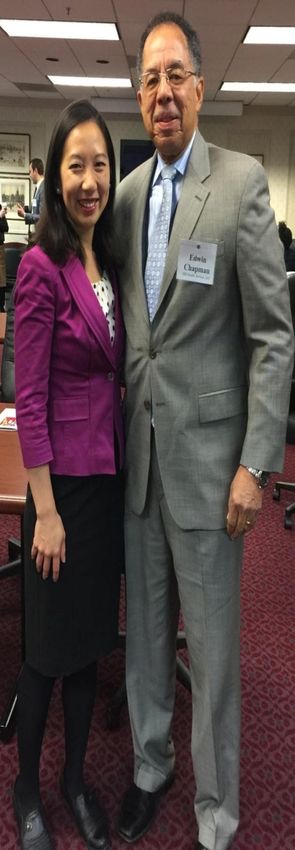
LEANA WEN, MD, MPH
FORMER BALTIMORE COMMISSIONER of HEALTH

                                          February 2016
Behavioral Health Integration in Primary Care Sreela Namboodiri MD ABOIM Heartland Health Centers
Definitions • Integrative medicine: A whole person approach to health that includes the mind, body, spirit, narrative, and community. It emphasizes the therapeutic relationship between practitioner and patient, and it incorporates diverse healing modalities. *Adapted from University of Arizona Center for Integrative Medicine • Integrated care: Care that involves close collaboration among primary care and behavioral health clinicians, working together with patients and families to provide patient-centered care. *Adapted from 2013, Peek & National Integration Academy Council
Integrative Medicine Anxiety GERD Dysmenorrhea Constipation Asthma Diabetes Low back pain Migraine Hypertension Insomnia Eczema Osteoarthritis Stress Trauma Nutrition/Food Movement Sleep Relationships/boundaries Social connection Rest
Let's meet Rosa
• 45yo cis-gender woman with HTN, Type 2
Diabetes, and chronic low back pain.
Let's meet • She is here for her 3-month diabetes visit.
Rosa Her A1c is 9.0. She has been having trouble
sleeping and a flare of her low back pain
recently.• Single mother of 3 children
• Enjoys singing and spending time
with her children
• Immigrant from Mexico and most of
her family lives there
• Part of a church community here
Let's meet Rosa
• Domestic worker
• Takes 2 buses to get to work
• Lives in an area labelled as a food
desert
• Does not have health insuranceSocial
Determinants
of Health
https://www.kff.org/racial-equity-and-health-policy/issue-brief/beyond-health-care-the-role-of-social-determinants-in-
promoting-health-and-health-equity/Some examples of historical policies with ramifications on SDH today • Homestead Act • Red Lining • Fair Labor Standards Act • Forced sterilization laws • Mandatory minimum sentencing disparity for crack cocaine
How does SDH contribute to chronic illness?
• External environment
• Impacts access
• Impacts resources
• Exposure risk (toxins, violence)
• Internal environment
• Health Behaviors
• Increased stress -> Allostatic load
McKinney, R. and Geller, J. (2018). Integrative Medicine for the Underserved. In D. Rakel
(Ed.), Integrative Medicine (p 1088-1095). Location: Elsevier.Stress and Trauma
• Her older sister died when Rosa was 8 years
old.
What was
• She is a survivor of sexual abuse.
Rosa's
childhood • She lives in a larger body and she was bullied
like? by classmates and members of her family for
her size.https://www.aaip.org/programs/aces-toolkit/
Goosby, B.J. et al. (2018). Stress-Related Biosocial Mechanisms of Discrimination and African American Health Inequities. Annual Reviews of Sociology, 44:319-340.
• Making ends meet
• Having diabetes
What are • Chronic low back pain
Rosa's • Loss of family and clients due to COVID-19
• Watching the news
stressors?
• Limited time for rest and sleep
• Safety of her children"Bodies don't just exist in social and
physical space, absent any influence.
Bodies are always being influenced
by the social context in which they
live."
-Dr. Anthony Ryan Hatch
https://www.risingupwithsonali.com/2016/05/20/blood-sugar-racial-pharmacology-and-food-justice-in-black-america/How do we work with Rosa
today?• THE PATIENT • Patient Support Specialists
• Medical Assistants • NowPow
• Nurses • Group medical visits
Our Team • Behavioral Health • Community classes
at Heartland Consultants (BHCs) • Health
Educators (Americorps)
Health Centers • Primary Care Providers
• Title X program
• Psychiatry
• Pacific College of Oriental
• Medication-Assisted Medicine & Community
Treatment (MAT) teachers
• OB/GYN & Midwife • MHN E-consult
• Integrative medicine • Outreach and Enrollment
team
• HIV & Hepatitis C
• IT
• Dental • County Care Case Managers
• Transition of Care Specialists • Innovation Center at Albany
Park (ICAP)Integrated Care
Primary Care Provider (PCP) Behavioral Health Consultant (BHC)
• Explore the context of her life • Warm hand-off same-day (15 min)
• What's your work schedule?/What are and counseling (30 min)
your days like?
• Information gathering
• What is B/L/D?
• How much sleep are you getting? What's • Coping skills/self-management
your evening routine? strategies
• What are your stressors recently? • Psychosocial assessment
• What has been bringing you joy
recently? • Brief, solution-focused interventions
• Set the stage for patient to see value • Referrals to community
in meeting with BHC to delve deeper resources, using NowPowGroup Medical Visits and Community Classes
Gratitude & Acknowledgements • Dr. Anuj Shah • Dr. Julie Lu • Abby Krumholz MPH • Dr. Laurie Carrier • Dr. Elizabeth Markle • Dr. Jeffery Geller
Thank You!
QUESTIONS? © 2020 American Medical Association. All rights reserved.
UPCOMING WEBINAR
How to Address the Growing Behavioral Health Concerns Among
Children, Adolescents, and Families
May 20, 2021 1-2pm CT
In this webinar, physician experts will share how they identify behavioral health needs
within their patient population and use BHI to provide comprehensive, whole-person
care to children, adolescents, and families within the practice setting. Experts will
provide case-study-like explanations of how they identify the need, assess practice
readiness to address the need, train staff, and scale care delivery for positive patient
outcomes.
© 2020 American Medical Association. All rights reserved.BHI Collaborative “On Demand” Webinars • The Value of Collaboration and Shared Culture in BHI • Behavioral Health Billing & Coding 101: How to Get Paid • Implementation Strategies for Virtual BHI • Financial Planning: Quantifying the Impact of BHI • Physicians Leading the Charge: Dismantling Stigma around Behavioral Health Conditions & Treatment • Privacy & Security: Know the Rules for Communication of Behavioral Health Information Watch these webinars on the Overcoming Obstacles YouTube playlist now! © 2020 American Medical Association. All rights reserved. 89
New Resource – BHI Compendium
The BHI Compendium serves as a tool to learn about behavioral health
integration and how to make it effective for your practice and patients.
Download Now
to learn how to make the
best decisions for the
mental health of your
patients.
© 2020 American Medical Association. All rights reserved. 90Thank you for
joining!
© 2020 American Medical Association. All rights reserved.APPENDIX © 2020 American Medical Association. All rights reserved. 92
Behavioral Health
Integration in
Primary Care
Sreela Namboodiri MD ABOIM
Heartland Health Centers
References
• Chao, M.T. and Adler, S.R. (2018). Integrative Medicine and the
  Imperative for Health Justice. The Journal of Alternative and
  Complementary Medicine, 24(2),1-3.
• Geller, J.S. et al. (2015). Pediatric Obesity Empowerment Model
  Group Medical Visits (POEM-GMV) as Treatment for Pediatric
  Obesity in an Underserved Community. Childhood Obesity,
  11(5):638-646.
• Goosby, B.J. et al. (2018). Stress-Related Biosocial Mechanisms
  of Discrimination and African American Health Inequities. Annual
  Reviews of Sociology, 44:319-340.
• McKinney, R. and Geller, J. (2018). Integrative Medicine for the
  Underserved. In D. Rakel (Ed.), Integrative Medicine (p 1088-
  1095). Location: Elsevier.
• Peek, C.J. and the National Integration Academy Council. (2013).
  Lexicon for Behavioral Health and Primary Care Integration: AHRQ
  Publication No.13-IP001-EF. Rockville, MD: Agency for Healthcare
  Research and Quality.
• Open Source Wellness:
                  https://www.opensourcewellness.
Want to learn     org/
                  • Integrated Center for Group
more about          Medical Visits:
innovative        https://icgmv.org/
integrative       • Integrative Medicine for
                    the Underserved:
models of care?
                  https://im4us.org/
Hunger by Roxane Gay
Why Zebras Don't Get Ulcers by Dr. Robert Sapolsky
My Grandmother's Hands: Racialized Trauma and the Pathway to Mending Our Hearts and Bodies by
Resmaa Menakem
The Body Keeps the Score: Brain, Mind, and the Body in the Healing of Trauma by Dr. Bessel van der
Kolk
Childhood Disrupted: How Your Biography Becomes Your Biology, and How You Can Heal by Donna
Jackson Nakazawa
The Politics of Trauma: Somatics, Healing, and Social Justice by Staci Haines
Book Kitchen Table Wisdom: Stories that Heal by Dr. Rachel Naomi Remen
Recommendations How We Show Up: Reclaiming Family, Friendship, and Community by Mia Birdsong
The Deepest Well: Healing the Long-Term Effects of Childhood Adversity by Dr. Nadine Burke Harris
The Body is Not an Apology: The Power of Radical Self-Love by Sonya Renee Taylor
Fatal Invention: How Science, Politics, and Big Business Re-create Race in the 21st Century
The Warmth of Other Suns: The Epic Story of American's Great Migration by Isabel Wilkerson
See No Stranger: A Memoir and Manifesto of Revolutionary Love by Valarie Kaurhttps://www.cdc.gov/violenceprevention/aces/about.html Health Behavior
"If we want to make a difference with
         the “diseases of despair” - suicide,
 substance misuse, alcohol related disease - and
  frankly with most chronic diseases, we need to
be asking not “Why the disease?” but rather “Why
                    the despair?”
      What are the conditions of our psyches,
    our families, our communities, our society -
that are producing despair? And then intervene in
 ways that both address the structural causes of
  the despair, and that also actively generate the
opposites of despair: Hope. Connection. Play. Joy.
           Belonging. Inspiration. Vitality."
   - Dr. Elizabeth Markle, Open Source Wellness
            https://www.opensourcewellness.org/
You can also read


