BRAVING THE BATONS POLICING DEMONSTRATIONS IN EUROPE - Amnesty International
←
→
Page content transcription
If your browser does not render page correctly, please read the page content below
FOR PEOPLE WHO CARE ABOUT HUMAN RIGHTS
MAY/JUNE 2012          VOLUME 42 ISSUE 003

    PRESS FREEDOM IN AFRICA
    CHINA’S DEFIANT HEART

   BRAVING
     THE BATONS
           POLICING DEMONSTRATIONS IN EUROPE
© Amnesty International (photo: Christian Thompson)

        Activists march to stop
        forced evictions in Africa,
        Accra, Ghana, March 2012.

Welcome to WIRE,
published in the same month as the Amnesty     This year, as Amnesty’s 50th anniversary                   You can take action right now, simply by        HELP US TELL MORE
International Report 2012 on the state of      celebrations come to an end, we will continue to           signing and sending the postcards on our        STORIES THAT
human rights worldwide. Both put the
spotlight on how people around the world are
                                               tell the stories of individual human beings who
                                               are demanding respect for their rights. And we
                                                                                                          insert. Please also write appeals for the
                                                                                                          people featured there and throughout the
                                                                                                                                                          INTEREST YOU.
pushing back against the forces that are       will keep the focus on the millions of activists           magazine. And don’t miss our Twitter/email
repressing them – even if it means being       who are standing behind them, shouting out                 action on Iran (see page 15).
silenced, punished, or killed.                 whenever an injustice takes place.
                                                                                                                                                          COMPLETE OUR ONLINE
                                                                                                          yours,                                          READER SURVEY AT
                                                                                                                                                          SURVEYMONKEY.COM/S/WIRE2012
                                                                                                           the WIRE team

Send your comments and suggestions to:
                                                       First published in 2012 by
                                                       Amnesty International Publications                      GETTING WIRE
                                                       www.amnesty.org
WIRE                                                   © Amnesty International Ltd                             Would you like to know more about          Institutions are welcome to
Editorial and Publishing Programme
                                                       Index: NWS 21/003/2012
                                                                                                               Amnesty International’s campaigns          purchase copies. The price for
                                                       ISSN: 1472-443X
Amnesty International                                  Printed by Banbury Litho, Banbury, United Kingdom,      or use WIRE for your own activism?         six copies a year for institutions
International Secretariat                              on 100gsm Cocoon Preprint 100% Recycled paper.                                                     is £35/US$54/€41. Amnesty
Peter Benenson House                                                                                           WIRE is available to download at           International sections can
                                                       All rights reserved. No part of this publication may                                               purchase copies for their own
1 Easton Street                                        be reproduced, stored in a retrieval system, or         www.amnesty.org
London WC1X 0DW                                        transmitted, in any form or by any means, electronic,   To receive your free print copy,           members. Email us on
United Kingdom                                         mechanical, photocopying, recording or otherwise        all you need to do is join our             wire.subscribe@amnesty.org or
                                                       without the prior permission of the publishers.
                                                                                                               international membership – go              call +44 (0)20 7413 5814/5507.
or email                                               Cover photo: © REUTERS/Albert Gea                       to the final page of this issue
                                                                                                               for more details.
yourwire@amnesty.org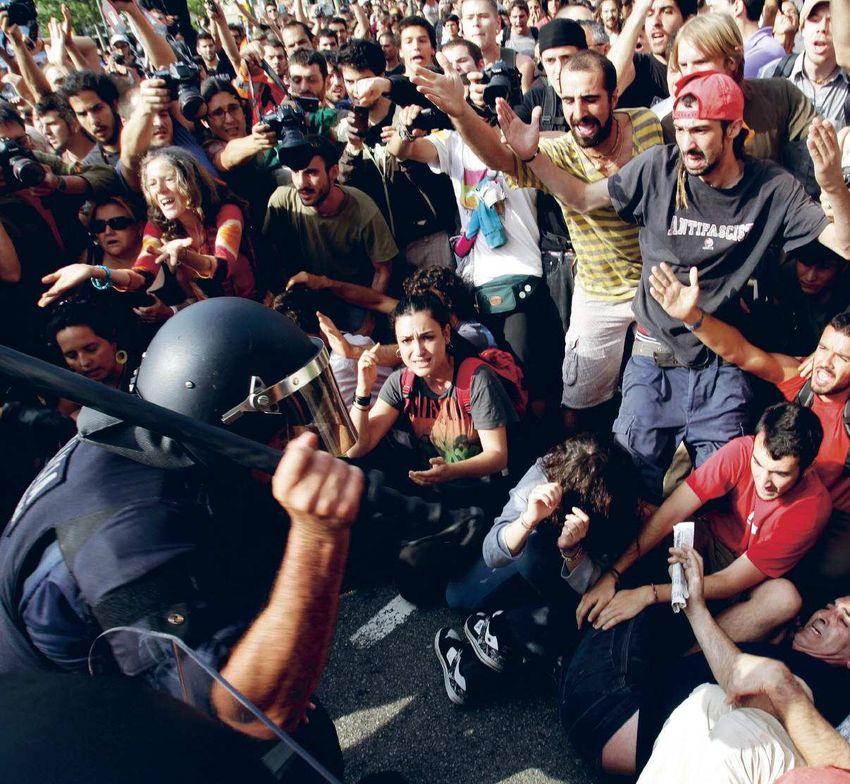
CONTENTS

                                            INSIDE
                                                                THIS WIRE
                                                                          COVER IMAGE
                                                                          Riot police disperse an anti-austerity
                                                                          demonstration in Barcelona, Spain, on
                                                                          27 May 2011. Police repeatedly hit peaceful
                                                                          demonstrators with batons, and shot at them
                  CHINA’S DEFIANT HEART                                   with rubber bullets and blanks.
 People in Tibet and across China are protesting
    against repression in increasingly desperate
   ways. Sign and send our postcard urging the
  Chinese government to allow free expression.                            Q&A: “YOU CAN’T JUST STAND THERE
                                                                          AND NOT ACT”
                                                       PAGE 4             Sudanese activist MOHAMED HASSAN ALIM
                                                                          explains why he would rather go to prison
                                                                          than stand idly by.
                          UNDER PRESSURE
       Journalists across Africa are risking their              PAGE 6
        freedom and their lives for criticizing the
   authorities or reporting on conflicts. Sign and
send our postcard for World Press Freedom Day.
                                                                          KEEPING THE PEACE, BEATING THE
                                                       PAGE 8             PEACEFUL
                                                                          We need to keep a closer eye than ever on
                                                                          how demonstrations are policed in Europe,
                                                                          says GIORGOS KOSMOPOULOS.
              STOP THE SHIPS OF SHAME
      Why are cargo ships still delivering arms to              PAGE 12
    states that are abusing human rights? BRIAN
          WOOD explains how we can stop them.

                                                                          ON THE LINE
                                                      PAGE 14             Iran’s new Cyber Police is forcing bloggers and
                                                                          social media users offline, with plans to limit
                                                                          access to the internet and replace it with a
                                                                          state-run intranet.
    THE MAKING OF ‘THE CHILDREN OF
                        THE JAGUAR’                             PAGE 15

      A new film shows the Sarayaku Indigenous
     Community’s fight for their lands and way of
   life in Ecuador. MARIANO MACHAIN met them.                             A YEAR’S CELEBRATION OF HUMAN
                                                      PAGE 16             RIGHTS
                                                                          A round-up of our successes during our
                                                                          50th anniversary year campaign, including
                                                                          a look at how social media revolutionized
                                  WHAT ELSE?                              campaigning in Italy.
 Read the latest campaign and regional news in                  PAGE 18
THE AGENDA (PAGE 2), POSTCARD actions (in our
     INSERT), the Amnesty International Report
             2012 and GOOD NEWS on PAGE 20.                               ACT NOW
                                                                          WORLDWIDE APPEALS
                                                                          READ, DISTRIBUTE, ACT
                                                                          SEE OUR INSERT
                                                                          UPDATES ON PAGE 21
                                                                                                                                       1
                                                                                                               WIRE [ MAY/JUN 2012 ]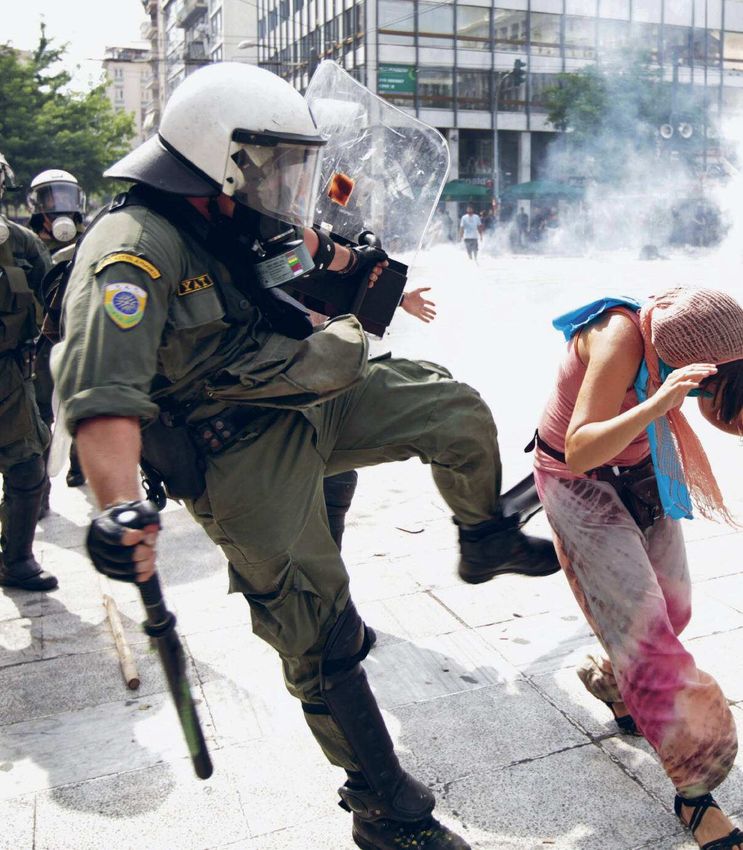
The
                                 Agenda
 News from Amnesty International’s regional teams and campaigns

Asia and the Pacific
Afghan children
dying in
displacement camps
Hundreds of thousands of people
fleeing conflict in southern Afghanistan
are forced to live in makeshift camps,
facing starvation and hypothermia. At
least 40 people have died during this
year's bitter winter, most of them
children.
Support displaced Afghan people by signing
our petition at amnesty.org/en/activism-center

At least

18,750
people were living under
a death sentence
globally at the end of 2011

Indigenous teacher
still being held
Soni Sodi, an Adivasi schoolteacher, is
still being held in India on charges of
aiding Maoist rebels. Amnesty believes           Middle East and North Africa                 We issued                  Europe and Central Asia
                                                                                                                         Olympics ethics chief

                                                                                              369
the charges against her are false and            Lawlessness in Libya
politically motivated, and is calling for                                                                                resigns
her release. Soni Sodi claims that               Hundreds of armed militias continue to
Chhattisgarh state police tortured and           operate in Libya more than a year after                                 The ethics commissioner for the
sexually assaulted her.                          the uprising began. In January and           new Urgent Actions         London 2012 Olympics recently quit
                                                 February 2012, Amnesty delegates             in 2011                    over Dow Chemical Company’s
© Garima Jain/Tehelka

                                                 interviewed scores of detainees – many       Join us!                   sponsorship of the Games. In her
                                                 reported torture and ill-treatment                                      resignation statement, Meredith
                                                                                              Email uateam@amnesty.org
                                                 including beatings and electric shocks,                                 Alexander cited Amnesty’s research
                                                 in militia custody in western and            or write to                into the 1984 Bhopal gas leak, which
                                                 central Libya – as well as the families of   Individuals Team,          killed more than 20,000 people. Since
                                                 several detainees who died after being       Amnesty International,     2001, Dow has fully owned Union
                                                 tortured. Suspected al-Gaddafi loyalists     1 Easton Street,           Carbide, the owner of the Indian
                                                 have been targeted, including foreign                                   subsidiary that operated the plant
                                                 nationals, mainly from Sub-Saharan
                                                                                              London                     responsible for the disaster. More than
                                                 Africa and some local communities,           WC1X 0DW, UK.              100,000 people in Bhopal are still
                                                 and thousands continue to be detained                                   suffering serious health problems as a
                 Soni Sodi                       or have been displaced. Read more at:                                   result of the leak and ongoing
                                                 http://tinyurl.com/lawlessness-libya                                    contamination.

2
                        WIRE [ MAY/JUN 2012 ]
THE AGENDA
©Ilya van Marle / Amnesty International
20
countries are known
to have executed
Up front
people in 2011,
down from 31 in 2001 The night-crossing
Amnesty International Campaigner
http://tinyurl.com/olympics-dowchemical MAHA ABU SHAMA talks to women
fleeing bloodshed in Syria
The Americas
Tasers kill After a week of winding
our way to Jordan’s
The number of people who have died al-Ramtha transitional
in the USA following the use of a Taser camp in early February,
reached 500 in February. Johnnie © Amnesty International I found a building
Kamahi Warren was unarmed when an housing a handful of
Alabama police officer deployed a newly arrived refugees
Taser on him at least twice on 13 from Syria. From a
February. He reportedly stopped large, bare hall, five
breathing shortly after being shocked, doors led off into
and was pronounced dead less than rooms for families.
two hours later. Amnesty International I chose a door at
believes such weapons should only be random and knocked.
used in situations where police would Maha Abu Shama at the Jordanian The room was
otherwise use firearms. Read more at: border with Syria home to two sisters,
http://tinyurl.com/taser-report their two sisters-in-law,
and several children. They were from Tasil, a village near
Africa Dera’a in Syria, about 10km from the camp. “We are a bit
“The main thing is that
during the ‘Arab Spring’ International Day scared to give you information”, one sister explained, “as we
don’t know if you would tip off the Syrian authorities”. When I
we broke through the Against Homophobia described what Amnesty does, they began to relax.
barrier of fear. As a result,
a wonderful opportunity for
and Transphobia. They had lost their older brother 10 months ago: “He was
killed by a sniper in a Dera’a city neighbourhood.” Then,
change has arisen, for good Many people in Africa face harassment, almost as if recounting someone else’s story, they told me
or for ill. Ultimately I am persecution and violence because of about another brother, an activist, shot dead a week ago in
very optimistic about what their sexual orientation or gender front of a teenage girl: “We heard that she lost her ability to
is happening. We can bring identity. On 17 May, Amnesty will speak as a result of the shock.”
about change.” campaign for the rights of lesbian, gay, They knew of seven other people killed in one week, and
bisexual, transgender and intersex listed a couple of names. I asked: “Were they all men?” Only
Shawky Othman, a university lecturer from
Cairo, Egypt people in sub-Saharan Africa. then did they remember a woman who was shot while putting
Contact your local Amnesty office for out her laundry on the roof.
more details. They had fled Syria in the dead of night, walking for miles
with their children before crawling on their bellies into Jordan
(
“It feels good to be with my to avoid the Syrian border security. “If they don’t catch the
friends again. Amnesty International activists, they’ll eventually go after their families.”
is a symbol of human rights and As we parted, one woman told me, almost jokingly:
“Before leaving Tasil, I was looking out from the window and
freedom. I am grateful for all the hard saw security forces chasing a man near the village. They were
work done by your organization and shooting at him and I thought no doubt they would kill him.
other organizations which fight for Letters Want your
When I looked closely I realized that the man was actually my
husband. Thank God he managed to escape.”
freedom in Azerbaijan.” views and
comments to
Amnesty International has repeatedly called for the
appear in WIRE? situation in Syria to be referred to the International Criminal
Jabbar Savalan, student, released
)
Write to us at Court. We are also calling for an international arms embargo
yourwire@
from prison following Amnesty’s amnesty.org
and for the assets of Syrian President Bashar al-Assad and
Write for Rights campaign those close to him to be frozen.
3
WIRE [ MAY/JUN 2012 ]
FREEDOM OF EXPRESSION

CHINA’S
DEFIANT HEART
Images of Tibetans dousing themselves with petrol and setting
themselves alight have captured the world’s attention. Other people
across China are taking the same extreme measures to demand
respect for their rights.

O
        n 5 March this year, Dorjee, an 18-year-old         development projects have powered ahead with little
        Tibetan, set himself on fire in Ngaba county in     concern for those affected.
        the south-eastern province of Sichuan. He               Thousands of people in rural and urban areas
reportedly shouted anti-government slogans before           alike have endured the trauma of having their homes
he died, engulfed in flames.                                demolished without consultation, compensation or
      He was the third person to self-immolate – or set     practical offers of a new home elsewhere. Families
himself on fire – in the space of a single week. Thirty     might hear that a demolition is about to happen by
Tibetans, mostly monks and nuns, have set themselves        word of mouth, or from the sudden appearance of a
on fire since 2009 (as of 20 March 2012) in protest         public notice. Sometimes, there is no warning at all.
against the Chinese government’s attack on their                On 17 November 2010, while studying law at
religion, language and culture. At least 20 of them died.   Tsinghua University in Beijing, Wang Jinwen from
      Refusing to acknowledge Tibetan people’s              Beisanli village in Shandong province learned that his
grievances, the authorities have instead sought to          parents’ home had been demolished without warning.
                                                                                                                       © REUTERS/Carlos Barria

vilify those who have died, to discredit them and their         “My house was bulldozed and immediately
demands. The top Chinese official in Ngaba recently         cleared away – furniture, clothing, food, my books…
accused those who had burned themselves of having           scattered everywhere”, he wrote in an open letter to
“criminal records” and “bad reputations”.                   the local authorities shortly afterwards.
      The Chinese authorities have long used a blend            When evictions occur, they tend to be violent,
of brute force and acquiescence – such as conceding         with police, “urban management” or even thugs
to some demands or paying off protest leaders with          hired by developers beating up those who resist or
jobs or cash – to defuse protests. But the voices of        dare to protest.
discontent continue to rise.                                                                                          eviction. It has since forced the government to move
      Across China, pro-democracy activists, people         A RALLYING CRY                                            ahead with some limited reforms.
who have been thrown off their land and out of their        Some Chinese people facing forced eviction have                But land disputes have driven other people to
homes, and many others are also demanding respect           resorted to setting themselves on fire. It has been the   self-immolate since Tang Fuzhen’s desperate act.
for their rights. Their demands have sometimes              final act of defiance for some of those prevented from    Amnesty International has documented the cases of
culminated in the same desperate act that has               getting legal help, or who have been harassed for         more than two dozen people who have set
increasingly characterized the Tibetan protests.            trying to protest in other ways. Tang Fuzhen set          themselves alight since 2009.
                                                            herself on fire in November 2009 after unsuccessfully
HOMES DEMOLISHED WITHOUT WARNING                            trying to resist eviction from her home in Chengdu,       ‘JASMINE PROTESTS’
The one issue that has probably galvanized ordinary         Sichuan province. She later died from her burns. Her      Over the past year, the government has seen the
people most across China is forced eviction. Since          case became a rallying cry for critics of the Chinese     Chinese people grow stronger in their demands for
the lead-up to the 2008 Beijing Olympics,                   government’s weak protections against forced              more freedoms and a say over their country's future.

4
       WIRE [ MAY/JUN 2012 ]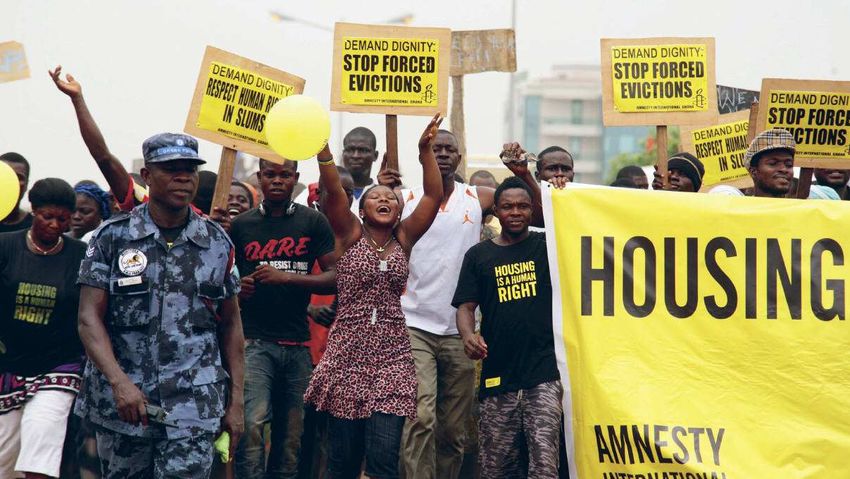
CHINA

                                                                                                                     A Tibetan Buddhist nun from the Ganden Jangchup
                                                                                                                     Choeling nunnery pauses from repairing a mountain
                                                                                                                     road near the town of Daofu, Sichuan province, on 13
                                                                                                                     November 2011. Ten days earlier, Palden Choetso, a
                                                                                                                     35-year-old nun who lived at the same nunnery, burned
                                                                                                                     herself to death.

The tremors that reached it as political upheaval       and stroll peacefully around cities and towns in                  Whether fighting for their cultural beliefs or their
rocked the Middle East and North Africa in early        various parts of China.                                      housing rights, ordinary people in China are taking an
2011, also unleashed one of the harshest                    The authorities’ response was swift. Before              extreme stand – sometimes sacrificing their lives in
crackdowns on protest in the country since the          the end of the month more than 130 people,                   the process. It’s time for the Chinese government to
Tiananmen Square demonstrations of June 1989.           including bloggers, artists, government critics and          listen to the people, and prioritize political reforms
    Tunisia’s “Jasmine Revolution”, in particular,      online activists were detained, subjected to enforced        to match the economic reforms that have catapulted
inspired an online call for similar protests in China   disappearance or placed under surveillance.                  it onto the world stage.
during February 2011. “For our country’s future, for        Among them was Chen Wei, a veteran of the
the fundamental rights of our children and future       Tiananmen pro-democracy movement. In December last
generations, please bravely come out”, read the post,   year, he was sentenced to nine years in jail for “inciting   ACT NOW
which appeared on a Chinese language website            subversion of state power” because he had written            Sign and send our postcard insert calling for freedom of
based in the USA. It urged citizens to simply gather    online articles that criticized the Communist Party.         expression in China.

                                                                                                                                                                                 5
                                                                                                                                                      WIRE [ MAY/JUN 2012 ]
HUMAN RIGHTS TALK

                  ‘YOU CAN’T JUST STAND THERE                                       What sparked your interest in human rights?
                                                                                    I’ve grown up witnessing human rights abuses on a
                                                                                    daily basis, and I’ve been an activist for more than

                   AND NOT ACT’                                                     12 years now. There is so much injustice in Sudan
                                                                                    that as a human being you can’t just stand there
                                                                                    and not act. I’ve always felt the need to stand up
                                                                                    for my rights, and the rights of the society as a
                                                                                    whole.

                                                                                    How does your work impact on your life?
                  Mohamed Hassan Alim is well known to the Sudanese authorities     My work as an activist has taught me that from
                                                                                    the moment I step out of my house everything is
                  as a member of the non-violent opposition Ba’ath party. Also      possible: I could get arrested, detained and beaten
                  known as Boshi, he is 29, from Khartoum in Sudan and recently     at any time. All activists in Sudan fear for their
                                                                                    safety. The current government does not accept
                  graduated as an engineer. He was first arrested by the security   any opposition. Many activists are still in detention,
                  services in January 2011, tortured and held incommunicado for     with no judicial review for longer than the period
                                                                                    prescribed by the Penal Code. The law is not being
                  45 days. They arrested him again on 26 December, just after he    respected. The police and the army are not there
                  had criticized a government official in a speech posted on        to protect citizens; they’re there to protect the
                                                                                    government. All of this has created a difficult and
                  YouTube. He was released without charge both times.               unsafe environment for activists.
© Khalid Albaih

                  6
                      WIRE [ MAY/JUN 2012 ]
HUMAN RIGHTS TALK

                                                          There are many challenges in Sudan today:             inequality and discrimination. We need to change
“THE TIMES I’VE SPENT IN                              corruption, lack of freedom of expression, freedom
                                                      of association and freedom of movement as well as
                                                                                                                these aspects of our society and then proceed with
                                                                                                                establishing a just, democratic system.
DETENTION ARE THE TIMES                               a rampant discrimination against ethnic groups.
                                                                                                                What keeps you motivated when times are
I FELT MOST VALUABLE TO                               I think it all relates to one main issue: abuses
                                                      of power by the authorities and the culture of            hard?
MY SOCIETY.”                                          impunity that prevails. A member of the police
                                                      or the army can arrest, detain, and torture any
                                                                                                                I believe that we all have a purpose on this earth
                                                                                                                and mine is to defend people’s dignity and rights.
Mohamed Hassan Alim, also known as Boshi              Sudanese citizen without any legal proceedings.           My motivation stems from my conviction in
                                                      Meanwhile, government officials and their families        speaking out against injustice. The times I’ve
                                                      are protected and free to do as they please. Power        spent in detention are the times I felt most
                                                      is what matters, and this has led to significant          valuable to my society.
What are the main challenges in the                   inequalities within our society in relation to
struggle against human rights abuses in               education, health, and employment.                        Do you have a message for our readers?
Sudan?                                                                                                          I would like to thank Amnesty International and its
The situation in Sudan has become like a cancer       If you could change one thing about the                   members for all their efforts. I would also like to add
that requires surgery. The main issue is the flawed   situation in your country, what would it be?              that it is important to speak the truth and stand up
political system that’s been in place for all these   I would change the culture of Sudanese society            for it. All human beings have the right to live in
years, and that needs to be removed. Many activist    that the government has been encouraging. It is a         dignity and respect. We need to all act together,
groups, particularly student groups such as Girifna   culture of marginalization, lack of solidarity, gender    in solidarity, against all human rights violations.
and Youth for Change, are all standing up and
acting to achieve this main objective:                                            “We are all Boshi”, a cartoon by Khalid Albaih. It references the “We are all Khaled
removing the system.                                                              Said” Facebook group and campaign for justice for a young man who was dragged
                                                                                  from an internet café and beaten to death by Egyptian police in 2010.

                                                                                                                                                                          7
                                                                                                                                               WIRE [ MAY/JUN 2012 ]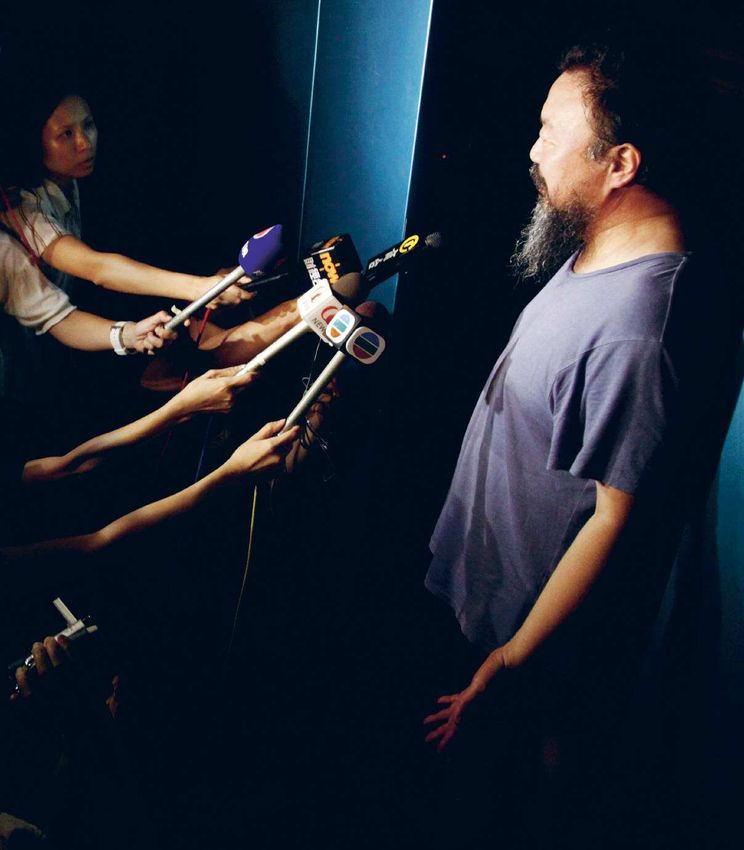
© Private
    WORLD PRESS
            WORLD
                FREEDOM
                  PRESS DAY

                                             UNDER
Many journalists in Africa risk a harsh response if they criticize
governments. In some countries, newspapers, websites, and TV and
radio stations are closely watched by security agents ready to clamp
down on dissent. In others, journalists are targeted for reporting on
armed conflicts or attacks. Those who continue to work despite the
dangers can face arrest, prison, torture, even death.

GAMBIA: HARD LABOUR FOR                                    2010 and sentenced to five years in prison for
                                                           “undermining the constitutional system” and
PRINTING T-SHIRTS                                          “publishing false news”. This was later reduced to                                  © REUTERS/Mohamed Nureldin Abdallah

Journalists in Gambia risk arrest for writing stories or   one year but new charges were brought against him.
leaking information critical of the authorities.           He was released on bail in August 2011. However,
Newspapers have been closed down or had their              the charges against him have not been dropped and
websites hacked into. At least 27 journalists have         he could be imprisoned again at any time.
gone into exile in the last two decades, fearing for
their lives. Others have been subjected to enforced
disappearance or allegedly been tortured or killed by
government security forces.
                                                           MALAWI: IN THE PUBLIC
      Daily Observer journalist Chief Ebrima Manneh is     INTEREST?
still missing after he disappeared in 2006. A court        “You cannot demonstrate, you cannot freely
ruling that he should be released and damages paid         express yourself. Malawi is becoming a police
to his family has gone unheeded. The wider situation
                                                           state. Where are we heading?”
for freedom of expression is also sombre. Dr Amadou
                                                           Malawian human rights defender, 2011
Scattred Janneh, Gambia’s former Minister for
Information and Communication, was arrested in             The situation remains tense for Malawi’s journalists.    © Amnesty International

June 2011 for possessing T-shirts calling for an “End      Reporters covering nationwide demonstrations in July
to Dictatorship Now”. He was later sentenced to life       2011 were arrested, beaten, and had their cameras
imprisonment with hard labour for treason. Amnesty         and notebooks confiscated and destroyed. Some
International considers him a prisoner of conscience.      suffered serious head injuries after being assaulted
                                                           with gun butts. Four independent radio stations were
                                                           temporarily taken off air.
SUDAN: VOICES SILENCED
                                                                                                                      © REUTERS/Ismail Taxta

                                                                A recent law gave the Minister of Information the
                                                           power to ban any publication deemed “not in the
“The charges against me have not been                      public interest”. This has since been used to silence
dropped. I could end up in jail without any                critics and clamp down on press freedom.
notice. I am unemployed and can’t write for
my newspaper any more.”
Abuzar Al Amin

Threats have intensified against vocal critics of the      Starting on page 8 from the top: Eskinder Nega and his
Sudanese government in recent years. Journalists,          family; Journalists protest in Khartoum, Sudan; Chief
writers and activists have been arrested and tortured      Ebrima Manneh; Somali journalists at the funeral of
by the security services.                                  their colleague Abdisalan Sheikh Hasan; Page 9 from
    Abuzar Al Amin, former Deputy Editor-in-Chief of       the top: Abuzar al-Amin; Dr Amadou Janneh; Malawi,
the Rai Al Shaab newspaper, was arrested in May            July 2011.

8
         WIRE [ MAY/JUN 2012 ]
© Private
WORLD PRESS FREEDOM DAY
PRESSURE
© Coalition for Change – The Gambia (CCG)
ETHIOPIA: ENOUGH! articles criticizing government policies and
alleging corruption among senior officials, including
“Maybe this could be the year when freedom of President Paul Kagame. In February 2011, they
© Amos Gumulira/Africa Media Online expression and association will be respected… were sentenced to 17 and seven years in prison
Maybe this could be the year when Ethiopians respectively.
will no more be imprisoned for their political The government recently embarked on an
convictions.” ambitious set of reforms which, if passed, could
Eskinder Nega, Ethiopian journalist and former prisoner of conscience. reduce state control of the media.
Days after giving a speech on press freedom in
September 2011, Eskinder Nega was arrested. He is
now on trial alongside 23 other journalists and
opposition politicians. The charges against them
SOMALIA: COURAGE
include “terrorist acts”, “high treason” and “espionage”. UNDER FIRE
The authorities routinely use criminal charges and Somalia is one of the world’s most dangerous places
accusations of terrorism to silence dissenters. In to be a journalist. At least 27 Somali journalists have
January 2012, journalists Reyot Alemu and Woubshet been killed since 2007. Others have been harassed,
Taye were found guilty on terror and money laundering attacked and forced into exile, preventing
charges after writing articles criticizing the government. independent reporting of the armed conflict in the
US-based journalist Elias Kifle was found guilty in his centre and south of the country.
absence. The evidence against them mainly focused Abukar Hasan Mohamud Kadaf, former Director
on their reports about the slogan Beka! (“Enough!”) of private radio station Somaliweyn, was shot dead by
appearing across the capital, Addis Ababa, in May unidentified gunmen on 28 February 2012. He was
2011 as a call for peaceful anti-government protests. the third journalist to be killed in just two months in
the capital, Mogadishu. Hassan Osman Abdi, known
as “Hassan Fantastic”, was shot outside his home in
RWANDA: Modadishu on 29 January. Abdisalan Sheikh Hassan
was shot in the head by a man wearing a government
WORDS BEHIND BARS military uniform on 18 December 2012.
After years of intimidation, only a handful of So far, no one has been brought to justice for any of
independent Rwandan journalists are still able to the killings and attacks against journalists in Somalia.
work. The authorities used sanctions, laws and
criminal defamation cases to paralyze the
independent media before the 2010 presidential
elections. Leading editors and journalists fled, and
others were sentenced to long prison terms. ACT NOW
Agnes Nkusi Uwimana, editor of the private Sign and send our postcard insert for journalists in
Kinyarwanda newspaper, Umurabyo, and her deputy Somalia. To send an appeal for Abuzar al Amin, visit
editor, Saidati Mukakibibi, were prosecuted over tinyurl.com/abuzar-action
9
WIRE [ MAY/JUN 2012 ]THIS IS OMAR, A TEENAGE REFUGEE FROM SOMALIA. A LIFE ON HOLD IS A NEW FILM ABOUT OMAR’S LIFE IN A REFUGEE CAMP IN TUNISIA. WATCH IT AT AMNESTY.ORG/REFUGEES © www.marcsilver.net
A LIFE ON HOLD
A FILM BY NICK FRANCIS
AND MARC SILVER
POLICING IN EUROPE

             KEEPING THE PEACE
                         BEATING THE
                         PEACEFUL
                             Austerity measures, redundancies, small arms in
                             the hands of police never held to account. This
                             deadly recipe is being brewed up across Europe –
                             most recently in Greece – and threatening our rights
                             to peaceful assembly and protest, says Amnesty
                             International Campaigner GIORGOS KOSMOPOULOS.

12
     WIRE [ MAY/JUN 2012 ]
POLICING IN EUROPE
© AP Photo/Lefteris Pitarakis
“W
hen I was reporting from war zones and violence, and facilitate – or at least not curtail –
was caught [in cross fire], I always said people’s legitimate right to gather and protest.
to myself: ‘Manolis, this is a good day to Police must be held accountable for their actions
die.’ I never thought I would say the same in the and pursued through the criminal courts if they have
streets of Athens.’’ acted in an arbitrary or abusive way. Unfortunately,
On 15 June 2011, journalist Manolis Kypreos was the prevailing culture of impunity in Greece gives the
reporting live from a protest against austerity police no reason to curb their behaviour. They
measures in Athens, when he saw policemen beating therefore often use force in a general way against all
peaceful protesters. As he took photographs, the protesters.
head of the riot police asked him what he was doing, Across Europe, the authorities must ensure
so Manolis showed him his journalist’s ID card. thorough, prompt, independent and impartial
According to Manolis, the man then directed him to investigations into all allegations of such abuses in
another policeman, who promptly threw a stun their countries’ policing, if they are to stop them.
grenade at him.
The effect was devastating. When Manolis finally THE ROLE OF ARMS IN POLICE ABUSES
got back on his feet, he realized he couldn’t hear. A Weaponry and munitions such as tear gas and stun
medical examination later confirmed a permanent grenades, like the one that injured Manolis, are widely
loss of hearing in both ears. A recent implant has used by police forces in a way that does not comply
partially restored Manolis’ hearing in one ear, but his with international standards.
career as a journalist is effectively over. Multiple shipments for a range of policing
Policing of demonstrations in Greece has typically equipment, including CS hand grenades, stun
involved repeated incidents of excessive use of force, grenades, tear gas and other riot control agents, are
including tear gas and other chemicals, against continually supplied to Greece. They are supplied by
largely peaceful protesters. Brazilian, UK, German and US companies without
Media images of burning cars, incendiary bombs any legally binding human rights criteria concerning
and violent rioters conceal the sometimes hundreds their use. In countries where abuses by the state are
of thousands of peaceful demonstrators who are also commonplace, a similar flow of arms continues,
there to exercise their fundamental right to protest. unencumbered by the protection of human rights.
Violations of international standards during the For more than a decade, Amnesty International
policing of demonstrations are not limited to Greece. has been at the forefront of the campaign for an
In the past months, many protests have taken place effective Arms Trade Treaty with strong human rights
in European union (EU) cities against government safeguards. It is crucial that the Treaty contains the
austerity measures. EU and International Monetary highest possible international standards to ensure
Fund (IMF) bailouts have come with conditions that situations like the one Manolis experienced do
attached: new property taxes, public sector pay cuts, not continue in future.
welfare benefits reductions, and tax hikes. As a result, In July, UN member states will meet to negotiate
public anger has grown and angry citizens are the content of the first ever treaty to control the global
holding more and more demonstrations throughout arms trade. This is a once-in-a-lifetime opportunity to
the region. This calls for increased vigilance over save lives, protect careers – such as Manolis’ – and
policing practices. protect human rights. Read more about our
In Spain, Amnesty International has documented campaign for an effective Arms Trade Treaty on page
that people were hit by police officers with batons 14 and how you can be involved.
in Barcelona and in Madrid, in May and August
2011 respectively. Video footage showed police
officers hitting seemingly peaceful protesters on
both occasions. Hundreds of you wrote to Manolis and to the Greek
Amnesty International also wrote to the authorities to demand justice for him. Following an
Romanian authorities in January 2012 to express investigation into his case, Manolis received interim
concerns after media reports and video footage compensation for his injury in November 2011.
showed police apparently using excessive force
against demonstrators. ACT NOW
The UK, Denmark and Italy have also allegedly Write to the Greek authorities. Urge them to ensure that the
violated international standards during the policing of police do not use stun grenades, tear gas or other chemicals
demonstrations. against peaceful protesters. Call for the policing of all
Police dealing with demonstrations that have demonstrations to comply with international law enforcement
turned violent are required by international law to standards. Send your appeal to:
exercise restraint. They should only use “necessary” Michalis Chrisochoidis
and “proportionate” force to apprehend people Minister of Citizens’ Protection
A Greek riot police officer kicks a protester who was committing criminal acts or to defend themselves or Ministry of Citizens’ Protection
trying to calm others down during clashes in Athens’ others from violence. Crucially, they should minimize 4 P. Kanellopoulou Street
main Syntagma square, June 2011. the risk of harm to those who are not involved in the 10177 Athens, Greece
13
WIRE [ MAY/JUN 2012 ]ARMS TRADE TREATY
STOP THE SHIPS
In Syria, more than 7,000 people have been killed since mass
demonstrations began there in March 2011. Syrian security and
armed forces have brutally suppressed protests using tanks and a
variety of weapons and ammunition, often firing into civilian
OF SHAME
residential areas in towns and cities where the demonstrations have
occurred. People trying to help the wounded on the streets have
been targeted by snipers. And in February, the Baba ‘Amr district of
Homs city was heavily shelled, leaving desperate residents with no
means of escape and lacking the most basic amenities.
In the midst of this brutal crackdown, a Russian cargo ship
reportedly carrying between 35 and 60 tons of weapons,
ammunition and explosives, sold by Russia’s official arms trading
company, Rosobornonexport, is suspected of docking at the Syrian
port of Tartus, where Russia maintains a naval base, on 12 January
2012. Rosoboronexport has neither confirmed nor denied reports
The global arms trade has rarely been obstructed by that it was the owner of the cargo.
something as simple as justice. Deadly cargoes of arms The transfer of arms to countries committing serious abuses
could be prevented if UN member states can agree an effective
cross oceans every year, destined for states that commit Arms Trade Treaty this year. Negotiations will take place at the UN
serious human rights abuses. Amnesty International from 2 to 27 July and provide a historic opportunity for change.
Campaigner BRIAN WOOD explains how an International With so much at stake, we must ensure that human rights
safeguards are at the Treaty’s core; they could help save hundreds
Arms Trade Treaty could change this. of thousands of lives.
I
n April 2008, after the disputed Zimbabwean elections, senior © AP Photo
personnel in the Zimbabwean army were beating, torturing and
killing anyone suspected of voting for opposition parties. At least
200 people died as a result, thousands were injured and tens of
thousands were displaced.
Several weeks later, a Chinese ship, the An Yue Jiang, arrived in
South Africa carrying more than 3,000 cases of arms destined for
the Zimbabwean Defence Force. The cargo, exported by Poly
Technologies Inc. of Beijing, included weapons, ammunition,
rockets and bombs due to be transported to Zimbabwe with the
assistance of AB Logistics, a South African state-owned company.
But then ordinary South Africans, knowing the plight of their
neighbours, rose up in protest.
Trade unions, churches, human rights groups and lawyers in
South Africa launched an urgent campaign to stop the cargo
reaching Zimbabwe. Dock workers refused to handle the cargo at
any port and a court order later prevented its transit through the
country. Transport workers at ports in Mozambique, Namibia and
Angola, mobilized by national trade unions, soon followed.
Human rights groups and campaigners demanded action from
governments in Africa, the European Union and the USA, who all
called on Beijing to stop the shipment. And in May 2008, despite The An Yue Jiang outside Amnesty International is campaigning hard for a Treaty that
reports of some cargo being offloaded in Angola, the An Yue Jiang Durban harbour, South requires states to carry out rigorous risk assessments on all arms
reportedly returned with its military cargo to China. Africa, April 2008, transfers, and to prevent them where it is likely they’ll be used to
This extraordinary demonstration of courage by South African carrying weapons destined commit or facilitate serious human rights abuses.
workers made headlines around the world, and sent a strong for the Zimbabwean In March, we launched our 100 Days of Action campaign, with
message to the Zimbabwean authorities and all states that commit security forces. After an a global appeal urging governments to ensure that the Treaty stops
serious human rights abuses. international campaign arms transfers from fuelling atrocities. In our Global Week of Action,
Despite this, the ships carrying arms to such states continue to and action by dock workers from 11 to 17 June, we’ll give a final push to governments,
operate with impunity. in the region, the ship was demanding that they stand up and speak out for human rights.
Throughout the popular uprising in Egypt, security forces there forced to return to China Take action. Tell your government to support an effective Arms
have persistently used excessive and often lethal force against with most of its cargo. Trade Treaty that stops arms getting into the wrong hands – sign
demonstrators. Tear gas, water cannons, shotguns and automatic and send the postcard in this edition of WIRE and pass it to your
weapons, rubber bullets and live ammunition have all been used to local Amnesty section. They will send it on to the UN. Check with
crush protests. Yet between December 2011 and February 2012 the US your section to find out how you can get involved in local events.
government – Egypt’s main arms supplier – allowed at least seven Let’s tell governments everywhere that we need an Arms Trade
arms shipments to Egypt containing 349 tons of military equipment. Treaty that is bullet-proof.
14
WIRE [ MAY/JUN 2012 ]FREEDOM OF EXPRESSION
Demonstrations organized via Facebook and Twitter.
Blogs and articles criticizing unsympathetic officials
posted online and circulated on social media. No wonder
Iran’s government wants to limit the internet’s immense
power. A new “Cyber Police” force now keeps a close
eye on online content, controlling technology and
punishing those who speak uncomfortable truths.
ON THE LINE The Cyber Police – under the
command of the police force and
Ministry of the Interior – recently
ordered internet café owners to install
CCTV cameras and register users’
identities and contact details before
allowing them to use their computers.
Countless international websites,
including amnesty.org and domestic
social networking sites are now blocked
on servers based in Iran. Many Iranians
using proxy hosts and filter-busting
programmes to access sites abroad
© 2011 by Khalil
increasingly find that these are blocked
too or extremely slow. Providing this kind
W
ell-known blogger and opposition Image from Zahra’s Paradise – a graphic of software, or training in how to use it, is
activist Somayeh Tohidlou recently novel which first appeared online. The a criminal offence.
felt the full effect of the story is told by a blogger helping his mother Iranian officials have stated that they
government’s online monitoring. She was search for his brother, who disappeared intend to establish a state-wide intranet
flogged 50 times in September 2011 for in the 2009 Tehran street protests. that conforms to “Islamic principles”.
“insulting” the President. Afterwards, she Running parallel to the World Wide Web,
posted a message on her blog to those they say it is intended to “replace it in
who flogged her, recalling how she crackdown on freedom of expression in Muslim countries in the region”. Despite
had been chained hand and foot first: the country. During the protests that the Iranian authorities’ claims to the
“Be happy, because if you wanted to erupted after the country’s disputed contrary, many people fear most
humiliate me, my entire body is burning 2009 election, the authorities realized Iranians’ access to the global internet
with humiliation.” that social media sites like Facebook and may soon be shut off completely.
Another Iranian blogger, Hossein Twitter gave ordinary people the power
Ronaghi Maleki, is serving a 15-year to share information about gatherings
prison sentence for criticizing the and report widely on the government’s ACT NOW
authorities. Following an unfair trial, he violent repression. Email Supreme Leader Ayatollah Sayed ‘Ali
was convicted of “membership of an It wasn’t long before Iran’s long- Khamenei or tweet your call for the Iranian
[illegal] internet group”, of “spreading standing censorship of newspapers authorities to amend legislation which unduly
propaganda against the system”, and books, television, plays, film – even art – restricts the rights to freedom of expression,
“insulting the Supreme Leader and the was extended to online material. In association and assembly; to ensure that
President”. He was held in solitary January 2012, Police Chief Brigadier no one is detained or imprisoned just for
confinement for over a year, tortured and General Esma’il Ahmadi-Moghaddam peacefully exercising these rights; and to
otherwise ill-treated. He briefly went on announced that a new Cyber Police, immediately and unconditionally release
hunger strike in December 2011 and is established in 2011, was now working anyone so detained, including Hossein Ronaghi
in poor health. throughout the country to confront Maleki.
Their experiences are symptomatic Internet crimes and counter social Email: info_leader@leader.ir (addressed to
of a more fervent type of censorship and networks that spread “espionage and Your Excellency)
repression in Iran, part of a wider riots” (cyberpolice.ir). Twitter: @khamenei_ir
15
WIRE [ MAY/JUN 2012 ]INDIGENOUS PEOPLES
THE MAKING OF
CHILDREN OF THE JAGUAR
Mariano Machain, Amnesty International remain buried on Sarayaku’s land as a result of oil “FOR ALL THOSE PEOPLES WHO HAVE
exploration. The government has refused to remove
Campaigner, tells the story behind a new the explosives or to guarantee that they will consult
WEPT, WHO HAVE BEEN MARGINALIZED,
documentary film about the Sarayaku the community about future projects. The Inter- WHO HAVE BEEN MISTREATED AND
Indigenous Community’s campaign to American Court of Human Rights is now their last INSULTED – WE, THE SARAYAKU PEOPLE
defend their home and way of life in the hope for redress. ARE GOING TO SAY: ‘ENOUGH!’”
Children of the Jaguar follows the community’s
Ecuadorian Amazon. journey to present their case before the Court. The
José Gualinga, President of the Sarayaku community
stakes are high. The Court’s decision will have an
W
e arrived in Sarayaku after a long drive from impact far beyond the Sarayaku. It will also affect some 1,200 people, we saw for ourselves just how
the Ecuadorian capital to Puyo, the regional the future of thousands of Indigenous communities intense that relationship is and how precious the
capital, and a short flight into the Amazon. throughout the Americas fighting to be consulted rainforest is to the culture and sense of identity of
Eriberto Gualinga, Sarayaku’s videomaker, was before governments grant concessions for the community living there.
waiting for us by the landing strip. After exchanging development projects that will affect their way of life. The Sarayaku are fully aware that the
so many emails and Skype calls, we felt that we The date for the Court hearing was fast international community has recognized Indigenous
had already met. approaching by the time we arrived in the Peoples’ right to be consulted and give their free,
We began by talking to José Gualinga, community, so we only had four days to film in prior and informed consent regarding projects which
Sarayaku’s leader and Eriberto’s older brother, Sarayaku. Three members of the delegation chosen may affect them. The aim of their journey is to
about why we were making the documentary and to travel to the Court in Costa Rica became the ensure that their right is respected in practice.
how it would be used. Children of the Jaguar is a focal point of the film – Ena Santi, Patricia The Inter-American Court’s decision will be
co-production between the Sarayaku and Amnesty Gualinga and Eriberto Gualinga. Each had a handed down anytime now. While they wait to hear
International, so it was important to clarify these powerful story to tell and was willing to devote time the outcome, the Sarayaku are preparing for the
issues before we started shooting the film. We were and energy to the sometimes painfully time- challenges ahead.
relieved when José confirmed that the Sarayaku consuming business of making a documentary.
were happy to let us wander around the community Some of the delegation had never visited
with our cameras, boom and cables. another country before. On this journey, they also ACT NOW
I had come to Sarayaku with a local film crew, encountered challenging new experiences, such as Watch a trailer for Children for the Jaguar at
Rosie Kuhn and Pavel Quevedo, to capture a crucial facing television cameras and appearing in court. bit.ly/Jaguar-trailer and sign up for future campaign
stage in the community’s struggle. A few years earlier, Apprehensive but undaunted, the delegates set off updates. Please spread the message about this documentary
Ecuador’s government had granted an oil company armed with an unwavering belief in their right to to support the Sarayaku and other Indigenous Peoples facing
permission to look for oil on their traditional lands, justice and dignity. similar threats to their lands and livelihoods. The film will be
without talking to the Sarayaku first. Indigenous Peoples have a special relationship on wider release after touring various film festivals, and you
The community responded quickly and managed with their lands – we knew this long before we can request screenings in advance with subtitles in several
to stop that project. But 1.4 tons of explosives arrived in the Amazon. But in Sarayaku, home to languages.
16
WIRE [ MAY/JUN 2012 ]ECUADOR
“For us, the rainforest is life. It is what
gives us our identity as an Indigenous
People. Our life as a people depends on
our natural environment. I have
something worth defending. For me, this
is what living with dignity means.”
Eriberto Gualinga
“Face painting is one of our ancestral
traditions. The paintings have many
different meanings.”
From Children of the Jaguar
“WE HOPE YOU WILL BE “In 2002, an oil company came onto our
INSPIRED BY OUR STORY.” lands. The helicopters arrived bringing the
company’s workers and technicians. Then
came the soldiers and private security
guards. At no point were we consulted by
the government on this oil project.”
From Children of the Jaguar
“Next Tuesday we have to travel to Costa
Rica. I’ve never been to that country…
I’m going as a witness
from the community to tell them
what happened to us when the oil
company arrived.”
Ena Santi explaining to the children in her class why she is going away.
“We are going to set out the whole issue
of free, prior and informed consent and
that we have the power to say ‘No!’ when
we do not want extractive companies to
come onto our lands.”
Patricia Gualinga
“Our future depends on what we say to
the judges in the next few hours. Right
now, we are really feeling the pressure
and the responsibility we carry.”
From Children of the Jaguar
All images © Amnesty International
17
WIRE [ MAY/JUN 2012 ]CAMPAIGNING
THE SOCIAL NETWORKERS
As Amnesty International’s anniversary year campaign enters its final phase,
Campaign Coordinator TINA MARINARI and Online Activism Officer SAMANTA
PALADINO explain how social media helped Amnesty Italy achieve the highest
number of appeals sent globally during the recent faxjam.
SAMANTA
“The faxjam was so successful because it linked an
online and an offline element. It was helped by the fact
that Italian members already knew the two cases very
well. We also did a video chat with two members of
the Peace Community of San José de Apartadó, Jesus
Emilio Tuberquia and Noelia Tuberquia Salas, a few
months before the action so people already felt
motivated to campaign for them.
The social media actions we did were liked and © Susanne
Keller
shared and taken. Doing real time updates on social n Dits
ristiaIn
© Ches tern
networks was vital, because you can reformulate the Amn ty
same call to action in a new way and reiterate the message to increase impact. Having a social
media strategy in advance is really important too, because it synchronizes the message globally.
The aim of social media is making online activists feel part of a global movement. We want to
increase our online actions in future and also feature video chats with international guests or local
experts. That’s a great tool for learning about human rights issues. We have a long way to go in
this sense. Having the technology helps, but it’s difficult to translate Amnesty’s long, detailed
reports and our rich, complex messages into something that can easily be delivered online.”
TINA
“The concept of sending a fax via a PC was a perfect way to embody activism in Amnesty’s 50th
anniversary campaign year. It was a new tool and an unexpected success. And we’ve used faxes
a lot in past campaigns so the fax tool links our traditions with the present.
Many activists were scared of sending a fax −
some didn’t understand whether they had to pay. © FCAM
Working with a new tool definitely generates curiosity:
someone even emailed me to ask if the fax noise
coming out of the computer was real.
I was worried that the faxjam was going to be a
disaster, so I was surprised by the numbers we
achieved – 2,361 faxes for Norma Cruz and 1,524
faxes for the Peace Community of San José de Apartadó.
That’s a great result for a one-week long action.
It was so successful we’re now thinking about
reusing the tool in future. Next time it would be ideal
to have the fax page in Italian. We would also like a
follow-up video message from the people we’re appealing for, showing the impact it has had on
their lives with voices and images.
We circulated Norma’s thank you message to supporters online, on email and via social
media. Several activists emailed us to say how pleased they were with the fax tool’s success.
Working for Amnesty is challenging, so it’s great to receive direct feedback and thank you © Lala Gamero/Juan Pablo Azaba
che
messages from people.
Amnesty’s anniversary campaign was a fantastic opportunity to make us feel part of a global
movement. Our pride in our 50 year-long story challenges us to do more, with more strength and
enthusiasm.”
From 14-21 July, Amnesty International Italy will repeat its successful International Camp for Migration in
Lampedusa, focusing on migrants’ rights. Visit amnesty.it/lampedusa
ACT NOW TWEET YOUR CALL FOR SHELL TO #CLEANUPTHE #NIGERDELTA
18
© Michael Sawyer
WIRE [ MAY/JUN 2012 ]A YEAR’S CELEBRATION OF HUMAN RIGHTS TOPIC
MAY 2011 DECEMBER 2011
m/
Great pics on flickr.co show
Toast to freedom in 58 countries. Letter Writing Marathon
groups/amnesty50/po
ol/ 1,376,962 actions tries
un
taken in 78 co
JUNE 2011 Human Rights Day
Shepard Fairey creates butterfly of hope Hundreds of thousands
for women and girls in Nicaragua. of us lit up the world!
Amazing shots at
JULY 2011 tinyurl.com/amnesty
e shinealight
7,526 appeals mad
Egypt online action for women
(M ay -Nov ember) JANUARY 2012
faxes
AUGUST 2011
We sent 4,634
FaxJam for Norma Cruz
emala’s
Butterfly action ends
50,000 butterflies to Gu at
l
Attorney Genera
sch
created in
national
177 countries!
FEBRUARY 2012
FaxJam for Colombia’s Peace Community of San José de
t
69 faxes sen
SEPTEMBER
5,4
All butterflies delivered Apartadó
to Nicaragua
See pics from the MARCH 2012
demonstration defending Time for justice in the Democratic Republic of the Congo
girls’ and womens’ rights here: 1,089 actions taken so far
amnesty.org/en/50/campaigns/reproductive-rights
APRIL/MAY 2012
OCTOBER Shell: Own up. Pay up. Clean up.
yurl.com/ Demonstrations, stunts and
Powerful video at tin h-penalty
Launch: Belarus death penalty petition
gainst-d eat lobbying for the Niger Delta
day-a
See amnesty.org/
en/50/campaigns/
NOVEMBER stop-corporate-abuse
Belarus death penalty 28 May
petition ends Closing toast to freedom!
00
We handed 250,0 e
signatures to th
government
NOW lls
ACT t your ca
Twee Shell to
for up the
n
#clea r Delta
gler
© Laurent Zie
e
© Amnesty Int
#Nig
ernational (ph
All other images © Amnesty International oto: Panithan
Kit sakul) 19
WIRE [ MAY/JUN 2012 ]GOOD NEWS
& UPDATES
MAIKEL NABIL SANAD
Prisoner of conscience Maikel Nabil
© Private
Sanad (Worldwide Appeals, January/
February 2012) was released from
prison on 24 January. He was
imprisoned in April 2011 for
criticizing the Egyptian military
authorities in his blog and on
Facebook, and for his objection to
military service. He was put on trial
in a military court in April, and
retried before a military court in
December.
He told Amnesty International:
“I dreamed for the last 10 months receiving hundreds of letters from
for the day [I would] be beside my Amnesty members all over the world.
friends in Tahrir again… it’s the These letters helped me to fight
beginning of a new level and a new era more and to continue my struggle
of fighting for our rights in Egypt.” against the military council in Egypt,
“For Amnesty I am very grateful and my message to you: you helped
for all the efforts for my freedom, me to reach this day, you helped me
and I want [you] to know that I was to be better, so thank you.”
SUDANESE YOUTH
ACTIVISTS RELEASED AMNESTY INTERNATIONAL REPORT 2012
Six members of the student-led in eastern Sudan. Relatives of some
THE STATE OF THE WORLD’S HUMAN RIGHTS
movement Girifna have been of the students have sent their thanks
released from Kober prison in to members of our Urgent Action
In a year of unrest, transition
Khartoum. Amar Dirar, Nagi Musa, network, who called for their release. and conflict, too many people
Gazi Eltayeb, Mohamed Mahjoub, Many activists still face arrest, are still denied their most basic
Sharif Kamal and Omar Hamid were incommunicado detention, torture rights. As demands for better
arrested on 25 January 2012 after and other ill-treatment at the hands governance and respect for
taking part in a public forum of the authorities in Sudan. Amnesty human rights grow, this report
organized by Girifna. The event was International continues to monitor shows that the time has
held to commemorate the 2005 the situation and campaigns for the come for world leaders to rise to
Beja massacre at Port Sudan and to human rights of activists to be the challenge.
discuss the human rights situation respected. The Amnesty International
Report 2012 documents the
state of human rights in 155
HAVE YOU WRITTEN A LETTER IN countries and territories in 2011.
RESPONSE TO AN APPEAL IN WIRE? For the first time, it is also
Maybe you have received a reply from the authorities or from available on Kindle.
an individual at risk? If so, we’d love to hear from you. Please
send your stories and copies of any correspondence you have To find out more, visit
received to the address at the beginning of WIRE. amnesty.org/annual-report/2012
20
WIRE [ MAY/JUN 2012 ]You can also read


