BURPENGARY STATE SECONDARY COLLEGE - 2021 Year 9 and 10 Subject Handbook - Burpengary ...
←
→
Page content transcription
If your browser does not render page correctly, please read the page content below
2021
 Year 9 and 10
Subject Handbook

      BURPENGARY
      STATE SECONDARY COLLEGE

                                1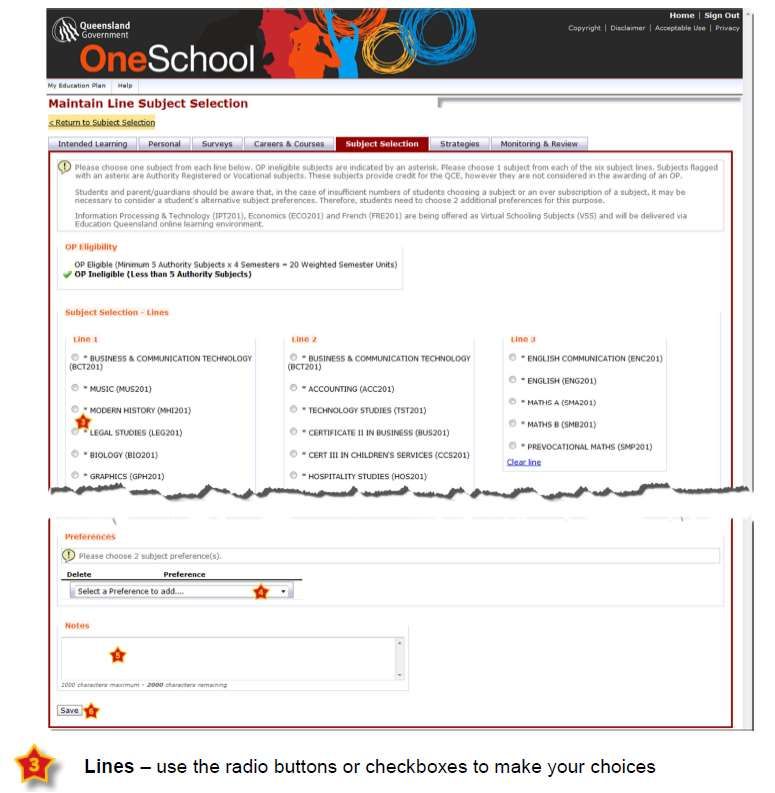
Message from the Principal
Here at Burpengary State Secondary College, we pride ourselves on ensuring our young people
are taught and supported to learn core elements of the curriculum.

The 2021 Year 9 and 10 subject selection handbook outlines in summary, the range of subjects
available to students to assist them in choosing their elective subjects. I would ask students to
choose wisely with a focus on pursuing subjects that will enhance their individual excellence and
support them in the pursuit of their personal learning goals, senior secondary and post -
secondary pathways.

We look forward to continuing our partnership and achieving the best possible outcomes for our
children.

Mr Peter Hoehn
College Principal

    RESPECT • COURAGE • EXCELLENCE
                                                                                                    2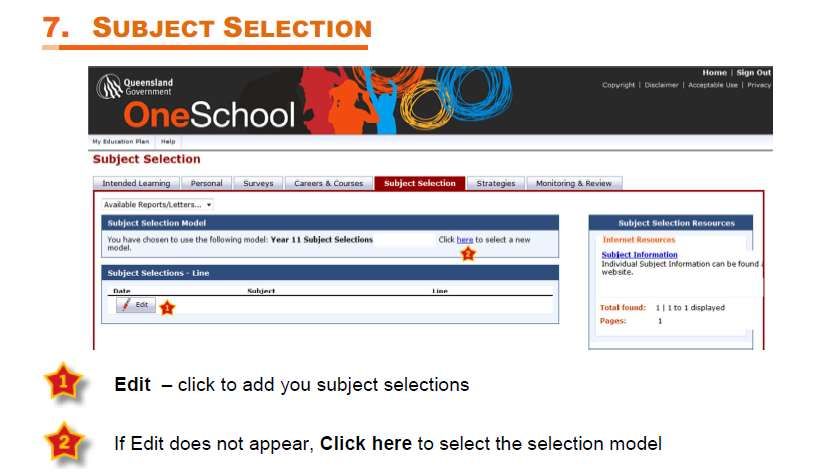
Curriculum
Philosophy and
Values
Burpengary State Secondary College
is recognised by our strong culture of
purpose, focused on our aspiration of
“innovative learning in a global
community”. Our school culture reflects
ongoing collaboration with staff,
students, families and the broader
community. We support students to
fulfil their personal potential by
embracing challenge and connecting
with learning to create successful
futures.
Our purpose is to:
Create a positive, safe and
inclusive school culture of
learning.
Deliver the best learning
opportunities for every student.
Create a link between ‘potential’
and ‘possibility’.
Deliver student success through
a commitment to continuous
improvement.
Provide quality teaching and
learning as our core business.
Work in partnership with
students, families and the
community.
3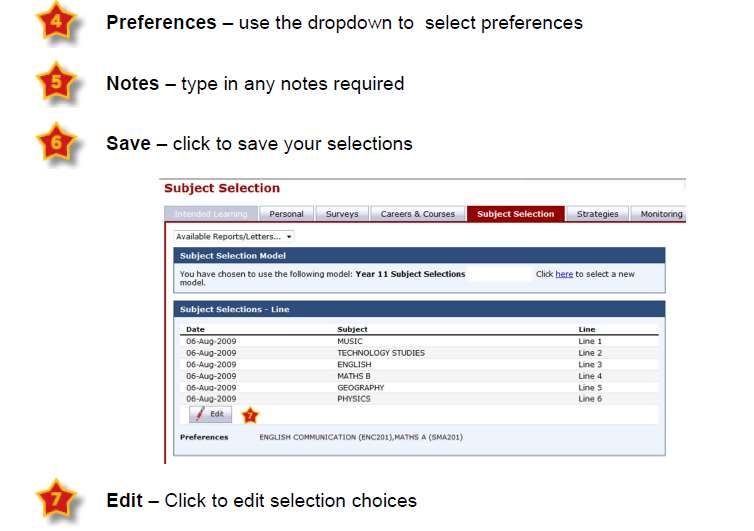
How to choose subjects
Choose your subjects according to the following:
Subjects you enjoy.
Subjects you perform well in.
Subjects that you need as prerequisites for tertiary or other programs.
Subjects that will be useful to your career and life.
Common mistakes when choosing subjects
Following your friends - There is a high chance that even your closest friends will want to do something different
to you when they leave school. You need to choose your subjects with your intended pathway in mind, not in an
attempt to have friends in your classes.
Trying to avoid or be with a particular teacher - There is no guarantee that you will have any particular teacher.
Also learning to work with and learn from a range of people is an important skill as you move into the senior
phase of learning.
Someone told you that the subject is…… (fun, easy, interesting, difficult, boring). It may be one of those adjectives
for someone else but not necessarily for you. Make up your own mind based on what you enjoy.
Someone told you that you do/do not need that subject for the course you want to take at university. Don’t take
someone else’s word for it. Check tertiary prerequisites on My Path on the QTAC website, directly with the
university or see the Guidance Officer/Head of Department (Senior Schooling).
Student Diversity
Burpengary State Secondary College is dedicated to ensuring that all students have equitable access to learning. As
such, students who have a disability can gain access to the Access Arrangements and Reasonable Adjustments
(AARA) and the support services they need in order to succeed in their studies. Access Arrangements and Reasonable
Adjustments are made in accordance with the guidelines and recommendations of the QCAA. This includes making
‘reasonable’ adjustments to the conditions of assessment to ensure equitable opportunities for all students and take into
account the student’s disability or the reason for the student’s specific educational needs. Support services (including
teacher aide support) and Access Arrangements and Reasonable Adjustments, that include adjustments to learning
and assessment, are considered on an individual basis and decisions are reached through consultation with students,
teachers and their parents/carers. At all times the school ensures that steps are taken to identify and implement support
and special provisions that maintain respect for the dignity, privacy and confidentiality of the students, their
parents/carers and associates.
4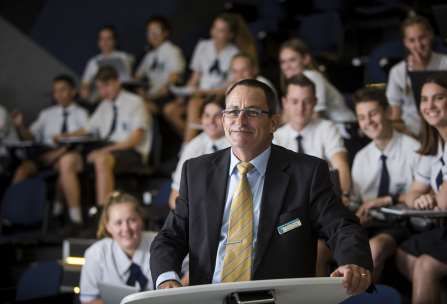
Year 9 Subject Selection Guidelines
                       Students will study 6 subjects each semester; 4 core subjects and 2 electives.
 Timetable structure
                       Students will participate in 3 x 70 minute lessons per week in their subjects.
               2021
                       Students will also participate in a Personal and Life Long Learning lesson.
                   `
                       Students will have the option to participate in the Pine Rivers District Interschool Sports competition.

      Core subjects    Students will study 4 core subjects of English, Humanities, Mathematics and Science for the entire year.

                       Students will have to select one Technology subject.
   Elective subjects   Students will need to select one Arts subject.
                       Students are only allowed to select a subject once.

                       Students will submit their selections using the One School portal accessed at http://oslp.eq.edu.au.
                       Students will select 4 elective subjects; one from each line.
                       Students will then select a second preference for each line.
   Subject selection   The college will endeavour to allocate students first choice but please not that this may not be possible for all
            process    students.

                       Subject selections are due Term 2, on Friday of Week 10

The elective subjects that students have to choose from are:

                                                                   The Arts
                                                                     Dance
                                                                     Drama
                                                                    Media Arts
                                                                      Music
                                                                    Visual Art

                                                               Technologies
                                                                   Business
                                                               Food Technology
                                                             Fashion and Textiles
                                                             Robotics and Coding
                                                           Trade Engineering (Metal)
                                                           Trade Furnishing (Timber)

                                                   Health & Physical Education
                                                            Early Childhood Studies
                                                                    Health
                                                              Physical Education
                                                                 Languages
                                                                    Japanese

                                                                   Science
                                                                     Catalyst

                                                             Phoenix Project
                                                                      EDGE

                                                                                                                                           5
Year 10 Subject Selection Guidelines
                                Students will study 6 subjects each semester; 4 core subjects and 2 electives.
     Timetable structure 2021
                                Students will participate in 3 x 70 minute lessons for all their subjects.
                                Students will also participate in an Personal and Life Long Learning class.

               Core subjects    Students will study 4 core subjects of English, Humanities, Mathematics and Science for the entire year.

                                There are no rules regarding elective selection in Year 10; as there are in Year 9
         Elective subjects
                                Students are only allowed to select a subject once.
                                Students will submit their selections using the One School portal accessed at http://oslp.eq.edu.au.
                                Students will select 4 elective subjects; one from each line.
                                Students will then select a second preference for each line.
    Subject selection process   The college will endeavour to allocate students first choice but please not that this may not be possible
                                for all students.
                                Subject selections are due Term 2, on Friday of Week 10
The elective subjects that students have to choose from are:

                                                            The Arts
                                                             Dance
                                                             Drama
                                                            Media Arts
                                                              Music
                                                            Visual Art
                                                        Technologies
                                                           Business
                                                    Community Health Care
                                                         Design Studies
                                                      Engineering Studies
                                                      Fashion and Textiles
                                                    Information Technology
                                                   Trade Engineering (Metal)
                                                   Trade Furnishing (Timber)
                                            Health & Physical Education
                                                             Health
                                                       Physical Education
                                                  Sport Recreation and Fitness
                                                          Languages
                                                             Japanese

                                                            Science
                                                          Psychology
                                                             STEM
                                                     Sustainable Agriculture
                                                               VET
                                              Certificate II Introduction – Hospitality
                                       Certificate III Early Childhood Education and Care
                                                       Phoenix Project
                                                               EDGE

                                                                                                                                            6
How to complete subject selection from home
Step one – In your search engine, type ‘oslp’

Click on the first result:

Once you click on the link you will need to use your school (Education Queensland) login, just like you do when you are
at school.
Step two – Click on ‘My education plan’ at the top, left hand side of the page in OneSchool. Then click on the “subject
Selection’ tab

Step three – Click in the checkboxes against the subjects you want to study. Make sure you read the rules and
conditions at the top of the page and follow the instructions carefully.

                                                                                                                          7
8

Year level
        Subjects                          Head of Department      Contact Email      Page
                             offered
                                          CORE SUBJECTS
                             Year 9
         English             Year 10
                                             Nikarri Kristic    nkris19@eq.edu.au     12
                             Year 9
       Humanities            Year 10
                                             Clayton Barry      cbarr38@eq.edu.au     13
                             Year 9
       Mathematics           Year 10
                                            Sana Stephan        sstep80@eq.edu.au     14
                             Year 9
         Science             Year 10
                                            Katherine Hart      khart142@eq.edu.au    15

                                         ELECTIVE SUBJECTS
                             Year 9
        Business             Year 10
                                             Clayton Barry      cbarr38@eq.edu.au     18
                                            Matthew Brooks     cclar330@eq.edu.au
                                             Chris Clarke      mbroo131@eq.edu.au
        Catalyst              Year 9
                                            Katherine Hart     khart142@eq.edu.au
                                                                                      19
                                            Sana Stephan        sstep80@eq.edu.au
  Community Heath Care       Year 10         Erin Carswell      ecars16@eq.edu.au     20
                             Year 9
          Dance              Year 10
                                            Scott Campbell      scamp29@eq.edu.au     21
     Design Studies          Year 10        Matthew Brooks     mbroo131@eq.edu.au     22
                             Year 9
          Drama              Year 10
                                            Scott Campbell      scamp29@eq.edu.au     23
Early Childhood Education
                             Year 10         Erin Carswell      ecars16@eq.edu.au     24
 and Care Certificate III
 Early Childhood Studies      Year 9         Erin Carswell      ecars16@eq.edu.au     25
                             Year 9
          EDGE               Year 10
                                             Chris Clarke       cclar330@eq.edu.au    26
   Engineering Studies       Year 10        Matthew Brooks     mbroo131@eq.edu.au     27
                             Year 9
         Fashion             Year 10
                                             Erin Carswell      ecars16@eq.edu.au     28
    Food Technology           Year 9         Erin Carswell      ecars16@eq.edu.au     29
                             Year 9
          Health             Year 10
                                             Erin Carswell      ecars16@eq.edu.au     30
        Hospitality
                             Year 10         Erin Carswell      ecars16@eq.edu.au     31
       Certificate II
  Information Technology     Year 10        Matthew Brooks     mbroo131@eq.edu.au     32
                             Year 9
        Japanese             Year 10
                                             Clayton Barry      cbarr38@eq.edu.au     33
                             Year 9
          Media              Year 10
                                            Scott Campbell      scamp29@eq.edu.au     34
                             Year 9
          Music              Year 10
                                            Scott Campbell      scamp29@eq.edu.au     35
                             Year 9
    Physical Education       Year 10
                                             Erin Carswell      ecars16@eq.edu.au     36
       Psychology            Year 10        Katherine Hart     khart142@eq.edu.au     37
  Robotics and Coding         Year 9        Deashni Pillay      dxpil0@eq.edu.au      38
 Sustainable Agriculture     Year 10        Katherine Hart     khart142@eq.edu.au     39
                             Year 9
Trade Engineering (Metal)    Year 10       Matthew Brooks      mbroo131@eq.edu.au     40
                             Year 9
Trade Furnishing (Timber)    Year 10
                                           Matthew Brooks      mbroo131@eq.edu.au     41
                             Year 9
       Visual Arts           Year 10
                                            Scott Campbell     scamp29@eq.edu.au      42

                                                                                            9
CORE SUBJECTS

                10
CORE SUBJECTS
English
The study of English is central to the learning and development of all students at Burpengary State
Secondary College. It helps create confident communicators, imaginative thinkers and informed citizens. It is
through the study of English that our students learn to analyse, understand, communicate with and build
relationships with others and with the world around them.
Subject description: The study of English requires students to engage with a variety of Possible career paths
texts to interpret, create, evaluate and discuss meaning in a wide variety contexts.
These include literary texts and various types of media texts, including newspapers, film, Lawyer
fiction, poetry, dramatic performances and multimodal texts. Abstract themes and issues Speech pathologist
are explored through higher order reasoning and critical analysis. Journalist
Sociologist
Out of class requirements Editor
In an average week, students will need to complete 1-2 hours of homework and/or Publisher
revision of in-class content. During assessment weeks, some class time will be used for Teacher
drafting and conferencing but students will need to complete additional drafting and Critic
prepare their final submission at home. Writer
Actor
What’s important for this subject Public relations
The Australian Curriculum determines three important strands of knowledge in the study Advertising
of English: Historian
Interpreter
Language: knowing about the English language. Film and TV director/editor
Literature: understanding, appreciating, responding to, analysing and creating Media presenter
literature.
Literacy: expanding the repertoire of English usage.
Course Outline & Assessment
Year 9 Year 10
Unit 1 Perspectives in Texts
A novel study – applying knowledge and skills gained throughout the Through film, students understand that identities and cultures have
year, students write a literary analysis in response to an unseen been, and are, a source of strength and resilience for First Nations
question. Peoples against historic and contemporary impacts of colonisation.
Unit 2 Texts in Culture
Students evaluate representations of Australian identity in literary A study of power dynamics in social media culture, this unit
and non-literary texts in order to understand how social change questions the social, economic and political impact of new media and
impacts on the relevance of traditional Australian mythologies. social networking on individuals and groups.
Unit 3 Text Connections
In this unit, students compare interpretations of poetry to evaluate A novel study – applying knowledge and skills gained throughout the
meaning. With analysis of figurative language at its core, the unit has year, students write a narrative intervention that reveals and
a literary focus that is essential for success in future study. challenges a cultural assumption present in the novel.
Unit 4 Literary Texts
Cultural experiences are explored through literary appreciation. In 12 An introduction to Shakespeare that focuses on how modern texts
Angry Men, values, attitudes and beliefs are represented through the borrow narrative elements from the love tragedy, Romeo and Juliet.
words and deeds of characters in the fictional world. Students produce an innovative response in the form of a podcast.
Year 11 Courses and Pre requisites
English (B semesters 1 & 2, year 10) Essential English (no pre requisite)
Extra-Curricular Opportunities
Debating (Queensland Debating Union)
Various short story writing competitions
Premier’s Reading Challenge
11CORE SUBJECTS
Humanities
The Humanities, Languages and Business Department invites students to explore how people process and document
the human experience, through subjects such as Geography, History and Legal Studies, Business and Japanese.
The Humanities has both an historical and contemporary focus. They offer students insight into the cultural,
economic, environmental, and philosophical dimensions that shape the contemporary world.
Subject description: The Humanities (History, Geography and Civics) and Possible career paths
Social Sciences (which includes Business and Legal Studies) offer a way for our
species to look in on itself to determine how decisions that are made (both Archaeologist
historical and into the future) contribute to their well-being. What it means to be Journalist
human, what it means to be a good human and what it means to be a human on Geographic Information Systems
a finite planet, are central to our investigations. Officer
Environmental Engineer
What it will help students do: Importantly, the Humanities equip students with Community Support Worker
a range of skills and a disposition to actively engage in creating a better society. International Relations Officer for
Through a study of Humanities, students are invited to consider the importance Multinational Companies or Charity
of democracy, cultural understanding, social justice, peace, and sustainability as Organisations
key pillars in the creation of a better future. Writer
Museum Officer
Skills developed: Through studying Humanities, students will develop the Lawyer
ability to: Miner
Ask critical questions Tourist Information Officer
Analyse, evaluate, and interpret sources Travel Consultant
Communicate effectively across cultures
Make decisions to create a better future
Out of class requirements: Homework to be completed via BlackBoard as
required.
What’s important for this subject: An open and questioning mind about the
world we live in will build capacity for students to be successful learners,
confident and creative individuals and informed globally aware citizens.
Course Outline & Assessment
Year 9 Year 10
Unit 1: History: Industrial Revolution Exam Unit 1: Geography: Environmental Change Field Report
Unit 2: History: World War One Research Essay Unit 2: History: World War Two Exam
Unit 3: History: Modern China Historical Fiction Unit 3: History: Rights and Freedoms Research Essay
Unit 4: Geography: Biomes Field Report Unit 4: Legal Studies: Democracy in Action Spoken Task
Year 11 Courses and Pre Requisites
C in Semester 1 Year 10 Humanities (Business, Geography, Legal, History)
Social &
Business Geography Legal Studies Modern History Community Tourism
Studies
Extra-Curricular Opportunities
Debating (Queensland Debating Union)
Various Excursions related to units of study
National History, Geography and Civics Competitions
12CORE SUBJECTS
Mathematics
The mathematics curriculum aims to ensure that students are confident, creative users and communicators of
mathematics. They are able to investigate, represent and interpret situations in their personal and work lives and as
active citizens.
Subject description: Mathematics provides students with essential Possible career Paths
mathematical skills and knowledge in number, algebra, measurement,
geometry, statistics and probability. General Mathematics
Students in Year 9 continue to work with the Maths Pathway program as an Trades
additional tool to the current year level curriculum. Hospitality & Tourism
Students in Year 10 will be completing a preparatory course to senior Administration
mathematics. They will have a choice between the Mathematical Methods Education
prep course and the General Mathematics prep course. Results in year 9 Health and retail services
will be used to identify the most suitable preparatory course for students.
Methods & Specialist Mathematics
Out of class requirements: Students in year 9 and 10 are required to
access the learning place for their course materials. The content is broken Engineering sciences, including avionics,
into leaning goals, and each learning goal has resources that need to be chemical, civil, communications, electrical,
completed by students. The resources are PPTs, worksheets, worksheet mechanical and mining.
answers, and online quizzes. Statistics
Students in year 9 are also required to complete their maths pathway Natural and Physical Sciences
modules with a minimum of three modules per week. Information and Technology
What is important for this subject: Students will require access to a
device to complete their maths pathway modules and access the learning
place. Both are web based and can be accessed from home. A scientific
calculator will also be required.
Course Outline & Assessment
Year 9 Year 10 General Mathematics Year 10 Mathematics Methods
Math Unit 1: Number, Algebra & Measurement Unit 1: Number, Measurement Unit 1: Algebra
Pathway Unit 2: Geometry Unit 2: Data & Algebra Unit 2: Statistics & Algebra
Unit 3: Statistics Unit 3: Geometry & Algebra Unit 3: Geometry & Algebra
Unit 4: Geometry & Algebra Unit 4: Statistics Unit 4: Probability
Year 11 Courses and Pre requisites
Essential Mathematics – no pre-requisite
General Mathematics – Minimum C in Year 10 General Mathematics prep
Mathematics Methods – Minimum C in Year 10 Mathematical Methods prep
Specialist Mathematics – Minimum C in Year 10 Mathematical Methods prep
13CORE SUBJECTS
Science
Science is a dynamic, collaborative and creative human endeavour arising from our desire to make sense of our world
through exploring, investigating, making predictions and solving problems.
Subject description: Science is all about exploring how and why things happen through Possible career paths
inquiry based hands-on learning. Studying science will help students engage with new
knowledge through experiments, investigations and a range of other skills. Scientist
Nursing
Skills developed: Engineering
Information retrieval from listening, observing and research. Air traffic control
Scientific reading and writing. Mechanic
Data representation and analysis. Paramedic
Doctor
Out of class requirements: Forensic Analyst
It is expected that students will need to complete approximately 2 hours of Teacher
homework/study each week. Lab Technician
Environmental Consultant
What’s important for this subject: Meteorologist
This is a generic introduction to the specific sciences of Biology, Chemistry and Physics Pharmacist
and Earth Science. These applied sciences afford students an excellent grounding in the
understanding of real world applications with a strong emphasis on cross curricular
linkages.
Course Outline & Assessment
Year 9 Year 10
Unit 1 Biological science: Students will study ecosystems Unit 1 Biological science: Students will study evolution and how
and how organisms respond to their environments. heritable characteristics involve DNA and genes.
Unit 2 Physical science: Students examine how different Unit 2 Physical science: Students will examine energy transfers
forms of energy can be transferred in a variety of ways and transformations and how the motion of objects can be
through different mediums. described and predicted using the laws of physics.
Unit 3 Chemical science: Students will examine that all Unit 3 Chemical science: Students will examine the science of
matter is made of atoms and investigate how chemical molecular structure which aids in the understanding of chemical
reactions relate to the non-living and living systems. reactions.
Unit 4 Earth and space science: Students will study plate Unit 4 Earth and space science: Students will study the
tectonics to explain geological activity and movement. universe and global systems.
Assessment techniques used: Student Experiment, Student Research Report, End of Semester Exams with the final exam being a
Year exam.
Year 11 Courses and Pre requisites
General Subjects Essential Subjects
Biology – B Science and a C English Science in Practice – no prerequisite
Chemistry - B Science and a C English Aquatic Practices - no prerequisite
Psychology - B Science and a C English
Aerospace Systems- C Science, C Maths and a B English
Physics - B Science, B Maths Methods and a C English
Extra-Curricular Opportunities
National Science Week
STEM Innovation Program
Science Competitions
1415
ELECTIVE SUBJECTS

                    16
ELECTIVE SUBJECTS
Business
The Humanities, Languages and Business Department invites students to explore how people process and
document the human experience, through subjects such as Geography, History and Legal Studies, Business and
Japanese. The Humanities has both an historical and contemporary focus. They offer students insight into the
cultural, economic, environmental, and philosophical dimensions which shape the contemporary world.
Subject Description: Business provides opportunities for students to develop practical Possible career paths
knowledge and skills to participate and work in a range of business contexts. Students will
learn the basics of economics and law while understanding how to apply the topics to a Accountant
range of markets, businesses and personal finance decisions. Business equips students Banker
with a range of skills and a disposition to actively engage in creating a better society. Financial Advisor
Business students are invited to consider the importance of democracy, cultural Treasurer
understanding, social justice, peace, and sustainability as key pillars in the creation of a Finance Manager
better future. Economist
What it will help students do:
Skills developed: Analyse the reasoning behind pricing, demand and supply.
Compare and contrast types of businesses.
Understand the different types of markets and competition.
Learn how to manage personal finances
Understand the workings of savings accounts, term deposits and credit cards.
Out of class requirements: Homework completed as required.
What’s important for this subject: A keenness to understand how the world functions
from an economic perspective and an interest in learning how the business world works.
Course Outline & Assessment
Year 9 Year 10
Unit 1: Marketing Exam Unit 1: Introduction to Economics Exam
Unit 2: Business Ventures Spoken Task Unit 2: Personal Financial Management Spoken Task
Year 11 Courses and Pre requisites
Business (C in Semester 1 of Humanities); Preference to have studied Year 10 Business
Extra-Curricular Opportunities
Various excursions related to units studied
National Business Competitions
17ELECTIVE SUBJECTS
Catalyst (Invitation only)
Selected students will have the opportunity to join our signature Catalyst program in Year 9. This signature program is designed
to extend and engage selected students to deepen their understanding of the applied mathematical sciences. Enrolment in
Catalyst is through invitation only.
Subject description: Possible career paths
This subject is designed to challenge and inspire students through inquiry based learning
experiences. The course is purposefully designed to extend upper two bands students to Mathematician
develop their 21st Century Skills which are essential to success in their future careers. Statistician
Students will have opportunities to interact with external experts, leverage digital Computer Systems Analyst
technologies and solve authentic real world problems. Biochemist
Environmental Scientist
Skills developed: Geoscientist.
Critical thinking Aerospace Engineer
Creative thinking Civil Engineer
Communication Environmental Engineer
Collaboration and teamwork Chemical Engineer
Personal and social skills
ICT skills
Out of class requirements:
It is expected that students will need to complete approximately 1 hour of
homework/study each week due to the demands of this subject.
What’s important for this subject: It is important students have a sound understanding
of mathematics and sciences, along with a willingness to solve problems.
Course Outline & Assessment
Year 9
Unit 1: Applied Mathematical Sciences Reviewed
Unit 2: Coding
Unit 3: Computer Aided Drafting
Unit 4: Assessment : Project Development and Testing
Year 11 Courses and Pre requisites
This subject leads into all senior Science, Technology, Engineering and Mathematics courses.
18ELECTIVE SUBJECTS
Community Health Care
With an aging population young people of today have an obligation to provide support services to our elderly / ATSI
now and into the future. Aligned with the College core values of Respect, Courage and Excellence, students will
enhance their understanding and appreciation for the contributions senior citizens and the Aboriginal Torres Strait
Islanders have made to our community alongside the barriers they experience.
Subject description: This subject provides students with the introductory skills and Possible career paths
knowledge required by those working in aged care services. Students will consider
how to create individualised service plans in residential, home or community based Aged care facilitator
environments. Nursing
Palliative care
Students will study a variety of topics including:
Facilitating the empowerment of older people
Implementing interventions for older people at risk
Safe work practices
Ethical compliance and independence
Supporting relationships with families
Out of class requirements: Set homework tasks
What’s important for this subject: Compassion and interest in assisting the
elderly.
Course Outline & Assessment
Year 10
Unit 1: Community Aged Care
Aged Care Quality Standards
Barriers and Enablers of the Aged Care System
Safety and Improvement
Unit 2: Indigenous Health
Determinants of Health
Life Expectancy and Disparity factors
Bridging the Gap - Initiatives
Year 11 Courses and Pre requisites
Certificate III course in Health Support Services
Extra-Curricular Opportunities
Potential for traineeships in Year 11 and 12
19ELECTIVE SUBJECTS
Dance
We study The Creative Arts because we want to create and communicate ideas and stories through sound,
movement, words and images. We work individually, and in groups, to inspire understanding and happiness in
ourselves and our audiences.
Subject description: Studying the art of dance is to learn the language of movement Possible career paths
as it expresses and interconnects the essence of communication. Dance education
serves to stimulate conscious understanding of the language of movement and to Dancer
develop aesthetic knowledge and skills in movement expression. Costume maker and designer
What it will help students do: Education in dance provides students with thought- Stage manager
provoking experiences that combine many art forms and disciplines. The results of Dance teacher
learning dance include the instrumental benefits of physical health, emotional Performance artist
maturation, social awareness, cognitive development, and academic achievement Children’s entertainer
along with a creative outlet in a kinaesthetic learning style. Learning the art of dance
is a full, enriching, and physically joyful experience.
Skills developed:
Performance qualities Time-management skills
Choreography skills A healthy self-image
Communication skills Self-discipline
Creative thinking A goal-oriented approach to work
Motivation and Commitment Adaptability and flexibility
Out of class requirements
Students will be required to rehearse, polish and choreography dance in their own
time. They will also be required to complete written assessment components at home.
What’s important for this subject? Having enthusiasm for dance
Confidence to perform in front of peers, having a basic level of co-ordination
Course Outline & Assessment
Year 9 Year 10
Unit 1 Those who have come before – exploring the
Unit 1 Dance me a story – telling stories though movements
pioneers of contemporary dance and how their contributions
and expression
has shaped dance today
Task 1: Choreography task of a contemporary dance
Task 1: Chorography taking direct inspirations from a
performed in pairs
pioneer’s style in pairs
Task 2: Analytical exam deconstructing a contemporary
Task 2: Comparative analysis essay comparing past and
dance piece focusing on choreographic intent
modern pioneer inspired contemporary dances
Unit 2 Music Videos – creating a group music video through
Unit 2 All The Jazz – exploring the world of musical theatre
hip hop and jazz dance
dance through performance skills
Task 1: Choreography task of a hip hop or jazz solo
Task 1: Performance of a teacher devised musical theatre
Task 2: Performance task of a teacher devised hip hop/jazz
dance focusing on movement and style
dance with a music video focus
Year 11 Courses and Pre requisites
To study Dance in Year 11 - C or better in Year 10 English; C or better in Year 10 Dance;
Dance in Practise.
Extra-Curricular Opportunities
Junior Dance Troupe – Year 7/8/9
Senior Dance Troupe – Years 10/11/12
Eisteddfod, excursions, performances
20ELECTIVE SUBJECTS
Design Studies
Students studying Design Studies will consider ways that materials, technologies and systems can work together to
produce sustainable products and services in today’s global community. Projects are designed through consultations
with real clients, then manufactured and evaluated against their needs.
Subject description: Design Studies focuses on computer aided drafting and Possible career paths
product design. Students’ research and design solutions to consumer needs using
computer aided drafting software used in industry by product designers. Students Industrial Design
will: Engineering – Mechanical
Study graphical and product design fundamentals Architecture
Research and apply ergonomic principles to product design Interior Design
Create practical prototypes to design challenges provided by real clients Industrial Design
Learn how to apply Human Centred Design principles Graphic Design
Design Studies heavily utilises Computer Aided Drafting (CAD) software with a
50:50 mix of theory and practical. Completion of this subject prepares students
for academic pathways in senior.
Out of class requirements: Theoretical homework, design sketching, CAD
design.
What’s important for this subject: Competent in Mathematics with an interest in
Design and Technologies.
Course Outline & Assessment
Year 10
Unit 1: Client Project 1 (TBA each year)
Design Sketching – Orthographic, Isometric, Assembly, and Perspective.
CAD Design and prototyping
Development of product to meet needs
Unit 2: Client Project 2 (Trophy Design)
Design Sketching – Orthographic, Isometric, Assembly, and Perspective.
CAD Design and prototyping
Development of product to meet needs
Year 11 Courses and Pre requisites
This subject can lead into senior Design (General)
21ELECTIVE SUBJECTS
Drama
We study The Creative Arts because we want to create and communicate ideas and stories through sound,
movement, words and images. We work individually, and in groups, to explore and understand ourselves and others.
We aim to engage, inspire, challenge and educate audiences.
Subject description: Drama is a practical and creative process that draws on life Possible career paths
experiences to express thoughts, ideas and feelings. Drama is a dynamic practice
that invites students to experience, reflect on, communicate and appreciate different Actor
perspectives of themselves and the world in which they live. Director
Stage Manager
Drama helps students to: Producer
Explore and develop issues, ideas and themes. Playwrights
Take on and explore different personalities outside their own. Sound Technician
Develop roles and characters. Stunt Performer
Understand how to create dramatic meaning. Theatrical Costume designer
Skills developed and maker
Develop and refine their expressive and public speaking skills. Theatrical Make-Up Artist
Analyse the historical and cultural significance of drama for entertainment, Multimedia Developer
education and rebellion. Recreation Officer
Out of class requirements: Students may be required to rehearse and learn lines
outside of class time. Students will need to view live theatre for the Responding task.
What’s important for this subject: willingness to participate and demonstrate
respect to other people’s points of view.
Course Outline & Assessment
Year 9 Year 10
Unit 1: From Page to Stage
Unit 1: Contemporary Comedy
Students explore a contemporary Realism script while
Students will study contemporary clowning and comedy to
developing skills of performance. In a group, students will
present a scene from The Clown From Snowy River. Students
present a scene from Juice or Skate Students will also view live
will also view live theatre to respond to.
theatre performance to respond to.
Task 1: Presenting Task
Task 1: Presenting Task
Task 2: Responding Task
Task 2: Responding Task
Unit 2: Political Theatre
Unit 2: Children’s Theatre
Students will explore the style of Documentary Drama.
Students will study Children’s Theatre and use George’s
Students will research write their own script. Students will then
Marvellous Medicine as stimulus to create a piece of
form groups to present a Documentary Drama performance.
Children’s Theatre
Task 3: Forming Task
Task 3: Forming Task
Task 4: Presenting Task
Year 11 Courses and Pre requisites
C or better in Year 10 English; C or better in Year 10 Drama;
Year 11 Drama; Year 11 Drama in Practise
Extra-Curricular Opportunities
Drama Troupe
Drama Club
The Scene Project
22ELECTIVE SUBJECTS
Early Childhood Education and Care Certificate III
(2.5 Yr Course to be completed over years 10, 11 & 12)
The Certificate III in Early Childhood Education and Care introduces students to the field of early childhood and the
care, education and well-being of young children. It is the minimum qualification required to gain employment in
ACECQA approved Early Childhood services and often the qualification studied for those wanting to begin their
career in Early Childhood education.
Subject description: Early Childhood provides an introduction to caring for children. Possible career paths
Students will study a range of topics that will give them a broad overview of early
childhood development along with an insight into how the child care industry operates. Long day care assistant
Comprising of both theoretical and practical components students will have the OSHC assistant
opportunity to develop their knowledge using both research skills and hands on
Additional pathways with
experiences.
further study
Kindergarten teacher
Students will study a variety of different topics such as: Primary teacher
Physical, social, emotional and cognitive development of children Bachelor of Education
Caring for children within an Early Learning Framework (Early Childhood or Primary)
Out of class requirements: Set cluster and vocational placement hours (approx. 20 in
Early Childhood Approved Facility)
What’s important for this subject: Compassion and interest in assisting the very For further information and
young. associated costs on VET
*Please note that there is no obligation for students to continue this course in courses offered please see
Year 11 and 12. Also a student who has not started this course in Year 10, may the VET subject handbook.
elect to start in Year 11.
Course Outline & Assessment
Year 10
CLUSTER 1
CHCLEG001 - Work legally and ethically
HLTWHS001 - Participate in workplace health and safety
CLUSTER 2
CHCECE007 - Develop positive and respectful relationships with children
CHCECE006 - Support Behaviour of Children and Young People
Year 11 Courses and Pre requisites
Cert lll Early Childhood Education and Care Course aligned to continue into clusters for Year 11/12.
Extra-Curricular Opportunities
Possible traineeships in Year 11 and 12
23ELECTIVE SUBJECTS
Early Childhood Studies
Society has a responsibility to provide a safe, nurturing and challenging environment for children in their early years,
as this is crucial to optimal growth and development. Study of this course will promote an awareness and sense of
understanding for children, their parents, caregivers and those who have the potential to influence a child’s learning
environments.
Subject description: Early Childhood provides an introduction to caring for children. Possible career paths
Students will study a range of topics that will give them a broad overview of early
childhood development along with an insight into how the child care industry operates. Childcare Facilitator
Comprising of both theoretical and practical components students will have the Day-care Facilitator
opportunity to develop their knowledge using both research skills and hands on Kindergarten Teaching
experiences. Primary Teaching
BA Early Years Education
BA Education
Students will study a variety of different topics such as:
Physical, social, emotional and cognitive development of children
Reproduction, sexual health and childbirth
Prenatal development
Caring for children within an Early Learning Centre
For further information and
associated costs on VET
Out of class requirements: Set homework tasks courses offered please see
the VET subject handbook.
What’s important for this subject: Compassion and interest in assisting the very
young.
Course Outline & Assessment
Year 9
Unit 1: The Child, Development and Families
Conception and pre-natal development
Physical development
Speech and language development
Unit 2: Childcare and Play
Families and Lifestyle
Childcare Centres
Importance of Play
Year 10/11 Courses and Pre requisites
Cert lll Childhood Education and Care
Extra-Curricular Opportunities
Possible traineeships in Year 11 and 12
24ELECTIVE SUBJECTS
E.D.G.E – Phoenix Project
Ever imagined...What can I do to enact change? How can I creating a better future?
We are on the E.D.G.E of discovering new and exciting things each and every day.
If you’re passionate about social justice, sustainability, global involvement, cultural needs,
Space and Ocean Innovation E.D.G.E is the subject for you.
Subject description: E.D.G.E (Engage, Design, Generate, Evaluate) is an inquiry Possible career paths
based learning program that will encourage a generation of thinkers, dreamers and
revolutionaries. This subject requires the students to design and develop innovative
solutions to real-world problems. Due to the nature of this subject
possible career paths may
Students will design and develop innovative solutions for a variety of topics which may include medical, sciences,
include: humanitarian avenues, political,
The Deep Blue – Ocean Innovation business ventures, research and
Our Backyard – Community Engagement development, environmental,
Above and Beyond – Space Exploration fields in sustainability
Future Living – Urban Environment ….and much more.
Students will be exposed to a new way of thinking, allowing them to explore and bring
new innovative ideas to life.
Skills developed: Critical thinking, planning, design and production skills, problem
solving, communication and collaboration, goal setting.
Out of class requirements Research and product development tasks.
What’s important for this subject: Students in this class will need to be highly
involved and passionate about such themes as social justice, sustainability, global
involvement, cultural needs, Space and Ocean Innovation.
Course Outline & Assessment
Year 9 & 10
Projects will be run over a full Semester.
Topics for E.D.G.E will be determined each year based on current events.
Year 11 Courses and Pre Requisites
This subject can lead into multiple senior courses, these include but not limited to senior Engineering (General) or Engineering
Skills (Applied), Aerospace Systems, Aquatic Practices, Business, Design, Film, Television and Media, Legal Studies, Psychology,
Tourism.
25ELECTIVE SUBJECTS
Engineering Studies
Students studying subjects in the Engineering, Design and Technology (EDT) department will consider ways that
materials, technologies and systems can work together to produce sustainable products and services in today’s
global community.
Subject description: Engineering Technology Studies focuses on applying the Possible career paths
theoretical concepts of mathematics and physics to practical engineering solutions.
Students explore the application of motion and forces in static and dynamic structures Architectural Engineer
as well as the basic principles behind product design. Mechanical Engineer
Students will: Civil Engineer
Develop critical thinking skills through problem solving Aircraft Engineer
Understand fundamental engineering principals Industrial Designer
Analyse forces in structures
Design and construct projects to test concepts and theories
Utilise Computer Aided Design (CAD) software and techniques
Engineering Technology is a 50% theoretical and a 50% practical subject that
prepares students for academic pathways in senior.
Out of class requirements: Theoretical homework, design sketching, CAD design.
What’s important for this subject: Competent in mathematics, interest in
engineering, design and technologies.
Course Outline & Assessment
Year 10
Unit 1: Hydraulic Crane
Design Sketching – Orthographic, Isometric, Assembly, and Perspective.
Engineering Principles – Hydraulics, Pneumatics, Pressure, Fluid Dynamics, Volume, and Leverage.
CAD Design – Laser cut linkage, 3D print bucket.
Unit 2: Marble Lift
Mechanical advantage and calculations
Design Sketching – Orthographic, Isometric, Assembly
Prototype manufacturing
Year 11 Courses and Pre requisites
This subject can lead into either senior Engineering (General) or Engineering Skills (Applied)
26ELECTIVE SUBJECTS
Fashion
Students studying subjects in Textiles are encouraged to think critically and creatively to make social and ethically
responsible decisions to enhance the wellbeing of their self, family and wider community.
Subject description: Textiles Technology engages students in developing innovative skills Possible career paths
for a sustainable society through recycled textile items and charitable donations on a global
level. Production design
Musical and set dressing
Students will: Dressmaker
Investigate design principles. Seamstress
Implement practical sun-safe and sustainable solutions Upholsterer
Develop critical thinking skills through researching and analysing Fashion Designer
Create unique designs
Students will be introduced to:
Product design principles
Recycling textile items
Production of real world designs
Out of class requirements: Set homework tasks and fabric
What’s important for this subject: Interest in fabrics and sewing skills.
Course Outline & Assessment
Year 9 Year 10
Unit 1: Pattern Development Unit 1: Recycled Furniture
Basic Pattern Alteration Upholstery and timber products
Garment construction through design process Restoration processes
Fibre and fabric properties / characteristics Surface Finishes
Sustainability and fit for purpose design. WH&S
Creation of prototypes to establish design
development process
Unit 2: Fashion Unit 2: Fashion
Client interview Design Processes
Design and preparation of materials Fabric Properties
Production of functional pencil case with zip insertion Understanding body shape
and embellishment Trend forecasting and draping techniques
Evaluation
Year 11 Courses and Pre requisites
Furnishing Skills, Applied Fashion
Extra-Curricular Opportunities
Potential involvement with College productions (Dance and Drama)
27ELECTIVE SUBJECTS
Food Technology
Students studying subjects in Food Technology are encouraged to think critically and creatively to make social and
ethically responsible decisions to enhance the wellbeing of their self, family and wider community.
Subject Description: Food Technology is concerned with the theoretical concepts and Possible career paths
practical applications of food preparation, safety, hygiene and nutrition with particular
attention to food practices in other cultures and sustainability. Cook
Chef
Students will: Baker
Immerse themselves in international cuisine and presentation Pastry
Understand the principles of food preparation techniques from other cultures Food industry
Design and manufacture products that meet nutritional and quality standards Domestic
Implement practical and sustainable solutions to real world problems
Develop critical thinking skills through researching and analysing practical and
written projects
Out of class requirements: Theoretical homework and preparation
What’s important for this subject: Interest in cooking and culinary skills.
Course Outline & Assessment:
Year 9
Unit 1: Food Selection
Understanding Staples
Basic preparation methods
Health and Hygiene
Unit 2: Food and Culture
International Cuisine
Flavours and Cultural Significance
Sustainable Practices
Food Cleanliness
Year 11 Courses and Pre requisites
Year 10 – Hospitality
Year 11 - Cert lll Hospitality
Extra-Curricular Opportunities
Work placement, Traineeships, catering College events
28ELECTIVE SUBJECTS
Health
The focus of Health Education is understanding of health in the context of society and the mechanisms necessary to
develop and promote health for individuals and communities.
Subject description: Studying health allows students to gain an understanding of Possible career paths
health issues and how to promote better health for all. Health is a theory based subject
that focuses on health promotion. By using an inquiry approach, students will Nurse
investigate, analyse, apply social justice practices and principals to advocate and Health care worker
promote justified health promotion. Aged care
Early childhood
Skills developed Medical scientist
Researching and analysis of a range of data sets Allied health Physiotherapy
Medicine
Critical thinking and problem solving
Collaboration and Team work
Out of class requirements
It is expected that students will need to complete approximately 1 hour of
homework/study each week due to the demands of this subject.
What’s important for this subject
A desire to improve health outcomes for people at school, local community, national and
global levels
Course Outline & Assessment
Year 9 Year 10
Unit 1 – Mental Health Unit 1 – Organ Donation
Unit 2 – Sustainable Health Unit 2 – Youth Homelessness
Assignment techniques may include supervised exams, research assignments and multimodal presentations.
Year 11 Courses and Pre requisites
Applied Subject for
General Subjects
Sport and Recreation
Health – C in English
Dual Cert II in Health Support Services
Physical Education – C in English
Cert III in Fitness
Extra-Curricular Opportunities
Involvement in organisation of school wide positive initiatives
District and Regional Sport
Various other sporting competitions
29ELECTIVE SUBJECTS
Hospitality-Certificate III Introduction
(2.5 Yr Course to be completed over years 10, 11 & 12)
Students studying Hospitality are encouraged to think critically and creatively to make social and ethically
responsible decision to enhance the wellbeing of their self, family and wider community.
Subject description: Hospitality empowers students to enhance their skills and Possible career paths
knowledge from previous focus within in domestic applications of food technology and
apply this to real life commercial situations. Students will learn basic principles for Restaurant Manager
working in the hospitality industry along with Food and Nutrition Properties and their Bar Manager
functions when preparing food items. Caterer
Chef
Students have the opportunity to prepare functions for the International Program and Events Coordinator
Staff at BSSC as part of curriculum rich assessment tasks.
Study of this course will include:
Blueprint Career Development Course over 2.5 Years.
Completion of this course will continue into year 11 and 12
Out of class requirements: Theoretical modules and vocational placement hours For further information and
(approx. 25). associated costs on VET
courses offered please see
What’s important for this subject: Interest in cooking and culinary skills. the VET subject handbook.
*Please note that there is no obligation for students to continue this course in
Year 11 and 12. Also a student who has not started this course in Year 10, may
elect to start in Year 11.
Course Outline & Assessment
Year 10
Theory Modules
BSBWOR203 – Working Effectively with Others
SITXWHS001 - Participate In Safe Work Practices
SITXFSA001 – Use Hygenic Practices for Food Safety
Practical Modules
SITHFAB005 – Prepare and Serve Espresso Coffee (Portfolio and Practical in Café)
Year 11 Courses and Pre requisites
Cert lll in Hospitality aligned to continue modules and vocational placement in year 11/12.
Extra-Curricular Opportunities
Involvement with the International Functions that take place on a regular basis within BSSC school community. Café and
Barista Training with Neli Coffee (Year 11 and 12 only), LIVET Hospitality Camp (Year 11 and 12 Only)
30ELECTIVE SUBJECTS
Information Technology
Information Technology (IT) is an area well known for frequent and rapid change. IT focuses on the way people use
technologies to manipulate and share information in its various forms such as text, graphics, sound and video, on a
range of devices. This course aims to help prepare students to meet these rapid changes and to respond to emerging
technologies and trends, enabling students to contribute and participate in a global community.
Subject description: Information Technology will provide students a range of skills enabling Possible career paths
them to become independent and creative users of technology. Students will study systems
ranging from those that support the development of information, such as documents and Web Designer
websites, to those that support technology, such as computer hardware and networks. Web Developer
Game Designer
Students will work towards becoming intermediate users of: IT Technician
Hardware and software – function of the major components of a PC, designing for
the modern user
Visual design theories and applications
Program solutions – Project and task management, Scratch programming
language
Out of class requirements: Theoretical homework, completion of set tasks
What’s important for this subject: Interest in and basic knowledge of computer
hardware and software.
Course Outline & Assessment
Year 10
Unit 1: Hardware, Software and Visual Design Unit 2: Game Design Unit 3: Game Development
Typical hardware and software Project and Task management Game development
components Languages and syntax software
Visual Design theories Visual design Project and task
Data types and security concepts management
Year 11 Courses and Pre requisites
This subject can lead into senior Information and Communication Technology (Applied).
31ELECTIVE SUBJECTS
Japanese
Japan plays an important role in the Asia-Pacific region and makes significant contributions to the area’s economic,
political and diplomatic climate. Japan and Australia have a close relationship, trading resources in economics,
education and tourism. In addition to this, the influence of Japanese culture on modern Australian society is evident in
areas such as fashion, food, popular culture, technology and the arts.
Subject description: Japan’s geographical proximity to Australia makes it easy to access Possible career paths
and facilitate communication between the two countries. In particular, Burpengary State
Secondary College encourages students to interact with, and develop genuine International Trade and
relationships with people from Japan through video conferencing and annual visits from Business
a sister schools (Japan trip). These relationships and the general study of Japanese foster Tourism and Hospitality
cultural awareness, tolerance and empathy for people from other countries Education
Journalism and Media
What it will help students do: The ability to interact effectively with people from other Gaming Industry
cultures, along with intercultural competence, enables students to become active and Animator
informed citizens in a global world. Translator
Skills developed: Another key aspect of Japanese language learning is communication.
In addition to learning the linguistic elements of a language, students participate in a
range of interactions allowing them to develop skills in exchanging and negotiating
meaning in various contexts.
Out of class requirements: Homework completed as required.
What’s important for this subject: An enthusiasm to learn about a different culture, the
relationship between Australia and Japan and a desire to speak Japanese.
Course Outline & Assessment
Year 9 Year 10
Unit 1: My Town Unit 1: Health and Fitness
Writing and Listening Exam Reading and Writing Exam
Unit 2: Youth Culture Unit 2: My Future
Writing and Speaking Exam Listening and Writing Exam
Year 11 Courses and Pre requisites
Japanese - B in Semester 1 Year 10 Japanese
Extra-Curricular Opportunities
Various excursions related to units studied
Japan Trip
Anime Club
32ELECTIVE SUBJECTS
Media Arts
We study The Creative Arts because we want to create and communicate ideas and stories through sound,
movement, words and images. We work individually, and in groups, to inspire understanding and happiness in
ourselves and our audiences.
Subject description: The media is a powerful entity which plays a significant role within
Possible career paths
society. It's about actively engaging with media practice, theory and production. Media
is about working within the industry, and requires skills like good project management
and critical thinking. Director/editor cinematographer
Media planner
Studying media helps students gain an understanding of how media surrounds our Multimedia specialist
society and has an impact on almost every aspect of our lives. Along with equipping Program researcher,
students with the technical capabilities needed for their craft such as storyboarding, broadcasting/film/video
filming and editing techniques, students will learn a range of skills such as analysis and Runner, broadcasting/film/video
critical thinking techniques. Animator
Skills developed: Game designer
Social media manager
Production skills Visual design
Television/film/video producer
Communication skills Editing skills
Advertising
Creative thinking Time-management skills Broadcast journalist
Team work and role delegation Adaptability and flexibility Event manager
Out of class requirements: e.g. homework Magazine journalist
Students will be required to plan and find footage outside of class times and work with Market researcher
others during their own time. Students will also be required to complete written
components of assessment at home.
Course Outline & Assessment
Year 9 Year 10
Unit 1 Lights, Camera… Western – exploring the Unit 1 Stop…Motion Time – exploring the differences between
characteristics of different film genres stop motion animation and computer animation
Task 1: A Photoshop movie poster that follows the Task 1: Creation of stop motion and computer animation in
characteristics of a chosen genre pairs
Task 2: Planning, filming and editing of a movie trailers that Task 2: Comparative analyse essay comparting the two types
follows the characteristics of a chosen genre of animation and commenting in their relevance in a 21st
century world
Unit 2 I’ll take two! – Deconstructing television Unit 2 Silence Please – a leap into the past to the world of
advertisements looking at target audience and advertising 1920s silent films
techniques Task 1: Planning, filming and editing of a silent film that
Task 1: Planning, filming and editing of a television includes all elements of the genre
commercial
Task 2: Analytical essay deconstructing a television
commercial focusing on target audience and advertising
techniques
Year 11 Courses and Pre requisites
To study Film Television and New Media in Year 11 - C or better in Year 10 English; C or better in Year 10 Media; Can also lead
to Year 11 Media Studies.
Extra Curricular opportunities
Arts Innovation Media Group, Backstage and Technical Production Crew
33You can also read


