CAR SHARING AND COLOR, MATERIAL & FINISH / TREND REPORT_AUTOMOTIVE - Avient
←
→
Page content transcription
If your browser does not render page correctly, please read the page content below

/// TREND REPORT_ AUTOMOTIVE

CAR SHARING
AND COLOR,
MATERIAL & FINISH

MORE THAN HALF OF THE WORLD’S POPULATION NOW LIVES IN CITIES,
a percentage that will pass two-thirds by 2030, according to the United Nations. Cities

offer more job prospects and great cultural opportunities...but also a high cost of living

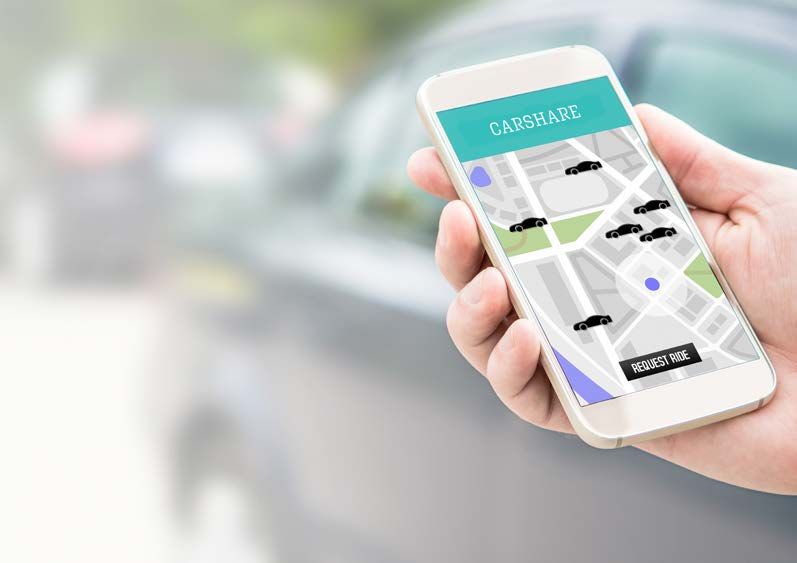
and very few parking spots. Car sharing services enable city dwellers to save money and time,

without sacrificing the convenience of on-demand mobility.
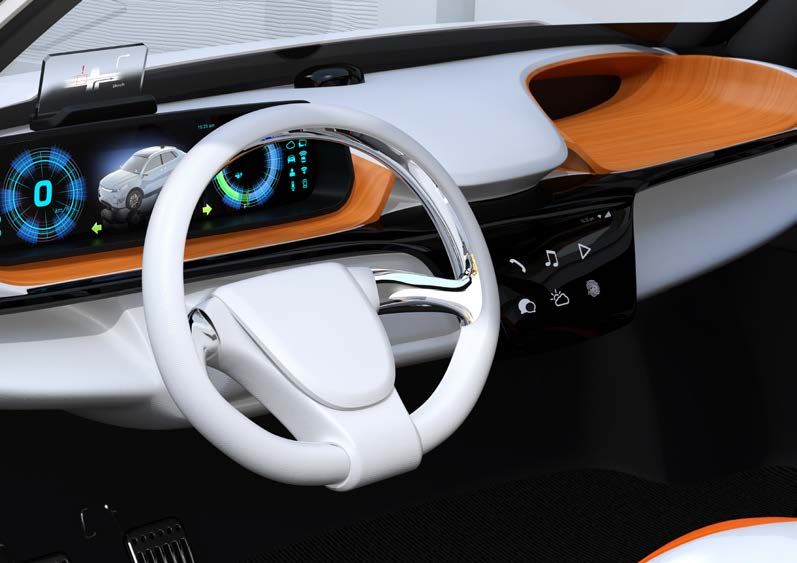

Car    manufacturers    see     car
sharing as an opportunity to
change        their   engagement
with   consumers.     Instead    of
interacting      once-per-decade
for a vehicle sale, they can
now become daily providers of
mobility solutions.

/// Car sharing annual growth rate is estimated at OVER 20%.
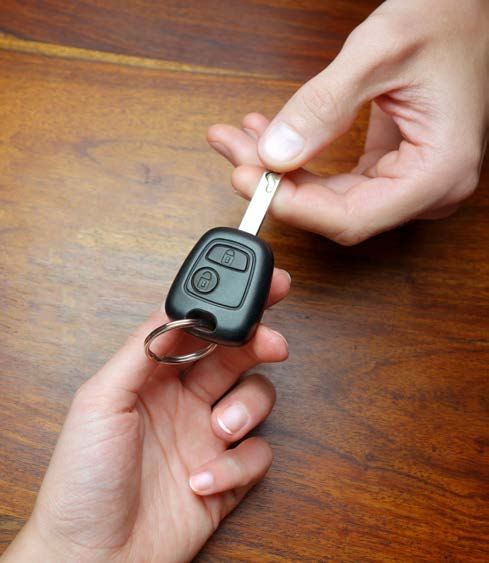
With an annual growth rate estimated at 20%+, according to Global Market
Insights, the outlook for car sharing appears bright, but also challenging.
In addition to managing production costs for these hard-working vehicles,
car manufacturers are considering how to solve their greatest pain points
in leveraging the car-sharing trend:
 • improving durability of vehicle interior parts
 • branding/differentiating their vehicles in this market

In all three cases, CMF (color, material and finish) solutions can help.
AMPING UP DURABILITY

Research conducted by urban planner Paul Barter tells us that
cars spend, on average, 95% of their useful life parked. They are
mobility solutions that are only mobile for a limited number of
minutes per day.

Car sharing changes that dramatically. Suddenly, multiple people
are using the same car, and it’s being driven many hours in a
single day. It follows that these cars will need an even higher level
of durability than one- or two-owner vehicles.

Durable polymer materials with an easy clean finish can meet this need,
provided they’re paired with the following CMF solutions:
 • Molded-in color (MIC) parts benefit from color throughout the entire
   part, whereas paint only coats a part’s surface. MIC won’t prevent
   scratches, but it hides them better than paint.
 • Anti-scratch solutions prevent scratching by reducing friction on the
   surface of molded polymer parts.
 • Fabric-effect materials can give molded parts the appearance of high-
   end fabric, without the hassle of fabrics, and they’re easier to clean.

HOW TO DIFFERENTIATE

How will car manufacturers differentiate themselves in the car-sharing
market? The answers lie in creative design, backed by novel colors,
materials and finishes. In other words, design and CMF for the win.

             \\\ Worldwide, car sharing is expected to generate
                 OVER $100B IN REVENUE by 2022. – Statista
Here are some ideas for designing differentiated interiors for car sharing (and other) vehicles: • Use special effects. Signal colors can quickly orient drivers to a vehicle’s most important controls. Consider natural look materials, metallic effects, and transparency and translucency to make interiors that delight consumers. And consider translating these effects to the textiles in the car as well. • Add laser marking to increase feature visibility and overall ease of use. Ergonomics are a great differentiator that works for Apple and many consumer electronics brands. Laser marking can also create differentiated or even personalized looks. The process is flexible, fast, easy to control, and low cost. • Get a designer’s viewpoint. Collaborate early on with a color masterbatch supplier that offers design services to learn how CMF can enhance the sensory appeal of a vehicle. Don’t wait until designs are locked down, or you may miss out on opportunities to differentiate.
Ready to learn more about how specialty polymer
                                                                                                   colorants and additives support your goals for the
                                                                                                  car-sharing market? Contact us at +1.866.POLYONE
                                                                                                             (+1.866.765.9663) or www.polyone.com.

www.polyone.com

Copyright © 2018, PolyOne Corporation. PolyOne makes no representations, guarantees, or warranties of any kind with respect to the information contained in this document about its
accuracy, suitability for particular applications, or the results obtained or obtainable using the information. Some of the information arises from laboratory work with small-scale equipment
which may not provide a reliable indication of performance or properties obtained or obtainable on larger-scale equipment. Values reported as “typical” or stated without a range do not
state minimum or maximum properties; consult your sales representative for property ranges and min/max specifications. Processing conditions can cause material properties to shift
from the values stated in the information. PolyOne makes no warranties or guarantees respecting suitability of either PolyOne’s products or the information for your process or end-use
application. You have the responsibility to conduct full-scale end-product performance testing to determine suitability in your application, and you assume all risk and liability arising from
your use of the information and/or use or handling of any product. POLYONE MAKES NO WARRANTIES, EXPRESS OR IMPLIED, INCLUDING, BUT NOT LIMITED TO, IMPLIED WARRANTIES
OF MERCHANTABILITY AND FITNESS FOR A PARTICULAR PURPOSE, either with respect to the information or products reflected by the information. This literature shall NOT operate as
permission, recommendation, or inducement to practice any patented invention without permission of the patent owner.
You can also read


