CARE CLOSER TO HOME - RELEASED FEBRUARY 2014 - MCGUINNESS INSTITUTE
←
→
Page content transcription
If your browser does not render page correctly, please read the page content below
Care Closer
  to Home

Released February 2014   www.health.govt.nz
Citation: Ministry of Health. 2014. Care Closer to Home.
            Wellington: Ministry of Health.

            Published in February 2014
             by the Ministry of Health
     PO Box 5013, Wellington 6145, New Zealand

            ISBN 978-0-478-41552-0 (print)
           ISBN 978-0-478-41553-7 (online)
                      HP 5753

  This document is available at www.health.govt.nz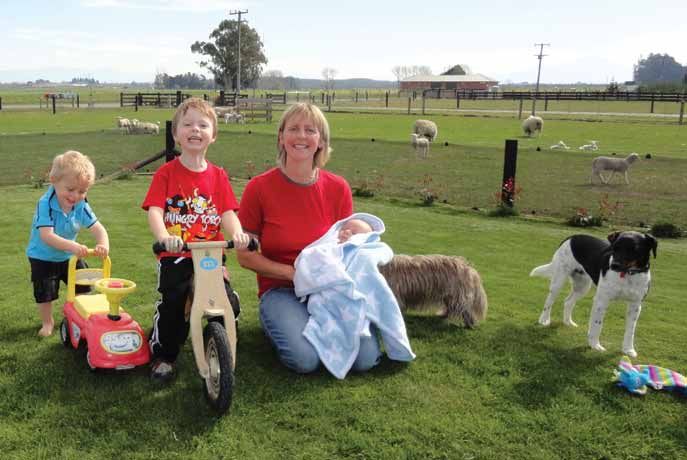
Contents
Introduction                                                                   1

Health checks for students at school                                           2

Support to stay well at home                                                  4

Mental health support in the community                                         5

Staying on top of rheumatic fever and skin infections                         6

Managing medication after a stroke                                            8

Telemedicine closing the distance – Ashburton                                 10

Telemedicine closing the distance – Opotiki                                   12

Hooking up to IV drip closer to home                                          14

Getting back on your feet                                                     15

Tidying up the medicine cabinet and staying well                              16

Taking care of diabetes                                                       18

                                                        Care Closer to Home        iii
Care Closer to Home iv
Introduction
For most New Zealanders, many health problems            the community as hospital-based clinicians and
lead to contact with a primary health care               those based in the community work more closely
provider – usually a community-based health              together. Improvements in technology also mean
professional such as a GP or a local pharmacist.         there’s now a better flow of patient information
It’s called ‘primary health care’ because, for most      between health services.
of us, it is the first place we turn to for our health
needs.                                                   Doctors, nurses, midwives, pharmacists,
                                                         physiotherapists and other health professionals
Our public health service works well and rates           working in our community are focused on
well when compared with the health services              keeping us (their patients) healthy by:
offered in other countries. However, things can
always be improved. Keeping New Zealanders               • identifying and treating health issues earlier so
healthy and out of hospital requires our health            we don’t end up in hospital
and disability services to support a person’s            • providing better support for patients
health needs before that person needs to be                discharged from hospital, to reduce the
treated in hospital – it means providing faster,           likelihood of readmission
more convenient health care closer to home. It           • delivering better community-based services
makes sense for health services to be centred on           to help patients manage their long-term
the patient, even down to identifying when and             conditions at home.
where health care is needed and delivered. For
                                                         ‘Care closer to home’ is a priority for the Ministry
most of us, this translates to getting care in the
                                                         of Health. This booklet highlights some of the
community.
                                                         many initiatives that our health professionals
Increasingly, health services that used to be            are undertaking with the aim of providing better,
provided solely in hospital are now available in         integrated health care closer to home for all
                                                         New Zealanders.

                                                                                  Care Closer to Home           1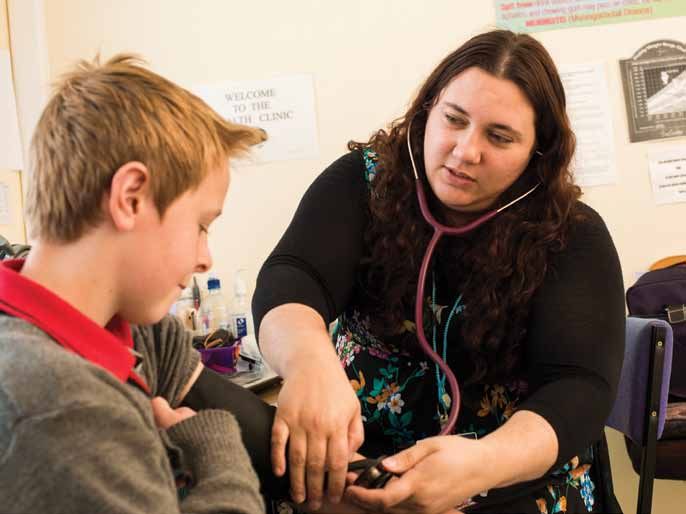
Health checks for students at school
Checking the health and                                             turned out alright because the nurse can track
                                                                    what’s happening and come in and help.’
wellbeing of year 9 students
helps ensure little issues don’t                                    Liam was assessed by Tairawhiti District
                                                                    Health public health nurse Sarah Brown, using
turn into big issues for teenagers                                  HEEADSSS assessment measures. HEEADSSS
like Liam Boyle from Gisborne                                       measures wellbeing via a series of questions
                                                                    relating to home, education/employment,
Boys’ High School.                                                  eating, activities, drugs, sexuality, suicide and
Liam is one of 204 year 9 boys who have received                    depression, and safety. The assessment enables
a nurse assessment this year as part of the Prime                   medical or mental health issues to be identified
Minister’s Youth Mental Health Project. Liam                        at an early stage so that students can be referred
enjoys BMX riding, soccer, playing guitar and                       for treatment as required.
listening to heavy metal music. He says that
                                                                    Liam is short sighted, and the assessment
although he was a bit nervous at the start, talking
                                                                    prompted him to remember to wear his
with the assessment nurse was easy. ‘It wasn’t
                                                                    glasses more often. ‘It makes life easier and
a big deal. My mates had already done it, and it
                                                                    stops any headaches.’

Public Health nurse Sarah Brown checks Liam Boyle’s blood pressure as part of his healthy check at Gisborne Boys’ High School.

2     Care Closer to Home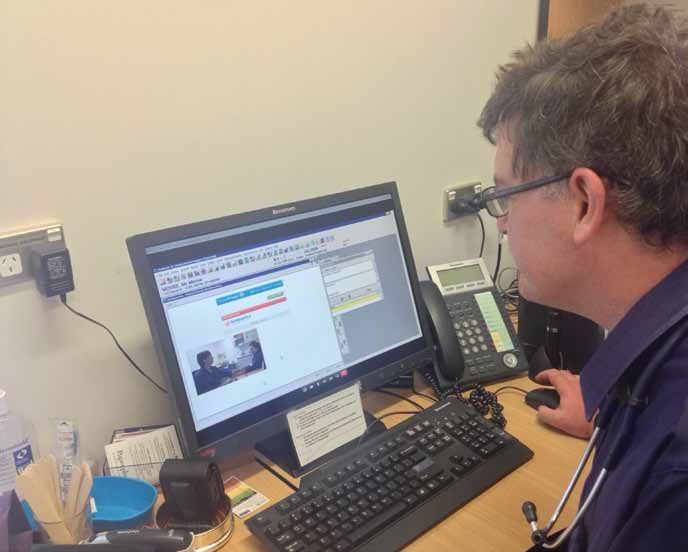
During an assessment, Sarah carries out a             Gisborne Boys’ High School Assistant Principal
medical check for each student that includes          Tom Cairns believes that the assessments are
assessing height, weight and blood pressure.          making a difference to student welfare. ‘We take
Then she and the student talk about hearing,          the pastoral care of our boys very seriously and
vision, dental health and any recent visits to        had no hesitation in coming on board with this
the doctor. Sarah then introduces more difficult      service. We’ve asked the boys about it, and they
topics, such as sexuality and drugs. ‘If I do it in   tell us that the assessments are a good thing
that order, they begin                                                               to do. It’s been a
to relax, and I can                                                                  positive thing for
bring in questions      ‘We take the pastoral care of our boys                       our school.’
around tobacco,         very seriously and had no hesitation                           Tom says that
alcohol, self-harm
and anything that       in coming on board with this service.                          two students are
                                                                                       getting help to
might be happening      We’ve asked the boys about it, and                             quit smoking;
at home.’
                        they tell us that the assessments are a                        new glasses are
Sarah sees around                                                                      being arranged
four students a day.    good thing to do. It’s been a positive                         for a couple of
Where necessary, she    thing for our school.’                                         other boys; and a
will refer a student                                                                   frequently absent
to another health                                                                      student has begun
care professional for help. She will refer around     to attend school more regularly. ‘The family had
one student a week to the school-based GP or a        been aware of the problem,’ Tom explains. ‘Then
family GP. And around once a term, she will refer     the nurse visited them, and it’s no coincidence
a student to Child and Adolescent Mental Health       that, a few days later, the boy’s mother came to
Services (CAMHS) at Gisborne Hospital. Anxiety,       the office to help sort things out.’
low moods and sometimes ideas of self-harm
are the main reasons Sarah will seek to involve       Sarah also carries out HEEADSSS assessments
a psychologist. She needs consent from the            at Te Kura Tuarua o Tūranga Wāhine Gisborne
student’s family to make such a referral and will     Girls’ High School and is convinced that early
even visit the student’s home to get that consent.    intervention has long-term benefits. ‘Tapping
                                                      into these girls and boys in Gisborne early is the
In other cases, she may refer students to the         key. We can see what is going on for someone
school’s counsellor, a social worker or, in extreme   and help them out before a little issue becomes
cases, to a Child, Youth and Family service.          a big issue.’

                                                                              Care Closer to Home          3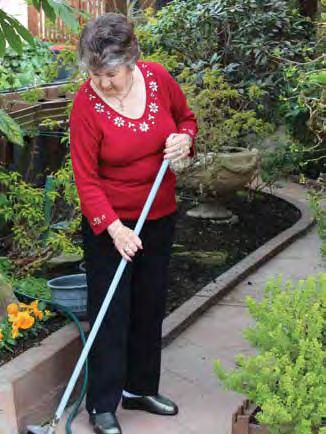
Support to stay well at home
Hospital was the last place
88-year-old Patricia Entrican
wanted to end up. But when
crippling back pain left her bed
ridden for weeks on end, she
feared that’s just where she was
heading.
Patricia lives with her daughter José and two
teenage granddaughters in their two-storey
home in Auckland. José says, ‘Mum had been
unwell for some time, and I’d just about reached
the end of my tether, with continual broken
nights’ sleep, trying to look after her, run the
household and continue with my work.’

That’s when José turned to her GP, and help
arrived in the form of registered nurse Katie
Rabbitte. Katie’s role is to support people like
Patricia to ensure they don’t end up in hospital.

‘Katie came to our home and made practical
changes straight away that have made a world
of difference. Simple things like installing a bed
lever so Mum doesn’t have to virtually do sit-ups
with her sore back in order to get out of bed.’

Katie is one of two dedicated integrated care
managers working for Auckland’s East Health
Trust Primary Health Organisation. The two
integrated care managers currently provide
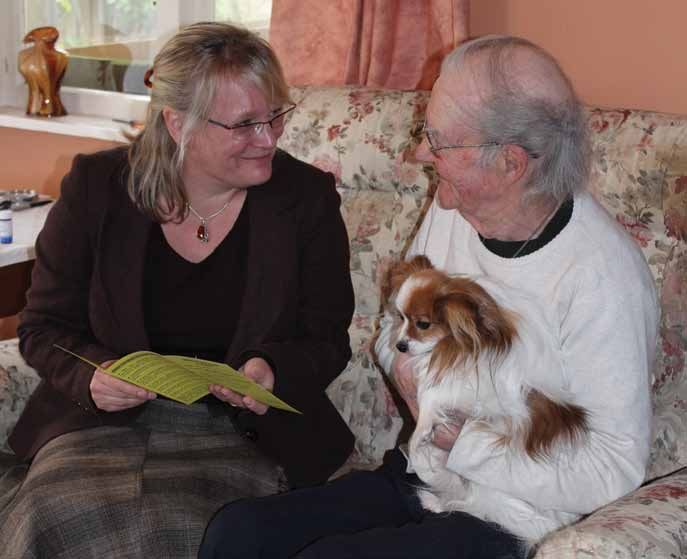
a rapid response service for three general            Patricia Entrican testing her new stair lift recently installed
practices. A further 18 general practices will soon   in her home.
be using them, too.
                                                      As well as helping people who have been referred
‘My job is to identify people at high risk of         by their GPs, the integrated care managers also
hospitalisation. I go into their homes, assess        check Middlemore Hospital’s list of patients at
what support they need and coordinate this care       risk of readmission. They check on patients who
so that they can remain safe in their homes,’         have just left hospital to make sure the patients
Katie explains.                                       have the right support in place so they don’t end
José says that it was the immediacy of the service    up being readmitted.
that really helped. ‘Katie was like an angel.         Support provided through this service has
Within 24 hours of me going to my GP, she had         improved the quality of life for both Patricia
come to our home. She was so reassuring. She          and José.
has sorted out long-term, regular home help with
things like showering Mum. We’ve just got a stair     ‘I’m nearly 90,’ Patricia says. ‘They can’t get me
lift, and we’ve been offered respite care.’           back to playing tennis, but I’m in less pain, and
                                                      I’m at home, and that’s where I want to stay.’

4    Care Closer to Home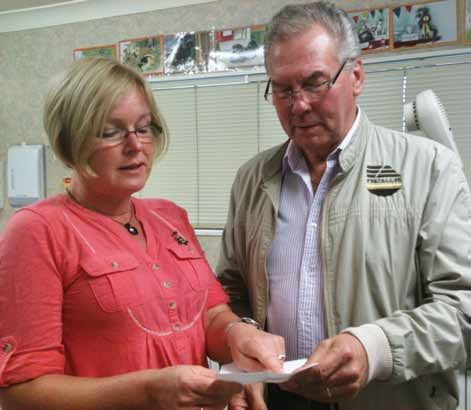
Mental health support in the
community
Rose Smith* felt like a
zombie after four nights of
broken sleep.
Rose suffers from depression, and when
changes to her medication didn’t seem
to be working, she went straight back to
her GP.

In the past, she’d been seen by a practice
nurse, but this time, she was referred
to the health centre’s dedicated mental
health nurse Jenny Fleury.

Jenny contacted Rose that same day, and
from that point forward, Rose began the
journey towards better mental health.
                                              Mental health nurses Jenny Fleury and Lorelei Olafson, are based in the
‘With depression, you feel isolated from community supporting people to look after their mental health and stay well.
your friends and family. Jenny
understood exactly what I was saying and made
                                                                                        Peter Coombes, Clinical
me feel at ease. She
kept telling me that       ‘With depression, you feel                                   Leader of Mental
                                                                                        Health at Compass
this is just an illness.’
                           isolated from your friends and                               Health Primary Health
Mental health nurses       family. Jenny understood exactly                             Organisation (PHO),
                                                                                        says patients and
are most commonly
based in hospitals, but    what I was saying and made me                                clinicians are getting a
                                                                                        better service. ‘People
since 2012, Jenny and      feel at ease. She kept telling me                            are able to access the
another mental health
nurse, Lorelei Olafson,    that this is just an illness.’                               mental health care they
have been working                                                                       need in the community.
in general practices                                                                    It’s building expertise in
around the Wairarapa to provide mental health          the  primary   health    sector   and taking some of the
advice and assessments.                                pressure   off the  hospital    workforce.’

The pair works closely with the doctors and                   As for Rose, she says she’s feeling better than
practice nurses, supporting patients and closely              she has for years and is motivated to stay well.
monitoring their medications. They are both part              ‘Having a mental health nurse who is in contact
of the Wairarapa District Health Board’s after-               with my GP is a big advantage. It feels more like
hours mental health crisis team and can refer                 I have a team behind me now, helping me and
patients to secondary services if needed.                     supporting me.’

‘We work with people who are dealing with                     *The name of this patient has been changed to protect her
anxiety, financial problems, relationship                     privacy.
problems and parenting issues,’ says Jenny.

                                                                                           Care Closer to Home            5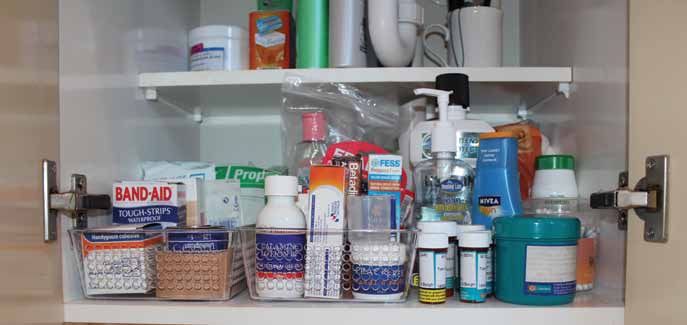
Staying on top of rheumatic fever
and skin infections
South Auckland children with                                         group A Streptococcus (strep A, strep throat or
                                                                     GAS) infection, which if left untreated can lead
skin infections severe enough                                        to rheumatic fever. At the same time, the nurses
to stop them bending their                                           also check the children for skin infections,
                                                                     commonly known as school sores, and other
arms and legs are now being
                                                                     common health issues that affect the children’s
treated through a school health                                      ability to learn.
programme working alongside                                          ‘We want South Auckland children to have the
the national Rheumatic Fever                                         best start in life, participating fully in their
Prevention Programme.                                                education because they are being protected
                                                                     against preventable diseases and are receiving
Mana Kidz works with children in Ōtara,                              treatment for sore throats and skin infections,
Māngere and Manurewa. Nurses and whānau                              and ultimately any issues of overcrowding are
support workers go into the schools to take                          being addressed,’ Mana Kidz project manager
throat swabs from children to check for the                          Phil Light says.

Nurses are checking the sore throats of South Auckland children at school, as part of the Rheumatic Fever Prevention Programme.

6     Care Closer to Home
Mana Kidz is the brainchild
of the Child Health Alliance Mana Kidz at Yendarra School
Forum – Counties Manukau,
Nurse May Kennedy has noticed fewer nasty sores and fewer
a group involving the district
children staying home sick since Mana Kidz was instigated at
health board, primary health
Ōtara’s Yendarra School.
providers and non-government
organisations that have joined May and whānau support
forces to tackle these preventable worker Robynne Uerata–
health conditions affecting Tango check about 300
children. students at the school for
a range of health issues,
The forum saw the government-
from impetigo and scabies
funded throat swabbing
to head lice and minor
Rheumatic Fever Prevention
injuries.
Programme as being a stepping
stone to a more comprehensive They also see any child
health service for local children. who has a sore throat, and
they swab for the group
Rachel Haggerty, Director of
A Streptococcus (strep
the National Hauora Coalition
A, strep throat or GAS) Children in South Auckland primary schools
(NHC), which leads the
infection that can lead to are having their skin checked for sores like
forum, says, ‘It was a fantastic
rheumatic fever. this, through Mana Kidz school - based
opportunity to step up and do the health programme.
right thing for South Auckland The pair will identify about
kids.’ eight strep A infections each week and treat them with antibiotics.
The programme has a clear aim ‘For children to be able to take the antibiotics, we need consent
of reducing the number of school from their parents. We try and connect with the parents when
children being hospitalised with they are picking up and dropping off their children at school,
preventable health problems, but often we have to visit them at home. If a child has the strep
such as serious skin infections A infection three times, we go to their house and ask to swab the
and sore throats that can lead to whole family. Everyone with GAS needs to be treated to stop the
rheumatic fever. It also wants to infection spreading.’
make sure that children and their
families are more aware of these Aside from seeing children with sore throats each day, May and
conditions and their general Robynne also aim to visit classes to check all students’ eyes, ears
health. and skin and general health.
With funding and resources from Robynne says, ‘We want these kids to know how to take care of
the Counties Manukau District themselves. We teach the children how to wash their hands and
Health Board, Mana Kidz is now blow their noses, tell them to keep their nails short and regularly
based in 53 South Auckland remind them to check for head lice.’
schools, checking the health of
May says that most parents are pleased that she and Robynne are
up to 23,000 children.
keeping an eye on their children’s health.
Rachel says, ‘All children who see
While the strep A throat infection treatment is free, sometimes
a registered nurse through Mana
the health check will result in a child being referred to a doctor
Kidz are encouraged to enrol
for other health issues. Some children are enrolled with the Ōtara
with a general practice so that
Union Medical Centre, which is part of a group of providers that
the nurse can refer them there if
have helped subsidise the Mana Kidz health programme.
necessary.’
May believes that the Mana Kidz school-based health programme
By the end of October 2013, the
is starting to make a difference to the health of children at
Mana Kidz health programme
Yendarra School. ‘It is rewarding to be picking up so many strep A
had treated 8923 children for
infections as the children are now aware of signs and symptoms.
strep A and 5271 children for
We recently discovered seven in one class on one day. We just
nasty skin infections, such as
have to stay on top of it.’
impetigo and cellulitis.
Care Closer to Home 7Managing medication after a stroke
Strokes affect people in lots of In hospital, the doctors started John on the drug
warfarin to prevent further strokes. Warfarin is
different ways, depending on a complex medicine that requires regular blood
where they occur in the brain. tests to determine the right dose, especially in the
first week or two of starting.
When John Williams had his stroke, it affected
the part of his brain that is associated with ‘It’s important to get the dose right because
reading, writing and talking. John could no if the dose is too high, the warfarin can cause
longer recognise certain words or numbers, unwanted bleeding, but if the dose is too low,
couldn’t find the words he needed to express there is a danger that another stroke could
himself and sometimes couldn’t understand occur,’ says Dr Elizabeth Spellacy, John’s
what people were saying. specialist stroke doctor at Tauranga Hospital.
‘The first month is the most critical time to get
‘It was like being by myself in a foreign country, the right balance.’
where I couldn’t understand anything I read and
couldn’t make anyone understand what I was
saying,’ says the 58-year-old from Tauranga.
John Williams is getting help at home from pharmacist Pauline McQuoid to manage his medications after suffering a stroke.
8 Care Closer to HomeJohn’s doctors knew that John wouldn’t be able ‘Medwise pharmacists help out with the
to manage the complicated warfarin dosing discharge process while the patient is still in
requirements because of the effects of his stroke, hospital then visit the patient at home after
but he didn’t have any family or friends who discharge to ensure all the medication changes
could help him. This is when they called Medwise are carried out safely and correctly.’
pharmacist Pauline
McQuoid. The John was relieved
Medwise service is
‘It’s important to get the dose right that Pauline was able
funded by the Bay because if the dose is too high, to help him with his
warfarin when he
of Plenty District
Health Board to the warfarin can cause unwanted was discharged from
hospital. ‘Pauline
supports people bleeding, but if the dose is too low, went with me to have
like John with
medication changes there is a danger that another stroke my blood tests, she
found out how much
when they are could occur.’ warfarin I was meant
discharged from
hospital. to have and then she sorted out all the doses
for me until my next blood test,’ he explains. ‘I
‘Discharge from hospital can be a confusing wouldn’t have known what to do by myself.’
time,’ says Pauline. ‘People are given a lot of
information, not all of which they remember. Eventually, John learned how to manage his
blood tests and warfarin independently. He still
‘Many people have their medications changed goes to the hospital to have speech and language
while they are in hospital, but for lots of different therapy and visits the stroke ward to talk to and
reasons, the changes are not always carried out encourage other stroke patients.
as they should be after discharge. This can cause
a wide range of problems, including side effects
from medications, medical conditions getting out
of control and poorly controlled pain.
Care Closer to Home 9Telemedicine closing the distance –
Ashburton
Mother of three Roxanne ‘I was feeling quite anxious. I knew there were
no paediatricians based at Ashburton Hospital
Sloper feared the worst when – they’re in Christchurch, more than an hour’s
her midwife took one look at drive away. No one here could tell me what
her 15-day-old baby boy Harry was wrong with Harry, and the doctors were
struggling to get an IV line in him.’
and said they needed to go to
That’s when hospital staff turned on the
hospital immediately. telemedicine unit overlooking Harry’s bed.
‘My two other boys had colds when I brought Christchurch-based paediatrician Dr John
Harry home from the hospital. So when Garrett appeared on the screen. He was face to
Harry’s nose started to run, I thought nothing face with the Ashburton medical staff and able to
of it. He was breastfed in the morning, but a see Harry. Within minutes, John had discussed
couple of hours later, when my midwife arrived, Harry’s condition with the Ashburton Hospital
he was wheezing.’ health care team and his parents and was able to
suggest a plan for the baby’s ongoing care.
Roxanne’s midwife called the ambulance, and
soon mum and baby were at Ashburton Hospital.
Roxanne Sloper enjoys some healthy backyard play with her boys.
10 Care Closer to Home‘Paediatrics is a very visual speciality,’ John says. 60 telemedicine units, bringing specialists
‘So when we’re trying to decide if a child is sick or such as oncologists, paediatricians, physicians,
not, a lot depends on how they look.’ dieticians, speech and language therapists,
neonatologists and intensive care specialists
Roxanne says, ‘I was so relieved to see a doctor closer to patients who live outside the main
who specialises in kids pop up on the screen. I centres.
knew Harry was going downhill fast when he lay
limp on the bed as doctors tried to get a line in. Aside from the obvious benefit of giving patients
Usually he puts up a fight when you’re just trying access to these specialists closer to their homes,
to dress him.’ using this
technology is also
Baby Harry was ‘I was so relieved to see a doctor saving time. ‘It’s
stabilised and who specialises in kids pop up on difficult to keep up
transferred to with the demand
Christchurch the screen. I knew Harry was going for outpatient
Hospital, where
he and Roxanne
downhill fast when he lay limp on the appointments,’
John explains. ‘But
stayed for three bed as doctors tried to get a line in. being able to see
nights while Harry
recovered from a
Usually he puts up a fight when you’re some patients by
telemedicine helps
respiratory virus. just trying to dress him.’ to keep waiting
Telemedicine is times down.
now being used widely across Canterbury and ‘We’re also able to better support clinicians
the West Coast, closing the distance between working in places like Ashburton and Grey Base
specialists based at Christchurch Hospital and hospitals who deal with a wide range of medical
patients living in remote parts of the region. conditions and situations.’
As John says, ‘I see acutely sick patients, like Baby Harry has recovered from his ordeal and
Harry, at their local hospital as well as those who recently received his six-week vaccinations.
have appointments in the outpatient clinics – all Roxanne says, ‘I’m watching him like a hawk now.
via high-definition videoconference technology.’ I’m going to be one of those mothers, off to the
Between them, Canterbury and West Coast doctor with the slightest snivel quick smart.’
district health boards now have more than
Care Closer to Home 11Telemedicine closing the distance –
Opotiki
Doctor–patient consultations Around 9000 people live in Opotiki, with the
nearest hospital in Whakatane – about an hour’s
via video link are the future of drive on a winding road. Opotiki has an after-
health care and an answer to hours service staffed by nurses, and Jo says it’s
here that telemedicine is proving invaluable.
serving remote communities.
That’s the view of Opotiki GP and chairperson of ‘What we have seen so far has been a reduced
the New Zealand Rural General Practice Network, number of patients referred through to
Dr Jo Scott-Jones. Jo is one of seven doctors Whakatane Hospital.
in the Eastern Bay of Plenty town trialling
‘Just last weekend we had a patient with a
telemedicine equipment, which is giving patients
suspected deep vein thrombosis (DVT) in the
access to the health care they need without them
after-hours emergency room at the Opotiki
having to travel.
Community Health Centre.’
Dr Jo Scott-Jones, who is now using telemedicine to diagnose patients online.
12 Care Closer to HomeJo says the nurse on duty consulted him at his in rest homes and palliative care facilities across
home using telemedicine technology, and he was the Eastern Bay of Plenty. So now, in some cases,
able to observe the patient via video link. doctors can see patients without the patients
having to face the discomfort and inconvenience
‘The camera could be moved around for me to see of travelling to their doctor. Jo says that so far his
the area of the leg that was swollen, and I could patients are embracing the new technology.
make a diagnosis on
‘Telehealth is a
that basis. It turned ‘I can see a time in the not-too logical fit for making
out it wasn’t a DVT.’
The online diagnosis distant future where I will be able to the most of valuable
medical resources in
saved the patient an see some patients from their homes remote areas.
unnecessary trip to
Whakatane Hospital. using webcams. In fact, I have two ‘I can see a time in
Telemedicine is also
patients who are already set up for the not-too-distant
future where I
giving people living that, and I anticipate the first consult will be able to see
in more remote
areas, such as Te
will take place before Christmas.’ some patients from
their homes using
Kaha, better access webcams. In fact, I
to health care. In the past, if people living in the have two patients who are already set up for that,
coastal settlement needed to see a doctor, they and I anticipate the first consult will take place
either had to wait for an appointment or faced a before Christmas.’
long drive to Opotiki, as a GP is only on site in
Te Kaha a few days a week. But now, on those The Opotiki Telehealth project is a joint initiative
days when the GP isn’t in Te Kaha, they can between the IT Health Board, the Bay of Plenty
be seen online by a doctor in Opotiki via a District Health Board and the Ministry of
connection at the local health centre. Business, Innovation and Employment.
Telemedicine equipment has also been installed
Care Closer to Home 13Hooking up to IV drip closer to home
Mike Rickwood
thought he was
hospital bound
when his itchy
feet turned nasty,
swelling and
blistering virtually
overnight.
It turned out that his athletes
foot had developed into
cellulitis, a common but
potentially serious bacterial
infection. Mike needed
intravenous antibiotics to deal
with the infection.
Carterton practice nurse
Nicole Kolvenbag says, ‘A few
years ago, we had to send any
patients who needed an IV
drip to Wairarapa Hospital. Carterton practice nurse Nicole Kolvenbag with Mike Rickwood.
Including treatment time, that’s at least a
four-hour round trip. Now most of the nurses
here are trained to do the added prospect of
a longer waiting time
it themselves.’
‘A few years ago, we had to send in the larger hospital.
Mike was hooked up any patients who needed an IV drip ‘It’s excellent – getting
to an IV drip three this level of care in the
days in a row, the to Wairarapa Hospital. Including community is better
swelling went down,
and he was able to go
treatment time, that’s at least a for everybody.’
home with a course four-hour round trip. Now most of Sentiments echoed
of antibiotic tablets by Dr Guin Hooper,
to help clear the
the nurses here are trained to do it who heads Wairarapa
cellulitis completely. themselves.’ Hospital’s emergency
department (ED).
Mike’s relieved that he ‘We used to see a lot of cases of untreated
could get the treatment he needed a short three cellulitis in the ED, but now people are treated
minute drive from his home rather than facing in the community. It’s quicker and easier for the
the half-hour drive to Wairarapa Hospital, with patients, and it helps prevent overcrowding in
the ED,’ he says.
14 Care Closer to HomeGetting back on your feet
Understandably, Colleen Briggs
needed a bit of extra support
to get back on her feet after
two strokes triggered diabetes
and symptoms of Parkinson’s
disease.
So when she was discharged from hospital after
10 days, her GP sought the help of Canterbury’s
Community Rehabilitation Enablement Support
Team (CREST).
CREST nurses, physiotherapist, pharmacist,
occupational therapist and support workers
provide people like Colleen with intensive, in-
home support over a six-week period. Whatever
rehabilitation support they need, CREST
provides it.
For Colleen, regular visits from a physiotherapist
and memory assessment were part of her care.
The team also suggested she make changes to her
home to make her life easier, such as placing a
stool in the shower.
Colleen Briggs, back on her feet, tending to her garden.
‘They were lovely to me. They’d arrive at about
9 am, take my blood pressure, help me with support service. The agencies liaise with the
exercises and often take me for a walk to the patient’s GP as well as their hospital-based case
corner and back,’ she says. manager to ensure timely and appropriate care.
The CREST initiative was developed in the CREST Service Manager Janice Lavelle explains
aftermath of Christchurch’s devastating that patients set their own goals. ‘Some people
2010/11 earthquakes. might want to be able to walk to the shops, while
others might want to get back to an exercise class
Greg Hamilton of Canterbury District Health or another activity in the community.’
Board’s Planning and Funding team says, ‘As well
as needing to provide better care for people in While the initial focus was on assisting people
the community, we had fewer hospital and aged who had been admitted to The Princess
residential care beds available after the quakes Margaret or Christchurch hospitals, including
and needed to reduce the number of admissions people seen at the emergency department,
to both.’ the initiative has now been extended to all
Canterbury general practices.
The CREST initiative is based on the successful
Waikato District Health Board pilot that focused More than 2500 people have been supported by
on short-term rehabilitation of people in their CREST. It is also assisting in reducing admissions
own homes. In Canterbury, three community to Canterbury’s aged residential care (ARC)
agencies (Nurse Maude, Healthcare of New facilities. In 2012, just over 1 percent of people
Zealand and Access) have collaborated with aged 65 and over were admitted to a Canterbury
the district health board to deliver the in-home ARC facility within 28 days of a hospital
discharge compared with 4 percent previously.
Care Closer to Home 15Tidying up the medicine cabinet
and staying well
At 73 years of age, Tony Clark Enablement Support Team (CREST), who
recognised that mobile pharmacist Melanie
reckoned his memory was pretty Gamble could provide some of the support
good, but he’d lost track of why Tony needed.
he was taking some of his daily ‘Melanie was great at explaining what was what,
medications. and I have a much better understanding of the
tablets I’m taking now,’ Tony says.
Tony was living alone, having recently lost his
wife, and had just had an operation for an Melanie works for the region’s Medication
aortic aneurysm. Management Service, set up in 2011 to keep
people well in their own homes. The service is
Christchurch Hospital put him in touch with provided to people throughout the Canterbury
Canterbury’s Community Rehabilitation
Mobile pharmacist Melanie Gamble talking to Tony Clark at his home about his daily medication.
16 Care Closer to Homedistrict who are taking more than three In Tony’s case, Melanie helped him clean out
medicines a day and have been identified as his medicine cabinet and gave him a yellow
requiring some help in managing card listing all of his medications and why he
their medications. needed them.
People can refer themselves to the 12-month A few months later, when Tony was admitted to
service, or they can be referred by their GP or hospital again, he took the yellow card with him
other health professionals. Like Tony, most to show hospital staff.
referrals are 65
Currently, the
years or older and What people are supposed to be Medication
are referred after
spending some time taking and what actually happens Management
Service is aiming to
in hospital.
can vary for a wide range of reasons, attract 160 referrals
Lisa Giles from from regularly forgetting to take per month and
the Canterbury had almost reached
Community their medicine at the right time to its goal, with an
Pharmacy Group,
which runs the
not being able to open a bottle or overall total of
3850 referrals (by
Medication blister pack to not knowing how to the end of July 2013)
Management Service,
says that ideally the
use an inhaler properly.’ since the programme
started in 2011.
pharmacist goes to
the person’s home. ‘We just know that
there are more people out there who could
‘The pharmacist will take a look at the person’s benefit from this service, and we are working
medicine cabinet, remove any expired or hard to let people know about it,’ Lisa says.
superfluous medication and discuss whether the
person is taking their medicine as prescribed. As for Tony, he’s really happy with the help he’s
What people are supposed to be taking and what received in his home.
actually happens can vary for a wide range of ‘They really helped me get back into everyday life
reasons, from regularly forgetting to take their so that I could do the things I enjoy, like working
medicine at the right time to not being able to on my model railway, looking after the garden
open a bottle or blister pack to not knowing how and going for walks.’
to use an inhaler properly.’
Inside a typical home medicine cabinet.
Care Closer to Home 17Taking care of diabetes
When Whangarei man Bill Primary Health Organisation diabetes nurse
specialist Bronwyn Henderson in Whangarei,
Roache blacked out while Bill was still somewhat reluctant.
driving, he thought he was
However, ‘Bronwyn changed my medication,
having a heart attack. got me back on track and restored my faith
in nurses.’
When he came to, he drove straight to his GP.
Blood tests were taken, and Bill discovered that Bill who is ‘nudging 80 years old’, no longer
he had diabetes. drives to Auckland. To manage his type 2
diabetes, he is receiving the care he needs
‘A nurse advised me to eat lots of carbs. I thought,
virtually on his doorstep.
“That can’t be right”, and it wasn’t. It put me
right off. I decided that I needed to see a Diabetes nurse specialist Bronwyn Henderson is
specialist in Auckland.’ able to prescribe medications and runs a diabetes
clinic that deals with around 40 patients a
That was some 15 years ago, but when Bill’s
month. But a big part of Bronwyn’s job is working
current GP suggested he could see Manaia Health
Diabetes nurse specialist Bronwyn Henderson with Bill Roache.
18 Care Closer to Homewith GPs and practice nurses to make sure people ‘We’ve run whānau sessions where we’ve
like Bill are well looked after. involved the extended family of the person with
diabetes, including their nieces and nephews.
‘We work as a team. That way, those who
Supporting and ‘We’ve run whānau sessions where may be at risk of
training practice
nurses in ways we’ve involved the extended developing diabetes are
captured, too.
to better manage family of the person with diabetes,
diabetes gives ‘Each practice keeps
the nurses more including their nieces and track of how their
confidence in their nephews. That way, those who may diabetic patients are
doing. The PHO rates
abilities to make
useful changes to their be at risk of developing diabetes the performance of
each practice. The
patients’ care.’
are captured, too. practices can compare
Northland has more results, and that’s
than 9000 people with diabetes, and that’s created some healthy competition.’
expected to rise by 72 percent by 2026.
Bronwyn says that some people need a lot of
‘Each practice does things slightly differently to support to manage their diabetes while other
suit their patients. For instance, some are taking people, like Bill, are pretty much self-managed.
patients on supermarket tours with a dietician. And as Bill says ‘It’s my body; it’s up to me to keep
Group education sessions are really important,’ it going well. With support from my wife, the GP
Bronwyn says. and Bronwyn, I’ve got the perfect set-up.’
Diabetes medication.
Care Closer to Home 19You can also read


