Child Poverty in the UK: The report on the 2010 target - Department for Work and Pensions Department for Education
←
→
Page content transcription
If your browser does not render page correctly, please read the page content below

Department for Work and Pensions
          Department for Education

Child Poverty in the UK: The report on
           the 2010 target

       Presented to Parliament pursuant to section 1(1) of the
                      Child Poverty Act 2010

June 2012               London: The Stationery Office            £8.75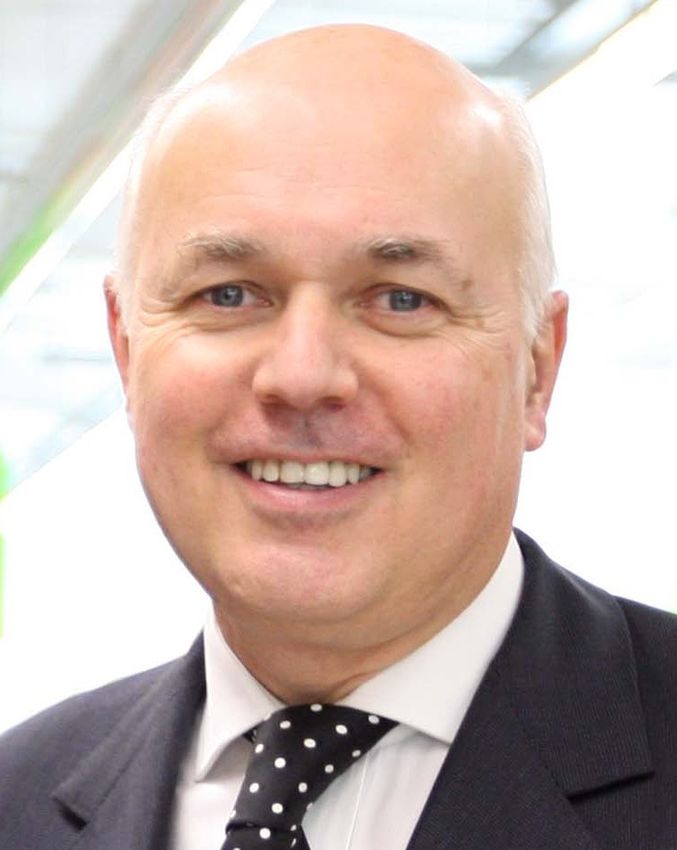
© Crown copyright 2012

You may re-use this information (excluding logos) free of charge in any format or medium,
under the terms of the Open Government Licence. To view this licence, visit
http://www.nationalarchives.gov.uk/doc/open-government-licence/ or e-mail:
psi@nationalarchives.gsi.gov.uk.

Where we have identified any third party copyright information you will need to obtain
permission from the copyright holders concerned.

Any enquiries regarding this publication should be sent to us at
contacts.cpu@childpovertyunit.gsi.gov.uk

This publication is available for download at www.official-documents.gov.uk

This document is also available from our website at www.education.gov.uk/publications

ISBN: 9780108511820

Printed in the UK by The Stationery Office Limited
on behalf of the Controller of Her Majesty’s Stationery Office

ID P002497367            06/12

Printed on paper containing 75% recycled fibre content minimum.

                                               2
Contents
Foreword by Iain Duncan Smith, Secretary of State for
Work and Pensions 4
Foreword by Sarah Teather, Minister of State for
Children and Families 6
Summary 8
Section 1: PROGRESS AGAINST THE 2010 TARGET 10
Section 2: WHY CHILD POVERTY MATTERS 18
Section 3: TACKLING CHILD POVERTY GOING
FORWARD 22
We recognise that some important policy levers which are needed to reduce
poverty are the responsibility of the devolved administrations. The Devolved
Administrations are key partners in tackling the root causes of poverty and
have each published strategies to achieve this. The Government will continue
to work closely with the Devolved Administrations to reduce child poverty
across all parts of the United Kingdom.
3Foreword
The last Labour government set themselves the target to eradicate child
poverty by 2020 and in the pursuit of that target, to halve it by 2010. However,
the latest figures show that the target was missed and illustrate the complex
challenge ahead if we are to end child poverty.
In the past decade, vast amounts of money were poured into the pursuit of
reducing poverty, with over £150 billion spent on tax credits alone between
2004 and 2010. Yet, notwithstanding this unprecedented level of spending,
too many of the root causes of poverty remained unchecked.
This is because the last government’s approach to poverty was fundamentally
flawed - today’s figures show that they did not do enough to make work pay,
focusing instead on treating the symptoms of poverty through simple income
transfers.
The ‘poverty plus a pound’ approach at first managed to move some people
who were easier to reach from just below the poverty line to just above it,
enabling an early declaration of success. It remains apparent that such a
strategy did nothing to transform the lives of the poor, for the root causes of
poverty cannot be changed simply by a set of income transfers. Families need
real support to break the cycle of disadvantage so they can take responsibility
for their own lives and improve the life chances of their children and future
generations. Addressing the issues that hold a family back and limit their
capacity to take control of their own lives should be at the heart of an anti-
poverty strategy.
This Government is firmly committed to eradicating child poverty. We will
make sure that where a child starts in life no longer determines where they
end up. This is more than a political vocation – ending child poverty will
benefit our whole society economically as we pay out less in welfare and
generations of children grow up to reach their full potential and secure long
term growth.
We need to tackle child poverty at its roots, providing quality education whilst
helping people into work and supporting families to be as strong as they can
be. Through the introduction of Universal Credit we will support more people
into work, which we know is the best way for families to lift themselves out of
poverty. We will also intervene early, ensuring that the most vulnerable
families receive the support they need to provide a stable home life for their
4children.
We are committed to help stabilise families and support them so that children
can benefit from an environment where education is valued, success through
hard work is celebrated and responsibility is instilled, equipping children to
fulfil their potential.
This continuing commitment is set against the very challenging backdrop of
economic uncertainty at home and abroad. Deficit reduction is vital if we are
to recover and generate sustainable economic growth which is a pre-requisite
for ending child poverty. Gone are the days when taxpayers’ money can be
poured into politicians’ pet projects in the pursuit of short term goals.
At first glance some of the child poverty statistics may appear to be good
news for the Coalition Government in its first year of office. The ‘decrease’ in
child poverty, particularly among workless families feels like a step in the right
direction. The reality, like poverty itself, is more complex. In 2010/11 the
economic downturn brought with it a significant fall in median income,
dragging with it the relative poverty threshold. Absolute poverty for children
remained unchanged. These figures make the powerful point that, whilst
these families may have crossed an arbitrary income threshold, their real
incomes did not rise and their lives did not change.
The failure of the relative income poverty measure in isolation to properly
reflect the real experience of poverty in the UK in such hard economic times
drives home the need for us to think differently about poverty.
In such economic circumstances we must focus our actions to tackle child
poverty where they will be most effective and long lasting. We recognise that
income is important, but it is widely understood that the current relative
income measure by itself is not an accurate picture of child poverty.
Furthermore, such a narrow focus can drive perverse decisions which focus
on rotating people across a notional line without asking whether anything in
the family’s life has changed significantly enough to transform their outcomes
so that they do not slip back below the ‘poverty line’.
We are very interested in developing better measurements of child poverty
which include income but provide a more accurate picture of the reality of
child poverty in the UK today. We recognise that this is not an easy task and
we will need help from experts in the field. We will be seeking a wide range of
views in the autumn as part of a consultation on how best to measure
child poverty.
Iain Duncan Smith
Secretary of State for Work and Pensions
5Foreword
This Coalition Government is committed to ending child poverty. The cross
party support for the Child Poverty Act speaks volumes for the shared
understanding that, as a country, we must do all we can to release successive
generations from the poverty trap and succeed, socially and economically.
The last government’s approach to tackling poverty in the good economic
times was simplistic. It failed to open the doors of social mobility that would
allow our next generation to compete in a fair society and climb the ladder to
success.
We now face much tougher economic circumstances, making ending child
poverty more challenging, but all the more urgent. This report shows that the
previous government’s policies were insufficient to meet the 2010 target to
halve child poverty.
We will address the root causes of poverty by ensuring that where you start in
life does not dictate where you end up.
We are lifting two million people out of income tax by raising the personal
allowance to £9205 by April next year. We remain committed to increasing
this allowance to £10,000, ensuring that the worst paid in our society are not
paying tax on their scarce incomes.
We will take action early when families face difficulties to ensure that
problems can be overcome and people can get on with the business of their
lives. Nowhere is this more important than in the early years, we have set out
clear plans to support families to give their children the best start in life.
Parents of every three and four year old can already claim 15 hours of free
early years education a week and we are spending £760 million to extend
these free places to around 40 per cent of two year olds as well, starting with
the most disadvantaged. We are spending an additional £300 million to help
families with childcare costs while they look for work and we are beginning
trials of parenting classes, available for families of children under five in the
trial areas.
Through the Pupil Premium we are providing £2.5 billion by the end of the
6Spending Review period to ensure that the most disadvantaged children have
access to those extra opportunities that so often open the doors to
confidence, aspiration and social mobility whilst at the same time freeing
schools to spend the money in ways they know will work.
We cannot tackle child poverty on our own; we need the support of local
areas, community and voluntary organisations. Today we have published
separately a practical guide for these providers on what we know works.
This report states that the 2010 target was not met, but we have learnt from
the mistakes of the previous government. Income matters, but if we are to end
child poverty we must address the root causes of poverty. By better
understanding poverty, helping families early and creating a fairer tax system
we will reach our ambition to end child poverty.
We are very interested in developing better measurements of child poverty.
Income matters but to truly overcome poverty we must develop a wider,
deeper understanding of what it means to live in poverty. We recognise that
this is not an easy task and we will need help from experts in the field to build
an accurate picture of the reality of child poverty in the UK today. We will be
seeking a wide range of views in the autumn as part of a broad and open
consultation on how best to measure child poverty.
Sarah Teather
Minister of State for Children and Families
7Child Poverty in the UK: 2010
SUMMARY
1. The previous government set a target to reduce the number of children
living in relative income poverty by half by 2010/11 from a 1998/99
baseline. Section 1 of the Child Poverty Act 2010 requires the
Government to produce a report on whether or not this target was met.
2. The target to halve child poverty by 2010 was not met. The number
of children living in relative income poverty in 2010/11 reduced to 2.3
million. This is 600,000 short of the number required to meet the target.
3. Despite some progress, not enough parents moved into work, and
progressed in work. Work did not pay as well as it should and the
proportion of poor children who came from working households
increased. Not all poor families received the financial support they were
entitled to as the system was complicated and unclear.
4. Child poverty matters. Despite being the sixth wealthiest country in the
world, in 2010 there were still too many children experiencing poverty in
the UK. Whilst some children thrive despite the poverty they grow up in,
for many children growing up in poverty can mean a childhood of
insecurity, under-achievement at school and isolation from their peers.
Children who grow up in poverty now all too often become the parents of
the next generation of children living in poverty.
5. The Coalition Government is committed to breaking the cycle of
disadvantage – where you start in life should not determine where you
end up. Ending child poverty is an essential part of this challenging
vision.
6. The fact that the child poverty target was not met demonstrates that
poverty does not have an easy answer. It is not about income and
welfare payments alone. It is a complex problem with deep roots in
culture, place and the economy. The current economic climate makes
tackling child poverty particularly challenging.
7. The evidence consistently shows that the best routes out of poverty are
through achievement in education and work. Income matters but it is also
about addressing barriers to employment and ensuring that every family
has the skills and opportunity to succeed, compete for the best jobs and
lift themselves out of poverty. Until we address the root causes of
poverty we will not succeed in eradicating it.
8. That is why the Coalition Government published the first ever Child
Poverty Strategy last year, to tackle the causes of poverty head on -
unemployment and welfare dependency, family breakdown, low
educational achievement, poor health and disability, and financial
insecurity. In this report, we set out both the action we have taken to date
8and the challenges we face looking forward.
9. We must focus our actions to tackle child poverty where they will be most
effective. We recognise that income is important, but it is widely
recognised that the current relative income measure by itself is not an
accurate picture of child poverty as seen and experienced by ordinary
people. It can drive perverse decisions which focus on ‘poverty plus a
pound’ rather than investing in areas that can make transformative
change.
10. The last year of the figures (2010/11) show a large reduction in the
number of children living below the relative poverty threshold. This is not
the result of incomes rising for the poorest, but was largely due to a
significant drop in the median income. Absolute poverty remained
unchanged. This clearly illustrates that relying on the relative poverty
measure in isolation does not provide an accurate picture of the
experience of poverty in the UK today.
11. We are very interested in developing better measurements of child
poverty which include income but provide a more accurate picture of the
reality of child poverty in the UK today. We recognise that this is not an
easy task and we will need help from experts in the field. We will be
seeking a wide range of views in the autumn as part of a consultation
on how best to measure child poverty.
12. Central to this are the principles of fairness, responsibility and support for
the most vulnerable members of society. We want to create a stronger
society; one where everyone has the opportunity to reach their potential.
Only then will we be able to move towards the eradication of child
poverty.
9INTRODUCTION
13. This report fulfils the Government’s legal obligation within the Child
Poverty Act 2010 to report the 2010/11 relative income child poverty
figures and provide an explanation for why the previous government’s
target to halve child poverty by 2010 has been missed.
14. It also sets out why child poverty matters and reaffirms this
Government’s commitment to end child poverty.
SECTION 1: PROGRESS AGAINST THE 2010 TARGET
The scale of the challenge
15. The previous government set a target to reduce the number of children
living in relative income poverty by a half by 2010/11 from a 1998/99
baseline.
16. A child is defined as being in relative income poverty if they are living in a
household with an income below 60 per cent of the UK median
household income before housing costs have been deducted.
17. The 2010 target to halve child poverty has always been a challenging
one. In 2009, the Institute for Fiscal Studies (IFS) demonstrated this by
projecting child poverty rates for 2010/11.1 They concluded:
• Meeting the 2010 target through an increase in the child element of
Child Tax Credit - the lowest cost option analysed - would cost
around £4.2 billion in 2010/11 and would reduce financial work
incentives.
• Raising the employment rate to 65 per cent for lone parents in 2010 -
a significant increase from the 57 per cent actually achieved - would
only reduce the projected levels of child poverty by 0.9 percentage
points.
Performance against the target
18. In 1998/99 the estimated number of children in the UK living in relative
income poverty was 3.4 million. The 2010 target was to reduce this
number to 1.7 million by 2010/11.
19. The 2010/11 Households Below Average Income results released on
June 14 2012 reveal that there were 2.3 million children in relative
income poverty (see Chart 1 below). This is a reduction of 1.1 million
1
Brewer et al, (2009), Micro-simulating child poverty in 2010 and 2020, Institute for Fiscal Studies.
10since 1998/99. The target to halve child poverty by 2010 was not
met. The reduction fell 600,000 short of the target.
20. Of the 1.1 million reduction, 300,000 occurred in the year 2009/10 to
2010/11. This fall was not due to a rise in real incomes for the poorest
families, but was driven mainly by the fact that median income fell
sharply and benefits remained largely stable in real terms for low income
families with children. During this period absolute child poverty did not
fall.
Chart 1: Number of Children in Relative Income Poverty 1998/99 -
2010/11, UK2
4
3.5
3.4
Number of Children (millions)
3
2.5
2.3
2
Level required to meet target, 1.7
1.5
1
0.5
0
1998/99
1999/00
2000/01
2001/02
2002/03
2003/04
2004/05
2005/06
2006/07
2007/08
2008/09
2009/10
2010/11
Source: Households Below Average Income 1994/95 - 2010/11
Why the target was not met
21. The Child Poverty Act 2010 requires this report to explain why the target
to halve child poverty was not met.
22. To understand why the target was not met it is helpful to consider two
distinct groups:
• Children in income poverty in workless households (1.6 million
children in Great Britain in 1998/99)
• Children in income poverty in working households (1.7 million
children in Great Britain in 1998/99)
2
Estimates for Northern Ireland have been imputed for the years 1998/99 to 2001/02 so high level trends are
available from 1998/99. However more detailed analysis is only available for the United Kingdom from 2002/03, so
the remainder of the analysis in this section looking at trends since 1998/99 covers Great Britain only.
1123. If the size of both of these groups had been halved by 2010/11, the total
number of children in poverty would have halved and the target would
have been met. While this is not the only combination of progress that
would have been successful, it provides a useful benchmark for the
discussion below.3
24. Chart 2 below shows trends in these two groups between 1998/99 and
2010/11. The percentage fall in the number of children in poor working
households was not as great as that for children in poor workless
households, with a reduction of 19 per cent compared with 47 per cent
between 1998/99 and 2010/11. The likelihood of being in relative poverty
in Great Britain declined twice as fast over the period from 1998/99-
2010/11 for children living in workless families as for children living in
families where somebody worked.4 As this report goes on to show,
poverty reduction was greater amongst workless families, who
most benefited from increased financial support.
Chart 2: Number of Children in Relative Income Poverty in Working and
Workless Households 1998/99 - 2010/11, Great Britain
1.8
1.7 Children in working households
1.6
1.6 1.4
1.4
Number of children (millions)
1.2
Children in workless households
1.0
0.8
0.8
0.6
0.4
0.2
0.0
1998/99
1999/00
2000/01
2001/02
2002/03
2003/04
2004/05
2005/06
2006/07
2007/08
2008/09
2009/10
2010/11
Source: DWP analysis of 2010/11 Households Below Average Income data
Children in poverty in working households
Those who did work did not earn enough
25. Poverty is not restricted to workless families. In 1998/99, 51 per cent of
all income-poor children in Great Britain lived in households where at
3
Throughout the analysis, the figures used are rounded at the final point in the calculation, and so may not always
sum correctly.
4
Figure based on DWP analysis of 2010/11 Households Below Average Income data. For breakdowns such as those
used in this analysis, UK figures are only available from 2002/03 onwards, while figures for earlier years are for Great
Britain only, so the 1998/99 - 2010/11 figures are presented for Great Britain only.
12least one parent worked. Tackling in-work poverty was an important
requirement for meeting the 2010 target.
26. To halve the number of children in households experiencing in-work
poverty the total needed to fall by 800,000 between 1998/99 and
2010/11. In reality it only fell by 300,000 from 1.7 million to 1.4 million.
This meant that in 2010/11, 62 per cent of all children in relative income
poverty lived in working households.
27. Many working families were still not working enough hours or earning
enough per hour to lift them out of relative income poverty. Of the
children in poor working households in the UK in 2010/11, 87 per cent
were in families where not all parents worked full time.5 Work was not a
reliable route out of poverty for enough families.
Children in poverty in workless households
28. Work is the most sustainable route out of poverty for households that are
able to work. Reducing the number of children in workless households is
fundamental to reducing child poverty.
29. To halve the number of children living in poor workless households in
Great Britain, the number needed to reduce by 800,000 from 1.6 million
to 800,000. This reduction was achieved in 2010/11.
30. However, between 1998 and 2008 the total number of people employed
in the UK rose by more than 2.5 million, but the number of workless
households with children fell by less than 200,000.6
There was increased financial support for workless families
31. Analysis of the change between 1998/99 and 2010/11 shows that only
13 per cent of the overall reduction in poverty was due to a
reduction in the proportion of families who were workless7 (see
Chart 3 below).
5
Analysis excludes children in couple families containing at least one full-time self-employed adult.
6
Labour Force Survey household datasets, April - June data, 1998 - 2010
7
There is also a small effect due to compositional changes in the population. Figures are based on DWP analysis of
2010/11 Households Below Average Income data. For breakdowns such as those used in this analysis, UK figures
are only available from 2002/03 onwards, while figures for earlier years are for Great Britain only, so the 1998/99 -
2010/11 figures are presented for Great Britain only.
13Chart 3: Compositional Analysis of the Change in Risk of Relative
Income Poverty for Children 1998/99 - 2010/11, Great Britain
60
52
Percentage of change attributable to factor
50
40
34
30
20
13
10
0
Reduction in proportion of Lower risk of poverty for Lower risk of poverty for
families who were workless working families workless families
Source: DWP analysis of 2010/11 Households Below Average Income data
32. Increased financial support for workless households reduced the
proportion of children in workless households who were in poverty.
Between 1998/99 and 2010/11, the poverty rate for children living in
workless households in Great Britain fell from 68 per cent to 43 per cent
(see Chart 4 below).
Chart 4: Risk of Relative Income Poverty for Children in Working and
Workless Households 1998/99 - 2010/11, Great Britain
80
70
Children in workless households
68
60
Proportion of children (%)
50
43
40
30
20 Children in working households
13
16
10
0
1998/99
1999/00
2000/01
2001/02
2002/03
2003/04
2004/05
2005/06
2006/07
2007/08
2008/09
2009/10
2010/11
Source: DWP analysis of 2010/11 Households Below Average Income data
14Not all those who were unable to work were given sufficient financial support
33. Whilst employment is the best route out of poverty, there are groups of
parents who are not expected to find employment, at least in the short
and medium term.
34. The precise groups have changed as policy has developed, but over this
period groups such as primary carers with very young children and
parents who are unable to work due to a severe disability have not been
expected to look for employment.
35. As an illustration of the progress made for such groups, Chart 5 below
shows the changes in income poverty rates between 1998/99 and
2010/11 for workless families with a disabled adult and workless lone
parent families with a youngest child aged under five years old in Great
Britian.
36. In both cases the income poverty rate fell between 1998/99 and 2010/11.
For children in workless families with a disabled adult the income poverty
rate fell by 35 per cent and for children in workless lone parent families
with a child under five it fell by 56 per cent. While these reductions were
large, in both cases income poverty rates were still well above the rate
for all children (18 per cent in 2010/11).
Chart 5: Risk of Relative Income Poverty for Children in Workless Lone
Parent Families with a Child under Five, and Children in Workless
Families with a Disabled Adult 1998/99 - 2010/11, Great Britain
80
67
70
Workless lone parent families
with a child under 5
60
Proportion of children (%)
62
50
Workless families with a disabled adult
40
40
30
30
20
10
0
1998/99
1999/00
2000/01
2001/02
2002/03
2003/04
2004/05
2005/06
2006/07
2007/08
2008/09
2009/10
2010/11
Source: DWP analysis of 1994/95 - 2010/11 Households Below Average Income data
15All children in poverty
Not enough families got the support they were entitled to
37. A 2009 Child Poverty Unit report estimated that there were 400,000
children living in relative income poverty as a result of their families not
receiving all the benefits and tax credits to which they were entitled.8
Improving take-up of support for families with children was identified as
an important element of the agenda to tackle child poverty.
38. However, Department for Work and Pensions take-up statistics show a
downward trend in the take-up of most major benefits among families
with children since 1998.9
Particular groups
39. Poverty reduction between 1998/99 and 2010/11 did not occur equally
across all groups of children.
Table 1: Relative Income Poverty Rate for Key Groups of Children
1998/99 (Great Britain), 2009/10 (UK) and 2010/11 (UK)
Group 1998/99 2009/10 2010/11 Percentage change
(%) (%) (%) since 1998/9910
Children in workless
66 50 42 -36
families
Children in working
16 13 13 -20
families
Children in lone parent
46 27 22 -52
families
Children in couple families 20 17 16 -20
Children in families with 3
40 26 24 -40
or more children
Children in families with 2
20 18 15 -28
children
Children in families with 1
17 16 17 -3
child
All children 26 20 18 -33
Source: Households Below Average Income 1994/95 - 2010/11
Note: the 1998/99 figures are presented for Great Britain, while the 2009/10 and 2010/11 figures are presented for
UK. This is because the coverage of the Family Resources Survey, from which the figures are derived, changed in
2002/03.
40. Children in workless families, lone parent families, and families with more
than two children saw larger falls in relative income poverty than all
8
The impact of increasing take-up on child poverty was estimated using the DWP Policy Simulation Model, and
presented in Take Up the Challenge: The role of local services in increasing take up of benefits and tax credits to
reduce child poverty, Child Poverty Unit 2009.
9
The exception is Jobseeker’s Allowance, take-up of which started to rise again from around 2002. Source: Income
Related Benefits: Estimates of Take-up in 2009-10, DWP, 2012.
10
The 1998/99 figures are presented for Great Britain, while the 2009/10 and 2010/11 figures are presented for UK.
This is because the coverage of the Family Resources Survey, from which the figures are derived, changed in
2002/03.
16children. However, the poverty rate for these groups was still far higher in
2010/11 than for other children.
Conclusion
41. The target to halve child poverty by 2010 was not met. The number
of children living in relative income poverty in 2010/11 reduced to 2.3
million. This is 600,000 short of the number required to meet the target.
42. Despite some progress, not enough parents were able to move into
work, and progress in work. Work did not pay as well as it should, and
the proportion of poor children who came from working households
increased. Not all poor families received the financial support they were
entitled to as the system was complicated and unclear.
43. The fact that the child poverty target was not met, despite significant
financial transfers, demonstrates that poverty does not have easy
answers and, whilst income matters, we will not eradicate child poverty
through income transfers alone. We must first focus on tackling the
root causes of poverty.
17SECTION 2: WHY CHILD POVERTY MATTERS
We must break the cycle of disadvantage
“Growing up in poverty you might not aspire to be anything more than your
parents, and think ‘If they couldn’t do it, why should I be able to?’” Boy,
Selby11
44. This Government is committed to breaking the cycle of disadvantage –
where you start in life should not determine where you end up. Ending
child poverty is an essential part of this vision. Children experiencing
poverty face multiple disadvantages that often continue through their
lives and are all too often passed to the next generation. They can find
themselves excluded from the most basic opportunities our society has
to offer, damaging their childhoods and their future life chances.
45. This Government has set out its commitment to a fair opportunity for
everyone through the Social Justice, Social Mobility and Equality
Strategies, so that people are empowered to take responsibility for their
own lives and overcome the challenges they face.
46. Tackling child poverty is fundamental to the success of these agendas.
The Child Poverty Strategy sets out how this Government will support
parents and their children to overcome the barriers that trap them in
poverty.
Child poverty includes, but is not limited to, income
“There are going to be people [around you] who’ll say ‘Oh well, you’re poor,
you’re never going to get this or that, why are you bothering trying?’’’
Boy, Selby12
47. Income matters, but there is more to poverty and its impact on children
than just the income of the household in which they live. Despite being
the sixth wealthiest country in the world, in the UK in 2010, there were
still children who experienced:
• material poverty – children whose families’ incomes are squeezed by
debts, who go to school hungry and who live in houses too cold to do
homework, play and sleep well. 1.5 million children live in households
where the adults say they cannot afford to keep the house warm.13
• poverty of opportunity – children who have no access to books at
home, fall behind at school, and can’t afford to join in the school trips,
sports and other activities which provide critical opportunities for
children to learn. Five hundred thousand children live in households
11
The Children’s Commissioner, (2011), 'Trying to get by': Consulting with children and young people in poverty’
12
The Children’s Commissioner, (2011), 'Trying to get by': Consulting with children and young people in poverty’
13
Department for Work and Pensions, (2012), Households Below Average Income
18where the adults say they cannot afford to pay for their children to
take part in school trips once a term.14
• poverty of aspiration – there were 1.84 million (15.8 per cent) children
in workless households in 2011.15 In addition to this, many children
will never have known anyone who went onto higher education and,
in some cases, they will have never been out of their immediate
neighbourhood.
“Kids who are poor are more likely to get bullied. You get picked on if you
don’t have the right shoes on. You’d get picked on because of the way you
look if you’re poor.” Girl, Liverpool 16
“In our school you have to buy your own pens, otherwise they say you’re not
‘ready to learn’ ... if we haven’t got a pen and pencil, we’d just sit there, ‘cause
our teacher won’t lend us a pen to do our work ... they say ‘Buy a pen for 10p;
it’s only 10p!’” Girl, Birmingham 17
We need to act on child poverty now
“If people are on benefits, often they think once they’re on it there isn’t much
point in going any further than that ... people need to know there’s somewhere
to go” Girl, Liverpool 18
48. Child poverty matters because of the impact it has on our children now
and across their lives, socially and economically.
49. Whilst some children thrive despite the poverty they grow up in, for many
children growing-up in poverty it can mean a childhood of insecurity,
under-achievement at school and isolation from their peers.
50. For many of these children the impact of growing up in poverty lasts a
lifetime. Children who grow up in poverty are at greater risk of:
• Low educational attainment: only one in three poor children (children
who receive free school meals) achieved 5 A*-C at GCSE in 2010
compared with the national average of approximately 60 per cent.19
• Poorer health outcomes: Growing up in poverty is associated with
poor health in later life. Children who have grown up in poor
conditions are 50 per cent more likely to experience poor health in
their 30s.20
14
Department for Work and Pensions, (2012), Households Below Average Income
15
Household Labour Force Survey (Q2 2011)
16
The Children’s Commissioner, (2011), 'Trying to get by': Consulting with children and young people in poverty’
17
ibid
18
ibid
19
Department for Education, (2012), GCSE and Equivalent Attainment by Pupil Characteristics in England, 2010/11
20
Adults at 33 years of age in the 1958 British national cohort study were 50 per cent more likely to report limiting
illness if they had experienced disadvantage at seven and 11 years of age. Power, C. et al (2000) ‘A prospective
study of limiting longstanding illness in early adulthood’ International Journal of Epidemiology 29:131–139
19• Becoming unemployed: children who grow up in poverty are up to
seven per cent less likely to be employed when in their 30s.21
• Being poor as an adult: people who were poor teenagers in the 1980s
are almost four times more likely than their better off peers to be poor
as adults.22
51. Children who grow up in poverty now all too often become the parents of
the next generation of children living in poverty.
52. We need to break this cycle on the grounds of social justice, the impact it
has on our ability to compete in the global economy, and the significant
burden it places on government spending as we pay out more in benefits
to those out of work, or not earning enough.
53. As well as savings, ending child poverty is also important for economic
growth. If the population of the UK were to meet its full potential, they
would earn more for themselves and boost economic growth.
54. People with five or more good GCSEs earn on average around 9-11 per
cent more than similar people without these qualifications. Returns on A-
levels are higher, with a 14 per cent wage advantage for those who hold
two or more.23
55. Analysis by The Sutton Trust has suggested that boosting poor
educational attainment up to the UK average would increase GDP by up
to £140 billion by 2050.24
56. Demographic changes mean that between 2011 and 2021 the number of
under-16 year olds will increase by 1.3 million. 25 At the same time the
population will age significantly, putting increased pressure on public
spending. In 2012, there is one person of pension age to every three
people of working age. By 2050, we would expect there to be one person
of pension age to every two people of working age. The demographic
and economic challenges we face mean we simply cannot afford to
waste the potential of children growing up in poverty. Not only do we
need to act to tackle causes of child poverty, but we need to act now.
21
Blanden et al, (2008), The GDP cost of the lost earning potential of adults who grew up in poverty, Joseph
Rowntree Foundation
22
Blanden and Gibbons, (2006), The persistence of poverty across generations, Joseph Rowntree Foundation
23
Jenkins et al (2007), The Returns to Qualifications in England: Updating the Evidence Base on Level 2 and Level 3
Vocational Qualifications, CEEDP 89, Centre for the Economics of Education, LSE
24
The Sutton Trust, (2010), The Mobility Manifesto
25
ONS Population Projections for England and Wales 2010
20“But normally households suffering from poverty, you find there can be a lack
of motivation in the education sector, because of lack of funds to go on school
trips… or de-motivation to even get out of bed to go to school, because
parents could have had a poor school experience, meaning it could rub off on
the kids.” Boy, Birmingham26
26
The Children’s Commissioner, (2011), 'Trying to get by': Consulting with children and young people in poverty’
21SECTION 3: TACKLING CHILD POVERTY GOING FORWARD
Economic growth is the foundation of tackling child poverty
57. The Coalition Government came to power facing unprecedented
economic challenges. Employment is the best route out of child poverty.
A stable economy and growth are essential for job creation. This is the
first priority if we are to succeed in tackling child poverty.
58. In the current climate, deficit reduction is not optional in order to build a
stable economy. The Coalition Government will cut spending by £81
billion by 2014/15, including a 26 per cent reduction in central funding to
local authorities; this has meant hard decisions for both central
government and local authorities.
59. Despite the difficult context, this Government has always been clear that
it remains committed to ending child poverty. There are no easy answers
and it is essential that we focus our investment where it can make the
biggest difference.
We need to think differently about poverty
60. The failure to hit the target shows that income and welfare payments
alone did not end child poverty. This is because the root causes were
never addressed. For example, the educational attainment gap between
those who claim free school meals and those who do not was
unacceptably high at 27 per cent in 2010/1127 and whilst there were
successes in increasing the lone parent employment rate, the overall
number of lone parents continued to rise.28
61. It is plain that income matters. However, for too long income has been
viewed as the only variable in the lives of people experiencing poverty.
This simplistic approach ignores the complex nature of family life. This
Government will challenge poverty’s root causes – worklessness, poor
educational attainment, health and high levels of personal debt – so that
people can take responsibility for their own lives and lift their families out
of poverty.
62. We will address these root causes of poverty early in people’s lives so
that, instead of being left behind, children are supported to overcome
their disadvantages and go on to reach their full potential. Frank Field
and Graham Allen’s work on intergenerational poverty and the
importance of early intervention illustrates the value of this approach.
63. This Government is committed to leading efforts to tackle child poverty,
but Government needs partners if it is to break the cycle of entrenched
intergenerational poverty. If we are to be successful we need the
experience and ideas of the voluntary sector, the energy of business, the
27
Department for Education, (2012), GCSE and Equivalent Attainment by Pupil Characteristics in England, 2010/11
28
Household Labour Force Survey (Q2 2011)
22local knowledge of local authorities and health professionals and the
commitment of everyone to hold us to account as we seek to ensure that
every child gets a fair start in life and that no one is held back by the
circumstances of their birth.
64. Central to this are the principles of fairness, responsibility and support for
the most vulnerable members of society. We want to create a stronger
society: one where everyone has the opportunity to reach their full
potential. This is how we will achieve our goal of eradicating child poverty
once and for all.
We have already taken considerable action
65. We are committed to improving the life chances of children and
protecting vulnerable families, whilst making crucial progress in reducing
the nation’s fiscal deficit. Our commitment is demonstrated by setting up
a new Child Poverty and Social Mobility Commission to hold
Government and other institutions to account annually on progress made
against the objectives of improving social mobility and reducing child
poverty.
66. The Child Poverty Strategy set out how we plan to:-
• intervene early to support children and strengthen families;
• drive up educational achievement; and
• make work pay
67. We set out below the key progress to date.
Intervening early to support children and strengthen families
68. Addressing the root causes of poverty and not just the symptoms means
recognising the importance of the context in which a child is raised.
69. We know that tackling intergenerational child poverty means supporting
families to give their children the best start in life and intervening early
wherever possible. We know that parental health, parents being able to
encourage their child’s early learning, and high quality early education
are all critical to success in later life. So we:
• are investing more in Family Nurse Partnerships which support the
most vulnerable new parents. We are on track to double capacity,
which will grow from supporting over 6,000 families in April 2011 to at
least 13,000 by 2015;
• will be investing £20 million over the next three years to help
coordinate support services for separating and separated parents
so that they can find the information and support they require
23to collaborate with their ex-partner in the best interests of their
children;
• have begun providing better information for parents of zero – five
year olds and trialling universal parenting classes through a
voucher scheme worth £100;
• are ensuring that Sure Start Centres do more to reach the parents
who can most benefit from their services;
• are supporting parental couple relationships, in December 2010,
the Prime Minister announced a dedicated fund of £30 million over
four years for relationship support services;
• invested £37 million in family learning in 2010/11 and will continue
to support these programmes, with public funding targeted at our
most disadvantaged families;
• will support early identification of Special Educational Needs (SEN)
with extra funding support for families. Under the proposed reforms,
each child with SEN will have a single Education, Health and Care
plan which sets out the services they will receive for their support;
and,
• are setting up an Early Intervention Foundation to advise local
authorities and others on evidence-based interventions to support the
most vulnerable families and tackle intergenerational
disadvantage.
70. We know that strong families need to be in charge of their finances, not
driven by debt. We are empowering families to take control of their
finances by setting up a free and impartial financial advice service,
working with industry to encourage them to provide those in need of
credit with the simple information and ultimately the right financial
products, and continuing to support the vital work of the Citizen’s Advice
Bureaux.
71. We recognise that a more targeted, intensive approach is needed for the
minority of families with multiple and complex needs. £448 million has
been identified from Government departments and brought together to
turn around the lives of 120,000 troubled families by the end of this
Parliament. This is intended to drive a radical shift in the way services to
these families are configured and money is spent in local areas.
72. Having a stable, good quality home to live in is a basic necessity.
Children in bad housing conditions are more likely to have long-term ill
health, slow physical growth and delayed cognitive development.29 A
review by the British Medical Association highlighted the links between
housing and a range of physical and mental health issues. Poor quality
housing is associated with reduced mental well-being, and housing
conditions in childhood can have a long-term impact on health, even if
29
Harker, L (2006) ‘Chance of a lifetime: The impact of bad housing on children’s lives’.
24conditions improve.30 To address this we:
• are investing £4.5 billion to help deliver up to 170,000 new affordable
homes;
• are investing £2.1 billion in social homes to bring homes up to a
decent living standard;
• are giving social tenants more power through tenant panels to
scrutinise their landlord’s performance and hold them to account;
• are supporting private sector investment in homes to rent by
introducing changes to Stamp Duty Land Tax and legislating on
changes to Real Estate Investment Trusts in the 2012 Finance Bill;
and,
• have reformed the system of council housing finance to give local
authorities freedom to make better use of social housing through
control of their own income, expenditure and the planning process.
How we are driving up educational attainment
73. Parental income is an important predictor of child attainment, and child
attainment is an important predictor of future income. This means we
have a society that entrenches disadvantage – this must change.
74. It is unacceptable that the attainment gap between rich and poor pupils
opens up before they start school and gets wider as they get older. That
is why we are introducing radical school reform and transforming early
years provision so that every child gets the best start in life and
everyone, regardless of background, has the chance to rise as high as
their talents and ambition allow them.
75. We have committed a total of £7.5 billion over the spending review
period for our ‘fairness premium’ – supporting our poorest children from
the age of two to the age of twenty, at three crucial stages:
• we are delivering a huge expansion in investment in free early
education – an extra £300 million a year by 2014-15 to ensure that
all disadvantaged two year-olds have access to 15 hours a week of
free child care, in addition to the 15 hours already available to them at
three and four years;
• schools too must play their part and become the engines of social
mobility - doing more to help those from poorer backgrounds, not just
to reach the average, but to excel. Through the Pupil Premium,
schools will receive additional funds to target help at the most
disadvantaged pupils – £2.5 billion by the end of the Spending
Review period; and,
30
British Medical Association (2003) ‘Housing and health: building for the future’
25• the Coalition Government has been very clear about the importance
of widening participation and improving fair access in higher
education – all those with the ability should have access to higher
education irrespective of family income. Alongside reforms to higher
education, the National Scholarship Programme will help some of the
most disadvantaged students with the cost of their study -
representing a Government commitment of £150 million a year by
2014/15 and supplemented by additional contributions from
universities and colleges.
76. Our wider education reforms will drive up standards for all – by giving
schools greater autonomy, driving up teaching quality and overhauling
exams and the curriculum to unlock the skills of a generation. For
example:
• we are intervening early to identify children in need of extra help. The
phonics screening check at the end of Year 1 will ensure that those
who are at risk of falling behind are identified and can receive further
support;
• freeing teachers and schools in disadvantaged areas to do what is
best for their pupils. A high proportion of Free Schools are opening
in deprived areas where the need for innovation is greatest;
• Academies are transforming the quality of education in the most
disadvantaged areas in the UK; and,
• in their 2010/11 Annual Report, Ofsted found that the pupil
populations of almost three quarters of Academies inspected that
year were more deprived than the national average, based on the
Income Deprivation Affecting Children Index.31
77. It is particularly important that during this time of economic difficulty we
ensure that a generation of young people is not left behind. We will help
at least 55,000 young people – those 16 and 17 year old NEETs (Not in
Education, Employment or Training) with no GCSEs at A* - C at the
highest risk of long term disengagement.
78. The Government is making £126 million of new money available as part
of the Youth Contract to give teenagers opportunities to train, work and
get their lives on track. Under this Government, apprenticeship starts
have increased at a record rate, with growth across all age ranges, in all
sectors and throughout the country. In 2010/11, there were 131,700
Apprenticeship starts for 16-18 year-olds - an increase of 12.8 per cent
on 2009/10.32
31
Ofsted, (2011), The Annual Report of Her Majesty’s Chief Inspector of Education, Children’s Services and Skills,
2010/11
32
Department of Business Innovation and Skills, Post-16 Education & Skills: Learner Participation, Outcomes and
Level of Highest Qualification Held 2010/11
26How we are making work pay
79. We need to encourage responsibility and fairness in the welfare system.
That means providing help for those who cannot work, training and
targeted support for those looking for work, but sanctions for those who
turn down reasonable offers of work or training.
80. The most sustainable way to reduce child poverty is through parents
working. This is why the Government’s Welfare Reform Act will make the
welfare system simpler and ensure that those parents who work are
rewarded.
81. By working, parents are able to take responsibility for their families,
provide better role models to their children and the system is able to
ensure a clearer link between raising families’ income and child well-
being.
82. We are introducing the Universal Credit to replace existing out of work
benefits. This will simplify the benefits system and make it easier for
people to access. It will also improve work incentives, including work
incentives for lone parents, by allowing individuals to keep more of their
income as they move into work, and by introducing a smoother and more
transparent reduction of benefits when they increase their earnings.
How we are working with local authorities
83. The Government cannot tackle child poverty on its own, local authorities
are vital partners. They are required by the Child Poverty Act 2010 to
lead partnership working to reduce and mitigate the effects of child
poverty in their local areas.
84. The Government’s Child Poverty Unit, the Local Government
Association, the Centre for Excellence and Outcomes, Save the Children
and other partners have worked together to provide support to local
areas and developed a range of tools to help local areas in tackling child
poverty.
85. In addition, a practical guide for local areas on ‘what works’ is being
published today by the Child Poverty Unit setting out the key findings
from across the suite of Child Poverty Pilots that were undertaken
between 2008 and 2011.
We recognise we need to go further
86. The failure between 1998-2010 to meet the 2010 relative income target –
despite significant income transfers, a booming labour market and
growing government expenditure – illustrates the scale of the challenge.
The recent UNICEF report card shows the complexity of the challenges
and that, if the UK is to set the standard internationally, we must address
the root causes of poverty rather than targeting specific subgroups of
27families.33 The impact of child poverty on children’s lives set out in
Section 2 underlines the importance of the task.
87. We must focus our actions to tackle child poverty on where they will be
most effective. We recognise that income is important but it is widely
acknowledged that the current relative income measure by itself is not an
accurate picture of child poverty as seen and experienced by ordinary
people. It can drive perverse decisions which focus on ‘poverty plus a
pound’ rather than investing in areas that can make transformative
change.
88. The last year of the figures published today (2010/11) show a large
reduction in the number of children living below the relative poverty
threshold. This is not the result of incomes rising for the poorest, but was
largely due to a significant drop in the median income. Absolute poverty
remained unchanged. This clearly illustrates that relying on the relative
poverty measure in isolation does not provide an accurate picture of the
experience of poverty in the UK today.
89. We are very interested in developing better measurements of child
poverty which include income but provide a more accurate picture of the
reality of child poverty in the UK today. We recognise that this is not an
easy task and we will need help from experts in the field. We will be
seeking a wide range of views in the autumn as part of a consultation
on how best to measure child poverty.
90. We also need continued action to make sure that in the current difficult
economic climate we strengthen families, support children, particularly in
the critical early years, help parents to get out of poverty and into work
and make sure work pays. We continue to look at what we can do in
each of these areas.
91. Central to this are the principles of fairness, responsibility and support for
the most vulnerable members of society. We want to create a stronger
society; one where everyone has the opportunity to reach their potential.
Only then will we be able to move towards the eradication of child
poverty.
33
UNICEF Innocenti Research Centre, (2012), Report Card 10, Measuring Child Poverty
28You can also read


