COACHING MASTERS ATHLETES - COMMUNITY SPORT COMPETITION INSTRUCTION
←
→
Page content transcription
If your browser does not render page correctly, please read the page content below
COMMUNITY SPORT

  COMPETITION

  INSTRUCTION

 COACHING
 MASTERS
 ATHLETES
ACKNOWLEDGEMENTS
Concept Design
Cyndie Flett

Main Writer
Nigel Kemp

Advisory Group
Georgina Bellamy
François Gravelle
John Huntley
Nigel Kemp
Volker Nolte
Sherry Richardson
Brad Young

Editor
Louise Wood

Production
Field Day Inc., Lucie LeBel, MATRA • gs Translation Services Inc.

                                                               Coaching Association of Canada • Coaching Masters Athletes
FOREWORD
When I played competitive water polo, in the 1980s, there were few if any opportunities
for continuing to compete past your mid-twenties. The same was true for many other sports, and masters
competitors or participants were few and far between.

But we’re all a few years older now, and many of us have stayed active. As a result, participation and competition
by masters athletes has increased dramatically in recent years. Far from being a rarity, the masters athlete is today a
common sight in many sports. National Masters and World Masters Championships are now the norm in almost every
major sport, water polo included!

Because significant participation in masters sport is so new, we are just starting to learn what masters athletes are
physically capable of and what motivates them. Coaching masters athletes is therefore essentially a new frontier, and
this booklet is the first contribution the Coaching Association of Canada (CAC) is making to that new frontier.

Coaching masters athletes is an exciting opportunity for all coaches to have a positive impact on the lives of adults
who want to lead a healthy and active lifestyle. It is also a wonderful opportunity for coaches to have a positive impact
on society by encouraging more adults to be more active.

In 2006, I coached a women’s water polo team at the 2006 FINA World Masters Championships in Palo Alto, California,
and I am looking forward to having an even more positive experience when I coach at the same world championships
in Montreal in June 2014.

CAC is proud to be producing its first resource for all of us now coaching and all those who will soon be coaching
masters athletes.

Cyndie Flett
Vice President, Research and Development
Coaching Association of Canada

                                                                    Coaching Association of Canada • Coaching Masters Athletes
CONTENTS
INTRODUCTION										1

MASTERS SPORT AND MASTERS ATHLETES	     					2

     Masters Sport										2

     Masters Athletes									5

	A Closer Look 									6

GENERAL COACHING GUIDELINES	 							9

     Coaching and Leading Effectively							9

PHYSICAL CHARACTERISTICS								11

     Must-Knows about Masters Athletes: Physical Characteristics			                12

HEALTH CONDITIONS									14

     Must-Knows about Masters Athletes: Health Conditions				15

Masters Wrap                                                                       19

RESOURCES											20

                                             Coaching Association of Canada • Coaching Masters Athletes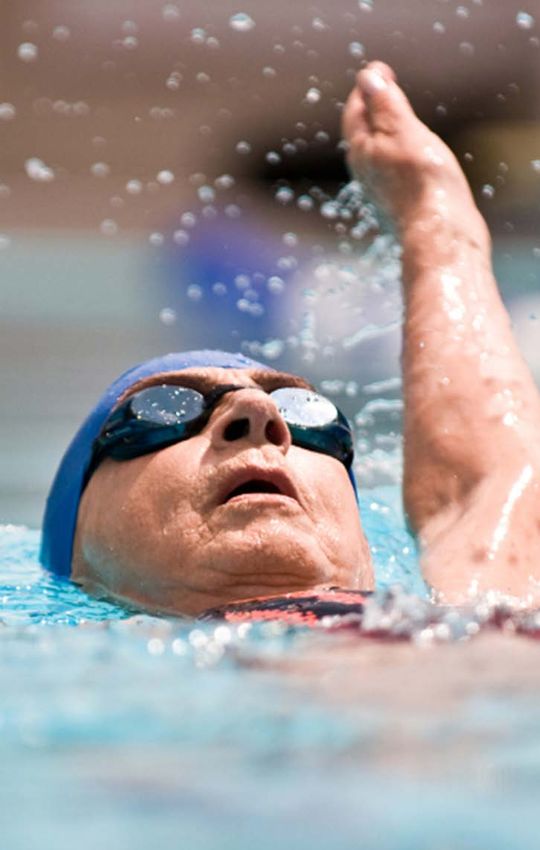
INTRODUCTION
Masters sport is booming, and more and more masters athletes are seeking coaching guidance as they
strive to learn new skills, improve their performance, or compete successfully.

Coaching Masters Athletes is an introduction to coaching masters athletes, and it contains basic need-to-know
information that will help you get started in this area.

This resource is for any National Coaching Certification Program (NCCP) coach in any NCCP context or sport who
wants to know more about coaching masters athletes.

Coaching Masters Athletes has six sections:

• Masters Sport and Masters Athletes provides an overview of masters sport and masters athletes today.

•G
  eneral Coaching Guidelines presents general information on how to coach masters athletes well.

•P
  hysical Characteristics summarizes suggestions for how to plan the physical training of masters athletes.

•H
  ealth Conditions covers training modifications that age-related health conditions may call for.

• Masters Wrap summarizes the key takeaways about coaching masters athletes.

• Resources lists key resources you can use to deepen your knowledge of masters athletes and coaching
  masters athletes.

Coaching Masters Athletes is also available online at www.coach.ca.

                                                           Current research indicates
                                                           there is no noticeable
                                                           decline in physical
                                                           abilities until about
                                                           the age of 70, as long as
                                                           people stay active.

                                                             Coaching Association of Canada • Coaching Masters Athletes   1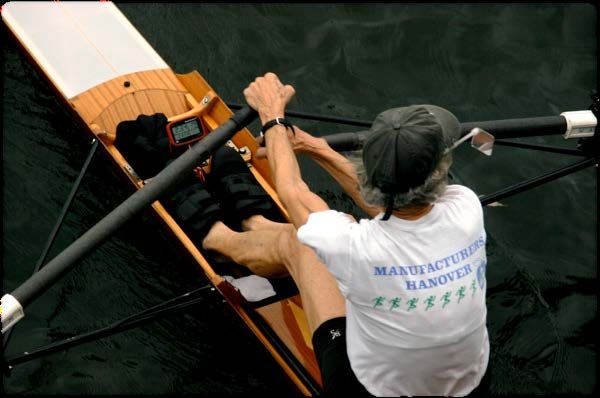
MASTERS SPORT
AND MASTERS ATHLETES
While masters sport is not new — world championships in both athletics and swimming started in the 1970s, for
example — the recent boom in masters sport is new.

This section provides an overview of masters sport and masters athletes: how masters sport started, where masters
sport is now, and who today’s masters athletes are.

Masters Sport
As recently as the 1980s, it was very unusual for those over 40 to compete in sport. But all that is changing as
Baby Boomers stay active and expect to continue to perform well. More and more older adults are participating or
competing in sport, governments at all levels have started to encourage older adults to take part in fitness and sport
activities, and age-group competition is the norm in many if not most sports.

In 2011, over 9,800
masters swimmers
were registered with
Masters Swimming
Canada, and their average
age was 44.

                                                             Coaching Association of Canada • Coaching Masters Athletes   2
Masters Sport
and Masters Athletes
Here are some important dates and events in the evolution of masters sport:
• 1973: First-ever World Rowing Masters Regatta, Vienna
- A test event that attracted about 700 entries from 10 countries
- 2003 version attracted approximately 3,000 rowers from 40 countries
• 1974: Inaugural Canadian National Masters Track and Field Championships, Richmond, British Columbia
• 1975: First World Track and Field Championship for over 40s, Toronto
• 1978: World Senior Aquatic Championship, Etobicoke
- Attracted over 400 swimmers from 10 countries
• 1979: First Canadian Masters Swimming Championship, Oakville
- Had 180 competitors
• 1985: First-ever World Masters Games, Toronto
- Had 8,305 participants in 22 sports
- Included some 1,600 swimmers, 64 ice hockey teams, and 500 rowers
• 1986: Inaugural World Masters Swimming Championships, Tokyo
• 2005: World Masters Games, Edmonton
- Attracted 21,600 recreational and elite athletes from 88 countries, including 14,267 competitors
from Canada
• 2009: World Masters Games, Sydney, Australia
- Featured 28 sports and competitors from over 100 countries
Today, over 50 countries
hold masters sport
events
Coaching Association of Canada • Coaching Masters Athletes 3Masters Sport
and Masters Athletes
Sports from A to Z…Summer and Winter…
Masters athletes participate and compete in a wide range of sports, from archery and athletics through water polo
and weightlifting. Here, for example, is a list of the sports included in the 2009 World Masters Games:
• Archery • Diving • Rugby Union • Tennis
• Athletics • Football • Sailing • Touch Football
• Badminton • Golf • Shooting • Volleyball
• Baseball • Hockey • Softball • Water Polo
• Basketball • Lawn Bowls • Squash • Weightlifting
• Beach Volleyball • Netball • Surf Lifesaving
• Canoe/Kayak • Orienteering • Swimming
• Cycling • Rowing • Table Tennis
And here’s a list of the sports included in the 2011 World Winter Masters Games:
• Alpine Skiing • Cross-Country Skiing • Ski Jumping
• Biathlon • Ice Hockey • Ski Jumping & Nordic Combined
For their part, the European Masters Games in 2011 featured competition in these sports:
• Archery • Cycling • Handball • Sailing
• Athletics • Dance Sport • Judo • Taekwondo
• Beach Volley • Fencing • Karate • Tennis
• Canoe/Kayak • Futsal (outdoor) • Orienteering • Triathlon
• Clay Target • Golf • Rowing • Weightlifting
For a calendar of competition in masters sports worldwide, check out http://www.my.calendars.net/mastersevents,
which lists regional, national, and international events for masters in sports from A to Z!
Coaching Association of Canada • Coaching Masters Athletes 4Masters Sport
and Masters Athletes
Masters Athletes These athletes are seeking to improve their
performance or learn a new skill, and they are more
Masters athletes means different things to different likely to acknowledge competition as an element of
people. The term is usually used to describe older their experience than the general population of older
active individuals — individuals who are more than 35 active individuals. This competition can take a wide
years old, participate in sports or events specifically range of forms: recreational competition, competition
designed for older adults, have varying backgrounds in against one’s own standards, competition against
sport, and engage in varying degrees of competition, others, competition for rankings, etc.
from the recreational to the more serious minded. For
example, The figure below shows where masters athletes fit
• Many masters swim for fitness or other reasons and in the Canadian Sport for Life (CS4L) framework.
don’t belong to the sport’s formal structure; fewer Canadian Sport for Life aims to improve the quality
than 25% compete. Most who train regularly are of sport and physical activity in Canada. CS4L links
called fitness swimmers, although their motivations sport, education, recreation, and health and aligns
may extend beyond fitness. community, provincial, and national programming.
• Ringette has Open categories (19 years and over) at Active for Life
the A, B, C, Masters Rec 1, and Masters Rec 2 levels, Seniors
providing opportunities for recreational competition.
Older Adults
• In masters lawn bowls in Canada, about 70% of Masters
Excellence/High Performance
participants take part in friendly competition but not Adults
tournament play. Train
to Win Older Teens
Competitive Fit
But this resource is for coaches of masters athletes, Train to
for Life for Life
and it uses the term masters athletes in a slightly Compete
Teens
narrower sense to refer to those who have decided
they want a coach. Athletes with coaches typically Train to Train
prepare to participate rather than jump into events or
Onset of Adolescence
competitions with no training. Athletes with coaches
also typically register their participation, for instance, Learn to Train
Physical Literacy
by joining a club or by competing in tournaments.
Therefore, in this resource, masters athletes refers FUNdamentals
to those who 1) meet the age criteria for masters
athletes in their sport, 2) have a coach, 3) register their Active Start
Birth
participation, and 4) prepare to participate.
Coaching Association of Canada • Coaching Masters Athletes 5Masters Sport
and Masters Athletes
A Closer Look… commit significant amounts of time to their training. For
instance, almost 90% of the competitors at the 2009
Let’s take a closer look at these masters athletes. This World Masters Athletics Championships reported that
information should help you better understand some they trained eight or more months of the year, and over
of the masters athletes you may coach, and it may half (55%) said they trained year-round.
give you some great ideas about how to motivate older
adults to get actively involved in sport! The same research found that these masters athletes
train for an average of 13.5 hours a week during their
The boom in masters sport is quite recent, and heavier training periods. Earlier research by Young and
research on masters athletes is even more recent. others found that national-level and club-level athletes
Masters athletes themselves often have preconceptions also invest a lot of time in training: 7 to 9 hours a week
about their performance limits, simply because there for masters distance runners, about 10 to 11 hours per
has been so little research on older adults who are week for international masters swimmers, and 6 hours
active. As a result, masters athletes are breaking new a week for club-level (or regional) masters swimmers.
ground as they seek to push their own performance
barriers or acquire new skills. Many, for instance, Some of the more elite masters athletes have also been
want to learn a new sport when they cannot continue continuously involved in their sport for many years.
with their old sport or because they want to enjoy the While they may not dedicate as many hours to training
specific benefits of the new sport. Similarly, those who as they did in their 20s or 30s and there is considerable
conduct research on masters athletes are exploring variation over the years, national- or international-level
new territory as they work to discover who these masters track and field athletes of every age have
athletes are, what motivates them, and what may or a serious commitment to training and performance.
may not limit their performance. Though less data is currently available on recreationally
competitive participants and team sport participants,
The information on masters athletes in this section these training amounts tell us that coaches should
should therefore be understood as statements about be aware that serious-minded masters athletes are
what we know now. Given the increasing involvement prepared to devote significant amounts of time to
of older adults in masters sport, we suspect that we their training.
will continue to learn more about these athletes and
consequently apply and refine new coaching strategies
to optimize their sporting experiences.
HOw Much do they train? About 25% of
There is a growing body of research on elite masters
sport participants who take part in national or registered competitive
international events. Recent research on masters
swimmers and masters track and field athletes by rowers in Canada
Young and Medic (2011a) shows that these athletes
are masters
Coaching Association of Canada • Coaching Masters Athletes 6Masters Sport
and Masters Athletes
Cross-sectional Data for Annual Amounts of Training by North American National and International-Level
Track and Field Athletes Averaged for Each Five-year Bracket across the Lifespan
500
400
Annual Training Hours
300
200
100
0
15-19 20-24 25-29 30-34 35-39 40-44 45-49 50-54 55-59 60-64 65-69 70-74
Age Bracket (Years)
Source: Young and Medic, 2011a.
What Motivates them?
Many believe that older athletes participate in sport largely for social reasons, but this is not always so. For example,
over half of the masters runners, throwers, and swimmers recently interviewed cited love of the sport and the desire
for personal challenge and achievement as reasons for participating in sport. Health and fitness reasons also mattered,
but social reasons and extrinsic rewards were less important motivators. Only 27% of runners indicated that fellowship
was a motivator for them, although this factor is likely a key motivator for many masters, including throwers and
swimmers.
Overall, emerging research tells us that a variety of motives draw people to masters sport. The importance of these
motives — opportunities to master skills, opportunities to compete in a healthy manner, opportunities to gain fitness,
and opportunities to socialize — will therefore vary from athlete to athlete. So don’t focus exclusively on emotions
in your coaching, and remember that masters athletes are often motivated to compete and to learn new ways of
performing techniques and skills in their sport.
Coaching Association of Canada • Coaching Masters Athletes 7Masters Sport
and Masters Athletes
Masters Athletes’ Motives to Continue Training and Competing
Runners Throwers Swimmers
1st Order Themes 2nd Order Themes
% of Sample % of Sample % of Sample
Enjoyment/satisfaction
50.0% 61.1% 54.5% Enjoyment of the Sport
experienced in sport
Personal challenge and
59.9% 50.0% 51.0%
achievement Opportunity to Test Skills
Opportunity to compete 42.2% 22.2% 39.9%
Fitness 43.6% 38.9% 65.7%
Health 37.2% 27.8% 44.8%
Health and Fitness
Lifestyle preference 11.6% 11.1% 7.0%
Physical appearance 7.6% 8.3% 8.4%
Fellowship of other MAs 27.3% 38.9% 53.1%
Peer comparison 16.9% 5.6% 4.2%
Peer recognition 5.2% 5.6% .7% Social Reasons
Role modelling 9.3% 5.6% 2.1%
Travel opportunities 5.8% 2.8% 5.6%
Breaking normative records 12.8% 5.6% 7.0%
Extrinsic Rewards
Medals 7.6% 8.3% 2.1%
Source: Young and Medic, 2011a. Note: MAs = masters athletes
Like younger athletes, masters athletes draw support and encouragement for their involvement in sport from a number
of sources. For participants at the 2009 World Masters Athletics Championships, the most influential individuals are
their spouse or life partner, their training partners, their children, and their peers in the sport community. For World
Masters Swimming Championship participants, the greatest influences are their spouse or life partner, their children,
their training partners, and a health professional (e.g., a physician, athletic therapist, or physiotherapist)
(Young and Medic, 2011b).
Coaching Association of Canada • Coaching Masters Athletes 8GENERAL
COACHING GUIDELINES
As a coach in the NCCP, you already know a lot about Coaching and leading
how to coach athletes. So the key question about
coaching masters athletes is this one: What’s different
effectively
about coaching masters athletes?
1. Plan proactively — Develop progressive plans
for training and competition, and prepare for the
And the answer is, Probably not much.
unexpected. Whatever the length of your program (a
few weeks, a full season, a year, etc.), you need to
Whether you coach younger age-group athletes or
plan proactively.
masters athletes, a key consideration is the individual
and what he or she needs to get the most out of the
2. Create a positive training environment — Create
sporting experience. In this regard, masters athletes
positive situations that stimulate athletes’ enthusiasm
are athletes. As long as they’re healthy, there’s no
and competitive desire. Your own commitment and
real difference between coaching them and coaching
enthusiasm will help promote a positive culture of fun
younger athletes. But you have to be smarter about
and hard work.
their training, because they’re older and the risks are
greater. In particular, because they’re older,
onsider giving adults more choice in their training,
C
providing meaningful rationales for their training,
• They have different physical characteristics than
and asking them for their opinions when planning
younger athletes, and they may need to train some of
workouts, setting goals, and organizing the practice
these characteristics differently than younger athletes.
environment (e.g., drill design).
• They are more likely than younger athletes to have
It’s also important to learn to take athletes’
certain health conditions, such as osteoarthritis, and
perspectives on issues related to training into
their training may need to be adjusted accordingly.
account, e.g., acknowledging difficulties in
completing training or fatigue due to other
• They are less likely to respond well to “command”
responsibilities. Helping athletes see how their sport
styles of coaching and generally have a greater need
activities relate to other goals and valued activities in
to have input into coaching decisions.
their lives is also a key coaching task; for instance,
point out how they are sport role models for others
See the sections Physical Characteristics and
and how they can spend more active time with
Health Conditions for must-know information on
others through sport.
the physical characteristics and health conditions of
masters athletes, as well as their implications for you as
Taken together, these strategies — offering choice,
a coach.
providing rationales, demonstrating understanding,
and facilitating meaning — all help promote self-
Here are some general tips to keep in mind as you
determined and autonomous athletes.
coach all your athletes, masters and non-masters alike.
Coaching Association of Canada • Coaching Masters Athletes 9General
Coaching Guidelines
3. Facilitate goal-setting — Work with athletes to help
them define their long- and short-term goals. Ideally, Coaching masters
athletes well is a key
you and your athletes will also set intermediate and
dream goals.
4. Build athletes’ confidence — Use a broad range aspect of changing
of coaching behaviours to help athletes become
more confident. For example, encourage athletes society’s views of
to believe they can achieve their goals, as
athletes typically perform in line with their coach’s aging and the athletic
expectations. In addition, model self-confidence
about your own coaching skills so your athletes can potential of older adults
see and emulate that confidence.
5. Teach skills effectively — Develop athletes’ technical
and physical skills. To do this well, you need to
communicate in a manner that works for the Just like younger
individual athlete.
athletes, many masters
6. Respect individual differences —Take each athlete’s
individual preferences and needs into account. This athletes find striving
involves taking physical differences, motivational
differences, age group, health status, team roles, to improve their
etc., into account.
performance as satisfying
7. Establish a positive rapport with each athlete —
Develop positive personal relationships with each as actually improving their
athlete. Respect and understanding play key roles in
this aspect of coaching effectively. performance
Coaching Association of Canada • Coaching Masters Athletes 10PHYSICAL
CHARACTERISTICS
The table on the following pages summarizes must-know information about the physical characteristics of masters
athletes. The table also contains suggestions for how to modify training to take these characteristics into account so
you can coach masters athletes well.
Coaching Association of Canada • Coaching Masters Athletes 11Physical
Characteristics
Must-Knows about Masters Athletes: Physical Characteristics
Physical Which means you need to
As people age…
Characteristic advise masters athletes to…
• Maximal heart rate and stroke volume • Exercise energetically to offset the decrease
Cardiovascular function
decrease as much as possible
• Maintain or improve their flexibility by:
• Flexibility may decrease, but it need not, as - Working on their flexibility year-round
inactivity probably contributes more to loss
- Using dynamic stretches during the
of flexibility than aging does
warm-up
Flexibility
• Loss of flexibility is individual and - Using static stretches in the cool-down,
joint-specific when the muscles are warm
- Using stretching exercises that are specific
to their sport and individual needs
• They can maintain high lactate thresholds
• Train to keep their lactate threshold high, and
Lactate threshold • The lactate thresholds of masters athletes are use the high threshold to compensate for a
significantly higher than those of people who lower VO2 max — just as younger athletes do
are sedentary
• Include high-intensity work in their training to
temper any decrease in VO2 max
• Their VO2 max may decrease • Do low-intensity, longer endurance work
Maximal aerobic capacity • Current research suggests that decreases in • Manage their weight, as weight gain can
many physical characteristics may be more reduce aerobic capacity
the result of disuse than of aging
• Avoid lengthy interruptions in training, as
being sedentary is far more damaging to
health and fitness than getting older!
Coaching Association of Canada • Coaching Masters Athletes 12Physical
Characteristics
Must-Knows about Masters Athletes: Physical Characteristics
Physical Which means you need to
As people age…
Characteristic advise masters athletes to…
• Focus on intensity and duration in their
• Strength may decrease, and muscle mass
training — it lessens the impact of aging on
may decline
decreases in strength
• They may lose both slow-twitch muscle
• Maintain high levels of physical activity, as it
fibres, which are responsible for aerobic
Muscular strength lessens both the amount of muscle mass lost
activity, and fast-twitch (type II) muscle fibres,
and keeps the balance between slow- and
which are more associated with anaerobic
fast-twitch fibres more stable
activity
• Do strength work, especially if they have been
• They may lose relatively more fast-twitch fibre
inactive or are returning to activity
• Match energy intake to energy requirements
• Their energy needs may decline, mainly
because of reduced muscle and activity levels • Aim for 60% carbohydrate, 25% fat, and 15%
Nutritional requirements
protein
• They may need more protein
• Get enough protein
• They may need more recovery time between • Pay careful attention to how well they recover,
Recovery
training sessions and adjust their training accordingly
This study contradicts the common observation
that muscle mass and strength decline as a
function of aging alone. Instead, these declines may
signal the effect of chronic disuse rather than muscle aging.
(Wroblewski et al., 2011)
Coaching Association of Canada • Coaching Masters Athletes 13HEALTH
CONDITIONS
As people age, certain health conditions are more likely to be present. Far from meaning that the masters athlete
should become sedentary, the presence of these conditions simply means that masters athletes may need to modify
their activity. Physical activity can often mitigate or reverse the effects of health conditions, and so it plays a central role
in the management of many health conditions.
The table on the following pages provides must-know information on the main health conditions older adults may
experience. The table also lists the implications of these conditions for athletes’ training.
The health conditions
described on the following
pages are more likely to be
present in older athletes. But
this doesn’t mean they ARE
present. It’s your job as
a coach to find out the
health history of your
masters athletes, just
as you would with younger
athletes.
Coaching Association of Canada • Coaching Masters Athletes 14Health
Conditions
Must-Knows about Masters Athletes: Health Conditions
This health And has these implications
Involves…
condition… for training…
• Training has many benefits for those in the early to
moderate stages of Alzheimer’s:
- Dramatic gains in physical fitness, mood, and pride
- Maintenance of language function
Alzheimer’s • Progressive degeneration of the brain, which
disease in turn seriously harms thinking and memory - Slower than typical decline in mental status
• Implementing a physical activity program is challenging,
as problems arising from physical and mental decline,
behavioural changes, and caregiver cooperation must
be addressed
• Exercise is beneficial but must be tailored to individual
needs
• Chronic inflammation of the airway, with
symptoms such as shortness of breath, • Exercise intensity must be appropriate and can be
tightness in the chest, coughing, and determined via heart rate monitoring and ratings of
Asthma wheezing perceived exertion
• For many with asthma, reduced breathing • Those with exercise-induced asthmas should never be
capacity during and after exercise; this is without their inhaler
known as exercise-induced asthma
• Caution is essential when exercising in the cold, as cold air
can trigger an asthma attack
• Exercise is an indispensable treatment for both bronchitis
and emphysema
• Long-term lung disease such as chronic
Chronic bronchitis and emphysema (usually caused • The goal of exercise programs should be to improve
obstructive by smoking) breathing efficiency and the ability to exercise
pulmonary
disease • Symptoms such as shortness of breath, • Activities of consistent intensity are appropriate
increased mucus, and coughing
• Warm-ups and cool-downs help athletes avoid breathing
difficulties
• Activities permitted run the gamut from very limited activity
to regular daily activities
• Cardiac rehabilitation programs under medical supervision
are appropriate for individuals with advanced CHD
• Those with known CHD should avoid high-intensity
Coronary
• The narrowing of one or more coronary exercise
heart disease
arteries
(CHD) • Coaches must know the signs for stopping athletes
from exercising, including chest pain, arrhythmias, and
breathlessness
• Exercise programs should have longer warm-ups, which
might expose discomfort or dizziness before higher
intensity activity occurs
Coaching Association of Canada • Coaching Masters Athletes 15Health
Conditions
Must-Knows about Masters Athletes: Health Conditions
This health And has these implications
Involves…
condition… for training…
• Exercise is an essential part of treating both forms
of diabetes:
- Daily exercise helps maintain the balance between
insulin production and caloric intake
• High levels of sugar in the blood
- It can significantly lower blood-sugar levels
• With type 1 diabetes, the pancreas does not
• Maintaining safe blood-sugar levels is vital:
produce insulin at all, so glucose builds up in
Diabetes the bloodstream - Monitor blood-sugar levels carefully when changing
exercise intensity and duration
• With type 2 diabetes, the pancreas does not
produce enough insulin or the body does not - Exercise can make hyperglycemia (high blood glucose)
properly use the insulin it produces worse, and so caution is essential
- Hypoglycemia (low blood glucose) is more problematic,
as exercise can trigger an insulin reaction; rapidly
absorbed carbohydrates such as gel packs must always
be on hand
• Exercise, often combined with medication, can help reduce
high blood pressure
• Exercise is considered problematic if blood pressure
fluctuates
• A rise in systolic or diastolic blood pressure
Hypertension • Athletes need to develop blood-pressure-monitoring
above normal levels (Health
Conditions
Must-Knows about Masters Athletes: Health Conditions
This health And has these implications
Involves…
condition… for training…
• Physical activity can help reduce the risk of osteoporosis
and assist in its treatment, as it:
- Helps build and maintain healthy bones
• Low bone mass, deterioration of bone tissue,
- Improves muscle strength, posture, balance, and
increased bone fragility, and increased risk of
coordination
Osteoporosis broken bones, particularly those of the hip,
spine, and wrist - Reduces the risk of falls and broken bones
• No symptoms for bone loss •W
eight-bearing activities such physician-approved
resistance training are the most appropriate form of activity
quatic activities and flexibility programs are not weight-
•A
bearing exercise
• A progressive disorder that affects nerve • Regular exercise is extremely important for those with
cells in the part of the brain controlling Parkinson’s disease, as it can improve mobility, balance,
muscle movement range of motion, and emotional well-being
Parkinson’s
• Symptoms such as tremors, rigidity, and • Any physical activity, including walking, swimming, or
disease
slow movements gardening, is considered beneficial
• An inability to readjust the body’s centre of • Strategies to prevent falls must be part of any exercise
gravity, which can lead to falling program
•R
ecommendations for exercise should be reviewed with
pregnant athletes
• Moderate exercise for 30 minutes or more per day on
most days is recommended:
• An increase in blood volume of almost 50%
- Aerobic activity helps prevent acidosis and hypoxia in
• Dilutional anemia in the second trimester, but the pregnant athlete
homeostatic balance by the third trimester
- Regular exercise assists placental growth,
Pregnancy • An increase in stroke volume, cardiac output musculoskeletal and cardiovascular fitness, and sleep
(heart rate x stroke volume), and resting quality; it also helps prevent excessive weight gain and
heart rate helps decrease back pain
• Changes in the chest wall that facilitate • Pregnant athletes should NOT:
increased oxygen transport and utilization
- Exercise when tired
- Exercise to exhaustion
- Perform protracted anaerobic exercise — it can cause
acidosis and hypoxia in the pregnant athlete
Coaching Association of Canada • Coaching Masters Athletes 17Health
Conditions
Must-Knows about Masters Athletes: Health Conditions
This health And has these implications
Involves…
condition… for training…
• Pregnant athletes should stop exercising immediately if
ANY of the following warning signs occur:
- Headache
- Chest pain
- Muscle weakness
- Calf pain or swelling
- Vaginal bleeding
Pregnancy - Fainting before exertion
See “Involves” text on page 17 for content.
(continued)
- Pre-term labour
- Decreased fetal movement
- Amniotic fluid leakage
• The return to pre-pregnancy exercise levels should be
progressive and based on individual capacities
• Exercising after pregnancy can help the athlete lose
weight and is associated with a lower risk of postpartum
depression
• Exercise should have the goal of maximizing recovery, as
well as maintaining and improving fitness and mobility
Stroke • Sudden loss of circulation in the brain • Resistance training, starting with body-weight exercises,
stretching, and balance and mobility exercises are all
useful in fitness and rehabilitation programs
Coaching Association of Canada • Coaching Masters Athletes 18Masters
Wrap
Masters sport is booming. And while coaching masters athletes is probably not that different from coaching other
athletes, there are some things you need to do or take into account when coaching masters athletes:
• Always have athletes, especially older athletes and those who are currently inactive, get medical clearance to
participate before agreeing to coach them.
• Designing programs for older athletes is essentially a partnership between athlete and coach. If the athlete has an
underlying health condition, the athlete’s doctor may be involved in the partnership.
• They have different physical characteristics than younger athletes, and they may need to train some of these
characteristics differently than younger athletes.
• They are more likely than younger athletes to have certain health conditions, such as osteoarthritis, and their training
may need to be adjusted accordingly.
• Always tailor your coaching to your masters athletes’ background. For instance, focus on motivation and current
physical condition with those who’ve always been active, develop a return to activity protocol for those returning to
activity, and follow the guidance in the section Health Conditions when athletes have health conditions.
Coaching masters athletes is an exciting opportunity, a new frontier in Canadian sport and society. Enjoy your journey!
Coaching Association of Canada • Coaching Masters Athletes 19RESOURCES
J. Baker, S. Horton, and P. Weir.
The Masters Athlete: Understanding the Role of Sport and Exercise in Optimizing Aging.
• London: Routledge. 2009.
Richard Benyo.
Running Past 50.
• Champaign, IL: Human Kinetics. 1998.
Lee Bergquist.
Second Wind: The Rise of the Ageless Athlete.
• Champaign, IL: Human Kinetics. 2009.
Rylee A. Dionigi.
Competing for Life: Older People, Sport and Ageing.
• Saarbrüecken, Germany: VDM Publishing. 2008.
Joe Friel.
Cycling Past 50.
• Champaign, IL: Human Kinetics. 1998.
Don McGrath.
50 Athletes over 50 Teach Us to Live a Strong, Healthy Life.
• Denver: Wise Media Group. 2010.
Nikola Medic, Bradley W. Young, Janet L. Starkes, and Patricia L. Weir.
Influence of the Coach on Masters Athletes’ Motivational Regulations for Sport.
• International Journal of Coaching Science, 6, 65-79, 2012.
Mark W. Niedfeldt, M.D.
Managing Hypertension in Athletes and Physically Active Patients.
• American Family Physician, 66, 445-52, 457-8. 2002.
Peter Reaburn.
The Masters Athlete.
• www.mastersathlete.com.au.
Roger Robinson.
Ideas on Training and Racing after 70.
• On the Run, October 2010, 5-8.
Roger Robinson.
Keeping the Fire of Youth: New Ideas for Older Runners.
• Running Times, February/March 2012, 42-46.
Waneen Spirduso, Karen Francis, and Priscilla MacRae.
Physical Dimensions of Aging.
• Second Edition. Champaign, IL: Human Kinetics. 2004.
Coaching Association of Canada • Coaching Masters Athletes 20Resources
Tony Trabert and Ronald Witchey.
Tennis Past 50.
• Champaign, IL: Human Kinetics. 2002.
Wayne L. Westcott and Thomas R. Baechle.
Strength Training Past 50. 2nd Ed.
• Champaign, IL: Human Kinetics. 2007.
P. Wroblewski, F. Amati, M. A. Smiley, B. Goodpaster, and V. Wright.
Chronic Exercise Preserves Lean Muscle Mass in Masters Athletes.
• The Physician and Sportsmedicine. 39(3). 2011.
Bradley W. Young.
How Research on Motives, Social Support and Barriers Informs Efforts to Build Masters Sport.
• PowerPoint presentation at Canadian Sport for Life Conference. 2010. [http://www.canadiansportforlife.ca/
resources/how-research-motives-social-support-and-barriers-informs-efforts-build-masters-sport]
Bradley W. Young and Nikola Medic.
Veteraaniurheilijat: tutkimuksia merkittävästä panostuksesta, motivaatiosta ja mahdollisuuksista [Masters
Athletes: Studies on Remarkable Investment, Motives, and Opportunities].
• In Finnish Veterans’ Athletic Association (Eds.), Erilainen tapa vanheta [Different Ways of Aging in Sport]
(pp. 45-58). Lappeenranta, Finland: KS-Paino. 2011a.
Bradley W. Young and Nikola Medic.
Examining Social Influences on the Sport Commitment of Masters Swimmers.
• Psychology of Sport and Exercise, 12, 168-175. 2011b.
Bradley W. Young, Nikola Medic, Patricia L. Weir, and Janet L. Starkes.
Explaining Performance in Elite Middle-aged Runners: Contributions from Age, Ongoing and Past
Training Factors.
• Journal of Sport and Exercise Psychology, 30, 1-20. 2008.
Bradley W. Young, Patricia L. Weir, Nikola Medic, and Janet L. Starkes.
Does Lifelong Training Temper Age-Related Decline in Sport Performance? Interpreting Differences between
Cross-sectional and Longitudinal Data.
• Experimental Aging Research, 34, 1-22. 2008.
Tracy Zaslow and Sharon Hame.
The Pregnant Athlete.
• Sports Medicine Update, March/April 2007.
Coaching Association of Canada • Coaching Masters Athletes 21You can also read


