Collaborative Learning Based on Harry Potter for Learning Geometric Figures in the Subject of Mathematics - MDPI
←
→
Page content transcription
If your browser does not render page correctly, please read the page content below
mathematics
Article
Collaborative Learning Based on Harry Potter for
Learning Geometric Figures in the Subject
of Mathematics
Antonio-José Moreno-Guerrero 1, * , Marina Rondón García 2 , Nazaret Martínez Heredia 3 and
Antonio-Manuel Rodríguez-García 4
 1   Department of Didactics and School Organization, Faculty of Education, Economics and Technology of
     Ceuta, University of Granada, 51001 Ceuta, Spain
 2   Sotogrande International School, 11310 Cádiz, Spain; mrondon@sis.gl
 3   Pedagogical Department, Faculty of Education Sciences, University of Granada, 18011 Granada, Spain;
     narareth@ugr.es
 4   Department of Didactics and School Organization, Faculty of Education and Sport Sciences, University of
     Granada, 52005 Melilla, Spain; arodrigu@ugr.es
 *   Correspondence: ajmoreno@ugr.es

 Received: 21 January 2020; Accepted: 3 March 2020; Published: 6 March 2020

 Abstract: Nowadays, education requires changes in the teaching and learning processes, through
 the implementation of innovative and motivating pedagogical actions, owing to the existing needs
 in society. Education, owing to the current needs of society, requires changes in the teaching and
 learning processes through the implementation of innovative and motivating pedagogical actions.
 The main objective of this study is to evaluate the effectiveness of the collaborative method, based
 on the Harry Potter theme, with respect to the traditional method in the first year of Obligatory
 Secondary Education for the learning of geometric figures in the subject of mathematics. For this
 purpose, a quasi-experimental, quantitative, descriptive, and correlational study has been designed,
 using a standardized questionnaire as a technique to collect information. The sample is composed of
 236 students from the first year of Obligatory Secondary Education distributed in eight groups (four
 control and four experimental) from a public high school in the city of Cádiz (Spain). The tests carried
 out show that collaborative learning generates improvements in the attitudes and mathematical
 dimensions. Therefore, the collaborative method, developed by means of the Harry Potter theme
 for students in the first year of Compulsory Secondary Education in the subject of mathematics,
 causes a better attitude of the student towards the teaching and learning process. Furthermore, it
 facilitates the acquisition of mathematical contents related to geometry, which does not directly affect
 the students’ grades because, although those of the experimental group are better than those obtained
 by the control group, the differences between the two are minimal.

 Keywords: mathematics; teaching; learning; collaborative learning; education research

1. Introduction
     The development of education is an essential pillar for being an advanced society [1]. Therefore,
educational institutions are betting on the implementation of innovative teaching processes [2] and
are trying to move away from traditional [3] and passive [4] didactic approaches. This is because
innovative practices have a positive impact on the training of students [5–10], and thus on the social
environment [11,12].

Mathematics 2020, 8, 369; doi:10.3390/math8030369                           www.mdpi.com/journal/mathematics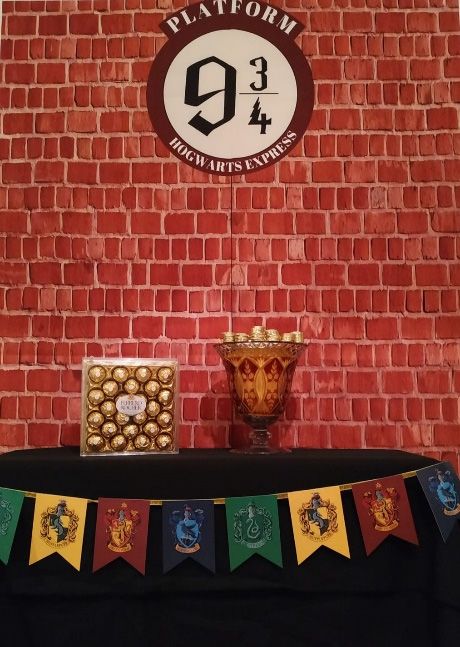
Mathematics 2020, 8, 369                                                                               2 of 16

1.1. Particularities of Collaborative Learning in Today’s Education
      However, for the inclusion of alternative and innovative learning methods in the teaching–learning
process to be appropriate, an effort is needed, both from those responsible for managing the educational
centres [13] and from the teachers themselves [14], who must rethink the teaching processes [15] and
where information and communication technologies are a means to achieve such innovation [16–18].
      Among the various pedagogical actions considered innovative and that have demonstrated
effective results in improving student learning [19–21] are collaborative teaching methods. These have
become a more common practice in recent times in the processes of teaching and learning [22], thanks
to their high educational potential [23].
      We can define collaborative learning as learning that is carried out by two or more people [24],
where—at certain times—resources are shared [25] or the different skills of the group members are
required to be put into practice [26] to achieve academic achievements through interaction [27],
exchanges of experience [28], or changes in roles within the group [29], as the actions of all members
have an impact on the achievements of the rest [30]. The collaborative group requires mainly group
projects [31], joint problem solving [32], discussions [33], and study teams [34], among others.
      Certain studies show that social interactions do not emerge in the moment, but require a period of
time in order to develop adequately [35], in addition to prior pedagogical training by teachers [36].
However, among the drawbacks of this method is the possible lack of commitment among the members
of the group [37], an aspect that must be taken into account in order to overcome it if success is to be
achieved in the training process [38].
      The collaborative teaching method, which is positively valued by students [39,40], improves
interactions and communications among students [41,42]; encourages peer communication; and
increases attitude [43], motivation [44], sense of community [45,46], the resolution of activities [47],
the state of mind of the student [48], and autonomy [49], actively involving them in their learning
process [50].
      In the area of mathematics, the collaborative method is motivating for students [51], improving
their attitude towards the teaching and learning process [52], as well as their competence in problem
solving and study skills [53,54], although there is no evidence of improvement in students’ grades [55].
      In addiction, the scientific production that studies collaborative learning in the field of mathematics,
there are studies that have shown that this method can improve the conditions for solving mathematical
problems [54] or improve the dialectical capacity to explain the different steps taken to solve a problem
or to explain the mathematical solutions obtained [51], or that teachers require adequate pedagogical
skills to be able to use the collaborative learning, given that, if they do not have them, the method
tends to fail [37].

1.2. Definition of Study Dimensions
     This research will focus on the study of attitudinal and mathematical dimensions. The choice of
these dimensions is justified in the analysis of previous works reported from the impact literature,
where the influence caused by the application of collaborative learning in the pedagogical development
of mathematics is studied [39–55]. Therefore, in order to follow the path followed in previous research,
we have chosen to make use of these two dimensions.
     To facilitate the understanding of the results presented in this research, a definition of the study
variables is established:

•    Motivation: Reflects the level of motivation of students during the performance of the training
     actions proposed by the teacher.
•    Autonomy: Reveals the level of autonomy achieved and the individual capacities of the students
     in the different activities proposed.
•    Collaboration: The level of teamwork achieved by students in the different learning tasks.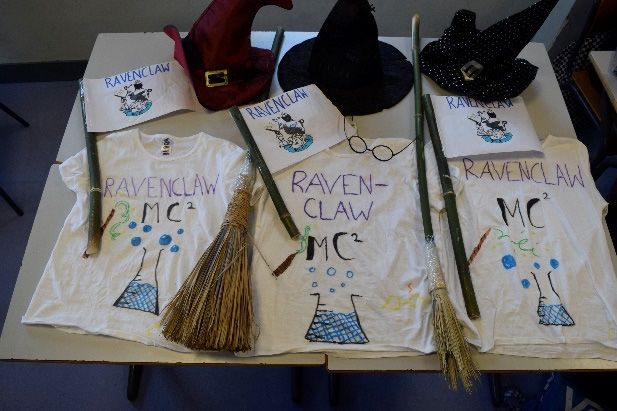
Mathematics 2020, 8, 369                                                                             3 of 16

•    Participation: Shows the different types of interactions that can take place in the learning spaces,
     such as the interaction between the teacher and the students, between the students and the content
     of the teaching, and between the students themselves.
•    Problem solving: Shows the level of ability of the student to solve the different actions involved in
     team work.
•    Class time: The use of class time to work on the contents programmed by the teacher and that the
     student must assimilate in the classroom.
•    Concepts: These are the contents developed and worked on with the students during the unit.
•    Scientific data: The scientific data that were acquired during the practical application.
•    Graphics: The graphic representations that the students have worked on during the development
     of the didactic unit.
•    Results: The different actions and mathematical problems carried out for the development of the
     different contents presented in the didactic unit.
•    Decisions: The decisions taken by the group when it comes to solving the different actions and
     pedagogical actions proposed.
•    Qualifications: The grades reached by the students in the different evaluation tests carried out to
     verify the assimilation of the contents.

2. Justification and Objectives of the Research
      The new trends in education and the need for an improvement in the teaching and learning
process require new approaches and teaching methods that update the way we teach and learn [56].
      In this research, we present a pedagogical method based on the collaborative methodology,
associated to the Harry Potter theme, showing all the actions developed from the beginning to the end
of the didactic unit, including the evaluation process, trying to enhance the formative development of
the students [57,58], especially in students in the first year of Obligatory Secondary Education, where
they are in a moment of changes at the physiological and educational level [59].
      In this study, besides giving continuity to educational practices related to the collaborative method
in the teaching and learning processes, we tried to contrast the results obtained in the present study
with those achieved in other research [60–63].
      For all these reasons, the main objective of this study focuses on knowing the effectiveness of
the collaborative method, based on the Harry Potter theme, as opposed to the traditional method in
the first year of Obligatory Secondary Education. From this general objective, the following specific
objectives are obtained: (1) What is the degree of motivation of the students? (2) What is the degree of
autonomy of the students? (3) Does this method improve collaboration between students? (4) Does
this method improve student participation? (5) What is the level of problem solving? (7) Does this
method improve the level of learning of concepts, graphs, scientific data, and results? (8) Does this
method increase the capacity of decision making in pedagogical actions? (9) How does this method
influence the grades of the students?

3. Methodology

3.1. Research Design
     The present study is quantitative, descriptive, and correlational [64], applying a quasi-experimental
design with an experimental group (Ge), following the design already proposed in previous research [65].
The students are divided into eight groups, four of them make up the control group (1ºA, 1ºC, 1ºE, and
1ºG), which developed a collaborative teaching method, and the other four the experimental group
(1ºB, 1ºD, 1ºF, and 1ºH), which followed a traditional-experimental teaching method (Table 1). The
distribution of students in the previous groups could not be carried out randomly, as the centre only
allowed the development of the study if the groups of students were maintained in the same way,
so we applied a sampling method for convenience. In any case, the pedagogical criteria marked at the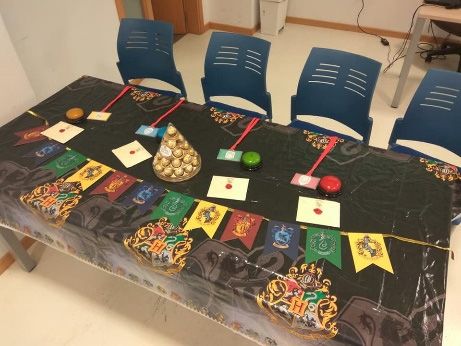
Mathematics 2020, 8, 369                                                                              4 of 16

beginning of the course for the formation of the groups were based on the principle of equity, with a
distribution of students per class according to their level of curricular competence. The collection of
data was developed after the intervention.

                                     Table 1. Description of the groups.

                      Group         n        Composition Pretest           Treatment   Postest
                 1-Control          30        Natural          -              -          O1
                 2-Experimental     30        Natural          -              X          O2
                 1-Control          30        Natural          -              -          O3
                 2-Experimental     30        Natural          -              X          O4
                 1-Control          30        Natural          -              -          O5
                 2-Experimental     30        Natural          -              X          O6
                 1-Control          28        Natural          -              -          O7
                 2-Experimental     29        Natural          -              X          O8
                                   Note. Treatment was randomly assigned.

3.2. Participants
      The study sample was composed of 236 students, by means of a convenience sampling, owing to
the easy access to the subjects. According to impact studies reported in the specialized literature,
for this type of research, the size of the sample is not a determining factor for conducting educational
experiments [66,67].
      The students are from the first year of Obligatory Secondary Education (ESO), from a public centre
in the Autonomous Community of Andalusia, in the province of Cadiz. The learning experience took
place during the first quarter of the 2019/2020 academic year, between 9 and 20 December 2019. All
participants were informed of the objective of the study, and the corresponding permits were requested
from the school management, as well as parental consent for the development of the activity. In this
case, we received the acceptance of all students from first year of ESO, and there were no parents or
students who refused to participate.
      The participating sample is made up of 45% male students and 55% female students, aged between
12 and 14 (M = 13, SD = 1.13), with 16% of students being repeaters and 3% having specific educational
support needs.

3.3. Instruments
      The instrument used was based on the questionnaire developed by the authors of [20], composed of
42 items, distributed in three dimensions—social, attitudinal, and mathematical. The socio-educational
dimension was adapted to the characteristics of the method presented in this research. The questionnaire
uses a Likert scale, composed of four items (1: None, 2: Few, 3: Enough, and 4: Completely).
      The social dimension is composed of 17 items, where gender (1 item), age (1), religion (1),
knowledge about collaborative learning (3 items), capacity of the centre to develop the collaborative
learning method (3 items), and frequency of Information and communication technologies (ICT) use
(8 items) are analysed. The attitudinal dimension is made up of 12 items, in which motivation (2 items),
autonomy (2 items), collaboration (2 items), participation (2 items), resolution (2 items), and class time
(2 items) are analysed. The mathematical dimension is composed of 13 items, distributed in concepts
(2 items), scientific data (2 items), graphics (2 items), results (2 items), decision (2 items), and ratings
(3 items).
      The instrument followed several processes for its validity and reliability. Firstly, they applied
the Delphi method, of qualitative validity, through 10 experts, with positive ratings (M = 4.87;
SD = 0.21; min = 1). Subsequently, the statistics of Kappa by Fleiss and W by Kendall were
applied, offering adequate indicators (K = 0.85; W = 0.84). Then, it was quantitatively validated by
exploratory factorial analysis with varimax rotation, the results of which (Bartlett = 2538.17; p < 0.001;
Mathematics 2020, 8, 369 5 of 16
Kaiser–Meyer–Olkin = 0.86) are satisfactory. Finally, Cronbach’s alpha (0.88), the reliability of the
compound (0.86), and the mean variance extracted (0.83) were used, showing adequate metrics. Bearing
in mind all the above, we can consider the instrument as valid and reliable.
3.4. Variables
The design of the study is divided into two types of variables: dependent and independent
(Hernández et al., 2014), which will be coded to facilitate their understanding for the presentation of
results. The independent variable is the one that is manipulated to know its effect on the dependent
variable, so the collaborative method is the one considered as an independent variable (COOP).
The dependent variables are distributed in two dimensions: Dimension I. Attitudinal, composed
with the variables motivation (MOT), autonomy (AUT), collaboration (COL), participation (PAR),
resolution (RES), and class time (CTI), which have the intention of knowing the attitudes, motivations,
and interests of the students in order to put into practice the teaching method; Dimension II.
Mathematical, conformed by the variables concepts (CON), scientific data (SDA), graphics (GRA),
results (RST), decision (DES), and ratings (RAT), which analyze the acquisition of the contents proposed
in the area of mathematics, following the structure and contents marked in the questionnaire already
elaborated by the authors of [20].
3.5. Methodological Procedure
The procedure developed at the methodological level in this study has followed several steps.
First, we selected the sample. For this purpose, we presented the didactic proposal and the intentions
of the study to an educational centre, which agreed to participate, after a detailed presentation of the
actions to be developed. In return, they asked us to receive information about the results obtained and
the detailed description of the pedagogical action.
Then, we established two pedagogical proposals for the teaching of the proposed didactic unit:
one through the expository method, that is, through the traditional teaching method, where the teacher
is a mere reproducer of contents and the students carry out each of the activities presented by the
teacher, all of them being elaborated through the textbook and the workbook. On the other hand, the
other was developed through the collaborative teaching method. Therefore, two types of groups were
generated, the control group that developed the traditional pedagogical proposal, and the experimental
group, which carried out the teaching method through cooperative groups.
Once the unit was concluded, the data collection process was carried out by means of a
questionnaire, which was validated before the realization of this study. Finally, we carried out
the statistical analysis that allowed the extraction of results and the subsequent establishment of
conclusions to respond to the objectives set out.
3.6. Didactic Proposal
The following didactic proposal is based on the famous literary saga of J. K. Rowling, composed of
a total of seven books: Harry Potter and the Philosopher’s Stone (1997); Harry Potter and the Chamber
of Secrets (1998); Harry Potter and the Prisoner of Azkaban (1999); Harry Potter and the Goblet of Fire
(2000); Harry Potter and the Order of the Phoenix (2003); Harry Potter and the Mystery of the Prince
(2005); and finally, Harry Potter and the Deathly Hallows (2007). This magical universe tells the story
of Harry Potter, a young orphaned wizard raised by his cruel Muggle uncles who, at the age of eleven,
receives a letter of admission to Hogwarts School of Witchcraft and Wizardry. Little by little, the young
apprentice will discover his true identity and the great threat that terrorizes the world of witches and
wizards: the evil Lord Voldemort, whom he will defeat along with his friends Hermione Granger and
Ron Weasley.
The nature of the didactic unit requires that the operation of the magic school be studied in depth.
At the beginning of the school term, all first-year students must participate in the Selection Ceremony,Mathematics 2020, 8, 369 6 of 16
where a magic hat analyzes the personality and abilities of each student to assign them to one of the
Mathematics 2020, 8, 369 6 of 17
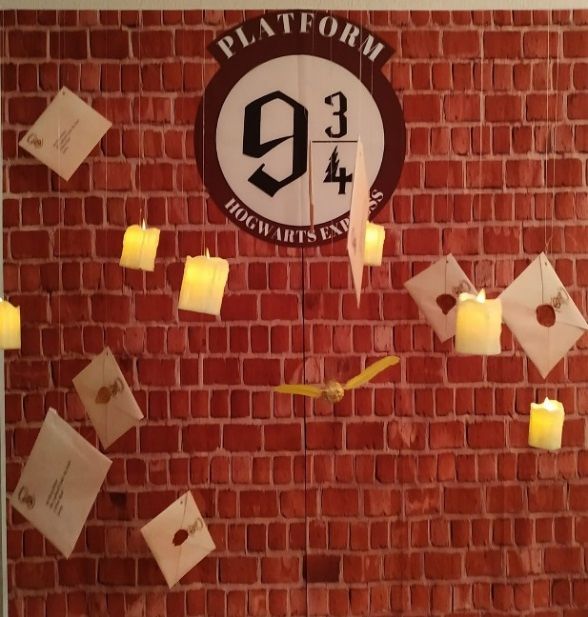
four houses into which the entire school is divided (Figure 1).
Mathematics 2020, 8, 369 6 of 17
Figure 1. Letter of admission.
Figure 1.
Figure 1. Letter
Letter of
of admission.
admission.
These houses bear the surname of one of the founders of the institution, and are represented by
their These houses and
own colours bearsymbols.
the surname of one
To wit, the of the founders
Gryffindor of the
house, institution,
represented byand areisrepresented
a lion, by
characterized
their own and
by scarlet colours
gold;and
in the case ofTo
symbols. wit,
the the Gryffindor
Hufflepuff house,house,
we findrepresented by a lion,
a badger, under is characterized
the colors black and
by scarlet and gold; in the case of the Hufflepuff house, we find a badger, under
yellow; on the part of the Ravenclaw house (Figure 2), we appreciate an eagle, with the colors the colors blackblue
and
yellow;
yellow; on the
on the
and bronze; part of the
partfinally,
and, Ravenclaw
of the Ravenclaw house
house
the Slytherin (Figure
(Figure
house, 2), we appreciate
2), we appreciate
is symbolized an eagle,
an eagle,
by a snake, and with with the colors
the colors
its colors blue
blue and
are green and
and bronze;
bronze;
silver. and, and, finally,
finally, the the Slytherin
Slytherin house,house,
is is symbolized
symbolized by a by a
snake,snake,
and and
its its
colors colors
are are
green green
and and
silver.
silver.
Figure 2. Ravenclaw team.
Figure 2. Ravenclaw team.
Throughout the course, the four houses try to get as many points as possible through good
Throughout
behaviour the course,
and academic the four houses
achievement, bearingtry to getthat
in mind as many points asor
bad behaviour possible through good
poor performance by
behaviour
one member andcanacademic
lower theachievement,
score for the bearing
wholein mind At
house. that
At the
the bad
end
end behaviour or poor
of the school
of performance
year, all points are by
one member can lower the
counted and the winners are awarded score for
awarded the the whole
the House house.
House CupCup (FigureAt the
(Figure 3). end
3). of the school year, all points are
counted
In theand thesession
first
first winners
session ofare
of theawarded
the chosen the House
chosenteaching
teaching Cup
unit,
unit,Topic (Figure
Topic 3).figures,
12:12:flat
flat figures,wewe had to to
had makemakesure thatthat
sure all
the In the
students first
were session of
familiar the
with chosen
both theteaching
subject unit,
of the Topic
saga and12: flat
the figures,
Hogwarts
all the students were familiar with both the subject of the saga and the Hogwarts educational system. we had to
educational make sure
system. that
Once
all the
they
Once students
were
they werewere
familiar familiar
with it, we
familiar with with
it, both
divided wethe the subject
students
divided ofstudents
theinto the
thesaga and the
the Hogwarts
aforementioned
into houseseducational
aforementioned(four houses system.
collaborative
(four
Once
groups). they
collaborative were familiar
To facilitate
groups). the with it,
management
To facilitate we divided the
of the groups,
the management students
of atheleaderinto
groups, the
or team aforementioned
leader
a leader was leader
or team houses
was(four
also appointed.also
appointed. Once the groups were formed, the leaders went out to the blackboard to take one ofalso
collaborative
Once the groupsgroups).
were To facilitate
formed, the the management
leaders went out of
to the
the groups,
blackboard a leader
to takeor team
one of leader
the was
four letters
the
appointed.
of
fouradmission
letters ofOnce
to the groups
Hogwarts,
admission were in
which,
to Hogwarts, formed,
addition
which,theinleaders
to containing
addition went outwelcome
the to the the
to containing blackboard
to to
totake
the school
welcome one
the of
andschool
the listthe
of
and
fourlist
the letters of admission
of school supplies,toincluded
Hogwarts, thewhich,
symbol in of
addition
one of to thecontaining
houses. Thus,the welcome
when the toleader
the school and
selected
athe list of
letter school supplies,
of admission, he was included
choosing, theinsymbol of the
parallel, onehouse
of the that
houses.
would Thus, when thetoleader
correspond selected
his team.
a letter of admission, he was choosing, in parallel, the house that would correspond to his team.Mathematics 2020, 8, 369 7 of 16
school supplies, included the symbol of one of the houses. Thus, when the leader selected a letter of
admission, he was choosing, in parallel, the house that would correspond to his team.
Mathematics 2020, 8, 369 7 of 17
Figure 3.
Figure 3. House
House Cup.
Cup.
After assigning the houses, we customized the equipment so that, at all times, we knew which
belongedto
student belonged towhich
whichhouse.
house.The Theleaders
leadersworewore anan identification
identification cardcard around
around their
their necks
necks withwith
the
the symbol
symbol of their
of their house, house,
whilewhile theofrest
the rest of the members
the members wore it wore
as a pinit as a pin attached
attached to their
to their jersey. jersey.
Likewise,
Likewise,
we let eachwe let each
house house
use its colorsusetoits colors to distinguish
distinguish itself from the itself
restfrom
in a the rest increative,
personal, a personal,
andcreative,
original
and original
way, whetherway, it waswhether
with theit was
colorswith the colors
of scarves, of scarves,
bracelets, flags,bracelets,
or otherflags,
attire.or other attire.
Afterwards, we
Afterwards, weexplained
explained to students
to the the students the working
the working mechanics mechanics
that we wouldthat we
adoptwould adopt
throughout
throughout
the the whole
whole theme: the theme:
teacherthe teacher
would pose would pose challenges
challenges and activities and activities
and eachand teameach teamhave
would would to
have to overcome
overcome them in them in the
the best best possible
possible way to get waypoints
to geton points
theiron their scoreboard.
scoreboard. The winning
The winning team
team would
would
get oneget onefor
point point for theand
the exam examtheand
Copa thedeCopa de las(Table
las Casas Casas2). (table 2).
The objectives set out in this teaching unit were as follows: (1) to encourage students to
internalize the contents relating Contents
Tableto2.flat figures; worked
(2) toon during the
connect the sessions.
contents of the subject with the real
world, through the activities set out; (3) to learn to work in collaborative groups, raising questions
Contents Characteristics Session
and solving challenges among all colleagues; (4) to encourage participation and collaboration in the
Definition, properties, and classification
classroom; and (5) to propose activities where the main protagonist is the student.
Polygons according to their number of sides and 1–2
In order to respect the Hogwarts procedure, accordingwetocreated
their innerfour admission letters very similar to
angles
those described in Harry Potter and the Philosopher’s
Definition, Stone,
properties, andwhich contained the welcome to the
classification
school and the list of necessary tools. In of their sides
addition, we and angles. Principles
introduced the of of one of the houses in
symbol
Triangles 3–4
equality, similarity, or distinction. The
each letter, to simulate the selection ceremony described above. All these materials were available on
Theorem of Pythagoras
Pinterest, all we did was download them, cut out properties,
Definition, the letters,and andclassification
seal them with wax.
It was also necessary
Quadrilaterals to create identification
according to the parallelism of its sides:The characteristic
cards and emblems. 5–6 of this
methodology is the competitiveness that parallelograms,
is establishedtrapezes,
between andthetrapezoids
teams, so it is essential that each
student Construction of regular triangles
visually represents his or her home. ToAxes do of this, we designed cards with the
symmetry 7 colors and
and polygons
symbols of the corresponding houses, which
Straight lines and notable points of
the leaders wore around their necks, differentiating
Mediatrix-circle; bisector-incenter;
them from the rest of the group. The rest of them wore the plasticized emblems attached 8–9to the jersey.
a triangle medium-baricenter; high-orthocenter
The scoreboard, which is attached Definition, in a later section,
elements.was projected
Relative at all
positions oftimes, with the intention
Circumference two circumferences and relative
that all groups were aware of their position and the points needed to beat their peers. positions 10–11
In fact, it is a
of a line and a circle
Word table showing the activities to be carried out, the points each one provides, and the score each
Main differences between circle and
house hasCircle and circular figures
achieved. circumference
12
On the other hand, the activity Avada Kedavra is a game belonging to the last session that
intends to “face” the leaders to win the last 10 points of the unit, so the ornamentation was a little
more special. A plastic tablecloth was used with the Hogwarts emblem and the shields of the four
houses, buttons of the mentioned colors, and the necessary geoplanes for the activity.
Finally, the long-awaited prize, the House Cup, consisted of a collection of golden snitches and
a cup full of galleons. That is, a box of chocolates and a lot of chocolate coins.Mathematics 2020, 8, 369 8 of 16
The objectives set out in this teaching unit were as follows: (1) to encourage students to internalize
the contents relating to flat figures; (2) to connect the contents of the subject with the real world,
through the activities set out; (3) to learn to work in collaborative groups, raising questions and solving
challenges among all colleagues; (4) to encourage participation and collaboration in the classroom; and
(5) to propose activities where the main protagonist is the student.
In order to respect the Hogwarts procedure, we created four admission letters very similar to
those described in Harry Potter and the Philosopher’s Stone, which contained the welcome to the
school and the list of necessary tools. In addition, we introduced the symbol of one of the houses in
each letter, to simulate the selection ceremony described above. All these materials were available on
Pinterest, all we did was download them, cut out the letters, and seal them with wax.
It was also necessary to create identification cards and emblems. The characteristic of this
methodology is the competitiveness that is established between the teams, so it is essential that each
student visually represents his or her home. To do this, we designed cards with the colors and symbols
of the corresponding houses, which the leaders wore around their necks, differentiating them from the
rest of the group. The rest of them wore the plasticized emblems attached to the jersey.
The scoreboard, which is attached in a later section, was projected at all times, with the intention
that all groups were aware of their position and the points needed to beat their peers. In fact, it is a
Word table showing the activities to be carried out, the points each one provides, and the score each
house has achieved.
On the other hand, the activity Avada Kedavra is a game belonging to the last session that intends
to “face” the leaders to win the last 10 points of the unit, so the ornamentation was a little more special.
A plastic tablecloth was used with the Hogwarts emblem and the shields of the four houses, buttons of
the mentioned colors, and the necessary geoplanes for the activity.
Finally, the long-awaited prize, the House Cup, consisted of a collection of golden snitches and a
cup full of galleons. That is, a box of chocolates and a lot of chocolate coins.
The first 15–20 min of class were used to give a master explanation of the contents by the teacher.
Afterwards, in each session, we proposed activities of different types depending on the needs of the
moment: introduction, previous knowledge, development, consolidation, reinforcement, recovery, and
extension. To summarize, we will highlight here only some of the consolidation activities, as they were
the ones that provided points for the scoreboard.
Activity 1. ¡Alohomora!
The first activity proposed consisted of making a video that explained part of the agenda. The
house that explained the content in the clearest and in the most organized and original way would get
10 points for its score.
• Gryffindor House. Polygons: definition, the elements that make it up (interior angle, vertex, side,
diagonal, exterior angle, and so on), and classification according to their sides and angles.
• Hufflepuff House. Triangles: definition, properties, and classification according to their sides and
angles, as well as Pythagorean Theorem.
• Ravenclaw House. Quadrilaterals: definition, properties, and classification according to the
parallelism of their sides in parallelograms, trapezes, and trapezoids. Subdivision of each of them.
• Slytherin House. Circumference. Definition, elements that make it up, and classification according
to the relative positions of two circles or relative positions of a line and a circle. The circle and
circular figures.
Activity 2. Expecto Patronum
The following activity was based on two different challenges. Firstly, the students looked for
famous brand logos made up of one of the flat figures studied. Thus, they had to identify the figure and
recognize the elements that made it up. The team that found the most logos in the 20 min established
would again get 5 points for their score.Mathematics 2020, 8, 369 9 of 17
Mathematics 2020, 8, 369 9 of 16
With the intention of highlighting the close relationship of geometry with the artistic world, the
students chose an artistic manifestation where the flat figures were the protagonists. To do this, they
had Onto search forofinformation
the basis about
these examples, the the
teamsauthors,
designed works, or historical
their own logo usingmonuments
the numberselected, and
of flat figures
identify
they the geometrical
deemed appropriate. concepts
The mostthat could be observed.
innovative Examples
and creative logo wouldof this
getwere the proposals
another 5 points. of the
Ravenclaw houses, with the analysis of the mosaics of the Alhambra (Granada, Spain), or the
Activity
Slytherin 3. Sectumsempra
house, with the interpretation of the work of Piet Mondrian.
With the4.intention
Activity of highlighting the close relationship of geometry with the artistic world,
Avada Kedavra
the students chose an artistic manifestation where the flat figures were the protagonists. To do
this, For
theythe development
had to search forofinformation
this game, we gathered
about four desks
the authors, thatorwere
works, decorated
historical with a tablecloth
monuments selected,
withidentify
and Hogwarts themotifs (Figureconcepts
geometrical 4). that could be observed. Examples of this were the proposals
of
• theAsk!
Ravenclaw
Each desk houses, with the
was fitted analysis
with a buttonof in
thethe
mosaics
colourofofthe Alhambra
each (Granada,
house, that is, red, Spain), or the
blue, yellow,
Slytherin house, with the interpretation of the work of Piet Mondrian.
and green. The activity was simple: the leaders, representing their houses, had to touch the
button before
Activity the Kedavra
4. Avada rest of their opponents and answer a series of questions correctly. The leader
who answered the most questions would accumulate 5 points for the score.
• For the development
Geoplane. With rubberof this game,
bands, theweleaders
gathered four
had to desks
build that
on were decoratedseven
the geoplane with aflat
tablecloth
figures
with proposed
Hogwartsby motifs (Figure 4).
the professor. The winner would accumulate another 5 points.
Figure
Figure 4.
4. Activity
Activity Avada Kedavra.
Avada Kedavra.
• To evaluate
Ask! the was
Each desk performance
fitted withofathe students
button in thethroughout the teaching
colour of each unit,
house, that is, ared,
marker
blue, was created
yellow, and
(Table 3) where
green. we reflected
The activity the houses
was simple: or teams
the leaders, with their their
representing representative
houses, had colours, thethe
to touch activities
button
carried out, the
before andrest
the corresponding
of their opponentsscores.
andAlthough
answer we provided
a series the points
of questions according
correctly. to the
The relevant
leader who
evaluation
answeredcriteria, we tried
the most to ensure
questions wouldthataccumulate
the difference between
5 points thescore.
for the teams was not too significant,
as this
• could have
Geoplane. caused
With rubber disinterest
bands, theorleaders
lack ofhad
motivation
to build in
onsome of the groups.
the geoplane Finally,
seven flat theproposed
figures winning
teambywastheawarded
professor.theThe
Copa de lawould
winner Casas and one point
accumulate for the5 written
another points. test.
To evaluate the performance Table
of the3.students throughoutmarker.
Group performance the teaching unit, a marker was created
(Table 3) where we reflected the houses or teams with their representative colours, the activities
Activities Points
carried out, and the corresponding scores. Although we provided the points according to the relevant
¡Alohomora! 10
evaluation criteria, we tried to ensure that the difference between the teams was not too significant,
Expecto Patronum 10
as this could have caused disinterest or lack of motivation in some of the groups. Finally, the winning
Sectumsempra 10
team was awarded the Copa de la Casas and one point for the written test.
Avada Kedavra 10
Behavior 5
Table 3. Group performance marker.
Activities
The tools used for formative evaluation were both Points
direct observation of the student and oral
tests and rubrics, used mainly in activity¡Alohomora!
1 and 3. 10
Expecto Patronum 10
Sectumsempra 10
Avada Kedavra 10
Behavior 5Mathematics 2020, 8, 369 10 of 16
The tools used for formative evaluation were both direct observation of the student and oral tests
and rubrics, used mainly in activity 1 and 3.
3.7. Data Analysis
Data analysis was performed using IBM SPSS Statistics version 25.0. For the descriptive study,
the statistics of mean (M), standard deviation (SD), asymmetry (Ame ), and kurtosis (Kme ) were used.
The comparison of means was developed by means of the Student t-test, specifically the t-test for
independent samples, differentiating the means given between the experimental group and the control
group. In both cases, values lower than p < 05 were considered as a significant difference, in addition
to the t statistics (tn1+n2-2 ), Cohen’s d, and biserial correlation (rxy ).
4. Results
The results shown in Table 4 provide the data related to the descriptive analysis. In this case,
all the values of the control group are below 2, which marks levels between medium and low in the
development of the teaching and learning process using the traditional method. On the other hand,
with respect to the students of the experimental group, the average of the variables analyzed is above
2.5, except for the ratings, where it is below 2. Taking into account the values given by the asymmetry
and kurtosis, a normal distribution is observed, as they are in the range of ±1.96, marked by [68]. The
standard deviation shows that the values given by the different students were similar, especially in the
control group, something that does not occur in the variables COL, PAR, and CON of the experimental
group, where the response variety is more dispersed. The kurtosis shown in the different variables
is mainly platystic, except in the DES variables, which is leptocurtic, and the AUT, PAR, and GRA
variables, which are mesocurtic, all of them belonging to the control group.
Table 4. Results obtained for the study variables in the control and experimental groups.
Likert Scale n (%) Parameters
Variables G None Few Enough Completely M SD Skw Kme
Motivation C 41(34.7) 49(41.5) 25(21.2) 3(2.5) 1.92 0.812 0.450 −0.595
E 20(16.8) 40(33.6) 36(3.03) 23(19.3) 2.52 0.990 0.021 −1.019
Autonomy C 47(39.8) 48(40.7) 15(12.7) 8(6.8) 1.86 0.886 0.871 0.100
E 17(14.3) 42(35.3) 36(30.3) 24(20.2) 2.56 0.971 0.017 −0.979
Collaboration C 49(41.5) 43(36.4) 23(19.5) 3(2.5) 1.83 0.830 0.601 −0.561
E 22(18.5) 35(29.4) 39(32.8) 23(19.3) 2.53 1.007 −0.05 −1.060
Participation C 49(41.5) 48(40.7) 17(14.4) 4(3.4) 1.80 0.812 0.781 0.022
E 20(16.8) 38(31.9) 36(30.3) 25(21) 2.55 1.006 −0.02 −1.066
Resolution C 44(37.3) 46(39) 27(22.9) 1(0.8) 1.87 0.790 0.337 −1.013
E 19(16) 36(30.3) 40(33.6) 24(20.2) 2.58 0.987 −0.09 −1.000
Class time C 52(44.1) 43(36.4) 19(16.1) 4(3.4) 1.79 0.836 0.776 −0.184
E 18(15.1) 42(35.3) 37(31.1) 22(18.5) 2.53 0.964 0.031 −0.945
Concepts C 45(38.1) 49(41.5) 18(15.3) 6(5.1) 1.87 0.853 0.753 −0.051
E 23(19.3) 33(27.7) 37(31.1) 26(21.8) 2.55 1.039 −0.07 −1.147
C 54(45.8) 43(36.4) 19(16.1) 2(1.7) 1.74 0.789 0.718 −0.366
Scientific data
E 16(13.4) 39(32.8) 43(36.1) 21(17.6) 2.58 0.934 −0.07 −0.844
Graphics C 51(43.2) 45(38.1) 16(13.6) 6(5.1) 1.81 0.860 0.881 0.103
E 14(11.8) 43(36.1) 37(31.1) 25(21) 2.61 0.949 0.001 −0.941
Results C 58(49.2) 36(30.5) 21(17.8) 3(2.5) 1.74 0.842 0.794 −0.399
E 15(12.6) 46(38.7) 35(29.4) 23(19.3) 2.55 0.945 0.085 −0.912
Decision C 44(37.3) 54(45.8) 15(12.7) 5(4.2) 1.84 0.806 0.801 0.299
E 17(14.3) 40(33.6) 38(31.9) 24(20.2) 2.58 0.970 −0.03 −0.969
Ratings 1 C 51(43.2) 46(39) 19(16.1) 2(1.7) 1.76 0.781 0.664 −0.368
E 40(33.6) 51(42.9) 18(15.1) 10(8.4) 1.98 0.911 0.717 −0.205
1 Established grade group (None: 1–4.9; Few: 5–5.9; Enough: 6–8.9; Completely: 9–10).developed through cooperative groups under the theme of Harry Potter than in the groups where a
traditional teaching and learning process was applied. The distance between the variables of the
control group and the experimental group is even, except in ARP, where the results are more similar
(Figure 5).
In order
Mathematics 2020,to
8, know
369 the value of independence of the values given between the traditional method 11 of 16
of teaching in relation to the method of teaching based on the cooperative groups through the theme
of Harry Potter, the statistical test of Student’s t-test for independent samples was used. The results
showThe means offered
significant by theincontrol
differences all thegroup and the
variables experimental
analyzed, group
with the differ
p-value substantially
being from
below 0.01, each
except
other, with a higher average value in the groups where the educational experience was
in rating, where the significance ratio is below 0.05. The strength of association presented between developed
through cooperative
the variables, groups
according under
to the the correlation,
biserial theme of Harry
is at Potter than inlevels,
medium-low the groups
givenwhere a traditional
that the values are
teaching and learning process was applied. The distance between the variables of the
between 0.3 and 0.5, except in RAT, where the correlation is low. On the basis of the values provided control group
and the experimental group is even, except in ARP, where the
by Cohen’s d, we can determine that the effect size is small (Table 5). results are more similar (Figure 5).
3
2.5
2
1.5
1
0.5
0
Control Experimental Mean Control Mean experimental
Figure 5.
Figure 5. Comparison
Comparison between
between control groups and
control groups and experimental
experimental groups.
groups.
In order
Table to know
5. Study the
of the value
value of independence
of independence of the
between the values given between
control groups the traditional
and the experimental method
groups.
of teaching in relation to the method of teaching based on the cooperative groups through the theme of
Variables µ(X1–X2) tn1+n2−2 Df d rxy
Harry Potter, the statistical test of Student’s t-test for independent samples was used. The results show
Motivation −0.606(1.92–2.52) −5.151 235 0.037 0.318 **
significant differences in all the variables analyzed, with the p-value being below 0.01, except in rating,
Autonomy −0.699(1.86–2.56) −5.787 235 0.075 0.353 **
where the significance ratio is below 0.05. The strength of association presented between the variables,
Collaboration −0.699(1.83–2.53) −5.832 235 0.058 0.355 **
according to the biserial correlation, is at medium-low levels, given that the values are between 0.3 and
Participation −0.758(1.80–2.55) −6.386 235 0.059 0.384 **
0.5, except in RAT, where the correlation is low. On the basis of the values provided by Cohen’s d,
Resolution −0.707(1.87–2.58) −6.088 235 0.045 0.369 **
we can determine that the effect size is small (Table 5).
Class time −0.741(1.79–2.53) −6.327 235 0.103 0.381 **
Table 5. Study ofConcepts −0.682(1.87–2.55)
the value of independence between the−5.523
control 235
groups0.018
and the0.339 **
experimental groups.
Scientific data −0.843(1.74–2.58) −7.503 235 0.105 0.439 **
Variables
Graphics −0.808(1.81–2.61)
µ(X1–X2) −6.874
tn1 +n2−2 Df
235 d
0.109 rxy **
0.409
Results
Motivation −0.817(1.74–2.55) −5.151
−0.606(1.92–2.52) −7.029 235 235 0.037
0.166 0.318
0.417****
Autonomy
Decision −0.741(1.84–2.58) −5.787
−0.699(1.86–2.56) −6.399 235 235 0.075
0.040 0.353
0.385****
Collaboration −0.699(1.83–2.53) −5.832 235 0.058 0.355 **
Ratings a −0.220(1.76–1.98) −1.999 235 0.056 0.129 *
Participation −0.758(1.80–2.55) −6.386 235 0.059 0.384 **
Note. ** = the correlation
Resolutionis significant at the 0.01 level;
−0.707(1.87–2.58) * = correlation
−6.088 is significant
235 0.045 0.369 **at the 0.05 level;
Class=time
n.s. = not significant; a established grade group (None:
−0.741(1.79–2.53) 1–4.9; Few:
−6.327 235 5–5.9; Enough:
0.103 0.3816–8.9;
** Completely:
9–10). Concepts −0.682(1.87–2.55) −5.523 235 0.018 0.339 **
Scientific data −0.843(1.74–2.58) −7.503 235 0.105 0.439 **
Graphics −0.808(1.81–2.61) −6.874 235 0.109 0.409 **
Results −0.817(1.74–2.55) −7.029 235 0.166 0.417 **
Decision −0.741(1.84–2.58) −6.399 235 0.040 0.385 **
Ratings a −0.220(1.76–1.98) −1.999 235 0.056 0.129 *
Note. ** = the correlation is significant at the 0.01 level; * = correlation is significant at the 0.05 level; n.s. = not
significant; a = established grade group (None: 1–4.9; Few: 5–5.9; Enough: 6–8.9; Completely: 9–10).Mathematics 2020, 8, 369 12 of 16
5. Discussion
The present research offers us a contrast, as far as the study variables are concerned, between the
traditional-expositive method with respect to the collaborative method, given that all of them were
superior in the experimental group with respect to the control group. This allows us to affirm that the
collaborative method, using the Harry Potter theme, is more effective in comparison with the traditional
method for teaching geometrically related content, as already pointed out by other researchers [39,40].
Furthermore, as can also be seen in other works, the collaborative method generated improvements in
the attitudinal dimension [52], focusing on motivation [44,51], autonomy [49], collaboration [41,42],
participation [50], resolution [47], and class time. In relation to the mathematical dimension, the fact
of using an active teaching method, in which the student is the centre of his or her teaching and
learning process, meant an improvement in the acquisition of concepts, scientific data, graphs, results,
and outcomes to be adopted [20]. In contrast, although there were better academic results in the
experimental group with respect to the control group, the differences were minimal [55].
The students who developed the educational experience through collaborative learning were
motivated during all the sessions, showing autonomy in the development of the proposed activities,
collaborating with each other for the development of the different pedagogical actions, actively
participating in the teaching and learning process, and solving problems as a team. In addition, the
feeling shown by the students in each of the sessions was that time passed quickly. At the end of each
class, most indicated that time had passed quickly. This was not observed during the development of
the sessions in the groups that used the expository method. With respect to the mathematical aspects
of the unit (concepts, data, scientists, graphs, results, and decisions), it did not require constant and
continuous repetition, something that was needed, on several occasions, by the students where the
expository method was applied.
In all the variables of study, significant differences are shown, having greater inequalities in the
mathematical dimension, mainly in scientific data, graphics, and results; thus not in the attitudinal one,
where in all the variables, pairs were shown. On the other hand, the grades obtained by the students
were not so significant with respect to the rest of the variables, with the difference between the groups
being very low. These results are associated with other studies of similar characteristics, where the use
of the collaborative method provides good results [23].
This shows that it is necessary to apply active, innovative teaching methods, where the students
are the centre of attention, becoming responsible for their training process, while the teacher must be
the guide that orients them during the whole process, thus generating changes at the educational level
that will later provoke changes at the social level [1,11].
6. Conclusions
We conclude that collaborative learning, through the theme of Harry Potter in the field of
mathematics, improves motivation, autonomy, collaboration, participation, and problem solving.
It reduces the sense of time for students in the teaching and learning process. It also facilitates the
acquisition of pedagogical aspects related to mathematics, including concepts, scientific data, graphics,
results, and decisions. This does not happen with students who develop an expository teaching
method, where all these aspects are less valued. Finally, with respect to student grades, we observe
that those students who use collaborative learning present better results, although there are no great
differences over those students who have used the traditional method.
The prospective of this research is to offer a teaching method, based on the collaborative teaching
method and founded on the theme of Harry Potter, with a detailed description of it so that it can serve
as a reference and basis for other teachers who want to develop teaching and learning processes of
similar characteristics, both in the subject of mathematics and in others that they consider.
The limitations of the study focus on the sampling applied in this study, this being for convenience,
as there was no possibility of modifying the components of each of the groups, given the period in
which the research was carried out. It should also be borne in mind among the limitations that theMathematics 2020, 8, 369 13 of 16
results obtained were applied to a specific population, and thus the extrapolation of the data obtained
should be taken with caution. As a future line of research, we propose the development of this teaching
method in other populations and in other subjects, in order to be able to compare the results obtained
with those achieved in this research.
Author Contributions: Conceptualization, A.-M.R.-G., A.-J.M.-G., and N.M.H.; methodology, M.R.G.; software,
A.-J.M.-G. and A.-M.R.-G.; validation, A.-J.M.-G.; formal analysis, N.M.H. and A.-J.M.-G.; investigation, N.M.H.,
A.-J.M.-G., M.R.G., and A.-M.R.-G.; data curation, M.R.G., N.M.H., and A.-J.M.-G.; writing—original draft
preparation, N.M.H., A.-J.M.-G., M.R.G., and A.-M.R.-G.; writing—review and editing, N.M.H., A.-J.M.-G., M.R.G.,
and A.-M.R.-G.; visualization, M.R.G. and N.M.H.; supervision, M.R.G., N.M.H., and A.-J.M.-G. All authors have
read and agreed to the published version of the manuscript.
Funding: This research received no external funding.
Acknowledgments: To the researchers of the research group AREA (HUM-672). Research group by belonging to
the Ministry of Education and Science of the Junta de Andalucía and based in the Department of Didactics and
School Organization of the Faculty of Education Sciences of the University of Granada.
Conflicts of Interest: The authors declare no conflict of interest.
References
1. Martínez, S. Teaching innovation projects: Fundamental features to their on design, implementation and
evaluation. Rev. Cienc. Pedag. Innov. 2019, 7, 95–103. [CrossRef]
2. Supermane, S. Transformational leadership and innovation in teaching and learning activities: The mediation
effect of knowledge management. Inf. Discov. Deliv. 2019, 47, 242–250. [CrossRef]
3. Kars-Unluoglu, S. How do we educate future innovation managers? Insights on innovation education in
MBA syllabi. Innov. Manag. Policy Pract. 2016, 18, 74–98. [CrossRef]
4. Goolsarran, N.; Hamo, C.E.; Lu, W.H. Using the jigsaw technique to teach patient safety. Med. Educ. Online
2020, 25, 1–5. [CrossRef] [PubMed]
5. Killen, C.P. Three dimensions of learning: Experiential activity for engineering innovation education and
research. Eur. J. Eng. Educ. 2015, 40, 476–498. [CrossRef]
6. Li, G.; Wang, F. Research on art innovation teaching platform based on data mining algorithm. Clust. Comput.
J. Netw. Softw. Tools Appl. 2019, 22, 13867–13872. [CrossRef]
7. Ho, P.A.; Girgis, C.; Rustad, J.K.; Noordsy, D.; Stern, T.A. Advancing the mission of consultation-liaison
psychiatry through innovation in teaching. Psychosomatics 2019, 60, 539–548. [CrossRef]
8. Soltis, N.A.; McNeal, K.S.; Forbes, C.T.; Lally, D. The relationship between active learning, course innovation,
and teaching Earth systems thinking: A structural equation modeling approach. Geosphere 2019, 15, 1703–1721.
[CrossRef]
9. Luque, A.M. Ways of otherness in an institutional history teaching innovation experiences for jurists and
political scientist. E Leg. Hist. Rev. 2019, 30, 1–20.
10. Beekman, M.; Emani, V.K.; Wolford, R.; Hanson, K.; Wickham, G.; Aiyer, M. Patient safety morning report:
Innovation in teaching core patient safety principles to third-year medical students. J. Med Educ. Curric. Dev.
2019, 6, 1–6. [CrossRef]
11. Bravo, M.J.; Ortuno, M.A.; Valmana, A.; Vizcaino, J.; Rodríguez, R.; Ruiz, M.E.; Salazar, M.; Vallejo, G.;
Osaba, M.E. IVRA: Romans, Visigoths and Byzantines. An experience of teaching innovation in the key of
gender. Rev. Educ. Derecho 2019, 1–34.
12. Fidalgo, C.; Collado, S.; Senis, J. From simulation to reality: Improvement of student performance in the TFM
through a teaching innovation project. Rev. Electrón. Interuniv. Form. Profr. 2019, 22, 157–171. [CrossRef]
13. Collier, M.; Trauer, E.; Perassi, R.; Costa, E. Interdisciplinarity, design thinking, and innovation in public
spaces: A teaching experience in florianopolis botanical garden park. Risus J. Innov. Sustain. 2019, 10, 86–97.
[CrossRef]
14. Androutsos, A.; Brinia, V. Developing and piloting a pedagogy for teaching innovation, collaboration, and
co-creation in secondary education based on design thinking, digital transformation, and entrepreneurship.
Educ. Sci. 2019, 9, 113. [CrossRef]Mathematics 2020, 8, 369 14 of 16
15. Van Assche, N.; Fickl, S.; Francisco, H.; Gurzawska, K.; Milinkovic, I.; Navarro, J.M.; Torsello, F.; Thoma, D.S.
Guidelines for development of implant dentistry in the next 10 years regarding innovation, education,
certification, and associations. Clin. Oral Implant. Res. 2018, 29, 568–575. [CrossRef]
16. Guardia, J.J.; Del Olmo, J.L.; Roa, I.; Belanga, V. Innovation in the teaching-learning process: The case of
Kahoot! Horizon 2019, 27, 35–45. [CrossRef]
17. Chou, C.M.; Shen, C.H.; Hsiao, H.C.; Shen, T.C. Factors influencing teachers’ innovative teaching behaviour
with information and communication technology (ICT): The mediator role of organisational innovation
climate. Educ. Psychol. 2019, 39, 65–85. [CrossRef]
18. Campos, N.; Ramos, M.; Moreno, A.J. Virtual reality and motivation in the educational context: Bibliometric
study of the last twenty years from Scopus. Alteridad Rev. Educ. 2020, 15, 47–60. [CrossRef]
19. López, D.; Calonge, A.; Rodríguez, T.; Ros, G.; Lebron, J.A. Using gamification in a teaching innovation
project at the University of Alcala: A new approach to experimental science practices. Electron. J. Learn. 2019,
17, 93–106. [CrossRef]
20. López, J.; Fuentes, A.; López, J.A.; Pozo, S. Formative transcendence of flipped learning in mathematics
students of secondary education. Mathematics 2019, 7, 1226. [CrossRef]
21. Salas-Rueda, R.A. Use of the TPACK model as an innovation tool for the teaching-learning process on
mathematics. Perspect. Educ. 2018, 57, 1–24. [CrossRef]
22. Hofmann, R.; Mercer, N. Teacher interventions in small group work in secondary mathematics and science
lessons. Lang. Educ. 2016, 30, 400–416. [CrossRef]
23. Zhang, S.; Wen, Y.; Liu, Q. Exploring student teachers? Social knowledge construction behaviors and
collective agency in an online collaborative learning environment. Interact. Learn. Environ. 2019, 1–13.
[CrossRef]
24. Kerhani, P.; Kaveh, M.H.; Faghih, S.; Salehi, M. Improving diet quality among adolescents, using health
belief model in a collaborative learning context: A randomized field trial study. Health Educ. Res. 2019, 34,
279–288. [CrossRef]
25. Acosta, R.; Martín-García, A.V.; Hernández, A. Use of the collaborative learning methodologies with ICT: An
analysis based on the teachers’ beliefs. Digit. Educ. Rev. 2019, 35, 309–323.
26. Van Leeuwen, A.; Janssen, J. A systematic review of teacher guidance during collaborative learning in
primary and secondary education. Educ. Res. Rev. 2019, 27, 71–89. [CrossRef]
27. Isohatala, J.; Naykki, P.; Jarvela, S. Cognitive and socio-emotional interaction in collaborative learning:
Exploring fluctuations in students’ participation. Scand. J. Educ. Res. 2019, 1–21. [CrossRef]
28. Alghasab, M.; Hardman, J.; Handley, Z. Teacher-Student interaction on wikis: Fostering collaborative
learning and writing. Learn. Cult. Soc. Interact. 2019, 21, 1–11. [CrossRef]
29. Voupala, E.; Naykki, P.; Isohatala, J.; Jarvela, S. Knowledge co-construction activities and task-related
monitoring in scripted collaborative learning. Learn. Cult. Soc. Interact. 2019, 21, 1–16. [CrossRef]
30. Maqtary, N.; Mohsen, A.; Bechkoum, K. Group formation techniques in computer-supported collaborative
learning: A systematic literature review. Technol. Knowl. Learn. 2019, 24, 169–190. [CrossRef]
31. Jung, J.; Shin, Y.; Zumbach, J. The effects of pre-training types on cognitive load, collaborative knowledge
construction and deep learning in a computer-supported collaborative learning environment. Interact. Learn.
Environ. 2019, 1–13. [CrossRef]
32. Boulton, H. Crossing boundaries: The affordances of new technologies in supporting a collaborative learning
environment for doctoral students learning transnationally. Technol. Pedag. Educ. 2019, 28, 255–267.
[CrossRef]
33. Hirsh, A.; Segolsson, M. Enabling teacher-driven school-development and collaborative learning: An activity
theory-based study of leadership as an overarching practice. Educ. Manag. Adm. Leadersh. 2019, 47, 400–420.
[CrossRef]
34. Hautala, J.; Schmidt, S. Learning across distances: An international collaborative learning project between
Berlin and Turku. J. Geogr. High. Educ. 2019, 43, 181–200. [CrossRef]
35. Schnaubert, L.; Bodemer, D. Providing different types of group awareness information to guide collaborative
learning. Int. J. Comput. Support. Collab. Learn. 2019, 14, 1–45. [CrossRef]
36. Williams, E.A.; Zwolak, J.P.; Dou, R.; Brewe, E. Linking engagement and performance: The social network
analysis perspective. Phys. Rev. Phys. Educ. Res. 2019, 15, 1–15. [CrossRef]You can also read


