Policy Implementation Toolkit - Credit for Prior Learning - ASCCC
←
→
Page content transcription
If your browser does not render page correctly, please read the page content below

Credit for Prior Learning
Policy
Implementation
Toolkit
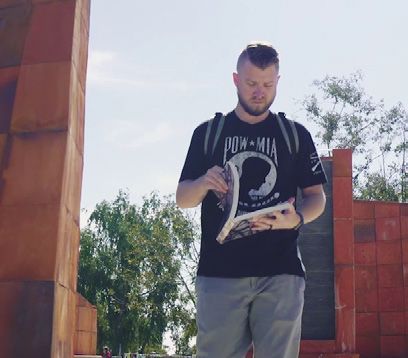
Acknowledgments
   This toolkit was developed in 2020 as a joint project between the California
   Community Colleges Chancellor’s Office and the Success Center at the Foundation for
   California Community Colleges through generous support from Lumina Foundation.

CREDIT FOR PRIOR LEARNING: POLICY IMPLEMENTATION TOOLKIT
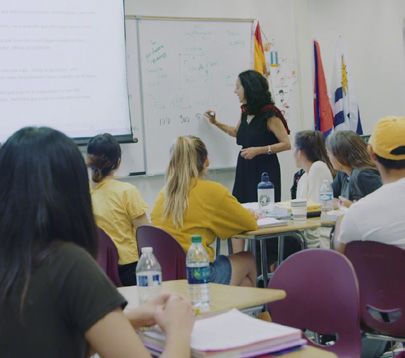
Contents
INTRODUCTION.............................................................................................................1
ABOUT THIS TOOLKIT....................................................................................................3
     CPL Initiative Advisory Committee...............................................................................................3
     Palomar College Pilot....................................................................................................................3
     Discipline Cross-Walk Pilot............................................................................................................3
WHAT IS CPL.................................................................................................................4
     CPL Definition................................................................................................................................4
     CPL Policy Standards.....................................................................................................................5
IMPLEMENTING POLICY.................................................................................................6
     Process Flow..................................................................................................................................6
     Suggested Stakeholder List...........................................................................................................6
     Sample Board Policy and Administrative Procedures.................................................................6
IMPLEMENTING PROCEDURES........................................................................................7
     Sample Student Process Flow......................................................................................................7
     Course Eligibility Template...........................................................................................................7
     Cross-walk Template.....................................................................................................................7
     Cross-walks....................................................................................................................................7
     FAQ.................................................................................................................................................8
ASSESSING PRIOR LEARNING.........................................................................................9
     Portfolio Assessment Rubric.........................................................................................................9
CPL INITIATIVE ADVISORY COMMITTEE RECOMMENDATIONS............................................ 10
     Awarding Credit...........................................................................................................................10
     Transparency and Accessibility...................................................................................................10
     Student Supports........................................................................................................................11
     Professional Development..........................................................................................................11
     Transfer........................................................................................................................................11
     Finance.........................................................................................................................................12
     Policy Review...............................................................................................................................12
APPENDIX................................................................................................................... 13

CREDIT FOR PRIOR LEARNING: POLICY IMPLEMENTATION TOOLKIT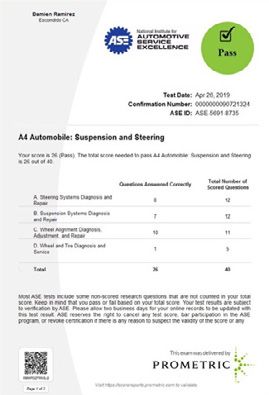
Introduction
Credit for prior learning (CPL) is credit awarded for validated college-level skills and knowledge gained
outside of a college classroom—it’s a strategy to grant students credit for what they already know and
can do. Across the nation, individual institutions and systems of higher education are implementing
comprehensive CPL practices to help working adults reskill and achieve quality credentials that increase
their economic mobility. On September 16, 2019, the Board of Governors of the California Community
Colleges approved a revision to Title 5, Section 55050 that redesigns how students at California
Community Colleges receive credit for prior learning. The new regulation aims to make the process more
consistent and equitable for students who come to community colleges with college-level skills and
knowledge acquired in a variety of non-classroom settings. Research suggests that CPL benefits students
and colleges by increasing completion and closing achievement gaps. In California, this means CPL can
help the system achieve the goals outlined in the Vision for Success and increase college funding through
improving measures on the Student Centered Funding Formula metrics.

Research indicates that students who earn CPL:

 •   are roughly twice as likely to complete a degree than those who do not
 •   accumulate more credits through coursework at the institution than their counterparts, which
     translates to increased enrollment for colleges
 •   save an average of 6-10 months in time to degree compared to their non-CPL counterparts
There are a significant number of current and potential students who could benefit from CPL. About 42%
of students enrolled in California community colleges in fall 2017 were over age 25 —many of whom hold
industry certifications, are graduates of public service academies, and were trained for military service
occupations, for example. A much broader population of potential students without degrees could also
benefit:

 •   More than 6.8 million Californians age 25-54 have a high school diploma, some of whom attempted
     college but none of whom earned an associate degree or higher
 •   Nearly three-quarters of this population is employed, 79% of whom are working 31 or more hours
     per week
 •   On average, 8% of adults are enrolled in a postsecondary institution
 •   About 4% (272,000) of the target population have military experience. About 8% of the target
     population with military experience (21,760) are enrolled in any postsecondary institution
 •   More than half of the target population are people of color; using CPL to advance them towards
     certificates and degrees could help reduce equity gaps
CPL is an important equity imperative integrated within the Vision for Success. California’s working adults,
predominantly people of color, need on-ramps to education and off-ramps to work to stay competitive in
the future workforce. CPL makes it easier for learners to get a jumpstart towards a certificate or degree; in
addition, validating their skills and knowledge with credit is a valuable signal that they belong in college.
As a system, we must tailor learning and supports to help Californians upskill for future jobs. This toolkit is
meant to help colleges implement CPL as consistently as possible to achieve these goals.

CREDIT FOR PRIOR LEARNING: POLICY IMPLEMENTATION TOOLKIT                                                  1
Colleges can contribute to Vision for Success goals by optimizing student success initiatives for working learners.
About This Toolkit
The purpose of this toolkit is to provide resources and examples to aid implementation of CPL according
to Title 5, Section 55050. College stakeholders are encouraged to view these resources and examples as a
starting point. Recommendations and artifacts in this toolkit are derived from three sources:

CPL Initiative Advisory Committee
The Lumina Foundation provided funding to the Success Center at the Foundation for California
Community Colleges (FoundationCCC) to create a policy and resource infrastructure to expand CPL in
our system. The initiative—led by Vice Chancellor Alice Perez with the support of the Success Center—
convened a statewide CPL Advisory Committee to inform recommendations to help students have more
equitable opportunities to earn CPL. Recommendations that were appropriate to implement at the state
level were incorporated into Title 5, Section 55050. The rest can be considered guidance for local policy
and practice and are included in this toolkit (see page 10 “Advisory Committee Recommendations”). The
CPL Initiative also seeded two pilots to bolster implementation of CPL.

Palomar College Pilot
Palomar College piloted implementation of CPL through a cross-role task force operating in the 2019-20
academic year. FoundationCCC helped the Palomar team document their college-wide implementation
process, captured lessons learned, and incorporated the tools and examples included in this toolkit.

Discipline Cross-Walk Pilot
In a faculty-driven pilot supported by the Academic Senate for California Community Colleges and
the Chancellor’s Office, approximately 20 faculty members in seven disciplines over the 2019-20 year
considered how military training, industry certifications, and standardized exams could be considered
for credit in their disciplines. In some cases, they compared (or “cross-walked”) the student learning
outcomes of courses to common prior learning experiences, such as military training or industry
certifications, and made recommendations based on the alignment. The cross-walks are available as
starting points for other faculty to consider (see page 27).

   All resources are available for download, editing,
   and repurposing in the CPL Community on the
   Vision Resource Center.

CREDIT FOR PRIOR LEARNING: POLICY IMPLEMENTATION TOOLKIT                                              3
What is CPL
CPL Definition
Credit for prior learning is college credit awarded for validated college-level skills and
knowledge gained outside of a college classroom.

Students’ knowledge and skills might be gained through experiences such as:

 •   Military training
 •   Industry training
 •   State/federal government training
 •   Volunteer and civic activities (e.g. Peace Corps)
 •   Apprenticeships, internships, work-based learning, or otherindustry-based
     experiential learning
CPL is not awarded for knowledge and skills already assessed and awarded credit through
formal education at regionally accredited in-state and out-of-state institutions.

CREDIT FOR PRIOR LEARNING: POLICY IMPLEMENTATION TOOLKIT                                     4
CPL Policy Standards1
The Chancellor’s Office encourages all districts to elevate the following principles in their CPL policies
in order to ensure equity in the process of students obtaining CPL, and quality, integrity and rigor in
assessment of prior learning:
STANDARD ONE: EQUITY
CPL policy ensures that all students have equitable access to consistent opportunities to earn credit for
prior learning.
STANDARD TWO: PHILOSOPHY AND ACADEMIC FRAMEWORK
CPL policy is grounded in the institution’s philosophical and academic framework and is consistent with
institutional mission, goals, and approaches to learning.
STANDARD THREE: INTEGRITY
CPL policy ensures that all stakeholders (including faculty, institutional representatives, students, and any
external contributors) promote integrity in the evaluation and documentation of prior learning.
STANDARD FOUR: FACULTY QUALIFICATIONS
CPL policy assures the involvement of qualified discipline faculty and the preservation of discipline faculty
purview over the awarding of credit.
STANDARD FIVE: STUDENT SERVICES
CPL policy assures that students have timely and continuous access to transparent information, resources,
and services to guide them on CPL.
STANDARD SIX: CREDIT MANAGEMENT
CPL policy clearly identifies how credits are organized and applied to student records.
STANDARD SEVEN: PLANNING, RESOURCES, IMPROVEMENT
CPL policy assures continuous improvement and scalability of processes by providing sufficient
infrastructure and data to support policy implementation and review.
1 Standards based on Brewer, Patricia and Lakin, Mary Beth. (2018). Credit for Prior Learning: Putting Standards for Policy in Place.
American Council on Education: Washington, D.C. Retrieved from https://www.plaio.org/index.php/home/article/view/135/173
CREDIT FOR PRIOR LEARNING: POLICY IMPLEMENTATION TOOLKIT 5Implementing Policy All resources outlined in this and following sections can be downloaded from the Vision Resource Center CPL Community. Process Flow This suggested process flow outlines steps and tactics a college may take to develop and implement CPL policy and procedures. The step-by-step process encompasses everything from recruiting a cross-role task force to communicating CPL procedures to students. (See pages 14-15) Suggested Stakeholder List The development of a successful CPL policy and procedure will take the collaboration of many stakeholders – this suggested list is a starting point to consider involving in development of a district CPL policy. (See page 16) Sample Board Policy and Administrative Procedures Colleges can use Palomar’s Board Policy and Administrative Procedures (BP/AP) as a reference as they work to revise their own policies to meet the needs of their students and local context. Palomar started by taking their Credit by Exam BP/AP and met with stakeholders to revise the policy to a broader context that included the other forms of prior learning assessment (PLA). As these revisions were drafted, key stakeholders were consulted to provide feedback and capture critical elements across program areas. (See page 17-22) CREDIT FOR PRIOR LEARNING: POLICY IMPLEMENTATION TOOLKIT 6
Implementing Procedures
Sample Student Process Flow
The Vision for Success calls on stakeholders to “design and decide with the student in mind.” Colleges
should center CPL procedures on the student experience. This sample process flow outlines how students
would experience the CPL process at Palomar College.

(See pages 23-24)

Course Eligibility Template
Once a CPL policy has been established on a campus, it is beneficial to put into place processes that make
the policy scalable across disciplines. This sample Course Eligibility Approval template enables faculty
to propose CPL for a course. The template establishes criteria for eligibility, approval procedures, and
procedures to ensure that the course’s eligibility is updated in the appropriate systems.

(See page 25)

Cross-Walk Template
The Cross-Walk Template can be used to identify the types of prior learning assessments that could be
used to award credit in courses. The template suggests various prior learning assessment methods and
can be used in conjunction with the sample cross-walks developed in the statewide pilot (see page 27).
The Cross-Walk Template is a useful tool for larger groups such as CPL task forces or by individual or small
faculty discipline teams.

(See page 26)

Cross-walks
Cross-walks are a mechanism to help faculty examine common learning experiences offered by
government agencies or professional organizations and compare (or “cross-walk”) the competencies
achieved in those experiences with student learning outcomes of aligned courses. Faculty can access
credit recommendations of third-parties such as the American Council on Education (ACE), which has
evaluated thousands of military training programs. The goal of developing cross-walks is to get as much
consistency as possible in credit awards for common learning experiences. The cross-walks provided
in this toolkit were developed by California community college faculty participating in the statewide
pilot and can be used as a starting point for college faculty to consider. The cross-walks are available for
download in the CPL Community on the Vision Resource Center.

CREDIT FOR PRIOR LEARNING: POLICY IMPLEMENTATION TOOLKIT                                                  7
SUGGESTED STEPS TO DEVELOP YOUR OWN CROSS-WALK:
STEP 1
Convene discipline faculty and student learning outcomes experts at your college.

STEP 2
Ask faculty to identify common prior learning experiences in their discipline such as aligned industry
certifications, military training programs, public service academies, workplace training, civic service, etc.

STEP 3
Ask faculty to consult third-party credit recommendation guides like American Council on Education (ACE),
or consult industry experts, workplace trainers, or other educators to learn about what competencies
students achieve in the identified prior learning experiences.

STEP 4
Identify courses where the student learning outcomes might be aligned with those competencies. If faculty
have already completed their CPL Cross-walk, use that document as a resource in the discussion.

STEP 5
Compare the competencies achieved in the prior learning experiences to the student learning outcomes in
aligned courses.

STEP 6
Consider what is required in the course for the student to demonstrate “sufficient mastery.” If “sufficient
mastery” can be demonstrated through participation in the prior learning experience, then determine how
faculty should assess the student for credit (note: keep in mind that the student’s burden of proof should
be just enough to demonstrate sufficient mastery). This might include showing documentation such as
test scores, certificates of completion, or Joint Services Transcript, or completing a skills demonstration, a
portfolio, or another type of assessment that the faculty deems appropriate.

STEP 7
Outline the recommended prior learning assessment method and credit recommendation on the CPL
Cross-walk form.

(See pages 27-31)

FAQ
This Frequently Asked Questions (FAQ) template provides a starting point of questions to expect to answer
as you develop and implement CPL policy on your campus. Having clear and consistent answers will assist
in building support for the work among stakeholders and reduce points of confusion.

(See pages 32-33)

CREDIT FOR PRIOR LEARNING: POLICY IMPLEMENTATION TOOLKIT                                                  8
Assessing Prior Learning
Portfolio Assessment Rubric
This sample rubric, developed by faculty at Palomar College, provides an example of how portfolios
can be assessed to determine if credit should be awarded for prior learning. The rubric can be used as a
starting point for colleges to consider and modify based on their student learning outcomes and criteria
of learning. Discipline faculty and student learning outcome experts are encouraged to participate in the
development and/or approval of rubrics.

(See pages 34-35)

CREDIT FOR PRIOR LEARNING: POLICY IMPLEMENTATION TOOLKIT                                              9
CPL Initiative Advisory Committee Recommendations
After reviewing CPL policies and practices from systems across the country, the CPL Advisory Committee
made the following recommendations:

Awarding Credit
 •   Students’ educational goals should be the guiding factor in the award of credit.
 •   Students should be able to have their prior learning assessed early in their educational journey and
     prior to registering for a course.
 •   They should be able to access clear timelines and processes toward receiving a credit
     recommendation.
 •   When setting limits on CPL, rely on existing minimum/maximum credit allowances already stipulated
     in transfer policy.
 •   Follow accreditation requirements.
 •   If a student seeks credit for a course that a college does not have in its catalog (i.e. Russian language),
     consider connecting the student to faculty at a college where the course is offered. The student may
     be eligible to complete a prior learning assessment there.
 •   Students should be advised of the recommended credit before it is officially awarded. Title 5 Section
     55050 allows students to accept, decline, or appeal decisions on assessments in order to protect their
     financial aid or veteran’s benefits.
 •   Students, informed by a counselor, should decide when credit is applied.
 •   Each district should consider whether its faculty will assess prior learning of students who are not yet
     enrolled. CPL can be a benefit to attract potential students.
 •   Each district should consider setting a time limit for how long prior learning remains valid and eligible
     for assessment for credit.

Transparency and Accessibility
 •   Students have a right to receive information on CPL; doing so puts the burden on institutions to be
     transparent.
 •   Engage stakeholders early and often in the development of CPL policy, which could increase buy-in.
 •   CPL policies and communications should stipulate that CPL should be transparent and accessible to
     all stakeholders, including current and potential students, faculty, staff, administrators, industry, and
     other community partners.
 •   Stakeholders should clearly understand how CPL impacts student success, college completion rates
     and enrollment, course scheduling, and student diversity.
 •   CPL should be clearly identified as curriculum under faculty purview per title 5.
 •   Clear guidelines for faculty in prior learning assessment will help them trust their colleague’s
     credit award decisions.
 •   Students need easy access to a resource on CPL at a college, such as a website that explains CPL, why
     and how it’s available, who to contact, what process to expect, what types of prior learning might
     qualify for credit, etc.

CREDIT FOR PRIOR LEARNING: POLICY IMPLEMENTATION TOOLKIT                                                   10
Student Supports
• Counselors should be at the center of informing students about CPL.
• Inform students about CPL during matriculation and placement activities or processes.
• Integrate prior learning assessment advising into educational planning.
• Integrate CPL with Guided Pathways. Identify opportunities for CPL within mapped pathways and
make that information available to students. For example, a CompTIA certification might make a
student eligible for credit in the Information Technology certificate and degree pathways.
• Develop a clear process flow for students, including steps and timeline, so that students can manage
their expectations.
• Within the process flow, identify key decision points for the student so that institutions know when
action is required by internal stakeholders.
• Assign staff to operate as a CPL coordinator at each college. There may be an opportunity to leverage
staff formerly assigned to assessment and placement.
Professional Development
• Provide professional development (PD) training and webinars so that faculty are equipped to identify
opportunities for CPL, conduct crosswalks to determine credit recommendations, and apply the
credit consistently for all students.
• Incorporate PD on CPL into Guided Pathways professional development.
• Work with your local Academic Senate representatives to set standards for faculty in conducting prior
learning assessment. Clear guidelines for faculty in prior learning assessment will help them trust
their colleague’s credit award decisions.
• All stakeholders on campus who are affected by CPL (admissions, registrar, institutional research,
faculty, etc.) should be aware of their roles and responsibilities related to CPL and should be able to
advise students on process. Consider convening a CPL conference or workshop for faculty or staff
involved with CPL.
• Consider holding a CPL conference or workshop for faculty or staff involved with CPL.
• Make faculty training on CPL a part of “flex day” programming.
• Find resources through organizations such as the Council on Adult and Experiential Learning (CAEL)
and the American Council on Education (ACE).
Transfer
• Colleges should recognize and accept CPL awarded at other California community colleges.
• Colleges are encouraged to work closely with their intersegmental partners to ensure credit will be
accepted for transfer.
CREDIT FOR PRIOR LEARNING: POLICY IMPLEMENTATION TOOLKIT 11Finance
• Use existing funding from programs where objectives are aligned. Colleges could leverage existing
program funds such as Student Equity and Achievement (SEA) Program, Guided Pathways, and
Strong Workforce, among others.
• Leverage funding from community industry partners, particularly when awarding credit for industry
certifications.
Policy Review
• Title 5 Section 55050 requires that policies be reviewed every three years. Therefore, local policy
language should set some expectation for an evaluation process, potentially including elements such
as a review timeline, stated goals, and what factors will be assessed.
• CPL review should include qualitative data from students and “content experts” such
as faculty.
• Successful review processes include active involvement from key stakeholders such as Academic
Senate, the Associated Student Government, and allow for local flexibility.
• Evaluation methods should enable greater understanding of the impact of CPL on
equity gaps.
CREDIT FOR PRIOR LEARNING: POLICY IMPLEMENTATION TOOLKIT 12Appendix The resources are not depicted in their entirety in this Appendix due to their size and complexity. The full resources are available for download from the Vision Resource Center CPL Community. Implementing policy • Process Flow • Suggested Stakeholder List • Sample Board Policy and Administrative Procedures Implementing procedures • Sample Student Process Flow • Course Eligibility Template • Cross-walk Template • Cross-walks • FAQ Assessing prior learning • Portfolio Assessment Rubric CREDIT FOR PRIOR LEARNING: POLICY IMPLEMENTATION TOOLKIT 13
SUCC E S S CR E D I T F O R
C E NforT E R P R I O R LEARNING PROCESS FLOW
CA L I F O R N I A C O M M U N I T Y C O L L E G E S I NI T I AT I V E
This process flow outlines steps and tactics a college may take to implement credit for prior learning—a strategy using
students’ previously acquired skills and knowledge to accelerate their paths to completion. Find more resources,
including templates (underlined below), in the Credit for Prior Learning Community on the Vision Resource Center.
Step 1 Step 2 Step 3 Step 4 Step 5
GOAL GOAL GOAL GOAL GOAL
Develop a College Credit Develop an engagement Develop meeting cadence Draft a Student Services Develop a plan to
for Prior Learning (CPL) plan to enable multi- and key communication CPL Process. communicate with students
Workgroup. directional dialogue artifacts for stakeholder about CPL.
STRATEGIES
about CPL. engagement.
STRATEGIES • Hold meetings to STRATEGIES
• Identify stakeholders STRATEGIES STRATEGIES analyze procedures for • Meet with the campus IT
on campus with • Identify affected • Hold brainstorming CPL intersections. team to discuss information
varying expertise and stakeholders and develop sessions to address systems infrastructure.
• Identify existing student
perspectives, such as: suggested roles for them challenges, opportunities,
data needed for CPL and • Establish when/where
o Student services faculty in CPL implementation. questions, and concerns
what new data variables student data will be
o Instructional faculty about engaging identified
• Involve accreditation should be created to track gathered, and when/
stakeholders.
o Administrators representation. success of CPL impact. where it will be linked
o Student Learning Outcome • Use group meetings to to other student data.
(SLO) coordinators • Develop a list of CPL
develop shared goals for
data elements. • Determine how the process
the workgroup and for
• Identify a CPL lead to be can be automated or
CPL implementation. • Use lean process
responsible for advancing completed electronically.
the outcomes of the mapping to check for
• Develop an FAQ to answer
workgroup. Be realistic redundancies or conflicts.
stakeholder questions
about the time this and provide consistency. • Build consensus around
person will commit and
a central entry point for
consider institutionalizing • Develop a Frequently
implementing CPL.
the position. Identified Concerns (FIC)
document to identify • Develop a CPL intake form.
• Marshall resources to future issues, demonstrate
support the workgroup willingness to hear
and campus CPL stakeholders and intent
efforts, such as Guided to increase buy-in.
Pathways or Student
Equity and Achievement
Program funds.
• Consider using GP
or SEA funds.
CREDIT FOR PRIOR LEARNING: POLICY IMPLEMENTATION TOOLKIT 14SUCC E S S CR E D I T F O R
C E NforT E R P R I O R L E ARNING PROCESS FLOW
CA L I F O R N I A C O M M U N I T Y C O L L E G E S I NI T I AT I V E
Step 6 Step 7 Step 8 Step 9 Step 10
GOAL GOAL GOAL GOAL GOAL
Develop a timeline for board Create a cross-walk of Advance revised board Develop a process for CPL Develop a plan to
policy and administrative courses eligible for CPL and policy and administrative assessment development communicate with the
procedure development the types of prior learning procedures through shared and approval with reviews campus community
and adoption. assessments required. governance processes. from faculty, administrators, about CPL.
IT, evaluators, and Student
STRATEGIES STRATEGIES STRATEGIES STRATEGIES
Learning Outcome subject
• Identify the date that • Develop a CPL cross- • Share with key stakeholders matter experts. • Develop resources such
final revisions need walk template to be and incorporate feedback. as a website, short videos,
to be completed. used across meetings STRATEGIES or workshops to explain
and individual work. CPL opportunities to
• Develop a schedule • Build consensus for
students, using language
working backwards from • Collaborate with faculty collaborative development
that is accessible and
the final revisions date. to identify types of prior of prior learning
easy to understand.
learning assessments that assessment processes.
• Identify any dependencies would be required to award • Use existing infrastructure
that could affect • Develop rubrics for
CPL in select courses. to send information, such
the timeline. assessments, such as
This requires considering as student newsletters,
evaluating portfolios
how the assessment text or email, clubs, etc.
or Joint Services
reveals whether a student
Transcripts. Highlight • Use ACC & JC standards
acquired the course’s
the need for professional to continually inform
student learning outcomes.
development for faculty. your process.
• Use the cross-walk
• Brainstorm and build
template when working
consensus for the process.
with faculty to identify
courses that could be • Schedule a recurring
awarded through the review process aligned to
various types of CPL. program evaluations or
changes from CSU and UC.
• Use lean process mapping
to check for redundancies
or conflicts, and revise
processes as needed.
CREDIT FOR PRIOR LEARNING: POLICY IMPLEMENTATION TOOLKIT 15Suggested Stakeholder List
The development of a successful CPL policy and procedure will take the
collaboration of many stakeholders – this suggested list is a starting
point to consider involving in development of a district CPL policy.
Suggested Stakeholder Starting Point
● Student Services Faculty
● Instructional Faculty
● Administration Allies (ideally in a leadership role)
● Student Learning Outcomes Subject Matter Expert (SME)
● Articulation SME
● CTE SME
● Veterans Services
● Records/Registrar Staff
● Evaluator
● Dean of Strong Workforce
● Chair of Counseling
● Research and Policy (R&P) Director
● Curriculum Chair
● Senate President and Vice President
● Professional Development Coordinator
● Director of IT
Additional Key Stakeholders for Policy Review
● Transfer Center SME
● Union President
● Faculty Senate Representatives on Policies and Procedures
● Veterans Certifying Official
● Financial Aid SME
CREDIT FOR PRIOR LEARNING: POLICY IMPLEMENTATION TOOLKIT 16Sample Board Policy and
Administrative Procedures
Colleges can use Palomar’s Board Policy and Administrative Procedures (BP/AP) as a reference as they
work to revise their own policies to meet the needs of their students and local context. Palomar started
by taking their Credit by Exam BP/AP and met with stakeholders to revise the policy to a broader context
that included the other forms of prior learning assessment (PLA). As these revisions were drafted, key
stakeholders were consulted to provide feedback and capture critical elements across program areas.
I NST R UCT I O NA L SE R V I CE S | B P 4 2 3 5 C R E D I T F O R P R I O R L E A R N I N G
References:
Title 5 Section 55050
Credit for prior learning may be earned for eligible courses approved by the district for
students who satisfactorily pass an authorized assessment. Authorized assessments may
include the evaluation of approved external standardized examinations, Joint Services
Transcripts, student-created portfolios, and credit by examination. The Superintendent/
President shall consult with the Faculty Senate and rely primarily on the recommendations of
the Faculty Senate to establish administrative procedures to implement this Board Policy.
Date Adopted: 4.12.2011; Revised: 12.11.2018; Revised: 12.17.2019 1
(Replaces all previous versions of BP 4235)
CREDIT FOR PRIOR LEARNING: POLICY IMPLEMENTATION TOOLKIT 17I N STR U C TI O N A L SE R VI C E S | AP 4235 CREDIT FOR PRIOR LEARNING
References:
Education Code Section; 66025.71, 66700, 70901, Sections 70901 and 70902
Title 5 Sections 55002, 55023, 55021, 55025, 55052, 55052
Students may demonstrate proficiency in a course eligible for Credit for Prior Learning and receive
college credit through the approved alternative methods for awarding credit listed below:
• Achievement of a satisfactory score on an Advanced Placement (AP) examination
• Achievement of a satisfactory score on a high level International Baccalaureate (IB) examination
• Achievement of a satisfactory score on the College Level Examination Program (CLEP)
• Evaluation of Joint Service Transcripts (JST)
• Achievement of an examination administered by other agencies approved by the district
• Evaluation of industry-recognized credential documentation
• Evaluation of student-created portfolios
• Satisfactory completion of an institutional examination, known as Credit by Examination, administered
by the college in lieu of completion of an active course listed in the current college catalog
Determination of Eligibility for Credit for Prior Learning
• The student must be in good standing in the district
• The student must have previously earned credit or noncredit from
the district or be currently registered in the district
• Current students must have an education plan on file
• The course is listed in the current college catalog
• The student is not currently enrolled in the course to be challenged
• Credit by Examination: The student is registered in the district and not currently enrolled in nor
received credit for a more advanced course in the same subject (may be waived by department)
Credits acquired by examination are not applicable to meeting of such unit load
requirements as Selective Service deferment, Veterans, or Social Security benefits.
Credits acquired by examination shall not be counted in determining the 12
semester hours of credit in residence required for an associate’s degree.
Date Approved: 3.23.2010; Revised: 12.4.2018; Revised: 11.19.2019 1
(Replaces former Palomar Procedure 415 and all previous versions of AP 4235)
CREDIT FOR PRIOR LEARNING: POLICY IMPLEMENTATION TOOLKIT 18Prior Learning Assessment Grading Policy
• Grading shall be according to the regular grading system in accordance with
• [insert name of administrative procedure/policy] Grading and Academic Record Symbols
• Students shall be offered a “Pass/No Pass” option, in accordance with
• [insert name of administrative procedure/policy] Pass/No Pass Grading
Option, if that option is ordinarily available for the course
• Students shall be given the opportunity to accept, decline, or appeal the grade assigned
by the faculty, and in cases of Credit by Examination, pursuant to AP
• 4230 Grading and Academic Record Symbols and AP 4231 Grade Changes
Transcription of Credit for Prior Learning
• The student’s academic record shall be clearly annotated to reflect that
credit was earned by assessment of prior learning
Advanced Placement
See [insert name of administrative procedure/policy] Advanced Placement Credit
International Baccalaureate
Students requesting Credit for Prior Learning using International Baccalaureate shall
receive credit for completing a satisfactory score on a district approved high-level
International Baccalaureate (IB) examination under the following circumstances:
• Official IB transcripts must be on file in the Records Office
• The student achieved a minimum acceptable score on the IB examination
a recommended by the district’s IB equivalency guide
College Level Examination Program
Students requesting Credit for Prior Learning using the College Level Examination
Program shall receive credit for completing a satisfactory score on a district-approved
College Level Examination Program (CLEP) under the following circumstances:
• Official CLEP transcripts must be on file in the Records Office
• The student achieved a minimum acceptable score on the CLEP examination
as recommended by the district’s CLEP Equivalency Guide
Date Approved: 3.23.2010; Revised: 12.4.2018; Revised: 11.19.2019 2
(Replaces former Palomar Procedure 415 and all previous versions of AP 4235)
CREDIT FOR PRIOR LEARNING: POLICY IMPLEMENTATION TOOLKIT 19Credit for Military Service/Training
Students interested in Credit for Prior Learning using Joint Service Transcripts shall receive
credit as recommended by the American Council on Education (ACE) Directory and approved
by the appropriate discipline faculty of the college under the following circumstances:
• The student shall complete the Credit for Prior Learning assessment
petition available in the Counseling or Records Office
• Official transcripts must be on file in the Records Office. These may include Joint Services Transcript
(JST), Sailor/Marine American Council on Education Registry Transcript (SMART), Army and American
Council on Education Registry Transcript Service (AARTS), Community College of the Air Force
(CCAF), Coast Guard Institute (CGI), DANTES/USAFI, Defense Language Institute Foreign Language
Transcripts (DLIFLC), Defense Manpower Data Center (DMDC), DLPT Examinee Results, DA Form
330 Language Proficiency Questionnaire, or verified copies of DD214 or DD295 military records.
• Credit course equivalency shall be determined by the faculty of the appropriate discipline
Industry Recognized Credentials
Students interested in Credit for Prior Learning using industry recognized credential(s)shall
receive credit as recommended by the appropriate department chair or faculty designee:
• The student shall complete the Credit for Prior Learning assessment
petition available in the Counseling or Records office
• Enrollment services shall grant credit for industry recognized credential(s) that have already
been evaluated and approved by the appropriate department chair or faculty designee
• If an industry recognized credential(s) has not yet been evaluated and approved by the appropriate faculty:
o The student meets with the department chair or faculty designee to receive further
instructions for industry recognized credential(s) assessment
o The student submits all industry recognized credential documents to the department
chair or faculty designee for assessment of prior learning
o If the department chair or faculty designee determine the industry certification adequately measures mastery of
the course content as set forth in the Course Outline of Record, the appropriate faculty shall sign the petition
with the recorded grade, attach the industry recognized credential(s), and forward the completed petition and
supporting documents to the Records Office to be kept on file and recorded on the student transcript
Date Approved: 3.23.2010; Revised: 12.4.2018; Revised: 11.19.2019 3
(Replaces former Palomar Procedure 415 and all previous versions of AP 4235)
CREDIT FOR PRIOR LEARNING: POLICY IMPLEMENTATION TOOLKIT 20Student-Created Portfolio Assessment
Students interested in Credit for Prior Learning using a student-created
portfolio shall receive credit as recommended by the appropriate department
chair or faculty designee under the following circumstances:
• A department approved portfolio assessment rubric for the course is on file
• The student shall complete the Credit for Prior Learning assessment
petition available in the Counseling or Records Office
• The student meets with the department chair or faculty designee to receive
further instructions for student-created portfolio assessment
• The student submits all portfolio documents to the department chair
or faculty designee for assessment of prior learning
• If the department chair or faculty designee determine the student-created portfolio adequately
measures mastery of the course content as set forth in the Course Outline of Record,
the appropriate faculty shall sign the petition with the appropriate grade and forward it
to the Records Office to be kept on file and recorded on the student transcript
Credit by Examination from Within the District
The department chair or faculty designee shall determine whether or not a student requesting
Credit by Examination is sufficiently well prepared to warrant being given this opportunity.
This determination is based upon a review of previous course work and/or experience.
Students wishing to take a course through Credit by Examination are encouraged to
informally discuss the matter with the department chair or faculty designee and instructor
prior to initiating the formal process. All steps must be completed in the order listed or
the Petition for Credit by Examination shall not be processed. The Petition for Credit by
Examination must be completed prior to the end of the current semester or session.
The district will award college course credit for successful completion of a district examination
administered by the appropriate departmental faculty under the following circumstances:
• Achievement of a grade that qualifies for Credit by Examination through the
Career and Technical Education (CTE) Transitions program
• Credit by satisfactory completion of an examination administered by the district in
lieu of completion of a course listed in the Palomar College Catalog
Date Approved: 3.23.2010; Revised: 12.4.2018; Revised: 11.19.2019 4
(Replaces former Palomar Procedure 415 and all previous versions of AP 4235)
CREDIT FOR PRIOR LEARNING: POLICY IMPLEMENTATION TOOLKIT 21The District Credit by Examination Process
In order to permit students to demonstrate that they have met the objectives of a course
through experience in the work place, foreign language proficiency, or some other process
outside the conventional academic setting, students may earn credit by receiving a passing
grade on an examination administered by the appropriate instructional department/
program. The completion of Credit by Examination may require the demonstration of
other skills or the completion of assignments in addition to an examination.
Upon completion of an education plan, students interested in Credit for Prior Learning
using Credit by Examination shall receive credit as recommended by the appropriate
department chair or faculty designee under the following circumstances:
The Credit by Examination Procedures
• Student shall complete the Credit for Prior Learning assessment
petition available in the Counseling or Records Office
• Student meets with the department chair or faculty designee further instructions for Credit by Examination
• If the department chair or faculty designee determine the Credit by Examination assessment measures mastery
of the course content as set forth in the Course Outline of Record, the appropriate faculty shall sign the petition
with the recorded grade and forward to the Records office to be kept on file and recorded on the student
transcript. Completed exam materials must remain on file with the department/program for three years
Office of Primary Responsibility: Instructional Services
Date Approved: 3.23.2010; Revised: 12.4.2018; Revised: 11.19.2019 5
(Replaces former Palomar Procedure 415 and all previous versions of AP 4235)
CREDIT FOR PRIOR LEARNING: POLICY IMPLEMENTATION TOOLKIT 22Sample Student Process Flow
Version A
The Vision for Success calls on
stakeholders to “design and decide
with the student in mind.” Colleges
should center CPL procedures on
Landing or header contains CPL definition
the student experience. This sample Do you believe you meet or qualify for CPL?
process flow outlines how students
would experience the CPL process at
YES NO
Palomar College.
Have you completed Have you completed
Do you have prior Do you have any
any of the following any internal Do you have any
work experience? industry standard
Advance Placement Credit by Exam? military experience?
(include definition) certification(s)?
CLEP, AP, IB, etc.? (include definition)
ADVANCED PLACEMENT CREDIT BY EXAM MILITARY WORK EXPERIENCE CERTIFICATIONS
YES NO YES NO YES NO YES NO YES NO
COUNSELOR
Take form to Registrar Meet with
COMPLETE EDUCATION PLAN
to receive credit faculty member
CREDIT FOR PRIOR LEARNING: POLICY IMPLEMENTATION TOOLKIT 23Sample Student Process Flow
Version B
The Vision for Success calls on
stakeholders to “design and decide
with the student in mind.” Colleges
should center CPL procedures on
Landing or header contains CPL definition
the student experience. This sample Do you believe you meet or qualify for CPL?
process flow outlines how students
would experience the CPL process at
YES NO
Palomar College.
Have you completed Have you completed
Do you have prior Do you have any
any of the following any internal Do you have any
work experience? industry standard
Advance Placement Credit by Exam? military experience?
(include definition) certification(s)?
CLEP, AP, IB, etc.? (include definition)
ADVANCED PLACEMENT CREDIT BY EXAM MILITARY WORK EXPERIENCE CERTIFICATIONS
YES NO YES NO YES NO YES NO YES NO
System uses
scores to produce
approved credits
(like Pathway scores)
COUNSELOR
Take form to Registrar Meet with
COMPLETE EDUCATION PLAN
to receive credit faculty member
CREDIT FOR PRIOR LEARNING: POLICY IMPLEMENTATION TOOLKIT 24Course Eligibility Template
Once a CPL policy has been established on a campus, it is beneficial to put into place processes that make
the policy scalable across disciplines. This sample Course Eligibility Approval template enables faculty
to propose CPL for a course. The template establishes criteria for eligibility, approval procedures, and
procedures to ensure that the course’s eligibility is updated in the appropriate systems.
CR E DI T FO R PR I O R LE A R NIN G C O U R S E E L I G I B I L I T Y A P P R O VA L F O R M
Course ID Course Title Course Units
Credit for Prior Learning Eligibility - Check all that apply:
Credit by Exam
Industry Certification
Portfolio
Military Joint Service Transcripts
College Level Exam Program (CLEP)
Advanced Placement (AP)
International Baccalaureate (IB)
Per accreditation policy on assessing prior learning, in making the determination whether to
award college credits, certificates, and degrees tostudents for prior learning, the following
should be considered:
• Credit or its equivalent should be awarded only for learning, and not for experience
• Assessment should be based on standards and criteria for the level of acceptable learning that are published
• Assessment should be treated as an integral part of learning, not separate from it, and should be based on an
understanding of learning processes
• The determination of credit awards and competence levels must be made by appropriate subject matterand
academic or credentialing experts
• Credit or other credentialing should be appropriate to the context in which it is awarded and accepted
• All faculty involved in the assessment of learning should pursue and receive adequate training and continuing
professional development for the functions they perform
• Prior learning assessment should be regularly monitored, reviewed, evaluated, and revised as needed
for currency
Signature Date
Discipline Faculty Expert
Department Chair
Articulation Officer
CPL Coordinator
CREDIT FOR PRIOR LEARNING: POLICY IMPLEMENTATION TOOLKIT 25Cross-Walk Template
The Cross-walk Template can be used to identify the types of prior learning assessments that could be used to award credit in courses.
The template suggests various prior learning assessment methods and can be used in conjunction with the sample crosswalks developed
in the statewide pilot (see page 27). The Cross-walk Template is a useful tool for larger groups such as CPL task forces or by individual or
small faculty discipline teams.
1. Ask faculty to identify common prior learning experiences in their discipline such as aligned industry certifications, military training
programs, public service academies, workplace training, civic service, etc.
2. Ask faculty to consult third-party credit recommendation guides like American Council on Education (ACE), or consult industry experts,
workplace trainers, or other educators to learn about what competencies students achieve in the identified prior learning experiences.
3. Identify courses where the student learning outcomes might be aligned with those competencies. If faculty have already completed
their CPL Cross-walk, use that document as a resource in the discussion.
4. Compare the competencies achieved in the prior learning experiences to the student learning outcomes in aligned courses.
5. Consider what is required in the course for the student to demonstrate “sufficient mastery.” If “sufficient mastery” can be
demonstrated through participation in the prior learning experience, then determine how faculty should assess the student for
credit (note: keep in mind that the student’s burden of proof should be just enough to demonstrate sufficient mastery). This might
include showing documentation such as test scores, certificates of completion, or Joint Services Transcript, or completing a skills
demonstration, a portfolio, or another type of assessment that the faculty deems appropriate.
College Name:
1 Course
Course Number
(*** indicates
California
State C-ID
Cal State
University University of Credit By Joint Service Industry International Advanced
College Level
Exam
Student
Learning 2
course part of Number, https: Unit (CSU) California (UC) Credit By Exam Exam (CBE- Transcript Certification/ Baccalaureate Placement Program Outcomes Prior Learning
Subject ADT/ASSIST) //c-id.net Course Name Value transfer transfer Pass (CBE-P) G) Pass (JST-P) Portfolio (P) Licensure (IB) (AP) (CLEP) (SLO) Outcomes
3
4
5
CREDIT FOR PRIOR LEARNING: POLICY IMPLEMENTATION TOOLKIT 26Sample Cross-walks
Cross-walks are a mechanism to help faculty examine common learning experiences offered by government
agencies or professional organizations and compare (or “cross-walk”) the competencies achieved in those
experiences with student learning outcomes of aligned courses. Faculty can access credit recommendations of
third-parties such as the American Council on Education (ACE), which has evaluated thousands of military training
programs. The goal of developing cross-walks is to get as much consistency as possible in credit awards for
common learning experiences. The cross-walks provided in this toolkit were developed by California community
college faculty participating in the statewide pilot and can be used as a starting point for college faculty to
consider. The cross-walks are available for download in the CPL Community on the Vision Resource Center.
Sample Cross-walk — Automotive
CREDIT FOR PRIOR LEARNING: POLICY IMPLEMENTATION TOOLKIT 27Sample Cross-walk — Business
College Name: Palomar Community College
CPL Assessment Method
Course Number (*** California State Cal State University of Joint Service International Advanced College Level
indicates course part of C-ID Number, Unit University (CSU) California (UC) Credit By Exam Transcript Pass Industry Baccalaureate Placement Exam Program
Subject ADT/ASSIST) https://c-id.net Course Name Value transfer transfer Pass (CBE-P) (JST-P) Portfolio (P) Certification (IC) (IB) (AP) (CLEP)
ACCT 101 Bookkeeping 3 X X
ACCT 104 Accounting Spreadsheet Concepts 2 X X
ACCT 105 Individual Income Taxes 4 X X
ACCT 107 Taxation of Business Entities 4 X X
ACCT 110 QuickBooks
Sales Tax, Payroll Taxes and 2 X X X (1)
ACCT 115 Employee Benefits 2 X X
ACCT 201*** ACCT 110 Financial Accounting 4
ACCT 202*** ACCT 120 Managerial Accounting 4
BMGT 101 Introduction to Management X X
BMGT 105 Small Business Management 3 X X
BMGT 153 Entrepreneurship 3 X X X (2)
BUS 100*** BUS 110 Introduction to Business 3
BUS 104*** BUS 140 Business Information Systems 3
BUS 110 Business Mathematics 3 X X
BUS 117*** BUS 120 Legal Enviornment of Business 3
BUS 125 Business English 3 X X
BUS 129 Introduction to Logistics 3 X X X (3)
BUS 130 Supply Chain Management 3 X X X (3)
BUS 136 Money Management 3 X X
BUS 150 Advertising 3 X X X
BUS 152 Social Media for Business 3 X X X
BUS 155 Marketing 3 X X X
BUS 157 E-commerce 3 X X
BUS 165 BSOT120X Beginning Keyboarding 2 X X
BUS 166 BSOT130X Intermediate Keyboarding 2 X X
BUS 170 BSOT111X Word for Business - Basic 1 X X X (4)
BUS 171 BSOT121X Word for Business - Advanced 1 X X X (4)
BUS 173 Job Search 1 X X
BUS 175 BSOT112X Excel Basic 1 X X X (4)
BUS 176 BSOT122X Excel Intermediate 1 X X X (4)
BUS 177 BSOT132X Excel Advanced 1 X X X (4)
BUS 204*** MATH 110 Quantitative Business Analysis 4
BUS 205*** BUS 115 Business Communications 3
LS 121*** Legal Studies 3
LS 145 Legal Ethics 3 X
LS/POSC 240*** Civil Liberties and Procedures 3
Coming Soon! -
RE 100 Vetting closed. Introduction to Real Estate 3 X X X
RE 105 https://c-id.net/model-curriculum
Real Estate Finance 3 X X X
RE 110 Real Estate Appraisal 3 X X X
RE 115 Real Estate Practice 3 X X X
RE 120 Legal Aspects of Real Estate 3 X X X
RE 140 Introduction to Property Mgt. 3 X X X
1 = QuickBooks Certiport Definitions: Credit By Exam Pass (CBE-P) Passing (credit) grade given upon completion of an examination on the subject given by the Department. This will generally not satisfy the UC/CSU transfer requirements
2 = Small Business Entrepreneurship Credit By Exam (CBE-G) Letter grade
Evidence given upon
to colleges andcompletion
universitiesofofan examination
professional on theeducation,
military subject given by the
training andDepartment. This may satisfy
occupation experiences UC/CSU
achieved by transfer requirements
service members and veterans. This can be used to
3 = ScPro Fundamentals Joint Service Transcript Pass (JST-P) potentially award college credit for military training.
4 = MOS Portfolio (P) Submission of a portfolio showing experience and competency
Industry Certification Attainment of a recognized certificate in the industry
Faculty determine recency. International Baccalaureate (IB) Awarding of the degree.
Advanced Placement (AP) Passing grade of 4 or more on AP exam
College Level Exam Program (CLEP) Exams given by the College Board to assess college-level skills
CREDIT FOR PRIOR LEARNING: POLICY IMPLEMENTATION TOOLKIT 28You can also read


