COLLECTIVED WORKING PAPERS FROM COLLECTIVED; THE HUB FOR MENTORING AND COACHING - A RESEARCH AND PRACTICE CENTRE AT
←
→
Page content transcription
If your browser does not render page correctly, please read the page content below

CollectivED
Working papers from CollectivED;
The Hub for Mentoring and
Coaching

A Research and Practice Centre at
Carnegie School of Education

Issue 4
June 2018

Page | 1
Leeds Beckett University

CONTENTS PAGE
Editorial: Welcome to CollectivEd Issue 4……………..…………………………..…………………… 3

Live coaching and how it helps new teachers get into good habits quickly………………………6
A Practice Insight Working Paper by Chris Moyse

Fostering semantic space in schools for professional collaboration and growth………………11
A Research Working Paper by Deborah Netolicky

Mentoring as a feminist academic................................................................................................... 15
A Thinkpiece Working Paper by Kirstein Rummery

Researching the Impact of Changes to Mentoring Approaches within a Large Initial Teacher
Education Partnership……………………………………………………………………….……..……… 18
A Research Working Paper by Karen Vincent

Reflecting on the Third Edition of the Training and Assessment NASBTT 2018 Toolkit ……….25
A Thinkpiece Working Paper by Carl Wilkinson

A pracademic’s exploration of mentoring, coaching and induction in the Western Québec
School Board…………………………………………………………………..……………………………..31
A Research Working Paper by Trista Hollweck

Searching for Trust ……………………………………………………………………………..…………. 41
A Thinkpiece Working Paper by Colin Lofthouse

Being mentored through CTeach          ……………….………………………………..……………..... 44
A Practice Insight Working Paper by Stephen Campbell

Comparing the mentor - mentee dynamic of the Chartered College pilot programme with in-
school coaching …………………………………………………………………………………………….46
A Practice Insight Working Paper by Matt Shurlock, Rebecca Stacey and Patrick Ottley-O’Connor

Re-imagining performance management .………………………………………..………...................52
A Practice Insight Working Paper by Gary Handforth

Teaching-teams not Teaching-solo: The secret to retaining Gen Y teachers ……………………67
A Thinkpiece Working Paper by Anne Knock

Long live metacognition, lessons learned from a life in the field …………….……………………70
A Practice and Research Insight Paper by Rachel Lofthouse

Book Review of Czerniawski, G. (2018) Teacher Educators in the twenty-first century………..77
By Steve Burton

CollectivEd Thinking Out Loud: An interview with John Campbell……………………..………….80

Information on our contributors …………………………………………………………………………..83

Page | 2
Leeds Beckett University

Editorial: Welcome to CollectivED Issue 4
CollectivEd: The Hub for Mentoring and Coaching is a Research and Practice Centre based
in the Carnegie School of Education at Leeds Beckett University. As we develop our
networks, practice and research we aim to continue to support professionals and
researchers in a shared endeavour of enabling professional practice and learning which has
integrity and the potential to be transformative. We are interested in all voices, we will learn
from many experiences and will engage with and undertake research. We will not paint rosy
pictures where a light needs to be shone on problems in education settings and the lives of
those within them, but we will try to understand tensions and offer insights into resolving
some of them.

Welcome to our fourth issue of CollectivEd Working Papers. Once again it has been an
absolute pleasure to collate these papers. They represent the lived experiences of
researchers and practitioners working to support the professional learning and practice
development of teachers and other education staff at all stages of their career. Please do
read them and use them to provoke your own reflections and action. Information about the
contributors is provided at the end of this issue, along with an invitation to contribute.

In our first research working paper is by Chris Moyse writes about using ‘live coaching’ to
support teachers. This model turns the norms of lesson observation followed by feedback
on its head, Chris offers a rationale alongside very practical advice about how to do this well.

Our second paper is written by Deborah Netolicky, who draws on both her doctoral
research and current practices as a teacher and leader. Deborah recognises that schools
are talk-based organisations, and uses this to focus on coaching talk and coaching cultures.

The third paper is from the context of Higher Education and is written by Kirstein Rummery.
Kirstein challenges the view that women in senior roles should be mentoring others coming
through the academic ranks to fit into the current expectations of career success. She asks
‘What if we focused instead on the structural issues that oppress women?’

Next Karen Vincent, from Canterbury Christ Church University, has contributed a research
paper in which she shares the findings of an evaluation of changing ITE partnership roles and
expectations. Members of the partnership have developed a self-evaluation framework and a
new Mentor Development Programme which has had an impact on mentors’ self-efficacy.

In our fifth paper Carl Wilkinson reviews the third edition of The National Association of
School-Based Teacher trainers (NASBTT) Training and Assessment Toolkit for Initial
Teacher Training (ITT). In doing so he reflects on some of the aspects and possible
consequences of the high stakes system of teacher education.

Our sixth paper offers a new international perspective as Trista Hollweck writes about
coaching, mentoring and teacher induction in Western Québec School Board, Canada. She
draws on her roles as co-developer and consultant, and also her PhD research.

Page | 3

Leeds Beckett University

A number of papers already published by CollectivED illustrate the significance of trust in
creating effective working relationships. In the next paper Colin Lofthouse focuses on trust
as a component of school environments and leadership.

Next we have the first of two papers which reflect on the mentoring aspect of the pilot
CTeach programme established by the Chartered College of Teaching. In our eighth paper
Stephen Campbell reflects on the qualities and characteristics of his working relationship
with his allocated CTeach mentor.

This theme follows into our next paper in which Matt Shurlock, Rebecca Stacey and
Patrick Ottley-O’Connor each offer insights into their experiences in order to consider how
the CTeach external mentoring compares and contrasts with internal school-based
coaching.

The tenth paper is written by Gary Handforth whose paper provides considerable pause for
thought. Through his work in a Multi-Academy Trust, he has started to
consider how performance management procedures could be more collective and
collaborative. He reflects on recent research questioning traditional performance
management methods and offers alternative models which are now being trialled.

Anne Knock, combines two areas of interest and expertise: education and design. In the
tenth paper she writes a thinkpiece about Generation Y teachers in Australia, whose ways of
working bring them together more often than most teachers experience. She suggests that
changing some of the norms of practice may sustain them in the profession.

Our twelth paper is by Rachel Lofthouse, who has taken the publication of the EEF
guidance on metacognition and self-regulated learning and focused on their advice for
supporting teachers. She reflects on three key developmental opportunities (past and
present) which allow teachers to engage productively and collectively to become more
effective at teaching for metacognition.

This month Steve Burton reviews Gerry Czerniawski’s book Teacher Educators in the 21st
Century, describing it as a ‘fascinating journey through the teacher education landscape’.

And we round off this issue with a Thinking Aloud CollectivEd interview with John
Campbell, of Growth Coaching International, based in Australia. John reflects on some of
his own key learning experiences in a long career, and on the influences on the way he
thinks about and helps to shape powerful coaching practices.

Page | 4
Leeds Beckett University

So, this is another bumper issue, combining papers focused on a variety of practices, but all
with a common thread – the ways that we as educators work together and in doing so learn
together and can evoke changes in the education system. We are proud to building a strong
community through CollectivED and also to be drawing on the wisdom of different
generations of educators.

Professor Rachel Lofthouse

www.leedsbeckett.ac.uk/riches/our-research/professional-practice-and-learning/collectived/
@CollectivED1
Email: CollectivED@leedsbeckett.ac.uk

To cite working papers from this issue please use the following format:
Author surname, author initial (2018), Paper title, pages x-xx, CollectivED [3], Carnegie
School of Education, Leeds Beckett University.
Please add the hyperlink if you have accessed this online.

Page | 5
Leeds Beckett University

Live coaching and how it helps new teachers get into good
                     habits quickly

           A Practice Insight Working Paper by Chris Moyse

During a lesson a teacher wouldn’t look         that the opening activity had gone on too
over a student’s shoulder and think ‘I can’t    long. Her reaction to this was very thought
wait to mark that later!’ They would            provoking. She said to me ‘Why didn’t you
provide actionable feedback there and           tell me to speed up during the start of the
then in order to help that student improve.     lesson?’ Good point! I did think at the time
So why not provide this ‘live feedback’ to      that the opening activity was going on too
teachers too when you are supporting            long and time might be tight at the end. I
them in their classroom?                        even recorded this fact on my note pad.
                                                However, I didn’t share this feedback
Several years ago I undertook a lesson          there and then; choosing only to record it
observation of a science teacher who was        and mention it at the later feedback
doing her school placement at my school         meeting.
as part of her PGCE. Generally, the
lesson was fine although she hadn’t left an     Had I provided this feedback ‘live’ would
adequate amount of time for the students        the lesson have been more effective and
to fully write up their experiment. Part of     successful?
the reason for this was that the opening        Had I done this student teacher a
activity was overly long and this had a         disservice by not pointing this out to her
knock on effect for the rest of the lesson.     during the lesson?
Later that day I met this PGCE student          So why wait? Why not provide feedback in
and provided her, in my role as her             the moment when it is really needed so
professional tutor, with some feedback.         that the teaching can be improved straight
We discussed the timings of the lesson          away?
and she identified, with the help of the
timeline I provided her, that she had left an   What begins as a well-intentioned respect
inadequate amount of time to complete           for the teacher’s ownership of their own
the experiment write up. Further                classroom possibly ends by not prioritising
examination of the timings and some             the students’ learning.
feedback from me helped us to conclude

Page | 6
Leeds Beckett University
If we are serious about developing developing ‘live’ and ‘hands on’
teachers as quickly as possible so that feedback/coaching so that the teaching
they can have maximum impact on the can be improved or enhanced ‘in the
student’s learning, we must try to improve moment’. As a result I have come to the
teaching as it happens. conclusion that the more frequently I can
coach my teachers, and the closer I can
John Hattie in his research tell us that do this to the classroom, the better they
feedback to students is particularly become as they develop good habits that
effective when provided immediately, contribute to establishing a strong default
during task acquisition, rather than position.
deferred. So why not with teachers too.
‘Live coaching’ is where an experienced In undertaking ‘live coaching’ I have made
mentor or coach, skilled in providing some mistakes and learnt some very quick
immediate live feedback, works alongside lessons. I have also, however, developed
a less experienced teacher while they are effective strategies to enhance this
delivering a lesson. The coach provides method of teacher development.
the teacher with live feedback about their It is very important to follow some rules
teaching so that the feedback is and protocols to undertake this effectively
immediate and acted upon rather than otherwise you run the risk of unduly
being given after the lesson when it is stressing the teacher, undermining their
essentially too late. authority or reducing their sense
leadership in their own classroom.
The method of ‘live feedback’ or ‘live
coaching’ seems relatively rare in many 1. The more frequently you visit the
schools. There seems to be an unwritten teacher’s classroom the more the
rule that once the lesson is underway the teacher (and students) will be
observer remains silent and unobtrusive; comfortable with you being in the
possibly sitting at the back, talking to the room. This helps establishing trust and
students and certainly not to the teacher. ensures also that you get to see
That is, you find out later how you did. I typicality. Why give feedback on
am, however, constantly striving to anything else other than ‘typical’?
improve the way I support future or new
teachers in order to help them establish a
fast and effective start to their careers.
Over several years now I have been
Page | 7Leeds Beckett University
2. Use any previous observations, become automatic. For example, if you
reflections and discussions to are working on transitions, design a
ascertain the next required focus for lesson with several built in so that
improvement. This is the focus for any practice time is maximised and
observation. Keep it relatively small to opportunities for feedback and
retain focus and increase the chances subsequent improvement increased.
of being successful. The clearer the
goal and focus is the more likely 4. Discuss the role of ‘live coaching’
improvement is going to happen. before the lesson so everyone is clear
Deliberately work on addressing small about the expectations.
changes at a time as this is both more
achievable and sustainable for a busy 5. In the classroom sit or stand close to
teacher. Stephen Guise in his book the teacher so communication is
‘Mini Habits’ talks easier and the students also get used
about the need to get to seeing you too. Be aware that
started and build another adult in the room may change
momentum. A mini the dynamic so a balance between
habit is a very small being unobtrusive yet near the teacher
positive behaviour is the aim.
that you make
yourself to do every day; a mini habit’s 6. Do not attempt to teach something
‘too small to fail’ nature makes it new to the teacher during the lesson
achievable, deceptively powerful, and or point out things that cannot be
a superior habit-building strategy. The changed, such as material on a
secret is to engineer situations where PowerPoint slide or the objective that
the success rate is relatively high in is being shared. This will possibly
order to build consistent and effective throw them, creating distraction,
habits. Build one habit at a time. uncertainty and stress. The focus is
pre-agreed before the lesson – stick to
3. Design lessons where there is plenty it. Instead, reward, remind and
of opportunity for this focus to be used reinforce.
frequently. The focus becomes the
purpose of the lesson. The more 7. Reward: What your teachers do right
frequently and successfully a skill is is just as important in practice time as
practised the more likely it is to what they do wrong. If you see
Page | 8Leeds Beckett University
evidence of something going well, strategy after it was done. This will
especially a strategy you had prepare them for the next time they
discussed together previously that use that strategy in that lesson. Try to
they have been subsequently shorten the feedback loop and achieve
practising, praise them. This will boost correction and development as quickly
their confidence. Remember they will as possible. Always correct privately
be probably be nervous with you in the obviously. Remember that you are not
room. A quiet word, a thumbs up, a trying to rewire a skill just make small,
smile or even a word to the class simple changes.
about how you have noticed the class
working well in a particular way will be 10. Providing small bite-sized bits of
affirming, reassuring and confidence feedback makes it more likely to be
boosting. Praise helps establish the acted upon right away. If they are
right way encouraging them to do it unlikely to be able to act upon the
again, the right way. feedback immediately and possibly not
get it right ‘in the moment’ make a note
8. Remind: Before they are about to and leave it to discuss in more detail in
undertake the agreed focus (e.g. your follow up session. So limit
Transition, explanation, modelling, yourself to the focus and limit the
class discussion and so on) remind volume of feedback you give too.
them about the pre agreed elements of Clarity and brevity are key here.
that focus. Possibly even jot these
down on a
mini 11. Pick the right moment. Don’t interrupt
whiteboard their teaching; pick a moment when
as a reminder the students are working such as
and place during independent or group practice
them near time or talk partner time. This way the
the teacher. It students are not distracted by your
may be interactions and the teacher is more
prudent to have done this before the able to focus on what you are saying.
lesson so there are no surprises. Say what you need to say before they
have to do something (remind) or just
9. Reinforce: Give the teacher some after (reward or reinforce). What you
feedback and points to reinforce the
Page | 9Leeds Beckett University
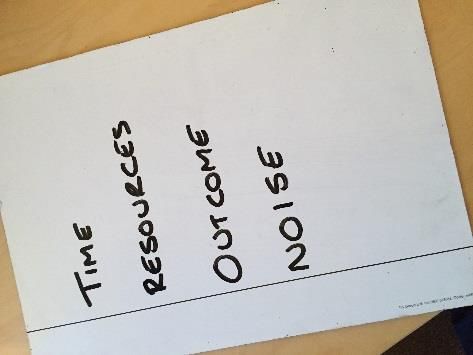
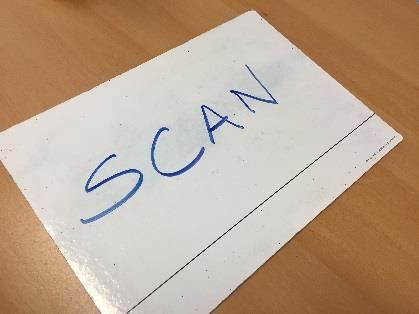
say to the teacher must help student check, 3-2-1, stand still, talk partners)
learning and make the lesson go more as a visual prompt can work well.
smoothly.
I sometimes use an app on my iPad
12. Be as brief and concise as possible as called ‘Make it Big’ to do this.
not to interrupt the flow or the thought
processes of You may also use other physical non-
the teacher. verbal cues. For example,
Remember exaggerating your own stance and
that they will posture will remind your teacher to
probably be stand still and face the class.
scanning their class as you talk to
them. Allow and expect them to be 14. Model for the teacher, if appropriate.
doing this. Sometimes words may not be enough
and in order to fully understand the
teacher may need to have the strategy
modelled to them. Agree this
beforehand so not to challenge their
leadership and authority in their
classroom. This can work really well
with novice teachers who may not
13. It may be possible to communicate have a sufficiently developed mental
with the teacher non-verbally. A hand model of excellence.
gesture to encourage them to do
something or a sign to remind. An Practice doesn’t make perfect. It makes
athletics coach I had many years ago permanent. Therefore, try to ensure that
used to write brief reminders of things I your teachers practise correctly otherwise
had to remember on pieces of card poor habits will become quickly engrained
that were left by the runway - a visual and these are really hard to break.
prompt to help me keep focused and Frequent live feedback will help
remind me about what we had been enormously here as it has the power to
trying to do in training. One or two influence the lesson and therefore the
words on a mini whiteboard (Scan, learning in the moment, build great habits
and also save time on lengthy feedback
conversation too which is a real bonus.
Page | 10Fostering semantic space in schools for professional
collaboration and growth
A Research Working Paper by Deborah M. Netolicky
Schools are talk-based organisations service to what we would hope for the
professional learning culture our schools?
Harvard academics and developmental Schools and education systems need to
psychologists Robert Kegan and Lisa use terms like ‘coaching’, ‘mentoring’, and
Lahey (2001) say that our places of work ‘PLC’ with a common understanding and
are places in which certain forms of an ability to enact that understanding in
speech are promoted or encouraged, and practice.
places where other ways of talking are
discouraged or made impossible. Working Coaching shifts organisational talk
in six schools across my almost-twenty
year teaching career thus far has shown One thing that has influenced my own
me in practice that schools, like other professional talk is coaching. Since 2012 I
organisations, are places in which certain have been deeply immersed in coaching
kinds of talk are promoted, while others in schools; that is, coaching for the
are limited or suppressed. professional growth of teachers and
school leaders. I led the design, piloting
Étienne Wenger (1998), in his seminal and implementation of a coaching model
work on communities of practice (upon for teachers at my school, and continue to
which professional learning communities develop processes and practices to
and other collaborative education support professional learning and
structures are based) notes that policies conversation, of which coaching is a part. I
and procedures are important, but that am trained in cognitive coaching, and am
practice is what produces results. We now also training in GROWTH coaching.
need alignment between organisational The context of my PhD was the school-
design and the work and talk that occurs based coaching intervention at my school.
on a daily basis. Do our policies and Through my research (Netolicky, 2016), I
procedures live and breathe in our found that:
organisations, or do they pay mere lip
Page | 11Leeds Beckett University
being part of a school-based pushing a personal agenda; they are ones
cognitive coaching model is an in which the listener serves the talker via
identity-shaping experience, which thoughtful and deliberate ways of talking
can have positive, unexpected, and ways of being in conversation.
non-linear impacts on and beyond
individuals; and Collective semantic space
the combination of being a coach
and coachee can facilitate At the above-mentioned conference,
empowerment, professional Rachel Lofthouse talked about Kemmis
growth, and changes in practice. and Heikkenen’s (2012) notion of
semantic space as a frame for thinking
Last year, while on a coaching in about organisational talk. Semantics is
education research panel at the Australian about linguistic meaning; the logic of
National Coaching Conference in language. In organisations a semantic
Melbourne with Professor Rachel space is about ‘how we talk around here’,
Lofthouse, Professor Christian van the meanings of words, the way
Niewerburgh, and Alex Guedes, I made a communication happens. Lofthouse and
point around shared terminology within a Hall (2014) define semantic space as one
community. We were at a conference of professional dialogue, constituting tone,
about coaching, for coaches. As I choice of words, routines of dialogue, and
navigated the conference I noticed that balance of participation in conversation.
even the informal corridor conversations
had a coaching approach and used Semantic space interacts with
coaching language. Many of the organisational structures, physical spaces,
conference attendees clearly had what and relationships. In my work I notice that
Christian van Niewerburgh (2014) calls a classrooms and offices influence the talk
‘coaching way of being’; a conversation that goes on within them. Do staff sit and
with them is a coaching conversation. breathe a sigh of relief when they enter a
Coaches actively and intensely listen, manager’s office, or perch stiffly at
paraphrase, pause, and ask thoughtful attention? In classrooms, do students act
questions designed more for the benefit of with familiarity and autonomy, or anxiety
the talker than the listener. These aren’t and disaffection? Our relationships and
conversations where the other person is spaces influence the talk and the work that
waiting for their turn to say their piece or go on in our schools.
Page | 12Leeds Beckett University
Semantic space is collective. Costa and part of our default position in terms of staff
Garmston (2015) draw on the concept of development: trusting the capacities of our
holonomy to articulate the simultaneous staff and supporting them to reflect and
individual-ness and collective-ness of improve. However, coaching is not our
members of an organisation. Each of us is only tool for developing professional
at once an autonomous individual and a culture. For instance, we also use data,
networked member of the group. collaboration, mentoring, self-reflection,
goal setting, professional learning groups,
The talk is the work negotiated professional pathways, and
differentiated leadership opportunities.
The words we use, the way we talk, and
the way we interpret language are vital to Leaders at my school have been
our work, especially in education. In her consistently trained in coaching in various
conference keynote last year Rachel ways since 2005, and developing a
Lofthouse said, “Don’t talk less and work coaching culture has been a focus on
more. The talk is the work.” The way we which the school has invested time and
talk can influence the way we think and resources. This has meant that the
the way we behave. In any organisation it language of coaching infiltrates the
is important to work on ‘how we talk organisation in subtle ways. Our semantic
around here’ as well as why we talk, when space is not as stark or obvious as the
we talk, what we talk about, and how coaching approach to conversations at
we want to talk. last year’s Australian National Coaching
Conference, but coaching does influence
My school has been deliberate about the the way staff talk with one another, as well
role of coaching in our professional as how they talk with students and
culture, grounded in a focus on growth parents. Talk is not inconsequential in
and a belief in the capacity of everyone in schools. It is the foundation for collective
our community to grow and improve. It is culture and individual growth.
References
Costa, A. L. & Garmston, R. L. (2015). Cognitive coaching: Developing self-directed leaders
and learners. Moorabbin, Australia: Hawker Brownlow Education.
Page | 13Leeds Beckett University
Kegan, R., & Lahey, L. L. (2001). How the way we talk can change the way we work: Seven
languages for transformation. John Wiley & Sons.
Kemmis, S. and Heikkinen, H.L.T. (2012). Practice architectures and teacher induction. In:
H.L.T. Heikkinen, H. Jokinen, and P. Tynjälä, eds. Peer-group mentoring (PGM):
peer group mentoring for teachers’ professional development. London: Routledge,
144–170.
Lofthouse, R., & Hall, E. (2014). Developing practices in teachers’ professional dialogue in
england: Using coaching dimensions as an epistemic tool. Professional Development
in Education, 40(5), 758-778.
Netolicky, D. M. (2016). Coaching for professional growth in one Australian school: “Oil in
water.” International Journal of Mentoring and Coaching in Education, 5(2) pp. 66-
86.
van Niewerburgh, C. (2014). An introduction to coaching skills: A practical guide. London:
Sage.
Wenger, E. (1998). Communities of practice: Learning, meaning, and identity. Cambridge,
UK: Cambridge University Press.
Page | 14Leeds Beckett University
Mentoring as a feminist academic
A Thinkpiece Working Paper by Kirstein Rummery
One of the very first things I did as a them myself, but to help my fellow women
professor was to start mentoring early overcome them as well.
career academics. I was lucky enough to
work with some brilliant mentors as I was
I got pushed into serving on promotions
developing my own career, and I felt duty
committees, initially as a representative of
bound to pass on the support and wisdom
the non-professoriat, then later as that
I knew had made my work possible. I
rare thing, a female professor who
knew from experience that the 'inside
understood how things worked across
knowledge' that you gain from being
different disciplines. I got the know the
mentored is priceless, as was the support
written and unwritten rules of things like
from people who had been there, done
the Research Excellence Framework,
that, and survived.
what an 'international' reputation really
meant, what 'counted' and what didn't. I
It was particularly important for me learned how to spot successful people and
because I was a first-generation university emulate them, how to network, the
graduate, and I grew up abroad. I never importance of inside knowledge, and how
learned the middle-class unspoken code to represent your discipline and your
of getting ahead. I hadn't been to the right institution outside your work. I learned
schools, I didn't know the right people, I about enemies: how you could make them
had no role models from whom to learn. I without meaning to, and how powerful
was just bright, feisty, good at research, they could be.
and lucky enough to be in the right place
at the right time when funded
And the most important thing I learned, the
postgraduate opportunities came up. It
hard way, was how to return to work and
was also important to me as a feminist
get your career back on track after being
academic: as soon as I recognised and
away on maternity or sick leave.
understood some of the structural issues
that oppressed women in my chosen field
Mary Ann Mason (Mason et al, 2013) and
of work, I felt an ethical and political
other scholars have documented the
obligation not just to try and overcome
penalty that academic women pay for
Page | 15Leeds Beckett University
having a family, as against the positive bodies to one side and fit in to academic
boost having a family has on men's career norms.
trajectories.
And whilst I still maintain there is an
It isn't just the time away from work: on important role for academic mentoring as
return, women are often doing the double a tool for supporting women, I have come
shift of the burden of arranging and doing to realise how insidious mentoring and the
the childcare; out of touch with current reliance on mentoring has come to be.
research in their field; having given up
PhD students and research grants; having
Programmes like the Leadership
their ideas, work and students poached by
Foundation's Aurora leadership training
childfree colleagues; finding international
rely on senior women providing their
conferences and networking incompatible
labour for free to mentor the next
with the needs of a young family; taking on
generation of promising academic women,
more pastoral and emotional labour in the
and teaching them how to develop their
workplace whilst their male colleagues are
own leadership skills within the academy.
building up their research and absenting
In other words, women must learn to
themselves from frontline teaching; finding
adapt to academia, and help each other
the expectation of working 24/7 just to
do so, not the other way around.
keep up any kind of competitive ability
impossible.
What would it look like if we stopped
making women adjust to the patriarchal
So I took it upon myself to mentor early
world of academia? What if we focused
career academics, particularly mothers, on
instead on the structural issues that
how to rebuild their careers without losing
oppress women? On the overreliance and
their sanity. How to build effective,
overvaluing of competitively funded
supportive teams. How to focus on their
research? On the treatment of academics
writing and grant applications when they
as income generators instead of scholars?
were being distracted. How to avoid the
On the undervaluing of teaching and
'mummy track' and pull in all the social
pastoral care? On the overvaluing of male
capital they could to be able to do the
markers of esteem such as membership of
work that 'counted'. How, in other words,
elite male-dominated clubs? What if we
to 'lean in' (Sandberg, 2013) to the world
rewarded 'difficult' feminists who
of academia, put their emotions and their
challenged sexist teaching and
Page | 16Leeds Beckett University
scholarship? Or people who acted with an I suspect we wouldn't need to mentor
ethic of care in the workplace, devoting women, because the oppressive
their time to research and teaching in a structures that meant they needed the
co-operative way and focusing on the mentoring in the first place wouldn't be
wellbeing of others rather than their there.
personal empire building?
And I suspect we would have a better,
What would the academy look like then? kinder, more effective academy for it.
References
Mason, MA, Wolfinger, NH and Goulden, M (2013) Do Babies Matter? Gender and family in
the ivory tower, Rutgers University Press: New Brunswick.
Sandberg, S (2015) Lean In: Women, work and the will to lead, WH Allen: London
Page | 17Leeds Beckett University
Researching the Impact of Changes to Mentoring
Approaches within a Large Initial Teacher Education
Partnership
A Research Working Paper by Karen Vincent
ABSTRACT seen as pivotal in facilitating mentor
development within the schools in which
Ensuring high quality mentoring for
student teachers who are in the initial they were assigned. They were to support
phases of their teaching career is vital and
the development of mentoring through
it is important that school-based mentors
are well supported (Smith, 2017). The role coaching approaches, within our
that Universities play, as both quality
partnership schools across both primary
assurance and as support for partnership
schools (who are increasingly responsible and secondary phases of education.
for the training of new teachers), has
increased in complexity in recent years. In order to support this changed model of
This working paper offers an insight into a
practice, a partnership evaluation
changed approach that one large initial
teacher education partnership in the South framework was designed to support our
East of England has taken in supporting
ongoing self-evaluation. The framework
the development of mentoring. It shares
the findings of an evaluation designed to had been created with our partnership
research how this changed approach has
schools and was intended to enable a joint
been experienced by mentors within the
partnership and shows that whilst there is construction of meaning about provision
still more work to do, this approach has
and facilitate a discussion regarding
been overwhelmingly positive.
available opportunities for further
development. The belief is that raising the
Background
status of mentoring will benefit all partners
Significant investment in a different model involved in partnership working. The
of partnership (initiated by a review of framework covers four themes: induction,
working practices in 2014) had realigned professional development,
the roles of the mentor (school-based) and mentoring/coaching and working in
link tutor (university-based visiting tutor) partnership and contains sets of
when working with student teachers on statements for school mentors and
our initial teacher education programmes. university link tutors to consider together,
Instead of link tutors’ prime focus being on wherever they both are in their
supporting student teachers (and mentors) professional development and to use
during placements, they were now to be
Page | 18Leeds Beckett University
these in setting targets for continued all experienced in doing research. The
development. team continues to grow both in number of
members and in expertise, through
Alongside the framework, a Mentor
support from colleagues in the faculty.
Development Programme was also
These include the Head of School who
conceived, written and taught within our
has acted as sponsor to the project and
partnership areas. This programme is
other research based colleagues who had
underpinned by the National Standards
more experience in doing research and
(DfE, 2016) and was designed to
could offer valuable suggestions at pivotal
supplement the framework and support
moments.
the continued development of provision
within the partnership. Where areas for
development are identified, the Mentor
Methodology
Development Programme can help to
The project adopted a mixed methods
support continued development. The
approach and data was drawn from
programme is research informed and
multiple sources. In line with University
designed to support the identification of
policy and best practice, we conducted our
mentors’ personal attributes and further
evaluation with clear adherence to ethical
their mentoring skills as well as offer
practice and principles.
collaborative networking opportunities.
Considering how Kemmis’ et al’s (2014)
architecture of practice might be used as a
Forming the research team
way of making sense of our data through
There was a need to evaluate this the interpretation of ‘doings, sayings and
substantial 'investment' and the evaluation relatings’ was a really helpful way to
project sought to understand what impact conceptualise the project. Kemmis et al
the Mentor Development Programme and (2014) conceptualise mentoring as a
individual development was having on the specific kind of social practice in terms of
quality of mentoring. The project lead was a theory of practice architectures. i.e.
assigned in July 2016 and the team specific cultural-discursive, material-
formed through an invitation to all teacher economic and social-political
education colleagues within the faculty. arrangements found or brought into a site
Initially six members of the team met to that enable and constrain a practice:
plan the project. They were all teacher arrangements that make the practice
educators within the faculty but were not possible. ‘Understood as a social practice,
Page | 19Leeds Beckett University
mentoring is a specific kind of cooperative notes. The evaluation had many strands,
human activity in which characteristic aiming to capture multiple perspectives.
actions and activities (doings) are Findings were thematically analysed
comprehensible in terms of relevant ideas (Strauss and Corbin, 2009) and emerging
in characteristic discourses (sayings), and themes were used as a basis for further
in which the people and objects involved analysis in relation to mentors’ doings,
are distributed in characteristic sayings and relatings (Kemmis et al,
relationships (relatings)’ (Kemmis et al, 2014).
2014).
The team aimed to understand: The
Gaining access to mentors’ perspectives
different things people in the partnership
required the research team to go out into
were saying about mentoring (sayings),
the field as this was not information
the different things people in the
gathered routinely. They did this through
partnership were doing when mentoring
individual mentor conversations (including
(doings) and the different ways people
a sorting activity where mentors were
were relating to each other in the
asked to decide which statements were
partnership when mentoring (relatings).
most and least important to them) and
Adopting this theoretical framework gave
through structured group discussions at
us a solid basis from which to gather our
area meetings. Other sources of data
data.
were obtained through activities that were
naturally occurring within the university
and partnership. Nine mentors in total
Establishing a responsive and adaptive
consented to being part of the individual
approach to the gathering of data using
research conversations. They understood
mixed methods.
that they were free to withdraw from the
A responsive and adaptive approach was
research at any time. The mentors were
required given that the majority of the
recruited through pre-existing relationships
team were novice researchers. Mixed
with university tutors, some offered to be
methods were used in order to capture
part of the research through attendance at
perspectives on mentoring that could be
the Mentor Development Programme and
used to evaluate impact. These included
some were specifically requested to be
documentary and data analysis, mentor
part of the research. We aimed to
interviews and elicitation exercises, field
represent the many different ‘types’ of
notes and discussion responses and
mentors that work in partnership with us
Page | 20Leeds Beckett University
and obtained a wealth of data to draw in order to support student teachers as
from when undertaking the thematic well as the support from link tutors for their
analysis. role. Mentors draw on the support of their
colleagues and rely on the strength of their
professional relationships to ensure that
Findings and Discussion
the students’ experience as positive a
What are people in the partnership school experience as possible.
saying about mentoring?
Mentors are also very conscious of their
Mentors see an important part of their role responsibility as gatekeepers to the
as inducting new professionals through profession. They work hard to ensure that
collaborative self-development. Skills student teachers meet the standards
mentioned within this include; building required of teachers (DfE, 2013). They
independence and resilience as well as recognise this as a challenging and
encouraging pro-activeness and initiative. demanding aspect of the work, particularly
Coaching approaches are seen to be an when they are acting as a lead mentor in
important way of achieving this. A sense the school. They also recognise that there
of purpose appears to be important to is a requirement to act if the standards are
mentors for example, one mentor stated not upheld. Being a mentor and guide
that a determination in supporting others does not appear to be without its tensions.
to succeed is important, as is knowing
when to take a step back. Factors that
What are the different things that
support this development are: the
people in the partnership are doing to
relationship with the link tutor, mentor
support the development of
development opportunities and the
mentoring?
partnership evaluation framework. It is
noted that these have been key Our research found out that the Mentor
improvements in more recent years and Development Programme is considered to
that reliability, consistency and be professional and well-organised with
reassurance for mentors is of vital good resources and networking
importance if they are to be as effective as opportunities. Mentors have valued the
possible. inclusion of research-based models in
gaining new insights into their mentoring
Personal support appears to be important
and learning from this. The partnership
to mentors: both the collaboration and
area meetings are seen to be useful for
teamwork that schools undertake together
Page | 21Leeds Beckett University
getting new information and learning from required and to undertake more lesson
one another and the Partnership observations has meant that the link
Evaluation Framework is seen as valuable tutors’ role as professional developer is
in supporting and enhancing mentors’ crucial in ensuring quality, however there
professional learning. Some mentors remain pockets of confusion about how
commented that the moderation of this this role in supporting students should
within school can sometimes pose a operate.
challenge, particularly when there are
different types of student/mentor pairs
Conclusions and issues for
within the school.
consideration
Mentors are also feeling a greater
Kemmis et al (2014) state that mentors
responsibility for the assessment of
need to consider the types of dispositions
student teachers which appears to be
that their mentoring might foster in
impacting on their workload. Moderation of
developing their mentees. If the
student achievement, within and across
partnership is to have consistency,
schools can be a challenge, particularly
considering the relationship between link
when attendance at area meetings is not
tutors and mentors in the development of
possible. Contact with the link tutor
particular dispositions becomes important.
therefore appears to be particularly valued
by mentors in terms of validating and The findings show that mentors in this
moderating judgements. partnership have developed a variety of
different ‘types’ of dispositions towards
their mentoring practice. Kemmis et al
How are people relating to each other?
(2014) categorise these in the following
The Mentor Development Programme has ways:
had an impact on mentors’ self-efficacy. It Supervision: mentors adopting the
has raised the status of the mentoring role disposition of a supervisor and perhaps an
and had an impact on mentors’ agent of the state, and mentees therefore
confidence. Area meetings are not seen to likely to develop a disposition of
have such a developmental focus but are compliance to state authority
a valuable source of support and guidance Support: mentors developing a disposition
for mentors. to be a helpful professional colleague and
guide, and mentees developing a
The greater responsibility felt by mentors
disposition towards continuing
to have difficult conversations when professional development
Page | 22Leeds Beckett University
Collaborative self-development: mentor- to emphasise coaching approaches during
mentees developing dispositions towards link tutor and mentor development
engagement in professional communities opportunities and consider how we might
committed to individual and collective self-
begin to address some of the tensions
development
arising from the contradiction between
mentoring and coaching approaches.
Based on the evidence examined, the The Partnership Evaluation Framework is
majority of mentors conceptualise their having an effect on how mentors and link
role as that of a helpful professional tutors approach their work however,
colleague and guide; as support. To a moderation within and across schools and
lesser extent, the role was seen as either phases appears to be a continued
that of supervision or as collaborative self- challenge given the nature of our large
development. This finding is raising some partnership. We are considering how
interesting discussions amongst moderation of the evaluation framework
partnership colleagues. might be further embedded through the
Whilst the Mentor Development use of data management systems that can
Programme and the promotion of enhance cross phase working.
individual development opportunities for
mentors has had substantial impact on the
Undertaking this evaluation has had many
professional development of mentors
benefits for the whole partnership. It has
within the partnership to date, we are not
created a solid body of evidence about a
complacent. We are also considering how
changed way of working from which to
we might maximise our partnership
move forwards in an evidence-based way.
schools’ ability to forward plan for their
However, as a by-product, it has also
own development and how link tutors
enabled a group of teacher educators to
might be further supported in nurturing
develop their experience and expertise in
mentors’ dispositions towards
doing research. This is often a challenging
engagement within professional
and demanding aspect of their role. The
communities.
next phase of the project will focus on
As coaching approaches across all understanding the experiences of link
phases appear to be valued, we also need tutors and we look forward to reporting this
to consider how the partnership continues at a later stage.
Page | 23References
DfE (2013) Teachers’ Standards. Accessed at:
https://assets.publishing.service.gov.uk/government/uploads/system/uploads/attachm
ent_data/file/665520/Teachers__Standards.pdf Accessed on 12.4.18
DfE (2016) National Standards for school-based initial teacher training (ITT) Mentors
https://assets.publishing.service.gov.uk/government/uploads/system/uploads/attachm
ent_data/file/536891/Mentor_standards_report_Final.pdf Accessed on 12.4.18
DfE (2016) Standard for teachers’ professional development
https://assets.publishing.service.gov.uk/government/uploads/system/uploads/attachment_da
ta/file/537030/160712_-_PD_standard.pdf Accessed on 12.4.18
Kemmis, S., Heikkinen, H. L. T., Fransson, G. Aspfors, J., Edwards-Groves, C. (2014)
Mentoring of new teachers as contested practice: Supervision, support and
collaborative self-development. Teaching and Teacher Education 43, pp154-164
Smith, K. (2017) Learning from the past the shape the future. European Journal of Teacher
Education 40 (5) pp630-646
Strauss, A., and Corbin, J. (1990). Basics of qualitative research: grounded theory
procedures and techniques. Newbury Park: Sage.
Page | 24Leeds Beckett University
Reflecting on the Third Edition of the Training and
Assessment NASBTT 2018 Toolkit
A Thinkpiece Working Paper by Carl Wilkinson
Introduction To secure accuracy and consistency in
The National Association of School-Based assessing and tracking the quality of a
trainee’s teaching over time through
Teacher trainers (NASBTT) have
launched their third edition of the Training (this author’s italics) their impact on
and Assessment Toolkit for Initial Teacher pupil learning and progress
Training (ITT). NASBTT is the association Provide the basis for a shared
that represents School Initial Teacher understanding and common language
Training (SCITT) ITT provision, whereas for all members of an ITT partnership
the Universities Council for the Education The key considerations developed in this
of Teachers (UCET) represents, largely, third edition of the TAT are;
university and college provision. The two
How well trainees teach should be
associations are separate, but work
assessed by the impact their teaching
closely and have similar goals; they
has on all pupil’s progress and
market themselves as the voice of teacher
learning over time: this should be the
training. The following section draws upon
driver for all partnership processes
direct pertinent information from the
The focus on progress “over time” for
Training and Assessment Toolkit
trainees and pupils increases the
Workshop handout from Monday 16th April
significance of ensuring well-timed
2019.
review points
The TAT is evidence based on holistic
The Third Edition of the Training and professional judgements and as the
Assessment Toolkit (TAT) Teachers’ Standards are interrelated, a
The TAT is a mechanism for assessing shortfall in trainee skills against any one
initial teacher trainees against the standard is likely to impact on the
Teachers’ Standards while on placement progress pupils make. This means that
in a school. The toolkit has the following the weekly meetings held between the
aims; trainee and their school-based mentor
should be evaluative, focus on the impact
of teaching on the pupil progress, which
Page | 25Leeds Beckett University
will generate pupil-focused targets. The A lack of skill results in limited pupil
pupil data used as evidence to judge a progress
trainee’s progress is termed an evidence Trainee targets are pupil focused
bundle, its purpose is to identify; A trainees strength will be evaluated
The impact on pupil progress to on the amount of pupil progress
determine the strength of their A typical evidence bundle could consist of
teaching the following;
How it can inform accurate learner-
Pupil data
focused target setting.
Annotated samples of pupils’ work,
The effective use of a trainee’s evidence including homework
bundle can; Self and peer assessments
Ensure that trainee assessment is undertaken by pupils
informed by the full range of evidence Trainee examples of marking
beyond (the document’s bold) Examples of planning, observations
observation and lesson evaluations focusing on
Judge by the impact on pupil progress pupil progress
Avoids reliance on a numerical system Exams and tests
Reduces collection of evidence not Samples of pupils’ progress
directly related to pupil progress. Start and end points of pupil progress
This leads to the following format; Reflection/Discussion
There is no doubt that in a performative
educational system that teaching and
learning within the educational setting are
directly linked, the only point open for
discussion is what that learning should
The TAT anchors quality of trainee with
consist of, is it knowledge of the
pupil progress;
curriculum, work related skills/life related
The impact on pupil’s progress is skills, health and wellbeing awareness,
dependent upon the skills and morals, religious dogma/diversity,
knowledge trainees demonstrate as citizenship, metacognition or indeed
they teach merely to generate a love of learning, the
list is endless! The TAT is very much
Page | 26Leeds Beckett University
curriculum based and focuses solely on an Standards grade solely on their impact on
initial teacher trainee’s ability to impact pupil progress is very much determined by
positively on pupil progress within the circumstance and chance and does not
National Curriculum and beyond. ‘The key opportune the trainees who find
factor in judging the quality of teaching themselves placed in more challenging
over time is the impact teaching has on circumstances, which condones an unfair
the quality of learning’ (OFSTED 2018a playing field. Furthermore, if we were to
Paragraph 128). The Preamble to the couple judgement of experienced
Teachers’ Standards state that ‘teachers teachers’ practice with the Teachers’
make the education of their pupils their Standards solely based on pupil progress
first concern, and are accountable for would this mean that a large percentage of
achieving the highest possible standards the teaching workforce were not fit to
in work and conduct’ (DFE no date). practice? For example, considering the
Indeed Teachers’ Standard 2 ‘Promote most recent OFSTED reports for
good progress and outcomes by pupils’ Secondary schools consisting of 3,135
stipulates the importance of working schools in England, 21% are considered
towards maximum pupil achievement’. inadequate or in need of improvement and
Secondary schools inspected between
September 2016 and 2017, 900 in total,
However, it should not be forgotten that
38% were awarded grades 3 or 4.
the Teachers’ Standards are intended for
Another example posed could be the
teachers’ capability, as well as trainee
Government’s gold standard of English
teachers to be judged on their capacity to
and Mathematics grade 4 or above at
learn how to teach. Notwithstanding the
GCSE, approximately 30% of 16 years
realisation, that ITT is not the end of a
olds failed to reach this standard (GOV.UK
trainee teachers learning, as the Newly
2018).
Qualified Teaching (NQT) three school
terms completes their induction into the
teaching profession, along with their Combining these two factors, OFSTED
entitlement for further continuous rating and GCSE performance in English
professional development, as well as a and Mathematics, does this imply that
reduced timetable, in recognition that they 30% of the teaching workforce is not
have not fully formed. Surely a discussion having the desired impact on pupil
point with regards to coupling teacher progress and so therefore is not fit to
trainees’ individual and overall Teachers’ teach? It is interesting to note that even
Page | 27You can also read


