Cooperation between Meteo Services and Civil protections at European Scale - Michael Staudinger ZAMG / ISDR - UPC
←
→
Page content transcription
If your browser does not render page correctly, please read the page content below
Cooperation between Meteo Services

and Civil protections at European Scale

 Michael Staudinger ZAMG / ISDR

                                          Zentralanstalt für
                                          Meteorologie und
                                          Geodynamik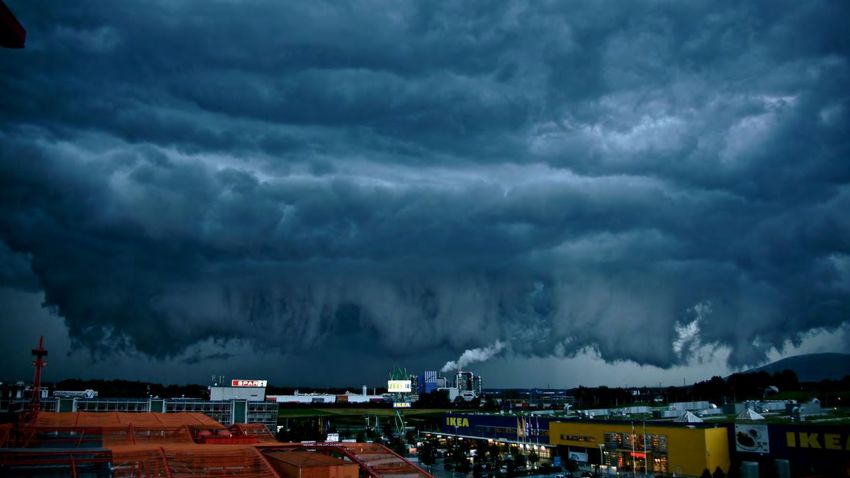
Sendai Framework of actions: 7 global targets
for 2015 - 2030
Substantially reduce global disaster mortality
(aiming to lower average per 100,000 global mortality between 2020-2030 compared to 2005-2015)

Substantially reduce the number of affected people globally
aiming to lower the average global figure per 100,000 between 2020-2030 compared to 2005-2015.

Reduce direct disaster economic loss in relation to GDP

Substantially reduce disaster damage to critical infrastructure
and disruption of basic services (among them health and educational facilities, including through developing their resilience by 2030)

Substantially increase the number of countries with national / local DRR strategies
by 2020.

Substantially enhance international cooperation to developing countries through
adequate and sustainable support to complement their national actions for implementation of this framework by 2030.

Substantially increase the availability /access to multi-hazard early warning systems
and disaster risk information and assessments to the people by 2030.

                                                                                                                            Zentralanstalt für
                                                                                                                            Meteorologieund
                                                                                                                            Geodynamik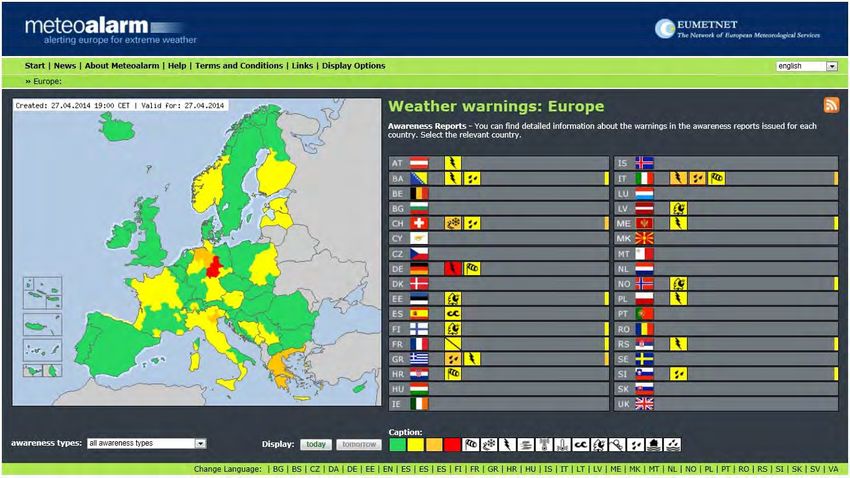
SFA: new paradigm

Paradigm shift in national or local agencies (as NMHS), in:

1. Advancing from the current status as providers of forecasts and early
   warnings to providers of:
       impact‐based forecasts and risk‐informed warnings

2. Assuming active roles in all aspects of disaster risk management to
better support national disaster management agencies and local
communities in reducing disaster risk

3. Providing better risk‐based decision support services.

                                                                    Zentralanstalt für
                                                                    Meteorologieund
                                                                    Geodynamik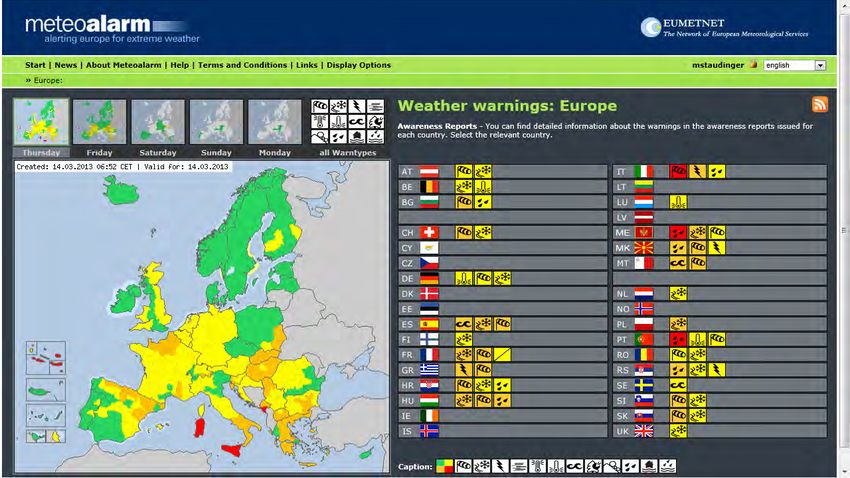
SFA: putting principles into practise

1.   On which level is prevention – warning – response undertaken?
2.   How do these levels interact?
3.   Top down vs bottom up?
4.   How to reach the local level?

                                                                 Zentralanstalt für
                                                                 Meteorologieund
                                                                 Geodynamik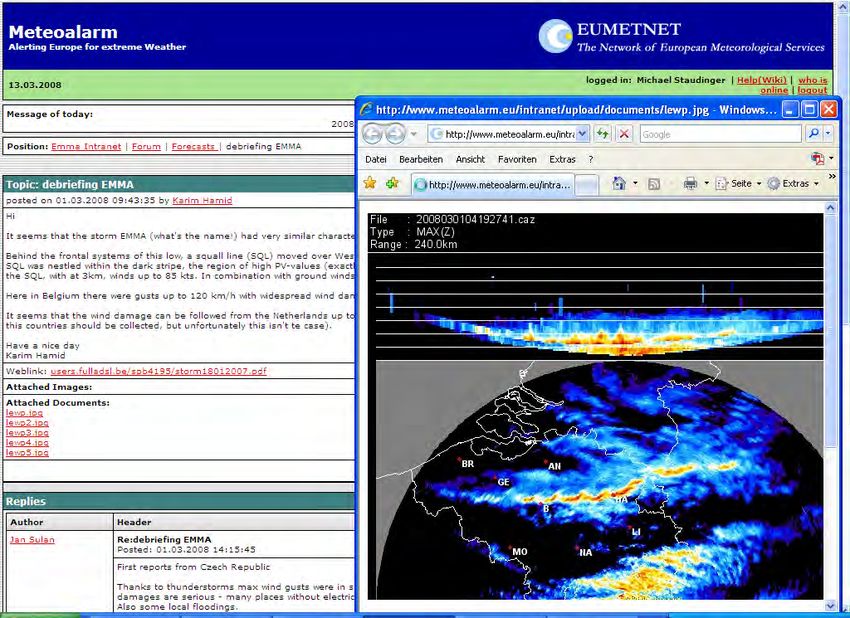
Institutional cooperation (WMO work plan 2015 - 2020

                                                       Zentralanstalt für
                                                       Meteorologieund
                                                       Geodynamik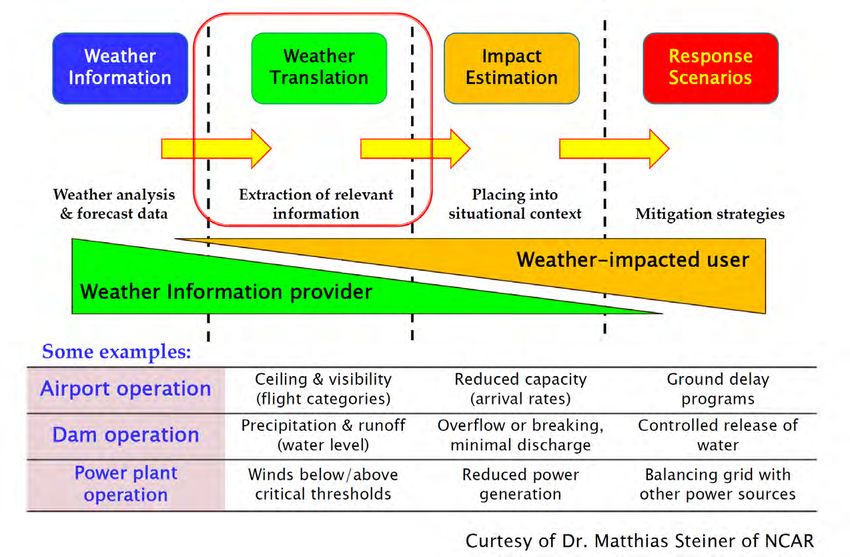
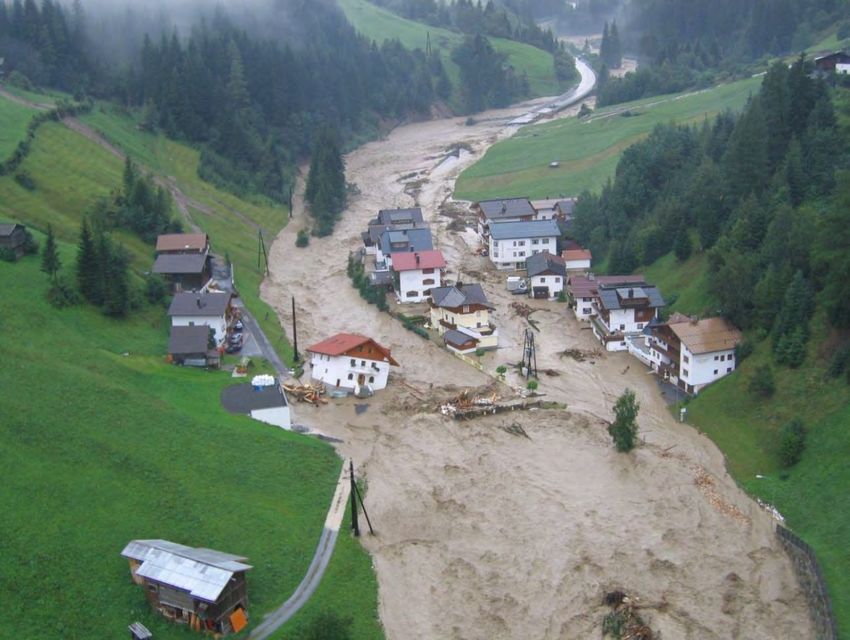
A warning situation– who needs to know what?

                                                       source: BH Landeck
         time, location, severity, certainty . . . .

                                                                            Zentralanstalt für
                                                                            Meteorologieund
                                                                            Geodynamik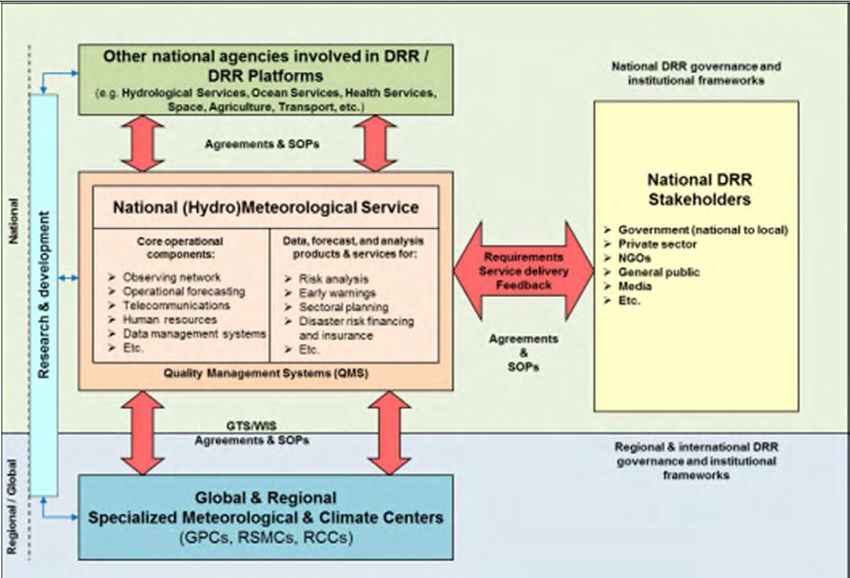
A warning situation– who needs to know what?
  Severe thunderstorms

                                             source: Fabian Lackner, meteopics

         Laundry on the balcony? Event management? Canal system?

                                                                                 Zentralanstalt für
                                                                                 Meteorologieund
                                                                                 Geodynamik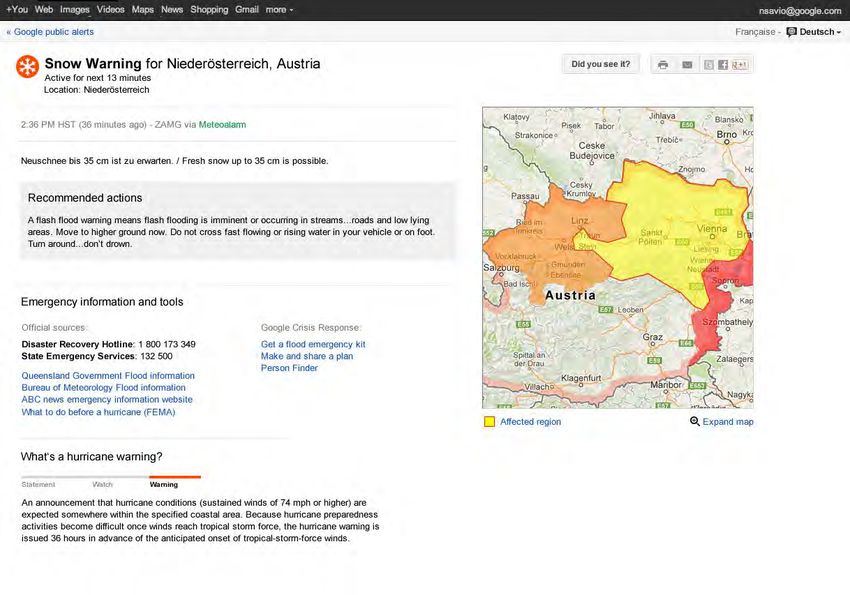
Definition of warnings (ISDR)

 What is a warning?

 Tangible and understandable description of an expected
 damage scenario

          +
 a clear advice what to do

                                                     Zentralanstalt für
                                                     Meteorologieund
                                                     Geodynamik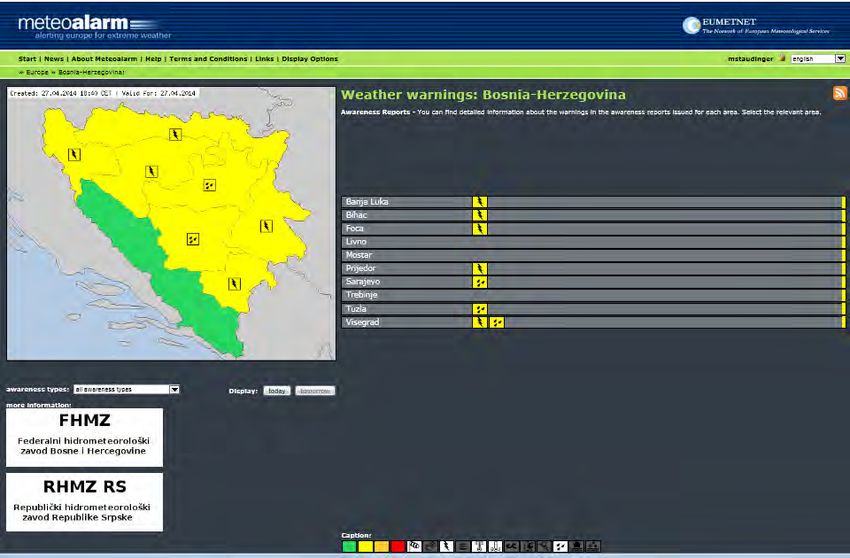
Definition of warnings

 How to communicate within the chain of information?

 Meteorology - Civil Protection:

     Well prepared conversation:

     Evaluating the infos on upcoming damage scenarios

                                                         Zentralanstalt für
                                                         Meteorologieund
                                                         Geodynamik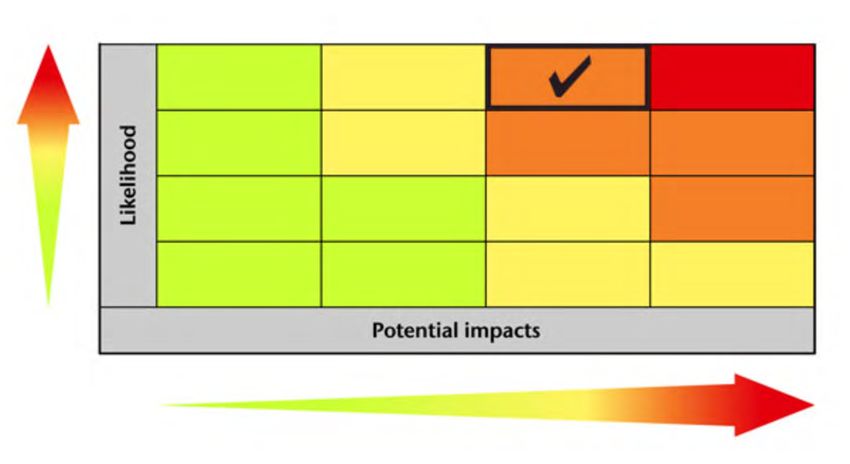
Definition of warnings

 How to communicate within the chain of information?

 Meteorology – Public:

     Less prepared conversation:

        What to do?
        Why?
        Which were similar events?

                                                       Zentralanstalt für
                                                       Meteorologieund
                                                       Geodynamik
Weather translation and integration
Zentralanstalt für
Meteorologieund
GeodynamikStandardized European Warnings - public
Zentralanstalt für
Meteorologieund
GeodynamikEuropean Warnings – Civil Protection : 5 days
Zentralanstalt für
Meteorologieund
GeodynamikMeteoalarm – National level
Zentralanstalt für
Meteorologieund
GeodynamikMeteoalarm – district (regional) level
Zentralanstalt für
Meteorologieund
GeodynamikMeteoalarm Lessons learned (since 2007 1 bio hits/y)
• 4 – level colour code seen as understandable „language“
• Transition from „pure meteorology“ to „impact“well under way
• Links to www.meteoalarm from more than 1300 websites
• Approx. 6 Bio hits since start
• High acceptance with public and professonal institutions
• Civil Protection, First responders (national level) . . .
• „European“ usage by tourists & professionals (e.g. ERCC)
Zentralanstalt für
Meteorologieund
GeodynamikWarning matrix
Colour One word What to do? Damage / Impact Used how Meteo Treshholds
often? e.g. Rain
(Area approx. (area + impact related)
300 000 km2)
Green Weather usual phenomena --- usual phenomena Examples
report
yellow Be aware! caution with exposed objects > 30 per year > 54 mm/12h
exposed activities (avoidable)
orange Be keep informed in general damages 1 to 30 per year > 80 mm/12h
prepared! detail, follow advice (not avoidable)
of authorities
red Take follow order of extreme damage and less then 1 year > 140 mm/12h
action! authorities under /or casualties + large
all circumstances extreme damage (5000km2) scale
be prepared for (mostly) on large phenomena
extraordinary areas, threatening
measures life and properties
(not avoidable, even
in otherwise safe
places) Zentralanstalt für
Meteorologieund
GeodynamikLikelihood vs impact
Zentralanstalt für
Meteorologieund
GeodynamikMeteorological likelihood vs impact
How is the likelihood of an event recognized under multi parameter conditions?
low
XXX
XXX
xxx
25° in December RR 60mm/
60 min
xxxx
xxx
likelihood
RR 200mm
/10 d xxx
xxxx RR 200mm/10 d
xxx
& snow cover ll
snow cover
low landsRisk when general Reaction
high exposed risk needed!!!
low impact high
Zentralanstalt für
Meteorologieund
GeodynamikDefining „warning categories“
Use Use climatological thresholds as guidance
climatologically
defines areas
Consider possible impacts together
with Civil Protection
Define areas of
vulnerability
Seasonal
variations?
Possible
interaction of
parameters?
Divide Damage /Impact in
3 categories
Zentralanstalt für
Meteorologieund
GeodynamikThresholds (Serbia)
Changing
with:
• time of the year,
• climatology of the area
• vulnerabilityDeterming alert levels
criteria at one point/station? no red / lower level
no red / lower level
area criteria (parameter) met?
extreme impact possible? 1 no red / lower level
Positive feedback from civ pro? no red / lower level
optional steps
„red“
1 might be caused by a combination of parametersIntranet – homogenisation of forecaster work
Different pathes towards the public and CP
                                               LAM,
                                               in situ              forecasting              Media, public
EMI - Europen Meteorological Infrastructure

                                              data, …

                                                                  Civil Protection           Media, public

                                               LAM,                 forecasting            Civil Protection                 Media, public
                                               in situ
                                              data, …

                                               LAM,
                                               in situ               forecasting             Media, public
                                              data, …

                                                 forecasting     Civil Protection regio      Media, public

                                                   forecasting    Civil Protection regio       Media, public

                                                                                           ERCC                (Intranet)

                                                                                           Media, public
Different pathes towards the public and CP
LAM,
in situ forecasting Media, public
EMI - Europen Meteorological Infrastructure
data, …
Civil Protection Media, public
LAM, forecasting Civil Protection Media, public
in situ
data, …
LAM,
in situ forecasting Media, public
data, …
forecasting Civil Protection regio Media, public
forecasting Civil Protection regio Media, public
ERCC Prof users
Media, public CAP GoogleGoogle
Zentralanstalt für
Meteorologieund
GeodynamikIt´s all about communication
CP
Zentralanstalt für
Meteorologieund
GeodynamikIt´s all about communication
CP
Zentralanstalt für
Meteorologieund
GeodynamikIt´s all about communication
CP
Zentralanstalt für
Meteorologieund
GeodynamikIt´s all about communication
CP
Zentralanstalt für
Meteorologieund
GeodynamikThanks for your attention!
Zentralanstalt für
Meteorologieund
GeodynamikYou can also read


