COVID-19 vaccines What we know today and what we will need to know tomorrow March 4, 2021 | 12:00 pm ET - Canadian Pharmacists Association
←
→
Page content transcription
If your browser does not render page correctly, please read the page content below

COVID-19 vaccines
What we know today and what we
will need to know tomorrow
March 4, 2021 | 12:00 pm ET

                                 1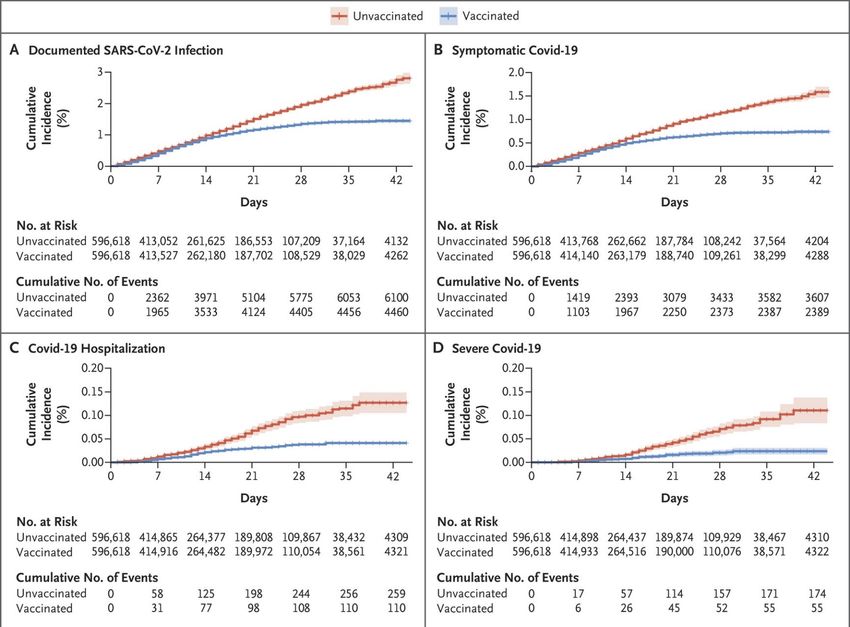
Conflict Disclosure Information
Speaker / Facilitator: Dr. Angel Chu, MD, FRCPC, Clinical Assistant Professor, University
                       of Calgary

FINANCIAL DISCLOSURE (Include all Pharmaceutical Companies)
Grants/Research Support: CIHR
Speaking engagements/Honoraria: Merck, Pfizer, Sanofi Pasteur, AVIR Pharma, Immunize
Canada, Federation of Medical Women in Canada
Consulting Fees: Merck, Pfizer, Sanofi Pasteur, GSK
Other: N/A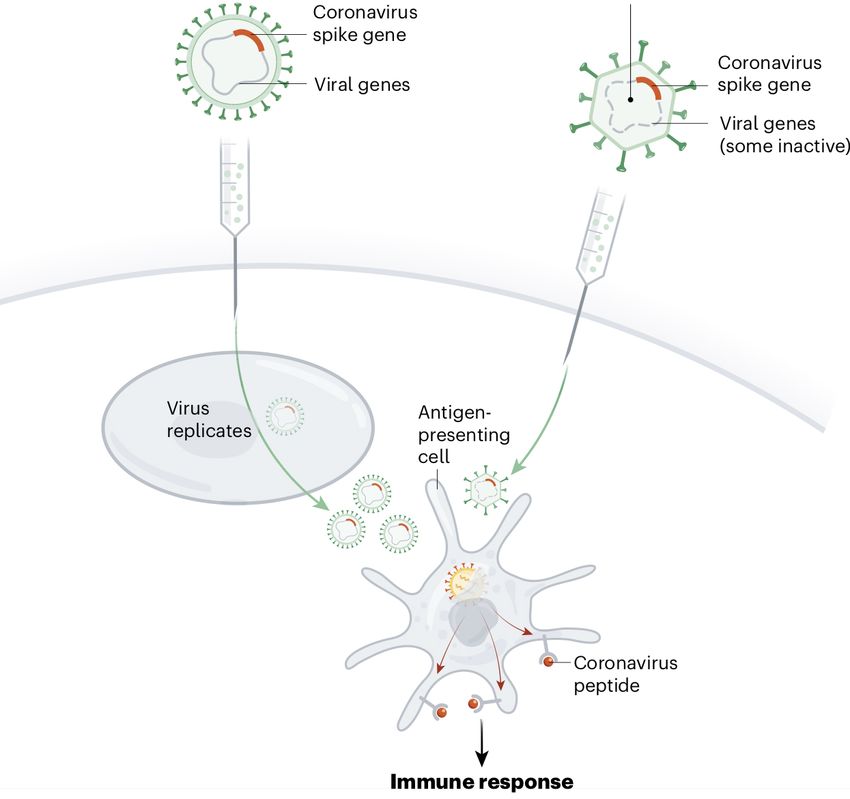
Risk of serious COVID-19 health impacts increases
with age
In Canada, by the end of August 2020, among all age groups, adults over
60 years of age experience the largest proportion of serious COVID-19
outcomes, accounting for:
• 70% of all hospitalizations
• 60% of intensive care unit admissions
• 97% of deaths
• 72% of deaths in LTC and Retirement Homes across Canada

Government of Canada, 2020
Comorbidities
 Adults of any age with the following conditions are at increased risk of severe
 illness from COVID-19:
 • Cardiac conditions                      • Solid organ transplant
 • Respiratory disease                     • Obesity
 • Diabetes                                • Pregnancy
 • Chronic kidney disease                  • Smoking
 • Cancers
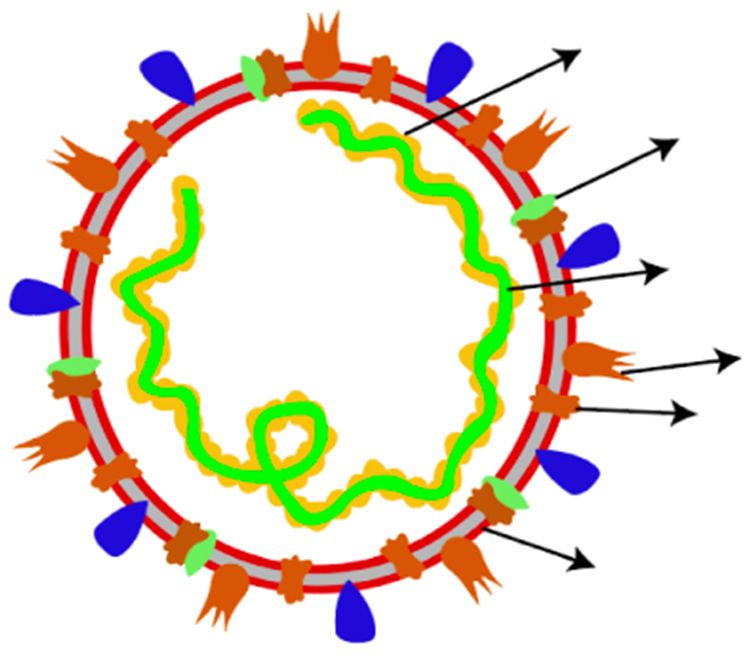
Structure of coronaviruses
                           Nucleocapsid (N) protein

                                Envelop (E) glycoprotein

                               RNA

                                  Spike (S) protein
                                 Membrane (M) glycoprotein

                           Lipid bilayer

Adapted from Zafar et al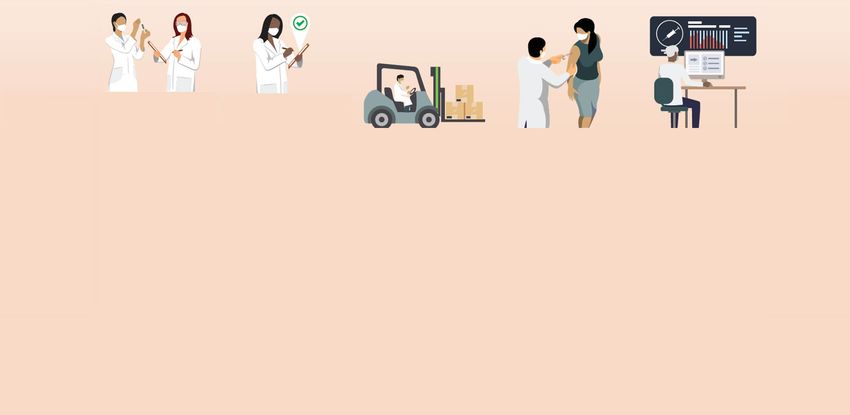
Vaccine development timelines:
Traditional vs. pandemic paradigm
                                           Small scale production               Manufacturing scale-up        Large scale
                                           of clinical trial material                                        manufacturing
 Traditional paradigm
                           Pre-clinical trial         Phase 1                Phase 2             Phase 3         Licensure
        Multiple years

                                                   First in human          Dose selection   Efficacy trial
                                                   (safety)

                           Pre-clinical trial

         Pandemic                           Safety/dose              Safety/
         paradigm                            selection               efficacy
          Shorten
     development time             First in human          Efficacy trial      Regulatory pathway for
                                  (safety)                                    emergency authorization
                               Clinical trial material &                     Large scale
                               manufacturing scale-up                       manufacturing

Adapted from Lurie at al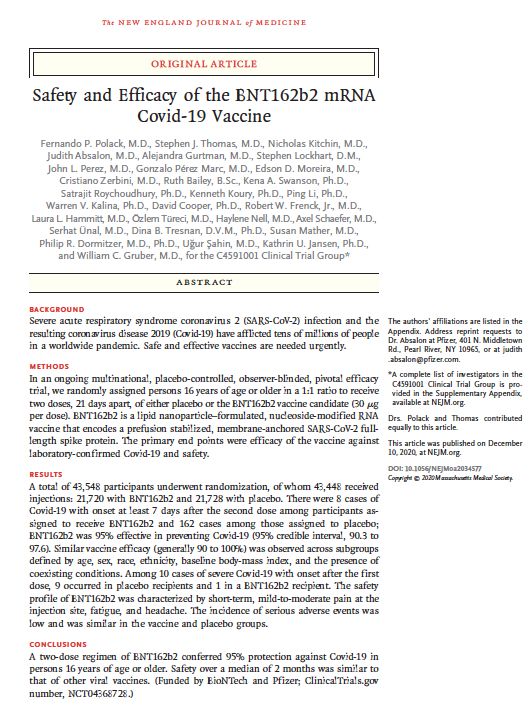
Review and approval of vaccines in Canada

                       Teams of Health          Health Canada
                       Canada experts           approves a vaccine
                       conduct a thorough       if it is safe, it works,   Governments            All Canadians         Continuous monitoring
                       and independent          it meets                   coordinate the         have access to        and review to confirm
                       review of all vaccine    manufacturing              purchase, logistics    the vaccine           the safety of the vaccine,
                       data*                    standards, and the         and distribution of                          and that benefits
                                                benefits outweigh          vaccines across                              outweigh risks
                                                the risks                  Canada

                         Scientific review            Approval                Distribution           Vaccination        Ongoing monitoring and
                                                                                                                                review

                  For COVID-19 vaccines, Health Canada is using a fast-tracked process that allows manufacturers to submit data as it becomes
                  available, and for Health Canada experts to start the review process right away. Vaccines will only be authorized once all necessary
                  evidence is available.

Government of Canada, 2020
COVID-19 vaccines in development

        At least 8 types of vaccines
        are currently in development
        and rely on different viruses
        or viral parts

Callaway E. (2020). Nature, 580(7805):576-577   8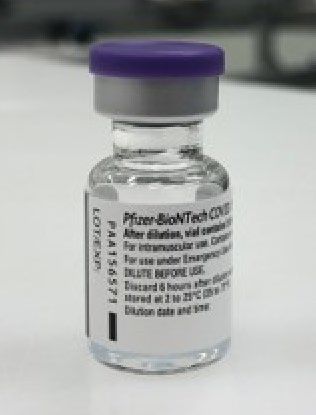
Viral-vector vaccines
                                                 Replicating Viral Vector   Non-replicating Viral Vector
                                                 (weakened measles)         (adenovirus)

        • A virus such as measles or
          adenovirus is genetically
          engineered so that it can produce
          coronavirus proteins in the body
        • These viruses are weakened so
          they cannot cause disease
        • There are two types: those that
          can still replicate within cells and
          those that cannot because key
          genes have been disabled

Callaway E. (2020). Nature, 580(7805):576-577
Viral vector technology
  Advantages                        Potential Disadvantages
  • Years of experience in the gene • Risk for chromosomal integration and oncogenesis
    therapy field studying safety,  • Cannot be used in immunocompromised subjects
    immune responses
                                    • Pre-existing antibodies to some vectors possible
  • Strong antibody and cellular
                                    • Anti-vector immunity may limit boostability
    responses
                                    • Potential for inflammatory adverse events
                                    • Variable immunogenicity
                                    • Significant manufacturing hurdles at scale
Oxford–AstraZeneca COVID-19 vaccine efficacy (2 doses):
• 62.5% against symptomatic confirmed COVID-19 (includes UK variants)
Johnson & Johnson (1 dose):
• 85% against severe disease and 100% against hospitalization/deaths
• 57% against S.African variants
Funk et al, 2020
Voysey et al, 2020
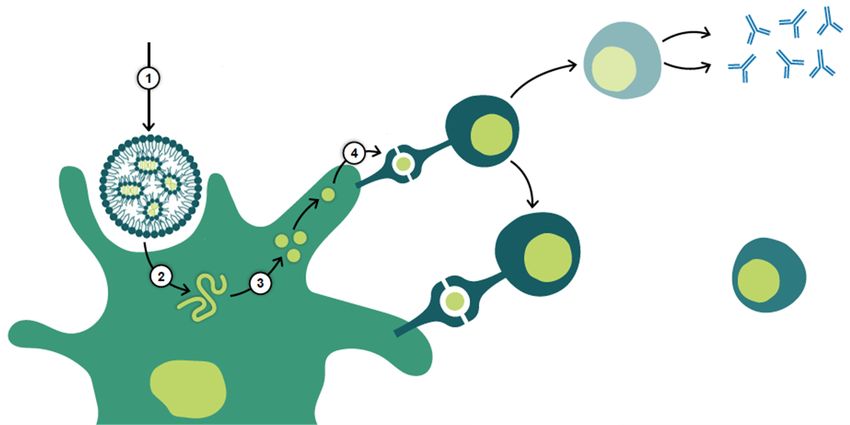
Mode of action of the mRNA vaccine candidates
Cap
5’UTR Spike 3’UTR AAAAAA
CD4+
helper
modRNA T cell
formulated in LNP APCs present
S protein Virus neutralizing
enters cell B cell antibodies
fragments
Bind spike proteins and
Activates prevent virus infection of
T and B cells human cells
mRNA
is released Spike protein is CD8+ cytotoxic T cell
made and Eliminates virus infected Memory T and B cells
processed cells; potentially increases Provide immune memory to
length of protection ensure longer-term
protection against
SARS-CoV-2
Chung et al, 2020
PHAC, 2021mRNA Vaccines • Most potential antigen vaccine candidate for COVID-19 infection is S protein, because it includes surface exposure resulting in direct recognition by the host’s immune system • mRNA vaccines have been in development and clinical testing for the past 30 years, but the technology has not been previously approved • Advantages of mRNA vaccine technology: • safe delivery • rapid design/production • no handling of infectious material • no potential for insertional mutagenesis • strong early antiviral responses • options for multivalent formulation
Differences between two mRNA vaccines
             available in Canada
             Pfizer-BioNTech                                                           Moderna
             Phase 3                                                                   Phase 3
             • 12-15 y, 18-55y, 65-85y                                                 • 18+ y
             • 43,000 in US                                                            • 30,000 in US
             95% efficacy                                                              94.5% efficacy
             Efficacy in 65y+: 94%                                                     Efficacy in 65y+:86%
             2 doses, 21 days apart*                                                   2 doses, 28 days apart*

             Indication: Ages 16+                                                      Indication: Ages 18+
             Median follow up >2months                                                 Median follow up >2months
             No serious safety concerns observed                                       No serious safety concerns observed
             * May be extended to 16 weeks of receipt of the first dose. See NACI statement for full details.

PHAC, 2021
Market authorization with conditions
Pfizer-BioNTech COVID-19 vaccine was authorized for use
in Canada on December 9, 2020
Required to submit to Health Canada:
• Monthly post-market safety monitoring reports
• Any further data on long-term safety and effectiveness
• Further quality data confirming manufacturing
processes and controls will continue to consistently
produce a product of suitable quality
PHAC, 2021
Pfizer Canada, 2020
Government of Canada, 2020Clinical trial • Ongoing multinational, placebo- controlled, observer-blinded, pivotal efficacy trial • 43,548 participants underwent randomization, of whom 43,448 received injections: 21,720 with Pfizer-BioNTech COVID-19 Vaccine and 21,728 with placebo
Primary efficacy endpoint
           • Primary endpoint defined as any symptomatic* COVID-19 case
             confirmed by Reverse Transcription-Polymerase Chain Reaction (RT-
             PCR)
           • Analysis included 36,523 participants 16 years of age and older
             • Safety and immune response data from this trial after immunization
               of adolescents 12 to 15 years of age will be reported subsequently
           • Participants followed for symptomatic COVID-19 disease for a median
             of 2 months

           *Case definition: (at least 1 of) fever, new or increased cough, new or increased shortness of breath, chills,
           new or increased muscle pain, new loss of taste or smell, sore throat, diarrhea or vomiting

Pfizer Canada, 2020
Polack et al, 2020
Vaccine efficacy against COVID-19 at least 7 days after the
second dose
Pfizer-BioNTech COVID-19
Vaccine group Placebo
Number of Surveillance Number Surveillance Vaccine efficacy
Efficacy endpoint
cases time (n)† of cases time (n)† (%) (95% CI)
N=18,198 N=18,325
Covid-19 occurrence at least 7
95.0%
days after 2nd 2.214 2.222
8 162 (90.3%, 97.6%)
dose in participants without (1,7411) (17,511)
evidence of prior infection
N=19,965 N=20,172
Covid-19 occurrence at least 7
days after 2nd
2.332 2.345 94.6
dose in participants with and 9 169
(18,559) (18,708) (89.9–97.3)
those without evidence of
prior infection
† The surveillance time is the total time in 1000 person-years for the given end point across all participants within each group at risk for the end point. The
time period for COVID-19 case accrual is from 7 days after the second dose to the end of the surveillance period.
Pfizer Canada, 2020
Polack et al, 2020In participants ≥65 years of age without evidence
of prior infections with SARS-CoV-2, efficacy of Pfizer-
BioNTech COVID-19 Vaccine was 94.7%
(95% CI of 66.7% to 99.9%).
Pfizer Canada, 2020
Polack et al, 2020Vaccine efficacy subgroup analysis
Pfizer-BioNTech COVID-19
Vaccine group Placebo VE (%)
No. of No. at Trial not powered for analysis
of vaccine efficacy in various
No. of cases No. at risk cases risk populations
Overall 8 17,411 162 17,511 95.0
16-55 years 5 9,897 114 9,955 95.6
>55 years 3 7,500 48 7,543 93.7
≥65 years 1 3,848 19 3,880 94.7
≥75 years 0 774 5 785 100.0
Male 3 8,875 81 8,762 96.4
Female 5 8,536 81 8,749 93.7
White 7 14,504 146 14,670 95.2
Black or African American 0 1,502 7 1,486 100.0
All Others 1 1,405 9 1,355 89.3
Hispanic/Latino 3 4,764 53 4,746 94.4
Non-Hispanic/Non-Latino 5 12,548 109 12,661 95.4
Polack et al, 2020First COVID-19 occurrence from 7 days after 2nd dose
by comorbidity status
VE (%)
Pfizer-BioNTech COVID-19 Trial not powered for
Vaccine group Placebo analysis of vaccine
efficacy in various
N=18,198 N=18,325 populations
Overall 8 162 95.0
Comorbidity
No comorbidity 4 76 94.7
Any comorbidity 4 86 95.3
Any malignancy 1 4 75.7
Cardiovascular 0 5 100.00
Chronic pulmonary disease 1 14 93.0
Diabetes 1 19 94.7
Obese (≥30.0 kg/m2) 3 67 95.4
Hypertension 2 44 95.4
Diabetes (including gestational diabetes) 1 20 95.0Early protection
Pfizer-BioNTech COVID-19
Efficacy Endpoint Vaccine Placebo VE
Subgroup (N=21,669) (N=21,686) (95% CI)
Surveillance Surveillance
No. of
No. of time time
participants percent
participants person-yr person-yr
(no. at risk) (no. at risk)
Covid-19 occurrence
After dose 1
82.0
(Includes individuals who 50 4.015 (21,314) 275 3.982 (21,258)
(75.6–86.9
received 2 doses)
After dose 1 to before 52.4
39 82
dose 2 (29.5–68.4
Dose 2 to 7 days after 90.5
2 21
dose 2 (61.0–98.9)
94.8
≥7 Days after dose 2 9 172
(89.8–97.6)
Polack et al, 2020Preliminary Data from Israel (BNT162b2 Vaccine) Dagan N, Barda N, Kepten E, et al. BNT162b2 mRNA Covid-19 Vaccine in a Nationwide Mass Vaccination Setting. N Engl J Med. Published online February 24, 2021:NEJMoa2101765. doi:10.1056/NEJMoa2101765
Preliminary Data from Israel on BNT162b2 Vaccine

Dagan N, Barda N, Kepten E, et al. BNT162b2 mRNA Covid-19 Vaccine in a Nationwide Mass Vaccination Setting. N Engl J Med. Published online February 24,
2021:NEJMoa2101765. doi:10.1056/NEJMoa2101765
Reactogenicity subset:
              Local events within 7 days from dose 1 and 2 in 16-55 and >55-year-olds (N=8,183)
                                                                            Mild               Moderate               Severe               Grade 4

                                                   Redness                                           Swelling                                             Pain at Injection Site
                 100%                                                                                                                           83.1%
                  80%                                                                                                                                                        71.1%
     Dose 1

                  60%
                  40%
                                                                                                                                                             14.0%
                  20%        4.5%                         4.7%                          5.8%                       6.3%                                                                     9.3%
                                            1.1%                         1.1%                      0.5%                          1.2%
                    0%
                             30 µg       Placebo          30 µg         Placebo      30 µg       Placebo          30 µg         Placebo        30 µg        Placebo          30 µg         Placebo
                                    16-55                         >55                      16-55                          >55                        16-55                           >55
                 100%                                                                                                                           77.8%
                  80%                                                                                                                                                        66.1%
     Dose 2

                  60%
                  40%
                                                                                                                                                             11.7%
                  20%        5.9%                         7.2%                          6.3%                       6.3%                                                                     7.7%
                                            0.7%                         0.7%                      0.2%                          0.7%
                    0%
                             30 µg       Placebo          30 µg         Placebo      30 µg       Placebo          30 µg         Placebo        30 µg        Placebo          30 µg         Placebo
                                    16-55                         >55                      16-55                          >55                        16-55                           >55
     Redness and swelling severity definition: Mild= > - 5cm, Moderate= >5- 10 cm; Severe= >10 cm; Grade 4= necrosis
     Pain at injection site severity definition: Mild=no interference; Moderate=some interference; Severe=prevents daily activity;Grade 4=ER visit or hospitalization Dose 1: 16-55 yrsN=4589; >55
     yrsN=3594 Dose 2: 16-55 yrsN=4201 >55 yrsN=3306

Polack et al, 2020
Vaccines and Related Biological Products Advisory Committee, 2020
Reactogenicity subset:
Systemic events within 7 days from dose 1 in 16-55 and >55-year-olds (N=8,183)
Systemic events: Mild Moderate Severe Grade 4
Fever: 38.0 °C-38.4 °C 38.4 °C-38.9 °C 38.9 °C-40.0 °C >40.0 °C
100% Fever Fatigue Headache Chills Vomiting Diarrhea Muscle Pain Joint Pain
BNT162b2
80%
60% 47.4%
41.9%
40% 34.1%
25.2% 21.3%
14.0% 11.1% 13.9% 11.0%
20% 3.7% 6.3% 8.2% 8.6%
1.4% 1.2% 0.5%
0%
16-55 >55 16-55 >55 16-55 >55 16-55 >55 16-55 >55 16-55 >55 16-55 >55 16-55 >55
100%
80%
Placebo
60%
40% 33.4% 33.7%
22.6% 18.1%
20% 6.4% 11.7% 6.6% 10.8% 8.3% 6.1%
0.9% 0.4% 3.2% 1.2% 0.5% 6.0%
0%
16-55 >55 16-55 >55 16-55 >55 16-55 >55 16-55 >55 16-55 >55 16-55 >55 16-55 >55
Fatigue, headache, chills, muscle pain, joint pain severity definition: Mild=no interference; Moderate=some interference; Severe=prevents daily activity; Grade 4=ER visit or hospitalization
Vomiting severity definition: Mild=1-2 time in 24h; Moderate=>2times in 24h; Severe=Requires IV hydration; Grade 4=ER visit or hospitalization
Diarrhea severity definition: Mild=2-3 times in 24h; Moderate=4-5 times in 24h; Severe=6 or more times in 24h; Grade 4=ER visit or hospitalization Dose 1: 16-55 yrs N=4589; >55 yrs N=3594 Dose 2: 16-55 yrs
N=4201 >55 yrs N=3306
Polack et al, 2020
Vaccines and Related Biological Products Advisory Committee, 2020Reactogenicity subset:
Systemic events within 7 days from dose 2 in 16-55 and >55-year-olds (N=8,183)
Systemic events: Mild Moderate Severe Grade 4
Fever: 38.0 °C-38.4 °C 38.4 °C-38.9 °C 38.9 °C-40.0 °C >40.0 °C
100% Fever Fatigue Headache Chills Vomiting Diarrhea Muscle Pain Joint Pain
BNT162b2
80%
59.4%
60% 50.5% 51.7%
39.0% 35.1% 37.3%
40% 22.7%
28.7%
21.9%
15.8% 18.9%
20% 10.9% 10.4% 8.3%
1.9% 0.7%
0%
16-55 >55 16-55 >55 16-55 >55 16-55 >55 16-55 >55 16-55 >55 16-55 >55 16-55 >55
100%
80%
Placebo
60%
40% 22.8% 24.1%
16.8% 13.9%
20% 8.4% 6.0% 8.2% 5.3%
0.5% 0.2% 3.8% 2.8% 1.2% 0.3% 5.2% 3.7%
0%
16-55 >55 16-55 >55 16-55 >55 16-55 >55 16-55 >55 16-55 >55 16-55 >55 16-55 >55
Fatigue, headache, chills, muscle pain, joint pain severity definition: Mild=no interference; Moderate=some interference; Severe=prevents daily activity; Grade 4=ER visit or hospitalization
Vomiting severity definition: Mild=1-2 time in 24h; Moderate=>2times in 24h; Severe=Requires IV hydration; Grade 4=ER visit or hospitalization
Diarrhea severity definition: Mild=2-3 times in 24h; Moderate=4-5 times in 24h; Severe=6 or more times in 24h; Grade 4=ER visit or hospitalization Dose 1: 16-55 yrs N=4589; >55 yrs N=3594 Dose 2: 16-
55 yrs N=4201 >55 yrs N=3306
Polack et al, 2020
Vaccines and Related Biological Products Advisory Committee, 2020Health Canada regulatory decision –
safety summary
• AEs were usually mild or moderate in intensity and resolved within a
few days after vaccine administration
• Unsolicited AE reported in the study was lymphadenopathy (0.3%) with
no medical sequela reported and lasted for approximately 10 days
• No safety signals identified; no life-threatening AEs and deaths related
to the vaccine
• AEs observed showed that the vaccine at 30 µg was safe and well-
tolerated in participants and within demographic subgroups based on
age, sex, race/ethnicity, country and baseline SARS-CoV-2 status
Government of Canada, 2020Health Canada recommendations for people
with serious allergies
• People with allergies to any of the ingredients of the vaccine are currently cautioned against
receiving it.
• Medicinal ingredient:
• mRNA
• Non-medicinal ingredients:
• ALC-0315 = ((4-hydroxybutyl)azanediyl)bis(hexane-6,1-diyl)bis(2-hexyldecanoate)
• ALC-0159 = 2-[(polyethylene glycol)-2000]-N,N-ditetradecylacetamide
• 1,2-Distearoyl-sn-glycero-3-phosphocholine
• Cholesterol
• Dibasic sodium phosphate dihydrate
• Monobasic potassium phosphate
• Potassium chloride
• Sodium chloride
• Sucrose
• Water for injection
Government of Canada, 2020PEG as a potential allergen in the Pfizer-BioNTech
vaccine
• Polyethylene glycol (PEG) identified as a potential allergen
• Has not been confirmed as cause for reported adverse reactions in the UK
• No cases of anaphylaxis to PEG in foods and drinks have been reported
• CSACI (Canadian Society of Allergy & Clinical Immunology) reassures Canadians that unless
one has a pre-existing allergy to a component of the Pfizer/BioNTech COVID-19 vaccine, it is
safe to proceed with vaccination for COVID-19
“Those with other allergic problems are no more likely to experience an allergic reaction to the COVID-19
vaccine than the general population and should safely be able to receive this vaccine —this includes those with
a history of serious allergic reactions or anaphylaxis to substances that are not an ingredient in this vaccine,
and those with food allergy, eczema, allergic rhinitis (hayfever), asthma, or stinging insect allergy.”
CSACI, 2020Dosing and administration
• Pfizer-BioNTech COVID-19 Vaccine is a suspension for intramuscular
injection which must be diluted prior to administration
• After preparation, a single dose is 0.3 mL
• Vaccination schedule for individuals 16 years of age and older
Immunization Minimum Health Canada NACI recommended
schedule interval authorized interval alternate interval
2-dose schedule 19 days 21 days 28 days*
• May be extended to 16 weeks after receipt of the first dose. See NACI statement for full details.
• A complete series is two doses. Attempts should be made to complete the vaccine series with the same vaccine product.
Pfizer Canada, 2020
PHAC, 2021NACI recommendations for COVID-19 vaccines
authorized in Canada
Patient Subgroup Included in Clinical Trial NACI Vaccine Grade of Evidence
Recommendation
≥16 year Yes Should be offered Strong
Patients with chronic Minimal May be offered Discretionary
conditions
Immunosuppressed due No May be offered Discretionary
to disease or treatment
Autoimmune conditions No May be offered Discretionary
Pregnant or No, however studies May be offered Discretionary
breastfeeding planned
Adolescents 12 to 15 Yes, data will be reported Pfizer Vaccine May be Discretionary
years of age subsequently offered
*Pfizer-BioNTech COVID-19 vaccine and Moderna COVID-19 vaccine at the time of presentation.
PHAC, 2021Simultaneous administration with other vaccines • COVID-19 vaccines SHOULD NOT be given simultaneously with other live or inactivated vaccines • Wait ≥14d after administration of another vaccine before giving COVID- 19 vaccine • Wait ≥28d after 2nd dose of COVID-19 vaccine before giving another vaccine
Vaccine hesitancy
• Vaccine hesitancy does not equal anti-vaccine
• Education alone will not address vaccine hesitancy
• Using the presumptive ask can help to reduce resistance to vaccines
• Explore the patient’s reason for hesitancy, ask permission to address their
  concern
• If they refuse, don’t dismiss, warn them of the signs of the condition and say
  that you will bring it up again
• Even though there doesn’t seem to be hesitancy today due to the high
  demand for the vaccine, it is out there
  • Can start discussions with patients early to hear their thoughts and address
     concerns before you are standing there with a needle in hand and they are
     resisting
NACI COVID-19 Vaccine Statement Update (Mar 1/21) https://www.canada.ca/en/public-health/services/immunization/national-advisory-committee-on-immunization-naci/recommendations-use-covid-19- vaccines.html
Summary of Three COVID-19 Vaccines in Canada
                                                    Pfizer mRNA Vaccine                            Moderna mRNA Vaccine                       Astra Zeneca Vaccine
      Type                                          mRNA                                           mRNA                                       Viral Vector
      Age group authorization                       ≥ 16 years                                     ≥ 18 years                                 ≥ 18 years
      Dose                                          0.3 mL                                         0.5 mL                                     0.5 mL
      Schedule                                      2 doses, day 0, 21                             2 doses, day 0, 28                         2 doses, day 0, 28-96
      Primary storage                               -80°C to -60°C                                 -25°C to -15°C                             +2ºC to +8ºC
      Storage pre-puncture                          120 hours (5 days) at                          30 days at +2°C to +8°C   +2ºC to +8ºC
                                                    +2°C to +8°C and/or                            and/or
                                                    2 hours up to +25°C                            12 hours at +8°C to +25°C
      Usage limit post-puncture 6 hours at +2°C to +25°C                                           6 hours at +2°C to +25°C                   6 hours at room
                                                                                                                                              temperature (up to
                                                                                                                                              +30ºC) or
                                                                                                                                              48 hours at +2ºC to +8ºC
Public Health Agency of Canada. Recommendations on the use of COVID-19 vaccines. aem. Published December 14, 2020. Accessed March 2, 2021.
https://www.canada.ca/en/public-health/services/immunization/national-advisory-committee-on-immunization-naci/recommendations-use-covid-19-
vaccines.html
Recommended Immunization Schedule
Immunization Minimum Authorized Alternate
Schedule interval interval interval
Pfizer mRNA 2-dose schedule 19 days 21 days 3 to 6 weeks
vaccine
Moderna mRNA 2-dose schedule 21 days 28 days 4 to 6 weeks
vaccine
Astra Zeneca 2-dose schedule 28 days 4 to 12 weeks 12 weeks
vaccine
Public Health Agency of Canada. Recommendations on the use of COVID-19 vaccines. aem. Published December 14, 2020. Accessed March 2, 2021.
https://www.canada.ca/en/public-health/services/immunization/national-advisory-committee-on-immunization-naci/recommendations-use-covid-19-
vaccines.htmlMixing Vaccines?
Can we give another No interchangeability data. Every attempt
vaccine, if the should be to give the same brand of vaccine.
original vaccine is Could delay dose, don’t need to restart. If must
not available for the administer a different vaccine, pick the same
booster? type (mRNA).
Public Health Agency of Canada. Recommendations on the use of COVID-19 vaccines. aem. Published December 14, 2020. Accessed March 2, 2021.
https://www.canada.ca/en/public-health/services/immunization/national-advisory-committee-on-immunization-naci/recommendations-use-covid-19-
vaccines.htmlAcetaminophen/Ibuprofen for Vaccine Pain
• Prophylactic oral analgesics or
antipyretics (e.g., acetaminophen
or ibuprofen) should not be
routinely used before or at the
time of vaccination
• Not a contraindication to
vaccination
• May be considered if adverse event
post-immunization (e.g. fever,
pain)
Public Health Agency of Canada. Recommendations on the use of COVID-19 vaccines. aem. Published December 14, 2020. Accessed March 2, 2021.
https://www.canada.ca/en/public-health/services/immunization/national-advisory-committee-on-immunization-naci/recommendations-use-covid-19-
vaccines.htmlAdverse Effects Differences
Older versus 1st dose versus 2nd
Systemic reactions
younger dose
• More local • mRNA vaccines • Fever common
reactions in local AEs more with 2nd mRNA
younger adults common with 2nd dose
compared to dose • Viral vector
older adults • Viral vector local vaccine less
AEs were milder common with
with 2nd dose second dose
Public Health Agency of Canada. Recommendations on the use of COVID-19 vaccines. aem. Published December 14, 2020. Accessed March 2, 2021.
https://www.canada.ca/en/public-health/services/immunization/national-advisory-committee-on-immunization-naci/recommendations-use-covid-19-
vaccines.htmlMask off Post-Vaccine?
• Insufficient evidence on:
• Duration of protection
• Effectiveness in preventing asymptomatic
infection and reducing transmission of
SARS-CoV-2
• Moderna vaccine has preliminary evidence
that it may transmission
• Israel data looks promising for Pfizer
vaccine
• Variants are concerning and thus public
health measures should continue
Public Health Agency of Canada. Recommendations on the use of COVID-19 vaccines. aem. Published December 14, 2020. Accessed March 2, 2021.
https://www.canada.ca/en/public-health/services/immunization/national-advisory-committee-on-immunization-naci/recommendations-use-covid-19-
vaccines.htmlDifferent Groups of Interest
Previous SARS-CoV- Pregnancy and
Immunosuppressed Children
2 infection breastfeeding
• Yes • Limited evidence • Limited evidence • Pfizer vaccine can
• Prioritize other • Assess patient’s • Assess patient’s be offered to
groups as COVID-19 risk and COVID-19 risk and those 12-15 years
infection may by can offer can offer at very high risk
immunity • May be less of negative
effective outcomes or
exposure
Public Health Agency of Canada. Recommendations on the use of COVID-19 vaccines. aem. Published December 14, 2020. Accessed March 2, 2021.
https://www.canada.ca/en/public-health/services/immunization/national-advisory-committee-on-immunization-naci/recommendations-use-covid-19-
vaccines.htmlBoosters?
• It is not clear if we will need a booster
Needed? • Variants and length of protection key
mRNA • Thought to be fine to administer
another dose of a mRNA vaccine
Viral Vector • Re-vaccination with a booster may
decrease effectiveness
Public Health Agency of Canada. Recommendations on the use of COVID-19 vaccines. aem. Published December 14, 2020. Accessed March 2, 2021.
https://www.canada.ca/en/public-health/services/immunization/national-advisory-committee-on-immunization-naci/recommendations-use-covid-19-
vaccines.htmlKey Questions
How important is AZ vaccine is
vaccine efficacy? indicated ≥ 18 years,
Should my patient but NACI
not take the AZ recommends it for
vaccine and wait for a 18-64 years. Is this
mRNA vaccine? safe?
Public Health Agency of Canada. Recommendations on the use of COVID-19 vaccines. aem. Published December 14, 2020. Accessed March 2, 2021.
https://www.canada.ca/en/public-health/services/immunization/national-advisory-committee-on-immunization-naci/recommendations-use-covid-19-
vaccines.htmlQuestions?
44References
1. Callaway E. (2020). The race for a coronavirus vaccines: a graphical guide. Nature, Apr;580(7805):576- 10. Government of Canada. Vaccine development and approval in Canada. Accessed December 22, 2020 at
577. https://www.canada.ca/en/health-canada/services/drugs-health-products/covid19-industry/drugs-
vaccines-treatments/vaccines/development-approval-infographic.html
2. Centre for Disease Control. Covid-19 (Coronavirus): People with certain medical conditions. Accessed
December 21, 2020 at https://www.cdc.gov/coronavirus/2019-ncov/need-extra-precautions/people- 11. Koirala A, Joo YJ, Khatami A, Chiu C, Britton PN. Vaccines for COVID-19: The current state of
with-medical-conditions.html play. Paediatr Respir Rev. 2020;35:43-49. doi:10.1016/j.prrv.2020.06.010
3. Chung YH, Beiss V, Fiering SN, Steinmetz NF. COVID-19 Vaccine Frontrunners and Their Nanotechnology 12. Lurie N, Saville M, Hatchett R, Halton J. Developing Covid-19 Vaccines at Pandemic Speed. N Engl J Med.
Design. ACS Nano. 2020;14(10):12522-12537. doi:10.1021/acsnano.0c07197 2020 May 21;382(21):1969-1973. doi: 10.1056/NEJMp2005630. Epub 2020 Mar 30. PMID: 32227757.
4. Funk CD, Laferrière C, Ardakani A. A Snapshot of the Global Race for Vaccines Targeting SARS-CoV-2 and 13. Pfizer Canada ULC. PFIZER-BIONTECH COVID-19 VACCINE Product Monograph. December 9, 2020.
the COVID-19 Pandemic. Front Pharmacol. 2020 Jun 19;11:937. doi: 10.3389/fphar.2020.00937. PMID: Accessed December 15, 2020.
32636754; PMCID: PMC7317023.
14. Polack FP, Thomas SJ, Kitchin N, et al. Safety and Efficacy of the BNT162b2 mRNA Covid-19 Vaccine. N
5. Government of Canada. Explanatory Note: Interim Order Respecting the Importation, Sale and Engl J Med. 2020 Dec 10. doi: 10.1056/NEJMoa2034577. Epub ahead of print. PMID: 33301246
Advertising of Drugs for Use in Relation to COVID-19. Accessed December 21, 2020 at
15. Public Health Agency of Canada. An Advisory Committee Statement (ACS) National Advisory Committee
https://www.canada.ca/en/health-canada/services/drugs-health-products/covid19-industry/drugs-
on Immunization (NACI) Recommendations on the use of COVID-19 Vaccines. January 12, 2021.
vaccines-treatments/interim-order-import-sale-advertising-drugs/note.html
16. The Canadian Society of Allergy & Clinical Immunology (CSACI) Press Release. December 15, 2020.
6. Government of Canada. From risk to resilience: An equity approach to COVID-19: Chief Public Health
Accessed December 22, 2020 at https://csaci.ca/wp-content/uploads/2020/12/PressRelease-Pfizer-
Officer of Canada's Report on the State of Public Health in Canada 2020. Accessed December 22, 2020 at
COVID-19vaccine-DEC-14.pdf
https://www.canada.ca/en/public-health/corporate/publications/chief-public-health-officer-reports-
state-public-health-canada/from-risk-resilience-equity-approach-covid-19.html 17. Vaccines and Related Biological Products Advisory Committee December 10, 2020 Meeting Presentation
- BNT162b2 Vaccine Candidate Against COVID-19. Accessed December 18, 2020 at
7. Government of Canada. Pfizer-BioNTech COVID-19 Vaccine: Authorization information. Accessed
https://www.fda.gov/media/144325/download
December 15, 2020 at https://www.canada.ca/en/health-canada/services/drugs-health-
products/covid19-industry/drugs-vaccines-treatments/vaccines/pfizer-biontech/authorization.html 18. Voysey M, Costa Clemens S, Madhi SA, et al. Safety and efficacy of the ChAdOx1 nCoV-19 vaccine
(AZD1222) against SARS-CoV-2: an interim analysis of four randomised controlled trials in Brazil, South
8. Government of Canada. Pfizer-BioNTech COVID-19 vaccine: Health Canada recommendations for
Africa, and the UK. The Lancet. Published:December 08, 2020 DOI:https://doi.org/10.1016/S0140-
people with serious allergies. Accessed December 15, 2020 at
6736(20)32661-1
https://www.healthycanadians.gc.ca/recall-alert-rappel-avis/hc-sc/2020/74543a-eng.php
19. Zafar S, Arshad MS, Fatima S, Ali A, Zaman A, Sayed E, Chang MW, Ahmad Z. COVID-19: Current
9. Government of Canada. Regulatory Decision Summary – Pfizer-BioNTech COVID-19 Vaccine – Health
Developments and Further Opportunities in Drug Delivery and Therapeutics. Pharmaceutics. 2020 Oct
Canada. Accessed December 15, 2020 at https://covid-vaccine.canada.ca/info/regulatory-decision-
3;12(10):945. doi: 10.3390/pharmaceutics12100945. PMID: 33023033; PMCID: PMC7601382.
summary-detailTwo.html?linkID=RDS00730
45You can also read


