Tackling coffee cups: Innovation, identification and investment - Kim Renshaw, Beyond the Bin Lyn Mayes, The Packaging Forum
←
→
Page content transcription
If your browser does not render page correctly, please read the page content below
Tackling coffee
 cups: Innovation,
identification and
        investment
      Kim Renshaw, Beyond the Bin
   Lyn Mayes, The Packaging Forum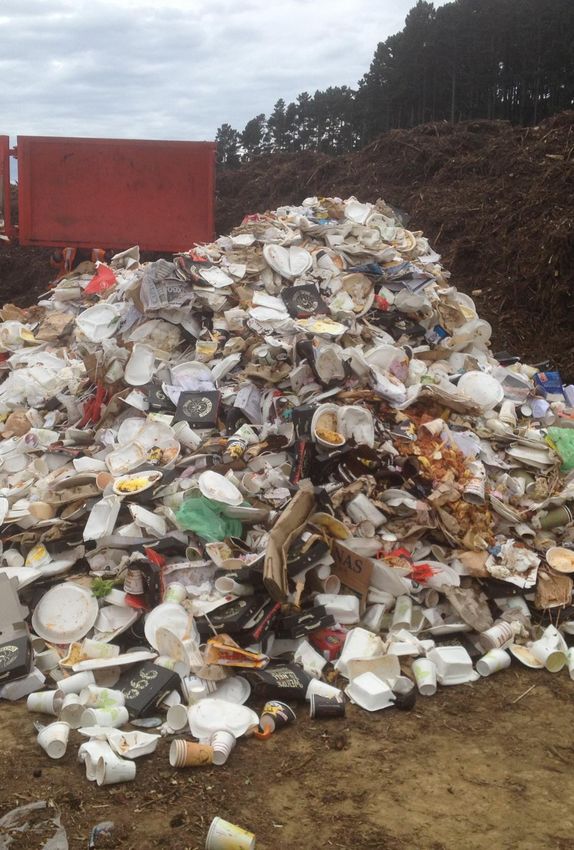
What is the packaging industry doing?
industry working group

• The Packaging Forum
• Beyond The Bin
• Manufacturers/distributors
   Biopak, Bunzl, Detpak, Ecoware, Huhtakmaki, Innocent
   Packaging, NZ Safety Blackwoods, TreefreeNZ

• Coffee/drinks brands
   Cafe Laffare, Coca Cola Amatil, Columbus Coffee, Z

• Recyclers/waste industry
   EnviroNZ, Smart Environmental, Visy

• WasteMINZ
Purpose        Detail
                     Introduction   •   295 million coffee cups sent to landfill/annum
                                    •   Review previous study
(A review of) the                   •   TPF - assess other end of life solutions
availability of NZ   Purpose        Identify capability and capacity of NZ
                                    composters to process compostable coffee cups
composters to        Focus areas    •   Experience processing compostable
process                                 packaging including PLA & C-PLA
                                    •   Decontamination and/or shredding practices
compostable                             (if any)
packaging                           •
                                    •
                                        Identification preferences
                                        Barriers for composters
(coffee cups)        Methodology    Phone/online survey
                     Discussion     Facility type, duration, heat, inputs, outputs,
                     points         regulatory compliance, barriers, opportunities,
                                    opportunities for trials, capacity, experience,
                                    identification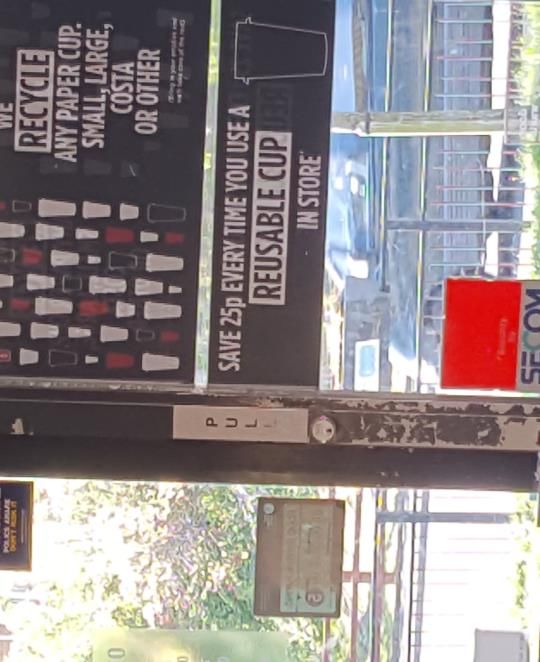
• 27 facilities studied
           • 67% operated windrow (primary) facilities
             with an average processing time of 8 months
           • Average max temp: 69.45⁰C (all)
Findings   • 52% accepted compostable packaging
           • 78% employed shredder
           • 56% decontaminate product onsite
           • 2% median acceptable contamination level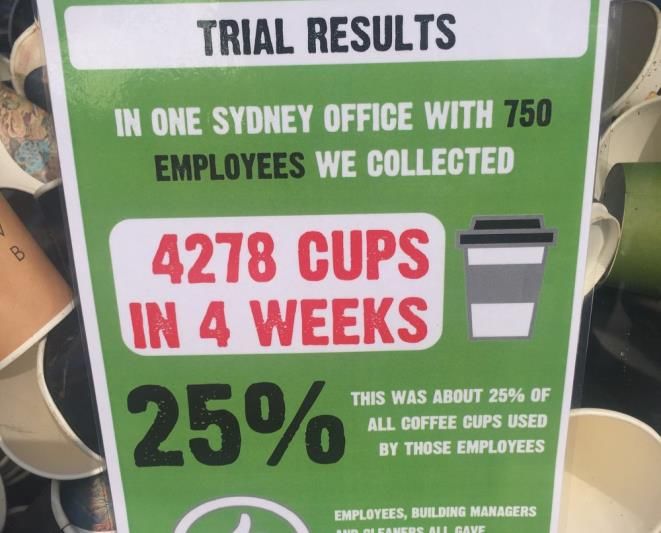
• Requires extra/long/hotter cycle
                  • Shredding requirements

Barriers/issues   • Confusion with conventional (non-compostable)
                    materials
to process        • Variation of compostable products including thickness
compostable       • Organic certification requirements
packaging         • Regulatory requirements
                  • Weight vs. volume
                  • Contamination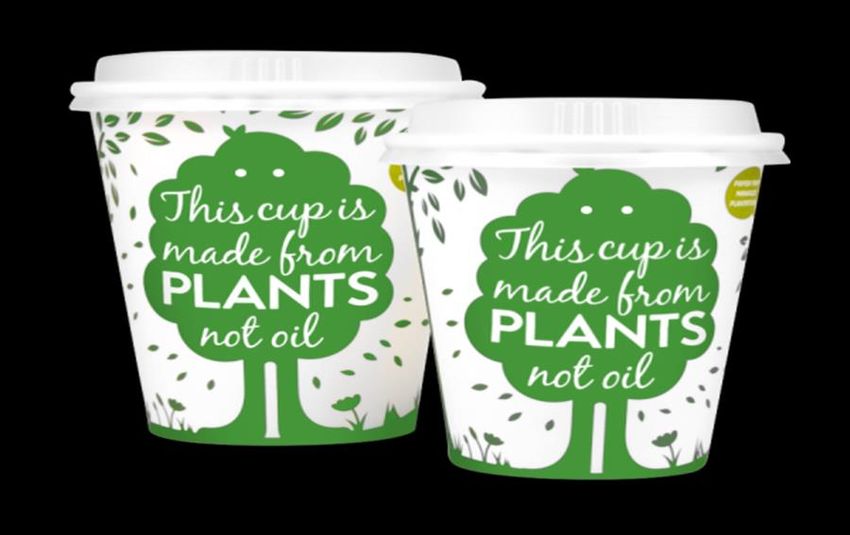
81% thought it     Comments:
would be helpful   • Absolutely, needs to be simple
to have a symbol   • Recognisable at a glance
                   • Definitely
to identify        • Yes absolutely but with clear
compostable          methodology around what it means
                   • Yes, lots of confusion out there
products which     • Let’s get rid of the word
have met a           biodegradable
                   • Would make our job easier
standard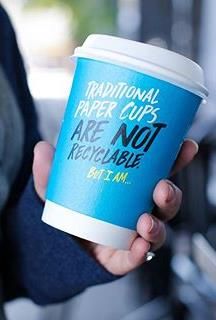
• Identification and logo development
                      • Define parameters of such a logo
                      • Work with industry bodies
                      • Support research into mislabelled
                        products
Recommendations
                  • Product innovation to make products
to the working      break down faster in composting
group               environment
                  • Trials
                  • Communication across both industries
                  • Support investigation into small scale
                    solutions
What is the packaging industry doing? industry working group What’s the optimum solution – compostable or recyclable? Sometimes we need to create a problem to solve a problem • Localised solutions • Clarity for consumers • Work in progress
Product innovation:
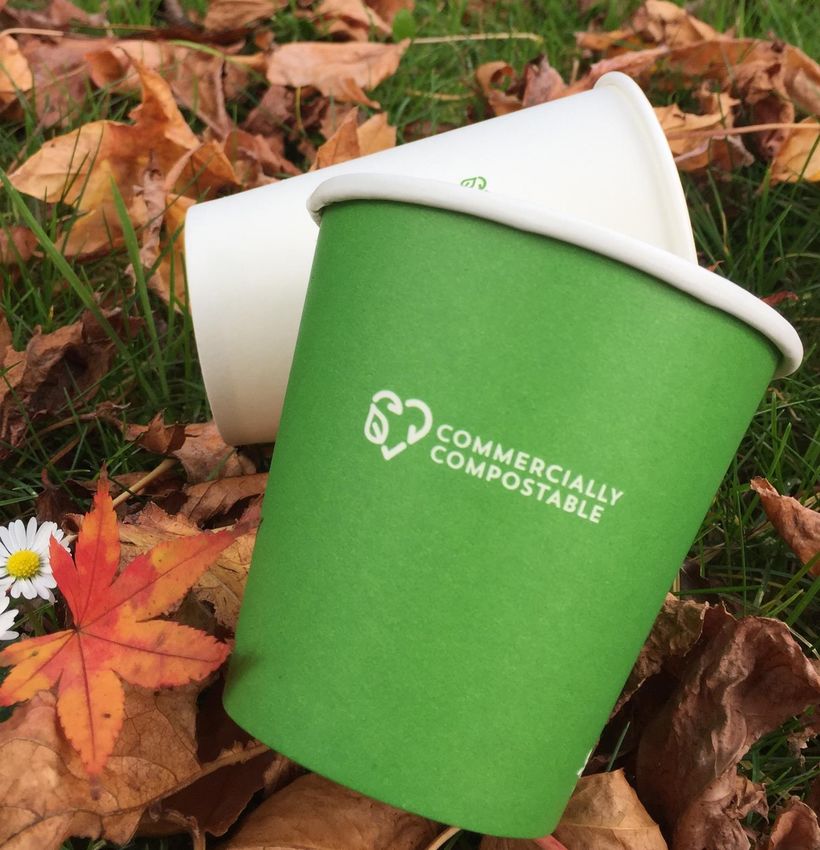
 compostable cups
• Compostable packaging is any packaging made
  entirely from plant-based materials that composts
  into carbon, nitrogen, water and other organic
  material within a certified amount of time (12 weeks),
  and has no negative impacts on the toxicity of the
  compost. Cups are commercially compostable.
  (Innocent Packaging)
• Challenge: Design cups which will meet a home
  compost standard
• Examples: Ecoware compostable lid 100% plant
  based and opens up the ability for home composting
  if the household has an active compost at an
  average temperature of 30+ degrees.
Product innovation:
paper/plastic cups
• Design a recyclable cup
• Work with waste companies to ensure it can be
  processed
• Identify end markets for the recovered
  materials
• Example: The RecycleMe™ cup is engineered
  to be processed by standard recycling systems,
  allowing for the paper materials to be
  recovered efficiently and economically to be
  reused in premium recycled paper packaging.
  96% cups can be made into products such as
  paperback covers and cardboard boxes. Trial
  venues are in place for collection.
Identification

• Work with WasteMINZ and other
  industry bodies on identification
  standard
• Define clearly who can use a
  logo and the process
  surrounding permission
• Support investigation of
  mislabelled products
Investment
• PPRS funding requirements for events – need to have
  waste separation/sortation to create clean waste
  streams
• Investigating opportunities for standalone compost
  units for small scale local solutions
• Build partnerships to:
    • collect and recycle recyclable cups
       • Air NZ initiative
   • collect and compost compostable cups
       • Z Energy collect at 70 sites
       • collection trials - Coca Cola Amatil/Ecoware
You can also read


