DIVISION OF INFECTIOUS DISEASES - Weill Cornell Medicine
←
→
Page content transcription
If your browser does not render page correctly, please read the page content below
WEILL CORNELL MEDICINE
     NEW YORK-PRESBYTERIAN HOSPITAL

             DEPARTMENT OF MEDICINE

             DIVISION OF
         INFECTIOUS DISEASES

               DIVISIONAL PROGRAMS &
            FACULTY AND FELLOW PROFILES

                           2018 – 2019

                  Weill Cornell Medicine
                1300 York Avenue, Box 125
                    New York, NY 10065
                 Telephone: 212-746-6320
                    Fax: 212-746-8675
https://medicine.weill.cornell.edu/divisions-programs/infectious-diseases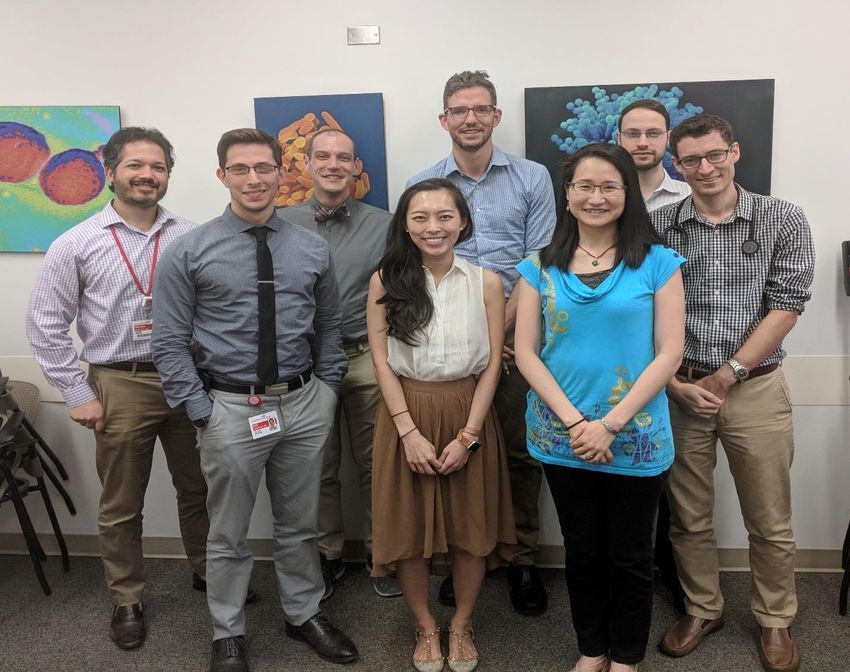
TABLE OF CONTENTS
INTRODUCTION                                                        1

FACULTY ROSTER AND CLINICAL / RESEARCH INTERESTS                  2-6
DIVISIONAL STAFF                                                    7
FELLOWSHIP TRAINING PROGRAM                                      8 - 25
Mission, Clinical Rotations, Research                            8 - 10
Supplemental Training Programs                                   10 - 12
Current and Former Infectious Diseases Fellows                   13 - 18
Publications by Current and Recent Fellows                       19 - 23

CURRENT RESEARCH AND TRAINING GRANTS, 2018-2019                  24 - 25

RESEARCH FACULTY PROFILES                                        26 - 37

Barry Brause, MD
Adeel Ajwad Butt, MD, MS                                           26
David Calfee, MD, MS
Jennifer A. Downs, MD, MSc
Kathryn Dupnik, MD                                                 27
Daniel W. Fitzgerald, MD
Marshall J. Glesby, MD, PhD
Linnie M. Golightly, MD                                            28
Roy (Trip) M. Gulick, MD, MPH
Barry J. Hartman, MD
Michael Henry, MD                                                  29
Stephen Jenkins, PhD
Warren D. Johnson, Jr., MD
Richard (Brad) Jones, PhD                                          30
Laura A. Kirkman, MD
Kristen M. Marks, MD, MS
Jyoti Mathad, MD                                                   31
Andy O. Miller, MD
Henry W. Murray, MD
Douglas Nixon, MD,PhD                                              32
Jean W. Pape, MD
Robert N. Peck, MD
Kyu Y. Rhee, MD, PhD                                                                    33
Mirella Salvatore, MD
Michael J. Satlin, MD
Bruce R. Schackman, PhD                                                                 34
Matthew S. Simon, MD, MS
Catherine Small, MD
Selin Somersan Karakaya, MD                                                             35
Ole Vielemeyer, MD
Mary A. Vogler, MD
Thomas Walsh, MD, PhD                                                                   36
Lars Westblade, PhD
Timothy J. Wilkin, MD, MPH
                                                                                        37

RESEARCH TRAINING FACULTY IN OTHER DEPARTMENTS & INSTITUTIONS
Research Programs:
Hepatitis                                                                               39
HIV/AIDS                                                                              40 - 41
Hospital Epidemiology and Infection Control                                           41 - 42
Human Papillomavirus (HPV)                                                              43
Influenza                                                                              44
Malaria/Babesia                                                                       46 - 46
Musculoskeletal Infections                                                            46 - 47
Transplantation - Oncology Infectious Diseases (fungal, bacterial, viral pathogens)   47 - 49
Tuberculosis                                                                          49 - 50
International Programs
Brazil                                                                                  50
Haiti                                                                                   51
India                                                                                  52
Tanzania                                                                               53
DIVISION OF INFECTIOUS DISEASES
                                           INTRODUCTION

 The mission of the Division of Infectious Diseases (ID) at Weill Cornell Medicine and
 New York-Presbyterian Hospital (NYPH) is to conduct cutting-edge research; to
 provide outstanding clinical care; and to provide the highest quality education and
 training in infectious diseases. The Division has over 50 full-time faculty and
 includes basic, translational, clinical, and epidemiologic research programs; the ID
 clinical services at NYPH-Weill Cornell Medical Center; and the ID Fellowship
 Training Program.

The Division of ID facilities include over 12,000 square feet of research and administrative space. There are 10
research laboratories (7,500 sq. ft.) in the medical college and the Belfer Research Building equipped for basic and
translational molecular, microbiological, and immunologic studies. Major laboratory research projects investigate
antibiotic and antifungal drug development, bacterial pathogenesis, HIV, influenza, malaria/babesia, and
tuberculosis. Major clinical research projects investigate antimicrobial drug resistance, hepatitis, HIV/AIDS, hospital
epidemiology/infection control, human papillomavirus, respiratory viruses, and transplantation/oncology ID. In
collaboration with the Center for Global Health, we have clinical, research and training programs in Brazil, Haiti,
India and Tanzania, with full-time faculty and/or fellows at each site. Research interests include diarrheal diseases,
HIV/AIDS, HTLV-1, leprosy, malaria, leishmaniasis, schistosomiasis, and tuberculosis. Current annual funding for
sponsored research and training in the Division of ID in 2018-2019 exceeds $17 million.

The clinical facilities of the division serve both outpatients and inpatients from the New York City area. ID Associates,
located across the street from the medical school at 1305 York Avenue, includes the ID faculty and fellow outpatient
practices, serving both immunocompetent and immunosuppressed patients, and the Travel Medicine service that is
staffed by the faculty and provides travel advice and immunizations for 2,000–3,000 travelers annually. Inpatients
are seen at New York Presbyterian Hospital, a large 867–bed tertiary care hospital, and the Hospital for Special
Surgery, a 172–bed rheumatology and orthopedic specialty hospital, co-located on the Upper East Side of Manhattan.
The HIV/AIDS Program provides care to over 3000 HIV-infected persons, in addition to conducting translational and
clinical research. The Center for Special Studies (the HIV primary care clinic) and the Cornell HIV Clinical Trials Unit
(CCTU) outpatient facilities occupy two floors of NYPH as well as an off-site location in the Chelsea neighborhood of
Manhattan (West 23rd Street and 6th Avenue). Other major clinical programs in the division are the
Transplantation/Oncology ID Service, serving patients with stem cell transplants, solid organ transplants (kidney,
pancreas, liver) and/or malignancies with clinical care and clinical research studies, and the Hospital
Epidemiology/Infection Control Program.

The Fellowship Training Program in ID provides intensive clinical and research training for developing physician-
scientists and academic clinicians. Graduates of the program are highly qualified to conduct research, provide
clinical care, and/or assume leadership roles in ID. Our fellows typically go on to academic faculty appointments,
positions in state, federal, or international public health organizations, or the pharmaceutical industry. The ID
fellowship training program emphasizes both inpatient and ambulatory clinical training during the first year. The
second and (optional) third years emphasize basic, translational, clinical, or epidemiologic research at Weill Cornell,
Rockefeller University, Memorial Sloan-Kettering Cancer Center, and other affiliated programs. Fellow research
training is supported by an NIH-sponsored T32 Training Grant (AI007613; Gulick, 1999-2019). Additional training
is available through Master’s degree programs in clinical investigation or clinical epidemiology/health services
research and other specialized training programs in preventive medicine. In addition, our division offers clinical
electives in ID and HIV/AIDS for residents and medical students and sponsors educational programs for providers
at NYPH and in the community.

                                                           1
DIVISION OF INFECTIOUS DISEASES FACULTY

                                                    Roy M. Gulick, MD, MPH
                                  Professor of Medicine and Chief, Division of Infectious Diseases

          Faculty Name                      Specialty                        Faculty Name                         Specialty

Susan Ball, MD, MPH                                             Daniel Fitzgerald, MD
Professor of Clinical Medicine              Clinical HIV        Professor of Medicine, Immunology               Global Health
                                                                and Microbiology;
                                                                Director, Center for Global Health

Barry Brause, MD                          Bone and Joint        Robert L. Furler, PhD                      Biophysical Dynamics of
[Hospital for Special Surgery]              Infections          Assistant Professor of                      Cellular Immunology
Professor of Clinical Medicine                                  Immunology in Medicine

Adeel Butt, MD                                                  Marshall J. Glesby, MD, PhD
[Qatar]                                      Hepatitis          Professor of Medicine and Public Health;    HIV clinical research
Professor of Medicine                                           Associate Chief, Division of Infectious
Hamad Medical Corporation                                       Diseases

David Calfee, MD, MS                         Hospital           Linnie M. Golightly, MD
Professor of Medicine and                 Epidemiology/         Associate Professor of Clinical Medicine           Malaria
Public Health;                           Infection Control
Chief Hospital Epidemiologist

Elliot DeHaan, MD                          Clinical HIV         Stephen G. Jenkins, PhD
Assistant Professor of                     Prevention           Professor of Pathology and                  Clinical Microbiology
Clinical Medicine                          (PrEP/PEP)           Laboratory Medicine Director, Clinical
                                                                Microbiology Laboratory

Miguel de Mulder Rougvie, PhD                Virology           Catherine C. Hart, MD                         Clinical Infectious
Assistant Professor of Virology                                 Clinical Associate Professor of Medicine           Diseases
Research in Medicine

Jennifer A. Downs,MD,MSc                     HIV and            Barry J. Hartman, MD                         Antibiotic Therapy,
[Tanzania]                               Schistosomiasis        Clinical Professor of Medicine               Clinical Infectious
Assistant Professor of Medicine                                                                                   Diseases

Alexander C. Drelick, MD              Transplant – Oncology     David C. Helfgott, MD                         Infections in
Instructor of Medicine                 Infectious Diseases      Clinical Assistant Professor of Medicine   Immunocompromised
                                                                                                                  Hosts

Lewis M. Drusin, MD                        Nosocomial           Michael Henry, MD                              Bone/Joint and
Professor of Clinical Medicine           Infections; STDs       [Hospital for Special Surgery]                Rheumatologic-
                                                                Assistant Professor of Medicine             Associated Infections

Kathryn Dupnik, MD                                              Flonza Isa, MD
[Brazil, Haiti]                              Leprosy            Assistant Professor of Medicine                 Tuberculosis
Assistant Professor of Medicine

Tanya Ellman, MD, MS                                            Jonathan L. Jacobs, MD
Assistant Professor of                      Clinical HIV        Professor of Clinical Medicine;                  Clinical HIV
Clinical Medicine                                               Executive Director,
                                                                Center for Special Studies

                                                                 2
Richard Bradley Jones, PhD                                 Samuel T. Merrick, MD
Assistant Professor of                 Immunology          Professor of Clinical Medicine;                  Clinical HIV
Immunology in Medicine                                     Medical Director,
                                                           Center for Special Studies

Warren D. Johnson, Jr., MD                                 Henry W. Murray, MD                          HIV; Leishmaniasis;
Professor of Medicine                  Global Health       Professor of Medicine                         Travel Medicine

Shashi Kapadia, MD                   Treatment Access      Thomas Nash, MD                               Clinical Infectious
Instructor of Medicine               disparities in HIV    Clinical Assistant Professor of Medicine           Diseases
                                         and HCV

Selin Somersan Karakaya, MD         Tuberculosis Drug      Douglas Nixon, MD                          Retrovirology; Human
Assistant Professor of Medicine       Development          Assistant Professor of Immunology in           Immunology
                                                           Medicine [Interim]

Jason Kendler, MD                                          Oksana Ocheretina, PhD
Clinical Associate Professor of      Clinical Infectious   [Haiti]                                         Global Health
Medicine                                  Diseases         Assistant Professor of
                                                           Microbiology in Medicine

Laura A. Kirkman, MD                                       Jean W. Pape, MD
Assistant Professor of Medicine,     Malaria, Babesia      [Haiti]                                       Tuberculosis; HIV
Microbiology and Immunology;                               Professor of Medicine
ID Fellowship Program Associate                            Director, GHESKIO Center
Director - Research

R. Priya Kodiyanplakkal, MD        Transplant – Oncology   Lalitha Parameswaran, MD                    Infectious Diseases &
Instructor of Medicine              Infectious Diseases    Assistant Professor of Medicine                 Antimicrobial
                                                                                                           Stewardship

Douglas MacQueen, MD                 Clinical Infectious   Robert N. Peck, MD
[Cayuga Medical Center]                   Diseases         [Tanzania]                                      Global Health
Instructor in Medicine                                     Assistant Professor of Medicine
                                                           and Pediatrics

Kristen M. Marks, MD, MS                                                                              Antibiotic Development;
Assistant Professor of Medicine;   HIV/HCV Co-infection    Kyu Y. Rhee, MD, PhD                          Drug Resistance;
ID Fellowship Director                                     Associate Professor of Medicine                 Tuberculosis

Jyoti Mathad, MD
[India]                                Tuberculosis        Howard E. Rosenberg, MD                       Clinical Infectious
Assistant Professor of Medicine                            Clinical Assistant Professor of Medicine           Diseases

Usha Mathur-Wagh, MBBS, MPH                                Kohta Saito, MD                                 Tuberculosis
Assistant Professor of                  Clinical HIV       Instructor of Medicine
Clinical Medicine

Mirella Salvatore, MD                  Immunology;         Michael J. Satlin, MD                           Transplant/
Assistant Professor of Medicine          Influenza         Assistant Professor of Medicine                 Oncology ID;
                                                                                                          Drug-Resistant
                                                                                                            Organisms

                                                            3
Bruce R. Schackman, PhD              Health Policy and      Carlos Vaamonde, MD, MSPH
Professor of Healthcare Policy       Cost-Effectiveness     Assistant Professor of Clinical Medicine          Clinical HIV
and Research;
Chief, Division of Health Policy

Lawrence Siegel, MD                                         Ole Vielemeyer, MD                               Outpatient ID;
Assistant Professor of Clinical      Clinical HIV; STDs     Associate Professor of Medicine                 Travel Medicine
Medicine                                                    ID Fellowship Program
                                                            Associate Director- Clinical
                                           Hospital
Matthew Simon, MD                      Epidemiology/        Mary A. Vogler, MD                          Clinical HIV; HIV Clinical
Assistant Professor of Medicine;      Infection Control;    Associate Professor of                         Trials; Infections in
Associate Hospital Epidemiologist   Cost-Effectiveness of   Clinical Medicine                            women and pregnancy
                                     Infectious Diseases
Duane M. Smith, MD
Assistant Professor of
Clinical Medicine;                      Clinical HIV        Charles Vorkas, MD                           Mycobacteriology and
Associate Medical Director,                                 Instructor in Medicine                          Immunology
Center for Special Studies

Paul T. Smith, MD                                           Thomas Walsh, MD                                 Transplant/
Clinical Assistant Professor of      Clinical Infectious    Professor of Medicine, Microbiology and          Oncology ID;
Medicine                                  Diseases          Immunology, and Pediatrics;                   Fungal Pathogenesis
                                                            Director, Transplant/Oncology
                                                            Infectious Diseases Service
Catherine Small, MD
Assistant Professor of Medicine         Transplant/         Lars F. Westblade, PhD, (ABMM)
(Interim);                              Oncology ID         Assistant Professor, Pathology and           Clinical Microbiology
Director, Transplant/Oncology                               Laboratory Medicine
 ID – Clinical Service                                      Associate Director, Clinical Microbiology
                                                            Laboratory

Rosemary Soave, MD                      Transplant/         Timothy J. Wilkin, MD, MPH
Associate Professor                     Oncology ID         Associate Professor of Medicine             HIV Clinical Trials; HPV
of Clinical Medicine

Charles Steinberg, MD                Clinical Infectious    Cecilia Yoon, MD                                 Clinical HIV;
Professor of Medicine                     Diseases          Assistant Professor of Medicine                Medical Education

                                                             4
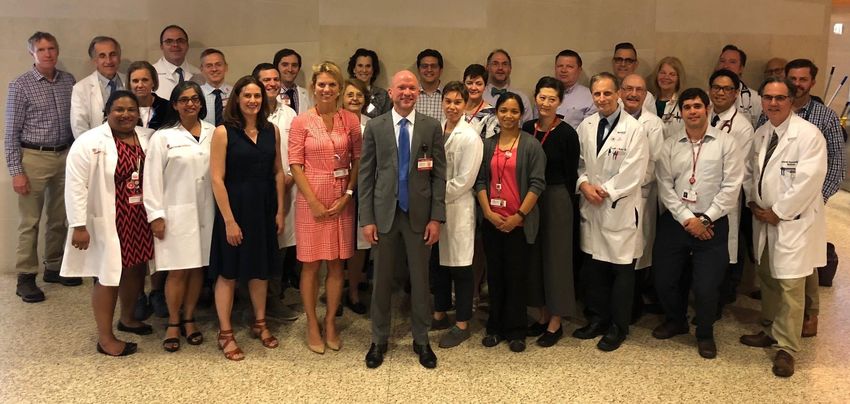
Division of Infectious Diseases Faculty (not all inclusive)

                                          Back Row – Left to Right:
           Mark Stoeckle, Barry Brause, Andy Miller, Dave Calfee, Alexander Drelick, Catherine Hart,
              Michael Satlin, Lars Westblade, Vidmantas Petraitis; Ole Vielemeyer; Mary Vogler,
                               Elliott DeHann, Harold Horowitz, Timothy Wilkin

                                           Front Row – Left to Right:
Priya Kodiyanplakkal, Susan Ball, Harjot Singh, Laura Kirkman, Matthew Simon, Kristen Marks, Rosemary Soave,
Trip Gulick, Tanya Ellman, Ruta Petraitiene, Ayana Morales, Cecilia Yoon, Thomas Walsh, Barry Hartman, Charles
                                     Vorkas, Kohta Saito, Carlos Vaamonde

                                                          5
ADJUNCT AND EMERITUS FACULTY

               Faculty Name                      Specialty                Faculty Name                  Specialty

             Bisrat Abraham, MD                                   Jose R. Lapa e Silva, MD, PhD
  [New York City Department of Health]                              [Universidade Federal do
   Clinical Assistant Professor of Medicine      HIV/AIDS             Rio de Janeiro, Brazil]        TB Pathogenesis
                  (Courtesy)                                     Adjunct Professor of Immunology
         Department of Public Health                                       in Medicine

        Edgar M. Carvalho, MD, PhD                                    Steven G. Reed, PhD
                                                Immunology;
[Universidade Federal da Bahía, Brazil]                                [U. of Washington]
                                               Leishmaniasis;                                        Antigen Discovery
       Adjunct Professor of Medicine                             Adjunct Professor of Microbiology
                                                  HTLV-1
                                                                            in Medicine

            Marina Caskey, MD
                                                                        Lee W. Riley, MD
         [Rockefeller University]             HIV, Monoclonal                                           Molecular
                                                                    [U. California, Berkeley]
   Adjunct Assistant Professor of Medicine      Antibodies                                             Epidemiology
                                                                  Adjunct Professor of Medicine

            Yehuda Cohen, MD
                                              HIV, Monoclonal                                          Antimicrobial
          [Rockefeller University]                                   Richard B. Roberts, MD
                                                Antibodies                                              Resistance
      Instructor in Medicine (courtesy)                           Professor Emeritus of Medicine

                                                                       Mark Y. Stoeckle, MD
        R. Gordon Douglas, Jr., MD
                                                 Vaccines            [Rockefeller University]         DNA Barcoding
       Professor Emeritus of Medicine
                                                                    Clinical Associate Professor
                                                                             of Medicine

           Thomas C. Jones, MD
                                               Clinical Trials
    Professor of Immunology in Medicine

                                                            6
DIVISIONAL STAFF

    Top Left to Right: Marisol Valentin, Gideon Dunkley, Glenn Sturge, Tabitha Pitre
                    Bottom Row: Roy (Trip) Gulick, MD, Avi Bueno

   Staff Member                         Title                          Email Address

Roy (Trip) Gulick, MD               Division Chief                 rgulick@med.cornell.edu
     Avi Bueno                  Division Administrator            aeb3001@med.cornell.edu
    Glenn Sturge               Administrative Manager             gls2003@med.cornell.edu
                               Fellowship Coordinator,
  Marisol Valentin                                                mav2009@med.cornell.edu
                                 Operations Manager
    Tabitha Pitre                Executive Assistant              tap7005@med.cornell.edu

                                                7
INFECTIOUS DISEASES FELLOWSHIP TRAINING PROGRAM
Mission
The major goal of our program is the training of academic clinicians and physician-scientists. We provide a wide variety of
clinical training experiences in different venues including: the inpatient consult services of New York-Presbyterian
(NYPH)/Weill Cornell (general and immunocompromised), the Hospital for Special Surgery (orthopedics, rheumatology),
and Memorial Sloan Kettering Cancer Center; weekly outpatient clinic experiences encompassing general ID, HIV/AIDS, and
travel medicine; clinical elective rotations; clinical microbiology laboratory and hospital epidemiology rotations; and a
sexually transmitted disease rotation at the NYC Department of Health. All fellows develop a research project in
collaboration with one or more faculty mentors from Weill-Cornell, Rockefeller University, or Memorial Sloan-Kettering
Cancer Center. Fellows’ research projects span basic, translational, clinical, and epidemiologic and outcomes research in
diverse areas of investigation. The majority of our fellowship graduates seek careers either in academia, government,
industry, or with private foundations.
Clinical Rotations
The New York- Presbyterian Hospital-Weill Cornell Medical Center is the primary institution of our fellowship training
program located in a large clinical and research complex on the Upper East Side of Manhattan. New York-Presbyterian
Hospital (NYPH) is the result of a merger of two formerly distinct institutions: the Cornell-New York Hospital and the
Columbia-Presbyterian Medical Center. NYPH is one of the largest health care facilities in the larger New York metropolitan
area, ranked number one in New York City and among the most prestigious in the world. The Greenberg Pavilion of the New
York-Presbyterian Hospital (Cornell campus) is a one million square foot facility with 867 patient beds. While the hospitals
are merged, Weill Cornell Medicine and Columbia College of Physicians and Surgeons remain independent institutions with
separate I.D. fellowship programs.
The clinical rotations are concentrated in the first year of training. First-year fellows spend ~10 months on clinical rotations
and second-year fellows spend ~2 months, with the majority of this time spent on the inpatient consultation service. Our
active consultation service serves a broad range of complex medical and surgical patients. It manages on average 80-90
inpatient-consults per month from both New York-Presbyterian Hospital as well as from the Hospital for Special Surgery
(affiliated 172-bed hospital renowned for treatment of orthopedic and rheumatologic conditions). An infectious-disease
trained specialty PharmD participates actively on the consult service, as do Cornell’s Internal Medicine residents and 4th year
medical students. In addition to the NYPH general ID consult service, fellows rotate on our immunocompromised host and
transplant services (leukemia, lymphoma, bone marrow and solid organ transplantation including kidney, liver, and
pancreas). They also spend one month on the Memorial Sloan-Kettering Cancer Center (MSKCC) inpatient consultation
service, located just across the street. MSKCC is a tertiary care cancer hospital with a separate freestanding infectious
diseases fellowship program). Fellows furthermore rotate through selected clinical electives including cardiovascular and
neurologic infections, HIV/AIDS, orthopedic and rheumatologic infections, and pediatric infectious diseases. Finally, fellows
spend at least two weeks each in NYPH’s Clinical Microbiology Laboratory and in the Hospital Epidemiology/Infection
Control Department. Fellows also have the option of an international elective at Weill Bugando Medical Center in Tanzania
or other affiliated sites in third world countries.
First- and second-year fellows follow patients in a weekly continuity outpatient clinic that alternates between care for
patients with general infectious diseases and for patients with HIV/AIDS. Here, fellows build a panel of patients whom they
will follow over the course of the entire clinical fellowship, with guidance from a faculty preceptor. Fellows also participate
actively in the care of patients seeking consultation prior to international travel.
8A sample schedule of the first two fellowship years follows:
Month First Year Second Year
July NYPH Consult Service Research
Epidemiology Rotation *
August NYPH Consult Service
Microbiology Rotation *
STI Clinic Rotation
September NYPH Consult Service
Research
NYPH Consult Service
October Research
Research
Vacation
November Research
Clinical Elective #1
Research
December NYPH Consult Service
Vacation
Memorial Sloan Kettering Cancer Center Consult
January NYPH Consult Service
Service
February Transplant Oncology Infectious Diseases** Research
Transplant Oncology Infectious
March Research
Diseases**Research
Research
April NYPH Consult Service
Vacation
Clinical Elective #2 International Elective
May
Vacation (Tanzania)
NYPH Consult Service
June Research
Clinical Elective #3
* During the epidemiology and microbiology rotations, the fellows may see patients in Travel Medicine once per
week.
**Leukemia, Lymphoma, Stem Cell Transplant and Solid Organ Transplant
Clinical Elective offerings:
Cardiovascular/Neurosurgical Infections – Barry Hartman, MD
HIV Outpatient Interdisciplinary Care Team – Carlos Vaamonde, MD
Orthopedic/Rheumatologic Infections – Barry Brause, MD
Pediatric Infectious Diseases – Christine Salvatore, MD
9Basic, Translational, Clinical, and Epidemiologic Research
Research training occupies the majority of the second (and third) years of fellowship. Fellows select from a broad range of
research opportunities in basic, translational, clinical, epidemiologic, education or outcomes research. Fellows conduct their
research in the Weill-Cornell Division of Infectious Diseases, other divisions within the Department of Medicine (e.g.
Gastroenterology/Hepatology), other departments within the Medical College (e.g. Department of Microbiology and
Immunology, Department of Healthcare Policy and Research), Rockefeller University, or the Memorial-Sloan Kettering
Cancer Center. Faculty mentorship from these institutions allows a wide diversity of research opportunities.
The Division has an NIH-sponsored T32 training grant to support research training of developing physician-scientists that
supports fellows during their research years (AI007613; Gulick, 1999-2019). The objective is to train physician-scientists
in biomedical research, with an emphasis on the pathogenesis of infectious diseases. Weill Cornell also has an NIH-funded
Clinical and Translational Science Center (CTSC; TR00457; Imperato, 2007-2022) with state-of-the-art facilities for
conducting translational and clinical research.
Our fellowship graduates have generally received independent research awards following their fellowship, primarily from
the NIH, including K08 (Mentored Clinical Scientist Research Career Development Award), K23 (Mentored Patient-Oriented
Research Career Development Award), and KL2 Post-Doctoral Scholars awards. Of 42 fellows to complete our program in
the past 20 years, 22 (52%) received NIH research career development (K08, K23, or KL2) awards, 16 (38%) received other
research career development awards, and 16 (38%) served as Principal Investigator on research grants (NIH R grants, other
federal grants [e.g. Agency for Health Research and Quality (AHRQ), CDC, Department of Defense (DOD), Veteran’s
Administration (VA), foundation (e.g., American Lung Association, Doris Duke, Gates). A total of 31 (74%) currently are in
academics as physician-scientists or academic clinicians, 3 (7%) in government (CDC, NYC Department of Health), 5 (12%)
in pharmaceutical research, and 3 (7%) in other clinical settings.
Supplemental Training Programs
Other training programs within the medical college are available to supplement fellowship training, depending on the
fellow’s specific interests.
Clinical Research Training: Certificate and Master’s Degree Programs
http://weill.cornell.edu/ctsc/training_and_education/ – The Graduate Program in Clinical and Translational Investigation at
Weill Cornell Medical College trains patient-oriented researchers to conceive, design, and conduct independent clinical
research in a well-structured cross-disciplinary team environment. The National Institutes of Health funds this program
through their Clinical & Translational Science Award. The curriculum offers two tracks that are designed for rigorous
training in clinical investigation. The first track covers a core curriculum providing the basic skills of clinical investigation,
and leads to a Certificate of Clinical Investigation. It includes training in the development of research hypotheses and
methods of hypothesis testing; grant writing and manuscript preparation; data collection, construction of databases and data
management systems; computer programs for data analysis; statistical analysis and the appropriate use of various statistical
techniques in clinical research; basic epidemiologic principles in clinical research; design and conduct of meta-analyses and
clinical trials; ethics and human subjects protection in the conduct of patient-oriented research; regulatory requirements of
clinical research; preparing protocols for the Institutional Review Board and other agencies; grants management and
intellectual property; and general and specific state-of-the-art research tools and techniques.
https://ctscweb.weill.cornell.edu/education-training/programs/masters-degree-clinical-translational-investigation - The
second track leading to a Master’s Degree in Clinical and Translational Investigation from Cornell University includes
the core curriculum; additional electives in the trainee’s area of interest; and a clinical research project mentored in its design
and implementation by a clinical investigator. Members of the Infectious Disease Division (Drs. Glesby, Gulick, and Wilkin)
serve as faculty for this training program. Many of our fellows and junior faculty members have used this program to
supplement their training as clinical researchers. A K30 training grant covers tuition for those accepted to the program.
10Master of Science in Health Informatics at Weill Cornell Graduate School of Medical Sciences
http://hpr.weill.cornell.edu/education/programs/health-informatics/
The Master of Science in Health Informatics prepares students for careers at the intersection of health and information
technology, through training in research, innovation and analysis. As our nation strives to improve health and healthcare,
these skills are vital to positions in health analytics, policy and management in academia, industry and government. The
innovative curriculum addresses the need for systems science perspectives in healthcare, and incorporates a
transdisciplinary approach by fusing traditional methods from health services research with computational and informatics
techniques. This program provides a vibrant alternative to traditional training in health services research, health care
management, health information technology and related fields.
Master of Science in Health Policy and Economics
http://hpr.weill.cornell.edu/education/programs/health-policy-and-economics/
The program provides a strong foundation in healthcare research methods with specialized training in health economics,
health policy, data analytics, and implementation science. Each student acquires hands-on experience through a faculty-
mentored research project. In contrast to an MPH program, it covers a broader policy perspective to include payment policy,
health insurance coverage, and structural issues related to the healthcare delivery system. Additionally, this program is
mostly practice-based while M.P.H. programs tend to be more theoretical.
Preventive Medicine Training
http://hpr.weill.cornell.edu/training/general_preventive_medicine.html – Weill Cornell’s Department of Healthcare Policy
and Research offers a General Preventive Medicine Training Program, for which ID fellows may apply after their initial year
of clinical ID training. As part of the General Preventive Medicine Program, fellows enroll in the Master’s Degree Program in
Clinical Investigation. At the end of the program, they are eligible for certification by the American Board of Preventive
Medicine. The program emphasizes epidemiology, biostatistics, clinical and preventive medicine, medical care organization,
medical sociology, and health economics and education. Fellows participate in Cornell’s Public Health seminars. Fellows
also undertake an original research project. Each fellow will have an individual program designed to meet his/her specific
professional goals. Fellows have used this program to supplement their training in hospital epidemiology and public health.
Graduate Program in Clinical Epidemiology & Health Services
https://gradschool.weill.cornell.edu/programs/weill-cornell-medicine-clinical-epidemiology-program- The Graduate
Program in Clinical Epidemiology & Health Services offers an 8-week intensive summer program or a 2-year Master of
Science (MS) degree in Clinical Epidemiology & Health Services Research from Cornell University. The program is designed
for fellows who wish to plan, implement and analyze quantitative and qualitative research studies, using appropriate
research designs. The core of the curriculum includes research methodology, biostatistical techniques, data management,
decision analysis, health economics and program evaluation. Graduates of the Master’s program will be prepared to pursue
academic careers in a variety of settings where data is required to answer complex questions. The emphasis is on training
clinician researchers to teach research methods, conduct methodologically rigorous and scientifically sound studies, evaluate
programs and perform cost-effectiveness and cost-benefit studies in a variety of populations. Many of our fellows doing
international research have supplemented their clinical research training by participating in this program’s Global Health
track. Members of the Infectious Diseases Division (Drs. Fitzgerald, Glesby) serve as faculty for this training program.
11Conferences:
A variety of conferences are offered to support education and training of Infectious Diseases Fellows. These include:
Advanced Topics in Infectious Diseases (weekly lectures from WCMC and MSKCC faculty or outside speakers on ID-
related topics)
Careers in Infectious Diseases Seminar (monthly presentation and discussion)
Clinical Case Conference (weekly discussion of cases led by the fellows)
Department of Microbiology and Immunology Research-In-Progress talks (monthly)
Donald Armstrong Infectious Disease Rounds formerly known as “Intercity” Infectious Disease Rounds (weekly
rotating with other institutions in the New York area)
Divisional Journal Club and Research Conference (alternating, every 2 weeks)
Fellow Core Topics in Infectious Diseases (weekly basic lectures during the summer and every other week during
the year)
Fellow Journal Club (every other week)
HIV Conference (weekly alternating with journal club, lectures, and discussion of ongoing clinical trials)
ID Fellow Research-In-Progress talks (monthly)
Medical Grand Rounds (weekly)
Microbiology Laboratory Plate Rounds (weekly review of interesting specimens, often from the clinical service)
Outpatient ID Clinical Conference (monthly)
Topics in Transplant Oncology ID (monthly)
12CURRENT INFECTIOUS DISEASES FELLOWS (2018–2019)
Year of Internal Medicine
Name Medical School Research Project
Fellowship Residency
Grant Ellsworth, MD HPV in Anal Dysplasia
3 University of Utah University of Utah
gre9006@nyp.org
Christopher Brown, MD NewYork Presbyterian Tuberculosis Aerosol Biology
cdb9006@nyp.org 3 University of Wisconsin Hospital
Carrie Johnston, MD Virginia Commonwealth NewYork Presbyterian HIV, Inflammation and Mitochondrial DNA in Older Patients
cmd9008@nyp.org 2 Hospital
University Living with HIV
Maiko Kondo, MD Albert Einstein College of New York University Assessment of utilization of new molecular diagnostic tool
mak9239@nyp.org 2 School of Medicine
Medicine in microbiology
Utilization of Informatics-based approaches to help
Reed Magleby, MD New York University NewYork Presbyterian determine risk factors for Hospital-acquired infections in a
rem9072@nyp.org 2 Hospital
School of Medicine large multi-center database
Tina Wang, MD Mount Sinai/ Procalcitonin in the Management of lower respiratory tract
tiw9040@nyp.org 2 University of Michigan Beth Israel infections and sepsis
Josef Brejt, MD State University of New NewYork Presbyterian TBD
jab9179@nyp.org 1 Hospital
York Downstate
University of Tennessee TBD
Michael Burkitt, MD Allegheny Health
mjb9023@nyp.org 1 Health Science Center Network
College of Medicine
Alexander Trzebucki, MD TBD
1 New York Medical College Stanford University
alt7005@nyp.org
13CURRENT INFECTIOUS DISEASES FELLOWS
Top Row (Left to Right): Michael Burkitt, Christopher Brown, Grant Ellsworth, Josef Brejt
Bottom Row (Left to Right): Alex Trezbucki, Tina Wang, Maiko Kondo
(Not pictured) Carrie Johnston
14FORMER INFECTIOUS DISEASES FELLOWS (LAST 10 YEARS)
Internal
Period of Fellowship Training
Name Medical School Medicine Current Position / Career Awards
and Research Topic
Residency
Boston 2015 – 2018 Instructor in Medicine,
Ayana Morales, MD Brown University University Weill Cornell Medicine
Kaposis Sarcoma/HHV8
KL2 Post-Doctoral Scholars Award
2015 – 2018
Lebanese Clinical Microbiology Fellow
Maroun Sfeir, MD University of Microbiological characterization of
University Massachusetts General Hospital, Boston
Miami mutidrug- resistant bacteria
2015 – 2018 Instructor in Medicine,
Weill Cornell
Charles Vorkas, MD UNC Hospital Mycobacterium TB infection Weill Cornell Medicine
Medical College
K08 Mentored Clinical Scientist Research Career
Development Award
Icahn School of University of 2015 – 2017
Mahidol Oxford Research Unit (Wellcome Trust)
Miriam Torchinsky, MD Medicine at British Columbia Microbiome analysis and
Mount Sinai in Thailand
mechanisms of colonization
NewYork 2014 – 2017 Associate Medical Director,
Thomas Baker, MD Temple Presbyterian Antimicrobial Janssen Pharmaceuticals
Hospital Spring House, PA
Resistance in GNR
Rutgers New Rutgers New 2014 – 2017 Instructor in Medicine,
Shashi Kapadia, MD Jersey Medical Jersey Medical Disparaties in HCV care Weill Cornell Medicine
School School
15Mt. Sinai Medical Instructor in Medicine,
Kohta Saito, MD, MPH 2013 – 2017
Harvard Center Weill Cornell Medicine
Tuberculosis biology
Albert Einstein
College of New York 2013-2016 Instructor in Medicine,
Benjamin Eckhardt, MD University
Medicine of HCV in injection drug users New York University Medical School- Bellevue
Yeshiva Univ
Ben-Gurion 2013-2016
Assistant Professor of Medicine and Pediatrics, Indiana
John Humphrey, MD University of the Weill Cornell Diarrheal diseases of migrant University (Kenya Program)
Negev, Israel Medicine workers in Qatar
2012-2015
Long-term effects of delayed ART Assistant Professor of Medicine,
Weill Cornell
Ashita Batavia, MD, MSc Weill Cornell initiation on inflammation and
Medicine Weill Cornell Medicine
chronic disease in a Haitian cohort
2012-2015 Assistant Professor,
New York Hospital acquired Infections, and
Daniel Eiras, MD, MPH Mount Sinai Associate Hospital Epidemiologist,
University multidrug-resistant gram-negative
bacterial infections NYU School of Medicine
Assistant Professor of Medicine,
New York Weill Cornell 2012-2015
Flonza Isa, MD Weill Cornell Medicine
University Medicine Biomarkers for M. Tubeculosis
KL-2 Post-Doctoral Scholars Award
Director of Clinical Operations and Provider
Communication, Bureau of HIV/AIDS
2011-2014
Bisrat Abraham, MD, MPH Emory Johns Hopkins New York City Department of Health,
Health disparities in HIV infection
AIDS Clinical Trials Group (ACTG) Minority HIV
Investigator Award
2011-2014
Assistant Professor,
Acute HCV in HIV
Leah Burke, MD Boston University Yale Yale School of Medicine
Infection
Department of Medicine Pre-K Award
162011-2014 Assistant Professor of Medicine,
Matthew McCarthy, MD Harvard Columbia
Fungal diseases Weill Cornell Medicine
University of 2010 – 2013 Assistant Professor of Medicine,
Samantha Jacobs, MD, MSc Mount Sinai Rhinovirus in transplant/oncology
Pennsylvania Mount Sinai
patients
Assistant Professor of Medicine,
University of University of 2010 – 2013
Daniel Shirley, MD, MSc University of Wisconsin
Kansas Colorado COPD in HIV
School of Medicine
2010 – 2013 Assistant Professor of Medicine;
Weill Cornell
Matthew Simon, MD, MSc Albert Einstein Cost effectiveness of ID; Associate Hospital Epidemiologist,
Medicine
Screening tests Weill Cornell Medicine
Assistant Professor of Medicine,
Weill Cornell Medicine
Burroughs Wellcome Fund/American Society of
University of 2009 – 2012 Tropical Medicine and Hygiene Postdoctoral Fellowship
Kathryn Dupnik, MD Columbia in Tropical Infectious Diseases
Virginia Leprosy in Brazil
KL-2 Post-Doctoral Scholars Award
K23 Mentored Patient-Oriented Research Career
Development Award
Assistant Professor of Medicine,
Weill Cornell Medicine
2009 – 2012
Albany Medical University of KL-2 Post-Doctoral Scholars Award
Jyoti Mathad, MD, MSc Latent TB and HIV in pregnancy in
College Maryland
India K23 Mentored Patient-Oriented Research Career
Development Award
17Assistant Professor of Medicine,
Weill Cornell Medicine
Weill Cornell 2009-2012
Selin Somersan-Karakaya, MD Harvard K08 Mentored Clinical Scientist Research Career
Medicine Tuberculosis drug discovery
Development Award
Nan Swid Clinical Scholar Award
Virginia 2008 – 2011 Assistant Professor of Medicine,
Weill Cornell
Meera Pahuja, MD, MSc Commonwealth HIV peripheral neuropathy in
Medicine Virginia Commonwealth University
University South Africa
Medical Officer
Adult HIV Treatment Team
University of Weill Cornell 2008 – 2011 HIV Care and Treatment Branch
Rituparna Pati, MD, MPH
Connecticut Medicine HIV prevention in adolescents Division of Global HIV/AIDS
U.S. Centers of Disease Control and Prevention
(CDC)
Assistant Professor of Medicine,
2008 – 2011 Weill Cornell Medicine
University of Weill Cornell
Michael Satlin, MD, MSc Multi-drug resistant gram-negative KL-2 Post-doctoral Scholars Award
Virginia Medicine
bacteria K23 Mentored Patient-oriented Research Career
Development Award
18PUBLICATIONS RELATED TO FELLOWSHIP ACTIVITIES BY
CURRENT AND RECENT FELLOWS (LAST 10 YEARS; fellows’ names bolded)
1. Abraham BK, Flores I, Gulick RM. Routine Testing for HIV Infection and Pre-Exposure and Post-Exposure Prophylaxis
(Chapter 31). IN: Comprehensive Textbook of AIDS Psychiatry - A Paradigm for Integrated Care (2nd Ed). MA Cohen,
JM Gorman, JM Jacobson, P Volberding, SL Letendre, ed. Oxford University Press, New York, pp. 353-365, 2017.
2. Abraham BK, Gulick RM. Next-generation oral preexposure prophylaxis: beyond tenofovir. Curr Opin HIV AIDS. 2012;
7(6):600-06.
3. Alexander EL, Gardete SJ, Bar HY, Wells MT, Tomasz A, KY Rhee. Intermediate-type vancomycin resistance (VISA) of
Staphylococcus aureus is linked to specific alterations of intermediary metabolism. PLoS One 2014;9:e97137.
4. Alexander EL, Morgan DJ, Kesh S, Weisenberg SA, Zaleskas JM, Kaltsas A, Chevalier JM, Silberzweig J, Barrón Y,
Mediavilla JR, Kreiswirth BN, Rhee KY. Prevalence, persistence, and microbiology of Staphylococcus aureus nasal
carriage among hemodialysis outpatients at a major New York Hospital. Diagn Microbiol Infect Dis. 2011; 70(1):37-
44.
5. Araújo SR, Jamieson SE, Dupnik KM, Monteiro GR, Nobre ML, Dias MS, Trindade Neto PB, Queiroz Mdo C, Gomes CE,
Blackwell JM, Jeronimo SM. Examining ERBB2 as a candidate gene for susceptibility to leprosy (Hansen's disease) in
Brazil. Mem Inst Oswaldo Cruz. 2014 Apr; 109(2):182-8.
6. Baker T, Patel A, Halteh P, Toussi SS, DeLaMora P, Lipner S, Schuetz AN, Hartman B. Blastomycosis during pregnancy:
a case report and review of the literature. Diagn Microbiol Infect Dis 2017;88:145-151.
7. Baker TM, Satlin MJ. The growing threat of multidrug-resistant Gram-negative infections in patients with hematologic
malignancies. Leuk Lymphoma 2016;57:2245–2258.
8. Batavia AS, Secours R, Espinosa P, Jean Juste MA, Severe P, Pape JW, Fitzgerald DW. Diagnosis of HIV-Associated Oral
Lesions in Relation to Early versus Delayed Antiretroviral Therapy: Results from the CIPRA HT001 Trial. PLoS One
2016;11:e0150656.
9. Batavia AS, Severe P, Lee MH, Apollon A, Zhu YS, Dupnik KM, McNairy ML, Pape JW, Fitzgerald DW, Peck RN. Blood
pressure and mortality in a prospective cohort of HIV-infected adults in Port-au-Prince, Haiti. J Hypertens
2018;36:1533-1539.
10. Bernstein D, Salsgiver E, Simon MS, Greendyke W, Eiras DP, Ito M, Caruso D, Woodward T, Perriel O, Saiman L, E. Furuya
EY, Calfee DP. Understanding Barriers to Optimal Cleaning and Disinfection in Hospitals: A Knowledge, Attitudes, and
Practices Survey of Environmental Services Workers. Infection Control and Hospital Epidemiolog. 2016;37:1492-1495.
11. Dartois V, Saito K, Warrier T, Nathan C. New Evidence for the Complexity of the Population Structure of Mycobacterium
tuberculosis Increases the Diagnostic and Biologic Challenges. Am J Resp Crit Care Med 2016;194:1448-1451.
12. De D, Kinikar A, Adhav PS, Kamble S, Sahoo P, Koli H, Kanade S, Mave V, Suryavanshi N, Gupte N, Gupta A, Mathad JS.
Source case investigation for children with TB disease in Pune, India. Tuberc Res Treat 2014;2014:182836.
13. Down C, Mehta N, Marks K. The Risk of Cardiovascular Disease, Diabetes,Liver-Related Outcomes, and Death Over 10
Years in HIV/HCV-Coinfected Patients With and Without Steatosis. AIDS Res Hum Retroviruses. 2016;32(9):868-71.
14. Down C, Mehta A, Salama G, Hissong E, Rosenblatt R, Cantor M, Helfgott D, Marks K. Herpes Simplex Virus Hepatitis in
an Immunocompetent Host Resembling Hepatic Pyogenic Abscesses. Case Reports Hepatol 2016:8348172.
15. Downs JA, Kalluvya SE, Kataraihya JB, Jackson K, Jaka H, Kabangila R, Peck RN. Cranial and epidural abscesses
presenting as scalp swellings in a 16-year-old boy: a case report. Tanzanian Medical Journal. 2009; 24:34-35.
16. Downs JA, Mguta C, Kaatano GM, Mitchell KB, Bang H, Simplice H, Kalluvya SE, Changalucha JM, Johnson WD Jr.,
Fitzgerald DW. Urogenital schistosomiasis in women of reproductive age in Tanzania’s Lake Victoria region. Am J Trop
Med Hyg. 2011;84:364-69.
17. Dupnik KM, Bair TB, Maia AO, Amorim FM, Costa MR, Keesen TSL, Valverde JG, Queiroz MAP, Medeiros LL, de Lucena
NL, Wilson ME, Nobre ML, Johnson WD, and Jeronimo SMB. Transcriptional changes that characterize the immune
reactions of leprosy. J Infect Dis. 2015;211:1658-76.
18. Dupnik KM, Cardoso FJ, De Macêdo AL, De Sousa IL, Leite RC, Jerônimo SM, Nobre ML. Intolerance to leprosy multi-
drug therapy: more common in women? Lepr Rev. 2013 Sep; 84(3):209-18.
19. Dupnik KM, Martins MMC, Souza MTS, Jeronimo SMB, Nobre ML. Nodular secondary syphilis simulating lepromatous
leprosy. Lepr Rev. 2012; 83:389-93.
20. Dupnik KM, Nascimento EL, Rodrigues-Neto JF, Keesen T, Fernandes MZ, Duarte I, and SMB Jeronimo. New challenges
in the epidemiology and treatment of visceral leishmaniasis in periurban areas. Drug Dev Res. 2011; 72:451-62.
21. Eckhardt BJ, Glesby MJ. Antiretroviral therapy and cardiovascular risk: are some medications cardioprotective?
Curr Opin HIV AIDS 2008;3:226-33.
1922. Eckhardt BJ, Gulick RM. Antiretroviral agents. IN: Infectious Diseases (4th ed). Jon Cohen, William Powderly, Steven
Opal, ed. Elsevier, Inc., Philadelphia, PA 2016
23. Eckhardt B, Winkelstein ER, Shu MA, Carden MR, McKnight C, Des Jarlais DC, Glesby MJ, Marks K, Edlin BR. Risk factors
for hepatitis C seropositivity among young people who inject drugs in New York City: Implications for prevention. PLoS
One 2017;12:e0177341.
24. Edlin BR, Eckhardt BJ, Shu MA, Holmberg SD, Swan T. Towards a more accurate estimate of the prevalence of hepatitis
C in the United States. Hepatology 2015;62:1353-63.
25. Eiras DP, Kirkman LA, Murray HW: Cutaneous leishmaniasis: current treatment practices for returning travelers. Curr
Treat Options Infect Dis 2015; 7:52-62.
26. Ellsworth GB, Lensing SY, Ogilvie CB, Lee JY, Goldstone SE, Berry-Lawhorn JM, Jay N, Stier EA, Logan JS, Einstein MH,
Saah A, Mitsuyasu RT, Aboulafia D, Palefsky JM, Wilkin TJ. A delayed dose of quadrivalent human papillomavirus
vaccine demonstrates immune memory in HIV-1-infected men. Papillomavirus Res 2018;6:11-14.
27. Fierer D, Dieterich D, Fiel MI, Branch A, Marks K, Fusco D, Hsu R, Smith D, Fierer J. Rapid Progression to Decompensated
Cirrhosis, Liver Transplant, and Death in HIV-Infected Men After Primary Hepatitis C Virus Infection. Clin Infect Dis
2013;56:1038-1043.
28. Fontana J, Alexander EL, Salvatore M. Translational research in infectious disease: current paradigms and challenges
ahead. Transl Res. 2012; 159(6):430-53.
29. Fontana JF, Eiras D, Salvatore, M. Human Influenza Virus Infections. In: Singh, S K. (ed) Human Respiratory Viral
Infections, CRC press Group, 404-436, 2014.
30. Fusco D, Krawitz P, LaRussa P, Steinberg S, Gershon A, Jacobs J. VZV Meningitis Following Varicella Vaccine. Journal of
Clinical Virolog; 2010;48:275-277.
31. Fusco D, Liu X, Savage C, Taur Y, Xiao W, Kennelly E, Yuan J, Cassileth B, Salvatore M, Papanicolaou GA. Echinacea
purpurea aerial extract alters course of influenza infection in mice. Vaccine. 2010; 28(23):3956-62.
32. Fusco DN, Alexander EL, Weisenberg SA, Mediavilla JR, Kreiswirth BN, Schuetz AN, Jenkins SG, Rhee KY. Clinical
failure of vancomycin in a dialisis patient with methicillin-susceptible vancomycin-heteroresistant S. aureus. Diagn
Microbiol Infect Dis. 2009;65(2):180-83.
33. Fusco DN, Downs JA, Satlin MJ, Pahuja M, Ramos L, Barie PS, Fleckenstein L, Murray HW. Non-oral treatment with
ivermectin for disseminated strongyloidiasis. Am J Trop Med Hyg. 2010; 83(4):879-83.
34. Frank M, Kirkman L, Costantini D, Sanyal S, Lavazec C, Templeton TJ, Deitsch KW. Frequent recombination events
generate diversity within the multi-copy variant antigen gene families of Plasmodium falciparum. Int J Parasitol.
2008;38(10):1099-09.
35. Gold B, Pingle M, Brickner SJ, Shah N, Roberts J, Rundell M, Bracken WC, Warrier T, Somersan S, Venugopal A, Darby
C, Jiang X, Warren JD, Fernandez J, Ouerfelli O, Nuermberger EL, Cunningham-Bussel A, Rath P, Chidawanyika T, Deng
H, Realubit R, Glickman JF, Nathan CF. Nonsteroidal anti-inflammatory drug sensitizes Mycobacterium tuberculosis to
endogenous and exogenous antimicrobials. Proc Natl Acad Sci USA. 2012; 109(40):1604-11.
36. Gomez-Simmonds A, Nelson B, Eiras DP, Loo A, Jenkins SG, Whittier S, Calfee DP, Satlin MJ, Kubin CJ, Furuya EY.
Combination Regimens for Treatment of Carbapenem-Resistant Klebsiella pneumonia Bloodstream Infections.
Antimibrob Agents Chemother 2016; 60:3601-7.
37. Gong Y, Somersan-Karakaya S*, Guo X, Zheng P, Gold B, Ma Y, Little D, Roberts J, Warrier T, Jiang X, Pingle M, Nathan
CF, Liu G. Benzimidazole-based compounds kill Mycobacterium tuberculosis. Eur J Med Chem 2014;75:336-353. *co-
first author
38. Gupta A, Mathad JS, Yang WT, Singh HK, Gupte N, Mave V, Bharadwaj R, Zaman K, Roy E, Bollinger RC, Bhosale R,
Steinhoff MC. Maternal pneumococcal capsular IgG antibodies and transplacental transfer are low in South Asian HIV-
infected mother-infant pairs. Vaccine 2014; 32:1466-72.
39. Heinberg A, Siu E, Stern C, Lawrence EA, Ferdig MT, Deitsch KW, Kirkman LA. Direct evidence for the adaptive role of
copy number variation on antifolate susceptibility in Plasmodium falciparum. Mol Microbiol. 2013; 88:702-12.
40. Huang Y, Chen A, Li X, Chen Z, Zhang W, Song Y, Gurner D, Gardiner D, Basu S, Ho DD, Tsuji M. Enhancement of HIV
DNA vaccine immunogenicity by the NKT cell ligand, alpha-galactosylceramide. Vaccine. 2008;26:1807-16.
41. Humphrey J, Glesby MJ, Abu-Raddad, LJ. MENA’s Zika-free status relies on a wing and a prayer. 2016 March 17. Nature
Middle East doi:10.1038/nmiddleeast.2016.35
42. Humphrey JM, Cleton NB, Reusken CB, Glesby MJ, Koopmans MP, Abu-Raddad LJ. Dengue in the Middle East and North
Africa: A Systematic Review. PLoS Negl Trop Dis 2016;10:e0005194.
43. Humphrey JM, Cleton NB, Reusken CBEM, Glesby MJ, Koopmans MPG, Abu-Raddad LJ. Urban Chikungunya in the
Middle East and North Africa: A systematic review. PLoS Negl Trop Dis 2017;11:e0005707.
2044. Humphrey JM, Ranbhise S, Ibrahim E, Al-Romaihi HE, Farag E, Abu-Raddad LJ, Glesby MJ. Multiplex Polymerase Chain
Reaction for Detection of Gastrointestinal Pathogens in Migrant Workers in Qatar. Am J Trop Med Hyg 2016;95:1330-
1337.
45. Humphrey JM, Walsh TJ, Gulick RM. Invasive Aspergillus sinusitis in human immunodeficiency virus infection: Case
report and review of the literature. Open Forum Infect Dis 2016;3: DOI: 10.1093/ofid/ofw135
46. Huston JM, Rodney JR, Eachempati SR, Cayci C, Fusco D, Shou J, Kapur S, Goldstein MJ, Barie PS; Treatment of
Strongyloides stercoralis hyperinfection syndrome with drotrecogin alfa (activated) in a renal transplant patient,
Transplant Infectious Dis 2009;11:277-280.
47. Isa F, Collins S, Lee MH, et al. Mass Spectrometric Identification of Urinary Biomarkers of Pulmonary Tuberculosis.
EBioMedicine 2018;31:157-65.
48. Isa F, Saito K, Huang YT, Schuetz A, Babady NE, Salvatore S, Pessin M, van Besien K, Perales MA, Giralt S, Sepkowitz K,
Papanicolaou GA, Soave R, Kamboj M. Implementation of Molecular Surveillance After a Cluster of Fatal Toxoplasmosis
at 2 Neighboring Transplant Centers. Clin Infect Dis 2016;63:565-8.
49. Jacobs S, George A, Papanicolaou GA, Lacouture ME, Tan BH, Jakubowski AA, Kaltsas A. Disseminated Mycobacterium
marinum infection in a hematopoietic stem cell transplant recipient. Transpl Infect Dis. 2012;14:410-14.
50. Jacobs SE, Lamson DM, Soave R, Huertas B, Shore TB, Ritchie EK, Zappetti D, Satlin MJ, Leonard JP, Van Besien K,
Schuetz AN, Jenkins SG, St. George K, Walsh TJ. Clinical and molecular epidemiology of human rhinovirus infections in
patients with hematology malignancy. J Clin Virol 2015;71:51-58.
51. Jacobs SE, Lamson DM, St George K, Walsh TJ. Human rhinoviruses. Clin Microbiol Rev 2013; 26:135-62.
52. Jacobs SE, Soave R, Shore TB, Satlin MJ, Schuetz AN, Magro C, Jenkins SG, Walsh TJ. Human rhinovirus infections of the
lower respiratory tract in hematopoietic stem cell transplant recipients. Transpl Infect Dis 2013; 15:474-86.
53. Kaltsas A, Simon M, Unruh LH, Son C, Wroblewski D, Musser KA, Sepkowitz K, Babday NE, Kamboj M. Clinical and
laboratory characteristics of Clostridium difficile infection in patients with discordant diagnostic test results. J Clin
Microbiol. 2012;50:1303-07.
54. Katragkou A, McCarthy M, Alexander EL, Antachopoulos C, Meletiadis J, Jabra-Rizk MA, Petraitis V, Roilides
E, Walsh TJ. In vitro interactions between farnesol and fluconazole, amphotericin B or micafungin against Candida
albicans biofilms. J Antimicrob Chemother 2015;70:470-478.
55. Katragkou A, McCarthy M, Meletiadis J, Petraitis V, Moradi PW, Strauss GE, Fouant MM, Kovanda LL, Petraitiene R,
Roilides E, Walsh TJ. In vitro combination of isavuconazole with micafungin or amphotericin B deoxycholate against
medically important molds. Antimicrob Agents Chemother 2014;58:6934-6937.
56. Kirkman LA, Deitsch KW. Antigenic variation and the generation of diversity in malaria parasites. Curr Opin Microbiol.
2012;15(4)456-62.
57. Lazzarini LC, Spindola SM, Bang H, Gibson AL, Weisenberg S, da Silva Carvalho W, Augusto CJ, Huard RC, Kritski AL, Ho
JL. RDRio Mycobacterium tuberculosis infection is associated with a higher frequency of cavitary pulmonary disease. J
Clin Microbiol. 2008; 46(7):2175-83.
58. Li K, Vorkas CK, Chaudhry A. Bell DL, Willis RA, Rudensky A, Altman JD, Glickman MS, Aubé J. Synthesis, stabilization,
and characterization of the MR1 ligand precursor 5-amin-6-D-ribityl aminouracil (5-A-RU). PLoS One
2018;13:e0191837
59. Liu X, He Y, Xiao K, White J, Fusco D*, Papanicolaou G* (* co-senior authors). Effect of linezolid on clinical severity and
pulmonary cytokines in a murine model of influenza A and Staphylococcus aureus coinfection. PLoS ONE
2013;8:e57483.
60. Macedo-Silva VP, Martins DR, De Queiroz PV, Pinheiro MP, Freire CC, Queiroz JW, Dupnik KM, Pearson RD, Wilson ME,
Jeronimo SM, Ximenes Mde F. Feeding preferences of Lutzomyia longipalpis (Diptera: Psychodidae), the sand fly vector,
for Leishmania infantum (Kinetoplastida: Trypanosomatidae). J Med Entomol 2014; 51:237-44.
61. Mathad JS, Bhosale R, Balasubramanian U, Kanade S, Mave V, Suryavanshi N, Gupte N, Joshi S, Chandanwale A, Dupnik
KM, Kulkarni V, Deshpande P, Fitzgerald D, Gupta A. Quantitative IFN-γ,IL-2 response and latent tuberculosis test
discordance in HIV-infected pregnant women. Am J Respir Crit Care Med 2016;193:1421-8.
62. Mathad JS, Bhosale R, Sangar V, Mave V, Gupte N, Kanade S, Nangude A, Chopade K, Suryavanshi N, Deshpande P,
Kulkarni V, Glesby MJ, Fitzgerald D, Bharadwaj R, Sambarey P, Gupta A. Pregnancy differentially impacts performance
of latent tuberculosis diagnostics in a high-burden setting. PLoS One 2014; 9:e92308.
63. Mathad JS, Gupta A. Tuberculosis in pregnant and postpartum women: epidemiology, management, and research gaps.
Clin Infect Dis 2012; 55(11):1532-49.
64. Mbabazi PS, Andan O, Fitzgerald DW, Chitsulo L, Engels D, Downs JA. Examining the relationship between urogenital
schistosomiasis and HIV infection. PLoS Negl Trop Dis. 2011;5(12):e1396.
65. McCarthy M, Genzen JR, Wilkin TJ, Singh HK. Use of a Commercial HIV Co-Receptor Tropism Assay in Clinical
Practice. AIDS Patient Care STDS 2015;29:53-54.
2166. McCarthy M, O’Shaughnessy EM, and Walsh TJ: Amphotericin B – polyene resistance mechanisms. In: DL Mayers, S
Lerner, M Ouellette, and JD Sobel (Eds). Antimicrobial Drug Resistance: Mechanisms of Drug Resistance 2nd ed. Humana
Press Inc., Totowa NJ (in press).
67. McCarthy M, Rosengart A, Schuetz AN, Kontoyiannis DP, Walsh TJ. Mold infections of the central nervous system. N
Engl J Med 2014; 371:150-60.
68. McCarthy M, Schuetz AN, and Walsh TJ: Disseminated tender skin lesions in a patient with leukemia. Infections in the
Immunosuppressed Host. PH Chandrasekar (ed);
Infections in Cancer Patients, A Freifeld (section ed). Oxford University Press (in press).
69. McCarthy M, Walsh TJ: Space-occupying fungal lesions. In: M Scheld, RJ Whitley, and Christina Marra (eds.) Infections
of the Central Nervous System. 4th Ed. Lippincott Williams & Wilkins, Baltimore, MD. Chapt 41, pp. 711-728; 2014.
70. McCarthy M, Walsh TJ: Intracranial, spinal, and paraspinal infections in the transplant recipient. In: Amar Safdar (ed).
Principles and Practice of Transplant Infectious Diseases. Springer, Astoria, New York (in press).
71. Morgan DJ, Weisenberg SA, Augenbraun MH, Calfee DP, Currie BP, Furuya EY, Holzman R, Montecalvo MC, Phillips M,
Polsky B, Sepkowitz KA. Multidrug-resistant Acinetobacter baumannii in New York City – 10 years into the epidemic.
Infect Control Hosp Epidemiol. 2009;30(2):196-97.
72. Moriyama B, Gordon LA, McCarthy M, Henning SA, Walsh TJ, and Penzak SR: Emerging drugs and vaccines for
candidemia. Mycoses. 2014; 57:718-33; 2014.
73. Moura MLN, Dupnik KM, Sampaio GAA, Nóbrega PF, Jeronimo AK, do Nascimento-Filho JM, Miranda Dantas RL,
Queiroz JW, Barbosa JD, Dias G, Jeronimo SM, Souza MC, Nobre ML. Active surveillance of Hansen’s disease (leprosy):
Importance for case finding among extra-domiciliary contacts. PLoS Negl Trop Dis. 2013; 7(3):e2093.
74. Msango L, Downs JA, Kalluvya SE, Kidenya BR, Kabangila R, Johnson WD, Fitzgerald DW, Peck RN. Renal dysfunction
among HIV-infected patients starting antiretroviral therapy in Mwanza, Tanzania. AIDS. 2011;25:1421-25.
75. Negri A, Javidnia P, Mu R, Zhang X, Vendome J, Gold B, Roberts J, Barman D, Loerger T, Sacchettini JC, Jiang X, Burns-
Huang K, Warrier T, Ling Y, Warren JD, Oren DA, Beuming T, Wang H, Wu J, Li H, Rhee KY, Nathan CF, Liu G, Somersan-
Karakaya S. Identification of a Mycothiol-Dependent Nitroreductase from Mycobacterium tuberculosis. ACS Infect Dis
2018;4:771-787.
76. Nelson BC, Eiras DP, Gomez-Simmonds A, Loo AS, Satlin MJ, Jenkins SG, Whittier S, Calfee DP, Furuya EY, Kubin CJ.
Clinical Outcomes Associated with Polymyxin B Dose in Patients with Bloodstream Infections Due to Carbapenem-
Resistant Gram-negative Rods. Antimicrob Agents Chemother 2015;59;7000-6.
77. Nobre ML, Dupnik KM, Nobre PJL, de Souza MCF, Düppre NC, Sarno EN, Jeronimo SMB. Human migration, railways,
and the geographic distribution of leprosy in Rio Grande do Norte State – Brazil. Lepr Rev. 2015;86:335-44.
78. Pahuja M, Grobler A, Glesby MJ, Karim F, Parker G, Gumede S, Naidoo K. Effects of a reduced dose of stavudine on the
incidence and severity of peripheral neuropathy in HIV-infected adults in South Africa. Antivir Ther. 2012;17(4):737-
43.
79. Poetker SK, Porto AF, Giozza SP, Muniz AL, Caskey MF, Carvalho EM, Glesby MJ. Clinical manifestations in individuals
with recent diagnosis of HTLV type I infection. J Clin Virol. 2011; 5(51):54-58.
80. Saito K, Vielemeyer O. Acute Traveler’s Diarrhea: Initial Treatment. Current Treatment Options in Infectious Diseases
2015;7:63-76.
81. Saito K, Warrier T, Somersan-Karakaya S, Kaminski K, Mi J, Jiang X, Park S, Shigyo K, Gold B, Roberts J, Weber E, Jacobs
WR, Nathan C. Rifamycin action on RNA polymerase in antibiotic tolerant Mycobacterium tuberculosis results in
differentially detectable populations. Proceedings of the National Academy of Sciences 2017; 114:E4832-E4840.
82. Salsgiver E, Bernstein D, Simon MS, Eiras DP, Greendyke W, Kubin CJ, Mehta M, Nelson B, Loo A, Ramos LG, Jia H, Saiman
L, Furuya EY, Calfee DP. Knowledge, Attitudes, and Practices Regarding Antimicrobial Use and Stewardship Among
Prescribers at Acute-Care Hospitals. Infection Control and Hospital Epidemiology 2018;39:316-322.
83. Satlin MJ, Calfee DP, Chen L, Fauntleroy KA, Wilson SJ, Jenkins SG, Feldman EJ, Roboz GJ, Shore TB, Helfgott DC, Soave
R, Kreiswirth BN, Walsh TJ. Emergence of carbapenem-resistant Enterobacteriaceae as causes of bloodstream
infections in patients with hematologic malignancies. Leukemia and Lymphoma. 2013; 54(4):799-06
84. Satlin MJ, Chavda KD, Baker TM, Chen L, Shashkina E, Soave R, Small CB, Jacobs SE, Shore TB, van Besien K, Westblade
LF, Schuetz AN, Fowler VG J, Jenkins SG, Walsh TJ, Kreiswirth BN.Colonization With Levofloxacin-resistant Extended-
spectrum β-Lactamase-producing Enterobacteriaceae and Risk of Bacteremia in Hematopoietic Stem Cell Transplant
Recipients. Clin Infect Dis 2018; [Epub ahead of print]
85. Satlin MJ, Graham JK, Visvesvara GS, Mena H, Marks KM, Saal SD, Soave R. Fulminant and fatal encephalitis caused by
Acanthamoeba in a kidney transplant recipient: case report and literature review. Transpl Infect Dis 2013;15:619-626.
86. Satlin MJ, Hoover DR, Glesby MJ. Glycemic control in HIV-infected patients with diabetes mellitus and rates of meeting
american diabetes association management guidelines. AIDS Patient Care STDS. 2011;25(1):5-12.
22You can also read


