FEEDING OUR FUTURE An inVEGtigation into UK school food 2021 - An inVEGtigation into UK school ...
←
→
Page content transcription
If your browser does not render page correctly, please read the page content below

FEEDING OUR FUTURE An inVEGtigation into UK school food 2021
FEEDING OUR FUTURE
REPORT AUTHORS:
Simon Kenton-Lake, Josephine Heger, Rebecca Tobi, Indu Gurung
Contents
Peas Please Project Board and With many thanks to our case study Introduction 3 5. Food waste 27
report contributors: contributors and guest editors: Case Study: Zero Waste Scotland 29
State of the Nation 4
Rebecca Tobi – Food Foundation Hannah Baugh – Autograph Education, Mitie
6. Beyond the school gates 30
Indu Gurung – Food Foundation Lynette Brooks – Food Sense Wales School Food – Why is it so important? 6
Case Study: Veg Power 33
Amber Wheeler – Food Foundation Karen Dorrat – Veg Advocate
Case Study: Healthy Living Programme 34
Anna Taylor – Food Foundation Jayne Jones – ASSIST FM 1. Making a meal of learning and wellbeing 9
Sophie Peters – Food Foundation Kim Smith and Bee Wilson – TastEd
Jo Ralling – Food Foundation Kathryn Neil – Healthy Living Programme 2. Procurement: putting our money where Conclusion: the need for an integrated
Raf Bogan – Food Foundation Sofia Parente – Sustain their mouths are 12 ‘whole school’ approach 35
Roz Salik – Food Foundation Catherine Pendreigh – Food for Life, Soil Case Study: Food for Life Scotland 14
Summary of recommendations 36
Jenny Sutherland – Food Foundation Association 3. In the dining hall 15
Katie Palmer – Food Sense Wales Eleanor O’Rourke – Zero Waste Scotland The vicious veg cycle of low consumption
Case Study: Sustain (F&V scheme) 20
Pearl Costello – Food Sense Wales Rebecca Stevens – Veg Power among school children 37
Case Study: TastEd 21
Bron Davies – Food Sense Wales Morven Summers – Veg Advocate Case Study: Autograph 22 The virtuous veg cycle to increase
Sian-Elin Davies – Food Sense Wales Louise Ulrich – ISS Food Services Case Study: SHEP 23 veg consumption among school children 38
Michele Shirlow – Food NI Mark Stein – University of Salford
Lindsay Curran – Food NI Judith Gregory – Cardiff Council and LACA 4. School growing schemes 24 References 39
Pete Ritchie – Nourish Scotland Wales Case Study: ISS 26
Simon Kenton-Lake – Nourish Scotland
Irina Martin – Nourish Scotland
PEAS PLEASE SUPPORTS THE A BIG THANKS TO OUR FUNDER, THE
NATIONAL LOTTERY COMMUNITY FUND,
FOR SUPPORTING PEAS PLEASE
Introduction
C
ovid-19 acted as a salient reminder that schools are not merely places where children go to
learn. Rather, they also provide children with a space to socialise and a reliable source of food
(for some) every day.
Peas Please is a partnership project working across all four UK nations to get everyone eating
more veg. School children are a particular focus for us given the concerningly low levels of
vegetable consumption in this age group, with school food providing a real opportunity to support
improved nutrition and veg intake among kids. This report takes a candid look at the UK’s school
food system, picking out examples of good practice from across the four
nations, identifying opportunities for positive change, and making
recommendations for policy and decision makers.
The report is accompanied by four State of the Nation sub-
reports which provide more detail about school food provision in
each of the individual nations.
A full summary of our
recommendations for policy makers
can be found at the back of this report.
white REPORT DEISGN
whitecreativecompany.co.uk
3
FEEDING OUR FUTURE STATE OF THE NATION
FIGURE 2
STATE OF THE NATION. STATE OF THE NATION – COMPARISONS IN SCHOOL FOOD PROVISION*
What's the current Number of schools
England
24,360
Scotland
2,500
Wales
1,480
Northern Ireland
1,134**
situation across the UK?
2012
- 2016 2.3
Pupil population 8.89 million 702,197 469,176 344,900**
Number of daily 3.1 million 350,000 Not known 162,600**
meals provided
FIGURE 1 Percentage eligible 21.6%/18.9% 37.4%***/~15% 20%/18% 28.5%/37.1%
THE AVERAGE NUMBER for FSM (Primary/
OF VEGETABLE PORTIONS Secondary)
EATEN BY REGION1 AND
AGE GROUP BETWEEN Take-up of FSM 86%/79% ~81%/72.8% 77.4%/77.4% 77.1%/72.2%
2012–2019 (YEARS 5–11 (Primary/Secondary)
OF THE NDNS) SECONDARY
Across the devolved nations, Take-up of paid- 34%/32% Not known Not known 29%**
SCHOOL
for school meals
vegetable consumption remains well
below recommended amounts, with 1.8 SECONDARY SCHOOL
(11–16 YEARS) (Primary/Secondary)
vegetable intake lowest in Northern PRIMARY Universal Free School Reception, Year 1 & Primary 1 - 3 No. No.
Ireland. This suggests schools SCHOOL PRIMARY SCHOOL
Meals Year 2 Primary 1 - 7 as of
1.3
(5–10 YEARS)
may well provide much needed (Gov UK, 2021a) . August 2022.
opportunities for interventions that
aim to increase children’s daily Vegetable provision Schools should offer At least two portions At least one portion At least two portions
intake of veg. as per school food one or more portions of 40g (primary)/80g of vegetables or salad of vegetables or salad
standards to pupils at lunch (secondary) as part of must be provided must be available per
every day school meal. each day (primary). child throughout the
(School Food Plan, lunch service.
2014). Portions of vegetables At least two portions
must be made of vegetables or salad Pies, casseroles, stews
available when other must be provided and other composite
SECONDARY
SCHOOL food is served each day (secondary) main course dishes
1.4
SECONDARY (Gov UK, 2020b). (Gov UK, 2013). must contain 40g
SCHOOL
of vegetables per
PRIMARY
SCHOOL
SECONDARY
SCHOOL
1.7 (Vegetables exclude
potatoes.)
serving, in addition to
two separate portions
1.0 1.6
PRIMARY of vegetables or salad
SCHOOL
1.8
(DENI, 2020).
PRIMARY
SCHOOL Provision of a School Children aged 5 to 7 There is a scheme No such scheme. No such scheme.
1.5 Fruit and Vegetable
Scheme
attending state-funded
primary schools in
providing free
breakfast in selected
England receive one councils, but this
portion of fruit or includes fruit rather
vegetable each than veg.
school day.
Sources: NDNS, years * Measurement of some metrics reported in the table above vary slightly across the nations.
5-11 combined, 2012- ** This figure includes nursery schools
2019. Waves were *** The figure for FSM eligibility across Scottish primary schools includes UFSM provided to P1–P3. Universal Provision is excluded in England from
combined to increase FSM figures. The take-up of FSMs in Scotland is an estimate, for further details see the technical report.
sample sizes.
Sources: England (School Food Plan, 2013; Gov UK, 2020a, 2021b); Scotland (Government, 2019; Mckendrick et al., 2019); Wales (Welsh
Government, 2020c); Northern Ireland (DENI, 2021; Mcclure and Mcnally, 2021)
For further information on the figures used in this table please refer to the sources cited above.
Further information on the devolved nations can be found in our technical reports on The Food Foundation website.
It is worth noting that the sample sizes for children in Scotland and Wales are smaller than for England and Northern Ireland.
1
4 5
FEEDING OUR FUTURE SCHOOL FOOD – WHY IS IT SO IMPORTANT?
School food – why is it so important? OUR VEG CONSUMPTION SNAPSHOT SURVEY
Peas Please ran a school food questionnaire with the Children’s
Right2Food campaign between May and July 2021 to better
S
FIGURE 3
chool food and meal programmes have a long history Now that so many children and teenagers are living with understand food and veg provision in UK schools. The survey DOES YOUR
in the UK. They were initially started to alleviate food obesity and overweight, the need for school food to was hosted on the End Child Food Poverty website, with SCHOOL OFFER
insecurity among children by providing them with at provide nutritious and well-balanced meals is as important 325 families and children from across the devolved nations VEGETABLES?
least one reliable meal every day. Since then their focus has as ever (Children’s Right2Food, 2021). British children eat responding3, 46% of whom receive Free School Meals. Although the sample
YES
shifted from food provision to food quality, healthfulness and an increasingly large proportion of ‘ultra-processed’ foods is small and not representative, it provides valuable insights on the veg being ,E
supply chain sustainability (Oostindjer et al., 2017; Food with some estimates that these now contribute over 60% of served up in children’s schools. We found that:
VE
For Life, 2021a). School food and meal programmes are their calorie intake (Monteiro et al., 2019; NIHR, 2021)2.
RY DAY
important for improving public health and nutrition; they are Diets high in ultra-processed foods (which are often low in ● Encouragingly, over half (55%) of respondents said their school offered 55
%
able to reach children and young people across the socio- fruit and veg) are increasingly associated with an elevated vegetables every day. However, given that school food standards
economic spectrum at scale and for a sustained period of risk of obesity, overweight and other diet-related health recommend at least one portion a day (two in Scotland and NI), it is
time, during what is not only a critical window for nutrition conditions in later life (Elizabeth et al., 2020). Alongside concerning that a third of respondents said their schools only ‘sometimes’
and optimal growth but also a time in which food preferences this, cases of anorexia nervosa are on the rise among pre- offer veg, with 13% offering no veg at all. YES
and habits with potential life-long implications for health and teens and given that some 66% of children aged under ,S
development are shaped (Oostindjer et al., 2017). Early- 18 report feeling negatively or very negatively about their ● More families reported that their schools offered fruit than veg, with 65%
OM
life experiences of different tastes have a role in promoting body image “most of the time”, there is clearly more work saying fruit was available every day. This is perhaps unsurprising given
33
E TI M E S
healthy eating in future life (Scaglioni et al., 2018). With 94% to be done to ensure that schools are focused on health fruit’s popularity and convenience as a snack but demonstrates that there
%
of all children across Britain attending state schools, school as much as weight. Food poverty is an important reason are opportunities to give greater focus to veg.
meals have a significant impact on public health and nutrition why many children eat badly (Petkova et al., 2019; UK
(ICS, 2021). Parliament, 2021). 1.7 million children are eligible for Free
NO
School food and meal
programmes are important for 13
improving public health and %
nutrition; they are able to reach
children and young people across the
socioeconomic spectrum at scale and
for a sustained period of time. "
School Meals (FSM) in England alone in 2021, and an
estimated 2.5 million children experienced food insecurity
in the six months up until July 2021 (The Food Foundation,
2021c). Access to nutritious foods can be a challenge for
many: calorie for calorie, less healthy food is on average
three times cheaper than healthier food, such as vegetables
(The Food Foundation, 2021c), and 3% of children live
in households that cannot afford to buy fresh fruit and
vegetables every day – around 400,000 children across
the UK (Peas Please, 2020).
In light of the above, the outlook for children and young
peoples’ vegetable consumption in the UK is bleak. Almost
one third (29%) of children aged 5–10 years eat less than
one portion of veg a day. Consumption isn’t much higher
among teenagers either – with 23% of 11–16-year-olds
eating less than one portion of veg a day (Figures 5).
With the majority of children attending school for up to
eight hours a day the opportunities to increase vegetable
consumption through school food are significant.
2
The widely used NOVA classification system groups foods based on their degree of processing, with group 4 comprised of foods and ingredients defined as ultra-processed – for 3
66% of respondents were based in England, 19% in Scotland, 4% in Northern Ireland and 2% in Wales.
example sweet, fatty or salty packaged snack products or highly processed dishes.
6 7
1. LEARNING 3. IN THE 4. GROWING 5. FOOD 6. BEYOND THE
FEEDING OUR FUTURE & WELLBEING 2. PROCUREMENT DINING HALL SCHEMES WASTE SCHOOL GATE
1. MAKING A MEAL OF
LEARNING AND WELLBEING
VEG CONSUMPTION ACROSS
THE UK BY AGE GROUP
E
THE AVERAGE NUMBER OF VEG PORTIONS EATEN PER DAY
The Peas Please partnership has been BY AGE ACROSS THE UK ach stage of the school day provides opportunities more common among hungry children (Dimbleby and
tracking consumption of vegetables for food to support health, nutrition, behaviour and Vincent, 2013; Forsey, 2017). Vegetables play a vital role
using National Diet and Nutrition FIGURE 4 2008– 2012– 2016– educational attainment. Not eating well not only in providing nutritional balance to any meal, ensuring
Survey (NDNS) data since launch. 2012 2016 2019 impairs physical health and development, but behavioural, school food not only fills children up but also supports
Children’s veg intake has remained emotional and academic challenges as well as truancy are healthy diets.
fairly static over the past decade with Secondary school age
1.7 1.6 1.7
consumption remaining low. Despite (11–16 years)
many younger children going through MEAL WHAT’S ON OFFER?
periods of picky eating as a normal Primary school age
1.8 1.6 1.8 Providing children with breakfast is crucial in ensuring they have a good start that provides them with
part of development, it is concerning (5–10 years)
enough energy to undertake the mental and physical demands of the school day. Children who regularly
to see that low vegetable consumption
eat breakfast tend to have better nutritional profiles than children who habitually skip breakfast (Defeyter,
persists into adolescence. Just 6% THE PROPORTION (%) OF CHILDREN EATING LESS THAN Harvey-Golding and Forsey, 2020). They are more likely to meet daily recommendations for fruit and
of secondary school children are ONE PORTION OF VEG A DAY
vegetables and less likely to consume less healthy snack foods (Utter et al., 2007).
currently meeting the Government’s
FIGURE 5
recommended daily intake of 2008– 2012– 2016–
Breakfast School breakfast provision can lead to children eating significantly higher amounts of healthy food
vegetables in the Eatwell Guide (3.5 2012 2016 2019 items at breakfast time than they would at home (Murphy et al., 2010).
portions) (Peas Please, 2021b).
Secondary school age
25% 26% 23% While there are limitations to many studies looking at the impact of breakfast consumption, research
(11–16 years)
suggests that breakfast interventions in schools can positively impact on attention and memory cognitive
Primary school age ability and overall academic performance (Wesnes, Pincock and Scholey, 2012; Adolphus, Lawton and Dye,
25% 33% 29% 2013; Adolphus et al., 2016).
(5–10 years)
THE PROPORTION (%) OF CHILDREN EATING LESS THAN Snacking behaviour – particularly among secondary students – can impact on the uptake of school lunch
3.5 PORTIONS OF VEG A DAY, AS RECOMMENDED BY THE options and consumption of vegetables. Snacking students are more likely to skip meals, while regular meal
EATWELL GUIDE patterns are associated with healthier food choices (Calvert, Dempsey and Povey, 2020).
FIGURE 6
2008– 2012– 2016– Limiting the availability of more processed, energy-dense snacks and providing vegetables as part
2012 2016 2019 of a healthy snack, for instance with dips or as smoothies, is one way of increasing vegetable intake
throughout the day while not impacting on school lunch uptake. Research undertaken in London
Secondary school age
95% 96% 94% showed that 60% of break-time snack options do not comply with school food standards and feature
(11–16 years)
energy-dense items such as pizza, burgers, toasted sandwiches, sausage rolls, chicken nuggets,
Snacking cookies and pastries (Guy’s & St Thomas’ Charity, 2020).
Primary school age vs sit-down
90% 94% 89%
(5–10 years) meals
As many school children spend lunchtimes engaged in extra-curricular activities, or are just keen to get
Sources: NDNS, years 1–4, 2008–2012; years 5–8, 2012–2016; years 9–11, outside the building, the amount of time available for lunch can be squeezed, leading to children skipping
2016–2019
lunch or grabbing ready-to-go items.
*All averages are means and are weighted to adjust for
differences in sample selection and non-response. For There is a strong case to be made for schools to focus on provision of veg, fruit, and healthier snacks and
We have referred our calculations we have used a portion size of 50g for drinks during break times, for example mid-morning and early afternoon. Research in the Netherlands has
to ‘school meals’ and primary school-aged children. This is the mid-point shown that the free distribution of vegetables in schools increases consumption both overall and as a snack
‘school food’ throughout value of the 40–60g recommended for children (Reinaerts et al., 2008).
the report, which include aged 4–10 years old in the School Food Plan.
all food served within The 2013 School Food Plan for England discussed the hidden benefits of food culture, where simply sitting
the school environment down to meals with friends and teachers can help children to cement relationships and develop social skills
whatever the time of day. (Dimbleby and Vincent, 2013). This should be encouraged, with evidence suggesting that eating meals
Where we are being School with others can lead to increased consumption of vegetables (Christian et al., 2013). On the whole
specific we mention the Lunch school meals provide more nutritious options than packed lunches. In England less than 2% of children’s
type of meal. packed lunches meet all eight of the food-based standards for school meals, but an estimated half of
children are currently taking a packed lunch to school (Evans et al., 2020).
8 9
1. LEARNING 3. IN THE 4. GROWING 5. FOOD 6. BEYOND THE
FEEDING OUR FUTURE & WELLBEING 2. PROCUREMENT DINING HALL SCHEMES WASTE SCHOOL GATE
NUTRITIOUS MEALS FOR EVERYONE? to benefit most overall (Lund University, 2021). (See our case Government, 2021). Additionally in Northern Ireland, the A ‘WHOLE SCHOOL’ APPROACH
There is clearly a strong case to be made for providing all study on SHEP for an example of an initiative targeting Department of Education is responsible for monitoring the While this report is focused on the provision of vegetables
children with a nutritious meal while at school in addition to children from low income families.) nation’s wider Food in Schools policy, of which nutritional in schools, the importance of incorporating food into all
ensuring that those from low income families can easily access standards are a key element (DENI, 2013). aspects of the school day and the curriculum cannot be
school food and do so with dignity and without stigma. The overstated. As in many Nordic nations and Japan, a ‘whole
current income threshold for Free School Meals (FSM) is very SETTING THE STANDARD In 2019 Food for Life estimated that at least 60% of secondary school’ approach ensures that food is seen as part and
low, with nearly half of food insecure families with children However, beyond making sure children can access schools in England are failing to comply with school food parcel of school education. In Scotland the 2008 ‘Schools
in England and Wales not qualifying for FSMs (CPAG, 2019; school food, what about the quality of the food? School standards (Food For Life, 2020). And a recent survey of (Health Promotion and Nutrition) (Scotland) Act’ made
Dimbleby, 2021). Children who have No Recourse to Public food provision in the UK largely consists of hot cooked 60 schools in London found that while 73% of school lunch promoting health in schools a statutory duty. This was further
Funds (NRPF) or are undocumented are also ineligible for lunch options with starter and/or dessert on a three- or menus reviewed were theoretically compliant with school strengthened in 2014 with the Better Eating Better Learning
FSMs, regardless of how little their family earns. Although four-week menu cycle. Especially in secondary schools food standards, the food children were actually eating guidance on improving school food and food education.
temporary provision was granted to some NRPF children this is complemented by ‘grab-and-go’ options, such tended to be dominated by oven-ready, less healthy options. While there is still much more to do, this at least enshrines
in England and encouraged in Wales through Welsh as sandwiches and pizza, catering to young peoples’ As a result, it is likely that children are over consuming fat, the commitment to improving the wellbeing of our children
Government guidance during the pandemic, no long-term preference for takeaway choices (Ensaff et al., 2015). While salt and sugar but falling short when it comes to vegetables and young people into law (Scottish Government, 2014a).
commitments have been provided, and Scotland’s commitment different across the four nations, the introduction of school and fibre at lunchtimes, with obvious ramifications for England’s recent National Food Strategy endorses such an
to extend Universal Infant FSM provision to NRPF children food standards for the nutritional content of school meals nutrition (Guy’s & St Thomas’ Charity, 2020). approach which is an encouraging sign and something that
from 2021 and 2022 remains limited to primary-school-aged has been an important step towards setting a baseline all nations should adopt.
children (Welsh Government, 2020b). Moreover, even those amount of vegetables served in school lunches.
children eligible for the scheme frequently miss out. Parents The problem with school
have to know about the scheme and apply for it, with the
result being that around 11% of children entitled to FSMs are meals has been partly the
not registered for them according to a 2013 estimate by the MIND THE BEANS! stigma thing, about who gets them RECOMMENDATIONS:
Department of Education (Dimbleby, 2021).
Pulses can be classified as both protein and and who doesn’t. But also, they’re
The case for FSMs across the board has been made many vegetable. Baked beans are often served as a not really all that great. They’re › Implement Universal Free School Meals
times in recent years but in June this year a Swedish study vegetable side dish, for instance with a baked super cheap. Maybe just putting a across the UK to ensure all school children
proved there are long-term benefits that reach far beyond potato. Their use as vegetable is limited across all are entitled to school food and remove
school years. The study tracked the progress of those regulations: for example, in Scotland, baked beans bit more funding into that and much of the stigma and access issues many
receiving Universal Free School Meals (UFSM) between can only count as one portion making them that bit better could children with low household income currently
1959 and 1969 to the present day. They found that students of vegetables, if several encounter when accessing Free School Meals.
were not only healthier but that they were more likely to options are on offer really have a massive all-around As a stepping-stone to this, Free School Meals
attend university and increase their lifetime income by 3%. (Scottish Government, sort of effect. And again, not put it should be extended to all children living in
Unsurprisingly, those from poorer backgrounds were found 2014b). In England, the all on parents who are already poverty across the four nations.
school food standards
advise not to serve overburdened, especially single › Ensure all four UK nations commit to
baked beans more than parents, to sort of come up with all recommending at least two portions of veg
Universal school meal once a week and to in every meal, given the significant benefits
the answers here. "
provision can make a real choose low-sugar and more vegetables have for both health and the
low-salt varieties (Gov PARENT DISCUSSING VALUE OF SCHOOL MEALS environment.
difference because if there was a UK, 2020b). IN HELPING CHILDREN TO ACHIEVE 5-A-DAY
commitment to making those meals › Nations should undertake independent school
meal reviews to actively investigate and invest
… really nutritious, really hitting in opportunities to support schools in their
these guidelines and getting the delivery of quality school meals, including
kids to eat all these vegetables and In practice, however, school food standards are often holiday food provision schemes, which adhere
poorly implemented with a lack of monitoring and to good school food standards.
stuff day in, day out … if they’re accountability meaning that the onus very much falls on
doing it every single day and that is individual schools and caterers to decide what should
be on menus. Good practice can be seen in Scotland
the standard and that’s what they where Education Scotland’s Health and Nutrition Inspectors
get used to, it’ll become a habit over routinely carry out inspections and ensure that school
time. " PARENT food standards, as set out in their 2020 regulations on
school food and drink, are being complied with (Scottish
10 11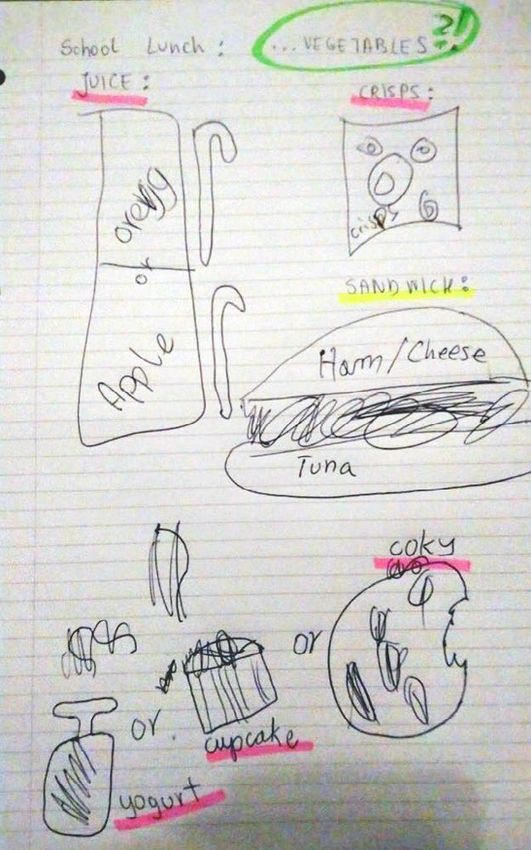
1. LEARNING                                  3. IN THE             4. GROWING              5. FOOD          6. BEYOND THE
FEEDING OUR FUTURE                                                                                                                    & WELLBEING        2. PROCUREMENT          DINING HALL               SCHEMES                WASTE           SCHOOL GATE

2. PROCUREMENT: PUTTING OUR                                                                                                                                                                                     RECOMMENDATIONS:

MONEY WHERE THEIR MOUTHS ARE                                                                                                                                                                                 › Strengthen and revise procurement standards
                                                                                                                                                                                                               so that taxpayer money is spent on sourcing
                                                                                                                                                                                                               healthy and sustainable food. These standards
                                                                                                                                                                                                               should be made mandatory for schools.
THE POWER OF PUBLIC PROCUREMENT                                    Government, 2011). Published in 2011 and currently              rather than a “cost” (APSE, 2021). For example, the
– FROM ‘VALUE FOR MONEY’ TO ‘VALUES                                being revised, this guidance also highlights how to use         concept of Community Wealth Building (CWB), where                         › Refocus procurement weighting systems
FOR MONEY’                                                         procurement legislation to specify fresh and seasonal           public purchasing is used to invest in local economies,                     to make sure that nutrition, welfare and
Public sector bodies spend an estimated £2.4 billion               produce, address quality and nutrition, buy food which will     is helping to shorten supply chains, create and secure                      environmental standards are assigned more
on procuring food and catering services annually, with             help to meet the Scottish Dietary Goals and consider how        jobs, and strengthen local communities (CLES, 2020).                        importance than cost alone in tendering
around £1 billion of this going towards the cost of food           food has been produced and processed. Similarly, the 2021       The application of CWB when procuring school food is                        decisions.
and ingredients (Parliament UK, 2021). This represents a           Wales Procurement Policy Statement puts the Well-being          one way of ensuring that money spent stays in the local
huge opportunity for schools, hospitals, prisons and other         of Future Generations (Wales) Act 2015 at the heart of all      area, supports local food producers, and provides positive                › Further fund and expand properly evaluated
institutional settings to use this budget to support public        procurement decisions and progressive policy priorities such    economic benefits for the places where the school are                       pilots into Dynamic Purchasing Systems to
health and serve more veg. With the proposed introduction          as decarbonisation, social value, community benefits, fair      sited. There are many local authorities in the UK which are                 encourage schools to purchase more fruit and
of Universal Free School Meals to primary-age children             work, the circular economy and the foundational economy         now adopting a CWB approach and according to East                           vegetables from smaller and/or more local
in Scotland from 2022, and with other nations weighing             (Welsh Government, 2021).                                       Ayrshire, the first CWB council in Scotland, not only has it                suppliers. If the 2022 pilot currently being run
up their options, attention must be paid to ensuring that                                                                          helped them improve the quality of school meals but buying                  by Bath and North East Somerset Council is
existing school food budgets are not simply spread more                                                                            fresh local produces has also generated a positive impact                   deemed a success this should be more widely
thinly, which would likely jeopardise food quality.                SHAKING UP PROCUREMENT PRACTICES                                on local businesses and significantly reduced their carbon                  rolled out.
                                                                   School food procurement is often centralised in the hands       footprint (Soil Association Scotland, 2020).
                                                                   of several large catering companies, limiting competition                                                                                 › Adopt a Community Wealth Building approach
IMPROVING STANDARDS TO SERVE                                       and innovation in the sector. Complicated procurement                                                                                       to procurement to ensure that public funds stay
GOOD FOOD                                                          processes pose barriers for smaller suppliers to be             ACCREDITATION                                                               within a locality and that local food producers
There is scope to improve and tighten compliance                   able to bid for school catering contracts and to compete        Accreditation of catering services and the food served                      are supported.
with procurement standards and put renewed focus                   on price.                                                       in schools is currently voluntary, with a number of
on vegetables. For example, England’s Government                                                                                   organisations providing a variety of training and                         › Adopt a ‘whole school’ approach to school
Buying Standards (GBS) currently only apply to central             Dynamic Purchasing Systems (DPS) are one potential way          accreditation schemes. Many schools use the online                          food and education and require all schools to
Government, hospital food for patients, prisons and                of changing the status quo to allow smaller businesses to       professional standards and training developed by the                        work with accreditation schemes to improve
the armed forces. Local governments, schools and care              supply schools and provide institutions with more choice.       Local Authority Caterers’ Association or partake in the                     both school food and education.
homes need not follow the standards although schools               Unlike more traditional procurement methods, DPS means          Soil Association’s Food for Life certification scheme.
ought to comply with school food regulation and guidance           that a wide range of suppliers, regardless of size, are         However, these require investment from schools and                        › Ensure thorough monitoring and
(Dimbleby, 2021). The GBS currently recommend only                 allowed flexible access to a contract at any stage of its       are optional, so in no way universal.                                       implementation of school food standards,
one portion of veg as part of meals, a recommendation              duration providing they meet the standards set by contracting                                                                               including training of staff and setting of clear
which did not change even after a consultation in 2019 that        authorities. For instance, the Soil Association provides an     Requiring all schools to be part of a standard accreditation                performance indicators.
aimed to update the nutrition standards in the GBS. That           example of a seasonal carrot grower who under DPS would         scheme could have hugely beneficial impacts on the
said, the increased focus on fibre was encouraging, with           be able to sell their produce when available and not be         sourcing and provision of school food (see the Food for
an updated recommendation that main meals containing               penalised when they run out (Soil Association, 2020).           Life case study on page 14). As a minimum, for example,
beans or pulses as a main source of protein are made                                                                               schools could be required to account for how school food             much lower greenhouse gas emissions per kilogram of
available at least once a week, with beans and pulses (up          A recent paper to Scottish Government on UFSM argued            funds have been spent, fully comply with the school food             produce than meat and dairy foods even when emissions
to 80g) counting as one portion of veg (DHSC, 2021). As            that public food should reflect the best of public values and   standards for nutrition and procurement standards and                from transportation are taken into account (Clune, Crossin
noted in England’s recent National Food Strategy there is          as such school meals should be seen as an “investment”          ensure their catering staff are adequately trained to deliver        and Verghese, 2017; Poore and Nemecek, 2018; Ritchie,
currently a loophole in the GBS that allows lower quality                                                                          quality meals.                                                       2020). If all public caterers moved to having even one
food to be supplied where necessary in order to avoid a                                                                                                                                                 meat-free day a week, this could reduce meat consumption
“significant increase in costs” (Dimbleby, 2021). There is                                                                                                                                              by 9,000 tonnes a year potentially saving over 200,000
therefore a need to refocus the weighting system to make                                                                           TOWARDS NET ZERO                                                     tonnes of greenhouse gas emissions (Public Sector Catering,
sure that nutrition, welfare and environmental standards                                                                           As well as action from schools and Government, there is              2020). There are already some great examples of action in
are assigned more importance in tendering decisions.                                                                               also an opportunity for those providing school food to up            this arena, with eight school caterers committing to increase
                                                                                                                                   their game when it comes to the standard of food they serve          the amount of veg they serve as part of their commitment to
The Scottish Government and local authorities laid                                                                                 and source. With many caterers having committed to                   Peas Please. Furthermore, procuring in a way that favours
the foundations for a focus on procurement                                                                                         ambitious net zero and sustainability targets, changing              seasonal and locally sourced food produced in a way that
which prioritises local suppliers and                                                                                              menus so that they contain more veg, fewer ultra-                    promotes positive environmental and social benefits would
considers the social, economic and                                                                                                 processed options, and less and better meat is an                    ensure that public procurement plays its part in helping
environmental dimensions of sustainability                                                                                         obvious focus area for reducing the environmental                    to achieve the UK’s climate change commitments (see our
with Catering for Change (Scottish                                                                                                 impact of their supply chains. Vegetables and pulses have            case study by Sustain on page 20).

                                                              12                                                                                                                                   13
1. LEARNING 3. IN THE 4. GROWING 5. FOOD 6. BEYOND THE
& WELLBEING 2. PROCUREMENT DINING HALL SCHEMES WASTE SCHOOL GATE
CASE STUDY
SOIL ASSOCIATION 3. IN THE
DINING HALL
LOCAL AND SEASONAL VEGETABLES WITH FOOD FOR LIFE
SCOTLAND
Food for Life Scotland is a Highland Council who hold the there are plans to arrange school
Scottish Government funded Bronze FFLSH award for their visits to the farm at a future point
programme which works with primary school meals meet the when it is safe to do so.
local authorities across Scotland to
improve the quality of school meals
standards on seasonality and
provenance by serving seasonal EMPOWERING SCHOOL 9%
PHOTO COURTESY OF FOOD FOR LIFE SCOTLAND
through the certification scheme vegetables every day on the side of COOKS AND CATERING STAFF
buy lunch on the way
Food for Life Served Here (FFLSH). their main meals. By not stipulating Food for Life Scotland provide to school or visit a
FFLSH rewards caterers who serve what the side vegetable will be the free seasonality training sessions local shop/
freshly prepared, sustainable and caterers are able to work closely for catering staff. The aim of takeaway*
82%
local food. Currently 17 of the 32 with their local supplier, Swansons, these sessions is to use seasonal
local authorities in Scotland hold the
FFLSH award and are demonstrating
to make best use of the vegetables
available at different times of
vegetables to engage and inspire
school cooks who are often 4%
best practice in promoting the
enjoyment of locally sourced and
year and expose the students to
a broader range of produce. By
undervalued and the unsung heroes
of school food. The training involves
SKIP of those who eat in
the school canteen less
seasonal vegetables and as such highlighting seasonality on the cooking and eating seasonal LUNCH* than four times a week
are encouraging children to make menu and displaying a provenance vegetables together and discussing have a packed lunch
instead*
healthier food choices. Students map illustrating where their produce the themes of the FFLSH award.
S
in Food for Life schools are has come from, Highland Council These interactive sessions ensure etting standards for the procurement and serving of a battle of wills”, not only between
twice as likely to eat 5-a-day and caterers are helping to normalise cooks in FFLSH schools understand vegetables is a crucial step towards increasing veg children and their parents, but also in the
a third less likely to eat no fruit the idea of eating fresh Scottish and appreciate the importance of consumption in schools. But getting vegetables onto school food context (Veg Power, 2019). The introduction of
and vegetables than students in vegetables every day. good local produce and have the the plate is just one part of solving the problem: food-based the ‘Healthy Eating in Schools’ regulations in Wales in 2013,
comparison schools (Jones et al., confidence to discuss this with standards do not automatically lead to students consuming for instance, was met with resistance as students perceived
2015). North Ayrshire Council who are students in their schools. adequate portions of fruit and vegetables at lunchtime the guidelines to be “too healthy” and “overpowering”
Gold FFLSH award holders source (Upton, Upton and Taylor, 2012). In South London (Addis S and Murphy S, 2019). Younger children may
MAKING THE BEST OF LOCAL salad leaves and vegetables for Food for Life’s support of school secondary schools, where 73% of schools serve meals be reluctant to try foods which they are not familiar with
PRODUCE the schools on Arran from a local cooks and advocacy for cooking compliant with school food standards, vegetables are often while older children may not choose them as a way of
Food for Life Scotland promotes community supported agriculture from scratch with vegetables allows the main item left on the plate or they go straight in the bin demonstrating autonomy (Belot, James and Nolen, 2016).
local sourcing where possible and project, Woodside Farm. The caterers to utilise their skills. (Guy’s & St Thomas’ Charity, 2020). Peer dynamics are particularly important among adolescents,
FFLSH encourages seasonality. farm also collects food waste from and often the less healthy options are the socially acceptable
Much of this work centres on the school to use as compost, Novena Miller, from West Lothian choice (Calvert, Dempsey and Povey, 2020).
vegetables given the ready completing the circular model. The described her experience of STUDENTS ARE A TOUGH CROWD
availability of great locally grown children know the vegetables have working with Food for Life: “When The food choices of children and young people are shaped
produce in much of Scotland. come from just down the road and I started as a cook all those years not only by taste preferences but also by peer dynamics, VEG VISIBILITY AND CHOICE COMPETITION
ago, we were actually preparing food habits at home, the wider school food environment and IN THE SCHOOL FOOD ENVIRONMENT
all fresh vegetables, fresh fruit, social media (Baldwin, Freeman and Kelly, 2018; Addis S School canteens are often time-pressured environments
meat was all prepared, there and Murphy S, 2019; Calvert, Dempsey and Povey, 2020). where decision-making on what food to eat happens
were very little processed foods. As a ‘healthy choice’, vegetables often become “victims in quickly. The ‘choice architecture’ – the way meal
Over the years these things have options are promoted and presented – has a significant
changed and as a society we impact on students’ food choices and willingness to
are becoming more and more consume vegetables. The way vegetables are prepared
there’s no healthy options
PHOTO COURTESY OF JASON TAYLOR
dependent on processed foods. and presented matters as much as the way in which
After being involved…with Food
for Life it actually gave you a
at all, unless it’s school meals are served and the combination of options on
offer. Prominently positioning and promoting vegetables
bit of motivation and made you dinners, and nobody wants to and vegetable-based meals in the school canteen can
rethink, to actually ask what was stay inside for school dinners. " increase their uptake (Ensaff et al., 2015). Research among
I trained to do? I was actually secondary students in England has shown that young
trained to produce good high STUDENT, SECONDARY SCHOOL people perceive less healthy choices to be more visible,
quality food.” (YOUNG FOOD AMBASSADOR) prominent and accessible than healthier options (Calvert,
Dempsey and Povey, 2020).
*Data from a 2021 Food Foundation UK YouGov poll, for those
children who eat from the canteen less than four times per week
14 15
1. LEARNING                                    3. IN THE                4. GROWING                   5. FOOD               6. BEYOND THE
FEEDING OUR FUTURE                                                                                                                      & WELLBEING         2. PROCUREMENT           DINING HALL                  SCHEMES                     WASTE                SCHOOL GATE

                                                                     just down to the caterers – it’s also about providing an                                                                                             LUNCH-BOXING CLEVER
          The school lunches do not                                  environment and opportunities in the dining hall for                                                                                              About half of the UK’s primary school students
                                                                     children and young people to experience and engage with                                                                                          bring a packed lunch to school (Evans et al.,
          look good in my daughter’s                                 different types of veg.                                                                                                                        2020). Despite the significant contribution of packed
    school. Children have to take the                                                                                                                                                                            lunches to children and young people’s dietary intakes,
                                                                     The fact that vegetables are the meal component most                                                                                     consistent evidence suggests that packed lunches are
    veg themselves, and if the veg are                               often rejected by students points to the importance of                                                                                   of poorer nutritional quality than school-made lunches
    plated, they seem not to be tasty. "                             incorporating them into dishes which students commonly                                                                                   (Stevens et al., 2013). Compared to school meals,
                                                                     enjoy, such as soups, sauces, stews and pies. A salad bar                                                                                packed lunches contain, on average, higher levels of
    PARENT AND PEAS PLEASE VEG ADVOCATE
                                                                     allows students to pick and choose the fresh vegetables         schools whose menus meet a range of health, welfare                      sugary foods and drink, savoury snacks high in fat
                                                                     they like and smoothies have been found to be a way of          and environmental criteria. In England the scheme criteria               and salt, and lower levels of fibre, protein, vegetables
                                                                     increasing the consumption of dark green vegetables             recommend two portions of veg are served with every meal.                and water. Two large cross-sectional surveys undertaken
                                                                     among young children (Micha et al., 2018; Guy’s & St                                                                                     in the UK found that between 2006 and 2016 very few
Serving vegetables alongside less healthy options which are          Thomas’ Charity, 2020).                                         Right across the UK there are excellent examples of good                 improvements were seen in the nutritional content of
high in fat, salt or sugar means children and young people                                                                           practice that highlight how school food could be delivered.              school lunch boxes. Vegetables were found to be the least
are likely to choose the latter at the expense of vegetable                                                                          For example, East Ayrshire schools hold a Gold FFLSH                     common foods included in packed lunches, with only 1
consumption (Guy’s & St Thomas’ Charity, 2020). Making               IMPROVEMENT IS POSSIBLE                                         award, providing high quality organic food sourced as locally            in 5 providing any veg or salad and just 10% containing
a choice between starter, soup or dessert will see most              Interventions in schools that specifically focus on             as possible. Menus are developed annually with parents and               vegetables outside of sandwich fillings, the most common
students choose the dessert. Organising the school meal              increasing fruit and veg consumption show modest but            school catering staff and designed to limit the amount of red            being cucumber, tomatoes, lettuce and carrots (Evans et
into separate courses and serving dessert after the main             consistently positive outcomes. A 2008 review found that        and red processed meat, increase fruit and veg, and reduce               al., 2020).
course, even incorporating veg into dessert recipes, can             70% of initiatives promoting fruit and veg in schools were      the intake of fat, sugar and salt. Menus rotate every three
                                                                                                                                     weeks with designated meat-free days and all students can                With less than 2% of food and soft drink advertising spend
                                                                                                                                     pre-order their meals either at the start of the day (primary) or        going towards promoting vegetables, it is perhaps no
                                                                                                                                     via an online ordering portal (secondary). The shift towards             surprise that veg does not feature prominently in lunch
        I think they probably do get too many bread products and it would be                                                         a more ‘customer’ focused approach, including alternative                boxes (Veg Power, 2019). Items which are marketed as
        nice if they could be a little more creative with some of their snacks,                                                      queuing and payment systems, has led to greater uptake in
    maybe get some more veggies in there " PARENT                                                                                    school meals (East Ayrshire Council, 2020). (For examples
                                                                                                                                     of how some organisations are working to change school
                                                                                                                                     food for the better, see our Autograph Education and
                                                                                                                                     TastEd case studies on pages 22 and 23.)
further increase the consumption of vegetables, as does              effective not just in increasing intake, but also in helping
removing the choice between one or the other (Zellner and            to change habits in the long-term (Sa and Lock, 2008).          In West Wales, Carmarthenshire County Council together
Cobuzzi, 2016; Obesity Action Scotland, 2020).                       However, the evidence suggests that improvements in intake      with local organisations (Carmarthenshire Public Service
Length of lunch breaks determines how long children                  following fruit and veg school interventions are often higher   Board and Carmarthenshire Food Network and Local
have to obtain and eat their lunch, with shorter sittings not        for fruit than for veg, with a 2018 review of 91 studies in     Business) are working on an experimental project with two
always giving children enough time to complete a meal                high income countries finding that targeting fruit and veg in   schools, in rural and town settings, to update school menus
(Bergman et al., 2004; Zandian et al., 2012). Moreover,              schools increased average consumption by 0.28 servings a        to better reflect their important societal role and impacts.
research suggests shorter lunch breaks can also result in            day, with a smaller impact on veg (0.04 servings) than for      The aim is to design new dishes that make healthier foods
poorer dietary choices, with easier to eat items such as             fruit (Evans et al., 2012; Micha et al., 2018).                 more accessible by increasing and diversifying the veg
‘mac ’n’ cheese’ being chosen as opposed to healthier                                                                                offer, reflecting seasonality and sourcing food locally. One
meals with separate components, such as vegetables                   It’s possible that we simply need better designed and more      of the schools is placing these menu changes within a
(Townsend, 2014).                                                    ‘whole school’ approaches in order to see larger uplifts        ‘whole school’ approach to learning about food and the
                                                                     in veg intake at school. For instance, a systematic review      food system. They are building an outdoor area to support
Encouraging children to eat veg in the dining hall through           of European school trials concluded that multicomponent         the teaching of different subjects, including growing and
‘choice architecture’ relies on the skills and dedication of         interventions that both increased the availability and          cooking.
catering teams to make innovative, visible choices, such             accessibility of fruit and veg in schools and included
as making vegetable-based recipes appealing and tasty                nutrition education initiatives such as taste testing and       Wherever possible children should be involved in the
(Upton, Upton and Taylor, 2012). Catering teams also need            cooking classes, were much more effective than either type      development of school food provision – from menu
to understand and see the benefits of dedicating time to             of intervention on their own (Cauwenberghe et al., 2010).       development to how the dining hall looks. Furthermore,
fostering healthy lunchtime behaviours and promoting                 The Soil Association’s ‘Food for Life’ scheme illustrates       combining educational components, parental and peer
vegetables; keeping a salad bar well stocked and tidy                the potential of such an approach well: the scheme works        engagement can all impact on students’ dietary behaviour
during busy lunch hours for instance, requires staff capacity        with schools to change food culture, encouraging children       and consumption of vegetables (Jones et al., 2012;                       Reeby shows off her lunch box. Her mum uses the labelled sections to
(Guy’s & St Thomas’ Charity, 2020). However, this isn’t              to participate in enrichment activities and certifying          Chaudhary, Sudzina and Mikkelsen, 2020).                                 help give Reeby the right portions of fruit, veg, protein, grains and dairy.

                                                                16                                                                                                                                       17
1. LEARNING 3. IN THE 4. GROWING 5. FOOD 6. BEYOND THE
FEEDING OUR FUTURE & WELLBEING 2. PROCUREMENT DINING HALL SCHEMES WASTE SCHOOL GATE
‘lunch box’ compatible (crisps, cheese straws, sweets and as children might reject them and both the money and food
sugary drinks) may appear to be the convenient choice end up being wasted (Veg Power, 2019). RECOMMENDATIONS:
for parents, albeit a less healthy one. Furthermore, the
preparation of healthy packed lunches requires both Moving away from the reliance on packed lunches and
time and money, which many families on lower incomes towards increasing student uptake of nutritious school › Build food into all aspects of school life,
cannot afford. Many parents face further challenges given meals is the most promising way of increasing children’s both in the classroom and in the dining hall,
that healthy foods including fresh vegetables are often vegetable consumption while taking the pressure off parents. so that meals times are not just seen as an
unavailable in the shops in their vicinity or beyond their Nevertheless, engagement on healthy lunch box contents inconvenient break between lessons.
budget (Lasko-Skinner, 2020). Alongside that, vegetables with parents is crucial to close the quality gap between
can be seen as a ‘risky’ purchase for those on tight budgets, school lunches and packed lunches. › Ensure adequate time for children to eat
within a comfortable and welcoming dining
environment.
The packed lunch provided by the catering
company may mean up to five times a week › Involve children, young people, parents and
catering staff in developing school food
having ham (processed meat), bag of crisps, fruit provision to instil ownership and normalise
juice, cake/biscuit – how balanced is it? " PARENT healthier choices. Design and test school
food menus and better eating environments
for schools with input from young people that
FIGURE 7 align with school food standards. Adopting
DO YOU EAT VEG WHEN YOU HAVE LUNCH AT SCHOOL? a more ‘customer’ focus to delivery will also
increase uptake of school food.
35
EAT YOUR GREENS? 30 › Incentivise and support caterers to prepare,
As part of our small school food promote, and serve tasty and appealing
questionnaire (see Box 1 on page 25 vegetables and vegetable-based dishes in
7), we also asked survey respondents 20
Yes, I
usually the school canteen through skills training and THE VEG ADVOCATE VIEW FROM THE
whether they actually ate the veg they have veg professional development. GROUND
%
were served at school. The results 15 in my lunch There are 180 Peas Please ‘Veg Advocates’ across the
from the No I sometimes
were illuminating. Just over a quarter 10 school have veg in
Yes, I usually › Limit break-time snack options to more UK. Veg Advocates are food activists working in their
have veg in I sometimes
of respondents (26%) said they canteen my lunch from
my packed have veg in healthy options, such as vegetable dips communities to challenge the food system, supporting
didn’t eat veg when they had their 5 the school my packed and smoothies, to increase both vegetable Peas Please in the national cause of improving diets
lunch
canteen lunch
lunch at school – a concerningly 0 consumption and lunch uptake. through changing food environments. During the
high number. When we asked why (Responses) last 6 months we asked our Veg Advocate parents
this group didn’t eat veg for lunch at › Actively encourage parents to include to encourage
school, almost 40% said because it vegetables in packed lunches. their children to
FIGURE 8
wasn’t appealing to them, followed keep school food
by a third who said they simply hated IF YOU DON'T EAT VEG FOR LUNCH AT SCHOOL, TELL US WHY NOT? › Expand and adequately fund the provision of diaries, the results
veg, and 30% who said the veg schemes to provide free and high-quality fruit of which have
offered wasn’t the type they liked. Overcooked and veg in schools. Review England’s School informed some of
Fruit and Veg scheme and identify further this report. Here
Changing children and teenagers’ No veg on offer opportunities for improvement. are some pictures
attitudes towards veg is therefore of school food
crucial, with plenty of opportunities for Poor quality drawn by their
school and caterers to up their game children from
when it comes to serving tasty and Not offering veg I like during this time,
appealing veg. The veg offered was which do not
said to be poor quality by 18%, with a I hate veg! show much veg
further 5% saying it was overcooked on the plate.
– both things that could be remedied Not appealing
were a new focus placed on 0 5 10 15 20 25 30 35 40 45
procurement standards and investment
(% of respondents)
in catering skills.
18 19CASE STUDY CASE STUDY
SUSTAIN TastEd
EAT WELL TO LEARN WELL, THE IMPORTANCE OF FRUIT AND VEGETABLES “I TRIED THE RADISH AND IT WAS SUPER SPICY...BUT I SURVIVED!”
IN SCHOOLS
Many children cannot name basic for the first time shouted to his
fruits and vegetables, never mind friends, “I tried the radish and it
enjoy eating them. “I’ve never felt was super spicy … But I survived!”
an onion before”, said one five
year-old child in a recent TastEd Our long-term aim is for TastEd
lesson. A child who has never to become a basic part of every
tasted a fresh tomato might believe child’s education in the UK, just
that he or she doesn’t like them. as it is in Finland. Our scheme
But not every child gets the chance TastEd’s golden rules of “no one of work, including online teacher
to taste fresh vegetables and fruits has to try” and “no one has to like” training and over 100 lesson
at home. TastEd – based on the frees children from the pressure of plans covering early years to Year
tried and tested SAPERE method eating things they may be scared of. 6 – aligned with the English
from France and Scandinavia – is Children feel proud of themselves primary curriculum on cooking and
simple sensory food education for trying new foods with any of nutrition – is now fully funded for
lessons aimed at giving all children their senses (even licking counts). all schools. Find out more at
the opportunity to try and enjoy One Year 2 boy who tried a radish www.tasteeducation.com
vegetables, using all five senses.
Veg Cities is a campaign of tackling historical low levels of fruit TastEd provides fun and practical
Sustainable Food Places, led by and vegetable consumption. For food education lessons for
food and farming charity Sustain a start, it only reaches children in primary school teachers, although
in partnership with the wider Peas Key Stage 1 in England. There is lessons have been delivered by
Please initiative. no comparable scheme in Wales caterers, sports coordinators and
or Northern Ireland, although in SEN teachers too. Children at
The importance of school food for Scotland some local authorities Washingborough Academy in
academic attainment and healthier and vegetables that they might not fund fruit in schools. It also fails to Lincolnshire listened to the sound
diets, particularly for disadvantaged have tried otherwise, and increased link up with wider environmental or of eating tomatoes and discovered
students, has received a much knowledge about healthy eating, economic development objectives they sounded “like a squidgy
needed boost over the last year particularly among children from – only 30–40% of the produce silence”. These sensory activities
and a half, thanks to campaigning deprived areas. For some children, is British. The scheme needs to build familiarity and confidence
by the End Child Food Poverty it’s the only portion of fruit or be changed to integrate other around trying vegetables.
coalition of civil society organisations, vegetable they will have all day. interventions to support consumption
spearheaded by Marcus Rashford. and should be extended to cover Feedback from teachers suggests
A less well-known school food Despite all its benefits, the scheme older children in order to deliver the empowering atmosphere of
intervention is the School Fruit and is some way off when it comes to long-lasting impact and sustained TastEd lessons enables children to
Vegetable Scheme, which offers levels of fruit and vegetable get past their resistance to trying
2.3 million children aged 5 to 7 consumption. Sustain have always vegetables – even children on
attending state-funded primary advocated for a bigger and better the autistic spectrum who have
schools in England one portion of The scheme needs to fruit and vegetable scheme so it previously found trying new foods
fruit or vegetable each school day. be changed to integrate reaches more children and increases very hard. At Prendergast Primary
The scheme has shown clear benefits. other interventions to the proportion of British seasonal in London, one Reception child
Government evaluations in 2004, support consumption fruit and vegetables used and who loudly stated before a TastEd
2006, 2008 and 2010 concluded and should be extended support the National Food Strategy’s lesson that he hated cauliflower,
that it increased consumption, to cover older children recent recommendations to expand surprised himself by enjoying raw,
encouraged children to try new fruit and develop the scheme. boiled and roasted cauliflower!
20 21You can also read


