PRELIMINARY PROGRAM AND REGISTRATION INFORMATION - 8TH SNAICC NATIONAL CONFERENCE
←
→
Page content transcription
If your browser does not render page correctly, please read the page content below

PRELIMINARY
8TH SNAICC NATIONAL
                               PROGRAM AND
CONFERENCE                     REGISTRATION
2-5 September 2019
Adelaide Convention Centre     INFORMATION

www.snaicc.org.au/conference
SPONSORS
Sponsorship opportunities are still available for the conference. For more information and to download the sponsorship prospectus
visit www.snaicc.org.au conference or contact Encanta Event Management on +61 3 9863 7608 for more information.
The SNAICC 2019 Conference sub-committee acknowledge with gratitude the generous support of our sponsors and
supporters:

                                                      Principal Partners

                                                  Government Supporters

            Gold Sponsors                                                       Silver Sponsors

                                                      Bronze Sponsors

Welcome Reception            Wellbeing Zone             Media Partner                 Supporter                  Airline Partner
     Sponsor                    Sponsor

2                                                                                     8th SNAICC National Conference Registration Brochure
CONFERENCE
INVITATION
                            On behalf of SNAICC – National Voice for our Children
                            and the Conference Committee, I would like to welcome
                            you to the 8th SNAICC National Conference.

The majestic Karrawirra Pari (red gum forest river) runs through       We are pleased to welcome speakers including Victoria Tauli-
Tarntanya (red kangaroo place) on the lands of the Kaurna people,      Corpuz, United Nations Special Rapporteur on the rights of
where this year’s conference will take place in September at the       Indigenous peoples; Dr Moana Eruera, Ministry for Children,
Adelaide Convention Centre. I would like to acknowledge the            New Zealand; Professor Fiona Arney, Australian Centre for Child
Kaurna people as Traditional Owners of the land, and extend my         Protection, University of SA; Richard Weston, CEO of Healing
thanks for giving us the opportunity to gather on this ancient land.   Foundation; Natalie Lewis, CEO of QATSICPP, plus many more
Learning about our connection to culture and the environment           leaders from across the country.
starts from childhood, and our conference theme Growing                As well as providing a powerful and inspiring learning experience
Up with Strong Identity, Culture and Connection focuses                for all attendees, the conference will also provide opportunities
on just that – creating conversations to ensure we keep our            to meet and experience some of the richness and culture of the
children safe in culture, community and connected to family.           local communities of South Australia with daily performances at
It also focuses on strong and collaborative partnerships that          our plenaries and at our social events.
can lead to better outcomes for our children and families.             I hope you can make the journey to Kaurna Country and join us
Across the three days we will come together as practitioners,          at the Adelaide Convention Centre this September.
policy makers, researchers and representatives from
community-controlled organisations, government, non-                   Warmest regards,
government organisations and institutions to be inspired by            Professor Muriel Bamblett Hon DLitt SW AO
sharing a wealth of work, discuss our challenges, and listen to        Chairperson – SNAICC National Voice for our Children
and learn from experts about how to achieve better outcomes
for our children. The program promises to bring together a
strong contingent of presenters with more than 60 concurrent
sessions to participate in, including yarning circles, panels,
workshops and pre-conference master classes providing some
diverse learning opportunities.

Conference Sub-Committee                                               Conference Organisers
The Conference Sub-Committee is made up of experts and                 Events & Engagement Coordinator (SNAICC)
leaders working on issues relating to the wellbeing of Aboriginal      Poppy Bervanakis
and Torres Strait Islander children and families. The group provides   T: 03 9419 1921
high-level advice and direction on the conference. Members for         E: poppy.bervanakis@snaicc.org.au
our 2019 Conference include:
                                                                       Conference Organiser
Sharron Williams, CEO of Aboriginal Family Support Services            Encanta Event Management
Rachel Atkinson, Palm Island Community Company Limited                 Suite 348, St Kilda Road Towers
                                                                       1 Queens Road, Melbourne VIC 3004
Lisa Coulson, Tasmanian Aboriginal Centre Inc.
                                                                       T: +61 3 9863 7608
Muriel Bamblett Hon DLitt SW AO, Chairperson,                          E: snaicc@encanta.com.au
SNAICC – National Voice for our Children                               W: www.encanta.com.au
A special thanks to Barbara Falla and the team at Aboriginal Family
Support Services (AFSS) for their support of the SNAICC conference.

8th SNAICC National Conference Registration Brochure                                                                                   3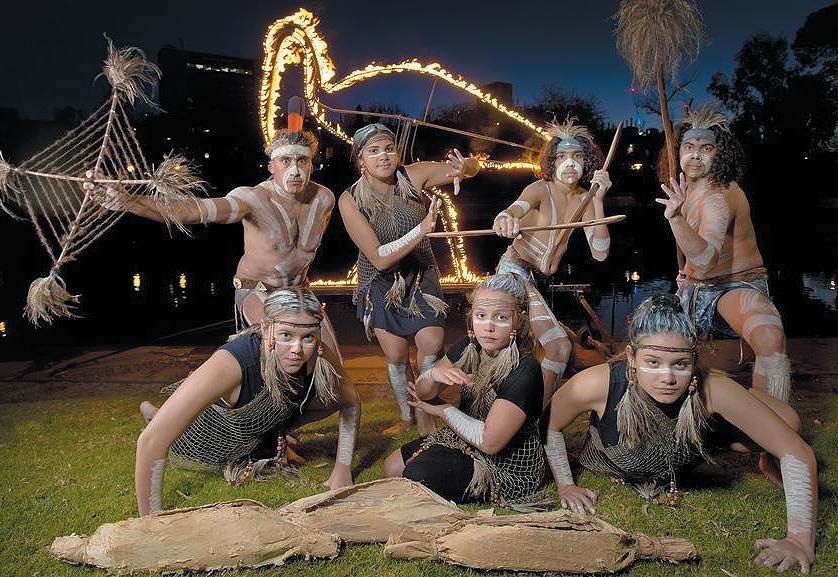
CONFERENCE
OBJECTIVES

To celebrate and                          To enable dynamic                              To explore and enable the
showcase local wisdom                     sharing of best practice                       development of integrated,
and innovation in                         across sectors to                              holistic, culturally-relevant
developing and delivering                 strengthen opportunities                       service systems within
best practice responses                   for identification of local                    communities and regions,
to local challenges                       priorities, solution building                  and across jurisdictions,
and priorities                            and evaluation strategies                      sectors and Australia
Right across Australia, Aboriginal        It is challenging to know everything           We are all part of the oldest continuous
and Torres Strait Islander people have    that is being done across land and sea.        living cultures in human history.
developed their own local responses       We are big on distance and short of            We have a rich culture involving a
to the issues and challenges that         time. However, we are all committed            custom, lore and value system based
impact our communities. The 8th           to improving ourselves, our practices          on the sustainability of our spiritual
SNAICC National Conference will           and our organisations so that we can           connection, belonging, obligation
showcase grass-roots best practice        make a positive change in the lives            and responsibility to care for our land,
from across Australia, grown out          of our children and our communities.           our people and our environment.
of the need to respond to locally         This conference provides an                    Our knowledge is diverse and dynamic,
identified issues in ways that keep       opportunity for practitioners, services        constantly absorbing new information
children safe while remaining strong      and organisations to showcase                  and adapting accordingly. Knowledge
in culture and thriving. What are local   their own best practice and – more             and wisdom has accumulated over
communities doing to improve the          importantly – come together with other         many generations, combined with
social, health and wellbeing outcomes     experienced, innovative practitioners          the lived experience of the people,
of outcomes of our children? How are      to improve and strengthen their own            and passed on in the form of songs,
communities increasing engagement         practice and service and system                stories, dance, art and the Lore. This
and participation by Aboriginal and       responses by learning from each other.         conference will enable practitioners,
or Torres Strait Islander children                                                       managers, leaders and planners to
and families in services such as                                                         share best practice and develop
kindergartens, supported playgroups,                                                     collective strategies, forming
maternal and child health services                                                       knowledge and service networks
and primary schools?                                                                     (from the local to the national), to
                                                                                         see our children grow up safe and
                                                                                         cared for within our families, our
                                                                                         communities and our culture.

4                                                                                   8th SNAICC National Conference Registration Brochure
KEYNOTE
SPEAKERS
                          Victoria Tauli-Corpuz
                          United Nations Special Rapporteur on the rights of Indigenous peoples
                          Victoria Tauli-Corpuz was appointed as the United Nations Special Rapporteur on the rights of Indigenous
                          peoples by the Human Rights Council in 2014.
                          In the fulfilment of her mandate, Victoria conducts fact-finding missions and reports on the human rights
                          situation in specific countries, addresses cases of alleged violations of the rights of Indigenous peoples through
                          communications with governments and others, promotes good practices to implement international standards
                          concerning the rights of Indigenous peoples and conducts thematic studies on topics of special importance to
                          the promotion and protection of the rights of Indigenous peoples.
                          As an Indigenous leader from the Kankana-ey Igorot people of the Cordillera Region in the Philippines, Victoria
                          has worked for more than three decades on building movement among indigenous peoples and as an advocate
                          for women’s rights.
                          Victoria is the former Chair of the UN Permanent Forum on Indigenous Issues (2005-2010) has served as the
                          chairperson-rapporteur of the Voluntary Fund for Indigenous Populations. As an Indigenous leader, she was
                          actively engaged in drafting and adoption of the UN Declaration on the Rights of Indigenous Peoples in 2007.
                          She has founded and managed various NGOs involved in social awareness-raising, climate change and the
                          advancement of Indigenous peoples’ and women’s rights and she is a member of United Nations Development
                          Programme Civil Society Organizations Advisory Committee.
                          In her capacity as the United Nations Special Rapporteur on the rights of Indigenous peoples, Victoria has
                          provided expert testimony before the Inter-American Court of Human Rights and policy advice to organisations
                          such as the World Bank and the World Intellectual Property Organisation (WIPO).

                          Dr Moana Eruera
                          PhD (Indigenous Studies), M. Phil (Social Work), Post Grad Dip (Social Policy & Social Work),
                          B.A (Māori), Registered Social Worker NZ, MANZASW, Tangata Whenua Social Worker Association
                          (TWASWA), New Zealand
                          Dr Moana Eruera is an Indigenous Māori woman of Ngāpuhi, Ngāti Ruanui and Ngāti Rangiwewehi tribal descent.
                          Eldest of three sisters, mother of two boys (and many other family members she cares for), Moana has more than
                          30 years of experience in social and community work and community work including child protection, family violence
                          prevention and Tribal research. Moana’s working career and vision has been spent committed to strengthening
                          family, child safety and wellbeing, reclaiming and application of Indigenous frameworks and practices in social and
                          community work, social justice, human rights and the development of Māori and Indigenous people. She is Poutaki
                          Māori (Principal Advisor Māori), Office of the Chief Social Worker, Oranga Tamariki: Ministry for Children, Wellington.

                          Professor Fiona Arney
                          Co-Director, Australian Centre for Child Protection, University of South Australia
                          Prof Fiona Arney is the Co-Director of the Australian Centre for Child Protection at the University of South Australia.
                          She is dedicated to discovering alternative, evidence-based approaches to the prevention of and response to child
                          abuse and neglect. Fiona has evaluated and supported more than 50 programs in child welfare and has a particular
                          interest in working in remote, regional and urban settings with Aboriginal and Torres Strait Islander peoples. Fiona
                          has won numerous awards for community engagement, contributions to child health and for women in leadership.
                          She has more than 25 years’ research experience in the fields of parenting support, child and adolescent mental
                          health and wellbeing, and child protection research. Fiona has provided support to numerous child protection
                          inquiries, led significant committees and has guided system reform efforts in a number of jurisdictions.

8th SNAICC National Conference Registration Brochure                                                                                           5
KEYNOTE PLENARY
PANELISTS
    Dr Brian Babington
    Chief Executive Officer, Families Australia
    Dr Brian Babington has worked for more than three decades for stronger communities, families and individuals
    in Australia and developing countries, particularly in Asia. Since 2005, he has been the CEO of Families Australia,
    a national, not-for-profit peak body that advises the Australian government on ways to improve the wellbeing of
    families and children who experience disadvantage and marginalisation. Brian plays leadership roles in national
    and international community development and rights bodies, including as Convenor of the National Coalition
    on Child Safety and Wellbeing, a Director of an international child-centred community development agency,
    Plan International Australia, and Deputy Chair of Communities@Work (ACT). He is also the founding editor of
    the Indonesian Orphanages Research Hub, a web-based resource that focuses attention on the wellbeing of
    children living in Indonesian orphanages.

    Adjunct Professor Muriel Bamblett Hon DLitt SW AO
    Chairperson, SNAICC – National Voice for our Children
    Adjunct Professor Muriel Bamblett OA is a Yorta Yorta and Dja Dja Wurrung woman who has been the CEO of
    the Victorian Aboriginal Child Care Agency since 1999. She is currently Chairperson of SNAICC and active in
    over 30 advisory groups concerning the Aboriginal community, including the Aboriginal Treaty Working Group;
    Aboriginal Family Violence Steering Committee; Victorian Children’s Council; Aboriginal Justice Forum; and the
    Aboriginal Community Elders Service, to name just a few. Muriel was heavily involved in the Northern Territory
    Child Protection Inquiry from 2009-11.
    Muriel’s contributions have been recognised in a number of awards including a Member of the Order of
    Australia in the 2004 Australia Day Honours for her services to the community. In 2011, Muriel was inducted
    into the 2011 Victorian Honour Roll of Women and was a finalist for a Human Rights Medal with the Australian
    Human Rights Commission.
    In 2017, Muriel was awarded an honorary degree of Doctor of Letters in Social Work by the University of
    Sydney in recognition of her outstanding contribution to Aboriginal child and family welfare.

    Isaiah Dawe
    CEO and Founder, ID. Know Yourself
    Isaiah is a Butchulla and Gawara salt water man. Butchulla of Fraser Island, Hervey Bay and Gawara of the
    Northern Territory, his skin name is Yakamarri.
    Isaiah was the winner of the 2017 Aboriginal and Torres Strait Islander TAFE NSW student of the year and
    was also the TAFE NSW student graduate of the year, being the first Indigenous person to do so. Isaiah
    has represented Australia in America apart of 9 young Indigenous Leaders chosen by National Congress
    of Australia’s first Peoples. Isaiah was a part of the first Aboriginal team to sail in the prestigious Sydney to
    Hobart Yacht race and the Sydney to Gold Coast race, Isaiah was recently selected by Prime Minister and
    Cabinet to attend the World indigenous Business Conference in New Zealand. Isaiah is a strong advocate
    for Indigenous children in foster care and showing them that “it’s not what you know, it’s what you do that
    matters”. Isaiah is currently the CEO / Founder of the first Aboriginal mentoring company to support Aboriginal
    young people in Out of Home Care in New South Wales called - ID. Know Yourself.

6                                                                       8th SNAICC National Conference Registration Brochure
April Lawrie
                         Commissioner for Aboriginal Children and Young people (SA)
                         Commencing in December 2018, April Lawrie was appointed the inaugural Commissioner for Aboriginal
                         Children and Young People in South Australia. Commissioner Lawrie has been tasked with ensuring the
                         development of policies and practices to improve the safety and wellbeing of Aboriginal children and young
                         people, particularly in the areas of health, education, youth justice and child protection. Commissioner Lawrie
                         is a proud Mirning and Kokatha woman whose peoples are from the Far West Coast of South Australia.
                         Commissioner Lawrie’s role as Commissioner is preceded with 15 years of executive leadership roles across
                         government, with the most recent two and half years as Director of Aboriginal Education, prior to that, 10
                         years as SA Health Aboriginal Health Branch Director and before that, four years as the Aboriginal Justice
                         Director in the Attorney General’s Department.
                         Commissioner Lawrie strongly believes that we need to bring the voices of Aboriginal children and young
                         people and their communities into how we are designing and delivering health, education, justice and
                         child protection culturally appropriate services so that Aboriginal children and young people can flourish.
                         She believes that to improve services and outcomes, we need to recognise the solutions coming from our
                         Aboriginal communities and families and act upon them in a meaningful way.

                         Natalie Lewis
                         CEO, Queensland Aboriginal and Torres Strait Islander Child Protection Peak (QATSICPP)
                         Natalie Lewis is a descendant of the Gamilaraay (Kamilaroi) Nation and is the Chief Executive Officer of the
                         Queensland Aboriginal and Torres Strait Islander Child Protection Peak. Natalie serves on the board of SNAICC
                         – National Voice for our Children and is Chair of the national Family Matters campaign. She holds appointments
                         on the Qld Domestic and Family Violence Implementation Council, Youth Sexual Violence and Abuse Steering
                         Committee and the Queensland Policy Leaders Forum. As a member a member of the Expert Advisory Group to
                         the Queensland Child Protection Commission of Inquiry, Natalie remains strongly involved in the implementation
                         of the reform agenda.
                         Natalie’s experience has been called upon in Queensland and the US in the areas of youth justice and child
                         protection, providing direct service, program and policy development and organisational leadership over the
                         past 20 years. Natalie is also a finalist for the 2018 Tony Fitzgerald Memorial Community Individual Award.

8th SNAICC National Conference Registration Brochure                                                                                       7
June Oscar AO
    Aboriginal and Torres Strait Islander Social Justice Commissioner
    June Oscar AO is a proud Bunuba woman from the remote town of Fitzroy Crossing in Western Australia’s
    Kimberly region. She is a strong advocate for Indigenous Australian languages, social justice, women’s issues,
    and has worked tirelessly to reduce Fetal Alcohol Spectrum Disorder (FASD).
    June has held a raft of influential positions including Deputy Director of the Kimberley Land Council, chair of the
    Kimberley Language Resource Centre and the Kimberley Interpreting Service and Chief Investigator with WA’s
    Lililwan Project addressing FASD.
    She was appointed to the Aboriginal and Torres Strait Islander Commission (1990) and was a winner of the
    100 Women of Influence 2013 in the Social Enterprise and Not For Profit category. In 2015 June received the
    Menzies School of Health Research Medallion for her work with FASD.
    June has a Bachelor’s Degree in Business from the University of Notre Dame, Broome, Western Australia, and
    is currently writing her PhD. June is a co-founder of the Yiramalay Wesley Studio School and is a Community
    member of the Fitzroy Valley Futures Governing Committee.
    In February 2017, June was awarded an honorary doctorate from Edith Cowan University. And on 3 April 2017,
    June began her five-year term as Australia’s Aboriginal and Torres Strait Islander Social Justice Commissioner.

    Senator Rachel Siewert
    Australian Greens
    Senator Rachel Siewart is the Australian Greens spokesperson on family and community services, mental health,
    Aboriginal and Torres Strait islander issues and ageing. She is Greens Whip and Chair of the Senate Community
    Affairs References Committee. Rachel’s position as Chair of the Senate Community Affairs References Committee
    has enabled her to bring light to landmark issues such as aged care, suicide prevention, petrol sniffing, hearing
    health, income inequality, forced adoptions and out-of-home care.
    Rachel has been in Parliament for over 13 years, making her the most experienced MP of the Australian Greens.

    Cathy Taylor
    Chief Executive, Department for Child Protection, South Australia
    Cathy Taylor was appointed as Chief Executive to lead the new Department for Child Protection (DCP) in South
    Australia in October 2016. Cathy joined the department from Queensland where she was Deputy Director-
    General, Child Family and Community Services, Department of Communities, Child Safety and Disability Services
    from 2013 to 2016. This role saw her lead the development and implementation of strategic policy and program
    initiatives including the response to the Queensland Child Protection Commission of Inquiry 2013 and the Bryce
    Taskforce on Responses to Domestic and Family Violence 2015.
    Cathy brings more than 15 years’ experience as a senior public servant in Queensland working in and
    across strategic policy, legislative reform, planning and service delivery roles in the areas of child protection,
    youth justice, disability services and domestic violence. Cathy has undergraduate qualifications in law
    and postgraduate qualifications in law and public administration including an Executive Masters of Public
    Administration (EMPA), ANZSOG.
    Cathy has previously held the position of Director of ANROWS – Australia’s National Research Organisation
    on Women’s Safety and is currently Chair, National Forum for Protecting Australia’s Children.
    In 2018 Cathy was appointed to the ANZSOG Alumni Advisory Council.

8                                                                         8th SNAICC National Conference Registration Brochure
Shelley Ware
                          Shelley Ware is a proud Yankunytjatjara and Wirangu woman from Adelaide, South Australia, who currently
                          lives in Melbourne.
                          For the past decade or so, Shelley has worked in the media as a radio and television presenter on both local and
                          national AFL and AFLW football news shows. During that time, particularly as a panel member of NITV’s Marngrook
                          Footy Show and recently a special guest on the AFL.com webshow The Colour Of Your Jumper. She is a member
                          of the Carlton FC RAP committee and the AFLW All Australian and Rising Star Selection committee. Shelley has
                          become one of the most respected and recognised female presenters of AFL and AFLW football in the country.
                          Shelley is a teacher who also works at Parade College as an Aboriginal and Torres Strait Islander Education Officer.

                          Richard Weston
                          Chief Executive Officer, Healing Foundation
                          Richard Weston is a descendant of the Meriam people of the Torres Strait. He has worked in Aboriginal and
                          Torres Strait Islander affairs for more than 20 years, 14 of these in Indigenous controlled health services in Far
                          West New South Wales and Queensland.
                          As CEO of the Healing Foundation since September 2010, Richard has overseen the strategic development
                          of the organisation, which has supported more than 175 culturally strong, community-led Indigenous healing
                          projects around Australia; assisting more than 45,000 community members and 7000 survivors of the Stolen
                          Generations their healing journey.
                          During his 13 years at Maari Ma Health in far west NSW including nine years as CEO (2000-2009), Richard led
                          the delivery of high quality health care and improved health outcomes for adults and children alike in a remote
                          region known for the poor health status of its population. During this time Maari Ma won five NSW health awards
                          and a national health award.
                          Richard is a member of the National Health Leadership Forum and the Close the Gap Working Group. He is
                          also an advisory committee member for the National Empowerment Project and the Aboriginal and Torres Strait
                          Islander Suicide Prevention Evaluation Project.

8th SNAICC National Conference Registration Brochure                                                                                           9
PROGRAM AT A GLANCE:
              Pre-conference Masterclass A
Monday
                                                             2.00pm – 5.00pm
              Fetal alcohol spectrum disorder (FASD)
2 September

              Opening Plenary                                           Concurrent Sessions 1 – 9
Day 1:
                                        8.45am – 10.30am                                                         11.00am – 12.30pm
              MC: Garry Goldsmith                                        1    Restoring cultural authority in supporting Aboriginal child safety and
Tuesday       Welcome to Country: Michael O’Brien
              Welcome Performance: Yellaka                               2
                                                                              wellbeing (PANEL)
                                                                              Culturally responsive therapeutic care (PANEL)
3 September                                                              3    Culturally centered family supports
              Welcome Message: TBA
                                                                         4    Elders and grandparents caring for children
              Welcome Address: Adjunct Prof. Muriel Bamblett
              (Chairperson, SNAICC – National Voice for our Children)    5    Justice for our young people
              International Keynote Presentation:
                                                                         6    Cultural care planning and connection
              Victoria Tauli-Corpuz (United Nations Special              7    Traditional owners driving change and linking native title and out-of-home care
              Rapporteur on the rights of indigenous peoples)            8    Targeting change in the first 1000 days
                                                                         9    The new Child Care Package, issues and opportunities
              Morning Tea, Poster Presentations & Exhibition            Lunch, Poster Presentations & Exhibition

              Plenary                                                   Concurrent Sessions 28 – 36
Day 2:
                           9.00am – 10.30am                                                                          11.00am – 12.30pm
              MC: Garry Goldsmith                                       28    Using the international child rights framework to advocate for change (PANEL)
Wednesday     Performance: Kaurna Plains School
              Plenary Panel Presentation: Community initiatives
                                                                        29
                                                                        30
                                                                              Culturally-informed and holistic healing approaches (PANEL)
                                                                              Developing an Aboriginal-led kinship care model for the NT
4 September   affecting positive change: reflections in the Family      31    Young people’s perspectives
              Matters campaign                                          32    Spiritual identity and grassroots models for self-determination
              Facilitator: Shelley Ware                                 33    Effective integrated approaches to support communities and families
              Panellists: Natalie Lewis (Queensland Aboriginal          34    A journey of discovery
              and Torres Strait Islander Child Protection Peak)         35    Learning through culture
              Richard Weston (Healing Foundation)                       36    Building strong and resilient children and families
              June Oscar (Australian Human Rights Commission)           36a   Remote community experiences in developing partnerships
              Mr Isaiah Dawe (ID. Know Yourself)
              Morning Tea, Poster Presentations & Exhibition            Lunch, Poster Presentations (presenters available) & Exhibition

              Plenary                                                   Concurrent Sessions 56 – 64
Day 3:
                           9.00am – 10.30am                                                                          11.00am – 12.30pm
              MC: Garry Goldsmith                                       56    Partnership approaches to transitioning services to Aboriginal control (PANEL)
Thursday      Performance: Kalaya Children
              Keynote Address: Dr Moana Euroera
                                                                        57    Strengthening the cultural lens through reforming the law and
                                                                              commissioning processes
5 September   (Ministry for Children, New Zealand)                      58    Healing through culture and a holistic care team approach
              Keynote Address: Prof. Fiona Arney
                                                                        59    Strengthening cultural responsiveness and family engagement
              (University of South Australia)                           60    Investing in and supporting our next generation
                                                                        61    Strengthening the voice of Aboriginal children and young people as policy
                                                                              shapers (PANEL)
                                                                        63    Engaging families and communities to achieve resilience
                                                                        64    Effective models to support early learning and transition to school
                                                                        65    Intensive family supports

              Morning Tea, Poster Presentations & Exhibition            Lunch, Poster Presentation, Exhibition & Arts Market

10                                                                                            8th SNAICC National Conference Registration Brochure
Pre-conference Masterclass B 2.00pm – 5.00pm
Nature pedagogy – more than nature play
Concurrent Sessions 10 – 18 1.30pm – 3.00pm Concurrent Sessions 19 – 27 3.30pm – 5.00pm
10 Teaching language and engaging families in early childhood education (PANEL) 19 Strengthening evidence-based policy development
11 Supporting our men and boys 20 Healing our past and building our future
12 Health equity and supporting child access to integrated health and mental 21 Self-determination in action – empowering communities through
health care partnership initiatives
13 Keeping kids connected 22 Building reflective practice and supportive workplaces
14 Protecting our young people – a review of protection and transitional practices 23 Achieving stability for Aboriginal and Torres Strait Islander children (PANEL)
15 Women speaking out 24 Aboriginal-led early intervention
16 Family-led decision making in care and protection of children 25 Achieving Aboriginal cultural security through collaborative partnerships
17 Approaches to education 26 Building strong children and strong communities
18 Playing and learning together 27 Practice guides and programs to support our children
Afternoon Tea, Poster Presentations & Exhibition Welcome Reception 5.00pm – 7.00pm
Concurrent Sessions 37 – 45 1.30pm – 3.00pm Concurrent Sessions 46 – 55 3.30pm – 5.00pm
37 Redressing systemic child protection issues through the law 46 Breaking barriers in the family courts and empowerment post-incarceration
38 Culturally safe trauma-informed approaches 47 Working more effectively together to support communities
39 Health care collaboration for vulnerable children and autism supports 48 Self-determination in out-of-home care
40 Development of a federal child sexual abuse prevention strategy 49 Strong cultural connections to culture
41 Aboriginal and Torres Strait Islander Child Placement Principle 50 Healing through art
42 Improving the outcomes of Aboriginal children and families 51 Aboriginal family-led decision making
43 Cultural connections for children in care 52 Developing culturally strong resources
44 Learning in early years – reading, words and playing 53 The impact of the New Child Care Package – tell us your thoughts (closed group)
45 Thriving kindy kids 54 KindiLink and literacy strategies
55 The first 1000 days
Afternoon Tea, Poster Presentations & Exhibition Optional Conference Dinner 7.00pm – 10.00pm
Welcome Address: Minister Rachel Sanderson (Department of Child Protection, SA)
Closing Plenary 1.30pm – 3.00pm
MC: Garry Goldsmith
Performance
Tal Kin Jeri Dance Group
Plenary Panel Presentation:
Towards a post 2020 agenda: establishing a national Aboriginal and
Torres Strait Islander children’s strategy
• Dr Brian Babington (Families Australia)
• Adjunct Prof. Muriel Bamblett (SNAICC - National Voice for our Children)
• April Lawrie (Commission for Aboriginal Children and Young People, SA)
• Senator Rachel Siewert (Greens, Western Australia)
• Cathy Taylor (Department for Child Protection, South Australia)
Closing Address
Afternoon Tea, Poster Presentation, Exhibition & Arts Market
8th SNAICC National Conference Registration Brochure 11PRE-CONFERENCE
MASTERCLASSES
Pre-conference Masterclass A Pre-conference Masterclass B
Fetal alcohol spectrum disorder (FASD) Nature pedagogy – more than nature play
Date: Monday 2 September 2019 Date: Monday 2 September 2019
Time: 2.00pm – 5.00pm Time: 2.00pm – 5.00pm
Venue: Adelaide Convention Centre, Hall M Venue: Adelaide Convention Centre, Riverbank Rooms 6 – 8
Cost: Early bird ($125) / Standard ($145) Cost: Early bird ($125) / Standard ($145)
Presented by Dr Natasha Reid and Dr Marjad Page “Nature Pedagogy is an understanding of our sense of belonging
This masterclass aims to increase people’s knowledge and to land, our sense of working with nature. There is a pedagogical
understanding regarding FASD, particularly in the Australian shift when you move outside into nature... it’s learning with
context. We will provide up-to-date information regarding the nature, not just teaching about it.” - Claire Warden
assessment and diagnosis of FASD and information regarding As early childhood educators, we need to slow down: watch
supporting individuals with FASD and their families. We will children fill themselves with all the possibilities of learning with
also share information about a current project that is underway nature and to allow children the time for a childhood full of
in Mount Isa, which aims to increase accessibility of FASD excitement and joy inside, outside, and beyond. We firmly believe
assessment services in the community. This will include the that all children should be able to learn through and with nature,
work Dr Page has led to make the assessment process more connecting with the world around them and the people that
culturally responsive through the use of Dreamtime stories, share this space. Join Briony Brooks (Claire Warden Associate
which teach families and professionals about the assessment Trainer) for this masterclass as we broaden our understandings
process and support families on their journey. and move beyond ‘nature play’ and into the realms of ‘nature
pedagogy’. With links to the Curriculum Frameworks of the Early
Years Learning Framework, and My Time Our Place, educators
will deepen their understanding of a natured approach to
teaching and learning, focusing on how educators can facilitate
opportunities for children to have authentic and natural learning
experiences inside, outside and beyond.
12 8th SNAICC National Conference Registration BrochureCONFERENCE SESSION
DESCRIPTIONS
Concurrent Sessions 1 – 9
Day 1: Tuesday 3 September 2019 11.00am – 12.30pm
Keeping our Children Safe
Opening Plenary
1 Restoring cultural authority in supporting
MC: Aboriginal child safety and wellbeing (PANEL)
Garry Goldsmith
The Central Australia Aboriginal community-controlled
Welcome To Country out-of-home care strategy
8.45am - 9.00am Aboriginal organisations and communities leading service
provision for Aboriginal children and young people in care in the
Michael O’ Brien Northern Territory.
FACILITATOR:
Welcome Performance
Mr John Burton (SNAICC - National Voice for our Children)
9.00am - 9.15am
PANELLISTS:
Yellaka Adjunct Prof. Muriel Bamblett (SNAICC - National Voice for our Children)
Mr Luke Twyford (Territory Families)
Welcome Message Mr Andrew Walder (Tangentyere Council)
9.15am - 9.30am
Healing
TBA
2 Culturally responsive therapeutic care
Welcome Address (PANEL)
9.30am - 9.45am
Keeping culture strong – providing culturally responsive
Adjunct Prof. Muriel Bamblett, Chairperson, SNAICC - National Voice for and therapeutic care for Aboriginal and Torres Strait
our Children Islander children and young people in residential care
Ms Sophie Trabilsie, Mr Isaya McKenzie (Aboriginal Family Support Services)
Keynote Address
9.45am – 10.30am Cultural Therapeutic Ways
Cultural Therapeutic Ways is Aboriginal led, focuses on the
Victoria Tauli-Corpuz, United Nations Special Rapporteur on the rights of
social determinants of Aboriginal wellbeing, provides regular
Indigenous peoples
opportunities for participation in cultural observances and
practices, aims to strengthen Aboriginal identity and belonging,
Morning Tea, Poster Presentations & Exhibition
facilitates access to culturally appropriate services and builds
10.30am – 11.00am capacity of staff and families.
Kimberley Harrison, Victorian Aboriginal Child Care Agency (VACCA)
Supporting Families
3 Culturally-centered family supports
Early intervention and prevention in culturally safe and
specialist services
This presentation will explore Djirra’s innovative and holistic
approach to preventing and responding to family violence to keep
Aboriginal women and children safe, both physically and culturally.
Ms Antoinette Braybrook (Djirra)
8th SNAICC National Conference Registration Brochure 13Right Way Partnership: Nunga Mi:Minar and Relationships Kinship and Culture
Australia SA
Ms Tina Quitadamo, Ms Karina Mitchelle, Ms Milly Downie (Relationships
6 Cultural care
Australia SA) planning and Sponsored by
connection
Supporting Families Cultural care planning and cultural engagement
4 Elders and grandparents caring for children strategies for Aboriginal children in out-of-home care
Mr Troy Dargan (Kari Foundation Ltd)
Understanding the impact of the caring role on Aboriginal
grandparents raising their grandchildren: reports from a Deadly Story – A place to grow my knowledge and be proud
WA study
Deadlystory.com is a cultural information website developed to
Exploring the needs of Aboriginal grandparents in WA who are support Aboriginal children and young people in out-of-home
raising their grandchildren full time. care in Victoria to connect with their Country, community,
Dr Katrina Stratton, Ms Katie Bennell (Wanslea) culture and identity.
Ms Emma Bamblett (Victorian Aboriginal Child Care Agency)
Elder- and community-led early childhood development
research: the Ngulluk Koolunga Ngulluk Koort (Our Children
Partnerships
Our Heart) project
Ngulluk Koolunga Ngulluk Koort is a five year, Elder- and 7 Traditional owners Sponsored by
community-led participatory action research project, working driving change and
with the Aboriginal community(s) of Perth, Aboriginal community- linking native title
controlled organisations, service provides and senior policy and and out-of-home care
decision makers, to improve outcomes for young Aboriginal
children and their families. The Uluru Rent Money Project: maintaining culture on
Country. Using royalty income to support self-determination
Aunty Oriel Green, Aunty Doris Hill, Mrs Carol Michie (Telethon Kids
and deliver cultural priorities
Institute, University of Western Australia)
Ms Katie Allen (Central Land Council)
Young People
Western Australian Department of Communities Native
5 Justice for our young people Title Policy: Connecting Aboriginal Children and Young
People in Care of the Chief Executive Officer
Raising the age of criminal responsibility: keeping kids
on track in community Ms Bonnie Hayward, Ms Helena Murphy, Ms Tania Bennell
(WA Department for Communities)
The National Children’s Commissioner has advocated for a
different approach to young children who offend that will set
Early Years
them on a rehabilitative path within community rather than a
punitive and institutional one. 8 Targeting change in the first 1000 days
Ms Megan Mitchell (Australian Human Rights Commission) Aboriginal Maternal and Child Health Initiative (AMCHI)
Protecting Aboriginal cultural rights in youth justice centres Deadly Boorais and Deadly Families: Aboriginal and Torres
Strait Islander families identify what is needed from a maternal
Presenting findings, outcomes and learnings from our
and child health service.
Aboriginal Cultural Rights in Youth Justice Centres project.
Miss Teagen Cornelissens (City of Whittlesea)
Mr Jidah Clark (Commission for Children and Young People)
Koorie Early Years Network South West Victoria
Ngaga-dji (hear me) young voices creating change for justice
Insights into a successful community collaboration.
Taking action on the youth justice system for our children and
Ms Claire Jennings, Ms Roslyn Pevitt (Ozchild)
young people.
Mr Indi Clarke (Koorie Youth Council)
14 8th SNAICC National Conference Registration BrochureEarly Years Supporting Families
9 The new Child Care Package, issues and 11 Supporting our men and boys
opportunities An Aboriginal and Torres Strait Islander men and boys
The impacts of the transition to the New Child Care framework for violence prevention
Package on Aboriginal and Torres Strait Islander early This presentation will share insights and key learnings from our
years services ongoing research undertaken in partnership with Aboriginal and
This interactive session will focus on the impacts of recent Torres Strait Islander men’s and women’s healing leadership
reforms to Early Childhood Education and Care Policy on exploring how men and boys can be effectively engaged in
Aboriginal and Torres Strait Islander families. violence prevention through a strong cultural framework.
Geraldine Atkinson, Joanne Della Bona, Emma Beckett Mr Steven Torres-Carne (The Healing Foundation)
(SNAICC – National Voice for Our Children)
‘Hey Brother’ – connecting and supporting our Aboriginal
The Australian government focus on community men’s growth, their desire to change
Participants will be offered the opportunity to gain an insight This presentation is about the outcomes created by the ‘Hey
into the department’s current programs and initiatives to provide Brother’ men camps coordinated by CatholicCare’s Aboriginal
integrated and holistic services for children in communities Men’s Workers in Western NSW by building connections and
across Australia. supporting participating men’s desire to change, their growth
Ms Jane Hayden (Australian Government, Department of Education and Training) and healing towards healthier family relationships.
(Catholiccare Wilcannia-Forbes)
Lunch, Poster Presentation & Exhibition
Health and Wellbeing
Concurrent Sessions 10 – 18 12 Health equity and supporting child access
1.30pm – 3.00pm to integrated health and mental health care
Working towards health equity for Aboriginal and Torres
Early Years
Strait Islander Children
10 Teaching language The Royal Australasian College of Physicians is working towards
and engaging families Sponsored by health equity for Aboriginal and Torres Strait Islander Children.
NSW Department
in early childhood of Education Dr Danny de Lore (The Royal Australasian College of Physicians)
education (PANEL)
An integrated model of child and family services
Teaching language and engaging families in early as a core part of Aboriginal community-controlled
childhood education: approaches in the Ninganah No comprehensive primary health care
More and Aboriginal Families as Teachers programs
Ms Tracey Brand (Central Australian Aboriginal Congress)
The NSW Department of Education will share approaches in
its new Ninganah No More and Aboriginal Families as Teachers The silence of Aboriginal and Torres Strait Islander
programs. The department will outline the aims and objectives Children in mental health services
of the programs, and then introduce one organisation per Emerging Minds will share the conversations we have had with
program to share what they are doing in their local community. Aboriginal consultants, and mainstream practitioners and explore
Mr Nat Heath, Aunty Michelle Perry and Mr Clark Webb what needs to occur in mainstream services to build genuine
(NSW Department of Education) connections with Aboriginal and Torres Strait Islander people
and community, meaningful relationships, hope, celebration and
accessible services.
Ms Rosie Schellen, Ms Dana Shen (emerging Minds)
8th SNAICC National Conference Registration Brochure 15Kinship and Culture Keeping our Children Safe
13 Keeping kids Sponsored by 15 Women speaking out
Department of Health
connected and Human Services
“Our women’s voices. Our children’s future”
Aboriginal Kinship Finding Program: June Oscar AO, the first woman to become the Aboriginal and
connecting our kids to family and identity Torres Strait Islander Social Justice Commissioner, will discuss
The Aboriginal Kinship Finding Program seeks to implement the strengths, views and ideas that have come from the
best practice in family finding for Aboriginal children and young Wiyi Yani U Thangani project, meaning Women’s Voices.
people who are in or entering out-of-home care in Victoria. Ms June Oscar AO (Australian Human Rights Commission)
Ms Megan Van Den Berg (Victorian Aboriginal Child Care Agency)
Creating safe places for women and children:
Keeping kids on Country: an innovative temporary Local Aboriginal women standing up and speaking out
kinship assessment resource that’s working in remote This presentation will describe the lived experience of a group
Aboriginal communities of local champions from remote Aboriginal communities
A very interactive workshop exploring a brand new visual across the West Kimberley and Western Desert regions of WA,
innovative Aboriginal resource to assess temporary placement who have, through a partnership with World Vision Australia,
kinship assessment conducted by Aboriginal workers that’s established community led playgroups and a robust early
working in remote Aboriginal communities in the APY to keep childhood agenda in each of their communities.
Kids on Country. Ms Jude Sorenson, Zondra Johnson (World Vision Australia)
Aunty Sue Blacklock AM, Ms Paula Hayden, Mrs Gillian Bonser
(Winangay Resources) Keeping our Children Safe
Robyn Skillbeck, David Francis (Department of Child Protection) 16 Family-led decision making in care and
Young People protection of children
Aboriginal Family Group Conferencing:
14 Protecting our young people: a review of
Old Ways New Times
protection and transitional practices
Old Ways New Times - Family Group Conferencing in South
National study of the experiences of Aboriginal and Australia’s new Child Protection System.
Torres Strait Islander young people transitioning from Ms Sarah Decrea (Relationships Australia SA)
out-of-home care
This Workshop discusses the early findings of a research study, Changing lives and changing systems: stories from
being conducted by Monash University Department of Social implementing family-led decision making across
Work partnering with the Monash Indigenous Studies Centre Queensland
and SNAICC, on the experiences of Aboriginal and Torres Strait Speakers will share what family-led decision making is based
Islander young people transitioning from out-of-home care. on, what it looks like in practice and the strategies and
Associate Professor Philip Mendes, Ms Emily Armstrong, partnerships required to collectively address the policy and
Ms Jacinta Walsh, Dr Rachel Standfield (Monash University) systemic changes needed to support self-determination.
Mr Alf Davies (Queensland Aboriginal and Torres Strait Islander Child
Our Booris, Our Way. A review of care and protection Protection Peak)
practice and systems in the ACT Ms Tamara Creamer (Central Queensland Indigenous Development)
A presentation of the review of practice and systems pertaining Ms Eva Ruggiero (SNAICC - National Voice for our Children)
to Aboriginal and Torres Strait Islander children involved with the
child protection system in the ACT.
Ms Barbara Causon (Community Services Directorate)
16 8th SNAICC National Conference Registration BrochureEarly Years Concurrent Sessions 19 – 27
3.30pm – 5.00pm
17 Approaches to education
Narragunnawali: Reconciliation in Education Policy
Julie Bover, Miss Esma Livermore (Reconciliation Australia) 19 Strengthening evidence-based policy
Conceptualising syllabus NSW outcomes through development
Philosophy for children: a combined approach Can existing data be used as evidence base for Aboriginal
Mr Brenten James (NSW Department of Education) child health policy? Findings from a policy scoping review
Presentation of findings from a scoping review that identified
Early Years current policies aimed at improving the health, development
18 Playing and learning together and well-being of Aboriginal and Torres Strait Islander children
(0-8 years of age) in the Northern Territory, and discussion on
Yalbilinya Girinya Buwanha Learn Play Grow in Community the quality of evidence and completeness of data underpinning
Playgroups. Learning’s from Playgroup NSW Aboriginal identified policy targets.
Playgroups: By community for community
Ms Catherine Lloyd-Johnsen (Murdoch Children’s Research Institute/
Short verbal presentation with video University of Melbourne)
Ms Karen van Woudenberg, Ms Kellie Murray (Playgroup NSW)
Using research to inform policy and practice
Learnings from the Arrwekele Akaltye-Irretyeke Apmere The presentation aims to give practical ideas about making
Early Childhood Learning Centre: Supporting babies, better use of research to inform best practice and achieve
toddlers and families in Alice Springs better outcomes for children and families.
This presentation will outline how the Arrwekele Akaltye-Irretyeke Prof Clare Tilbury, Ms Candice Butler (Griffith University)
Apmere Early Childhood Learning Centre was successful in
establishing a high-quality program which was highly valued Case management across the continuum of support:
and used by family and community and discuss challenges, building a holistic, rights-based Aboriginal Case
opportunities and implications for other early childhood services. Management Policy
Professor Sandra Eades (Centre for Community Child Health) This presentation will introduce the NSW Aboriginal Case
Management Policy as an example of an Aboriginal community
Big people and little people playing and learning together controlled organisation being commissioned to develop
in Wilcannia, NSW government policy, and discuss key lessons arising from this
Aboriginal community members are enriching parents as process and challenges for implementation.
children’s first teachers in a pilot home visiting program to Ms Cathrine Tarrant, Mr Bruce Shillingsworth (AbSec)
improve their success in preschool and school.
Miss Valerie Bugmy, Miss Shaylin Whyman, Miss Shanisha Harris Healing
(Maari Ma Health Aboriginal Corporation) 20 Healing our past and building our future
Afternoon Tea, Poster Presentation & Exhibition The use of virtual reality in Aboriginal Healing
Virtual Reality provides a safe, information rich environment
for individuals and families affected by past and present
childhood traumas.
Mr Jim Morrison, Mr Tony Hansen (West Australian Stolen Generations
Aboriginal Corporation)
8th SNAICC National Conference Registration Brochure 17Truth telling to heal our past and build our future Sector Development
The Healing Foundation will share information about a new 22
Stolen Generations education kit that aims to make it easier for Building reflective practice and supportive
teachers and communities to start the conversation about the workplaces
past to help build a stronger and brighter futures for our kids. Translating knowledge into practice: a trauma-informed
Mr Ian Hamm (The Healing Foundation) black and white model for reflective practice
Discussing the importance of reflective practice in family work
NSW Healing forums: understanding how government
both for the worker wellbeing and the safety of the families.
and service providers can work with Aboriginal
communities to support healing Ms Alison Elliott, Mrs Banu Moloney (Bouverie Centre/ La Trobe University)
This presentation will provide the audience with information Designing and evaluating to improve outcomes
about the NSW Aboriginal Healing Forums, specifically how for Aboriginal communities and provide a safe and
governments can work effectively in partnership with Aboriginal supportive workplace for staff
communities to promote healing outcomes.
The growing importance of evidence-based models highlights
Mr George Blacklaws (Healing Foundation) a lack of culturally appropriate programs for Aboriginal
communities and limited evaluations or research on Aboriginal
Partnerships specific programs and approaches.
21 Self-determination in action: empowering Ms Shantai Croisdale (Victorian Aboriginal Child Care Agency)
communities through partnership initiatives
Keeping our Children Safe
The Warlpiri Education and Training Trust:
23 Achieving stability for Aboriginal and
self-determination in action
Members of the Warlpiri Education and Training Trust Advisory Torres Strait Islander children (PANEL)
Committee will share their story of growing WETT up from a This session will feature Aboriginal and Torres Strait Islander
visionary idea to Australia’s largest Indigenous community-led leaders from jurisdictions across Australia who have witnessed
education fund and the steps they are taking to ensure strong the introduction of new permanency planning measures and the
community-leadership and culturally appropriate education impacts on their communities.
initiatives will continue in their communities long in to the future. Muriel Bamblett (Victorian Aboriginal Child Care Agency)
Ms Louise Stanley (Central Land Council) Tim Ireland (AbSec)
Natalie Lewis (Queensland Aboriginal and Torres Strait Islander Child
Dampier Peninsula Community Navigators Empowering Protection Peak
Kimberley Families through their Aboriginal-led WAAPI -
Woombooriny Amboon Angarriiya Partnership Initiative Supporting Families
Aboriginal Community Navigators empowering Kimberley
24 Aboriginal-led early intervention
families within their communities to create positive social
change for their children and young people. Aboriginal Led Early Intervention Family Support Service
Dr Jessica Bunning, Janella Isaac, Joshua Augustine, Rosana Smith, Early outcomes for an Aboriginal designed and delivered
Maria McKenzie (Save the Children Australia) bi-cultural model.
Ms Maureen O’Meara (Aarnja – Regional body for Kimberley Aboriginal people) Ms Joy Mclaughlin (Aboriginal Medical Services Alliance Northern Territory
(AMSANT), Representative (Territory Families)
Community safety and wellbeing: keeping families together
Innovative and practical ways of working with parents and
carers in the development of services and solutions that assist
in keeping children and young people in care with their families.
Ms Charmayne Stenhouse, Ms Tracy Miller, Ms Jodi Hutchinson
(Aboriginal Family Support Services)
18 8th SNAICC National Conference Registration BrochureSupporting families to be involved in decision making for Building a strength-based support system for our
kids: a pilot model families: integration of family participation and family
Curijo has supported the development and implementation of a wellbeing and the broader service sector
Family Group Conferencing Pilot Program for Aboriginal and Torres Building a strength-based support system for our families:
Strait Islander peoples with an initial focus on early intervention integration of family participation and family wellbeing and the
and supporting children to remain with family. This presentation broader service sector.
provides information on the pilot project journey so far, from writing Ms Kristy Clancy, Ms Rhonda Cole, Mr Joshua Leedie, Ms Trudy Tronc (TAIHS)
the model through to implementation and evaluation. We will share
our adjustments to the model during the pilot. We will share the Growing children, families and communities strong:
strengths and examine the weaknesses of the model including building an Aboriginal medical centre from scratch
implementation from our experiences, and strategies used to
Summary of how PICC created medical centre on Palm Island
overcome challenges. We will speak of our experience working
from an early childhood education and medical service.
in both NSW and ACT jurisdictions and lessons learned.
Ms Rachel Atkinson (Palm Island Community Company)
Mrs Belinda Kendall, Ms Tina McGhie, Mr Todd Williams (Curijo Pty Ltd)
Early Years
Partnerships
27 Practice guides and programs to support
25 Achieving Aboriginal cultural security
our children
through collaborative partnerships
Introduction to The Aboriginal Early Childhood Practice
Achieving Aboriginal cultural security: Aboriginal staff
Guide
reframing the role of government in the lives of Aboriginal
people in the Northern Territory An Introduction to The Aboriginal Early Childhood Practice Guide.
Aboriginal staff reframing the role of government in the lives of Ms Jessica Staines (Koori Curriculum)
Aboriginal people in the Northern Territory.
East Arnhem Children’s Services PALS – Play and Learn
Ms Denella Detourbet, Raymond Walters, Jacqueline McCann Support: a program for Aboriginal children and families
(Territory Families)
The PALS resource offers a unique knowledge sharing method,
“We should learn more about Aboriginal culture”: designed with Aboriginal pedagogy, capable of creating
what helps more than 1200 Aboriginal and Torres Strait common ground between mainstream services and Aboriginal
Islander children do well and feel strong. people in Arnhem Land.
What helps more than 1200 Aboriginal and Torres Strait Islander Ms Tanya Kelly, Ms Naomi Havens, Ms Camilla Krauze (Anglicare NT)
children do well and feel strong, evidence from Footprints in
Time: the longitudinal study of Indigenous children.
Welcome Reception, Exhibition Area
Ms Fiona Skelton, Ms Christine Urbanowski (Department of Social Services)
5.00pm – 7.00pm
Supporting Families
26 Building strong children and strong
communities
Anangu families keeping strong on Country
This presentation explores the key elements of the bush picnic,
recognising the strength of culture and connection when
working with Anangu families. The exploration includes insights
from Anangu women from the NPY Lands who speak about the
importance of being on country with their families.
Ms Gemma Harvey, Ms Kiri Davies (NPY Women’s Council)
8th SNAICC National Conference Registration Brochure 19Concurrent Sessions 28 – 36
Day 2: Wednesday 4 September 2019 11.00am – 12.30pm
Keeping our Children Safe
Plenary
28 Using the international child rights
MC:
Garry Goldsmith
Sponsored by
NSW Department
framework to advocate for change (PANEL)
of Education
Using the international child rights framework to
advocate for change: Australia’s review before the UN
Performance Committee on the Rights of the Child
9.00am – 9.15am This session explores Australia’s review before the UN
Kaurna Plains School Committee on the Rights of the Child.
Ms Kristy Bloomfield (North Australian Aboriginal Justice Agency)
Plenary Panel Discussion Ms Amy Lamoin (UNICEF Australia)
Ms Natalie Lewis (Queensland Aboriginal and Torres Strait Islander
9.15am – 10.30am
Child Protection Peak)
Victoria Tauli-Corpuz (UN Special Rapporteur on the rights of indigenous
> Community initiatives affecting peoples)
positive change: reflections in the
Family Matters campaign Healing
FACILITATOR: 29 Culturally-informed and holistic healing
Shelley Ware approaches
PANELLISTS: Delivering trauma-informed practice in a cultural way
Natalie Lewis, Chief Executive Officer, Queensland Aboriginal and Torres An exploration of working with Indigenous young people in
Strait Islander Child Protection Peak the Northern Territory in a way that is trauma-informed and
Richard Weston, Chief Executive Officer, Aboriginal and Torres Strait Islander centralises Cultural identity.
Healing Foundation Ms Blythe Mcauley, Mr Gavin Coehn (Australian Childhood Foundation)
June Oscar AO, Aboriginal and Torres Strait Islander Social Justice Developing an operational network that increases
Commissioner outcomes for children in care (Leave your ego at the door)
Mr Isaiah Dawe, CEO and Founder, ID. Know Yourself In 2014 a number of residential agencies in South Australia
came together and established the Therapeutic Residential
Morning Tea, Poster Presentations & Exhibition Care Network (NTRN). The group was established to assist
Residential practitioners to develop therapeutic practice in
residential care. David and Glenn will share with you their tips
on how to establish a network, how to successfully engage
those in the network and how to keep the egos at bay.
Dannielle Camporeale (Uniting Country SA)
Glenn Kerrigan (AFSS)
20 8th SNAICC National Conference Registration BrochureYou can also read


