WE NURTURE OUR CULTURE FOR OUR FUTURE, AND OUR CULTURE NURTURES US - ANTAR
←
→
Page content transcription
If your browser does not render page correctly, please read the page content below
WE NURTURE OUR CULTURE
FOR OUR FUTURE, AND OUR
CULTURE NURTURES US.
A report prepared by the Lowitja Institute for the Close the Gap Steering Committee | March 2020

                                                                   We nurture our culture for our future, and our culture nurtures us.   |   i
Acknowledgements
This report is a collaborative effort of the Close
                                                     Contents
the Gap Campaign Steering Committee.

Authors: The Lowitja Institute                       Foreword...............................................................................................2
Writing and editing team: Janine Mohamed,            Executive Summary..............................................................................4
Leonie Wililamson, Phoebe Dent, Josh Power,
Amy Coopes, Marie Macinerney                         Recommendations................................................................................6
Design and Layout: Hyve Design                       SECTION 1
Printing: IndigiPrint
                                                     Introduction and Overview                                                                                                8
                                                          Background.............................................................................................................8
Published by: The Close the Gap Campaign
                                                          Why a theme of culture?.......................................................................................10
Steering Committee
                                                          Why now?.............................................................................................................12
@ Close the Gap Campaign Steering
                                                          What are cultural determinants?..........................................................................13
Committee for Indigenous Health Equality,
                                                          Domains featured in this report............................................................................15
2020

This work is licensed under the Creative             SECTION 2
Commons Attribution – NonCommercial                  Self-determination and Leadership                                                                                    16
– ShareAlike 2.5 Australia License. To
                                                          Coalition of Peaks – Collective action towards self-determination.....................18
view a copy of this license, visit: http://
creativecommons.org/licenses/ by-nc-                      Law Yarn – Wuchopperen Health Service............................................................20
sa/2.5/au or send a letter to Creative                    Mäwaya Health Justice Program – NAAJA and Miwatj.......................................22
Commons, 171 Second Street, Suite 300, San
Francisco,California, 94105, USA.                    SECTION 3
Copies of this report and more information are       Indigenous Beliefs and Knowledge                                                                                     24
available t download at: www.humanrights.gov.             Lowitja Institute: Growing the Aboriginal and
au/social_justice/health/ index.html and www.             Torres Strait Islander Health Research Workforce...............................................25
antar.org.au/ close-ga                                    Mayi Kuwayu – Understanding the Cultural Determinants of Health..................26
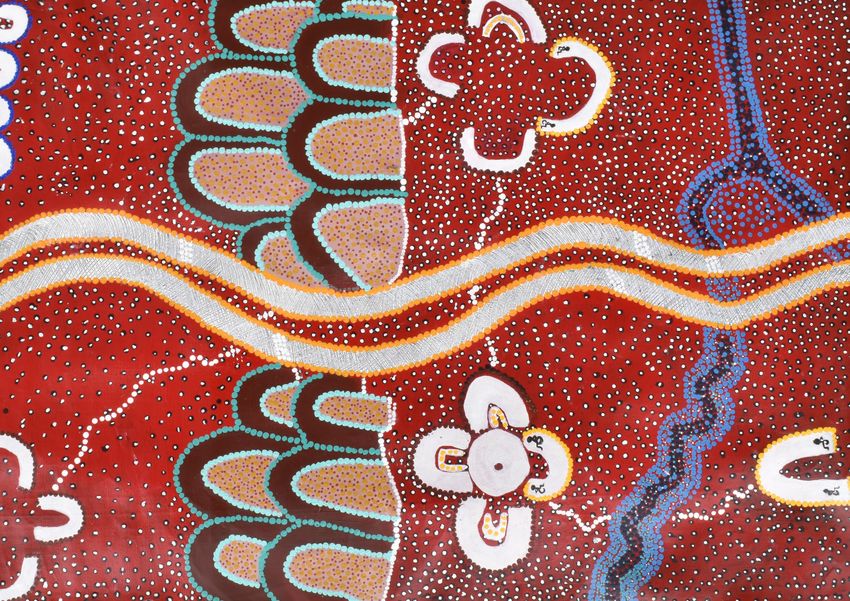
Cover Artwork: Tracks on the Sand, Brendan
                                                     SECTION 4
                                                                                                                                                                          30
Ball, Wudjal Wudjal. The painting tells the story
of Brendan’s journey to eventually becoming          Cultural Expression and Continuity
an Elder for Disability Business, and shows               NuunaRon – Identity and Belonging Through Cultural Connection.....................31
that not everyone leaves foot prints in their
                                                          Creating a Culturally Safe Health System to Facilitate Cultural
journey, some people leave tracks from their
                                                          Expression and Wellbeing....................................................................................34
wheelchair. It talks about where he lives now,
and how he spends time with community
                                                     SECTION 5
and Elders, listening and learning about our
people and how to stay strong. Eventually he
                                                     Connection to Country                                                                                                36
will travel back to the Country of his ancestors          Strong Women on Country and Working for our Country....................................37                                                          Aboriginal and Torres Strait
to learn more and share knowledge about                                                                                                                                                                      Islander people should be
disability in our culture and how we stay            Conclusion..........................................................................................42                                                  aware that this document
                                                                                                                                                                                                             may contain images or
strong, eventually with him taking his place
as an Elder and supporting and guiding other         Acronyms and Abbreviations..............................................................43                                                              names of people who have
                                                                                                                                                                                                             passed away.
people with disability as they make their own
                                                     Endnotes.............................................................................................44
tracks in the sand.
                                                     Close the Gap Campaign Steering Committee Members.................47

                                                                                                                                               We nurture our culture for our future, and our culture nurtures us.                 |        1
Ganinyi ngarri ingga
manjawurrmagi ngindaji
Foreword
thangani. Thangani
The failure over the past 12 years to own lives -- ‘nothing about us, without us’ -- should not
gurrijbarra nganggawarra be underestimated. In this report, we again demonstrate
close the gaps in Aboriginal and Torres that, through evidence and case studies with a focus on the
buga yani u, yulngarrawu. Strait Islander health inequality, and cultural determinants of our health and wellbeing.
Binarri yawurrmagi other measures of social and economic Our culture comes from our lore, a very deep and sacred
biyirranggu thangani, disadvantage, cannot be justified by more place. The cultural determinants of our health provide many
of the remedies for Aboriginal and Torres Strait Islander
rhetoric or data in another report. Over
Thirrili ngarri warawirragi, health equity and these determinants should be respected,
the years we have seen so many of these understood and embraced by all. This report shows us what
Thirrili ngarri wilawirragi, gaps and measures ignored, overlooked can be achieved by Aboriginal and Torres Strait Islander
people through leadership and self-determination, owning
Ganbawirragi ngindaji and disregarded. Aboriginal and Torres our knowledge, continuing our cultures and maintaining
thangani, Yarrangi dinyjili. Strait Islander peoples are not deficits connections to Country and kin.
Ngindaji thangani jurali nhi, or statistics. These just hide the truth of After ongoing failures, the forthcoming Closing the Gap
our lived realities. For us, the harrowing refresh must be backed by real action. Every year since
Winyiwunggurragi yarrangi 2010, our reports have called for significant investment,
failure to close the gap is felt through not the funding cuts we have suffered. Further investment
nhingi thangani. sorry business, the countless funerals of must be directed towards our capability, our strength, our
family and friends, the hospital visits and resilience, our cultures. Failure means more preventable
Our ancestors that came deaths from diseases that are rare in the developed world,
the coronial inquiries that we continue to more shamefully high suicide rates driven by poverty
before, created this painfully endure. unheard of in comparable countries. It means more deaths
in custody.
knowledge. Our voices So many of our losses were and are preventable – that is the
Now more than ever is the time to listen to Aboriginal and
carry this knowledge to failure and pain we carry. Had governments had the grace
Torres Strait Islander ways of knowing, doing and being.
to genuinely listen to our voices, to the truth, to solutions
As our Countries burned during the 2019-20 summer,
give to our children to carry and calls to action, perhaps this, the 11th Close the Gap
more than a billion animals perished and sacred sites were
Campaign Report, would not be needed.
forever. They must learn destroyed. Never before has such devastating impact of the
A sensible way of doing business is long overdue as, apart neglect of Country been witnessed by all Australians. Going
their knowledge so they from small gains (2 out of 7 targets on track), the attempts forward we must heed the wisdom of Aboriginal and Torres
to close the gaps in Aboriginal and Torres Strait Islander life Strait Islander peoples. Our knowledge and cultures must Ms June Oscar AO
can stand and speak with be viewed as integral to improving not only the health and
expectancy, health and education have failed. However, with Aboriginal and
strength. So they can follow a ten-year national shared decision-making agreement now wellbeing of our people but of our nation. No Australian can Torres Strait Islander
signed between the Council of Australian Governments and afford further repetition of the mistakes of the past. Social Justice Commissioner
and know this wisdom. This the Coalition of Aboriginal and Torres Strait Islander Peak
Finally, as Co-Chairs, we would like to thank the wider
Organisations, we are entering a new era. Mr Karl Briscoe
is our umbilical chord to life. Australian public and the 52 Close the Gap Campaign
CEO National Aboriginal and
Our Campaign’s first ‘shadow’ report in 2010 asked for a seat members for their contribution to this work and for their
This knowledge is from long at this table. The benefits that come from our playing a driving ongoing support and commitment to better health outcomes
Torres Strait Islander Health
Workers Association
ago, listen to our voices. role and having legitimate decision-making power over our for Aboriginal and Torres Strait Islander peoples.
Co-Chairs - Close the Gap
Campaign
2 | We nurture our culture for our future, and our culture nurtures us. We nurture our culture for our future, and our culture nurtures us. | 3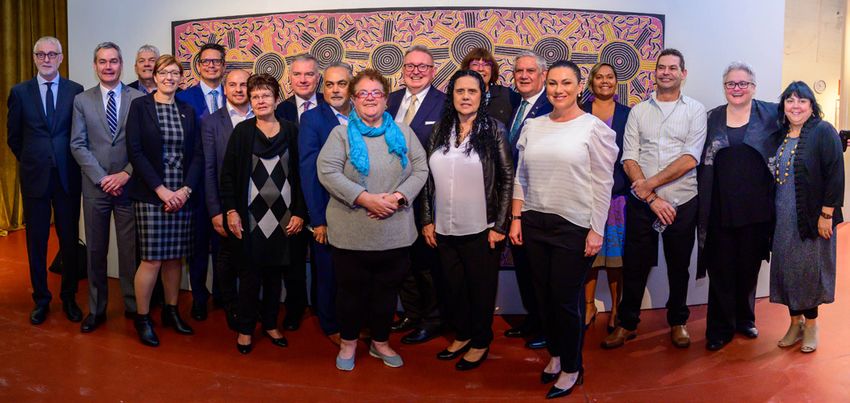
Executive Summary
                                     With this report — We nurture our culture for our future,                            health system and externally         As with the 2019 Close the Gap
                                                                                                                          continues to contribute to this      Report, we have relied on the
                                     and our culture nurtures us — we have sought to reflect                              trauma. Measures to promote          narratives of Aboriginal and Torres
                                     the reciprocal and cyclical relationship between culture                             cultural expression as a health      Strait Islander people to provide
                                                                                                                          protective factor and ensure         a strengths-based analysis of
                                     and wellbeing, whereby nurturing culture keeps us, and
                                                                                                                          the cultural safety of the health    Aboriginal and Torres Strait
                                     our future generations, healthy and strong.                                          system are two elements that         Islander health and wellbeing.
                                                                                                                          can be progressed under this         This is in recognition of the hard
                                                                                                                          domain.                              work, resilience and aspirations of
                                     Over the last twelve years,                  communities through culturally                                               Australia’s First Peoples to keep
                                     successive governments have                  centred processes of decision       •   Connection to Country                their families, communities and
                                     failed to deliver the reforms                making and delivers solutions           Aboriginal and Torres                Country strong.
                                     needed to close the gap on health            that respond to local context.          Strait Islander society is
                                     outcomes for Aboriginal and Torres                                                   interconnected with land, sea        However, a strengths-based
                                     Strait Islander people.                  •   Indigenous beliefs and                  and Country. Identity, cultural      approach does not overlook the
                                                                                  knowledge                               practices, social systems,           relationship of power and inequality
                                     At the heart of this report is the           Aboriginal and Torres Strait            traditions and concepts of           on health outcomes and the
                                     recognition of Aboriginal and Torres         Islander people hold complex            spirituality are all drawn from,     responsibility of governments in
                                     Strait Islander empowerment as               and important knowledge                 and depend upon, connection          leading systems reform. The work
                                     vital to wellbeing. The featured             systems. Embedding                      to Country. Aboriginal and           of communities must be matched
                                     case studies have been selected              Aboriginal and Torres Strait            Torres Strait Islander people        by governments through shared
                                     to highlight Aboriginal and Torres           Islander holistic definitions           are uniquely affected by             decision-making, equitable (and
                                     Strait Islander-driven approaches            of health and wellbeing in              accelerating climate change and      sustained) funding and a cohesive
                                     to health policy and program                 the way we deliver health               it is with increasing urgency that   policy approach.
                                     reform across four domains of the            services is critical to improving       we must consider connection to
                                     cultural determinants:                       outcomes. Recognising the               Country in health and wellbeing
                                                                                  expertise of Aboriginal and             policy.
                                     •     Self-determination and                 Torres Strait Islander people
                                           leadership involve practices           and communities in health           These domains have been selected
                                           and processes that incorporate         research, policy and program        because of pragmatic limitations,
                                           not only self-governance and           development is key.                 not as a reflection of importance
                                           shared decision-making, but                                                or priority against the remaining
                                           also rights to express and         •   Cultural expression and             cultural domains of language, and
                                           pass on culture, language, and         continuity are great sources        family, kinship and community.
                                           relationships with Country.            of strength and resilience
                                           Aboriginal and Torres Strait           for Aboriginal and Torres           The interconnected relationship
                                           Islander Community Controlled          Strait Islander people. The         of the different domains means
                                           Health Organisations and               trauma of cultural disruption       that they can never truly operate
                                           the Coalition of Peaks are             and suppression has had a           in isolation and we hope that
                                           examples of self-determination         profound effect on Aboriginal       evidence of the importance of the
                                           and leadership in action. Self-        and Torres Strait Islander          remaining domains is also relayed
                                           determination and leadership in        people’s health and wellbeing.      in this report.
                                           health and wellbeing empowers          Ongoing racism within the

4   |   We nurture our culture for our future, and our culture nurtures us.                                                                                                   We nurture our culture for our future, and our culture nurtures us.   |   5
Recommendations
Aboriginal and Torres Strait Islander people know the 11. Pursue truth telling as relevant to health system
solutions to the issues affecting their lives and they reform and as an important vehicle for resetting
For millennia, Aboriginal and Torres must be in the driver’s seat of health reforms and the relationship with Aboriginal and Torres Strait
Strait Islander peoples have kept their service delivery for their people. More must be done Islander people.
cultures strong to nurture their health to link Aboriginal and Torres Strait Islander ways of
12. Create a culturally safe Australian health care
knowing, doing and being with health and wellbeing
and wellbeing. system that is responsive to the needs of Aboriginal
policies and programs, including to:
and Torres Strait Islander peoples. This means
To set us on the path for systems reform 6. Put Aboriginal and Torres Strait Islander people building a robust, equitable and transparent
health care system where: institutional racism is
that supports the cultural determinants in charge of their own data (and decisions) by
acknowledged, measured and addressed; cultural
recognising and upholding the principles of
of health that have been outlined and Indigenous Data Sovereignty. safety training is undertaken regularly and valued as
showcased in this Report, we affirm the an important step in closing the gap; and Aboriginal
7. Invest in Aboriginal and Torres Strait Islander led and Torres Strait Islander people are integral and
following messages and calls to action: health and wellbeing research, including knowledge valued members of the health workforce.
translation and research impact.
8. Recognise and restore Indigenous wellbeing Connection to Country is intertwined with Aboriginal
methods and practices, including healing, and Torres Strait Islander health and wellbeing and
plant-based medicines and ceremony, through is a cultural determinant of health. While at the
When Aboriginal and Torres Strait Islander people Community Controlled Health Organisations as a development of social enterprise. These should frontlines of climate change, Aboriginal and Torres
are in control of the decisions that affect their lives, fundamental component of the Australian health be utilised within healthcare service settings Strait Islander peoples also hold unique knowledge
they have better health and wellbeing. We call on system. and provided appropriate intellectual property and practices relevant to addressing the climate
governments and policy makers to adopt the changes protections. crisis. These solutions stand to benefit both the
needed to support Aboriginal and Torres Strait 3. Embed the social and cultural determinants of
environment and the health of all Australians. We call
Islander self-determination and leadership. They health and wellbeing in the systems undertaking 9. Support and build the Aboriginal and Torres Strait
on governments to:
include to: reform. This must include investment in First Islander health workforce, including Aboriginal
Nations’ (re)building and development to support and Torres Strait Islander Health Workers and
13. Grow and secure the Indigenous rangers and
1. Take swift and comprehensive action to support the shared aspirations and collective decision making. community researchers as important cultural
Indigenous Protected Areas programs in line
calls by Aboriginal and Torres Strait Islander people brokers.
4. Work together and partner to effect change and with calls made by the Country Needs People
for a Voice to Parliament. As has been so eloquently Campaign, including committing to a 10-year
ensure the cultural determinants of health are
stated in the Uluru Statement from the Heart: funding horizon and supporting a long term
embedded across health, and Indigenous affairs Culture is a protective factor for health and wellbeing,
more broadly. While we are starting to see the and cultural expression is healing and has health target of 5,000 jobs in Indigenous land and sea
“We seek constitutional reforms that will empower
results from partnerships across sectors, and with benefits. We must nurture culture to facilitate its management across Australia.
our people and to take a rightful place in our own
country. When we have power over our destiny our governments, more needs to be done to ensure that expression and continuity for future generations and 14. Act to repair, restore and protect Country from
children will flourish. They will walk in two worlds this work is fully funded and implemented. ensure that this expression is valued and respected future harm. This includes local, national and
and their culture will be a gift to their country.” by all Australians. This will need governments and international cooperation. While Indigenous caring
5. Develop mutually agreed principles and parameters
health systems to: for Country practices are important, they must be
This call must be heard. of partnerships and co-design processes, to
ensure the legitimacy and sustainability of joint coupled with government actions and regulations.
10. Invest in long term Aboriginal and Torres Strait
2. Support the Coalition of Peaks Priority Reform decision-making arrangements. This must include We all must take responsibility for looking after
Islander designed and led place-based initiatives
areas for the next Closing the Gap agreement, measures to assess the strength and effectiveness Country.
that use cultural expression to enhance health and
including investing in community control. This must of partnerships on a regular basis.
wellbeing.
be reflected by upholding the role of Aboriginal
6 | We nurture our culture for our future, and our culture nurtures us. We nurture our culture for our future, and our culture nurtures us. | 7
SECTION 1 INTRODUCTION AND OVERVIEW INTRODUCTION AND OVERVIEW SECTION 1
Introduction
and Overview the Gap targets, including to close The 2020 report shows a life
the life expectancy gap within a expectancy gap of 8.6 years for
generation.2 males and 7.8 years for females
In 2005, the then Aboriginal and Torres Strait Islander remains (Figure 1).4 The Indigenous
The COAG agreement recognised
Social Justice Commissioner Tom Calma called for that overcoming Indigenous
burden of disease rate continues
to be 2.3 times higher than for
Australian governments to commit to achieving equality disadvantage would require a long- non-Indigenous Australians, with
term, generational commitment with
for Aboriginal and Torres Strait Islander people in health mental and substance use disorder
major effort to be directed across (19%), injuries (including suicide)
and life expectancy within 25 years. The Close the Gap a range of strategic platforms or (15%), cardiovascular diseases
Campaign for Indigenous Health Equality (Close the ‘Building Blocks’ including early (12%), cancer (9%) and respiratory
childhood, schooling, health,
Gap Campaign) was first convened by Commissioner economic participation, healthy
diseases (8%) the leading causes
of total disease burden.5 It is clear a
Calma in 2006 and the first National Close the Gap Day homes, safe communities, and reset in our approach is needed.
was held in 2007. At the heart of the Campaign was the governance and leadership.
rights-based approach outlined in the 2005 Report.1 After an ongoing series of changes
and the introduction of a seventh
Closing the Gap target by Australian
Driven by these calls a Close the and life expectancy. Later that governments, in 2018 the Close the
Gap Statement of Intent was signed same year the Council of Australian Gap Campaign delivered a ten-year
in 2008, as a compact between Governments (COAG), representing review that found:
When I think about
governments of Australia and all tiers of governments, also the injustices experienced
the Aboriginal and Torres Strait agreed to focus on addressing • Governments had failed to
Islander peoples, to work together Indigenous disadvantage through coherently implement the Closing by Aboriginal and Torres Strait
to achieve equality in health status a commitment to meet six Closing the Gap Strategy, including failure
to appropriately fund policy
Islander peoples, I sometimes feel
commitments and undertake the overwhelmed. A widening gap in life
required systemic reform.
FIGURE 1: expectancy, soaring rates of incarceration,
Life tables for Aboriginal and Torres Strait Islander Australians, 2015–2017 (extract)
• Governments had effectively
abandoned the Closing the Gap
our children taken away from their families
100
Strategy after five years. at 10 times the rate of non-Indigenous
90
80 The review warned that, without a children, our women dying at epidemic
70 reset, the targets would continue to
levels from domestic and family violence.
measure nothing “but the collective
Where do we even start?
60
Years
failure of Australian governments to
50
work together and stay the course”.3
40 June Oscar AO
30 Consistent with this prediction, Aboriginal and Torres Strait Islander
20 the 2020 Prime Minister’s Closing Social Justice Commissioner6
10 the Gap Report found that only
Source: Australian Bureau of
0
two of the seven targets are on
Statistics 2018, Life tables for
Aboriginal and Torres Strait
track. Despite 12 years of action
Islander Australians, 2015–
Males Females little progress has been made. The
2017, Cat. no. 3302.0.55.003, whole-of-government Closing the
ABS: Canberra. Cited in
Gap policy agenda has fallen well
Closing the Gap 2020 Indigenous Non-Indigenous
short of the mark.
8 | We nurture our culture for our future, and our culture nurtures us. We nurture our culture for our future, and our culture nurtures us. | 9
SECTION 1 INTRODUCTION AND OVERVIEW INTRODUCTION AND OVERVIEW SECTION 1
Why a theme of culture?
Aboriginal and Torres the emphasis on the social and
cultural determinants of health
Strait Islander people hold National Aboriginal United Nations Declaration
within the National Aboriginal and
Health Strategy 1989 on the Rights of Indigenous
a culturally centred view Torres Strait Islander Health Plan
2013–2023 (NATSIHP) and the – Definition of health Peoples 2006– Article 24
of health and wellbeing.
United Nations Declaration of the
This is anchored in ways Rights of Indigenous Peoples. ‘Aboriginal health’ means not 1. Indigenous peoples have the right to their
of knowing and being This view of health and wellbeing just the physical well-being traditional medicines and to maintain their health
was again reflected back by the of an individual but refers practices, including the conservation of their
that have existed and community in the My Life, My Lead to the social, emotional and vital medicinal plants, animals and minerals.
continued for tens of national consultations conducted
cultural well-being of the Indigenous individuals also have the right to
thousands of years, shared by the Australian Government
whole Community in which access, without any discrimination, to all social
where the submissions and
through complex kinship consultations emphasised the
each individual is able to and health services.
achieve their full potential
systems and passed down centrality of culture and recognised 2. Indigenous individuals have an equal right to the
that strong connections to culture as a human being, thereby
through systems of law, bringing about the total well-
enjoyment of the highest attainable standard
and family were vital for good
of physical and mental health. States shall take
ceremony and song. health and wellbeing.7 Yet repeated being of their Community.
the necessary steps with a view to achieving
governments have failed to It is a whole of life view and
Contemporarily this has been
progressively the full realization of this right.
address the structural and systemic includes the cyclical concept
expressed by Aboriginal and discrimination that inhibits our of life-death-life.
Torres Strait Islander people in cultures, and to undertake the
policy documents such as the reforms needed to truly embrace a
1989 National Aboriginal Health culturally centred approach.
Strategy’s definition of health,
The 1970s have been described as cultural burning, revival of Birthing foundation for good health and
marking the beginning of a ‘cultural on Country practices, and the wellbeing?
renaissance’8 of Aboriginal and rebuilding of languages through
Torres Strait Islander people. As initiatives such as the Ngunnawal This Report aims to address this
oppressive laws of assimilation language revival project being question and to illustrate the
and segregation lifted, Indigenous led by the Australian Institute of pathway forward through case
writers, artists, musicians and Aboriginal and Torres Strait Islander studies that speak to four domains
philosophers emerged. Studies (AIATSIS) and the Living of the cultural determinants of
First Language Program through health:
In 2020 this resurgence of cultural the Australian Literacy & Numeracy
knowledge and practices continues • Self-determination and leadership
Foundation (ALNF).
to gain momentum. • Indigenous beliefs and
Across the country Aboriginal and knowledge
Practices that have been hidden, Torres Strait Islander communities
or laid dormant, under colonial are leading the way, shaping a • Cultural expression and
practices of assimilation are being vision of health and wellbeing continuity
revived by Aboriginal and Torres built upon a foundation of culture.
Strait Islander peoples who are • Connection to Country.
The challenge for health systems
working to restore the wellbeing committed to achieving positive It is hoped that by showcasing these
of their communities and future change is: how to shift institutions examples we can help articulate
generations. Examples include the and thinking beyond embedded Indigenous-led opportunities for
Firesticks Alliance, an Indigenous medical models of health towards broader systems reform.
led network to re-invigorate a model that puts culture as the
10 | We nurture our culture for our future, and our culture nurtures us. We nurture our culture for our future, and our culture nurtures us. | 11
SECTION 1 INTRODUCTION AND OVERVIEW INTRODUCTION AND OVERVIEW SECTION 1
Why now? Aboriginal and Torres Strait Islander
communities and organisations What are cultural Cultural Determinants originate from
and promote a strength based
In the 12 years since the have pushed back on this deficit
discourse and called for system determinants? perspective, acknowledging that stronger
Close the Gap Statement reforms that support Indigenous
of Intent was first ways of knowing, being and In the mid-2000s the WHO connections to culture and country build
developed, the debate
doing in health policies, programs Commission on Social stronger individual and collective identities,
and services—approaches that
Determinants of Health
on health equality versus centralise self-determination and a sense of self-esteem, resilience, and
health equity has grown. respect their voices and choices. helped promote broad
improved outcomes across the other
health policy understanding
This has included critiques of the
The challenge of interpreting culture
within a framework that can be of the social and economic
determinants of health, including education,
Closing the Gap strategy’s target- broadly applied to health policy and
factors leading to health economic stability and community safety.
driven emphasis on statistical programs, and to be measured,
deficit (or disadvantage) rather has tested health researchers inequality. Professor Ngiare Brown12
than a culturally centred analysis and policy makers over the last
of health and wellbeing.9 Part decade. However, we are beginning While this work played an important
of what has driven this deficit to see new ways of knowing role in understanding poor health
discourse has been the reliance of and doing emerge to promote outcomes in communities such as
governments on what can easily a broader understanding of the First Nations, it was recognised that
be tracked within the parameters Professor Ngiare Brown offered Aboriginal and Torres Strait Islander
cultural strengths and resilience of the role of culture as a determinant
of existing government knowledge a strong understanding of the standards and within a cultural
Aboriginal and Torres Strait Islander of health remained largely
and statistical resource—rather than cultural determinants of health in context.
peoples. unexplored.13
an understanding of the inherent her definition (above). However,
for some time there was still a Perhaps the most notable step, so
elements of wellbeing as identified For Aboriginal and Torres Strait
struggle to articulate how the far, in developing contemporary
by Aboriginal and Torres Strait Islander people, the concept of
critical elements of culture could be research on the role of Aboriginal
Islander people. health has always been understood
observed, understood and utilised and Torres Strait Islander culture
to be holistic and to encompass
to drive improvements in individual and wellbeing was the launch of
mental, physical, cultural,
and community wellbeing.16 the Mayi Kuwayu National Study of
environmental and spiritual health.14
Aboriginal and Torres Strait Islander
In 2011, in a collaborative process In 2014, the Lowitja Institute, Wellbeing in 2014. As part of its
Social Determinants of Health with the Australian Government, Australia’s national institute for groundbreaking work (featured as
Aboriginal and Torres Strait Islander Aboriginal and Torres Strait Islander a case study in Section 3 of this
people ensured that the NATSIHP health research, held a roundtable Report), it has identified six main
The World Health Organization (WHO) defines the Social Determinants of Health as the conditions in which
2013–2023 placed culture at the to discuss the need to promote domains to describe culture specific
people are born, grow, work, live, and age. These circumstances are shaped by the distribution of money,
centre of health and wellbeing and a greater understanding and to Aboriginal and Torres Strait
power and resources at global, national and local levels. The social determinants of health are mostly
spoke to the social determinants appreciation of the relationship Islander peoples in Australia (see
responsible for health inequities — the unfair and avoidable differences in health status seen within and between Aboriginal and Torres Strait Table 1):20
of health. So too does the National
between countries.10 Examples of areas where cross-sectoral policy action to address the health determinants Strategic Framework for Aboriginal Islander culture and health to policy
can be focused include housing, energy, environment, education, transport and social protection. and Torres Strait Islander Peoples’ makers, and to provide evidence to
Mental Health and Social and support that need, particularly in the
It has been estimated that up to a third (34%) of the gap between Aboriginal and Torres Strait Islander and
Emotional Wellbeing 2017–2023, Australian context.
other Australians’ health outcomes can be explained by social determinants of health, such as education,
which notes that communities
employment, housing and income, which all exert a powerful effect on the health and wellbeing of all can be “sources of support and
Organisations such as the
peoples.11 Australian Indigenous Psychologists
resilience that promote social
Association (AIPA),17 Australian
and emotional wellbeing when
More recently the WHO has framed a Health in all Policies approach, that focuses on policy coherence of Indigenous Doctors’ Association
community organisation and
health across all sectors of government and is an important component of progressing the United Nation’s (AIDA)18 and Yawuru19 have also
functioning is culturally informed
Sustainable Development Goals. contributed to this work by offering
and provides for cultural practice
frameworks that define wellbeing by
and transmission”.15
12 | We nurture our culture for our future, and our culture nurtures us. We nurture our culture for our future, and our culture nurtures us. | 13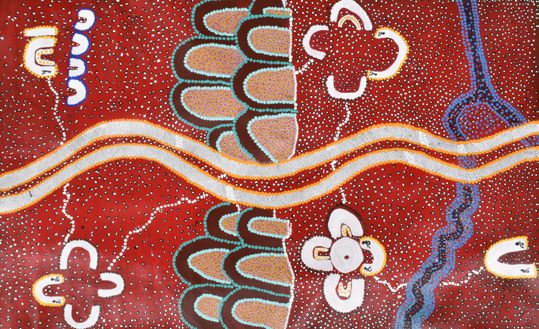
SECTION 1 INTRODUCTION AND OVERVIEW INTRODUCTION AND OVERVIEW SECTION 1
Domains and sub domains for describing culture specific to Domains featured in this report
Aboriginal and Torres Strait Islander peoples in Australia as
identified in the Mayi Kuwayu literature review The domains identified in the Mayi • Self-determination and leadership
• Indigenous beliefs and knowledge
The six domains are: Kuwayu study have been used to inform
• Cultural expression and continuity
and frame the cultural determinants of
• Connection to Country.
Connection to Country Family, kinship and community health discussed in this Report, which is
This is not a position on priority or order, rather a
SUB-DOMAINS SUB-DOMAINS ordered under four of these domains: pragmatic limitation to the amount of material considered.
spiritual connection family and kinship
health and traditional foods community
living on Country “A child is a gift to the family—that is to the entire
land rights and autonomy kinship network: he or she is the living evidence
n individual but refers to t
that the culture is alive and surviving.” 21
caring for Country e ing of a he s
ellb nal Aboriginal H ocia
l w e. (Natio l, e
ca h-lif ea lth mo
ysi
“Our country is like our garden – we need to look after it. There
h -d eat Stra tio
are trees, birds, waterways, fish, mammals and reptiles, and p life teg na
e o f y 1 la
they are all important. We keep country healthy and country s t th cept 98
9 nd
ju on d e cu
keeps us healthy.” t f l
lc
al determinants
o in
a it
i
lic io
c
tu
ec n
Dhimurru Senior Ranger Fiona Yupunu Marika
'
So tion and youth • employ
ra
is
yc
lw
n
lth
of
ell
ea
he
th
be
uca
rh
me
alt
s and services • l
es
nt
ing
ed
de
em w a and
h)
lud
• t a
Indigenous beliefs and knowledge Cultural expression and continuity t ys
lan
of t
en nt s nd
inc
i
ju n
it Is
m e
he
m s
nd
rn
go op
Stra
SUB-DOMAINS SUB-DOMAINS
co • a
who
ily, kinship
wa
Fam
el
m
tic
ve
on w dev
ommunity
e • ohol,
c Ind
le Co
fe vie
rres
e
and
spiritual and religious beliefs identity an i
rac
od
ith
Aboriginal and To
l
y
nt n
c
ge know
mmunity
to C ectio
It is a whole-of-li
ism
dho
traditional knowledge cultural practices
no ledge
d
r
us
ou
n
Con
• hous
• early chil
traditional healing art and music
belief
• interacti
tobacco and ot
Culture
in which each i
knowledge transmission and continuity
s
“Having your own voice is very powerful and healing…
ing• env
[M]usic was great therapy for me – it still is.
deter ader
and l
“Culture is central to identity since it “defines who
ty
n
d res ral
It gave me a way to express myself…”
Se nati
co sio
nui
we are, how we think, how we communicate, what
xp ultu
mi sh
e
lf-
Archie Roach AM endnote23
nti
i
we value and what is important to us.”
r
o
C
o
ip n
h
Ind e
n
ndivi
igenous
e
Steve Larkins22
an
m
r
langu e
dru d in
ent
ag
du
g
an
a
d
l is
ep a
Indigenous language Self-determination and leadership
nd
e
abl
fr
st enc
e
ru
ctu y • po
to
SUB-DOMAINS SUB-DOMAINS
ac
verty ty
re • food securi
hie
.
ity
v
impacts of language on health cultural safety
un
et
m
he
rf
m
i
language revitalisation self-determination and wellbeing Co ul
ir lp
he ote
Aboriginal and Torres Strait Islander language leadership.
t nti
of al a
ng
education ah lbei s
“We need to own our own risk and that any dramatic shift um wel
an b otal
“The research shows that knowledge of language helps and change in our circumstances for the better of our children eing,
thereby bringing about the t
Aboriginal and Torres Strait Islander people strengthen their and families can only come from our own determination,
cultural identity, integral to health and wellbeing and by our discipline, commitment and leadership, at an individual
extension, the health and wellbeing of society as a whole.” and collective level, in driving the change required.”
Craig Ritchie, CEO AIATSIS24 Peter Yu, CEO Nyamba Buru Yawuru25
14 | We nurture our culture for our future, and our culture nurtures us. We nurture our culture for our future, and our culture nurtures us. | 15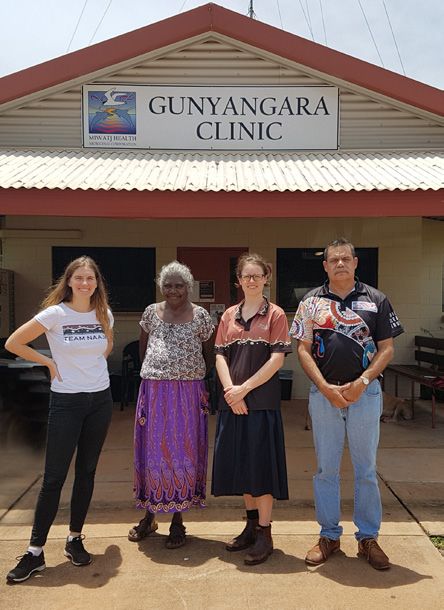
SELF-DETERMINATION AND LEADERSHIP SECTION 2
Self-determination
This can occur through many Today ACCHOs continue to be at Despite the innovation and resilience
forms, including the operation of the forefront of ensuring needs- evident within their history, ACCHOs
Aboriginal and Torres Strait Islander based service delivery reform. and other community controlled
and Leadership
community controlled organisations, The implementation of Health sectors have long struggled to
Indigenous governance practices, Justice Partnerships (see Box make ends meet under inequitable
informal community driven reforms Health Justice Partnerships) within and burdensome funding
to services and systems, and community controlled settings to frameworks and processes.31 The
through partnerships. address the complex intersection significance of community control
between health and legal needs is to self-determination, and of self-
Formal partnerships, which ensure another example of Aboriginal and determination to wellbeing, is in
The right to self-determination is one of the the full involvement of Aboriginal Torres Strait Islander community stark contrast with the funding
central principles enshrined by the United and Torres Strait Islander people driven solutions. arrangements, or lack of funding,
in shared decision-making, are
Nations Declaration on the Rights of Indigenous that so often leaves community
needed at national, state, local These community driven responses organisations and Indigenous
Peoples, acknowledging the right to self-govern, and regional levels. To effectively raise important questions for policy leadership vulnerable to changes in
participate in decisions and exercise control. embed the expertise, ownership makers about what resources are government.
and responsibility of Aboriginal needed for communities to build
Freedom to exercise one’s own values and and Torres Strait Islander people, the governance structures for The Close the Gap Campaign
beliefs, or culture, is also a critical element.26 partnerships require clear participation in high-level decision continues to call for an equitable
arrangements which say who making, and how local needs can funding framework to not only
‘Sustainable development’ is a term that has been coined to is making decisions, how those shape higher-level system reforms. sustain, but expand the work of
frame an understanding of self-determination as a “process decisions will be made and what community controlled organisations.
premised on the notion that evolving indigenous livelihoods, those decisions will be about.
food security, community governance, relationships to The Partnership Agreement on
homelands and the natural world, and ceremonial life can Closing the Gap, agreed in March
be practiced today locally and regionally, thus enabling 2019 and signed by the Australian
ACCHOs – A history
the transmission of these traditions and practices to future Government, all State and Territory
generations”.27 governments and the Australian
Effectively implementing the cultural determinants of health
Local Government Association, has of self-determination
requires the leadership and self-determination of Aboriginal and
set a benchmark for partnerships
with Aboriginal and Torres Strait and nation rebuilding
Torres Strait Islander peoples. It requires a process whereby Islander people. It sets out how “The first Aboriginal community controlled health service was
community define their shared aspirations and lead the design governments and Aboriginal and established by the local Aboriginal community in Redfern in July 1971
and delivery of policies and programs accordingly. Torres Strait Islander peak bodies to address the blatant discrimination experienced in mainstream
will work together to agree a new services, the ill health and premature deaths of Aboriginal people,
As drawn out in work by Dudgeon et. al. on Indigenous national agreement on Closing the and the need for culturally appropriate and accessible health
governance for suicide prevention: Gap, including any new Closing the services.” Aboriginal Health & Medical Research Council of NSW
Gap targets and implementation
“When communities are in control of process, better outcomes Since that first service in Redfern, Aboriginal Community Controlled
and monitoring arrangements. Health Organisations (ACCHOs) have pioneered needs-based primary
could be expected. And not only because tailored and culturally
health care and social justice driven services across Australia. Today
adapted mainstream interventions ‘owned’ (by) a community are For Aboriginal and Torres Strait
they form a network of over 141 organisations nationwide.
likely to be significantly more impactful. But more importantly Islander people control over health
… broader design processes under Indigenous governance will and wellbeing has always been From local community driven organisations, they have created an
identify and address other deeper, structural problems that could significant.29 It is a matter that has infrastructure of regional, state and national bodies to ensure more
united communities and driven effective knowledge creation and translation, program management
also be contributing to suicide, or could protect against it.”28
the establishment of community and political advocacy. Importantly, ACCHOs have provided centres for
governed services and advocacy Nation rebuilding where Aboriginal and Torres Strait Islander people
bodies over many years (see Box across urban, regional and remote communities have been able to
ACCHOs). come together and form governance structures to enact shared
decision making and deliver outcomes for their communities. 30
16 | We
OURnurture
VOICES,our OUR
culture
CHOICES.
for our future, and our culture nurtures us. We nurture our culture for our future, and our culture nurtures us. | 17SECTION 2 SELF-DETERMINATION AND LEADERSHIP SELF-DETERMINATION AND LEADERSHIP SECTION 2
Coalition of Peaks – Collective Action
Towards Self-determination
The Coalition of Peaks is a “The truth is that the existing and Torres Strait Islander people
Closing the Gap framework and governments. It is also an
representative body made was doomed to fail when it was acknowledgement that Aboriginal
up of almost 50 Aboriginal designed without the input of and Torres Strait Islander people
Aboriginal and Torres Strait Islander have been silenced on policies
and Torres Strait Islander
people,” Pat Turner said, on behalf and approaches to close the gap
community controlled of the Coalition of Peaks when the in the past and that outcomes for
organisations. It is working 2020 Closing the Gap report was Aboriginal and Torres Strait Islander
released by the Prime Minster. people are not going to change
with governments to “We know what will work best for without their genuine involvement in
finalise a new national our communities and the Prime policies and programs.
agreement on Closing the Minister even acknowledges in this
(latest) report that our voice was This historic partnership has the
Gap. This is the first time the missing ingredient from original potential to transform how Closing
the Gap policy and programs are PHOTO: Joint Council on Closing the Gap meeting 23 August 2019, Adelaide, South Australia. L–R: Gavin Jennings, David O’Loughlin, John Paterson, Rachel
that Aboriginal and Torres framework.” Stephen-Smith, Ben Wyatt, Jamie Lowe, Vicki O’Donnell, Stephen Wade, Trevor Pearce, Cindy Berwick, Don Harwin, Muriel Bamblett, Pat Turner, Ken
designed and delivered.
Strait Islander people, The Partnership Agreement,
Wyatt, Natalie Lewis, Selena Uibo, David Warrener, Katrina Fanning, Cheryl Axleby
Knowing that it is vital that other
through their peak body formally agreed by COAG and the
Aboriginal and Torres Strait Islander
Coalition of Peaks in 2019, sets out
representatives, will share how they will work together over the organisations and communities
formal decision making next ten years on Closing the Gap. have their say on the next phase
of Closing the Gap, the Coalition The Coalition of Peaks have controlled services sector to The Coalition of Peaks is are
with governments on It sets a new benchmark for of Peaks has led a series of proposed three Priority Reforms to deliver Closing the Gap services now working hard with Australian
policies that affect us. partnerships between Aboriginal engagements across Australia, in change the way governments work and programs in agreed priority governments to ensure the
order to hear what changes are with Aboriginal and Torres Strait areas. outcomes of the engagements
needed to improve the lives of Islander people and accelerate are reflected in the new National
Aboriginal and Torres Strait Islander progress on closing the gap. They • Priority Reform 3: Ensuring Agreement on Closing the Gap,
The Coalition of Peaks is a case people. are: all mainstream government which is expected to be finalised in
agencies and institutions
study in self-determination. We Among many contributions was • Priority Reform 1: Developing undertake systemic and
mid-2020.
have exercised political agency by leading this from a community member in and strengthening structures structural transformation to Pat recognises that the priority
Broome: “Rather than ‘closing the to ensure the full involvement contribute to Closing the Gap. reforms are not new, they are “what
the way, challenging the possibilities and gap’, governments should ‘open the of Aboriginal and Torres Strait Aboriginal and Torres Strait Islander
The Coalition of Peaks reported
creating a future of shared decision- gate’ to Aboriginal and Torres Strait Islander peoples in shared
overwhelming support for the
peoples have been saying for a long
Islander people making decisions decision making at the national, time is needed to close the gap
making with governments on policies and that affect their lives.” state and local or regional level Priority Reforms during the and we now have a formal structure
engagements. One theme that
programs that impact on our people and Reflecting on the success of these
and embedding their ownership,
responsibility and expertise to regularly emerged was that shared
in place to put those solutions to
governments.”
our communities. engagements, Pat Turner notes close the gap. decision-making depends on all
“the conversation is different when parties having access to the same
Pat Turner, Lead Convener of the Coalition of Peaks, and CEO of Aboriginal and Torres Strait Islander • Priority Reform 2: Building the information. That is leading to the
the National Aboriginal Community Controlled Health Organisation organisations lead the conversation formal Aboriginal and Torres development of local data projects
(NACCHO) with our people. It leads to better Strait Islander community as a fourth Priority Reform.
outcomes.”
18 | We nurture our culture for our future, and our culture nurtures us. We nurture our culture for our future, and our culture nurtures us. | 19SECTION 2 SELF-DETERMINATION AND LEADERSHIP SELF-DETERMINATION AND LEADERSHIP SECTION 2
Law Yarn – Wuchopperen Health Service
For Donnella, it was one of many It documented health and wellbeing health, measuring impact in a range
examples she has seen in her work impacts that have been profound of areas, from “being heard and
at Wuchopperen of where justice for individuals and the community: validated in a culturally capable
Nearly two years ago, a group of Elders in northern They weren’t sure how to get justice and health intersect. less exposure to family violence, way” to “addressing racism and
when they already had so many reduced anxiety, improved personal and structural social
Queensland were struggling with the process of reasons to distrust government. Others, she said, can be in the connection to health services, exclusion”. It concludes:
reclaiming wages that had been stolen for decades by stress of having to go to court, improved financial resilience,
Doctors at the Aboriginal eyesight issues that limit capacity increased capacity to exercise “This particular (Health Justice
the Queensland Government. community controlled Wuchopperen to respond to letters of demand, Partnership) is much more than
rights, prevention of homelessness
Health Service, which works on sickness that means someone and support for victims of crime and just about ‘delivering legal advice
the traditional lands of the Gimuy- cannot work and therefore cannot historic injustice. in a different space’. It reinforces
walubarra yidi, Yirrganydji and pay a fine. It can be that people do community control and self-
Wuchopperen Health Service Yidinji peoples in and around not know their rights when they live The evaluation looks particularly determination, and also strengthens
represents a home for my mob. I knew Cairns, saw that this worry was with poor plumbing, in overcrowded at the cultural determinants of culture.”
affecting the Elders’ health. housing, or with other tenancy
that, if we were able to put lawyers in that issues that can affect health and
They referred the Elders to their
space, that was going to shift the narrative in onsite lawyer Donnella Mills, from
wellbeing.
a way that my people could access health and the community legal service Law Donnella also describes another
Right. Donnella is a Torres Strait case where she acted for a
justice, in the one place, through community, Islander woman who is now also young pregnant woman who was
through culture, through those systems that chair of NACCHO. experiencing family violence and
are able to make us feel strong. “All this historic distrust of
likely would have lost custody of Health Justice Partnerships
her baby because of a range of
government had come into play in structural issues affecting her. The impact of intersecting health and legal needs on Aboriginal
Donnella Mills a really strong way,” she says of the and Torres Strait Islander people has been well documented within
Stolen Wages case. “It was causing However, the health centre worked inquiries and reports such as the Royal Commission into Black
high blood pressure and anxiety for with Donnella to keep the woman Deaths in Custody and Ampe Akelyernemane Meke Mekarle: ‘Little
the Elders because they didn’t know and her newborn safe and together. Children are Sacred’: Report of the Northern Territory Board of
how to navigate all the different Inquiry into the Protection of Aboriginal Children from Sexual Abuse.
systems that were involved.” Donnella says this is a powerful
example of the way that the health However, the continual growth in rates of Indigenous incarceration,
But having a legal centre that is justice partnership is delivering deaths in custody and child removal indicate a failure to enact the
type of systems reforms needed.
embedded at Wuchopperen through prevention and early intervention
a Health Justice Partnership with in culturally safe ways, stopping Health Justice Partnerships place lawyers in health and wellbeing
Law Right has opened a new unmet civil and family issues from services to work collaboratively with health care professionals.
pathway to justice. escalating into over-representation They recognise the complexity of health and wellbeing, and that
of Aboriginal and Torres Strait unaddressed legal needs (such as housing advocacy, unpaid fines
“We did week after week of ‘pop up’ Islander children in out of home and family violence) can have a health harming impact.
clinics, we would bring busloads of care and prisons “bulging with our
old people to the clinic, we would Health Justice Partnerships are built around a social determinant
men and women”. approach to health and wellbeing. Embedding these services within
help them with the paperwork and
the Aboriginal and Torres Strait Islander community controlled sector
give them legal advice,” Donnella A formal evaluation of the
extends this rights based approach for Aboriginal and Torres Strait
says. Wuchopperen Health Justice
Islander people and communities by coupling them with culturally
Partnership found that every client
As well as returning stolen safe care.
experienced better health and
wages to around 100 clients, the wellbeing as a result of their legal Health Justice Australia, the national centre of excellence in health
Elders gained “a sense of being needs being met, and that 86 per justice partnerships, has recorded 17 health justice services
empowered and of finally being cent of those clients would not have located in Aboriginal and Torres Strait Islander support settings,
heard about these historical accessed legal support if it had not including 15 partnered with Aboriginal Community Controlled Health
injustices.” been based at Wuchopperen. Organisations.32
PHOTO: Donella Mills (Project Lawyer, LawRight), Gail Sevallos (Wuchopperen Health Service)
20 | We nurture our culture for our future, and our culture nurtures us. We nurture our culture for our future, and our culture nurtures us. | 21SECTION 2 SELF-DETERMINATION AND LEADERSHIP SELF-DETERMINATION AND LEADERSHIP SECTION 2
Mäwaya Health Justice Program –
answer to wellbeing in Aboriginal These are the sorts of issues that
communities across Australia. NAAJA and Miwatj staff now work on
NAAJA and Miwatj “Most of our mob go to Aboriginal
jointly, with health workers learning
skills to untangle legal issues, to ask
medical services on a regular basis, clients “how’s it all going with your
it’s a safe place, a trusted place, housing?” or ‘”anything of concern Child removal
Locating lawyers within It is the first collaboration of its kind people know each other,” says for your kids?”, and to then refer
between Aboriginal community
health services in remote Priscilla, who is an Eastern Arrernte them for quick legal support, whether In 2018, Aboriginal and
controlled legal and health services woman from Central Australia. for housing, discrimination, health or Torres Strait Islander
East Arnhem Land in Australia.
child protection issues. children were 10.2 times
“This is the next big thing, it’s
communities is promising Previously, lawyers from NAAJA more likely to be living in
changing how an Aboriginal Medical What makes the NAAJA/Miwatj
to be a ‘game-changer’ for set up their legal support for East Service and an Aboriginal Legal out-of-home care than
collaboration even better is the
Yolngu people stopping
Arnhem Land communities in front Service work,” she says. non-Indigenous children.
of the Yirrkala art centre or in the cultural strength the two community
Aboriginal and Torres Strait Islander
many legal issues from Nhulunbuy town square. But after As with the program at Wuchopperen, controlled services bring to the children represent 37.3 per cent of the total
they moved into a health service, the collaboration is important program. out-of-home care population, including
escalating into criminal foster care, but only 5.5 per cent of the
their ability to engage with clients because it stops many legal issues The intent is to build the collaboration total population of Australian children.
and health issues. and with members of the community from escalating into criminal and from a pilot program to a Health Without urgent action, the number of
who had previously not accessed health issues. Justice Partnership. A funding Aboriginal and Torres Strait Islander
The arrangement has come about legal services was transformed. children in out-of-home care is projected
“The biggest issue for our mob is that proposal and evaluation of the to double within the next 10 years.
through a pilot Health Justice
NAAJA CEO Priscilla Atkins says that they don’t realise they can treat their pilot is currently with the Australian
program, called Mäwaya, between Nationally, Aboriginal and Torres Strait
having lawyers working regularly as legal problems early, or don’t identify Government for consideration. Islander children are 2.6 times more likely
the Darwin-based North Australian
to be developmentally delayed at the age
Aboriginal Justice Agency (NAAJA) ‘visiting specialists’ in a health service that something is a legal problem that Priscilla says the dynamics are of five33
and the Miwatj Health Aboriginal that is embedded in the community can be easily addressed,” Priscilla very different when Aboriginal
Corporation. and in community ways is a huge says. organisations governed by Aboriginal
“Yolngu people have also been people with Aboriginal staff are
caught up in unfair practices, working together.
for example, where people from “We routinely use interpreters,
Having a Health
remote communities have been sold all staff—Indigenous and non- Incarceration
expensive, inappropriate mobile Indigenous—have to have cultural
Justice program phone plans that they did not training, we take direction from our Aboriginal and Torres Strait
understand and could not afford— Islander people represent
means it is health causing huge debts and anxieties.”
Aboriginal board and management,
and it’s our Aboriginal board and 28 per cent of the total adult
working hand in PHOTO: NAAJA and Miwatj staff
Children have been taken into care members who ensure we are prison population34 despite
delivering co-located services
hand with justice. under the Mäwaya Health Justice because of ‘failure to thrive’ when a following cultural protocols in making up 2% of the total
Program at Gunyangara Clinic, child actually has a medical issue that community and working respectfully Australian adult population35
The impact on East Arhem Land
was not identified by child protection with the Elders in the community,”
Aboriginal and Torres Strait Islander
she says.
health issues is huge L–R: Michaela Vaughan,
Gayili Marika, Jordina Rust,
workers because they did not use an young people are 17 times more likely to
be under youth justice supervision than
interpreter when talking with people
if we’re addressing Vernon Patullo non-Indigenous young people.36
for whom English is a third or fourth
Aboriginal and Torres Strait Islander
legal issues at an language. women represent 34 per cent of the prison
population37 and more than 80 per cent of
early stage. Mäwaya was a name given to this project by Miwatj’s Raypirri Rom
Aboriginal women in prison are mothers38
Research on the health and wellbeing
(Social and Emotional Wellbeing) workers who are all Yolngu people.
Priscilla Atkins, of Aboriginal mothers in prison has
It is common when translating Yolngu Matha into English for words to found that intergenerational trauma and
CEO, NAAJA
have multiple meanings. Mäwaya is a term that can apply to thoughts of the forced removal of their children by
respect, money, family, housing, health, harmony and peace. The term government services were the most
significant factors affecting the health and
reminds Yolngu of their roots, where they come from and who they are. wellbeing of Aboriginal women in prison.39
22 | We nurture our culture for our future, and our culture nurtures us. We nurture our culture for our future, and our culture nurtures us. | 23You can also read


