The State of Tobacco Control in Ireland - HSE Tobacco Free Ireland Programme, 2018
←
→
Page content transcription
If your browser does not render page correctly, please read the page content below

The State of Tobacco
Control in Ireland
HSE Tobacco Free Ireland Programme,
2018
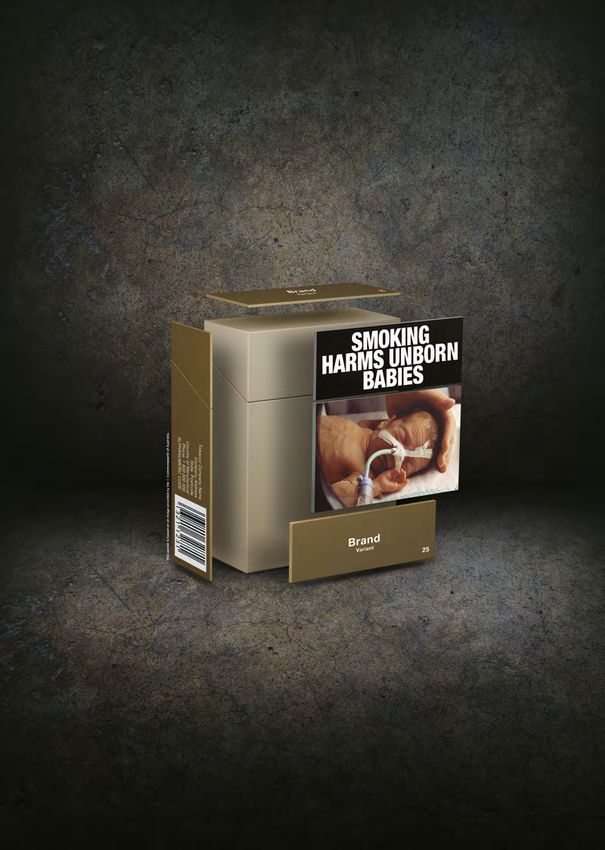
The State of Tobacco
Control in Ireland
HSE Tobacco Free Ireland Programme,
2018

Foreword                                                                                                             Introduction

    I am pleased to welcome this first State of Tobacco Control Report, which informs and supports the new               The HSE Tobacco Free Ireland Programme is pleased to introduce this first State of Tobacco Control Report, which
    HSE Tobacco Free Ireland Programme Plan 2018-2021. The HSE is central to delivering the Healthy Ireland              was developed to inform our Programme Plan 2018-2021.
    agenda across the health services, of which tobacco is one of a set of core priorities, and ensuring we have a
                                                                                                                         We are responsible for systematically driving action by the HSE to tackle smoking. This report describes the
    comprehensive understanding of the challenges we face is fundamental.
                                                                                                                         scale and scope of our achievement and demonstrates a measurable impact on the tobacco epidemic in Ireland.
    The report sets out welcome progress and describes the scope and impact of tobacco control activities                At the same time, it shows that the problem we are facing remains significant, has an unequal impact across
    undertaken by the HSE over recent years which contribute to the reductions we are seeing in the numbers of           the population, and is evolving to present new, challenging aspects. Through the deep and comprehensive
    people smoking in Ireland today.                                                                                     understanding of the situation presented in this report, we can develop and strengthen our role and priority
                                                                                                                         areas for action:
    However, because tobacco use has been normalised for such a long time, it’s all too easy for us to become
    complacent about tobacco control. The continuing toll on health, set out starkly in this report, the bleak odds      •   Prioritise the protection of children in all of our initiatives
    facing those who continue to smoke, and the impact on families and loved ones is a call for us to strengthen our     •   De-normalise tobacco use for the next generation
    resolve to move towards a Tobacco Free Ireland. This report reminds us that we must ensure everyone benefits         •   Treat tobacco dependence as a healthcare issue
    from our work to tackle smoking, especially those who bear the heaviest burden. We must also respond to new          •   Encourage, promote and support people who smoke to quit through our sustained QUIT campaign,
    and emerging features associated with the problem.                                                                       development of our cessation services and through comprehensive training for our staff
                                                                                                                         •   Continue to implement and maintain our Tobacco Free Campus policies and promote Tobacco Free
    Tobacco Free Ireland sets a bold vision: by 2025 we will enjoy a society where tobacco use has been eliminated
                                                                                                                             Environments
    and less than 5% of people continue to smoke.
                                                                                                                         •   Protect service users, staff and the public from the effects of second-hand smoke
    There is more we can do to strengthen and develop the HSE role in tackling smoking. This report informs              •   Monitor, build and maintain compliance with tobacco legislation
    priorities and actions set out in the new HSE Tobacco Free Ireland Programme Plan 2018-2021 across a range of        •   Work with our internal stakeholders to monitor the evidence in terms of tobacco control and participate in an
    areas. It is critical to success that our work is supported by a wide framework of action under government policy,       active research and survey programme.
    in particular that the lever of taxation and pricing is continually applied to maximum effect.                       •   Monitor and evaluate the effectiveness of all HSE interventions

    The vision of a Tobacco Free Ireland for a tobacco endgame will require game-changing approaches; while
    some opportunities are emerging, other solutions have yet to be conceived. This challenge demands strong,            We will take this forward in conjunction with our colleagues across health and social services, where the
    connected leadership to generate innovative approaches and to build the broad-based support to deliver               Hospital Group and Community Health Organisation Healthy Ireland Implementation Plans will be key to
    change. I am delighted that on World No Tobacco Day 2018, we are convening with partners to discuss the theme        coordinating broad-based action that translates priorities into positive impact for local populations.
    of community action as the next step to move Tobacco Free Ireland’s bold vision into reality.
                                                                                                                         Our partners are also critical to success, since the outcome of our respective efforts are greater when we work
    The HSE looks forward to being part of this discussion and to working with everyone to realise a Tobacco Free        together. We hope that this report provides a basis for continuing discussion and collaboration as we all work
    Ireland.                                                                                                             towards a Tobacco Free Ireland.

                                                                                                                         HSE Tobacco Free Ireland Programme

    Dr. Stephanie O’Keeffe

    National Director, Strategic Planning and Transformation, HSE

4                                        The State of Tobacco Control in Ireland                                                                              The State of Tobacco Control in Ireland                                        5
Table of Contents

    1. Introduction.  .  .  .  .  .  .  .  .  .  .  .  .  .  .  .  .  .  .  .  .  .  .  .  .  .  .  .  .  .  .  .  .  .  .  .  .  .  .  .  . 13         3.2 Deaths due to smoking and exposure to second-hand smoke .  .  .  .  .  .  .  .  .  .  .  .  .  .  .  .  . 36

          1.1 Tackling the tobacco epidemic in Ireland .  .  .  .  .  .  .  .  .  .  .  .  .  .  .  .  .  .  .  .  .  .  .  .  .  . 13                  3.3 Hospitalisations due to smoking & exposure to Second-Hand Smoke (SHS).  .  .  .  .  .  .  .  .  .  .  39

          1.2 Role of the HSE in achieving a Tobacco Free Ireland.  .  .  .  .  .  .  .  .  .  .  .  .  .  .  .  .  .  .  .  .  14                      3.4 The cost of tobacco use in Ireland .  .  .  .  .  .  .  .  .  .  .  .  .  .  .  .  .  .  .  .  .  .  .  .  .  .  .  .  . 41

          1.3 Aim and objectives of this report.  .  .  .  .  .  .  .  .  .  .  .  .  .  .  .  .  .  .  .  .  .  .  .  .  .  .  .  . 15           4. Tobacco control – the scale and impact of HSE activities .  .  .  .  .  .  .  .  .  .  .  .  .  .  .  .  .  .  .  .  .  42

          1.4 Methods .  .  .  .  .  .  .  .  .  .  .  .  .  .  .  .  .  .  .  .  .  .  .  .  .  .  .  .  .  .  .  .  .  .  .  .  .  .  .  16           4.1 Compliance and enforcement of tobacco control legislation.  .  .  .  .  .  .  .  .  .  .  .  .  .  .  .  .  42

    2. Tobacco use – prevalence and trends.  .  .  .  .  .  .  .  .  .  .  .  .  .  .  .  .  .  .  .  .  .  .  .  .  .  .  .  .  . 17                        4.1.1 Registration of points of sale of tobacco products.  .  .  .  .  .  .  .  .  .  .  .  .  .  .  .  .  .  . 44

          2.1 Current prevalence of smoking.  .  .  .  .  .  .  .  .  .  .  .  .  .  .  .  .  .  .  .  .  .  .  .  .  .  .  .  .  . 17                       4.1.2 Responding to complaints and queries about tobacco control .  .  .  .  .  .  .  .  .  .  .  .  .  . 46

          2.2 Trends in prevalence over time.  .  .  .  .  .  .  .  .  .  .  .  .  .  .  .  .  .  .  .  .  .  .  .  .  .  .  .  .  . 17                      4.1.3 Building and ensuring compliance.  .  .  .  .  .  .  .  .  .  .  .  .  .  .  .  .  .  .  .  .  .  .  .  .  . 48

          2.3 Different patterns of smoking.  .  .  .  .  .  .  .  .  .  .  .  .  .  .  .  .  .  .  .  .  .  .  .  .  .  .  .  .  .  18                 4.2 Communication about the dangers of smoking and support to quit.  .  .  .  .  .  .  .  .  .  .  .  .  .  . 51

               2.3.1 Gender.  .  .  .  .  .  .  .  .  .  .  .  .  .  .  .  .  .  .  .  .  .  .  .  .  .  .  .  .  .  .  .  .  .  .  .  .  19                 4.2.1 Demand for online smoking cessation services.  .  .  .  .  .  .  .  .  .  .  .  .  .  .  .  .  .  .  .  53

               2.3.2 Age groups .  .  .  .  .  .  .  .  .  .  .  .  .  .  .  .  .  .  .  .  .  .  .  .  .  .  .  .  .  .  .  .  .  .  .  19                  4.2.2 Impact of mass media on demand for smoking cessation services.  .  .  .  .  .  .  .  .  .  .  .  54

               2.3.3 Social Class.  .  .  .  .  .  .  .  .  .  .  .  .  .  .  .  .  .  .  .  .  .  .  .  .  .  .  .  .  .  .  .  .  .  .  .21           4.3 Offering help to quit.  .  .  .  .  .  .  .  .  .  .  .  .  .  .  .  .  .  .  .  .  .  .  .  .  .  .  .  .  .  .  .  .  .  55

               2.3.4 Daily and occasional smoking .  .  .  .  .  .  .  .  .  .  .  .  .  .  .  .  .  .  .  .  .  .  .  .  .  .  .  23                        4.3.1 Demand for smoking cessation services and impact .  .  .  .  .  .  .  .  .  .  .  .  .  .  .  .  .  . 57

               2.3.5 “Roll-your-own” tobacco consumption.  .  .  .  .  .  .  .  .  .  .  .  .  .  .  .  .  .  .  .  .  .  .  . 24                            4.3.2 Demand for telephone-based smoking cessation services .  .  .  .  .  .  .  .  .  .  .  .  .  .  .  57

               2.3.6 Knowledge & Use of Electronic Cigarettes.  .  .  .  .  .  .  .  .  .  .  .  .  .  .  .  .  .  .  .  .  .  25                            4.3.3 Demand for face-to-face smoking cessation services .  .  .  .  .  .  .  .  .  .  .  .  .  .  .  .  .  59

               2.3.7 Smoking and other risky health behaviours.  .  .  .  .  .  .  .  .  .  .  .  .  .  .  .  .  .  .  .  .  . 26                            4.3.4 Building capacity of health professionals to support smoking cessation .  .  .  .  .  .  .  .  .  62

          2.4 Tobacco use in special groups .  .  .  .  .  .  .  .  .  .  .  .  .  .  .  .  .  .  .  .  .  .  .  .  .  .  .  .  .  . 28                      4.3.5 Medication-based smoking cessation support .  .  .  .  .  .  .  .  .  .  .  .  .  .  .  .  .  .  .  .  64

               2.4.1 Smoking and pregnancy. . . . . . . . . . . . . . . . . . . . . . . . . . . . . . 28                                                4.4 Protecting people from tobacco smoke.  .  .  .  .  .  .  .  .  .  .  .  .  .  .  .  .  .  .  .  .  .  .  .  .  .  65

               2.4.2 Smoking and children.  .  .  .  .  .  .  .  .  .  .  .  .  .  .  .  .  .  .  .  .  .  .  .  .  .  .  .  .  .  .  29          5. What have we learned about the State of Tobacco Control in Ireland and what next?.  .  .  .  .  .  .  .  .  . 68

               2.4.3 Smoking and people with mental health problems.  .  .  .  .  .  .  .  .  .  .  .  .  .  .  .  .  .  . 30                           5.1 Tracking progress and counting the continuing toll.  .  .  .  .  .  .  .  .  .  .  .  .  .  .  .  .  .  .  .  .  68

          2.5 Exposure to other people’s smoke.  .  .  .  .  .  .  .  .  .  .  .  .  .  .  .  .  .  .  .  .  .  .  .  .  .  .  .  30                    5.2 Delivering evidence-based and impactful control activities .  .  .  .  .  .  .  .  .  .  .  .  .  .  .  .  .  69

          2.6 International comparisons .  .  .  .  .  .  .  .  .  .  .  .  .  .  .  .  .  .  .  .  .  .  .  .  .  .  .  .  .  .  .  . 31               5.3 A rising tide lifts all boats?.  .  .  .  .  .  .  .  .  .  .  .  .  .  .  .  .  .  .  .  .  .  .  .  .  .  .  .  .  .  .  70

               2.6.1 Smoking among adults, Ireland versus other countries .  .  .  .  .  .  .  .  .  .  .  .  .  .  .  .  . 31                          5.4 Maintaining control of a changing epidemic.  .  .  .  .  .  .  .  .  .  .  .  .  .  .  .  .  .  .  .  .  .  .  .  . 71

               2.6.2 Smoking among children, Ireland versus other countries.  .  .  .  .  .  .  .  .  .  .  .  .  .  .  .  . 31                         5.5 Bringing Ireland to the endgame – is business-as-usual enough?.  .  .  .  .  .  .  .  .  .  .  .  .  .  .  72

          2.7 Quitting intention and behaviour.  .  .  .  .  .  .  .  .  .  .  .  .  .  .  .  .  .  .  .  .  .  .  .  .  .  .  .  . 32                  5.6 Tobacco Free Ireland – a bold vision demanding a game change .  .  .  .  .  .  .  .  .  .  .  .  .  .  .  . 76

               2.7.1 Intention to quit .  .  .  .  .  .  .  .  .  .  .  .  .  .  .  .  .  .  .  .  .  .  .  .  .  .  .  .  .  .  .  .  .  32            5.7 Conclusion and recommendations.  .  .  .  .  .  .  .  .  .  .  .  .  .  .  .  .  .  .  .  .  .  .  .  .  .  .  .  79

               2.7.2 Attempts to quit .  .  .  .  .  .  .  .  .  .  .  .  .  .  .  .  .  .  .  .  .  .  .  .  .  .  .  .  .  .  .  .  .  33       6. Annex .  .  .  .  .  .  .  .  .  .  .  .  .  .  .  .  .  .  .  .  .  .  .  .  .  .  .  .  .  .  .  .  .  .  .  .  .  .  .  .  .  .  . 82

               2.7.3 Use of supports .  .  .  .  .  .  .  .  .  .  .  .  .  .  .  .  .  .  .  .  .  .  .  .  .  .  .  .  .  .  .  .  .  34              Annex 1     Sourcing of Data and Data Analysis .  .  .  .  .  .  .  .  .  .  .  .  .  .  .  .  .  .  .  .  .  .  .  .  .  82

    3. Tobacco use – impact on health.  .  .  .  .  .  .  .  .  .  .  .  .  .  .  .  .  .  .  .  .  .  .  .  .  .  .  .  .  .  .  .  35                 Annex 2 Estimating deaths and hospitalisations due to tobacco use.  .  .  .  .  .  .  .  .  .  .  .  .  .  .  83

          3.1 Health status.  .  .  .  .  .  .  .  .  .  .  .  .  .  .  .  .  .  .  .  .  .  .  .  .  .  .  .  .  .  .  .  .  .  .  .  .  35

6                                                The State of Tobacco Control in Ireland                                                                                                       The State of Tobacco Control in Ireland                                                          7
Acknowledgements Executive Summary
• to assess health needs through describing the trends
in the use of tobacco products and comparing those
trends across population groups;
This report was collated and drafted by Dr Paul Kavanagh and Aishling Sheridan in conjunction with the HSE Ireland has a strong track record in tobacco control.
Tobacco Free Ireland Programme: Geraldine Cully, Sandra Coughlan and Kate Cassidy (Smoking Cessation Progress has been made in tackling harm caused by • to quantify the impact of tobacco use on health and
Services); Sally Downing, Aoife O’Sullivan, Rachel Wright and Adrian Sweeney (Communications); Dr. Maurice smoking through a comprehensive range of efforts across wellbeing in Ireland;
Mulcahy and Rita O’Grady (Environmental Health Services); Miriam Gunning (Tobacco Free Campuses); and pricing, legislation, public education & warnings, and
treatment services. The Department of Health provides • to describe trends in HSE tobacco control activities,
Martina Blake and Edward Murphy (Programme Lead and Office).
leadership for the implementation of Tobacco Free Ireland, including reach and impact;
Various data sources were utilised for the purposes of this report and we are grateful to those who facilitated the current national policy on tobacco use, which sets a
access: Sheona Gilsenan, Alan Cahill & Kate O’Flaherty, Department of Health, Dublin and Sean Donohoe, James vision for a society where tobacco use has been eliminated • to identify recommendations for HSE Tobacco Free
Moriarty, HSE ICT, Kells, Co. Meath. (Healthy Ireland Survey); Paul Hickey, HSE Tobacco Control Operational Unit and smoking prevalence is less than 5% by 2025. The Programme Planning 2018-2021.
Health Service Executive (HSE), through its Tobacco Free
(HSE Tracker Survey Access); Colm O’Connor & Valerie O’Keeffe, RelateCare, Waterford (HSE Smokers Quit Line Findings of the report are summarised in the illustrated
Ireland Programme, is responsible for actions in the
data access); Coyne Research (Quit Line Service User Satisfaction); HSE Primary Care Reimbursement Service Key Indicators.
following areas:
(Smoking cessation medication data).
• building compliance and enforcing tobacco control Tackling smoking - still the single greatest opportunity to
The estimates of population fractions of morbidity and mortality attributable to smoking were facilitated
legislation to protect people from tobacco smoke and protect and improve health
by a number of individuals, whose expertise and support is gratefully acknowledged: James Kearney, Senior
to regulate advertising and retail of tobacco products; Smoking is continuing to decline in Ireland; however, the
Consultant, ICF International, London; Karen Kearns, Healthcare Pricing Office, HSE, Dublin; Gemma Duff & Liz
rate of decline means that the vision of a Tobacco Free
Buckley, Vital Statistics, Central Statistics Office, Dublin; and Sinead Skerry, Department of Public Health, Navan. • warning about the dangers of tobacco products through Ireland may not be achievable by 2025. Despite progress,
developing and delivering mass media; the continuing toll on public health in Ireland from
Enhanced collection of smoking cessation service activity was undertaken for the purpose of the report and
we are grateful to those who facilitated this: all Smoking Cessation Practitioners, HSE; Geraldine Cully, Health smoking and second-hand smoke detailed in this report
• helping people to quit using tobacco products through
is stark: over 100 deaths and over 1,000 hospital episodes
Promotion & Improvement Tobacco Co-Ordinator, HSE; Carol Landy, Health Promotion & Improvement, Navan; delivering cessation services; and
each week. While the public health burden of tobacco use
Sinead Skerry, Department of Public Health, Navan.
in Ireland has reduced, it remains the leading preventable
• de-normalising tobacco use through the implementation
Finally, we are grateful to those who provided technical guidance, editorial advice and support: Dr David Evans, risk factor causing ill-health, disability and premature
of the HSE Tobacco Free Campus Policy.
Senior Researcher, HSE West; Dr Anne O’Farrell, Knowledge Management (Incorporating Health Intelligence), HSE; mortality. Put simply, tobacco control is the single greatest
Dr Helen McAvoy, Institute of Public Health in Ireland; and Dr Fenton Howell, National Tobacco Control Advisor, opportunity to protect and improve the public’s health.
Understanding progress, identifying challenges and
Department of Health.
informing planning
Effectively delivering evidence-based tobacco control
The overall aim of this report is to better inform HSE
with impact
Tobacco Free Ireland Programme Planning 2018-2021 by
For the first time, this report collates information
describing the current state of tobacco control in Ireland,
describing the scale and impact of the HSE role in tobacco
so as to understand where progress has been made and
control.
to identify challenges where focus is now required. The
objectives were as follows:
An average working day in the HSE Tobacco Free Ireland Programme
Activity Scale
Responses to queries and complaints about tobacco control 10
Inspections and test purchases with minors to ensure compliance 60
People who smoke supported with online information 1,000
People who smoke enabled to sign up online to a quit plan 60
People who smoke provided with intensive smoking cessation support 50
People who smoke with a medical card provided with medication-based support 330
People who smoke using intensive support who became smoke free 1-in-2
8 The State of Tobacco Control in Ireland The State of Tobacco Control in Ireland 9
A rising tide lifts all boats? strong leadership demonstrated in Ireland through the with mental health problems and women who are With our Tobacco Free Ireland partners
This State of Tobacco Control Report assesses progress in legislative ban on workplace smoking demonstrates that pregnant.
• Consider how best to continue to coordinate activity
tackling smoking across different population groups – is there is a capability to mobilise broad-based support
and strengthen collaboration so that, together, we
a rising tide lifting all boats? Like most countries, the for innovative approaches in tobacco control. Is it time • Invest in and develop the use of research, monitoring
build a deeper understanding of the tobacco epidemic
impact of tobacco in Ireland is unfolding differently for now to re-engage the public, organisations and political and evaluation to support the HSE Tobacco Free Ireland
in Ireland, identify new opportunities and innovative
men and women, with differences in smoking behaviour, leaderships to rebuild the community action necessary Programme Plan including:
solutions, and strengthen our collective impact.
the burden of smoking-related disease and the use of to move Tobacco Free Ireland’s bold vision into a tobacco
endgame reality? ࢣࢣ Tracking of key metrics against the programme
smoking cessation services. There is a wide and unfair • Extend our network of partnerships, engage new
logic model to relate inputs (including costs) and
gap in smoking and its effects across the social gradient organisations in the discussion about the impact
activities to outputs and outcomes, using the
in Ireland. Some aspects of tobacco control, like the use Next steps for the HSE indicators set out in this State of Tobacco Control
of smoking and we can work better together to end
of face-to-face services and access to medication-based The HSE Tobacco Free Ireland Programme is taking forward tobacco use.
Report as a starting point, and paying attention to
supports for people with medical cards, begin to address lessons learned from this State of Tobacco Control Report
impact at whole-population level as well as at the
this positively. Smoking in pregnancy and the needs through its Programme Plan 2018-2021 with a focus on With the Department of Health and government
level of specific population groups.
of people with mental health problems also demand identified key priorities:
• Consider how best to provide a continuing focus on and
particular attention. Overall, considering the needs of
ࢣࢣ Exploit the potential of populated-based health strong leadership, including the relevance of this State
different population groups must become central to • Provide and develop leadership across the health
surveys through secondary analysis to better of Tobacco Control Report to the roles of the Cabinet
tackling smoking in Ireland. services to support the ambition of Tobacco Free
understand progress and priorities for tackling Committee on Health and the Oireachtas Committee on
Ireland.
smoking. Health and the on-going review and implementation of
Maintaining control of a changing epidemic Tobacco Free Ireland.
• Leverage Hospital Group and Community Health
A changing face to the tobacco epidemic is becoming clear. ࢣࢣ Seek to invest in, promote and support a programme
Organisation Healthy Ireland implementation plans
Declining youth smoking is a welcome testament to the of research which specifically addresses knowledge • Consider the role for more specific and incremental
to translate HSE Tobacco Free Ireland Programme
impact of tobacco control measures in Ireland. However, gaps for delivery of Tobacco Free Ireland including targets to track progress towards a Tobacco Free Ireland
objectives into day-to-day business in Health and
across age groups, smoking is now most common among the need to better understand: and provide feedback for implementation planning and
Social Services for local populations.
young adults, suggesting that the age of smoking initiation prioritisation of resources.
is increasing in Ireland. Occasional smoking, which includes ࢡࢡ later initiation of smoking past childhood
• Build and ensure compliance with tobacco control
what is sometimes referred to as “social” smoking, is also and adolescence, identifying opportunities to • Consider how to maximise the value of the Healthy
legislation, ensuring requisite capacity is in place to
an emerging challenge. Finally, consumption of “Roll-Your- intervene Ireland surveys, ensuring sufficient depth, breath and
deliver the benefits of the Tobacco Products Directive
Own” (RYO) tobacco products is becoming more common periodicity in survey design, and facilitating access for
and identifying opportunities to maximise the impact of ࢡࢡ occasional smoking and use of roll-your-own
in Ireland, especially among younger people who smoke. secondary analysis and research.
its regulatory role, giving priority to protecting children tobacco products, identifying opportunities to
and de-normalising tobacco as a retail product. intervene • Continue to maximise the impact of taxation and pricing
Bringing Ireland to the endgame – is
on the demand for tobacco products in line with WHO
business-as-usual enough? • Continue to use public communication to warn the ࢡࢡ the changing media environment, how it recommendations.
Through current government policy, Tobacco Free Ireland, public about the harm caused by tobacco and provide is shaping the tobacco epidemic and new
a commitment has been made to move to an endgame support to quit, responding to and maximising impact opportunities to leverage it to tackle smoking • Consider opportunities to remove barriers to access
by “permanently eliminating the structural, political and from the changing media landscape, as well as
and maximise demand for smoking. cessation services
social dynamics that sustain the tobacco epidemic, in identifying innovative ways to respond to and engage ࢡࢡ how to maximise demand for and impact of in the context of policy on chronic disease management.
order to end it within a specific time.” It’s important to with the needs of different population groups. smoking cessation support
acknowledge that the current set of “business-as-usual” • Continue to leverage international relationships to
measures is serving tobacco control in Ireland well. There • Strengthen and scale up smoking cessation services ࢡࢡ how to ensure that initiatives to prevent share good practice and learn how best to approach the
are, nevertheless, opportunities to further develop, through ensuring health professionals engage initiation and support smoking cessation benefit tobacco endgame.
strengthen and focus the HSE’s role in tobacco control. appropriately with people who smoke through “Making all population groups, ideally with most impact
In addition, a continuing need for government to apply Every Contact Count,” developing and implementing for those with greatest needs • Explore opportunities to design and fund a Tobacco
maximum leverage in taxation and pricing of tobacco national clinical guidelines, and supporting referral Free Ireland research programme for tobacco endgame
products is clear. Overall, however, more of the same may and service delivery with a new electronic patient ࢡࢡ tobacco endgame opportunities for Ireland and innovation.
not be enough to affect the step change required to move management system. In addition, consider how we can how best to engage the public, organisations and
to the endgame. better promote smoking cessation services, remove political leadership in action to realise these. • Continue to horizon scan to understand and determine
barriers to access, and extend their reach through, for policy on the role of e-cigarettes and other new
example, nurse prescribing.
Tobacco Free Ireland – a bold vision technologies and opportunities for the tobacco
demanding a game change • Consider how the HSE Tobacco Free Ireland Programme
endgame in Ireland.
Achieving a Tobacco Free Ireland will require game-
Plan can maximise the impact across the population
changing approaches; while some opportunities are
with particular reference to health inequalities, people
emerging, other solutions have yet to be conceived. The
10 The State of Tobacco Control in Ireland The State of Tobacco Control in Ireland 11
Key Indicators for the HSE Tobacco                                                                  1. Introduction
     Free Ireland Programme
                                                                                                         1.1     Tackling the tobacco epidemic in Ireland
                                                                                                         Ireland has a strong track record in tobacco control. Progress has been made in tackling harm caused by
      Population prevalence and rate of decline                                                          smoking through a comprehensive range of efforts. Figure 1 summarises key developments across pricing,
                                                                                                         legislation, public education & warnings, and treatment services. Ireland’s ranking in tobacco control continues
      Smoking prevalence adults, aged 15 years and older, all                                  22%
                                                                                                         to be high compared to other European countries.1
      Current absolute annual rate of decline in smoking, 3 year moving average              0.5% p.a.
      Absolute smoking prevalence reduction to be a Tobacco Free Ireland                       17%       Figure 1: Key milestones in tobacco control in Ireland, 1988 to 2018

      Population groups                                                                                                                              2017: Standardised (Plain) Packaging of Tobacco

      Smoking prevalence, aged 15 years and older, males                                       24%                                                   2014: EU Tobacco Products Directive
      Smoking prevalence, aged 15 years and older, females                                     21%
                                                                                                                                                     2013: Launch of Tobacco Free Ireland
      Smoking prevalence adults, aged 25-34 years                                              32%
      Smoking prevalence, aged 15 years and older, SEG A                                       16%                                                   2011: Graphic warnings on packaging
      Smoking prevalence, aged 15 years and older, SEG G                                       33%
                                                                                                                                                     2010: HSE Tobacco Control Framework (5 year Plan)
      Ever smoking prevalence children, aged 10-17 years                                       16%
      Current smoking prevalence children, aged 10-17 years                                    8%                                                    2010: Towards a Tobacco Free Society (Government Strategy)

      Use of e-cigarettes current smokers                                                      6%                                                    2009: Restrictions on sale (number and mode of sale) removal of point-of-
      Use of e-cigarettes ex- smokers                                                          6%                                                          sale tobacco displays
      Use of e-cigarettes never smokers                                                        0%
                                                                                                                                                     2005: WHO Framework Convention on Tobacco Control ratified
      Health impact
      Number of deaths attributable to smoking and second-hand smoke                          5,899                                                  2004: Workplace Smoking Ban
      Number of hospital cases attributable to smoking and second-hand smoke                  55,001                                                 2002: Office of Tobacco Control established Prohibition on advertising &
      Building and enforcing legislative compliance                                                                                                        sponsorship
      Number of registered tobacco retail outlets                                             20,885                                                 2000: Towards a Tobacco Free Society
      Number of tobacco legislation compliance complaints handled                              162
                                                                                                                                                     1999: Joint Committee on Health & Children: A National Anti-Smoking
      Number of tobacco legislation inspections conducted (compliance %)                    15,054/80%
                                                                                                                                                           Strategy
      Number of minor tobacco test purchases conducted (compliance %)                       429 (90%)
                                                                                                                                                     1991: Certain regulations on tobacco advertising
      Convictions under Public Health (Tobacco) Act 2002                                        17
      Quitting and support                                                                                                                           1988: Smoking banned in public buildings
      Prevalence in making a quit attempt in last 12 months                                    53%
                                                                                                         Tobacco Free Ireland is the second and current government policy dedicated to tobacco control and follows
      Proportion of unsupported quit attempts                                                  47%
                                                                                                         historical health policies and strategies which have sought to respond to the impact of smoking on the public’s
      Number of QUIT website sessions per 1,000 people who smoke                               300       health in Ireland. 2 It heralded a step-change in approach by signalling political commitment to bring tobacco
      Number of online QUIT Plan sign-ups per 1,000 people who smoke                            30       control in Ireland to the “endgame,” the final stage of the process of ending tobacco use. 3 The actions in Tobacco
      Number entered in intensive smoking cessation support per 1,000 people who                         Free Ireland include evidence-based measures recommended by the World Health Organization through its
                                                                                                14       MPOWER model (Figure 2).4 A specific focus is placed on the protection of children, the de-normalisation of
      smoke
                                                                                                         tobacco use and the building and maintaining of compliance with tobacco control legislation. Tobacco Free
      Number receiving medication support per 1,000 people who smoke (medical card
                                                                                               105       Ireland is a key component of government’s current policy framework for public health, Healthy Ireland.5
      only)
      % Entering intensive smoking cessation support who are quit at 1 month                   50%       1   Joossens L, Raw M. Tobacco control scale in Europe 2016 – A report of the Association of European Cancer Leagues.
                                                                                                             www.tobaccocontrolscale.org. 2017.
     Note: All indicators 2017 data, or nearest available year
                                                                                                         2   Tobacco Free Ireland – Report of the Tobacco Policy Review Group. Department of Health, Dublin, 2013.
                                                                                                         3   Thomson G, Edwards R, Wilson N, et al. What are the elements of the tobacco endgame? Tobacco Control 2012;21:293-295
                                                                                                         4   World Health Organization. WHO Report on the Global Tobacco Epidemic, 2008 – The MPOWER Package. Geneva, World Health
                                                                                                             Organization, 2008.
                                                                                                         5    Department of Health. Healthy Ireland: A Framework for Improved Health and Wellbeing 2013-2025.

12                                                The State of Tobacco Control in Ireland                                                           The State of Tobacco Control in Ireland                                          13
These activities are governed through the HSE Tobacco Free Ireland Programme (Figure 3), which provides
                                                                                                                                          leadership, governance, programme planning and a focus for partnerships with other organisations for tobacco
     Figure 2: World Health Organization’s MPOWER                                                                                         control; its role is underpinned by research, monitoring and evaluation. In turn, this is integrated with the HSE

     Monitor tobacco use and prevention policies
                                                                                                                                          response to Healthy Ireland across a range of priority areas.9 A HSE Tobacco Free Ireland Programme Plan has
                                                                                                                                          been developed describing priorities and areas of action to 2021.10

     Protect people from tobacco smoke                                                                                                    Figure 3: The HSE Tobacco Free Ireland Programme Model

     Offer help to quit tobacco use                                                                                                                                              Leadership, Governance, Partnerships
                                                                                                                                                                                      and Programme Planning

     Warn about the dangers of tobacco

                                                                                                                                                HSE Tobacco Free Ireland
                                                                                                                                                                               Mass Media

                                                                                                                                                                                                                                                      Tobacco Free Ireland
                                                                                                                                                                               Campaigns

     Enforce bans on tobacco advertising, promotion and sponsorship
                                                                                                                                                                                                                  Prevent
                                                                                                                                                                                                              Smoking Initiation

                                                                                                                                                      Programme
                                                                                                                                                                           Environmental Health &
                                                                                                                                                                           Regulatory Compliance

     Raise taxes on tobacco                                                                                                                                                    Tobacco free
                                                                                                                                                                               environments                      Promote
                                                                                                                                                                                                              Smoking Cessation
     Source: World Health Organization
                                                                                                                                                                           Identifying & treating
     In the context of an increasingly globalised tobacco epidemic, coordinated international action is required.                                                              tobacco use
     The World Health Organization Framework Convention on Tobacco Control (WHO FCTC) is a legally binding
     international treaty ratified by Ireland in 2005, which aims to ensure national governments put in place
     consistent, coordinated and effective measures to protect the public’s health.6 In addition, as a member of                                                                  Research, Monitoring and Evaluation
     the European Union, a revised Tobacco Product’s Directive recently came into effect in Ireland with new rules
     governing the manufacture, presentation and sale of tobacco and related products.7

     1.2    Role of the HSE in achieving a Tobacco Free Ireland
                                                                                                                                          1.3     Aim and objectives of this report
     The Department of Health provides leadership for the implementation of Tobacco Free Ireland, and plays a
     specific role in relation to drafting legislation, coordinating the role of government departments and agencies,                     The overall aim of this report is to better inform the HSE Tobacco Free Ireland Programme Planning 2018-2021,
     monitoring tobacco use and prevalence, working with the relevant parts of government to ensure robust and                            through describing the current state of tobacco control in Ireland in order to understand where progress has
     effective taxation policies are in place, and developing and leveraging national and international partnerships                      been made and to identify challenges where focus is now required.
     for tobacco control.8 Annual Tobacco Free Ireland action plans are put in place by the Department of Health and
                                                                                                                                          The objectives were to:
     it publicly reports on progress.

     The Health Service Executive (HSE) is responsible for actions in the following areas:                                                •   assess health needs through describing the trends in use of tobacco products and comparing those trends
                                                                                                                                              across population groups;
     •   Warning about the dangers of tobacco products through developing and delivering mass media;
                                                                                                                                          •   quantify the impact of tobacco use on health and wellbeing in Ireland;
     •   Building compliance and enforcing tobacco control legislation to protect people from tobacco smoke and to
         regulate advertising and the retailing of tobacco products;                                                                      •   describe trends in HSE tobacco control activities, including reach and impact;

     •   De-normalising tobacco use through implementation of the HSE Tobacco Free Campus Policy;                                         •   propose key metrics and recommendations for the HSE Tobacco Free Programme Planning 2018-2021.

     •   Helping people to quit using tobacco products through delivering cessation services.

     6 World Health Organization. WHO Framework Convention on Tobacco Control. World Health Organization. 2003
     7 European Commission. DIRECTIVE 2014/40/EU OF THE EUROPEAN PARLIAMENT AND OF THE COUNCIL of 3 April 2014 on the approximation
       of the laws, regulations and administrative provisions of the Member States concerning the manufacture, presentation and sale of
       tobacco and related products and repealing Directive 2001/37/EC. Official Journal of the European Union. 2014.                     9 Health Service Executive. Healthy Ireland in the Health Services: National Implementation Plan 2015 – 2017. Dublin, 2015.
     8 Department of Health. Tobacco Free Action Plan. Department of Health, Dublin 2. Ireland. 2015.                                     10 Health Service Executive. HSE Tobacco Free Ireland Programme Implementation Plan 2018 – 2021. Dublin, 2018.

14                                             The State of Tobacco Control in Ireland                                                                                                    The State of Tobacco Control in Ireland                                            15
2. Tobacco use – prevalence and trends
     1.4    Methods
     The following key tobacco related datasets were identified and analysed to meet the objectives of this report.

     Trends in use of tobacco products presents information on prevalence and trends in smoking by adults and                2.1                  Current prevalence of smoking
     children in Ireland, from the following main sources:
                                                                                                                             The Healthy Ireland (HI) Survey is the definitive source of information on adult smoking in Ireland, and is
     Dataset              Years                 How was data collected?                              Source                  used for national and international reporting.11 The most recent Healthy Ireland Survey (2017) reported that
                          2015                  Definitive source of population-based                                        22% of people aged 15 years and older were people who currently smoke; 18% smoked daily and 4% smoked
                          research              information on smoking prevalence.                                           occasionally (Figure 4). Tobacco Free Ireland sets a target that less than 5% of the population will smoke by 2025.
     Healthy Ireland      microfile (rmf)                                                            Department of Health,   Based on current prevalence, a reduction of more than 17 percentage points (78% reduction relative to current
     Survey                                     Interviewer-administered survey. Face-to-face        Dublin 2.
                          2017                                                                                               prevalence) in the prevalence of smoking will be required to meet this target.
                                                interviews with over 6,000 persons aged 15+
                                                years.

                                                Supplementary source of population-based                                     Figure 4: Prevalence of smoking in Ireland, 2017 and comparison with TFI target
                                                information on smoking prevalence and types
                                                of tobacco products. Useful for tracking trends
     HSE Tracker                                but small sample makes it less definitive than       HSE National Tobacco
                          2005 to 2017          Healthy Ireland Survey.
     Surveys                                                                                         Control Office

                                                                                                                             Smoking Prevalence
                                                Monthly telephone survey of smoking
                                                prevalence among a nationally representative
                                                random sample of 1,000 people aged 15+ years.                                                                                                 78%
                                                A school-based survey with data collected
                                                                                                     Health Promotion                                        22%                            Reduction
     Health Behaviour                           through self-completion questionnaires
                        2014                                                                         Research Centre, NUI
     in School Children                         administered by teachers in the classroom
                                                                                                     Galway.
                                                among children aged 9-18 years.
     Impact of tobacco use on health and wellbeing presents information on the health of people who smoke, and
     estimates the number of hospital admissions and deaths that are attributable to smoking and exposure to
     second-hand smoke.
2.3.1 Gender
     Figure 5: Trend in prevalence of smoking 2015 to 2017 and projected trend to 2052, with 2025 target
                                                                                                                                                    Smoking is more prevalent among men than women. In Ireland, over half (54%) of males aged 15 years and older
                                                                                                                                                    have smoked at some time in their life, compared to 47% of females, ( χ2 = 42.7, p
Figure 9: Prevalence of smoking, by age group and gender, 2015. Changes in crude smoking prevalence over time have been different for males and females. Figure 11 presents
the changes in smoking prevalence by age group, stratified by gender. Among males, decreases in smoking have
been observed in all age groups except those aged 45-64 years, where prevalence has increased; among females,
decreases in prevalence have occurred in all age groups, with the exception of the 65-74 year olds. The reduction
in smoking prevalence, among those aged less than 65 years, has been greater for females than males.
Smoking Prevalence
Figure 11: Changes in smoking prevalence as at 2017, relative to 2005, by age group stratified by gender
Change in smoking prevalence
Source: HI 2015 rmf, secondary analysis
Figure 10 presents changes in smoking prevalence as at 2017 compared to 2005, by age group; there has been
a decrease in prevalence in all age groups, except those aged 55-64 years and 65-74 years. Greater reductions
were observed in younger age groups compared with older adults except those aged 75 years and older, who
experienced the largest reduction in smoking prevalence. These age group specific changes may relate to trends
in smoking initiation, smoking cessation and in smoking-related mortality over time.
Source: HSE Tracker Survey.
Figure 10: Changes in smoking prevalence as at 2017, relative to 2005, by age group
2.3.3 Social Class
Healthy Ireland Survey data from 2015 confirms the well-established relationship between smoking prevalence
Change in smoking prevalence
and socio-economic grouping (Figure 12). A social gradient in smoking is clear, with smoking less common among
those from professional and managerial groupings (Groups A-C, 13% to 16%) compared to those from more
manual and unskilled groupings (Groups E-G, 27% to 33%).
Source: HSE Tracker Survey.
20 The State of Tobacco Control in Ireland The State of Tobacco Control in Ireland 21Figure 12: Prevalence of smoking, by socio-economic grouping, 2015 2.3.4 Daily and occasional smoking
People who currently smoke may smoke daily or occasionally (less than daily). Overall, 19% of Irish adults aged
15 years and older smoke daily, and 4% smoke occasionally (18.5% of all smokers); 81% of people who smoke
occasionally smoked at least once a week.
Figure 14 illustrates that the socio-demographic profile of people who smoke daily and occasionally are
Socio-Economic Group
different. While any smoking behaviour is more prevalent among males than females, among those who smoke
in either gender, occasional smoking is similarly prevalent. The average age of a person who smokes daily was
43 years, while the average age of a person who smokes occasionally was 35 years (t-ratio=-8.9, pTable 1 presents the daily smoking versus occasional smoking (people who smoke at least once a week, see note) 2.3.6 Knowledge & Use of Electronic Cigarettes
by product type. In general the breakdown between daily and occasional smoking is similar for all products Electronic cigarettes are new nicotine products, the use of which is measured through the HI Surveys. This
except cigars where, compared with other products, a high proportion of people who smoke report smoking products differ from combustible tobacco products in affordability and appeal. Figure 16 presents the socio-
occasionally. demographic profile of people reporting ever and current use of e-cigarettes. While 14% of the population
have tried an e-cigarette, 3% currently use them. While there are no gender differences in reported use of
Table 1: Profile of tobacco products used by people who currently smoke (daily & occasional), 2015
e-cigarettes, there are differences across age groups. Compared with older age groups, people in younger age
Currently use the following: Daily Occasional P value groups more commonly report trying or using an e-cigarette ( χ2=175, p2.3.7 Smoking and other risky health behaviours Figure 18: Prevalence and number of other risky health behaviours among people who smoke by gender, 2015
Smoking is significant risky health behaviour. However, as illustrated in Figure 17, the majority (92%) of people
who smoke report at least one additional risky health behaviour (see note), with almost one-in-ten of them
reporting three additional risky health behaviours. The most common additional risky behaviour was poor diet
(82%), followed by binge-drinking (40%) and having a sedentary lifestyle (22%).
Figure 17: Prevalence and number of other risky health behaviours among people who smoke, 2015
Source: HI 2015 rmf, secondary analysis
The proportion of people who smoke with additional unhealthy behaviours is greatest in those aged 15-24
years (97%); in addition 10% of them have all 3 additional risky behaviours. Figure 19 presents the age-gender
differences across the population who smoke. Men who smoke across all age groups, with the exception of the
very young (15-24 years) and the very old (75+ years), more commonly reported additional risky behaviours than
women who smoke ( χ2=36.4, p2.4 Tobacco use in special groups educational attainment and higher income. The Coombe Women and Infants Hospital also found that smoking
during pregnancy is strongly associated with younger maternal age, multiparity, unplanned pregnancy, a history
of psychiatric problems, alcohol intake and illicit drug usage.
2.4.1 Smoking and pregnancy
Smoking complicates pregnancy and leads to poor outcomes including impaired foetal growth and development,
pre-term delivery, birth defects and sudden infant death. Children born to mothers who smoke have an 2.4.2 Smoking and children
increased likelihood of developing chronic disease in adult life.13 For these reasons, smoking in pregnancy merits The Health Behaviour of School-aged Children (HBSC) Survey measures tobacco use in children, aged 10-17 years,
special attention. as part of a World Health Organization Collaborative Cross-National Study.16 In 2014, the most recent survey, 16%
of 10-17 year olds reported having ever smoked tobacco; this compares to 28% in 2010. In addition, 8% of children
There is currently no national system which collects information on smoking in pregnancy in Ireland. However, (8% boys, 7% girls) reported current smoking; this compares to 12% in 2010.
the prevalence of maternal smoking and trends can be inferred through the Growing Up in Ireland and the
Coombe Women and Infants Hospital studies. According to the Growing Up in Ireland Study, smoking in Between 1998 and 2014 there was a statistically significant decrease in the proportion of children who reported
pregnancy has reduced from 28% of mothers of children born in 1997/1998 smoking to 18% for mothers of currently smoking (from 23% in 1998 to 8% in 2014, a 65.2% relative reduction). Between 2002 and 2014 there
children born in 2007/2008; a 35.7% relative decrease in smoking rates in that decade.14 More recently, the was a statistically significant decrease in the proportion of children who reported having smoked their first
Coombe Women and Infants Hospital reported that between 2011 and 2015 the prevalence of maternal smoking cigarette at age 13 or younger (61% in 2002; 35% in 2014, a 42.6% relative reduction), pointing to an increasing age
decreased from 14% to 11%, a 21.4% relative reduction (P < 0.001).15 These data are combined and the trend is of smoking initiation. Current prevalence and recent trend in current smoking among children is illustrated in
illustrated in Figure 20. Figure 21.
Figure 21: Trends in current smoking prevalence in children, 2002 to 2014
Figure 20: Trends in the prevalence of smoking in pregnancy, 1997/8 to 2015
Current Smoking Prevalence (%)
Sources: Growing up in Ireland, Reynolds et al.
Sources: HBSC, Smoking behaviour among Irish schoolchildren, Research Factsheets, 2002, 2006, 2010, 2014
Both studies confirm a social class patterning of smoking in pregnancy: mothers with lower educational Reductions in smoking prevalence were observed for all age groups, but the greatest absolute reductions were
attainment and lower income more commonly report smoking in pregnancy than mothers with higher observed among older children, who reported higher smoking prevalence at the start of the period of interest.
The prevalence of ever and current smoking is similar for male and female children.16 Fewer children from higher
13 U.S. Department of Health and Human Services. The health consequences of smoking – 50 years of progress: a report of the Surgeon social classes report ever smoking compared to those from other social classes; the prevalence of current
General. – Atlanta, GA. : U.S. Department of Health and Human Services, Centers for Disease Control and Prevention, National Center for smoking was similar across children from different social classes. This trend follows a similar pattern reported
Chronic Disease Prevention and Health Promotion, Office on Smoking and Health, 2014.
14 Layte R, McCrory C. Maternal Health Behaviours and Child Growth in Infancy. Growing Up in Ireland National Longitudinal Study on
Children. The Stationery Office, Dublin. 2014. 16 Keane E, Gavin A, Perry C, Molcoh M, Kelly C, Nic Gabhainn S. Trends in Health Behaviours, Health Outcomes and Contextual Factors
15 Reynolds CME, Egan B, McKeating A, Daly N, Sheehan NR, Turner MJ. Five year Trends in maternal smoking behaviour reported at the between 1998-2014 : findings from the Irish Health Behaviour in School-aged Children Study. National University of Ireland, Galway.
first prenatal appointment. Irish Journal of Medical Science. 2017, 186 (4): 971-979. https://www.ncbi.nlm.nih.gov/pubmed/28190202 http://www.nuigalway.ie/media/healthpromotionresearchcentre/hbscdocs/nationalreports/HBSC-Trends-Report-2017-(web).pdf
28 The State of Tobacco Control in Ireland The State of Tobacco Control in Ireland 29for Irish children aged 15 to 17 years participating in European School Survey Project on Alcohol and Other Drugs 2.6 International comparisons
Ireland, for whom smoking prevalence declined from 41% in 1995 to 13% in 2015.17
2.6.1 Smoking among adults, Ireland versus other countries
2.4.3 Smoking and people with mental health problems As illustrated in Figure 22, smoking prevalence among adults (aged 15 years and older, daily smoking only) in
People with mental health problems are recognised as a high-prevalence smoking population, and tobacco use Ireland ranks mid-range across OECD countries; while there are countries where prevalence is higher than
significantly compounds poor physical and mental health experience for this group;18 however, the relationship Ireland (e.g. Austria, 24%, France 22%), there are also countries with lower smoking prevalence (e.g. Denmark 17%,
between mental health problems and smoking in Ireland is poorly described. Healthy Ireland 2015 measured New Zealand 14%). 21
mental health and wellbeing utilising the Mental Health Index-5 (MHI-5), which involved respondents indicating
the extent to which they have experienced indicators of more negative aspects of mental health such as being Figure 22: Prevalence of daily smoking among adults, international comparisons, 2015 (or nearest year)
“a very nervous person,” feeling “downhearted and blue,” “worn out,” “tired” and “so down in the dumps that
nothing cheers you up.” Overall, approximately one-in-ten (9%) people reported psychological distress of an
extent that indicated a probable mental health problem. The prevalence of smoking was greater among people
reporting psychological distress. Table 2 indicates that 35% of people with probable mental health problems
were currently smoking, compared to 22% of those with no mental health problems (p2.7 Quitting intention and behaviour Figure 25: Profile of people who currently smoke with positive intention to quit, 2015
2.7.1 Intention to quit
As shown in Figure 24, in 2015 almost three-in-five people who smoke are at least thinking about quitting; 13%
are currently trying to quit, and a further 16% are actively planning to quit.
Figure 24: Profile of quitting intentionality among people who currently smoke, 2015
Age Groups
Social Class
Smoker Type
Source: Healthy Ireland Survey 2015, Department of Health Source: HI 2015 rmf secondary analysis
The profile of people who smoke with a positive intention to quit (those who are thinking about quitting, actively
planning to quit and trying to quit) is illustrated in Figure 25: While a positive intention to quit was similar across 2.7.2 Attempts to quit
men and women, there was a significant difference across age group: positive intention to quit became more Figure 26 profiles people who smoke (current and recent) who reported that they had made a quit attempt in
common across increasing age groups, peaked in 35-44 year age group (71%), then it declined again ( χ2=48.0, the last 12 months. Making a quit attempt was similar among males and females; however, across age groups,
p3. Tobacco use – impact on health
Figure 26: Profile of people who smoke (recent and current) who made an attempt to quit in the 12 months prior
to survey, 2015
3.1 Health status
The HI Survey collects information on reported health status as well as tobacco product use and can be used to
measure the impact of smoking on health.
Figure 28 presents the prevalence of positive self-rated health among adults by smoking status. Compared with
people who report never smoking, self-rated health is poorer among people who formerly smoked or currently
smoke (prevalence of positive self-reported health 89% versus 83% and 80% respectively ( χ2 =99.9, pTable 3: Number of conditions among those who had at least 1 condition (see list below*), by smoking status, Figure 31: Trend in crude number of deaths estimated to be attributable to smoking and exposure to SHS, 2011 –
2015 2016**
Smoking Group Mean number conditions Lower 95% CI Upper 95% CI
Number of deaths
Current Smoker 1.87 1.78 1.96
Ex-Smoker 1.82 1.74 1.90
Never Smoker 1.65 1.57 1.72
* 1. Asthma (allergic asthma included); 2. Chronic bronchitis, COPD, emphysema; 3. Heart attack or consequences of heart attack; 4. High
blood pressure; 5. A stroke or the chronic consequences of stroke; 6. Arthrosis (excluding arthritis); 7. Arthritis; 8. Lower back disorder
or other chronic back defects; 9.Neck disorder or other chronic neck defects; 10.Diabetes; 11.Allergy such as rhinitis, hay fever, eye
inflammation, dermatitis, food allergy or other (allergic asthma excluded); 12.Cirrhosis of the liver; 13.Urinary incontinence or problems
in controlling the bladder; 14.Kidney problems; 15.Depression.
Source: HI 2015 rmf secondary analysis
Health Behaviour of School Children data is presented in Figure 30. Children who smoke report poorer self-rated In 2015, as shown in Figure 32, 30% of deaths for conditions that can possibly be caused by smoking and
health than children who do not smoke: while 31% of children who smoke report their health as fair or poor, 9% exposure to SHS were estimated to be attributable to smoking and exposure to SHS; overall, it was estimated
of children who do not smoke report their health as fair or poor (pTable 4: Deaths estimated to be attributable to smoking and exposure to SHS, by gender, 2015 3.3 Hospitalisations due to smoking & exposure to Second-Hand Smoke (SHS)
Males Females Similarly, through linking epidemiological information on the risk of smoking-attributable diseases with data
on smoking in the population, hospitalisations attributable to smoking in Ireland can be identified (additional
% of deaths than can be caused by smoking and exposure
information is available in Annex 2). In 2016, as shown in Figure 35, there were estimated to be approximately
to SHS, estimated to be attributable to smoking & 35% 25%
34,000 inpatient hospital admissions attributable to smoking and exposure to SHS; this is an increase of
exposure to SHS
approximately 13% since 2011. In addition, there were approximately 22,000 day case admissions; this is an
% of all deaths, estimated to be attributable to smoking &
23% 16% increase of approximately 22% since 2011.
exposure to SHS
Sources: Vital Statistics, CSO, HSE calculations Figure 35: Trend in crude number of hospital admissions (inpatient and day case) estimated to be attributable to
smoking & SHS, 2011-2016
This smoking-related burden of deaths was further examined by clinical grouping. In 2015, as illustrated in Figure
33, 55% of deaths from respiratory diseases, and half of cancers that can be caused by smoking, were estimated
Number of admissions
to be caused by smoking and exposure to SHS. In relation to all deaths, 40% of all deaths from respiratory
diseases, and 32% of malignant cancers, were estimated to be attributable to smoking and exposure to SHS
(Figure 34).
Figure 33: Percent of deaths for conditions that can be caused by smoking, that were estimated to be
attributable to smoking and exposure to SHS, 2015
Sources: HPO, HSE calculation
In 2016 this represents 31% of all inpatient admissions and 29% of all day case admissions, for conditions than
could be caused by smoking. In total, in Ireland in 2016, 5% of all inpatient hospital admissions and 2% of all day
case hospital admissions could be avoided if Ireland was tobacco free. As shown in Figure 36, both proportions
remained unchanged for inpatients and day cases in recent years.
Sources: HPO, HSE calculation
Figure 36: Trend in crude proportion of hospital admissions (inpatient and day case) estimated to be
attributable to smoking and SHS, 2011-2016 (any cause and smoking attributable)
Figure 34: Percent of deaths for all these conditions that were estimated to be attributable to smoking and
exposure to SHS, 2015
Sources: HPO, HSE calculation
Sources: HPO, HSE calculations
38 The State of Tobacco Control in Ireland The State of Tobacco Control in Ireland 39The burden of smoking attributable hospitalisation is again greater among men than women. As illustrated in 3.4 The cost of tobacco use in Ireland
Table 5, of admissions that can be caused by smoking, in 2016 35% of these were due to smoking among men
compared with 27% among women. Relating this to hospitalisation due to any cause, the burden of smoking The costs associated with the impact of tobacco-related disease are well-recognised; tobacco use is estimated
related hospitalisation among men was almost twice that among women (7% versus 4% respectively). to cost the world’s economies more than US$ 1 trillion annually in healthcare expenditure and lost productivity. 23
Globally, the burden of tobacco-related disease and costs are increasingly borne by low and middle income
countries but, even in higher income countries like Ireland, the costs of tobacco use are significant and lifetime
Table 5: Admissions estimated to be attributable to smoking and exposure to SHS, by gender, 2016 healthcare costs are greater for people who smoke than for people who do not, even after accounting for the
shorter lives of people who smoke.
Males Females
% of inpatient admissions than can be caused by smoking These were recently quantified by the Department of Health and some key findings are illustrated in Table 6: in
and exposure to SHS, estimated to be attributable to 35% 27% total, the estimated annual costs, including welfare losses, are €10.7 billion. 24 Given the high costs associated
smoking & exposure to SHS with tobacco use, policies and programmes which reduce demand are highly cost-effective and offer government
% of all inpatient admissions, estimated to be attributable good value for money and a good return on improving public health.
7% 4%
to smoking & exposure to SHS
Sources: HPO, HSE calculations Table 6: Impact of smoking in Ireland and costs, 2013
This smoking-related burden of hospitalisation was further examined by clinical grouping. In 2016, as illustrated Cost
in Figure 37, almost 60% of inpatient admissions for respiratory conditions, and half of admissions related to Impact Number
(€ million)
cancers that can be caused by smoking, were estimated to be attributable to smoking and exposure to SHS.
Deaths attributable to smoking and second-hand smoke 5,950 -
Relating this to all admissions due to any cause, as illustrated in Figure 38, approximately one in five inpatient
admissions for respiratory diseases, circulatory diseases and cancers were estimated to be attributable to Hospital inpatient admissions 31,500 171
smoking and exposure to SHS. Hospital day case appointments 19,300 13
Hospital outpatient appointments 116,300 15
Figure 37: Percent of inpatient admissions with conditions than can be caused by smoking and exposure to SHS.
Hospital emergency department attendances 38,000 10
Primary care - 256
Hospital transportation 12,700 1
Domiciliary care - 40
Loss of productivity – smoking breaks - 136
Loss of productivity – smokers’ absence - 224
Lost productivity – premature death - 711
Fires 380 4
Fatalities from fires 1 2
Sources: HPO, HSE calculations
Litter - 69
Figure 38: Percent of inpatient admissions for all these conditions that were attributable to smoking or Source: ICF International, Department of Health Dublin.
exposure to SHS, 2016
23 U.S. National Cancer Institute and World Health Organization. The Economics of Tobacco and Tobacco Control. National Cancer Institute
Tobacco Control Monograph 21. NIH Publication No. 16-CA-8029A. Bethesda, MD: U.S. Department of Health and Human Services,
Sources: HPO, HSE calculations National Institutes of Health, National Cancer Institute; and Geneva, CH: World Health Organization; 2016.
24 ICF International for the Department of Health. An assessment of the economic cost of smoking in Ireland. Dublin , 2015.
40 The State of Tobacco Control in Ireland The State of Tobacco Control in Ireland 41You can also read


