How are schools developing real employability skills?
←
→
Page content transcription
If your browser does not render page correctly, please read the page content below

JOINT DIALOGUE:
How are schools
developing real
employability
skills?
A COLLABORATIVE WORK BY EDUCATION AND EMPLOYERS,
THE EDGE FOUNDATION AND NATIONAL EDUCATION UNION

LEAD RESEARCHERS     Dr Elnaz Kashefpakdel, Olly Newton, Janet Clark
CORE CONTRIBUTORS
                  Jordan Rehill, Max Haskins from Education and Employers
                  Dr Andrea Laczik, Katherine Emms from The Edge Foundation
                  Jon Taylor from the National Education Union
Joint Dialogue: How are Schools Developing Real Employability Skills?

        CONTENTS
        Foreword ................................................................................................................................ ii
        Acknowledgements ................................................................................................................ v
        Executive summary ................................................................................................................ vi
        Introduction ........................................................................................................................... 1
        Methodology .......................................................................................................................... 3
           2.1 Review of the recent literature ....................................................................................... 3
           2.2 Focus Group Discussions.............................................................................................. 3
           2.3 Online Survey of Teachers ......................................................................................... 5
        Employability skills – Review of the recent literature ................................................................. 6
           3.1 What do we mean by ‘employability skills’? .................................................................... 6
           3.2 The importance of employability skills ............................................................................ 7
           3.3 The changing nature of finding and thriving in work ........................................................ 9
           3.4 Current policy ............................................................................................................. 10
           3.5 Developing a common language ................................................................................. 11
           3.6 Future skills ................................................................................................................ 12
           3.7 Skills needed for the workplace ................................................................................... 13
        Employers perspective – Findings from two focus groups ...................................................... 17
           4.1 What is missing in the list of skills and competencies from the literature? ...................... 17
           4.2 How relevant are the skills and competencies gathered from the literature? .................. 19
           4.3 What do employability skills look like in the workplace?................................................. 21
        Findings from the teachers’ survey ........................................................................................ 28
           5.1 Analysis of the teachers’ survey: where schools are developing skills? .......................... 29
           5.2 Analysis of the teachers’ survey: where schools are developing competencies? ............ 38
           5.3 School type effect ....................................................................................................... 43
           5.4 Changes to school system .......................................................................................... 44
        Discussion ........................................................................................................................... 47
        References .......................................................................................................................... 50

                                                                             i
Joint Dialogue: How are Schools Developing Real Employability Skills?

        Forewords

        NICK CHAMBERS
        CEO, Education and Employers

        The phrase ‘Working together for young people’ could be said to sum up this report. It is also the strapline
        for our charity Education and Employers, which since its launch in 2009 has sought to better understand
        how education and employers can work together to the benefit of our young people.
        Given all the change and uncertainty about jobs, projected labour market demand and the skills that will be
        needed in the future, this report is very timely. Employers frequently talk about the ‘employability skills’ that
        school leavers need to have and there are a range of different definitions of what these skills actually are.
        Meanwhile the results of the survey of teachers shows that schools are making tremendous headway in
        developing ‘employability skills’, citing for example teamwork, communication and self-management being
        core to many activities. And while there are certainly challenges to overcome, including finding time in the
        curriculum to develop these skills, schools are providing opportunities across the curriculum to equip young
        people for life beyond school.
        However, what is missing is an agreed framework, a common language which is what this important report
        is seeking to address. By working in partnership with experts from the Edge Foundation and National
        Education Union, undertaking a comprehensive literature review and conducting interviews with employers
        and schools, a proposed framework has been devised. These skills and competencies have been brought
        together not as a new tool for measurement, but rather to aid schools in designing their curricular and extra-
        curricular activities to help young people make successful transitions to employment. It is hoped that this
        will be used as the basis for discussions with a wide range of employers, employer bodies and
        representatives of the teaching profession.
        We know from the extensive work the charity has undertaken over the last eight years that it is extremely
        beneficial for young people to interact with volunteers from the world of work. It not only helps broaden
        horizons and raise aspirations but also provides them with the vital work-related knowledge and skills which
        supports them as they move from school to work. Our charity’s aim is to provide young people with
        interactions with the world of work which can help them achieve their potential. Creating a joint dialogue
        between schools and employers can help make this a reality.

                                                                        ii
Joint Dialogue: How are Schools Developing Real Employability Skills?

        ALICE BARNARD
        CEO, The Edge Foundation

        The Edge Foundation’s recent research shows the scale of skills shortages across the economy. The
        government’s own Employer Skills Survey showed that there were 226,000 skills shortage vacancies in
        2017, more than double the figure of 91,000 in 2011. These are coupled with more than 1.2 million skills
        gaps where workers do not have the full set of skills that their employer requires.
        These shortages will only grow as we feel the full impact of Brexit and the Fourth Industrial Revolution, so it
        is more important than ever that our education system instils the skills and competencies young people
        need for their future life and work. For the first time, this research provides a common language and a
        comprehensive framework for these skills.

        It is clear that our dedicated teaching workforce are doing their very best to develop these skills in young
        people at schools and colleges across the country. Yet what is most striking from this research is that they
        are doing this in spite of government policy that is actively narrowing the curriculum and seeking to design
        out exactly the skills and behaviours young people need.

        With the narrow EBacc and schools held to account only on the basis of results in high-stakes tests that
        require rote learning, it comes as no surprise that two-thirds of teachers say that the new GCSEs and A-
        Levels have decreased the opportunity for young people to develop creative thinking. As we accelerate into
        the digital revolution, almost a fifth of teachers say that digital skills are simply not developed in school.

        As school funding narrows further, the gulf between state-funded schools and the independent sector that
        government is consciously trying to emulate simply grows. While more than 90% of teachers in independent
        schools said pupils had the opportunity to develop creativity through extra-curricular activities, the same
        was true of just 67% in maintained schools.
        The policy implications of this research are absolutely clear. Employers know exactly what skills they require
        for the future. Teachers understand this and are doing their best to instil them. The narrow old-fashioned
        schools policy focused on increasing our PISA rankings is the biggest barrier to them doing so. This must
        be changed if we are to give young people the best start to their careers.

                                                                        iii
Joint Dialogue: How are Schools Developing Real Employability Skills?

        DR MARY BOUSTED
        Joint General Secretary, the National
        Education Union

        Earlier this year, the OECD published The Future of Education and Skills: Education 2030, which outlines
        the challenges facing societies across the globe. Future generations must be equipped to respond to the
        threats and opportunities posed by climate change, developments in bio-technology and artificial
        intelligence, globalised financial markets, big data, urbanisation, migration and increasing inequalities. The
        world of work is no less uncertain. In 2016, the World Economic Forum published The Future of Jobs which
        stated that ‘by one popular estimate, 65% of children entering primary school today will ultimately end up
        working in completely new job types that don’t yet exist’.

        This ground-breaking research therefore comes at a vital time. In our uncertain and complex world, so-
        called ‘soft’ or ‘transferable’ skills are increasingly cited as the necessary tools to forge a successful career.
        A plethora of reports are published each year, detailing the missing skills in young people entering the
        workplace. It is refreshing therefore, to introduce research that brings employers’ requirements together
        with the work that takes place in schools to equip students for the future.

        The debates on the existence, or lack of, employability skills possessed by young employees have been
        raging for decades. Back in 1990, the CBI stated that "In both education and training 'core skills' have not
        had sufficient prominence in relation to subject knowledge" in its report Towards a skills revolution: report
        of the Vocational Education and Training Task Force. The first section of this research report demonstrates
        that these debates are far from concluded. There are many reasons for this, including perhaps employers’
        unrealistic expectations. On starting their first job, young people are far from the finished article, and will
        require support, training, upskilling and reskilling throughout their careers. This is where trade unions can
        play a significant role, not only in supporting employees, but also in providing vital workplace training.

        It is important to remember however, that education is not only about creating workers and employees, but
        should also aim to develop well-rounded citizens, equipped with the skills to live a happy, healthy and
        balanced life. Of-course schools must and do, as is evident from this research, play a part in developing
        employability skills. It is clear however, that despite the best intentions of teachers, government policy is
        hampering their efforts. Cuts to school budgets, unsustainable workloads, an accountability regime that
        prizes data above all else, the over-assessment of pupils, an increasingly academic school curriculum, are
        increasingly taking their toll.

        In its Education 2030 report, the OECD makes the case for education systems that develop a broad set of
        knowledge, skills, attitudes and values to enable the adults of the future to take on these challenges. It is
        crucial therefore, that employers continue the dialogue started with this research, not only to further refine
        their skills needs and support teachers to deliver this, but also to lobby the government for an education
        system fit for the 21st century and beyond.

                                                                        iv
Joint Dialogue: How are Schools Developing Real Employability Skills?

        I. ACKNOWLEDGEMENTS
        Education and Employers, Edge Foundation and the National Education Union would like to express their
        gratitude to City & Guilds for their generous support of this report.

        We would like to thank the teachers and schools that took part in the national survey for their valuable input.
        We would also like to personally thank the individuals that took part in the focus groups for their
        contributions and insights.

                                                                        v
                                                                        v
Joint Dialogue: How are Schools Developing Real Employability Skills?

        EXECUTIVE SUMMARY
        Recent figures from both the Confederation of British Industry (CBI) and Department for
        Education have shown that, in the eyes of employers, the value of academic qualifications
        are decreasing, with businesses placing increased attention on the skills and
        competencies a young person possesses when looking to recruit. This report explores
        how schools are providing young people with opportunities to develop and exercise the
        vital skills and competencies that employers have called for in recent publications and
        surveys. Taken together, this will provide a powerful narrative about the specific skills that
        employers are looking for, where these are being developed, and how schools can give
        their pupils the best chance of putting them in place to maximise their employability.

        There have been numerous studies asking employers ‘what they really want’ in terms of workforce skills.
        These often show that employers express concerns about students’ skills level in certain areas, for instance,
        communications. But there are two challenges – the number of overlapping studies and the broad definition
        of these skills. This report takes a summative approach, aiming to come up with a more collective view of
        the skills gaps. It also takes this to a greater level of detail, looking at specific tasks and functions (for
        example, in the case of communication this could be about participating in meetings, making presentations,
        writing emails or drafting reports).

        Second, we wanted to understand specifically where young people are being supported to develop these
        skills. In some cases, this will be in the classroom (e.g. preparing a presentation as a team in a geography
        class) and in others it will be in ‘extra-curricular’ settings from after school clubs to work experience to
        scouts.

        The study draws upon existing literature assessing the skills and behaviours young people need to find
        work, and then thrive once there. The objective of this literature search was to create a collective view of
        the skills employers most commonly felt are needed in the workforce. The findings gathered from the
        literature formed the main discussion with professionals with first-hand experience of recruitment in large
        and small enterprises across private, public and third sectors.
        The report also sets out the findings from a survey of 626 secondary school teaching staff based in England.
        The survey, completed by staff at independent, maintained and academy institutions, investigated how the
        skills and competencies are being developed in different school-based environments. It went on to explore
        how changes to the curriculum, at both Key Stage 3 and Key Stage 4, had impacted on the ability of schools
        to develop the skills needed in the 21st century labour market.
        The report uses a definition of employability skills used by Fettes et al. (2018). They identify the ‘qualities
        and attitudes’ needed to become employable as distinct from, though interrelated to, the ‘basic and
        personal’ skills needed for smooth and successful transitions to work. By reviewing contemporary literature,

                                                                        vi
Joint Dialogue: How are Schools Developing Real Employability Skills?

        this report sets out to distil the key ‘basic skills’, ‘personal, people, creative and problem-solving skills’ and
        the ‘personal qualities and attitudes’.

                                                        COMPETENCIES

                                                                                               STRATEGIES
                         • Basic skills                                • Personal qualities,                • meta-cognitive
                SKILLS

                         • Personal, people,                             behaviours and                       strategies. (Knowing
                                                                         attitudes                            how to apply skills
                           creative skills                                                                    and competencies
                         • Career                                                                             to new situations)
                           development
                           skills

            Adapted from: Fettes et al. (2018). Putting Skills to Work: It’s not so much the WHAT or even the WHY, but HOW… London:
                                                              Commercial Education Trust

        Key findings
        Across 21 studies identified through the review, seven employability skills and five ‘competencies’ were
        found to be most frequently cited by employers. Subsequently employers from a range of industries offered
        examples of how these skills and competencies can help young people during recruitment processes and
        at early stages of employment. Focus group attendees noted that these skills and competencies should
        be seen as ‘interdependent’, with certain skills and competencies growing and developing as others grow.
        They also acknowledged that the development of these skills should be supported by ‘meta-cognitive
        strategies’, in other words exercises to help students to re-contextualise them and apply them to new
        situations.

                                                                              vii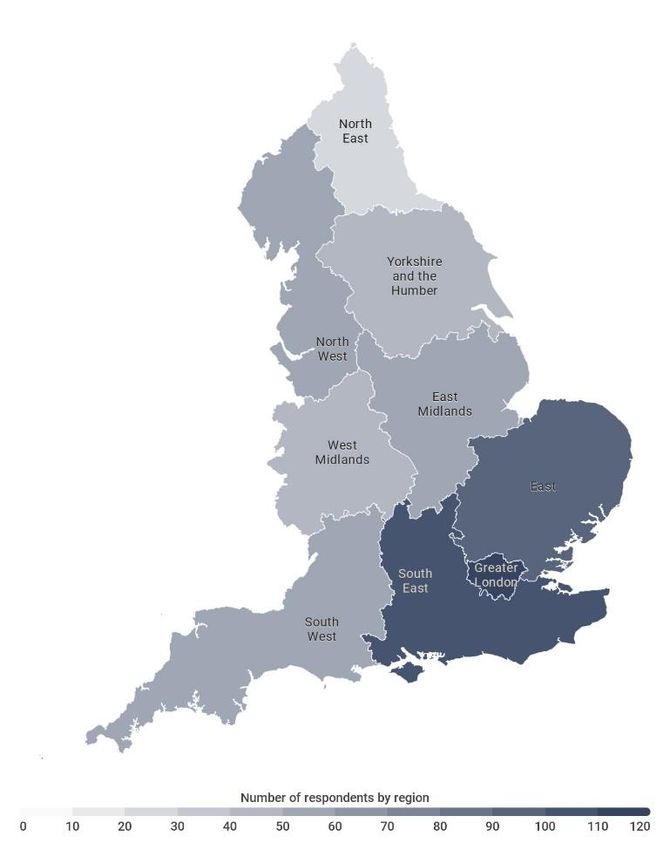
Joint Dialogue: How are Schools Developing Real Employability Skills?

        Development of skills in schools
        From our survey, it appears teachers are evidently and resolutely setting about the task of supporting
        their students to develop these skills.

             •    Over 90% of teachers believe that the top five skills and two of the four competencies cited by
                  employers are developed in school. The vast majority state that students have a range of
                  opportunities to acquire and practise these skills through classwork and extra-curricular
                  activities.

             •    Teachers believe that teamwork, confidence, communication, creativity and problem solving are
                  the top skills and competencies developed through extra-curricular activities.

             •    Respondents also noted that communication, problem solving, team work, creativity and
                  reflection are being developed through classwork.

             •    Teachers use lessons outside of the subject areas, such as tutor time, to help students with
                  information about the world of work and to boost their communication skills.

             •    Other activities during the school day, such as interacting with peers, support the development of
                  communication and teamwork skills.
        Teachers gave detailed examples of how school is making students more employable. Despite the work
        and effort schools are investing in developing and instilling these skills and competencies in young people,
        certain challenges such as time and resources affect the level of development.

        The impact of a narrowing curriculum

        The research highlights that current Government policy, such as the narrower curriculum and increased
        content and exam-focus of GCSEs and A levels, are standing in the way of young people developing the
        skills necessary for working life.

             •    32% of teachers told us that changes to the Key Stage 3 curriculum have been detrimental to
                  developing the skills and attitudes needed for work.

             •    56% of respondents to the schools’ survey feel that changes to the Key Stage 3 National
                  Curriculum are limiting students’ chances to acquire creative thinking skills. 45% believe that young
                  people have limited opportunities to develop their career development skills (we group these skills
                  under the umbrella ‘informed’).

             •    Nearly half (47%) of teachers believe that there are fewer opportunities to develop employability
                  skills and competencies since the introduction of the reformed GCSEs and A levels. Of these a
                  third stated that changes to the syllabus had, for example, necessitated a new focus on rote
                  learning to the detriment of developing the skills and attitudes needed for work.

             •    66% of teachers felt that following the introduction of the new GCSEs and A levels there was less
                  opportunity to develop creativity, with 61% stating there was less opportunity to develop teamwork.

             •    55% of respondents believe the reformed GCSEs and A levels are not improving students’
                  confidence.

                                                                        viii
Joint Dialogue: How are Schools Developing Real Employability Skills?

        INTRODUCTION
        This report, produced by the charity Education and Employers in partnership with the
        Edge Foundation and the National Education Union (NEU), seeks to provide insight on
        how schools are preparing young people with the skills demanded by the 21st century
        labour market and how much policy changes are affecting their ability to do so. It also
        aims to underline the importance of bridging the communication gap between educators
        and employers by showing the demand against the supply of skills and competencies.

        While personal circumstances and appropriate                        labour market mean that the value of interpersonal
        level qualifications are vital in making the transition             skills are likely to grow exponentially as automation
        from school to work (Impetus, 2014), employability                  further takes hold (Sutton Trust, 2017; WEF, 2018).
        skills and competencies are paramount when it
                                                                            While there is agreement around the ‘changing’
        comes to making young people ‘employable’. After
                                                                            nature of employability, defining employability in
        completing schooling, young people face greater
                                                                            practice is more difficult, with a wide range of
        expectations from employers that they are work
                                                                            definitions coexisting in present literature. Finding
        ready and greater competition for work from older,
        perhaps more qualified, workers. Once in                            out the skills and competencies needed for work is
        employment, a growing number of employers have                      no easy task. For a teacher or young person, a
        a changed sense of what they most desire from                       simple Google search of ‘employability skills’
        their employees: the new economy places much                        throws up thousands of different blog posts, lists,
        greater value on the ability of workers to be                       online resources, reports and programmes each
        personally effective in applying their knowledge and                giving different definitions of the skills young people
        skills in new situations.                                           need to apply and be successful in different roles.
                                                                            How can schools, and young people themselves,
                ‘Considered collectively, no prior
                                                                            begin to develop these skills if they cannot be sure
                generation has ever entered the world
                                                                            what the skills mean, let alone which are the most
                of work with more years of schooling,
                higher levels of qualification or greater                   important? As Youth Employment UK put it:
                human capital to their names, and yet                              ‘The    most     vocal    critics of
                mounting evidence shows them                                       employability frameworks note the
                struggling to compete for economic                                 lack of solid definitions, which
                opportunities.’                                                    provides an unwelcome space for
                (Education and Employers, 2017: 12)                                ‘buzzwords’ to creep in.’
        There is a growing need for young people to hold a                         (Youth Employment UK, 2017: 5).
        broader set of characteristics when entering the
                                                                            It appears that the problem when it comes to
        labour market. Rather than the qualities of diligence
                                                                            employability is not lack of information about what
        and submissiveness employers are increasingly
                                                                            employers want, or what makes a young person
        looking for people who can engage and respond to
                                                                            work ready, but instead a lack of well-researched
        less predictable work situations (Mann and
                                                                            and agreed language between all stakeholders.
        Huddleston, 2016). Recent work by the Sutton
                                                                            This report sets out these common skills and
        Trust and the World Economic Forum (WEF) have
                                                                            competencies and then identifies, using insights
        also argued that technological trends in the UK
                                                                            from employers, how these are exhibited during the

                                                                        1
Joint Dialogue: How are Schools Developing Real Employability Skills?
recruitment process and early stages of In this report we seek to build on findings in the
employment. recent literature by exploring how schools and
Recent surveys of employers and teachers teachers feel they are developing the skills and
reinforce the message that these skills are equally, competencies frequently cited by the employers.
if not more, important than academic qualifications. We present the findings of a survey of nearly 700
The 2018 Employers Perspectives Survey by the secondary school teachers from independent,
Department for Education (DfE) notes that maintained and academy institutions which asked
employers felt that a young person’s ‘attitude to whether teachers believe the skills and
work’ was most important when making the competencies gathered from the literature and
decision to hire. Attitudes such as resilience, from our discussions with employers, are
enthusiasm and creativity were considered as developed in different school environments such as
having central importance to employers (DfE, through extra-curricular activities, or through
2018). interactions with peers. The findings of this
In section 2 of the report, we set out the results of research demonstrate that schools, in spite of
our meta-analysis of reports, papers and grey policy changes, are doing their best to help young
literature that provide reliable insights into current people to become employable in a number of
employability skill gaps and demands of the job environments and areas both inside and outside
market. The review set out to create a summative the curriculum.
and collective view of the skills employers and other
stakeholders most commonly state makes a young
person employable. By excluding technical or ‘hard
skills’ from this ‘Skills Grid’, it is hoped that it will be
universally applicable to all young people. This
framework will facilitate a common understanding
of work readiness and the key capabilities all young
people need.
Section 3 outlines key messages emerging from
discussion with employers with first-hand
experience of recruitment in large and small
enterprises across private, public and third sectors.
To make our ‘Skills Grid’ accessible for schools and
young people, employers were asked to consider
tangible examples of what they would expect new
recruits from school to be able to demonstrate in
the workplace.
If the issue of youth employability is to be solved,
young people must be supported by schools to
develop these skills and competencies, in
particular students who don’t have or have limited
access to opportunities to learn the set of skills and
attributes favoured by the modern workplaces.
Work by Fettes et al. (2018) has shown common
features of effective practice in facilitating the
development of skills. In reviewing contemporary
literature and assessing the effectiveness of
programmes that are designed to address the
needs of young people to ‘employability skills’, they
outline ways in which schools and teachers can
help young people develop and then apply these
skills in new and unfamiliar jobs, teams or sectors.
2Joint Dialogue: How are Schools Developing Real Employability Skills?
METHODOLOGY
This section outlines how this study was designed and conducted to meet the following
objectives:
• To understand and create a more detailed and collective view of what
employers are looking for in terms of modern workforce skills.
• To understand specifically where in school young people are developing
those skills and competencies.
2.1 Review of the recent literature 2.1.1 Weighting system
The literature review was conducted with the aim of In order to have a better understanding of the
identifying studies over the past 5 years that importance of the range of skills and characteristic
provided reliable insights into current employability traits found in the review, a scoring system was
skill gaps and the demands of the job market. The designed. Each competency/skill received a
desk research was conducted by the research weighted score of between 0.25 and 1 according
team using Google Scholar, Taylor Francis Online to the year in which the study was published. A skill
and JSTOR to include both academic and so-called or competency found within a report published in
‘grey’ literature. 1 Literature was also drawn from 2017 would receive a higher score than an older
extensive personal libraries within the research study published in 2015. Then, if a skill or
team. The review looked particularly at competency was found in a report that was specific
employability skills such as team-working and to a UK region or sector, the score was halved.
communication skills rather than wider technical
skills. The review considered publications from
2000 onwards that contained labour market
2.2 Focus Group Discussions
predictions or analysis of UK labour market trends. Upon completion of the literature review, the
The objective of this literature search was to create research team conducted two focus groups with
a summative and collective view of the skills employers in November 2017 and April 2018. The
employers most commonly felt were needed in the first focus group looked to gain an insight into the
workforce. Across 21 studies identified through the following questions:
review, seven underlying employability skills and 1. Which skills/competencies are
five characteristic traits were found. To clarify what the most important for a young
these skills look like in the workplace, the team then person to have when it comes to
identified which specific tasks and functions the getting a job?
literature commonly associated with each skill and 2. How relevant are the
traits - for example, persuasion, written skills/competencies found in the
communication and using clear language were literature to representative
most commonly associated in the literature with organisations?
communication skills.
1
Public studies which have not been peer reviewed but may include analysis and findings of meaning undertaken using social
science methodology.
3Joint Dialogue: How are Schools Developing Real Employability Skills?
3. What skills/competencies are functions for each skill and competency within their
missing from the employability workplaces. Participants in both sessions were
skills literature? asked for their consent to agree to be quoted in the
4. What are the exhibits of these final report, where appropriate.
skills and competencies when
Throughout the focus group discussions, it became
recruiting young people?
clear that it was not possible to entirely generalise
Using the partners’ network of volunteers, 12 about ‘what employers want’. This is hardly
employers were gathered from a range of sectors. surprising given the heterogeneity of employers in
The attendees were drawn predominantly from the both the focus group and the UK labour market.
HR, talent management or recruitment Different sectors, and different sized organisations,
departments of businesses in the hope of drawing demand different skills from their prospective new
on their experience of hiring younger applicants. employees. Yet, when employers were encouraged
Prior to the focus group, the participants were sent to move away from thinking about their own
a list of the seven wider employability skills and five sectoral needs in terms of technical skills,
competencies found within the literature. At the agreement began to emerge.
beginning of the session, employers were asked to
rank them in order of which they felt were most
important. Participants were then given 2 hours to
discuss the first 3 questions listed above.
The second focus group was held after the analysis
of the first round with the aim of gathering
employers’ views on the application of skills at their
workplaces. This was set up to flesh out the
detailed tasks and functions each skill consisted of
from an employer’s perspective. Six of the twelve
employers were invited back to discuss question 4
mentioned above. The employers were asked to
give real-life examples of the specific tasks and
Table 1: Industries represented in the first focus group
Number of Number of
representatives representatives
Industries Job Roles
from first focus from second
group focus group
Former head of Apprenticeship Recruitment and Management
IT/Technology 2 2
New Talent Manager
Head of Organisational Capability and Talent
Transport and Logistics 2 1
Director of Programmes (focus group one only)
Accountancy Director, Corporate & Business 1 1
Property and
Apprenticeship Development Manager 1 1
Construction
Manufacturing Head of Sustainability 1 1
Engineering Technicians and Apprenticeships Executive 1
CEO
Not-for-profit, focussed
2
on business growth
Head of Policy and External Development
Recruitment and HR HR Manager 1
Telecommunications Industry Talent Specialist & Apprenticeships 1
4Joint Dialogue: How are Schools Developing Real Employability Skills?
2.3 Online Survey of Teachers
Figure 1: Geographic distribution of survey
Based on the findings from the literature and the
respondents
first focus group with employers, the research team
designed an online survey to understand where
teachers and other school staff felt employability
skills were being developed, which was distributed
to the National Education Union (NEU) network of
schools in April 2018. The survey provided 626
responses from teachers across England.
Consisting of closed and open-ended questions,
the survey asked teacher’s their view on where
each of the core skills and characteristic traits are
being developed, as well as their school’s
demography, their teacher role and teaching
subject area. They were asked to give detailed
examples of how young people are learning certain
skills and competencies which would inform the
main theme of this study. The final section of the
survey asked respondents to share their views as
to whether they think there were fewer, the same
or more opportunities to develop each skill and
competency since the introduction of the new
GCSEs and A Levels and the introduction of the
new KS3 National Curriculum in 2014.
As Figure 1 shows, the survey received a wide 2.3.1 Weighting of the sample
geographic distribution of responses from teachers
To ensure the sample of teachers reflected the
located across 134 local authorities, 69 of whom
population of schools in England, data from the
belonged to schools in Hertfordshire, Essex and
Department of Education (DfE) and Independent
Kent. Most respondents were from academies
Schools Council (ISC) on school type was used to
(70.7%) (Table 2). 63% of teachers identified
weight the response numbers.
themselves as being a subject teacher and another
30% held the position of curriculum/subject leader. As Table 3 below shows, a weight factor was
determined for each school type by dividing the
percentage of Academies, Maintained and
Table 2: School type of survey respondents Independent schools in the sample by the national
distribution of school types.
School Type Maintained Academy Independent
Table 3: Weighting of the sample by school type
Number of
161 441 22 Weight
schools DfE/ICS data2 Survey Sample
factor
Percentage Independent
25.8% 70.7% 3.5% 244 6.6% 22 3.5% 1.88
(%)
Academy 2364 64.2% 441 70.7% 0.91
Maintained 1072 29.1% 161 25.8% 1.13
Total 3680 100.0% 626 100.0% /
22
Independent Schools Council. (2018). Census and Annual Report 2018. London: Independent Schools Council; Department for
Education. (2018). Statistics: School and Pupil Numbers. From: https://www.gov.uk/government/collections/statistics-school-and-
pupil-numbers (accessed 14/11/2018)
5Joint Dialogue: How are Schools Developing Real Employability Skills?
EMPLOYABILITY SKILLS –
Review of the recent
literature
This section presents the findings from our rapid review of recent reports and literature
on the theme of employability skills. It also provides a contextual background for the
report, including current definitions of skills and why the current focus from government
and schools on skill development is a right one.
3.1 What do we mean by Career management skills describe
‘employability skills’? the skills and attributes that
individuals need to successfully
The term ‘employability skills’ has been used for manage their job. So, while
many years by policy-makers and researchers. employability skills describe the skills
Sometimes definitions go a step further than simply that you need to find and keep work,
focusing on the ability to secure employment, and career management skills describe
specifically include the ability to sustain the skills that you need to progress
employment and to progress within work too. But, within work and to build a successful
do we have a consistent and common career. In practice many of these
understanding and definition of skills and skills overlap.
competencies? The definition outlined by UKCES in (Neary et al. 2016: 13)
2014, drawing on the work of McQuaid and
colleagues (2006) note that employability skills It is worth reemphasising the contentious and often
should be taken to be: contradictory definitions of employability skills
found in the literature. In both the UK and
The set of basic/generic skills and internationally, skills (communication,
attitudinal/behavioural characteristics presentation, problem solving) have often been
that are believed to be essential for conflated with attitudes and behaviours
individuals to secure and sustain (confidence, resilience). In perhaps the most
employment, and also to progress in comprehensive exploration and definition of
the workplace. employability skills to date, Fettes et al. (2018)
(UKCES, 2014: 3). draw upon the existing literature, as well as case
Some researchers also believe that employability studies from a number of UK employability
skills are not confined to a set of skills and programmes to outline the multi-faceted and multi-
competences that makes one employable, but layered nature of defining employability skills. The
extends to skills that help with job search, career report identifies the ‘qualities and attitudes’ needed
decision-making and career management (Koen et to become employable as distinct from, though
al. 2012; Neary et al. 2016). interrelated to, the ‘basic and personal’ skills
6Joint Dialogue: How are Schools Developing Real Employability Skills?
needed for smooth and successful transitions to also be required across different
work. occupational sectors.
(Fettes et al. 2018: 22)
To optimise their ability to gain entry to
the labour market and respond flexibly They draw upon work conducted by the design
council as an example of how ‘hard’ skills are often
to its changing demands, the literature
relevant to multiple professions.
and case study examples suggest
that, in addition to basic skills (literacy, Design skills are not confined just to
numeracy and ICT – the foundation for design sectors. At least 2.5m people
learning and functioning in society), use design skills in their day-to-day
young adults increasingly need work. This is equivalent to one in 12
personal, people, creative and workers (8%)… demand for workers
problem-solving skills. However, to be with these skills has grown at twice the
able to apply these skills in ways to suit rate of UK employment over the same
a particular situation, task or problem, period (14% vs 7% since 2012).
(Design Council, 2017, quoted in
to contextualise and re-contextualise
Fettes et al. 2018)
skills for themselves in moving
between different contexts, they also Building on this notion, a recent Australian study
need: found that jobs, and the technical skills used within
• meta-cognitive strategies which them, are more related than many may previously
relate to higher-order thinking - have considered. Using big data, the Foundation
thinking about thought processes - for Young Australians study analysed more than
and self-knowledge. Such strategies 2.7 million job advertisements to reveal seven new
include, for example: goal-setting, job clusters in the Australian economy where the
selecting, planning, self-assessment, required skills are more closely related and more
monitoring and reflection on own portable than we previously understood. The job
learning and performance. They clusters are the ‘Generators’, the ‘Artisans’, the
enable individuals to develop as self- ‘Carers’, the ‘Informers’, the ‘Technologists’, the
regulating learners, knowing when ‘Designers’ and the ‘Coordinators’. When a person
and why to use particular approaches
trains or works in one job, they gain skills for around
• personal qualities and attitudes, 13 other jobs because employers demand very
such as confidence, resilience, similar skills in many jobs. In some cases, if
initiative, self-motivation, ambition. someone has trained for or worked in one job, only
(Fettes et al. 2018: 21) one additional skill is required for a further 44
Throughout contemporary literature, skills are also different jobs 3 (Foundation for Young Australians.
often defined as ‘soft’ and ‘hard’ to distinguish the 2018).
transferrable personal skills or attributes needed for
work that enable individuals to be effective in
managing their own career and development, and
technical or job-specific skills, which are more
3.2 The importance of employability
specifically related to jobs within particular sectors. skills
Yet, as Fettes et al (2018) point out:
Recent reports and surveys of both public and
This distinction is not so clear-cut. For private sector employers have consistently
example, some skills described as
reported a lack of work-ready, employable young
technical and practical, or ‘hard’ may
people coming straight from school or college. A
3
While this is an important point to consider, defining transferrable ‘hard’ or technical skills is out of the remit of the study. Instead by
reviewing contemporary literature we set out to distil the key ‘basic skills’, ‘personal, people, creative and problem-solving skills’ and
the ‘personal qualities and attitudes’, as defined by Fettes et al. (2018), that are common across these pieces of research.
7Joint Dialogue: How are Schools Developing Real Employability Skills?
2018 survey of 4000 finance professions carried by undertaken by schools and colleges to help
the Chartered Institute for Management prepare them for school to work transitions and
Consultants (CIMA) found that 80% of respondents specifically explored in which areas young people
believed British school-leavers lack the ‘essential would have welcomed more help from their
business skills’ needed for work (CIMA, 2018). In schools/colleges. The study found that that 50% of
the larger Employers Perspectives Survey, young adults would have welcomed more help in
published by the Department for Education in understanding which skills are likely to be
2017, 18,000 employers were asked what drives demanded in the future, with 60% expressing a
their decisions on recruitment and people desire for schools to prepare them for performing
development, and, importantly how well they feel well at interview (Mann et al. 2017).
that education leavers are prepared for work. Only
Ensuring young people master these employability
around half of employers said recruits from
skills is not only important for employers in the short
education were prepared for work. Where they felt
to medium-term. Research has shown that
that recruits were not prepared it was generally
developing these skills while in school can be
because they had a lack of experience of the
associated with positive economic and work
working world or a poor attitude, emphasising the
outcomes in later life too (Carniero et al. 2007;
importance of work placements (DfE, 2017b).
Taylor, 2017; Prince’s Trust, 2016). A growing
Figure 2 below shows how young people’s
body of research also emphasises the role of ‘non
preparedness seems to be moving in the wrong
cognitive’ employability skills, including social skills
direction, in particular for FE leavers in England.
and leadership skills. Much of this research comes
Employers have also been consistently clear that from the pioneering work of Heckman (1995), that
what they need to fill the current skills shortages is wage premia are likely shaped by an array of skills
not individuals who have more academic since measured cognitive ability accounts for only
qualifications but those with the transferable a small portion of the variation in such outcomes
employability skills that enable them to thrive in any (Heckman and Kautz, 2012). A recent report from
business environment. In the Government’s own the Early Intervention Foundation found similar
Employer Perspectives Survey, less than half of results. Namely that in particular, self-control, self-
employers (46%) said that academic qualifications awareness, and self-efficacy skills were linked to
were significant or critical when hiring, compared increased earnings and job success in later life
to almost two-thirds (65%) for relevant work (Goodman et al. 2015). Another study, from
experience. Carniero and colleagues, analysed data from the
National Child Development Study and found that
The issue of lack of skills needed for work is voiced
a combination of cognitive skills and non-academic
not only by policy makers and employers. Students
skills are associated with higher hourly wages and
also regularly challenge the lack of curriculum time
the likelihood of employment in adulthood
dedicated to preparing them for the world of work.
(Carniero et al. 2007). Additionally, an analysis of
A recent survey of 1,001 secondary school
longitudinal studies across 11 countries in the
students conducted by the Career Colleges Trust
OECD found that in the UK, non-academic skills
found that students overwhelmingly thought they
were as important as academic skills in their
were being prepared to pass exams rather than
association with improved income and employment
developing skills for their future career or preparing
(OECD, 2015).
for the workplace (Career Colleges Trust, 2015).
In their 2017 report Education and Employers set
out findings from a representative survey of some
1,800 young Britons aged 19-24. The survey
investigated the experiences of these young people
as they made their transition to work from school.
The report looked at which activities are commonly
8Joint Dialogue: How are Schools Developing Real Employability Skills?
Figure 2: Preparedness of education leavers by country and in comparison with 2014 (Taken from: Department for
Education Employers Perspectives Survey 2018)
Very poorly prepared Poorly prepared Well prepared Very well prepared Prepared
2016 2014
17-18- England (1,923) 8% 29% 51% 7% 58% 60%
year-old NI (337) 5% 31% 53% 7% 60% 68%
school
Wales (370) 11% 31% 43% 10% 52% 60%
leavers
17-18- England (1,904) 5% 23% 58% 10% 68% 72%
year-old NI (296) 2% 16% 65% 10% 76% 79%
FE
Wales (358) 7% 23% 51% 12% 63% 75%
leavers
Scotland (707) 2% 12% 63% 17% 80% 81%
3.3 The changing nature of finding Leaving education, they face greater
and thriving in work expectations from employers that
they are job ready and greater
Modern transitions from education into sustained competition for work from older
employment are widely acknowledged to be longer workers. Once in employment,
and more fractured than in the past and are much growing numbers of employers have
more likely to require that young people show a changed sense of what they most
resilience when navigating an increasingly complex desire from the workforce: the new
labour market (Tomlinson, 2013). Structural economy places much greater value
changes in how employers recruit and what skills on the ability of workers to be
are required by the modern labour market have personally effective in applying their
significance for schools and for young people. knowledge and skills in new
Businesses are increasingly looking for a broader situations.
set of skills and competencies reflecting an (Mann and Huddleston, 2015: 216).
expectation of continual change within workplaces
The Industrial Strategy Commission has
considering technological advancements,
acknowledged that ‘ensuring better utilisation of
globalisation and geopolitical factors. In their 2015 people’s skills must be core to a new strategy’
study, Mann and Huddleston assessed insights (Industrial Strategy Commission, 2017). Skills not
from four focus groups of British recruiters with only have to be acquired and available, to ‘add
first-hand experience of hiring young people as well value for individuals and employers, they have to be
as the thoughts of key policy commentators. They effectively used in the workplace’ and ‘developed
found that many recruiters reported that over time in line with their evolving jobs and other
employability skills were often severely lacking in job opportunities…’ (Campbell, 2016: 14).
young people applying for roles (Mann and
For schools, a key message taken from the existing
Huddleston, 2015). There was considerable
literature is to broaden the provision of activities,
agreement about the growing misalignment
both inside and outside the curriculum, that seek to
between the character of knowledge and skills
develop employability skills that reflect changes in
possessed by young people and the demands of
the labour market and to meet the needs of their
the labour market. They summarise the challenges
pupils when entering the workplace. Yet, for school
facing young people, and in doing so highlight the
leaders and college professionals, often berated
need to develop key competencies before they
within public discourses for the poor ‘employability’
reach the labour market:
of youth who have never left education more highly
9Joint Dialogue: How are Schools Developing Real Employability Skills?
qualified (Bolton, 2012), the capacity to prepare five subjects: English, mathematics,
young people with the skills they need for work is science, a language, history or
restricted. With an externally set curriculum and geography. Whilst there is opportunity
constant changes in school systems and within the curriculum to pursue other
examinations, they feel limited in what they can do subjects as well, the perverse
to support young people beyond ensuring the best consequences have been for schools
academic record possible. to concentrate their efforts on
improving performance in these
subjects at the expense of others.
3.4 Current policy
(Huddleston and Ashton, 2018: 85)
In recent years there has been very patchy interest As a result, the secondary school curriculum in
from policy makers in embedding employability, or England provides fewer opportunities than
transferrable skills into the curriculum. In 2017 the previously for pupils to access a broad range of
Department for Education (DfE) outlined a renewed creative and cultural experiences. These
focus on building character traits such as resilience opportunities are important not because the
in the curriculum (DfE, 2017c). More recently the intention is to turn all pupils into professional
DfE has published its statutory guidance document dancers, musicians, designer and film makers, but
on Careers Guidance and Inspiration which because such exposure offers enriching and
highlights what schools can do to ensure all pupils fulfilling experiences on a personal and societal
have the employability skills needed for the world of level in terms of skills development, health and well-
work: being (Huddleston and Ashton, 2018). In their
A clear focus on the enterprise and recent policy report, the Edge Foundation argue
employability skills, experience and that this push towards a ‘knowledge rich’ curriculum
qualifications that employers want learned by rote for stringent end-point examinations
can support preparation for work. ‘fails to give all young people the skills that
Schools should help pupils gain the employers have clearly asked for in their workforce
confidence to compete in the labour for the future’ (Edge Foundation, 2018: 16)
market by providing opportunities to Ofsted also plays a crucial role here and their
gain the practical know-how and position is not always in tune with the
attributes that are relevant for Department’s. Their Common Inspection
employment. Framework introduced in September 2015 put an
(DfE, 2018: 22). increased focus on the importance of careers
Yet at the same time, broader schools policy is guidance for all young people aged 13–18 which
focusing increasingly on a narrow range of enables pupils to understand how their education
academic subjects through the EBacc and equips them with the competencies and attitudes
Progress 8. Entries to GCSEs in technical and necessary for success in their next stage of
creative subjects have fallen dramatically as a education, training or employment and for their
result. In their exploration of creative and cultural adult life. For schools and colleges there is growing
sectors and the dwindling access to them, need to offer activities which develop the skills and
Huddleston and Ashton (2018) note: competencies needed for work. Recent statements
by the Chief Inspector suggest an even greater
Many creative opportunities have
focus on breadth and preparation for the future in
been reduced, if not excised, from the
the revised Framework due to take effect from
National Curriculum in England,
September 2019.
particularly at key stage 4 (age 14-
16). For example, the ‘English Section 5 of this report further explores where
Baccalaureate (EBacc) measure, an teachers across England believe employability
indicator against which schools’ skills and competencies are developed (or no
performances are assessed includes longer developed) in school or through extra-
curricular activities as a result of these changes.
10Joint Dialogue: How are Schools Developing Real Employability Skills?
3.5 Developing a common The skills gathered from the literature are limited to
those that can be developed and taught within the
language curriculum or through extra-curricular activities.
The report does not consider technical, job-specific
When employers talk about employability they
or ‘hard’ skills (professional knowledge, tools or
usually point towards transferrable skills (i.e. the
techniques) that may be needed by certain
‘basic skills’, ‘personal, people, creative and
professions in the future.
problem-solving skills’ and the ‘personal qualities
and attitudes’ needed for work (Fettes et al. 2018). The review was designed with the aim of identifying
Many of them follow this point with the observation literature which provides reliable insights of value to
that we need a better term for these – perhaps skills gaps and shortages in the UK from the year
‘employability skills’, ‘twenty-first century skills’ or 2015 onwards. The review explored employability
‘timeless skills’. skills e.g. team-working, communication skills
rather than wider structural skills shortages such as
This report provides a synthesis of recent research
GCSE or higher qualifications. Studies were
on the theme of employability skills. It does not aim
included from the year 2015 because it was felt that
to provide a comprehensive literature review, as
the emphasis of this report was on current skills
the relevant literature in this area is vast and wide-
shortages using current data, rather than historical
ranging. Instead it brings together key findings on
trends. Therefore, it was felt any studies prior to
the topic from the last ten years or so, focusing
2015 would be using potentially outdated and now
mainly on literature which discusses what
irrelevant data. However, the review also
employers look for in school leavers.
considered studies or papers from 2000 onwards
that contain labour market predictions or analysis
of UK labour market trends (for example UKCES
Working Futures 2014 to 2024).
11
11Joint Dialogue: How are Schools Developing Real Employability Skills?
Table 4: Literature reviewed as part of this study
Year Author Report title
2009 UKCES The Employability Challenge
UKCES Employer Skills Survey 2013: UK Results
2014
Impetus Ready for Work
Department for Education Character Traits
2015 Career Development Institute (CDI) Frameworks for Careers, Employability and Enterprise Education
NPC Inspiring Impact: Journey to Employment (JET) Framework
City and Guilds Learning to be Employable
Derby, Derbyshire, Nottingham,
(D2N2) Employability Framework
Nottinghamshire LEP
2016 Enabling Enterprise Skills Assessment Framework
Priorities for Entry Level Digital Skills Needs in Greater London: Supported
The Tech Partnership
by The Mayor of London
CBI/Pearson The Right Combination: CBI/Pearson Education and Skills Survey 2016
IGD Eight Essential Employability Skills for The Food Industry
Leicester and Leicestershire Enterprise
Skills for The Future: Final Report
Partnership
Youth Employment UK Employment Review 2017
University of Kent Skills Map
PIXL Why the Edge
2017
The Prince’s Trust Get Into
Barclays LifeSkills
CIPD Future Skills Framework (Now titled ‘Profession Map’)
The Cutlers Company Better Learning, Better Worker
Cedefop The Great Divide: Digitalisation and Digital Skills Gap in The EU Workforce
Nesta The Future of Skills: Employment In 2030
In this first section, reports, papers and grey 3.6 Future skills
literature are presented that map the potential
changes in skill demands in the future. These These studies predict the skills and competencies
reports present the skills, attitudes and needed to navigate and thrive in a future impacted
competencies needed for certain economic by significant structural changes to the labour
sectors or localities, often in response to predicted market, in particular the rise of automation,
structural changes to the labour market, such as globalisation and environmental change.
automation. Secondly the literature with reference According to these reports, the world of work is
to skills needed by employers, are explored. These changing – and some jobs are changing faster than
reports outline the skills needed by employers as others. According to these studies, soon we will
young people transition to modern workplaces, only be as good as the skills we possess. But which
often presented as employability skills and skills are they, and how can we make sure we keep
behaviour frameworks. pace and the next generation of the leaders are
equipped with them?
12You can also read


