For Parks Sake! Create the central west national parks - Victorian National Parks Association
←
→
Page content transcription
If your browser does not render page correctly, please read the page content below
For Parks Sake!
   Create the central west national parks

       IT’S TIME TO CREATE NEW PARKS     DECEMBER 2020 NO 283
      SPEAKING OUT FOR WESTERNPORT
                   THE PROM RENEWED
            VICTORIA’S DEER “STRATEGY”
RECOMMENDATIONS FOR FIRE MANAGEMENT
               MARINE LIFE OF VICTORIA
     WILD FAMILIES SCAVENGER HUNTS
Be part of nature
PRESIDENT Bruce McGregor
DIRECTOR Matt Ruchel
                                                                      CONTENTS
Level 3, 60 Leicester St, Carlton, VIC 3053
ABN 34 217 717 593                                                    3       From the President
Telephone: (03) 9341 6500
Email:       vnpa@vnpa.org.au                                         4       Updates
Web:         www.vnpa.org.au
                                                                      5-7     For Parks Sake!
OUR VISION
The Victorian National Parks Association vision is to ensure          7-8     Still time to create the central west
Victoria is a place with a diverse and healthy natural environment            national parks
that is protected, respected and enjoyed by all.
Everyone can help in the conservation of Victoria’s wild              9       Once lost now found
and beautiful places. To find out how you can help, visit             10-11   Speaking out for Westernport’s wildlife
www.vnpa.org.au/support or call us on (03) 9341 6500.
                                                                      12-13   Deer destroying the Dandenongs
EDITOR Meg Sobey
PUBLISHING POLICY                                                     13      Victoria’s deer “strategy”
All advertisements should be compatible with VNPA policies.           14-15   The Prom renewed
Publication of an advertisement does not imply endorsement
by the VNPA Inc. of the advertised product or service. The VNPA       16      Strange, yet spectacular
reserves the right to refuse any advertisement at any time.
Park Watch may be quoted without permission provided that             17-19   Recommendations for fire management
acknowledgement is made. The opinions of contributors are not
                                                                      19      Life After Fire – new project
necessarily those of the VNPA Inc.
GUIDELINES FOR CONTRIBUTORS                                           20-22   It’s tool time
You’re always welcome to contact the editor to discuss ideas          23      A split list
for articles. Phone the VNPA or email meg@vnpa.org.au
COPY DEADLINE for February 2021 Park Watch                            24-26   Old-growth forests –imperilled in Victoria
is Friday 29 January.
                                                                      28-29   Bogong Moths to Mountain Pygmy-possums
DESIGN South Star Design PRINTING Adams Print                                 – the case against ‘neonics’
FRONT COVER                                                           30      Tribute: Graeme Worboys
Wildlife of Victoria's central west forests, like this Barking Owl,
are waiting for their homes to be protected in national parks.        31      Holden on
See pages 5–9. Photo by Sandy Scheltema.
                                                                      32      Members for Life
Park Watch ISSN 1324-4361
Authorised by Matt Ruchel, Executive Director,                        33      Members elect Council at AGM
Victorian National Parks Association.
Level 3, 60 Leicester St, Carlton, VIC 3053.                          34-35   Special Species: Victorian Scalyfin

                                                                      36      A decade of community passion for a
                                                                              native icon
The Victorian National Parks Association acknowledges
the many First Peoples of the area now known as                       37      Being in the Brisbane Ranges
Victoria, honours their continuing connection to,
and caring for, Country, and supports Traditional                     38-39   Marine Life of Victoria
Owner joint-management of parks and public land        Park Watch
for conservation of natural and cultural heritage.    is printed on   40-41   In Parks: Elsternwick Park Nature Reserve
                                                      FSC certified
Our office is located on traditional land of the          paper.      42      Easy going ambler retires
Wurundjeri people of the Kulin Nation. We offer
our respect to Elders past, present and future.                       43      Wild Families: Scavenger Hunts

2   PA R K W AT C H • D E C E M B E R 2020 N O 283
From the President
VNPA Council recently adopted an                communications campaign push                    Saturday fires in 2009 are now being
updated Acknowledgement of Country.             'For Parks Sake! Create new central west        forcefully recommended for adoption. It
A focused working group was tasked with         national parks'. Please share on social         is unfortunate that a decade has elapsed
the responsibility of recommending a new        media and display the sticker prominently!      without implementing many of the
statement acknowledging the original                                                            proposals first put before the Victorian
                                                In recently breaking news, the Victorian
custodians of the land we now call Victoria:                                                    Royal Commission. We now need to be
                                                Government has announced a number
                                                                                                thankful that ‘common sense’ is prevailing
   The Victorian National Parks                 of important and helpful programs
                                                                                                over adversarial political jockeying.
   Association acknowledges the many            including the ‘Prom Sanctuary’ for Wilsons
   First Peoples of the area now known          Promontory National Park, which VNPA            The Victorian Government has also finally
   as Victoria, honours their continuing        has been advocating for some years. We          released their Deer Management Plan
   connection to, and caring for, Country,      thank the government for these critical         following widespread community concern
   and supports Traditional Owner joint-        investments. Our membership of the              about the adverse impact of deer species
   management of parks and public               Prom Advisory Board is a valuable way for       on our bushland, farmland and peri-urban
   land for conservation of natural and         our staff to constantly advocate for critical   areas. Unfortunately, it appears that the
   cultural heritage.                           nature conservation management actions          report has been hacked by conflicting
                                                at the Prom, work which continues out of        interests and that the small hunting
   Our office is located on traditional land
                                                the gaze of the public. (Pages 14–15)           lobby has stymied critical ecological
   of the Wurundjeri people of the Kulin
   Nation. We offer our respect to Elders       Action is heating up regarding the              management actions. The Plan appears to
   past, present and future.                    proposal to build a destructive liquified       be destined to be another dismal failure for
                                                natural gas (LNG) import terminal in the        not acting decisively when the community
For over 20 years VNPA has lent our                                                             is desperate for strong action. When will
                                                middle of the internationally important
voice to a range of initiatives that support                                                    these invasive and destructive pests be
                                                Westernport Bay (pages 10–11). VNPA
Aboriginal people to work on and care                                                           properly managed? (Pages 12–13)
                                                staff worked hard to wade through
for Country. We will continue to advise
                                                the huge piles of reports into various
government, the community and our                                                               I thank all who attended our Annual
                                                environmental values of Westernport
members of the benefits for nature                                                              General Meeting in October, held for
                                                Bay. The local community are dead set
conservation of joint management of                                                             the first time online. There was some
                                                against any more industrial development
national parks and the conservation estate.                                                     apprehension organising the AGM with
                                                at Westernport and are supported by a
                                                                                                all the key players located at their homes
While Victoria is now easing the restrictions   range of environment groups, including
                                                                                                and the audience across Victoria. Over
we faced as a consequence of the                VNPA. Furthermore, almost daily, there
                                                                                                150 people attended, many saving
COVID-19 pandemic, evidence is mounting         is increasing evidence that it makes no
                                                                                                considerable travel time. Thanks go to
about the critical importance of nature to      economic sense for Victoria to import
                                                                                                our staff for again helping manage this
the health and wellbeing of our community.      LNG. The days of the fairy tale of the
                                                                                                important governance event. Thank
In fact, our recently commissioned polling      importance of gas for Victoria are over.
                                                                                                you also to those who sent the many
has continued to demonstrate the strong         But the environmental importance of
                                                                                                positive messages after the meeting.
support of Victorians for national parks,       Westernport Bay will never be over. Many
                                                                                                It is an honour to be re-elected as the
nature protection and establishing new          of you have made a donation to support
                                                                                                VNPA President.
parks in Victoria. (Turn to pages 5–9)          this important campaign – on behalf
                                                of both Council and staff, thank you for        I hope all our supporters and staff are
We are hopeful that the state government
                                                your generosity.                                safe and well, especially with the festive
will adopt all the Victorian Environmental
Assessment Council (VEAC)                       Over the past few months, four inquiries        season rapidly approaching. I thank
recommendations for the forests of the          have reported into various aspects of           everyone who was able to support our
central west region, and create many new        the catastrophic bushfires Australia            fundraising efforts during this difficult
parks as a Christmas present to nature          experienced last summer. Our Park               year. The VNPA Council and our staff are
and our communities. After four years           Protection Campaigner, the legendary            continually encouraged by our members,
of expert consideration by VEAC, the            Phil Ingamells, has been analysing and          supporters and philanthropic partners
report was delivered over a year ago, and       giving thorough input to these inquiries        who enable us to advocate strongly for
the government was due to respond in            and reports (Pages 17–19). Many                 nature in this wonderful state of Victoria.
February. We are understandably getting         of the actions that VNPA has been               Thank you. • PW
frustrated, so we have launched a final         advocating for since the tragic Black           Bruce McGregor, VNPA President

                                                                                     PA R K W AT C H • D E C E M B E R 2020 N O 283   3
UPDATES

                   COVID-19 Update                                       Bushwalking and
                                                                       activities return soon
 The Victorian National Parks Association would like to acknowledge
 the deep impact the COVID-19 pandemic has had on the entire
 Victorian community in so many different ways. This came to us        We are working hard to get our volunteer
 following a heartbreaking bushfire season, making 2020 a hugely       bushwalking and activities program back
 challenging year for all of us.                                       up and running from January. The summer
 As Victorians get back out and about and rebuild, we offer you this   program will be available online and through
 ‘bouquet' of gorgeous Victorian wildflowers. We hope they bring you   our email list. You can join the email list at
 joy and a reminder of this beautiful state we call our home.          www.vnpa.org.au/bwag-sign-up and check
                                                                       the website for walks and activities
 For a full VNPA COVID-19 update including citizen science,            www.vnpa.org.au/adventures. We hope
 education, advocacy, bushwalking and work practices please see        to have the printed program back on track
 www.vnpa.org.au/covid-19 • PW                                         for Autumn. • PW

                                                                                   Thank you &
                                                                                   Season's Greetings
                                                                                   While this year has been enormously
                                                                                   challenging, the support,
                                                                                   encouragement and generosity of the
                                                                                   Victorian National Parks Association
                                                                                   community has been greatly
                                                                                   appreciated by the team.
                                                                                   Whether you’ve made a donation or
                                                                                   renewed your membership; if you
                                                                                   emailed your MP, joined us online
                                                                                   for a webinar, signed a petition or
                                                                                   bought a poster – we thank each and
                                                                                   every one of you for being part of
                                                                                   the VNPA community. You make our
                                                                                   work possible and our community
                                                                                   meaningful. Thank you.
   Victorian wildflower photographs by                                             Our warmest wishes for a safe and
   Jordan Crook, Nicole Mertens and Caitlin Griffith.
                                                                                   nature-filled festive season. • PW
   4    PA R K W AT C H • D E C E M B E R 2020 N O 283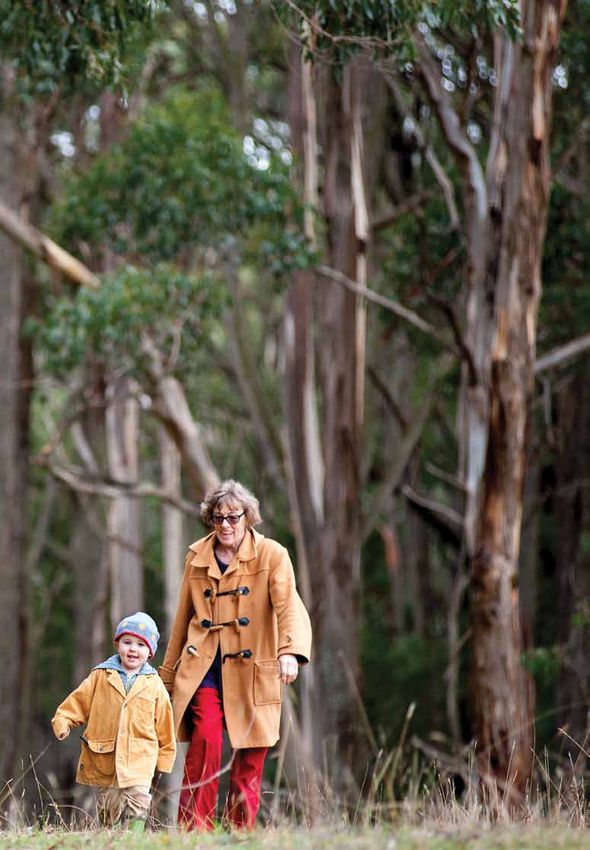
Victorians love our parks

                                                                     PHOTO: SANDY SCHELTEMA

                PA R K W AT C H • D E C E M B E R 2020 N O 283   5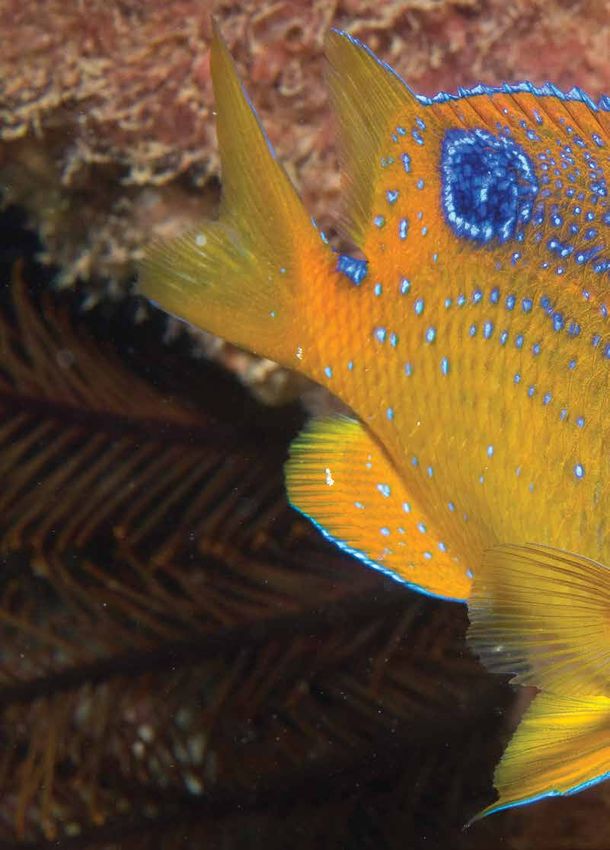
PHOTO: SANDY SCHELTEMA
For Parks Sake!

WE NEED TO GET ON WITH CREATING NEW NATIONAL PARKS IN THE CENTRAL WEST,
SAYS EXECUTIVE DIRECTOR MATT RUCHEL.

There are glimmers of hope for the             ABC radio in early November that                 and that COVID-19 restrictions have
currently stalled and overdue proposal         a decision would be made before                  estranged Melbourne nature-lovers from
for the creation of 60,000 hectares of         Christmas. Let’s hope it is good gift            their favourite conservation areas. These
new parks in Victoria’s central west.          for Victorians – there is certainly              results reinforce what we’ve been hearing
                                               strong community support.                        across the community over the last few
A decision by the Victorian Government                                                          difficult months – people miss the bush.
is now eight months overdue of its legal       Latest polling of 1,009 Melburnians              They recognise better than ever that
deadline, and replace highlighted text with    over the age of 18, commissioned                 it is simply good for their physical and
and over 12 months since the Victorian         by the Victorian National Parks                  mental health.
Environment Assessment Council’s               Association and conducted by
(VEAC) final recommendation were first         Lonergan Research, highlights that               The poll demonstrates the importance for
tabled in parliament. And this following a     the COVID-19 lockdowns across                    any recovery plans from COVID-19 impacts
four year expert review and over a decade      metro Melbourne have enhanced the                to consider the broader community
of campaigning. It’s understandable that       value of nature and national parks               benefits of, and access to, nature in and
we are getting frustrated.                     for most.                                        around Melbourne. People want to spend
                                                                                                more time in nature, and they want more
A spokesperson for Environment                 The results show wide-spread                     of Victoria’s natural places protected,
Minister Lily D'Ambrosio said on               support for new national parks,                  including in the central west of our state.

                                   Much more          Little more   No change          Little less      Much less
                                                                                                                          Total More

    Value access to natural
      areas across Victoria                                                                                                  56%

    Are interested in visiting
          national parks and
         conservation areas                                                                                                  52%
            across the state

     Visit bushland & parks
           in your local area                                                                                                46%

6    PA R K W AT C H • D E C E M B E R 2020 N O 283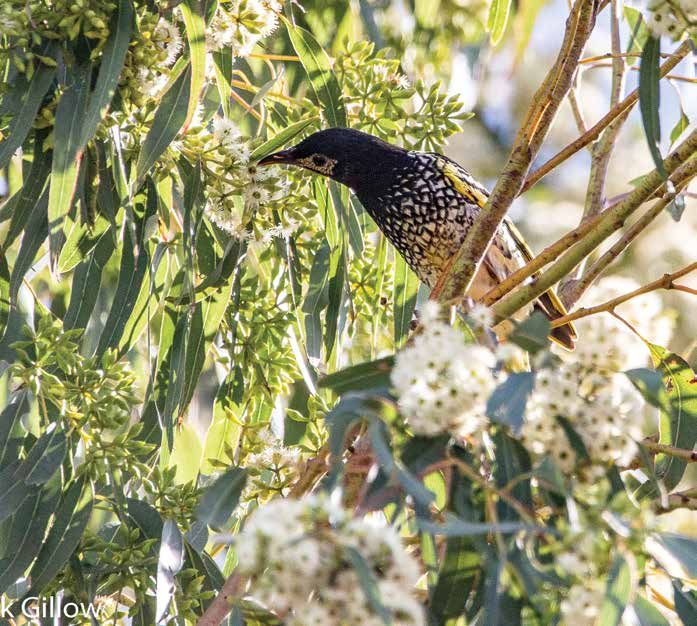
Key points from the poll include:             • Two in five (39%) of those in            new national parks in Victoria. 86%
                                                    Melbourne say the creation of            of ALP voters and 66% of Coalition
    • More than half of Melburnians say
                                                    new national parks in the central        voters support new parks even with
      COVID-19 restrictions have made
                                                    west would make them more likely         COVID-19 impacts.
      them value access to natural areas
                                                    to vote for a political party, while   • Distance is a factor for half of
      (56%), and national parks (52%),
      across Victoria more. Nearly half             only 4% say it would make them           Melburnians, with 51% saying having
      (46%), of those in Melbourne say the          less likely.                             parks less than 90 minute’s drive (such
      COVID-19 restrictions made them             • Six in seven (86%) of Melburnians        as new central west parks, like Wombat
      visit bushland and parks in their local       support Victoria having a                Forest, near Woodend) would make
      area (see graphic on previous page).          comprehensive network of national        them visit national parks more often.
    • Four in five (81%) Melburnians                parks and conservation reserves        • Most (58%) Melburnians believe the
      support the proposals to expand               across land and sea, and when            best use for Victoria’s three million
      national parks in Victoria around             asked even with the impact of            hectares of publicly-owned state
      Daylesford, Woodend, Bendigo and              COVID-19, three quarters (77%) of        forests is for the protection of wildlife,
      Ballarat. One in seven (14%), are             Melbournians support the Victorian       trees and nature, only 2% support native
      undecided, only 4% oppose.                    Andrews Government creating              forest logging. • PW

    Still time to create the central west national parks
    WHILE COVID-19 AND BUSHFIRES HAVE UNDOUBTEDLY BEEN MAJOR DISTRACTIONS
    FOR GOVERNMENT, THE ANDREWS GOVERNMENT WAS ALREADY TRACKING POORLY
    ON PROTECTED AREA POLICY, WRITES MATT RUCHEL.

    A detailed analysis that we carried out         in East Gippsland and coastal parks      national parks across their state.
    in November 2017 found Premier Daniel           along the Bass Coast, there have         Just last month they committed
    Andrews record on national park and             been no large formal additions to        $25.6 million for the creation
    conservation area creation to be the lowest     our park estate for almost a decade.     and management of new parks.
    in decades (www.vnpa.org.au/publications/                                                $41.3 million will also be invested
    victorian-parks-by-premier). Three years        Other states are doing far better.       in new and upgraded roads, trails
    on, it hasn’t changed that much.                A newly-elected McGowan ALP              and facilities for some national
                                                    Government in Western Australia          parks, under the WA Recovery
    While there is legislation in the upper         in 2019 announced that it would          Plan for COVID-19. (See:
    house to create small areas of new parks        create five million hectares of new      www.createrangerparks.org.au).
                                                                                                                     Continued overleaf

                                                                                                                                          PHOTO: JOSH BOWELL

Greater Gliders make their homes in
tree hollows in the Wombat Forest.                                                 PA R K W AT C H • D E C E M B E R 2020 N O 283   7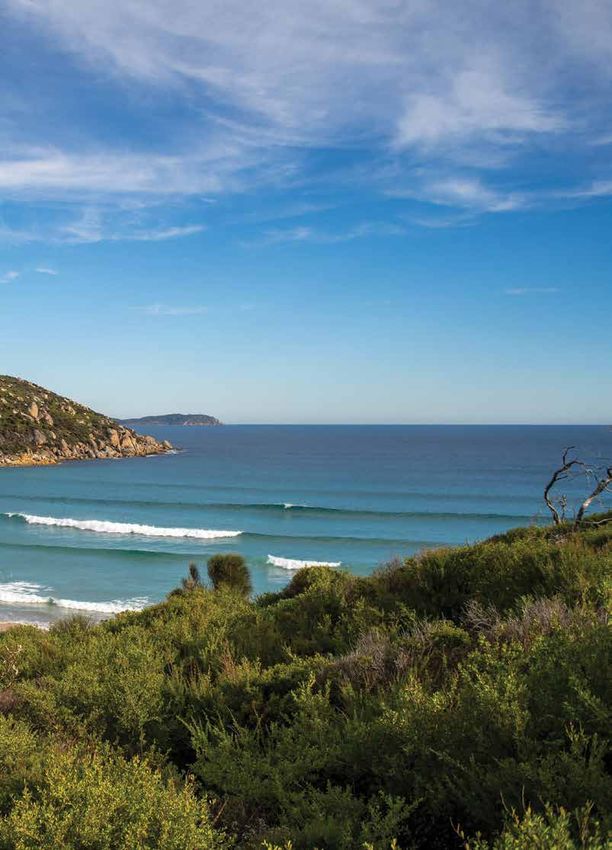
Scarlet Robin

Continued from previous page

In Queensland, the very recently re-           So while other states are leading
elected Pałaszczuk ALP Government              the charge on new protected
went to the polls with a ten-year plan         areas for their states, what
for supporting the growth, better              about us? The Victorian Andrews
management and sustainability of               Government has announced
the state’s public protected areas,            an advertising campaign to
including expanding national parks and         holiday at home. We know after
private protected areas. Research by           the first COVID-19 lockdown
The University of Queensland showed            that many Victorian parks were
that in 2018, expenditure generated            flooded with people, especially
by visitors to Queensland’s national           around Melbourne. This not only
parks was estimated between $419               undermines the experience of

                                                                                                                                             PHOTO: FLISSY JOHNSON
million and $2.64 billion, which in turn       getting out into nature, but also
supported between 1,933 and 11,877             creates real environmental and
direct jobs and up to 17,241 total jobs        visitor management problems
for Queensland. (See: www.parks.               from the overcrowding.
des.qld.gov.au/management/plans-
strategies/protected-area-strategy)            In contrast with Sydney, there is
                                               a significant shortage of national
NSW is also getting in on the act.             parks and reserves within a                 Creating new parks in the central west – in
While of different political flavour,          short drive (90–120 minutes)                the Wombat Forest, less than 90 minutes
NSW Liberal Environment Minister               of metropolitan Melbourne.                  from Melbourne; the Mount Cole and
Matt Kean formally gazetted 202,000            The protected area network                  Pyrenees Ranges forests, which are a
hectares of national parks on 30               surrounding Sydney consists of              relatively easy drive west of Ballarat; and
October 2020, the largest single boost         eight national parks and reserves.          Wellsford Forest right near Bendigo – would
to the estate since 2005. He now plans         Collectively, they cover one million        all help spread visitor congestion, while
to double that target with a further           hectares of land. This far exceeds          also securing the future of these important
200,000-hectare expansion within               the formal national and state park          and special natural places and hundreds of
two years. (See: www.smh.com.au/               network surrounding Melbourne,              threatened species which live in them.
environment/conservation/matt-kean-            which is less than 185,000
added-202-000ha-of-national-parks-             hectares (a large chunk of which is         It all makes a lot of sense in COVID normal
now-he-wants-another-200-000ha-                in closed water catchments in the           world, and could be a key plank of our social
20201030-p56a66.html)                          Yarra Ranges National Park).                recovery. For Parks Sake – get on with it! • PW

Take Action
    After experiencing a global pandemic that required most Victorians to restrict our movement for the greater
    good, nature-lovers need no reminder of the restorative powers of the bush.
    But our elected representatives do. Let Premier Daniel Andrews and Environment Minister Lily D'Ambrosio know
    that after the year that was, it is time to finally accept the recommendations and make these parks a reality.
    There was already an abundance of reasons to create the new central west national parks. Now there's no
    excuse not to.
    Take action: www.vnpa.org.au/forparks
                                                                                                                                             PHOTO: SANDY SCHELTEMA

8    PA R K W AT C H • D E C E M B E R 2020 N O 283
Once lost now
           ow found

THE GRAMPIANS BITTER-PEA
HAS BEEN AN ENIGMATIC
SPECIES FOR MANY YEARS.
NOW THIS BEAUTIFUL PLANT
IS FINALLY UNVEILING SOME

                                                                                                                                          BRENDAN NUGENT
OF ITS MYSTERIOUS WAYS AND
GAINING THE ATTENTION AND
PROTECTION IT DESERVES,
WRITES BRENDAN NUGENT.

The Grampians Bitter-pea was                  past 15 years since rediscovery, but           of climate change, altered fire regimes
presumed extinct, until in 2004 it was        plant numbers still remain concerningly        (past and future), intense browsing
serendipitously rediscovered.                 low, with only a dozen populations             of young plants by macropods,
                                              and around 200 plants in the wild.             disturbance from feral pigs at some
Most known populations and individual
                                              Herbarium records seem to suggest              populations, and native forest logging
plants occur in the Grampians National
                                              Daviesia laevis has historically had a         within the Mount Cole State Forest.
Park, though important populations
                                              low number of populations, but it is
also occur in Langi Ghiran State Park                                                        The species also has an unusual
                                              also likely numbers have declined since
and Mount Cole State Forest (parts                                                           relationship with native parrots that
                                              European colonisation from habitat
currently proposed to be a new national                                                      involves significant, repeated damage
                                              removal, declines in dispersal agents
park). Populations typically occur in                                                        to the canopy each year at several
                                              and other factors.
more mesic, sheltered areas of these                                                         populations. This can be tolerated in
landscapes such as eastern slopes,            It may also have an important temporal         years of average rainfall and may even
gullies and at higher altitudes.              factor in its distribution; where              help to spread seed long distances, but
The Grampians Bitter-pea is listed            populations may senesce but remain             will increasingly stress plants as our
as vulnerable under both the                  alive in the soil seed bank for decades        climate becomes warmer and drier.
Commonwealth Environment Protection           before appropriate germination stimuli
                                                                                             During the past decade of monitoring
and Biodiversity Conservation Act             occur and the population re-establishes
                                                                                             our knowledge of the species has
1999 and Victorian Flora and Fauna            itself above ground.
                                                                                             increased considerably, including that
Guarantee Act 1988.                           Mature plants are killed by fire; however,     it has very high levels of seed viability;
It is a large shrub to small tree typically   fire is also an important germination          an average age of initial reproduction
reaching two to four metres in height         stimulus, and bushfires in the                 of around 3.5 years (though producing
at maturity, though plants as tall as six     Grampians National Park have aided             large quantities of seed requires a
metres have been observed. It may be          germination in some areas.                     greater age than many other Daviesia
either single or multi-stemmed, and its                                                      species); potential for some mature
                                              Seed from multiple populations has
smooth green-grey leaf-like phyllodes                                                        individuals to produce up to 25,000
                                              been collected and stored, including as
are thick, leathery and vary slightly in                                                     seeds annually; and that plants may live
                                              part of the Millennium Seed Bank at the
shape from narrow elliptic to linear to                                                      longer than 40 years.
                                              Royal Botanic Gardens Kew in the UK.
lanceolate. Young stems and phyllodes                                                        Efforts have been made to increase
also have an attractive bronze-red            It is worth noting that the Grampians
                                                                                             awareness of the species with the hope
colour that can persist for several           Bitter-pea is a highly ornamental plant,
                                                                                             more populations will be discovered
months. Masses of small yellow and            and this horticultural merit could and
                                                                                             by the public. So please keep an eye
red pea flowers are borne towards             should be used to help safeguard the
                                                                                             out for the Grampians Bitter-pea when
the ends of branches from October to          species considering the dangerously
                                                                                             visiting Gariwerd/Grampians, Mount
November. Red fruits which fade to            low number of plants in the wild.
                                                                                             Langi and Mount Cole areas in western
light brown appear around December
                                              Numerous threats to the species                Victoria, and if you think you have found
with small black mottled kidney-shaped
                                              continue and in some cases are                 this beautiful species, please report all
seed dispersed in January to February.
                                              increasing. The most serious are               possible sightings to local DELWP or
More populations of Grampians                 degraded and fragmented habitat                Parks Victoria staff – it’s quite possible
Bitter-pea have been identified in the        across its distribution, several aspects       you have found a new population! • PW

                                                                                  PA R K W AT C H • D E C E M B E R 2020 N O 283   9
Speaking out for
Westernport’s wildlife
CAMPAIGNER SHANNON HURLEY EXPLAINS HOW AGL'S GAS IMPORT FACILITY
IS NOT FIT FOR PURPOSE FOR WESTERNPORT BAY.

From 12 October to 17 December we have had our heads             These include the failure to address catastrophic events
submerged in the ten-week-long public hearings where             and threats of explosions, oil/fuel spills, ignoring of wetland
AGL’s environmental impact assessment reports have been          birds and many Ramsar values, shortage of scientific
under scrutiny.                                                  backing for many marine biodiversity field studies, and lack
                                                                 of consideration of the full suite of ecosystem impacts from
As it should be – they plan to build a massive industrial gas    up to 47 kilograms of chlorine discharge in the surrounding
import terminal right in the home of whales, seals, penguins,    water at Crib Point every single day.
wetland birds, mangroves and seagrass beds (Read more
detail of the proposed project in September Park Watch.).        Evidence in the public hearings has so far revealed how the
                                                                 potential impacts of the project have been down-played,
It has been a critical period to put the proposed project
                                                                 devaluing the wildlife haven that is Westernport Bay. They
under the microscope. VNPA, with Environment Victoria, Save
                                                                 have confirmed what we knew all along – the project
Westernport and legal representatives Environmental Justice
                                                                 studies lack scientific rigour and their assessments are
Australia, along with the Bunurong Land Council Aboriginal
                                                                 not considered sound for environmental decisions and
Corporation, local councils, government agencies, and other
                                                                 management, especially for an internationally significant
interested parties have had the opportunity to present their
                                                                 Ramsar wetland.
expert evidence and ask questions of AGL.
AGL has claimed that they have properly considered the impacts   Our team’s barristers and others representing local councils
of their project on Westernport’s marine biodiversity values.    and government agencies have helped reveal the grave
                                                                 uncertainties, gaps and risks from the project, including:
We have expert evidence on the contrary. From the very start,
                                                                 • the under-estimation of the impacts of chlorine discharge
since AGLs environmental assessment reports have been on
display, our expert evidence has shown the failure of AGL to     • inadequate mitigation measures to protect plankton and
address potentially major concerns in full on the impact to        fish larvae
marine biodiversity.                                             • the movement of contaminated sediments

10   PA R K W AT C H • D E C E M B E R 2020 N O 283
Clockwise from top right:
Westernport Bay is visited by the
endangered Southern Right Whale
during winter.
Phillip Island is famous for its
Little Penguins.
Westernport Bay is a Ramsar listed wetland
– it’s an important habitat for both local and
migratory shorebirds.
Australian Fur Seals, like these pups,
sunbathe on the shores of Westernport Bay.
PHOTO: PETER STEWARD, FLICKR CC
PHOTO: A.CANVAS.OF.LIGHT, FLICKR CC
PHOTO: MICHAEL SALE / FLICKR
PHOTO: ED DUNENS / FLICKR
• the lack of proper consideration of ship collisions, and The Inquiry and Advisory Committee (IAC), appointed to
the attendant risk of spills consider the Environment Effects Statement (EES) and
• failure to address specific impacts, such as those on the public hearings, will report to the Minister for Planning,
the Little Penguin colony at nearby Barrallier Island, who will make his subsequent decision in early 2021.
off French Island.
We will continue to speak out to ensure they consider
how the many uncertainties and risks of this project are
What is clear is the many uncertainties and risks this
far too great to risk Westernport’s sensitive and special
project raises are far too great for Westernport Bay.
natural values. • PW
An internationally recognised and protected Ramsar
wetland deserves the most stringent assessment to the
highest level of environmental standards possible. So Will you donate to stop AGL destroying
far, AGL has not shown anything like that. Westernport Bay?
What is promising is the appetite for media to cover
the public hearings, with statewide and local media Every action and every voice in opposition to AGL's
proposed Crib Point gas import terminal is important.
coverage of the hearings in The Age, Australian
When you choose to protest about this facility by
Financial Review, The Australian, and the Mornington
making a donation, you give nature a voice.
Peninsula news.
AGL wants to risk our beautiful bay for a few short-term
The project is extremely unpopular with the Victorian dollars, using a dodgy environmental analysis.
community, who care deeply about our beloved Please donate to show them it's just not on. Show
Westernport Bay, and for the locals who have been active them Victorians won’t stand for it. Donate here:
stewards – some their entire lives – in caring for their www.vnpa.org.au/stop-agl
wetland backyard.
PA R K W AT C H • D E C E M B E R 2020 N O 283 11Deer destroying The Dandenong Ranges National
Park, in the outer eastern suburbs of
Melbourne, is an iconic Melbourne park,
the Dandenongs loved by locals and tourists alike. With
incredible cool temperate rainforest
gullies, towering forests of Mountain Ash
MEGHAN LINDSAY CALLS FOR ACTION ON trees, areas of drier foothill forests, and
FERAL DEER BEFORE IT IS TOO LATE. a variety of wildflowers in spring, it is a
Damage to the forests by deer. diverse wonderland to explore.
I moved from the suburbs to the
Dandenong Ranges almost five years
ago, and I couldn’t believe how beautiful
it was. How incredibly lucky I felt to
have this on my doorstep! Since then,
I’ve walked most of the tracks in the
national park (of which there are over
350 kilometres!), worked in the forests to
control invasive weeds, and volunteered
with local ‘Friends of’ groups. In that
time, I’ve come to understand the extent
to which feral deer are damaging the
forests in the Dandenong Ranges.
The Dandenong Ranges is home to
plants and animals as iconic as the
park itself.
The Superb Lyrebird is one such species
– you can’t hear someone talk about
the Dandenong Ranges without thinking
about their impressive calls and superb
tails. Not only are Superb Lyrebirds
renowned for their impressive ability to
mimic other birds of the forest, but they
also actually shape the forest with their
scratching. A recent study found that
lyrebirds move more soil than any other
land animal – 155 tonnes per hectare in
one year.
Of course, there are also the gigantic
Mountain Ash trees, the tallest flowering
plant in the world. I frequently stop to
stare up at them, struck by just how
tall they are. There are Mountain Ash in
the Dandenong Ranges that have been
measured at almost 87 metres tall.
There are species that have been named
after places in the Dandenong Ranges,
that occur nowhere else in the world:
the Sherbrooke Amphipod, Dandenongs
Amphipod, Kallista Flightless Stonefly,
Dandenongs Burrowing Crayfish and
the Dandenong Wattle. The Dandenong
Ranges also provides sanctuary to rare
and threatened species including the
Powerful Owl, Sooty Owl, Grey Goshwak,
PHOTO: MEGHAN LINDSAY
Green Scentbark, Slender Tree-fern and
Wine-Lipped Spider-Orchid.
12 PA R K W AT C H • D E C E M B E R 2020 N O 283 12 PA R K W AT C H • D E C E M B E R 2020 N O 283Red Deer, once only found in
Grampians National Park,
are appearing across Victoria.
Yet right across the Dandenong Ranges
National Park, feral deer are wreaking
havoc. Over the past 20 years, the
damage caused by introduced Sambar
and Fallow Deer has exploded. They
are destroying the cool temperate
rainforest gullies, breeding habitat of
the Superb Lyrebird. The deer are eating
understorey plants that protect lyrebird
nests, opening up and drying out the
understorey where they find their food.
Victoria’s
PHOTO: PXFUEL, CC
Other animals and plants are also
severely affected. Many native shrubs,
ferns and herbs are killed. In some areas,
Deer “Strategy”
only the tallest tree-ferns remain; all
younger ferns within reach of deer have
had their luxurious green growth stripped
It has taken two years, but the • There are no targets or timelines,
bare, slowly killing them over several
state government’s final strategy to or calls for significant resources.
years. They are rubbing their antlers
control Victoria’s million-strong deer The Environment Minister has
on trees to mark their territory and
invasion has at last been released. initially allocated $1 million
sharpen antlers for the breeding season,
This time the strategy appears to be for action around Melbourne’s
ringbarking and killing the sensitive
under the control of the Environment north-east borders, but made
Australian trees that have not evolved to
Minister, loosening the control of no commitment to the rest of
endure such mistreatment. They prefer
the Game Management Authority the state.
to rub their antlers on particular species
such as the iconic Southern Sassafras, and hunting groups. That’s a big • The appendix has a couple of
Muttonwood and Cherry Ballart. In many improvement from the unpopular inadequate lists of affected
of the creeks throughout the park, you earlier draft version, but serious threatened species and
would be lucky to find a Sassafras tree shortcomings remain. communities, focused on East
that hasn’t been rubbed. Many have Gippsland. But cool temperate
• Bizarrely, these highly-destructive
already died because of this damage. rainforests (see the adjacent
pests remain a protected game
Deer are also causing severe erosion and article) are among the forgotten
species. As a concession, the state’s communities and species the
making the creeks run turbid, smothering
land managers no longer have to strategy forgot.
habitat for sensitive aquatic species.
apply for permission to cull deer,
• The strategy lacks ambition,
Deer are destroying our Dandenong but the absence of legal pest status
only aiming to protect ‘priority’
Ranges National Park. They will cause means the environment department
areas. But rainforests, alpine
species to go extinct, if they haven’t is not actually obliged to control
areas, threatened species,
already. Local volunteers have secured these animals. (Parks Victoria must
wetlands, national parks,
funding to fence a number of individual control all feral animals on land
vineyards, orchards, and of
trees, to save them from being killed by under the National Parks Act 1975,
course and roads, exist across
antler rubbing and so preserve a seed but controlling deer in state forests
the landscape. A landscape-scale
source for the future, but this is only a and other public land apparently reduction in the deer population
stop-gap measure. remains optional for the authorities.) is needed.
• Rather than clearly setting out • The strategy’s answer to the
I am heartbroken when I walk through
the forest and see more trees killed, a management strategy, the rampant illegal relocation of deer
more erosion, more damage. I don’t want document calls for a series of populations by irresponsible
to see these areas completely destroyed Regional Deer Control Partnership hunters is a polite education
in my lifetime. Groups across the state, which will program. Strong penalties and
develop Regional Plans. There’s an enforcement plan should
After two years of waiting, the final benefit in this approach, which be in the mix for this highly
Victorian Deer Control Strategy has should bring land owners, hunters, problematic practice.
been released. The strategy recognises professional pest controllers
the significant impacts of deer on and land management agencies Update: The state government
the environment; however, it sets no together at a local level. But it has announced a further (and
timeframes on action and falls short means we could be looking at very welcome) $18 million dollars
of declaring deer as a pest in Victoria. another two years of fumbling for deer control over the next
We cannot continue to play the waiting before effective action takes off. four years. • PW
game. We need action. Before it is
too late. • PW
PA R K W AT C H • D E C E M B E R 2020 N O 283 13The Prom renewed WE'RE THRILLED TO SHARE AND CELEBRATE THE NEWS THAT VICTORIA’S MOST LOVED NATIONAL PARK, WILSONS PROMONTORY, IS TO GET SOME WELL-DESERVED EXTRA CARE. 14 PA R K W AT C H • D E C E M B E R 2020 N O 283
A $23 million dollar 'Prom Sanctuary' investment, announced
recently by Victorian Environment Minister Lily D’Ambrosio, is
a historic step forward in the management of this remarkable
national park.
The investment will pay for a predator-proof fence at the
Prom’s entrance – stretching for 11 kilometres across the
Yanakie Isthmus from Corner Inlet in the east to Bass Strait
in the west. It will keep foxes, deer, cats and other invasive
species from entering the park.
The Prom can then ramp up pest animal control, allowing
the eventual re-introduction of species long-missing or at risk
of local extinction, such as the New Holland Mouse, Ground
Parrots, bandicoots and quolls.
In addition, Parks Victoria will take up a long-term lease of
private land at the entrance, allowing construction of a car
parking and accommodation, and importantly a research
station to accommodate an increasingly science-based
management program.
One of many science-based programs Parks Victoria plans for
the Prom is the return of the Yanakie Isthmus area to the open
grassy woodland it once was.
There is also funding for two short walking tracks, one from
Tidal River to Telegraph Saddle, and another linking Whisky
Bay to the Tongue Point Track at Darby Saddle.
The Prom has always been staffed by Rangers dedicated to
its wellbeing, as have most of Victoria’s other great parks.
Unfortunately, they’ve long been accustomed to operating on
slim and inadequate budgets. But that need not be the case.
Well-resourced and well-advised management does need
funds, but not a lot overall and it’s far more cost-effective in
the long run.
This announcement for the Prom is a tribute to the Prom’s
management, and to the scientists who have been working
with one particularly dedicated Prom staffer on this project
for decades.
It’s also a hats off to VNPA Members and staff who have
long been advocating, and continue to advocate, for the level
of management our parks need and deserve. Indeed, one of
the first tasks of the VNPA (back in 1952) was to press the
government to set up a dedicated park management agency
because the Prom, especially, and other parks were falling into
ruin. This is a win each of us should be personally very proud of.
 It will be important to establish as ambitious ongoing budget
for management of the Prom, if we are to take advantage of
the Prom Sanctuary project. And we should be rolling out this
level of ambition across Victoria’s parks estate.
There’s hope here. The Minister’s Prom announcement was
part of a $474 million package for a range of other programs for
managing parks, including more post-fire rehabilitation across
Victoria. Unfortunately, this also included some initial funding
for the highly contentious Falls to Hotham Alpine Crossing.
We’ll be looking in more detail at the whole package in the
near future, but generally speaking it’s a very welcome
investment. (You can also read ‘The Prom as a Sanctuary’ in
the December 2019 Park Watch). • PW
                                                                          PHOTO: UNSPLASH

                  PA R K W AT C H • D E C E M B E R 2020 N O 283     15
The ‘no-take break’ push comes in
response to intense harvesting of the
Spider Crabs in recent years, with large
numbers hauled out from Rye Pier,
and related litter, pollution and damage
directly to the marine environment.
It is worth being clear that VNPA
is not anti-fishing, and we are not
attempting to stop fishing of the
crabs, despite some claims. To
correct this misinformation, VNPA has
formal policy objectives that support
recreational and commercial fishing,
on the premise that fishing and
harvesting practices are subject to
careful and comprehensive monitoring
and management arrangements, and
consistent with marine plans and
fisheries management.
STRANGE,
In our view, this has not been the
case with the Spider Crab harvesting
practices in recent years. VNPA
PHOTO: MATT TESTONI
supports Spider Crab protection in the
YET SPECTACULAR
form of a no-take period at the peak
seasonal times of their life cycle when
they are most vulnerable and seeking
safety in numbers to complete their
moult. We see this as a solution to
address the suite of negative impacts
on this unique ecological phenomena
CAMPAIGNER SHANNON HURLEY GIVES AN UPDATE and tourism drawcard. We are open to
ON SPIDER CRAB MATTERS. working with interested stakeholders
on how to achieve protection of the
crabs and the marine environment in
which they live.
It could be considered strange, yet 2,000 of you responded to the recent
equally spectacular, to glue algae and Victorian Fisheries Authority (VFA) draft There are many different ways in
seaweed to your back as a costume. fisheries notice consultation. This was which to value and experience the
But that is precisely what Spider in addition to the more than 34,000 Spider Crabs – whether that is through
Crabs do to (though more to disguise people who had already shown their appropriate harvesting or snorkelling,
themselves from predators than just support for extra Spider Crab protection diving, photographing and the like. But
a silly dress-up). And their massive measures to be implemented. these all need to be done thoughtfully
congregation in Port Phillip Bay each and be carefully managed so that the
year, with legs sprawling and claws Thank you for being totally clawsome! future of this marine spectacle is not
snapping en masse, does make for at risk.
Letters from VNPA and our supporters
quite the party!
have been sent to the VFA and the As we await the outcome of the
The world’s largest Spider Crab Victorian Ministers for Fisheries, proposed fisheries notice consultation
aggregation is a strange spectacle Environment and Tourism, opposing on the bag limit reduction, VNPA, as a
that Victorians have become incredibly the bag limit reduction from 30 to 15 supporter of the SOS Save Our Spider
proud of sharing with the global crabs per day, on the basis that this Crabs campaign, along with other
marine community. (Read more detail proposed regulatory tool does not groups and individuals, will continue
in June and September editions of address the concerns of impacts on to work with stakeholders to urge the
Park Watch.) the marine environment. We have Victorian Government to implement
instead urged for a seasonal no- the best outcomes for the Spider
Community support for safeguarding take period during the Spider Crab’s Crabs and community. We all want to
the Spider Crab aggregation from aggregation in Port Phillip Bay from ensure the most enjoyable and long-
intense harvesting is strong. More than April to July. lasting experience possible. • PW
16 PA R K W AT C H • D E C E M B E R 2020 N O 283This 2019 fuel reduction burn in East Gippsland’s Radar Hill
was fierce. Most of the inquiries recommended trialling
Indigenous ‘cool’ burning practices.
RECOMM E N DAT ION S
PHOTO: LISA ROBERTS
FOR FIRE M A N AGE M E N T
WHAT DO FOUR INQUIRIES HAVE TO SAY ABOUT LAST SUMMER’S BUSHFIRES?
CAMPAIGNER PHIL INGAMELLS LOOKS AT SOME EYEBROW-RAISING RECOMMENDATIONS.
Last summer’s fires ravaged the east coast of Australia, and It’s not possible to report here on every recommendation
generated four inquiries of particular relevance to Victoria: from these inquiries, but there are some important
two federal inquiries and two state inquiries totalling some findings and, as always it seems, some omissions.
1800 pages of reports.
For starters, here are a few facts and figures from the federal 1. Reducing Bushfire Risks. Victorian Auditor
Royal Commission into Natural Disaster Arrangements: General (VAGO) 2020 report to Parliament
• The fires, which started in the middle of winter 2019, This report from Victoria’s ever-vigilant watchdog was
burnt tens of millions of hectares across the nation over particularly damning on issues around the Department
the ensuing months of what would come to be called our of Environment, Land, Water and Planning (DELWP)’s fuel
‘Black Summer’. reduction programs. VAGO found that “With the exception
• Hundreds of communities were displaced, thousands of some isolated case studies, DELWP does not know the
of homes were destroyed, and 33 people (including nine effect of its burns on native flora and fauna”.
firefighters) died in the fires. Smoke contributed to several
DELWP has been touting its highly-sophisticated
hundred additional deaths.
measurement of the impact of fire on the state’s
• Around three billion animals were killed or displaced,
much-stressed native ecosystems – Geometric Mean
including threatened species and communities.
Abundance – since 2015. But the auditor says “DELWP
• The yet-to-be measured financial cost is in the billions
does not currently report against GMA, despite stating its
of dollars.
intention to do so”. This is not surprising. It's a complex
All inquiries clearly acknowledged the impact of climate measure of trends in the wellbeing of our native species,
change; we should expect more frequent and larger fires in and unlikely to produce significant results till long after
the years to come. any damage is done.
Continued overleaf
PA R K W AT C H • D E C E M B E R 2020 N O 283 17Continued from previous page
(Another point the auditor might have made is that 2. Victoria’s Inspector General for Emergency
DELWP doesn’t routinely report on the effect of planned Management (IGEM) Phase 1 report: Community
fire or wildfire on threatened flora, fauna or listed and sector preparedness for and response to the
communities.)
2019-20 fire season.
And the monitoring of the effectiveness of DELWP’s This well-informed body produced a somewhat conflicted
fuel reduction program was also questioned, given that document. IGEM raised some important issues in the
DELWP, somewhat bizarrely, uses its Phoenix Rapidfire 350 pages of the report, but they were condensed into 35
modelling program to assess whether planned burns ‘Observations’ and 65 ‘Findings’, before finally reaching just
were effective. But that same program was used to 17 ‘Recommendations’.
plan the burns in the first place! So, of course, it can
only report "success". The state government was only obliged to respond to the
17 Recommendations, all of which it accepted. But that
Further, DELWP “… cannot compare the cost- leaves the Victorian community with little understanding
effectiveness of different types of burn approaches with of how DELWP might respond to a number of issues that
other non-burn treatments because it does not collect didn’t make it to the shortlist.
the necessary data to do so.”
Among them:
VNPA has, for years now, been asking DELWP to assess
the actual effectiveness, over time, of fuel reduction • “Even with an extensive fuel management program,
burns in different vegetation types (see Park Watch bushfire risk remains and increases as the vegetation
June 2020 page 14). regrows.” (page 25)
• “Studies in forests and woodlands have found between
Fire management is undeniably one of the hardest 2.2 and 10 ha of hazard reduction burning are required
tasks for a government department, and it will get each year to reduce the annual extent of bushfire by one
harder, but that’s no reason to allow a department to hectare.” (page 127)
self-assess its operations. Appointing independent • “…a marked increase [in burning would] have
monitors might reduce some of DELWP’s workload, and significant implications for factors such as biodiversity
perhaps encourage the development of otherwise hard- conservation, greenhouse gas emissions and smoke
to-achieve, evidence-based changes in operations. exposure”. (page 127)
Last summer’s fire burnt through this heathland at Yeerung River. There was a
great range of fire impacts throughout East Gippsland’s many habitat types.
PHOTO: ENVIRONMENTAL MEDIA FOUNDATION
18 PA R K W AT C H • D E C E M B E R 2020 N O 283Life After Fire – new project
Our NatureWatch program is heading east to
Gippsland for our new Life After Fire project! We
will be conducting post-fire wildlife monitoring
in areas of fire-affected private land north of
Bairnsdale. Now that restrictions are easing,
we hope to get our monitoring equipment out
there very soon. This project is supported by
a WIRES Landcare Wildlife Relief & Recovery
grant. We have some fantastic community,
scientific and land management partners
onboard, so we are hoping to secure more
funding to take the project to three other areas
across Gippsland, from sub-alpine grasslands to
coastal heathlands. Hopefully our NatureWatch
volunteers can join us for three-day, two-night
PHOTO: DAVID BLAIR
camps between March and June, and then again
in spring. • PW
These and other issues weren’t reflected in 4. Federal Royal Commission into
IGEM’s recommendations. Protecting human Natural Disaster Arrangements
life and protecting the environment are the
two recognised objectives of fire management Some 85 staff (including 30 lawyers!) received over 1,300
in Victoria, with human life (understandably) submissions before producing this 600-page report within
being the priority. But IGEM didn’t mention eight months of being commissioned in February 2020.
the environment once in any of its 17
Recommendations. Its 80 recommendations largely related to state and
Commonwealth liaison issues, and sensibly focused on “what
The state government’s response to one needs to be done rather than how it should be done”.
recommendation could be a worry. IGEM’s
recommendation for more non-burning fuel It was strong on the climate issue: “Catastrophic fire
reduction (largely slashing or mulching close conditions may render traditional bushfire prediction models
to buildings) seems to have been interpreted and firefighting techniques less effective”.
by DELWP as reason to expand its highly
Its recommendations included:
controversial program of broad-scale clearing of
roadside trees. • States should exchange information about climate risks, and
establish interoperable communications.
There should be a high degree of public • A national aerial firefighting capability should be established
accountability for this program, which can impact (and there should be ongoing research into the effectiveness
both biodiversity and tourism. of aerial fire management).
• Land managers should make fuel management strategies
3. Australian Senate’s Finance and available to the public, including the rationale behind them
Public References Committee’s report on (our emphasis added).
“Lessons to be learnt in relation to the • States should be consistent in collation, storage and
Australian bushfire season 2019-20”. provision of data on the distribution and conservation status
of flora and fauna.
This report recommended the release of
federal funds for a number of fire management The federal government has already rejected the
programs, including the establishment of a recommendations for a national fleet of firefighting aircraft.
national aerial fleet of small and large aircraft.
Managing fire under a changing climate is already one of the
It also recommended reversal of funding cuts most difficult tasks in Australia, but business as usual isn’t an
to the ABC, and the establishment of discrete option. The issues raised in the 1800-odd pages of these reports
funding for its emergency broadcasting services. might be the shake-up our fire management needs. • PW
PA R K W AT C H • D E C E M B E R 2020 N O 283 19It’s tool time
2028 VICTORIAN THREATENED SPECIES ARE IN NEED OF CONSERVATION ACTION,
WRITES CAMPAIGNER JOHN KOTSIARIS.
It has been 32 years since the introduction of the Victorian Despite the well-intended conservation objectives of the FFG
Flora and Fauna Guarantee Act 1988 (FFG Act), Victoria’s Act, a lack of political will for implementation has meant that
main threatened species protection laws. Its first and the legal conservation tools available under the Act have
foremost objective is to “guarantee” that all of our state’s remained unimplemented for over three decades.
plants and animals can persist in the wild indefinitely.
In 2014 there was an election commitment by the ALP to
But this year, a provisional update to Victoria’s Threatened review the FFG Act, which was undertaken on a departmental
List has indicated a formal increase of 1400 threatened level. Environment groups, including VNPA, argued that the
species (a 215 per cent increase from 644), totalling 2028 reforms did not go far enough for the protection for threatened
recognised threatened species in Victoria. species. Nevertheless, amendments progressed. The Flora
and Fauna Guarantee Amendment Bill 2019 passed through
Around 700 (35 per cent) have been recently assessed parliament with bipartisan support and the amended FFG Act
by the Victorian Department of Environment, Land, Water came into force in June 2020. The first step for implementing
and Planning (DELWP) Conservation Status Assessment the amended Act is to create a new Threatened List.
Project as ‘critically endangered’, and another 1000 (50 per
cent) were assessed as ‘endangered’. Victoria’s new Threatened List
This means approximately 1700, or 85 per cent, of Victoria and other states and territories have agreed with
Victoria’s threatened species are teetering on the brink of the federal government to adopt the Common Assessment
extinction – even with legal protection under the FFG Act. Method (CAM) for listed threatened species. These methods
20 PA R K W AT C H • D E C E M B E R 2020 N O 283Left: Along with the flower-mad wattlebirds, the critically endangered Regent Honeyeater
is a member of the Anthochaera genus which, fittingly, is Greek for "flower enjoyer".
Photo: Mark Gillow, Wikimedia CC
are based on International Union for Conservation of Nature • making critical habitat determinations to identify areas
(IUCN) criteria, and Victoria’s threatened species will now of critical habitat of threatened species
be listed with an assessed extinction risk – ‘vulnerable’; • making habitat conservation orders to protect critical
‘endangered’; ‘critically endangered’; ‘extinct’, or in the case of habitats under threat
the Southern Blue Fin Tuna, ‘conservation dependent’. Victoria
• effectively enforcing the new flora and fauna duty on
did not adopt the CAM for ecological communities; the
public authorities.
assessment process for threatened ecological communities
will remain as it is with generic ‘threatened’ listings. What’s in the FFG tool box?
DELWP recently used the new assessment method to Action statements: Action statements are mandatory legal
assess the risk of extinction in Victoria of threatened species. documents outlining the intended conservation action for
A provisional new Threatened List has been developed, listed threatened species, threatened communities and
consolidating Victorian species listed under the national threatening processes.
Environment Protection and Biodiversity Conservation Act
1999 (EPBC Act), species already listed under the Flora and For many years there has been a large backlog of action
Fauna Guarantee Act 1988, and species included in DELWP’s statements waiting to be created, and those that have
threatened species ‘advisory lists’. been created are often old and out of date. In 2009 the
Victorian Auditor-General’s Report into the administration
DELWP’s provisional assessments indicate that 1400 species of the FFG Act found that at the rate of listing at the time,
are to be added to Victoria’s Threatened List, with 628 species it would take 22 years to develop action statements for
to be retained and 16 species to be de-listed. Of the de- the remaining listed items and recommended a “prioritised
listed species, 8 were deemed invalid, 5 were assessed as action plan” to address the backlog. It appears as though
‘least concern’, and 3 were de-listed for being deemed ‘data this recommendation was ignored.
deficient’. Another 130 currently unlisted taxa will remain
The Victorian Biodiversity Plan, Protecting Victoria's
unlisted. Of these, 81 were invalid, 21 were deemed ‘data
Environment – Biodiversity 2037, is the current Flora and
deficient’, 24 were assessed as ‘least concern’, and 4 were
Fauna Guarantee Strategy and main funding program
assessed as ‘near threatened’.
for biodiversity in Victoria. It does not once mention
While the goal was to have an updated and consolidated action statements.
threatened species list, a flaw in the legislation has resulted in a Flora and fauna management plans: The intention of
proposal for a new Threatened List that is to be divided into two flora and fauna management plans are to follow on from
sections, where species will be listed with either their Australian action statements and guide the actual implementation of
risk of extinction or with their Victorian risk of extinction. management actions for conserving threatened species
and reducing threatening processes. They are flexible
Those Victorian threatened species that happen to also be
tools that can deal with one or more listed items at a
listed as threatened under the national EPBC Act are proposed
time, and their use would open up many possibilities for
to be listed only with their Australian risk of extinction under
conservation implementation at the taxonomic, habitat
the FFG Act. This effectively creates two FFG threatened
and geographic scales. Our environment department has
species lists – which is a problem. Unless the Victorian risk
so far drawn up a grand total of zero management plans.
of extinction is always provided, issues are likely to arise with
nationally listed species that may be more particularly at Fortunately, management plans have been strengthened
threat in Victoria. slightly under the amended FFG Act. The environment
minister is now able to make guidelines in relation to the
It’s time to implement the tools of the FFG Act circumstances in which our environment department
must make a management plan under the Act. Guidelines
With over two thousand threatened species in Victoria, most of are currently in development and will be open for
which are endangered or critically endangered, it is high time public consultation.
that the Victorian Government started implementing the Flora
and Fauna Guarantee Act 1988 and actually made use of the Critical habitat determinations & habitat conservation
available legal conservation tools that are designed to help save orders: If an area contributes significantly to the
our threatened plants and animals from an ultimate demise. conservation in Victoria of a listed (or recommended
to be listed) threatened species or community, then
The amended FFG Act of 2020, in many cases, still leaves DELWP is able to make what’s known as a ‘critical habitat
threatened species protection as optional. Therefore the laws determination’ to declare an area as critical habitat under
are only as good as the money spent on implementation and the FFG Act. The determination of a critical habitat then
the level of political will to take action. This means making a allows the use of habitat conservation orders. Habitat
real effort to implement the tools of the Act by: conservation orders provide for a Ministerial power to
order the conservation, protection or management of flora,
• maintaining a comprehensive Threatened List
fauna, land or water within a critical habitat (or proposed
• developing a prioritised action plan to create critical habitat), as well as to order the prohibition of any
Action statements activity, land use or development within the critical habitat.
• creating flora and fauna management plans to guide and The order can also provide for prohibitions outside the
implement conservation action critical habitat if the activity is likely to adversely affect it.
Continued overleaf
PA R K W AT C H • D E C E M B E R 2020 N O 283 21You can also read


