GCSE Options Guide - St Mary's Colchester
←
→
Page content transcription
If your browser does not render page correctly, please read the page content below
GCSE Options Guide
     2020-22
GCSE OPTIONS GUIDE 2020-22                                                                                                                                     GCSE OPTIONS GUIDE 2020-22

                               A range of Year 10 and 11 courses                                                Making your choices
                             This booklet describes the Year 10 and 11 courses that are available to you    In making your choices, you should take the following factors into
                             at St Mary’s. It is designed to help you in making informed decisions when     consideration:
                             choosing your GCSE options.
                                                                                                            10 GOOD reasons to choose               10 BAD reasons to choose an
                             Compulsory subjects                     Optional subjects                      an option:                              option:
                             You MUST study these.                   These are the ones to choose           •    You like it or find it             •   Your friends are doing it
                                                                     from.                                       interesting                        •   You think you should do it -
                             GCSE:                                                                          •    You’re good at it                      even if you don’t want to
                             • English Language                      GCSE/iGCSE:                            •    You need it or it’s useful for     •   Your parents think it’s a good
                             • English Literature                    Art and Design                              your future career                     idea - but you don’t
                             • Mathematics                           Classical Civilisation                 •    You can develop new skills         •   You know someone who’s
                             • Modern Language - a choice            Drama                                       by doing it                            done it and they say it’s
                                of French, German OR                 Geography                              •    You think you will do well in it       great
                                Spanish                              History                                •    It will give you satisfaction      •   It’s thought of as a cool
                             • Science - all girls take              ICT                                    •    Your teachers think it is a            option by most people
                                Combined Science (two                Latin                                       suitable choice for you            •   You can’t think of anything
                                GCSEs) OR Separate Science           Music                                  •    It will combine well with              else to choose
                                - Biology, Chemistry and             Physical Education                          other options and help your        •   You think it will be easy
                                Physics (three GCSEs)                Religious Studies                           general education                  •   It sounds good even though
                                                                     Statistics (primarily offered to Set   •    You like the method of                 you haven’t found out about
                             Non-examination:                        1 and 2 Mathematics)                        assessment and learning                it
                             • PSHEE                                                                        •    It’s something you would like      •   You really like the teacher
                             • Physical Education                    Cambridge O Level:                          to become good at                      you’ve got now
                                                                     Fashion and Textiles                                                           •   You think it will impress
                                                                                                            Good choices are balanced                   people now or later on
                                                                     Level 2 Award:                         choices.
YEAR 10 AND 11 COURSES

                                                                                                                                                                                             MAKING YOUR CHOICES
                                                                     Further Maths                                                                  Bad choices are unbalanced
                                                                                                                                                    choices.
                                                                     Vocational Award:
                                                                     Hospitality and Catering

                         2                                                                                                                                                               3
GCSE OPTIONS GUIDE 2020-22                                                                                                                               GCSE OPTIONS GUIDE 2020-22

                            English Language (Edexcel 1EN0)                                             English Literature (Edexcel 1ET0)
                          General aims                          will be reported as a separate        General aims                           skills to maintain a critical style
                                                                grade on the student’s certificate.                                          and informed personal response.
                          We aim for the English Language       Students are awarded either a         Students read a wide range of
                          course to enable all students to      pass, a merit or a distinction.       classic literature fluently and with   Paper 2 (50%) - 19th century
                          express themselves articulately                                             good understanding, making             novel and a range of romantic,
                          and with confidence in a variety      Content of the course and             connections with their reading.        heritage and contemporary
                          of speaking, listening and written    assessment                            They read in depth, critically and     poetry: Students study a 19th
                          activities. The course covers                                               evaluatively, so that they are         century novel and a poetry
                          critical, personal and imaginative    Paper 1 (40%) - Fiction and           able to discuss and explain their      anthology from the exam board.
                          responses to a variety of literary    Imaginative Writing: Students         understanding and ideas.               They develop skills to analyse
                          genres.                               study a range of prose fiction,                                              how the language, structure, form
                                                                developing skills to analyse          GCSE students develop the habit        and context of texts can create
                          The GCSE English course               and evaluate 19th century             of reading widely and often and        meanings and effects. Students
                          encourages students to                fiction extracts. They develop        learn to appreciate the depth          also develop skills to maintain
                          learn to read a wide range of         imaginative writing skills to         and power of the English literary      a critical style and informed
                          texts fluently and with good          engage the reader and use             heritage. They write accurately,       personal response as well as
                          understanding. Students               spelling, punctuation and             effectively and analytically about     comparison skills.
                          read critically, using previous       grammar accurately.                   their reading, using Standard
                          knowledge gained from wider                                                 English and acquire and use
                          reading to inform and improve         Paper 2 (60%) - Non-fiction and       a wide vocabulary, including
                          their own writing. They write         Transactional Writing: Students       grammatical terminology and
                          effectively and coherently using      study and analyse selections          the literary and linguistic terms
                          Standard English appropriately,       from a range of non-fiction texts     they need - in order to be able to
                          using grammar correctly,              (including literary non-fiction) as   criticise and analyse what they
                          punctuating and spelling              well as exploring and developing      read.
                          accurately.                           transactional writing skills, for
COMPULSORY SUBJECTS

                                                                                                                                                                                       COMPULSORY SUBJECTS
                                                                example letters, articles and         Content of the course and
                          An aim of the course is for           reports.                              assessment
                          students to acquire and apply
                          a wide vocabulary alongside                                                 Paper 1 (50%) - Shakespeare
                          knowledge and understanding                                                 and Post 1914 Literature:
                          of grammatical terminology and                                              Students study a Shakespeare
                          linguistic conventions for reading,                                         play and a post-1914 British play
                          writing and spoken language.                                                or novel. They develop the skills
                                                                                                      to analyse how the language,
                          Students learn to listen to and                                             form, structure and context of
                          understand spoken language and                                              texts can create meanings and
                      4   to use spoken Standard English                                              effects. Students also develop                                               5
                          effectively. Spoken language
GCSE OPTIONS GUIDE 2020-22                                                                                                                          GCSE OPTIONS GUIDE 2020-22

                            Mathematics (Edexcel 1MA1)                                              Modern Languages
                          General aims                        three equally weighted written      Students can either be entered       12 pieces of evidence and take
                                                              examination papers at either        for GCSE or FCSE French              tests all through the course
                          The aims of this GCSE               Foundation tier or Higher tier.     (Edexcel FR0), German (Edexcel       rather than at the end of Year 11.
                          specification are to encourage      The components of each tier and     IGN0) Spanish (Edexcel 1SP0)         Students are awarded either a
                          candidates to:                      the grades available are shown in                                        pass, merit or distinction.
                          • develop a positive attitude to    the following table.                GCSE
                             Mathematics                                                                                               As communication skills are very
                          • consolidate basic skills          Foundation tier                     Modern Languages are assessed        important in language study,
                             and tackle appropriately         Paper 1F (non-calculator)           at GCSE in the four skill areas:     visits abroad are encouraged.
                             challenging work                 Paper 2F (calculator)               Speaking, Listening, Reading and     We hope that all girls will take the
                          • apply mathematical                Paper 3F (calculator)               Writing. All examinations are set    opportunity to visit the relevant
                             knowledge and                    1 hour 30 minutes			                and marked by Edexcel. They are      country during the course,
                             understanding to solve                                               taken at the end of Year 11.         either on trips organised by the
                             problems                         Grades available: 5-1                                                    school or through individual
                          • think and communicate                                                 Foundation and Higher papers         arrangements.
                             mathematically - precisely,      Higher tier                         are avaliable so that every
                             logically and creatively         Paper 1H (non-calculator)           student can demonstrate her
                          • appreciate the place and use      Paper 2H (calculator)               skills to the best of her ability.
                             of Mathematics in society        Paper 3H (calculator)
                          • apply mathematical concepts       1 hour 30 minutes			                The course and assessments
                             to situations arising in their                                       are designed to include cultural
                             own lives                        Grades available: 9-3               and authentic content wherever
                          • understand the                                                        possible, showing how language
                             interdependence of different                                         is used in real life.
                             branches of Mathematics
                          • acquire the skills needed                                             FCSE (Foundation Certificate
COMPULSORY SUBJECTS

                                                                                                                                                                                  COMPULSORY SUBJECTS
                             to use technology, such as                                           of Secondary Education)
                             calculators and computers,
                             effectively                                                          Some students may be invited to
                          • work co-operatively,                                                  take an alternative qualification
                             independently, practically                                           to GCSE. The FCSE provides
                             and investigatively                                                  formal certification and is a
                          • acquire a firm foundation for                                         nationally recognised language
                             further study                                                        qualification. It is portfolio
                                                                                                  based and assesses Listening,
                          Assessment                                                              Reading, Speaking and Writing. It
                                                                                                  covers the same themes as the
                      6   The Edexcel GCSE in                                                     GCSE course. Students produce                                               7
                          Mathematics is assessed through
GCSE OPTIONS GUIDE 2020-22

  Science (Edexcel 1SC0 or 1BI0, 1CH0 and 1PH0)
Why Science?                        awards: Physics, Biology and
                                    Chemistry. Naturally there is
Science is an invaluable GCSE.      more content and some of this
It can be the launch pad for a      content is challenging. At the end
huge variety of careers in sport,   of Year 11 you would sit 6 exams
engineering, medicine and, of       of 1 hour and 45 minutes each.
course, working for NASA. The
Science Department follows          Which one is for me?
the Edexcel GCSE course with
a high standard of scientific       Students who choose the
content. Science is compulsory      Separate Sciences are usually
but there is an element of          very academically motivated and
choice as there are two potential   are happy to work independently
routes: Combined Science or         where required. We would
Separate Science.                   expect you to be scoring
                                    consistently good grades in
Separate Science or                 your assessments (as a guide
Combined Science?                   somewhere around a Grade
                                    5). You would also need to
Combined Science is the most        be confident with your Maths
common route with around 70%        ability as each of the Sciences
of students choosing this option.   has a significant percentage of
You study Physics, Chemistry        Maths content (Physics has 30%,
and Biology and sit six exams of    Chemistry 20% and Biology 10%).
1 hour and 10 minutes resulting     A good reading ability and level
in two GCSE awards on the 9-1       of English is also desirable. Lastly,

                                                                                COMPULSORY SUBJECTS
grade scale.                        we would be expecting a good
                                    overall result for your End of Year
Combined Science is a good          exams in Year 9, averaging out
option for those students who       at around a Grade 5 to 6 with a
might want to use their extra       Grade 4 to 5 in your Maths.
option for a different subject.
You can still study a Science       Separate Sciences are often a
at A-Level if you sit this course   choice for students wishing to
with most colleges asking for a     study more than one Science at
minimum of a Grade 6.               A-Level (e.g. potenital medics
                                    would choose this option) or
With the Separate Sciences          students that are especially            9
you study for three GCSE            interested in the subjects.
GCSE OPTIONS GUIDE 2020-22                                                                                                                         GCSE OPTIONS GUIDE 2020-22

                           What if I cannot decide?            marks                               difference between a Grade 5
                                                               C1 paper, 1 hour 45 minutes, 100    from a Foundation paper and a
                           Speak to your teachers as they      marks                               Grade 5 from a Higher paper.
                           can help guide you as to whether    C2 paper, 1 hour 45 minutes, 100
                           this is an appropriate option for   marks                               The final choice for Foundation
                           you. They will know if you would    P1 paper, 1 hourr 45 minutes, 100   or Higher is not made until Year
                           be able to cope with the various    marks                               11 to allow for flexibility and
                           demands of the course including     P2 paper, 1 hour 45 minutes, 100    improvement across the course.
                           the essential ability to work       marks
                           independently.                                                          In summary
                                                               Skills and knowledge of core        			Combined		                                 Separate Sciences
                           Assessment                          practicals are tested in exams,
                                                               forming 15% of the total marks.     GCSE awards		2			3
                           You are examined over six
                           papers in total which are all       Higher and Foundation               Can I study A-Level?    Yes (minimum Grade 6) Yes (minimum Grade 6)
                           equally weighted - two for
                           each of Biology, Chemistry and      Students may opt to take either     How many exams?         6 x 1hr and 10 mins   6 x 1hr and 45 mins
                           Physics. The Separate Science       the Higher or Foundation tier.
                           exams are longer (1 hour 45         The Higher Paper is generally       What grade can I        4-9 Higher 		         4-9 Higher
                           minutes), to reflect the depth of   taken by students who can           achieve? 		             1-5 Foundation 		     1-5 Foundation
                           knowledge studied.                  comfortably achive a Grade 5
                                                               and above. In the Foundation
                           Combined Science                    papers there are more multiple
                           Examinations                        choice questions and fewer long
                                                               answer questions. The choice of
                           B1 paper, 1 hour 10 minutes, 60     Higher or Foundation applies to
                           marks                               all papers for Combined Science.
                           B2 paper, 1 hour 10 minutes, 60
                           marks                               If you achieve less than 30% on
                           C1 paper, 1 hour 10 minutes, 60     the Higher paper this is usually
COMPULSORY SUBJECTS

                                                                                                                                                                                COMPULSORY SUBJECTS
                           marks                               an indication that you would do
                           C2 paper, 1 hour 10 minutes, 60     better on the Foundation. If you
                           marks                               study the Separate Sciences,
                           P1 paper, 1 hour 10 minutes, 60     students generally take the
                           marks                               higher tier.
                           P2 paper, 1 hour 10 minutes, 60
                           marks                               For the Higher tier, anything
                                                               below a Grade 4 would result in
                           Separate Science Examinations       an ungraded GCSE while for the
                           B1 paper, 1 hour 45 minutes, 100    Foundation tier, a candidate can
                           marks                               reach a maximum of Grade 5. In
                      10                                                                                                                                                   11
                           B2 paper, 1 hour 45 minutes, 100    terms of results, there is no
GCSE OPTIONS GUIDE 2020-22                                                                                                                                  GCSE OPTIONS GUIDE 2020-22

                             Personal, Social, Health and                                                 Physical Education (no exam)
                             Economic Education (no exam)                                               General aims                          Introductory courses: New
                                                                                                                                              sporting activities may include
                           General aims                           Careers advice is available           The aim of the PE Course in           badminton and racketball. This
                                                                  throughout students’ time at          Years 10 and 11 is for the students   leads students, where possible,
                           Personal, Social, Health and           St Mary’s in order to help them       to experience a wide range of         to make their own selection of
                           Economic Education aims to             to make informed decisions.           popular sporting activities in        activities in Year 11, that they
                           cover the following topics with        Specific skills in writing letters    order to stimulate an interest that   can follow over the two terms,
                           a view to preparing girls to           of application, compiling CVs         may be continued after leaving        allowing for greater depth of
                           make informed decisions at             (Curriculum Vitae) and attending      school. We aim to develop             enjoyment.
                           the appropriate stages in their        interviews are developed in Year      practical abilities and knowledge
                           futures:                               11. Practice interviews are held in   to a level that will give students    It is hoped that sufficient interest
                           • Personal Relationships               the Autumn term.                      the confidence to join an outside     and skill level will be achieved in
                           • Health Education and                                                       organisation.                         one or more of these activities
                                Hygiene                                                                                                       to enable each girl to want to
                           • Citizenship                                                                Girls are grouped in a variety of     continue with an activity that she
                           • Careers and the World of                                                   ways - by their own chosen social     enjoys after leaving school.
                                Work                                                                    group, their chosen activity group
                           • Hazards in the Workplace                                                   and sometimes by their ability,
                                                                                                        in order to increase their social
                           Content of the course                                                        skills.

                           The final two years at St Mary’s                                             Girls are encouraged to begin to
                           play an important part in                                                    take responsibility for their own
                           preparing students for the future                                            fitness and physical well-being.
                           and that includes all aspects,
                           not only the academic ones.                                                  Content of the course
COMPULSORY SUBJECTS

                                                                                                                                                                                          COMPULSORY SUBJECTS
                           The approaches used in PSHEE
                           offer the opportunity for in-                                                Major games and activities:
                           depth discussion, and with such                                              Consolidating the games/
                           techniques, the ability to listen is                                         activities that have been
                           of equal value to that of voicing                                            studied in Years 7-9 (basketball,
                           your own opinion.                                                            volleyball, netball, fitness,
                                                                                                        tennis, rounders, athletics and
                           PSHEE lessons provide an                                                     swimming). Personal skill levels
                           opportunity for students to                                                  are improved largely within game
                           discuss the more personal                                                    situations, while knowledge of
                           and social aspects of life in                                                the sport, tactics and teamwork
                      12   preparation for the future.                                                  are developed.                                                               13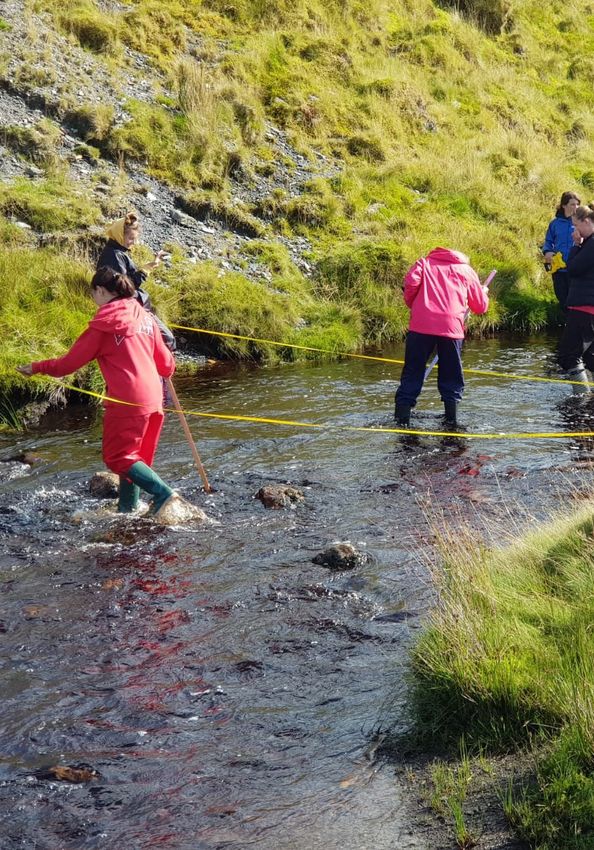
GCSE OPTIONS GUIDE 2020-22

  Art and Design Fine Art (Edexcel
  1FA0/01&02)
  Photography (Edexcel 1PY0/01&02)
Content of the course                    Portfolio (internally set)
                                     •   Component 2: Externally Set
Art and Design equips students           Assignment.
with the skills to enjoy, produce
and engage with the visual arts      Component 1: Personal Portfolio
throughout their lives, and it       60% of the qualification
has immense value as a GCSE          • Students create a personal
subject.                                portfolio of work that
                                        demonstrates knowledge,
GCSE Art and Design provides            understanding and skills.
the opportunity for students to:     • The portfolio takes a
• explore both contemporary             thematic approach and linear
    and historical sources of art,      structure exploring a broad
    craft and design.                   theme like ‘Structure’ or
• take an individual approach           ‘upside Down & Inside out’.
    to their art, craft and design
    making                           Component 2: Externally Set
• develop the skill of               Assignment
    selecting their best and         40% of the qualification
    most appropriate work for        • The Externally Set
    presentation.                        Assignment represents
                                         the culmination of the
Students are required to actively        GCSE course as it draws
engage in the creative process           together all the knowledge,

                                                                                OPTIONAL SUBJECTS
of art, craft and design in order        understanding and skills
to develop as effective and              developed in Component 1.
independent learners, and as         • Students must present a
critical and reflective thinkers         personal response to an
with enquiring minds.                    externally set broad-based
                                         thematic starting point, set by
The GCSE course in Art and               Pearson.
Design is structured into two
internally assessed and externally   Areas of Study
moderated components.
                                                                           15
• Component 1: Personal              We offer an opportunity for the
GCSE OPTIONS GUIDE 2020-22 GCSE OPTIONS GUIDE 2020-22
girls to take a number of working with a broad
different components within range of media, materials, Classical Civilisation (OCR J199)
the choice of Art and Design. techniques, processes and
These components include Fine technologies with purpose
Art, Photography and Graphic and intent General aims 1 hour 30 minutes = 50% of total
Communications. There is a • develop knowledge and marks.
need for all students to use understanding of art, craft The Classical Civilisation Women in the Ancient World:
drawing in their studies (even and design in historical and GCSE course focuses on the • Women of Legend: Depiction
photographers), and annotate contemporary contexts, civilisations of Greece and Rome, of women in myths and
using historical and contextual societies and cultures and is a wide-ranging subject legends of Greece and
references (to write a series of • develop an awareness of the involving the study of literature, Rome, eg Pandora, Helen of
explanations in sketch books). different roles and individual art, artefacts, archaeological Troy.
work practices evident in the sites, and the ancient historical • Young Women: Everyday
production of art, craft and context. life for a young woman in
design in the creative and Greece and Rome and what
Assessment Qualification
cultural industries From women in the Ancient this implies about their status
Aims and Objectives in society.
• develop an awareness of World, to the study of religious
the purposes, intentions beliefs and ancient ideas about • Women in the Home: The
This GCSE Art and Design roles and responsibilities
and functions of art, craft war, Classical Civilisation involves
qualification requires students to: of female members of the
and design in a variety of interesting discussions about
• develop creative, imaginative household.
contexts and as appropriate issues that still affect us today
and intuitive capabilities • ‘Improper’ Women: The legal
when exploring and making to students’ own work
• demonstrate safe working The Classical Civilisation course and social position of women
images, artefacts and who were unmarried; ideas
practices in art, craft and can improve skills in essay
products about how females should
design. writing and source analysis,
• become confident in behave.
and teach how to structure an
taking risks and learn from • Women and Religion: Roles
argument. It shows good thinking
experience when exploring of women in religious rites.
and evaluation skills, and an
and experimenting with • Women and Power: The
interest in people and cultures so
ideas, processes, media, extent to which women were
is great preparation for A levels
materials and techniques able to be involved in the
in a wide variety of subjects, from
• develop critical political process or effect
OPTIONAL SUBJECTS
OPTIONAL SUBJECTS
Archaeology to Politics and Law.
understanding through political change.
investigative, analytical, • Warrior Women: Women
experimental, practical, Content of the course and
assessment warriors in art and literature.
technical and expressive • Women to be Feared - The
skills presentation of foreign,
• develop and refine ideas Component Group 1: Thematic
Study powerful women in art
and proposals, personal and literature, including
outcomes or solutions with This involves a comparative study
of ancient Greece and Rome, how they compare to
increasing independence ‘respectable’ women in each
• acquire and develop and combines literary and visual/
16 material sources. Written exam, culture. 17
technical skills throughGCSE OPTIONS GUIDE 2020-22
Component Group 2: Literature slaves and masters, women
and Culture and men, patrons and
This contains two elements: one clients?
in-depth cultural study and one
study of related literature. Written
exam, 1 hour 30 minutes = 50% of
total marks.
Roman City Life: Culture
• Roman Housing: House
design including flats,
Pompeian domus. Rich and
poor living conditions.
• The Roman Home and
Family: Paterfamilias, patrons
and clients, education, dinner
parties.
• Society: Citizens and
citizenship, politicians, slaves
and freedmen.
• Leisure and Entertainment:
Amphitheatre, chariot races,
Circus Maximus, the theatre,
Roman baths.
Literature
• Satire and Fiction: The
origins and purposes of
satire; use of humour and
exaggeration.
• Pliny and his Letters:
OPTIONAL SUBJECTS
Pliny’s letters as a personal
commentary on Roman life.
• Experiencing Roman City
Life: What was life like for
rich and poor? What were
the dangers of city life? What
did people do in their leisure
time?
• Relationships and Roman
Society: What were the
Roman attitudes towards 19GCSE OPTIONS GUIDE 2020-22
Drama (iGCSE Cambridge 0994)
General aims of drama and theatre. This
includes study of extracts from
This mixture of practical two plays and analysis and
performance and written exam evaluation of a piece of devised
develops self-confidence, the practical work performed during
ability to work with others and the course.
also the ability to think on your
feet in most situations. Drama Component 2: Practical Work
is also useful for helping with (60%)
social skills that are invaluable Candidates work in groups to
in later life. And, of course, create a piece of theatre from
candidates learn all about theatre a given stimulus. They are
and how to create and analyse assessed on the performance.
performance work of a high Candidates must also act in two
standard. This subject is useful extracts from a play, one an
for anyone wishing to pursue individual performance, the other
Drama or Performance at a a group. Marked by the teacher
higher level, or indeed anyone and externally moderated by
who is looking to challenge Cambridge.
themselves. It is both demanding
and rewarding, requiring a
high level of commitment and
enthusiasm. Language skills, both
written and oral, should be of at
least a good standard.
OPTIONAL SUBJECTS
Content of the course and
assessment
The specification requires
students to study practical drama,
text work and written analysis.
Paper 1: Understanding Drama
(40%)
A written paper assessing
20 knowledge and undertstandingGCSE OPTIONS GUIDE 2020-22
Geography (Edexcel A 1GA0)
General aims • develops a full range of skills
that will be useful in the other
Geography focuses on the issues subjects you study, and in
that will face students as citizens employment.
of the future. For example:
• Will the Earth be able to Content of the course and
provide us with all the assessment
resources we take for
granted? The Physical Environment: The
• What really causes ‘natural changing landscapes of the UK
disasters’, such as floods, - two studies from coastal, river
earthquakes and or glaciated landscapes; weather
volcanoes? Can people cope hazards and climate change - two
with them? studies of tropical storms and
• How do coastal processes drought; ecosystems, biodiversity
affect or threaten our future and management - two studies
and how - or indeed of tropical rainforests and
should - we manage them? temperate deciduous woodlands.
• What causes people to 37.5% 90 marks, 1 hour 30
migrate and what impact minutes written paper.
does this have on the
country of origin and the host The Human Environment:
country. Changing cities - two studies
• Is there any point to including a UK city and a city in a
recycling, or should we just developing or emerging country;
be less wasteful? global development - a study of a
developing or emerging country;
OPTIONAL SUBJECTS
You will enjoy this course if you resource management - a study
want to study a subject that: of energy or water. 37.5%, 90
• is relevant to the world you marks, 1 hour 30 minutes written
live in, and to your future. paper.
• encourages you to discuss
current affairs and issues. Geographical Investigations:
• focuses on the environment. Fieldwork and UK Challenges:
• involves practical work The changing landscapes of the
outdoors. UK - two studies from coastal,
• is studied through river or glaciated landscapes;
investigation, not just weather hazards and climate 23
listening and reading.GCSE OPTIONS GUIDE 2020-22 GCSE OPTIONS GUIDE 2020-22
change - two studies of tropical
storms and drought; ecosystems, History (OCR B J411)
biodiversity and management -
two studies of tropical rainforests
and temperate deciduous General aims interpretations of the same
woodlands; changing cities - two events;
studies including a UK city and a History GCSE is a stimulating, • to use historical sources –
city in a developing or emerging challenging and wide-ranging we will look at a range of
country; global development option and we hope to inspire authentic source material
- a study of a developing or our students to be open-minded, including eye witness
emerging country; resource yet critical, citizens of the twenty- accounts, documents,
management - a study of energy first century. historical sites,
or water. archaeological evidence and
The aims of the GCSE course are: the writing of historians;
Fieldwork: One physical and • to make history meaningful • study diversity – we will look
one human investigation; UK - we encourage students to at a variety of periods from
Challenges - a study drawing become curious, to develop a variety of perspectives, to
across knowledge and their own opinions based develop an understanding of
understanding from The Physical on a respect for evidence, social and cultural diversity
Environment and The Human and to build a deeper within a local, British and
Environment. 25%, 60 marks, 1 understanding of the present global context;
hour 15 minutes written paper. by engaging with and • discover about History
questioning the past; Around Us – we will
There are numerous • to develop a wide and deep study our local historic
opportunities for field work, both knowledge – students environment, which is
locally and further afield. The will gain knowledge of a stimulating and life-
exam board expectation is that significant historical issues enhancing way of engaging
each student has the opportunity that will help them in their with history, and will enhance
to have completed their field further study of history and in our students’ developing
work for Paper 3 in a location making sense of their world; sense of identity;
that contrasts to where she lives. • to engage in historical • encourage enjoyable and
OPTIONAL SUBJECTS
OPTIONAL SUBJECTS
Examples of previous visits are enquiry and understanding rigorous learning.
to Snowdonia in North Wales and interpretations – students will
Somerset, where we spend four be consistently encouraged Content of the course
days completing this section of to develop their own ideas
the course. The cost for this is in and understanding, by The GCSE History course offers
the region of £380. looking at the way the past is an exciting opportunity to gain a
continually viewed from better understanding of the world
different points of view; in which we live and to fire our
this ensures that learners students’ enthusiasm for the past.
are consistently thinking
24 about how and why it is At GCSE we try to explain some 25
possible to arrive at differentGCSE OPTIONS GUIDE 2020-22
of the significant issues which Cold War (20%)
have shaped the world, country
and local area we live in: The third examination (1 hour 45
• How has life in Britain minutes paper) will contain the
changed over the previous World Period Study studying the
centuries? Making of America, 1789-1900
• What was the significance (20%) and the World Depth Study
of crucial events in British looking at Living under Nazi Rule,
history? 1933-1945 (20%).
• How have local historical
sites been developed, As part of the course, students
shaped and interpreted? will be offered the opportunity
• What was it like to live under to visit Krakow and Auschwitz-
a dictatorship? Birkenau in Poland, to further
• How similar and different is their understanding of Living
the modern day to past eras? Under Nazi Rule.
Content of the course and Whilst History is a valuable
assessment subject in its own right, it also
builds bridges to many other
The new GCSE is assessed subjects and teaches skills that
solely by written examination. prove useful in working life:
There are five strands to the • A greater understanding of
OCR GCSE History B syllabus, current affairs and important
which are assessed over three events in the world.
examinations: • Experience in judging the
reliability of information.
The first examination (1 hour • Learning to look at problems
45 minutes paper) will contain and arguments in a balanced
the British Thematic study on and unbiased way.
Migration to Britain from c.1250 • Developing skilful oral and
OPTIONAL SUBJECTS
to the present day (20%) and written communication.
the British Depth Study on the • Becoming an independent
Norman Conquest, 1065-1087 thinker.
(20%)
The second examination (1 hour
paper) will be based on a site
study analysing History Around
Us, where we will look at the
Kelvedon Hatch Secret Nuclear
27
Bunker and the history of theGCSE OPTIONS GUIDE 2020-22
Hospitality and Catering (WJEC
Eduqas Level 1 and 2 Vocational Award)
General aims buyer, production manager,
public relations, hygiene
This course concentrates on the control, National Health Service,
hospitality and catering industry. health promotion, technical
You will develop the knowledge management, food quality, food
and understanding related to a preparation and retail.
range of hospitality and catering
providers; how they operate Assessment
and what they have to take into
account to be successful. You Unit 1 (40%): The Hospitality
will have the opportunity to learn and Catering Industry will be
about issues related to nutrition externally assessed with an
and food safety and how they online examination that lasts 90
affect successful hospitality minutes. You will be graded as
and catering operations. In follows:
this qualification, you will also • Level 1 Pass
develop food preparation and • Level 2 Pass
cooking skills as well as the • Level 2 Merit
transferable skills of problem • Level 2 Distinction
solving, organisation and time.
Unit 2 (60%): Hospitality and
You will learn about the Catering in Action is internally
hospitality and catering industry assessed. This involves you
by completing lots of practical completing a piece of controlled
work to learn new skills with assessment in school under
weekly practical lessons. examination conditions (NEA).
OPTIONAL SUBJECTS
Therefore, it is essential that you You will be set a task by Eduqas
are prepared to bring ingredients and will have to safely plan,
at least once a week. prepare, cook and present
dishes to satisfy the task. This
Future career opportunities qualification develops students’
include becoming a chef, skills in communication, creativity,
sports science, dietician, food independence, team building and
journalism, product development, evaluation. Food is one of the
home economist, events fastest growing industries with
28 management, hospitality, front of many varied jobs on offer.
house, conference management,GCSE OPTIONS GUIDE 2020-22 GCSE OPTIONS GUIDE 2020-22
ICT (Edexcel iGCSE 4IT1) Latin (WJEC Eduqas C990)
General aims Topic 2: Connectivity General aims parts one and three, and the
Topic 3: Operating Online middle part is to be translated
This course enables students to: Topic 4: Online Goods and Latin GCSE aims to provide into English.
• explore how digital Services a foundation in linguistic and There is a Defined Vocabulary
technology impacts on the cultural competence, enabling List of 440 words in this section.
lives of individuals, Paper 2: Practical Paper - 50% learners to gain knowledge and
organisations and society; of the total understanding of the Roman Section B: This offers a choice
• learn about current Students are assessed through a world through reading and between a translation from
and emerging digital three-hour practical examination, responding to its language English into Latin of a small
technologies and the issues set and marked by Pearson and literature. Students will number of simple (single-clause)
raised by their use, in a range (includes printing time). The be encouraged to use their sentences, or the recognition,
of contexts, by individuals examination window takes place knowledge and understanding of analysis and explanation of
and organisations; during one week in May/June. the ancient language to deepen syntax and accidence within
• develop awareness of the Students must study both of the their understanding of English a short passage of Latin (ie
risks that are inherent in following topics: and other languages. They will identifying the grammar).
using ICT and the features of Topic 5: Applying Information and be able to develop research
safe, secure and responsible Communication Technology and analytical skills which will Component 2:
practice; Topic 6: Software Skills (Graphics, empower them to become Latin Literature and Sources
• work with a range of digital Web authoring, Presentations, independent learners and equip (Themes) - Written examination:
tools and techniques Databases, Spreadsheets). them for further study in many 1 hour 15 minutes (open-
to produce effective different areas. If students have book exam) = 30% of total
ICT solutions in a range of opted to take the WJEC Level marks. 2021-2023 Theme is
contexts. 1 Exam in Year 9, they will have ‘Superstition and Magic’
covered some of this course
Assessment already. Component 3:
3B Roman Civilisation - Written
Paper 1: Written Paper - 50% of Assessment examination 1 hour = 20% of total
OPTIONAL SUBJECTS
OPTIONAL SUBJECTS
the total marks.
Students are assessed through Component 1: 2021-2023 Topic is ‘Daily Life in a
a 1 hour 30 minute written Latin Language - Written Roman Town’.
examination, set and marked examination: 1 hour 30 minutes =
by Pearson. This comprises 50% of total marks.
a mixture of multiple-choice,
short/long questions. The total Section A: This takes the form
number of marks available for of a momentum test consisting
the examination paper is 100. of a narrative in Latin divided
Students must study all of the into three passages. There are
30 following topics: comprehension questions on 31
Topic 1: Digital DevicesGCSE OPTIONS GUIDE 2020-22
Music (Edexcel 1MUO)
General aims Understanding Music (40%):
This is a listening paper taken
GCSE Music aims to give a at the end of the course. There
solid foundation to both hobby are set areas of study plus some
and career musicians and specific works from a wide
accommodates a range of variety of genres.
abilities. It focuses on the core
activities of Understanding Music, Performing Music (30%):
Performing, and Composing. As Candidates perform one solo
most candidates take performing and one ensemble piece on a
lessons privately, some of the chosen instrument or voice in
preparation for the performance Year 11. Those who have taken
component is usually undertaken instrumental/vocal examinations
by students’ instrumental/voice will find they are familiar with this
teacher. requirement which makes Music
an excellent choice for them. It
Post-16 study can include A-level is important that those taking
Music, A-level Music Technology Music GCSE gain performing
or Performing Arts courses. experience through participation
Many Music students maintain in school groups such as Choir,
it as a valued hobby throughout Chamber Choir or Orchestra
adulthood, whereas for others where applicable and taking part
music can be a career in its own in school concerts and events.
right. It can be followed, for
example, through performing, Composing Music (30%):
composing (eg for TV and film, Candidates are required to
stage, concert hall), teaching/ compose two pieces of music.
It is possible to compose in a
OPTIONAL SUBJECTS
lecturing, sound technology (eg
in a theatre or studio), music wide variety of styles and for
journalism, music therapy, any combination of instruments/
education/arts management and voices. Popular choices include
consultancy. songs of any sort and solos/duets
for any instrument with piano
Content of the course and accompaniment.
assessment
The GCSE Music course
32
comprises three components:GCSE OPTIONS GUIDE 2020-22 GCSE OPTIONS GUIDE 2020-22
For the analysis and evaluation,
Physical Education (Eduqas C55OQS) students must design and
carry out a personal training
programme, with the aim of
General aims physiology; Movement analysis; providing recommendations to
Psychology or sport and physical improve performance in one of
The GCSE PE course is designed activity; Socio-cultural issues in the practical activities in which
to encourage and enable physical activity and sport. This they are being assessed. Any
students to develop theoretical is comprised of two units and is activities taken off-site must be
knowledge and understanding assessed via a two-hour exam, recorded on video, both in Year
of the factors that underpin which carries 60% of the total 10 in order to moderate and in
physical activity and sport; they marks. Students are assessed Year 11 as their final exam piece.
will also then be able to apply through short and extended
this knowledge to improve answers to questions. Team sports: association football,
performance. Students will be badminton, basketball, camogie,
expected to take part in physical Component 2 - The Active cricket, dance, Gaelic football,
activities that they may not Participant: Practical controlled handball, hockey, hurling,
themselves opt to take as one of assessments on three different lacrosse, netball, rowing, rugby
their three sports. In all activities sports, one of which must be a league and union, squash, table
they will have the opportunity to team sport and one must be an tennis, tennis and volleyball.
develop skills and techniques, individual sport; the third can Individual activities: amateur
select and use tactics, strategies be either. Any activities taken boxing, athletics, badminton,
and/or compositional ideas. off-site must be recorded on canoeing, cycling, dance, diving,
Students will also develop their video, both in Year 10 in order golf, gymnastics, equestrian,
ability to analyse and evaluate to to moderate and in Year 11 as kayaking, rock climbing, rowing
improve performance in physical candidates’ final exam piece. The (sculling), skiing, snowboarding,
activity and sport. Please note three sports count for 30% of the squash, swimming, table tennis,
that candidates should be strong total marks; the remaining 10% tennis, trampolining.
in three sports, ie school, club or is assessed through an analysis
county standard as a minimum, and evaluation of candidates’ There are limitations on some
in order to access the higher performance in one of their combinations of sports, for
chosen activities.
OPTIONAL SUBJECTS
OPTIONAL SUBJECTS
grades at GCSE PE. example candidates may not take
skiing and snowboarding.
Content of the course and For the practical element,
students are formally assessed
assessment
on one day during Year 11,
between March and May.
Component 1 - Theory: The
An external assessor visits
theory element of the course
the school to watch the
is broken down into sections
performances/videos. Candidates
and covers a range of content.
must offer three performances,
Candidates learn about Health,
34 at least one as a team player and 35
training and exercise; Exercise
one as an individual performer.GCSE OPTIONS GUIDE 2020-22 GCSE OPTIONS GUIDE 2020-22
Religious Studies (Edexcel B 1RB0) Statistics (Edexcel 1ST0)
General aims General aims Geography, as well as providing
a solid background for the study
Religious Studies at GCSE allows The Statistics course of Statistics beyond GCSE level.
students to study two religions complements the Edexcel This qualification is suitable only
in depth, looking at their beliefs, Mathematics syllabus. It is not for students in Mathematics Set
practices and ethics. Not only included in the option blocks 1F and Set 1S
do students learn about what as it is taught in Mathematics
followers of religions believe, lessons, in three six-week blocks Content of the course and
but also how this affects their in Year 10. Students learn how assessment
behaviour and views in today’s to interpret and apply data to a
world. When looking at ethical number of scenarios, both across In June, Year 10, students sit two
issues, we also consider the non- the curriculum and in the real externally-examined papers of
religious points of view. A good world, and builds skills useful for equal weighting.
level of written English and good subjects such as Science and
revision skills are necessary for
this course.
Further Maths (Level 2 AQA 8360)
Content of the course and
assessment General aims qualification is suitable only for
Mathematics Set 1F students
The examination consists of two This course complements the expected to achieve Grades
papers: Edexcel Mathematics syllabus, 7, 8 or 9 in GCSE Mathematics
The first paper covers Christian particularly the algebraic and who are likely to progress
beliefs and practices, issues to reasoning, and is designed to A-Level Mathematics and
do with relationships, marriage to stretch and challenge high possibly Further Mathematics.
and family and issues on life and achieving mathematicians. Students must be self-motiviated,
death (abortion, life after death The course emphasises higher committed and hard working.
OPTIONAL SUBJECTS
OPTIONAL SUBJECTS
etc). At present we offer Judaism order technical proficiencies,
as the second paper. This covers problem-solving skills and Content of the course and
Jewish beliefs and practices, rigorous argument. The students assessment
crime and punishment and issues are introduced to calculus and
to do with peace and conflict. matrices, and develop further This qualification is assessed
Students have the opportunity to their skills in trigonometry, through two written examination
travel to Krakow, where they visit graphs and functions. This papers sat at the end of Year 11:
the cathedral, a synagogue and subject is not included in the Paper 1 (non-calculator) carries
Auschwitz. option blocks as the course is 40% of the marks and Paper 2
taught in Mathematics lessons (calculator) carries 60% of the
36 throughout Years 10 and 11. This 37
marks.GCSE OPTIONS GUIDE 2020-22
Fashion and Textiles (Cambridge O Level 6130)
General aims Computer Technology), CAD
(Computer Aided Design),
Fashion and Textiles provides and CAM (Computer Aided
a useful background for many Manufacturing), will be studied
creative career paths and is a as well as contemporary fashion
valuable life skill. The project- design and accessory design.
based approach with emphasis This is a practical based course
on design and making, develops demonstrating technical skills
creativity, graphic communication, supported with theoretical
the application of ICT in the knowledge.
workplace as well as developing
technical skills. Students must be Component 1 Fundamentals of
self-motivated and dedicated. It is Fashion and Textiles (Written
not necessary to be able to draw Examination): 50% externally
beautifully to take this course, but assessed, the written exam is
students should have a creative two-hours and covers fibres and
mind backed up with an ability to fabrics, manufacturing processes,
develop good practical skills and surface decoration, CAD/CAM,
the ability to present work well. commercial practices and
sustainability.
Content of the course and
assessment Component 2 Coursework: 50%
internally assessed and externally
The course builds on the basic moderated. Two coursework
skills taught in Key Stage 3 projects provide candidates with
and aims to develop students’ the opportunity to demonstrate
knowledge, skills, creativity and the ability to integrate their
OPTIONAL SUBJECTS
enjoyment of Fashion and Textiles. knowledge from Component 1,
Students will learn to develop and through designing and making
use a design brief in response to skills to produce one quality
varying consumer needs. They textile garment and one fashion
will explore the design principles accessory which satisfy a specific
of line, form and colour as well as need or function. Each product will
develop and refine their practical have a portfolio to evidence the
skills, to produce high quality, planning, development, testing
desirable textile end products. and evaluation stages. This award
Commercial practice, including will be examined in November
39
the use of ICT (Information 2021.GCSE OPTIONS GUIDE 2020-22
St Mary’s Year 10 and 11 courses
Compulsory
Subject Board & code
English Language Edexcel 1EN0
English Literature Edexcel 1ET0
Mathematics Edexcel 1MA1
Modern Languages:
French OR Edexcel 1FR0
German OR Edexcel 1GN0
Spanish Edexcel 1SP0
Science: Combined or Separate Edexcel 1SC0 or 1BI0,
1CH0&1PH0
PSHEE No exam
Physical Education No exam
Optional
Subject Board & code
Art and Design
Fine Art Edexcel 1FA0/01&02
Photography Edexcel 1PY0/01&02
Classical Civilisation OCR J199
Drama Cambridge iGCSE 0994
Fashion and Textiles Cambridge O Level 6130
Further Mathematics AQA 8360
Geography Edexcel A 1GA0
OPTIONAL SUBJECTS
History OCR BJ411
Hospitality and Catering WJEC Eduqas Level 1/2
ICT Edexcel iGCSE 4IT1
Latin WJEC Eduqas C990
Music Edexcel 1MU0
Physical Education Eduqas C55OQS
Religious Studies Edexcel B 1RB0
Statistics Edexcel 2ST0
40You can also read


