GENDER EQUITY FEATURE - ASA 85th BIRTHDAY - ASURA 2019 Report NSC 2019: Speaker abstracts The Campbell Ventilator - Australian Society of ...
←
→
Page content transcription
If your browser does not render page correctly, please read the page content below

THE MAGAZINE OF THE AUSTRALIAN SOCIETY OF ANAESTHETISTS • JUNE 2019

                                     GENDER EQUITY
                                          FEATURE
                                      ASA 85th BIRTHDAY

ASURA 2019 Report
NSC 2019: Speaker abstracts
The Campbell Ventilator

                                                                    Australian Society of Anaesthetists
S A
A Art
    Ex h i b i t i o n

Call for
 professional              I G H T
    and amateur FAMI L Y N
   artwork!                                                 LUNA PARK
                                               Start the evening with a ferry trip
                                              from Darling Harbour, taking in the
              e s u b m i ssions              sights of Sydney Harbour including
            m
  We welco legates in any                         the Sydney Harbour Bridge.
             e
   from all d hey choose
     medium t                                   www.asa2019.com.au
                                               LITTLE KIDS ANDE!
                                                             M
                                              BIG KIDS WELCO MO        NDAY
   A D LINE SIONS
DE      U B MIS                                                  23 SEPTEMBER
      S
FOR
                             01 9                                    6-9pm
           LY              2
      6J U
   2
                   fo r m a t io n contact:
   For more in
          e r t s o n @ a sa.org.au or
     drob
          e r t h e im  @ asa.org.au
       ew
2019 ASA
ANNUAL GENERAL MEETING
Please join us to hear reports from key Committee Chairs and
the presentation of Awards, Prizes and Research Grants.

Time:    3:30pm on Monday, 23 September 2019
Venue:   Pyrmont Theatre
         Sydney International Convention Centre

Visit www.asa.org.au for previous minutes and related documents.

                                                          Australian Society of Anaesthetists
REGULARS
                                                                           4      Editorial from the Acting President

                                                                           6      Update from the CEO

The Australian Society of Anaesthetists (ASA) exists to
                                                                           39     Day Care Anaesthesia Outcomes
promote and protect the status, independence and best
interests of Australian anaesthetists.
                                                                           40     WebAIRS news
Medical Editor: Dr Sharon Tivey
                                                                                  The latest WebAIRS news.
Publications Coordinator: Kathy O’Grady
Editor Emeritus: Dr Jeanette Thirlwell
                                                                           42     Anaesthetists in Training: Polishing your curriculum
ASA Executive Officers
                                                                                  vitae
President: Dr Peter Seal
Vice President: Dr Suzi Nou
Chief Executive Officer: Mark Carmichael                                   NEWS
Letters to Australian Anaesthetist:                                        8      Medicare cuts – MBS Review
Letters are welcomed and will be considered for publication
on individual merit. The Medical Editor reserves the right to
change the style or to shorten any letter and to delete any                10     Anaesthesia for electroconvulsive therapy (ECT)
material that is, in his or her opinion, discourteous or potentially              – MBS Item 20104
defamatory. Any major revisions required will be referred back to
the author for approval. Letters should be no more than
300 words and must contain your full name and address. Please
email editor@asa.org.au to submit your letter or to contribute.
                                                                           FEATURES
Advertising enquiries:                                                     12     Learning from our women presidents
To advertise in Australian Anaesthetist please contact the                        Four women presidents of international societies of
Advertising Team on 02 8556 9709 or email advertising@asa.org.au.
                                                                                  anaesthetists share their work and personal leadership
Contact us:                                                                       stories.
Australian Society of Anaesthetists,
PO Box 6278 North Sydney NSW 2059, Australia                               16     Gender equity and diversity within the ASA
T: 02 8556 9700
                                                                                  The ASA reviewed the gender mix within its
F: 02 8556 9750
E: asa@asa.org.au                                                                 membership and principal committees.
W: www.asa.org.au
                                                                           19     Gender equity – if not, why not?
Copyright:                                                                        The ANZCA Gender Equity Working Group was formed
Copyright © 2019 by the Australian Society of Anaesthetists
Limited, all rights reserved. This material may only be reproduced
                                                                                  in 2017, Dr Bridget Effeney explains.
for commercial purposes with the written permission of the
publisher.                                                                 22     Women anaesthetists in Australia
                                                                                  Monica Cronin explores the history of women in
The Australian Society of Anaesthetists Limited is not liable for the
                                                                                  anaesthesia.
accuracy or completeness of the information in this document.
The information in this document cannot replace professional
                                                                           26     Pregnancy and returning to work for trainees
advice. The placement of advertising in this document is a
commercial agreement only and does not represent endorsement                      Balancing the demands of work, training and life is
by the Australian Society of Anaesthetists Limited of the product                 often challenging.
or service being promoted by the advertiser.
                                                                           31     Parenting difficulties and anaesthetic training
Printed by:
                                                                                  Dr Mike Soares recalls the stress of being a new parent
Ligare Book Printers Pty Ltd
                                                                                  combined with anaesthetic training.

                                                                           34     ASA 85th Birthday
                                                                                  Dr Gregory Deacon revisits the founding of
                                                                                  the Australian Society of Anaesthetists.

            Australian Society of Anaesthetists

2                                                                       THE MAGAZINE OF THE AUSTRALIAN SOCIETY OF ANAESTHETISTS • JUNE 2019
58 ASURA 2019 WRAP-UP

46     The 2019 National Scientific Congress                          INSIDE YOUR SOCIETY
       Convenor Dr Anne Jaumees details what to expect at
       NSC 2019.                                                      71    Professional Issues Advisory Committee
                                                                      74    Economics Advisory Committee
48     NSC 2019 Invited Speakers Abstracts
       A preview of the invited speakers’ sessions for                77    Policy update
       NSC 2019.                                                      80    Overseas Development and Education Committee
                                                                      86    ASA Members Groups update
58     ASURA 2019 report
       The Australasian Symposium on Ultrasound and Regional          90    Upcoming events
       Anaesthesia (ASURA) meeting in Noosa was a success.            91    Around Australia
                                                                      92    History of Anaesthesia Library, Museum and Archives
62     ASA online forum
                                                                            news
       A step-by-step guide on how to use the ASA online forum.
                                                                      94    Obituary
66     The joys and trials of an anaesthetist/inventor
                                                                      96    New and passing members
       Dr Duncan Campbell writes about his many inventions.

ADVERTORIAL                                                            WOULD YOU LIKE TO CONTRIBUTE TO
                                                                       THE NEXT ISSUE?
44     What is income protection insurance?                            The September issue of Australian Anaesthetist will focus on
                                                                       anaesthesia in the digital age. If you would like to contribute
                                                                       with a feature or a lifestyle piece, the following deadlines
                                                                       apply:
                                                                       • Intention to contribute must be emailed by 7 July 2019.
                                                                       • Final article is due no later than 17 July 2019.
                                                                       All articles must be submitted to editor@asa.org.au. Image
                                                                       and manuscript specifications can be provided upon request.

THE MAGAZINE OF THE AUSTRALIAN SOCIETY OF ANAESTHETISTS • JUNE 2019                                                                      3
REGULAR | EDITORIAL FROM THE ACTING ASA PRESIDENT

REGULAR

ASA EDITORIAL FROM
THE ACTING
PRESIDENT                                                                                                           DR SUZI NOU
                                                                                                                    ASA ACTING PRESIDENT

It is with great delight that I write the      women to be successful in applying for          pioneer, Kinnear, writing on behalf of the
editorial for this edition of Australian       flexible work. In this edition, Dr Mike         Overseas and Development Education
Anaesthetist. Significantly, we                Soares, EAC and PIAC committee                  Committee renames the fellowship that
commemorate the 85th birthday of the           member, openly and courageously                 has supported the training of anaesthetists
ASA. Deacon1 describes a proud 85 year         discusses some of the challenges he faced       in the Pacific to the ‘Sereima Bale Pacific
tradition of supporting, representing          when undertaking part-time training. Men        Fellowship’.7
and educating Australian anaesthetists.        too are not immune from unconscious               After considering our past and present,
Within this edition we also celebrate          bias.                                           I hope this edition inspires men and
a first time event. Never before has             The intersection point of the gender jaws     women alike to consider the future. Whilst
there been an entire issue dedicated to        is interesting to consider. It is about this    there have been and currently are women
discussing Gender Equity. So why now?          time that women may temporarily leave           leading our professional organisations,
There is plenty of evidence to show that       the workplace to have children. That leave,     there are still few women who are heads
there is a systematic difference between       combined with other systemic factors            of anaesthesia departments. One of
women and men in the workplace. There          contributes to the widening of the gap          the barriers for women can be a lack of
is a pay disparity which is not merely         between men and women in their mid-late         confidence due to a real or perceived
accounted for by a difference in hours         careers. Enabling men to take parental          lack of leadership or governance training.
worked. As a result, women retire with         leave or undertake flexible work could          I do believe that leadership skills are
less superannuation than men. Career           lessen this impact. However other systemic      required by men and women at all stages
trajectories differ, as depicted by the        strategies which support women in their         of our careers, whether it be heading a
‘gender jaws’ (Figure 1)2.                     professional development are required.          department or private practice group,
There is recognition that a sufficient           One of these strategies is to develop         writing the registrar roster or navigating
amount of research has been done               role models and provide mentorship. In          a return to work after a period of leave.
and that the focus should instead be           this edition, Monica Cronin describes the       To this end, the ASA National Scientific
toward seeking the systemic solutions          important role of women in the history          Congress in Sydney this year features a
that will serve to change this status quo.     of Australian anaesthesia4. We also sadly       series of leadership workshops and talks.
Dr Bridget Effeney, member of the ANZCA        note the passing of Dr Nerida Dilworth,         Join us for the ‘World Leadership Panel’
Gender Equity Working Group notes that         a pioneer in paediatric anaesthesia             which will include the Presidents of the
supporting gender equity will improve          and paediatric pain medicine5. Su-Jen           American, Canadian, UK and NZ societies
‘performance and decision-making’3.            Yap6 shares insights from some of our           in what will be a fascinating discussion
This is also a vision shared by the ASA.       current leaders, namely, the Presidents         moderated by journalist Sally Warhaft.
Addressing cultures that lead to gender        of the World Federation of Societies of           We are always looking for other women
inequity and developing awareness of           Anaesthesiologists (WFSA), the American         and men to ‘tap on the shoulder’ for
our unconscious or implicit biases is          Society of Anesthesiologists, Israel Society    various committee roles or to represent
an important part of the solution. Men         of Anesthesiologists and the New Zealand        the ASA on various state and national
undertaking flexible work is one of the        Society of Anaesthetists, who all happen        health forums.
greatest drivers of gender equity in a         to be women. In honour of another                There also needs to be some concrete
workplace. Yet men are less likely than

4                                                                      THE MAGAZINE OF THE AUSTRALIAN SOCIETY OF ANAESTHETISTS • JUNE 2019
REGULAR | EDITORIAL FROM THE ACTING ASA PRESIDENT

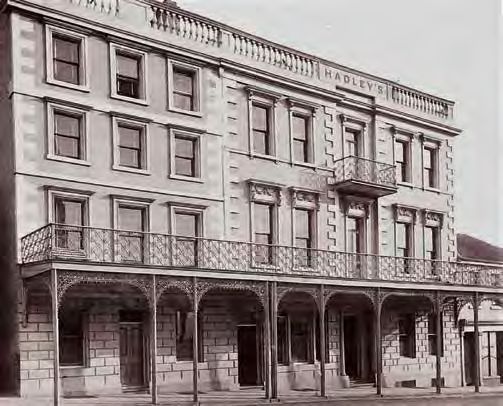
Figure 1: ‘Gender Jaws’ – representation in ASX 200 companies1                                                           Left to right: Dr Hamish Bradley, Dr Suzi Nou and
                                                                                                                         Dr Alistair Park, at the Tasmanian Trainee Day held at
                                                                                                                         Hadley’s Hotel, Hobart, birthplace of the ASA

support. One of the biggest drivers of                     postgraduate medical students there may                             Commission, 2013), Fig 8 ‘‘Gender Jaws’ –
gender equity is for gender balance to be                  be an increase in the number of trainees                            Representation in ASX 200 companies’, p 22
                                                                                                                         3.    Effeney B. ‘Gender equity – if not, why not?’
reported to the Board. The first gender                    starting a family during their training years.
                                                                                                                               Australian Anaesthetist June 2019, pp.19-21.
report of the ASA was completed in                         Richard Seglenieks9 shares the work of                        4.    Cronin M. ‘The rare privilege of medicine: women
2018 and is included here in the CEO’s                     a trainee-led working group on working                              anaesthetists in Australia’. Australian Anaesthetist
report8. I am pleased to publicise that                    whilst pregnant and returning to work from                          June 2019, pp. 22-25.
the Board and Council has requested                        leave.                                                        5.    Thompson WR. ’Obituary: Nerida Margaret
                                                                                                                               Dilworth AM 1927-2019’, Australian Anaesthetist
ongoing annual reporting of gender                           This edition is on gender equity, not                             June 2019, pp. 94-95.
equity within the ASA. The Board also                      women per se, for gender equity is an                         6.    Yap SJ. ‘Learning from our women presidents’.
introduced a policy to support parents                     issue for men as well. I would like to                              Australian Anaesthetist June 2019, pp. 12-15.
of young children who wish to join an                      expand on Idit Matot’s words that behind
                                                                                                                         7.    Kinnear S, ‘The ASA Sereima Bale Pacific
ASA Committee. Yes, the ASA will pay                                                                                           Fellowship’. Australian Anaesthetist June 2019,
                                                           every successful woman there is not only                            pp. 80-81.
for babysitting! The ASA values the hard                   a tribe of successful women who have                          8.    Carmichael M. ‘Gender equity and diversity within
work of our committee members and                          her back but also successful men. It is by                          the ASA’. Australian Anaesthetist June 2019,
wishes to encourage diversity whilst also                  standing on the shoulders of giants such                            pp. 16-18.
recognising the challenges of parenting                    as the Past and future Presidents who
                                                                                                                         9.    Seglenieks R. ‘Pregnancy and returning to work for
young children.                                                                                                                trainees’. Australian Anaesthetist June 2019,
                                                           have supported me in my role that I am                              pp. 26-30.
  As the ASA turned 85, I had the great                    fortunate to be in this position to write
fortune to visit the birthplace of the ASA,                this editorial and share this edition of
the historic Hadley’s Hotel in Hobart                      Australian Anaesthetist with you.
to speak at the Tasmanian Trainee Day
                                                           References                                                         CONTACT
(Figure 2). The future is looking bright
                                                           1. Deacon GJ. ‘Australian Society of Anaesthetists’                To contact the President,
but that doesn’t absolve us from our
                                                              85th Birthday’. Australian Anaesthetist June 2019,              please forward all enquiries or
responsibilities toward our trainees. With
                                                              pp. 34-38.                                                      correspondence to Sue Donovan at:
nearly half of anaesthesia trainees being                  2. Male Champions of Change, Accelerating the                      sdonovan@asa.org.au or call the ASA
women, and training commencing at a                           advancement of women in leadership: Listening,
                                                                                                                              office on: 02 8556 9700
later age due to the increased numbers of                     Learning, Leading (Australian Human Rights

THE MAGAZINE OF THE AUSTRALIAN SOCIETY OF ANAESTHETISTS • JUNE 2019                                                                                                               5
R E G U L A R | U P D AT E F R O M T H E C E O

REGULAR

ASA UPDATE FROM
THE CEO
                                                                                                                       MARK CARMICHAEL,
                                                                                                                       ASA CEO

How strange it is to be writing a piece          Minister, Professor Owler (who may or may       implemented. Following the release of the
at a time when the Federal election has          not be the Federal member for Bennelong         Anaesthesia Clinical Committee’s Report,
just been called, and knowing that by the        by now) succeeded by Dr Michael Gannon,         the Department of Health in February
time this is read, the result will be known,     who in turn has been replaced by Dr Tony        of this year, formed the Anaesthesia
and in some quarters may have even               Bartone as AMA President, all of whom           Implementation Liaison Group (AILG). The
been forgotten! Like it or not the medical       offered the ASA great support during their      ASA was offered a seat and chose former
profession is impacted upon greatly by           Presidencies, while Ms King has retained        ASA President Dr Andrew Mulcahy, as its
the government of the day, and in the            the position of opposition spokesperson         representative. Dr Mark Sinclair is also on
case of the ASA this has been brought            for health throughout this time. During         the AILG as the AMA representative. The
home by the long, and at times torturous,        this same period, Dr Guy Christie Taylor,       AILG is in dialogue with the Department,
engagement in relation to the MBS                Associate Professor David M. Scott and          however with the calling of the election it
Review, and its impact on anaesthesia.           Dr Peter Seal have all held the role as ASA     appears that discussions are now on hold
                                                 President and been actively engaged in          until the election result is known, which
It seems eons ago when a delegation from
                                                 the process. All of which paints a picture of   is extremely frustrating for the ASA and
the ASA sat down with the then Minister
                                                 what a long term exercise the MBS Review        those actively engaged in this discussion.
for Health, The Honourable Sussan Ley
                                                 has and continues to be.                        Whether the Federal election changes
to share its views on the mooted MBS
                                                   Despite encouraging signs from                anything, only time will tell, although it is
Review. Professor Brian Owler was the
                                                 the Minister in late 2018, the final            clear the ASA has and continues to be in
Federal AMA President and Ms Catherine
                                                 determination on the Review in terms            for the long haul, advocating for the rights
King, whom we also met, was the
                                                 of anaesthesia remains unknown. It              of patients and members alike in relation
Opposition spokesperson for health.
                                                 is still very much a live debate, with          to this critical matter.
 Since that day we have seen The
                                                 uncertainty remaining around any final            While speaking of elections, I am pleased
Honourable Greg Hunt, who has been
                                                 determination of what changes will be           to inform you all, that Drs Mark Sinclair
most accessible, replace Ms Ley as Health

    ASA BENEVOLENT TRUST FUND
    Established in 2001 the ASA Benevolent Trust Fund assists Australian anaesthetists, their families
    and dependents who are in dire necessitous circumstances.
    The Trust Fund is maintained exclusively from members’ donations and from interest on the
    balance of the Fund.
    All donations are tax deductible.
    To make your donation contact ASA by emailing maung@asa.org.au

6                                                                        THE MAGAZINE OF THE AUSTRALIAN SOCIETY OF ANAESTHETISTS • JUNE 2019
R E G U L A R | U P D AT E F R O M T H E C E O

and Antonio Grossi have been elected as         of the ASA. Fittingly Dr Simon Macklin, a      be a tremendous educational and social
the two Council elected Directors to the        great friend and colleague of Piers, has       opportunity. Convenor Dr Anne Jaumees
Board of the ASA. These two positions           kindly offered to prepare an obituary,         and Scientific Convenor Associate
were part of the Governance change              which will be published in a future edition    Professor Alwin Chuan, have brought
implemented in 2016, and I am sure you          of Australian Anaesthetist.                    together a tremendous program. Of
will all join with me in congratulating them      When speaking of colleagues, I would         particular interest will be the World
both on their election. They will both now      like to acknowledge the imminent               Leadership Panel, featuring the Presidents
serve a two-year term on the Board.             retirement of ANZCA Chief Executive            of four Societies from around the world,
  One of the great joys of working in           Officer Mr John Ilott. ASA and ANZCA do        three of whom are women. I look forward
membership-based organisations, is the          work very closely on many things, and I        to welcoming you all to Sydney.
many wonderful people you meet. Sadly           would like to say that it has, over the past
the ASA lost one of those people recently       four years been a pleasure working and
with the death of Adelaide-based member,        collaborating with John. I would like to
Dr Piers Robertson. Piers was a great           thank him, and wish him and his family, all     CONTACT
’giver‘ to the Society, in particular through   the best in his retirement.                     To contact Mark Carmichael,
his long-term involvement in the National        Once again the National Scientific             please forward all enquiries or
Scientific Congress, and the specialty at       Congress (NSC) is almost upon us.               correspondence to Sue Donovan at:
large. To his wife Libby, his three children,   As always the Congress, set down for            sdonovan@asa.org.au or call the ASA
Alexa, Caroline and John, I extend the          September 20-24, in Sydney, looks to            office on: 02 8556 9700
condolences of all the members and staff

THE MAGAZINE OF THE AUSTRALIAN SOCIETY OF ANAESTHETISTS • JUNE 2019                                                                                    7
NEWS | MEDICARE CUTS – MBS REVIEW

    NEWS

MEDICARE CUTS – MBS REVIEW
Members will recall that the long-delayed      the beginning. Those deficiencies include:      MBS RVG item deletions
review of anaesthesia items in Medicare        a lack of transparency, a lack of expertise     •   22018 – respiratory monitoring.
by the Anaesthesia Clinical Committee          in understanding the RVG, a lack of             •   20705 – anaesthesia for upper abdo
(ACC) under the MBS Review Taskforce           demonstrated consideration of the impact            diagnostic laparoscopy.
was finally made public in the latter half     of recommendations on vulnerable patient        •   20805 – anaesthesia for lower abdo
of last year.                                  groups, assumptions that many or most               diagnostic laparoscopy.
                                               anaesthetists are driven to maximise MBS        •   20953 – anaesthesia for endometrial
The ACC Report had been delayed by             rebates, an apparent desire to move away            ablation.
approximately 18 months while the ASA          from rebates determined by individualised       •   21927 – anaesthesia for barium enema.
and other stakeholders entered into            patient care.                                   •   22001 – autologous blood transfusion.
discussions with the Federal Minister, the       The AILG (on which the ASA has a              •   22040, 22045,22050 – upper/lower
Department of Health, and the ACC and          nominee, along with the AMA, ANZCA                  limb nerve blocks. Note it is proposed
the MBS Review Taskforce highlighting          and other anaesthetists) has had its first          by the Department that these nerve
the major flaws in the proposed cuts and       meeting but unfortunately the Federal               blocks will be covered by a single new
changes to anaesthesia items that the          Election was called very soon thereafter            nerve block item with 2 RVG units.
ACC Report was proposing. Eventually           and with the Government going into                  This change is not finalised and is still
the full ACC report was released for           ‘caretaker mode’ all activity has had to            under discussion by the AILG.
public discussion and contained 67             cease pro tem. However, the Department          •   22070 – administration of cardioplegia.
recommendations which if implemented           did reveal to the AILG their planned
would impact on 80% of all anaesthesia         changes to MBS anaesthesia items for            Reductions in base unit
services and cut funding to nearly 60% of      implementation on November 1st this             allocation
all anaesthetic services. The ACC report       year. This list of proposed changes has         •   20142, 20144, 20145, 20147 –
recommends major sweeping changes to           considerably expanded on what the ASA               anaesthesia for (various) eye procedures
the structure of the RVG and consultation      last year had been led to believe would             including lens surgery. These items
items, along with significant funding cuts.    be the changes for this year and is very            are likely to have a reduction in base
  The ASA and other stakeholders               concerning to the ASA. The extent of                units down to 5 base units. Note the
continued discussions with the                 funding cuts currently being proposed               new complex eye block item proposed
Government late last year and at that          by the Department for this year has now             (1 RVG unit – see below) will likely be
time received what appeared to be              significantly grown (in fact tripled) and           introduced at the same time. These
positive news (reported to members in          will significantly impact on approximately          changes are not finalised and are still
December last year) that the majority          39 existing items with a total funding cut          under discussion by the AILG.
of recommendations would not be                of approximately $21M equivalent to a           •   20410 – anaesthesia for DC reversion
proceeding in the current year (2019) but      4.7% cut in Medicare RVG funding. Of                of arrythmia (from 5 to 4 units).
rather be referred for further consideration   course, this is on top of a nearly seven year   •   21922 – anaesthesia for CT scan (from
by a stakeholder group (the Anaesthesia        Medicare freeze for anaesthesia.                    7 to 6 units).
Liaison Implementation Group – AILG).            As stated above, the current Federal          •   21926 – anaesthesia for fluoroscopy
At that stage it appeared that only a          Election has put the AILG process and               (from 5 to 4 units).
small number of changes would be               all negotiations with the Department            •   21936 – anaesthesia for TOE (from 6 to
proceeding this year with minimal impact       on hold, and as a result there remains              5 units).
on anaesthesia services and therefore on       a high degree of uncertainty as to the          •   21952 – anaesthesia for muscle bx for
the majority of anaesthetists and their        final changes that will be implemented in           MH (from 10 to 4 units).
patients. It is important to understand        November this year. However, it is certain
that the ASA has opposed the manner in         that there will be changes and that there       Changes to therapeutic and
which this review of Anaesthesia services      will be funding cuts. The services listed       diagnostic items
in Medicare has been conducted by the          below summarise the likely changes and          •   22001 – autologous blood collection –
ACC and the MBS Review Taskforce               their current status where the changes              to be DELETED.
and has repeatedly pointed out the             remain under consideration by the AILG          •   22002 – blood transfusion – restricted
deficiencies of the review process from        and the Department at the current time:             to autologous only.

8                                                                      THE MAGAZINE OF THE AUSTRALIAN SOCIETY OF ANAESTHETISTS • JUNE 2019
NEWS | MEDICARE CUTS – MBS REVIEW
• 22012/22014 – pressure monitoring – • Nerve plexus block – 2 base units for • 85% of the 35,000 Australian women
restricted to certain patient groups. upper or lower limb plexus or nerve who give birth by Caesarean section
This change is still being considered block. would be targeted for a reduction in
by the Department and the AILG Please note that the above listed items anaesthesia funding/rebates reduced
including whether the change are not finalised nor complete and remain (loss of epidural/spinal items, changes
proceeds and/or if it does, which subject to further discussion and further to time items).
patient groups should be included. consideration by the Department and the • 170,000 Australians requiring cataract
This change is not finalised and is still AILG. There are other proposed minor surgery will have their anaesthesia
under discussion by the AILG. changes not included in the list above. funding/rebates reduced (change in
• 22018 – respiratory monitoring – to be As noted above, disappointingly the base units, changes to age modifier,
DELETED. Department is now proposing some changes to time units).
• 22025 – insertion of arterial catheter very significant additional changes for • 30,000 Australian women who require
– restricted to certain patient groups. introduction this year including cuts to infertility treatment under anaesthesia
This change is still being considered the following: eye items, arterial lines would be targeted for a reduction in
by the Department and the AILG and pressure monitoring, epidural/ anaesthesia funding/rebates (change in
including whether the change spinal items, nerve blocks. These base units, changes to time units).
proceeds and/or if it does, which newly proposed changes have added • Overall, well over one million patients
patient groups should be included. considerably to the size of the cuts in would be facing reductions in
This change is not finalised and is still Medicare funding for anaesthesia services. anaesthesia rebates.
under discussion by the AILG. Were all 67 of the ACC report’s It is clear that the massive changes
• 22031/22036 – epidural/spinal postop recommendations to be implemented the proposed by the MBS Review and the
analgaesia – restricted to agents RVG would lose much of its integrity with ACC, if fully implemented would result in
producing 4 hours of postop pain a large shift towards simply time-based a high likelihood of either increased out-
relief. It is possible that the final form anaesthesia rebates. But additionally, there of-pocket expenses and/or a loss of access
of this change will involve further would be significant cuts in anaesthesia to services for patients. Some services
significant modification. These funding in a non-uniform way, with the such as ECT would be under threat of
changes are not finalised and are still result being specific patient groups being being completely withdrawn. In either case
under discussion by the AILG. targeted for funding cuts. The following patients will be the ultimate losers.
• 22040, 22045, 22050 – upper/lower examples illustrate the disastrous impact The publicly stated goals of the MBS
limb nerve blocks – to be DELETED. of the full MBS Review recommendations: review were to modernise the MBS and
See proposed new nerve block item
• Nearly one million older Australians to make evidence-based changes to drive
below. This change is not finalised and
would be targeted specifically better patient outcomes. However, with
is still under discussion by the AILG.
because of their age for a reduction the review of anaesthesia items, the MBS
• 22051 – ITOE – requirement for
in anaesthesia funding/rebates (the Review has simply recommended funding
credentialing. It is likely that the
impact of the change to the age cuts to Medicare, with no supporting
credentialing will be compliance with
modifier on 940,000 patients aged 70 evidence and which will almost certainly
ANZCA requirements or equivalent.
and over). increase costs to patients and reduce
• 22070 – administration of cardioplegia
• 95% of the 750,000 Australians access to services.
– to be DELETED.
undergoing endoscopy for cancer Members should know that the ASA,
Changes to modifiers screening and other reasons would be working collaboratively with other
• 25015 – change in age criteria to ’75 targeted for a reduction in anaesthesia stakeholders, has been fighting these
years or older‘ and ’less than 3 years’. funding/rebates (change in base units, recommendations for two long years and will
changes to time units, loss of age continue to advocate for sensible changes
Changes to time items modifier). to the MBS that do not negatively impact
• Only 15 minute time items for the first • 95% of the 40,000 Australians with on patients, do not unnecessarily target
2 hours (removal of the 5 minute time mental health issues requiring intensive vulnerable patient groups and are not
items). psychiatric treatment (ECT) would be introduced purely as a cost savings measure.
targeted for a reduction in anaesthesia
New items proposed funding/rebates (50% reduction in base Dr Suzi Nou
• Eye block item – 1 base unit for a units, changes to time units, loss of age ASA Acting President
’complex eye block‘. modifier). on behalf of the ASA MBS Working Group
THE MAGAZINE OF THE AUSTRALIAN SOCIETY OF ANAESTHETISTS • JUNE 2019 9NEWS | MEDICARE CUTS – MBS REVIEW
NEWS
ANAESTHESIA FOR
ELECTROCONVULSIVE THERAPY
(ECT) – MBS ITEM 20104
The Anaesthesia Clinical Committee 4 units to 2 units (recommendation 53 – were 37,692 services claimed under MBS
(ACC) under the MBS Review has page 98-99 of the ACC Report). item 20104. Not surprisingly the average
produced a report containing 67 Of note, no other item in the RVG time for ECT anaesthesia is just 18 minutes
recommendations for changes to currently has a base unit allocation of less with the median time item claimed being
anaesthesia items in the MBS. than 3 units. 23010 (15 mins or less). 94% of all services
are covered by the first 2 increments of
The full ACC Report and the ASA response In the 157 page ACC report, despite time up to 30 mins. Looking at the patient
and other documents can be found here: the proposal to drastically reduce population characteristics nearly 15%
https://asa.org.au/anaesthesia-mbs- the base units for item 20104 by 50% are aged 70 years or more and would
review/ there is no specific discussion of ECT therefore qualify for the age modifier item
The current MBS RVG has a total of 503 at all, nor specific reasons for the 25015 (1 RVG unit).
items but the ACC proposals are truly recommendation. There are several
wide ranging and recommend changes to broad general statements in the rationale
a total of 494 RVG items. for recommendation 53 (which includes Anaesthesia for ECT – MBS 20104
recommended reductions in base units Total services (2017-18) 37,692
Breaking that down, the ACC has
for 23 other items also) including that Total MBS funding $3,473,953
recommended changes to:
“The items in this section have been (2017-18)
• 167 base items. recommended for a change in relative
• 274 time items (142 existing time item Average anaesthesia 18 mins
value because the Committee agreed they
changes and 132 new time items). time
were over-valued in comparison to other
• 12 therapeutic and diagnostic items. basic items in the RVG”. Median time item 23010 (1 unit)
• 1 modifier item.. Incidence ≥70 yrs 14.8%
The ACC report gives no consideration
If fully adopted and implemented, these at all to the clinical aspects of anaesthesia
recommendations would impact on over for ECT, nor to the likely impact this Impact of the ACC
80% of all Medicare funded anaesthesia reduction of funding might have on service
services in Australia (>2.5 million patients recommendations
provision for Medicare funded ECT in
pa). Australia. There would be a massive reduction in
funding for ECT anaesthesia should the
This series of articles will examine The only data provided in the report
ACC proposals proceed. Coupled with
selected proposals put forward in the shows the total number of services in the
proposed changes to the age modifier
ACC report to better understand the 2015-16 year and the 5 year growth to that
(deleted for >70 yrs) and changes to
likely impacts on service provision, access year of 4.9% (note: background growth for
time items (introduction of 5 minute time
to health services and overall funding of all anaesthesia services over the 5 years to
intervals and rebates):
anaesthesia through the MBS. 2017 was 11.1%).
The ACC proposals would result in a
ACC Proposal for ECT – 50% What does the data show? reduction of overall anaesthesia rebates
reduction in base units The table on the right provides a summary for ECT of 35-50%. Furthermore, it is
The ACC has proposed a 50% reduction of the available data on the service likely that 95% of all ECT patients would
in the base unit allocation for item 20104 provision for ECT anaesthesia. receive a reduction in their anaesthesia
(anaesthesia for ECT) from the current rebate.
For the 12 months to June 2018 there
10 THE MAGAZINE OF THE AUSTRALIAN SOCIETY OF ANAESTHETISTS • JUNE 2019NEWS | MEDICARE CUTS – MBS REVIEW
It is important to note that patients • Therefore anaesthetists who provide significant and potentially dangerous
receiving these anaesthesia services are this service will have to decide whether tonic-clonic movements which are innate
a particularly vulnerable group. These to accept up to a 50% reduction in to the procedure.
patients require highly specialised rebates (and fees) or alternatively, to ECT patients have, by definition, a
intensive psychiatric care. withdraw from providing the service. significant mental illness, which in and of
The ACC, in its written report, has given The ASA is very concerned that this poorly itself increases clinical risk. Additionally,
no consideration whatsoever to the clinical thought out recommendation, provided there is also a higher incidence of
aspects of anaesthesia services for ECT. without any justification in the ACC report smoking, alcohol use, and use of both
The ACC has focussed solely on MBS at all, has the potential to eliminate prescription and illicit drug use in this
rebates. It has simply examined the RVG completely this essential service to a large population.
unit allocation for ECT anaesthesia number of very vulnerable patients in the The proposal is based on the fact that
(generally 4 base units + 1 to 2 time units), community in need of intensive mental ECT is almost always a procedure of short
extrapolated this to an estimated number health services. duration, which can increase the notional
of patients treated per session, and come The ACC have focussed simply on average rebate per hour. However, if the
to the conclusion that the service is an artificial extrapolation of ‘rebates ACC wishes to pursue a decrease in the
‘over-valued’. generated per hour’ and completely funding of anaesthesia services, it is taking
However, in reality an anaesthesia service overlooked the broader, real-world aspects the wrong approach here. The anaesthesia
for ECT patients will rarely fill a whole of how the service is provided and the services are provided overwhelmingly at
session. Further it is almost universal characteristics of the patients who are no out-of-pocket expenses to patients.
practice to bill these patients only to the receiving the service and the likely impact The result of the ACC’s proposal is that
level of the available rebate (usually the on this extremely vulnerable patient the provision of these services will be
‘no-gap’ rate) with out-of-pockets being group. endangered, to the detriment of this very
extremely rare. This ACC proposal places the entire vulnerable patient group. The proposal
provision of ECT in the private sector must be rejected.
If this massive reduction in rebates is
endorsed by the MBS Review Taskforce, under threat. It is quite possible that The ASA strongly opposes this
the implications are: the service could be eliminated as a recommendation. It must be rejected.
consequence of this massive funding cut. The complete ASA response to the ACC
• It is extremely unlikely that
report can be seen here: https://asa.org.
anaesthetists will continue to charge ASA Response to Proposal
at the current level of fees (the ’no au/anaesthesia-mbs-review/.
This proposal is deeply flawed.
gap‘ rebate level) as that would result
ECT involves an extremely noxious Andrew Mulcahy
is a large patient gap to pay. It is
stimulus to the patient, and the MBS Review Working Group
unlikely that anaesthetists would be
willing to expose this very vulnerable physiological stress response involved has
group of patients to an immediate and been shown to carry significant risks. The
unprecedented level of out-of-pocket procedure also involves the administration
expenses. of a muscle relaxant, to decrease the
THE MAGAZINE OF THE AUSTRALIAN SOCIETY OF ANAESTHETISTS • JUNE 2019 11F E AT U R E | L E A R N I N G F R O M O U R W O M E N P R E S I D E N T S
FEATURE
LEARNING FROM OUR
WOMEN PRESIDENTS
Have I been wearing a gender equity Recent reports from the Lancet1, were sent with 3,048 respondents, 1,706
T-shirt, under a clear raincoat? Can others McKinsey and Company2, Harvard female (56%) and 1,342 male (44%). Of the
make out the letters, words? I have been Business Review3 and ANZCA Bulletin4 respondents, 48% of males and 53% of
a staff specialist anaesthetist in an urban tell us that whilst still important, females wish for a leadership career.
tertiary hospital for a quarter century, do achieving gender equity is now beyond Six enablers and four challenges are
I really even know what gender equity just collecting and presenting data identified.
in 2019 means? Is the raincoat worn for on inequality, documenting intentions
protection? So many questions… This in policy and programs or adopting Female leadership and gender equity
is an opportunity to learn with some of strategies targeting an individual’s enablers include:
today’s women Presidents of our societies communication skills (e.g. assertiveness
1. Capability, motivation,
of anaesthetists – Kathryn Hagen, New training). The think-tanks for advancing
Zealand Society of Anaesthetists (NZSA), gender equity give us a frame of reference perseverance
Linda Mason, American Society of for integrating, the experiential and survey We find the motivation and conviction
Anesthesiologists (ASA-US), Idit Matot, information from our women presidents, behind Jannicke’s global humanitarian
Israel Society of Anesthesiologists with the theme of this issue of Australian work.
(ISA) and Jannicke Mellin-Olsen, Anaesthetist. I cannot remember that, as a child, I had
World Federation of Societies of Idit (ISA) shares with us the European an aspiration to be a leader per se. But
Anaesthesiologists (WFSA) who shared Society of Anaesthesiology (ESA) I had to babysit my younger sister when
their work, their personal leadership preliminary survey results on gender I was three-and-a-half, while my mother
stories and their communications with diversity and leadership. In September- stayed in the hospital with my brother
ASA Acting President Suzi Nou. October 2018, 11,000 survey emails who eventually died due to a medical
12 THE MAGAZINE OF THE AUSTRALIAN SOCIETY OF ANAESTHETISTS • JUNE 2019F E AT U R E | L E A R N I N G F R O M O U R W O M E N P R E S I D E N T S
Jannicke Mellin-Olsen, WFSA President Linda Mason, ASA-USA President Idit Matot, ISA President Kathryn Hagen, NZSA President
error. I then became a very serious 2. Mentorship from the Director. In 2009 I ran for the ASA office
child who wanted to make important get-go1,2,3,4 of Assistant Secretary in a contested
changes in the world... I had this strong election. After four years… I became
This most often refers to professional
drive in me that made me speak up, get Secretary… ASA First Vice President…
mentorship, systematically applied from
involved, stand up for what I believed President-elect… and President in 2018.
early in working life, however in this
was right. It is something in me that I Linda Mason, ASA-US
instance our women presidents also spoke
cannot silence, and that is a blessing and
from a young age, learning from the
sometimes feels like a curse. It goes for
example of their parents.
4. Male leaders supporting
respect, fairness, improving what is not and/or advocating for gender
right. When I mentor younger colleagues,
I often have to support their self-
diversity1,2,3,4
Jannicke Mellin-Olsen, WFSA As part of the ESA agenda which was
confidence, particularly for the females.
The same commitment, capability, More often than men, I see that they initiated and promoted by the ESA
persistence is evident in Linda’s advice to need encouragement and a little push. president – Stef De Hert, a survey
her younger self: Males more often need to be a little (gender diversity and leadership) was
more ‘pushed-back’, although there put together… the survey was also sent
My suggestions for leadership success
obviously are variations. to male anaesthesiologists in order
are:
to find out whether nowadays gender
• Pick an area you are passionate Jannicke Mellin-Olsen, WFSA
does affect the way anaesthesiologists
about. Lots to say about this topic of women in perceive leadership.
• Say yes – be involved. leadership positions. My mother was a
Idit Matot, ISA
• Show up. leader of anaesthesia in Israel (the first
• Be a good listener. female president of our society, I am We can all think of good men, and
• Develop good communication skills – the second – 30 years apart…) and she women, of greater experience and
give your input. mentored me… standing that have generously nurtured
• Be professional. and supported our emerging contributions
Idit Matot, ISA
• Be ready to move into a different to the specialty of anaesthesia. Often
position arena – timing is everything. 2. Opportunities to progress in they become our long-time friends but
• Enjoy your role. in earlier days we are drawn to them for
senior leadership roles1,2,3,4
• Don’t give up – if at first you don’t their support, credibility, their values, their
succeed try again. My role in physician leadership… grace and conduct.
started in 2000 when I assumed the role
And in the words of Winston Churchill of Chair of the Educational Programs 5. The utility of gender diversity
“Success is the ability to go from failure Division for the California Society of
to failure with no loss of enthusiasm.”
networks1,2,3,4
Anesthesiologists (CSA). I then became
hopefully will lead… to [a] new era where
Linda Mason, ASA-USA President-elect…and President. The
women physicians will be represented in
A second important enabler is: next step was alternate director… and
leading positions in the ESA and where
THE MAGAZINE OF THE AUSTRALIAN SOCIETY OF ANAESTHETISTS • JUNE 2019 13F E AT U R E | L E A R N I N G F R O M O U R W O M E N P R E S I D E N T S
FEATURE
other societies will come and learn training, the first female president of Females face a problem if a group of
how we paved the way for women not the European Board of Anaesthesiology men are to select ‘the best candidate‘,
only in the society but also in their own when I also for a while was the only as we all tend to prefer people who are
workplace. female meeting in the Board of the similar to ourselves. That means that
Idit Matot, ISA European Society of Anaesthesiology. there is often some ‘negative quotation’
The last two periods, I have been the at play, although people think they are
And, only female officer in the Board of neutral. In my country, Norway, #2 on the
Behind every successful woman there is the World Federation of Societies of Global Gender Equality Index, we have
a tribe of other successful women who Anaesthesiologists, in addition to several seen very good effects of quotations
have her back. other ‘only female’ roles. based on 40% of either gender in several
Jannicke Mellin-Olsen, WFSA areas of life.
Idit Matot, ISA
...At that time (2009) there were no Jannicke Mellin-Olsen, WFSA
So, everyone is needed.
women on the 12 person Administrative
For many, a major challenge is the
6. Persistent comprehensive Council… I am only the third woman
competing responsibilities that gives life
transformational leadership at to become President of the ASA and
meaning and makes life rich.
the first Board Certified Pediatric
all levels2,3,4
Anesthesiologist.
It would be ideal to be the driver for
Linda Mason, ASA-US
3. Perceived or real lack of
change on issues, but it can be difficult to capacity due to parenting and
feel like there is any large impact on the when asked for reasons why do not wish
to be in a leadership position – other
carer roles1,2,3,4
wider anaesthesia community that can
be made within the two-year Presidential items with a gender difference of more I am often asked how it all works on the
term. We are a small cog in the large and than 15%: Missing self-confidence (26% home front as I have three boys aged 10,
complex business of health. M, 44% F); Missing female role model 7 and 2... I don’t always make it to the
(21%M, 41% F). school interviews, and I usually miss the
Kathryn Hagen, NZSA school trips, so there are compromises,
ESA survey
Most interesting in the [ESA] survey but when they are sick, I stay at home,
were the free text notes (704, 23% 2. Recognising the many and they’re in no doubt as to how much
wrote free text!) mostly related to: reasons and ways, intended and I love them. Although carrying the
Part time position, fair working hours unintended, to being made to financial responsibility for a family of five
that will enable to “juggle family and feel or be excluded3 has its stressors, I love the fact the boys
work”, support from departmental are growing up in a household where
I am aware that when I discuss
chair and hospital management, your contribution is defined by what best
passionately, I am at risk of being
coaching and mentoring programs, less suits you, not by your gender.
perceived as ‘angry’. People comment
discouragement from male physicians Kathryn Hagen, NZSA
on my looks and not to what I say. I have
and chairs, less hierarchy, female role
been in ICU rounds where surgeons
model, support from colleagues, On Friday we will celebrate Passover. It
address the male nurse and not me.
being offered/considered for different means 31 people in my house for dinner.
positions. Males get more proposals… Jannicke Mellin-Olsen, WFSA
Idit Matot, ISA
Idit Matot, ISA As for being a woman in the patriarchal
medical world, it is hard not to feel when asked for reasons why do not wish
This brings us to consider the challenges to be in a leadership position – other
disadvantaged by the gender bias that
to progressing gender diversity. items with a gender difference of more
exists (both conscious and unconscious),
and to watch with envy as male than 10%: Lack of part time opportunities
1. Being ’the only’ in the room1,2,3
colleagues, bond over common interests (53% M, 67% F); Lack of comprehensive
I have been in a female minority since and affordable childcare (40% M, 55% F).
(e.g. golf, cycling, extreme sports events).
university… and I was the only female
This envy may seem trite, but these ESA Survey
anaesthesiologist during training and
conversations provide opportunities
later in the hospital where I am working
not afforded to those of us who can’t An inter-related challenge is,
now. I was the first female physician
participate.
in Norway who completed military
Kathryn Hagen, NZSA
14 THE MAGAZINE OF THE AUSTRALIAN SOCIETY OF ANAESTHETISTS • JUNE 2019F E AT U R E | L E A R N I N G F R O M O U R W O M E N P R E S I D E N T S
NSC 2019 LEADERSHIP SESSIONS
Sunday 22 September Sunday 22 September Sunday 22 September
1045–1215 | Chair: Dr Suzi Nou 1330–1500 | Chair: TBC 1530–1700 | Chair: Dr Nicole
Moderator: Sally Warhaft Fairweather
Personal leadership: forging your
World leadership panel own path Leading health teams
Leadership: Presidents from the Research culture and translation Executive management
societies of anaesthesia A/Prof. Lis Evered Prof. Viren Naik
Panel: Psychology of performance Bridging the individuals and the team
Dr Kathryn Hagen – NZSA A/Prof. Patsy Tremayne Dr Su-Jen Yap
Dr Kathleen Ferguson – AAGBI/ Creating advocacy Effective teamwork
Association of Anaesthetists Ms Sally Warhaft Dr Jennifer Stevens
Dr Linda Mason – ASA (USA)
Dr Daniel Bainbridge – CAS
4. The burden of the work for leadership at the highest levels, it needs to Do come and meet the anaesthetist
organisational cultural change be systematic, and part of the burden can societies’ presidents at the World
fall on each of us, it can be shared1,2,3,4. Leadership Panel ASA NSC in Sydney on
falling on under-represented
Through time and place, the experiences Sunday 22 September 2019 and explore
groups, particularly women1 leadership and gender equity further, as
of our societies’ female presidents
So, what would I say to someone coming it may relate to you – your values, beliefs
inform us that today’s challenge is to
through who sees leadership positions and behaviours – as an individual, a group
systematically create the culture change
in their sights? Only you know how to practice, department, or society.
we need through:
prioritise your obligations – and therefore
1. Strong leadership and comprehensive Su-Jen Yap
which compromises you’re prepared to
multi-level organisational systems that NSC 2019 SGD Coordinator
make… If there is only one thing I can
change, I hope it is the idea that there promote inclusive behaviours and
References
are jobs that ‘aren’t suitable for mother’s participation2,4 whilst working together
1. Coe IR, Wiley R, Bekker LG. ‘Organisational best
with young children’… We may not towards enhancing patient safety, practices towards gender equality in science and
always be able to make that after-work other quality measures and healthy medicine’. The Lancet 2019; 393(10171):587-593.
meeting (5-7pm is the most important workplaces. 2. Devillard S, Sancier-Sultan S, de Zelicourt A,
Kossoff C. ‘Women Matter 2016: Reinventing the
part of the day!), but if supported, we are 2. Professional development workplace for greater gender diversity’. McKinsey
capable, we are innovative and we will opportunities for core competencies Report, January 2017.
show you how capably we can lead. including diversity leadership4. 3. Rotenstein LS. ‘Fixing the gender imbalance in
health care leadership’. Harvard Business Review
Kathryn Hagen, NZSA 3. Individuals, by challenging our own October 01, 2018.
thinking and maybe doing a bit more 4. Watterson L. ‘Action on gender equity’. ANZCA
So, where to from here? in our day-to-day behaviours to Bulletin, March 2019.
The work of transformational culture promote freedom from bias and one-
change in our organisations and sidedness1,2,3,4.
workplaces for gender equity needs
THE MAGAZINE OF THE AUSTRALIAN SOCIETY OF ANAESTHETISTS • JUNE 2019 15F E AT U R E | G E N D E R E Q U I T Y A N D D I V E R S I T Y W I T H I N T H E A S A
FEATURE
ANZCA/FPM Fellows as at December 2017
GENDER EQUITY AND
DIVERSITY WITHIN THE ASA
In 2018 the Council of the ASA approved mix within its membership and principal WHAT DOES THE SPECIALTY
its Equity and Diversity Policy, CEO of the committees as of mid-2018. The findings LOOK LIKE?
ASA Mark Carmichael explains. are explained below.
As of December 2017, using information
Within the Policy, one of the objectives is Member-based organisations such as provided by ANZCA, the specialty was not
to positively seek to reflect diversity in: the ASA rely heavily on the involvement, surprisingly predominantly male, i.e. 68%
often on a voluntary basis, of its members. male and 32% female. Within reason this is
the composition of our governance
Recognising this, the Society will be able unlikely to have changed significantly since
bodies, volunteer committees and
to use the information it is gathering, to that time.
workforce
encourage and create opportunities across
In order to be in a position to address this Looking forward though, and again using
the membership which will allow it to truly
issue and make plans for the future, the data provided by ANZCA, the composition
reflect the make up of the Society and
ASA took the step of reviewing the gender of those undertaking specialty training in
enact the policy.
ASA Board and Council – as at April 2018
16 THE MAGAZINE OF THE AUSTRALIAN SOCIETY OF ANAESTHETISTS • JUNE 2019F E AT U R E | G E N D E R E Q U I T Y A N D D I V E R S I T Y W I T H I N T H E A S A
anaesthesia, is moving very much towards
an even mix with 45% of trainees being
female.
WHAT DOES THE ASA
MEMBERSHIP LOOK LIKE?
With an overall indication of what the
specialty looks like, the next step was
to look at what the ASA membership
looked like. As at April 2018, total ASA
membership stood at 3,500.
The decision was made to focus on the
composition of the major membership
categories of the ASA, i.e. Ordinary
Member, Continuing Ordinary Member
major categories by both number and COMMITTEE SUMMARY
percentage. AT A GLANCE:
(> 30 years) and Trainees along with the
gender mix of each, noting that they ASA GENDER MIX The table on the next page provides a
constitute just over 80% of the 3,500 PRINCIPLE COMMITTEES summary of the number of members
strong membership. involved in committees and the gender
In order to establish a ’start position‘,
mix of each:
Not surprisingly the figures show that the Council looked at the gender composition
ASA membership reflects the composition of its major committees. The graphs show 1. At the moment there are 261 members
of the profession as shown by the ANZCA the findings. While there has been some actively involved (approximately 9.5%).
Fellowship data. The membership in the slight change since April 2018 in some 2. 73% of those involved are male and
largest category i.e. Ordinary member, is committees e.g. the Board comprises 27% are female.
on a percentage basis almost exactly the seven people, with a 5:2 male to female 3. Some committees have a more even
same, with a clear shift to an equal mix of breakdown, the figures are largely breakdown than others.
males and females in the trainee category, unchanged from the April 2018. 4. Overall in terms of gender, committee
which again is reflective of the data. The composition is reasonably reflective of
This information provides the picture of
significant variation in the Continuing the current membership.
what the ASA looks like currently.
Active Ordinary member category i.e.
those who have been a member for 30
years or more, is also to be expected if we
consider that medicine had until recent
times been primarily a male role. It is
reasonable to believe that the composition
of this category will begin to change over
the next decade, as more of our female
Ordinary members reach the 30 year
membership milestone.
Of great importance is the mix in those
undertaking training. As the mix of
those in training is shifting to an almost
equal number, it would be expected
that the specialty may well look different
in a relatively short space of time and
organisations such as the ASA need to be
in a position to capture that change.
The two pie charts illustrate the
ASA membership in relation to the
ASA Committees – as at April 2018
THE MAGAZINE OF THE AUSTRALIAN SOCIETY OF ANAESTHETISTS • JUNE 2019 17F E AT U R E | G E N D E R E Q U I T Y A N D D I V E R S I T Y W I T H I N T H E A S A
FEATURE
Total The overall composition of committees is
Committees Male % Female % Comment reflective of the membership as it stands.
Members
Board/Council 25 21 84 4 16 NEXT STEPS
EAC/PIAC/PPAC 48 36 75 12 25 EAC/PIAC impact As noted, this information has formed a
Other 77 55 71 22 29 AIC/ODEC impact starting point for the Council as it looks
to actively address what ratio is a key
State Committees 111 78 70 33 30 SA/NT ACT impact
consideration for the Society. In December
of this year the Council will review the
5. Female members are strongly The variation between the gender mix situation and begin considering what
represented on the Trainee of existing members (m 72% f 28%) and may be necessary to ensure the Society
Committee. the trainee members (m 50% f 50%) is remains reflective of its membership. The
significant and indicates the likelihood of information gathered won’t be limited
WHAT DOES THIS TELL US? a rapid change in the composition of the to that as reported above, other markers
The current gender breakdown of the ASA specialty and therefore ASA membership such as:
membership is reflective of the specialty. within in a relatively short period.
• Breakdown of speakers and workshop
presenters at the National Scientific
Congress.
• Breakdown of speakers at ASA
meetings/events.
• Review of session Chairs at NSC.
• Breakdown on authors whose papers
are published in the journal of
Anaesthesia and Intensive Care.
will be compiled and will be included in
the review, to see if the Society is actively
ensuring the gender mix within the
membership is being represented in all
facets of the Society’s activities.
Any meaningful change will be
evolutionary, and while this data will be
re-examined at year’s end, some practical
ASA Committees – as at April 2018 initiatives have already been implemented
as a way of looking to ensure opportunities
are equally accessible to all members.
Simple adaptations such as encouraging
the use of skype or teleconferencing
for meeting attendance have been
implemented, to ease the demand on
those with families. A second initiative has
been budget allocations included in the
State-based budgets to offset the cost of
childcare/babysitting should a committee
member need it. Simple steps, but steps
that will hopefully assist in encouraging
participation in the work of the Society is
open equally to all members.
Council is committed to making this an
ongoing process for the betterment of the
State Committees – as at April 2018 Society.
18 THE MAGAZINE OF THE AUSTRALIAN SOCIETY OF ANAESTHETISTS • JUNE 2019You can also read


