POLICY FOR DANISH SUPPORT TO CIVIL SOCIETY - June 2014
←
→
Page content transcription
If your browser does not render page correctly, please read the page content below
POLICY FOR DANISH SUPPORT
TO CIVIL SOCIETY

June 2014
CONTENTS

FOREWORD                                                       3

INTRODUCTION                                                   4

OBJECTIVE AND TARGET GROUPS OF DANISH CIVIL SOCIETY SUPPORT    7

CURRENT GLOBAL CHALLENGES AND OPPORTUNITIES                   10

CIVIL SOCIETY AND DEVELOPMENT                                 14

MAIN ELEMENTS OF DANISH SUPPORT TO CIVIL SOCIETY ACTORS       17
PARTNERSHIPS                                                  18
CAPACITY DEVELOPMENT                                          21
ADVOCACY                                                      24
FRAGILE CONTEXTS                                              26

COOPERATION MODALITIES                                        29

POPULAR SUPPORT BASE AND INFORMATION ACTIVITIES               34

MONITORING AND REPORTING                                      36

Photo, front cover:
Mozambique – women’s meeting
FOREWORD
As a development partner, Denmark wishes to promote solidarity This Policy introduces a number of new features in our approach
between people. Solidarity creates trust and hope for a better to supporting civil society.
future. The work that civil society actors do all over the world is
an important expression of solidarity. The Policy offers direction on support to civil society across all
cooperation modalities with civil society, not only the support
Because civil society often represents the voice of rights-holders, provided through Danish civil society organisations but all Danida
support to civil society is at the heart of the human rights-based support whether at country level, through thematic programmes
approach to development cooperation. Civil society often plays or through regional and multilateral organisations. The Policy will
a pivotal role in fighting for the basic human rights of poor and inform policy dialogue at all levels.
excluded groups, and in building the capacity of these groups to
advocate for their rights. Participation, inclusion and an enabling Denmark remains committed to supporting an independent,
environment for civil society action are key elements in the diverse civil society through a wide range of cooperation
struggle for respect for human rights and poverty eradication. modalities. This includes support to traditional civil society
associations as well as new emerging civil society actors.
Danish support to civil society has been guided by the Strategy Danish support to civil society will be adapted to the reality
for Danish Support to Civil Society from 2008. The Strategy was on the ground and will include support to innovative modalities.
recently evaluated and while the evaluation did not recommend
substantial changes in the Danish support to civil society, it did Denmark will continue to develop strategic partnerships with
point to some issues which must be further developed, if Denmark Danish civil society actors who will be expected to innovate and
is to maintain, and make use of, the high level of credibility demonstrate their added value to civil society in the global South
Denmark has achieved as a strong development partner for civil in delivering development outcomes. Equal partnerships are
society. a prerequisite for this.
The evaluation gave three main recommendations: 1) Replace Capacity development, advocacy and networking remain the
the Civil Society Strategy with a Civil Society Policy that supports ‘pathways to change’ through which Denmark will support civil
Denmark’s development cooperation strategy, The Right to society.
a Better Life; 2) Support Danish civil society organisations to
develop innovative, effective partnerships with Southern civil
society organisations that reflect the changing dynamics of Mogens Jensen
civil society in developing countries; and 3) Maintain a mix Minister for Trade and Development Cooperation
of funding windows to respond to the diversity of civil society
in developing countries.
3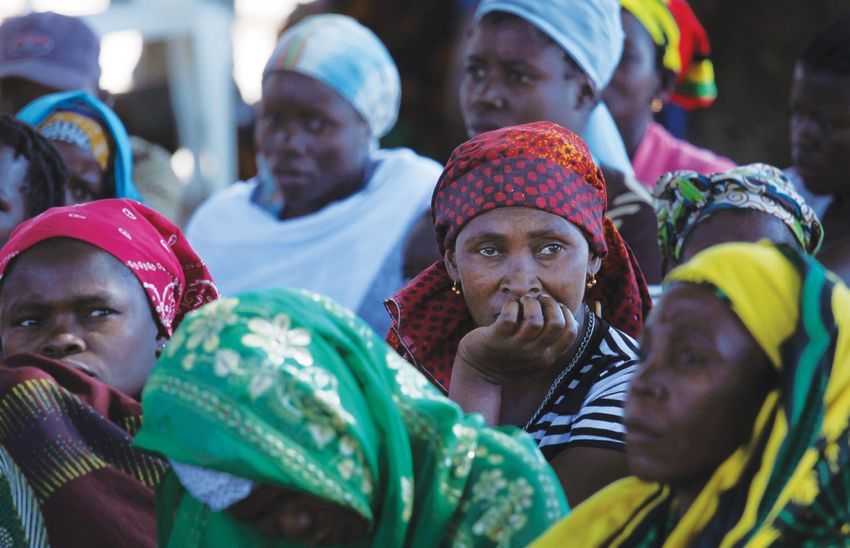
1
INTRODUCTION
Denmark will fight poverty with human rights and economic growth.
This is the overall message of the Strategy for Denmark’s Development
Cooperation, The Right to a Better Life. The Strategy places a strong
emphasis on continuing Denmark’s active partnership with civil
society. It underlines that Denmark will work for and support a vibrant,
diverse civil society in the global South through partnerships with
civil society organisations, and international and local organisations
and movements.
Civil society contributes significantly to sustaining public support
for and engagement within development cooperation, both in
Denmark and in the global South. Denmark requires transparency,
participation, cooperation and results from its civil society partners.
Denmark will strengthen partnerships with civil society organisations
to help make them more strategic and effective in order to promote
civil s ocieties that are legitimate, diversified and human rights-based.
The Right to a Better Life emphasises that Denmark will continue
to support small and medium-sized civil society organisations.
This will be done increasingly through direct support to civil society
organisations in the global South.
4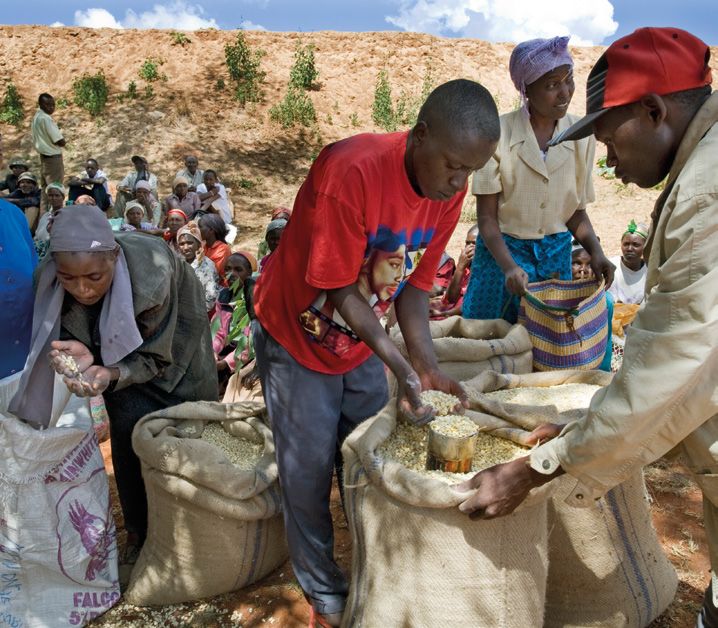
THE RIGHT TO A BETTER LIFE’S PRIORITY AREAS:

                                                                Priority areas

                                                  Human rights and democracy

                                                      The human rights-based approach

                                             Participation                               Non
                                                                                    discrimination

                                                                  Fighting
                                                                  poverty
                     Stability and                                                                            Green
                                                                  MÅL
                                                                OBJECTIVE
                      protection                                                                              growth
                                                                 Promoting
                                                                human rights

                                               Accountability                    Transparency

                                                             Social progress

The Right to a Better Life introduces a      cooperation engagement: participation;                  combat poverty and promote human
human rights-based approach to Danish        accountability; non-discrimination; and                 rights, democracy, sustainable develop-
development cooperation. This means that     transparency.                                           ment, peace and stability in conformity
United Nations human rights conventions,                                                             with the United Nations Charter, the
standards, norms and instruments will        These four principles are fundamental                   Universal Declaration of Human Rights and
serve as a compass to guide Denmark’s        standards and values in the international               the United Nations’ nine core human
political dialogue, development interven-    human rights framework, and are also                    rights conventions.
tions and partnerships, including those      highlighted in the Danish International
with civil society. The human rights-based   Development Cooperation Act (2012)                      As illustrated above, The Right to a Better
approach is based on four main principles    which states that the objective of                      Life focuses Denmark’s development
which will inform all Danish development     Denmark’s development cooperation is to                 cooperation on poverty reduction on four

                                                                                                                                                   5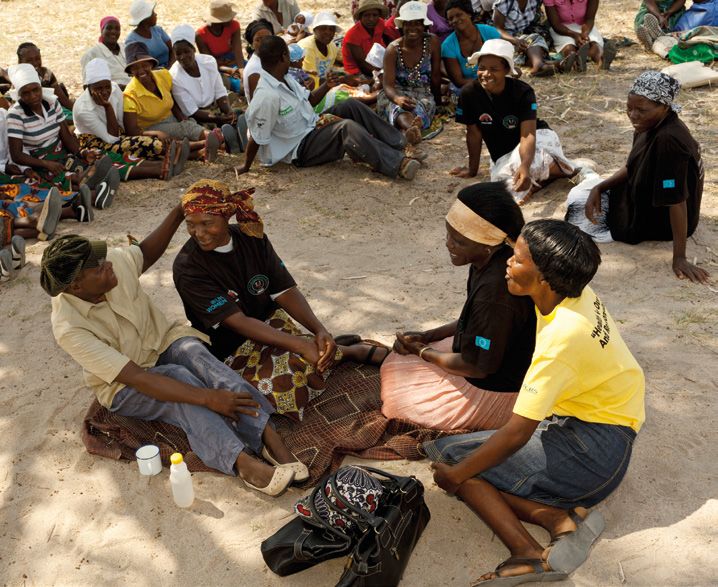
strategic priority areas: Human rights and struggle for changes in society, respect for associations, cooperatives, faith-based
democracy; green growth; social progress; human rights and poverty eradication. organisations, informal groups (without
and stability and protection. boards and formal constitutions), social
movements, including online activists,
This Policy outlines how Denmark will HOW IS CIVIL SOCIETY DEFINED? academia, think tanks, international
support civil society actors as part of non-governmental organisations (INGOs)
its implementation of the International This Policy defines civil society as the and media. Civil society is fluid and
Development Cooperation Act and arena between the state, the market and dynamic; people come together physically
The Right to a Better Life. the family/household in which people can and virtually to promote change on a wide
debate and take individual and collective range of issues and people move from one
Important changes in societies have been action to promote change or issues of issue or topic to another and then back
brought about through civil society action. shared interest. This includes civil society again.
Participation, inclusion and an enabling in all its forms – civil society organisations
environment are key elements in the (CSOs), community based organisations,
community groups, trade unions, business SCOPE OF THE POLICY
This Policy provides direction for all
Danida support to civil society. This
includes all support modalities i.e.
country programmes; regional support
programmes i.e. the Danish-Arab Partner-
ship Programme and the Neighbourhood
Programme; support through multilateral
and regional organisations; joint civil
society funding mechanisms; different
thematic programmes; as well as support
through Danish civil society actors, INGOs
and think tanks.
The Policy also provides direction on how
to promote enhanced, invited spaces and
an enabling environment for civil society
to operate in through, for example, policy
dialogue with partners, i.e. governments,
multilateral organisations (e.g. UN, the
World Bank), regional organisations (e.g.
EU), fund managers, private sector and
others.
Zimbabwe – education
6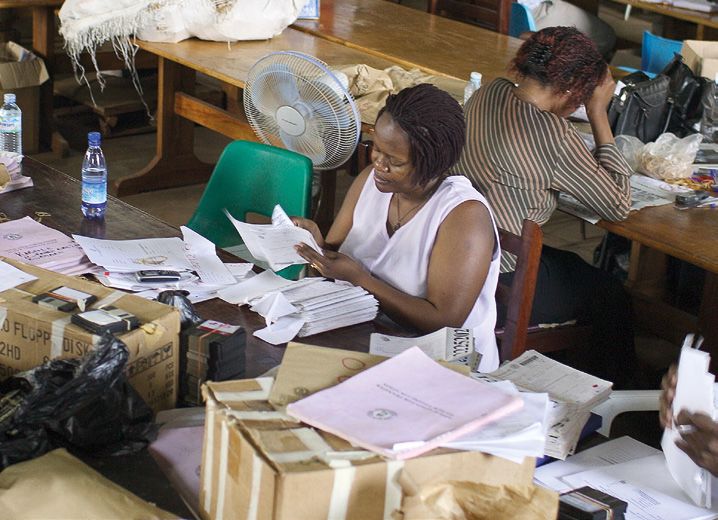
2
OBJECTIVE AND TARGET GROUPS
OF DANISH CIVIL SOCIETY SUPPORT

OBJECTIVE
The objective of Denmark’s support to civil society is to:

Ensure that civil society in the global South has the space
and capacity to gain influence to combat poverty and
inequality, promote human rights as well as sustainable
development in an accountable, inclusive and transparent
manner, in particular in favour of poor and excluded groups

                                                              7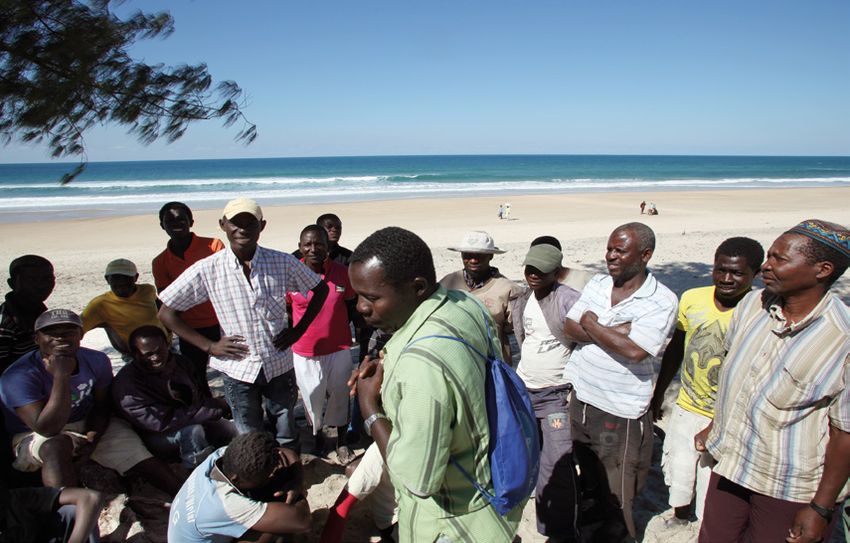
Denmark has a long history and tradition Danish support to civil • Advocacy work of civil society actors
of promoting and defending the space for society will aim to: in the global South at local, national,
civil society to engage in local, national regional and international level.
and international debates, and for civil • Contribute to the development of a
society representatives to be included strong, independent, vocal and diverse • Networks through capacity develop-
in decision-making processes. Denmark civil society as a prerequisite to long- ment of civil society actors in the
will maintain this role and build on lessons term poverty reduction; respect and global South to establish, develop
learned from many years of experience protection of human rights; and the and participate in networks at local,
in this field. promotion of equality, democracy and national, regional and international
sustainable development. level to promote their agendas for
The strength of the Danish approach change.
to supporting civil society focuses on • Promote a vibrant, inclusive and open
partnership, capacity development, debate in which civil society takes • Mutually contributing and benefitting
advocacy and networking. The present active part as interlocutors in their partnerships between civil society
Policy will continue to place the primary own right and on behalf of the rights- actors.
focus on these areas of support as holders whom they represent.
experience shows this approach can • South-South initiatives to promote
enable change that benefits poor, • Promote the rights to association and capacity development, advocacy and
marginalised and excluded groups. assembly, enabling environment as networking.
well as create more invited space for
civil society’s participation in national • Civil society engagement with duty
legislation processes, cooperation and bearers, including the efforts of civil
decision-making processes; national society to enhance the responsiveness
’Global South’ refers to
and local policy making; social of duty bearers, the private sector and
all countries where Danish dialogue and dialogue on the distribu- institutions of democratic control to
development cooperation tion of resources. the rights of the poor and excluded.
is implemented either
directly through Danish • Promote a representative, accountable, Limited strategic service delivery, capacity
missions or through and locally based civil society working development and advocacy combined
partners, including according to the principles of participa- may reinforce each other, but stand-alone
tion, accountability, non-discrimination service delivery should not be considered
in the Middle East and
and transparency with regard to its outside a humanitarian context.
Eastern Europe
target groups/beneficiaries.
In order to reach the goals mentioned
above, Denmark will support:
• Capacity development of civil society
actors in the global South to promote
their agendas for change.
8
Zimbabwe – women’s workshop on rights
• Be flexible and responsive to risks
in order to promote innovation and
new partnerships, including with the
private sector.
• Be based on the “do-no-harm”-
principle.
• Be provided through a mix of coope
ration modalities in response to the
diversity of civil society, local context
and identified needs e.g. long-term
support for advocacy and targeted
support to promote policy change
outcomes.
TARGET GROUPS This dialogue will address how rights- • Reduce as much as possible the
holders and civil society actors can be transaction costs for civil society
The main target groups of Danish included in decision-making processes. associated with donor funding and
support to civil society are civil society The role of civil society as representatives reporting e.g. through harmonised or
actors in the global South, in particular of excluded groups is important in crea joint support and by providing more
poor, marginalised and excluded groups ting interfaces between rights-holders strategic and programmatic funding.
i.e. rights holders who are constrained and duty-bearers to help secure increased
in claiming their rights and in fully respect for human rights and hold duty- In fragile situations, the context analyses
influencing their own lives. By placing bearers accountable. will include localised fragility assessments
an emphasis on marginalised and and conflict analysis. Danish support to
excluded groups, Denmark wishes to civil society in such situations will involve
reach out to people who suffer discrimi PRINCIPLES OF ENGAGEMENT and be accountable to the local population
nation on the basis of e.g. gender, age, as much as possible through a clear
disability, ethnicity, sexual orientation All Danish support to civil society must: communication strategy that describes
and religion such as women and girls, the values and principles for engagement
indigenous peoples, migrants, and people • Be based on a political-economy and ensures that both beneficiaries and
with disabilities, among others. Some analysis of the local context, including other actors are as well-informed as
target groups, especially women and drivers of inequality; drivers of change, possible. The classic distinctions between
youth, may play significant roles as power relations, gender and legitimacy the roles and responsibilities of state,
drivers of change in a society. aspects. civil society and private sector, or between
duty-bearer and rights-holder, may not
Duty-bearers are also a target group. • Be based on dialogue with civil be straight forward in fragile contexts and,
Denmark will promote the space for civil society actors and communities, therefore, require more detailed analysis.
society actors to claim their human rights to respond to identified needs and
in its policy dialogue with duty-bearers. focus on achieving results.
9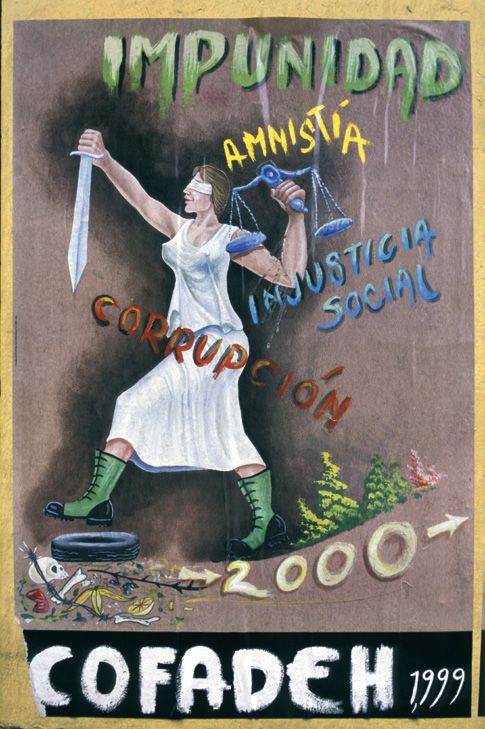
3
     CURRENT GLOBAL CHALLENGES
     AND OPPORTUNITIES
     This chapter will outline some of the main global trends vis-à-vis
     international development policy and the changing conditions
     for civil society.

10
SOCIAL MOVEMENTS More informal and transitory forms of legal frameworks formally provide space
AND SOCIAL MEDIA organisation and expression challenge not for civil society while de facto the space
only Governments, but also development to claim the rights of excluded groups is
New media, including social media, and partners and traditional forms of collabo- limited by social and economic conditions
social movements are increasingly playing ration with civil society actors. INGOs and political constraints. Space may be
the role of CSOs in representing communi- and local civil society actors need to learn, genuinely shrinking or it may be that civil
ties, especially in middle-income coun- listen and participate in such social society is challenging governments more
tries. Populations currently under the age networks acknowledging that they are than before and has, therefore, tested
of 30 will be the dominant force in many not always the first movers in new social the boundaries for civil society engage-
developing countries in the coming years. manifestations where new social media ment to the limit. Country-specific analysis
INGOs and local civil society actors do and ICT play a prominent role. An impor- is needed to determine where space for
not always have a lot of ‘street credit’ in tant role for INGOs can be to facilitate the civil society is shrinking, stagnant or
certain environments. New and social sharing of experience among new social growing and what form Danish support
media present an opportunity for civil movements and between them and other can and should take.
society actors to engage with younger actors without hijacking the agenda.
‘wired’ generations wanting to make their
imprint on the society in which they live. ECONOMIC GROWTH, INEQUALITY
The increased use of Information and SPACE OF CIVIL SOCIETY ACTORS AND DEVELOPMENT FINANCING
Communication Technologies (ICT) offers
an opportunity for moving towards more Securing space for civil society is often the The number of very poor countries is
equality between generations as the older first challenge for developing civil society. decreasing, but inequality is increasing,
generation needs the knowledge and It is important to distinguish between especially in urban areas and in middle-
advice of the younger generation in order invited space and claimed space. Denmark income countries. Danish development
to be able to navigate in ICT systems. and other development partners can cooperation continues to focus on poverty
ICT also allows for greater transparency support the creation of invited space for reduction in poorer countries. Some civil
in terms of improving access to public dialogue between civil society and local society support will be channelled to civil
information. A more informed population and national authorities. In such invited society actors in middle-income countries,
offers an improved platform for holding spaces, it is possible for civil society to but only through programmes targeting
government accountable. The growing raise sensitive issues in specific areas, specific geographical priority areas e.g.
urbanisation of poverty in the global South such as thematic area policies and budget the Neighbourhood Programme and the
makes it increasingly relevant to cooperate tracking. In claimed spaces, local stake- Danish-Arab Partnership Programme, or
with urban civil society actors repre- holders in alliance with media may seek specific thematic areas such as indige-
senting poor and excluded groups, and to force an issue to be debated in public nous peoples1.
to explore opportunities to create alliances to assert the claims of rights-holders.
between middle-class youth and the rising Economic growth in developing countries
demands of the poor and excluded for Political and legal conditions for civil and emerging economies has been the
democratic and social change. society to flourish are deteriorating in main driving force of poverty reduction in
some countries although civil society the past decade – not official development
activism continues to grow. In some cases, assistance (ODA). The relative importance
1 Country income limits are updated annually
11of ODA vis-à-vis other forms of finance has social partners, develop new markets on Business and Human Rights. Moreover,
declined particularly in middle-income and business models in collaboration civil society can take part in raising
countries while lower-income countries with businesses, and devise solutions consumer and public awareness of CSR.
still remain more dependent on aid. capable of creating jobs, fostering growth
Traditional ODA is increasingly comple- and reducing poverty in the global South. One example where governments,
mented by ‘non-traditional assistance’ In addition, civil society can play an businesses and civil society, and particu-
such as South-South cooperation, climate important role in promoting Corporate larly trade unions, work together to
finance, remittances, philanthropy Social Responsibility (CSR). combine economic growth that generates
and global funds. Sources, types and opportunities for investment and entre
conditions of funding for civil society CSR is the responsibility of companies preneurship with creation of decent jobs
in the future may be quite different from for their impact on society. To fully meet and sustainable livelihoods, is the
today. For example, the proportion of this responsibility, companies should International Labour Organization’s
ODA to civil society in the global South have in place a process to integrate social, Decent Work Agenda3. This initiative
channelled through CSOs in DAC countries environmental, ethical, human rights, focuses on job creation, rights at work,
has declined significantly since 2009. including worker’s rights, and consumer social protection and social dialogue
concerns into their business operations between social partners, with gender
and core strategy in close collaboration equality as a crosscutting objective.
ENGAGING THE PRIVATE SECTOR with their stakeholders. They should aim
at 1) maximising the creation of shared
The trends described above call for new value for their owners/shareholders and SHIFTING BALANCES OF POWER
collaborative partnerships among govern- for their other stakeholders and society at
ments, businesses, social partners and large and, 2) identifying, preventing and Changes in global economic and political
civil society in which ODA can catalyse mitigating their possible adverse impacts. power, combined with patterns of
new solutions and the scaling up of funds. development financing, will change the
The private sector will play an increasing Civil society can play a significant role power relationships between Northern
role not only as a driver of economic as watchdog by holding companies and Southern development partners.
growth in the global South but also in accountable for taking appropriate steps South/South relationships will become
the promotion of inclusive green growth to identify, prevent and mitigate adverse increasingly significant. Governments
contributing to environmentally, socially impacts of business activities on human in the global South will have more choice
and economically sustainable develop- rights, labour rights, non-discrimination and different sources of funding for
ment in both the North and the global including gender equality, environment development. This helps strengthen
South. and anti-corruption2. Civil society can the negotiating power of governments and
also contribute to raising awareness with may make it more difficult for traditional
Civil society has an important role to play regard to the duty of companies to respect development partners to influence policy.
in pushing forward an inclusive green human rights, and the duty of states to There has been a huge growth in civil
growth agenda as an opportunity and protect against human rights abuse and society actors in the global South in recent
not a constraint in the global South. Civil to ensure access to effective remedy years (approx. 3.3 million NGOs in India;
society can promote dialogue between as stated in the UN Guiding Principles 440.000 in China)4. This should encourage
2 For example in accordance with ILO conventions, the UN Global Compact, the UN Guiding Principles on Business and Human Rights,
and the OECD Guidelines for Multinational Corporations
3 The International Labour Organization (ILO), http://www.ilo.org/global/topics/decent-work/lang--en/index.htm
4 The Future Role of Civil Society, World Economic Forum 2013 http://www3.weforum.org/docs/WEF_FutureRoleCivilSociety_Report_2013.pdf
12civil society actors in the North to play Conflicts are more frequently handled ocument than, for example, the delivery
d
stronger roles as facilitators, networkers, violently and, in some situations, fuelled of services.
conveners and innovators in addition to by uncontrolled spread of small arms.
more traditional roles as advocates and Fragile situations are thus characterised
service providers. by multiple stakeholders with competing NATIONAL AND INTERNATIONAL LEVEL
claims to national or local governance DEBATE AND POLICY CHANGES
presenting particular challenges in regard
FRAGILE SITUATIONS to their relationship with civil society. Denmark will promote the engagement
The emergence of trust in and reliance of civil society actors from the global
Basic human rights are particularly under on traditional governance structures such South in, and influence on, international
pressure in fragile situations where the as clan, tribe, religion, or “newer” processes. Many Danish CSOs are part of
state is either unwilling or unable to non-state structures such as political, international networks, and can facilitate
protect and provide basic services to its criminal or ideological movements linkages between local and national
citizens. Consequently, fragile situations are common c haracteristics in such levels; input into international level fora;
call for particular attention to the basic circumstances. In many cases fragility and feed back to national and local level
rights of the individual human being. and political tensions are exacerbated partners. With many strong and vibrant
by climate and environmental factors such networks and coalitions among civil
The state in fragile situations is often as drought, floods and extreme weather, society actors, the world is much better
characterised by: leading to food i nsecurity and increased equipped to link rhetoric and reality in
tensions over natural resources. international agreements, such as conven-
• Lack of legitimacy, such as lack of tions and declarations. Civil society has
democracy, absence of civil and been able to use its knowledge base to
political rights, dominant role of the EMPHASIS ON RESULTS influence international agendas such as
military, suppression of opposition, the United Nations Framework Convention
control of media, exclusion of Demonstrating the results of support on Climate Change, the Rio+20 Conference
significant groups from power etc. to civil society is important to the people on Sustainable Development and its
CSOs represent, to domestic constitu- follow-up processes including the work
• Shortcomings in provision of basic ences and to development partners. in the UN Open Working Group on
services characterised by partial or Danida will strengthen its emphasis Sustainable Development Goals, the UN
complete inability to ensure access on the d ocumentation of the effects of Commission on the Status of Women,
to basic services to all citizens. the mutual partnership and support and the Commission on Population and
provided to Northern and Southern CSOs. Development. Civil society has also been
• Lack of authority, characterised This is both an opportunity and a chal- a driver behind important updates of
by insufficient authority to uphold lenge. The b enefits of the partnership existing frameworks such as the Conven-
territorial control and protect its citi- between a Danish and a Southern CSO tion on Biological Diversity. Nonetheless,
zens from violence of various kinds, in terms of capacity strengthening and Danida will require more robust
including organised crime and increased access to international fora documentation on the effectiveness
political violence. can be more difficult to measure and of increased cooperation among civil
society networks.
134
CIVIL SOCIETY AND DEVELOPMENT
THE ROLE OF CIVIL SOCIETY ACTORS
IMPLEMENTING THE HUMAN
RIGHTS-BASED APPROACH
The Right to a Better Life emphasises a human rights-based approach
(HRBA) to Danish development cooperation. States from all over the
world have ratified human rights conventions and, as a result, assume
obligations and duties under international law to respect, protect
and fulfil human rights. Support to civil society is at the heart of HRBA.
The point of departure is the vision of responsible and responsive
governments in charge of development efforts and active, engaged
citizens with the ability and space to assert their rights. HRBA aims
to address the underlying structures and power relations that cause
poverty, discrimination and exclusion. Partnership is central to HRBA.
Development cooperation should aim at enabling rights-holders to
claim their human rights and duty-bearers to develop their capacity
to fulfil their o
bligations.
14The HRBA principles5 of participation, in ensuring the implementation of HRBA Nevertheless, the ToC below aims to
accountability, non-discrimination and principles, they must implement these illustrate in part how Denmark perceives
transparency (PANT) are at the core of principles in their own operations. civil society’s contribution to broader
Denmark’s work with civil society partners. societal change. There are also other
The principle of participation translates The Universal Periodic Review (UPR) is ways in which civil society may contribute
into promoting systems and procedures a process which involves a review of the to change. A basic assumption is that
that allow for a strong and independent human rights records of all UN member when strengthening civil society actors
civil society to ensure that citizens are states. The UPR takes place under the representing rights-holders, and enhan
able to access information and influence auspices of the Human Rights Council, cing the space in which they can partici-
government decisions affecting them. and provides an opportunity for each state pate, rights-holders and communities
This is equally important when ensuring to declare what actions they have taken are able to claim their rights provided
that duty-bearers are held to account. to improve the human rights situations they work in a society with a reasonably
Rights-holders, including excluded groups and to fulfil their obligations as duty responsive government. In fragile contexts
who may rely on civil society organisations bearers. Civil society plays an important and in other situations where responsive
as intermediaries, need access to informa- role in the process submitting alternative governments are absent, other assump-
tion about opportunities to obtain their information and reporting. tions need to be considered and the ToC
rights. These rights include the protection will have to be adapted to the specific
of the rights of girls and women, certifi- context.
cates of land ownership, business THEORY OF CHANGE
registration, information and access The central change Denmark wishes to
to services they are entitled to etc. A Theory of Change (ToC) is what it says promote through its support to civil
Combating discrimination requires on the tin: a theory or system of ideas society is that civil society has the space
a strong and independent civil society to explain how change is perceived to and capacity to combat poverty and
with the ability to fight for and give voice happen, and how we – through our inequality, promote human rights as
to c itizens, especially the most excluded organisation or programme – intend to well as sustainable development, in an
population groups. Civil society can work to influence these changes. A ToC accountable, inclusive and transparent
play a significant role representing and will always depend on the specific context manner in favour of poor and excluded
empowering the most discriminated and should involve a thorough context groups.
groups. The promotion of transparency and stakeholder analysis. Each initiative,
is ensured through support to more open therefore, will need its own ToC based
practices by all stakeholders and support on an analysis of stakeholders influencing
to channels of communication. If civil or hindering change which will shift from
society actors are to be key partners one situation or country to another.
5 The most general reference point for a HRBA is the UN Common Understanding on “The Human Rights Based Approach to Development
Cooperation” from 2003. Denmark’s approach is informed by the UN Common Understanding but also takes into account lessons learned by
multi- and bilateral agencies. The four principles are derived from international core human rights treaties. Others use a broader set of criteria
and include for example “empowerment” as a principle, which in the Danish approach is more regarded as an outcome and not a principle.
1516
THEORY OF CHANGE FOR THE CIVIL SOCIETY POLICY
LONGER TERMS IMPACTS...
DANIDA funding, Improved Stronger Poor and excluded
support and awareness international groups’ voices
policy dialouge of development advocacy for represented
in Denmark and issues in at national and Duty bearers
human rights respond
internationally Denmark international fora
positively to
pressure from
rights holders
Improved
evidence based
advocacy used Enhanced space
at all levels for CS actors to
participate in EVIDENCE
decisionmaking OF PROGRESS
IN TERMS OF:
Effective, mutually Stronger CS
benefitting, partners and Accountable • POVERTY
Rights holders
accountable networks with inclusive and REDUCTION
Diplomatic and communities
CS partnerships improved skills, transparent
efforts in support – especially
South/North resources and CS actors
of enabling the poorest and • RESPECT FOR
& South/South capacity to combat poverty,
environments most excluded HUMAN RIGHTS
which share represent rights promote HR,
– demand their
learning for holders and equality and
rights
more effective advocate for sust. dev. • DEMOCRACY
development their rights
Communities • SUSTAIN
monitor gvt and DEVELOPMENT
Issues are service providers
highlighted and hold them
effectively to account
through a variety
of media
Communities
take increased
More capable CS responsibility for
DANIDA funding, Rights holders
actors develop Private sector ensuring access
support and and communities
capacity of and involved as and enjoyment
policy dialouge aware of their
accompany partners of and of rights for all
in priority rights and with
rights holders capacity to in supporting
countries to engage in civil society
engage
advocacy5
MAIN ELEMENTS OF DANISH SUPPORT
TO CIVIL SOCIETY ACTORS
The building blocks of Danish support to civil society actors are
partnerships, capacity development and advocacy. Capacity
development, advocacy and strategic service delivery is often
referred to as the “Change Triangle”. Support to limited strategic
service delivery may be needed in order to make advocacy and
capacity development efforts effective by demonstrating new,
innovative and cost effective methods. Stand-alone service delivery
should not be considered outside a humanitarian context.
The challenges and opportunities are different in fragile contexts
and more stable situations. A special section in this chapter, therefore,
is dedicated to describing how Denmark will work with civil society
in fragile contexts.
17PARTNERSHIPS
DENMARK WILL:
• Form strategic partnerships with civil society actors and focus on the delivery
of results and on encouraging innovation in partnerships.
• Continue to support partnerships between Danish CSOs and CSOs in the global South
emphasising the gradual transfer of responsibility to partners in the global South and
implementation of HRBA in the partnership.
• Support efforts to promote the financial sustainability of CSOs in the global South.
• Support South-South CSO co-operation.
• Promote innovative models of partnerships and the inclusion of social m
ovements,
private sector, youth organisations, and traditional a
uthorities as partners.
• Continue its strong political and a
dvocacy partnerships with civil society in Denmark,
in the global South and internationally.
Mozambique – local fishermen
in a meeting
18Meaningful partnerships between agendas or manifestations of injustice. OECD based and international civil society
civil society actors in Denmark and It remains a challenge how to do this organisations will continue to have a role
in the global South, including countries in practise as such organisations by their to play, collaborating and networking
neighbouring Europe, remain an i mportant nature are loosely organised, without with civil society in the global South and
priority for Danish development coopera- formal procedures and accounts. globally.
tion and for Danish civil society organisa- Both Danida and the Danish CSOs need
tions. to approach this with flexibility aiming In choosing partners, efforts must be
to find practical solutions in specific made to:
Partnerships must be mutually commit- contexts. Partnerships with traditional
ting. Openness, trust, mutual respect authorities – where these are trusted by, • Promote diverse and broad participa-
and learning lie at the core of effective and accountable to their communities tion, including partnerships with
partnerships in support of development – can be an effective way to reach the excluded groups.
goals, recognising the different and most excluded, marginalised and poor
complementary roles of all actors. people. Civil society actors should • Conduct a political economy analysis
Partnerships involve commitments on prioritise partnerships with organisations to identify drivers of change and assess
both sides with regard to what they bring formed by poor and excluded groups capacity constraints.
to the p artnership; these commitments themselves, with o rganisations repre-
should be monitored and discussed. senting them or w herever there is the • Cooperate with informal movements
The mutual learning benefits and potential to work for the benefit of with the determination, ability and
complementary strengths of the partner- the poorest and most excluded groups popular legitimacy to influence
ship, should be documented. Mutual including with national and local authori- decision-making processes, as well as
partnerships imply that both Danish ties as well as with private sector. Also with formal organisations/movements
partners and their global South partners civil society actors representing urban representing marginalised groups.
are equally informed about the funding poor and youth will be included as part-
of activities, and the decisions behind ners. Empowerment of local communities, Partnerships can be constructed in many
this. Both partners should aim for full whether urban or rural, is essential. ways, but the following preconditions
transparency in the use of resources. must be met:
Most importantly, all partners should Readiness to change is key in order to
document their accountability towards respond to new challenges and to adapt • The partners in the global South –
beneficiaries. to local circumstances. Danish partners and not the Danish partners – must
worldwide will increasingly relate to new assume primary responsibility for
The HRBA entails that partnerships are types of civil society actors, who may management and implementation of
forged with a variety of actors involved represent opportunities for a new, more interventions and activities.
in promoting human rights and fighting democratic and open society. Such
poverty. In a rapidly changing world and incipient ‘drivers for change’ will need • Danish and international organisations
shifting power balances, partnerships support and accompaniment to grow must provide partners in the global
need to be innovative and flexible, and evolve to respond effectively to local South with opportunities to participate
for example, in order to support social and national challenges. in international networks.
movements responding to ad hoc political
19Khmers receiving teaching in growing rice and in prevention of diseases
• Keep an open mind to combine partner- • professional and administrative Denmark will work through non-financial
ships with local civil society, the private knowledge, support, e.g. diplomatic initiatives,
sector and local authorities. to improve an enabling environment for
• popular contacts, membership civil society actors, and against regulatory
• Efforts must be made to ensure that and information activities. frameworks permitting governments
partners receiving Danish support to inhibit debate. It will also support civil
secure their financing from several Civil society is changing worldwide and society actors at various levels in joint
different sources so that the financial a wide variety of civic actors are working advocacy activities in common priority
sustainability is not solely dependent to promote human rights and combat areas, participation in official delegations,
on Danish contributions. poverty. These range from well-estab- and inclusion in policy processes.
lished, capable institutions to nascent This will help strengthen the capacity
The Danish CSOs must contribute to initiatives in the early stages of organisa- and legitimacy of civil society partners.
strengthening their partners’: tional development. Danish support will
reach out across a continuum of civil
• capacity to represent poor and actors, from the newly organised to
excluded groups, the well-established, offering both short
and long term cooperation. The diversity
• knowledge about human rights of Danish partners will contribute to
and HRBA, greater diversity in the global South.
20CAPACITY DEVELOPMENT
DENMARK WILL:
• Support organisational and capacity development and encourage OECD defines capacity
civil society actors to apply the five p
rinciples for addressing capacity as “the ability of people,
development in Danish development cooperation described below. organisations and society
as a whole to manage
• Support civil society to access advisory support and guidance on
their affairs successfully”.
systematic capacity development approaches. Capacity includes a wide
• Encourage Danish CSOs to engage actively in capacity development range of factors from skills
to systems, processes,
related to HRBA.
ability to relate to others,
• Promote capacity development processes that include building leadership, values, formal
legitimacy, constituency and internal democracy and accountability and informal norms,
in organisations and movements. loyalties, ambitions and
power. C apacity is the
• Support more systematic monitoring and reporting of capacity ‘ability to’ and ‘power to’
development processes and outcomes. do something and to be
something/someone.
Egypt - project for children with disabilities
21Capacity development is an integral part Civil society actors engage in capacity teach, coach and shape incentives for
of mutual partnerships. It can help deliver development when they support and learning – that is all. Change processes
results, for example in terms of strength- accompany relevant institutional, social are rarely linear; they take longer time
ening organisational performance, or political changes. Accompaniment is than expected. To be successful, they
contributing to evidence based advocacy the process where one civil society actor require strategic thinking, planning and
and change; and enabling civil society follows and guides the other through management. This involves the scoping
actors to participate in networks and important change processes providing and sequencing of change, as well as the
coalitions. Denmark will focus on monito professional and strategic input. It is power and technical resources behind the
ring and reporting more systematically fundamental that these change processes change, and the strength of the resistance
on the results and outcomes of these are owned and led by those whose it may meet.
processes. capacity is developing; outsiders can
FIVE PRINCIPLES FOR ADDRESSING CAPACITY DEVELOPMENT (CD)
Apply a strategic development perspective,
Strategic perspective
not only an aid effectiveness perspective
The point of departure is where the partners
Start where the partners are
are and what they can and will do to promote CD
CD dialogue is driven by a focus on results
Focus on tangible results
in terms of effectiveness and efficiency
Joint donor approaches to CD dialogue
Joint as default
and support is the default
Recognise dilemmas openly when
Recognise dilemmas
balancing policy and CD ambitions
22CAPACITY DEVELOPMENT AND CAPACITY BUILDING
Capacity Development Capacity Building
Capacity development is a process of capacity change, Capacity building is a ‘catalyst’, being the purposeful,
rather than a deliberate act to strengthen skills, introduce conscious effort to bring about capacity development.
new systems, contract new people.
Capacity building refers to technical assistance (TA) inputs
Capacity development can be catalysed through diverse in the form of training and sharing of technical tools.
means – exposure to new contexts, engagement in new It is a structured process that is framed around the answer
types of work, a change in funding etc. to the question ‘capacity for what?’
Capacity development should be seen as a mutual Capacity building has a clear purpose and set of specific
process e.g. Northern civil society actors should define objectives.
and document the benefit they get from working closely
with partners in the global South.
CAPACITY DEVELOPMENT When preparing capacity development
AND CAPACITY BUILDING initiatives, civil society actors should
ensure that there is:
Both capacity development and capacity
building can operate at different levels – • A shared perception of change
individual (competencies); organisational; readiness among the civil society
sub-sector (networks, platforms, coali- partners.
tions etc.); and sector-wide (civil society
sector as a whole). Learning is a key • Agreement with partners about
element in capacity development, and the strategic scope of capacity
integrates thinking and doing. Denmark development ambitions and processes
will support capacity development where over the next period of support.
capacity building can be one element
supplemented with other elements such • Details of how capacity development
as accompaniment. and capacity development support
issues will be addressed in the
The emphasis is on getting processes and general planning process.
results right. This implies reporting results
in the “missing middle” between what
civil society actors do, and the long-term
outcomes and impact that are the focus
of organisational plans. This would report
on how capacity development initiatives
have resulted in improved capacity and
performance.
23ADVOCACY
DENMARK WILL:
• Support advocacy efforts that are informed by evidence and based Advocacy is defined as
a process by an individual
on knowledge of the processes and decision-makers that need to
or group, which aims to
be i nfluenced, often in relation to invited space opportunities. influence public policy
• Support advocacy and lobbying in relation to claimed space mainly and resource allocation
through capacity development on campaigning which is planned and decisions within political,
economic, and social
implemented in a coordinated manner, and which has a clear target
systems and institutions.
of addressing injustice and promoting human rights, as well as aiming
Evidence based advocacy
to create changes in policies, practice, laws and systems based has strong potentials.
on HRBA principles.
• Be willing to take risks and not demand a certain outcome
of advocacy efforts.
Guatemala – demonstration, maya population
24Mutual partnerships between civil society
actors in the North and the global South
increasingly focus on advocacy and
lobbying. Advocacy should involve the
relevant civil society actors and empower
them. It is crucial that advocacy is a
democratic effort based on the concerns
of and inputs from those affected by the
issues advocated on.
Lobbying is a form of advocacy targeted at
persons who can act as drivers of change,
for example a direct approach to legisla-
tors on an issue. Lobbying efforts can be
key to promoting the desired changes in
law making processes and in relation to
the formulation of international treaties.
Advocacy can be directed at all relevant
decision-makers, including non-formal
authorities such as traditional authotiries. Honduras – poster on social justice
Advocacy and lobbying can also be Lobbying and advocacy partnerships
targeted towards the private sector, can be directed towards international
for example, extractive industries. processes, negotiations, development
Advocacy in this context is different from of strategic frameworks, resolutions,
CSR activities, which are often a result for example, pressure on member states
of an invitation from the private sector from civil society. Advocacy work requires
to assist in improving and implementing careful social and political analysis as
CSR policies. Advocacy may also include it often entails taking explicit sides in
raising awareness e.g. against stigma a conflict or competition for resources.
tisation of certain groups.
Advocacy efforts should be monitored
for quality, accountability, results and
learning, and should be useful for guiding
efforts of capacity development.
Monitoring advocacy is often based
on self-assessment and monitoring
processes, rather than focusing
exclusively on the end results.
25FRAGILE CONTEXTS
DENMARK WILL:
• Engage with partners with documented skills and experience of work in fragile
situations and who operate on the basis of a solid and careful situational analysis,
including political and political-economy aspects identifying drivers of change;
gender, power and legitimacy aspects; localized fragility assessments; conflict
analysis and systematic risk assessments.
• Encourage partners to pay particular attention to opportunities for building/
rebuilding community level structures and establishing a culture of participation,
accountability, non-discrimination and transparency.
• Support interventions aimed at strengthening the voice of poor, vulnerable and
excluded groups, including that of girls and women, in local and national policy and
planning processes.
Nepal – internal refugees caused by flooding
26In fragile situations, critical societal func- SERVICE DELIVERY BUILDING CAPACITY
tions are often handled or mishandled by AT COMMUNITY LEVEL
a complex set of actors, including private Fragility and conflict usually leads to
and civil society entities with differing extreme poverty and more or less chronic In fragile environments with weak state
goals and levels of legitimacy. Frequently, humanitarian needs with a negative structures, the immediate needs of people
this results in an uneven quality of social impact on individual opportunities as well are typically catered for at the community
services as well as exclusion of parts of as development potential. The delivery level. Building on these capacities is a
the population from even very basic of humanitarian assistance has an impact critical entry point not only for improved
services as education, water and primary on longer term development, and every service delivery and communal safety,
health care; either due to ethnicity, faith opportunity should be used to support but also for building resilience, creating
etc. or due to scarce resources. Across the transition from emergency to recovery livelihoods, income generating activites
all poor and marginalised groups, children and development. In this case, civil society and hopefully also longer term stability.
are the most vulnerable and need special actors should focus on building local Doing this can also be a way to establish
attention. Civil society is often weak, capacity and avoid development of perma- and strengthen local CBOs and to infuse
fragmented and less well defined in fragile nent dependency on external assistance a culture of cooperation and more
environments. Often it includes traditional for service provision. Thus dialogue with democratic and peaceful ways of solving
structures, including small community government authorities on their responsi- conflicts. Through such approaches,
based organisations, religious groups, bility to ensure or facilitate access to basic communities can achieve a stronger voice
clan structures etc. as well as more services is an important element of longer vis-á-vis higher level structures; either
“modern” civil society actors. term state building. as watchdog over poor governance and/or
as a demander of better governance.
In times of conflict or major disasters, In fragile contexts, service delivery, such
the international actors play a crucial as health care or water, may be an impor-
role in providing immediate life-saving tant tool in not only addressing immediate SUPPORTING LOCAL CIVIL SOCIETY
assistance as well as basic services, which needs but also in creating important
are not provided by the state. Thus UN invited space to begin working with much When planning interventions and
organisations, INGOs, national CSOs, more sensitive issues – such as protection designing mechanisms for “accountability
religious organisations among others will of vulnerable groups and advocacy for for affected populations”, the civil society
take on the role as “proxy duty bearers”. human rights. actors should always look for opportuni-
They will often continue to play this role ties for supporting or establishing local
for years before national government civil society structures. Basic principles
institutions are able to fully take over and mechanisms for participation,
their responsibility as duty-bearers6. non-discrimination, inclusion and
transparency should be introduced.
This may help in building a more resilient
and peaceful society.
6 Please refer to Danida’s “Strategy for Danish Humanitarian Action 2010-2015” for more detail on humanitarian interventions in general.
27Kenya – distribution of food
PROMOTING INCLUSIVE DIALOGUE CONTRIBUTING TO STATE BUILDING
In some fragile states, state building Civil society actors may complement more
processes serve as a framework for regular state-to-state support or UN driven
national policy dialogue, but the process institutional support by engaging in
may fail to be fully inclusive. Civil society institutional strengthening of strategic
also has a role as mobilising the voices of government institutions, such as health;
the poor and marginalised and facilitating education; agriculture; social ministries
their input into wider policy processes. and even, when opportunities are right,
Securing an inclusive dialogue is a with more core state institutions such as
critical role for civil society and crucial the justice sector, for example, the police.
for more sustainable and lasting policy A particular relevant area, apart from
solutions. technical capacity, is to develop skills and
approaches for government institutions to
engage with civil society in participatory
and inclusive planning processes.
Such engagements should however
only be undertaken in full respect of
the humanitarian principles.
286
COOPERATION MODALITIES
DENMARK WILL:
• Actively encourage priority country governments and other relevant parties
to provide the space for civil society to play its role in all sectors and at all levels.
• Engage civil society in the planning, monitoring and evaluation
of the Danish Country Programmes.
• Use the engagement with civil society at country level to better inform policy dialogue.
• Promote tripartite dialogue between the social partners of employers’ organisations,
trade unions and government in order to protect workers’ rights and settle disputes at work.
• Support Danish CSOs to develop the capacity of their civil society partners
and add value to their programmes.
• Work to promote funding opportunities of international civil society actors
and coordinate with other donors on this issue.
• Apply innovative measures to strengthen the collaboration between
Danish CSOs and companies under Danida Business Partnerships.
29You can also read


