GLOBAL PRISON TRENDS 2021 - Prisons in crises Special Focus - Penal Reform International
←
→
Page content transcription
If your browser does not render page correctly, please read the page content below
GLOBAL
PRISON
TRENDS
2021

   Special Focus

   Prisons in crises
Global Prison Trends 2021
This document is co-published and produced with financial
assistance from the Thailand Institute of Justice. It is the
seventh edition of Penal Reform International’s Global Prison
Trends series.
Penal Reform International would like to thank the
following for their contribution to the report: Adrià Cots
Fernández (International Drug Policy Consortium), Antonia
Mayaningtyas (UNODC Indonesia), Ayako Sasaki (UN Asia
and Far East Institute for the Prevention of Crime and the
Treatment of Offenders), Dr Catherine Appleton (University
of Nottingham and PRI Board member), Cedric Foussard
(Terre des Hommes), Professor Dirk Van Zyl Smit (University
of Nottingham and Chair of PRI), Dr Katerina Hadjimatheou
(University of Essex), Jennifer Roberts (OSCE Office for
Democratic Institutions and Human Rights), Jerome
Mangelinckx (Research Centre on Drugs and Human Rights,
CIDDH), Johannes Heiler (OSCE Office for Democratic
Institutions and Human Rights), Kirsten Hawlitschek
(EuroPris), Louise Ehlers (Human Rights Initiative, Open
Society Foundation), Luciana Pol (Centro de Estudios
Legales y Sociales – CELS), Luisa Ravagnani (University
of Brescia), Marie Auter (University of Nottingham),
Marie Nougier (International Drug Policy Consortium),
Nick Hammond (EuroPris), Rabby Pramudatama (UNODC
Indonesia), Rachel Aicher (The International Legal
Foundation), Sharon Shalev (Independent Expert at
SolitaryConfinement.org), and PRI’s Advisory Council
members Avril Calder, Judge David Rennie, Kathryn
Waldegrave and Stephen Pitts.
Its contents are the sole responsibility of Penal
Reform International.
This publication may be freely reviewed, abstracted,
reproduced and translated, in part or in whole, but not for
sale or for use in conjunction with commercial purposes.
Any changes to the text of this publication must be approved
by Penal Reform International. Due credit must be given to
Penal Reform International, the Thailand Institute of Justice
and to this publication.
Enquiries should be addressed to
publications@penalreform.org

Penal Reform International
www.penalreform.org
Thailand Institute of Justice
www.tijthailand.org
Published in May 2021.
ISBN: 978-1-909521-78-0
Any facts or figures not referenced in this report are based
on primary sources or research conducted by Penal Reform
International, or through open sources including Prison
Insider (prison-insider.com/en) and World Prison Brief
(prisonstudies.org).
© Penal Reform International 2021

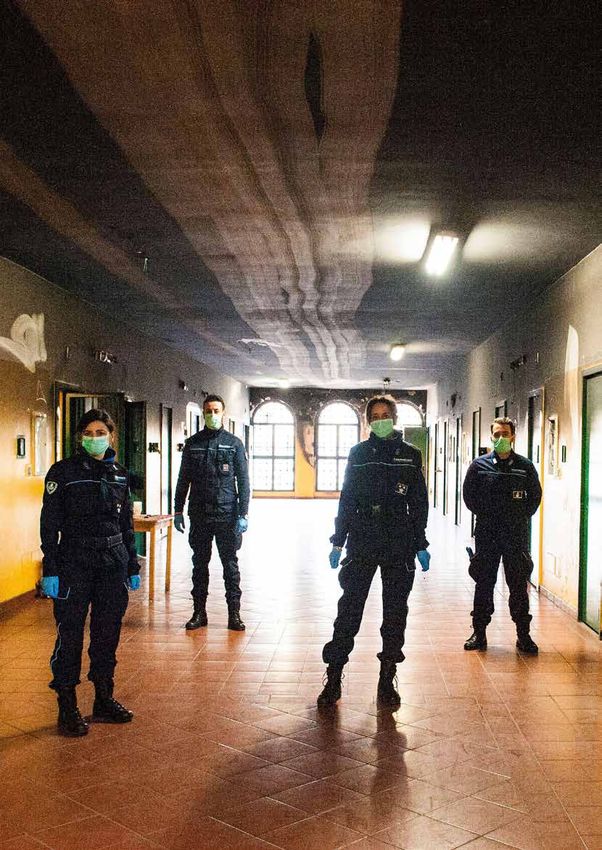
Cover photo: San Vittore prison, Italy.
Graphic design by Alex Valy.
Contents

Content
Introduction                                                                        3
Key facts and figures                                                               4
Key messages                                                                        6

1. Crime and imprisonment                                                           8
   1.1 Imprisonment and prison overcrowding                                         9
   1.2 Laws that discriminate against marginalised groups                          10

2. Trends in the use of imprisonment                                               12
		2.1 Releases in response to COVID-19                                             12
   2.2 Alternatives to imprisonment                                                15
   2.3 Pre-trial detention                                                         16
   2.4 Death penalty                                                               17
   2.5 Life imprisonment                                                           18

Special Focus 2021: Prisons in crises

3. Prison populations                                                             20
   3.1 Women                                                                      20
   3.2 Children                                                                   23
   3.3 Older persons                                                              24
   3.4 Ethnic minorities and indigenous peoples                                   25
   3.5 Foreign nationals                                                          25
   3.6 LGBTQ+ people in prison                                                    26

4. Prison management                                                              28
   4.1 Health in prison                                                           28
   4.2 Solitary confinement                                                       32
   4.3 Contact with the outside world                                             33
   4.4 Security and violence                                                      34
		4.5 Rehabilitation and reintegration                                            35
   4.6 Prison staff                                                               36
   4.7 Data collection and transparency                                           40
   4.8 Violent extremism and prevention of radicalisation                          41

5. Role and use of technologies                                                   43

Endnotes                                                                          46

    In boxes
   The impact of COVID-19 on crime rates                                           10
   Period poverty in prison                                                        22
   COVID-19 vaccinations in prisons                                                31
   Revision of the European Prison Rules                                           32
   Detention monitoring in a global pandemic                                       34
   Leaving prison without identification
   during the COVID-19 pandemic                                                    36
   Risk of discrimination and racial bias in algorithmic profiling                 43

Penal Reform International and Thailand Institute of Justice | Global Prison Trends 2021              |1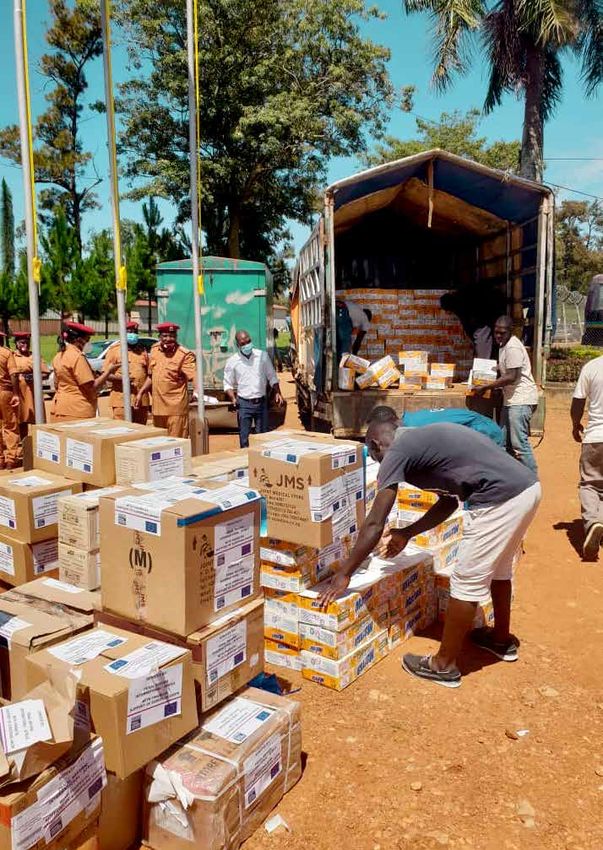
Introduction

      As countries continue
     to navigate new waves
     of the pandemic, prisons
     remain hotbeds for virus
     transmission.

                                                                                       Personal protective
                                                                                       equipment is delivered
                                                                                       to a prison in Uganda
                                                                                       by PRI, supported by
                                                                                       the European Union.

2|                              Penal Reform International and Thailand Institute of Justice | Global Prison Trends 2021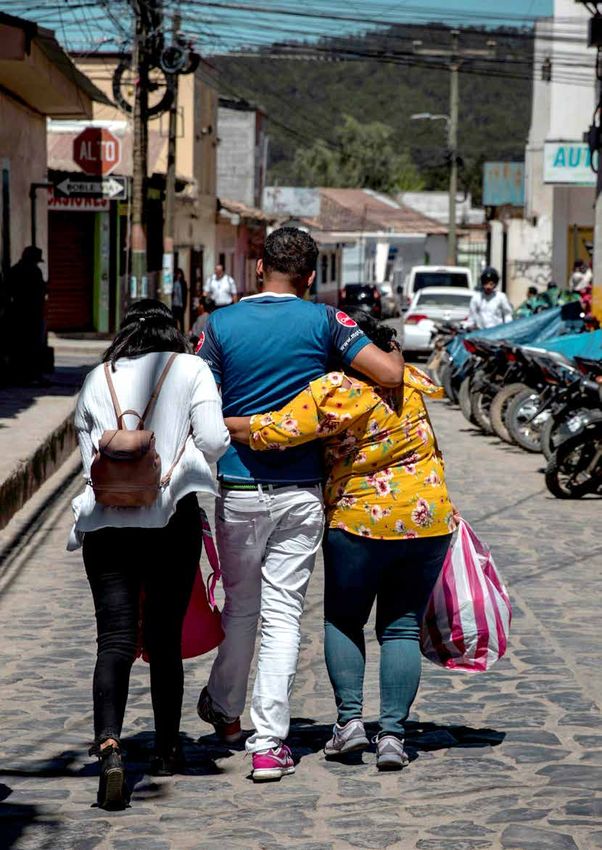
Introduction

Introduction

Over a year on from the declaration                   from the experience of the past year,     In March of this year, the Kyoto
of the COVID-19 pandemic, this                        as detailed in Global Prison Trends       Declaration was adopted at the 14th
seventh edition of Global Prison                      2021, to ensure prison systems            UN Congress on Crime Prevention
Trends is published jointly by Penal                  protect the human rights of those         and Criminal Justice in Japan by
Reform International (PRI) and the                    they hold.                                all UN member states, setting out
Thailand Institute of Justice (TIJ).                                                            the crime prevention and criminal
                                                      Health crises and other emergencies
This report documents key trends                                                                justice agenda for the next five
                                                      are not unprecedented in prisons.
over the past year, especially the                                                              years. Building rehabilitative criminal
                                                      This year’s Special Focus examines
impact of the pandemic on prison                                                                justice systems remains a core
                                                      prisons in crises, and how authorities
populations and staff, and how                                                                  issue for many governments and
                                                      respond to health crises, natural
prisons worldwide have responded                                                                actors in this field as reflected in
                                                      hazards and extreme weather, or
to these challenges.                                                                            the Declaration – and this is much
                                                      in fragile and conflict-affected
                                                                                                needed and an area in which civil
The dangers posed by COVID-19 to                      settings. We look at how prisons and
                                                                                                society and institutions play a
people detained and staff working                     the people within them are affected,
                                                                                                key role.
in cramped, overcrowded conditions                    as well as the involvement of prison
in prison were acknowledged in the                    populations in times of such crises       The global pandemic has been a
earliest stages of the pandemic.                      and consider what measures                solemn reminder there is much
High-level United Nations (UN)                        authorities can put in place for better   more work to be done to protect
and government figures made                           preparedness and response.                the most vulnerable people in our
statements highlighting the risk                                                                societies. With less than nine years
                                     For human rights to be most
to life and health in prisons and, as                                                           remaining to achieve the Sustainable
                                     effectively protected – especially
Global Prison Trends 2021 describes,                                                            Development Agenda 2030, Global
                                     in emergencies – we need fewer
most countries implemented                                                                      Prison Trends 2021 addresses
                                     people in prison. Therefore,
some form of emergency releases                                                                 the specific challenges faced by
                                     addressing prison overcrowding and
to reduce the prison population.                                                                women, children, older people,
                                     promoting the use of alternatives
As countries continue to navigate                                                               and other marginalised groups in
                                     to imprisonment are key priorities
new waves of the pandemic,                                                                      the justice system. With limited
                                     for both PRI and the TIJ. In this
prisons remain hotbeds for virus                                                                or no disaggregated data publicly
                                     vein, 30 years after the adoption
transmission. Also, new offences                                                                available in many prison systems,
                                     of the UN Standard Minimum Rules
for breaching COVID-19 regulations                                                              our combined research, operations
                                     on Non-custodial Measures (the
and the resumption of court                                                                     and expertise allows us to continue
                                     Tokyo Rules), and 10 years since the
processes have led to increases                                                                 to identify and highlight key trends
                                     adoption of the UN Rules for the
in prison numbers.                                                                              affecting these populations to ensure
                                     Treatment of Women Prisoners and
                                                                                                ‘No one will be left behind’ as we build
The challenges faced by prisons over Non-custodial Measures for Women
                                                                                                back better from this global crisis.
the past year have been compounded Offenders (the Bangkok Rules), we
by decades of inadequate funding     must all work to increase the use
and criminal justice reform. The     of alternatives to imprisonment.
                                                                                                Olivia Rope          Phiset Sa-ardyen
pandemic has exposed the impact      Global Prison Trends 2021 documents
                                                                                                Executive Director   Executive Director
of overcrowding and under-           some good progress towards
                                                                                                Penal Reform         Thailand Institute
resourcing of prisons in the gravest implementation of these standards,                         International        of Justice
of terms – through the loss of life. as well as the new challenges
We mourn every death in prison,      faced by probation services during
both people detained and staff,      the pandemic.
and encourage all actors to learn

Penal Reform International and Thailand Institute of Justice | Global Prison Trends 2021                                                   |3
Key facts & figures

     Key facts & figures
         The global prison population continues to rise

                                                                                                                                     3+
                    +
                                                    WOMEN IN PRISON                                      PEOPLE IN

                  11                                  740,000+
                                                                                                         PRE-TRIAL                           million
                                                                                                         DETENTION

                  million                                  17%                                                 30%
                                                    SINCE 2010                                           SINCE 2000

                                                                                                       70% of prison populations are
              PEOPLE IN PRISON

                                       8%                53%
                                                    OCEANIA
                                                                     24%
                                                                 AFRICA
                                                                                 17%
                                                                              SOUTH AMERICA            AWAITING TRIAL, PRESUMED INNOCENT
                                  SINCE 2010

         TH
              IS LEADS TO
                                                    ASIA
                                                         50%         29%
                                                                 EUROPE
                                                                                 8%
                                                                              NORTH AMERICA
                                                                                                       in   XX
                                                                                                             14     countries

                              Chronic overcrowding                                                   Staff shortages
              Prisons in many countries operate above their capacity                 Staff to prisoner ratios vary widely across countries

                                 >100%                 >250%                                                1:28
                                  CAPACITY               CAPACITY
                                      in                    in                                                 to
                                                                                   1:1
                                    118+                    11                     from
                                   countries             countries                                                             IS LEADS TO
                                                                                                                          TH

        Suffering in prisons during the pandemic
                                People in prison                                                                         Prison staff

                                                                     IMPACT ON MENTAL HEALTH

              3,931+                 532,100+                                                                         STAFF EXHAUSTION
          COVID-19 DEATHS              COVID-19 CASES                                                                   COVID-19 CASES
                reported in                reported in                                                                      reported in

                   47+                         122+                                                                             48+
                 countries                 countries                   PROTESTS & VIOLENCE                                     countries

4|                                                                      Penal Reform International and Thailand Institute of Justice | Global Prison Trends 2021
Key facts & figures

Key facts & figures
     COVID-19 impacted on the number of people in prison

      RED
            UC TI ON      Factors that helped reduce prison population

                          EMERGENCY RELEASES                                                      SUSPENSION OF COURT
                                                            BUT
Key messages

     Key messages
     These key messages do not cover all of the trends identified in Global Prison Trends 2021, but they represent
     some of the most pertinent and pressing issues facing criminal justice systems that require urgent attention.

                                                    There are 11 million people in prison globally – a rise of about 8 per
     01      COVID-19 release
             schemes have done                      cent over the last 10 years. Prisons are operating above capacity
                                                    in 119 countries, and measures to reduce prison populations have
             little to halt the rise                been inadequate. At least 109 countries adopted measures to release
             in prison populations                  people from prison in response to the pandemic, but many were
                                                    abandoned or ineffective. Arrests for COVID-19-related offences
                                                    and clearing court backlogs increased overcrowding in some places.

                                                    A reported 3,931 people in prison have died due to COVID-19 in
     02      People continue to
             face increased risk                    47 countries, and over 532,100 people in prison have tested positive
                                                    in 122 countries, but the true numbers are much higher. People in
             of COVID-19 in prison                  prison are especially vulnerable due to cramped living conditions,
                                                    lack of hygiene supplies and poorer health status.

                                                    Three million people are in pre-trial detention, a rise of 30 per cent
     03      The overuse of pre-trial
             detention continues                    since 2000. While some people on remand benefitted from release
                                                    schemes, COVID-19-related arrests led to an increase in the use
             despite the pandemic                   of pre-trial detention.

                                                    Many prison systems have failed to implement critical COVID-19
     04      The pandemic has
             exacerbated failures                   preventive measures. Low levels of medical staff and resources
                                                    for healthcare have been further stretched, which, coupled with
             in prison healthcare                   restrictive regimes, has affected healthcare provision in prisons
                                                    – both for COVID-19 and other health conditions.

                                                    Many rights have been violated under severe restrictions. Regimes
     05      The prevention of
             COVID-19 outbreaks in                  of solitary confinement, or at least measures where people were
                                                    isolated, quarantined or confined in groups, have been in place
             many prisons came at                   for months. Levels of violence and unrest have risen, and people
             a cost to human rights                 have been cut off from the outside world, including access to
                                                    essential supplies.

                                                    The pre-pandemic mental health crisis in many prisons globally
     06      COVID-19 measures
             in prisons have had                    has reached grave new levels due to COVID-19 restrictions, and
                                                    the suspension or downgrading of mental healthcare provisions.
             a devastating effect                   Data shows that self-harm and suicide rates have risen among some
             on mental health                       prison populations.

                                                    Reports of protests and violent incidents in prisons are linked to the
     07      People in prison have
             widely protested                       handling of COVID-19, including restrictive measures imposed, fear
                                                    of infection and the lack of action and provisions. Excessive use of
             against shortcomings                   force by authorities in responding to such protests has led to death
             in COVID-19 responses                  and injury of people detained.

                                                    Criminalisation of non-compliance with COVID-19 regulations has
     08      New offences under
             COVID-19 regulations                   effectively criminalised poverty and affected the most marginalised.
                                                    Enforcement of restrictions has been racially biased and
             have affected the most                 discriminatory. In some countries, such offences attracted pre-trial
             marginalised                           detention or prison sentences.

6|                                                        Penal Reform International and Thailand Institute of Justice | Global Prison Trends 2021
Key messages

                                                                 Long-standing shortcomings in data collection and transparency
09          There are major issues
            in data collection and                               in prisons have been highlighted during the pandemic. Rates
                                                                 of COVID-19 among staff and people detained remain unknown
            transparency in prisons                              in many countries, as do the implementation and the impact of
                                                                 release mechanisms.

                                                                 New analysis shows that 740,000 women are in prison globally,
10          More women are in
            prison than ever before                              an increase of over 100,000 in a decade. Women have suffered
                                                                 increased hardship in prison during the pandemic. COVID-19
                                                                 response strategies have left women behind, including in
                                                                 release schemes.

                                                                 At least 410,000 children are in prison every year. Despite the
11          Children were left
            behind in COVID-19                                   risks and impacts of COVID-19 restrictions on children, including
                                                                 solitary confinement, children were not explicitly included in many
            responses                                            release schemes; where they were, data is scarce as to whether
                                                                 they benefitted.

                                                                 Prison staff have endured changes in their workloads and conditions,
12          Prison staff have
            suffered during                                      even living or being locked down on site for weeks or months. They
                                                                 have faced an increased risk of contracting the virus, accounting
            the pandemic                                         for up to 88 per cent of COVID-19 cases in some prison systems. Staff
                                                                 shortages and low prisoner-to-staff ratios have worsened during
                                                                 the pandemic.

                                                                 There was an expansion and growth of alternatives to imprisonment
13          There has been an
            increase in alternatives                             in response to COVID-19, although the impact varied significantly.
                                                                 The implementation of non-custodial sentences has faced
            to imprisonment, but                                 practical issues due to government restrictions and overburdened
            with some challenges                                 probation agencies.

                                                                 Communication technologies have been installed or expanded
14          New technologies have
            offered a lifeline to                                to facilitate contact with families and provision of telemedicine,
                                                                 rehabilitation and other vital services in many places. However,
            many people detained,                                the digital divide has meant people in prisons without online access
            but not to all                                       have been left behind.

                                                                 The Black Lives Matter movement led to some immediate action
15          Racism in criminal
            justice systems                                      to address systemic racism, although the attention of protests and
                                                                 policymakers largely focused on police and law enforcement reform
            has been put in                                      rather than sentencing or prisons. Ethnic minorities continue to
            the spotlight                                        be over-represented in many prison populations.

                                                                 Almost half a million people are serving a formal life imprisonment
16          Life imprisonment
            sentences are on the                                 sentence, and an unknown number are under informal life sentences.
                                                                 A rise in life sentences is replacing death sentences, as punitive
            rise, causing human                                  approaches to crime persist.
            rights violations
                                                                 An estimated 2.5 million people in prison are convicted of
17          Punitive prohibition-
            based drug policies                                  drug-related offences, 22 per cent of them for drug possession
                                                                 for personal use. There have been some moves towards
            are driving up prison                                decriminalisation of certain drug-related offences.
            populations
                                                                 The movement towards the universal abolition of the death penalty
18          Universal abolition
            of the death penalty                                 continues to grow, and 2020 saw a record low number of executions
                                                                 worldwide. However, at least 483 people were executed in
            remains on track,                                    18 countries.
            with some setbacks

Penal Reform International and Thailand Institute of Justice | Global Prison Trends 2021                                                 |7
Crime and imprisonment
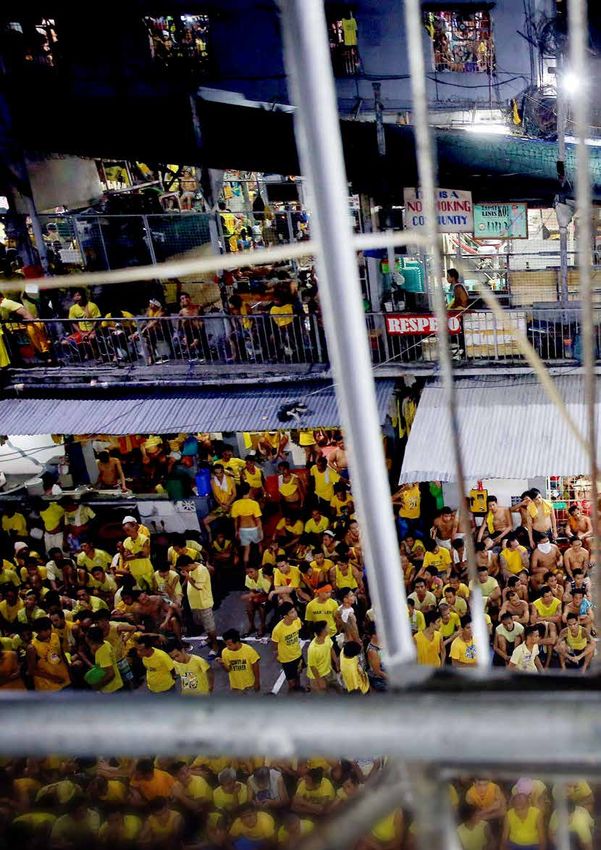
118 countries and territories have prison
occupancy levels higher than 100%,
including 11 with levels higher than 250%.
Photo caption to go here, Syria.
Quezon City Jail, Philippines.
8| Penal Reform International and Thailand Institute of Justice | Global Prison Trends 2021Crime and imprisonment
Part one
Crime and
imprisonment
1.1. Imprisonment and prison overcrowding
> Many countries have THE PRISON POPULATION IS INCREASING:1 OVERCROWDING IS WIDESPREAD:2
criminalised the breaching
+
8%
11
of COVID-19-related rules,
and some have imposed
SINCE 2010
pre-trial detention or prison
sentences in such cases.
118+ 100% capacity
countries above
There are significant variances million
across regions and countries in the
countries above
use of imprisonment. Imprisonment
remains the default response to
11 250% capacity
criminal offending in some regions.
Asia and the Americas currently Drivers for high imprisonment and rise,6 showing that harsh policies
house 75 per cent of the 11 million overcrowding rates have been are not effective in meeting their
people making up the global prison stable over the years. They include purported goal.
population. The number of people the overuse of pre‑trial detention,
Responses to COVID‑19 have
in prison compared to the general including its automatic application
contributed to prison overcrowding
population remains the highest in for certain offences. In Mexico,
due to a backlog in court hearings
the US (639 per 100,000), El Salvador the Senate expanded the use of
from a scaling back of judicial
(572 per 100,000) and Turkmenistan mandatory pre‑trial detention in July
activity and increased caseloads due
(552 per 100,000).3 2020 for certain offences, including
to the criminalisation of violations
the illegal possession of weapons,
Overcrowding levels remain high of restrictions and other emergency
among others.4
and are growing to chronic levels measures. The latter resulted in a
with occupancy levels as high Mandatory sentencing is also a variety of sanctions ranging from
as 450 to 600 per cent in Haiti, driver, as well as longer sentences, fines to up to several months or even
the Philippines and Congo. In the including an increase in the use of years in prison, as in France and
context of the global pandemic, life imprisonment. Drug policies Taiwan. In Uzbekistan, the Criminal
overcrowding has exacerbated the continue to result in rising prison Code was amended in March 2020
overall poor detention conditions in populations especially in Asia and to sanction the distribution of
many countries, especially access the Americas. In at least six Latin ‘misinformation’ about the spread
to healthcare, proper hygiene and American countries, mandatory of the virus in the country by up to
appropriate nutrition, placing the prison sentences are given for three years’ imprisonment.7
lives of people in prison at particular non‑violent drug offences even as
UN human rights experts expressed
risk. Emergency measures to reduce prisons are already overwhelmed.5
serious concern over new laws
prison populations have been taken Despite the high rates of
adopted in Cambodia in March 2021
in many countries, but initial analysis imprisonment, the World Drug
which grant the Government power
shows that they have not sufficed Report 2020 of the UN Office on
to ban or restrict any gathering or
in addressing overcrowding (see Drugs and Crime (UNODC) concluded
demonstration, and allow 20-year
Releases in response to COVID‑19). that the illicit drug trade continues
prison terms and fines of up to
to expand and drug use is on the
20 million riels (USD 5,000) for those
convicted of violations.
Penal Reform International and Thailand Institute of Justice | Global Prison Trends 2021 |9Crime and imprisonment
In several countries, people are being Elsewhere, there were concerns that peoples. The use of fines can have
sentenced to short prison terms for existing legislation on the voluntary a particular impact on economically
the violation of quarantines, such as transmission of contagious diseases vulnerable persons: in Barbados
in Bahrain, Ireland, Singapore and the could result in being charged with for instance, a man was sentenced
Cayman Islands. In the Philippines, serious offences.9 In many places in December 2020 to six months
as of June 2020, nearly 190,000 arrest and detention were reported in prison for breaching COVID‑19
persons had been apprehended to have been used as a first rather protocols, after he could not pay
for violating quarantine orders, than last resort in cases involving the BDD 6,000 (USD $3,000) fine
adding a heavy burden to congested noncompliance with public health upon his arrest.11 In Europe, a
courts. In October there were still measures, often increasing the risk network of NGOs expressed their
1,700 persons detained in already of contagion with little physical concerns at the overall movement
overcrowded pre‑trial facilities for distancing employed.10 towards the use of criminalisation
noncompliance with quarantine in the COVID‑19 response, especially
Extending criminal law as part of
regulations. In Morocco, the regarding reports of unlawful arrests
governments’ responses to the global
emergency law resulted in the arrest and charges and their impact on
pandemic has affected people in a
of a significant number of people, people in a situation of economic
situation of vulnerability, including
mostly young adults, leading to an vulnerability.12
LGBTQ+ people and indigenous
increase in the prison population.8
1.2. Laws that discriminate against
marginalised groups
> At least 42 countries In 2020, new offences were NUMBER OF PEOPLE IN PRISON
in Africa have laws on petty created for non‑compliance FOR DRUG-RELATED OFFENCES:14
with COVID‑19 related laws and
offences such as loitering
emergency measures in many
and vagrancy which effectively countries, in some places resulting
criminalise poverty.13
2.5
in detention (see Imprisonment and
prison overcrowding). Criminalising
> Reports suggest new
offences for breaching
non‑compliance with coronavirus
regulations has in many instances 22%
COVID‑19 regulations have FOR DRUG USE
criminalised poverty, affecting million
disproportionately affected the most marginalised. In the
the poorest members Philippines for example, quarantine
of society. protocols and prolonged restrictions
The impact of COVID-19 criminal groups as in the rest of Latin America – the data
on crime rates showed a short‑lived decrease of around 25‑30 per cent in
intentional homicide victims a month after the lockdown began.
New research, including from the US, Peru, India and Australia, However, by June 2020, the levels returned to pre‑pandemic
have found a correlation between ‘stay at home’ orders from levels.16 In South Africa, the number of homicides reported by
governments as part of COVID‑19 responses and short‑term police had significantly dropped during the initial phase of the
decreasing crime rates.15 While these preliminary results vary pandemic to 94 victims, compared to 326 in the same period
across countries and between different crimes, analysis by the previous year.17
the UNODC supports these findings. Their study assessed
The Council of Europe’s SPACE Initiative noted that, in its
trends before and after lockdown measures were introduced
member states, restrictions in many places could plausibly
with regard to intentional homicide and property crimes and
have limited criminal opportunities and led to a decline in
found that reported robbery, theft and burglary declined by
crime—and by extension imprisonment. This phenomenon,
more than 50 per cent in most countries, with more significant
coupled with emergency release measures implemented in a
decreases where there were stricter restrictions. These
number of countries to alleviate prison overcrowding, may have
numbers were caveated with indications that the decline is
contributed to the overall decrease in prison populations across
not only due to a decrease in crime but also in their reporting.
Europe in 2020.18
In regard to intentional homicide rates, the data collected
from 21 countries showed that in some countries there was a However, it is suggested that the longer‑term impact of the
short‑term decrease of 25 per cent, but in others no change pandemic could see crime rates rise for offences closely
was recorded. In Colombia and Guatemala – where intentional connected to poverty and economic downturn.19
homicide is generally perpetrated by gangs or organised
10 | Penal Reform International and Thailand Institute of Justice | Global Prison Trends 2021Crime and imprisonment
on movement disproportionately drug‑related offences, including Leone and Uganda to challenge petty
affected poorer communities with education, rehabilitation, treatment offences. Most recently, a case was
higher numbers of arrests as people and aftercare.26 filed in South Africa in March 2021
had to leave their homes for food, challenging the criminalisation of
Positively, a number of countries
water and work out of economic homelessness using the African
have made progress towards
necessity.20 In Malaysia, two men Court Advisory Opinion.
decriminalisation of drug use
were imprisoned for three months
and possession for personal use. In January 2021, the European Court
when they violated a stay‑at‑home
Ghana became the first African of Human Rights found that a blanket
order as they went fishing for food.21
country to decriminalise drug use ban on begging in Switzerland,
The Malawi High Court in late April
and possession of small amounts punishable by a fine or a five‑day
upheld a stay on the lockdown, after
for personal use. Oregon became custodial sentence in the event of
a human rights coalition highlighted
the first US state to decriminalise non‑payment, breached the right
the impracticalities of a lockdown
personal possession of all drugs to private and family life.30 In their
where the majority of the population
in November 2020; Vancouver in decision the Court took account
live below the global poverty line,
Canada has voted to do the same, of the fact that begging constituted
and 90 per cent of households rely
and Norway is considering a a means of survival for the woman
on water from outside their homes.22
decriminalisation proposal.27 A bill in the case.
The imprisonment of people was also tabled in Guyana in February
The criminalisation of certain
involved in illegal drug markets, 2021 which would remove prison
actions, beliefs, behaviours or other
and particularly people who use sentences for possession of up to
socio‑economic factors continue to
drugs, continues to be a major 15 grams of cannabis, although this
have a particular impact on women.
contributing factor to prison would be replaced by mandatory
A 2020 study in Sierra Leone found
overcrowding globally (see Crime counselling ‘for a period to be
that 34 per cent of women had either
and imprisonment). Punitive drug determined by the counsellor’.28
been convicted of or charged with
laws have imposed disproportionate
Efforts to address vague, arbitrary, crimes related to poverty and drug
criminal sanctions over the past
colonial‑era petty offences were use.31 Larceny was the most common
decades and have led to an estimated
stepped up over the past year. In non‑violent offence and, according
2.5 million people worldwide in prison
Africa, at least 42 countries have to testimony from these women,
sentenced for drug offences. Of
laws against vagrancy, being idle or they had usually stolen small sums of
these, 22 per cent (470,000 people)
disorderly, or a “rogue and vagabond”, money, mostly from family members,
are sentenced for drug possession
which are actively enforced, to provide for their children. Laws
for personal use. Among the further
criminalising minor infractions and prohibiting witchcraft or sorcery also
1.6 million people estimated to be
behaviour that is otherwise not tend to be applied predominantly to
convicted of drug offences, 54 per
criminal. In November 2020, the women. This is the case in Central
cent (860,000) are convicted for
African Commission on Human and African Republic, where most of the
possession for personal use.23
People’s Rights adopted a simplified approximately 24 women in prison
International bodies have version of the 2017 Principles on the have been accused of witchcraft,
criticised the use of detention for Decriminalisation of Petty Offences which attracts a prison sentence
drug‑related offences, in line with in Africa. This soft law instrument of five to ten years and a fine.
the UN System Common Position provides a continental legal standard
Women continue to be imprisoned
on drug‑related matters, which on the type of petty offences that
under laws restricting their
calls for alternatives to conviction African states should review and
reproductive rights, such as in
and punishment for drug offences, provides a roadmap for civil society
Malawi, where some women in
including the decriminalisation advocacy, and for all African States
prison have been charged with
of drug use and possession for to repeal these laws.
infanticide for having miscarriages
personal use.24 In 2020, the UN
Furthermore, in a landmark ruling, and stillbirths.32 In El Salvador, as
Committee on Economic, Social
the African Court on Human and of September 2020, 19 women who
and Cultural Rights reiterated that
Peoples’ Rights issued an Advisory said they had suffered obstetric
the criminalisation of drug use
Opinion in December 2020 that emergencies remained imprisoned
could act as an impediment to the
holds that vagrancy laws, which on charges of abortion, homicide,
realisation of the right to health.25
criminalise poverty and status or or aggravated homicide. At least
On International Human Rights Day
identity, violate human rights and 16 of them had been convicted of
in December 2020, the International
discriminate against marginalised aggravated homicide.33
Narcotics Control Board also
populations, and that states have
highlighted that the UN drug control
a positive obligation to repeal or
conventions require governments to
amend these laws.29 Litigation is
give special attention to alternatives
now underway in approximately 15
to conviction and imprisonment for
new cases in Malawi, Nigeria, Sierra
Penal Reform International and Thailand Institute of Justice | Global Prison Trends 2021 | 11Trends in the use of imprisonment
Part two
Trends in the use
of imprisonment
2.1. Releases in response to COVID-19
> At least 109 states PROPORTION OF THE GLOBAL PRISON PRISON RELEASES IN RESPONSE
adopted measures to release POPULATION WHO BENEFITTED FROM TO COVID-19:
people from prison in COVID-19 RELEASE MEASURES:37
response to the pandemic.34 Country Proportion of Number
prison population of people
> At least 475,000 people released (%) released
were released from prison
across 53 jurisdictions from Turkey 40% 114,460
March to July 2020.35
At least 27 European
countries reduced their prison Cyprus 23% 172
population in the first months
of the pandemic in 2020; some Portugal 17% 2,155
are now increasing.36 Norway 15% 447
In recognition of the risks to prison As much as 40 per cent of the India 14% 68,000
populations from COVID‑19, many prison population was released in
governments made commitments Turkey (114,460 people), 30 per cent
when the pandemic was first in Jordan (around 6,000 people)
announced in March 2020 to and over 15 per cent in Catalonia Despite obvious benefits of release
reduce their prison populations to (Spain), Cyprus, Norway, Portugal, measures, many targets for
ease overcrowding and disperse France and Slovenia.39 Over 40,000 decreasing prison populations were
people held in custody. Measures people were released in Ethiopia40 missed, and far fewer people than
mainly involved exceptional release and over 68,000 temporarily in needed to prevent transmission in
mechanisms, including amnesties, India, about 14 per cent of the total prisons were released. A regional
pardons, commutations, and early prison population.41 Some of the survey in Latin America found that
and temporary release schemes, largest reported releases were between March and June 2020, five
including compassionate release. in jurisdictions with no official, out of 26 prison systems released
Many release schemes targeted supporting data, including 104,000 less than 1 per cent of their prison
high‑risk groups including older people serving sentences in Iran, population, and nine released
people, those with specific health and 62,000 people in Iraq, including between 1 and 5 per cent.44 In South
conditions or disabilities, pregnant both sentenced and pre‑trial Africa by July 2020, less than 6,800
women and mothers with young detainees.42 In Indonesia, the prison of the estimated 19,000 people that
children, in line with guidance from population decreased by 12 per cent would be eligible had been released
the World Health Organization.38 between January and April 2020, on parole. Others were said to have
Many also included people in pre‑trial notably because of COVID‑19‑related been hindered by bureaucratic
detention and those serving short emergency releases. By the end of or practical issues, such as
sentences or nearing the end of October 2020, 82,000 people had difficulties achieving sign‑off from
their sentence. been released in the Philippines,43 relevant bodies during lockdown
mostly from remand.
12 | Penal Reform International and Thailand Institute of Justice | Global Prison Trends 2021Trends in the use of imprisonment
or insufficient supply of electronic decisions to release people on bail drugs’.58 Women were also directly or
monitoring devices to facilitate due to the pandemic. This meant indirectly excluded in many countries
house arrest.45 that in Sindh province, for example, (see Women).
90 per cent of the 500 people
Barriers to the success of these Although decongestion measures
released in March were returned
schemes varied across countries initially decreased occupancy in
to jail,52 and the prison population
and regions. Where there is chronic many prisons, the sense of urgency
increased by 21 per cent from
overcrowding, the measures did to reduce prison populations
April to December 2020.53 In the
not reach far enough. In Malawi, it is seemed to fade away by mid‑2020.
US, however, successful litigation
estimated that the number of people Reductions in some countries, like
efforts, including by the American
imprisoned was reduced by just the UK, have also been attributed
Civil Liberties Union, resulted
over 12 per cent through emergency at least in part to reduced inflow
in a number of court orders and
releases, but with prisons operating to prisons while court processes
settlements including in the state
at 260 per cent capacity, this was not were disrupted. As court processes
of North Carolina where 3,500 people
enough to effectively reduce the risk resumed and prison systems got to
will be released early as a result of a
of outbreaks. The second wave of grips with new intake procedures,
lawsuit challenging prison conditions
COVID‑19 has resulted in more than people have been sent to prison at
during the pandemic.54
300 people in prison contracting pre‑pandemic levels, or in some
the virus, but the true numbers are The outcomes of reducing prison cases at higher levels. When prisons
expected to be much higher.46 populations during the pandemic reopened in Nigeria in August 2020,
for disease control and healthcare 9,900 people were newly admitted.59
Any benefit of release schemes was
provision have been the subject By September 2020, the downward
cancelled out in some countries
of various studies, although trend in the prison population was
where COVID‑19 offences led
further analysis would be required reversed in 12 countries in Europe
to detention pre‑trial or at the
to understand the longer‑term which had higher rates than in
sentencing stage. In Morocco, arrests
impacts. One study in the US state of June; the rate had stabilised in
for breaching COVID‑19 regulations,
Texas found a correlation between 22 countries, and only two – Bulgaria
mostly of young males, led to a new
crowdedness and viral spread; and Montenegro – had fewer
increase in the number of people
prisons operating at 94 – 102 per people in prison in September than
in prison, despite releases by high
cent capacity had higher COVID‑19 June.60 In France between July
pardon including children, women,
infection rates and more deaths than 2020 and January 2021, the prison
and the elderly.47 In Uganda, 833
those at 85 per cent.55 Another US population increased by 6.7 per
people were released by Presidential
study found efforts to depopulate a cent (approximately 4,000 people),
pardon, but the continued detention
large urban jail reduced transmission as did overcrowding in short‑term
of suspects and the suspension
by 56 per cent, with a subsequent and pre‑trial facilities from 110 to
of most court hearings meant the
51 per cent decrease in transmission 120 per cent.61
prison population more or less
when single‑cell occupancy was
remained the same. There has Issues around access to justice,
increased.56
also been no discernible change in legal representation and due process
Cambodia’s prison population, with A key concern that emerged have affected detainees’ abilities
the release of people keeping pace regarding mass releases was related to be released at the end of their
with the numbers of new arrivals to support for those released (see sentence or under regular early
in detention.48 Rehabilitation and reintegration). release schemes. In Hungary, for
Many of the schemes also imposed example, new legislation adopted
Changes in political sentiment
multiple overly burdensome at the beginning of the pandemic
saw U‑turns on emergency release
conditions to be eligible for release, restricted in‑person attendance
schemes in several countries,
even where release was temporary at court hearings, including those
including England after six people
or limited to those nearing the end where decisions would be made on
were mistakenly released.49 Media
of their sentence. This excluded non‑custodial sentences, release
reports of negative public opinion
many people who faced high risk of from prison and probation measures.
also led to changes like in Argentina
infection and harm in prison, despite
where protests against prison
the fact they may pose little or no risk
releases were held in the capital in
to society, or who would be released
April 202050 and within weeks court
in a matter of months in any case.
decisions to release high‑risk groups
People in prison for drug‑related
were reverted and no more releases
offences were automatically
were offered to at‑risk individuals.51
excluded from release schemes in 28
Courts in some countries ruled on countries,57 regardless of the nature
the emergency release of detainees. or circumstances of the offence or
In Pakistan, the Supreme Court in the risk of reoffending – Sri Lanka
April 2020 overturned lower courts’ even excluded people ‘addicted to
Penal Reform International and Thailand Institute of Justice | Global Prison Trends 2021 | 13Trends in the use of imprisonment
Embraced by family
members following release
from La Esperanza Prison,
Honduras.
Despite obvious benefits of COVID-19
release measures, many targets for
decreasing prison populations were missed,
and far fewer people than needed to prevent
transmission in prisons were released.
14 | Penal Reform International and Thailand Institute of Justice | Global Prison Trends 2021Trends in the use of imprisonment
2.2 Alternatives to imprisonment
> Global data on the use Bangladesh and the Philippines; have expressed concern at ‘probation
of non‑custodial measures in the latter the Supreme Court overcrowding’.71 In Kenya, the
reduced the conditions for bail and caseload for the Probation and
and sanctions remains
recognisance to avoid imprisonment After‑care Service varied during
scarce in this area although of people in poverty.67 Prison leaders 2020 with correlation to the
there are efforts underway in some cases applied pressure, for lockdowns and court activity. At peak
to address the issue.62 The example in Russia, the director of times, the service had high caseloads
gap hinders critical analysis the prison administration asked the due to an increase in non‑custodial
and the ability to expand Supreme Court to encourage the use sentences handed down by courts,
of alternatives for minor offences.68 the referral of some of the 11,000
and improve non‑custodial
people released as a response
measures and sanctions. One concern in the current context
to COVID‑19 and a backlog from
continues to be the widening of
courts going virtual. For instance, in
> At the end of 2018, there offences that can attract a sanction, August 2020 when there was a strict
were about 2 million people albeit a non‑custodial one – often
lockdown and limited court activity,
in Europe and about 4.4 described as ‘net widening’. This
only 1,705 people were referred to
million people in the US is of concern as evidence shows
the probation agency, whereas in
that an increase in non‑custodial
on probation or parole. 63
November there were 6,412 cases
sanctions does not correlate to
referred.72 In Singapore, a record
fewer prison sentences.69 On the one
Non‑custodial sanctions have been number of 3,246 people were placed
hand, non‑custodial sanctions like
commonly used as part of bringing on community corrections in 2020,
simple warnings, fines or suspended
prison numbers down during the a 42 percent increase from 2019.73
prison sentences are necessary
pandemic, taking different forms. In the Philippines, in 2020 the
to keep people out of prison and
New legislation or regulations were probation service handled 55 percent
facilitate their rehabilitation in
adopted in many states to expand more probation supervision cases
the community. In Thailand, for
the legal basis of non‑custodial than the previous year.74
instance, as of May 2020, 2,276
sanctions or to give guidance on their
persons sentenced to prison terms On the other hand, in England and
use. For example, a new law in Turkey
for breaches of COVID‑19 regulations Wales and in Northern Ireland,
allows for early release when half a
were reallocated to a non‑custodial probation agencies’ caseloads
sentence is completed, albeit with
sanction under Department of decreased somewhat in 2020
an extension of probation periods
Probation.70 On the other hand, the compared to the previous year by
from two to three years. In Peru,
64
results in Thailand demonstrate that 12 and 9 per cent, respectively.75
the government enacted legislation
new criminal offences relating to One explanation for this could be
to promote the use of electronic
COVID‑19 risk drawing a large number the scaling back of court activities
monitoring. 65
of people at low risk of reoffending and decisions and the resulting
In some countries, governments into the criminal justice system. increasing backlog, the impact of
encouraged judicial and law which needs to be further examined
Where countries saw an increase in
enforcement arms to avoid as it eases. In England and Wales, the
the use of alternatives, there was
imprisonment, as seen in Indonesia66 prison population did not decrease
a sudden growth of caseload for
and Thailand, in the case of at the same rate as probation
agencies tasked with supervising
COVID‑19‑related offences. Courts caseloads, showing just over a
the implementation of non‑custodial
took the lead in increasing the 5 per cent drop.
measures. Many probation agencies
use of non‑custodial options in
In some states electronic monitoring
was looked to as the solution to
keeping prison populations lower
IN EUROPE AND THE US, THE PROBATION RATE IS ABOUT DOUBLE
during the past year. In Spain, the
THE RATE OF PEOPLE IN PRISON:63
number of people under electronic
monitoring jumped by more than
Proportion of people Proportion of people Ratio of 130 per cent between March and
on probation compared in prison compared probation rate to May 2020.76 Electronic monitoring
Averages to overall pulation to overall population imprisonment rate
was also more extensively used in
across states (per 100,00) (per 100,00) (times higher)
Italy and the Netherlands. In Senegal
and Tunisia legislation was adopted
Europe 211 126 > x1.7 authorising the implementation of
electronic surveillance.
US 1,730 830 > x2.1
Penal Reform International and Thailand Institute of Justice | Global Prison Trends 2021 | 15Trends in the use of imprisonment
Agencies charged with supervising of a non‑custodial sanction have service placements have involved
non‑custodial alternatives have become complex. At a minimum, contributing to COVID‑19 response
adapted working methods and community sentences have been efforts. Other countries sought to
approaches due to the COVID‑19 impacted by the suspension or avoid an extended sentence, like
pandemic in the majority of postponement of programmes, in Finland, which required people
jurisdictions. Many ended in‑person community service requirements on probation to submit written or
supervision and home visits to or reporting requirements. At online assignments provided by
people on probation and moved them least 31 probation agencies across substance abuse and mental health
to phone or video calls. This was Europe had to suspend or adapt the services, etc.
often combined with restrictions implementation of sanctions they
COVID‑19 restrictions are affecting
when entering prisons, limiting were supervising, many adapting
the ability to provide rehabilitation
the opportunities for pre‑release to remote contact with clients. In
and post‑release support, including
support. In Kyrgyzstan, during the Georgia, a hotline was set up and
drug, alcohol and behaviour change
lockdown in early 2020, visits by high‑risk clients were visited at home
support groups, as well as the closure
probation officers to both adult and by probation officers after a protocol
of subsidiary social support such as
child clients were suspended and was drawn up for the visit.78
shelters. These types of programmes
instead conducted over the phone.
By its nature, community service – and support mechanisms are often
In Kenya, probation officers’ capacity
a common non‑custodial sanction an essential part of a non‑custodial
was limited by the lockdown.
– involves social contact, in‑person sanction. An analysis in the US
Probation officers in several
supervision and often contact with showed that during the pandemic,
countries, such as in Croatia and
private‑sector entities. It therefore services for mental health and
Austria, have reported increased
remains hugely impacted by substance use (part of a community
stress brought by the implementation
COVID‑19. Many systems suspended sentence) are provided through
of these emergency measures and
or postponed community service remote ‘telehealth’ means, often as a
the blurred lines between home and
measures, replacing them with an new initiative and probation officials
work life.77
alternative sanction (like a fine) or reported significant concern about
Due to lockdowns and other extending the period of the sentence, clients’ relapse because of lack of
movement restrictions, supervision as seen in Portugal and in Scotland. supervision and support, among
and the fulfilment of conditions In Kyrgyzstan, some community other factors.79
2.3 Pre‑trial detention
70% of prison Pre‑trial detention places a heavy
3+
NUMBER OF PEOPLE
IN PRE-TRIAL burden on penitentiary systems,
DETENTION: million populations are and increasingly contributes to
AWAITING TRIAL, overcrowding. Of the 47 countries
PRESUMED INNOCENT where more than half of the
30% inXX
14 countries
prison population are untried, 32
are operating above their official
SINCE 2000
capacity. In the Philippines and Haiti,
where 75 per cent of the prison
population has not been sentenced,
Rates of pre‑trial detention have has more than quadrupled over the prison capacities are overcrowded
been rising steadily in recent last 20 years. In the same timeframe, by over 450 per cent. In Venezuela,
decades. Analysis published in there has been a 56 per cent increase police stations have been
April 2020 by the World Prison Brief in the number of people in pre‑trial transformed into de facto pre‑trial
(Institute for Crime and Justice detention across Asia: the number detention centres, as prisons do not
Policy Research) shows significant has doubled in Malaysia and the have enough capacity.81 In Ukraine,
variance in pre‑trial detention rates Philippines, although it fell by 68 per the European Court of Human Rights
across and within regions.80 Since cent in Kazakhstan. Countries with (ECHR) recently ruled in a pilot
2000, the number of people in the highest proportion of pre‑trial judgement that pre‑trial detention
pre‑trial detention has decreased in detainees include Libya with 90 per conditions were overall inadequate,
Europe by 28 per cent but increased cent of the prison population on which – with high overcrowding
dramatically in the Americas (71 per remand, and in Bangladesh, Gabon, levels – demonstrated a structural
cent rise) and Oceania (225 per cent Paraguay and Benin the proportion is problem that needed to be addressed
rise). In New Zealand, for example, around 80 per cent. urgently, giving the country 18
the number of people held pre‑trial months to remedy it and suggesting
16 | Penal Reform International and Thailand Institute of Justice | Global Prison Trends 2021Trends in the use of imprisonment
increased use of non‑custodial The proportion of unsentenced Court activities being scaled back
measures and renovations to allow people imprisoned in Indonesia or suspended in many countries due
for raising minimum space allocated, went from 24 to under 20 per cent to coronavirus‑related restrictions,
among other things. between March and December resulted in people awaiting trial
2020.84 spending more time in prison, as was
During the pandemic, some countries
the case in Sri Lanka85 and Mexico.86
have targeted pre‑trial populations However, COVID‑19 related arrests
In Scotland, the pre‑trial prison
in COVID‑19 release mechanisms, also contributed to pre‑trial
population reached a record number
with varying success. In Colombia, detention rates remaining stable or
due to court delays.87 In Germany,
the pre‑trial prison population increasing. This was seen in Uganda
decisions by judicial and political
dropped by 43 per cent between where, by June 2020, the number
authorities were made to extend
January and December 2020.82 In of people held in remand increased
pre‑trial detention in case of delayed
Peru it decreased by 17 percent to 55 per cent from 47 per cent in
or postponed procedures.88
between January and November.83 December 2019.
2.4 Death penalty
> At least 483 people were state – to do so. Two‑thirds of US and systematically arbitrary.97
executed in 2020 (including states have now either abolished Journalists and protestors have
capital punishment or have not been executed in several retentionist
16 women), 26% less than
carried out any executions in the countries, including Yemen and Iran.
in 2019.89 last decade.91 In Malaysia, as of 1 December 2019,
70 per cent of people on death row
> 144 countries have In 2020 there was a record low
had been sentenced to death for
abolished the death penalty number of executions worldwide.
drug‑related crimes, a category that
in law or practice.90 At least 483 executions were carried
does not meet the threshold of the
out in 18 countries in 2020,92 while
‘most serious crimes’ for which the
> In December 2020, a record in 2019 at least 649 executions
death penalty can only be imposed
123 governments supported were recorded in 20 countries.93
per international law.98
the biennial UN resolution The statistics continue to exclude
which calls for a universal China, where capital punishment In the US, the federal government
is classified as a state secret, but in the Trump administration’s last
moratorium on executions.
thousands of people are believed six months resumed executions after
to be executed every year. a 17‑year‑long moratorium. Between
The movement towards the universal
July and December 2020, 10 people
abolition of the death penalty Some progress, albeit limited, has
were executed, more than all
continues to grow, with a vast also been observed in retentionist
executions in the states combined.
majority of states having abolished it countries. Sudan repealed its
The Death Penalty Information Center
in law and in practice. However, there laws that provide for the death
reported that the vast majority of
has still been regression in a few penalty and flogging for consensual
them suffered from mental illnesses
hard‑line countries. same‑sex relationships and for
and disabilities at varying degrees.
apostasy. Attitudes are changing in
Chad, Kazakhstan and Armenia In January 2021, Lisa Montgomery
Iran, where a recent study showed
recently joined the two‑thirds of became the first woman executed
that 44 per cent of people surveyed
the countries in the world that have by the federal government in 70
stated that they were against the
abolished capital punishment for years, despite evidence of mental
death penalty for all crimes, and
all crimes. Chad removed the last impairments from a lifetime of abuse.
85 per cent agreed that it should not
remaining dispositions providing for
be used on people who were children Elsewhere, there were talks of
the death penalty in its anti‑terrorism
at the time of the crime.94 In Saudi broadening the use of the death
legislation, and Kazakhstan and
Arabia, a royal decree was issued in penalty. Amid public protests, the
Armenia ratified the Second Optional
April 2020 ending capital punishment President of Bangladesh signed
Protocol to the International
for offences committed as a child.95 an ordinance making rape a
Covenant on Civil and Political
Pakistan’s Supreme Court ruled in capital offence. In the Philippines,
Rights in early 2021, which is the only
February 2021 that people who have there have been renewed calls
binding international instrument
serious mental health issues should for reinstating the death penalty
prohibiting the use of the death
not be executed.96 as a tool in the country’s violent
penalty. In the US, Colorado
‘war on drugs’.
abolished the death penalty in March Where the death penalty remains
2020, as did Virginia in March 2021, in place there is evidence that
the 23rd state – and first southern shows its use is often inherent
Penal Reform International and Thailand Institute of Justice | Global Prison Trends 2021 | 17Trends in the use of imprisonment
The impact of the coronavirus countries, observers reported that executions likely resulted in ‘super
pandemic on the use of the death the significant drop in executions spreader’ events not least due to the
penalty is difficult to measure. in 2020 could be partly explained by high number of people present.101
It may be contributing to the the lockdown restrictions between Conversely, there have been at least
lower number of executions and February and April.99 In the US, two occurrences of death sentencing
executing countries during 2020, several executions and capital trials in virtual judgements, in May 2020
with delayed court processes and were halted by the closure of courts in Nigeria and Singapore, during the
other restrictions resulting in fewer and the spread of COVID‑19 among nationwide lockdowns in force at
death sentences being handed people in prison on death row.100 the time.
down and carried out. In Saudi An analysis by the Associated Press
Arabia, one of the top executing showed that recent federal prison
2.5 Life imprisonment
> An estimated 479,000 offences for which a death sentence are reviewing cases or granting
people in prison globally are would not have been considered. new sentences, and 24 states
Legislative proposals in Colombia have now outlawed life sentences
serving a formal life sentence
seek to introduce life imprisonment without parole where the crime was
as of 2014. in cases of sex offences against committed by a child.106
minors, and proposals in England
> Around 65 countries and Wales also foresee whole
Reforms to reduce the use of life
impose sentences of life imprisonment have been seen in
life sentences as the ‘default’ for
without parole. several states over the past year.
premeditated murder involving
In Mozambique, an accumulation
child victims. Life sentences are
> 183 out of 216 countries increasingly imposed for non‑violent
of sentences was reduced from
and territories have formal 50 years to 30 in 2020. Furthermore,
offences. In New Zealand, supplying
life imprisonment. a number of reforms are bolstering
or dealing a Class A drug (such as
opportunities and improving
methamphetamine) is punishable
The number of people serving life procedures for release, such as
by up to life imprisonment, and in
sentences continues to rise as a in Ireland where the decision on
several Asian countries, including
result of a shift away from the death release of a life‑sentenced person
Hong Kong and the Philippines,
penalty, with many sentencing codes will shift from a political body to a
trafficking and/or manufacturing
replacing capital punishment with statutory parole board. In Lithuania,
drugs can attract a life sentence.104
life imprisonment. Courts are also a 2019 law requires routine release
commuting sentences as seen in All states of the US, with the consideration for those serving
Kazakhstan, Benin and Burkina Faso exception of Alaska, can impose a life life sentences, paving the way for
in recent years.102 sentence for non‑violent offences, release after 20 years are served –
and in 22 states these sentences can a move approved by the European
Formal life sentences are increasing
be without the possibility of parole. Court of Human Rights. In Belize,
also due to punitive responses
Prisons in the US hold the largest where life without parole was
to crime. In Poland and Serbia,
proportion of people serving life declared unconstitutional in 2016,
legislation has recently established
sentences internationally. According amendments to the Criminal Code
life sentences without parole. Poland
to new analysis by the Sentencing have introduced the requirement
also lengthened the minimum period
Project from February 2021, one for a parole board to consider the
before those serving a life sentence
in seven people in US prisons are release of life‑sentenced persons.
can be considered for release
serving life, totalling 203,865 people.
from 25 to 35 years, and extended Despite the vulnerability to
Women serving life without parole
supervision of those released to COVID‑19 for many people serving
increased by 43 per cent between
cover the rest of their lives. In life sentences (due to age or
2008 and 2020, compared to a
Nicaragua, congress approved life health status), life sentences were
29 per cent increase among men.105
imprisonment in January 2021, one category of people explicitly
The US also remains an outlier by
moving the country’s maximum excluded from release schemes
allowing life without parole for crimes
sentence from 30 years to life in a number of countries, such as
committed by children (under 18
in prison.103 England and Wales, Indonesia and
years of age). However, that trend is
South Africa. There were, however,
This trend is also reflected in the fact reversing following a Supreme Court
some instances where reductions
that life imprisonment is consistently ruling on the matter in 2017. The
in sentences favourably impacted
being imposed for a wider range of federal government and 29 states
people with a life sentence.
18 | Penal Reform International and Thailand Institute of Justice | Global Prison Trends 2021You can also read


