Grant Writing Boot Camp For University Faculty - A Facilitator's Guide
←
→
Page content transcription
If your browser does not render page correctly, please read the page content below

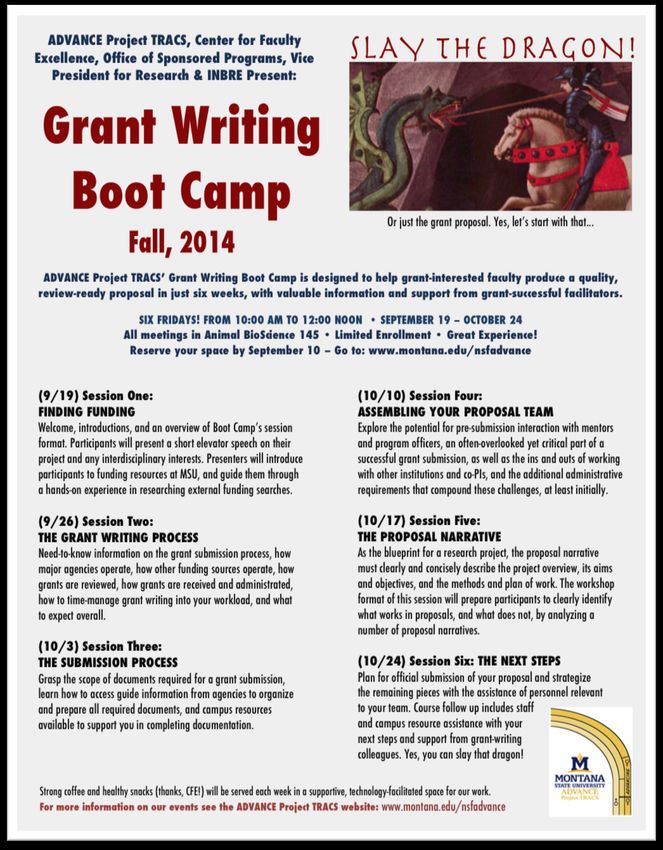
Grant Writing Boot Camp
 For University Faculty
   A Facilitator’s Guide
WELCOME

                                        Retention and advancement of faculty members are enhanced when
                                        they are successful in getting grants to support their research.
                                        Therefore it is important to provide them with grant writing training
                                        and resources, enabling them to be more productive and allowing
                                        them to flourish. The Grant Writing Boot Camp for University Faculty
                                        was designed to provide an introduction to the grant writing process
                                        in general and all the components that go into it. This includes
                                        institutional guidelines and creating a community of practice to
                                        support faculty beyond the course. This Grant Writing Boot Camp
                                        Facilitator Guide outlines the preparation that goes into the six-week
                                        course, and all of the resources the facilitator will need in order to
       Dr. Martha Potvin                execute a Grant Writing Boot Camp.
       Executive Vice President for
       Academic Affairs and Provost,
       CO-PI ADVANCE Project TRACS
                                        Whether your target demographic is female faculty in STEM fields or
                                        faculty all across campus, using this facilitator guide will allow you to
                                        structure a strong program and boost the success rates of grant
                                        writers on your campus. Faculty members learn from the invaluable
                                        experience, encouragement and support of grant-successful faculty,
                                        and meet great resource staff on campus that can further contribute
                                        to their project’s depth and breadth. After completing Boot Camp,
                                        faculty members will have compiled a review-ready proposal in just
                                        six weeks!

                                        As supporters of the Grant Writing Boot Camp, we are pleased
                                        to provide this information for other campuses attempting to grow
                                        their research enterprise and empower their faculty in their grant
                                        writing. We are so happy with the success of the Grant Writing Boot
    Dr. Rene Reijo Pera,
                                        Camp here at MSU and we look forward to sharing in some of that
    Vice President for Research and
    Economic Development                success with you!

2          Grant Writing Boot Camp Facilitator’s Guide
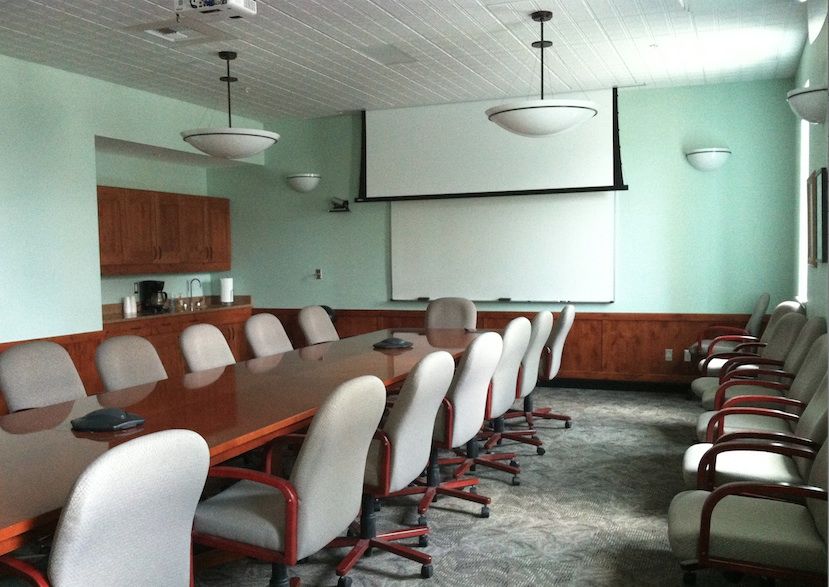
TABLE OF CONTENTS

Overview

  •   ADVANCE Projects TRACs                                                                      4
  •   Enhancing Research Capacity and Opportunity                                                 5
  •   The Grant Writing Boot Camp                                                                 5

Planning & Scheduling                                                                             6

Outline of the Sessions                                                                           7

Resources

  •   Facilitator                                                                             8
  •   Advisory Team                                                                           9
  •   Materials                                                                               9
  •   Room Setup                                                                              9
  •   Document Sharing                                                                        10
  •   Budget                                                                                  11

Measuring Impact                                                                              12

Checklist                                                                                     14

ADVANCE at a Glance                                                                           15

Examples & Templates

  •   Syllabus                                                                                16
  •   Alternative Structures                                                                  20
  •   Marketing Flyer                                                                         21
  •   Email to Deans/Department Heads                                                         22
  •   Email Invite for Presenters                                                             23
  •   Email to Participants                                                                   24
  •   Materials & Resources                                                                   25
  •   Reservation Form                                                                        28
  •   BioForm                                                                                 29
  •   Evaluation Questionnaire                                                                30

                                                                                                      3
                                                    Grant Writing Boot Camp Facilitator’s Guide
OVERVIEW

    ADVANCE Project TRACS

    “Metaphors matter because they are part of the storytelling that can compel change” (Eagly & Carli, 2007, p.
    64). As First Lady Obama articulates, invoking the metaphor of a “runner’ s track” suggests women faculty in
                               male-dominated fields such as science, technology, engineering and mathematics
                               (STEM) and other domains frequently find themselves on an “outside” track with
                               hurdles to overcome and a longer distance to run than their male counterparts.
                               The ADVANCE Project TRACS initiatives aim to transform MSU by removing those
                               hurdles, advancing women to an equal starting point, not giving them a head start,
                               and thus reducing the “accumulation of disadvantage” noted by Valian (1998).
                               Even if we assume a very small, subtle form of bias toward women faculty in STEM
                               (accounting for as little as 5% of the variance) research shows that such “death by
                               a 1000 cuts” results in a loss of opportunity for 29-50% of those women (Martell,
                               Lane & Emrich, 1996).

                             MSU’s Project TRACS research team instituted an approach grounded in Self
                             Determination Theory based on Transformation through Relatedness, Autonomy,
    and Competence Support to work specifically toward advancing faculty women in STEM.

           •   Relatedness—the experience of having satisfying and supportive social relationships and connections.
           •   Autonomy—the experience of acting with a sense of choice and volition and fully embracing one’s
               actions.
           •   Competence—the belief that one has the ability to influence and master important outcomes.

    As Social Psychologist Dr. Jessi Smith, Principal Investigator (PI) and Director of MSU’s ADVANCE Project TRACS
    explains, “We don’t aim to replace [the system] with an old girl’s network, but rather an inclusive, fair,
    equitable and diverse network where everyone is given the tools they need to succeed. Project TRACS does not
    aim to give special favors to women in these fields nor does the advancement of these women faculty come at
    the expense of any other group," Smith said. "Instead, we are advancing women faculty to an equal and fair
    starting line. By offering need-support to these women, we will transform MSU and benefit all faculty."

    One way to support success of new faculty is through grant writing training. Data suggest that women faculty
    are often an untapped resource as grant getters. As such, the Grant Writing Boot Camp, developed using a
    model from Montana State University’s College of Education, Health, and Human Development, allows female
    faculty better understanding of the grant writing process in its entirety, enabling them to feel more competent
    and autonomous while building relatedness and fulfilling connections as they engage in research. Women
    are specifically invited to participate in Boot Camp, but all faculty and researchers are
    welcome.

4          Grant Writing Boot Camp Facilitator’s Guide
OVERVIEW

Enhancing Research Capacity and Opportunity

This Grant Writing Boot Camp for university faculty was developed in 2013 to enhance research capacity and
opportunity, one of three key ADVANCE initiatives whose objective is to transform the culture of MSU by
implementing sustainable strategies, programs, and policies that allow diverse faculty to flourish.

The Research Capacity and Opportunity Initiative institutionalizes systematic support for women faculty in
male-dominated fields through grant pre-proposal trainings; establishes mentoring with successful grantees
(Grant Facilitator Network); and establishes needed infrastructures to facilitate women engaging in
interdisciplinary research. ADVANCE Project TRACS aims to break down barriers so that faculty and researchers
–no matter their field or gender – reap the benefits that come about when diverse groups of people work
together to innovate and create.

About the Grant Writing Boot Camp

The Grant Writing Boot Camp is designed to train faculty to successfully seek research grant funding in their
field. Grant success has far-reaching impacts, including enhancing academic career advancement goals and
retention of talent, enhancing your university’s prestige as a research institution, and broadening the visibility
of women in STEM fields at all educational levels.

This six-week workshop trains faculty to produce a solid, review-ready grant proposal. Participants have the
opportunity to interact with grant-successful senior faculty, to work with peer support in writing groups, and to
use a team of proposal support personnel who have the submitter’s individual needs in mind. In these weekly
two-hour sessions, the first hour of the session is devoted to lecture or discussion, and the remaining hour
consists of hands-on writing and workshop activities.

Boot Camp Learning Objectives

When participants complete this course they will be able to:

    •   Produce a review-ready grant proposal summary and narrative.
    •   Find funding opportunities and address agency requirements.
    •   Prepare proposal budgets and accompanying documents.
    •   Meet specific university requirements for grant proposal submission.
    •   Understand the grant submission process including working with mentors, collaborators, program
        officers, and the grant review panel for their respective funding agency.

                                                                                                                     5
                                                               Grant Writing Boot Camp Facilitator’s Guide
PLANNING & SCHEDULING
    10-12 Weeks Before

           •   Select dates - Example: 6 consecutive Fridays, 10:00 am-12:00 noon
           •   Draft syllabus for Grant Writing Boot Camp (Example Syllabus, page 16)
           •   Identify candidates to be on the Advisory Team (see page 9)
           •   Schedule/reserve meeting rooms, facilities and IT support for all sessions (For more details see
               Resources section, page 9)
           •   Identify co-sponsors for institutional support, connections to presenters, and refreshments.
           •   Create marketing materials
               o Send to on-campus “Upcoming Events” list, university publications, and your website (Example
                   Flyer, page 21)
               o Send email to Deans/Department Heads: 1 month before school term begins (Example
                   Deans/Department Heads Email, page 22)

    8-10 Weeks Before

           •   From draft syllabus, identify potential presenters - Ask Office of Sponsored Programs (OSP), Vice
               President of Research, Department Heads, and grant-active faculty for recommendations of dynamic
               speakers on campus
           •   Invite presenters and confirm dates and description of their presentations (Example Presenter
               Invite Email, page 23)
           •   Request what materials and resources presenters will need (handouts, PowerPoint files, online access
               to presentations, etc., see examples, page 9)

    4-6 Weeks Before

           •   Inform any other participants who may need to know about the dates. For example, an internal
               evaluator may wish to observe 1 or more sessions as well as arrange evaluation survey and post-event
               interviews with participants
           •   Begin to compile materials presenters will use for each session
           •   Website link to Boot Camp Reservation form (See example, page 28)
           •   Request a presentation or space for marketing materials at New Faculty Orientation & welcome
               event(s) for new faculty
           •   Request short presentation at early semester Dean/Department Head Meetings
           •   Send targeted invitations to new female faculty in STEM/SBS Departments
           •   Send targeted invitation to faculty through Office of Sponsored Programs, Center for Faculty
               Excellence, other Co-sponsors
           •   Send press release/PR materials to all Departments; campus news service

    1-3 Weeks Before

           •   Confirm all presenters, co-sponsors, and reserved facilities/amenities
           •   Test any special technology in the classroom that might be required by a presenter
           •   Finalize presenters’ materials for each session and participant session materials (See example
               materials, page 9)
           •   Finalize syllabus
           •   Track participant reservations, cancellations or late additions
           •   Set up group information source such as Dropbox or Google Drive

6          Grant Writing Boot Camp Facilitator’s Guide

OUTLINE OF SESSIONS
This is an outline of the subjects covered in the six-week course with suggested presenters. A detailed syllabus
is available on page 16. Download an editable template from our website (word doc).

                              Sessions                                             Time/Presenters
1: Finding   Funding                                                                   Week One
       •     Introductions                                                         10:00 am-12 noon
       •     Finding Time to Find Funding
       •     Campus Resources/ Finding funding opportunities                        Co-sponsor, Welcome
       •     How to: Request Applications/Request for Proposals; SPIN
             Searches; Prepare for Grant Writing Process in your                Director, Office of Sponsored
             workload
                                                                                          Programs

2: The Grant Writing Process                                                       Week Two, Friday
       • Institutional Process & Forms                                             10:00 am-12 noon
       • Agency Requirements/Working with Agencies                                 OSP (fiscal manager)
       • Preparedness and Organization Plans                                        Senior STEM Faculty

3: The Submission Process                                                             Week Three,
       • Abstracts, Summaries & CVs,                                               10:00 am-12 noon
          accessing Guides
       • Research Support Options                                                   OSP + ADVANCE staff
       • Project Summary reviews                                                Director of Campus Research
                                                                                          Programs

4: The Proposal Team                                                                    Week Four,
       • Working with Program Officers & Mentors                                   10:00 am-12 noon
       • Responding to Review Critique                                             1-2 senior STEM/SBS
       • Working with Co-PIs & Other Institutions                                     faculty/mentors
                                                                                    Panel Group: Co PIs

5: The Proposal Narrative                                                               Week Five,
       • Crafting, Revising & Re-drafting Narratives                               10:00 am-12 noon
       • Preparing for submissions                                           1-2 Senior grant-successful faculty

6: The Next Steps                                                                    October 24, 2014
       • Broader Impacts Support Team                                               10:00 am-12 noon
          and Ongoing Programs                                               Staff from campus broader impact
       • The Grant Facilitator Network                                                        orgs
          and Your Collaborators                                                      Library/Data Mgmt
       • Setting up a work schedule & staff support                                       ADVANCE PI
       • Outlining Project Management & Evaluation
       • Q&A with presenters and support staff

                                                                                                                   7
                                                            Grant Writing Boot Camp Facilitator’s Guide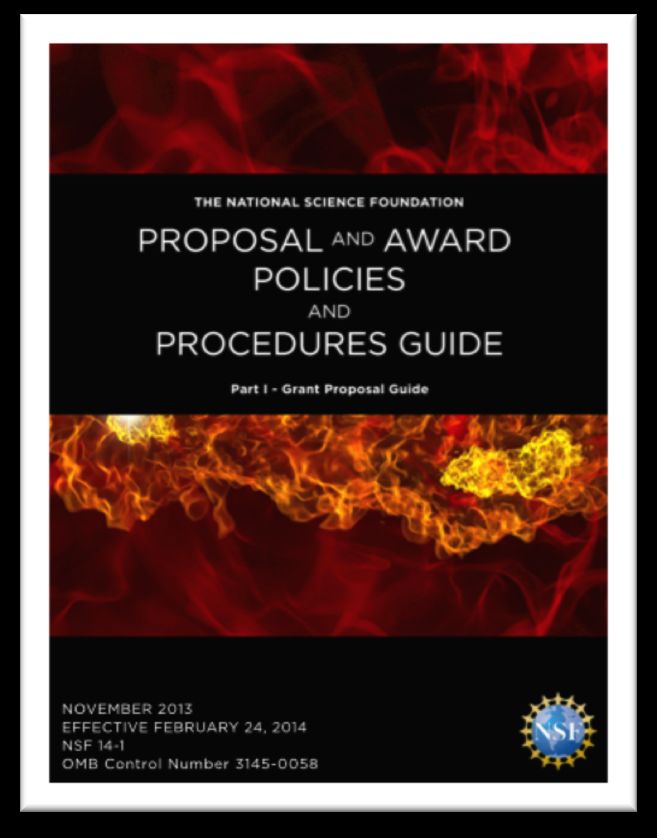
RESOURCES
Boot Camp Facilitator
The Grant Submission Training Coordinator plays a key role in facilitating grant proposal preparation,
coordinating trainings and workshops, and other activities to promote research capacity. Project TRACS of the
MSU ADVANCE grant is working to enhance the research capabilities and opportunities of faculty, prioritizing
women faculty, in the STEM/SBS fields. This position will need to effectively and proactively coordinate their
activities with several offices on campus.
Time Required: 10 hours/week for 6-week Boot Camp + 20 hours preparation time = 30 hours
Estimated Salary: $2,688.00 for the entire 6 week course (see detailed budget on page 11).
Required Qualifications – Experience, Education, Knowledge & Skills
ü Demonstrated successful grant writing, review, formatting, submission, and training experience.
ü Successful experience in the development, analysis, and execution of budgets.
ü SPIN and GENIUS, or other campus funding search software
ü University requirements and logistics for grant submission through Office of Sponsored Programs or
equivalent
ü Experience with federal and state agency rules, regulations, and requirements.
ü Successful experience working proactively with diversity and equity issues.
ü Knowledge of university research programs, especially in the grant and contract administrative
functions.
ü Experience working in a university environment.
ü Establishing working relationships with grant-successful faculty, interdisciplinary researchers, and
campus resource staff
ü Coordination of presenters in multiple disciplines
ü Workshop presentation and curriculum delivery
The Successful Candidate Will
ü Be able to work with a diverse array of faculty members and create an inclusive environment for all.
ü Have superior organizational, written and oral communication, and editing skills.
ü Possess excellent interpersonal skills, including demonstrated ability to coordinate activities between
offices.
ü Be able to work independently under pressure to meet inflexible deadlines and to prioritize
responsibilities in a dynamic environment.
ü Be able to execute multiple tasks and respond to multiple demands, and perform work with a high
level of accuracy and attention to detail
Facilitator’s Key Duties and Activities
ü Plan, schedule, market, implement, and evaluate Grant Writing Boot Camp
ü Plan, adapt, and revise the syllabus and participant materials
ü Invite, schedule, prepare, and confirm prospective participants and faculty presenters
ü Be prepared to find a replacement presenter—or present material yourself
ü Coordinate with multiple departments and offices on campus for use of facilities, technical and
equipment support for presenters and participants, catering services, internal evaluator, and all other
requirements for an on-campus workshop event
ü If resources allow, two co-facilitators is recommended for larger groups (such an OSP Pre-Award
Specialist)
8 Grant Writing Boot Camp Facilitator’s Guide
RESOURCES
Advisory Team

One of the key elements for having a successful Boot Camp is identifying grant-successful faculty to participate
as presenters. Unless the Boot Camp Facilitator has a vast network of faculty that they can recruit from, a key
resource for them is to put together a three to four person advisory team. Team members can be
recruited from the Office of Sponsored Program, Faculty Excellence Programs on campus, and senior faculty
with large networks of grant-successful faculty that they know from multiple agencies (NIH, NSF, USDA, DOE,
private foundations, etc.)

Materials

Examples and templates for much of these materials are available starting on page 16 or online on the
ADVANCE MSU Boot Camp website

    •   Syllabus outlining the six-week course
    •   Posters, emails for advertising
    •   Registration system
    •   BioForm for background information
    •   Information sharing mechanism
    •   Handouts, background reading for sessions
    •   Evaluation mechanism – form or survey or internal evaluator
    •   For each session: name tags; extra pens and pencils; sign-in (printed sheets or tablet check-in); extra
        copies of syllabus
    •   Flip charts and easels for group work

Room Setup

The classroom setup should promote interaction and discussion as the participants work on their grants.
Presenters sometimes use presentations but often use information on the web so the classroom should have
                                                          internet access.

                                                             - Arrive early for each session to set up the
                                                             classroom.

                                                             - Prepare and set up presentation needs for each
                                                             session’s presenter(s).

                                                             - For group discussions, arrange tables and chairs
                                                             for groups of 2–5. (optional)

                                                             - Ensure online access to the funding database
                                                             used on your campus, e.g. SPIN, and any
                                                             resources for this session.

TIP: Project your ADVANCE website or Program Website page as the session participants arrive.

                                                                                                                   9
                                                            Grant Writing Boot Camp Facilitator’s Guide
RESOURCES
     Document & Resource Sharing

     An important aspect of Boot Camp is sharing materials between the participants as well as with the faculty
     presenters. The participants have noted that seeing examples of successful grants is extremely helpful in
     shaping their own submissions.

     If you have a shared drive at your institution, setup a folder for the class with materials for each session in it as
     well as folders for each participant. Participants are assigned to small groups or as partners and share their
     writing progress each week by posting drafts to a shared drive. If you don’t have central resources for
     document sharing, the facilitator could set up a Dropbox or GoogleDocs folder for participants’ resources and
     submissions.

     Resources from the course are a fluid set of documents and links, based on each session’s presenters, ever-
     changing reference documents in the grant submission world, and any changes you may make in the syllabus
     based on actual reservations from participants. Seek out resources from granting agencies’ current sites to
     suggest for presenter approval in advance of the session, and add new resources as they are found or
     suggested by presenters or participants.

     Keep the Group Resources active throughout Boot Camp, adding helpful documents, until wrapping up after
                                                                               the Boot Camp is completed.
                                                                               Inform all participants if the
                                                                               electronic Resources will be
                                                                               closed by a certain date.

                                                                                         TIP: Set up a Dropbox Folder
                                                                                         or Google Docs connection for
                                                                                         the group, and invite access to
                                                                                         all participants, co-facilitators,
                                                                                         evaluator, and any interested
                                                                                         presenters.

                                                                                   Folder 1: “Participants” –
     include the spreadsheet of participants you created from Registration Form data; update as the session
                                                            progresses.

                                                               Folder 2: “Syllabus & Agenda” – include the latest
                                                               versions of the syllabus and Boot Camp schedule, even
                                                               if you hand out printed versions at the first session.

                                                               Folder 3: “Submit Documents Here” – create a sub-
                                                               folder for each participant. Ask them to fill out and
                                                               upload a quick BioForm that asks the participants’
                                                               goals and research interests/proposal ideas. Even if
                                                               you have collected their demographic information and
                                                               research interests in the Registration Form data,
                                                               asking participants to write their “elevator speech” is
                                                               helpful (Example BioForm, page 29).

                                                            Folder 4: “Session Resources” – populate sub-folders
     for each session with resources participants can download to use in their own work.

10          Grant Writing Boot Camp Facilitator’s Guide
RESOURCES
Budget

At MSU, ADVANCE Project TRACS Grant Writing Boot Camp is facilitated by ADVANCE’s 0.5 FTE Grant
Submission Training Coordinator. MSU’s Vice-President supports this position for Research and Economic
Development with half-salary support. A sample budget breakdown for a Grant Writing Boot Camp with 12
participants is as follows:

Category                                 Detail                                       Budget $

Facilitator                              10 hours/week for 6-week Boot Camp + 20      $2,688.00
                                         hours preparation time =
                                         30 hours @ $24.79/hour

Marketing Materials                      Boot Camp Flyer Color Copies                 $50.00

Participant Materials                    Workbooks: 12 @ $50.00                       $600.00

Facility Use Fee                         $50/hour x 12 hours                          $600.00

Refreshments                             $10/person x 15/session x 6 sessions*        $900.00

Follow Up Event                          Networking Lunch $15/person x 12 + 15        $405.00
                                         presenters**

Total                                    Estimated Budget                             $5,243.00

*Ask a co-sponsor to provide weekly refreshments from their budget, if possible.

** Optional, if desired by participants; may also be provided by a co-sponsor.

                                                                                                          11
                                                            Grant Writing Boot Camp Facilitator’s Guide
MEASURING IMPACT
Following Up After Boot Camp
(1) Arrange one-on-one consultations with Grant Coordinator, Office of Sponsored Programs staff, and other
Campus Resource Personnel for each participant to track their proposal progress and provide document
support as well as connections to campus resources.
• Provide a sign-up sheet for the last session to schedule meetings the week following Boot Camp, and
provide contact information for facilitators and presenters for participants’ future use.
(2) Based on their grant submission needs, the group can elect to commit to a long-term meeting schedule
(meeting once or twice a month), as writing groups, or individuals may work directly with the resource team
they have assembled.
(3) For groups with imminent deadlines, a Mock Review Panel session could be developed.
• Facilitate a group mock submission (Project Summary, Project Description, Budget documents only)
and assign review-panel experienced faculty as primary reviewers. Assign submitters to review others’
proposals.
• Convene for a 2-hour session to hear primary reviewers’ comments on each proposal, with secondary
reviewers’ assessments of the strengths and weaknesses of the proposals they have read.
(4) Keep a tracking record of all Boot Camp participants, submissions, pending, declined, and re-submitted
proposals; it can take up to a year for submissions to be funded. Grant-active faculty become experienced
submitters quickly and may submit multiple grants as PIs or co-PIs in a given year without staff assistance;
request reports from OSP when tracking funded and pending submissions.
(5) Keep in touch with Boot Campers! Offer occasional new resources of interest to grant writers, and invite
them to relevant training events. Promote other events of interest to grant seeking faculty through your
program and your event co-sponsors.
(6) Stay Effective: respond to program evaluation reports to continue refining and improving Boot Camp to
meet the needs of faculty in the competitive grant world.
Assessment
An internal evaluator assesses MSU’s ADVANCE Project TRACS’ programs. The evaluator conducts field
observations of workshop sessions, analyzes data collected by evaluation questionnaire of all participants, and
conducts post-workshop direct interviews with select participants. The evaluator’s compiled results include a
graphic of survey results, evaluator’s observations of facilitators, participants and presenters, and excerpts of
interviews (See page 30 or download a sample evaluation questionnaire).
12 Grant Writing Boot Camp Facilitator’s Guide
MEASURING IMPACT
Evaluation Results from MSU Boot Camps
Evaluation results of the Grant Writing Boot Camp offered since Fall 2014 show that participants found the
workshop an “overall positive experience” and that they “felt they can express their ideas, gained confidence in
grant writing, enjoyed working with other participants, and are more likely to apply for external funds.”

    •   There is an overall 60% grant award success rate of Boot Camp, with 91 proposals still
        pending. A total of 44 people (18 women in STEM, 17 non-STEM women, 9 men) have now attended
        one of our 3 boot camps, and of those attendees, 33 have submitted 125 proposals (94 by women in
        STEM) with 22 having been funded (10 to women in STEM), 12 having been reviewed favorably but
        not funded (9 women in STEM).
    •   After attending Boot Camp, 17 of the 18 women in STEM have submitted grant proposals.
        12 faculty (9 STEM women; 3 men) have submitted a proposal for the first time.
    •   Attendees submitted an average of 1.51 proposals in the year prior to Boot Camp, and an average
        of 2.91 proposals in the year following the course. Boot Camp attendees have thus
        submitted a significantly higher number of grant and contract proposals within the year following Boot
        Camp than within the year preceding Boot Camp, t(43)=3.09, p < 0.01.
    •   Looking at the PI and Co-PI combinations on 8 proposals shows that attendees are
        collaborating on grants with people that they hadn’t collaborated with in the year
        prior to their Boot Camp experience. This is evidence that Boot Camp helps to build social
        networks in ways that enhance the diversity and creativity of research being done at MSU.

The entire evaluation of the Boot Camp can be found at
http://www.montana.edu/nsfadvance/research/bootcamp/index.html.

                                                                                                                   13
                                                            Grant Writing Boot Camp Facilitator’s Guide
CHECKLIST
Download an editable version of the checklist
Tim eline Task P
Set dates; plan schedule; draft syllabus; reserve rooms with appropriate
layout/equipment; set budget; finalize admin approvals; Set up hospitality
PLANNING
forms and arrange catering services.
10-12 weeks ahead
Plan and produce marketing materials; target participants lists and
presenters/alternate presenters.
Send out marketing materials; list with campus events.
M ARKETING
Invite and schedule presenters.
8-10 weeks ahead
Design and Implement Reservation form.
Confirm presenters; update Syllabus; begin to compile presenter
CONFIRMATIONS
materials and participant handouts for each session.
5-6 weeks ahead
Coordinate with Internal Evaluator to visit event.
Register Participants; set up Dropbox access and folders.
REGISTRATION Prepare and send out pre-workshop instructions to registered
2-4 weeks ahead participants.
Confirm all presenters and materials/resources.
Additional campus marketing; additional registration if space available.
M ARKETING +
Targeted email invites and follow up.
2-3 weeks ahead
Obtain media presentations from presenters, if applicable; test LCD
TESTING
projector and personal computer; obtain and test PowerPoint file(s) and
1-2 weeks ahead
SPIN access.
Late registrations and coordination of any single-session participants.
Prepare participant workbooks or handouts and resources.
FIRST W EEK OF
Prepare sign-in sheets, workshop records, supplies tool kit.
BOOT CAMP
Confirm with first session presenters.
Confirm room reservation and catering services.
Test-drive room set up.
DAY BEFORE EACH Confirm with presenters for last-minute needs or resources. Be
FOLLOW ING W EEK responsive to participant’s last-minute needs or changes.
Confirm any follow-up activities; evaluation survey; thank you’s to
LAST SESSION
presenters, co-sponsors, and colleagues.
W EEK AFTER Thank You to all presenters and participants; evaluator.
One-on-One Meetings, Writing Groups, Events, and tracking for
FOLLOW UP
submissions and results.
14 Grant Writing Boot Camp Facilitator’s Guide
ADVANCE AT A GLANCE

                  The National Science Foundation ‘s ADVANCE program began in 2001. Since that time,
                  ADVANCE has invested over $130 million in academic institutions working to increase the
                  representation and advance the careers of women in science, technology, engineering, and
                  math (STEM), and the social and behavioral sciences (SBS). While the ADVANCE program has
                  a number of awards, the “Institutional Transformation” (IT) award is the most notable. These
                  five-year, multi-million dollar cooperative agreements are awarded to a handful of universities
every two to three years. The IT program emphasizes developing and testing programs and policies aimed at
advancing women in STEM and SBS, and disseminating knowledge through original research that documents
what works and what does not, and why.

ADVANCE grants are administered by NSF as cooperative agreements with campus communities focused on:

    1. Developing systemic approaches to increase representation and advancement of women in academic
       STEM careers.

    2. Developing innovative and sustainable ways to promote gender equity in the STEM academic
       workforce.

    3. Contributing to the development of a more diverse science and engineering workforce.

More information about ADVANCE Project TRACS, Montana State University’s ADVANCE Grant, can be found at:

http://www.montana.edu/nsfadvance

                                                                                                                    15
                                                             Grant Writing Boot Camp Facilitator’s Guide
EXAMPLES & TEMPLATES
Grant Writing Boot Camp Syllabus
Overview of the Six-Week Course
Description: This training is designed to facilitate faculty in the production of a solid, review-ready grant
proposal. Participants will benefit from interdisciplinary collegiality, learn grant approaches to different
agencies, and have the opportunity to submit proposals for review and comment by grant-successful senior
investigators. A team of proposal support personnel will be aligned to the submitters’ individual needs.
Session Format: In each two-hour session, participants can expect to interact with grant-successful faculty
and staff to learn the skills and insights required to develop competitive grant proposals. The first hour of the
session will be devoted to lecture or discussion, and the remaining hour will consist of hands-on participatory
writing and workshop activities.
All sessions will be held in [example] Room XX from 10:00 am–12:00 noon. Bring your laptop or tablet as this
classroom offers internet-capable services. Coffee and sustaining snacks will be provided.
Group Work: Participants will be assigned to a small group or partnership and will share their writing
progress each week by posting drafts to a shared drive.
Expected Outcomes: At the end of the Boot Camp, grant submitters will have gained knowledge of
developing narratives and budgets, funding agency and university requirements, and the grant review process.
The most significant product of these sessions will be a review-ready grant proposal.
Required Pre-Workshop Activities and Registrations:
1. Register for the SPIN funding database by signing up for a GENIUS profile at:
http://spin2000.infoed.org/GeniusSearch/genius.asp. It takes 24 hours for profiles to
validate, so please sign up at least a day before Boot Camp begins.
2. Join the Boot Camp shared drive, enter your folder, and complete the Biform with a brief description of
yourself, your research interests/current proposal idea(s), and your goals for Grant Writing Boot Camp.
Throughout Boot Camp you will access the folder for weekly course resources and to post drafts for
review and edit with your workshop colleagues. See information on each session (below) for dates
documents need to be posted.
3. Register for your respective agency application portal (i.e. FastLane for NSF, eRA commons).
4. Watch or review the video presentation “Publish & Flourish: Become a Prolific Scholar,” a 45-minute
training presented at MSU by Tara Gray, a specialist in time management and the academic writing
process, in preparation for the next several sessions:
https://camtasia.msu.montana.edu/Relay/Files/tGray/tGrayProlificSchol.html
Assignments and Expectations:
1. We request that you commit to writing and reading for at least 30 minutes per day in order to make
satisfactory progress on your proposal.
2. Expect to complete the fundamental pieces of a federal grant proposal including the project summary,
biosketch, project narrative (overview, research strategy, broader impacts, management plan and
16 Grant Writing Boot Camp Facilitator’s Guide
timeline), and budget. Both NSF and NIH requirements will be addressed as well as other agency and
        foundation requirements if applicable to the group.

    3. Participants should expect to have a review-ready draft proposal by [week after Boot Camp’s last
       session].

Session One: FINDING FUNDING

Welcome, introductions to facilitators and presenters, and an overview of how the sessions will progress in
time and format. Participants will introduce themselves and present a short elevator speech on her/his
research project, current proposal plans, and any interdisciplinary interests. Presenters will introduce
participants to resources for faculty writers on campus, to campus funding resources, and guide them through
a hands-on experience in researching external funding searches. Participants must have pre-registered access
to SPIN and GENIUS, and access to the course’s Dropbox folder for materials.

Presenters: Director, Center for Faculty Excellence; Director, Office of Sponsored Programs (OSP)

Out-of-Class Work:
1. Run a funding search in the SPIN system and locate three promising opportunities. Save the Request for
Proposals or Opportunity Description and post these documents to the group’s shared Dropbox; also bring a
printout of your primary choice to the next class. Plan your approach to this opportunity in terms of resources
needed, planning the workload, etc. in a half-page write up posted to the shared drive. Familiarize yourself with
the registration process for the funding agency you have targeted (FastLane, eRA commons, etc) and register
access with OSP before the next session.

2. Write a one-page letter to your department head or prospective mentor that describes your project and the
specific support you will require. Send it and be prepared to share your experience.

Session Two: THE GRANT WRITING PROCESS

This session provides need-to-know information on the grant submission process, how major agencies operate,
how other funding sources operate, how grants are reviewed, how grants are received and administrated, how
to time-manage grant writing into your workload, and what to expect overall.

Presenters: Director and a senior fiscal officer, OSP; senior grant-successful faculty, preferably a woman in
STEM/SBS familiar with NSF and NIH similarities/differences.

Assignment Due: Designate an opportunity to apply for now, and complete a short write-up on how you will
fit this into your schedule, posted to the shared drive and brought to class to discuss. Registration with
targeted agency should be complete.

Out-of-Class Work:
Post an abstract or summary of your project concept and CV to the shared drive for review. Update your CV if
needed to include any new grant, publication, teaching, service, or other significant activity, then convert it to a
Biosketch; request CVs from any mentor or collaborator you plan to work with on your project. The Grant
Coordinator will work with you to format these documents to meet the criteria of your funder. Bring copies of
these documents to the next session for editing and notes.

                                                                                                                       17
                                                              Grant Writing Boot Camp Facilitator’s Guide
Session Three: THE SUBMISSION PROCESS
This session is intended to introduce participants to the scope of documents required for a grant submission in
addition to the project description, how to access guide information from agencies to organize and prepare all
required documents, and to campus resources available to support them in completing documentation.
Presenters: Pre-award Specialist, OSP and Grant Submission Training Coordinator, ADVANCE; senior faculty
or program manager familiar with campus resources for researchers and grant administrators.
Assignment Due: Bring your finalized one-page summaries and biosketches to class as well as the CV’s of
any mentors if they are collaborating with you on a project.
Out-of-Class Work:
Draft a 1–2 page draft of your Project Description with notes related to your next steps and post to the shared
drive; work on these steps if possible.
Session Four: ASSEMBLING YOUR PROPOSAL TEAM
This session is designed to introduce Boot Camp participants to the potential for pre-submission interaction
with mentors and program officers, an often-overlooked yet critical part of a successful grant submission, as
well as the ins and outs of working with other institutions, co-PIs, and the additional administrative
requirements that compound these challenges, at least initially.
Presenters: Panel of 2–3 senior grant-successful faculty experienced in working with Co-PIs and other
institutions, preferably with different major granting agencies.
Assignment Due: Be prepared to discuss your Project Description, and to incorporate additional campus
resources and potential for other institutions.
Session Five: THE PROPOSAL NARRATIVE
Proposals typically involve a number of pieces that ultimately “communicate” with the main proposal narrative.
As the blueprint for the research project, it is critical that this central piece clearly and concisely describes the
project overview, its aims and objectives, and the methods and plan of work. By mastering the proposal
narrative, proposers can move on to the remaining pieces with relative ease. The workshop format of this
session will prepare participants to clearly identify what works in proposals, and what does not, by analyzing a
number of proposal narratives.
Presenters: Grant-successful faculty with exceptional experience in crafting narratives in STEM/SBS grant
proposals, who have actual examples to share and critique.
Out of Class Work:
Post an edited draft narrative appropriate for your target opportunity to the shared drive. Bring a finalized
abstract, summary, biosketch, and narrative draft to the next session.
18 Grant Writing Boot Camp Facilitator’s Guide
Session Six: THE NEXT STEPS
Plan for official submission of your proposal and strategize the remaining pieces—including Broader Impacts
and Data Management—in need of completion with the assistance of the Grant Coordinator and other
personnel relevant to your team.

Presenters: Director, Extended University; Director, ADVANCE; Director or program managers, campus
departments or allied institutions that offer critical connections for researchers; Specialist, Library Data Group.

Assignment Due: Post a draft narrative to the shared drive; Bring your finalized summary, biosketch, and
narrative draft. A sign-up sheet for meeting with the Grant Coordinator and other staff will be circulated to plan
the remainder of your submission.

Download an editable template from our website (Word)

                                                                                                                      19
                                                              Grant Writing Boot Camp Facilitator’s Guide
EXAMPLES & TEMPLATES
Alternative Ways to Structure Boot Camp
Four-week program with Out-of-Class options:
• Schedule the first meeting as a gathering with intro to campus funding resources.
• Set up separate individual trainings with staff to introduce participants to SPIN or relevant funding
search tools (or guide them to online resources) for the first assignment to research funding sources.
• Consider offering some of the presentations by media available to remote viewers if campus access is
limited for some participants.
• Consider splitting the group into separate NSF and NIH tracks if sufficient participation and co-
facilitators are available.
• Schedule the last meeting as a social gathering.
This version is essentially a four-week work plan and suitable for very motivated groups.
Other Supporting Workshops
For graduates of Boot Camps, offer an advanced level event focused on how to respond to reviews, how to
revise and resubmit a grant proposal, how to advance grant writing skills.
Over time, grant writing offerings for faculty will consist of three tiers:
• Intro to Grants for new faculty;
• Grant Writing Boot Camp for learning to take an idea to written review-ready proposal;
• Advanced Proposal Skills for Grant-Active faculty.
20 Grant Writing Boot Camp Facilitator’s Guide
EXAMPLES & TEMPLATES
Marketing Flyer
Download an editable template from our website (Word file)

                                                                                              21
                                                Grant Writing Boot Camp Facilitator’s Guide
EXAMPLES & TEMPLATES
Email to Deans/Department heads
Download an editable template from our website (Word file)
22 Grant Writing Boot Camp Facilitator’s Guide
EXAMPLES & TEMPLATES
Email Invite for Presenters
Download an editable template from our website (Word file)

Dear [NAME],

This fall ADVANCE program is offering a Grant Writing Boot Camp training session for grant-interested
faculty, to enhance their confidence and skills in preparing quality proposals. Your participation in
Boot Camp as a presenter has been integral to the success of this dynamic ongoing program, and I
hope you will consider working with us this year.

I am the facilitator for the course and have attached the flyer for this year’s Boot Camp.

We would like to pencil you in for:

Date, Session Number

Type of presentation, target length

Can you let me know at your earliest convenience if your schedule allows you to present at Grant
Writing Boot Camp?

Many thanks for your assistance with ADVANCE events. ADVANCE is only successful because of the
outstanding team of administrators, faculty, staff, and students working to accomplish our mission.

I look forward to working with you!

Best,

[Facilitator] and the ADVANCE Team

                                                                                                        23
                                                        Grant Writing Boot Camp Facilitator’s Guide
EXAMPLES & TEMPLATES
Email for Participants
Download an editable template from our website (Word file)
Dear Boot-Campers!
I hope you are ready for some serious grant writing adventures! We are looking forward to having you join us on
[DATE HERE]. Coffee and snacks will be provided.
Please see the attachments:
o Overview of the six-week course
o List of the participants, facilitators, presenters
o Dr. Tara Gray's Publish and Flourish Handout
A detailed syllabus will be circulated on the first day of class. It will provide more information about session
format and content, as well as instructions for out-of-class “assignments.” Our hope is that you will view this as
a facilitated and supportive space to finalize a really good proposal. The format of each session will generally
consist of one hour of discussion and one hour of hands-on workshop or writing activities.
The list of your fellow grant writers and facilitators is provided should you need to contact one of them during
the course of the training, and simply to know who your fellows are on this journey. Some part-time participants
will cycle in and out, but the core group will remain the same.
Pre-Course Preparation:
1) To help organize our writing practice, we will reference Dr. Tara Gray's Publish and Flourish, a set of
techniques that help to 'get the writing done' both in and out of class.
• Before you arrive on [DATE], please set aside some time to view Dr. Gray's video
Ø Watch it Now
2) Sign-up in the SPIN/GENIUS system by [DATE} (if you have not already).
• To sign up for SPIN/GENIUS, please follow these instructions: Since you will sign up for an
account with a password, you will need to self-register by following this link:
http://www.montana.edu/wwwvr/osp/fundings.html
•Locate this section, and follow these directions: Create your faculty profile
in GENIUS. Choose and save keywords that identify your areas of research interest, and you will
receive e-mail alerts of new funding opportunities as they become available. Search the GENIUS
database to identify collaborators worldwide. SPIN becomes accessible from off campus with your
Username and Password.
Please bring your laptop if you wish to follow along with the SPIN tutorial. I will have a guide to give to you with
some other materials, so if you don’t have a spare laptop, then it is no problem.
If you have any questions, please feel free to contact me.
Best wishes,
[Facilitator} and the ADVANCE team
24 Grant Writing Boot Camp Facilitator’s Guide
EXAMPLES & TEMPLATES
Materials and Resources
Session One: Finding Funding

   •   “Finding Funding” guidelines and tips available from MSU’s Office of Sponsored Programs:
       http://www.montana.edu/research/osp/gettingstarted.html

   •   “Principal Investigator Guide” from Office of Supported Programs
       http://www.montana.edu/research/osp/piguide/index.html

   •   OSP’s guidelines for accessing/using Grants.gov:
       http://www.montana.edu/research/osp/general/Grantsgov.html

   •   SPIN/InfoEd site for login and guides: http://infoedglobal.com

   •   OSP’s “Finding Funding” page offers detailed information on MSU campus accessibility to funding
       search databases, including access to the mini-reference guide to SPIN:
       http://www.montana.edu/research/osp/documents/SPIN_Ref_Guide.pdf

   •   Access information for “Publish and Flourish” on successful academic writing
       and time management:
       https://camtasia.msu.montana.edu/Relay/Files/tGray/tGrayProlificSchol.html

Session Two: The Grant Writing Process

   •   On-line or printed latest versions of: Request For Application or Program Solicitations from NIH, NSF,
       USDA, etc; applicable agency Grant Writing Guides; other sources of interest to participants in this
       particular group; any examples recommended by presenters.

   •   OSP’s Principal Investigator Guide:
       http://www.montana.edu/research/osp/piguide/index.html

                                                                                                                25
                                                           Grant Writing Boot Camp Facilitator’s Guide
• Sample(s) Abstract/Summary: 1-3 examples recommended by presenters (used with permission of
author, of course); uploaded to Dropbox, available to be projected, and/or in printed form.
• Any other resources OSP staff and senior faculty presenter recommend; be sure to request materials
from presenters at least a week in advance!
Session Three: Preparing for Submission
• OSP’s Information Packet for Faculty (request from Director or senior fiscal manager)
• Sample(s) Letters of Intent, as recommended by presenters [example: letter of intent to USDA; pre-
proposal for NSF]
• Sample Project Summary as recommended by presenters [example: a successful NSF Project
Summary, NIH Specific Aims, and/or USDA project summary—good but not accepted due to scope; and
other variety of examples as recommended by presenters]
• Access information and online form for ADVANCE Project TRACS’ Grant Facilitator Network:
http://www.montana.edu/nsfadvance/research/gfn.html
Session Four: Assembling Your Proposal Team
• Sample Letter to Mentor and/or Program Officer, as recommended by presenters
• Links to: latest versions of NIH and/or NSF review panel videos; NSF Submitter’s Experience YouTube,
or any relevant sources as recommended by presenters
26 Grant Writing Boot Camp Facilitator’s Guide
Session Five: The Proposal Narrative

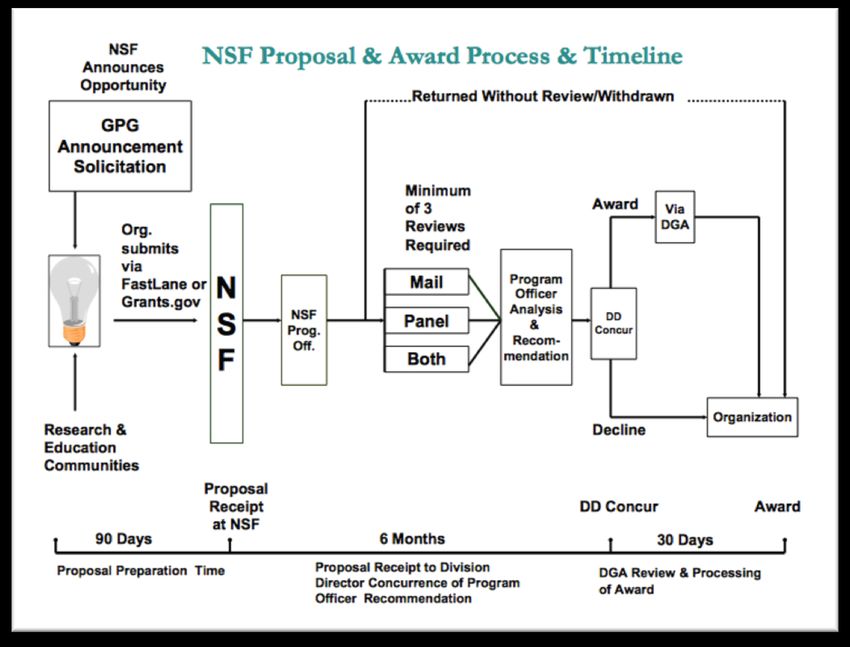
                            • Access links to latest versions of NSF Review Process Chart and NIH Review
                        Process Document; access to any relevant funding agency FAQ or video channels as
                        recommended by presenters.

                            • Access to Presenter Presentation PowerPoint or Vimeo on Narrative
                        Structure for Grant Writers.

                            •   Presenter-approved links and/or handout on Proposal Editing and Polishing.

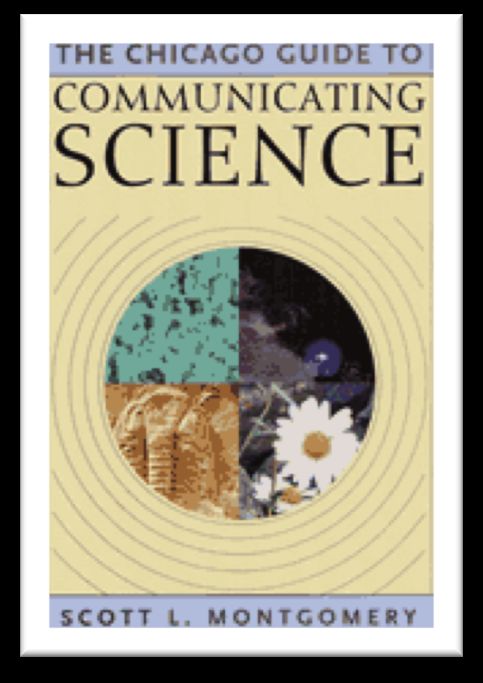
                           • Written sources on writing proposals, such as The Chicago Guide to
                        Communicating Science, Scott L. Montgomery, 2003 (Chapter 11: The Proposal)

Session Six: The Next Steps

   •   Handouts from and/or links to campus resources for Broader Impacts (Extended University, INBRE,
       Center for Faculty Excellence, Film Studies, Library Data Management Team, etc.)

   •   Sign up sheets/contact info for one-on-one sessions with Grant Coordinator, Office of Sponsored
       Programs staff, and campus resources staff

   •   Events Schedule for upcoming trainings and workshops

                                                                                                             27
                                                         Grant Writing Boot Camp Facilitator’s Guide
EXAMPLES & TEMPLATES
Boot Camp Reservation Form
28 Grant Writing Boot Camp Facilitator’s Guide
EXAMPLES & TEMPLATES
Boot Camp Bio Form
Download an editable template from our website (Word file)

Name:

Department:

About Me:

My goals for this Grant Writing Boot Camp are:

My Research Interests/Current Proposal Ideas:
(Draft a few sentences as an “elevator speech” you can present at Boot Camp Session One to introduce
your colleagues to your proposed grant project)

                                                                                                       29
                                                     Grant Writing Boot Camp Facilitator’s Guide
EXAMPLES & TEMPLATES
Evaluation Questionnaire
Download an editable template from our website (Word file)
This six-week Grant Writing Boot Camp aimed to help you write a review-ready grant proposal. Please help us
improve the training by responding candidly to the following statements:
Scale Definition: 1 – Strongly Disagree 2 – Disagree 3 – Neither Agree nor Disagree 4 – Agree 5 – Strongly Agree
I felt free to express my ideas and opinions during Boot Camp 1 2 3 4 5
Boot Camp increased my confidence in my ability to do well at grant writing 1 2 3 4 5
I really like the people I worked with during Boot Camp 1 2 3 4 5
I do not feel very competent in grant writing 1 2 3 4 5
Most days I feel a sense of accomplishment from the Boot Camp 1 2 3 4 5
I consider the people in Boot Camp to be my friends 1 2 3 4 5
As a result of Boot Camp, I am more likely to apply for external grant funding 1 2 3 4 5
I think Boot Camp will have a positive impact on my career advancement 1 2 3 4 5
I would recommend Boot Camp to my colleagues 1 2 3 4 5
I was able to attend [ ] all sessions [ ] most sessions [ ] one or two sessions.
Which session did you like the most? Why?
Which session did you like the least? Why?
How can the ADVANCE Grant Writing Boot Camp be improved?
30 Grant Writing Boot Camp Facilitator’s Guide
NOTES

                                                  31
    Grant Writing Boot Camp Facilitator’s Guide
This Facilitator’s Guide
brought to you by the Grant
Writing Boot Camp Team
Micaela Young
OSP Pre-Award Specialist
Dr. Chatanika Stoop/
Laura Freeburg
Grant Submission Training Coordinator
Dr. Suzanne Christopher
Professor of Health & Human
Development
Invoking the metaphor of a “runner’s track” Associate Dean for Research
suggests women faculty in frequently find Development
themselves on an “outside” track with hurdles to
overcome and a longer distance to run than their
male counterparts. Dr. Jessi L. Smith
We aim to transform MSU by removing those ADVANCE Director
hurdles and advancing women to an equal starting Professor of Psychology
point.
Leon Johnson Hall 319
P.O. Box 173095
Bozeman, MT 59717-3095
Email: a dv ance@ mont ana .edu
htt p:/ /www.m onta na.edu/ nsfadva nce
This material is based upon the work supported by the
ADVANCE Project TRACS National Science Foundation’s Grant
No. 1208831. Any opinions, findings, and conclusions or
recommendations expressed in this material are those of the
author(s) and do not necessarily reflect the views of the
National Science Foundation.
32 Grant Writing Boot Camp Facilitator’s Guide
You can also read


