IB WORKSHOPS AND SERVICES - 2020-2021 CATALOGUE
←
→
Page content transcription
If your browser does not render page correctly, please read the page content below

IB WORKSHOPS
             AND SERVICES

2020–2021
CATALOGUE

                  ©International Baccalaureate Organization 2020
                  International Baccalaureate® | Baccalauréat International® | Bachillerato Internacional®
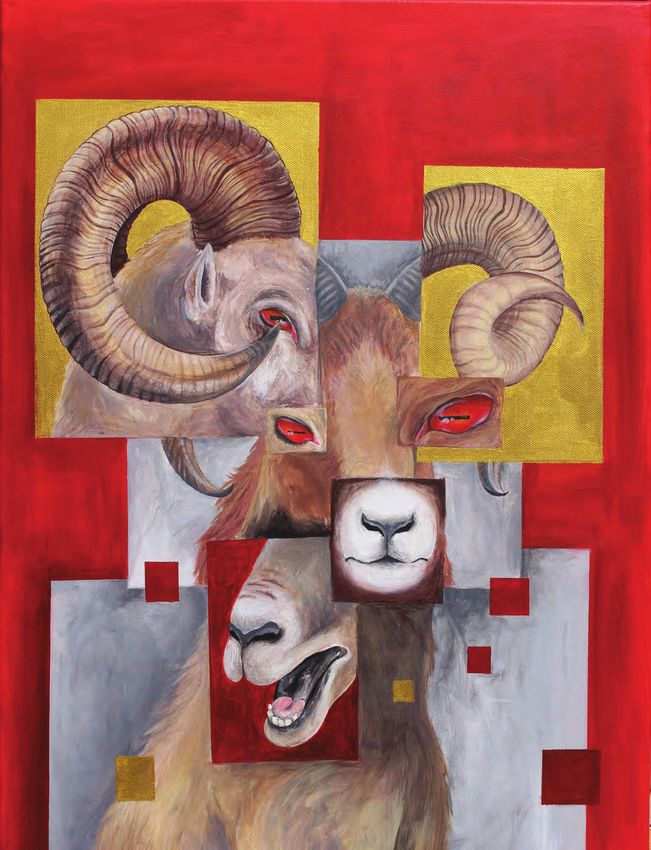
ABOUT THE ARTIST

LOEVA
DUNLEVY
In line with my topic of
mental health and mental
illness, I wanted to show the
aggression, chaos and disorder
sufferers can experience in
a vicious cycle. The ram is a
symbol of aggression and the
bold colours were used to
make the piece stand out and
have a strong presence. The
decomposition with different
parts of the ram in cubes
shows the disarray and chaos
a person suffering from mental
illness might feel when they
have trouble putting things
in order and making sense of
the world around them. This
is something I have always
seen in my grandmother, who
suffers from schizophrenia.
The red surrounding the ram
behind the open mouth and
in the eyes represents the
madness which leads people
with mental illnesses to lash
out. The gold at the horns
exaggerates this, making the
ram look more aggressive and
ready to attack, further giving
the painting a bold presence.
WELCOME!

DEAR COLLEAGUE,
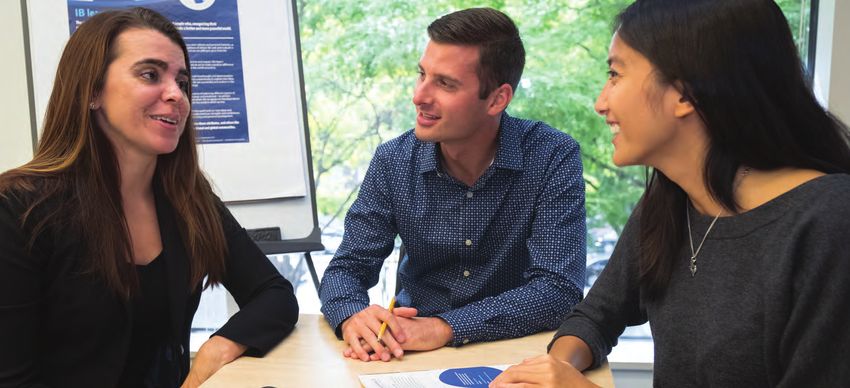
Welcome to the 2020–21 Annual Professional Services Catalogue. It offers a wide selection of experiences and tools that
will benefit you, your school and your students and keep you on the path of lifelong learning.

It would be strange to write this letter without mentioning COVID-19, which will likely change the education landscape
permanently by accelerating educators’ use of remote learning and virtual communication technology. As new trends in
teaching and learning advance rapidly, the IB realizes that all our educators—from new to experienced—are looking for
a wide variety of resources to support them in their online teaching and learning endeavors.

IB professional development is flexible—aside from our standard online and face-to-face events (on hold for now), we
offer in-school and district workshops, hundreds of PD events hosted by IB authorized PD providers, as well as on-
demand online workshops. We also offer many free learning resources. You can find some on the IB’s public website here
and others on the programme resource centre within the particular programme
sections. We have created micro learning content, nano-PD, webinars and more to
supplement our more traditional deep-dive workshop offerings.

As the IB embarks on its 2030 strategic planning, so has IB professional development.        The IB realizes that all our educators are
As part of the 2030 Strategy, the Professional Learning Strategy is setting the              looking for a wide variety of resources
precedent to further elevate the IB’s ability to serve you through a robust digital
channel. Currently, we are gathering and using the feedback from you, our IB                 to support them in their online
educators, to better understand how to adapt our offerings to best serve the                 teaching and learning endeavors.
evolving needs of our educators and personalize the PD experience for our teachers.

Let us know how we’re doing and how we can better serve you. We look forward to
the conversation. It has been an honor to be on this IB journey with you. As someone
who has been working in the field of education for more than 35 years, first as a geography teacher in Adelaide, Australia
to serving for the past 13 years as IB’s Director of Professional Services, my heart has always been in service of practicing
teachers. I know our collective dedication to IB students will carry us forward in new and interesting ways. I look forward
to watching the transformation.

Best wishes,

Anthony Tait
Director of Professional Services

TO REGISTER FOR WORKSHOPS OR FIND MORE INFORMATION, VISIT IBO.ORG/PD                                                                 1
KICKER

         TABLE OF
         CONTENTS
         Explore IB professional development (PD)
         Face-to-face workshops.......................................................................... 3
         Online workshops...................................................................................... 3
         e-Learning and blended learning....................................................... 3
         In-school and district or cluster workshops.................................... 3

         Primary Years Programme
         Category 1 workshops...........................................................................12
         Category 2 workshops...........................................................................14
         Category 3 workshops...........................................................................17

         Middle Years Programme
         Category 1 workshops...........................................................................29
         Category 2 workshops...........................................................................31
         Category 3 workshops...........................................................................33

         Diploma Programme
         Category 1 workshops...........................................................................42
         Category 2 workshops...........................................................................48
         Category 3 workshops...........................................................................52
         What is a subject-specific seminar? .................................................63

         Career-related Programme
         Category 1 workshops...........................................................................76
         Category 2 workshops...........................................................................79
         Category 3 workshops...........................................................................80

         Featured workshops and services
         What is an IB education?......................................................................... 4
         Leadership series....................................................................................... 8
         Theory of knowledge (TOK) workshops ........................................67
         DP theatre workshops ...........................................................................66

2                        IB WORKSHOPS AND SERVICES 2020–2021 CATALOGUE
EXPLORE IB PROFESSIONAL DEVELOPMENT

EXPLORE IB PROFESSIONAL
DEVELOPMENT
Choose from a variety of IB PD options and pathways, all of which are supported by a global
architecture, consistently high-quality materials and ongoing workshop leader training.

Face-to-face workshops
Almost all IB workshops are offered around the world in venues
                                                                     WHICH WORKSHOPS
that bring together hundreds of teachers for multi-day learning      SHOULD I CHOOSE?
events. Most workshops are 15-hour modules offered over
                                                                     CHOOSE CATEGORY 1 if you are new to the IB or if your
2.5 days; other options may be available based on regional needs.
                                                                     situation is similar to any of the following.
Online workshops                                                     ●	You are new to the faculty of a longstanding IB World School
Online workshops complement regional face-to-face workshops             and have not taught in an IB programme previously.
and expand access to teachers from all IB regions. A wide range      ●	You are aware of the IB philosophy and programme structure
of online workshops are available for new and experienced               but are not experienced in teaching or administrating the IB.
coordinators, teachers and administrators in all programmes.
                                                                     ●	You are familiar with the IB subject guide (including
Workshops are available in English, French and Spanish (as
                                                                        assessment procedures, moderation) and would like greater
noted) and typically span four weeks, offering approximately
                                                                        confidence before teaching a course.
15 learning hours.
                                                                     ●	You have inherited a course and would like to review the
The IB’s online environment promotes unparalleled knowledge
                                                                        subject content before teaching it to suit your own style and
exchange between IB teachers living and working around the
                                                                        expertise.
world. Our learning platform promotes high-value social and
professional interactions.
                                                                     CHOOSE CATEGORY 2 workshops to develop your expertise in
                                                                     delivering an IB programme. You will have an opportunity to:
e-Learning and blended learning
Webinars, self-study, e-learning resources and other online          ●	make connections between programme frameworks and
resources can meet the learning styles of all individuals. These        classroom practice
tools help educators focus on more specific aspects of IB            ●	enhance your understanding of assessment in IB
programmes and offer “just-in-time” learning that can be applied        programmes
in the classroom right away. Blended workshops combine the           ●	discuss and analyze standards and practices
best of face-to-face and online approaches and minimize time
away from school. Typically, blended learning may include three      CHOOSE CATEGORY 3 workshops to go more deeply into
hours online alongside a two-day face-to-face event.                 areas you enjoy and to deepen your understanding and mastery
                                                                     of a particular area or subject.
In-school and district or cluster workshops
                                                                     Note: Teachers and other school leaders who do not teach in an
Use these workshops to train your entire programme staff
                                                                     IB World School but wish to sample IB learning may choose to
on your own premises. You can choose to focus on specific
                                                                     participate in category 3 workshops.
programme content and strategies. Workshops may be
delivered over two days or during out-of-school hours,
depending on the availability of a local facilitator. Contact your
IB professional development team for more information.

TO REGISTER FOR WORKSHOPS OR FIND MORE INFORMATION, VISIT IBO.ORG/PD                                                                  3
ALL PROGRAMMES

WHAT IS AN IB EDUCATION?
This series of workshops challenges you to explore the question “What is an IB education?” You will
engage in provocative learning experiences around challenging ideas central to the IB’s mission to
make the world a better place through education. These workshops are available as either cross-
programme experiences or as a single programme focus, upon request.

ALL WORKSHOPS ARE RECOMMENDED FOR: All educators, IB coordinators and school leaders or
decision makers at any point in their journey as life-long learners.

                                        CATEGORY 3
                                        Approaches to learning

                                        What skills positively influence and support a student’s approach to life-long
                                        learning? All IB programmes develop the approaches to learning (ATL) skill
                                        categories of communication, social, self-management, research and thinking.
                                        ●   	Develop a deeper understanding of ATL as a way for students to acquire and
                                              use skills developed over time in order to access learning.
                                        ●   	Consider contemporary research to apply metacognitive strategies
                                              throughout the learning process, with an emphasis on assessment as learning.
                                        ●   	Design the curriculum to encourage students to build these skills.
                                        ●   	Reflect on how developing affective, cognitive and meta-cognitive skills using
                                              a variety of strategies may increase the capacity of learners to become self-
                                              regulated and intrinsically motivated.

                                        Beyond the disciplines

    WORKSHOPS KEY                       How do we provide teaching and learning opportunities that reflect the unity
        Face-to-face in English         of knowledge within, between and across disciplines? Learning beyond the
                                        disciplines highlights the interrelatedness of knowledge that gives students
        Face-to-face in French          opportunities to construct, internalize and transfer meaning and understanding.
        Face-to-face in Spanish         ●   	Explore the relationships and shared concepts of disciplinary, multidisciplinary,
        Online in English
                                              interdisciplinary and transdisciplinary learning.
                                        ●   	Engage in activities that synthesize concepts related to ways of knowing while
        Online in French
                                              learning how to develop central understandings that encourage learning to
        Online in Spanish                     know, learning to do, learning to live together and learning to be.

4                                                                     IB WORKSHOPS AND SERVICES 2020–2021 CATALOGUE
Bilingual and multilingual                                              Investigating inquiry
teaching and learning

                                                                        How can we support student inquiry? Students’ own curiosity
RECOMMENDED FOR:                                                        provides the most effective provocation for learning that is
Teachers, IB coordinators and school leaders/decision makers.           engaging, relevant, challenging and significant.
How can we create and support effective bilingual or                    ●   	Investigate how using an inquiry-based pedagogy has the
multilingual environments? Learning to communicate in a                       capacity to lead students to a deeper understanding of
variety of ways in more than one language is fundamental to                   concepts through the construction of new knowledge.
the development of intercultural understanding.                         ●   	Inquire into specific strategies and questions relating to an
●   	Consider the importance of authentic inquiry and reflect on             inquiry-based approach to teaching and learning.
      the research base in developing literacy across all years of a    ●   	Discover how the reflective process is an essential
      child’s education.
                                                                              component in becoming a life-long learner.
●   	Examine the implications of the ways in which language learning
      can be scaffolded in bilingual and multilingual contexts.
●   	Explore how school policies and structures support the            Learning diversity and inclusion
      areas of learning language, learning through language
      and learning about language in mother tongue and other
      languages that form the school’s language profile.
                                                                        RECOMMENDED FOR:
                                                                        Educators, programme coordinators, school leaders, learning
                                                                        support teachers and consultants and any member of the
Developing service learning                                             school community who is committed to increasing access
                                                                        and participation across the four programmes.
                                                                        What is inclusion according to the IB and what does it take to
How can educators develop students’ intrinsic motivation                be an inclusive school? Inclusive education is a whole school
for service learning in the school community and beyond?                approach to education and it is supported by the United
Challenging learning environments help students to develop              Nations under human rights and social justice. By demystifying
the imagination and motivation they need in order to meet               inclusion, this workshop will help:
their own needs and the needs of others.                                ●   	develop an understanding of the IB’s approaches to inclusion
●   	Explore the core elements of action and service learning.         ●   	develop specific pedagogical knowledge and approaches
●   	Examine social entrepreneurship in the school context and               to extend learning and assessment to increase access and
      use different models to evaluate alternative ways for schools           participation
      to approach and manage projects that deal with critical           ●   	identify resources and collaborate to create a database to
      social, economic and environmental issues.                              support inclusion
                                                                        ●   	create an action plan to increase school-wide inclusion.

                                                                        Note: Due to the international nature of the course aims,
                                                                        this course will maintain a focus on general inclusivity and
                                                                        differentiation supports, rather than addressing country-specific
                                                                        special education requirements.

TO REGISTER FOR WORKSHOPS OR FIND MORE INFORMATION, VISIT IBO.ORG/PD                                                                          5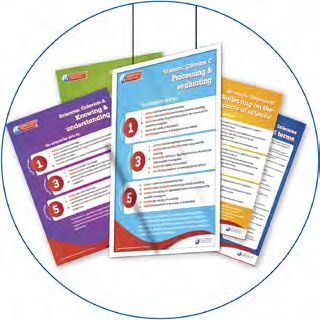
ALL PROGRAMMES

Living and learning globally                                          The learner profile

How do we build school communities that develop the                   RECOMMENDED FOR:
knowledge and competencies that are essential for living and          Experienced teachers and administrators who wish to
learning in a globally connected world? Global engagement             examine and strengthen teaching and learning outcomes
represents a commitment to address humanity’s greatest                through the development of the learner profile.
challenges in the classroom and beyond.                               How does the learner profile exemplify the IB mission in action?
●   	Discover key concepts for the design and implementation         The leaner profile is at the heart of the IB’s commitment to an
      of learning engagements that support international-             international education.
      mindedness.                                                     ●   	Investigate the core concepts embedded within the IB
●   	Explore how global issues and contexts expand and enhance             learner profile and the central role it can play in an education
      perspectives and engage students in meaningful ways.                  that is international, relevant and able to support essential
                                                                            competencies for success in school and in life.
●   	Embed global contexts into the written, taught and
      learned curriculum to provide opportunities for students to     ●   	Analyze and evaluate the relationships between the learner
      participate in a complex, dynamic and diverse society that is         profile, international-mindedness and meaningful action in
      connected due to greater mobility and technology.                     both local and global contexts.
                                                                      ●   	Learn new strategies and develop tools to bring the learner
                                                                            profile to life in any school setting.
Social and emotional learning

                                                                      The role of the librarian
What skills and competencies do teachers and students need
to flourish in a complex, interconnected world? When teachers
provide opportunities to practice and model the skills of             RECOMMENDED FOR:
mindfulness, positive psychology and social-emotional learning        All experienced IB librarians, programme coordinators,
(SEL), they are better able to respond to their own needs and         members of school leadership team and those who have
the needs of their students.                                          recently completed a category 1 workshop.
●   	Investigate research related to SEL and learn how to apply      How can the library or media centre support IB programmes?
      practical strategies that assist students and teachers in       The library or media centre provides school-wide opportunities
      cultivating greater emotional well-being, perseverance, self-   to engage and reflect on the IB principles and practices and
      regulation, self-motivation and resilience.                     connect teachers and students to knowledge and information
                                                                      in a digital and global context.
●   	Create environments that support authentic, mindful and
      caring communities of learning.                                 ●   	Investigate the key characteristics that define an IB education to
                                                                            develop an understanding of how the library or media centre
●   	Develop practical approaches and learn how affective skills
                                                                            and the librarian can support the IB standards and practices.
      can be integrated into the teaching and learning experience
      to lead to positive, meaningful action and student agency.      ●   	Explore ways of supporting student-centred learning
                                                                            environments in a digital world.
                                                                      ●   	Evaluate and analyse resources that can support teaching
                                                                            and learning in a global context and make connections
                                                                            between the programmes.
                                                                      ●   	Reflect on the collaborative relationship between the library
                                                                            or media centre, the academic staff and school leadership
                                                                            to prioritize specific IB standards that have an impact on the
                                                                            library or media centre and the librarian.

6                                                                                  IB WORKSHOPS AND SERVICES 2020–2021 CATALOGUE
Aga Khan Academy–Mombasa • University of Alberta •

       Discover                                                                University of Bath • Bethel University • Bilkent University

      a new path                                                    • University of British Columbia • California State
                                                                    University San Marcos • Universidad Camilo José

        on your                                                     Cela • CHRIST (Deemed to be University) • Deakin
                                                                    University • DePaul University • University of Dundee

      IB journey                                                   • Durham University • East China Normal University •
                                                                Flinders University • George Mason University • Hasan
                                                            Kalyoncu University • The Education University of Hong Kong •
                                                       The University of Hong Kong • International Christian University • Kent
                                               State University • Kwansei Gakuin University • University College London •
Loyola University Chicago • Maltepe University • The University of Melbourne • University of Michigan • University
of Montana • Moscow City University • Murdoch University • Namseoul
University • National Taiwan Normal University • University of Navarra
• University of Nevada Las Vegas • University of North Georgia •
University of Notre Dame Australia • Okayama University of
Science • Perm State Humanitarian Pedagogical University •
                                                                                            IB EDUCATOR
                                                                                            CERTIFICATES
Royal Roads University • Southeastern Louisiana University •
Tamagawa University • Tokyo Gakugei University • University
                                                                                            IB LEADERSHIP
of Toronto • Tsuru University • University of Tsukuba •
                                                                                            CERTIFICATES
Western University • University of Windsor • Yeditepe University

Explore our network of universities:
ibo.org/professional-certificates

                                                      ©International Baccalaureate Organization 2020 International Baccalaureate® | Baccalauréat International® | Bachillerato Internacional®
LEADERSHIP

JOIN A NEW GENERATION
OF LEADERS
These IB workshops focus on leadership in international education. These rich professional
development experiences are led by an outstanding and diverse group of leaders who are passionate
about sharing their knowledge and experiences. Together, they are building a global community of
strategic and innovative educational leaders.

FOR ASPIRING LEADERS AND NEW HEADS OF SCHOOL. All workshops in this section are
recommended for aspiring leaders, including teachers, coordinators and new heads of school.

THE CORE WORKSHOPS                                                   Leading through an understanding of
                                                                     culture and context

Leading for effective teaching
and learning                                                         This workshop explores the concept that leadership is context-
                                                                     driven. You will deepen your understanding of how national and
                                                                     organizational cultures interact and impact on beliefs, values
                                                                     and behaviours in schools. In addition, you will discuss how to
This workshop will provide opportunities for you to explore
                                                                     develop a positive organizational culture, which is proven to be
theories of learning and instructional design principles
                                                                     closely aligned with high student achievement. The workshop
underpinning the IB programmes. You will consider the impact
                                                                     will enable you to investigate leadership issues in different
these have on student learning and how the school can support
                                                                     IB contexts. Through illustrative case studies, critical reading,
this learning. You will look at the implications of adopting these
                                                                     collaborative problem solving, reflection journals, diagnostic
ideas and principles when developing and implementing
                                                                     testing, and research projects, you will be expected to reflect
school strategy and policy. You will explore the instrumental role
                                                                     upon how these relate to your own experiences and develop
that authentic assessment plays in guiding learning activities
                                                                     responses and solutions that align with IB philosophy.
and enabling student learning and discuss how assessment
of and for learning, can be incorporated into a whole school
assessment policy. You will identify strategies for successful
policy implementation and the role of teachers and teaching in       Leading with a clear vision and strategy
the learning process.

                                                                     Research shows that a school that has a strong vision and mission
                                                                     has a much higher chance of having high student achievement
                                                                     as well. The objectives of this workshop are to introduce and
                                                                     clarify the value and strength of a good vision and mission, and
                                                                     to enable you to develop a strategic plan to create, implement,
                                                                     review and sustain, an excellent vision and mission for your school
                                                                     context. It is important that your vision and mission imbue the
                                                                     philosophy and values of the IB and provide the best structure for
                                                                     the full implementation of the IB programmes.

8                                                                              IB WORKSHOPS AND SERVICES 2020–2021 CATALOGUE
In this workshop, you will apply a number of leadership
Understanding leadership capabilities to build learning-focused IB World Schools. You
will do this through engaging in snapshots of practice in
a range of contexts and applying these to your own. You
will explore the challenges of leading IB World Schools and
Leadership is a social construct, positioned in time and place
preparing students to live in the 21st century. In addition, you
and influenced by personality. This workshop aims to expose,
will refine your capacity to play the leading role in guiding
test, and critique the assumptions upon which your own
a school through IB authorization and beyond; develop
style, definition and understanding of leadership are based.
appreciation for the IB mission statement, philosophy and
Leadership theory and current research will form the basis for
pedagogy; and determine what success can and does mean
discussion with case studies and your own experiences being
for your school and its stakeholders.
used to explore leadership, cross-cultural investigations and
the impact of culture on leadership styles and practices. There
will be an emphasis on the complex, contextual and holistic
nature of leadership, and you will build deeper understandings Governance
of how to adapt your leadership style in different contexts.
The workshop will include an introduction to the capabilities
and intelligences, core themes and leadership processes that RECOMMENDED FOR:
are considered to be most supportive of effective leadership New and aspiring school leaders who wish to expand
in a range of IB contexts. In line with IB philosophy, you will be their leadership capabilities with specific focus on various
encouraged to develop an investigative mindset, become more governance models that exist within the IB community.
inquiry-based and reflective practitioners while modeling life-
This workshop is designed to introduce participants to
long learning.
four basic models of school governance, with a view to
Action research will be introduced, helping you identify major understanding how each governance model has diverse
issues that leaders may face, while planning possible responses implications for how the IB Leadership Intelligences equip
that reflect an awareness of local context. You will develop and senior level school-based leaders to collaborate with governing
articulate a deeper understanding of your own philosophy, and bodies in each of the four models.
draft a personal philosophy statement
The workshop will provide opportunities for you to inquire into:
● the nature and composition of governing bodies in each of
the four models
FOR EXECUTIVE LEADERS ● the diversity of decision making and communication in each
AND EXPERIENCED HEADS of the four models
values and perspectives that may be diverse within each of
OF SCHOOL
●
the four models
● leadership implications for school based senior leaders
strategies for establishing and maintaining role clarity
Cultivating learning-focused ●
IB World Schools ● areas of focus and growth personalized for each participant.
RECOMMENDED FOR:
Principals, administrators and superintendents of IB
World Schools; new administrators in IB World Schools;
IB coordinators and aspiring leaders in IB World Schools;
teachers, managers and administrators from non-IB schools
who wish to develop understandings of leadership in an
IB context.
TO REGISTER FOR WORKSHOPS OR FIND MORE INFORMATION, VISIT IBO.ORG/PD 9LEADERSHIP
you will follow numerous lines of inquiry that focus on the role
Leading an effective professional that you play in enabling and supporting the development of
learning community professional learning communities within IB World Schools.
RECOMMENDED FOR:
Leading through an understanding of
Principals, administrators, superintendents and aspiring finance and accounting
leaders of IB World Schools.
IB World Schools are well positioned to operate as professional
learning communities because of the unifying attributes of the RECOMMENDED FOR:
learner profile and the commitment of those implementing Educators who are either presently in a leadership role that
IB programmes to promote inquiry, collaborative learning and requires a degree of financial skills and understanding or for
critical thinking. The workshop takes a whole-school leadership those aspiring to positions of additional responsibility where
perspective on creating the conditions for fostering and finance will be a part of the role.
building effective professional learning communities. School The workshop will provide opportunities for you to inquire into
leaders play a central role in creating and sustaining school the role of finance and accounting in IB schools and understand
cultures that embrace professional learning. In this workshop, how financial projections and budgets support planning and help
you will investigate different approaches to developing IB- forward your school’s mission. You will also look at how financial
focused professional learning communities. analysis can be used to construct meaning and help to optimize
decision-making and how it can be understood within the specific
local context. The workshop will also allow you to see how financial
Building partnerships with parents numbers produce different “truths” with the same set of figures and
how you can create accounting and finance arguments linked to a
broader narrative appropriate for specific audiences.
RECOMMENDED FOR:
New and aspiring leaders in IB World Schools, who want to
explore firstly how systems for teacher evaluation can be Well-being and student leadership
developed in their own school communities, and secondly
how the different systems of evaluation can be developed
that are relevant and effective in different cultural contexts.
This workshop gives you the tools to develop, plan and
Parents know their children better than anyone else and clearly implement an inclusive whole school well-being program. You
have the largest stake in their child’s success and progress at will gain a shared understanding of the different forms of well-
school. As a group, parents represent a significant stakeholder being and reflect on a whole-school approach to well-being in
within the school community and contribute in many ways to their current school context using a plus, minus, interesting (PMI)
the community’s success. The IB programme documentation analysis and a self-reflection survey. You will further develop an
makes regular reference to schools working in partnership understanding of restorative practices in schools, the benefits of
with parents to support students in their learning. Establishing working as a community and the use of a positive behaviours
partnerships requires school leaders to play a pivotal role in framework. Strategies for community engagement will be
enabling and fostering effective relationships with parents. covered, including developing advisory groups (staff, parents
This workshop will explore the notions of community and and students) and sharing strategies for working with parents
partnership and the responsibilities that schools, their and community members. You will explore the area of personal,
leadership and parents have in creating and sustaining effective social, and physical education to gain a deeper understanding
relationships. The opportunities and challenges involved in of its place in the programme. Finally, you will consider the
developing effective relationships will be explored along common understandings and definitions about bullying and
with a range of strategies to promote and sustain effective cyberbullying and explore research-based best practices for
relationships. Through engaging with a variety of case studies helping students who experience this type of behavior.
and real-world examples, and extensively drawing upon their
own and each other’s experiences and the relevant research,
10 IB WORKSHOPS AND SERVICES 2020–2021 CATALOGUEFREE PD RESOURCES
Free learning can enhance and reinforce workshop experiences, encourage knowledge-sharing
among and between a department’s educators, present IB topics with message fidelity at
meetings with teachers, parents and other stakeholders.
CONTENT INCLUDES:
WHAT IS AN IB EDUCATION?
• Investigating inquiry • Beyond the disciplines
• Living and learning globally • Approaches to learning
PRIMARY YEARS PROGRAMME
• PYP playlist with links to support • PYP Nanos—four series
teachers, schools and communities
in their understanding of elements
of the PYP framework.
MIDDLE YEARS PROGRAMME
• Interdisciplinary learning • Assessment
• Personal project • Unit planning*
• Service as action *The resources can be found in the MYP eAssessment process and procedures tab on the
programme resource centre and open under the topic Assessment ready nano PD.
DIPLOMA PROGRAMME
• Academic honesty • Journaling in DP arts
• Economics • Mathematics
• Music • Theory of knowledge
• Predicting grades
For more information, please visit: ibo.org/professional-development/free-learningCATEGORY 1
The following workshops meet the requirements for authorization.
Please note that each has a different audience and focus.
NEW
Head of school
RECOMMENDED FOR:
The head of school, who may be the head, executive head, owner, principal,
governor or superintendent.* Heads will be encouraged to consider who
they should send to Leading the learning category 1.
*Required prior to submission of Application for Candidacy.
In this workshop, heads of school are challenged to think about the process
of leadership differently, to base their decision-making and actioning on a
foundation of deeper understanding of the complex nature of their own
particular context as well as being immersed into the IB ecosystem.
Building on this understanding, leaders—together with the IB—will consider the
ways in which their school community (all stakeholders) will place learning at the
centre of their IB programme, through the thoughtful development of purpose,
culture and environment, in alignment with the IB’s mission and philosophy.
Working with each other and the workshop leaders, participants will:
● embrace their role as a leader of a learning organization in an IB global context
● become familiar with the IB’s philosophy and requirements, including the
NOTE: All workshops are
specifications relevant to the programme(s) for which the school is seeking
facilitated by trained authorization
workshop leaders
● prepare to inform and engage their school community
experienced in teaching
in IB programmes. All ● plan their school’s IB journey through authorization and beyond, including the
identification of a potential leading learners team.
category 1 workshops
are available in English, During the workshop, leaders will begin to develop their school’s IB action
French and Spanish. plan to meet the IB’s requirements for authorization and a vision for ongoing
implementation.
WORKSHOPS KEY
Face-to-face in English
Face-to-face in French
Face-to-face in Spanish
Online in English
Online in French
Online in Spanish
12 IB WORKSHOPS AND SERVICES 2020–2021 CATALOGUEPRIMARY YEARS PROGRAMME
NEW NEW
Leading the learning Leading early years
Required for coordinators*; encouraged for members of Required for coordinators*; encouraged for members of
the pedagogical leadership team, librarians, specialists, the pedagogical leadership team, librarians, specialists,
deans of students, counsellors, year level leaders/heads of deans of students, counsellors, year level leaders/heads of
department, section leaders, heads, inclusion specialists and department, section/deputy/assistant/vice heads, inclusion
career or guidance specialists. specialists, career/guidance specialists.
This workshop will support learning leaders to create the culture This workshop will support learning leaders to create the culture
and conditions of a Primary Years Programme (PYP) school by and conditions of a Primary Years Programme (PYP) for the early
considering the school’s choices and actions and their impact years (ages 3–6) by considering the school’s choices and actions
on student learning. and their impact on student learning.
Building on this understanding, leaders will consider the Building on this understanding, leaders will consider the
ways in which they will place learning at the centre of their IB ways in which they will place learning at the centre of their
programme, through the thoughtful development of purpose, IB programme, through the thoughtful development of
culture and environment, in alignment with the IB’s programme purpose, culture and environment, in alignment with the IB’s
standards and practices. Working with each other and the programme standards and practices. Working with each other
workshop leaders, participants will: and the workshop leaders, participants will:
● take responsibility for their role as a programme leader ● take responsibility for their role as a programme leader
within a learning organization in an IB global context within a learning organization in an IB global context
● become familiar with the IB’s mission and philosophy and ● become familiar with the IB’s mission and philosophy and
the requirements and specifications relevant to the PYP the requirements and specifications relevant to the PYP
● prepare to inform and engage their school community ● prepare to inform and engage their school community
● plan their school’s IB journey through authorization and beyond. ● plan their school’s IB journey through authorization and beyond.
During the workshop, leaders will have begun to develop During the workshop, leaders will have begun to develop
their school’s IB action plan to meet the IB’s requirements for their school’s IB action plan to meet the IB’s requirements for
authorization and a vision for ongoing implementation. authorization and a vision for ongoing implementation.
PYP RESOURCES
NEW: Key Elements of
PYP - From Principles
into Practice Posters
(Set of 4)
Highlight key elements of
the PYP around your
school with this colourful
set of posters. Learning
and teaching, assessment,
agency and action are important features of
the programme and each is visualized in this
set. These informative and decorative posters
are useful tools for explaining the programme
to your school community. Display around the
school to highlight a key part of the programme
and motivate both teachers and students.
TO REGISTER FOR WORKSHOPS OR FIND MORE INFORMATION, VISIT IBO.ORG/PD 13PRIMARY YEARS PROGRAMME
Making the PYP happen in the early
years: Implementing agency
CATEGORY 2
All category 2 PYP workshops are for administrators,
coordinators and teachers who:
● have been working with the programme for at
RECOMMENDED FOR:
All Primary Years Programme (PYP) teachers (early years, least one school year
Primary Years, new to PYP and with some experience of the PYP) ● have previously attended a category 1 PYP workshop
This workshop invites you to inquire into your own teaching (regional, in-school or online) facilitated by PYP
practices and reflect on how you can develop the capabilities workshop leaders organized by or through the IB.
of a PYP teacher. By exploring the PYP framework, you will
connect how voice, choice and ownership is recognized and
developed in all members of the IB community. You will be NEW
supported in your understanding of learning and teaching in a
Leading the learning
transdisciplinary, concept-driven curriculum and how to design
this in your own school context.
RECOMMENDED FOR:
*Coordinators, members of the pedagogical leadership team,
Making the PYP happen: librarians, specialists, deans of students, counsellors, year
Implementing agency level leaders/heads of department, section leaders, heads,
inclusion specialists and career or guidance specialists.
Heads of school may benefit from attending this workshop
RECOMMENDED FOR: with or without their pedagogical leadership team.
All Primary Years Programme (PYP) teachers (early years, primary This workshop will support learning leaders to enhance the
years, new to PYP and with some experience of the PYP). identity of being an IB World School through a reflection
This workshop invites you to inquire into your own teaching on the purpose, culture and environment of their learning
practices and reflect on how you can develop the capabilities organization and their agency for growing leadership capacity
of a PYP teacher. By exploring the PYP framework, you will within the school.
connect how voice, choice and ownership is recognized and Building on this understanding, leaders will consider the
developed in all members of the IB community. You will be ways in which they will place learning at the center of their IB
supported in your understanding of learning and teaching in a programme, through the thoughtful development of purpose,
transdisciplinary, concept-driven curriculum and how to design culture and environment, in alignment with the IB programme
this in your own school context. standards and practices. Working with each other and the
workshop leaders, participants will:
PYP RESOURCES ● develop their leadership capabilities as a pedagogical leader
within a learning organization
NEW: PYP Action ● become familiar with the IB’s leadership capabilities as lenses or
Poster tools to develop their personal mastery in an IB global context
This poster shows how ● prepare to develop collaborative or shared leadership
students can take action to capacity within their school
build their world. Display in ● plan the journey through school self-study toward evaluation
the classroom to highlight a
and beyond.
key part of the programme
and motivate both teachers During the workshop, leaders will reflect and build on their
and students. Full colour. school’s IB development plan to meet the IB’s requirements for
Size A2, 420 x 594 mm.
evaluation and a vision for ongoing implementation.
14 IB WORKSHOPS AND SERVICES 2020–2021 CATALOGUEConcept-driven learners Evidencing learning RECOMMENDED FOR: RECOMMENDED FOR: Experienced Primary Years Programme (PYP) teachers, Primary Years Programme (PYP), administrators, coordinators and school leaders. coordinators and teachers A transdisciplinary, concept-driven curriculum supports the Engage with the latest developments in educational assessment, development of students’ understanding of complex ideas. Build its purpose and characteristics. Explore how to monitor, your capability to design and evidence or assess concept-based document, measure and report on learning to inform the learner, learning that leads to depth and rigour in student thinking within learning and teaching and the learning community throughout and across subjects. You will investigate how the programme the learning process. You will strengthen your assessment of inquiry promotes a school-wide vision for concept-driven capabilities by: analyzing data and evidence to inform decision- learning, and, with the planning process, creates opportunities for making for learning and teaching, providing meaningful students to make connections and transfer understanding from feedback to feedforward for next steps, and supporting your one context to another. students to become assessment capable. Engaging collaborative communities RECOMMENDED FOR: Experienced Primary Years Programme (PYP) teachers, coordinators and school leaders. In this workshop, you will explore how a PYP learning community supports the agency of its members. This allows you to prioritize people and relationships in planning and learning with colleagues, interact directly with your students, and lead your school community to develop the shared vision of a PYP school. You will strengthen your capability to build and maintain collaborative relationships as well as investigate the impact that collaborating for learning and teaching has on the learning community and for the success of every learner. PYP RESOURCES NEW: PYP Learning and Teaching Poster This poster highlights three features of learning and teaching through inquiry in the PYP, and visually reinforces the concept- driven, transdisciplinary approach. Full colour. Size A2, 420 x 594 mm. TO REGISTER FOR WORKSHOPS OR FIND MORE INFORMATION, VISIT IBO.ORG/PD 15
PRIMARY YEARS PROGRAMME

    NEW
                                                                           Local and global inquirers
Leading early years

                                                                           RECOMMENDED FOR:
RECOMMENDED FOR:
                                                                           Experienced Primary Years Programme (PYP) teachers,
Coordinators, members of the pedagogical leadership team,
                                                                           coordinators and school leaders.
librarians, specialists, deans of students, counsellors, year
level leaders/heads of department, section leaders, heads,                 As part of being internationally minded, all members of a PYP
inclusion specialists and career or guidance specialists.                  learning community are supported in becoming inquirers.
Heads of school may benefit from attending this workshop                   Investigate what it means to be an inquirer and develop your
with or without their pedagogical leadership team.                         capability to design learning that draws on local and global
                                                                           contexts to challenge thinking, reflect and to act. Explore ways
This workshop will support learning leaders to enhance the
                                                                           in which students can initiate and engage in their own inquiries
identity of being an IB World School through a reflection on the
                                                                           connected to self and to others.
purpose, culture and environment of their learning organization
and their agency for growing leadership capacity within the school.

Building on this understanding, leaders will consider the                  Making space for learning
ways in which they will place learning at the center of their IB
programme, through the thoughtful development of purpose,
culture and environment, in alignment with the IB’s programme
                                                                           RECOMMENDED FOR:
standards and practices. Working with each other and the
                                                                           Experienced Primary Years Programme (PYP) teachers,
workshop leaders, participants will:
                                                                           coordinators and school leaders.
●   	develop their leadership capabilities as a pedagogical leader
                                                                           Learning environments reflect the importance of students
      within a learning organization
                                                                           as active members of the learning community, contributing
●   	become familiar with the IB’s leadership capabilities as lenses or   authentically to decision making with a shared sense of
      tools to develop their personal mastery in an IB global context      purpose. Use the design of environments to influence learning
●   	prepare to develop collaborative or shared leadership                in the PYP. Strengthen your capability to shape inclusive and
      capacity within their school                                         creative learning spaces and places that remove barriers to
●   	plan the journey through school self-study toward evaluation         learning for diverse learners. Inquire into the role that social,
      and beyond.                                                          virtual and physical spaces play in inquiry-based learning and
                                                                           teaching and the development of well-being.
During the workshop, leaders will reflect and build on their
school’s IB development plan to meet the IB’s requirements for
evaluation and a vision for ongoing implementation.
                                                                           Your exhibition

                                                                           RECOMMENDED FOR:
                                                                           Experienced Primary Years Programme (PYP) teachers,
     PYP RESOURCES
                                                                           coordinators and school leaders.
                                                                           This workshop engages you in an inquiry into the varied
     NEW: PYP Agency                                                       purposes and practices of your exhibition. Develop your
     Poster                                                                understanding of the agentic role students have in leading and
     This poster highlights                                                taking action on their learning. Explore, create and share a range
     agency in the PYP as a way                                            of tools and strategies which help optimize the experience for
     to create a culture of mutual
                                                                           students in the PYP and that set the scene for a collaborative
     respect and enable students
                                                                           inquiry into issues of local, national and global significance.
     to take ownership of their
     own learning. Full colour.
     Size A2, 420 x 594 mm.

16                                                                                   IB WORKSHOPS AND SERVICES 2020–2021 CATALOGUE
CATEGORY 3 Building for the future
3- to 6-year olds RECOMMENDED FOR:
Coordinators, school leaders and experienced Primary Years
Programme (PYP) teachers.
How does my school remain at the forefront of international
RECOMMENDED FOR:
education? Explore the flexibility of the enhanced PYP
Teachers and coordinators in the early years.
framework to better address the needs of all students and to
Inquiry extends beyond asking and answering questions. It inspire opportunities for change. Examine how you can re-
is provoked through a stimulating environment, where the envision the PYP in your school community. Reframe your action
teacher acts as guide, facilitator and co-learner. You will further plan to harness the transformational power of the programme.
explore the importance of environment through considering
how it shapes learners, how the way we structure space and
time reflects what we believe about children’s learning and what
learning is “important”. You will develop an understanding of how
Building partnerships with parents
mathematics and language concepts can be taught in creative,
playful and meaningful ways in which children learn at their
own rates. The written, taught and assessed curriculum is also See workshop description on page 10.
considered within the context of working with young children.
NEW
Approaches to learning Creating a curriculum for
transdisciplinary learning
See workshop description on page 4.
RECOMMENDED FOR:
Primary Years Programme (PYP) teachers and coordinators.
Beyond the disciplines Impactful learning occurs when teachers and students take a
transdisciplinary approach. This workshop supports teachers in
the design and writing of curriculum that balances disciplinary
and transdisciplinary learning and teaching while responding to
See workshop description on page 4. the needs of the learner and the learning community. You will
consider how curriculum development can include students
and the learning community as collaborators.
Bilingual and multilingual
teaching and learning
Cultivating learning-focused
IB World Schools
See workshop description on page 5.
See workshop description on page 9.
Developing service learning
See workshop description on page 5.
TO REGISTER FOR WORKSHOPS OR FIND MORE INFORMATION, VISIT IBO.ORG/PD 17PRIMARY YEARS PROGRAMME
Digital citizenship Flipping classrooms
RECOMMENDED FOR: RECOMMENDED FOR:
Primary Years Programme (PYP) administrators, Primary Years Programme (PYP), administrators,
coordinators, teachers and school counsellors. coordinators and teachers.
Understanding the issues around current and emerging technologies A growing number of teachers are flipping their instruction by
can influence systemic change in learning organizations leading having students develop content understandings at home and
to engaging and authentic applications of student learning. In then build on the content knowledge through creative inquiry in
this workshop, you will develop your own understanding, skills the classroom. However, many teachers don’t realize that there’s
and confidence as a digital citizen. The workshop will also provide more to the flipped model than posting lectures to YouTube,
opportunities for you to explore ways of developing effective digital and as a result, the hurdles they encounter while attempting to
citizenship in your students. You will be exposed to a range of digital produce online video content or restructure activities in their
technologies and consider how they may be combined with inquiry- classrooms often result in frustration. In this workshop, you will
based pedagogy to enhance international-mindedness and global be guided in the process of planning and delivering a successful
awareness and make the world your classroom. flipped classroom model from start to finish. Teachers who
have successfully implemented the flipped model will discuss
the successes and challenges that they encountered and share
Encouraging children’s creative instincts insightful tips. The structure of this workshop covers background
information about the flipped model, tips for organizing content
in the classroom
and producing a flip video, instructions on how to produce and
distribute videos, and strategies for making the most of time in
the classroom. You will explore the wide range of resources that
RECOMMENDED FOR: are available for producing and distributing flipped videos as you
Classroom and specialist teachers. plan and introduce a flipped programme in your classrooms.
More than four decades ago, psychoanalyst Dr Silvano Arieti (1976)
identified that, regardless of the viewpoint or societal effects,
creativity is a subject to be studied, cherished and cultivated. Get connected! Engaging in authentic
Now, more than ever, educationalists are agreeing with him. The global learning practices
questions “What competencies will be required for the future?” and
“What should be taught in schools?” are becoming increasingly
important as education shifts from the acquisition of knowledge
to the promotion of a set of 21st century competencies. Creativity RECOMMENDED FOR:
features prominently on the list. Although creativity itself is a vast Primary Years Programme (PYP) teachers, coordinators and
and elusive concept, we can look at tangible ways to promote school leaders.
creativity in the classroom and equip children for the future. In this Through digital technologies, teachers and students alike are
workshop, you will develop the following understandings. able to connect to the global community, extend learning
● The nature of creativity outside the school and open windows to the world. This
workshop examines the value of becoming a “connected learner”
● Models and approaches to creativity
and supports you in establishing online professional learning
● The role of creativity in education networks. The workshop invites you to explore ways of initiating
● Creativity in the curriculum (teaching creatively and and developing exciting, global collaborations to enhance
promoting creativity in children) your own and your students’ learning, promote intercultural
understanding and help develop international-mindedness.
● Ways to promote creativity in yourself and in your teaching
practice building learning communities that promote creativity
18 IB WORKSHOPS AND SERVICES 2020–2021 CATALOGUEGovernance Investigating inquiry
See workshop description on page 9. See workshop description on page 5.
Inquiry and the additional language teacher Leading an effective professional
learning community
RECOMMENDED FOR:
Administrators, coordinators and teachers who are responsible
See workshop description on page 10.
for language policy, teach an additional language in a Primary
Years Programme (PYP) school or wish to understand and work
more effectively with their additional language colleagues.
Leading for effective teaching and learning
All teachers in the PYP are teachers of language. However, teachers
of the school’s additional language face further challenges. This
workshop looks at the concept-based inquiry nature of the PYP and
how it relates to learning language, learning through language and See workshop description on page 8.
learning about language. It provides opportunities for you to share
strategies and resources to support additional language learning
as collaboration within the units of inquiry and as stand-alone
Leading through an understanding of
subjects. You will critique units of inquiry and examine the IB’s
sample planners that include the additional language teacher. You
culture and context
will use this socially constructed knowledge to design new units of
language inquiry across the transdisciplinary themes. The workshop
will also develop strategies for collaboration with the classroom See workshop description on page 8.
teacher and for communicating the value of your teaching to
the wider school community. Throughout the workshop, the
importance of the school’s language policy in framing language
learning will form a critical base to plan for improvement.
Leading through an understanding of
finance and accounting
Inquiry in creative places
See workshop description on page 10.
RECOMMENDED FOR:
Primary Years Programme (PYP) teachers and coordinators. Leading with a clear vision and strategy
Inquiry is the pedagogy that underpins all programmes in the
IB. This workshop looks at how the PYP framework provides
opportunities for all learners to engage in relevant and significant See workshop description on page 8.
inquiries through the transdisciplinary themes and in single-subject
classes. You will critique a range of inquiry models emphasizing that
inquiry is an ongoing process that leads to reflection, new inquiries
and deep understanding. Inquiry is true differentiation, supporting
the personal construction of meaning and meaningful action
regardless of language competency or learning style.
TO REGISTER FOR WORKSHOPS OR FIND MORE INFORMATION, VISIT IBO.ORG/PD 19PRIMARY YEARS PROGRAMME
The learner profile Music and inquiry
See workshop description on page 6. RECOMMENDED FOR:
Primary Years Programme (PYP) music teachers.
Is it possible to teach music through inquiry? If students “explore”
Learning diversity and inclusion instruments and have only “free composition” tasks, how will they
be ready to perform? If I let them only “inquire”, am I doing my
job as a music teacher? What is my role as a music teacher? What
do I value as a music teacher? These are some of the questions
See workshop description on page 5. that music teachers may face during their first encounter with
the inquiry framework. This workshop aims to provide a hands-
on approach to active music-making using an inquiry framework
Literacy, mathematics and symbolic through general, vocal and instrumental music. Music teachers
will think, inquire, make connections and build understandings
learning in the early years
about teaching through inquiry in their own language: music.
During this workshop, teachers will experience and share a
range of inquiry and constructivist instructional strategies. You
RECOMMENDED FOR: will be able to develop and revise individual or collaborative
Administrators, coordinators and teachers who have an music units of inquiry and individual lessons. In addition, you
understanding of the philosophy and curriculum framework will deepen your understanding of the PYP unit planner, the
of the Primary Years Programme (PYP) and would like to essential elements of the programme, interdisciplinary planning
apply that to early learning. and concept-based teaching and learning.
Symbolic language is where the journey to literacy and
numeracy begins. Counting, making marks, recognizing shapes
in the environment and viewing environmental print are all Personal, social and physical education—
informal forays into language and mathematical learning. Well-being
Through encouraging a transdisciplinary learning approach,
educators can offer sufficient scaffolding to guide and support
the child to learn more at their own developmental level.
Through a variety of inquiry and conceptually rich play-based RECOMMENDED FOR:
learning experiences, young learners deepen and broaden Experienced Primary Years Programme (PYP) teachers
their knowledge and understanding of the world around and coordinators.
them. This workshop will help early years educators provide Well-being is intrinsically linked to all aspects of a learner’s
a purposeful play environment where young children’s experience at school and beyond. Personal, social and physical
meaning-making around literacy and numeracy occurs education (PSPE) is integral to teaching and learning in the
naturally as children increase their understanding of the world PYP; it is embodied in the learner profile and represents the
and its systems and symbols. qualities of internationally minded learners and effective,
lifelong learners. This workshop explores the responsibility
that all members of the school community have for the well-
Living and learning globally being of their students—not just the classroom teacher or the
physical education teacher alone—and how the PYP concepts
are a vehicle for developing physical, emotional, cognitive,
spiritual and social well-being. You will look at how the PSPE
See workshop description on page 6. scope and sequence directly supports the development of the
transdisciplinary skills and highlights the transdisciplinary nature
of the PYP.
20 IB WORKSHOPS AND SERVICES 2020–2021 CATALOGUEYou can also read


