Internet Society 2020 Action Plan - Creating a bigger, stronger Internet for everyone.
←
→
Page content transcription
If your browser does not render page correctly, please read the page content below

Internet Society
2020 Action Plan
Creating a bigger, stronger
Internet for everyone.

Internet Society Action Plan 2020                                                                                                               2

Table of Contents

Introduction. . . . . . . . . . . . . . . . . . . . . . . . . . . . . . . . . . . . . . . . . . . . . . . . . . . . . . . . . . . . . . .  3
Strengthening the Internet. . . . . . . . . . . . . . . . . . . . . . . . . . . . . . . . . . . . . . . . . . . . . . .  5
          Promoting the Internet way of networking. . . . . . . . . . . . . . . . . . . . . . . .  5
          Extending encryption. . . . . . . . . . . . . . . . . . . . . . . . . . . . . . . . . . . . . . . . . . . . . . .  6
          Securing global routing. . . . . . . . . . . . . . . . . . . . . . . . . . . . . . . . . . . . . . . . . . . . .  7
          Increasing time security. . . . . . . . . . . . . . . . . . . . . . . . . . . . . . . . . . . . . . . . . . . . .  7
          Leading by example with open standards and protocols. . . . . . . . . .  8
Growing the Internet. . . . . . . . . . . . . . . . . . . . . . . . . . . . . . . . . . . . . . . . . . . . . . . . . . . . .  9
          Building Community Networks. . . . . . . . . . . . . . . . . . . . . . . . . . . . . . . . . . . . .  9
          Fostering infrastructure and technical communities. . . . . . . . . . . . . .  10
          Measuring the Internet. . . . . . . . . . . . . . . . . . . . . . . . . . . . . . . . . . . . . . . . . . . . . 10
Building Our Community, Extending Our Voice. . . . . . . . . . . . . . . . . . . . . . . . . . 12
Other Activities. . . . . . . . . . . . . . . . . . . . . . . . . . . . . . . . . . . . . . . . . . . . . . . . . . . . . . . . . .  14
          Internet Hall of Fame. . . . . . . . . . . . . . . . . . . . . . . . . . . . . . . . . . . . . . . . . . . . . . .  14
          Jonathan B. Postel Service Award. . . . . . . . . . . . . . . . . . . . . . . . . . . . . . . . . . 15
          Network and Distributed System Security Symposium. . . . . . . . . . . . 15
Financial Plan. . . . . . . . . . . . . . . . . . . . . . . . . . . . . . . . . . . . . . . . . . . . . . . . . . . . . . . . . . . . .  16
          Summary Statement of Activities. . . . . . . . . . . . . . . . . . . . . . . . . . . . . . . . . . 17
Conclusion . . . . . . . . . . . . . . . . . . . . . . . . . . . . . . . . . . . . . . . . . . . . . . . . . . . . . . . . . . . . . . . . 19

CC BY-NC-SA 4.0
internetsociety.org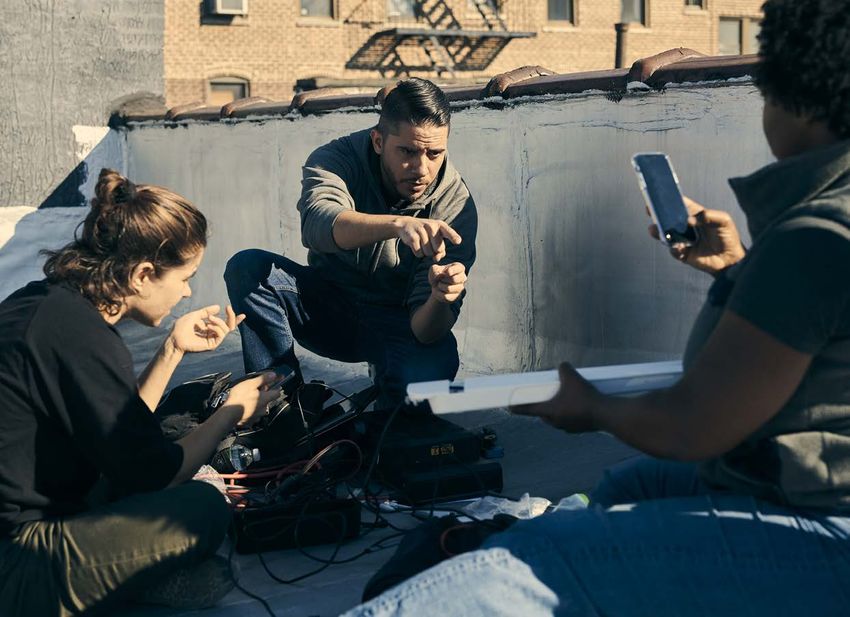
Internet Society Action Plan 2020                                                                                                   3

The Internet is
for everyone.

The Internet is for everyone. This remains the Internet Society’s vision. Yet
nearly half the people in the world remain unconnected. Those who are
connected face new and growing challenges to fully realizing the Internet’s
potential. Even as more people come online, it is critically important that the
Internet be a platform that enables people to connect, communicate, and
innovate.

We believe deeply that the Internet must be open, globally-connected,
secure, and trustworthy. Globally connected means that any part of the
network can communicate with any other part by using the same open
standards and protocols. While no system as broad and diverse as the
Internet can be completely secure, vulnerabilities and threats must be
mitigated to acceptable risk levels, and design and deployment of services
must follow the best practices we know. Trustworthiness requires the
Internet to work in a resilient, reliable, and accountable way that consistently
meets users’ expectations.

                                                                                   Lillian Ruth Achomo during the Internet Society
In 2020, we will continue to work towards realizing our vision by building,        Third Summit on Community Networks in Africa in
promoting, and defending a bigger and stronger Internet. Most of our work          Zithulele, South Africa.
plan for the coming year is organized into eight projects. The Internet Society    © Internet Society / Nyani Quarmyne / Panos Pictures

community, including Chapters, Special Interest Groups, individual members,
and Organization Members, are integral to this work. Their input has informed
and shaped our plans.

Continued engagement with the Internet Society community is key
to our shared success. Plans to foster this engagement are integrated
into each project. Every project also depends on working with partner
organizations and communities to achieve maximum effect. This year’s plan
explicitly acknowledges that fact and anticipates reaching beyond those with
whom we have worked before.

This document describes a plan of action for the coming year, but what
matters most is the difference those actions make. Extending the steps we
took in this area across 2019, we have built measurements of effectiveness
for each major area of effort into our work plan for 2020, and ways to assess
them. This will allow us to regularly check our progress against our plans. As
a result, we will publish a report at the close of the year describing what we
have accomplished.

We are energized by the opportunities and challenges that the coming year
brings, and we are excited to share the journey ahead with all who believe
the Internet is for everyone.

CC BY-NC-SA 4.0
internetsociety.org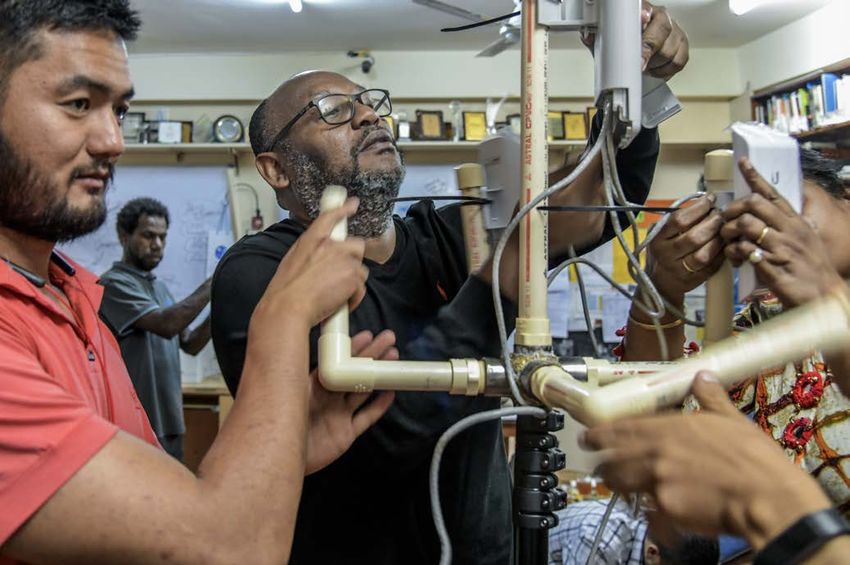
Internet Society Action Plan 2020                                                   4

A student at Kondoa Girls High School in Kondoa, Tanzania.
The school was one of the beneficiaries of the Kondoa Community Network, an
experimental network which used TV whitespace to provide internet connectivity to
selected schools and community focal points in the town.
© Internet Society / Nyani Quarmyne / Panos Pictures

CC BY-NC-SA 4.0
internetsociety.org
Internet Society Action Plan 2020                                                                                         5

Strengthening
the Internet

Promoting the Internet way of networking
Governments are increasingly moving towards
sovereignty-based approaches to the Internet. At
the same time, a winner-takes-all global economy
means that a few major gatekeepers have control
over Internet data and infrastructure. Both state
and market-driven centralization are risks to
the decentralized Internet way of networking.
Centralization encourages single points of failure
and moves away from the open and voluntary set
of standards and practices that have sustained the
Internet as a source of innovation and economic
growth. These systemic risks to the global Internet’s
future, and to the Internet Society’s core vision,
require a broad and sustained response.

This project will articulate and promote aggressively
a positive vision for the decentralized “Internet way                            Participants from the Internet Society
                                                                                 community at the Africa Internet
of networking.” This encompasses the unchanging properties that describe         Summit 2019. Kampala, Uganda.
how the Internet is built and operated, even as technologies and uses            ©Internet Society / Olaf Kolkman
evolve. Our work will include engaging with the Internet Society community,
as well as connecting and collaborating with partners and like-minded
organizations around the world. We will focus on key regulatory initiatives,
which present the greatest risk, and where highlighting ill-considered
proposals can most clearly influence regulation and legislation in the future.
Longer term, we must take a broad approach to illustrating the benefits
that flow from the Internet way of networking and demonstrate the power
of ensuring the Internet remains a global, general-purpose technology free
from control by vested interests.

Efforts aimed at influencing deliberative, regulatory processes take time to
produce results. This is especially true as we aim to reverse current trends
towards centralization. In 2020, we will continue work from past years to
                                                                                 Security and trustworthiness are
more clearly and compellingly describe the core technical properties of
                                                                                 preconditions to the Internet’s use
the Internet. We will build a strong understanding and interest around the       and growth.
Internet way of networking within the Internet Society community and
foster enhanced relationships with key partners and communities with             The projects here address these
                                                                                 themes. The issues to be addressed,
whom we must work to be successful. We will test our approach with               the approaches we expect to take
specific pieces of proposed legislation, such as the European Union Digital      to address them, and examples of
Services Act, and will undertake targeted outreach.                              specific outcomes are described for
                                                                                 each project.

CC BY-NC-SA 4.0
internetsociety.org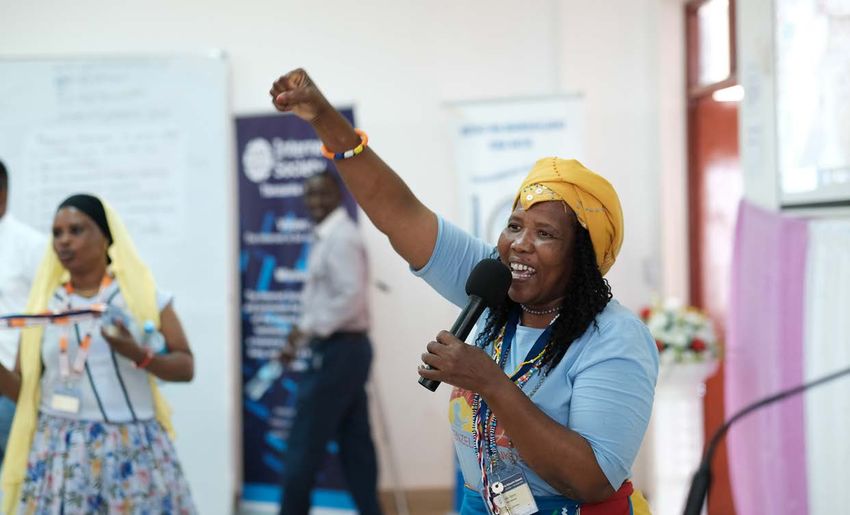
Internet Society Action Plan 2020                                                                                               6

                                                                      both governments and the private sector. As a trusted
 Extending encryption                                                 technical voice with a deeply connected community,
                                                                      we will bridge the gap between policymakers and the
                                                                      technical community by building and activating a global
Effective encryption is key to secure online
                                                                      advocacy movement. In particular, we will articulate
communications for everything, from financial
                                                                      a compelling narrative of the dangers of weakening
transactions to healthcare. It is a foundational
                                                                      encryption technologies. As specific threats to
component upon which a trustworthy Internet is built.
                                                                      encryption arise, we will work with local partners, Special
Yet, some governments see encrypted communication
                                                                      Interest Groups, Chapters, and Organization Members to
as a barrier to law enforcement, counter-terrorism,
                                                                      mitigate them. Proactively, and working with members
and public safety. Alongside increasing threats from
                                                                      and partners, we will promote the implementation and
those governments, some companies are resisting
                                                                      use of end-to-end encryption.
end-to-end encryption for business purposes. Together,
these approaches to policies and laws, and products
and practices undermine digital security and, as a                    By the end of 2020, we will have developed a compelling
consequence, erode the security and trustworthiness of                narrative that advances end-to-end encryption against
the global Internet.                                                  threats such as exceptional access. We will have created
                                                                      a diverse and engaged global network of coalitions
                                                                      with participants aligned with our goals and efforts in
The Internet Society is in a unique position to address
                                                                      this area. By 2025, our aim is that exceptional access
the threat to encrypted communications posed by
                                                                      proposals will no longer be considered a viable action
                                                                                            for governments. Rather, leading
                                                                                            governments will promote the
                                                                                            use of end-to-end encryption to
                                                                                            protect networks, communications,
                                                                                            and data. More tangibly, we expect
                                                                                            legal and business imperatives will
                                                                                            mean that Internet-based services
                                                                                            and products, such as commonly
                                                                                            used messaging applications
                                                                                            and Internet of Things devices,
                                                                                            will implement and use effective
                                                                                            end-to-end encryption, thereby
                                                                                            increasing the security of the
                                                                                            Internet as a whole.

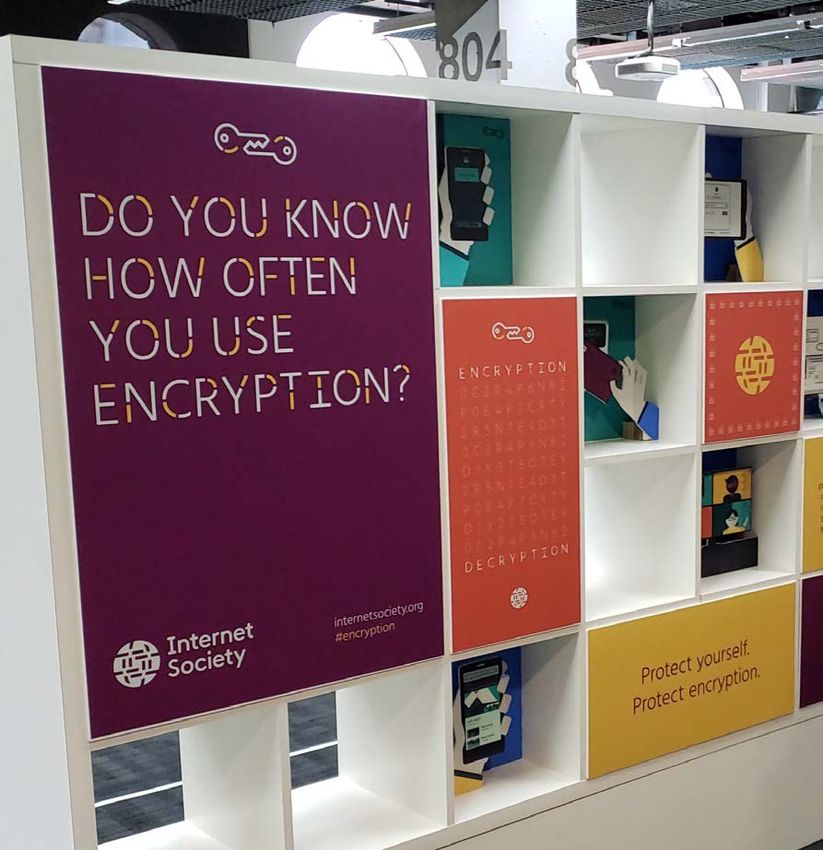
Encryption Wall, MozFest 2019
Participants were asked to “encode” and “decode” messages and facts
about encryption along the wall using augmented reality.
©Internet Society / Beth Gombala

CC BY-NC-SA 4.0
internetsociety.org
Internet Society Action Plan 2020                                                                                          7

                                                             incorporating information about IXPs and improving
Securing global routing                                      data quality and sustainability. The MANRS Observatory
                                                             will be part of the onboarding and conformance checks
                                                             of participating operators. Outreach around MANRS
Ensuring Internet traffic is reliably routed around the
                                                             will continue, including with new MANRS Community
world is a critical building block for a trustworthy,
                                                             Ambassador and road show programs. High-level, long-
global Internet. Based on common network operational
                                                             term goals include MANRS being viewed as a norm in
practices in place today, the global Internet routing
                                                             routing operations—with non-conformance seen as
system does not have sufficient security controls to
                                                             unacceptable—and, by 2025, for MANRS itself being
prevent the injection of false routing information,
                                                             a self-governed community engaged in substantive
including impersonation of networks. The lack of these
                                                             activities that drive improvements in routing security.
controls creates a significant vulnerability of the entire
system. The result is thousands of incidents of misrouted
traffic or denial of service on a global scale each year.    Increasing time security
The Mutually Agreed Norms for Routing Security
(MANRS) initiative, which has been fostered by the           Accurate time is essential for the trustworthiness of the
Internet Society, overcomes this collective problem          Internet. Many general security mechanisms, such as
by establishing a security baseline of concrete actions      the setup of encrypted channels and digital signature
for network operators. These actions are supported           creation and verification, depend on accurate time
by a growing and visible community of more than 200          information. Yet, time information on the Internet is not
networks around the world that have adopted them.            securely communicated because of flawed technical
The main work streams for MANRS in 2020 aim to grow          protocols, a dearth of available implementations and
the community adopting MANRS, mobilize a broader             services, and insufficient deployment and operational
set of external communities with awareness of MANRS,         practices. As part of the Internet Society’s efforts to
improve measurement of routing security, build capacity      promote a trustworthy Internet, we will work with
among network engineers, and drive global adoption by        the communities of interest, including the open
conducting tailored outreach that aligns with region-        source community and network equipment vendors
specific routing communities.                                for the implementation of the network time security
                                                             mechanisms and associated tools, network operators
Among specific outcomes in 2020, we expect MANRS             and enterprises, which will be needed to deploy the
membership will double and will include new kinds            technology, the network time community that operates
of organizations, such as Content Delivery Networks          network time services, and operating system developers
(CDNs). We expect the MANRS Observatory—a                    who incorporate core functionality in all computers and
measurement platform that measures the impact of the         are a critical driver of deployment on the global Internet.
participants’ actions—to become a production service,
                                                             This project will stimulate the implementation of secure
                                                             network time protocols, raise awareness to promote
                                                             adoption, and build capacity to decrease the cost and
                                                             risk of deployment. We will work with the relevant
                                                             partner organizations and communities to evolve
                                                             the time security specifications, encourage multiple
                                                             interoperable implementations, and support the analysis
                                                             of performance and security characteristics of these
                                                             implementations. We will encourage the automated
                                                             deployment and successful operation of time security
                                                             mechanisms and best practices. Additionally, we will
                                                             measure the state of deployment of time security to
                                                             track its progress.

                                                             In 2020, the first implementations of network time
                                                             security will be operationally deployed, and the initial
                                                             materials to help others in their deployments will be
                                                             available. In addition, we will establish metrics and an
                                                             associated measurement infrastructure to track future
                                                             deployment. Specific metrics will be developed during
                                                             2020 to set targets for significant deployment of time
Andrei Robachevsky from the Internet Society
speaking about MANRS at RIPE 79.
                                                             security on the Internet by 2025.
©Internet Society / Andrei Robachevsky

CC BY-NC-SA 4.0
internetsociety.org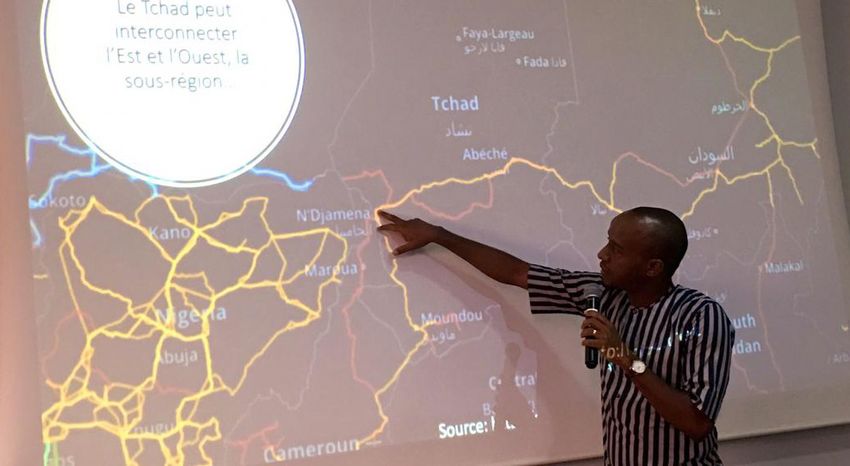
Internet Society Action Plan 2020                                                                                                   8

                                                            practices. Reference implementations of web servers
Leading by example with open                                that reflect the Internet Society’s long-time support of
standards and protocols                                     open standards will serve as a resource and model for
                                                            others. Equally important will be repositories of guides
                                                            and tutorials in a variety of formats that describe how
The Internet has been built on open, freely available       others may undertake similar deployments. And, to
standards with the Web being one of the most                further promote adoption of these approaches, this
successful and widely adopted ways to use the               project anticipates engaging with many communities
Internet; however, there is relatively little in terms of   and channels related to website development.
functioning, publicly accessible demonstration servers,
environments, or documentation that shows clearly how       By the end of 2020, the project will have deployed
to set up a website using a comprehensive set of the        four reference servers using two major open source
open standards, security settings, and privacy practices    web servers, each with and without a Content Delivery
supported by the Internet Society. In fact, website         Network (CDN), reflecting common approaches in the
operators who would like to implement technologies          target audiences. Easy-to-understand resources will
such as DNSSEC, IPv6, and TLS 1.3, while adopting and       not only include specific items such as webpages with
adhering to privacy policies that embody best practices     step-by-step tutorials, but also assets such as video
long promoted by the Internet Society, currently must       screencasts showing the precise configuration steps
gather the information about how to do these things         required. These resources will include links to testing
from a wide range of sources, and assemble and deploy       tools and environments, as well as more details on
the various required components on their own.               specific standards, protocols, and practices. Beyond
                                                            publishing documentation on Internet Society servers,
This project will demonstrate and document the              they will be promoted by publishing them on platforms
operational details of implementing open standards          such as Github, StackExchange, and other community
and best practices for secure web servers, and translate    forums as well as by outreach to specific conferences
them into easy-to-access and use resources that allow       and communities who are likely to adopt them.
others to do the same. It specifically targets small-to-    The specifics of the reference implementations and
medium sized organizations and enterprises, which           documentation will be updated over the longer term to
make up a large portion of the web ecosystem but            ensure they remain relevant and current as, for example,
often do not have the resources or expertise available      new versions of web server software and protocols
to easily implement the latest open protocols and best      become available.

                                                                              Nontsokolo Gladys Sigcau of Zenzeleni Networks singing
                                                                                at the 4th annual Summit on Community Networks in
                                                                                         Africa at the University of Dodoma, Tanzania.
                                                                                © Internet Society / Nyani Quarmyne / Panos Pictures

CC BY-NC-SA 4.0
internetsociety.org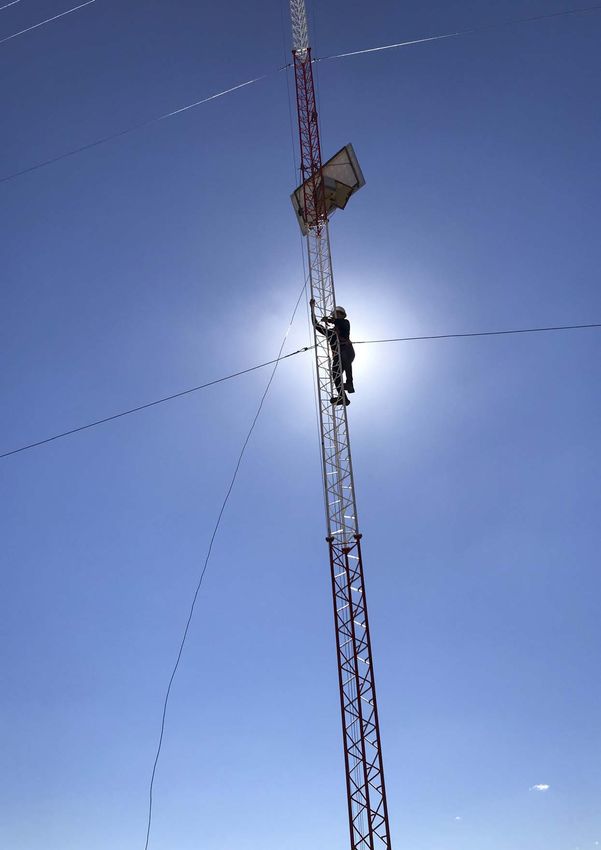
Internet Society Action Plan 2020                                                                                          9

Growing the
Internet

Building Community Networks
Even though the Internet has expanded around the
world faster than any previous technology, nearly
half of the world’s population still lacks Internet
connectivity. These unconnected communities
and individuals are located on every continent.
The unconnected live in rural, remote, and urban
communities. Without access to the Internet, every
day without connectivity is a day of lost opportunity.

We know that Community Networks (CN) are a way
to bridge the connectivity gap. The Internet Society
has a long history of making a difference in this
area, but to meet current connectivity challenges
we will refocus and increase our efforts to support
CN deployments, create capacities in communities
by training local people, build new communities                                 Community Network training program
of interest, and work to change policies and regulations to encourage           with Nation of Hawaii as part of 2019
                                                                                Indigenous Connectivity Summit, leading
the development and deployment of Community Networks. Community                 to the build of Hawaii’s first community
collaboration is at the heart of what we do, and we will expand our efforts     network in Pu’uhonua o Waimānalo.
                                                                                ©Elyse Butler
by reaching out to communities in need with and through our partners and
current communities of interest.

In 2020, we will continue to engage with our Chapters, Organization
Members, individual members, partners, and colleagues. We aim to bring
on more partners at global, regional, and local levels, such as existing
community networks, international financial and governmental institutions,
and governmental entities, and individual experts. We will hold five regional
Summits and one Global Summit to continue to build and sustain CNs and
communities of practice. To track progress and improve how we do our
                                                                                The global Internet continues to grow
work, we plan to better measure the level of connectivity pre- and post-        around the world, but unevenly.
network deployment, and to work with partners to identify metrics to track      Our efforts are aimed at not only
the impact CNs have on and within a community. Looking beyond 2020, our         increasing the reach and reliability
vision is for broad acceptance and deployment of CNs around the world,          of the Internet in the short term, but
                                                                                also ensuring the foundations for
changes to government policies and data to support these changes, better        continued growth are solidly in place.
project impact measurement, and a network of communities that can each
sustain each other.                                                             A new project will bring together
                                                                                multiple measures of the Internet to
                                                                                better inform the future work and
                                                                                plans of the Internet Society and
                                                                                others to promote the growth of the
                                                                                global Internet.

CC BY-NC-SA 4.0
internetsociety.org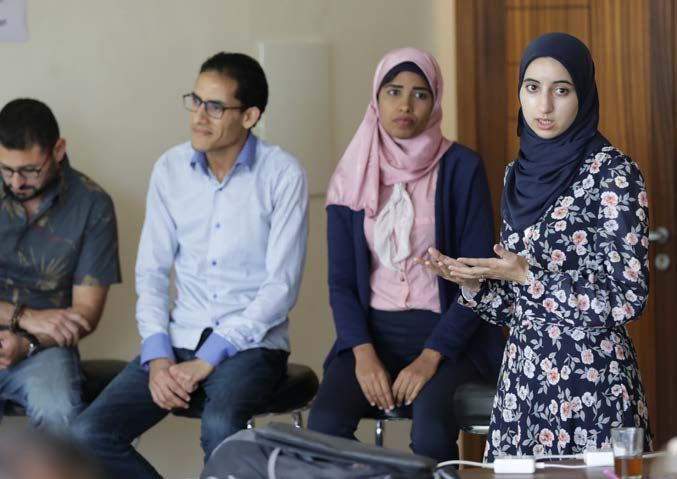
Internet Society Action Plan 2020                                                                                                      10

                                                              local communities, and will calibrate and align with local
Fostering infrastructure and                                  partners to maximize impact and sustainability.
technical communities
                                                              For 2020, we will support the creation of five new IXPs
                                                              and strengthen 10 existing ones, particularly by
Many countries and regions around the world lack local
interoperable, open Internet infrastructure. They also        developing and working with and through network
lack strong local technical and operational communities       operator groups (NOGs) and local Internet communities.
to build, support, and scale that infrastructure. Together,   Complementing the community and technical work, we
strong infrastructure and communities provide                 will train hundreds of individuals in targeted geographies
complementary building blocks upon which more and             and communities around the world in face-to-face
better Internet infrastructure can be built.                  workshops and through our basic online network
                                                              operations training course. Our broader goal for the
This project will focus on Internet exchange point (IXP)      following years is to create self-sustaining communities
development and deployment, and on building the local         so that the Internet Society’s role transitions to support
communities, which are pillars of Internet development        community-led work.
and growth. At a technical level, we will support the
development and deployment of new IXP infrastructure,
as well as the improvement of existing IXPs. We will          Measuring the Internet
foster and encourage the local communities and
participating individuals who are building, operating, and
maintaining the commercial networks, IXPs, research           Fundamentally, the Internet relies on independent
and education networks, and other critical parts of           networks connecting to one another and, all together,
the Internet infrastructure. Underlying the work of this      these form the global Internet. This is the heart of the
project will be a focus on measuring Internet growth and      Internet way of networking; however, in part because
supporting evidence-based policymaking.                       of its distributed nature, measuring any aspect of the
                                                              Internet on a global scale is difficult. Expert researchers
                                                              know where to find specialist data sources and
Our efforts will include engaging with governments
                                                              analysis but more casually interested observers, such
and local partners, including Internet Society Chapters
                                                              as policymakers or journalists, have no reliable place to
and Organization Members, to tackle diverse issues
                                                              find answers to questions about the current state of the
and obstacles. Depending on the region, the issues we
                                                              Internet. In short, there is no single site or tool that brings
may tackle include changes to policies and rules that
                                                              together the multiple measures required to understand
are barriers for Internet infrastructure development.
                                                              the Internet’s evolution and health.
We recognize that needs vary by region, country, and

                                                                            Chad IXP Workshop, Ndjamena, Chad. In 2019 the Internet
                                                                            Society and Facebook have partnered to develop Internet
                                                                                            Exchange Points (IXP) throughout Africa.
                                                                                                                  ©Internet Society

CC BY-NC-SA 4.0
internetsociety.org
Internet Society Action Plan 2020 11
This project addresses the need to have a single, easily and disruptions through data, information, and insight,
identifiable place to go to find up-to-date data about we plan to deliver a dashboard that will identify, track,
trends that are shaping the Internet’s infrastructure and and analyze such events. This will bring transparency
the health of the Internet way of networking itself. The to shutdowns through measurement, analysis, and
project will be based on consuming and processing reporting, and highlight the impacts both locally and to
third-party measurement data, and will use that data the broader Internet. This will allow us to illustrate how
to generate and present easy-to-find and -understand Internet shutdowns are a threat to the Internet way of
information. A Web-based dashboard will present these networking, and to support a shared goal to reduce the
trends and contextualize indicators within an overall number of Internet shutdowns.
narrative of Internet evolution and promotion of the
Internet way of networking. The information will be Over the next year, this project will establish a
tailored to help a variety of stakeholders—including community of interest around collecting and contributing
policymakers, researchers, and journalists—better data to support collaborative Internet measurement
understand the growth and evolution of the Internet results. Driven by the defined use cases, an initial set of
along a variety of dimensions. The goal is to make metrics, associated measurement methodologies, data
available information that can be used when dealing sources, and partners will be developed. Based on the
with questions around issues such as new technology community and data, an initial Web-based dashboard
deployment and connectivity, and reliability issues in will be developed and launched for public consumption.
regions around the world. In addition, the information A coordinated communications campaign will be
collected and organized by this project will help undertaken to promote and highlight the dashboard,
inform other Internet Society projects, such as including developing data-driven stories that promote
Community Networks. the understanding of the Internet model. The long-term
goal is to establish the Web-based dashboard as primary
Internet shutdowns is another initial use case for this source for understanding the evolution of the Internet
project. To establish the Internet Society as a key source and the health of the Internet way of networking.
for information about the impact of Internet shutdowns
Community Network Champions at a training center in India learning how they
can help bridge the digital divide in their own communities.
© Atul Loke / Panos for Internet Society
CC BY-NC-SA 4.0
internetsociety.orgInternet Society Action Plan 2020 12
Building Our
Community,
Extending
Our Voice
Founded by Internet pioneers, the
Internet Society works with a diverse
community of Chapters, Special
Interest Groups, individual members,
and Organization Members. This broad
Internet Society community shares
an interest and belief in our principles
and mission. While together we are
committed to strengthening the
global Internet and expanding its
reach, groups within the Internet
Society encompass a wide range of
views and interests.
Strengthening engagement with our
community is critical to the Internet
Society’s long-term success and it is a
key component of most 2020 projects.
Beyond project-specific engagement,
in 2020, we expect to undertake a
Internet Society members during the Middle
focused, coordinated effort to understand better the community’s interests. East 2019 Chapter Advocacy Meeting.
This will allow more tailored communications and improve our ability to © Urban Pixel Lebanon
connect interested community members with opportunities within our
2020 projects.
Moving beyond engagement, mobilizing community members will be key
to achieving shared objectives. Success in this effort will require creating
clarity and communicating effectively about how individuals, chapters,
or organizations can make a difference, especially how to become part
of a larger movement. The next several years will be focused on building
a robust support base of new community members to stand with us and
amplify our voice through action. This includes digital natives who don’t
know life without the Internet, and organizations whose business models
rely on the Internet.
CC BY-NC-SA 4.0
internetsociety.orgInternet Society Action Plan 2020 13
Beyond the immediate Internet Society community, benefit to the program participants and help set the
we will build partnerships, foster governmental and stage for long-term support of the Internet Society’s
intergovernmental relations, and pursue fundraising mission, vision, and projects.
opportunities at global, regional, and national levels.
While projects will be a primary organizing approach for Continuing to spread the word broadly about the work
these efforts, we will also work with strategic partners of the Internet Society community and its partners
and organizations at global and regional levels to towards our shared vision remains a key priority for
identify, cultivate, and preserve long-term relationships Internet Society. We must continue to speak out boldly
that are critical for our future work. and clearly. To do this, tailored communications activities
are embedded into each project plan. And, we will
We will continue to undertake targeted programs to develop a consistent narrative that connects all of our
connect individuals to vibrant communities helping to work to our shared vision and mission. This will ensure
build the global Internet. This includes the ISOC Policy the Internet Society organization and community are
Fellows to the Internet Engineering Task Force (IETF), even more influential in shaping the Internet’s future
and the Youth at the Internet Governance Forum (IGF). path, and in providing globally and regionally relevant
Each of these programs invests in making individual voices on some of the most pressing issues facing the
connections to new communities that would otherwise Internet today.
not be made. These connections provide immediate
Community Networks training program participants and
community members in Ulukhaktok, Northwest Territories.
© Angela Gzowski
CC BY-NC-SA 4.0
internetsociety.orgInternet Society Action Plan 2020 14
Other Activities
Internet Hall of Fame
The Internet Hall of Fame is a
global recognition program started
in 2012 by the Internet Society.
It honors individuals who have
contributed significantly to the
Internet’s inception, evolution,
and global growth. The Internet
Hall of Fame recognizes the
visionaries and pioneers responsible
for significant improvements
in Internet connectivity, key
technical contributions, and
advancements that promoted the
Internet’s use. In its fifth year, this
program has gained recognition
within the Internet community
and beyond. It fills a void by
honoring some of the world’s most
influential engineers, evangelists,
and entrepreneurs.
In addition, the Internet Hall of Fame
strives to inspire new generations of
Internet leaders. It reinforces and promotes the attitudes and shared values 2019 Internet Hall of Fame inductees.
© Garret Britton
that created the Internet, and it serves as a resource for information about
the history of the Internet, so that future generations will understand, value,
and safeguard the forces and principles that made it possible. It helps those
working on the Internet today remain connected to the Internet Society and
its core values: promoting the open development, evolution, and use of the
Internet for the benefit of all people throughout the world.
The Internet Hall of Fame induction happens every two years, and 2020 is one
of the off years. At the end of 2019, the staff member principally responsible
for establishing and nurturing the Hall of Fame will retire. The year 2020 will
bring an opportunity to evaluate the successes of the recognition program
and to ensure that it evolves in keeping with the changing nature of the
population of significant contributors.
In addition to the projects previously
listed, a number of mission support
activities in which the Internet Society
has been engaged for an extended
period will continue in 2020.
CC BY-NC-SA 4.0
internetsociety.orgInternet Society Action Plan 2020 15
Jonathan B. Postel
Service Award
For more than 20 years, the Jonathan B. Postel Service
Award has recognized leaders in the development
of the Internet. The award is named for Dr. Jonathan
B. Postel to recognize and commemorate the
extraordinary stewardship exercised by Jon over the
course of a 30 year career in networking. He served as
the editor of the RFC series of notes from its inception
in 1969 until 1998. He also served as the ARPANET
“numbers Czar” and Internet Assigned Numbers
Authority over the same period of time. He was a
founding member of the Internet Architecture (née
Activities) Board and the first individual member of the
Internet Society, where he also served as a trustee.
Network and Distributed
System Security Symposium
The Internet Society provides a home for the Network
and Distributed System Security Symposium (NDSS). Alain Aina, the 2019 winner of the Jonathan B.
NDSS is a top academic conference on network and Postel Award. He has been a key player in the
Internet in Africa His leadership in building technical
systems security, with a unique open-publication policy. communities has helped countless people to spread
This conference not only attracts top researchers from the Internet across Africa and the world.
around the world, but shares contributions in a way © Minzayar Oo courtesy IETF LLC
that promotes diffusion of information to industry
and beyond. The Internet Society believes that a lively
community of security researchers is key to the security
and trustworthiness of the Internet, and therefore
continues to support this important focal point for
their work.
CC BY-NC-SA 4.0
internetsociety.orgInternet Society Action Plan 2020 16 Financial Plan Our work in 2020 is supported by a financial plan that will ensure the Internet Society remains fiscally strong and operates effectively as a charitable, not-for-profit entity. The financial plan allocates resources so the Internet Society can continue to deliver on its mission to support and promote the development of the Internet as a global technical infrastructure, a resource to enrich people’s lives, and a force for good in society. The table below provides further details of this year’s financial plan and reflects the work plan’s focus on projects. Our overall revenues and expenses remain at a steady level compared to recent past years. With the majority of our resources coming from a contribution from the Public Interest Registry, in 2020 we will continue our work to expand our membership, grants, and other revenue. These efforts will be oriented around and aligned with the project plans and objectives. Expenditures also are organized by the eight Action Plan projects and our other mission-based projects, such as the Internet Hall of Fame and Postel Award. Organization and operating costs capture the day-to-day expenses associated with running of the organization, including costs for community and partner engagement, and global Internet Society personnel. CC BY-NC-SA 4.0 internetsociety.org
Internet Society Action Plan 2020                                       17

Summary Statement of Activities
(All amounts in US$000s)

 Unrestricted Revenues

 Memberships, Sponsorships, & Registrations               $    2,248

 Grants & Contributions                                        2,434

 Public Interest Registry Contribution                        35,000

 Total Unrestricted Internet Society Revenues             $   39,682

 Expenses

 Action Plan Projects

   Promoting the Internet way of networking               $      625

   Extending encryption                                         1,100

   Securing global routing                                       594

   Increasing time security                                      250

   Leading by example with open standards and protocols          187

   Promoting Community Networks                                  915

   Engaging technical and operational communities              2,254

   Measuring the Internet                                        787

 Action Plan Project Subtotal                                  6,712

 Mission Support Projects                                      3,519

 Organization & Operating Costs                                29,151

 Board Governance                                                300

 Total Internet Society Expenses                          $   39,682

 Net Surplus (Deficit) Before Interest                    —

 Interest and Currency                                          500

 NET UNRESTRICTED SURPLUS/(DEFICIT)                       $     500

CC BY-NC-SA 4.0
internetsociety.org
Internet Society Action Plan 2020                        18
A pilot program in El Cuy, Argentina to bring Internet
access to a remote region in Patagonia.
© Internet Society / Christian O’Flaherty

CC BY-NC-SA 4.0
internetsociety.org
Internet Society Action Plan 2020                                                                          19

Conclusion

This plan organizes our attention and resources on the most important work for building, promoting,
and defending a bigger and stronger Internet in the coming year. Most of our work is organized into
eight projects. The plans for these projects define specific outcomes and anticipate long-range goals,
while establishing a framework for assessing and understanding how we are delivering on them.
Continued engagement with all parts of the Internet Society community, strengthening partnerships
with those beyond our community, and ensuring we communicate clearly and boldly are integral
aspects of all our work.

We remain committed to an Internet that is a force for good in the world. With more than half the
people in the world connected, the potential of the Internet to foster innovation, spark learning, and
transform lives is evident. As we work to ensure the rest of the world is able to connect, we must work
towards the best version of the Internet we can imagine, rather than worst version we fear.

Our enduring vision is an Internet for everyone. This is our plan for taking the next steps to make that
vision a reality.

Volunteers from NYC Mesh during their install-a-thon, which helped
expand Internet access to the underserved in New York City.
© Chris Gregory

CC BY-NC-SA 4.0
CC BY-NC-SA 4.0
internetsociety.org
back page

                                       internetsociety.org
                                        @internetsociety

11710 Plaza America Drive, Suite 400                                 Rue Vallin 2
       Reston, VA 20190, USA                                 CH-1201 Geneva, Switzerland
You can also read


