Lactation & Breastfeeding
←
→
Page content transcription
If your browser does not render page correctly, please read the page content below

Lactation & Breastfeeding
                             Magazine of the European Lactation Consultants Alliance • www.elacta.eu • ISSN 1614-807x

COVER STORY             COVER STORY                        COVER STORY
Breast Pumps at Low     Pump Management                    Relaxed Pump
Prices – The New        Using a Psychosocial               Management –
Market Trend – page 4   Working Model – page 8             page 16                               2 • 2020 Volume 32
2   EDITORIAL

                Dear Members, Dear Colleagues,

                We would have made plans for            Representing the board, I want to       What positive aspects does com-
                the holiday. We would have met          thank all the members from the          munication offer in times of con-
                our family, friends and colleagues      former board for their work:            tact restrictions?
                in cheerful circumstances but …             Special thanks to Karin Tiktak          The cover story „Pumping and
                COVID-19 came … with news               for leading the board in such a dif-    Breast Milk Expression“ is also ex-
                changing all the time.                  ficult period, for showing flexibil-    amined in all its facets, not least in
                    It struck Italy, the most affect-   ity and working very hard during        relation to the corona pandemic.
                ed country in Europe. We were           the many years as president and             ELACTA is about exchange: ex-
                waiting for news from week to           especially during the COVID-19          change of experience/ exchange of
                week to see what would happen,          period when we had to cancel the        ideas/exchange of knowledge. En-
                but week by week, the chances of        ELACTA conference in Milan and          joy these exciting subjects.
                holding ELACTA‘s conference be-         bring it online and to arrange the          And even if the planned
                came smaller and smaller. On the        first online General Assembly in        ELACTA conference in Milan did
                one hand, we were sorry about           the history of ELACTA.                  not take place in these times of cri-
                the cancellation of the conference          Special thanks to Mirjam van        sis and the General Assembly and
                and on the other hand, we were          der Meij as ELACTA’s former trea-       board election could not be held as
                grieving with our Italian IBCLC         surer. Due to her work, ELACTA          in-person meetings, I am pleased
                colleagues. It seemed like the day      was able to implement the cancel-       at the lively virtual exchange, the
                before that we were visiting the        lation of the conference and the        mandate received online and the
                University in Milan, tasting the        organisation of the online confer-      consistently positive feedback
                catering food and visiting restau-      ence without a disproportionate         I’ve received so far on the online
                rants for social dinners…               financial burden. Having the fi-        ELACTA conference „Networking
                    No time to lose, though. Rap-       nancial security, ELACTA can look       for Breastfeeding“.
                id decisions were needed to can-        optimistically at the future and
                cel the conference, to decide if        plan the next conference in 2022
                ELACTA was going to do an online        in Germany.
                conference, to decide how to han-           Thanks to all the former mem-
                dle the General Assembly. ELACTA        bers of the board: Karin Tiktak,
                could have stumbled. But not this       President, Mihaela Nita, Vice-Pres-
                time, not on her watch: Karin Tik-      ident, Mirjam van der Meij, Trea-
                tak was there to lead ELACTA.           surer, Barbara Finderle, Second
                    Every two years May comes           Treasurer, Maria Enrica Bettinelli,
                with change and continuity, be-         Secretary, Daiva Sniukaite, Second
                cause this is what the General As-      Secretary and Stefanie Rosin, As-
                sembly brings:                          sessor.
                › Change with the fresh wind of a           Congratulations to the new
                  new beginning for newly elected       members of the board. We wish
                  members of the board and              them all the best in their new roles!
                › Continuity for the members                We present you an issue with
                  reelected                             high topicality and a lively ex-
                                                        change of ideas:
                In this way, ELACTA can continue            What does breastfeeding coun-
                its work and keep its promise to        selling in the light of COVID-19
                represent IBCLCs in the best way        look like? IBCLCs from ten Euro-
                possible and also gain the new          pean countries give us insight into
                perspective that comes with a new       breastfeeding counselling in their            Mihaela Nita
                team.                                   countries the past months.                    President of Elacta

                                                                                                      www.elacta.eu Lactation & Breastfeeding 2 • 2020
CONTENTS   3

IMPRINT

Company Information:
ELACTA European Lactation
Consultants Alliance
www.elacta.eu
Magazin: www.elacta-magazine.eu
Email: magazin@elacta.eu
ZVR-Nr.: 708420941
ELACTA-president:
Mihaela Nita, IBCLC
president@elacta.eu
Editorial and project coordination:                               2    EDITORIAL
Eva Bogensperger-Hezel, IBCLC
Email: magazin@elacta.eu                                          4    COVER STORY

Team:                                                             4    Breast Pumps at Low Prices – The New
Andrea Hemmelmayr, IBCLC,             Photo: © Ulrike Giebel
                                                                       Market Trend
Elke Cramer, Ärztin, IBCLC,                                       8    Pump Management Using a Psychosocial
Dr. phil. Zsuzsa Bauer,                                                Working Model
Bärbel Waldura, IBCLC,
Sabine Nantke,                                                    11   HANDOUT
Gudrun von der Ohe, Ärztin,
IBCLC                                                             11   Every Drop Counts – Expressing Your Milk

Translations:                                                     13   COVER STORY
Elizabeth Hormann, IBCLC,                                         13   How are Mothers Coping with Pumped Milk
Annika Cramer, Catherine
                                                                       Feeding?
Pilgram, Marion Kenny,
Martina Hezel, Jacoba Kanne                                       16   Relaxed Pump Management
Advertising:                                                      20   Milk Expression to Provide Newborns
marketing@elacta.eu                                                    with the Best Start During the COVID-19
                                                                       Pandemic
Photos: © as mentioned on the
photos                                                            22   PA R T N E R A S S O C I AT I O N S
Cover photo: © iStock.com/
                                                                  22   The Academy of Breastfeeding Medicine
Nastasic
Note: The stock photos used           Photo: © Regina Keogh
                                                                       Protocols
are symbol photos; the pictured                                   23   ABM Clinical Protocol #32: Management of
models do not suffer from the                                          Hyperlactation
symptoms possibly described in
the respective articles.                                          24   PRACTICAL KNOW HOW

Layout: Christoph Rossmeissl                                      24   Birth and Breastfeeding in the Times of
                                                                       COVID-19 from the Perspective of the
Published quaterly at the end                                          Mothers
of March, June, September and
December                                                          25   Breastfeeding Advice in Italy During the
                                                                       Corona Pandemic
Deadline: 15 January, 15 April,
15 July, 15 October                                               27   IBCLC Work in Romania During the
                                                                       COVID-19 Pandemic
With its articles, Lactation
                                                                  28   Croatia
and Breastfeeding wants to
go beyond expert information                                      29   A Challenge or Perhaps a Blessing in
about breastfeeding and also                                           Disguise?
stimulate discussion. Therefore,                                  30   Breastfeeding Advice in Denmark During
we welcome your views. Please
                                                                       the Corona Pandemic
send letters to the editor to         Photo: © Bilic
                                               XXXXXX
the following email address:                                      31   Breastfeeding Support in Ireland with
magazin@elacta.eu                                                      COVID-19 Restrictions
                                                                  32   The Situation from the Midwifery
                                                                       Perspective (Austria)
                                                                  33   Report on a Neonatology Unit in Austria
                                                                  34   Breastfeeding During the COVID-19
PLEASE NOTE:                                                           Pandemic in a Baby-friendly Hospital in
The articles published in                                              Athens, Greece
Lactation and Breastfeeding                                       35   Report From the Hospital
do not necessarily reflect the
opinions of the editors or of
                                                                  36   Breastfeeding Counselling Practice in
ELACTA. Rather, they are the                                           “Corona-times”
author’s own personal views.                                      37   Breastfeeding Counselling in the
This PDF may not be passed on                                          Netherlands During the COVID-19 Pandemic
to colleagues or other people,
published in the internet, or
                                                                  38   Communication in Online Lactation
reproduced in any form without                                         Consultations
the explicit permission of the        Photo: © Barbara Kämmerer
                                                                  40   E L A C TA N E W S
editorial team. Violations will be
prosecuted.                                                       40   ELACTA General Assembly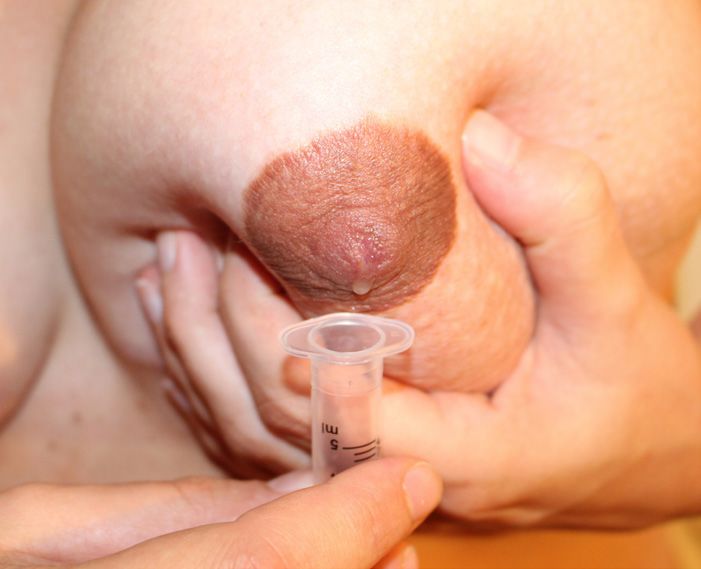
4   COVER STORY

    Breast Pumps at Low Prices –
    The New Market Trend
    Especially in online shops, electric breast milk pumps are being
    offered at very low prices. It is obvious that milk pumps that cost 30–
    60 € cannot be of the same quality as the milk pumps of established
    manufacturers, which are in a higher price bracket. In this article, I
    will focus on the technical differences so that you as a specialist can
    form an opinion on low-price pumps. Author: Marliese Pepe
                                                                                                                   Marliese Pepe-Truffer
                                                                                                                   Master of Advanced Studies in
                                                                                                                   Product Management
    A gentle revolution has taken place in the          However, as we as professionals often                      IBCLC since 199.
    last two decades: more and more women           see in consultations with mothers, these                       Nurse with emergency training.
                                                                                                                   Mother of three adult children.
    are pumping their milk. Clemons showed          mothers cannot pump efficiently. They suf-                     Has been working for for over
    in 2010 that 65% of lactating mothers           fer from sore, painful nipples (Figures 1                      10 years in the head office of
                                                                                                                   Ardo medical AG in Switzerland.
    used an electric milk pump. Along with the      and 2) and wean prematurely, before they                       Ardo complies with the
    increase in the number of mothers who           intended, or at best buy 2–3 inexpensive                       International Code of Marketing of
                                                                                                                   Breast-milk Substitutes.
    pump, the market potential for electric         breast pumps before they come across an
    milk pumps has also increased. More and         efficient professional breast pump.                            marliese.pepe@bluewin.ch
    more manufacturers want to profit from              Mothers’ expectations of a breast pump
    this growing market. Among them are             look different, as an international quanti-
    also companies that have little knowledge       tative survey by Ardo (2018) showed. For
    about the manufacture of breast pumps           88% of the 288 mothers asked, reliability
    and the needs of mothers and therefore sell     and efficient pumping were the most im-
    cheaply manufactured products to their          portant factors in an electric milk pump.
    customers at low prices.                                                                       1. Medical devices as guarantee of
        Mothers and pregnant women with no          This makes a difference                           quality
    experience of pumping believe the product       How can you tell whether a breast pump         Unlike low-price milk pumps, profession-
    descriptions of the low-price breast pumps,     delivers what it promises? What features       al milk pumps are medical devices. This
    which suggest that they are just as effective   distinguish a professional breast pump?        means they have to comply with the re-
    as professional breast pumps from estab-        The following sections provide guidance on     quired standards for medical products. This
    lished manufacturers with many years            these issues.                                  guarantees safety, quality, reliability and
    of experience with hospital-grade breast            There are two basic types of profession-   efficiency, as they are manufactured and
    pumps. Low-price breast pumps are not           al breast pumps: those for use by several      tested in accordance with EU Council Di-
    only inexpensive; they are often beauti-        mothers (in hospital or as rental pumps)       rective 93/42/EEC. Manufacturer of med-
    fully designed and have good to very good       and those for the personal use of one          ical devices are obliged to work according
    star ratings. Therefore, it is understandable   mother. In this article, the term “profes-     to the comprehensive quality management
    that mothers buy these low-priced breast        sional milk pump” refers to a personal elec-   system of the EN ISO 13485 standard. If
    pumps.                                          tric milk pump designed for one mother.        they comply with the above standard and
                                                                                                   guidelines, they may issue a declaration
                                                                                                   of conformity for their breast pumps as
                                                                                                   medical devices. However, since an elec-
                                                                                                   tric breast pump falls into risk class 2a, the
                                                                                                   manufacturer is additionally checked and
                                                                                                   certified by the Notified Body (e.g. the TÜV
                                                                                                   in Germany) with an annual audit.
                                                                                                       You can recognise professional milk
                                                                                                   pumps by their type plate. It must contain,
                                                                                                   among other things, the following informa-
                                                                                                   tion: CE mark (1), identification number of
                                                                                                   the Notified Body (2), here 0123 for TÜV
                                                                                                   Süd, manufacturer (3) and product name
                                                                                                   (4) (see Figure 3).
    Photo: © Marliese Pepe                          Photo: © Marliese Pepe

    Figures 1 and 2: sore nipples caused by pumping with low-price breast pumps

                                                                                                    www.elacta.eu Lactation & Breastfeeding 2 • 2020
COVER STORY              5

                                                                                                                           Photo: © Barbara Kämmerer

Figure 3: example: type plate for the Calypso milk pump                                          Figure 4: Measuring
1: CE mark; 2: identification number of the Notified Body for approval                           suction strength with a
and annual audit; 3: manufacturer; 4: product name                                               vacuum gauge

                                                     The cycles of professional breast pumps
                                                 imitate the sucking patterns at the breast.
   PRACTICAL INFORMATION                                                                            PRACTICAL INFORMATION
   › Professional breast pumps must
                                                 R.A. Lawrence (1999) reports that the              › The vacuum level can be checked
     have a type plate with permanent            sucking rhythm in the stimulation phase              with a vacuum gauge. It is import-
     inscription.                                is 70–120 sucking cycles per minute. Once            ant to ensure that the plug diame-
   › You can recognise whether a pro-            the milk starts flowing, the sucking rhythm          ter of the vacuum gauge (Figure 4)
     fessional milk pump is a medical            changes to 40–60 cycles per minute. Many             fits the inner diameter of the
     device by its type plate. If an iden-                                                            flange; otherwise, incorrect values
     tification number of a Notified Body
                                                 professional breast pumps provide a choice           will result.
     for approval accompanies the CE             of 70–120 cycles per minute in stimulation         › The cycles can easily be counted
     mark, it is usually a medical device.       mode and 30–60 cycles per minute in ex-              with a stopwatch during one min-
   › Every medical device must have a            pression mode. Some professional pumps               ute.
     declaration of conformity. You can          also allow the cycles and vacuum to be se-         › Sometimes the vacuum and cy-
     request this from the manufacturer                                                               cling values can be found in the
     at any time.
                                                 lected independently. This means that the            documents about the product on
                                                 vacuum that is comfortable can be deter-             the manufacturer’s website. You
   In addition to the breast pump, the           mined independently of the number of                 can compare these values with
   manufacturer’s declaration of con-            cycles per minute. This allows the mother            the values for a professional milk
   formity also applies to the accesso-          to adjust the vacuum and number of cycles            pump. However, it should be noted
   ries and the original pump set. This                                                               that vacuum values are some-
   means that if third-party pump sets
                                                 per minute to suit her individual needs.             times given in mmHg and not in
   or attachments are used, the manu-                Low-price breast pumps do not reach or           mbar (330 mbar corresponds to
   facturer cannot accept any liability.         only insufficiently reach the values for pro-        248 mmHg).
                                                 fessional breast pumps defined above, as
                                                 shown by internet research and electronic
                                                 measurements of vacuum and cycling.
2. Vacuum, cycling and suction curves
   as success factors                       To sum up, the following can be said about             maximum vacuum exceeds the maxi-
Vacuum, cycles and suction curves play a low-price breast pumps:                                   mum vacuum of 330 mbar specified in
central role in efficient pumping; they are                                                        the standard by 100 mbar. If a mother
three important technical success factors.  1. The maximum values of 330 mbar for                  sets the pump to this maximum vacu-
                                               vacuum and 60 cycles per minute are                 um, believing that the higher the vacu-
   2.1. Vacuum and cycles                      not reached with low-price milk pumps.              um, the more milk she can pump, this
The vacuum is generated by a piston or         At a maximum vacuum of 330 mbar,                    can lead to sore and painful nipples.
membrane. The maximum permissible vac-         the number of cycles is only between 10
uum level for breast pumps is defined in       and 17 cycles per minute. On the other            3. Sometimes the maximum number of
the medical device regulation DIN EN ISO       hand, if 50 to 60 cycles are achieved, the           cycles in expression mode is about
10079 and must not exceed 330 mbar.            maximum achievable vacuum is only                    95 cycles per minute and this frequency
    This means that the vacuum in pro-         about 250 mbar. This means that the                  is also used in stimulation mode, which
fessional breast pumps is between 30 and       performance of low-price breast pumps                makes no sense at all.
330 mbar in expression mode and between        does not meet the needs of mothers.
50 and 260 mbar in stimulation mode. By                                                             2.2. Suction curves of different
comparison, babies suck with an average 2. At the same time, some of the low-price                    pumps
vacuum of 200 mbar and a maximum vac-          milk pumps achieve a maximum vacu-                The suction curve is another important
uum of 293 mbar (Lawrence & Lawrence,          um of more than 430 mbar at 10 cycles             feature of a breast pump. It defines how
1999).                                         per minute, to give an example. This              gently and ultimately how efficiently ›
6   COVER STORY

     Pressure mbar

                                                                                 Pressure mbar
                                                   rest phase

                                                                                                                                      steep drop in the
                     build-up edge       falling edge                                                                                 vacuum

                                                                                                 no holding phase

                                        holding phase

                                                                Time s                                                                             Time s

    Figure 5: Suction curve of a professional milk pump in expression            Figure 6: Typical suction curve for low-price diaphragm pumps in
    mode                                                                         expression mode

›   the pump works. It consists of the build-            Interpretation of suction curves of a low-price milk pump
    up of the vacuum (build-up edge), a hold-
    ing phase during which the milk can flow,            Abb. 7: Starting and stimulation mode                      › When the pump is started, the vacuum
    a gentle fall (falling edge) and a rest phase                                                                     rises directly to 250 mbar for the first
    (Figure 5).                                                                                                       cycle and then goes into stimulation
         The suction curve of low-price dia-                                                                          mode with a vacuum of 50–80 mbar.
    phragm pumps has no holding phase,
                                                                                                                    › By comparison, professional breast
    which means the milk has hardly any time
                                                                                                                      pumps start with a vacuum of approx.
    to flow. Mothers sometimes experience the
                                                                                                                      50 mbar; i.e. with this low-price breast
    steep drop in the vacuum as unpleasant
                                                                                                                      pump, the starting vacuum is five times
    (Figure 6).
                                                                                                                      higher.
    The following two examples explain the                                                                          › Besides giving the mother a nasty
    performance, i.e. vacuum, cycle and suc-                                                                          shock, this can also cause pain and sore
    tion curve, in more detail.                                                                                       nipples.

    Example 1: low-price milk pump                       Abb. 8: Change from stimulation to                         › a When changing from stimulation
    › 2-phase pump, diaphragm pump                       expression mode                                              mode to expression mode, the vacuum
    › Double pump
                                                                                                                      increases abruptly from about 80 mbar
    › Amazon price: 39.99 € (14.04.2020)
                                                                                                                      to 200 mbar..
    › No registration
    › No manufacturer information                                        a                                          › This increase of 120 mbar is two to
    › Interpretation of suction curve (see                                                                            three times higher than that of most
      Figures 7–9)                                                                                                    professional pumps.
                                                                                                                    › Experience shows that some mothers
    Example 2: Double pump from Korea
                                                                                                                      find an increase of 60 mbar painful.
    As this example shows, the price does not
    always say anything about the perfor-
    mance of a breast pump.                              Abb. 9: Pumping in expression mode                         › The vacuum can be set to a maximum
    › 2-phase pump, diaphragm pump                                                                                    of 320–350 mbar, but only with a cycle
    › Amazon price: 159.99 $ (14.04.2020)                                                                             setting of 10 cycles per minute, which
    › No registration                                                                                                 does not correspond to the sucking
    › 4.5 star rating 5                                                      a                       b                behaviour of the baby or that of a pro-
                                                                                                                      fessional breast pump.
                                                                                                                    › a Furthermore, the pump can only
                                                                                                                      build up the vacuum with an “interme-
                                                                                                                      diate step”. Every second time, it only
                                                                                                                      sucks very weakly, which must make it
                                                                                                                      inefficient. This, and the rapid release of
                                                                                                                      the vacuum (b steep falling edge), must
                                                                                                                      be unpleasant for the mother.

                                                                                                                     www.elacta.eu Lactation & Breastfeeding 2 • 2020
COVER STORY       7

Pumping in expression mode                    › a Sometimes the pump can only build
                                                up the vacuum with three “intermediate
                                                steps”; i.e. it sucks very weakly three times
                                                and then once vigorously..
              a
                                              › This does not produce efficient pumping
                      b                         and must be uncomfortable for the moth-
                                                er. The same applies to the rapid release of
                                                the vacuum (steep falling edge). b

Figure 10: suction curve with “intermediate steps” and steep falling edge

Cycling and vacuum during double                › Can the same pump set as the hospital
pumping                                           or rental pump continue to be used or
In stimulation mode, the values are as fol-       do you have to buy a new pump set and                     REFERENCES

lows:                                             throw the used one away?                                  › Ardo medical AG:
› Minimum level: 120 cycles at only                                                                           internationale quantitative
                                                › Is it a closed pumping system where                         survey in DE, UK, US, CH, Ardo
   44 mbar
                                                  there is no risk of infection caused                        2018.
› Maximum level: 24 cycles at 125 mbar
                                                  by cross-contamination from shared                        › Clemons SN, Amir LH,
                                                  pumps, e.g. from rental pumps?                              Breastfeeding women’s
The required value of 120 cycles at
                                                                                                              experience of expressing: a
125 mbar cannot be achieved. It is there- › If the hygiene barrier is in the flange, no                       descriptive study, Hum Lact.
fore hardly possible to speak of a stimula-       breast milk can get into the tubing and                     2010 Aug; 26(3):258-65.
tion mode..                                       the pump, thus guaranteeing a very high
                                                                                                            › Lawrence R.A. Lawrence RM.
                                                  standard of hygiene.                                        Breastfeeding: A guide for the
In expression mode, the values are as fol-                                                                    Medical Professional 1999;
                                                › Are the operating elements correctly
lows:                                                                                                         Mosby, Maryland Heights;
                                                  labelled and the documents accompany-                       page 289ff
› Minimum level: 60 cycles and 107 mbar
                                                  ing the product, such as product descrip-
› Maximum level: 18 cycles at 292 mbar                                                                      › Woolridge, M.W. The anatomy
                                                  tions, operating instructions, etc., writ-
                                                                                                              of infant suckling, Midwifery
                                                  ten correctly? For example, in the case                     1986; 2.164-71.
The maximum vacuum of 330 mbar cannot
                                                  of low-price breast pumps, operating
be reached.
                                                  elements are sometimes labelled with
     The performance of these breast pumps
                                                  the term ‘massage’ instead of ‘stimula-
therefore does not meet mothers’ require-
                                                  tion mode/phase’, etc.
ments for efficient and reliable pumps.
                                                › Are the producers and the country of
Other important assessment criteria               production known?
The following list supplements the techni-
                                                › The manufacturers are usually indicated
cal assessment criteria. These are other key
                                                  on the type plate of the breast pump, on
considerations when assessing the quality                                                       My aim for this article is to provide you
                                                  the packaging or on the instructions for
of a breast pump and ultimately whether a                                                       with tools to evaluate milk pumps. The arti-
                                                  use. It is often the case with low-priced
lactating woman can successfully, painless-                                                     cle should also help you to become familiar
                                                  milk pumps that no manufacturer or
ly and safely express breast milk.                                                              with the growing range of low-price breast
                                                  country of production is listed.
› How many flange sizes does the manu-                                                          pumps and advise mothers accordingly.
   facturer offer? Five different sizes or just › Do the manufacturers also have breast
   one? This means a mother may not be            pumps for the hospital sector in their
   able to use the pump because the right         product range?
   flange size is not available
                                                › Such companies have considerable
› Can a single pump be converted to a             expertise in the development and pro-            CONTACT:
   double pump by purchasing another              duction of breast pumps and guarantee            You are welcome to contact me for
   pump set? Or must the mother buy a             high product quality.                            further information..
                                                                                                   marliese.pepe@bluewin.ch
   new milk pump if she wants to do dou-
   ble pumping?
8   COVER STORY

    Pump Management Using a
    Psychosocial Working Model
    Author: Natalie Groiss

                                                                                 L
                       on                Comprehensibility

                                                                                 ea
                  it
                va

                                                                                                                      Natalie Groiss

                                                                                     rn i
              Mo t i

                                                                                                                      Natalie Groiss is a qualified

                                                                                      ng
                                                                                                                      health and nursing professional
                                Knowing                                                                               specialising in child and
                                                                                                                      adolescent care as well as
                               one’s own                      Inner                                                   intensive care and anaesthesia.
                               resources                    compass                                                   She is currently working as a
                                                                                                                      freelance IBCLC in Vienna and as
                                            Feeling of                                                                a freelancer for the Europäisches
                                                                                                                      Institut für Stillen und Laktation.
                                            coherence

                        Meaningfulness                        Manageability
                                             Assuming
                                           responsibility

                                                                                                      small premature baby. Just a few hours after
                                                                                                      giving birth, she learns how to use the pump in
                                                                                                      addition to expressing by hand. The amount of
                                                                                                      milk she pumps increases rapidly, so that after
                                                                                                      a few weeks she even produces more milk than
                                            Behav i ou r                                              her premature baby needs.
                                                                                                          Another mother has the spontaneous
                                                                                                      birth that she planned. As a healthy woman,
                                                                                                      she did not think about breastfeeding before-
                                                                                                      hand; after all, it is “the most natural thing
    Figure 1: Salutogenesis as defined by A. Antonovsky, extended by C. Rasmussen                     in the world”. However, breastfeeding proves
                                                                                                      to be not so simple after all. The first breast-
                                                                                                      feeding in the delivery room is painful and no-
                                                                                                      body comes to help with latching until the next
                                                                                                      day. The woman feels powerless and no longer

    I n the course of time, every IBCLC de-
      velops her own personal tool kit. This
    includes specific knowledge acquired
                                                   model for pumping breast milk and ex-
                                                   plain why it is useful to consider pump
                                                   management from a psychosocial point
                                                                                                      able to feed her child. Crying phases, aching
                                                                                                      breasts and hormonal changes make the situa-
                                                                                                      tion even more difficult. The first feeding with
    through both continuous further train-         of view and include the emotional com-             formula follows. The woman soldiers on for a
    ing and practical experience in internal       ponent in the counselling process.                 few more weeks, as she had actually planned to
    and/or external clinical settings. The             A breast pump can be used in a wide            breastfeed. When her baby is 8 weeks old, she
    repertoire of each IBCLC may be differ-        variety of situations, and the pumping pro-        makes one last attempt to get breastfeeding
    ent, but I dare to say that there is one       cess can be just as varied. I would like to        going and contacts an IBCLC.
    measure that can be found in every tool        illustrate this with two different examples:           Even though these examples are ficti-
    kit: pumping. It is essential that every           Let’s imagine a mother who has an un-          tious and deliberately extreme, I assume
    recommendation to a lactating woman            expected premature birth. The child is in the      that many IBCLCs know of examples like
    should be made after a precise anam-           NICU. Neither the birth nor the circumstances      this from their practice. The two starting
    nesis, clear indication and evaluation.        afterwards were as she had dreamed. At first       situations and the ways they developed
    Pumping without a clear framework              glance, the situation appears to be a complete     could not have been more different. In or-
    can lead to great strain and ultimately        disaster. However, while she is in the recovery    der to illustrate which factors significantly
    to weaning. In this article, I would like      room, the mother is shown how to express co-       influence success in pumping, I would like
    to present my psychosocial working             lostrum. She hears how vital her milk is for her   to present my psychosocial working model.

                                                                                                       www.elacta.eu Lactation & Breastfeeding 2 • 2020
COVER STORY        9

    In his Salutogenic model, Antonovsky          in milk production later on can only be schedule is usually helpful for some wom-
describes the development of health. The          achieved more slowly and with much more en (e.g. those who pump in the NICU),
comprehensibility and manageability of            effort.                                        this leads to a great amount of stress for
the problem as well as the meaningfulness                                                        other women. In practice, I have found it
of the actions lead to a feeling of coher-        Knowing one’s own resources                    helpful not to use these schemes, especial-
ence. This means that a person’s thoughts                                                        ly in the case of women who have already
and actions fit a certain problem. The more            Knowing and deploying one’s own           been discharged from the clinic and who,
coherent a person’s thoughts and actions               resources is the result of comprehen-     in addition to breastfeeding/pumping at
are, the better that person copes with the             sibility and manageability.               home, have to cope with a daily routine or
problem.                                                                                         other multiple stresses. In concrete terms,
                                                                                                 this means that the woman does not pump
A sense of coherence as a success                 If a woman can understand why pumping according to a rigid hourly schedule, but
factor                                            is helpful right now and that she can do it, flexibly as often and as for long as she
A feeling of coherence arises as a multi-         this will activate her personal resources. can. There is no minimum amount of time
factorial result, which can be significantly      It is helpful at the beginning to consider or prescribed frequency. I only limit the
influenced in breastfeeding counselling.          with the woman what resources she has maximum time for each pumping session
In order for the actions and recommenda-          and how she can use them. The situation to 20 minutes. By then at the latest, it is
tions made to have a positive effect in the       can vary greatly from one family to another important to take a short break of 5–10
continuum of success, it is important to          if, for example, there are siblings. The sup- minutes. I also advise women to use only
know the origins of health and coherence.         port provided by the partner or other peo- an electric breast pump and double pump
In the following, I would first like to discuss   ple also varies greatly and it is important to set and also to do oxytocin massage before
the three pillars in Aaron Antonovsky’s           bear this in mind when planning a course starting pumping.
salutogenic model – comprehensibility,            of action.                                         The duration and frequency of this
manageability and meaningfulness – and                                                           flexible pumping scheme can vary greatly
the extended elements of C. Rasmussen –           Manageability                                  depending on what activities the family
knowing one’s own resources, assuming                                                            has to do. In my opinion, rigid pumping
responsibility and the inner compass. I                Manageability means that the wo-          schemes can create great stress, which in
would like to discuss these elements from              man can actually adopt behaviour          turn has a negative effect on milk produc-
the perspective of pump management.                    and actions to achieve her goal.          tion. This stress can be so great that the
                                                                                                 hormones adrenaline and cortisol, which
Comprehensibility                                                                                are secreted as a result, inhibit milk synthe-
                                                  Information is important if pumping is sis at a hormonal level. I therefore believe
   The more a woman understands why               to be implemented successfully. This in- it makes more sense to pump less often for
   pumping in her situation is import-            cludes:                                        shorter periods, but with the right feeling
   ant, the easier she will find it to learn      › Defining a time frame for how long the       of coherence, than to pump according a rig-
   pumping.                                          planned actions will be implemented         id schedule with high levels of stress.
                                                  › Knowledge of and practice with breast            For example, if a woman does not pump
                                                     massage                                     in the morning because she has to visit the
Knowledge about milk synthesis and the            › Pump handling (selecting the correct         paediatrician, omitting a pumping session
interplay between supply and demand                  flange, choosing vacuum and suction         during this time would create stress in a
is helpful for understanding why pump-               cycles, hygiene and cleaning)               rigid hourly schedule. In a flexible pumping
ing is important. Knowing that efficient          › Pumping duration and frequency               scheme, she simply makes up for this pump-
drainage is the most effective way of in-         › How to deal with pain and sore nipples       ing session later. When she has enough re-
creasing milk production is essential and         › …                                            sources (she is back home and her partner is
should be a component of every consulta-                                                         there to support her …) she can pump more
tion. It is also important for the woman to                                                      often, as is the case with power pumping. It
know that the time of pumping initiation          Practical tip: flexible pumping                is also important to bear in mind that, de-
makes a significant difference and that ef-       Various pumping schemes have been de- spite pumping, the long-term goal is to feed
forts in the first days or weeks postpartum       scribed in the literature, but they are not the child at the breast and thus preserve
have a great effect, whereas an increase          suitable for everyone. While an hourly breastfeeding.                                      ›
10   COVER STORY

›    Assuming responsibility                         ing she is providing an essential medicine     The psychosocial working model as
                                                     for her child’s survival and well-being, the   the basis for the development of a
        If the woman is able to cope with the        second feels overburdened and unable to        pumping management plan
        necessary steps and see that they            provide the required amount of milk. In-       In my model, the sense of coherence is the
        make sense, she will begin to assume         stead of motivation, doubts arise about the    element that has a significant influence on
        responsibility for the situation.            actions taken.                                 coping actions. I believe that, from a psy-
                                                                                                    chosocial point of view, pumping itself rep-
                                                     Inner compass                                  resents a state of tension for the woman.
     Assuming responsibility for the situation                                                      This means that she needs to be aware of
     and for her own actions significantly in-          If the woman can understand why             the problem and take appropriate action to
     creases a woman’s self-efficacy and is there-      pumping is necessary and if she also        deal with it. If the woman decides to seek
     fore an important goal in breastfeeding            sees a purpose in it, an inner compass      outside help, breastfeeding counselling is
     counselling.                                       is created which guides her actions.        an option.
                                                                                                        I regard seeking breastfeeding coun-
     Meaningfulness                                                                                 selling as a coping strategy that should be
                                                     The inner compass is like a signpost that      planned flexibly on an individual basis.
        If the woman sees a purpose in the           always guides the woman back on her way.       Depending on the coping actions taken,
        act of pumping, this will increase her       In everyday life in the clinic or when car-    this leads to ease (success) or dis-ease (no
        motivation.                                  ing for an infant at home, there are always    success). The result of the actions follows a
                                                     factors that interfere with the actual goal    continuum, which itself is decisive for the
                                                     of pumping. The inner compass of compre-       feeling of coherence.
     The above examples clearly show why mo-         hensibility and meaningfulness brings the
     tivation can be very different. Whereas the     woman back to her personal path.               Take-home message / summary
     first mother has the feeling that by pump-                                                     In breastfeeding counselling, supporting
                                                                                                    women during pumping is a complex pro-
                                                                                                    cess in which it is important to address
     Figure 2: Psychosocial working model based on the Antonovsky/Rasmussen model,                  the psychosocial aspects. Pumping itself
     adapted for pumping management                                                                 represents a state of tension for the wom-
                                                                                                    an, in which she influences her success by
                                                                                                    means of various coping actions. If the ele-
                                                                                                    ments underlying the feeling of coherence
                                                                                                    (comprehensibility, manageability and
                                  feeling of coherence                                              meaningfulness) are taken into account, a
                                                                                                    positive cascade is set in motion in which
                                                                                                    motivation, correct behaviour and learning
                                                                                                    are possible. The woman also gets the op-
                                                                                                    portunity to get to know her own resources
                               area of tension: pumping                                             and use them accordingly. She assumes re-
                                                                                                    sponsibility for her actions and develops an
                                                                                                    inner compass that allows her to cope with
                                                                                                    the state of tension “pumping”.
                                    coping action:
                               breastfeeding counselling

                         dis-ease                        ease
                       (no success)                    (success)

                                    continuum of
                                breastfeeding success

                                                                                                     www.elacta.eu Lactation & Breastfeeding 2 • 2020
H A N D O U T Lactation & Breastfeeding 2 • 2020
www.elacta.eu www.elacta-magazine.eu
Every Drop Counts –
Expressing Your Milk
B reast pumps are medical devices for providing
babies who are unable to drink or cannot drink
enough at the breast with their mother’s milk (or
Why pump?
Expressing your milk for a potential emergency: If
you only want to be out and about occasionally and want
donor milk). As with any other aid, it is important to keep a small amount of milk in stock just in case, it is
to use the right material in the right way to achieve usually enough to express breast milk by hand or with a
a good result and above all not to cause unnecessary small hand pump. The required quantity of milk can be
damage. Ultimately, in a well-established breast- obtained in several small portions and kept refrigerated
feeding relationship, the mother does not need a or frozen until needed.
pump. Breastfeeding and work: If you want to start work
Whether or not you pump, let an IBCLC show you again and would like your child to continue to be fed ex-
breast massage (as a preparation for pumping) and how clusively or partially with your breast milk, you will prob-
to express your milk by hand: https://globalhealthmedia. ably pump at work. In other words, the pump should be
org/portfolio-items/how-to-express-breastmilk/?portfo- easy to transport and, above all, not make any noticeable
lioID=5623 noise. If your milk flows well and your child only needs
There are a wide range of pumps available on the milk as part of his or her diet, a good manual pump may
market and it is therefore necessary to consider carefully be sufficient. For larger pumping volumes, a small, qui-
what you are going to use a pump for and what demands et, electric pump or even a medium-sized pump with a
you are going to make on the pump. double pump set is advisable. Clarify before you return
where a room for pumping, cooling the milk and cleaning
the utensils is available. A small electrically operated cool
box or a cool bag with cold packs can be very helpful here.
You may want to start building up a small supply of
milk 1 or 2 weeks before starting work. This will also help
you get used to the routine of pumping - pumping and
hand expression have to be learned. Be patient if the milk
doesn’t flow well at first.
WHEN YOU BUY A PUMP,
MAKE SURE THAT: Pumping for a premature or sick baby, stimulat-
ing milk production or donating breast milk: Small
› you choose the right pump for your and sick babies are particularly dependent on breast milk,
needs and situation.
even if they cannot (yet) drink from the breast. Establish-
› the type plate has a CE mark with ing your milk supply with a pump is a challenging process
identification number, the registra- and you are strongly advised to enlist the professional
tion office and the designation Class
assistance of an international board-certified lactation
IIa. This guarantees that the breast
pump is a medical device that com- consultant (IBCLC).
plies with EU standards. You need an electric interval breast pump and, if pos-
sible, a double pump set. Get a prescription from your
› you choose the right flange size for
your breast. You can work out the clinic, gynaecologist or paediatrician for the rental of
necessary diameter for your nipples such a pump (from pharmacies, medical supply stores or
with a simple circle stencil from a rental stations). A pumping bra (home-made or industri-
stationery store. Add at least 2 mm ally produced) could also be helpful.
so that there is no friction at the
Consult your clinic about local guidelines. Some clin-
funnel sides. You may also have to
buy the right size funnel. ics provide sterilized bottles for storage; otherwise spe-
cial breast milk storage bags can be used. It is important
to label each portion accurately.HANDOUT
This is how it works: Storage times:
Hygiene: Hygienic expression and clean storage is necessary if you
› Please wash your hands thoroughly with soap before want to store breast milk for the maximum periods of
each pumping session- for sick or premature infants time.
your hands should also be disinfected with a suitable
hand sanitiser.
› If you are pumping for sick or premature babies, every Storage tunes
for freshly pumped ideal acceptable
pump set should be sterilised. Otherwise, it is enough
breast milk:
if you clean the pump utensils after use thoroughly
with washing-up liquid and water and once a day boil
or sterilise those parts that come into contact with Room temperature
up to 4 hours 6–8 hours
milk. (16–29 °C)
› Make sure you avoid touching the parts that come
into contact with milk as far as possible.
Insulated cooler bag
with cool packs 8 hours
Pumping: (up to max. 15 °C)
› Sit comfortably and begin with a gentle and loving
breast massage.
› Make sure that the pump funnel is positioned so that Refrigerator
4 days 5–8 days
the nipple is in the middle, and is not being bent or (about 4 °C)
rubbing along the tunnel, and that not too much of
the areola is pulled in.
Freezer
› IMPORTANT – Pumping should NOT be painful. (temperature not higher 6 months 12 months
› Setting the vacuum at the highest vacuum setting that than –17 °C)
is comfortable and painless helps you express more
milk. Bottle of breast milk
› You can interrupt pumping from time to time and that baby has already 1–2 hours
massage your breast to trigger another milk ejection drunk from
reflex. You can also use your hands to assist milk
expression during pumping. This is called ‘hands-on 4 hours at room
pumping’: http://med.stanford.edu/newborns/profes- temperature
Thawed milk
24 hours in
sional-education/breastfeeding/maximizing-milk-pro- refrigerator
duction.html
› How often you pump for how long depends on your
needs. Regular pumping and good milk drainage are
absolutely essential for establishing milk produc-
tion. In this case the mother should pump for about
15 minutes with a double pump set at least 8–10
times a day
› Pumping is easier if you minimise stress, enjoy skin-
to-skin contact with your baby (maybe even during
REFERENCE:
pumping), have a drink at hand, look at a photo of
ABM Clinical Protocol #8: Human
your child, get a pleasant back massage while pump- Milk Storage Information for
ing, warm your breasts in the shower or with a warm Home Use for Full-Term Infants,
cloth before pumping. Revised 2017
Contact your IBCLC
IBCLC
International Board Certified Lactation Consultants are the
only internationally approved breastfeeding and lactation
specialists having a medical background.
The decision to breastfeed or not to breastfeed has a short-
and long-term impact on the health of child and mother.
However, breastfeeding sometimes turns out to be difficult
and perhaps professional, competent assistance is needed.
www.elacta.eu Lactation & Breastfeeding 2 • 2020COVER STORY 13
How are Mothers Coping with
Pumped Milk Feeding?
Results of an online survey Author: Andrea Hemmelmayr
Andrea Hemmelmayr
lactation consultant, IBCLC
member of the editorial staff
Photo: © iStock.com/blanscape
B reast pumps are important breast-
feeding aids with which mothers can
provide their children, whether healthy
had to pump temporarily for a few days, › 27 mothers complained about unre-
but also from women who had to rely ex-
clusively on the pump for a long time to
solved breastfeeding problems or rec-
ommendations from medical personnel,
or sick, newborn or already toddlers, feed their child. Altogether, the 68 women which massively disturbed breastfeed-
with valuable breast milk if breastfeed- had 49 years and 8 months pumping expe- ing (i.e. interruption of breastfeeding
ing directly at the breast does not work. rience. More than half of them were per- when taking antibiotics, restrictions
Even during pregnancy, many mothers manently dependent on pumping. on the number of breastfeeds, early
are advised to buy a breast pump “just The women surveyed are mothers who bottle-feeding… all accompanied by
in case”. And years ago, during a lec- are convinced of the value of mother’s milk further breastfeeding problems, such
ture by a medical professional, I was and breastfeeding. In another group of as breast refusal and low milk pro-
told that it was not justifiable to make a mothers, I think that we would probably duction). Of these, 20 of the mothers
distinction between breastfeeding and have experienced mothers who, to some interviewed could not get away from
pumped milk feeding – both are equally extent, were less persistent in pumping. I pumping. 5 mothers were able, after
valuable. think it is best to give the women the floor 2–4.5 months, to go back to exclusive
Certainly, mother’s milk is the best nu- themselves. (The names were chosen by the breastfeeding or breastfeeding with
trition that an infant can receive, but can women themselves – sometimes their actu- complementary foods. Only 2 mothers
breastfeeding and feeding with pumped al first names, sometimes fantasy names). were able to stop using the pump after
milk really be considered equivalent? To 4–6 weeks.
find out more here, I asked a large breast- Reasons to pump: › For 5 women, weaning had practical side
feeding group on Facebook (with more › 31 women began pumping for medical effects and one mother openly described
than 45,000 members) about their expe- reasons. For 20 of the mother-child that pumping was for her the more
riences. The reactions were overwhelming pairs, a premature birth caused this comfortable choice.
and in no time I received 68 filled-in ques- situation.
tionnaires from women who, perhaps, only ›14 COVER STORY
› Only 7 said that the reason for pumping Logistics: Making pumping part of every- The health workers? Individuals, mid-
was the resumption of their education day life is not always easy logistically, al- wives, lactation consultants, night nurses,
or employment. Of these 7 women, 3 though mothers do find practical solutions. doctors etc. receive a lot of praise and you
complained that they did not have a suit- can feel the deep gratitude of the moth-
able place to pump at work (in some cases Steffi: “I would like to have more privacy ers. However, there is also much criticism
despite repeated requests). in public and clean and spacious changing of individuals and entire hospitals or pro-
Sabine: “The greatest help was the possi- rooms with seats for breastfeeding and fessions. In total, 46 out of 68 mothers
bility of taking pumping breaks, which the pumping.” complained about a lack of support by the
Maternity Protection Act offers. In the end, health personnel. Some mothers also ex-
I was an absolute exception and would have Lisa: “My biggest obstacle was planning pressed this in quite drastic words.
liked more support from the employer, i.e. trips. When did I last pump or when do I
in finding a place to pump and planning the have to pump again? How long can I be on Cornie: “It was good to know before the
breaks.” the road and how do I cool my milk on the birth that breastfeeding would not work
way? And where can I pump at all?” (cleft lip and palate) and that I was able to
Lea: “The greatest obstacle was the time. meet the hospital’s lactation consultant in
My breaks in the seminar were too short. Nico: “The biggest help was the bat- the childbirth preparation course. But then,
Then I got another free hour. What im- tery-powered pump in combination with there was a lack of advice on the different
pressed me was that no one ever reacted a pump bra. So I could move around and sizes of breast shields.”
in a derogatory way. Seminar leaders, fel- pump on the go.”
low students, teachers were very open and Marie: “They put the pump in my room and
helpful.” (She also had her own room and a Marilyn: “The milk flowed best when I showed me how it worked. Then I was more
cooling facility at her disposal.) looked at a photo of my son.” or less left alone with the situation. Using
a breast pump for the first time and doing
The time factor in pumping was perceived Anna: “In the evenings in the guest house, it lying down is definitely not child’s play.”
by a large proportion of the women as very I had a lot of time to read postings on the
stressful: After all, 9 women described how Facebook group, so I learned a lot about Julia: “I was very sad about the fact that
they needed more than 5 hours a day for breastfeeding in a short time.” I was only allowed to put my child to the
pumping. 21 women needed between 3–5 breast once (in 12 days) in the hospital and
hours and the rest 2–3 hours. Only a very The partner was an important resource for that I was NOT given the feeling of being
few women, who were partially pumping, many of the women pumping long-term: able to breastfeed.”
needed less than 2 hours. Verena: “The biggest help was my husband,
Jeanette: “The greatest obstacle to who provided me with chocolate bananas Michaela: “Unfortunately, I had the feel-
pump-breastfeeding is the time I lacked to and supported me in every possible way.” ing that you become uninteresting for mid-
take care of my baby. It was an extremely wives in the postpartum period if you pump.
tight schedule” Marit: “The biggest fan of pumping, how- If you don’t read up or inform yourself, you
ever, is and remains my husband, who en- don’t get to know much. The pump was rent-
Sabrina: “How much precious time I had joys feeding our son.” ed from the pharmacy without any explana-
to devote to pumping and cleaning the uten- tion. I didn’t think then that you can do sooo
sils instead of using it for my baby. Also, Relatives and friends were often experi- many things wrong with the pump.”
I always felt the pressure to have enough enced as rather stressful:
‘reserve’ or it was difficult to plan appoint- Sandra: “In my circle of acquaintances I Anna: “Unfortunately, my midwife didn’t
ments.” have received a lot of ridicule for pumping.” help me when I started breastfeeding. Then
I just had to pump.”
Martina: “All in all, I experienced pump Sonja: “Unfortunately, the obstacle is often
breastfeeding as a very great stress – par- one’s own environment – especially women Angela: “It was very positive that the hos-
ticularly at home as I had to arrange every- who have not breastfed themselves. Partic- pital organized everything around the rent-
thing alone. In the hospital, I got the pump ularly in the exhausting, sleepless times, the al of the breast pump, so I had to take care
set delivered to my bed or placed ready to go. advice to wean was often given so that the of almost nothing in the exceptional situa-
The bottle had the right temperature, clean- child could sleep better.” tion. Nevertheless, a qualified breastfeeding
ing of bottles and the pump set was not an consultation in the hospital and afterwards
issue. Some days I hardly ate because I sim- Doris: “My husband and grandparents would have been very important.”
ply didn’t get around to it.” were a great help, although they find the
effort of breastfeeding and pumping breast
milk stupid and unnecessary and the SNS
very embarrassing.”
www.elacta.eu Lactation & Breastfeeding 2 • 2020COVER STORY 15
Katrin: “I think it should be a basic require- Looking back, the mothers said:
ment that all nursing staff in a maternity Ramona: “It was simply exhausting. I
unit, as well as the doctors, have a basic would really never again pump breastfeed.
knowledge of breastfeeding and that this You have to take the pump with you con-
knowledge is checked regularly. My mater- stantly when you go out. I often felt like a
nity hospital describes itself as ‘breastfeed- milk cow.”
ing friendly’. (But) as soon as the breast-
feeding counsellor left the building, the staff Verena: “At the end of the breastfeeding
returned to the old ways. For example, the period, I gave back the pump that I rented
bottle was offered directly, because breast- from the pharmacy and paid about € 1000
feeding would not work anyway ... which, for it. I was reimbursed € 50 by my health
for me, borders on assault.” insurance – but only with the support of my
physician.“
Stephanie: “The doctors were a big obsta-
cle. One young (male) doctor claimed that Sabrina: “It was a strange feeling bringing
most women couldn’t breastfeed. Every back the pump.“
hospital should be ‘baby friendly’ and I wish
that parents could report those doctors who Christina: Quite honestly, I often felt
are constantly providing powdered milk and ashamed around other breastfeeding moth-
false information.” ers because something that is so self-evident
and natural as breastfeeding didn’t work
Maria: “It was only after 17 hours follow- with me! I felt like a failure. The noise of the
ing the birth that a nurse came with the suctioning pump followed me around for a
pump, briefly explained it and that was it. long time.”
This uncertainty accompanied me for a long
time.” Sarah: “My lactation consultant convinced
me that there is no ‘right’ way, but only
Marie: “My midwife was my greatest help, OUR way and that each combination of
with her constant encouragement, as well breastfeeding and supplementing equally
as her broad knowledge, tips and tricks for makes me a good mother.”
increasing the milk, breastfeeding positions
and changing between bottle and breast.” Andrea: “Breastfeeding was always a spe-
cial moment for me, because I could do it. So
Eden: “The night nurse at the hospital, who I also fed my second son almost exclusive-
took a lot of time for me to get my baby to ly alone. That was our moment, also when
the breast, was a huge help.” feeding him at the breast did not work. I
have always seen pumping as a support, but
Sandra: “Thanks to the support of my never as stressful or tormenting.”
sensational lactation consultant, after 3 ½
months I was fully breastfeeding.” Carolin: “The staff of the milk kitchen gave
me a sentence, which has not left my head:
Andrea: “I would like to see a better net- ‘Every drop counts’”.
work for mothers, consisting of a maternity
hospital, midwives, lactation consultants,
doctors and other counselling services, who
all communicate with each other. Everyone
should have an equal, up-to-date minimum
level of knowledge and should complement
each other instead of competing.”16 COVER STORY
Relaxed Pump
Management
Relaxing while pumping breast milk – is it at all possible? Author: Ulrike Giebel
Ulrike Giebel
Midwife, IBCLC, nutritional expert
for infants with low and non-existent
suction capability (special infants),
mother of three sons (Valentin,
breastfed for 2½ years, Linus cleft
lip and palate on the left, Vitus cleft
lip and palate on the right, 3 years
pumping experience with Linus und
Vitus).
If you have any questions, I would
be happy to advise colleagues and
women in this situation.
Phone: 0177/2546122
Email: hebamme@ulrikegiebel.de
www.babysaugtnicht.com
Photo: © Ulrike Giebel
I n the three years in which I pumped
my milk for my sons, I never real-
ly managed to make friends with the
I would like to start with some physio- What inhibits milk production?
logical principles. Furthermore, I would like › Insufficient stimulation of the breast as
to give everyone who has never pumped for a result of lack of suckling
pump. However, it was so important more than one month an understanding of › Not enough mother-child contact
for me to provide my children with my what pumping means in everyday life with … this results in insufficient production
milk that I managed to find a good and a baby in everyday life. of the breastfeeding hormones oxytocin
relaxed everyday approach to pumping. and prolactin. The breast “thinks” the
In this article, I would like to show how What encourages breast milk mother has only half a child or no child
mothers in this situation can integrate production after the birth of a child? at all and produces less milk.
pumping for months into their daily › Regular stimulation by suckling and › Stress
lives. emptying the breast … causes an increased release of adren-
Infants with a weak suck or who are unable › Good mother-child contact (if possible, aline from the adrenal cortex and the
to suck cannot build up the negative pres- skin-to-skin) sympathetic ganglia. Unfortunately, the
sure that is important for emptying the › A relaxed environment stress hormone adrenaline severely in-
breast. This means that regular stimula- hibits the release of oxytocin. Thus the
tion and emptying of the breast has to take In the mother, this leads to secretion of mother will continue to produce milk
place using a breast pump. high levels of the following nursing hor- (milk production is less affected), but
In my everyday work I help many mones from the pituitary gland: the lack of oxytocin will lead to the milk
pumping mothers to find a relaxed way - Prolactin, the milk production hor- ejection reflex being triggered less often,
with the pump so that they can provide mone or maybe even not triggered at all. As a
their special child with breast milk for as - Oxytocin, the milk ejection hormone result, the milk will remain in the mam-
long as possible. mary glands and not be drained. The
www.elacta.eu Lactation & Breastfeeding 2 • 2020COVER STORY 17
milk remaining in the breast will be reab- For this reason, pump use has to be Studies show that double-sided stimu-
sorbed, and as a result, milk production carefully considered. I have made the fol- lation leads to higher breast milk produc-
will be reduced. lowing motto my own: tion and more milk ejection reflexes.
What negative conditions for milk As little as possible, but as much as Make a pumping bra together
production do mothers who have to necessary! 4 with the mother.
pump for their baby start with? The pumping bra holds the pump
› pressure and stress flanges. If the mother doesn’t have a pump-
- because of the less than perfect start to
For these reasons, counselling about ing bra, she has to hold the flanges for
the normal breastfeeding relationship pumping should include not only: 20 minutes with her hands. This is not only
- from their environment/from the › provision of a pump strenuous – it quickly leads to tension in
hospital › operating instructions and demonstra- the neck muscles, which can further inhibit
› possible lack of contact between mother tion of how to use the milk ejection reflex.
and child › the instruction to pump 8–10 times in
› possible anxiety about the child 24 hours There are various ways to make a pumping
› no provision for recovery in postpartum bra in a short amount of time:
period (often) ... but also the following points: a. If the mother has a well-fitting bra with
› sleep deprivation her, you can ask her if she would like to
What methods can be used to relax in convert this into a pumping bra. Just
What exactly does pumping mean for a this situation? make a small slit where each nipple
woman in this situation? You can also address the following aspects should be. Done! ›
A pumping session takes about 15–20 min- in your counselling:
utes at the beginning with a double pump.
If you include preparation and clean-up Explain the physiological prin-
time (preparing and cleaning equipment), 1 ciples of milk production and
it takes at least 30 minutes, possibly even the necessity of sucking stimula-
longer. tion for milk production and the milk ejec-
In the beginning, the mother should tion reflex.
pump 8–10 times a day. Once the milk
production is well established (about 2–3 Show the mother how to pre-
weeks postpartum) she should pump 6–8 2 pare the breast for pumping by
times a day. breast massage. This triggers
This means she is spending 3–4 hours the milk ejection reflex before pumping
per day just pumping! and “awakens the mammary glands”.
She always has twice or three times as Photo: © Ulrike Giebel
much work – first pumping, then feeding, ALWAYS make sure a double
or first breastfeeding, then feeding and 3 pump set is available.
pumping afterwards. This saves the mother a huge
Soon the mother feels like a amount of time. If she pumps with a sin-
gle pump set, she will need 30 minutes just
to pump one breast after the other. With
preparation and clean up, she will easily
need 40–45 minutes per pumping ses-
sion. This means she needs 4–5 ½ hours
per day for single pumping as opposed to
3–4 hours for double pumping. How is she
going to get that time?
Photo: © Ulrike Giebel
Illustration: © Christoph RossmeisslYou can also read


