LUNCHBOX THE - Stage 1 Teacher Resource Resource 2018
←
→
Page content transcription
If your browser does not render page correctly, please read the page content below
THE

      LUNCHBOX

         Early Stage 1
         Teacher Resource 2018
         For information contact:
         Central Coast Health Promotion Service
         Phone: (02) 4320 9700
         www.healthpromotion.com.au

         AUG18 / V2                              CC11691J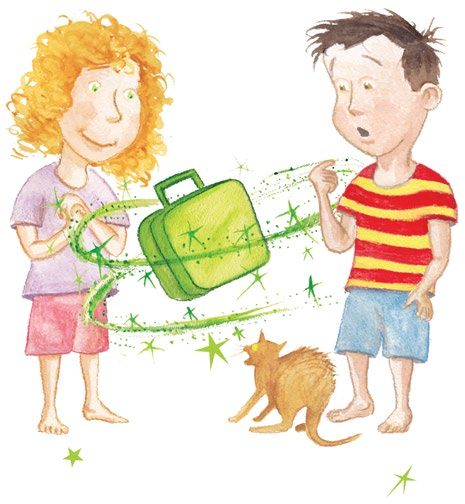
Foreword
                 ‘The Magic Lunchbox’ written by Angela Barrett and illustrated by David Walsh has
                 been prepared as an instructional tool to be used by children, families and teachers
                 as the children prepare for, arrive and become a kindergarten student at ‘Big School’.
                 The learning experiences the book facilitates during the transition to school will
                 depend on the Early Learning Framework or the Outcomes Based Curriculum used
                 in differing settings.
                 A combination of the two provides teachers with a wonderful opportunity to provide
                 continuity of learning about good food choices during the transition to school
                 period for children and their families.
                 The activities presented here provide opportunities for the acquisition of knowledge,
                 skills, attitudes and dispositions within any context.
                 They are interactive and inclusive and focus on building connectedness within the
                 classroom and community.
                 They also promote the development of interpersonal skills through group work
                 between teacher and learner, the family and the community.
                 Diana Hanks
                 FNSW Transition to School Projects Coordinator, Central Coast. 2012.

THE

      LUNCHBOX                                                        Early Stage 1 - Teacher Resource 2018 | 1
Outcomes

PDHPE ES1
  K-6 PDHPE Strands

  1. Health, Wellbeing and Relationships                      2. Movement Skill and Performance                      3. Healthy, Safe and Active Lifestyles

      Objectives                                                                        Outcomes

      • demonstrate an understanding of strategies that promote a sense                 PDe-2 identifies people and demonstrates protective strategies that help keep
        of personal identity and build resilience and respectful relationships          themselves healthy, resilient and safe
        (OUTCOMES 1,2 & 3)

      • understand the significance of contextual factors that influence health,        PDe-6 explores contextual factors that influence an individual’s health, safety,
        safety, wellbeing and participation in physical activity (OUTCOME 6)            wellbeing and participation in physical activity
                                                                                        identifies actions that promote health, safety, wellbeing and physically active
                                                                                        spaces

      • enact and strengthen health, safety, wellbeing and participation in physical    PDe-7 identifies actions that promote health, safety, wellbeing and physically
        activity (OUTCOMES 7 & 8)                                                       active spaces

      • develop interpersonal skills that enable them to interact effectively and       PDe-10 uses interpersonal skills to effectively interact with others
        respectfully with others, build and maintain respectful relationships
        and advocate for their own and others’ health, safety, wellbeing and
        participation in physical activity (OUTCOME 10)

  PDHPE Values and Attitudes
  Students value and appreciate:
      • appreciate influences on personal health practices and demonstrate a commitment to lead and promote healthy, safe and active lives for themselves,
        others and communities.

THE

      LUNCHBOX                                                                                                                    Early Stage 1 - Teacher Resource 2018 | 2
English ES1
  Objectives     Outcomes

  Objective A    Through responding to and composing a wide range of texts and through the close study of texts, students will develop
                 knowledge, understanding and skills in order to:
                 A. communicate through speaking, listening, reading, writing, viewing and representing*

                 Outcomes
                 ENe-1A
                 communicates with peers and known adults in informal and guided activities demonstrating emerging skills of group interaction

                 ENe-2A
                 composes simple texts to convey an idea or message

                 ENe-3A
                 produces most lower case and upper case letters and uses digital technologies to construct texts

                 ENe-4A
                 demonstrates developing skills and strategies to read, view and comprehend short, predictable texts on familiar topics in
                 different media and technologies

                 ENe-5A
                 demonstrates developing skills in using letters, simple sound blends and some sight words to represent known words when
                 spelling

THE

      LUNCHBOX                                                                                           Early Stage 1 - Teacher Resource 2018 | 3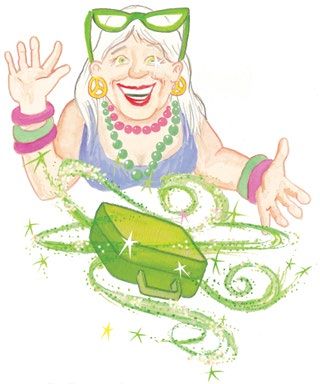
Objective B    Through responding to and composing a wide range of texts and through the close study of texts, students will develop
                 knowledge, understanding and skills in order to:
                 B. use language to shape and make meaning according to purpose, audience and context

                 Outcomes
                 ENe-6B
                 recognises that there are different kinds of spoken texts with specific language features and shows an emerging awareness of
                 some purposes for spoken language

                 ENe-8B
                 demonstrates emerging skills and knowledge of texts to read and view, and shows developing awareness of purpose, audience
                 and subject matter

  Objective C    Through responding to and composing a wide range of texts and through the close study of texts, students will develop
                 knowledge, understanding and skills in order to:
                 C. think in ways that are imaginative, creative, interpretive and critical

                 Outcomes
                 ENe-10C
                 thinks imaginatively and creatively about familiar topics, simple ideas and the basic features of texts when responding to and
                 composing texts

  Objective D    Through responding to and composing a wide range of texts and through the close study of texts, students will develop
                 knowledge, understanding and skills in order to:
                 D. express themselves and their relationships with others and their world

                 Outcomes
                 ENe-11D
                 responds to and composes simple texts about familiar aspects of the world and their own experiences

THE

      LUNCHBOX                                                                                           Early Stage 1 - Teacher Resource 2018 | 4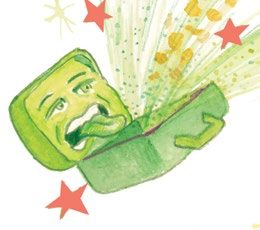
Objective E                             Through responding to and composing a wide range of texts and through the close study of texts, students will develop
                                          knowledge, understanding and skills in order to:
                                          E. learn and reflect on their learning through their study of English

                                          Outcomes
                                          ENe-12E
                                          demonstrates awareness of how to reflect on aspects of their own and others’ learning

This resource is provided as a guide - as the teaching opportunities for this story are limitless such as;
• Transition programs – teacher reads the big book and students can do an activity with their buddy on the packing a healthy lunchbox message to take home to parent/
  carer
• Drama – Dress up as the characters and re-enact the story including the cat, Grandma, the lunchbox and garbage bin and use real or imaginary food models.
• Tasting of healthy foods – identify if it tastes; sweet, sour, salty or bitter and the texture
• Draw healthy foods that students like to bring to school
• Discussing low-waste and nude food lunches for school

Acknowledgements
Kerry Fraser and Karen Lane, Early Stage 1 Teachers, Kanwal Public School.
Libby McQueen, Learning Support Teacher, Central Coast Grammar School.
Diana Hanks, FNSW Transition to School Projects Coordinator, Central Coast.
Sharon Carson and Lisa Wriley, K-6 Teachers, Rumbalara Environmental Education Centre.
The Magic Lunchbox Big Book and resources have also been distributed to Central Coast Early Childcare and Education Services.

For further Lunchbox information see www.healthykids.nsw.gov.au

THE

      LUNCHBOX                                                                                                                    Early Stage 1 - Teacher Resource 2018 | 5
Lesson 1
Week Outcomes Teaching & Learning Experiences Resources Register
PDHPE Before reading the book discuss what the students • The Magic Lunchbox
think it will be about. Big book
PDe-2
Read The Magic Lunchbox book to whole class • 2 x Large Posters
identifies people and demonstrates protective
(The lunchbox likes &
strategies that help keep themselves healthy, resilient Discuss what the students learnt about healthy
The lunchbox did not
and safe choices.
like)
PDe-6 Activity – Whole class • Laminated food
explores contextual factors that influence an 1. Distribute a laminated food picture pictures
individual’s health, safety, wellbeing and participation to each student
• Blutack
in physical activity
2. Using blutack ask each child to stick where they
identifies actions that promote health, safety, think their food goes onto the correct poster. Either
wellbeing and physically active spaces the lunch box liked or did not like the food.
PDe-7 3. Discuss students responses and encourage
discussion about foods that appear healthy but
identifies actions that promote health, safety,
may not be i.e. fruit juice, muesli bars
wellbeing and physically active spaces
PDe-10
uses interpersonal skills to effectively interact with
others
THE
LUNCHBOX Early Stage 1 - Teacher Resource 2018 | 6English Activity – Student Activity 1 • Copies of student
Foods that go into my lunchbox activity 1 for each
ENe-2A student
composes simple texts to convey an idea or message Optional
Students can write the name of the food under their
ENe-3A
picture
produces most lower case and upper case letters and
uses digital technologies to construct texts
ENe-4A
demonstrates developing skills and strategies to read,
view and comprehend short, predictable texts on
familiar topics in different media and technologies
ENe-10C
thinks imaginatively and creatively about familiar
topics, simple ideas and the basic features of texts
when responding to and composing texts
ENe-11D
responds to and composes simple texts about familiar
aspects of the world and their own experiences
ENe-12E
demonstrates awareness of how to reflect on aspects
of their own and others’ learning
THE
LUNCHBOX Early Stage 1 - Teacher Resource 2018 | 7Lesson 2
Week Outcomes Teaching & Learning Experiences Resources Register
PDHPE Before reading the book, ask students what did they The Magic Lunchbox
remember about the story. Big book
PDe-7
Re-read the book to whole class
identifies actions that promote health, safety,
wellbeing and physically active spaces Looking at the back page at the food playground Student copies of
activity 2a and 2b names
Identify and;
English of foods
• name each of the different foods in the picture
ENe-1A Scissors
communicates with peers and known adults in • name the food that start with the same letters –
Glue
informal and guided activities demonstrating go through the alphabet. For example; A – apple,
emerging skills of group interaction avocado, asparagus. B- Broccoli, beans etc.
• count how many pieces of fruit there are?
ENe-2A
composes simple texts to convey an idea or message • say the similar sounding names of foods. For
example; ch – cherry tomatoes, cheese, chilli
ENe-3A
• group the food in colours
produces most lower case and upper case letters and
uses digital technologies to construct texts • name all the different physical activity
opportunities i.e. swing, slide, sea-saw, swim in the
ENe-4A river, gardening etc.
demonstrates developing skills and strategies to read,
Activity -Student Activity 2 a & b
view and comprehend short, predictable texts on
familiar topics in different media and technologies Match the beginning sound
Students cut out pictures of food and match the
ENe-5A
picture to its beginning sound. A, B, C & S
demonstrates developing skills in using letters, simple
sound blends and some sight words to represent Optional
known words when spelling Tasting of different fruit and vegetables
Fruit and vegetables to
taste
THE
LUNCHBOX Early Stage 1 - Teacher Resource 2018 | 8Lesson 3
Week Outcomes Teaching & Learning Experiences Resources Register
PDHPE Re-read the book to whole class The Magic Lunchbox Big
book
PDe-7 Discuss;
identifies actions that promote health, safety, The language used in the book;
wellbeing and physically active spaces
• “a fun time was assured”
English • “lively lady”
ENe-1A • “most suspicious”
communicates with peers and known adults in • “looked content”
informal and guided activities demonstrating
emerging skills of group interaction the names of “Sprint” and “Mango” what do they
mean to the students?
ENe-6B
Why Grandma has a “twinkle in her eye”?
recognises that there are different kinds of spoken
texts with specific language features and shows an The type of food the lunchbox chooses.
emerging awareness of some purposes for spoken Draw conclusion - healthy food = healthy mind
language for learning at school
Student copies of
Activity – Student Activity 3
ENe-8B activity 3 a & b –Parent/
demonstrates emerging skills and knowledge of texts What happened in The Magic Lunchbox story? carer information may
to read and view, and shows developing awareness of be photocopied on the
In their workbooks, children sequence the story by
purpose, audience and subject matter back.
cutting and pasting the order of the story into the
correct order.
ENe-10C
thinks imaginatively and creatively about familiar As a whole class read through the text and students
topics, simple ideas and the basic features of texts to tick the correct boxes.
when responding to and composing texts This may be taken home to allow parents to receive
the message about packing a healthy lunchbox.
ENe-12E
demonstrates awareness of how to reflect on aspects Optional Pieces of fruit & veg
of their own and others’ learning Make a playground scene or make a face using chopped up
different fruit and vegetables Platter
THE
LUNCHBOX Early Stage 1 - Teacher Resource 2018 | 9Student Assessment
• Teacher observation of student behaviour towards healthy eating and living (the types of foods being brought to school)
• Students engagement in activities dealing with the Magic Lunchbox Big book such as;
-- class discussions
-- collaborative group work and
-- identifying healthy foods to bring to school
THE
LUNCHBOX Early Stage 1 - Teacher Resource 2018 | 10Activity 1: Healthy Foods that go into my lunchbox
Name
__________________________
Draw healthy food that you can
bring to school in your lunch box
then colour your “magic lunchbox” Crunch&Sip® Recess Water
In my “Magic Lunchbox” I like
Choose
tap water
as a drink
for thirst
Lunch
Ice brick
remember to
keep lunches
cold!
THE
LUNCHBOX Early Stage 1 - Teacher Resource 2018 | 11Activity 2a: Match the beginning sound with the letter
Name ________________________________________
a
b
c
s
THE
LUNCHBOX Early Stage 1 - Teacher Resource 2018 | 12Activity 2b Cut out and glue on to match the beginning sound
Name ________________________________________
apple cucumber broccoli sprouts
beans avocado strawberry carrot
banana sandwich corn asparagus
THE
LUNCHBOX Early Stage 1 - Teacher Resource 2018 | 13Activity 3a: What happened in The Magic Lunchbox story?
Name ________________________________________
Beginning Middle End
Read and tick the correct boxes
When I eat healthy food I feel strong
ready to learn
tired
like playing
THE
LUNCHBOX Early Stage 1 - Teacher Resource 2018 | 14Activity 3b: What happened in The Magic Lunchbox story?
Sequence activity– In your workbooks cut and paste the correct order of the story (1 page between 2 students)
THE
LUNCHBOX Early Stage 1 - Teacher Resource 2018 | 15Background Information for Teachers on Lunchboxes
Food at school should provide students with at least 1/3 of their daily food intake.
The Magic Lunchbox parent/carer handout:
www.healthpromotion.com.au/Magic_Lunchbox/MagicLunchbox_Index.html
✓✓ provides tips for packing a lunchbox for kindergarten students
✓✓ lists suggestions for Crunch&Sip®/ Fruit break/Munch & Crunch, recess, and lunch
✓✓ is available to download and send home with students.
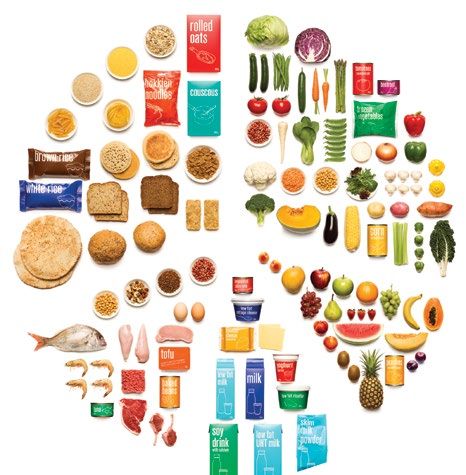
Australian Guide to Healthy Eating
Enjoy a wide variety of nutritious foods
from these five food groups every day.
NOTE: When teaching healthy eating to students, refer to The Australian Guide to Healthy Eating. Drink plenty of water. Vegetables and
legumes/beans
“Everyday Foods”- are the wide variety of foods from each of the five food groups which provide Grain (cereal) foods,
mostly wholegrain
the nutrients and energy needed for all students. and/or high cereal
fibre varieties Muesli
Polenta
“Discretionary Foods “– are found in the bottom corner of the Guide and may be eaten sometimes
or in small amounts.
Quinoa
Fettuccine
Penne
Water and reduced fat milk are the preferred drinks for primary school aged students.
Red kidney
beans
See www.eatforhealth.gov.au/guidelines/australian-guide-healthy-eating Wheat flakes
Red lentils Chickpeas
Red kidney
beans
Lentils
Mixed nuts
Chickpeas
Fruit
Lean meats and
poultry, fish, eggs,
tofu, nuts and seeds
and legumes/beans
Milk, yoghurt, cheese and/or
alternatives, mostly reduced fat
Use small amounts Only sometimes and in small amounts
THE
LUNCHBOX Early Stage 1 - Teacher Resource 2018 | 16Lunchbox FAQs
1. What is a healthier pre-packaged snack?
The ‘everyday’ foods listed on The Magic Lunchbox handout are preferred choices.
While there are many pre-packaged snack foods available and marketed to be easily packed into the lunchbox, many of these are generally NOT ‘everyday’ foods. Avoid
individually packaged serves of food, and buy food in larger packs or tubs (such as low-fat yoghurt, cheese and crackers) and
place into small reusable containers to reduce packaging waste.
To choose a healthier ‘sometimes’ pre-packaged snack, the Snack Guide below maybe helpful.
SNACK GUIDE FOR PACKAGED FOODS
Read the Nutrition Information Panel on the package using the per serve column.
Check that ALL 3 guidelines below are met. If so, the snack is a healthier choice.
Sweet Snacks ENERGY SATURATED FAT FIBRE
eg muesli bars, sweet biscuits Less than 600kJ per serve Less than 3g per serve More than 1 g per serve
Savoury Snacks ENERGY SATURATED FAT SODIUM
Eg. biscuits, chips, rice/corn snacks Less than 600kJ per serve Less than 3g per serve Less than 200mg per serve
2. What is a healthy drink for school?
Water and reduced fat milk are the recommended drinks for primary school aged students.
3. Why choose water?
✓✓ Tap water is best to quench thirst
✓✓ Water has no sugar or energy (kilojoules)
✓✓ Tap water contains fluoride which helps children develop strong teeth
Refill the drink bottle with tap water. Avoid using single-use bottled water, as the bottles can end up in our waterways and oceans or landfill.
THE
LUNCHBOX Early Stage 1 - Teacher Resource 2018 | 174. Why milk?
Reduced fat milks are encouraged for children over 2 years. Reduced fat milks provide the same important nutrients as full cream milks (such as calcium and protein) but
less saturated fat. Reduced fat milk has approximately 2% milk fat compared with regular milk which has on average 3.8% milk fat.
Plain reduced fat milks are preferred. Milk and milk alternatives provide nutrients such as protein and calcium, and also protect against tooth decay. Casein, a protein in milk
protects tooth enamel against plaque acids, and calcium and phosphorous can enhance the remineralisation of tooth enamel.
5. Why not sugar sweetened drinks?
A high consumption of sugar sweetened drinks, contributes to health problems including obesity, type 2 diabetes, dental caries and osteoporosis.
Children who regularly drink soft drink and other sugar sweetened drinks are more likely to be overweight. Soft drinks, sports drinks, energy drinks and juices, all contain
sugar and acid which both contribute to dental decay.
Children and adolescents should limit their intake of sugar-sweetened drinks. Common sugar-sweetened drinks include soft drinks, ‘sports drinks’, ‘vitamin waters’, fruit
juice, fruit juice drinks, cordials and energy drinks. Energy drinks may also be high in caffeine and are not suitable for children.
6. Why not fruit juice?
Although fruit juice provides nutrients such as vitamin C, potassium and folate, it should be considered a sugar sweetened drink. Whole fresh fruit is preferred to fruit juice
because it provides these nutrients and has more fibre, and so is more filling.
Fruit juice is not a preferred drink for the lunchbox. Limit fruit juice to 1/2 a cup (125 ml) of fruit juice per day. This is the equivalent of one serve of fruit.
THE
LUNCHBOX Early Stage 1 - Teacher Resource 2018 | 18Parent/Carer Information Sheet on packing a Healthy Lunchbox
This resource can be downloaded from
www.healthpromotion.com.au/Magic_Lunchbox/MagicLunchbox_Index.html
Crunch&Sip® - Choose from Recess - Choose from Water
Choose
tap water
as a drink
THE for thirst
Lunch - Choose from
LUNCHBOX Ice brick
remember to
keep lunches
cold!
Keep it simple - not too much choice
If you choose from healthy foods, don’t worry if your child wants the same foods each day
Ensure foods can be opened and eaten easily
Avoid packing a ‘sometimes’ food every day
Keep serves small
THE
LUNCHBOX Early Stage 1 - Teacher Resource 2018 | 19You can also read


