NIUE EMERGENCY RESPONSE PLAN TO CORONAVIRUS DISEASE 2020 (COVID-19) - Government of Niue
←
→
Page content transcription
If your browser does not render page correctly, please read the page content below

Government of Niue

NIUE EMERGENCY RESPONSE PLAN
 TO CORONAVIRUS DISEASE 2020
         (COVID-19)

                       Version 1.0 - 19th March 2019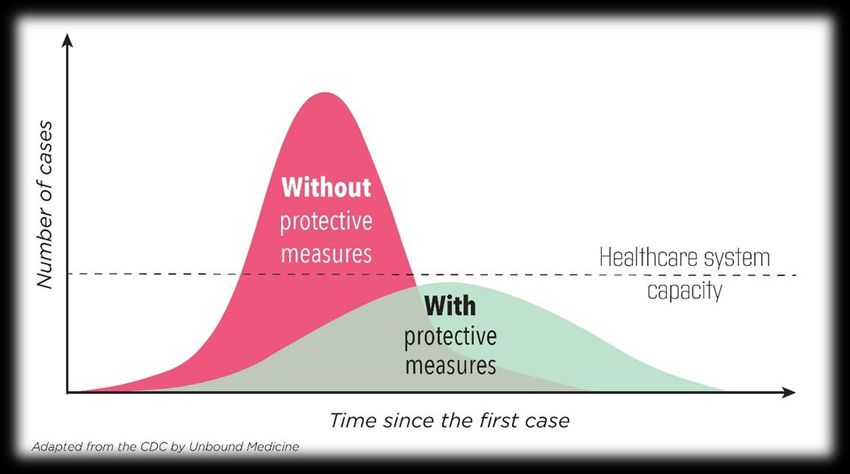
CONTENTS

      INTRODUCTION ...................................................................................................................... 3
         PURPOSE.............................................................................................................................. 3
         OBJECTIVES .......................................................................................................................... 3
      LEGISLATIVE FRAMEWORK ..................................................................................................... 4
      LEADERSHIP AND GOVERNANCE ............................................................................................. 4
      COMMUNICATION AND CONSULTATION ................................................................................ 5
      PUBLIC HEALTH AND NATIONWIDE RESPONSE ....................................................................... 5
         IMPACT ASSESSMENT .......................................................................................................... 7
      NIUE EMERGENCY REPONSE PLAN TO CORONAVIRUS DISEASE 2020 (COVID-19)................... 8
         STAGES, CODES AND PHASES OF AN EMERGENCY RESPONSE ............................................. 9
         TARGETED INTERVENTIONS ............................................................................................... 10
      CONCLUSION ........................................................................................................................ 14
    REFERENCES............................................................................................................................. 15

2
                                                                  Niue Emergency Response Plan to Coronavirus Disease 2020 (COVID-19)
INTRODUCTION
Coronavirus Disease 2019 (COVID-19) is a new respiratory illness affecting the lungs that emerged in Wuhan,
Hubei Province, China. In December 2019, China reported cases of a viral pneumonia caused by a previously
unknown virus, now identified and recently named as severe acute respiratory syndrome coronavirus 2 (SARS-
CoV-2).
The virus is suspected to have emerged from an animal source and now spreads through human-to-human
transmission. The proportion of infection and mortality depends on factors such as age and pre- existing medical
conditions such as diabetes, cardiovascular disease and cancer.
While 80% of cases are reported to be mild to moderate, 5% of cases are thought to be critical requiring intensive
care unit (ICU) services. The case fatality rate is estimated to be 2%. There is no specific treatment
(vaccine/antivirals).
On 11 March 2020, the World Health Organization (WHO) officially declared COVID-19 a Pandemic.
In the first week of March 2020, over 100,000 cases have been reported in more than 114 countries, and over
4,000 deaths. There are no cases reported in Niue, however WHO has assessed the risk of global spread to be
Very High. Niue is anticipating the arrival of COVID-19 and intense preparatory work is underway.
The Niue Emergency Response Plan to Coronavirus Disease 2020 (Plan) coordinates the nationwide cross-
sectoral response efforts to COVID-19. Our priority of keeping people safe and healthy and working together to
protect the people and environment which is under the Niue National Strategic Plan (NNSP).
PURPOSE
The aim of this Plan is to mitigate the impact of COVID-19 on the health, social and economic status of Niue
population.
The Plan draws from the Niue National Influenza Pandemic Plan 2010, the Niue National Disaster Plan 2010,
and other international emergency response plans notably from Cook Islands, New Zealand, Australia and
Singapore.
This plan is a living document that will evolve as more information becomes available.
OBJECTIVES
The objectives of this Plan are:
1. Inter-agency cooperation to coordinate a nationwide response
2. Effective use of legislation and policies to support the management of an epidemic
3. Mobilisation of resources and finances
4. Strategic communications to build public trust and confidence
5. Community and stakeholder engagement across all sectors
3
Niue Emergency Response Plan to Coronavirus Disease 2020 (COVID-19)LEGISLATIVE FRAMEWORK
The Niue National Disaster Council (NDC) is chaired by the Secretary to Government.
The Public Emergency Act 1979 authorises the Premier and Cabinet to declare a State of Emergency, and Cabinet
to determine the laws to take necessary action during a Pandemic.
COVID-19 was listed as a transmissible notifiable condition and dangerous condition under the Public Health Act
1965 in February 2020. The Act enables health or police officials to segregate a person when it is suspected that
the person is potentially infected with COVID-19. Certain places can also be declared as restricted places. Due
to the limited capacity to adequately quarantine close contacts and suspected cases, quarantine measures will
rely on voluntary compliance rather than legal enforcement wherever possible.
Internationally, the International Health Regulations (IHR) 2005 purpose and scope is “to prevent, protect
against, control and provide a public health response to the international spread of disease in ways that are
commensurate with and restricted to public health risks, and which avoid unnecessary interference with
international traffic and trade.” The IHR (2005) and the Public Health Act 1965 authorise officials to control
disease spread at borders, trace people who are infected or suspected to have a notifiable disease. The
Immigration Act 2011 also provides powers to control movement of persons at Niue’s borders.
LEADERSHIP AND GOVERNANCE
Mitigating the impact of COVID-19 will require a whole-of-society and nationwide response.
The Premier will lead the national effort in consultation with the Minister of Health and Cabinet.
The Assembly will be informed at all stages of the response, and may be convened if legislative action is required.
The National Disaster Council with the Department of Health and other agencies will provide advice to Cabinet.
The Emergency Operations Centre (EOC) is where the National Disaster Council (NDC) will direct and coordinate
the response.
Various stakeholders will implement the Plan. They include: all Church and Traditional Leaders; Government
Agencies; Non-government Organisations (NGOs); Other Community Committees, International Partners and
the Private Sector.
4
Niue Emergency Response Plan to Coronavirus Disease 2020 (COVID-19)COMMUNICATION AND CONSULTATION
Clear, timely and effective communication is critical to the execution of this Plan. Communications will target
all levels of society to ensure a coordinated response by all stakeholders, whether in the health system or
community settings. Nationwide consultation is essential to enable the mobilisation of community action that
seeks to protect vulnerable members, such as aged persons, those with non-communicable diseases (NCDs) or
disabilities, and others.
NDC will be the lead agency for all communications. Information to the public and relevant stakeholders will be
consistent, timely and accurate to maintain public confidence in the national response to COVID-19.
PUBLIC HEALTH AND NATIONWIDE RESPONSE
SARS-CoV-2, the virus that causes COVID-19, is transmitted through the following modes:
1) Large droplet spread;
2) Transmission through aerosolised spread (for example coughing, sneezing);
3) Contact – direct or indirect – with respiratory secretions (for example contaminated surfaces).
4) The incubation period (time between infection and onset of symptoms) is estimated to be 14 days, and
it is understood that the virus can be transmitted to others during this period.
An epidemic occurs when new cases of a disease, within a certain population, during a certain time period, is
higher than expected and exceeds the baseline. The rapid spread of COVID-19 globally in the past two months
suggests SARS-CoV-2 is highly infectious. Given the susceptibility of Niue’s population to this new disease and
the lack of a vaccine or anti-viral medication, COVID-19 has the potential to become an epidemic in Niue.
An epidemic would see a steep rise in the number of people infected, reaching a peak and then a reduction.
Preventative measures implemented early in an epidemic can slow the transmission of infection and reduce the
peak number of cases (Figure 2).
5
Niue Emergency Response Plan to Coronavirus Disease 2020 (COVID-19)Figure 2: Epidemic Curve – Effect of targeted intervention to slow the spread of disease transmission
This Plan seeks to flatten the epidemic curve and slow the spread of infection, and therefore alleviate the burden
on Niue’s health system, economy and society. This will require targeted interventions that optimise good hand
hygiene practices and cough etiquette, as well as social distancing practices in school, work and other
community settings. For cases not requiring hospitalisation, self-isolation at home is critical, while close contacts
will require self-quarantine.
All stakeholders play a critical role in supporting positive community action. Through the support of all Niue
residents to help operationalise this Plan by supporting those requiring quarantine or isolation usually for a
period of 14 days. This would include ensuring such individuals and families continue to have access to food,
water, medicines and other essential items or services.
The NGOs as well as other community groups such as youth, and ethnic-specific groups will help address the
specific needs of vulnerable communities.
Government agencies will coordinate the mobilisation of government resources, assets and finances to support
the nationwide response. The Department of Health will lead the health response, in collaboration with relevant
community and international partners.
The private sector will work alongside government to minimise disruption to business continuity.
6
Niue Emergency Response Plan to Coronavirus Disease 2020 (COVID-19)IMPACT ASSESSMENT
Response measures will address the following impacts:
HEALTH SYSTEM ECONOMY SOCIETY
• Reduced levels of service and • High rate of absenteeism • Loss of loved ones
care, to mobilise resources • Business operations and • Social distancing measures
• Influx of patients at hospitals provision of services affected Stigma and discrimination
and clinics resulting in • Loss of employees due to • Home quarantine
patients with less urgent prolonged period of illness; • Potential school closures and
medical problems waiting need to care for family cancellation of public events
longer for treatment members; fear of infection at • Cultural impact - no kissing
• Potential shortage of health work when greeting people
professionals and frontline • Limited access to foreign • Potential civil unrest and
staff workers due to travel crime
• Shortage of medicines and restrictions • Potential disruption of church
consumables requiring • Tourism, transport, retail services
prioritisation industry affected due to travel • Managing burials for visitors
• Difficulty maintaining normal restrictions and reduction in and funeral gatherings
operations business and tourist travel • Food supplies affected due to
• Reduction in service capacity • Ports affected due to disruptions in imports or
slowdown in global trade closure of food establishments
• Loss of public confidence • Rationing certain food and
• Supply chains affected and low essential products
stock due to panic buying • Economic slowdown affects
overall employment and
personal income
• Households requiring financial
assistance
7
Niue Emergency Response Plan to Coronavirus Disease 2020 (COVID-19)NIUE EMERGENCY REPONSE PLAN TO CORONAVIRUS DISEASE 2020 (COVID-19)
STAGES CODE PHASE
PREPARATION AND READINESS
READY
BLUE (Keep it Out and Delay entry of
(Potential Threat)
disease)
ALERT
RESPONSE
YELLOW (Delay widespread disease
(Imminent Threat) transmission)
ACTIVATION
RED
(Immediate Threat) (Mitigate impact of the disease)
POST-EVENT
RECOVERY
(Recovery)
Within each of the action stages are targeted interventions under the following functions: governance and
legislation, surveillance and intelligence, border measures, resources and logistics, communication and
consultation, health clinical care and public health management, and social welfare and support.
8
Niue Emergency Response Plan to Coronavirus Disease 2020 (COVID-19)STAGES, CODES AND PHASES OF AN EMERGENCY RESPONSE
STAGES CODE PHASE TRIGGERS
Disease is severe and spreads easily from
person to person but is occurring outside
Niue. Measures focus on delaying entry
of the disease through hand washing,
cough etiquette and social distancing.
PREPARATION AND Minimal disruption to society such as
READY
BLUE READINESS travel advisories and restrictions.
INITIAL ACTION
(Delay entry of disease) Reducing business as usual.
STAGE
Local transmission in NZ. Community
transmission localized to one
geographical area.
Disease is severe AND spreads easily from
person to person, but the disease is not
spreading widely in Niue and is being
contained. Moderate disruption to
ALERT society such as quarantine and isolation.
YELLOW (Delay widespread disease
transmission) NZ widespread community transmission.
Imported suspect or confirmed case
identified with well-defined close
contacts.
Disease is severe AND is spreading
RESPONSE widely. The health system is unable to
TARGETED ACTION cope with the situation. Major disruption
STAGE to society such as school closures, work
from home notices and disruption of law
ACTIVATION and order in the community.
RED (Mitigate impact of the
disease) Imported suspected or confirmed case
with multiple close contacts.
Community transmission in one area.
Widespread community transmission (>1
area).
When the disease is declining, and can be
RECOVERY POST managed under normal business
Recovery
STAND-DOWN STAGE EVENT arrangements. Transition from
emergency response to business as usual.
9
Niue Emergency Response Plan to Coronavirus Disease 2020 (COVID-19)TARGETED INTERVENTIONS
FUNCTIONS CODE BLUE CODE YELLOW CODE RED
• Emergency • Assess and advise on • Declaration of State
governance declaration of State of of Emergency
arrangements – Niue Emergency • Emergency response
Disaster Council • Convene NDC fully activated
(NDC) regularly • Circumstances to
• COVID-19 declared • 24/7 coverage of allow Assembly to
transmissible Emergency extend a public health
notifiable condition Operations Centre emergency
and dangerous • Possibility of • Police to maintain law
Governance and
condition Assembly convening and order
Legislation
• Activation of Health urgently to pass
Emergency relevant legislation
Operations Centre
and Incident
Management System
(IMS) • Activate IHR
reporting
requirements
• Activate national • Monitor and analyse • Intensify surveillance
capacity for disease information • Monitor all
surveillance and • Monitor flu-like surveillance systems
containment symptoms presenting • Community
• Air/sea/land traffic at hospital surveillance
Surveillance and surveillance • Community • Testing lab samples
Intelligence • Weather reports surveillance overseas
• Monitor official and • Testing lab samples • Monitor official and
non-official reports overseas non-official reports
• Monitor official and
non-official reports
• Monitor incoming • Assess travel • Assess travel
passengers for signs/ restrictions and revise restrictions and revise
symptoms • Health declaration • Maintain cargo
• In-flight, airport and and travel history staging areas to
maritime • Cargo staging areas to minimise interactions
Border Measures announcements minimise interactions • Strict infection
• Liaise with airlines/ between cargo control procedures
shipping operators handlers at ports and observed and regular
• Health declaration workers in country decontamination
and travel history
10
Niue Emergency Response Plan to Coronavirus Disease 2020 (COVID-19)FUNCTIONS CODE BLUE CODE YELLOW CODE RED
• Early travel • Strict infection • Provide logistical
restrictions control procedures assistance to
(quarantine) to delay observed and regular repatriate foreign
Border Measures entry decontamination nationals
• Provide logistical
assistance to
repatriate foreign
nationals
• Stockpile of personal • Assess stockpiles of • Transition to standby
protective PPE in case of accommodation for
equipment (PPE) e.g. shortages isolation if full
face masks, hand gel, • Additional resources capacity is reached in
full gear and finances health facilities
• Health system mobilised as needed • Additional resources
capacity e.g. isolation • Monitor health mobilised
areas, flu clinics, system capacity and • Emergency funds
HDU/ICU capability establish triggers if mobilised
• Standby full capacity is • Reassess HDU/ICU
accommodation and reached capability
infection control • Health professionals • Maintain essential
providers on standby as services
Resources and Logistics
• Secondment of needed
public servants • Maintain essential
• Capacity to maintain services (food, water,
essential services energy, waste
• Prepare to transition disposal, mortuary
from business as services, financial
usual to emergency services, law
response enforcement, ICT,
• Review financial transport,
mechanisms to infrastructure)
support business
continuity and
response
• Maintain cough • Maintain cough • Urge communities to
etiquette, hand- etiquette, hand- maintain social
washing, social washing, stock up on distancing
distancing, non-perishable items • Request voluntary
Communication and • Central as needed compliance to
Consultation communications hub • Stay up-to-date with isolation/ quarantine
and strategy health advice as needed
• Advise those with the
virus to take all
11
Niue Emergency Response Plan to Coronavirus Disease 2020 (COVID-19)FUNCTIONS CODE BLUE CODE YELLOW CODE RED
• Resilient ICT e.g. measures to prevent • Continue to advise
email, remote access, infecting others on cough etiquette,
internet • Advise those at risk handwashing
• Liaise with to take precautions • Urge those with virus
international to avoid infection to take all measures
counterparts • Advise those who to prevent infecting
• Liaise with private suspect they have others
sector and the virus to call the • Urge those at risk to
community hospital (4100) for take precautions to
Communication and stakeholders advice avoid infection
Consultation • Internal • Advice and • Urge those who
communications e.g. information to suspect they have
situation reports, prevent stigma, the virus to call the
memos discrimination and hospital on 4100 for
• Health line details harassment advice
• Advice on cough • Advice and
etiquette, hand- information to
washing, prepare prevent stigma,
home supplies discrimination and
• Advice and harassment
information to
prevent stigma,
discrimination and
harassment
• Frontline training on • Laboratory testing • Intensify monitoring
infection control capability and reporting of
• Contact tracing as • Isolate and manage cases
needed cases • Quarantine • Transfer cases where
• Develop and refine and contact trace HDU/ICU capacity is
case and contact • Prepare cases for overwhelmed
definition as needed transfer overseas if • Isolate and manage
HDU/ICU capacity is cases • Quarantine
overwhelmed and contact trace
Clinical Care and Public
• Separate infected • Distribute vaccine if
Health Management
patients from at-risk available
patients e.g. elderly, • Separate infected
disabled, chronic patients from at-risk
illness patients e.g. elderly,
disabled, chronic
illness
• Appropriate
management of
deceased persons
12
Niue Emergency Response Plan to Coronavirus Disease 2020 (COVID-19)FUNCTIONS CODE BLUE CODE YELLOW CODE RED
• Welfare of residents • Voluntary self- • Strict visitor
and visitors quarantine/ isolation restrictions and
• Coordinate services • Possible school access to closed
to at-risk population closures communities,
e.g. elderly, disabled, • Restrict mass hospitals, isolation
chronic illness gatherings e.g. clubs, areas, prisons
• Individuals make cultural or sports • Support for grieving
necessary events, churches families and
arrangements e.g. • Limit access and communities
stockpile essential visitation to closed • Mandatory self-
items, childcare communities, quarantine/isolation
• Coordinate hospital wards, • Coordinate provision
assistance for elderly, isolation areas of services to at-risk
Social Welfare and disabled and chronic • Coordinate provision populations e.g.
Support illness groups who do of supplies e.g. elderly, disabled,
not live with any medicines, food to chronic illness
family members isolated or • Coordinate provision
• Activities to build quarantined people of resources e.g.
social resilience e.g. • Individuals make medicines, food,
counselling necessary financial assistance,
arrangements e.g. special leave
stockpile essential • Individuals make
items, childcare necessary
• Health checks in the arrangements e.g.
community stockpile essential
items, childcare
• Strict health checks in
the community
13
Niue Emergency Response Plan to Coronavirus Disease 2020 (COVID-19)CONCLUSION
This Plan outlines the framework for preparation, readiness, response and recovery the impact of an outbreak
of COVID-19 on Niue
The Plan has an overview of what each person on Niue is required to do to mitigate the impact of COVID-19 on
Niue. By working together and supporting each other we will be prepared as much as possible.
The Plan, including specific sector plan is flexible and subject to updates and amendments as appropriate.
14
Niue Emergency Response Plan to Coronavirus Disease 2020 (COVID-19)REFERENCES
Department of Health. (2020). Australian Health Sector Emergency Response Plan for Novel Coronavirus
(COVID-1). Retrieved from https://www.health.gov.au/resources/publications/australian-health-
sector-emergency-response-plan-fornovel-coronavirus-covid-19
Government of Niue. (2006). Public Emergency Act 1979. In Niue Laws (pp. 1487-1489). Alofi: Government of
Niue.
Government of Niue. (2006). Public Health Act 1965. In Niue Laws (pp. 1491-1510). Alofi: Government of Niue.
Government of Niue. (2010). Niue National Disaster Plan 2010,. Alofi: Niue Police & NDMO.
Government of Niue. (2010). Niue National Influenza Pandemic Plan 2010 . Alofi: Niue Health Department.
Government of Niue. (2011). Immigration Act 2011. Alofi: Government of Niue.
Government of the Cook Islands. (2019). Cook Islands Emergency Response Plan to Coronavirus Disease 2019.
Cook Islands: Government of the Cook Islands.
Ministry of Health. (2017). New Zealand Influenza Pandemic Plan: A framework for action (2nd edn).
Wellington: Government of New Zealand.
Ministry of Home Affairs. (2009). Preparing for a Human Influenza Pandemic in Singapore. Retrieved from
https://www.mha.gov.sg/docs/default-source/others/nsfpfinalversion.pdf
World Health Organization. (2006). International Health Regulations (2205) (Third Edition ed.). France: World
Health Organization.
15
Niue Emergency Response Plan to Coronavirus Disease 2020 (COVID-19)You can also read


