"Panama Forest Protocol for Climate Action Reserve compensation credits" V1.0 Kick-Off Public Meeting - February 2, 2023
←
→
Page content transcription
If your browser does not render page correctly, please read the page content below
"Panama Forest Protocol for
Climate Action Reserve
compensation credits“ V1.0
Kick-Off Public Meeting

                February 2, 2023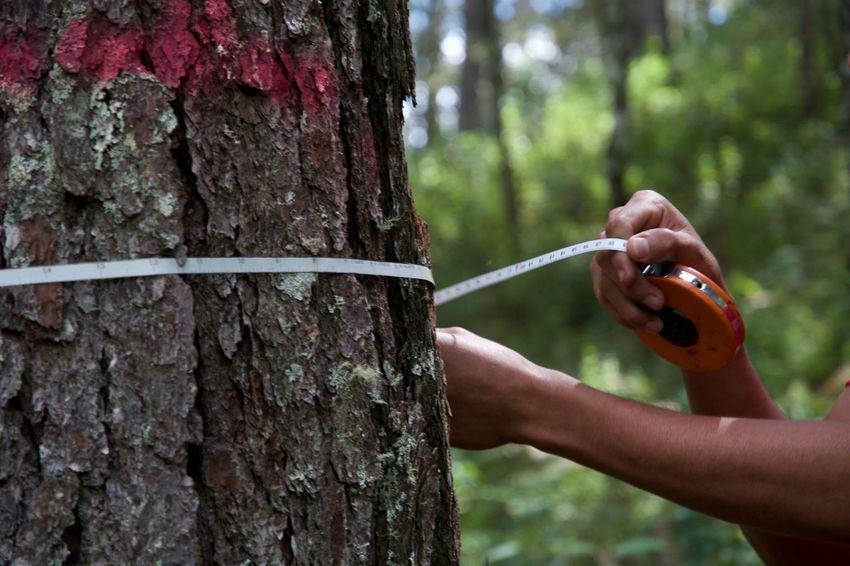
Housekeeping

▪ All attendees are in listen-only mode
▪ Please submit your questions in the GoToWebinar question box and we’ll
  try to answer them at the end, time permitting
▪ We will follow up via email to answer any questions not addressed during
  the meeting
▪ The slides (in Spanish and English) and a recording of the presentation
  will be posted online on the Climate Action Reserve webpage:
  https://www.climateactionreserve.org/how/protocols/panama-forest/dev/

                                                                             2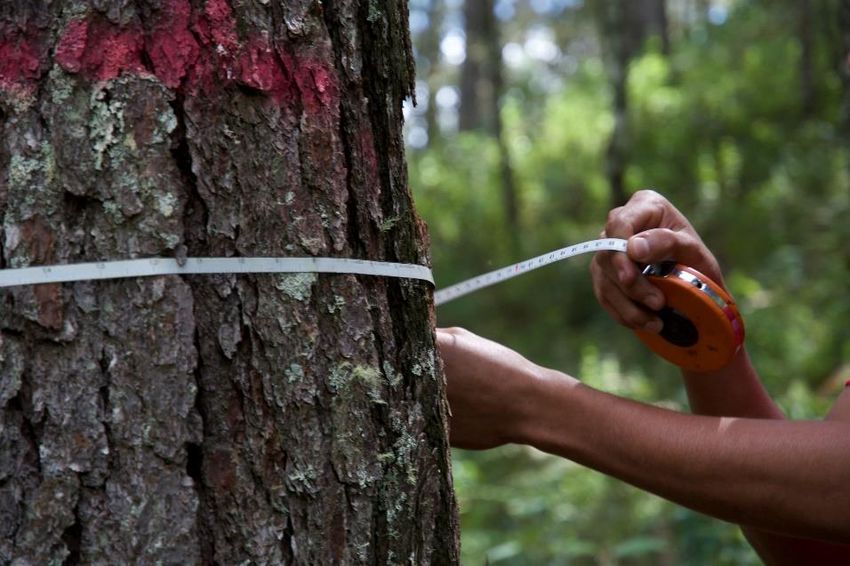
Agenda

 1. Presentations
 2. The Climate Action Reserve
 3. Logistics of the Working Group (WG)
 4. Objective and purpose of Panama's Forest Protocol for Climate Action
    Reserve Offset Credits and updated timeline
   •   Note: February 10 is the due date to send the Statement of Interest (SOI) to be
       part of the Working Group
 5. Review considerations
 6. Questions, comments, and next steps

                                                                3
THE CLIMATE ACTION RESERVE

                         4
The Climate Action Reserve

     NGO founded in 2001

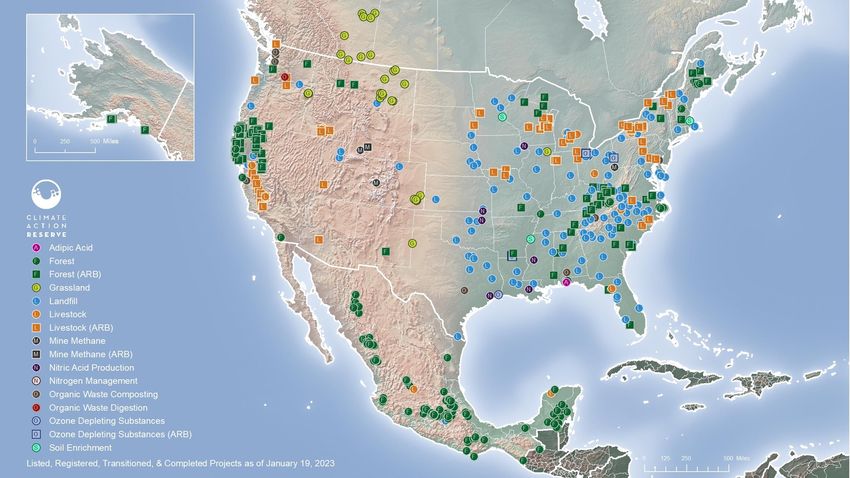
  21 offset protocols: Mexico,
      USA, and Canada

  >550 Projects y 185M+ offset
         credits issued

  Mission: to promote market-
        based solutions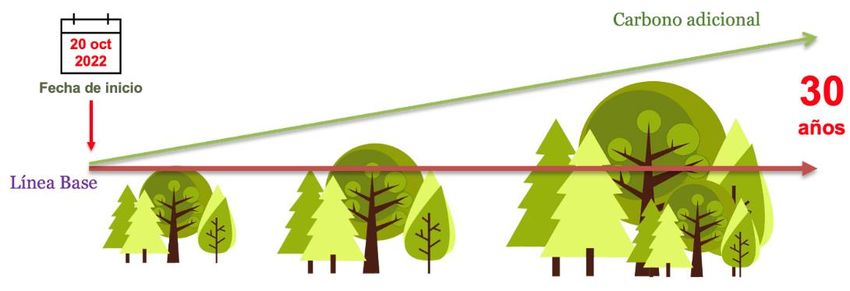
The Climate Action Reserve

                                 Develop North American and LATAM GHG
                                 removal standards and quantification and
                                 verification guidelines.

            Ensure that the              Emit carbon credits generated by
                                         Projects, known as Climate
             carbon market               Reserve Tonnes (CRTs).
               generates
             environmental
             benefits while
              maintaining                  Monitor and record the transfer
           financial integrity             and withdrawal of credits in a
                                           transparent and publicly
               and value                   accessible system

                                 Develop practical and useful accounting
                                 tools and training to facilitate project
                                 development.

                                                                             6
Principles of the Reserve Program

All registered projects and credits issued by the Reserve must be:

    ADDITIONAL               VERIFIED                      REAL                  PERMANENT              ENFORCEABLE

• Beyond common       • Standardized               • Conservative            • Monitoring and        • Processes to ensure
  practices             eligibility criteria and     emissions accounting      reporting processes     program compliance
• Beyond regulatory     quantification             • Prescriptive models     • Any leakage or loss   • Accountability
  requirements          methodologies                and equations             is quantified and       mechanisms
                      • Independent third-         • Uncertainty reduction     compensated
                        party review.

• The Reserve seeks to be practical and ensures that projects do not have negative impacts
• The standards include social and environmental safeguards to ensure the participation and
  benefit of the participants
GHG Accounting Standardization
Two elements:
• Determination of project eligibility and additionality using
standardized criteria rather than project-specific assessments.
• Quantification of GHG reductions/removals through a baseline
established under certain assumptions, emission factors and
monitoring methods.
Objetives:
• Minimize personal judgment in project assessment
• Reduce transaction costs for the project developer, minimize
uncertainties for investors, and increase the transparency of the
project when it is approved and verified
8Rigorous, Inclusive and Transparent Process
for the the Protocol Development
Protocol
Draft a protocol
Form the work Public Comment adoption by the
with the working
group Period Board of
group
Directors
Inclusive Process: A balanced multi-stakeholder working group is formed with industry and
jurisdiction experts, government agencies, environmental organizations, and other
stakeholders.
• Stakeholders that are not part of the working group can still participate in the process as “observers”.
Transparent Process:All working group meetings and webinars for the public comment period
are recorded and posted on the website along with the drafts
9CARBON MARKET
10What is an offset credit project?
An offset credit project is an activity or set of activities that:
‒ reduce GHG emissions,
‒ they increase the sequestration or storage of carbon removed from the atmosphere.
Increase in carbon stocks
“Business as usual”
Activities to generate GHG removalsClimate Reserve Tones (CRTs)
GHG removals and reductions registered in
the Reserve system
1 CRT = 1 metric ton of CO2e reduced
or removed
Each CRT has a unique identification number
and one year of establishment (vintage)
Can be purchase/sold on the international
voluntary market
1 bond = 1 ton of CO2e = 3,944 km driven
12What are carbon markets?
• Carbon markets are trading systems in which carbon credits (generated
by unregulated sectors) are sold and bought
‒ Each carbon credit is equivalent to 1 ton of CO2e reduced or removed from the
atmosphere
Sellers are those who
Buyers are those who Carbon Credits
manage to reduce or
emit GHG into the remove CO2 emissions
atmosphere and want to from the atmosphere. For
offset their carbon example, forest owners
footprint carry out actions to
promote tree growth.
13Carbon Market Actors
Standards Issuance of Credits Project Owners
(registers)
Verification
Project Developers
Bodies
Transaction
Sellers/ Final Buyer
Brokers/Retailers
14The Role of Carbon Project Protocols • They are guides that can be used for generating carbon credits that can be sold on voluntary or regulated carbon markets • They provide confidence to buyers as high-quality carbon credits are purchased. • They address GHG accounting principles (for example, additionality) • They present the quantification methodologies for GHG inventory
What does a Carbon Project Protocol include?

                                          Leakage
                 Introduction                               Permanence

                                                           Documentation,
              Definition of project
                                          Baseline         Monitoring and
              areas and activities
                                                             Reporting

               Eligibility criteria   GHG quantification     Verification

                                       Limits for GHG
                                                              Glossary
                 Additionality            analysis

                                                                         16
What is a forest carbon project?
Projects that are carried out in forest ecosystems where the carbon trees can be measured to
generate carbon credits (verified and issued in a registry), which can be sold on the carbon
market (voluntary or regulated).
17The Life Cycle of a Project
Choose the
Verification Body
NOVA/COI
Presentation and presentation and
Account approval listing of the Submission of verification
project forms and data activities
In general, this cycle is
Registration
repeated every year.
Submission of
approval for the project
reporting period information for
verification
Submission of Presentation of
*NOVA/IOC: Notification of the project for the Verification
Verification/Conflict of Interest registration Report
Activities approval
18Development process
PANAMA'S FOREST PROTOCOL FOR
CLIMATE ACTION RESERVE OFFSET
CREDITS
19Formation of the Working Group
• Stakeholder participation and feedback is critical to protocol development
• The Reserve assembles an intensive multi-stakeholder working group to advise on protocol
development and produce rigorous, well-vetted, and credible protocols.
– Strive for balanced representation from forest sector, project developers, environmental NGOs, verification
bodies, independent consultants, academia, and government agencies.
– Interested parties are invited to submit a Statement of Interest (SOI)
The deadline to submit the local engagement form or SOI is February 10, 2023
(12:00 AM, Panama time)
The SOI can be downloaded here
https://view.officeapps.live.com/op/view.aspx?src=https%3A%2F%2Fwww.climateactionreserve.org%2Fwp-content%2Fuploads%2F2022%2F11%2FPFP-
Workgroup-Statement-of- Interest-Form-Espanol.docx&wdOrigin=BROWSELINK
• Requires commitment to ~4-5 working group meetings plus additional protocol reviews, familiarity with the
feedstocks, technologies, and/or end uses for which the protocol is being developed, and a strong
understanding of GHG accounting based on carbon projects.
20Statement of Interest and Local Engagement
Statement of Interest – Workgroup Local Engagement
• Form for interested parties wishing to join • Participate as an observer during the
the workgroup development of the protocol
• Selected members will commit to: • Observers will receive invitations to the
Participate in meetings, provide workgroup meeting, but participation is
comments, review protocol, actively limited to silent mode with the opportunity
participate during workgroup meetings to send comments via chat
• Only 15-30 participants will be selected • Can submit comments during the public
• An email will be sent out to selected comment period
candidates • Deadline: ongoing
• Stakeholders not selected in the • Link: PFP-Local-Engagement-Form-
workgroup may be included as “observers” spanish-1.docx (live.com)
• Deadline: February 10, 2023
• Link: PFP-Workgroup-Statement-of-
Interest-Form-Espanol.docx (live.com)
21Working Group Process and Expectations for
Working Group Members
Process Expectations
• Reserve staff identify and request • Review, comment, and provide
feedback on specific protocol criteria recommendations on specific protocol
criteria.
• Reserve staff schedule meetings (~6)
• Participate in meetings via webinars
• Reserve staff produce a draft protocol
for your review • Provide written comments on the draft
protocol.
• Reserve staff revises protocol based on
feedback
22Timeline
Steps Details Feb March Apr May Jun Jul Aug Sep Oct
kick-off meeting
Formation of the Working Submit the SOI: February 10,
Group 2023
Meeting: Eligibility
Meeting: Additionality
Meeting: Quantification
Meeting: Land
Workgroup
Meeting: Land Tenure,
adaptation to Panama
Meeting: MRV
Draft Protocol Development
Work Group Review
Public Comment Period
Review of comments and
Public Comment Period update of the protocol
Approval by the Board of 23
Directors of the Reserve October 2023PROTOCOL DEVELOPMENT
CONSIDERATIONS
24Protocol Objectives
Ensure high quality carbon credits that guarantee the
environmental and social integrity of the project.
Align the protocol with the laws and regulations of Panama.
Incentivize activities that increase carbon sequestration in the
forestry sector.
Generate co-benefits (social and environmental).Adapting the Forest Protocol to the
Panamanian Context
• Use the Mexico Forest Protocol as an initial basis for adaptation:
– Facilitate the development process and reduce the time required
– It has good acceptance in the market
– There are more than 200 forestry projects in Mexico developed by local actors
– It is standardized and has standardized quantification tools, which facilitates the
development and verification of projects
– Includes methodologies to reduce the costs of project development and
verification
– Includes social and environmental safeguards with robust methodologies
– Includes a methodology of GHG quantification
–
26Adapting the Forest Protocol to the
Panamanian Context
– The main changes would be:
• Land tenure
• Review of eligible activities
• Evaluate additionality evidence to include Panamanian laws,
regulations, and context
• Inclusion of native species of Panama in the quantification tools
27ADAPTATION OF THE MEXICO FOREST
PROTOCOL TO PANAMA
28Definition of Forest Projects
A Forest Project:
Forest activities that increase CO2 sequestration and keep it stored
over time.
The sequestered CO2 must be quantifiable, monitorable and verifiable
by an independent third party.
29Project Area and Activity Area
Activity
• Project Area:Includes the entire area within a Areas:
property (for example, an entire ejido)
• Activity Area: Specific areas where the defined
activities that lead to a quantifiable increase in
carbon stocks are carried out
Project
AreaProject Activities Eligibility Criteria
Eligible Activities Include:
Reforestation Improved Forest
Silvopastoral systems
Management
Agroforestry systems Urban Forests Restoration
Ineligible Activities Include:
Deforestation
avoidedEnvironmental Safeguards
All projects must:
Maintain or increase carbon
Use native species
inventories
Not decreasing forest cover
Do not use matarraza* in in the Project Area
more than 5 ha continuous
Maintain natural soil cover
* Matarraza: It is a type of logging, popularly known
as matarraza, which consists of cutting all the trees
in an area and removing with heavy machinery
those that are timber.Section 3: Social Safeguards
Requirements for compliance with social safeguards include:
• Have one or a series of assemblies where project issues are
Free, prior and informed consent discussed before the vote
• Have a vote to approve the project
• In Panama, it is regulated in Law No. 37
Notification, Participation and • Describe how assemblies are announced
Documentation • Have spaces for participation
• Publicly document assemblies
Project governance • Identify a project coordinator to represent the community/ejido with
the verifiers and the ReserveForest Project Coordinator The Forest Project Coordinator is the link between the Reserve and the Forest Owner and ensures the correct implementation of the protocol requirements: • For social ownership, she or he must be a member of the community. • For private property, it can be the owner himself or someone selected by him or her.
Project Developer

A Project Developer can be the Forest Owner himself or an independent third
party contracted to assist in the implementation of the project:
      The Forest Owner must give authorization to the Project Developer (unless it is the forest
      owner himself/herself)

         The Project Developer is not considered as the immediate owner or recipient of the
         credits or CRTs* (unless it is the same forest owner)

      The Forest Owner is responsible for the accuracy and completeness of the information
      presented.

      *CRTs: Climate Reserve Tonnes
Aggregation
Aggregation allows small projects to register as a group or as an “aggregate”:
• Scale economies can help reduce costs
• Marketing of CRTs at a volume level can be promoted
• The Aggregator must submit the documentation on behalf of the participants.
• The Forest Owner is responsible for the accuracy and completeness of the information presented and
the fulfillment of the project requirements.
Activity Project
Areas A
The Aggregate
Project B
Project CSection 3.12: Additionality
A forest project is considered additional if it would not have been implemented without the
incentives of the carbon market:
• Forest Projects must comply with:
Proof of Legal Requirements:
• Carbon that is generated beyond legal regulations.
• Attestation (Declaration) of Voluntary Implementation.
Performance Test:
• It is based on evidence that there are risks to carbon inventories and
forest cover conversion
• Carbon that is above baseline is additional
• Different methodologies for each type of activityQuantification of Carbon Stocks
• Carbon stocks must be quantified within the
Activity Areas
‒ There are different methodologies according
to the types of activity
• Activities of Improved Forest Management,
Restoration, Reforestation, and Large
Urban Forests must have a forest inventory
in the field
39Quantification of Carbon Stocks
• Existing inventory at the start date is considered as the baseline
• The growth after the start date is quantified for carbon credits
Quantified
Growth
Base line
Year 1 year 5 year 10 year 15Permanence
Forest projects must deliver climate benefits permanently:
• They must ensure that the tons of carbon are maintained for a defined period based on a permanence
period of 100 years
• The maintenance of tons of carbon is guaranteed through the signing of a Project Implementation
Agreement (contract)
CO2Project Implementation Agreement
The Project Implementation Agreement is the contractual agreement between the Forest
Owner and the Reserve:
• Establishes the obligations of the Forest Owner to comply with the requirements of the protocol
• The Forest Owner can define the commitment period
• The Agreement can be renewed annually
• Depending on the commitment period, the number of credits is stipulatedInevitable reversal
An Inevitable reversal that is not caused by the negligence or premeditation of a Forest
Owner:
• For example: natural events such as fires and pests
• To compensate:
▪ The Forest Project contributes a percentage of CRTs to an Assurance Fund each year that credits are
issued
▪ The Reserve manages the Assurance Fund and will withdraw an amount of CRTs equal to the number
of tons affected by an unavoidable reversal
▪ The Reserve returns a percentage of CRTs of the Assurance Fund over time to demonstrate
compliance and Project implementation continuumAvoidable Reversal
An Avoidable Reversal is one that is caused by the negligence or premeditation of a forest
owner:
• For example: logging, development and damage to the Activity Area that reduce carbon stocks more than
the total tons secured and issued as credits
• It is not covered by the Assurance Fund
• The Forest Owner is responsible for removing a number of CRTs equal to the number of tons affected by
the avoidable reversal
Activity Area
44Project Report
• The Form of Project Presentation: It is required to determine if the project meets the
eligibility criteria
• Project Report: It is the main document describing the project and its compliance with
the requirements of the protocol
• Annual Monitoring Report: It is the basis for reporting project updates annually
‒ The carbon stocks must be updated each year. It requires the remeasurement of a
percentage of the forest inventory
45Verification Cycle
The verification refers to the inspection and review of project data, reported
information, and eligibility criteria:
The Initial Verification Complete verification Desk Review Verification
• Full Verification (requires • Requires a site visit • It is the optional annual
site visit) • Required every 6 years verification of monitoring
• Aggregate Projects: reports
• Maximum 36 months from • Required to receive credits
Required every 12 years
the start date prior to on-site verifications
•
• Less frequent for aggregate
projects
46SUMMARY AND NEXT STEPS
47Timeline of protocol development
1 2 3 4 5 6
Kick off Formation of Draft under Work Public Adoption of the
meeting the work development group Comment protocol by the
group (WG) process Period Reserve board
(30 days) of Directors
January-October 2023
48Next steps
• For interested parties:
– Submit the Statement of Interest (SOI) for the Work Group before
February 10
– Send an email to receive updates as an observer
– Send us your feedback at any time
• To the reserve:
– Formation of the workgroup
– Begin to write the draft protocol!!
– First workgroup meeting, potentially March 2QUESTIONS OR COMMENTS?
Send the SOI: Policy@climateactionreserve.org
Amy Kessler:akessler@climateactionreserve.org
Claudia Jurado: cjurado@climateactionreserve.org
Abbey Garcia:agarcias@climateactionreserve.org
Celeste Melendez:cmelendez@climateactionreserve.orgYou can also read


