Potato zebra chip disease in Ecuador: Situation and perspectives
←
→
Page content transcription
If your browser does not render page correctly, please read the page content below
Potato zebra chip disease in Ecuador:
     Situation and perspectives
                           Jorge David Caicedo Chávez
                             Professor - Researcher
                                         WORKSHOP
Phytosanitary emergency in the potato crop in Ecuador and implications for Peru and the Andean
                      region: Purple top, potato psyllid and zebra chip
                                  Lima, January 20-22, 2020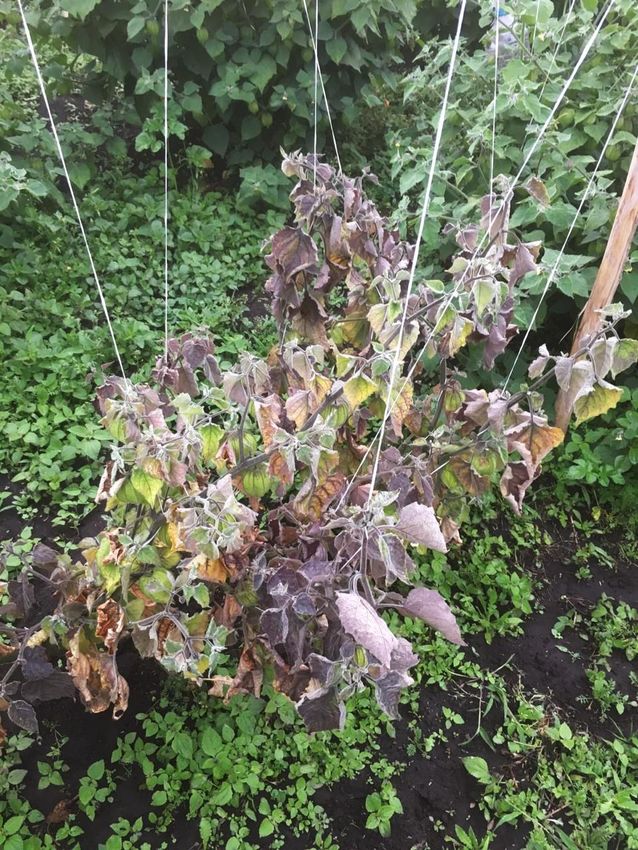
Background of PPT in Ecuador
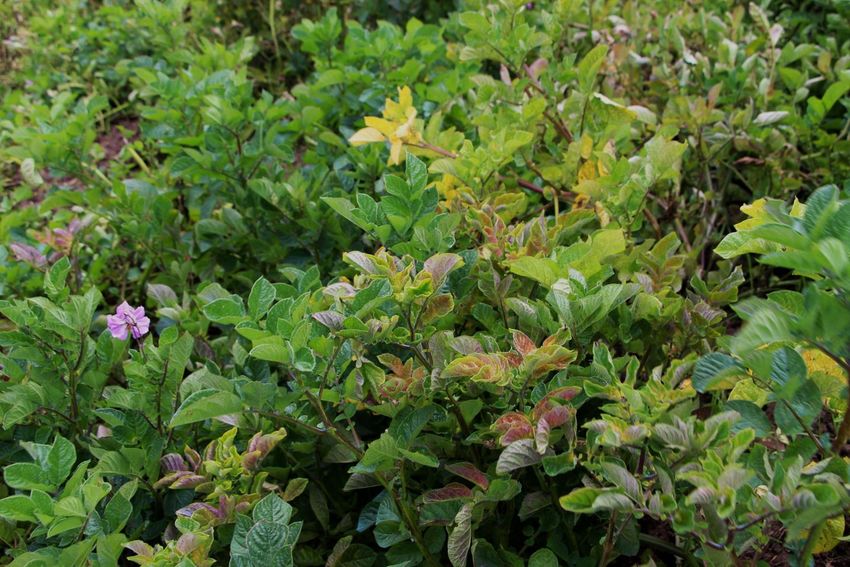
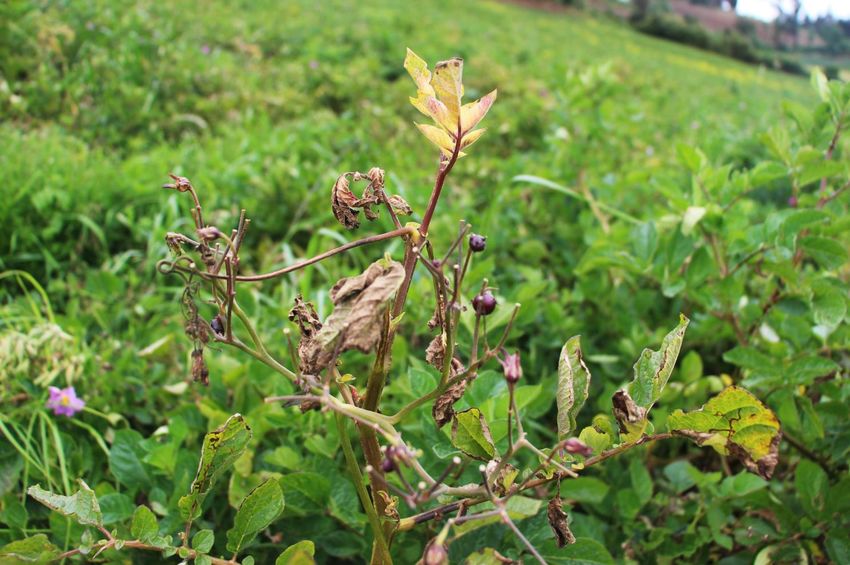
On 2014 in potato plants (var. Super Chola) appeared symptoms that
described a possible phytoplasma infection (San Gabriel-Carchi).
Were taken some infected samples for PCR analysis. Using a sweep net
were detected the presence of common leafhoppers in plants affected
by a possible phytoplasma.
After DNA extraction, by nested PCR reaction was amplified the 16S rRNA
gene of phytoplasmas, obtaining amplicons with an expected size of 0.8 kb
using the primers fU5/rU3.

                       MW         1          2          3         4           MW

                                 Sample 1   Sample 2   Water     Positve
                       0.8 kb
                       0.6 kb         MV1      U1                            0.6 kb

    Electrophoresis on 1 % agarose gel: 16SrDNA gene amplified with primers fU5/rU3 for phytoplasma.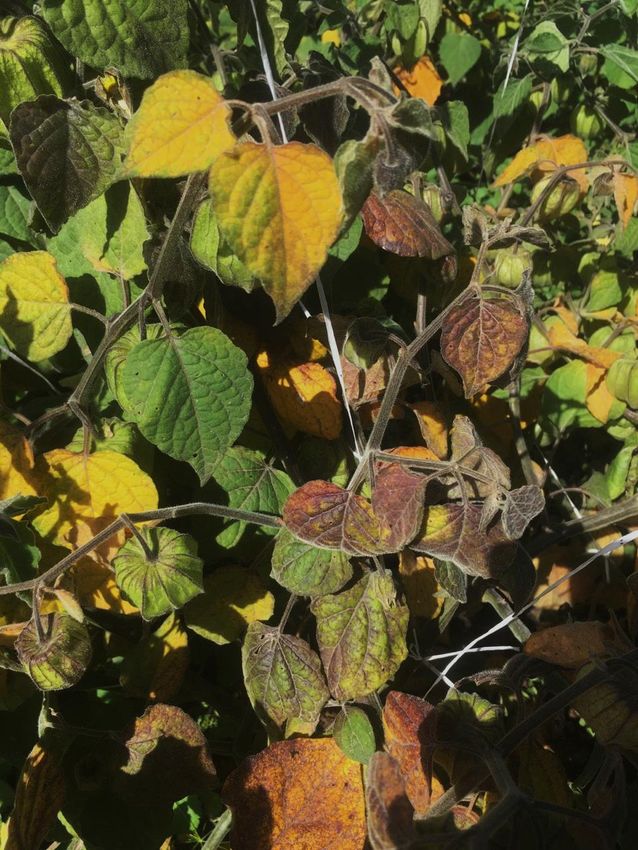
The sequencing and the
phylogenetic analysis of
the 16S rRNA gene,
confirmed       that    the
symptoms like purple top,
aerial tubers, etc., in San
Gabriel-Carchi is caused by
‘Candidatus Phytoplasma
aurantifolia’ 16SrII.

  Caicedo et al. (2015). First report of
  'Candidatus Phytoplasma aurantifolia'
  (16SrII) associated with potato purple top
  in San Gabriel-Carchi, Ecuador.
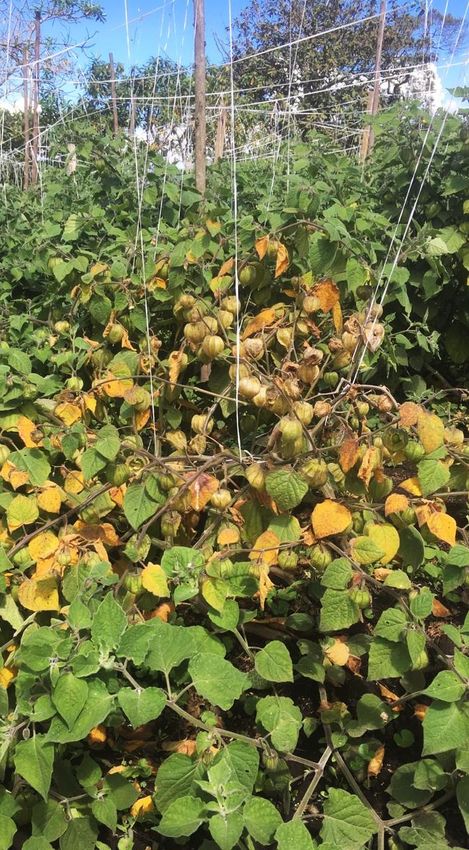
Common symptoms observed in potato plants from 2017-2019
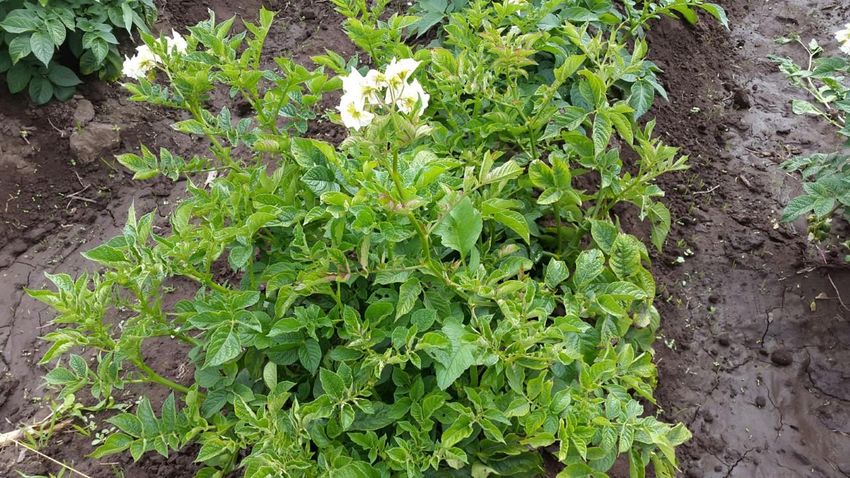
“Potato purple top (PPT) disease”                “Zebra Chip” disease
    caused by Phytoplasmas                      caused by Liberibacter

                Javesella sp.
  ‘Candidatus Phytoplasma aurantifolia’ 2015         Bactericera cockerelli
    ‘Candidatus  Phytoplasma
              Aceratagallia  sp.asteris’ 2018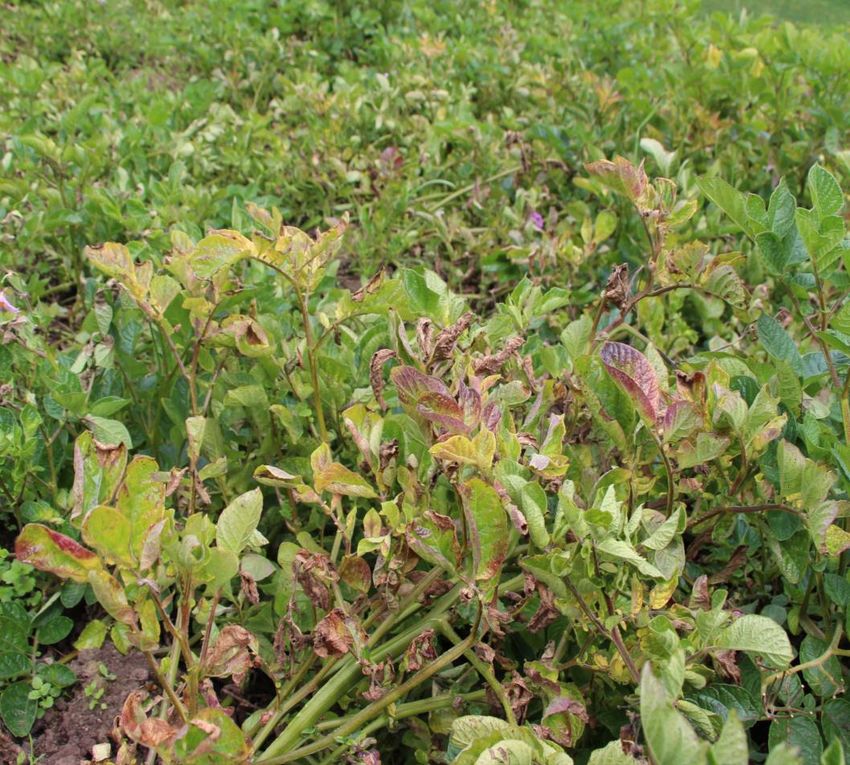
‘Ca. P. aurantifolia’        ‘Ca. L. solanacearum’
High antioxidant concentration   High phenolic compounds
       (purpling leaves)               concentration
                                      (reddish leaves)
          Anthocyanins                Flavonoid glycoside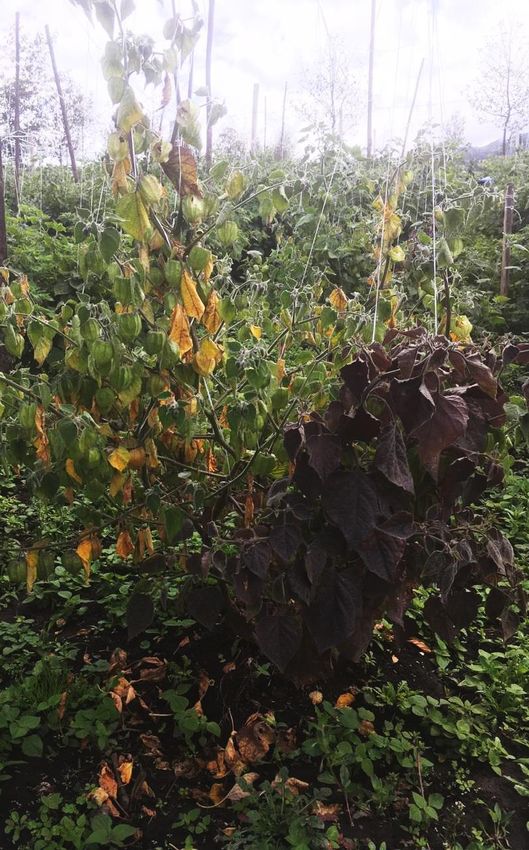
What damage does Bactericera cockerelli cause?

                                        Toxin in saliva
                CaLso

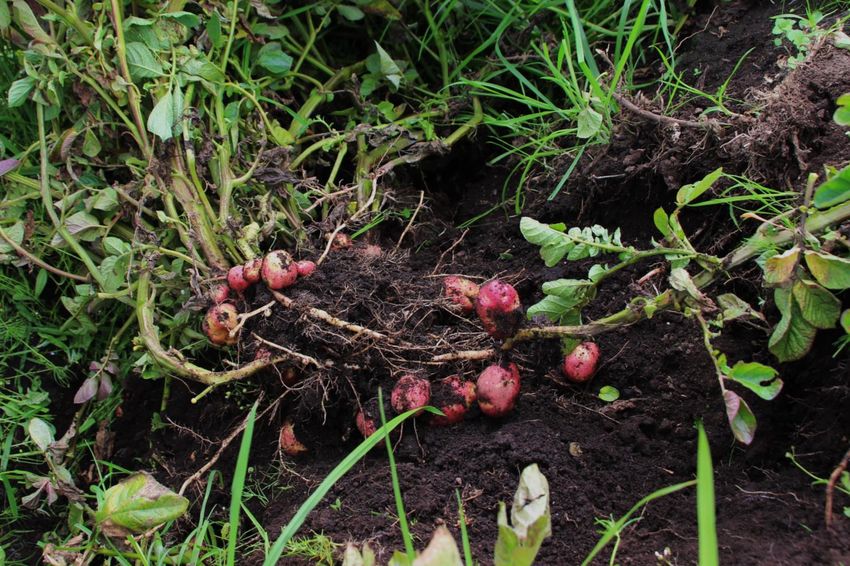
                                                          Damage caused by toxins
Zebra Chip disease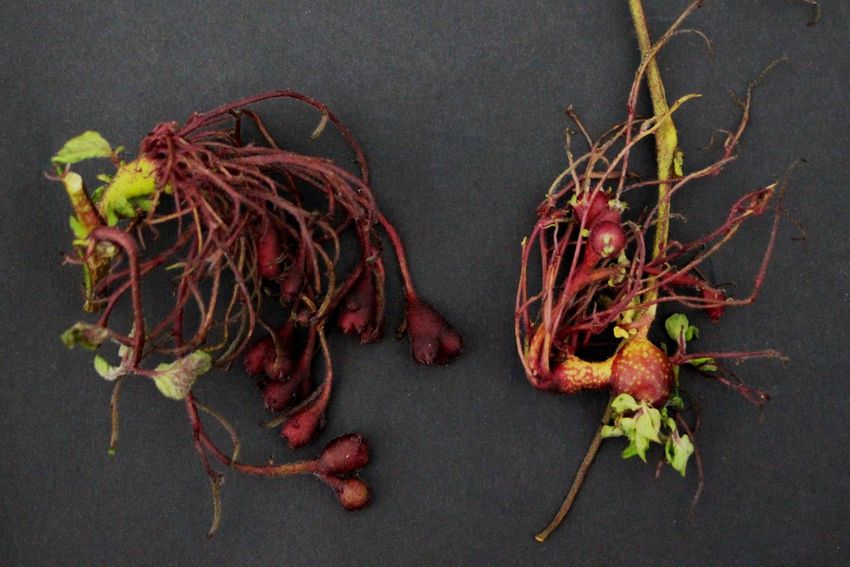
Main crops affected by Bactericera cockerelli in Ecuador
         Potato              Tamarillo             Pepper         Cape Gooseberry
  (Solanum tuberosum)   (Solanum betaceum)   (Capsicum annuum)   (Physalis peruviana)
Tamarillo affected by B. cockereli and CaLso
Pepper affected by B. cockerelli but not CaLso
Cape Gooseberry affected by B. cockereli and CaLso
International market for fruits from Ecuador, has been affected
by new important pests such as B. cockerelli and CaLso

December 2019                  January 2019
Solanaceae family

Facing this problem, Ecuador needed to implement
imperative research projects:

- To determine the main strategies for B. cockerelli
  and CaLso management.
- To detect and identify the presence of CaLso in
  several crops belonging to Solanaceae family.
- To characterize the haplotype of CaLso present in
  Ecuador.
- To identify the other host of B. cockerelli and CaLso
  in Ecuador.
Background management of B. cockerelli and PPT in Ecuador
                   (2017-2018)

• Higher susceptibility of Superchola variety compared with other
  potato varieties.
• Experiences showed an inefficient action of insecticides for the
  control of B. cockerelli in potato fields.
• B. cockerelli populations showed a possible metabolic resistance to
  some insecticides.
• High relationship between the presence of B. cockerelli and the
  appearing of ZC disease in the Pichincha province.
• Reduction of the potato yield and cultivated area in Ecuador.
• Presence of B. cockerelli in other important crops in Ecuador.
Main research project
(UCE-FCA 2019-2021)
First step Second step Third step
1) Detection 1) Integrated pest 1) Secondary
2) Identification managemet (IPM) host
3) Characyerization 2) Tolerance 2) Spreading in
Ecuador.Research Project 1
UNDERGRADUATE THESIS SUBMITTED IN FULFILLMENT OF THE
REQUIREMENTS FOR THE DEGREE OF ENGINEER AGRONOMIST
TITLE:
Evaluation of an integrated management system of
Bactericera cockerelli associated to Potato Purple Top disease
in Tumbaco, Pichincha. (2019-2019)
Autor: María Soledad Dalgo Nicolalde (Undergraduate student)
Advisor: Jorge David Caicedo Chávez, I.A., M.Sc. (Professor)
Status of the research: Finished (unpublished data)
Soledad DalgoOBJECTIVES General objective To evaluate the implementation of an integrated management system of Bactericera cockerelli associated to potato purple top disease, in three potato varieties with different precocity levels in Tumbaco-Pichincha. Specific objectives • Monitoring and evaluate the population dynamics of Bactericera cockerelli in three potato varieties with different precocity levels. • To determine the main chemical control times of Bactericera cockerelli. • To determine the effect of supplementary nutrition on potato plants affected with PPT. • To determine the potato yield and quality on three potato varieties under an integrated management system of Bactericera cockerelli and PPT.
Schematic representation of the experiment in the field

Study Factor:   Precocity varieties
                Suprema (early variety) 120 days
                Fripapa (semi late variety) 150 days
                Superchola (late variety) 180 days
Upper stratum
Monitoring scheme
Adults
Lower stratum
Nymph Eggs
Population dynamics of B. cockerelliManagement plan of B. cockerelli based on the
monitoring
Stage Active ingredient Complementary fumigation pH fumigation Frecuency*
Thiocyclam 6 to 7 7 days
Eggs Teblubenzuron, Diflubenzuron
Spinetoram 5 to 9 7 to 15 days
Spirotetramat + Thiacloprid
Paraffinic,
Nymph Spinetoram Beauveria 5 to 9 7 to 15 days
cycloparaffinic
Sulfoxaflor bassiana
hydrocarbons
Dimetoato 4 to 5 15 days
Adult
Bifentrina + Z cipermetrina 5 to 9 15 days
*Depending on monitoring
Fumigation type Water volumen/ha Days Product
Drench 600 - 800 liters Emerging to 60 days Systemic insecticide
Contact insecticide and foliar
Foliar 200 - 600 liters Emerging to 150 days
fertilizersComplementary fertilization under a management
system of B. cockerelli
Development stage Product Days Precocity
Potassium phosphite + salicylic acid
Emerging 30-45
Pyraclostrobin
Metalosate K, Ca and Zn + Potassium
45
phosphite + salicylic acid
Vegetative growth Early and
Metalosate K, Ca and Zn +
60 semi late
Pyraclostrobin
Metalosate K, Ca and B + Potassium variety
Flowering y tuberization phosphite + salicylic acid 60-90
Pyraclostrobin
Metalosate K and Ca + Potassium
Filling tubers 90-120
phosphite + salicylic acid
Maturing Metalosate K 120-180 Late varietyManagement of the experiment Sowing Complementary fertilization Monitoring
Insecticide aplication Harvested Yield classificationRESULTS
Var. Superchola Var. INIAP-Fripapa
Var. INIAP-SupremaFirst objective To determine the main strategies for B. cockerelli and PPT management.
6 Managed 4 Control
N° de individuos/planta
N° de individuos/planta
3,5
5
3
4
Superchola
2,5 HUEVOS
(TESTIGO)
2
Population dynamics of B. cockerelli
3 HUEVOS NINFAS
NINFAS 1,5 (TESTIGO)
2 ADULTOS
ADULTOS 1 (TESTIGO)
1 0,5
0
0
0 1 2 3 4 5 6 7 8 9 10 11 12 13 14 15 16 17 18 19
0 1 2 3 4 5 6 7 8 9 10 11 12 13 14 15 16 17 18 19
Monitoreos Monitoreos
6 Managed 6 Control
N° de individuos/planta
N° de individuos/planta
5 5
INIAP-Suprema
4 4
3 HUEVOS 3 HUEVOS (TESTIGO)
2 NINFAS 2 NINFAS (TESTIGO)
1 1 ADULTOS (TESTIGO)
ADULTOS
0 0
0 1 2 3 4 5 6 7 8 9 10 11 0 1 2 3 4 5 6 7 8 9 10 11
Monitoreos
Monitoreos
3 Managed 4,5
Control
4
N° de individuos/planta
2,5 3,5
INIAP-Fripapa
N° de individuos/planta
2 3
2,5
1,5 HUEVOS HUEVOS (TESTIGO)
2
NINFAS NINFAS (TESTIGO)
1 1,5
ADULTOS ADULTOS (TESTIGO)
1
0,5
0,5
0 0
0 1 2 3 4 5 6 7 8 9 10 11 12 13 14 15 0 1 2 3 4 5 6 7 8 9 10 11 12 13 14 15
Monitoreos MonitoreosEfficiency of the insecticides used for the control
of B. cockerelli
Application Control General efficiecy
Stage Active ingredients
number percentage of the insecticide
Thiocyclam 5 74 %
Eggs 75,5 %
Hexythiazox 6 77 %
Sulfoxaflor 6 70 %
Nymph Spirotetramat + Thiacloprid 4 74 % 81,3 %
Spinetoram 2 100 %
Bifentrina + Zeta cypermitrina 2 95 %
Adults 91,0 %
Dimetoato 2 87 %80 74.8 73.6
Percentage of incidence of PPT
70
60
Incidence of PPT in three 50
47.77
40
potato varieties comparing 30
Managed
Control
two treatments (managed 20 16.61
13.19
9.39
and control) 10
0
Superchola INIAP-Fripapa INIAP-Suprema
Varieties
70
58.54
60
Percentage of chip burned
50 46.53
Percentage of chip burned 40
in three potato varieties 30 Managed
22.42 22.28
comparing two treatments 20
19.32 Control
(managed and control) 10
9.24
0
Superchola INIAP-Fripapa INIAP-Suprema
Varieties900
813.13a
800 742.45a
700
Potato yield (g/plant)
576.52b 591.52b
Potato yield in first, 600 554.5a
500
second and third 400
400.7b First category
294.47b Second category
category in three 300 231,0c Third category
200
potato varieties 100
106.25c
0
Superchola INIAP-Fripapa INIAP-Suprema
Variety
2500
1944.15 a
2000
Total yield g/plant
Total potato yield 1437.63b
1500
in three varieties
972.67a 928.77c Managed
comparing two 1000 862.53…
Control
503.67b
treatments 500
(managed and 0
control) Superchola INIAP-Fripapa INIAP-Suprema
VarietyFirst conclusions • Integrated management of B. cockerelli based on monitoring is the key to insure the potato yield. • Supplementary fertilization helps to obtain better categories of tuber potato. • INIAP-Fripapa (semi late variety) showed higher tolerance to ZC and PPT diseases in all variables evaluated, compared with Superchola (late variety) and INIAP-Suprema (early variety).
Second objective

To detect and identify the presence of CaLso in several
crops belonging to Solanaceae family.
Identification of ‘Candidatus Liberibacter solanacearum’ in
                       potato plants

                                    Cuantification

                                                     DNA extraction

                                  DNA plant isolation       Fungi/Yeast Genomic DNA Isolation Kit
                                                                     from Norgen CORP.
Purelink Genomic
DNA mini kit.
from Invitrogen
Adults and nymph of B. cockerelli
DNA extraction of Bactericera cockerelli
DNA insect isolation
Store CuantificationPrimer Sequence 5' - 3'
CLi.po.F TACGCCCTGAGAAGGGGAAAGATT
OI2c GCCTCGCGACTTCGCAACCAT
CL514F CTCTAAGATTTCGGTTGGTT
CL514R TATATCTATCGTTGCACCAG
PCR amplification
Component Volumen (µl)
2X Platinum Super Fi Master Mix 12,5
PCR amplification of Primer Forward (10 uM)
Primer reverse (10 uM)
1,25
1,25
taxonomic genes from SuperFi GC Enhancer
Agua ultrapura
5
3
ADN (20 ng/ul) 2
CaLso
Purification of positive PCR products Electrophoresis gel of PCR products PCR program
Etapa Temperatura ( oC) Tiempo
Desnaturalización inicial 98 30 seg
Desnaturalización 98 10 seg
Hibridación 68 10 seg
Extensión 72 23 seg
Extensión final 72 5 minSequencing of PCR products Quality control of the sequences
Bioinformatics
Edition of the sequences
Phylogenetic reconstruction
Phylogenetic tree Blast analysisResults of Blast Analysis
Results of Phylogenetic reconstruction
          'Ca. L. solanacearum' M6-P-Pi (MN396642)
          'Ca. L. solanacearum' M7-P-Pi (MN396643)
                                                                                                        Phylogenetic tree inferred
          'Ca. L. solanacearum' M2-P (MN031250)
          'Ca. L. solanacearum' M1-P (MN031249)                                                         from 16S rDNA sequences
       'Ca. L. sp'. TX 3-08 (EU918197)
                                                                          'Ca. L. solanacearum'
                                                                                                             using the Maximum
       'Ca. L. solanacearum' (FJ957896)
                                                                                                             Likelihood method,.
       'Ca. L. sp.' clone 08MX197 (FJ829812)
       'Ca. L. sp'. Saltillo 9-08 (FJ498806)
                                                                                                            Codon-based MUSCLE
       'Ca. L. solanacearum' isolate MX11-02 (JF811596)                                                   alignment function was
       'Ca. L. solanacearum' isolate 12.Tomato.TX.FR (FJ939137)                                                used to align the
              'Ca. L. europaeus' isolate Psy6 (JX244258)
              'Ca. L. sp.' NR-01 (FN678792)
                                                             'Ca. L. europaeus'                             sequences. Bootstrap
             'Ca. L. americanus' (AY742824)    'Ca. L. americanus'                                       values are shown next to
           'Ca. L. africanus' (L22533)
                                                                                   'Ca. L. africanus'
                                                                                                           the branches. GenBank
       'Ca. L. africanus' strain Mpumalanga-UPCRI-06-0026 (EU921620)
                                                                                                           accession numbers are
        'Ca. L. asiaticus' isolate 371 (GQ502291)
        'Ca. L. asiaticus' isolate Kumquat 1 (DQ302750)
                                                             'Ca. L. asiaticus'                          indicated in parentheses,
              'Ca. Phytoplasma solani' clone 5043 (JX311953)                                                  black dots indicate
                                                                        Outgroup
              'Ca. Phytoplasma solani' strain 121/09 (JQ730750)                                           samples analyzed in this
                                                                                                                     study
Third objective To characterize the haplotype of CaLso present in Ecuador.
Haplotype characterization

Eur J Plant Pathol (2011) 130:5–12
DOI 10.1007/s10658-010-9737-3
Publication accepted in the Journal
         “Australassian Plant Diseases Notes”

Authors: Jorge D. Caicedo; Lorena L. Simbaña; Daniela A. Calderón; Karina P. Lalangui; Lydia
I. Rivera-Vargas
Second conclusions • For first time in Ecuador and South America, it was detected and identified CaLso in infected potato plants and in B. cockerelli. • The haplotype A of CaLso was identified as the causal agent of ZC disease. • It was associated the presence of CaLso with ZC disease in infected potato plants, and was determine some relationship with symptoms of PPT disease.
Fourth objective
To identify the other hosts of B. cockerelli and CaLso in
Ecuador

              Tamarillo         Pepper   Cape Gooseberry
Research Project 2
UNDERGRADUATE THESIS SUBMITTED IN FULFILLMENT OF THE
REQUIREMENTS FOR THE DEGREE OF ENGINEER AGRONOMIST
TITLE:
Molecular and phylogenetic characterization of ‘Candidatus Liberibacter
solanacearum’ in four species of the Solanaceae family in the Ecuadorian
highlands. (2019-2020)
Autor: Marjorie Patricia Vallejo Borja (Undergraduate student)
Advisor: Jorge David Caicedo Chávez, I.A., M.Sc. (Professor)
Status of the research: In process (unpublished data)
Marjorie VallejoOBJECTIVES General objective To characterize molecular and phylogenetically ‘Candidatus Liberibacter solanacearum’ in four species of the Solanaceae family in the Ecuadorian highlands. Specific objectives • To identify and characterize molecularly the presence of CaLso in potato, tamarillo, pepper and cape gooseberry plants. • To locate phylogenetically the CaLso haplotype present in potato, tamarillo, pepper and cape gooseberry plants, comparing to the CaLso haplotypes present in other parts of the world. • To determine the relationship between CaLso and Bactericera cockerelli in potato, tamarillo, pepper and cape gooseberry plants. • To create a thematic map of the presence of the CaLso in the Ecuadorian highlands.
First objective
To identify and characterize molecularly the presence of CaLso
in potato, tamarillo, pepper and cape gooseberry plants.
Preliminary results of CaLso detection in the
                Ecuadorian highlands
  Province             Crop         Samples Positive CaLso* Negative CaLso Identity
                     Tamarillo         3             3              0         CaLso A
     Carchi
                      Pepper           1             0              1
                     Tamarillo         6             2              4         CaLso A
  Imbabura
                      Pepper           2             0              2
                      Potato           7             1              6         CaLso A
   Pichincha         Tamarillo         9             3              6         CaLso A
                 Cape gooseberry       1             1              0         CaLso A
                      Tomate           1             1              0         CaLso A
   Cotopaxi
                      Potato           1             0              1
                      Tomate           2             1              1         CaLso A
 Chimborazo
                      Potato           1             1              0         CaLso A
                      Potato           2             0              2
 Tungurahua          Tamarillo         6             3              3         CaLso A
                 Cape gooseberry       1             1              0         CaLso A
           Total samples              43            17             26
* Additionally, all samples tested were negative for phytoplasma infection using nested PCR.
Thematic map of CaLso distribution in the
Ecuadorian highlands
CaLso + B. cockerelli
CaLso detected in plant and insectSpreading of CaLso around the world
Bactericera trigonica,
Trioza apicalis
CaLso C, D, E, F
CaLso A and B
Free exportation
B. cockerelli
CaLso A and B
CaLso A
CaLso A
B. cockerelli
CaLso A and BSpreading of CaLso haplotypes around the world
Bactericera trigonica,
Trioza apicalis
CaLso C, D, E, F
CaLso A and B
PHYTOSANITARY BARRIER
B. cockerelli
CaLso A and B
CaLso A
CaLso A
B. cockerelli
CaLso A and BThird conclusions (preliminary) • It was observed high populations of B. cockerelli affecting to potato, tamarillo, pepper and cape gooseberry plants, causing serious economic losses to producers. • It was detected the presence of CaLso in potato, tamarillo and cape gooseberry, causing different symptoms. • It was not detected CaLso in pepper plants, although high populations of B. cockerelli has been observed in this crop. • CaLso was detected in five provinces of Ecuadorian highlands.
Acknowledgment
                              UCE-FCA Research Team

Jorge Caicedo      Lorena Simbaña          Soledad Daldo         Marjorie Vallejo     Daniela Calderón
   Director      Principal researcher   Undergraduate student Undergraduate student Undergraduate student

        External
      collaborators

                       Lydia Rivera PhD       Ing. Héctor Andrade   Ing. Manuel Pumisacho
                        UPR-Mayagüez                UCE-FCA                UCE-FCA
Thanks for your attention!
jorgecaicedo_@hotmail.com/jdcaicedo@uce.edu.ec
Cellphone number: +593 998951278
WORKSHOP
Phytosanitary emergency in the potato crop in Ecuador and implications for Peru and the Andean
region: Purple top, potato psyllid and zebra chip
Lima, January 20-22, 2020You can also read


