Prospectus 2021 - TESSA JENNETT (2018) AT CAVENDISH SCHOOL - Year Here
←
→
Page content transcription
If your browser does not render page correctly, please read the page content below

Prospectus 2021

                  TESSA JENNETT (2018) AT CAVENDISH SCHOOL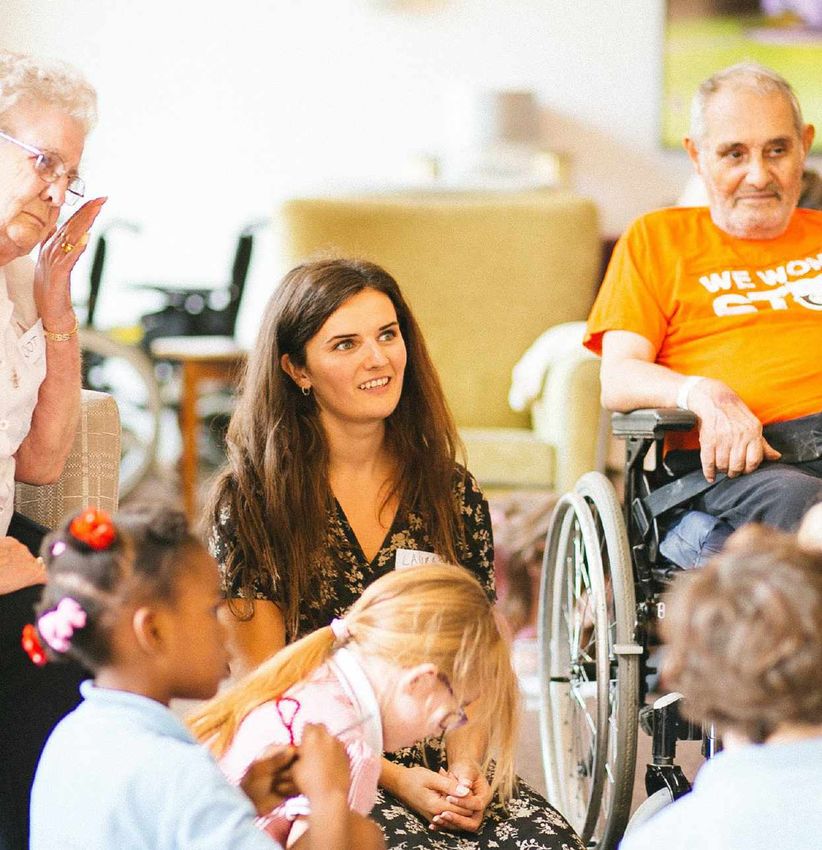
In February this year, Sir Michael Marmot, director of the UCL
Institute of Health Equity, issued a landmark report which found
that, for the first time in over 100 years, life expectancy in England is
stalling, and for the most deprived women in society, has reversed:

“Poverty has a grip on our nation’s health - it limits the options
families have available to live a healthy life. Government health
policies that focus on individual behaviours are not effective.
Something has gone badly wrong.”

Sadly, the global pandemic has done more to cement these pre-
existing inequalities. 65% of UK families in the bottom earning
bracket possess savings of just £0 - £1,500, and double as many
private tenants are now in rent arrears.

Now, more than ever before, we need innovative, inclusive and
action-oriented solutions to tackle social and environmental
inequality. We believe that trends like the one highlighted by the
Marmot report are inexcusable and unavoidable.

At Year Here we think that an entrepreneurial approach is one of the
best ways to build an alternative future; amplifying unheard voices,
designing platforms that redistribute power, challenging the systems
that for so long have worked for the few not the many, and using
business as a means to achieve this. Join us to build something fast
and learn in the process.

At Year Here your journey starts with insight - this is central to our
philosophy for building effective and impactful startups. Whether
you’re based in a GP surgery tackling health inequality, working with
vulnerable young people who’ve been excluded from mainstream
education, or unpicking the complex nuances of the housing crisis,
we work with services users and delivery organisations on the
frontline to gain understanding.

It takes a bold and creative approach to design and test
interventions that work. We give you a rigorous social innovation
curriculum, practical business skills, entrepreneurial leadership
development and a diverse network of experts to do just this.

Across the frontline placement, impact consulting project and
venture lab phases, you’ll innovate in different contexts to build
something that matters, hopefully joining our startup portfolio of
over 39 award-winning ventures.

We need more energetic, curious, tenacious and compassionate
professionals to join our growing movement. Don’t wait and watch,
the time is now. We can’t wait to meet you.

Jack Graham, Founder and CEO
                                                                            AN INCOMMON SESSION (CHARLOTTE WHITTAKER & LAURA MACARTNEY, 2016/17)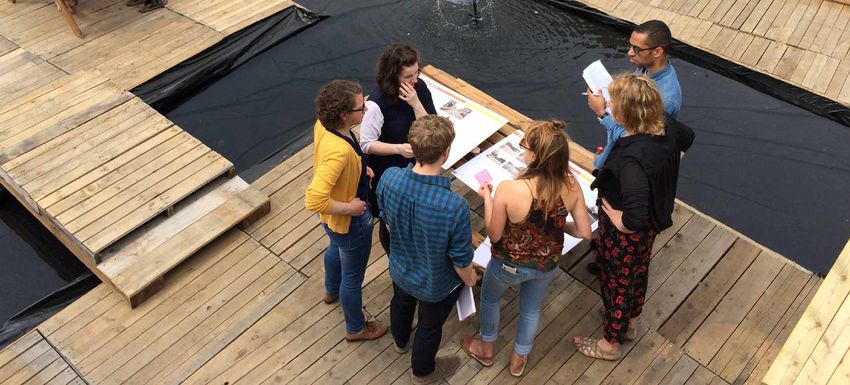
Our Mission

                                                                           Inequality in Britain              termist policy-making struggles     and solutions for people. We
                                                                                                              to tackle the root causes and its   believe that progressive change
                                                                           has been rising for                inability to move nimbly means      comes from the insight gained
                                                                           30 years, with the                 we miss opportunities.              when working one-to-one
                                                                                                                                                  with people. It’s only when you
                                                                           gap between rich                   When politics fails us, when        spend time in a homelessness
                                                                                                              some of the biggest protests of     hostel, a community centre or a
                                                                           and poor at near                   our lifetimes don’t result in       Pupil Referral Unit that you really
                                                                           Victorian levels.                  the change we hope for and          get to grips with the architecture
                                                                                                              when the charitable business        of a problem and the lived
                                                                           More than a fifth of the UK’s      model increasingly leaves well-     experience of those who find
                                                                           population live on incomes         intentioned organisations stuck,    themselves in difficulty.
                                                                           below the poverty line, with       it seems that our traditional
                                                                           wealth continuing to be            vehicles for social change have     Whether it’s the clumsy
                                                                           unequally divided. 40% of          become ineffective.                 callousness of benefit traps
                                                                           Londoners do not meeting an                                            for people living in temporary
                                                                                                              We have to find new ways to         housing or the difficult
                                                                           acceptable standard of living.1
                                                                                                              tackle complex problems.            experience of visiting an
                                                                           A study has also found that the                                        elderly parent in a care home,
                                                                                                              Meanwhile in the private sector,    understanding and feeling these
                                                                           UK’s six richest people control
                                                                                                              exciting developments in tech       experiences is a critical first step
                                                                           as much wealth as the poorest 13
                                                                                                              and design are not yet being        for anyone moved to try their
                                                                           million, and the gap is widening
                                                                                                              used to their full potential.       hand at leading social change.
                                                                           with the COVID crisis.
                                                                                                              Opportunities to respond to
                                                                           People’s life chances are          social challenges with ingenuity    Starting something could be
                                                                           systematically diminished by       are emerging all the time.          your best shot at impact
                                                                           poverty. Poorer people can
                                                                           expect to live fewer years in      Solving social                      Entrepreneurship offers people
                                                                           good health and their housing      problems starts with                – who have the risk-appetite to
                                                                           situation will be far more         understanding them                  go for it – an opportunity to act
                                                                           precarious. Poor children, or                                          quickly without the constraints
                                                                           those who grow up in care, will    Sadly, not enough efforts to        that come with working in
                                                                           fare much worse at school.         solve social issues come from       large institutions.
                                                                                                              deep understanding of how
                                                                           Inequality demands                 problems manifest. Too many         And while entrepreneurship is
                                                                           innovation                         policies and programmes fail        a high-risk path to choose, with
                                                                                                              because they don’t respond to       no guarantee of success, it can
                                                                           The state and the market have      people’s needs, motivations, and    be a profoundly developmental
                                                                           failed to tackle this inequality   complex contexts effectively.       experience for the entrepreneur,
                                                                           and the social problems                                                preparing them for their next
                                                                           associated with it. 		             It’s not about sitting in an        big project.
                                                                           Government’s often short-          ivory tower, designing policies

    SNEH JANI (2015/16, CO-FOUNDER OF BREAD AND ROSES) AT ORIGIN HOUSING   1
                                                                               Trust For London, 2020
2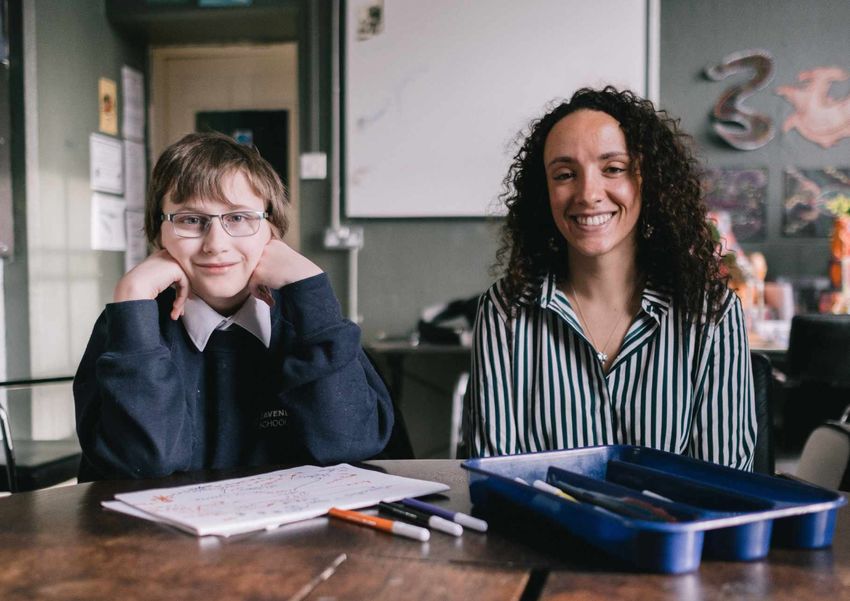
Issues we tackle The thread running through your This enables you to dive deep into the human experiences, systemic
factors and market opportunities in an area you’re particularly
experience as a Fellow is one of five social interested in. During the programme, you’ll have opportunities to
meet with frontline specialists and get advice from our innovation
issues. Most Fellows go on to develop panels to deepen your insights and challenge your assumptions.
projects and ventures in a similar field.
CAREER ACCELERATOR FAT MACY’S JUTA SHOES APPT ELEMENT
LED BY MAYUR GUPTA (2016/17) LED BY MEG DOHERTY (2015/16) LED BY JOANNA HAMER (2015/16) LED BY HECTOR SMETHURST (2016/17) LED BY ALEXANDRA SAYERS (2015/16)
Educational Inequality The Housing Crisis Community Resilience Health + Wellness Vulnerable Youth
The link between low family Homelessness is on the rise. Without the right resources, Since the NHS was founded Fewer than 1% of Britain’s children
income and poor educational In England, more than 81,000 the most neglected of Britain’s in 1948, life expectancies have are in care, but they make up
attainment in the UK is greater households are homeless and each council estates can be places of grown and the health service over half of the children in secure
than in almost any other year over 4,000 people end up unemployment, social isolation, today is grappling with an ageing training centres and almost two-
developed country. sleeping rough. Many homeless apathy and low levels of civic population that increasingly fifths of children in young offender
people are spending years in so- participation. They can also be lives with chronic conditions like institutions. Whether or not they
This impacts career prospects and called ‘temporary’ accommodation places where unfair attitudes diabetes, arthritis and dementia. are in the care system, vulnerable
future earnings: over the course – in part due to the sheer lack of to neighbouring migrants young people who are excluded
of a lifetime, a graduate from a affordable homes. and refugees threaten Dealing with that shift – and from mainstream education often
Russell Group university will earn community cohesion. the huge mismatch between face mental health issues and
on average £371,000 more than Placed in homeless hostels and tightening budgets and increasing unemployment in later life.
someone who left school with supported accommodation Community Resilience Fellows demand – requires imaginative
fewer than 5 good GCSEs. services, our Housing Crisis are placed in centres and and radical redesign. After spending time in Pupil
Fellows work on innovations employability projects in the heart Referral Units, youth justice
Educational Inequality Fellows that help people move on from of these communities. They lead Our Health and Wellness initiatives and services for young
work in schools across London temporary accommodation and innovations that help diverse Fellows start the course in health people in care, our Vulnerable
and go on to establish ventures into independent living. neighbours come together, gain centres, elderly care homes and Youth Fellows establish ventures
like Career Accelerator, a work skills and improve their local areas. community-based health charities like Element. Culminating in public
experience programme helping One such venture, Fat Macy’s, is where they lead ventures like exhibitions, this arts based venture
school students from under– a restaurant that trains homeless Ventures in this field include Juta, Appt, an innovative software provides confidence building
represented backgrounds young people to run supper clubs, who work with migrant women system developed to make programmes for young people
prepare for careers in the with profits raising a deposit for at the St Hilda’s East community appointments easier to book for leaving care.
growing tech industry. their first flat. centre to give them an income by hard to reach communities.
making upcycled shoes.
Overview
                                                                 We take a different approach
                                                                 to social innovation and
                                                                 venture development.
                                                                 It combines frontline service
                                                                 with access to an expert
                                                                 network, skills training and
                                                                 the platform to create your
                                                                 own ventures.
                                                                 Your major projects start with the Insight Assignment, an opportunity
                                                                 to bring together your understanding of the system you are placed
                                                                 within and the insight you’ve gathered on the ground.

                                                                 Next is the Innovation Project. After spending a few weeks on
                                                                 placement, you’ll build on the insight you’ve gathered to design and
                                                                 deliver an initiative to enhance the impact of your host organisation.

                                                                 Then, you’ll work in groups on a Consulting Project, where you’ll
                                                                 respond to a brief set by a real client – from local authorities
                                                                 to national charities – to undertake service design, community
                                                                 engagement or social enterprise development projects.

                                                                 Finally, you’ll develop a Social Venture, working alone or in groups
                                                                 to come up with a new product or service with a sustainable
                                                                 business model. You’ll also be presented with the opportunity to
                                                                 join our Venture Incubator to develop your idea further.

                                                                 In a year’s time, we expect you to leave us with a promising startup
                                                                 venture idea, some seed funding and client relationships – or a great
                                                                 job with another social enterprise startup.

    CHARLOTTE TOTTENHAM (2018/19) AT THE BROMLEY-BY-BOW CENTRE
5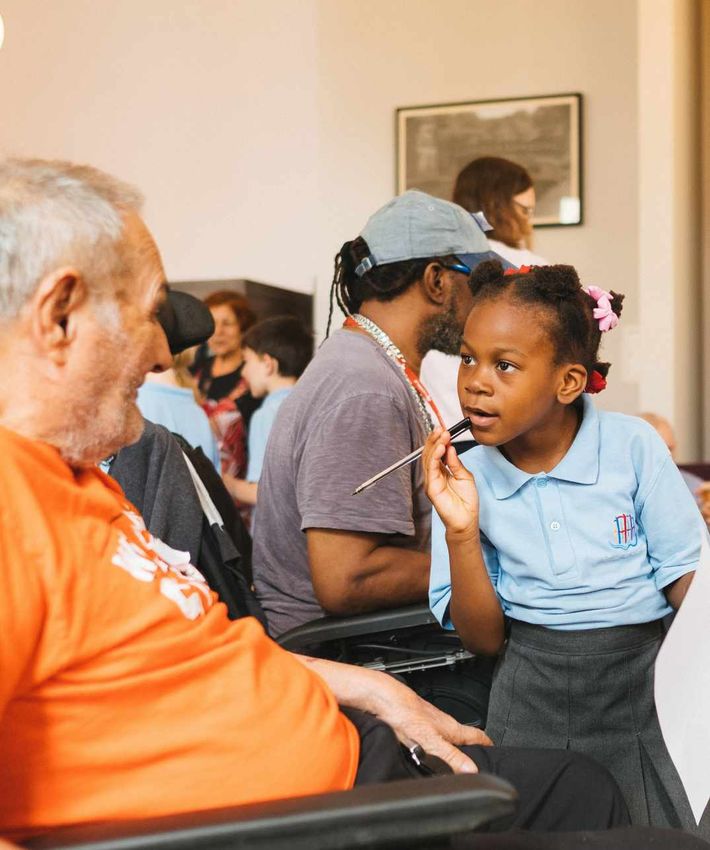
Our Fellows
                                               When they join us, our Fellows bring an incredibly
                                               diverse set of skills, and an average of 8 years’
                                               professional experience to the programme.
                                               Selection Criteria
                                               Whether your background is in technology, science, finance, or the arts, we’re looking for
                                               Fellows who are frustrated about how society isn’t working for everyone. Determined to
                                               reject apathy and cynicism, they instead channel their energy into social action, innovation
                                               and entrepreneurship. We look for these qualities:

                                               Entrepreneurial          Professional skill set   Learning mindset       Passion for social     Insatiable hunger
                                               track record                                                             justice
                                                                        You should have          We’re looking for                             You don’t pass
                                               You don’t have           a solid grounding        curiosity, open-       You should be          up opportunities.
                                               to have started a        in fundamental           mindedness and a       thoughtful about       You are seriously
                                               business but you’ll
                                               need to demonstrate      professional skills      sense of possibility   society’s issues,      driven and hungry
                                               your natural bias        built up over at least   about personal and     critical about what    for growth, learning
                                               towards action.          2 years in work.         societal growth.       works and fired up     and impact.
                                                                                                                        about change.

                                               Diversity
                                               Difference, whether it’s in our cultural background or our political beliefs, gives us all
                                               opportunities to challenge our own assumptions and take on new perspectives. Given the
                                               nature of our work – stepping out of our own experience to understand the lives of others –
                                               diversity isn’t just a ‘nice to have’, it’s essential.

                                               While representation of women, People of Colour, LGBTQ+ folks and people from low
                                               income backgrounds is higher within the Fellowship than national averages, we know
                                               there is still work to do. We actively encourage applications from underrepresented and
                                               marginalised communities.

                                               58%     of our Fellows        17.6% qualified for           72% of our Fellows            24% of our Fellows
                                               are white whilst 42%          Free School Meals             are women, 26% are            are members of the
                                               are from Black, Asian                                       men and 2% are non            LGBTQ+ community,
                                               or Minority Ethnic                                          binary                        76% are heterosexual
                                               backgrounds
AARON JOHN (2017, CO-FOUNDER OF TRANQUILITI)
Our Ventures
Our Fellows have founded 39 social ventures
that have collectively generated over £3m in
revenue and reached over 15,000 service users
– from gang members and homeless teens to                                                                                        4x
                                                                                                                             Fellows
isolated older people and refugee women.                                                                                   featured on        Innovation
                                                                                                                          the Forbes 30         Award
These ventures are businesses with a purpose,             Backed by funders UnLtd, Beyond Business, the                    Under 30 list
attacking thorny social issues from different             Esmée Fairbairn Foundation and Bethnal Green
angles. Some use employment to empower                    Ventures among others, these social enterprises
– like Juta, who run social impact craft experiences      have been recognised with four Forbes 30 Under
delivered by marginalised women.                          30 listings, the Next Billion EdTech prize at the
                                                          Global Education and Skills Forum, and the Social
Others are drawing on the power of tech to
create social change – like Tranquiliti, co-founded
                                                          Enterprise of the Year Award at the 2018 Centre for
                                                          Social Justice Awards.
                                                                                                                   Featured in
by George Metcalfe and Aaron John, a digital
service to support both schools and students to
understand and improve mental wellbeing.
                                                          They’ve also been widely featured in the press
                                                          – including TechCrunch, Pioneer’s Post, the
                                                                                                                                      Social
And others offer small fixes within broken systems
                                                          Guardian, Dazed, International Business Times
                                                          and Vogue.
                                                                                                                                   Enterprise of
– like Settle, a social enterprise that offers targeted
one-to-one support to vulnerable young people
                                                                                                                                     the year
moving into their first flat in order to break the
pernicious cycle of youth homelessness.

                                                                                                           12x
                                                                                                            Women
                                                                                                                                             Featured on

                                                                                                            in social
                                                                                                           enterprise
                                                                                                             awards

                                                                                                                     Social
                                                                                                                                        7x
                                                                                                                                      Shackleton
                                                                                                                  Enterprise of         Award
                                                                                                                    the year           Winners
Learning philosophy
    Our approach is quite unlike traditional
    educational practices. To make the most
    of this course, Fellows need to embrace
    our learning philosophy.

    Learning is most                    Be the engineer of                 Remember that it’s
    powerful outside the                your own education                 not just about you
    classroom
    Most traditional higher             We believe that a learning         Working with some of the
    educational experiences take        experience only really works if    most marginalised people
    a purely didactic approach: an      you help guide it proactively.     in the country comes with a
    all-knowing teacher imparts                                            responsibility to put your own
    their wisdom to the 		              In experiential pedagogies,        ego, needs and preferences
    ignorant students.                  responsibility for the learning    aside for someone else’s.
                                        lies with the learner not the
                                        teacher. Unless you are actively   We’re trying to make society
    We think the most powerful
                                        engaged in the learning            better with people who face
    learning experiences happen in
                                        process – asking questions,        huge barriers to success in
    the real world, not in a lecture
                                        having the courage to try out      life, who have suffered serious
    hall or seminar room. This isn’t
                                        new approaches and seeking         injustices or who struggle to
    radical, it’s called experiential
                                        feedback from others – you’ll      get by day-to-day.
    learning and it’s based on the
    research of educationalists like    slip behind.
                                                                           We encourage our Fellows to
    David Kolb and John Dewey.                                             keep this perspective
                                        Our Fellows take responsibility
                                        for their own learning. And we     throughout the programme,
    Real-world projects will
                                        take responsibility for creating   even when they are pushed to
    challenge and test you, and
                                        the best conditions for that       the edges of their own
    occasionally you’ll fail. But
                                        learning to happen.                comfort zones.
    your efforts will be rewarded
    with a transformative and
    developmental 10 months.

                                                                                                             DAMI FAJOBI (2015/16) WITH STUDENTS FROM LANGDON PARK SCHOOL
8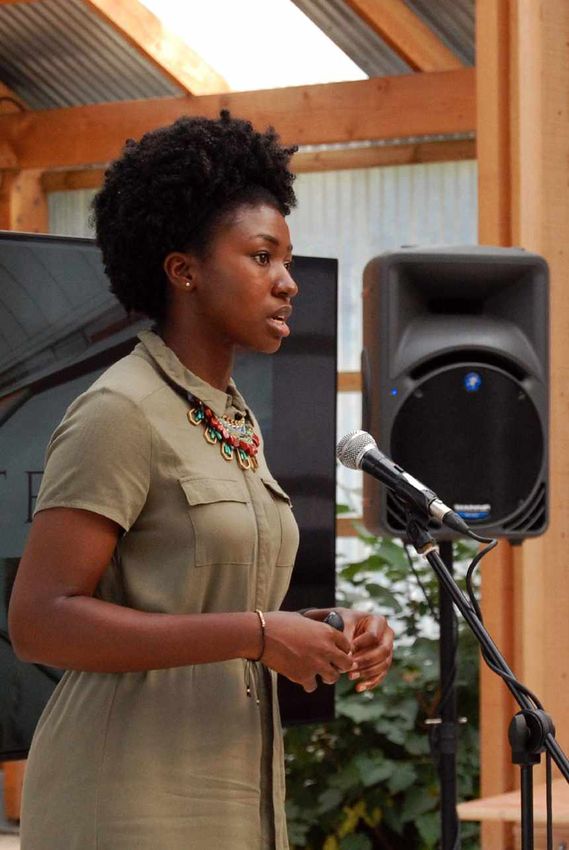
Experiential                                                                    Self-directed
                                                                                    The world is changing so rapidly
    Year Here is about experiential                                                 that the skills you’ll need for
    learning: learning by doing rather                                              tomorrow are not being taught
    than being stuck in a lecture hall.                                             anywhere today. The best thing
    We believe that real-world learning,                                            you can do is to learn how to teach
    where failure isn’t just a poor grade,                                          yourself anything. We push Fellows
    can be messy and frustrating but                                                to be entrepreneurial about the way
    is ultimately more powerful than                                                they teach themselves new skills
    traditional education.                                                          and approaches.

                                             Led by
                                                                                                                           Collaborative
                                             practioners
                                                                                                                           We believe that a peer group can
                                             Our faculty are not academics.                                                be a powerful tool for personal
                                             They are practitioners who run                                                growth. It gives you a sounding
                                             businesses, design policy and                                                 board for new ideas, a source of
                                             work directly with communities.                                               well-intentioned honest feedback
                                             We think this keeps the course                                                and a safe environment for
                                             cutting edge and gives you access to                                          personal reflection.
                                             a network of relevant collaborators
                                             and opportunity-brokers.

    Out of the                                                                      Holistic
    classroom                                                                       We believe that social change
                                                                                    involves intellect, compassion
    The course takes you all over the                                               and a propensity for action – the
    capital. Our learning sessions have                                             head, the heart and the hands
    taken place everywhere from the                                                 respectively. These are all critical
    Cabinet Office to Makerversity’s                                                pieces of the puzzle and Year Here
    Lab and from a homeless shelter in                                              gives attention to each.
    Crouch End to Google.

9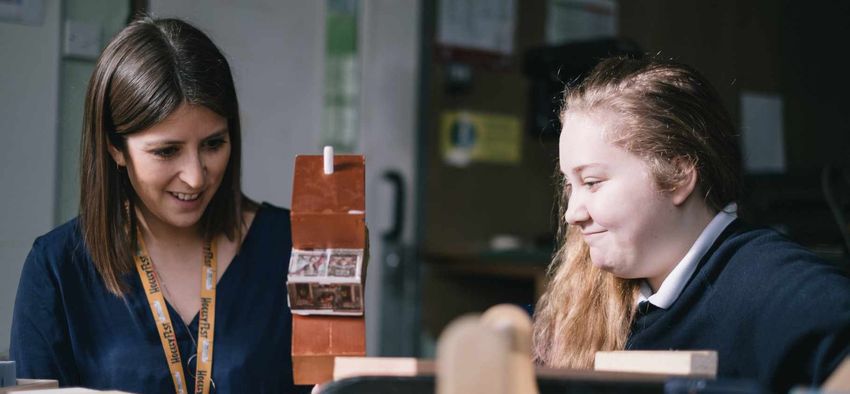
Social Innovation Skills
Curriculum                                                                               DESIGN, ENTERPRISE, IMPACT
                                                                                         Traditionally, design’s relevance to business was seen as limited to ‘posters
Through the year you will learn about                                                    and toasters’ – graphic design and product development. These days, the
                                                                                         design approach is being adopted to reimagine service experiences and
the topic of social inequality in Britain                                                social programmes. Design methods and principles are woven throughout
                                                                                         the course.
as well as three methodological                                                          Building your enterprise toolkit is crucial if you are to launch a venture at

domains: social innovation skills,                                                       the end of the programme. We help Fellows understand and critique various
                                                                                         social business models and develop their own according to the lean

our social business toolkit and
                                                                                         startup methodology.

                                                                                         Ultimately Year Here is all about maximising your potential for social impact.
entrepreneurial leadership                                                               By learning how to develop impact strategies, exploring how we can measure
                                                                                         impact rigorously, and interrogating dozens of impact models, we examine
development.                                                                             what changing society for the better really means in practice.

Alongside the five social issue themes we focus on, we will explore the roots and
                                                                                        Social Business Toolkit
systems of social inequality – from white supremacy to the patriarchy – that underpin
these social issues.                                                                    LEADING TEAMS, PROJECT MANAGEMENT,
We are committed to anti-racism and we will challenge you to incorporate it into your
                                                                                        FACILITATION, STORYTELLING
own projects and ventures, taking every opportunity to tackle systemic oppressions.     Fellows join us from a variety of commercial backgrounds and Year
Plus we will explore trauma-informed practice to equip you with the mindsets and        Here gives them an opportunity to finesse their business acumen.
awareness to work with vulnerable and marginalised people.                              These key professional skills are crucial enablers of any successful social
                                                                                        change endeavours.

         “
                                                                                        We cover everything from designing and nurturing high performing teams to
                                                                                        developing the consulting skillset, as well as facilitation, project management
                                                                                        and writing for social change.
              To get the most out of design, the
         social sector should move beyond the
         mindless use of design tools to embody                                         Entrepreneurial Leadership
         the principles of design thinking –
         having empathy for the people you’re                                           Development
         trying to help, trying something with
         real users rather than thinking about                                          ENQUIRY, COMPASSION, HUSTLE,

                                                         “
         it in an ivory tower, running tests, and                                       IMAGINATION, AUTODIDACTICISM, CURIOSITY
                     iterating solutions.
                                                                                        At the heart of the Year Here learning journey is your leadership development
                                                                                        as an entrepreneur. This might sound less tangible than financial modelling
              Jack Graham, CEO, speaking at the Royal College of Art                    or prototyping but we believe it is the most fundamental cornerstone of your
                                                                                        capacity to drive change.

                                                                                        We’ll push you to develop an enquiring mind, a bias towards action, and
                                                                                        entrepreneurial resilience. Our pastoral support team will be there to develop
                                                                                        your leadership skills alongside you, every step of the programme.
Entrepreneurial
Leadership Development
To be effective social leaders we need to
know who we are, what we care about,
and what we are capable of.
Entrepreneur Development sessions give you the tools to discover
your best self, building the character strengths needed for a lifetime
of social action.
We’ll dive into the theory of behavioural science and use diverse
learning approaches from Socratic dialogue to Theatre of the
Oppressed to inculcate these 6 qualities:
Hustle
Enquiry Compassion
We want you to leave with
We facilitate personal reflection Compassion starts with empathy. the courage to aim high, the
as an essential part of the We’ll push you to listen harder resourcefulness to make a lot
learning process. Reflective and deeper than ever before – happen with a little, and the
practice involves asking from the head, heart and gut. perseverance to see your efforts
yourself challenging questions You’ll tell other people’s stories through. As a leader, we will
and getting comfortable with and learn to empathise with lives expect you to take the bold
constructive feedback. that are far different to your own. decisions that don’t always
result in the easiest or most
conventional course of action.
Imagination Autodidacticism Curiosity
We’ll fire up our imaginations by This is about learning how to Curiosity starts with the question
exploring creative approaches learn, whether you’ve got a great ‘Why?’ This should be resonating
to social change from around teacher or not. We push you to in your mind throughout the
the world, from boxing gyms observe the world around you course as you seek to understand
in Brazilian favelas to theatre with insatiable curiosity and to how social issues come to be and
companies with homeless take yourself out of your comfort how we might be able to tackle
actors in London. In Augusto zone to explore unfamiliar fields them. We encourage you to
Boal’s words “It is forbidden – from macroeconomics to how examine underlying assumptions
to walk over the grass. It is not to write a great email campaign. and challenge received wisdom.
forbidden to fly over the grass.”
EVELYN OFORI-KURAGU (2017/18) AT GRADFESTSocial Innovation Skills
On every placement, project or bootcamp
we encourage you to engage intellectually
with these three fields, gathering the
expertise and mindset you need to launch
great social projects.
Design Enterpise Impact
We use ‘design thinking’ Fellows learn about a range We share strategic tools for
methods to help you explore of leading social business thinking about and measuring
and interrogate people’s models and pick up the social impact like Theory of
experiences, motivations and tools to develop their own, Change. Fellows understand
challenges; to generate ideas building financial models to more about the sector
to better meet people’s test their assumptions about they are operating in and
needs; and to iterate and income and expenditure. interrogate specific social
refine services. Fellows also explore the issues to understand the scale
key building blocks of and nature of the problem,
Working with partner business like strategy, the policy landscape and
organisations like the Design legal structures, financing, market opportunities for new
Council and Snook – and our product development, sales, initiatives.
own Head of Design Aviv marketing and operations.
Katz – Fellows learn methods We also explore new frontiers
like user journey mapping, Throughout the course, you like tech for good and open
rapid idea generation, and meet founders who have data methods to root out the
service design prototyping. set up their own businesses best opportunities for
and social enterprises innovation and impact.
for candid accounts of
entrepreneurship.
12Our Team + Faculty
Andre
Team Johnsen
Programme
Our team bring together some of the best and brightest minds in social
innovation. You’ll recognise them delivering sessions, or working hard
behind the scenes. They’ll be around for the duration of the programme
and after you graduate for a coffee and a chat. Producer
Coaching
Throughout the programme you’ll benefit from phase-specific coaching
helping you develop your ideas. Nishan previously led on
Coaching sessions support you as you innovate on the frontline, make
useful introductions within the sector, enhance your consulting project
Nishan integrating human-centred
and systems-centred social
impact, develop your venture, grow your entrepreneurial resilience and
find your leadership development path.
Varatharajan intervention design at YLab
innovation consultancy.
Programme He holds an MPhil in Political
Thought and Intellectual
Manager History from the University
of Cambridge.
Aviv specialises in service
Aviv Katz design, research and
creative facilitation of Katie Black
Head of public service innovation.
Frontline
Design Previously, Aviv, worked for
Engine Service Design and
Coach
the Design Council.
Laura James
Bradford
Laura is a teacher, who has
spent 10 years working as
Teasedale
Pastoral
a pastoral leader in various
specialist educational and COO +
Lead
psychiatric healthcare
provisions in London. Director of
VenturesOur faculty members include founders of social
enterprises and charities, senior policy-makers,
designers, impact investors and philanthropists.
Our faculty include:
Specialists
Our faculty comprises over 80 leaders in social
innovation across the worlds of government,
business, design and charity.
Lauren Currie OBE John Cremer Nick Nielsen Jess Steele OBE Daianna Karaian
Founder of #Upfront and Founder of improvisation Director of social change Community activist and Founder and CEO of
Managing Director of NOBL. troupe, The Maydays. agency Osca, and UN advisor. community organising expert. Thoughtful.
Speakers
Alongside our faculty of trainers, facilitators and
mentors, we benefit from hearing from a wide
range of guest speakers throughout the course.
Lemn Sissay MBE Caroline Mason Kajal Odedra Lady Edwina Andre Banks
Poet & Chancellor, Chief Executive, Executive Director, Grosevenor Co-founder of All Out.
University of Manchester. Esmée Fairbairn Foundation. Change.org UK. Prison philanthropist.
Innovation Panellists
Panels made up of entrepreneurs and domain experts
help Fellows dive deep into the specific social issue
they are exploring.
Jan Matern Kieron Boyle Kathy Mohan Catherine Greig Emmanuel
Educational Inequality Health + Wellness Housing Crisis Community Reslience Akpan-Inwang
Kieron is the CEO of the Chief Executive of Housing Founder and director of Vulnerable Youth
Jan is the founder and
chief executive of Emerge Guys and St Thomas’ Charity Justice, Kathy Mohan, has make:good, engaging with Founder and director of
Venture Lab, an EdTech and former head of Social decades of experience in the communities to make Lighthouse, a pioneering
startup accelerator. Investment at the Cabinet Office. homelessness sector.. positive change. model of children’s homes.
14Programme Year Here gives you opportunity after opportunity to try your hand at building something that matters – whether it’s a new training workshop, a grassroots community project, or a global tech venture.
Frontline                                       Your Frontline Placement may well be the       Straight after Kickoff Bootcamp, you’ll be placed on your own or
                                                                                                    in pairs with a host organisation, for example stepping into the shoes
                                                     most challenging part of the course, as        of a homelessness support worker or an assistant in a Pupil Referral

     Placement
                                                                                                    Unit. You’ll have a supervisor to give you direction and provide
                                                     you spend 5 months getting to grips with       feedback. It is here that you will develop your Innovation Project.
                                                     the delivery of critical social services and   Throughout the frontline phase, the whole cohort gets together
                                                     making a contribution in some of the most      every fortnight for Fireside Friday, an intimate session designed
                                                                                                    to help the cohort process their frontline experiences, develop
                                                     unequal corners of London.                     methods and tools for innovation, share insights and gain a deep
                                                                                                    understanding of the social issue areas and market opportunities.

     ANGELA TOLLIDAY (2018/19) AT CAVENDISH SCHOOL

16
Frontline You’ll have the opportunity to innovate
within your placement. We’ll challenge
Insight Assignment
Your Insight Assignment is a chance to investigate the issues you try to
Innovation you to find an issue to fix in a creative tackle in your placement. Fellows explore the national picture, the key
problem drivers, examples of innovation in the area and perspectives
way that has an impact beyond your time, from experts you’ve met along the way. You’ll also conduct a written
Project
or filmed interview, and take on a Writing for Social Change blog, in
and enables you to gain deep insight for order to gain insights for your innovation project.
possible venture ideas.
Innovation Project
With your Innovation Project you develop and execute an idea that
improves outcomes for the people you work with in your placement.
Many Innovation Projects inspire venture ideas, like Fat Macy’s,
which began as a supper club led by the residents of the YMCA
North London.
A DOCUMENTARY FILM INNOVATION PROJECT AT THE YMCA NORTH LONDON (SAM BOYD, 2015 FELLOW)
17Consulting
Your consulting project will give you For 8 weeks, Year Here turns into a social impact design agency.
Working in small teams coached by our senior team, the Fellows
the chance to do rigorous impact work for produce tangible outputs for clients including local authorities,
real clients. You’ll get an insight into the social enterprises and charities.
Project interface between government, business
and society – and a chance to flex your
You’ll use a wide range of community engagement methods,
strategy consulting approaches and service design tools. You’ll work
closely with senior staff and receive guidance from our partners Bain
& Company, Soundings and Eclipse Experiences.
creative, strategic and design muscles to
deliver system change. Every fortnight, we get together for Agency Fridays – our opportunity
for a ‘show and tell’. The Consulting Project is a chance to innovate
and design for impact in a new context.
It’s a very different mode to Frontline and many Year Here ventures,
including Supply Change and SquareCircle, were founded as a direct
result of this phase.
2015 FELLOWS WORKING ON THEIR BRIEF FOR HARINGEY COUNCIL
18Venture The final phase of Year Here is your In the Venture Lab, Fellows work in small teams over eight weeks
to develop a new social enterprise idea and prototype it with
chance to try your hand at building real users.
solutions based on the insight you have
Lab
Every week involves an accelerator session focusing on a different
gained from the frontline and consulting topic – theoretical and practical – that supports the development
of your social venture: prototyping, financial modelling and
phases. We’ll push you to develop ideas branding among others. These sessions are led by partner
organisations including ForwardPMX, the EY Foundation and DLA
that are high-impact, commercially viable Piper. You’ll also pitch your idea at venture crits and get rigorous
and scalable. feedback from established social entrepreneurs.
2017 FELLOWS PRESENTING THEIR VENTURE IDEAS IN THE STUDIO
19Bootcamps
Exhausting but exhilarating, our five bootcamps
will put you through your paces and help you
develop the skills and knowledge you need to
build great solutions to society’s problems.
Kickoff Bootcamp
Kickoff Bootcamp is part welcome, part initiation. This action-packed
week involves live social innovation briefs, specialist training to prepare you
for your frontline placement, goal-setting and a handful of evening events
around London to get to know the other Fellows.
Innovation Bootcamp
This is where you continue to develop your toolkit for action. You’ll
learn about moving from insight gathering to coming up with ideas
and prototyping new services. We’ll challenge you to turbocharge your
Innovation Project ideas.
Consulting Kickoff
The Consulting Kickoff is where you’ll start work for a real client to
deliver a project of social value. Be it community consultation, service
prototyping or social impact strategy development – we will challenge you to
hone your impact skills fast in a new context. You’ll work with professional
services strategy consultants Bain, as well as other impact consulting
organisations.
You will learn how to research, manage and influence clients and enable
systematic change within organisations.
Venture Lab Kickoff
As we enter the Venture Lab, we’ll get you set up to design and develop
your own social venture. We’ll explore different methods, markets and
approaches, discover some of the best social action initiatives around
the world and build on an idea to take forward and prototype during the
venturing phase.
20Coaching + Community
Across the whole course, you’ll work with a coach, a mentor
and an alumni buddy.
Alongside Wildcamp, our personal development retreat and
events like the Launch, Off the Record & GradFest, we’ll also
get together regularly to unwind and reconnect. PROGRAMME LAUNCH, THE CHURCHILL ROOM AT THE CABINET OFFICE, 2019
Entrepreneur Events
Development
Launch Networking
Mentor
Year Here is intense but we make
You will be allocated a mentor, Each programme kicks off
our own fun along the way with
a leader in the field of social with a formal launch event to
regular socials. You’ll have lots
innovation, with whom you’ll welcome the new Fellows into
of opportunities to attend social
meet five times during the course. the family, introduce them to their WILDCAMP AT THE QUADRANGLE TRUST, SHOREHAM, 2018
innovation events and get to know
Fellows use their mentoring time mentors and placement hosts,
other Fellows, faculty and alumni.
to get advice and critique on and celebrate the completion
their projects and to make useful of Kickoff Bootcamp.
professional connections. Wildcamp
Off the record Towards the end of the programme
Buddy Our annual speaker series sees
we’ll escape to the countryside
for Wildcamp, our personal
Each Fellow has a buddy, one of Fellows interview some of the most
development retreat. Fellows
Year Here’s alumni, to catch up interesting innovators in the country
take the lead in curating activities
with and get advice from. who will share stories of social
on Wildcamp with the ethos being
entrepreneurship, activism and
about having space and time to
impact – totally off the record.
reflect on what will have been an
No photos. No tweeting.
intense, transformative year.
Previous speakers to have braved
the Off The Record hot seat include:
GradFest
GRADFEST, OASIS FARM, 2018/19
Kajal Odedra
Year Here culminates with
UK Director of Change.org
GradFest, our graduation showcase,
Ruth Ibegbuna where Fellows present their work
Founder and CEO of Reclaim to friends and family, industry
Emmanuel Akpan-Inwang leaders and the Year Here faculty.
Founder of Lighthouse Fellows select their valedictorian
to represent them as we round
Sarah Drummond out the year with a celebration of
Co-founder and CEO of Snook everyone’s achievements.
LIZZIE LYNCH (2015/16 FELLOW), TOM CHIGBO (CITIZENS UK), KIERON BOYLE (CABINET OFFICE),
AND TOM BAGE (CHANGE.ORG) AT OFF THE RECORD, 2016Venture
Incubation
Because building a venture that has national
impact takes serious commitment and
perseverance, we continue to back you long
after you graduate from the programme.
The Incubator
At the end of the programme, Fellows will be invited to apply to join
our Incubator and venture network in exchange for a small stake in
their businesses. We take on social enterprise ideas that have been
prototyped in our Venture Lab, have a viable business model and real
potential for scale.
The incubator kicks off with Crowdbacker, our live crowdfunding event
run in partnership with The Funding Network and Natwest. Amounts
raised are variable – from £5,000 to £10,000 per venture.
Ventures also benefit from 8 weeks’ free desk space in our London
Fields studio, intensive business support and introductions to further
investors, funders and clients.
The Accelerator
In 2021, Year Here is launching a new programme that aims to
supercharge the odds of the UK’s most promising social startups
reaching serious scale and achieving widespread social impact.
The Accelerator will provide ventures with a rigorous six-month scale-
up support programme, connections to customers and partners, and an
injection of equity investment.
The programme is open to social businesses launched by Year Here
alumni as well as exceptional ventures from elsewhere.
Venture Network
Ventures that participate in our incubator and accelerator will also join
our venture network, which includes award-winning social businesses
like Chatterbox, Appt and Birdsong.
On an ongoing basis, our alumni entrepreneurs benefit from exclusive
events, introductions to clients and investors, online resources, and
marketing support to promote their services.
HECTOR SMETHURST (2016/17, FOUNDER OF APPT)
22 GIVING A VENTURE UPDATE AT CROWDBACKERCosts + Funding
Year Here is totally unlike other social innovation courses.
Rather than spending a year in a lecture hall, and paying
£10,000 for the privilege, we challenge you to learn by
doing, with no tuition fee to pay.
Our Fellows work on real social impact projects with clients who pay us to be involved.
That means we don’t need to charge you a tuition fee.
But while there may be no fee, a year without a salary is undeniably tough.
Even though Year Here is a full time commitment, most Fellows work alongside the
programme in their evenings, weekends and holidays – as designers, tutors or journalists, for
example. Some also receive a bursary to pay their living expenses.
Funding Side hustles
We offer a small number of means-tested bursaries Most Fellows work alongside the programme.
of up to £5,000 each year. These are funded We can signpost and in some cases introduce
by donations from our advisors, faculty members, Fellows to great opportunities to make a side
and wider network. income.
To be awarded a bursary, you will need to submit We also occasionally offer our Fellows ad hoc
evidence of any means-tested financial assistance freelance work – as photographers, graphic
you have received in the past. designers, or to help us recruit the next
generation of Fellows.
Accommodation
Keeping costs down
Our connection with social enterprise Dot Dot
Dot means we are able to introduce Fellows Your daily travel costs will be covered during
to their team and help house some of them as the frontline placement and consulting project
property guardians. Fellows stay in a home that phase – plus you’ll benefit from 30% off public
would otherwise be empty for a guardianship fee, transport costs in your free time too, thanks to
which is much cheaper than rent. our partnership with Transport for London.
We prioritise applicants who demonstrate genuine
need for support.
Your lunch costs will also be covered during
the frontline placement phase. “
“ Year Here is unconventional as it has no lecture
halls, no teachers and no fee – because Fellows
“
“
create value for external institutions who cover
the costs of the programme.
Geoff Mulgan,
Professor of Social Innovation, University College London LAURA BOYLE (2018/19) AT HOMELESS ACTION IN BARNETBeyond
Year Here
Year Here isn’t just about the time
that you’re on the programme.
It’s about building a much bigger
and longer-term movement for
change in Britain.
Once a Fellow, always a Fellow.
Graduation
Year Here is proudly unaccredited. We don’t believe that
a piece of paper can ever fully reflect the learning and
achievement that we hope you’ll have gained during
the course.
However, to join our alumni and benefit from all that entails,
it is important that our Fellows uphold high standards.
To graduate from Year Here you will need to participate fully
throughout the programme, and document and present
your major projects.
Alumni Community
Graduation isn’t the end. Our alumni remain central
members of the Year Here family. After the programme,
cohorts meet up regularly with each other, the team
and other alumni.
As one of our alumni, you’ll get access to an online jobs
board for some of the best roles in social innovation and
we’ll provide you with professional references. Plus, the
Year Here team will always be available for a coffee and
a chat.
We also invite our alumni to become buddies for our new
Fellows, share their stories as part of future programmes
and attend events like Off the Record, GradFest and
Crowdbacker.
24Our Alumni
Our 100+ alumni include CEOs and activists, service 96% of our Fellows are in paid
employment within three months of
designers and journalists, innovation consultants and social
graduating from Year Here.
workers. Together they’re a small but growing force for
good in British society.
Twelve months after the programme:
35%
Lead their own
40%
Work for another
social venture social enterprise
or charity
Mursal Hedayat Josh Babarinde Sophie Slater
Mursal is the CEO and founder of Chatterbox, Josh founded Cracked It, a smartphone Teenage model turned ethical fashion
a social enterprise that trains refugees as repair business that gave young people an entrepreneur Sophie worked with vulnerable
foreign language tutors and connects them entrepreneurial route away from gang crime, women during Year Here and saw how
with students and professionals across the and was awarded the 2018 Social Enterprise cuts were posing an existential crisis to the
UK. of the Year. charities that supported them.
Chatterbox has received backing from Bethnal After the Brexit vote, Josh’s call for an In response she co-founded Birdsong, a
Green Ventures and Nesta, and won the independent office to monitor political fashion brand that connects women from
inaugural ‘Next Billion’ Edtech Prize from by campaigns was backed by over 160,000 and worker to wearer and ploughs money back
The Varkey Foundation to recognise the most he became a founding convenor of More into the women’s groups.
innovative technology. United.
Mursal has been named as an Emerging Now pursuing
trustee of the
a career
Shackleton
in politics,
Foundation
he is also
and
a
The
She has been interviewed by Dazed,
written for The Guardian on ethical fashion
and feminism and served as a jury member
6%
Work in the private
19%
Are in government,
Innovator by Ashoka, and featured on Forbes
UK’s list of 30 Under 30. Funding Network, and a judge for Nesta and for D&AD. sector innovation, or a
The Observer’s New Radicals competition. frontline role“ There is no shortage of problems to solve and they are right
on our doorstep: our education system is failing our young
people, our government is purposefully causing harm to our
most vulnerable and we send the old people we love into
concrete boxes to sit in front of a television as they grow old.
None of this is okay. These are our problems to tackle.
If you want to learn how, join Year Here. “
Lauren Currie OBE,
Founder of #UpFront
26A year to test and build solutions to some of society’s toughest problems. 27
You can also read


