Ready! Starting Your Food Sovereignty Assessment Process - Hosted by First Nations Development Institute - First ...
←
→
Page content transcription
If your browser does not render page correctly, please read the page content below
Ready!
Starting Your Food Sovereignty
      Assessment Process
     Hosted by First Nations Development Institute
   Introduction by Tawny Wilson and Marsha Whiting
              Presentation by Vicky Karhu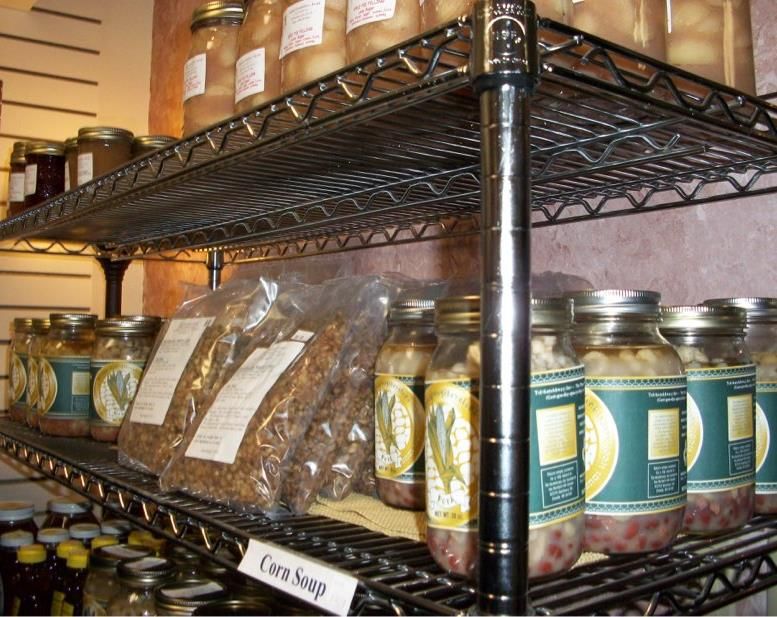
Announcements
• All attendees are on mute
• Questions:
   • Listen: Type in Question box and we will read
   • Q/A also at end of presentation
• Evaluation: survey will pop up when webinar ends and sent in an
  email. Please complete.
• Recording and attachments can be downloaded from
  www.firstnations.org/fnk next week.
Upcoming Webinars
• October 18, 2016 @ 1:00 p.m. MDT
  “Ready! Starting the Community Food Sovereignty Assessment Process”
• November 15, 2016 @ 1:00 p.m. MST
  "Set! Designing your Community Food Sovereignty Assessment“
• December 5, 2016 @ 12:00 p.m. MDT
“Data collection and Presentation for Food Assessments”
• December 13, 2016 @ 1:00 p.m. MST
  "Go! Conducting Your Community Food Sovereignty Assessment“
• January 17, 2017 @ 1:00 p.m. MST
  "Moving Forward! Community-Based Policy and Action Plans"
Ready!
Starting Your Food Sovereignty
      Assessment Process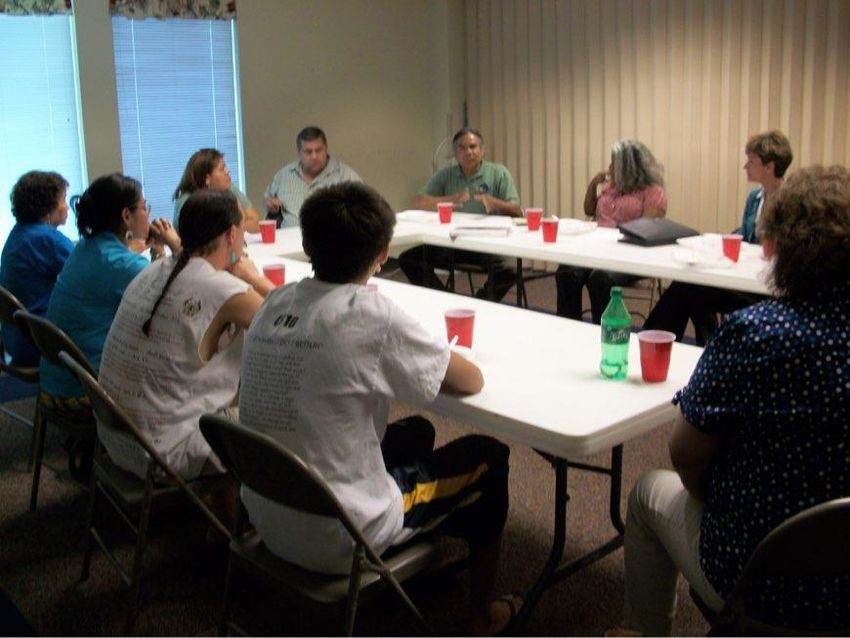
We’re ready to get started!!!
                            Now what do we do?

First, let’s consider what “food sovereignty” is and what it means to
                    your community or tribal nation.

Food Sovereignty, simply stated, means that the control of a
tribe/community’s food system is in the hands of the people of
that tribe/community.

Food Security, simply stated, means that the people of a
tribe/community know where their next meal is coming from
and that they will have the food that they need.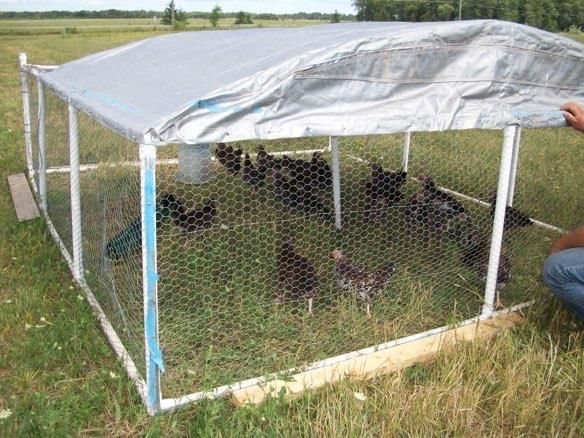
Food Sovereignty is the right of peoples to define their own policies and strategies for
sustainable production, distribution and consumption of food, with respect for their own
cultures and their own systems of managing natural resources and rural areas and is
considered to be a precondition for food security.
— Declaration of Atitlán, Guatemala, Indigenous Peoples’ Consultation on the Right to
Food: A Global Consultation (2002)

We, the Indigenous Peoples from many parts of North America, convene at the sacred homelands of Taos
Pueblo. We wish to recognize our historic agricultural achievements and the important contributions we have
made to the United States of America and to the world. We acknowledge the issues and challenges that we
face and that the natural and human communities around us face. We affirm our ancient values of food
sustainability, traditional seeds, and indigenous systems of trade and commerce with each other. We now find
it necessary to exercise our sovereignty and self- determination with regards to the protection of our cultural
resources.
  Native Food Sovereignty is a means to protect our peoples and communities and
to provide a foundation from which to build and/or rebuild.
 — From “The Principals of Native Food Sovereignty” statement of an assembled group
representing 13 tribal food sovereignty projects in 2008
Understanding Food Sovereignty

Before you begin to involve members of your board and
tribe/community in your food sovereignty assessment,
    your staff should understand food sovereignty.

 A good place to start is by re-visiting your pre-
       European contact food sources.
Food Sovereignty is not new!
     In the past, and not very long ago relatively speaking, all Native
   Nations had achieved food sovereignty and were taking care of their
    own food needs through hunting, fishing, gathering, farming and
                   nurturing important wild food crops.

This knowledge and these food sovereignty skills are still present and can be re-vitalized!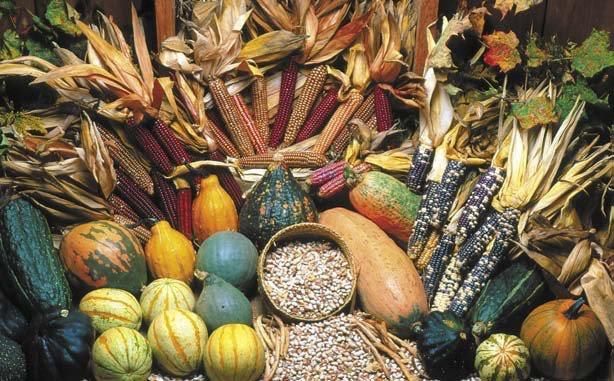
Now, gather together your Food Sovereignty Team made up of people with a direct
      link to your food system and, most importantly, people with a passion for food
      sovereignty work in your community/tribe.
Your Team may include:
•Your staff and some Board members
•Diabetes Program staff
•Tribal government leaders
•Farmers/ranchers
•Cultural authorities
•Youth
•Cooks
•Day care/Head Start personnel
•School meals coordinators
•Grocers
•Elders
•And others who are important in your community/tribe
     Your Food Sovereignty Team will work together to design and review the
assessment tools and questions and to guide the entire process of conducting your
 food sovereignty assessment. They will each bring their perspective to the work.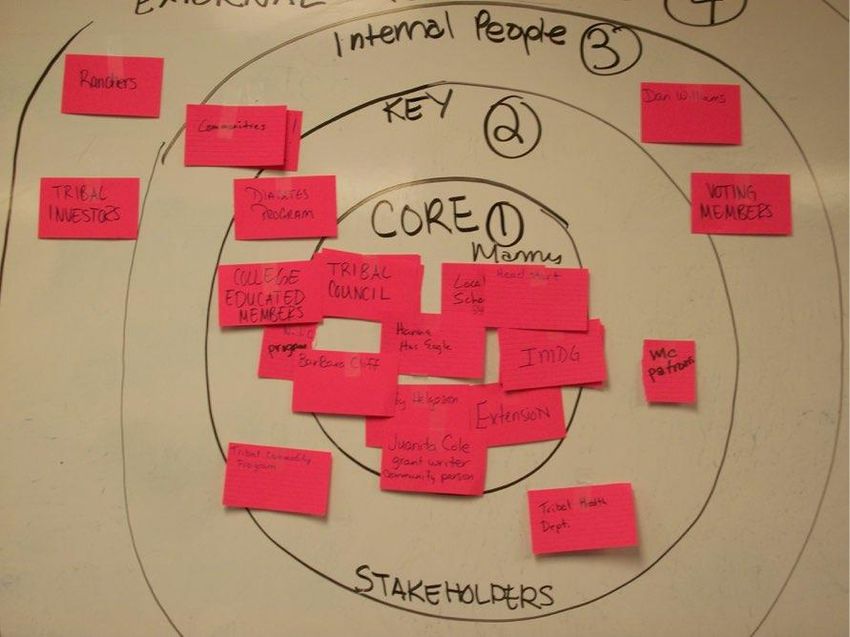
Assembling your Food Sovereignty Team
      Having trouble identifying who should be a part of your FS Team? Here’s an exercise
      that your staff can do to help out….

• Have each staff person write the name or position of
  5 people who are important to your work and/or the
  local food system.
• Draw 3 concentric circles on a whiteboard or flip
  chart.
• In the center, you place the ones who you all agree
  set the direction and are the most committed to the
  work.
• The next band is key stakeholders who are affected
  by the actions of the core group and will help with
  the work, once the direction is set by the core group.
• The next band is internal people in the
                                                         Invite the Core group to join your FS Team
  tribe/community who are able to influence the work
  positively or, occasionally, negatively.                You may want to form an Advisory Team
• The outer band is for people external to work, but     that could include the non-staff members
  who can provide resources or support.                      of the core group and some of the
                                                           members of the internal support group
Begin your teamwork by taking a close look at your local/regional food system. This consists of all the people and resources that it takes to get food from the producer to the consumer. A good exercise to help understand your food system: •Name a popular food product such as a loaf of bread. •Talk about all of the steps that it takes to bring that loaf of bread from the farm to your dinner table. •Name each step of the way and the resources needed. Example….first you need to grow the raw ingredients so that requires a farmer. The farmer needs land, water, seeds, etc. He/she also needs equipment for planting, harvesting and transporting the product to market. Next, the raw ingredients need to be stored, transported to the processor and made into the bread dough. This involves trucks (possibly refrigerated), drivers, warehouse space, loading and unloading equipment, etc. Once you have gone through all the steps and resources needed, think about how much of this is controlled by or takes place in your community/tribe. Which parts were traditionally taken care of by your people? Which parts could you regain?
Get to know your Food System

                               There are
                                 many
                              elements to
                             be considered

Available facilities and equipment, retail outlets, gardens and other sources of food.
Your Food Sovereignty Team gets to work!
Once you have examined and discussed your food system, you will
begin to identify obstacles to food sovereignty. At this point it will
be helpful to know more about the food habits, concerns and
needs in your tribe/community.
A Food Sovereignty Assessment (FSA) provides you and your
community/tribal members with basic information about your
local food system and the people involved from producer
through consumers.What is a Food Sovereignty Assessment??? It is a general survey of many aspects of the food system affecting a specific community/tribe, but it goes far beyond a simple survey…. • It’s a conversation starter! • It’s a “snapshot” of your current food system. • It’s an examination of the inter-relationships of people and their food system, community and individual health. • It’s a planning tool for community-based food sovereignty projects. • It’s documentation of community input into project planning. • It’s an “awareness raiser” for what assets are available to improve your food system. • It’s a uniting force for tribal and community programs and services. • It’s a vehicle for community engagement in your food sovereignty projects. • It’s honoring the past while planning for the future. • It’s an inspiration for change!
A good way to get your Food Sovereignty Team excited about the assessment and familiar
       with the concept of food sovereignty, your food system and their interrelationships is to
     look at some of the food sovereignty work being done in Native communities across Turtle
                                               Island.
    Here are a few examples of that work…

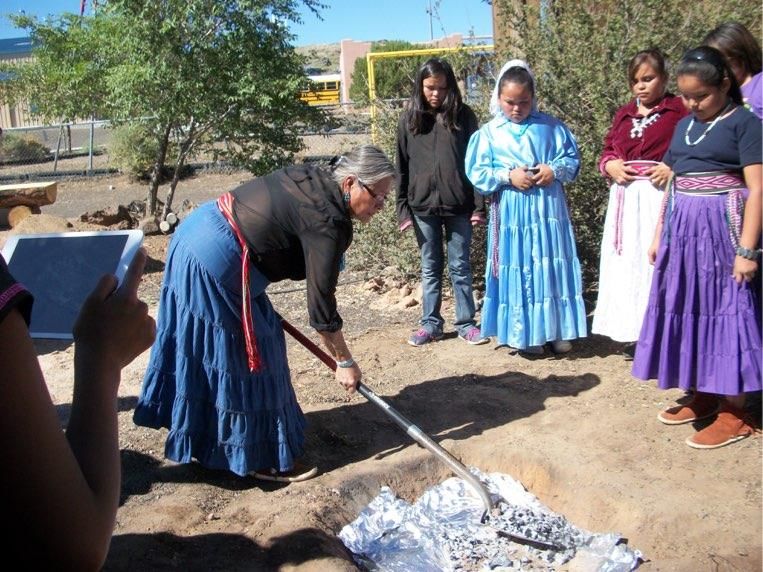
Outdoor classroom, “horno” oven, farm fields and high tunnels at White Mountain Apache in Arizona.

Straw bale and adobe construction seed bank at Tesuque Pueblo Farms in New Mexico.
Food Sovereignty Projects
Garden, chicken tractor and bio-fuel production at Bay Mills Community College on the Upper
Peninsula of Michigan.
Cannery and retail outlet for cannery
products at Oneida Nation, WisconsinIs access to fresh produce a problem in your community?
You may need to start growing your own!
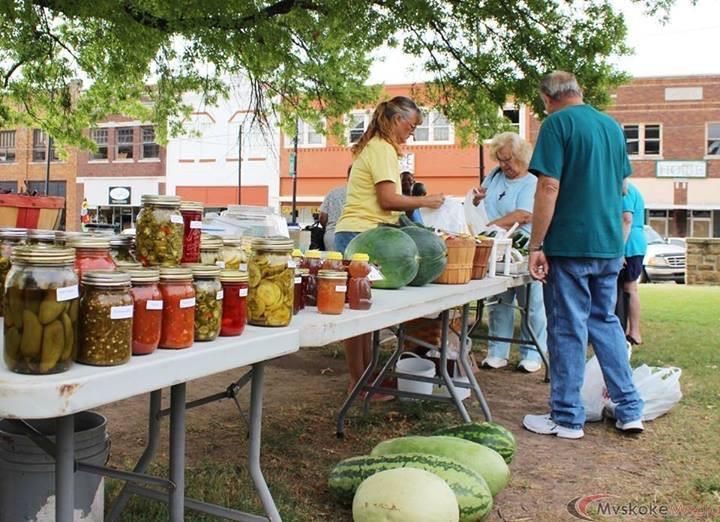
Community greenhouse, farmers market and Elder garden in Muscogee (Creek) Nation and
Seminole Nation of Oklahoma, projects of the Mvskoke Food Sovereignty Initiative.
Veggie beds at Northwest
Indian College, Swinomish,
Washington and Youth
garden at Chickaloon
Village, AlaskaSustainability in Food Sovereignty Projects
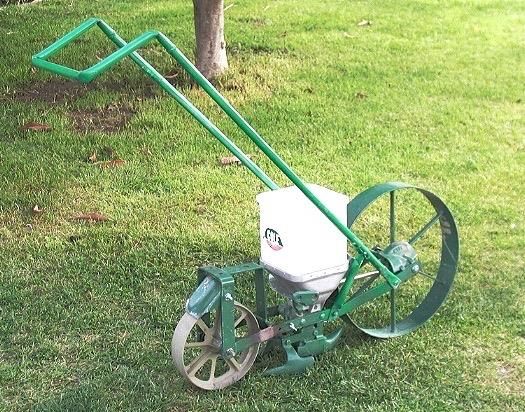
Solar powered pump for irrigation Hand tools use Solar and gravity feed irrigation
Red Willow Farm, Taos Pueblo renewable Native Village of Tyonek, Alaska
human energy!
Ancient water-saving techniques at Seed bank at Jijak Foundation, Gun
Flowering Tree Farm, Santa Clara Pueblo Lake PottawatomiDefining the community to be assessed
Now that you have a basic understanding of food sovereignty and what it means in your
tribe/community, you’re ready to start designing your FSA.
First…you need to decide on the parameters of the
community that you intend to assess.
• It may be your tribal jurisdictional boundary. If you are
“checkerboard” you will need to agree whether or not you
want to include non-tribal members.
• It may be a particular town/city/community in your tribal
reservation or boundary.
• It may be one town/city/community that will be a pilot
project and can be replicated in similar settings.
• It may be a certain age-groups, teenagers, elders, young
mothers, etc.
• It may be professionals; health care workers,
farmers/ranchers, food program leaders, etc.
No matter what group or geographic definition you use for your assessment
area, it is vital to the process that your entire Food Team and advisors agree!!!Engaging your Tribe/Community in the FSA
Now your Food Team is excited about collecting information to inform future plans to reach food
sovereignty goals. How will you share your enthusiasm with your tribe/community and motivate
them to participate in your assessment?
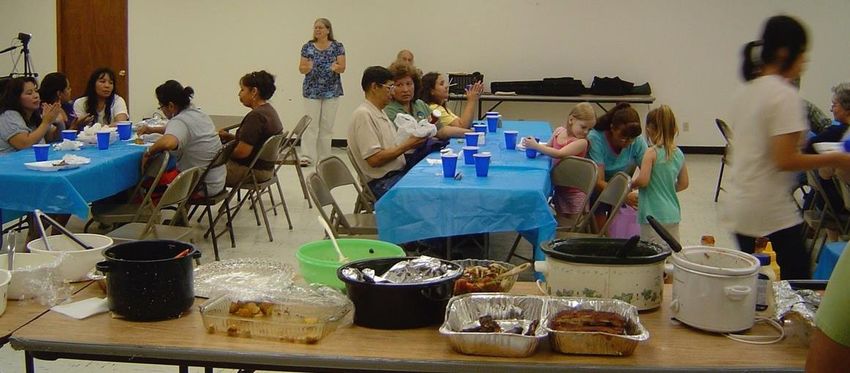
One good way is to host a community meal featuring traditional and local foods.
Maybe invite a few Native chefs to help!
• Lead a discussion about “What is food sovereignty?”
• Describe the foods that you are serving and their cultural significance.
• Introduce the idea of conducting a FSA and how it can benefit everyone.
• Explain why your tribe/organization wants food system information and what you plan to
do with the results of the information that you collect.Engaging your Tribe/Community in the FSA Get out and talk about local and traditional foods whenever you can. Get to know your farmers, ranchers, grocers, cooks, food distribution personnel, etc. Talk with health care professionals about the relationships between diet and health. Talk to economic development people to learn how much money is being spent on food in your tribe/community and how much that money is circulating within your area as opposed to going far away. Pay attention to where your food comes from and share your observations with those around you. Host focus groups or talking circles to discuss food sovereignty issues. Host a traditional foods class and talk about food sovereignty skills and knowledge. Start discussions on social media and post food information on your website.
If you are working toward a food sovereignty policy goal…

Invite your tribal leaders to your community outreach programs and meals. It’s a great place for them to mingle
with voters!
Publish a newsletter featuring food issues and information and distribute it to tribal government elected
officials.
Encourage food sovereignty issues to be a part of the discussion at election time.
Study tribal and non-tribal food policy issues and formation of food policy councils.
Identify food sovereignty allies within tribal government and ask them for input into your FSA and/or to serve
on your Food Team or as an advisor.
Host a tribal leaders’ forum, focus group or working meal to discuss the meaning of food sovereignty within the
tribal government context and find out what information would be most helpful to them as policy makers.
Be sure to make the connection between food sovereignty and economic development strategies that would
localize control of and revenue from your food system.
Creating a FSA Timeline
Your Food Sovereignty Team should create the timeline as a group through consensus.

It is reasonable to allow a whole year to plan, implement, analyze, summarize and disseminate the results
of your FSA. Don’t get in too big a hurry! At least 3 to 4 months should be dedicated to outreach and
forming your FS Team and planning. It will take another month or two to design your assessment tools,
questions and collection methodology. Conducting the assessment may take one to several months and,
finally, compilation of results, summarizing, writing conclusions and disseminating the information will
take a month or two initially and will be ongoing.
               Draw a simple timeline on the board or flip-chart and divide into months or quarters.
     Fill in events that affect your work, FSA tasks and responsible parties as appropriate for your situation.
          Social Events                           Spring                      School                     Indian                               Holidays
                                                  festival                    year end                   Fair

          Policy Events   Council                              Council                         Council                  Council   Elections
                          Meeting                              Meeting                         Meeting                  Meeting

                          Jan           Feb       Mar          Apr            May        Jun   Jul       Aug      Sep   Oct       Nov         Dec

          FSA             Form Food     Study     Community    Presentation
          Tasks           Sovereignty   example   Outreach     to council
                          Team          FSA‘s

          FSA             Exec.         FS Team   People for   FSA Team
          Lead            Director                table at     Leaders
          Person                                  festival

          Note: This sample timeline assumes that you already have funding in place to support
            your FSA. If not, you will need at least 6 months to secure funding in most cases.
That’s all for today!
• Now you have a Food Sovereignty Team and advisors.
• You have defined the community/tribe that you are going to assess.
• You have an understanding of for sovereignty in the context of your tribe/community and
you are initiating conversations about it during your everyday life and work.
• Ideas are taking shape in your heads about what you need to know to further your food
sovereignty work.
• You are organized and have a foundational timeline established to begin your Food
Sovereignty Assessment.
Helpful Hints until we meet again….
• Read the FNDI Food Sovereignty Tool
Book!!!
• Bring your FS Team together and establish
regular meetings
• Start planning and seeking financial
support for your FSA now
• Talk to others who have conducted FSA’s
• Think about your food system.Thank You!
Feel free to contact me with any questions you may have as you
continue your work.
Vicky Karhu
vkarhu@gmail.com
575.495.3957
Or
Tawny Wilson
twilson@firstnations.org
303.774.7836 25Questions?
Upcoming FSAT Webinars:
Ready! Starting the Community Food Sovereignty Assessment Process

THANK YOU JOINING OUR WEBINAR TODAY!
Recording and attachments can be downloaded from www.firstnations.org/fnk
next week.
          Any questions, please feel free to contact Marsha Whiting at
          (303)774-7836 or via email: mwhiting@firstnations.org
You can also read


