Regional Task Force on the Homeless - Intergovernmental Roundtable Councilmember Chris Ward
←
→
Page content transcription
If your browser does not render page correctly, please read the page content below
Regional Task Force on the Homeless

    Intergovernmental Roundtable

    Councilmember Chris Ward   Tamera Kohler
    Board Chair                Chief Executive Officer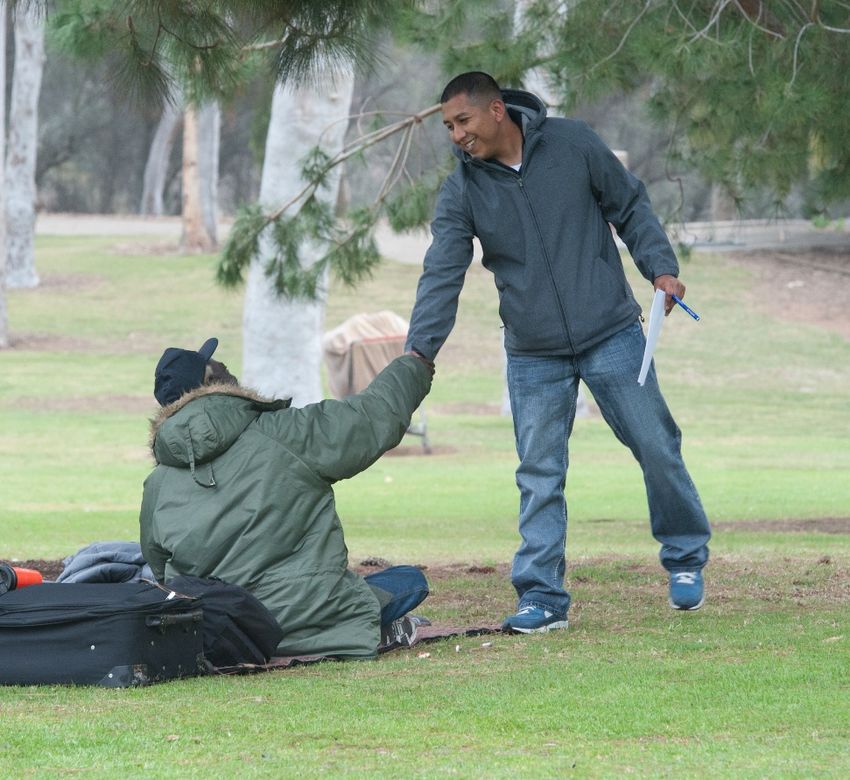
Agenda
• Welcome
• Overview of the Regional Task Force on the Homeless
• Overview of Homeless Strategies and Best Practices
• Funding
• What Can Cities Do? Opportunities to Coordinate Resources and
 Services
• Future Intergovernmental Roundtable Meeting Dates & Topics of
 Discussion
• Questions & Discussion
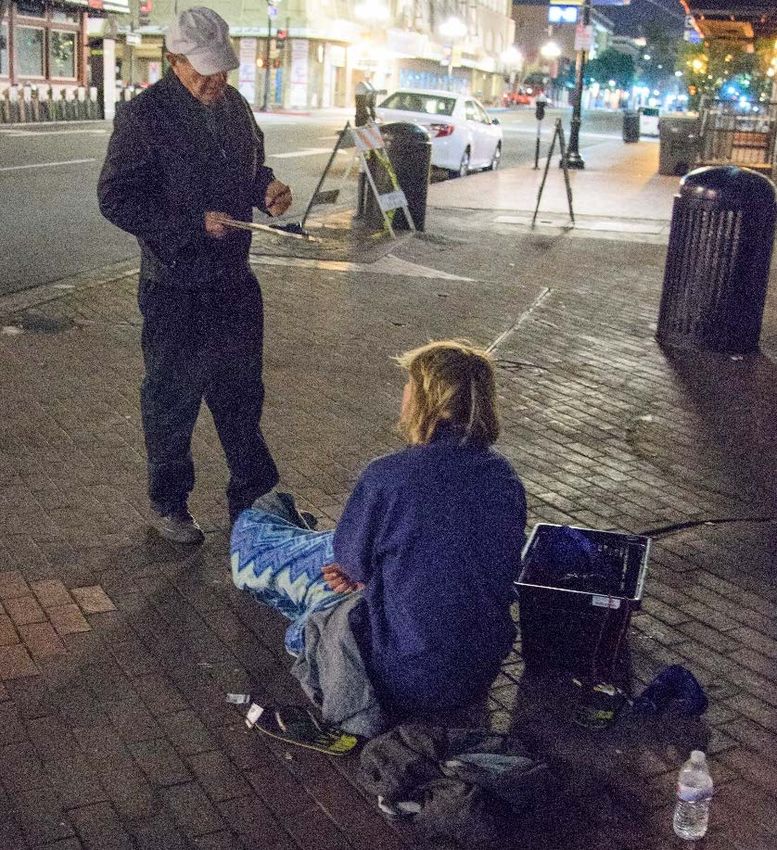
RTFH is…
• the homeless policy expert and lead coordinator for the
  introduction of new models and implementation of best
  practices for the San Diego Region.

• the Subject Matter Expert.

• a membership non-profit with a 31 member board.

• a community resource for understanding and problem
  solving homeless issues.

• rapidly evolving to meet the regional needs and
  expectations.

RTFH Overview
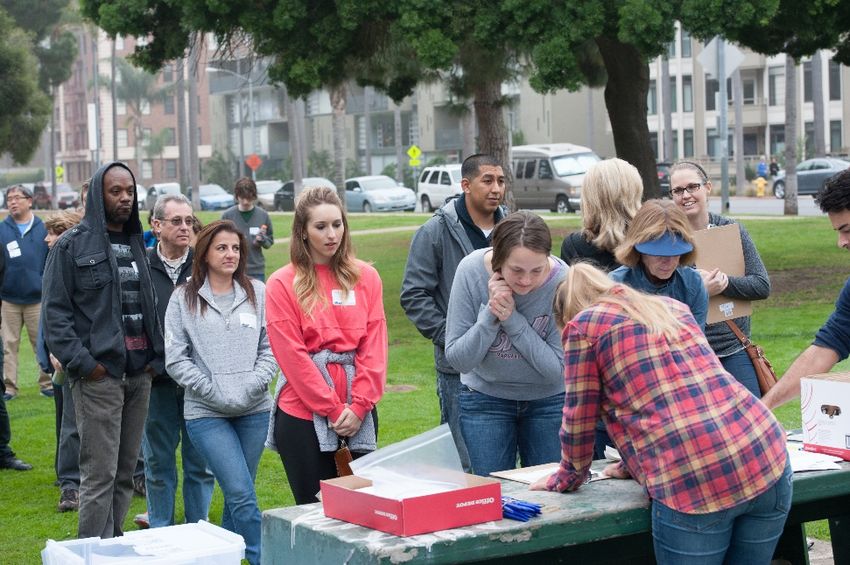
• Continuum of Care Planning
• Collaborative applicant for HUD Continuum of Care
  funding
• Coordinated Entry System
• Homeless Management Information System
• Point in Time Count
• Training and Technical Assistance
• Funder
Continuum of Care Planning
• Strategic planning across the region to coordinate a system
  of service providers

• Coordinate and align funding around goals and outcomes

• Implement strategizes to Reduce and End Homelessness in
  San Diego County
 ▫ Rare, Brief and non-recurring

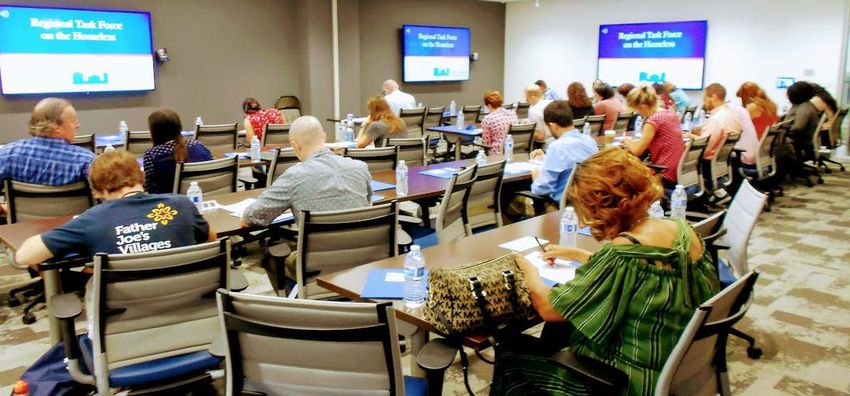
Collaborative Applicant
• 2018 CoC Awards were approved by HUD this February

• San Diego received $21,394,691
Coordinated Entry System
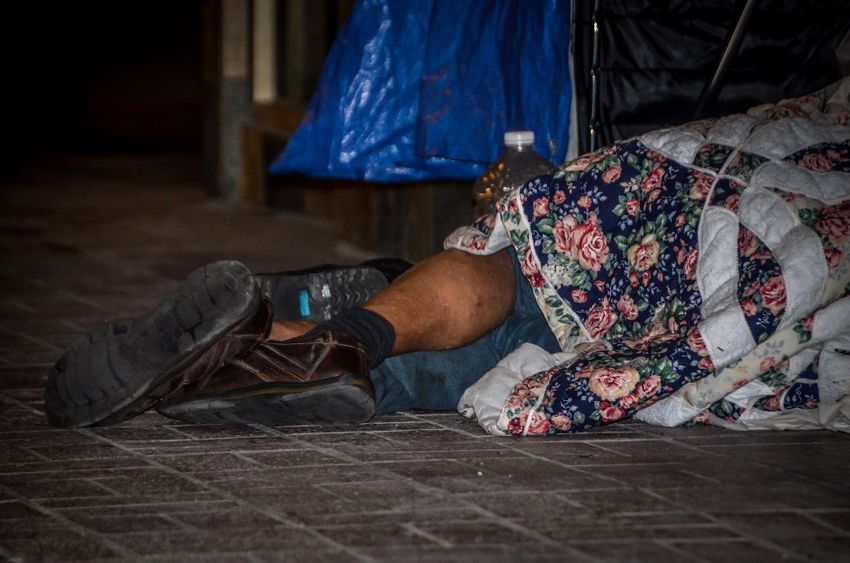
• Framework that transforms a CoC from a network of projects into a
  fully integrated crisis response system

• Connects highly vulnerable clients to available housing resources
  throughout the region, such as, rapid rehousing and permanent
  supportive housing

• Coordinated Entry staff at the RTFH train and support homeless
  service providers on implementation of best practices
Homeless Management Information System
What                                         Purpose
• Locally administered data system used to   • Understand the size, characteristics, and
  record and analyze client, service, and      needs of San Diego’s homeless population
  housing data                               • Data is used to:
• Federally mandated beginning in 2010 for      ▫ Produce unduplicated counts of
  homeless-dedicated programs                     homeless population
• Defined and used by federal partners in       ▫ Identify patterns of client access and
  effort to end homelessness, including:          use
  ▫ Department of Housing and Urban             ▫ Measure program effectiveness
     Development (HUD)                          ▫ Describe homelessness locally,
  ▫ Department of Health and Human                regionally, and inform national
     Services (HHS)                               descriptions
  ▫ Department of Veterans Affairs (VA)      • Benefits clients, programs, agencies, and
                                               the San Diego Continuum of Care (CoC)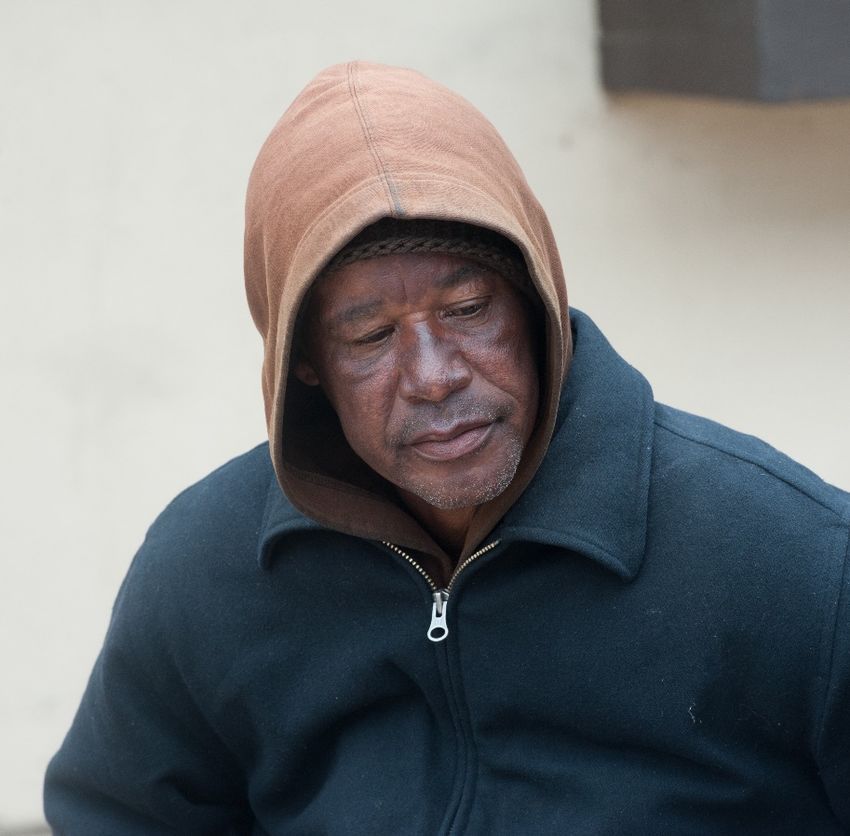
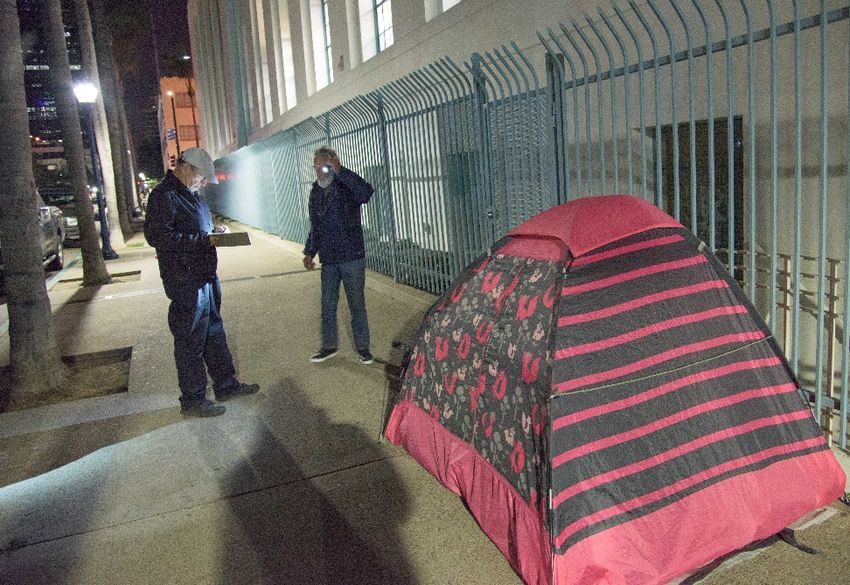
Point in Time Count
• San Diego’s Point-in-Time Count, the
  WeAllCount, is a weekend-long,
  statistically reliable, unduplicated
  count of sheltered and unsheltered
  homeless individuals and families
  across the country.
• This count is required by HUD.
• Components
  ▫ Unsheltered Enumeration &
    Surveying
  ▫ Housing Inventory Count: Sheltered
    Count
  ▫ Sheltered Surveying
  ▫ Youth Count
  ▫ Jail Surveying
Training & Technical Assistance
• HMIS & CES Training
• Diversion
• Rapid Rehousing Learning
Collaborative
• Access to Federal & State Technical
Assistance for the regionFunder • Homeless Emergency Aid Program (HEAP) • Youth Homeless Demonstration Program (YHDP)
Point in Time Count 2019
The RTFH conducted an engaged count with a revised survey-intensive
methodology for our PITC during January 25-27.
Goal:
▫ Incorporate enhanced strategies to
Achieve as accurate of a census as possible;
Be transparent with the community in our assumptions and methodologies;
Prepare our annual report; and
Seek board members to audit our work.
▫ Provide recommendations for further improvements ahead of 2020.
Timeline:
▫ Ongoing with regular updates to the Board.Community Plan
Development of a comprehensive and coordinated
community plan.
Goal:
▫ Complete Focus Strategies’ work and coordinate findings with
the City of San Diego’s plan initiated by the San Diego
Housing Commission.
Timeline:
▫ Fall 2019, based on the completion and recommendations
from the City of San Diego’s Strategic Plan (estimated
completion in June 2019).Data Systems
Launch improved HMIS and CES Systems and receive standing
updates to the board on use by our service providers and system
touch points.
Goal:
▫ Use these upgraded systems to better analyze our data and
establish improved metrics for our Board goals.
▫ Achieve utilization by all of the region’s homeless service providers
and system touch points.
Timeline:
▫ Launch of HMIS in January 2019 with regular updates to the
Board.Charter, By-Law and Policy Improvements
To improve the effectiveness of our dual operations as a 501(c)3 entity
as well as a board focused on optimal collective impact, the Governance
Committee will be asked to review models employed by other regions
and make recommendations to the full Board for improvements.
Goal:
▫ Align individual Board members with their specific contribution
interests.
▫ Allow board meetings to be spent most constructively on nonprofit
governance versus collective impact deliberation.
Timeline
▫ Report charter, by-law and policy improvement recommendations to the
Board by summer 2019.Intergovernmental Roundtable
One critical function for the RTFH is to facilitate coordinated
regional action to address homelessness. The RTFH will be
convening a quarterly gathering of mayors, council members, or
senior management from all 18 cities and the County of San Diego
to review the most up-to-date information on homelessness and
system needs by jurisdiction.
Goal:
▫ Share the resources and availability of RTFH staff to help
jurisdictions provide additional constructive programs and
solutions.
Timeline:
▫ February 2019, with subsequent meetings held quarterly.Community Measurements
We can only know our true effectiveness and how to shift strategies and
resources if we are accurately measuring progress and outcomes.
Goal:
▫ Use the implementation of new data systems to:
Develop measurement approaches consistent with HMIS / CES;
Propose metrics and implementation strategies;
Review for consistency with our community plan efforts; and
Initiate efforts with regular reports back to Board.
▫ Review our measurement strategies for improvement based on real time
experiences and new information.
Timeline:
▫ Creation of Community Measurement & Standards Ad Hoc Committee.
▫ Review of measurement strategies in Fall 2019.Street Outreach
Use the state and federal resources allocated to the RTFH and
greater homeless network to increase coordinated street outreach.
Goal:
▫ Increase coordinated street outreach regionwide.
▫ Apply the City of San Diego’s Outreach and Encampment Protocol
(once adopted) as best practice for the region, with the RTFH as
the agency responsible for training and education.
Timeline:
▫ HEAP RFP closes in March 2019
▫ Disbursement of HEAP funds in April 2019Public Information
It is critical as an organization to improve community
understanding of the RTFH’s role and responsibilities.
Goal:
▫ Develop the RTFH to be recognized as the lead regional authority
on program guidance and resource management.
▫ Enhance our public information tools.
▫ Develop proactive outreach to community stakeholders.
▫ Monitor homelessness related community programs or meetings.
▫ Participate/facilitate media partner efforts.
Timeline:
▫ Ongoing with regular reports to the Board.Proven Strategies and
Emerging Best Practices
• Housing First
• Diversion
• Prevention
• Progressive Engagement
• Street Outreach
• Real Estate Experts
• Flexible Housing Subsidy PoolHousing First Housing First offers individuals and families experiencing homelessness immediate access to permanent affordable or supportive housing. Without clinical prerequisites like completion of a course of treatment or evidence of sobriety and with a low-threshold for entry, Housing First yields higher housing retention rates, lower returns to homelessness, and significant reductions in the use of crisis service and institutions.
Diversion
• Strategies that help mediate conflict and create an
  immediate rapid resolution to homelessness for people
  seeking shelter.

• Works to identify immediate alternate housing
  arrangements, and, if necessary, connects them with
  services and financial assistance to help them return to
  permanent housing.

• Empowers people facing imminent homelessness to
  identify safe and appropriate housing options.
Prevention
• Consumers are not homeless prior to receiving Prevention
  services as the target group are people who are at
  imminent risk of homelessness.

• Financial assistance and other services that can directly
  result in the maintenance of a person’s current housing,
  including prevention of evictions, which can result in
  homelessness.

• Services may include housing relocation, stabilization
  services, and short/medium term rental assistance.
Progressive Engagement
• An approach to support clients with the lightest touch of
  assistance needed to quickly resolve their homelessness by
  tailoring and right-sizing services.

• An intentional housing stability plan that can increase the
  amount of supports if the lightest touch did not achieve
  stability and can progress to greater amounts of support as
  needed.
Employment Strategies • Rapid Rehousing & Employment Pilot ▫ Connect Rapid Rehousing homeless clients to the San Diego Workforce Partnership ▫ Provide a Menu of Employment Services ▫ Launched in October 2018 ▫ Accomplishments as of January 2019 99 Referrals to San Diego Workforce Partnership 50 individuals have interviewed with potential employers 16 individuals are employed
Partnering with Real Estate Experts
• Professional third party real estate experts.

• Identify housing opportunities and secure housing units
  based upon availability of the units and not eligibility of
  clients

• Work with:
  ▫   Public Housing Authorities
  ▫   Private landlords
  ▫   Owners
  ▫   Property manager
Flexible Housing Subsidy Pool

• Public private partnership.

• Provide flexible funds for housing related expenses to move
  people experiencing homelessness into stable housing.

• Increasing housing capacity by master leasing or other
  options to secure units for a homeless population
  regardless of rental subsidy.
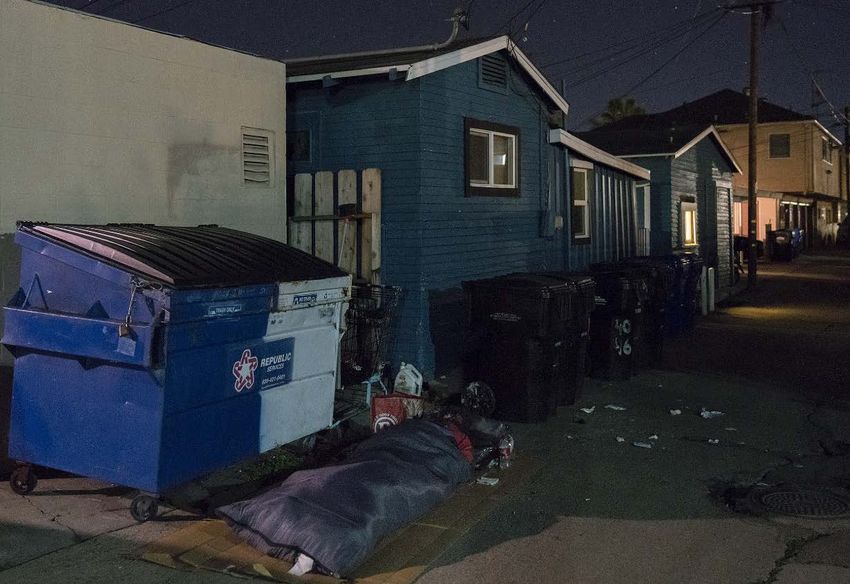
Street Outreach
• R-HOM coordination with San Diego County– RTFH
  supported by funding from SDHC

• Coordinating efforts across the region- PITC outreach lead

• Training and Technical Assistance
 ▫   Critical Time Intervention
 ▫   Trauma Informed
 ▫   Harm Reduction
 ▫   Motivational Interviewing
Funding
• HUD Youth Homeless Demonstration Grant

• HEAP

• Other Funding Opportunities
HEAP
•   One-time State funding
•   $18.8 million over 2 years
•   January 31 - HEAP RFP released
•   FAQ documents on the website
•   Applications Due March 18
    ▫ 1 application submitted and 50 in process
• Awards in late April or early May
HUD Youth Homeless Demonstration Program • $7.94 million over 2 years • Innovative and meant to engage a Comprehensive Community Plan to prevent and end youth homelessness. ▫ Youth Led
HUD Youth Homeless Demonstration Grant
     Comprehensive Community
     Plan Development

                                                          July 15,
                              March 13,                 2019: Final
    July 13,
                                2019:                     project
     2018:
    Awards                    Final CCP                 applications
  announced!                 due to HUD                 due to HUD

                                          April 2019:
               November                   YHDP RFP
                13, 2018:                  released
               First draft
               CCP due to
                  HUD
Other Funding Opportunities • CESH • No Place Like Home • ESG • CDBG • California Community Reinvestment Grants Program (The Adult Use Marijuana Act)
What can cities do?
    Opportunities to Coordinate Resources and
                     Services
• Participate in the Regional Task Force on the Homeless
• Develop and implement plans around homelessness
• Use HMIS data to inform decisions
• Look at what you are funding locally with CDBG, ESG and
  other resources
• Invite RTFH to:
    ▫ Inform community members about homelessness
    ▫ help with messaging around siting of Permanent Supportive
      Housing, Shelters, Day Centers and other services
• Implement Outreach Programs
What can cities do?
• Point in Time
▫ Be a volunteer
• Coordinate city services and departments around an
understood approach for addressing homelessness.
▫ Create an Ad Hoc Committee on Homelessness
▫ Post Information on Your City Website
▫ Message in Local Newspapers
▫ Set up a Volunteer Training in Your Community
▫ Work with Local service providers to Locate and Engage
Homeless Individuals
• Pool resources for joint projects with neighboring
communities.Future meetings • Thursday, May 30th at 9am • Thursday, July 18th at 9am • Thursday, October 24th at 9am
Questions & Discussion

  Questions?
Contact Info:

                                   Councilmember
   Tamera Kohler                     Chris Ward
      Chief Executive Officer               Board Chair
    Tamera.Kohler@rtfhsd.org      ChristopherWard@sandiego.gov
       (858) 292-7627 x 40                (619) 236-6633

     Jennifer Yost                    Brian Elliott
  Director of Grants Management           Policy Advisor
     Jennifer.Yost@rtfhsd.org         belliott@sandiego.gov
        (858) 292-7627 x 15              (619) 236-6633
You can also read


