Reports - Europe's ecommerce boom The startups on the rise - Sifted
←
→
Page content transcription
If your browser does not render page correctly, please read the page content below

Reports

 Europe's
ecommerce
   boom
  The startups on the rise

                             Sponsored by
Europe's
      ecommerce
         boom
                     The startups on the rise

Europe’s ecommerce boom: the startups on the rise is a Sifted Intelligence
report, sponsored by Checkout.com. It looks at the trends and startups
powering the European ecommerce industry, from the brands selling directly
through the web to the marketplaces with dreams of taking on online titans.

Through interviews with startups, analysts and investors from across the
continent, the report identifies the challenges facing this sector, including
the need to keep up with the fast-changing world of online payments, and the
recipes for success for new entrants.

Get in touch
Questions? Feedback?
Want to partner with Sifted on the next report into your sector?
Or help us profile your emerging tech hub?
Contact Christopher Sisserian, head of Sifted Intelligence via chris@sifted.eu
2         Reports

    Contents
    3                           5                            9
    Foreword                    Introduction: Fast           Chapter I: Going
    Europe’s online             forwarding to an             it alone
    shopping boom is only       ecommerce future             The merchants who want
    just beginning, argues                                   a shot at success on their
    Checkout.com’s Antoine      Retailers have taken big
                                steps online over the        own terms.
    Nougué.
                                course of the pandemic.

    16                          21                           26
    Chapter II:                 Chapter III: Online          The future: Can the
    Aggregators                 marketplaces are             online shopping
    piggybacking on             having a moment              boom last?
    Amazon                      The trade platforms          Social shopping, virtual
    The startups that see the   making the big plays right   assistants, sustainability
    rise of the ecommerce       now.                         fears and payments: our
    giant as an opportunity                                  experts look to the future.
    rather than a threat.
\Europe's ecommerce boom            3

    4 questions with
    Antoine Nougué
    Head of commercial at Checkout.com

    We've seen an explosion in ecommerce across                   bottom line. We know from
    Europe. How do you see the market settling down in            our research that merchants
    the next few years?                                           have invested significantly in
                                                                  their online operations and
    I think it may be too soon to speak of the market ‘settling   in cross-border capacities, a
    down’. The last year and a half has given a glimpse of        natural corollary of a digital
    just what digital can do for retailers and consumers. But     presence, and this kind of
    the door has only just opened and in the coming years         structural change is built for
    we’ll see a flurry of innovation as all parties push the      the long haul.
    boundaries of what’s possible.
                                                                  Then there’s the fact that
    In our recent ‘New State of Retail’ report we surveyed        the majority of merchants
    over 10k European consumers, and 550 of Europe’s              are at an early stage in their digitisation journeys.
    biggest retailers, and the statistics point to a period       And they know the playing field is never static. 97%
    of significant evolution in ecommerce models. 74%             of ecommerce CEOs want to innovate their business
    of consumers say that, even as lockdowns subside,             models in the next 18 months with the specific purpose
    they have no intention of significantly reducing their        of remaining relevant and competitive in the post-
    online shopping. Most consumers say the ease and              lockdown market. This makes good sense when we
    convenience of ecommerce are key to their loyalty;            consider how many consumers told us they are looking
    others cite their own personal productivity, stating          for new digital experiences. These range from social and
    that ecommerce has given them time back to focus on           conversational shopping to greater personalisation and
    other things.                                                 the use of AI in the shopping experience. Consumers
                                                                  are also demanding a wider range of digital payment

“
                                                                  options and subscription models including lucky-dip and
    Retailers have seen that                                      rental. This is just the tip of the iceberg, but it illustrates
    investing in their online                                     that much change has been set in motion which will be
                                                                  fascinating to watch evolve.
    business generates better
                                                                  What are some of the big future innovations and
    ROI than offline.”                                            trends in this space that startups need to be thinking
                                                                  about?
    Meanwhile retailers have seen that investing in their
    online business generates better ROI than offline, and        Digital payment methods are increasingly becoming a
    that a lot of opportunity still exists for most of them       matter of great competitive advantage for merchants.
    to further refine their digital processes to boost the        60% of consumers we surveyed say they will abandon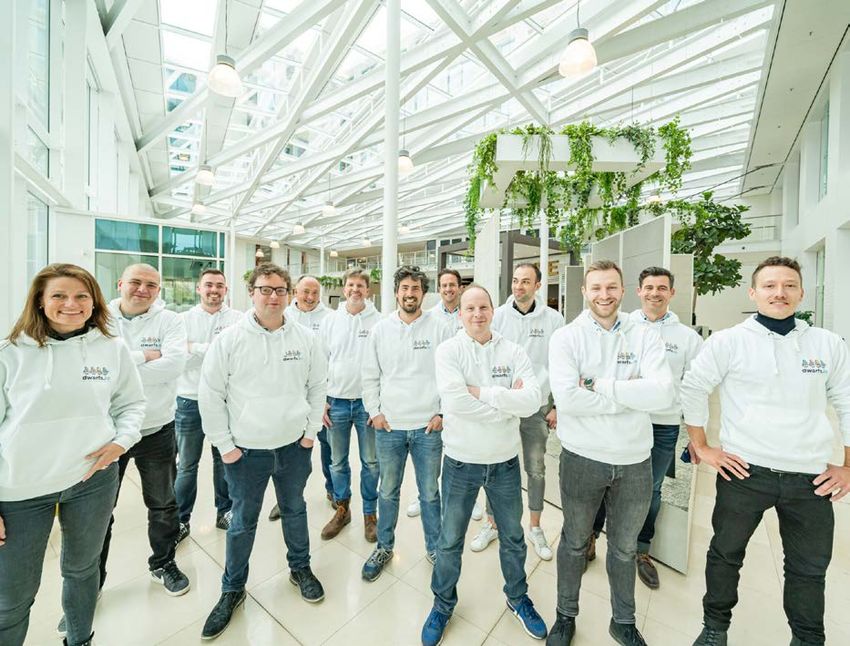
4           Reports

    their cart if they cannot use their preferred payment             see more such innovation, facilitated by digital, which can
    method and 30% now actively want to try new methods               redefine commerce for good. The trend for secondhand
    based on their positive experiences of digital payments           marketplaces is also thanks to the rise of the collectibles
    during 2020. The move to ecommerce allowed                        market. We see this with our merchant, Chrono24, where
    consumers the benefit of very seamless experiences at             the value of a watch is 3x the original price.
    the checkout. It also gave them a menu of new choices.

    Embedded finance such as buy now, pay later is
    on a steep rise in every market according to our
    research this year. Similarly digital wallets like Apple
    Pay and Google Pay are growing across all markets.
                                                                  “   We’ll see more such
                                                                      innovation, facilitated by
                                                                      digital, which can redefine
    What we are seeing is that traditionally cash-centric
    and underbanked markets are transitioning directly to             commerce for good.”
    digital wallets, facilitated by pervasive mobile ownership.
    In emerging markets we are also seeing digitised local
    APMs rising fast — take for example Fawry in Egypt. But           Finally, what are some of the big innovations/trends
    more mature markets are also shifting towards digital             we'll all be talking about in 2030?
    wallets, for the pure convenience. In Europe 50% of
    consumers reported having used Apple Pay or Google                By 2030, I hope the principles of sustainability will be
    Pay in 2020 and 80% intend to do so in the next year.             significantly embedded in shopping habits and in the
                                                                      models of ecommerce merchants. Merchants will think
    This discussion wouldn’t be complete without mention              much more carefully about all their operations — from
    of cryptocurrency. As commentators continue to                    supply chains to payments. This will mean a decrease
    ponder whether it can truly transition from commodity             in fast fashion and an increase in the types of models
    to currency, there are signs that merchants and                   discussed above. Current initiatives to reduce the
    consumers alike have appetite to see that shift through.          carbon footprint of digital currencies and payments
    I read this week that a hotel in Switzerland now accepts          will also be reaching maturity. People are rightly placing
    payment in cryptocurrency and there are marketplaces              scrutiny on this and the industry is reacting. To see
    who have been taking payment in digital currency for              where this is by 2030 will be so important.
    some time. Whether this proliferates remains to be
    seen but our data tells us that 40% of men and 20%                We’ve covered digital payments and currencies
    of women in Europe would like to pay for goods and                which lead us onto digital ownership — or ‘metaverse
    services with crypto currencies. Meanwhile, nearly half           shopping’ and NFTs. This trend is going to be really
    of ecommerce executives say that accepting payment in             exciting. For example, how cool is it that soon we can
    cryptocurrencies is going to be an important marketing            buy from a Dolce & Gabbana NFT collection? But as
    tool which will make them more relevant, exciting and             well as fueling the growth of the fashion and branded
    competitive.                                                      metaverse, it's going to really change the market
                                                                      for artists for whom NFTs are opening new revenue
    Secondhand marketplaces are thriving in Europe. Do                streams. Instead of only being able to sell a piece once,
    you expect we'll see more over the next few years?                as in the traditional market, creators can set the terms of
                                                                      secondary sales using smart contracts. They’ll receive
    The trend to reuse will continue. This is a fantastic             a percentage each time the NFT is resold and will no
    ecommerce use-case enabling recycling at scale. This              longer be limited by location. Artists across the world
    will only become more relevant as the global focus on             will be empowered by digital.
    sustainability grows. More than half of the consumers
    we surveyed said they would only buy from retailers               Finally, a trend to keep an eye out for is ‘instant
    who could demonstrate a commitment to ethical issues.             shopping’. As people are increasingly fed what they want
    Appetite for ‘pre-loved’ items and rental subscriptions           by ever smarter AI within social channels and other sites
    are an exciting evolution in conscious consumerism. We’ll         I think we will slowly see the end of the search engine.
\Europe's ecommerce boom   5

\Europe's ecommerce boom

                           Introduction
                           Fast forwarding
                           to an ecommerce
                           future
6              Reports

    T
                he quest to dominate today’s retail
                environment is being largely fought on the
                                                                    2021 has already seen twice as
                internet. Ecommerce boomed in 2020/2021,            much funding as 2020
                growing 2-5x across the world compared to           VC funding into European ecommerce and marketplace startups
    pre-pandemic levels, as customers flocked online to buy         (€bn), 2015-2021
    all manner of goods, including their groceries, for the         Source: Dealroom (as of 1 September 2021)
    first time.

    The pandemic pretty much changed the game for
    brands and consumers. Online sales in western Europe
    leaped 26.3% in 2020, to €481.5bn, according to data
    collected by market research company eMarketer, with
    big money flowing into online shopping ventures.

“   More changes happened in
    the last few years than in
    the 10 years before that.”
    Rob Cassedy, chief executive of Wallapop
                                                                    BIG MONEY, BIG GOALS

    This shows little sign of abating; European marketplace         Ecommerce ventures are currently raising eye-watering
    and ecommerce funding hit €16bn in the first seven              sums. ManoMano, the French marketplace specialising
    months of 2021, double the amount raised in the whole           in online DIY, home improvement and gardening,
    of 2020, according to research platform Dealroom.               announced the completion of a £256.7m round in July,
                                                                    with a valuation of £1.9bn. Another French startup,
    “More changes happened in the last few years than               Back Market, which sells refurbished electronics
    in the 10 years before that,” says Rob Cassedy, chief           goods, raised £244m in May. Wallapop raised £139m in
    executive of Spanish online marketplace Wallapop.               February, at a valuation of £590m.

                                                                    At the same time, sales have rocketed for brands that
                                                                    mainly sell directly through the web — so-called direct
                                                                    to customer (DTC) companies.

                                                                    “We increased our sales by 1,200% in 2021,” says Aaron
                                                                    Rosen, interim chief marketing officer of gitti, a German
                                                                    beauty brand.

                                                                    “We doubled the business last year,” says Panni
                                                                    Morshedi, chief operating officer at London-based
                                                                    skincare company Beauty Pie.

                                                                    In fact, only 22% of the 89 DTC brands across home,
                                                                    fashion, beauty, electronics, food and other verticals
                                                                    surveyed by Totem Media this year reported sales
                                                                    declines, far fewer than the 80% of larger, traditional
                                                                    retailers that suffered sales dips since the onset of the
                                                                    pandemic.

                                                              Image: gitti
\Europe's ecommerce boom        7

    In many ways the pandemic has forced a change of              There’s now an increasingly wide selection of tools
    tactics for sellers everywhere. Many had to ramp up           available to business owners, coming from a range of
    their digital activity in a hurry, learning as they go. The   sources. These include web hosting companies like
    Totem Media survey revealed a shift from defensive            GoDaddy, which created a portal of resources for small
    tactics early on to offensive strategies. Among them:         businesses during lockdown, as well as third-party
    redeploying shop-based workers to new digital roles,          payment processors like PayPal, Stripe and Checkout.
    bumping up digital ad spending, and boosting digital          com, which have boomed over the last 18 months.
    capabilities.
                                                                  Shopify, the Canadian ecommerce company that lets
    Luckily, starting an ecommerce site has never been            people build online shops quickly, said that the number
    easier. “[The sector] has matured, with faster and            of new stores set up on its platform rose by 62%
    cheaper deliveries for customers, better return               between March and April last year. During the same
    policies, higher trust, better payment options and more       period, 45% of consumers made purchases from a
    customisation,” says Jessica Schultz, general partner at      merchant they’d never shopped with previously.
    Northzone Ventures, an early-stage investor group.

“
                                                                  RISE OF THE ‘DIGITAL PROCTOR
    Third-party payment                                           AND GAMBLES’
    processors have exploded                                      Of course, most of these efforts continue to occupy
    over the last 18 months.”                                     a distant second place to Amazon among shopping
                                                                  websites in Europe; last year saw the company’s net
                                                                  profit grow by 84% in 2020.

                                                                  But as the American platform has grown, many other
                                                                  online sellers have benefited, too. “People predicted
                                                                  Amazon was going to eat the world, but it’s far from
                                                                  the only one out there,” says Tomek Kasperski, chief
                                                                  executive of Warsaw-based fulfilment company
                                                                  Omnipack.

                                                                  Nowadays there’s a growing industry of so-called
                                                                  aggregator companies in Europe, piggybacking off
                                                                  Amazon by raising large amounts of money and then
                                                                  buying up brands that sell their wares through the
                                                                  platform. In 2020 alone, investors poured almost £1bn
                                                                  into the aggregator industry.

                                                                  The idea is that these companies — which include the
                                                                  likes of Thrasio, Berlin Brands Group and SellerX — will
                                                                  become a kind of “digital Proctor and Gamble,” owning a
                                                                  vast array of products, everything from soaps to phone
                                                                  charges; even garden rakes.

                                                                  Predicting the future is never easy, however, with
                                                                  people’s shopping habits more in flux than they’ve been
                                                                  for a very long time. Online sellers are also exercising
                                                Image: Shopify    vigilance. Not everyone profited during the pandemic,
                                                                  and big retailers have been feeling enormous pressure
8           Reports

    to make the right bets on what consumers will want in
    the second half of 2021 and beyond. Goods orders are
    still flying out of the virtual shops, but the increasing
    cost of freight delivery threatens to bring many online
    retailers crashing back to earth.

    But clearly some of the consumer habits picked up
    during the pandemic will stick.

    “Before, I was someone who liked going to the shop
    to feel my avocados but suddenly I realised how
    convenient online shopping is and my behaviour
    changed,” says Ruma Bose, chief growth officer at
    Clearco, a growth capital company. During lockdown
    Bose ordered perfume from Fiole, which calls itself the
    world’s first virtual perfumery. The company sent her six
    vials to choose between. “It was a wonderful example of
    a category of goods you wouldn’t have purchased online
    in the past,” she says.

“   Clearly some of the consumer
    habits picked up during the
    pandemic will stick.”
                                                                         Image: Back Market

                                                                    focusing on unique selling points like used items. Some
    EVERYONE’S ONLINE                                               brand execs would even say that being the ‘anti-Amazon’
                                                                    is one of their key selling points.
    It’s also not just 20-somethings — pretty much

                                                                “
    everyone in Europe is now doing some form of
    shopping online. “We see a much broader sector                  You have 50-65 year olds
    of consumers across ages and geographies. You
    have 50-65 year olds shopping online for the first
                                                                    shopping online for the
    time,” says Luca Bocchio, partner at the Accel                  first time.”
    investor group.
                                                                    Luca Bocchio, partner at the Accel investor group

    More transactions than ever are taking place online.
    The pandemic has intensified a natural development,             In chapter one, we take a closer look at the new
    speeding up a process that was already underway.                generation of ecommerce merchants who want a shot
    “People are going to buy more online now because                at success by going out on their own. Chapter two
    they’ve realised it’s more convenient. People tend to be        introduces the European aggregator companies that
    lazy — if we can save time we will,” says Lena Jüngst,          are using Amazon to gain a larger market share while
    cofounder of German beverage DTC air up, which                  chapter three uncovers some of the many successful
    flavours water using scented air to trick your brain into       European marketplaces that have found niches
    perceiving a taste.                                             unoccupied by the big ecommerce giants. Finally, we
                                                                    poll investors, company founders and top execs for the
    At the same time, many smaller online specialists               big online shopping trends worth following over the
    are having some success at outfoxing the giants, by             next decade.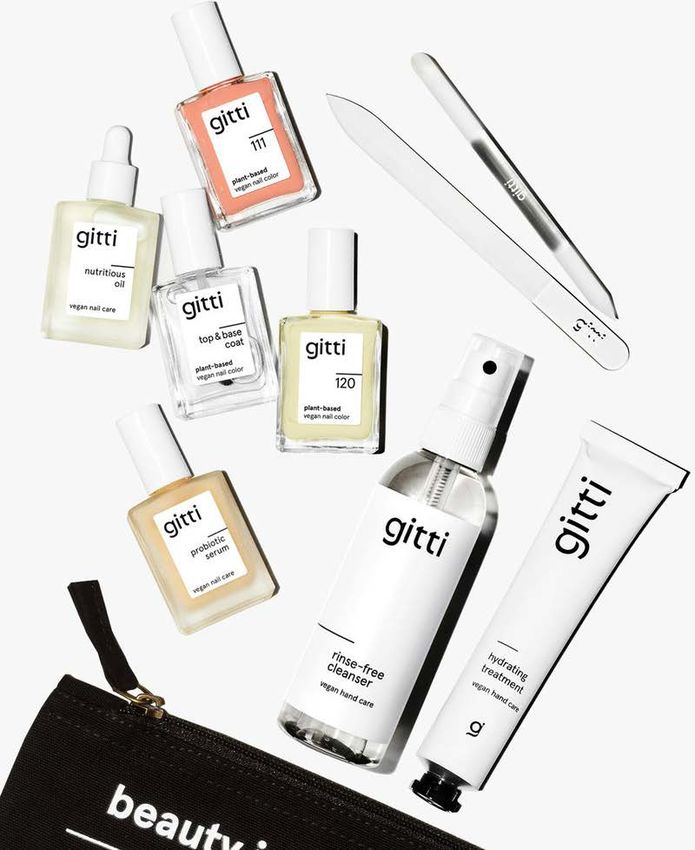
\Europe's ecommerce boom   9

                           Chapter I
\Europe's ecommerce boom

                           Going it alone:
                           A look at the DTC
                           startups rising
                           in Europe
                           There’s never been a better time to be selling your
                           wares on the web — but the cost of deliveries,
                           freight and the challenge of designing a sleek
                           platform make the path far
                           from straightforward
10 Reports
E
ven before the virus came and pushed brands
more heavily online, investors were paying
increasing attention to online-only sellers.
Venture capital investment in European
consumer startups hit €16.6bn in 2019, up from €4.4bn
in 2014.
However, the pandemic, and the way it has forced
people to shop online, has made DTC initiatives even
more viable. Data from The Direct Selling Association
UK found that its member companies had seen average
sales grow by 45.5% through direct channels in 2020.
In 2020 several European DTC startups became $1bn+
brands, including meal kit company Gousto and fitness
business Gymshark.
It’s been an unpredictable time to run a web shop but many
companies have made a good fist of it. Germany’s air up,
which creates and sells drinks products including water
flavourings — like wild berry and coffee — with 0% sugars
and additives, ticks the usual DTC boxes. The brand boasts
an attractive Instagram presence and a sleek ecommerce
platform. “We grew substantially last year,” says cofounder
Lena Jüngst, with the company’s headcount rising from
Image: air up
30 to 160. “We’ve been expanding into France, Belgium,
Switzerland and the UK. We made €20 million in sales; for
us that was crazy. This year, we already made €20 million in
sales in our first four months,” she adds. The DTC model has several perceived advantages
for sellers: higher margins, closer relationships with
customers and a life free of middlemen (downsides
Europe's DTC startups saw include the cost and complexity of handling deliveries
and payments). Owning the relationship with the
rapid growth in 2020 consumer is a key part of DTC life.
2020's fastest growing DTC startups by headcount increase
Healthtech Beauty Food Fintech “Our ecommerce business has grown a lot. We had
Source: Sifted, Dealroom a number of launches that went exceptionally well,”
says Freddy Furber, founder and managing director of
UK-based beauty care company Ellipsis Brands, which
makes products such as Lunar, Q+A, Percy Nobleman
and Dr Craft.
The company has opened new distribution centres in
the US and Australia and is working on one in Europe
to mitigate Brexit delivery headaches. “Without
ecommerce, I wouldn’t be doing what I’m doing. I started
my business as one man, one laptop. Now I sell to
thousands around the world; the barriers of entry are
getting lower all the time,” Furber adds.\Europe's ecommerce boom 11
ECOMMERCE OPERATING LIKE A CLUB Meanwhile, ecommerce’s ‘back end’ — logistics,
shipping and fulfilment — has also experienced a
London-based Beauty Pie exists as a DTC membership big jump in demand. “We have successfully acquired
service. Customers pay monthly fees that then go bigger and bigger merchants and our headcount
toward buying products at prices much closer to doubled during the pandemic,” says Tomek Kasperski
manufacturing costs. The retailer — which sells a range of Warsaw-based fulfilment company Omnipack. Now
of products from makeup to haircare — has boosted its the company is plotting expansion into Germany, Austria
membership rates by over 300% since the pandemic and Switzerland. “Many businesses had to move their
began, according to the company’s founder Marcia fulfilment to central Europe after Brexit. That helped us.
Kilgore. One of the company’s new hires this year was Remote work is helping us, too — you can talk to a Polish
Panni Morshedi, previously of fintech company Funding partner or a Dutch partner online now. The physical
Circle, who says she was won over by Beauty Pie’s element is not as relevant as it once was,” he says.
mission to ‘democratise access to luxury products’. “It
works like a club, the more members you have, the
“ Ecommerce’s ‘back end’
lower the prices you charge,” she explains.
COO Morshedi says the company’s products — logistics, shipping and
helped get some people through lockdowns. “I
never realised what an emotional connection people
fulfilment — has also
had to these products. People tell me, ‘I get this pink experienced a big jump in
box, and I feel nice for a moment – I felt human again.’” In
September, the company announced that it had raised demand.”
over £70 million for expansion.
“We’re a sleep company but we never rest,” says Dennis GROWING PAINS
Schmoltzi, cofounder and CEO of Emma – The Sleep
Company, the online mattress seller, which has the UK Like other DTCs, Ellipsis Brands was not spared the
as its largest online market. “During lockdowns people early pandemic supply chain chaos. Even today, keeping
shifted spending to their homes. Almost every second sufficient inventory remains a big challenge. “There’s a
mattress is bought online in the UK; in other markets global cardboard shortage which of course has all to do
it’s still only around 10%,” he adds. The company offers with ecommerce going berserk. Recycling plants can’t
customers a type of credit that has soared in popularity: cope. Our cardboard supplier can’t cope; they went
buy now and pay later. Installment paying — traditionally from a three-week to three-month lead time overnight,”
used for big-ticket purchases like cars, furniture and says Furber. The Ellipsis boss is also seeing a surge in
electronics — is an option increasingly being adopted by demand for retail space, as the world opens back up.
smaller retailers. “You can’t get anything for love or money right now.”
Beauty Pie faced “so many operational challenges''
during the pandemic, adds Morshedi. “We ran out
of inventory in the dark days – we had to slow down
growth. Right now, there’s a global shortage of pumps
— they’re being used for antibacterial products. There’s
still the Suez Canal disruption. And doubling your
business on [video conference site] Zoom by the way is
very hard.”
Some brands question whether they can survive as an
Image: Emma online-only operation, with delivery costs a huge barrier
to going direct for many. Bigger retail companies report12 Reports
that the direct strategy is invaluable for gathering data Germany’s air up currently works a lot with influencers,
on who your online shoppers are and also how they who bring readymade audiences to the company. “We
behave, but it’s not a money spinner to the scale of advertise all over the different social media platforms.
traditional retail channels. The combination is quite successful. We didn’t want to
depend on one channel,” says Jüngst.
“Competition has also increased in the [DTC] sector
“
which has led to higher costs to acquire and retain
customers. As a response to this we see more The power dynamic in retail is
innovation in marketing and in business models,”
says Northzone’s Schultz.
changing in favour of creators
and influencers.”
Some executives say they have no ambition to replace
Pontus Karlsson, cofounder and chief executive of Off Script
bricks-and-mortar businesses on a substantial scale.
Others feel they can continue mainly online, but with in-
person involvement in ‘pop up’ shops on high streets. In Stockholm, startup Off Script is helping influencers
build their own online shop in minutes, out of a
Emma mattresses can be found offline in more than virtual inventory of DTC brands. Pontus Karlsson, the
3k retail stores. “I don’t believe the future of our cofounder and chief executive, wants to help turn
industry is all digital — you’ll test something offline, buy people into brands. “The power dynamic in retail is
online,” says Schmoltzi. “Our smart beds are easier to changing in favour of creators and influencers,” he says.
understand if a customer gets to experience them in a Over 200 brands and a few 100 influencers have signed
store. It’s also about older people — they usually want to up to Off Script so far, with the biggest creators on the
see things offline first before purchasing.” site having 10k followers and generating €3k in revenue
per month on average.
THE FUTURE Karlsson predicts customers will soon be buying from
brands that share the last name of their favourite
The quest to dominate tomorrow’s retail environment influencer. “The creator economy is the future of
has a strong footprint in social media. In a landscape ecommerce. It’s happening already,” he says. “The new
where customer attention is the scarcest resource, generation do not want to go to a department store.
DTC brands are now seeing the need to expand their They want to swipe up or swipe down.” According to
marketing beyond Facebook and Google. survey data from Checkout.com, 63% of European
consumers hope to shop more frequently directly within
Celebrities like Kylie Jenner can leverage their pre- social media apps.
existing audiences on Instagram or Snapchat into
billion-dollar ecommerce businesses seemingly
overnight. While TikTok, which recently allowed its users
to shop directly in the app for the first time, has become
a key source of beauty information for GenZ.
Scores of skin-care influencers have emerged who
can make-or-break sales for brands. Selling goods via
influencer streams — what is being called livestream
ecommerce — is already a huge phenomenon in
China, pulling in over $100bn in estimated sales last
year. “Currently few brands do it successfully at scale
in Europe, but we expect the market to mature,” says
Northzone’s Schultz. Image: Off Script team\Europe's ecommerce boom 13
GROWING THE PAYMENT POOL
While brands dip their toes into these new influencer
streams, executives continue to obsess over the bread-
and-butter of conversion — getting customers through
checkout. As many as seven out of 10 customers
currently abandon their online checkout because of
complicated login processes, or inadequate payment
options. This problem is worse on mobile, notes Tom
Lambert, a partner at LocalGlobe, an early stage
investment firm in London.
Image: Klarna
Sellers are spreading their bets by growing their pool
of payment options. “We offer a wide range adapted to
each local market, to make the purchase process as
In fact, a statement on where social shopping in Europe convenient as possible,” says Jennifer Baum-Minkus,
is going came from Klarna this summer when the cofounder of German beauty company gitti.
Swedish payments firm acquired influencer marketing
software firm APPRL. Klarna, which allows shoppers
“ Sellers are spreading their
to buy online through its merchant partners and
settle their dues in instalments via a ‘buy now, pay
later’ process, said 28% of the US population were bets by growing their pool of
expected to shop across social channels by 2022.
payment options.”
In July the company also bought HERO, a social
shopping platform designed to provide consumers
with inspiration, advice and immediately ‘shoppable’ Getting the web shop right and ensuring it can host
content produced directly from retailers’ physical multiple payment options “took us a long time,” air up’s
stores. “People have been looking to social channels for Jüngst says. “We want to keep the hurdle for buying
shopping opportunities for quite some time,” says AJ our product as low as possible. It’s not low hanging
Coyne, Klarna’s head of UK marketing. “The tech is finally fruit; it’s something that needs all of our attention,”
catching up.” she adds.
Social commerce revenue is set to Conversion rates are one of
increase 7x by 2028 DTC startups' biggest headaches
Global projected social commerce revenue (€bn), 2020-2028 Conversion rates per device in the UK (2020)
Source: Grandview Research Source: Kibo Commerce14 Reports
European startups are now appearing that have the goal
of helping sellers with the technical complexities that
go with processing payments. Companies like Primer,
PayDock, Stripe, Checkout.com, Spreedly and Apexx
have created software to take on some of the heavy-
lifting on behalf of merchants, consolidating various
payment methods into a single API.
“ Covid is acting as a big
accelerant towards e-wallet
adoption in the West.” Image: Beauty Pie
The growth in e-wallet usage, particularly in Asia, has
been remarkable in recent years. Without significant commerce we can do — the whip round, for example. In
legacy card infrastructure or consumer bank account a remote world, we can’t collect payments from people
penetration, they’ve effectively skipped card payments as easily as before. What if we built features to let friends
altogether and moved straight onto using mobile buy goods together,” Mifsud says.
payments and e-wallets online, says LocalGlobe’s
Lambert. Now, Covid is acting as a big accelerant Many ecommerce analysts and startups look to
towards e-wallet adoption in the West. Survey research China for a sense of the future. Chinese ecommerce
by Checkout.com found that 50% of European giant Pinduoduo was built on group purchases. The
consumers used a digital wallet such as Apple Pay or company offered low prices to “teams” of online buyers,
Google Pay at least once in 2020 and 80% say they plan encouraging consumers to recruit friends and family to
to use one in the next 12 months. By 2023, e-wallets are buy together in bulk at cheaper prices than they would
expected to become the most popular online payment normally pay when buying individually.
method in the UK, accounting for 33% of the market,
according to Fidelity National Information Services.
A ROSY FUTURE?
GROWING DIGITAL OPPORTUNITIES One key question is whether customers venture back
onto the high street or continue to shop mostly online
Brands are also exploring embedded banking features, after the pandemic. Many believe it’s going to be a bit of
which allow businesses to have their own software to both.
perform financial operations. “Lockdowns made physical
businesses suddenly start to think deeply about pure “We see a hybrid model where people want to keep the
digital experiences,” says Alex Mifsud, cofounder and convenience of online shopping. People want the online
chief executive of London-based fintech Weavr. service, the prices — so you don’t need to have the cost
of retail space everywhere,” says Beauty Pie’s Morshedi.
Yoga sessions went online. Ordering at a restaurant saw
the second coming of QR codes. Chefs created playlists Sarah Clark, head of the UK office of capital provider
and videos to complement the food they delivered Clearco, which calls itself the world’s largest ecommerce
to customers. “It’s quite extraordinary what has been investor, predicts a surge in pop-up shops with landlords
unleashed,” Mifsud says. desperate to get people back renting their stores. “If
you’re DTC, you have to go where the consumers are —
Group payment is another shopping frontier. “These merchants are increasingly becoming sophisticated at
are obvious financial services that would accelerate the leveraging a number of platforms,” she says.\Europe's ecommerce boom 15
“
buying from international retailers creating barriers for
You spend so much time consumers shopping abroad. “Joint delivery is a big area
looking at screens, I just for disruption,” says Kasperski.“The question is how you
make it accessible to the small guys. Returns are still
want to get out and see the not solved across Europe. If you don’t like something
shops.” but you bought it [abroad] from Finland for example,
how are you going to return it easily? I think there will be
Freddy Furber, founder and managing director of Ellipsis Brands innovation around that,” he adds.
Ellipsis Brands’ Furber says that he personally wants At the same time, customer awareness regarding
to shop less online. “You spend so much time looking ecommerce’s growing carbon footprint is another
at screens, I just want to get out and see the shops,” aspect that is hugely impacting the sector, says
he says, predicting that the market will become more Northzone’s Schultz. “DTC brands are reassessing the
punishing for ecommerce ventures, with the giant tech manufacturing processes, materials and deliveries.
companies going deeper on shopping. There is also innovation taking place around the
aftermarket with several DTC brands starting circular
“Google will up its game,” he says, adding that the marketplaces,” she adds.
dominance of a few ecommerce sites could threaten
“
other merchants. “Entrepreneurs know you need to
spread your bets. Instagram could do something in Returns are still not solved
the future with its algorithm and disrupt influencers.
The platforms are all very enabling for entrepreneurs
across Europe. If you don’t
but also you want to be in charge of your own destiny.” like something but you bought
Deliveries, meanwhile, will continue to evolve, predicts it [abroad] from Finland for
Omnipack’s Kasperski, with challenges remaining over
example, how are you going
to return it easily?”
Tomek Kasperski, chief executive of Omnipack
More than anything, however, brands will have to
keep ensuring they have a unique offering. In the busy
world of mattress buying, for example, “If I look at the
next 10 years, there’s so much we can do to improve
peoples’ sleep,” says Schmoltzi. “We haven’t seen any
true innovation in the past decade beyond [mattress]
materials when someone came up with memory foam
in the 80s. We are [now] thinking about smart wakeup
functions and heating and cooling users. Snoring is
something we could do something on too,” he adds.
The company is also thinking about giving customers
access to sleep experts via its website but it is generally
wary about the need to hop on every passing trend. “We
see tonnes of ideas every day. We have to decide which
ones to pursue and which ones to drop. The time needs
Image: Emma founders to be right for some ideas. Choose your battlegrounds
wisely,” Schmoltzi adds.16 Reports
\Europe's ecommerce boom
Chapter II
Aggregators,
and the art of
piggybacking
off of Amazon
A growing ecosystem of cash-rich companies are acquiring
successful, private-label brands and consolidating them under
one roof\Europe's ecommerce boom 17
M
id-way through 2020, Amazon seller
David Stephen started getting phone
Amazon's third-party sales are
calls from companies interested in buying outpacing its first-party sales both in
his gardening tools brand Davaon. “It
wasn’t on my radar to sell, although there’s always the
terms of total revenue and YoY growth
hope,” he says, adding: “I thought it would have been Amazon estimated global gross merchandise volume (€bn)
a good couple of years down the line before we’d be First-party sales Third-party sales
approached. It was a nice surprise that people were Source: Marketplace Pulse
interested.”
Stephen, who would eventually sign a deal with the
UK-based aggregator Heroes, set up his business
after wanting to spend more time at home with his
family. Within five years the fulfilled-by-Amazon (FBA)
company was forecasted to turn over £2m annually,
boosted by a rise in interest in gardening during the
Covid lockdown. “It was good timing as well,” he adds
about the deal. “We were looking at what we’d need to
do this year to cope with demand. We would have had
to look for our own office, warehouse, possibly hire
some employees and that’s not really what we wanted
to do.”
array of products with lasting appeal in categories such
as home and garden, pet and baby, sport and health
MODERN-DAY COMMERCE (most avoid the faster moving fashion and consumer
technology sectors).
As Amazon grows, there’s a growing ecosystem of cash-
rich aggregator companies in Europe looking to acquire There are now more than 60 aggregators worldwide
successful, private-label FBA brands and consolidate (including an estimated 23 in Europe), many of which
them under one roof. Third-party sellers generated launched over the past few years. One of the stand-outs,
$295bn worth of product sales on the US platform last Thrasio, is said to be the fastest US startup to reach
year, with two thirds of them using the FBA platform profitable unicorn status and is now eyeing an IPO in
(whereby Amazon holds the stock and organises 2022, having only been founded in 2018.
delivery when an order comes in).
Pierre Poignant is a Paris-based ecommerce veteran,
fresh from the $3bn sale of Asian marketplace
“ In 2021, there was a flood
of VC cash for the European
aggregators.”
Lazada, which he cofounded in 2012. He is now at
the helm of Branded Group, which raised $150m
in equity funding in 2020 and has already acquired
more than 25 home and leisure brands across Europe
and the US. “Ultimately this trend is about how to
professionalise a marketplace,” Poignant says. “Where
It’s a model that has piqued the interest of the venture [aggregators] bring value is providing technology,
capital world, which staked $1bn on aggregators in capital, professional services and mentorship to
2020 alone. In 2021, there was a flood of VC cash for entrepreneurs. We take all the different, very minute
the European aggregators – Heroes raised $200m, activities of running a business and we automate or
Olsam $165m, and Berlin Brands Group closed a $700m scale them. There’s an opportunity to create a new kind
round, to name a few. These companies aim to become of consumer goods company – online, multiplatform
the new digital Unilevers, or P&Gs, by focusing on an and global from Day One.”18 Reports
Like Stephen at Davaon, many entrepreneurs don’t One of the investors backing this market is Cesare
have the knowhow, money or appetite to take their FBA Maifredi, general partner of 360 Capital, which co-led
brand to the next level, Riccardo Bruni, cofounder of Heroes’ $65m funding round in 2020. Based in Milan,
Heroes, says. “Think about operating multiple supply Maifredi first became aware of the aggregator space last
chains, different currencies, tax, finance, legal, corporate summer, and says it represents an exciting opportunity
governance. All of these things are extremely difficult for investors. “This is a highly fragmented market
and not to be underestimated,” he adds. and not professionalised so you can create value,” he
suggests. The sellers are also already profitable, which
From an aggregator’s point of view, the upside opens up the debt market as well as opportunities for
is there are no question marks around product- equity investment. “Basically if you do it right, you can
market fit. “We’re not looking at what may or may tap into an almost unlimited amount of money to grow.”
not work but what’s currently working. That’s
“
validated by the millions in revenue [generated
by these sellers], their 20-30% profit margin, and Basically if you do it right,
thousands of reviews and 4.8-star ratings,” Bruni
explains. you can tap into an almost
unlimited amount of money
SCALING BEYOND A SOLE FOUNDER’S to grow.”
CAPABILITIES Cesare Maifredi, general partner of 360 Capital
There are typically four ways an aggregator will grow
a brand once the deal is done: they will improve Filip Dames, founding partner of Cherry Ventures in
operational efficiencies by reducing ‘out of stocks’, Berlin, agrees. “This is a very interesting way to build
improving content such as photography and product brands, because you’re doing it based on existing
descriptions, pay-per-click advertising and customer revenue. You can reinvest that to build out the brand
service; invest in geographic expansion onto other further and create something that lives [on its own].”
marketplaces (typically across Europe via its pan-
European fulfillment programme and into the US);
launch new product variations; and pursue channel PLANS FOR NEW RIVAL WEBSITES
expansion onto new marketplaces (such as ManoMano
in France or Ozon in Russia) or even offline retail Cherry Ventures recently participated in a €100m funding
stores. Berlin Brands Group, for example, sells its round for German aggregator SellerX. The company has
3,700 products through 100 different channels, across acquired more than 30 brands since its launch in August
28 countries. 2020, and has built a team of 250 people.
Because they can build a diversified portfolio, Cofounder Philipp Triebel says while Amazon is a
aggregators can also take advantage of economies springboard, there are difficulties building real brands
of scale and combat peaks in seasonality, Bruni says. on the platform. Customers tend to be review oriented
“You don’t buy just one baby brand but seven. That’s and product led – searching for something they need,
when you can start extracting synergies, leverage rather than paying attention to the brand behind it. Plus,
your power over suppliers, build customer insights Amazon will always own the customers on its site. “A big
and incentives, and create the ability to cross sell and challenge for building brands is owning the customer,
upsell.” telling a brand story and building trust,” he says.
“Amazon shares very limited aggregated information…
Aggregators can also use technology to adjust pricing, you don’t have customers’ email addresses, and there’s
automate marketing campaigns and keep an eye on very limited space on [the site] to tell a story,” he adds.
competitors. “Without technology, you would very SellerX’s aim is to eventually launch its own websites to
quickly fall behind,” says Bruni. sell directly to consumers via trade retail channels.\Europe's ecommerce boom 19
the Netherlands, although they also sell internationally
European aggregators catching up — has also meant they work with brands that are not
to US competitors in their funding dependent on Amazon’s distribution channels (known as
volumes fulfilled-by-merchant or FBM brands). The move placed
them in good stead in 2020 when Amazon placed stock
Europe's biggest aggregator startups by total funding (€m) limitations on its sellers to preserve warehouse space.
US EU “Those inventory limits can be a pain for you to grow
Source: Dealroom your company, so you need to have alternatives and you
don’t want to be dependent,” Beenakker says. In August
2021, Dwarfs secured €30m in debt financing to further
expand its business.
Yaba has similarly found success in southern Europe,
targeting sellers in France, Italy and Spain. “We really
liked this model and the idea of generating a playbook
that is very replicable and scalable,” Alejandro Fresneda,
Yaba’s cofounder and co-chief executive, says.
Yaba has just acquired its seventh brand and expects
to close this year with revenues in excess of €20m. And
That strategy also provides protection if Amazon was while Amazon’s presence in southern Europe is less
to ever change its terms of service around whether mature, it’s a fast-growing market, with more than 2k
aggregators can operate on the platform. Most think sellers that already fit Yaba’s criteria, Fresneda says.
that’s unlikely. Sam Hörbye, cofounder of aggregator Amazon’s Spanish marketplace reported its highest-
Olsam, used to lead Amazon UK’s marketplace team. He ever revenue in 2020 ($6.4bn).
says that there are upsides for the ecommerce platform,
too, in supporting the evolution of the aggregator market. Fresneda also highlights a key benefit of focusing
“Internally they’ve been a bit caught off guard by this and efforts on the local area. “I would say 90% of the time
initially didn’t really know what was going on… [but] they sellers are surprised to be contacted — they don’t know
like that aggregators are professionalising the space,” about this model. Others have already had a call from
he says. Meanwhile, in the US Amazon has publicly someone in Germany, the UK, the US, but they’re not
acknowledged that a new trend is underway but says it used to the aggressive approach. We are on the ground,
still expects the majority of sellers to remain independent. we can go to visit them, have founder-to-founder
conversations and build an empathic relationship.”
LEVERAGING LOCAL EXPERTISE
It’s no surprise to see large European countries like the
United Kingdom and Germany dominate in terms of the
number of aggregators in this space. But others are
getting in on the act too, applying the same principles to
local conditions. In the Netherlands, Demian Beenakker,
founder and chief executive of Dwarfs, is already
exploring other local marketplaces, such as Bol.com.
Three quarters of Dutch shoppers visit Bol.com every
month, versus one in five who visit Amazon.
Dwarfs’ approach of focusing on local sellers — 80% of Image: Dwarfs team
its acquisitions are done with sellers that are active in20 Reports
MATURING MARKET brands we bought was from a retired policeman and he
couldn’t believe we wanted to buy his company.”
In Finland, the team behind eBrands are differentiating
themselves by focusing on activity and wellness brands. Hörbye thinks this will change, as well as aggregators
“We try to think about finding synergies between the starting to specialise in niches, and others going bust.
brands we buy,” says cofounder and chief executive “We’ve seen some brands decelerate at sometimes triple
Robin Bade. “This gives us benefits in building the digits after Covid-19. It’s a hard M&A climate right now.”
branding team – we don’t need to have specialists in car Freight costs are also hitting margins hard, with container
parts and sexual wellness products and everything in prices up to four or five times higher than a year ago.
between,” he adds.
“
“We really view eBrands as a consumer brand
company, rather than an aggregator,” Bade says. “I Sellers don’t know how to
believe this market will mature to a point where we’re
not going to talk about aggregators anymore. These
sell their businesses. One of
businesses will become real e-commerce brands. the first brands we bought
That will be interesting to see because at the moment,
[the conversation] sometimes feels like it’s more about was from a retired policeman
money than brands,” he adds.
and he couldn’t believe we
This maturation is likely to be accompanied by some wanted to buy his company.”
consolidation in the space. Yael Cabilly and Michal
Sam Hörbye, cofounder of Olsam
Baumwald Oron, cofounders of Fortunet, which
specialises in bringing investment banking services
to the space, say they’ve already seen aggregators
up for sale. Even so, it’s a business model they believe Danny McMillan, host of the podcast Seller Sessions,
has fundamentally changed the ecommerce market predicts the next 18 months will be key. “That’s when
for the long term. “The deals are closing very fast, the market will settle down a bit. But we’re going to get
within 45 days or two months – if you compare that to to a stage where sellers are going to become more
other industries, it’s outstanding,” Cabilly says. “It’s a sophisticated in understanding this, and will see their
real opportunity for sellers to take advantage of this businesses as an asset they can sell.”
situation. The size of transactions are probably five
times what we had last year.” Amid the competitive nature of the aggregator market,
he also expects to see aggregator companies offering
seed money to kickstart the business of sellers who
“ The size of transactions are
probably five times what we
had last year.”
go again after a buyout. “So someone like Thrasio
might say: ‘Instead of us coming to buy your business
in two years time, we’ll give you $100k now to get the
ball rolling, and we’ll work out a deal to give you a fixed
outcome at the other end’. They’ll want to create a pre-
Yael Cabilly, cofounder of Fortunet deal flow.”
One thing is for sure, Yaba’s Fresneda adds, this isn’t a
HARD M&A CLIMATE winner-takes-all industry. “We’re talking about a huge
shift from offline retail to online retail. This is an industry
Despite the recent growth, Hörbye from Olsam says of hundreds of billions of dollars, even thousands of
the market is still very underdeveloped in the UK and billions — it’s huge and it will become even larger. One
Europe, compared to the United States. “Sellers don’t aggregator cannot acquire all of these sellers. There is
know how to sell their businesses. One of the first space for at least 15 Thrasios over a number of years.”\Europe's ecommerce boom 21
Chapter III
\Europe's ecommerce boom
Defending their
home turf: online
marketplaces
More and more of Europe’s
marketplaces are becoming
household names. How have
they managed to outfox the big
players?22 Reports
T
here isn’t a single-destination marketplace cap of around £4.65bn, counts more than 3m buyers
in Europe. Several major European countries on its platform. “After the pandemic, the future of work
have their own marketplaces that receive is already the present. We’re well positioned to be at
significant traffic — the likes of Otto and Real the forefront of this revolution,” says Fiverr’s chief
in Germany, CDiscount in France, Bol in the Netherlands marketing officer Gali Arnon. “The world of working with
and Allegro in Poland. Sites like Vestiaire Collective and freelancers is a bit like where ecommerce was 20 years
Vinted, meanwhile, have become fixtures in the lives of ago. It’s just starting up,” she adds.
many Europeans.
Meanwhile, some online marketplaces in Europe are
Joining a marketplace exposes sellers to larger amounts finding a sustainability groove.
of passing traffic and helps them compete with more
established ecommerce players. The competition
is good news for customers. As the marketplace THE ‘PRE-LOVED’ MARKETS
landscape becomes busier, not only will there be a
downward pressure on price but there will also be a push A major trend shaping the European marketplace
for better delivery, returns, and user experience. landscape is the rise of the secondhand — or ‘pre-loved’
— market. With sustainability becoming a consumer
A number of sellers have already added some sort of driver, especially among younger GenZ shoppers,
marketplace functionality to what they offer. UK-based there has been an uptick in marketplaces specialising
fashion site Asos, for example, runs its own marketplace, in secondhand sales. “Europe and the US have been at
selling not only its own clothing but other popular the forefront of the rise in these markets,” says Luca
brands. Similarly, French supermarket chain Carrefour Bocchio, a partner at investor group Accel.
has created a grocery marketplace.
With the world still working remotely, there’s
never been a more pertinent time for the
services of Israel’s Fiverr, the marketplace that
allows companies to buy services from a pool of
“ A major trend shaping the
European marketplace
landscape is the rise of
freelancers. The company, which has a current market
the secondhand — or ‘pre-
loved’ — market.”
Clara Chappaz, chief business officer at Vestiaire
Collective, a French resale platform for luxury fashion,
says that consumers today are hyper aware of
sustainability and the circular movement, “whereas a few
years ago value was their first motivation.”
Browsing on Vestiaire became routine for millions of
people during the pandemic. The company was able to
post record growth, experiencing an increase of more
than 100% in orders in 2020, in a year when the fashion
industry as a whole experienced a 93% drop in profits,
according to data from consultancy McKinsey.
In fact, secondhand clothes shopping has flourished
Image: Vinted over the course of the pandemic. In May, Lithuanian
fashion unicorn Vinted raised €250m, at a pre-money\Europe's ecommerce boom 23
Secondhand fashion could make up as much as 27% of closet share by 2023
Wardrobe composition by channel for secondhand customers
Source: BCG
1% Subscription 3% Online outlets 13% Brand stores online 10% Offline multibrand retail
21% Secondhand 5% Marketplaces 17% Rental 13% Online multibrand retail 4% Outlets offline 14% Brand stores offline
2020
2023
▲ 27% Secondhand = 5% Marketplaces = 17% Rental ▼ 11% Online multibrand retail = 4% Outlets offline ▼ 12% Brand stores offline
= 1% Subscription ▼ 2% Online outlets = 13% Brand stores online ▼ 8% Offline multibrand retail
valuation of €3.5bn. Europe’s largest online consumer- secondhand goods post-pandemic than pre-pandemic,
to-consumer platform, Vinted claims to have more he says. “Sustainability is becoming quite a driver
than 45m global members, and around 300m items — 70% of our customers are saying it’s important.”
listed on its platforms. None of this is likely to be a Wallapop has “put a lot of work into making secondhand
temporary pandemic trend either. Secondhand clothing sales cool, smart and fun,” he adds. The company now
is projected to make up 27% of consumers' wardrobes counts over 15m users — about half of Spain’s internet
by 2023, up from 21% in 2020, according to the Boston population.
Consulting Group.
At the same time, the pandemic was a good excuse for
Wallapop to improve its online presence. “The pieces
MAKING SECONDHAND ‘COOL, SMART that changed the game for us were adding new payment
AND FUN’ features and a shipping solution,” says Cassedy. “The
hardest part for us is how do we bring these different
This increase in sales of secondhand items doesn’t just experiences together in a unified platform. We’ve
touch the apparel market, it is increasingly seen in many invested a lot in simplicity; people want things to be
other verticals, including electronics and furniture. easy. They want the
hard part to be on our
“We help people turn things they don’t need into money side, not on their side.”
and in doing so help keep things out of the trash,” says
Rob Cassedy, chief executive of Wallapop, a Spanish Cassedy takes pride
marketplace that sells clothes, electronics, accessories in Wallapop being
and crafts. “in some ways the
anti-Amazon. We
When the pandemic hit last year, Wallapop saw a see ourselves as a
substantial drop in demand, followed by a bounce marketplace for unique
back to record levels. "It’s been a really strong year. goods; a place for
Before, Spain was a laggard in ecommerce but people entrepreneurs with
have gotten a lot more used to shopping online,” says artisanal products. You
Cassedy. “Now we are one of the fastest growing want something unique,
ecommerce markets in the world,” he adds. then come to Wallapop.
Personally, I use it to
Cassedy says that customer mindsets are shifting more shop for rare records,”
to sustainability — a third of people are buying more he says.
Image: WallapopYou can also read


